Get 50% OFF All Premium 3D & STL Models!

The automotive industry stands at a pivotal crossroads, with digital transformation accelerating at an unprecedented pace. Traditional marketing approaches, while still valuable, are increasingly giving way to immersive, interactive experiences that captivate potential buyers and communicate product value in compelling new ways. Enter Unreal Engine – a powerhouse real-time 3D creation tool that is revolutionizing how car manufacturers, designers, and marketers engage with their audience.
From stunning high-fidelity configurators to cinematic virtual showrooms and cutting-edge AR/VR demonstrations, Unreal Engine empowers professionals to build photorealistic, dynamic experiences that were once confined to the realm of pre-rendered animations. This isn’t just about pretty pictures; it’s about providing an emotional connection, allowing users to explore every detail of a vehicle as if it were right in front of them, customize it to their liking, and even “drive” it virtually. This comprehensive guide will delve into the technical depths of leveraging Unreal Engine for automotive marketing, outlining workflows, optimization strategies, and advanced features to create truly unforgettable interactive experiences. We’ll explore everything from project setup and material creation to advanced physics and virtual production, equipping you with the knowledge to drive innovation in automotive visualization.
Building a high-fidelity automotive visualization project in Unreal Engine begins with meticulous project setup and efficient asset integration. The decisions made at this initial stage will profoundly impact performance, visual quality, and the overall development workflow. A well-organized project structure, coupled with optimized asset pipelines, ensures scalability and maintainability, crucial for complex automotive applications. Understanding the various import options and their implications for model fidelity and runtime performance is paramount.
For automotive visualization, starting with the correct Unreal Engine template is key. The “Blank” or “Film, Television, and Live Events” template often provides a clean slate or relevant plugins activated for high-end rendering. Essential plugins to enable immediately include **Datasmith** (for CAD data import), **USD (Universal Scene Description)** for robust interoperability, **Lumen** (if not already active, for dynamic global illumination), and **Nanite** (for virtualized geometry). Project settings should be tuned for quality over raw performance initially, especially for marketing showcases. Navigate to `Project Settings > Rendering` and ensure **Hardware Ray Tracing** is enabled if targeting high-end systems, and adjust **Global Illumination** and **Reflections** to Lumen for the most dynamic and realistic lighting. For a pristine visual canvas, ensure **Temporal Anti-Aliasing (TAA)** is set up correctly, and consider enabling **Motion Blur** with careful tuning for cinematic sequences. The official Unreal Engine documentation provides excellent guidance on these settings, which can be found at https://dev.epicgames.com/community/unreal-engine/learning.
Sourcing high-quality 3D car models is a cornerstone of automotive visualization. Marketplaces such as 88cars3d.com offer meticulously crafted models, often pre-optimized for real-time engines. When importing these assets, Datasmith is typically the preferred method for CAD or DCC (Digital Content Creation) software files (like FBX, glTF, or native CAD formats such as SolidWorks, CATIA). Datasmith intelligently processes geometry, hierarchies, materials, and metadata, streamlining the import process significantly. For models sourced from platforms like 88cars3d.com, which are often provided in formats like FBX or USD, direct import via `File > Import Into Level` or drag-and-drop into the Content Browser is effective.
Upon import, several optimization steps are critical:
* **Scale and Pivot:** Verify the model’s scale matches Unreal Engine’s units (centimeters by default) and ensure its pivot point is correctly centered at the vehicle’s base for easy manipulation.
* **Collision Complexity:** For interactive experiences, simplify collision meshes. Auto-generated complex collisions can be performance heavy. Custom simplified collision meshes or using basic primitives (boxes, spheres) where appropriate are highly recommended.
* **Lightmap UVs:** Unless exclusively using Lumen, proper Lightmap UVs are essential for baked static lighting. Many high-quality models, including those from 88cars3d.com, come with pre-existing, clean UV channels. If not, generate them within Unreal Engine or your 3D software, ensuring no overlapping UVs.
* **Mesh Merging:** For static components, consider merging smaller meshes into larger ones to reduce draw calls, improving rendering performance. However, maintain separation for parts requiring individual interactivity (e.g., doors, wheels, interior elements).
The illusion of reality in automotive visualization hinges on two critical elements: physically based rendering (PBR) materials and sophisticated lighting. Together, they dictate how light interacts with surfaces, creating the reflections, refractions, and diffuse properties that make a virtual vehicle indistinguishable from its real-world counterpart. Mastering these aspects within Unreal Engine’s powerful Material Editor and lighting systems is fundamental.
PBR materials are the bedrock of modern real-time rendering, accurately simulating how light behaves with different surfaces. In Unreal Engine’s Material Editor, the core PBR workflow revolves around several key inputs:
* **Base Color (Albedo):** Represents the diffuse color of the surface, free from lighting information. For car paint, this would be the primary color.
* **Metallic:** A grayscale value (0 to 1) indicating how metallic a surface is. Car paint often has metallic flakes, making this a crucial input. Chrome and bare metals are typically 1.
* **Roughness:** A grayscale value (0 to 1) describing the microscopic surface irregularities. A value of 0 is perfectly smooth (mirror-like), while 1 is completely rough (matte). Car paint requires very low roughness for its glossy finish, while tires would have high roughness.
* **Normal:** A texture that provides surface detail without adding geometry, faking bumps and grooves. Essential for subtle paint imperfections, tire tread, or leather grain.
* **Ambient Occlusion (AO):** A grayscale map that darkens creases and crevices where light struggles to reach, enhancing depth and realism.
For complex automotive materials like multi-layer car paint, standard PBR inputs might not be enough. Unreal Engine allows for advanced material graphs that simulate clear coat layers, flake normal maps, and iridescence. Creating **Material Instances** from a master material is a best practice. This allows artists to quickly iterate on color, roughness, and other parameters without recompiling the shader, significantly speeding up design variations for configurators. For instance, a single car paint master material can be instanced multiple times, each instance assigned a unique base color parameter, allowing for dozens of paint options with minimal overhead.
Unreal Engine’s **Lumen** global illumination system is a game-changer for automotive visualization. Lumen provides fully dynamic indirect lighting and reflections, eliminating the need for pre-baked lightmaps and enabling incredible flexibility for changing time-of-day, environments, or vehicle colors in real-time. Paired with **Screen Space Global Illumination (SSGI)** and **Hardware Ray Tracing** for enhanced reflections and shadows, Lumen delivers unparalleled visual fidelity. For optimal results with Lumen, ensure your environment meshes are watertight, as leaks can cause visual artifacts.
While Lumen handles indirect lighting, direct light sources remain critical:
* **Directional Light:** Simulates the sun, providing strong primary shadows and a dominant light direction. Tune its intensity, color, and angle for dramatic effects.
* **Sky Light:** Captures ambient light from the sky, providing overall environmental illumination and subtle reflections. Often paired with a high-dynamic-range image (HDRI) for realistic environmental lighting and reflections.
* **Rect Lights:** Mimic studio softboxes, ideal for accentuating specific curves or details on the vehicle, creating soft, flattering illumination often seen in professional car photography.
* **IES Profiles:** Integrate Industry Standard photometric (IES) profiles with point or spot lights to accurately replicate the distribution patterns of real-world light fixtures, perfect for interior car lighting or detailed head/taillight effects.
For environments where performance is paramount (e.g., mobile AR/VR), or for very specific static scenes, traditional baked lighting (using **Lightmass**) combined with **Light Propagation Volumes (LPV)** or **precomputed global illumination** might still be considered, but Lumen’s flexibility often outweighs these older methods for marketing applications.
Interactive experiences are where automotive marketing truly shines in Unreal Engine. The ability for users to customize a vehicle in real-time – changing colors, wheels, interior trims – transforms a passive viewing experience into an engaging, personalized journey. This interactivity is powered by Unreal Engine’s robust visual scripting system: Blueprint. Blueprint empowers artists and designers to create complex gameplay and UI logic without writing a single line of code, making it incredibly accessible for creating dynamic automotive configurators.
User Interface (UI) and User Experience (UX) are paramount for an effective configurator. Unreal Engine’s **UMG (Unreal Motion Graphics)** UI Designer provides a powerful suite of tools to create sleek, responsive interfaces. These interfaces typically consist of buttons, sliders, dropdowns, and image displays that allow users to select different vehicle options.
The workflow generally involves:
1. **Creating a Widget Blueprint:** Start by creating a new Widget Blueprint in the Content Browser. This will be your canvas for designing the UI.
2. **Designing the Layout:** Drag and drop UMG widgets (e.g., Buttons, Text Blocks, Image, ComboBoxString) into the Designer tab. Use layout panels like Canvas Panel, Vertical Box, and Horizontal Box to arrange elements logically and ensure responsiveness across different screen sizes.
3. **Binding UI Elements to Logic:** Switch to the Graph tab of the Widget Blueprint. Here, you’ll use Blueprint nodes to define the logic for your UI. For example, selecting a color button might trigger an event that changes the car’s paint material. Each UI element (like a button) has events (e.g., `OnClicked`) that can be used to execute Blueprint logic. This forms the direct bridge between the user’s interaction and the vehicle’s dynamic changes.
The core of an automotive configurator lies in its ability to dynamically swap out vehicle components or materials based on user input. This is where Blueprint truly shines.
* **Material Swapping:** To change car paint colors, you’d typically create a master material (as discussed earlier) with a “Base Color” parameter. In Blueprint, when a color option is selected, you would use a `Set Vector Parameter Value` node on a **Dynamic Material Instance** applied to the car body mesh. This allows for instant color changes without recompiling the material. You can also swap entire material instances (e.g., from glossy to matte paint).
* **Mesh Swapping:** For changing wheels, spoilers, or interior components, you’d use Blueprint to swap out static mesh components. Each variant (e.g., different wheel designs) would be a separate static mesh asset. On selection, a Blueprint node like `Set Static Mesh` is used to replace the current component with the chosen variant. Ensure that the new mesh has appropriate collision and LODs.
* **Data Management:** For numerous options, using **Data Assets** or **Data Tables** is highly recommended. Instead of hardcoding every material or mesh path, you can define structures that hold data like “Option Name,” “Thumbnail Icon,” “Material Reference,” and “Mesh Reference.” Blueprint can then read from these data assets, making the configurator highly scalable and easy to update with new options without modifying core logic.
* **Event Dispatchers and Interfaces:** For more complex interactions, **Event Dispatchers** allow different Blueprints to communicate without direct references, making your system modular. **Blueprint Interfaces** define a contract of functions that multiple Blueprints can implement, useful for generalized actions like “Apply Option” that different types of options (color, wheels) might respond to.
Through meticulous UI design and robust Blueprint logic, developers can create configurators that offer a highly personalized and engaging car buying experience, far surpassing static imagery or video.
Achieving photorealistic visuals in Unreal Engine, especially with highly detailed 3D car models, often comes with a significant performance cost. For interactive automotive marketing experiences to run smoothly on various hardware, intelligent optimization is not just a recommendation but a necessity. Unreal Engine provides powerful tools like Nanite and robust LOD systems, alongside a suite of best practices, to balance visual fidelity with real-time performance.
**Nanite** is Unreal Engine’s virtualized geometry system, a revolutionary technology that handles incredibly complex meshes with billions of polygons, often beyond what traditional real-time engines could manage. For highly detailed 3D car models, Nanite is a game-changer. It streams and processes only the necessary detail for pixels on screen, drastically reducing draw calls and memory usage while maintaining stunning visual fidelity.
* **How it works:** When a mesh is converted to Nanite, Unreal Engine generates a hierarchical cluster of micro-polygons. At runtime, it intelligently determines the optimal level of detail for each part of the mesh based on screen resolution and distance, rendering only what’s visible at a pixel-perfect level.
* **Benefits for automotive:** This is invaluable for showcasing intricate car designs, high-resolution interiors, and complex engine bays without manual LOD setup. A car model with millions of polygons can run efficiently, maintaining sharp details even up close.
* **Implementation:** To enable Nanite on a static mesh, simply open the Static Mesh Editor and check the “Enable Nanite” checkbox. Unreal Engine will automatically process the mesh.
* **Limitations:** While powerful, Nanite has considerations. It’s primarily for static and rigid meshes; highly deforming meshes (like cloth simulations) are not yet fully supported. Meshes with transparent materials or complex shader effects may also require specific setups or might not benefit from Nanite as much. Also, moving Nanite meshes are rendered on the CPU if they’re not instanced, so use instances for duplicate parts where possible.
Even with Nanite handling much of the heavy lifting, **Levels of Detail (LODs)** remain crucial for non-Nanite assets and specific scenarios. LODs are simplified versions of a mesh that are swapped in at greater distances to reduce polygon count and draw calls. For interactive configurators, ensure components that are swapped (e.g., wheels, interior seats) have well-defined LODs if not Nanite-enabled. Many high-quality 3D car models from platforms like 88cars3d.com already come with professionally prepared LODs, ready for direct integration.
Beyond geometry, general performance optimization strategies are critical:
* **Texture Resolutions:** Use appropriate texture resolutions. A 4K texture on a small, distant object is wasteful. Utilize texture streaming and compress textures where possible without compromising visual integrity.
* **Material Complexity:** Keep material graphs as optimized as possible. Complex calculations, especially in the pixel shader, can be costly. Use Material Functions to reuse logic and profile your materials using the `Shader Complexity` view mode.
* **Draw Calls:** Minimize draw calls by merging meshes where interactivity isn’t needed. Instancing static meshes (e.g., bolts, repeated interior trim pieces) significantly reduces draw calls.
* **Culling:** Leverage Unreal Engine’s built-in culling mechanisms:
* **Frustum Culling:** Objects outside the camera’s view are not rendered.
* **Occlusion Culling:** Objects hidden behind other objects are not rendered. Ensure your environment geometry is relatively solid to maximize its effectiveness.
* **Post-Processing Overheads:** While visually appealing, post-processing effects (e.g., Depth of Field, Bloom, Vignette, Screen Space Reflections) can be expensive. Use them judiciously and profile their impact.
* **Profiling Tools:** Regularly use Unreal Engine’s profiling tools (`stat fps`, `stat unit`, `stat gpu`, `stat rhi`, `GPU Visualizer`) to identify performance bottlenecks. These tools provide invaluable insights into where your performance budget is being spent.
* **Engine Scalability Settings:** For distribution, ensure your experience scales well across different hardware. Implement user-configurable graphics settings using `Scalability Settings` blueprints or expose common console variables (CVars) for users to adjust.
By diligently applying these optimization techniques, you can ensure your Unreal Engine automotive marketing experiences deliver both stunning fidelity and fluid real-time performance, enhancing user engagement and satisfaction.
Unreal Engine’s capabilities extend far beyond interactive configurators, offering powerful tools for cinematic content creation and immersive experiences in Augmented Reality (AR) and Virtual Reality (VR). These applications open new avenues for automotive marketing, allowing brands to tell compelling stories, offer virtual test drives, and engage audiences on novel platforms. Leveraging these advanced features unlocks the full potential of real-time rendering for modern automotive showcases.
**Sequencer** is Unreal Engine’s multi-track non-linear editor, designed for creating stunning cinematic sequences and real-time animations. For automotive marketing, Sequencer is indispensable for producing high-quality commercials, promotional videos, and even virtual production content for LED walls.
The typical workflow involves:
1. **Scene Assembly:** Arrange your 3D car model, environment, and any other assets in the level.
2. **Creating a Level Sequence:** From the main toolbar, choose `Cinematics > Add Level Sequence`. This creates a new asset where your cinematic will be defined.
3. **Adding Tracks:** In the Sequencer editor, add tracks for:
* **Camera:** Keyframe camera positions, rotations, and focal length for dynamic shots. Use the `Cine Camera Actor` for real-world camera properties.
* **Actors:** Add your car model, lights, and other movable actors to animate their properties (e.g., opening doors, rotating wheels, moving lights).
* **Material Parameters:** Animate material properties like car paint color fading or roughness changes for dramatic effect.
* **Post-Process Volume:** Control global visual effects like exposure, color grading, depth of field, and lens flares over time to enhance the mood.
* **Audio:** Add sound effects and music to enrich the experience.
4. **Keyframing:** Set keyframes for all animated properties along the timeline. Unreal Engine automatically interpolates between these keyframes.
5. **Lighting & Effects:** Utilize Lumen and Niagara (for particle effects like exhaust fumes or rain) in conjunction with Sequencer to create dynamic and realistic scenes.
6. **Rendering:** Once the sequence is complete, use the **Movie Render Queue** (MRQ) to render out high-quality video files (e.g., EXR, PNG sequences, or H.264 MP4). MRQ offers advanced features like temporal anti-aliasing (TAA) at high sample counts, warm-up frames, and custom render passes for professional compositing. This ensures cinematic quality output, far superior to traditional screen recording.
AR and VR offer unparalleled immersion, allowing users to experience a car in their own environment (AR) or within a fully virtual one (VR). While incredibly powerful, developing for these platforms requires specific optimization and workflow considerations due to their demanding performance budgets.
* **Performance Budget:** AR/VR applications have strict frame rate requirements (e.g., 90 FPS per eye for VR) to prevent motion sickness. This necessitates aggressive optimization.
* **Forward Shading Renderer:** For VR, switching to Unreal Engine’s **Forward Shading Renderer** (`Project Settings > Rendering > VR > Mobile HDR` or `Forward Shading`) can significantly improve performance over the deferred renderer, especially for MSAA (Multi-Sample Anti-Aliasing).
* **Stereo Instancing:** Enable **Instanced Stereo Rendering** (`Project Settings > Rendering > VR > Instanced Stereo`) to render both eyes in a single pass, reducing draw calls and CPU overhead.
* **LODs & Nanite:** While Nanite can be beneficial, its current implementation for VR might still be taxing on less powerful hardware. Strategic manual LODs for all assets are often crucial. Simplify environments and focus detail on the vehicle itself.
* **Material Complexity:** Reduce shader instructions for materials. Avoid complex post-processing effects that can impact VR performance.
* **Interaction Design:** Rethink user interaction for AR/VR. For VR, consider gaze-based interaction, motion controllers, or teleporters. For AR, interaction might involve placing the car in the real world, scaling it, and walking around it using touch gestures.
* **Platform-Specific Workflows:**
* **AR (e.g., iOS ARKit, Android ARCore):** Use Unreal Engine’s AR features to track surfaces and anchor virtual objects. Optimize for mobile hardware limitations.
* **VR (e.g., Oculus, SteamVR, PlayStation VR):** Ensure proper camera setup (VR HMD), input mapping for controllers, and comfortable navigation methods. Test extensively for comfort and performance.
By carefully planning and optimizing, you can deliver truly groundbreaking AR/VR automotive experiences that redefine how customers interact with vehicles, offering virtual test drives, interior explorations, and custom showroom experiences from anywhere in the world.
The landscape of real-time automotive visualization is constantly evolving, with Unreal Engine at the forefront of innovation. Beyond the core aspects of modeling, materials, lighting, and interactivity, a suite of advanced features and emerging trends continues to push the boundaries of what’s possible. From simulating realistic vehicle dynamics to integrating virtual production workflows, these capabilities empower developers to create increasingly immersive and powerful marketing tools.
For a truly interactive and realistic automotive experience, simulating the physics of a vehicle is paramount. Unreal Engine’s **Chaos Physics engine** provides a robust and flexible framework for this. Chaos is a destruction and physics simulation system that offers high-fidelity physics for rigid bodies, cloth, fluids, and more. For vehicles, it allows for the creation of intricate suspension systems, realistic tire friction, and responsive handling characteristics, enhancing the immersion of virtual test drives.
* **Vehicle Blueprints:** Unreal Engine provides a `Vehicle` class blueprint that serves as a foundation for building driveable cars. This includes components for wheels, suspension, and engine.
* **Physical Materials:** Assign `Physical Materials` to different surfaces (e.g., asphalt, dirt, grass) to define their friction and restitution properties, allowing tires to react realistically to varying road conditions.
* **Wheel Configuration:** Detailed wheel setup in Blueprint includes parameters for suspension stiffness, damping, wheel radius, track width, and tire friction curves. Fine-tuning these values is crucial to achieving accurate handling.
* **Engine & Transmission:** Model engine torque curves, gear ratios, and transmission types (manual, automatic) to simulate realistic acceleration and speed control.
* **Custom Physics Sub-stepping:** For highly precise vehicle physics, consider enabling physics sub-stepping in `Project Settings > Physics`. This runs physics simulations at a higher frequency than the rendering framerate, leading to more stable and accurate vehicle behavior, especially at high speeds or over uneven terrain.
* **Blueprint Integration:** All these physics parameters are exposed in Blueprint, allowing for extensive customization and connection to UI elements, such as adjusting suspension settings or switching drive modes (e.g., Sport, Comfort) in real-time within a configurator. This level of dynamic control elevates a static visualizer into a dynamic, experiential marketing tool.
**Virtual Production** with LED walls represents the cutting edge of content creation, blurring the lines between physical and digital. This technology allows filmmakers and marketers to shoot live actors and physical vehicles on a sound stage, with real-time rendered environments displayed on massive LED screens behind them. The result is seamless in-camera visual effects, eliminating green screen limitations and enhancing realism.
* **How it Works:** Unreal Engine renders the virtual environment, which is then projected onto the LED wall. Crucially, the virtual camera in Unreal Engine is tracked to the physical camera, so the perspective of the digital background perfectly matches the lens of the physical camera, creating a convincing illusion of depth and parallax.
* **NDisplay:** Unreal Engine’s **NDisplay** framework is the core technology for managing virtual production environments. It handles the synchronization and rendering of content across multiple displays (the LED panels) and manages camera tracking data.
* **Benefits for Automotive:**
* **Real-time Backgrounds:** Car models (physical or virtual) can be placed on a stage with any dynamic environment imaginable – bustling cityscapes, serene mountain roads, or exotic test tracks – all rendered in real-time.
* **Realistic Lighting:** The LED wall emits actual light, naturally illuminating the physical vehicle and actors with the environment’s light, creating authentic reflections and shadows.
* **Creative Freedom:** Directors and cinematographers can iterate on environments, lighting, and camera moves on the fly, offering unprecedented creative control and flexibility during a shoot.
* **Cost-Effectiveness:** Reduces the need for expensive location shoots, extensive set builds, and post-production VFX work.
* **Hybrid Solutions:** A physical car can be combined with virtual components (e.g., different wheel designs, paint jobs, or even entirely virtual interiors) on the LED wall, offering incredible versatility for marketing shoots.
This groundbreaking approach is transforming how automotive commercials and promotional content are created, offering a level of realism and flexibility previously unattainable. As the technology matures, virtual production will become an increasingly vital tool in the automotive marketing arsenal, delivering breathtaking visuals with unprecedented efficiency.
Unreal Engine has firmly established itself as an indispensable tool for the automotive industry, transcending traditional marketing paradigms to deliver truly immersive and interactive experiences. From the initial stages of project setup and the meticulous crafting of PBR materials to the dynamic power of Blueprint scripting and the advanced capabilities of Nanite, Unreal Engine empowers designers and marketers to showcase vehicles with unparalleled fidelity and engagement.
We’ve explored how high-quality 3D car models, often sourced from specialized platforms like 88cars3d.com, form the bedrock of these experiences. We delved into the intricacies of real-time lighting with Lumen, built robust interactive configurators, and mastered optimization techniques to ensure smooth performance across diverse platforms. Furthermore, we’ve examined the transformative potential of Unreal Engine for cinematic production using Sequencer and its pivotal role in the burgeoning fields of AR/VR and virtual production with LED walls.
The ability to create real-time, photorealistic automotive visualizations offers a profound competitive advantage. It allows brands to connect with customers on a deeper, more personalized level, fostering excitement and building confidence in their products before they even set foot in a physical showroom. As technology continues to advance, the boundaries of what’s possible with Unreal Engine in automotive marketing will only expand further. The journey into interactive automotive experiences is dynamic and rewarding, inviting professionals to continuously explore, innovate, and captivate audiences with the power of real-time 3D. The future of automotive marketing is interactive, and it’s built on Unreal Engine.
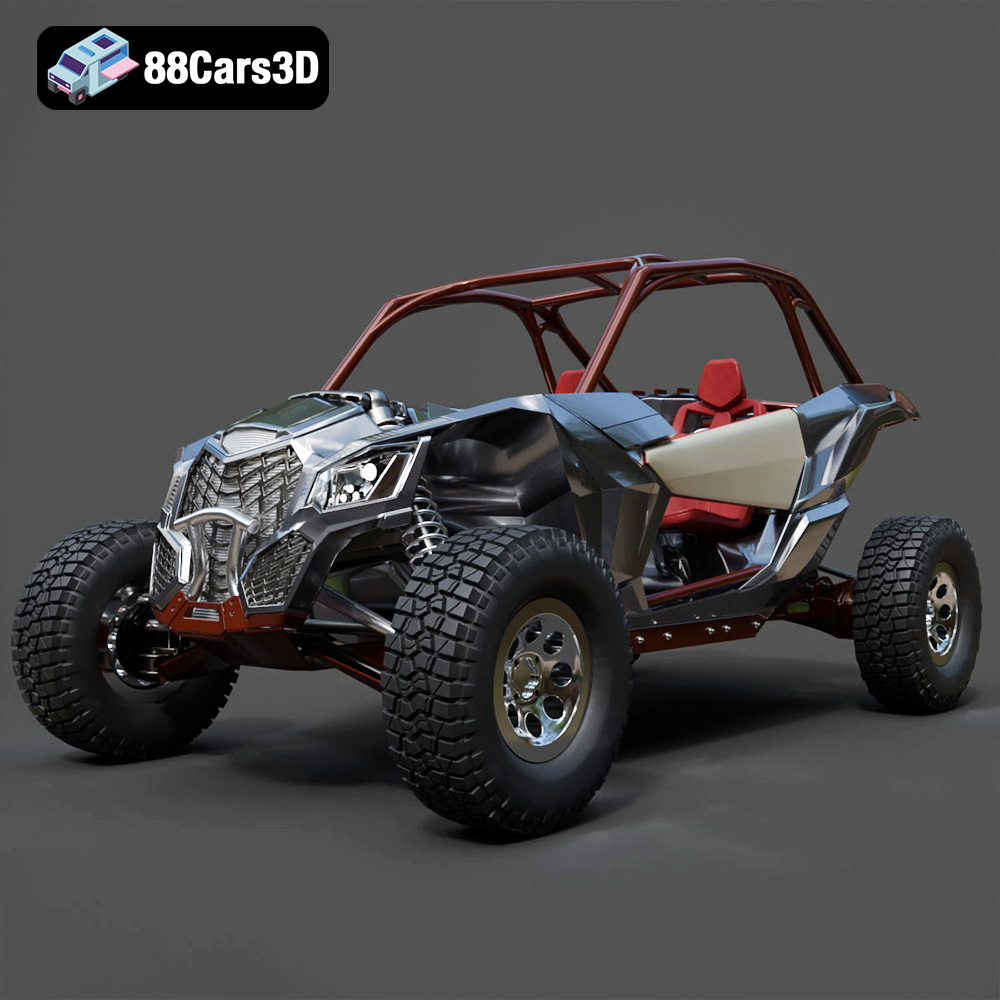
Texture: Yes
Material: Yes
Download the Can-Am Maverick 2019 3D Model featuring an aggressive off-road design, detailed chassis, and rugged tires. Includes .blend, .fbx, .obj, .glb, .stl, .ply, .unreal, and .max formats for rendering, simulation, and game development.
Price: $90.79
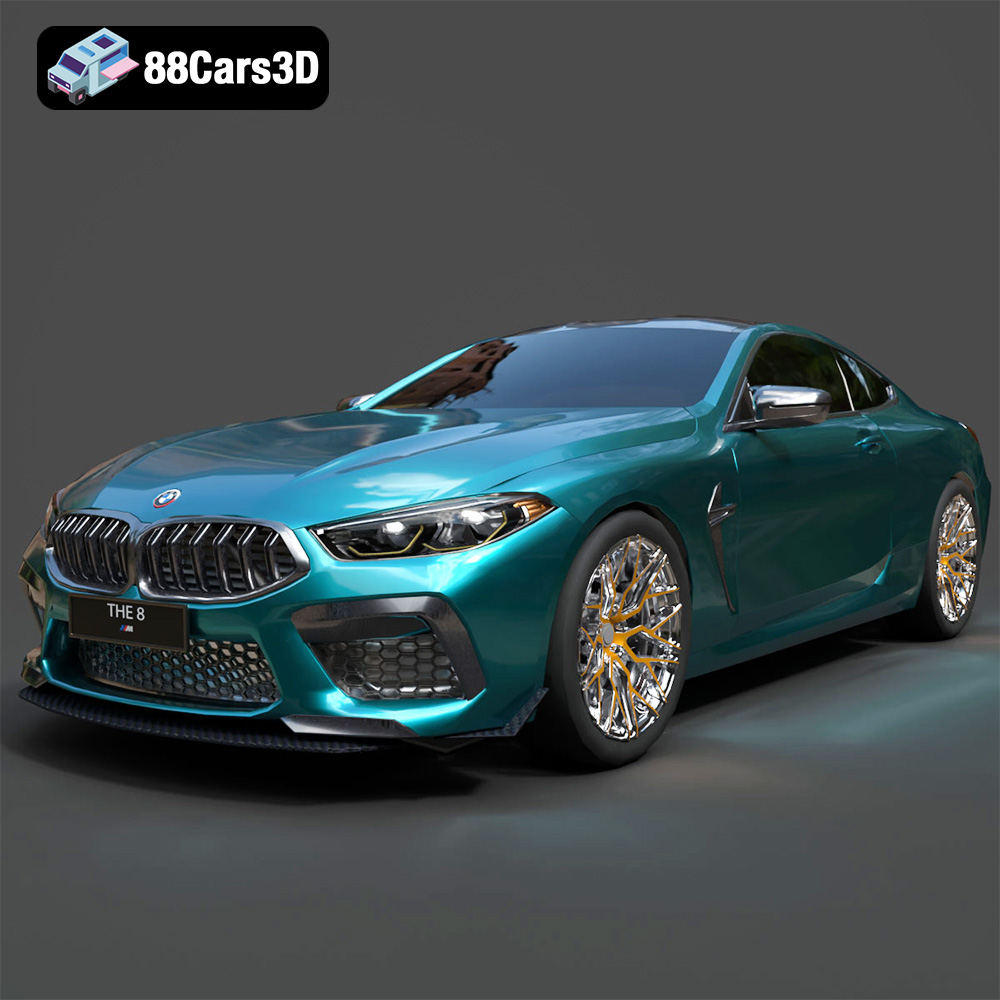
Texture: Yes
Material: Yes
Download the BMW M8 Competition 3D Model featuring aggressive styling, a luxurious interior, and high-performance detailing. Includes .blend, .fbx, .obj, .glb, .stl, .ply, .unreal, and .max formats for rendering, simulation, and game development.
Price: $110.79
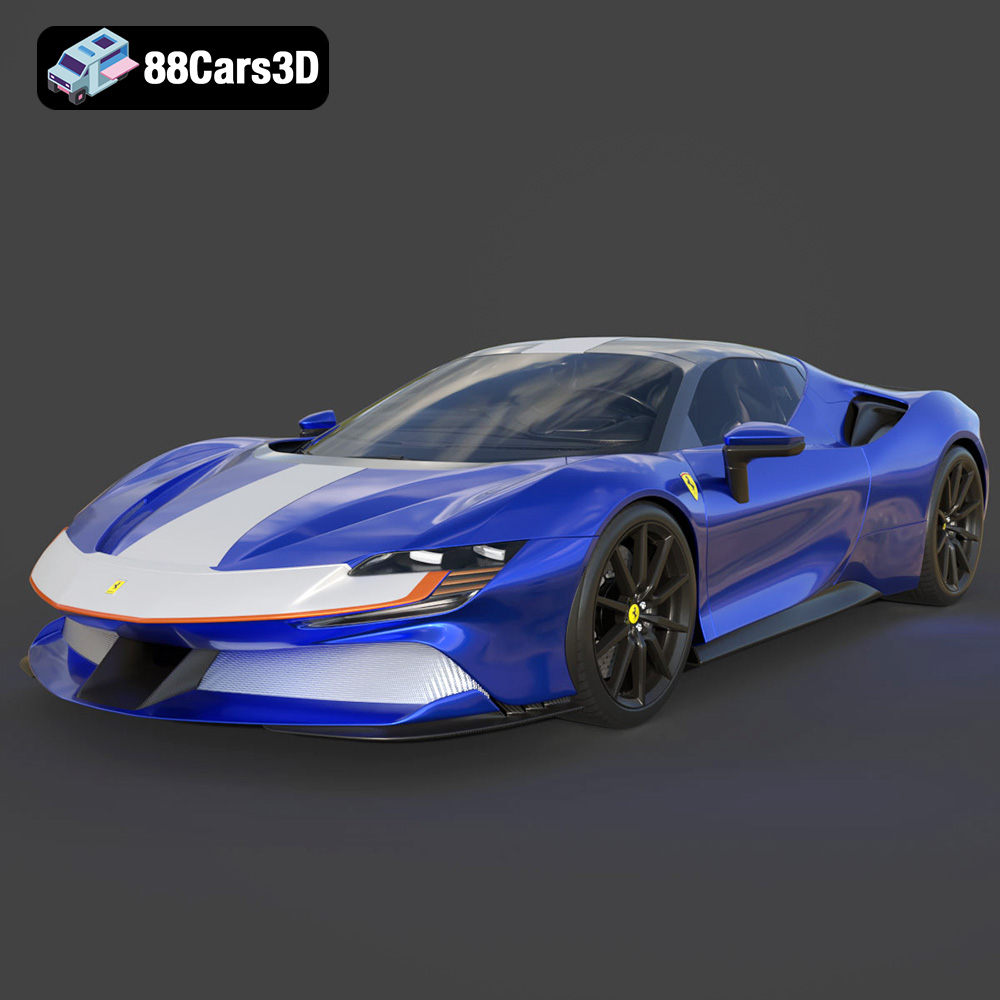
Texture: Yes
Material: Yes
Download the Ferrari SF90 Spider 3D Model featuring a meticulously detailed exterior, intricate interior, and realistic PBR materials. Includes .blend, .fbx, .obj, .glb, .stl, .ply, .unreal, and .max formats for rendering, simulation, and game development.
Price: $110.79
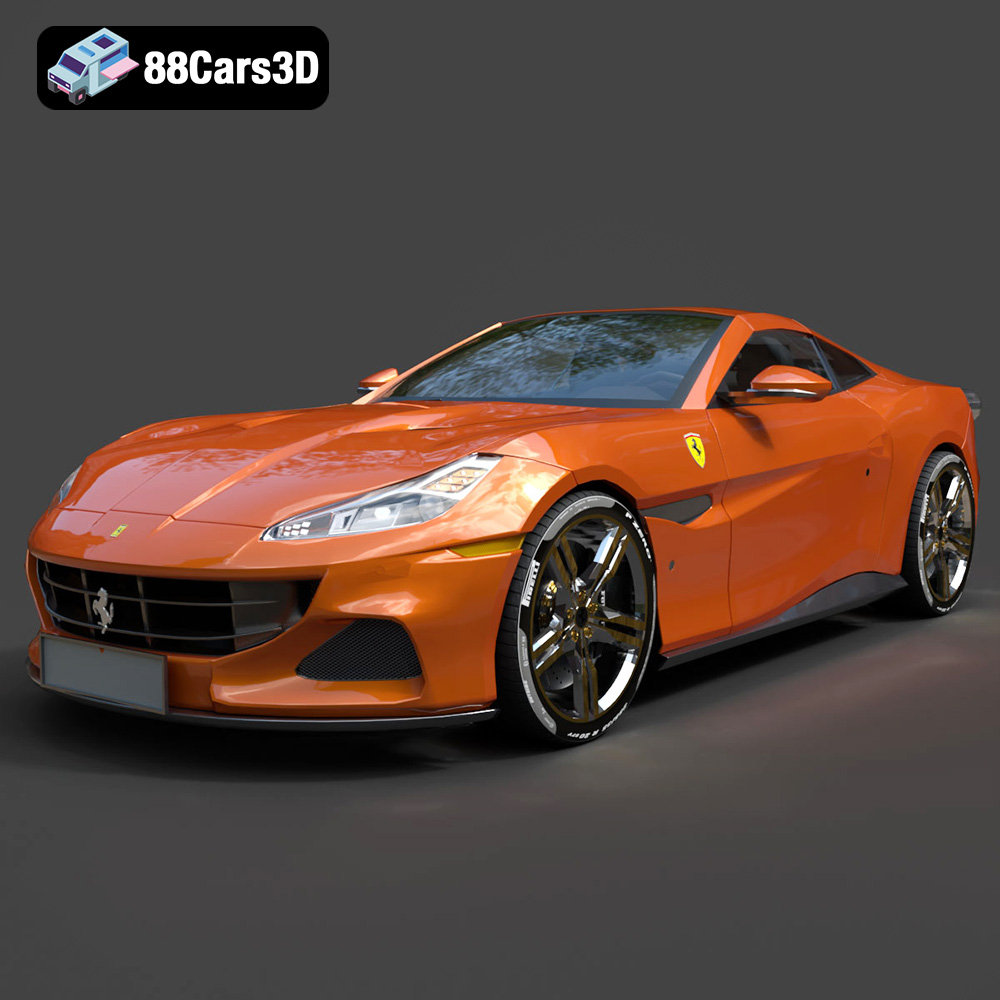
Texture: Yes
Material: Yes
Download the Ferrari Portofino 3D Model featuring accurate body contours, detailed interior, and high-resolution textures. Includes .blend, .fbx, .obj, .glb, .stl, .ply, .unreal, and .max formats for rendering, simulation, and game development.
Price: $110.79
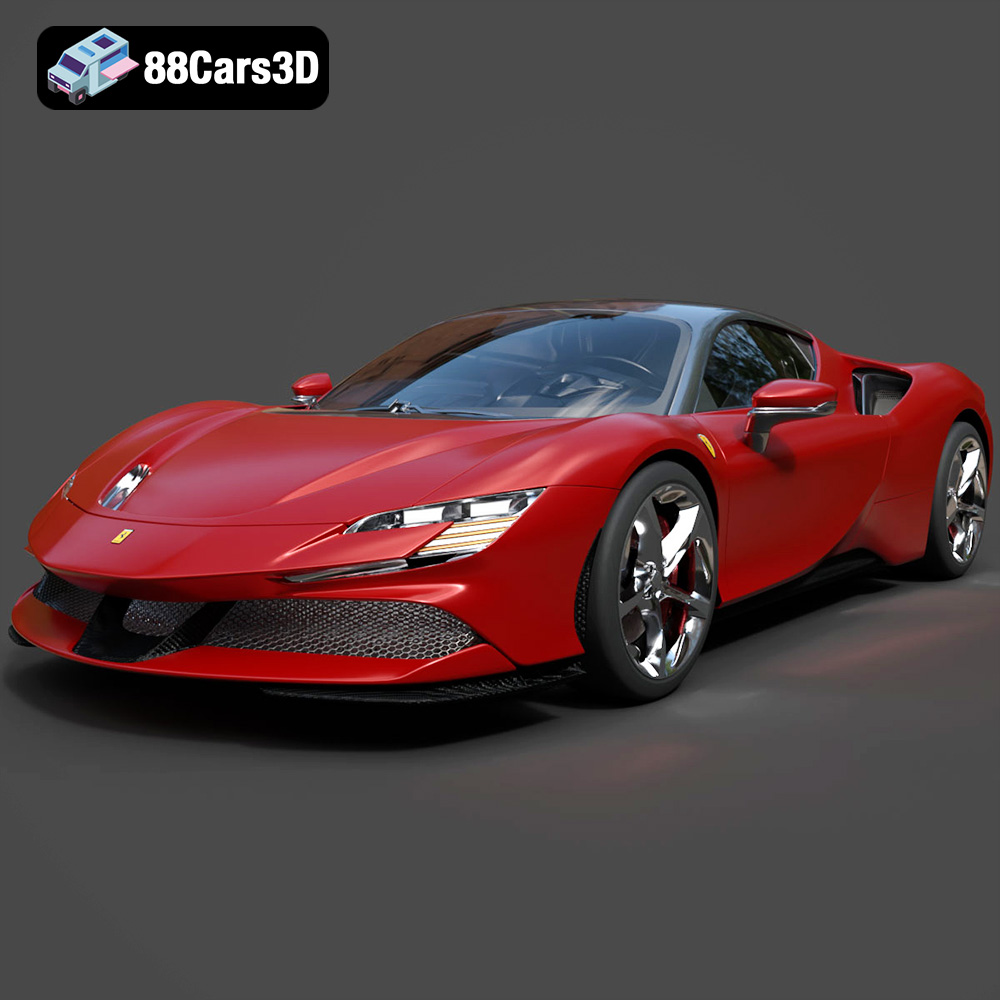
Texture: Yes
Material: Yes
Download the Ferrari SF90 Stradale 3D Model featuring aggressive lines and sophisticated aesthetics. Includes .blend, .fbx, .obj, .glb, .stl, .ply, .unreal, and .max formats for rendering, simulation, and game development.
Price: $110.79
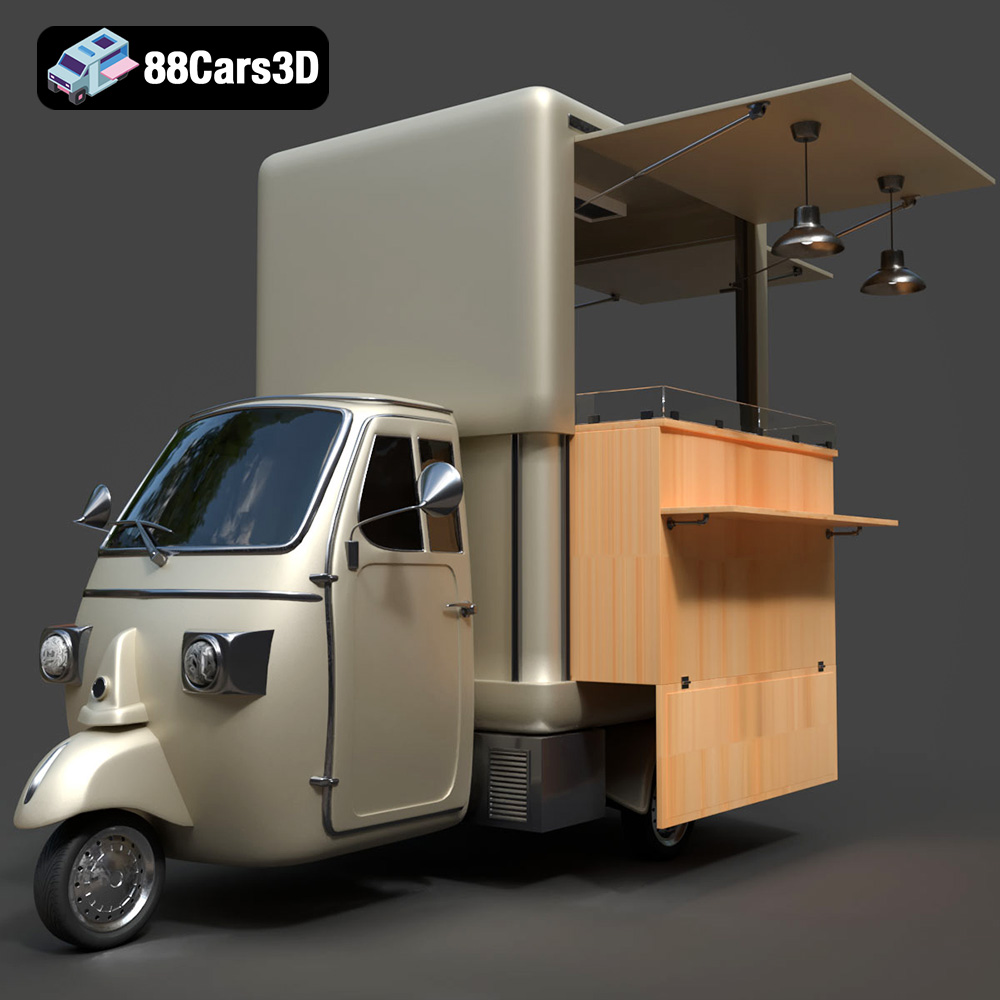
Texture: Yes
Material: Yes
Download the Foodtruck Set 3-006 3D Model featuring a detailed exterior and interior, optimized for various uses. Includes .blend, .fbx, .obj, .glb, .stl, .ply, .unreal, and .max formats for rendering, simulation, and game development.
Price: $23.79
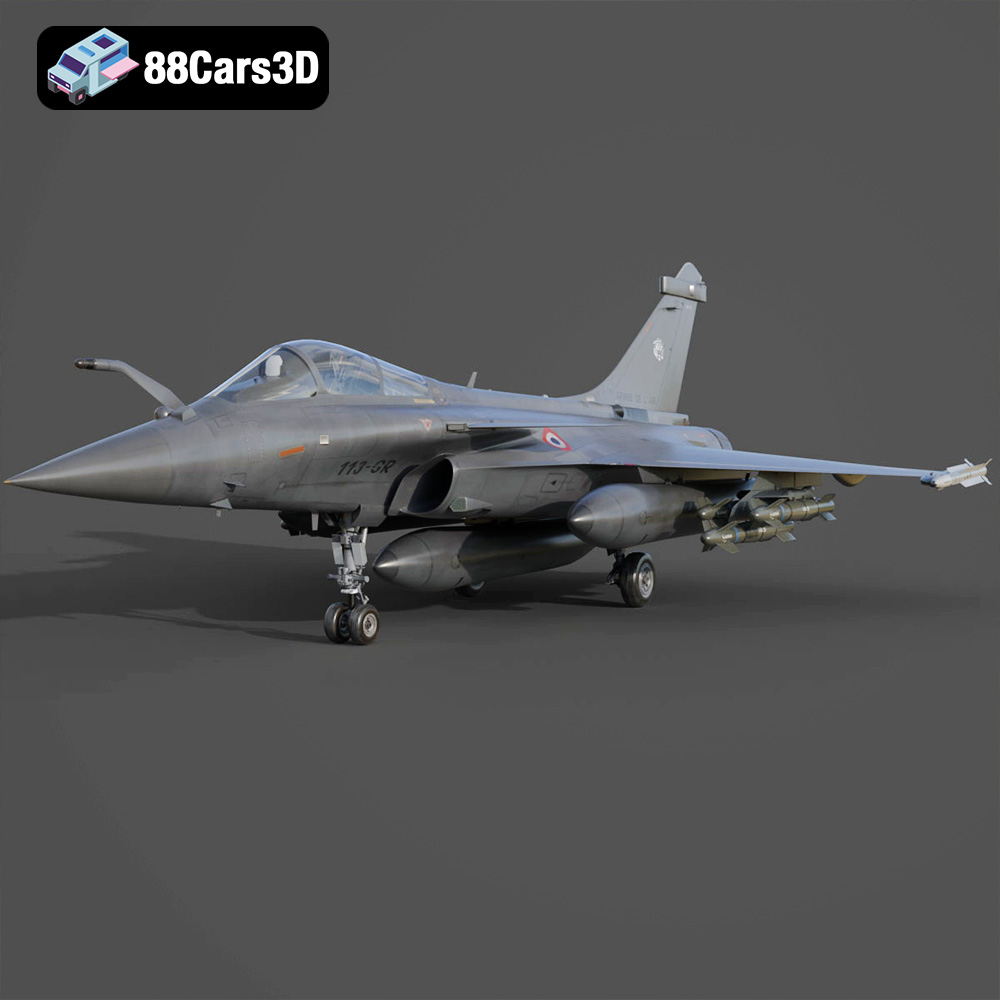
Texture: Yes
Material: Yes
Download the Dassault Rafale Fighter Jet 3D Model featuring a detailed exterior, cockpit, and propulsion system. Includes .blend, .fbx, .obj, .glb, .stl, .ply, .unreal, and .max formats for rendering, simulation, and game development.
Price: $22.79
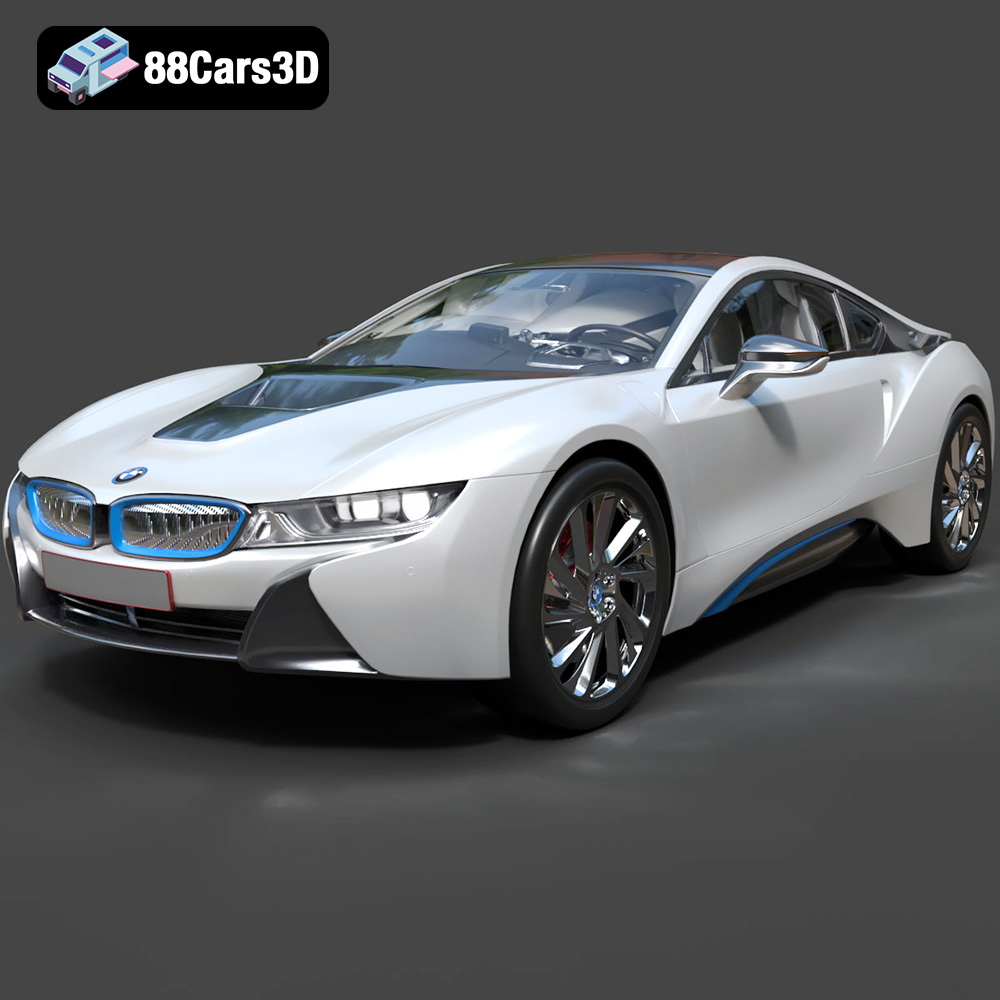
Texture: Yes
Material: Yes
Download the BMW i8 2015 3D Model featuring its futuristic design and detailed interior, capturing the essence of a modern hybrid sports car. Includes .blend, .fbx, .obj, .glb, .stl, .ply, .unreal, and .max formats for rendering, simulation, and game development.
Price: $40.79
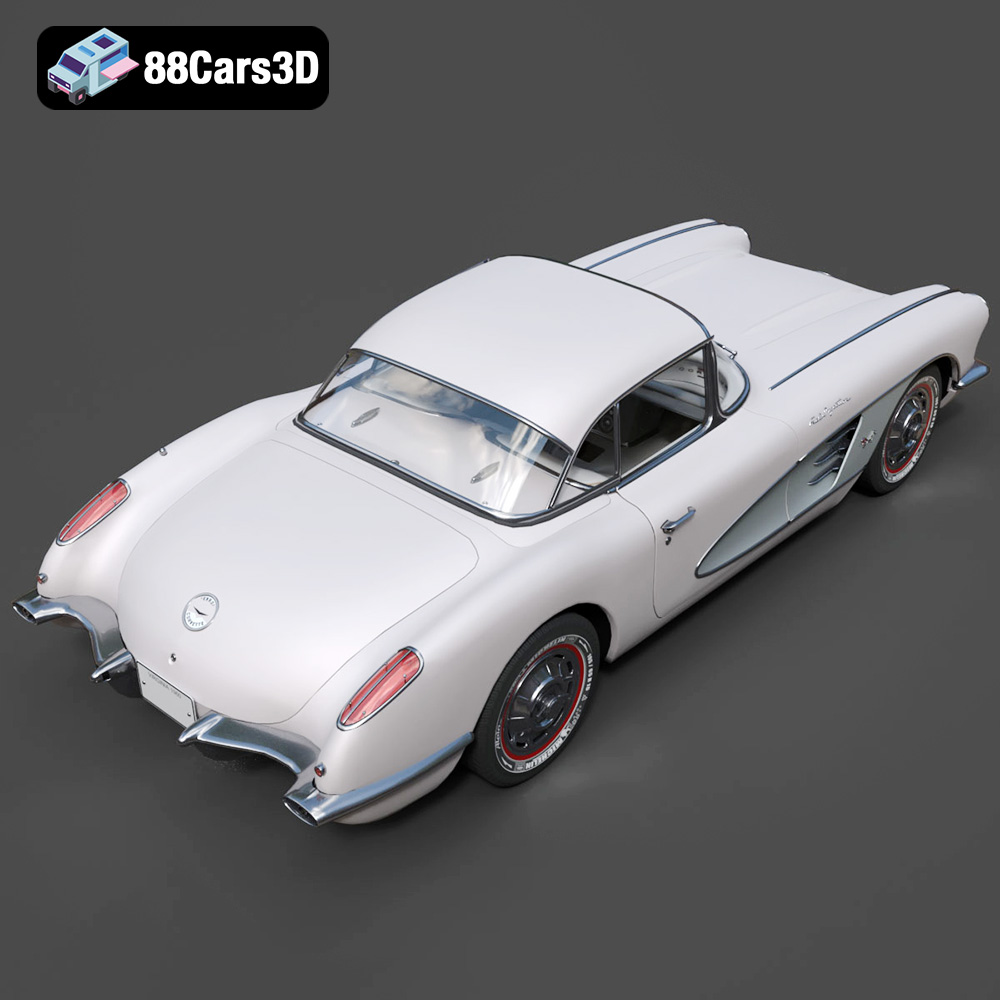
Texture: Yes
Material: Yes
Download the Chevrolet Corvette Coupe 1960 3D Model featuring its iconic vintage design, detailed interior, and classic exterior styling. Includes .blend, .fbx, .obj, .glb, .stl, .ply, .unreal, and .max formats for rendering, simulation, and game development.
Price: $50.79
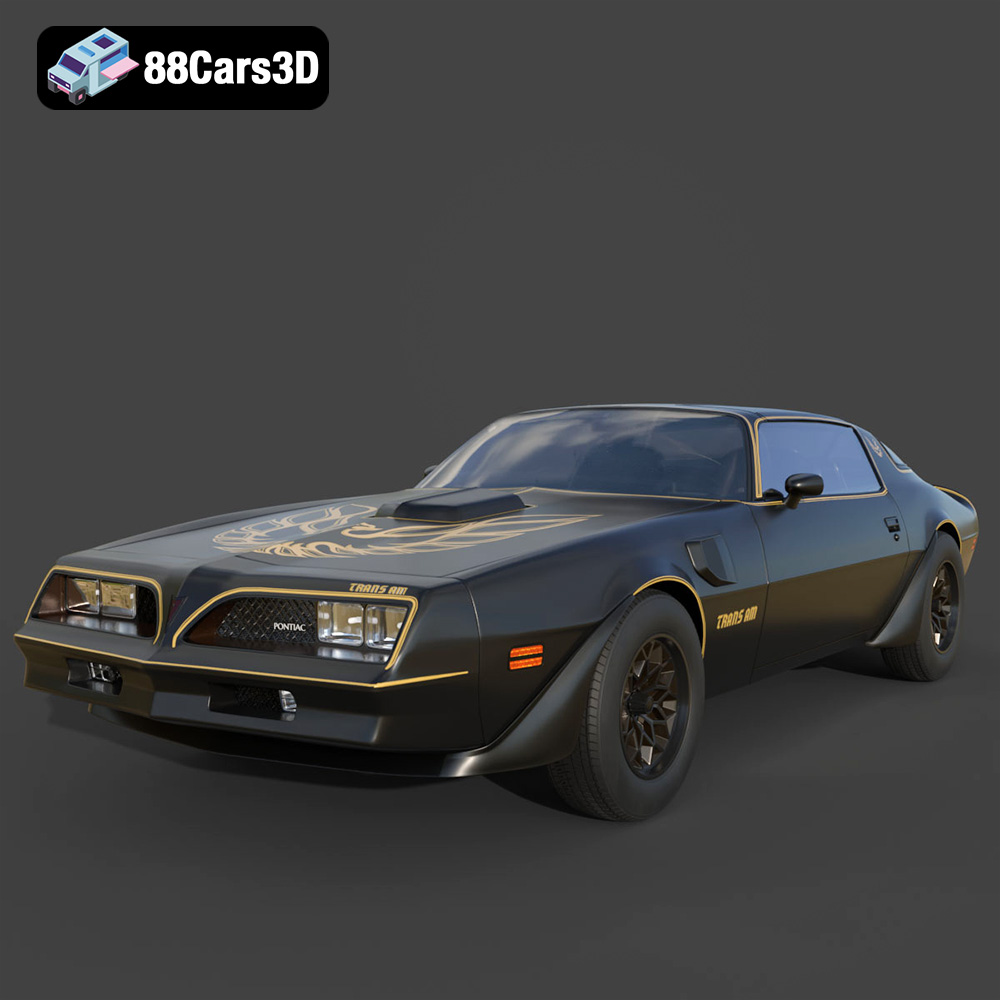
Texture: Yes
Material: Yes
Download the Pontiac Firebird Trans Am 1977 3D Model featuring iconic muscle car design and detailed exterior and interior. Includes .blend, .fbx, .obj, .glb, .stl, .ply, .unreal, and .max formats for rendering, simulation, and game development.
Price: $30.79

