Get 50% OFF All Premium 3D & STL Models!

The pursuit of absolute photorealism in real-time rendering has always been a cornerstone of automotive visualization. From showcasing concept vehicles to developing high-fidelity configurators and game assets, the demand for visuals that blur the line between digital and reality is constant. While traditional Physically Based Rendering (PBR) workflows in Unreal Engine have been a robust foundation, certain complex materials—like multi-layered car paints, intricate fabrics, or specialized metals—often pushed the limits of this model, requiring creative workarounds that sometimes compromised physical accuracy or performance.
Enter **Substrate**, Unreal Engine’s revolutionary material system designed to overcome these very challenges. Substrate represents a fundamental paradigm shift, moving beyond the fixed PBR material definitions to offer unparalleled flexibility and physical plausibility in material creation. For 3D artists, game developers, and automotive designers leveraging Unreal Engine, Substrate is not just an upgrade; it’s a game-changer. It empowers you to craft materials with astonishing depth and realism, essential for the demanding standards of automotive projects. In this comprehensive guide, we’ll explore Substrate’s architecture, delve into its implementation for automotive assets, discuss optimization strategies, and reveal how this next-gen shading system elevates your Unreal Engine projects to new heights.
Substrate isn’t merely an incremental update to Unreal Engine’s material capabilities; it’s a complete reimagining of how materials are defined and rendered. At its heart, Substrate moves beyond the limitations of traditional PBR, which typically relies on a fixed set of inputs like Base Color, Metallic, Roughness, and Normal. While highly effective for many materials, this model struggles to accurately represent surfaces that exhibit multiple layers of interaction with light, such as a metallic paint with a clear coat, or a translucent fabric over an opaque base. Substrate addresses this by introducing a highly flexible, layered material representation, allowing artists to compose materials from fundamental physical properties. Imagine building materials like a sandwich: each layer—be it diffuse, specular, clear coat, or even subsurface scattering—contributes to the final appearance in a physically accurate manner. This open-ended approach provides the tools to simulate almost any real-world material response, dramatically expanding the visual fidelity achievable in real-time. For high-quality 3D car models, where nuanced material properties define realism, Substrate is an indispensable tool.
Traditional PBR workflows, while powerful, operate under a set of assumptions that simplify light interaction for performance. A single “BSDF” (Bidirectional Scattering Distribution Function) typically governs how light reflects and refracts off a surface. This works well for many common materials but falls short when dealing with more intricate phenomena. For example, creating a realistic car paint requires simulating a base metallic layer with embedded flakes, topped by a translucent clear coat that exhibits its own specular highlights and possibly even subtle orange peel effects. In a standard PBR setup, achieving this fidelity often involved complex node networks, custom shader code, or baking multiple material passes, which could be cumbersome and less physically accurate. Substrate, by contrast, provides a direct way to stack and blend these distinct light interaction layers, ensuring that each component contributes to the final shading calculation in a physically sound manner. This directly translates to more believable and immersive automotive renders.
The core innovation of Substrate lies in its ability to compose materials from multiple, distinct layers. Instead of trying to force all material properties into a single BSDF, Substrate allows you to define individual material “responses”—like a diffuse base, a metallic reflection, a clear coat, or even volume scattering—and then stack them together. These layers are defined using a new set of Material Graph nodes, each representing a specific physical behavior. For instance, you might start with a `SubstrateDiffuse` node for the base color, then add a `SubstrateMetallic` node for metallic reflections, and finally top it off with a `SubstrateClearCoat` node for a glossy protective layer. The `SubstrateStack` node is key here, acting as the compositor that physically blends these layers, considering their individual properties like transparency or absorption. This modularity not only simplifies the creation of complex materials but also ensures that the resulting shaders are more physically plausible and perform consistently across various lighting conditions, a critical advantage for high-end automotive visualization.
Working with Substrate involves a fresh approach within Unreal Engine’s Material Editor. While the familiar node-based graph remains, you’ll encounter a new lexicon of nodes specifically designed for Substrate’s layered architecture. This system empowers artists to construct highly sophisticated materials that were previously challenging or impossible to achieve with standard PBR. The beauty of Substrate is that it provides fundamental building blocks, allowing you to combine them in countless ways to represent virtually any real-world surface. Understanding how to utilize these new nodes and manage material layers effectively is crucial for unlocking the full potential of this powerful system. This direct, physically informed approach means less guesswork and more predictable, realistic results, significantly streamlining the material authoring process for complex automotive assets.
Crafting a photorealistic car paint shader is one of Substrate’s most compelling applications. Here’s a simplified breakdown of the process:
1. **Start with a Base Layer:** Begin with a `SubstrateDiffuse` node for the underlying color of the car. Connect your base color texture or parameter here.
2. **Add Metallic Flakes:** Introduce a `SubstrateMetallic` node. This will represent the metallic particles embedded in the paint. You can control its color, metallicness, and roughness. To simulate flakes, you might use a subtle normal map or even a custom texture to influence the reflections.
3. **Combine Layers with `SubstrateStack`:** Use a `SubstrateStack` node to layer the `SubstrateMetallic` on top of the `SubstrateDiffuse`. This node intelligently blends the light responses.
4. **Apply a Clear Coat:** Crucially, add a `SubstrateClearCoat` node. This simulates the glossy, protective layer that gives car paint its depth. Connect its output to the next layer of the `SubstrateStack`. Here, you’ll define its roughness, index of refraction (IOR), and thickness. You can even add a subtle normal map to simulate “orange peel” texture for added realism.
5. **Final Output:** Connect the final `SubstrateStack` output to the Material Output node’s new “Substrate” input.
By assembling these distinct layers, you achieve a car paint shader that accurately simulates the metallic glint beneath a glossy, refractive clear coat, a feat that was significantly more complex with previous material systems.
Substrate extends far beyond basic layered materials, providing nodes to simulate highly specialized optical phenomena:
* **Thin-Film Interference:** The `SubstrateThinFilm` node allows you to simulate iridescence, like the rainbow sheen seen on oil slicks or soap bubbles, and critically, anti-reflective coatings on lenses. For automotive headlights or specialized glass, this adds an incredible layer of realism.
* **Anisotropy:** The `SubstrateAnisotropy` node is perfect for brushed metals, carbon fiber, or satin finishes, where reflections stretch in a particular direction. You can control the direction and intensity of the anisotropic effect with textures or vectors.
* **Subsurface Scattering (SSS):** While not exclusively new, Substrate integrates SSS more seamlessly within its layered framework, allowing for materials like rubber, soft plastics, or even certain painted surfaces to exhibit more realistic light diffusion beneath their surface.
* **Volumetric Materials:** Substrate also lays the groundwork for more complex volumetric materials, which will be essential for effects like fog, smoke, or even realistic lighting within transparent car parts.
These advanced attributes, when combined, empower artists to create materials with an unprecedented level of physical fidelity, making it easier to achieve true automotive visualization realism for any 3D car model. For further deep dives into specific nodes and their functionalities, consult the official Unreal Engine documentation at https://dev.epicgames.com/community/unreal-engine/learning.
When discussing a material system of Substrate’s power and flexibility, performance is naturally a key consideration, especially for real-time applications like games, AR/VR experiences, and interactive configurators. While Substrate allows for incredibly complex material definitions, Unreal Engine is designed to handle this complexity intelligently. The perceived “cost” of Substrate isn’t necessarily a direct correlation with the number of nodes in your graph; rather, it’s about the number of *unique material layers* and the complexity of the operations within them that the GPU needs to compute. Epic Games has invested significantly in optimizing Substrate’s compilation and runtime performance, making it a viable solution even for demanding projects. Understanding these optimizations and adopting best practices is essential for balancing visual fidelity with smooth framerates.
The flexibility of Substrate means you can create materials that are theoretically limitless in complexity. However, for real-time performance, a strategic approach is necessary.
* **Layer Budgeting:** Each unique BSDF layer (e.g., Diffuse, Metallic, Clear Coat, Anisotropy) adds to the computational cost. While you might build a 10-layer material for a hero asset in a cinematic, a background prop or a mobile AR experience might require a 2-3 layer material. Prioritize the most visually impactful layers.
* **Node Efficiency:** While the Material Editor offers many nodes, be mindful of expensive operations. For instance, complex procedural textures, excessive lerps, or unoptimized custom expressions can add up. Leverage texture maps where appropriate to pre-calculate complex data.
* **Static vs. Dynamic:** If a material parameter doesn’t need to change at runtime (e.g., the roughness of a static part), keep it as a static value rather than exposing it as a dynamic parameter. Static parameters allow Unreal Engine to compile more optimized shaders.
* **Material Instances:** Always use Material Instances for variations of a base Substrate material. This prevents recompiling the entire shader graph for every slight tweak, saving significant development time and improving runtime efficiency.
* **Level of Detail (LODs) for Materials:** While Substrate primarily addresses shading, consider that simpler meshes in the distance might not need the full complexity of a high-fidelity Substrate material. You can assign simpler materials (even traditional PBR) to lower mesh LODs if the visual drop-off is imperceptible, saving precious GPU cycles.
By carefully budgeting material complexity and leveraging Unreal Engine’s built-in optimizations, you can achieve stunning visual results with Substrate without sacrificing crucial performance.
Substrate doesn’t operate in a vacuum; it’s a cornerstone of Unreal Engine’s broader next-generation rendering pipeline, working in concert with features like Nanite and Lumen.
* **Nanite Virtualized Geometry:** Nanite handles incredibly high-polygon geometry with unparalleled efficiency, allowing artists to import film-quality assets directly into Unreal Engine. When you combine high-detail geometry (from models sourced on platforms like 88cars3d.com) with Substrate’s advanced material fidelity, the result is a level of visual realism previously unimaginable in real-time. Nanite ensures that the underlying mesh can support the subtle nuances of a Substrate material without performance bottlenecks from polygon count.
* **Lumen Global Illumination:** Lumen, Unreal Engine’s fully dynamic global illumination and reflections system, is the perfect partner for Substrate. Because Substrate materials accurately describe how light interacts with surfaces on a physical level, Lumen can then propagate that light throughout the scene with incredible realism. A multi-layered car paint defined with Substrate will not only look correct under direct light but will also interact beautifully with indirect light and reflections provided by Lumen, creating highly realistic automotive environments and stunning visual contrast. The combination of Nanite (detailed geometry), Substrate (accurate materials), and Lumen (realistic lighting) forms a cohesive pipeline for achieving truly next-gen visuals in Unreal Engine.
For professionals in automotive visualization, Substrate is nothing short of a revelation. The complex, highly reflective, and often multi-layered nature of vehicle materials has historically presented significant challenges for real-time engines. Car paint, chrome, carbon fiber, and intricate interior fabrics are not just visually critical; they are defining elements of a vehicle’s perceived quality and design. Substrate provides the tools to accurately represent these materials, transcending previous limitations and enabling a level of fidelity that rivals offline renderers. This opens up new possibilities for showcasing 3D car models in configurators, marketing materials, virtual production, and high-end games.
Car paint is arguably the ultimate test for any real-time material system, and Substrate excels here. The ability to build a paint shader from distinct, physically accurate layers allows for unprecedented control and realism:
* **Metallic Flakes:** Using a `SubstrateMetallic` layer, you can precisely control the color, density, and anisotropy of metallic flakes embedded within the paint. This allows for subtle shimmer and glint as light catches the surface, often enhanced with specific normal maps.
* **Clear Coat Simulation:** The `SubstrateClearCoat` layer is crucial. You can adjust its thickness, roughness (to simulate “orange peel” textures at macro levels), and index of refraction (IOR) for accurate light bending. This layer provides the characteristic depth and gloss seen on real vehicles.
* **Color Shift (Goniochromatism):** With creative texture work or controlled parameters, Substrate can facilitate subtle color shifts depending on the viewing angle, mimicking advanced automotive paints that change hue from different perspectives.
* **Dirt/Wear Overlay:** Additional Substrate layers can be stacked on top for dirt, dust, or wear effects, which can be dynamically controlled via Blueprint for interactive experiences.
By meticulously crafting these layers, artists can achieve a level of car paint realism that makes digital models indistinguishable from their physical counterparts under the right lighting conditions.
While car paint is a prime candidate, Substrate’s capabilities extend to virtually every surface of a vehicle, inside and out.
* **Carbon Fiber:** Replicating the distinct weave and anisotropic reflections of carbon fiber is straightforward with Substrate. By combining `SubstrateDiffuse`, `SubstrateAnisotropy`, and potentially `SubstrateClearCoat` layers, artists can accurately depict the material’s complex light interactions. Textures define the weave pattern and influence the anisotropic direction.
* **Brushed Metals:** Brushed aluminum, steel, or other metallic accents benefit immensely from the `SubstrateAnisotropy` node. This accurately simulates the elongated reflections caused by the brushing process, adding authenticity to interior trim and exterior accents.
* **Leather and Fabrics:** Interior materials like leather often exhibit subtle subsurface scattering, intricate normal details, and varied roughness. Substrate allows for the combination of diffuse, specular, and potentially SSS layers to create highly tactile and realistic leather, Alcantara, or textile materials.
* **Glass and Headlights:** Advanced glass shaders, including those with thin-film interference for anti-reflective coatings or complex refractions for headlight lenses, are more achievable. Substrate provides the tools to build glass that accurately transmits and reflects light, crucial for the highly detailed optical components of modern vehicles.
Whether you’re working with the meticulously crafted 3D car models available on marketplaces like 88cars3d.com or creating your own assets, Substrate empowers you to imbue every surface with unparalleled physical accuracy and visual richness, elevating the overall quality of your automotive projects.
The power of Substrate extends far beyond static renders. Its robust and physically accurate material definitions make it an ideal foundation for dynamic, interactive experiences and cutting-edge virtual production workflows. For automotive applications, this means delivering real-time configurators that allow customers to explore infinite material combinations, creating immersive AR/VR showrooms, or generating cinematic sequences that look indistinguishable from reality on large LED volumes. The ability to manipulate complex materials dynamically, while maintaining physical correctness, is a significant leap forward for interactive visualization.
One of Substrate’s most impactful features for automotive configurators and interactive demos is its seamless integration with Unreal Engine’s Blueprint visual scripting system. You can expose virtually any parameter within a Substrate material graph as a Material Instance parameter. This allows artists and designers to create sophisticated interactive experiences without writing a single line of code:
* **Real-time Color Changes:** Easily create a Blueprint script that allows users to pick a new car paint color from a palette. This will instantly update the `Base Color` parameter of your Substrate car paint material, retaining all the metallic flake and clear coat properties.
* **Material Swapping:** Implement buttons or UI elements that swap entire Substrate materials, for instance, changing seat upholstery from leather to Alcantara, or switching wheel finishes from brushed metal to glossy black.
* **Wear and Tear Sliders:** Create sliders that control parameters affecting dirt layers or scratch intensity, showcasing how a vehicle might look after extended use or in different environments.
* **Interactive Material Properties:** Imagine a slider that adjusts the metallic flake density of a paint, or the roughness of a carbon fiber weave, allowing for deep customization in real-time.
This level of dynamic control, coupled with Substrate’s physical accuracy, ensures that interactive automotive visualizations are not only visually stunning but also performant and consistent.
For creating high-quality cinematic renders and virtual production content, Substrate is a game-changer. When rendering cinematics with Sequencer, Unreal Engine’s powerful multi-track editor, the detailed material properties enabled by Substrate elevate the visual storytelling:
* **Consistent Realism:** Substrate ensures that materials respond consistently and accurately across various lighting conditions, camera angles, and time-of-day changes within a cinematic sequence. This means less need for manual tweaking and a more robust visual foundation.
* **Virtual Production (LED Walls):** In virtual production environments, where photorealistic assets are projected onto massive LED walls, Substrate’s material fidelity is paramount. The nuances of car paint, reflections on chrome, and the texture of interior materials must hold up under real-time conditions and interact seamlessly with physical foreground elements. Substrate’s physically accurate light interactions are crucial for achieving the necessary realism and maintaining parallax on LED stages, providing convincing backgrounds for live-action shoots.
* **High-End Marketing Content:** For automotive marketing campaigns, Substrate allows studios to produce renders and animations that rival traditional offline renderers in quality, but with the speed and flexibility of a real-time engine. This accelerates production cycles and opens up possibilities for more iterative and dynamic content creation.
Furthermore, for AR/VR applications, optimizing Substrate materials becomes a delicate balance. While the desire for realism is high, performance budgets are often extremely tight. Strategic use of fewer layers, efficient textures, and baking complex operations into simpler parameters are common practices to maintain visual quality within the strict performance envelopes of AR/VR devices. Substrate gives you the control to make those trade-offs effectively, ensuring that whether you’re building a highly interactive configurator, a stunning cinematic, or an immersive AR/VR experience, your automotive assets will look their absolute best.
The introduction of Substrate marks a pivotal moment for material authoring in Unreal Engine, offering a level of flexibility and physical fidelity previously unattainable in real-time rendering. For the demanding world of automotive visualization, where every reflection, every shimmer, and every texture defines the perception of quality, Substrate is an indispensable tool. It empowers artists and developers to move beyond the constraints of traditional PBR, allowing for the creation of truly photorealistic multi-layered car paints, intricate carbon fiber weaves, realistic leathers, and highly complex optical components.
By understanding its core principles—layered material composition, a new suite of nodes, and intelligent optimization strategies—you can harness Substrate to build materials that not only look stunning but also perform efficiently in real-time applications. Whether you’re crafting interactive configurators, delivering high-end cinematic content, or pushing the boundaries of virtual production and AR/VR experiences, Substrate ensures that your automotive assets stand out with unparalleled realism.
The journey to next-gen visuals is continuous, and Substrate is a monumental leap forward. We encourage you to dive into Unreal Engine 5, experiment with Substrate, and witness firsthand how this revolutionary system transforms your approach to material creation. Remember, sourcing high-quality, meticulously crafted 3D car models from platforms like 88cars3d.com provides the perfect foundation to apply Substrate’s power and achieve truly breathtaking results. Explore the official Unreal Engine documentation at https://dev.epicgames.com/community/unreal-engine/learning to deepen your understanding and unleash the full potential of this incredible technology. The future of automotive visualization is here, and it’s built with Substrate.
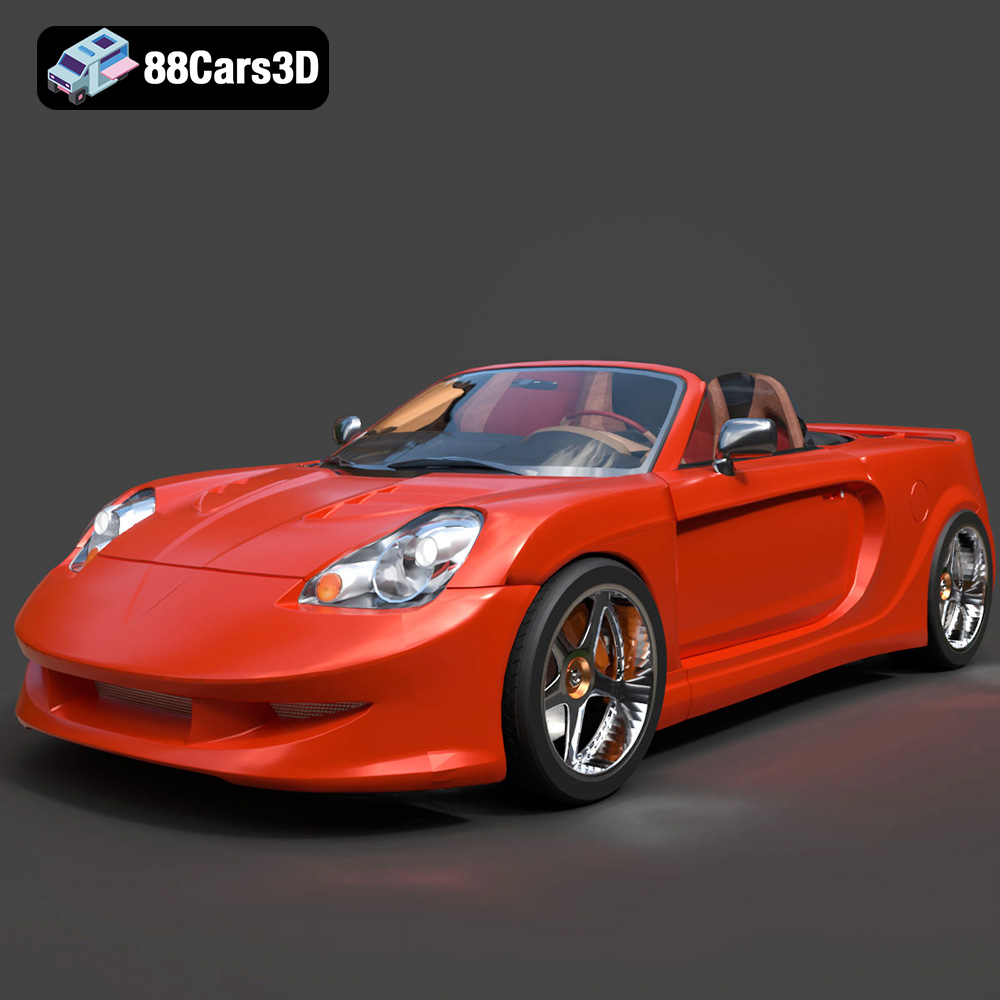
Texture: Yes
Material: Yes
Download the Toyota MRS-007 3D Model featuring clean geometry, realistic detailing, and a fully modeled interior. Includes .blend, .fbx, .obj, .glb, .stl, .ply, .unreal, and .max formats for rendering, simulation, and game development.
Price: $10

Texture: Yes
Material: Yes
Download the Porsche 911 Turbo S 2024 3D Model featuring clean geometry, realistic detailing, and a fully modeled interior. Includes .blend, .fbx, .obj, .glb, .stl, .ply, .unreal, and .max formats for rendering, simulation, and game development.
Price: $20

Texture: Yes
Material: Yes
Download the Pontiac Solstice 2009 3D Model featuring clean geometry, realistic detailing, and a fully modeled interior. Includes .blend, .fbx, .obj, .glb, .stl, .ply, .unreal, and .max formats for rendering, simulation, and game development.
Price: $10

Texture: Yes
Material: Yes
Download the Mini Cooper Countryman 2025 3D Model featuring clean geometry, realistic detailing, and a fully modeled interior. Includes .blend, .fbx, .obj, .glb, .stl, .ply, .unreal, and .max formats for rendering, simulation, and game development.
Price: $29.9
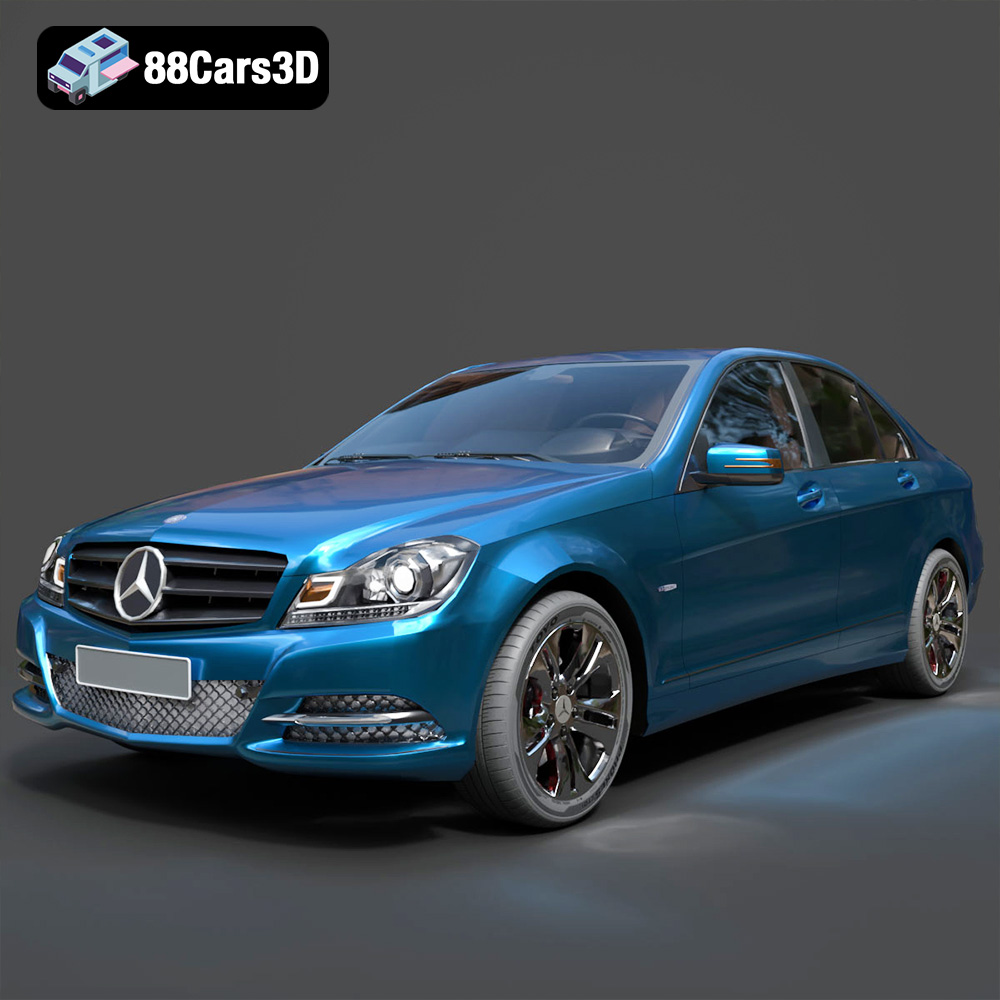
Texture: Yes
Material: Yes
Download the Mercedes C Classe 2012 3D Model featuring clean geometry, realistic detailing, and a fully modeled interior. Includes .blend, .fbx, .obj, .glb, .stl, .ply, .unreal, and .max formats for rendering, simulation, and game development.
Price: $19.9
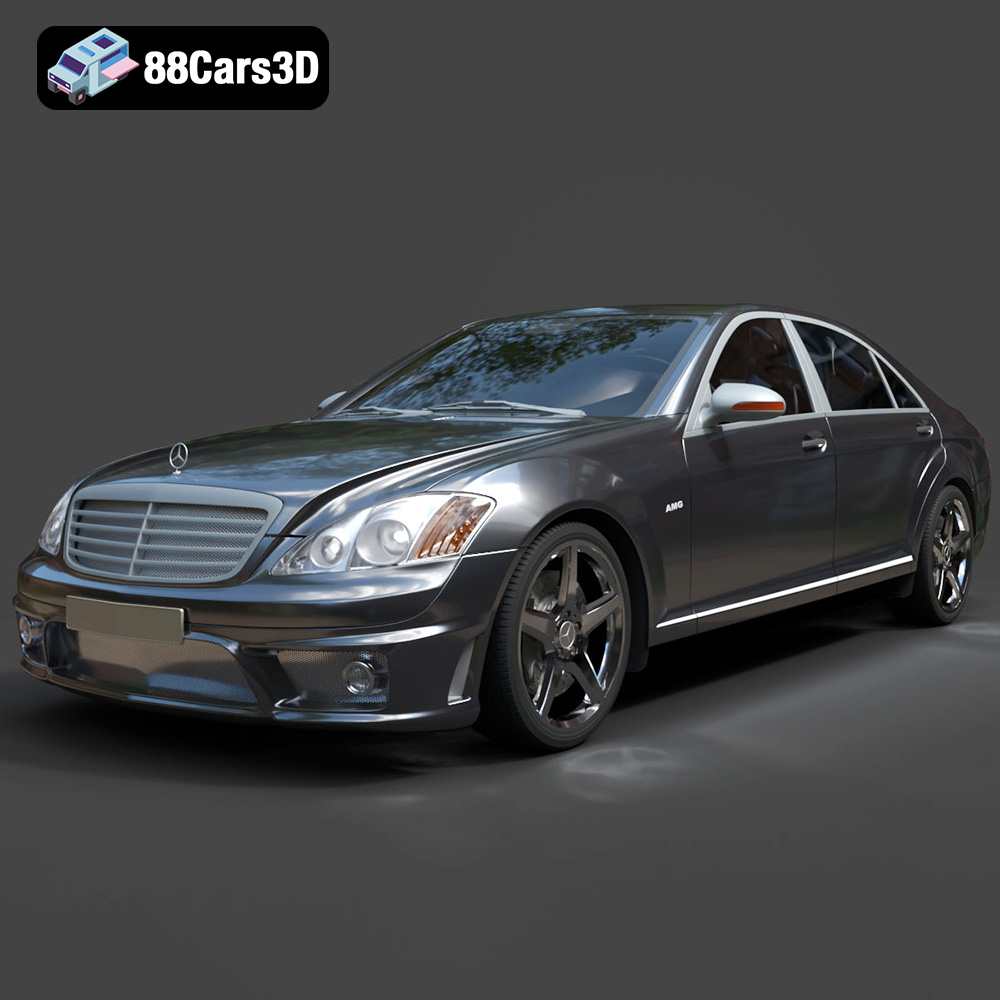
Texture: Yes
Material: Yes
Download the Mercedes-Benz S65 AMG 2018 3D Model featuring clean geometry, realistic detailing, and a fully modeled interior. Includes .blend, .fbx, .obj, .glb, .stl, .ply, .unreal, and .max formats for rendering, simulation, and game development.
Price: $19.9
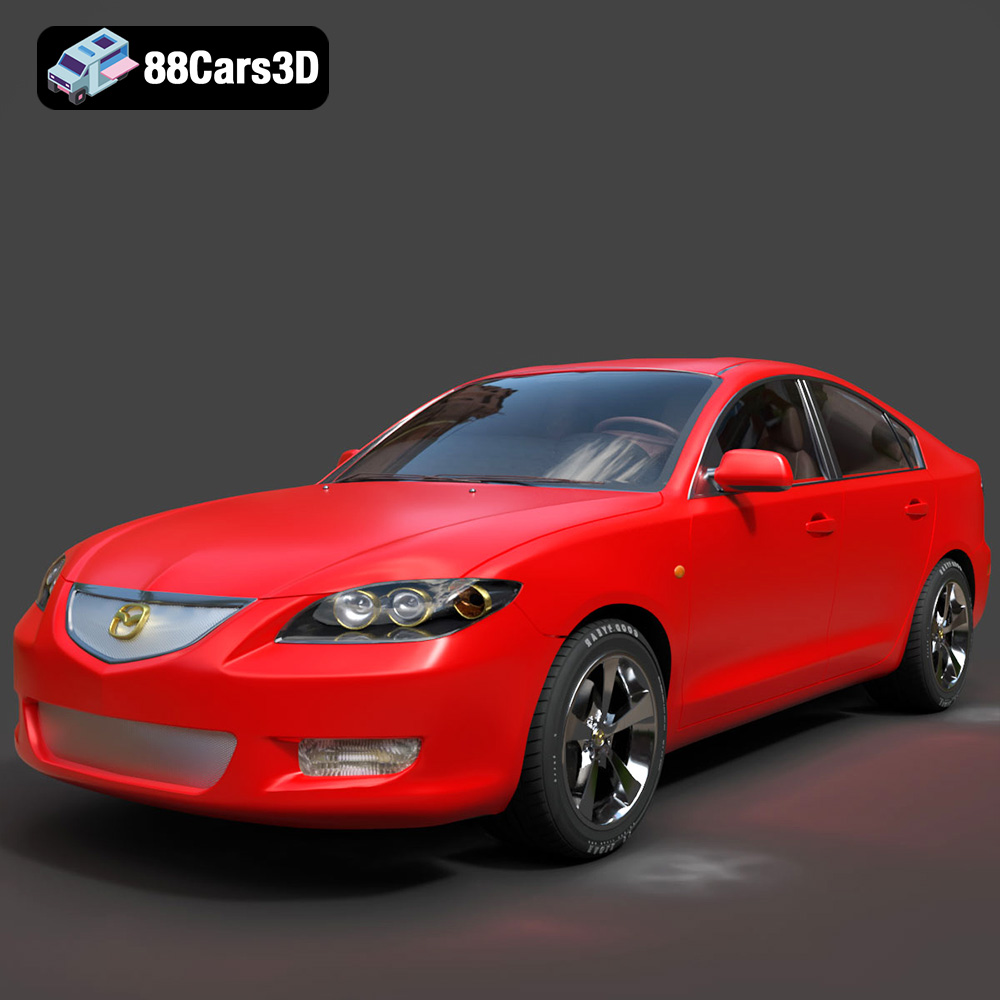
Texture: Yes
Material: Yes
Download the Mazda 3 Sedan 2004 3D Model featuring clean geometry, realistic detailing, and a fully modeled interior. Includes .blend, .fbx, .obj, .glb, .stl, .ply, .unreal, and .max formats for rendering, simulation, and game development.
Price: $10

Texture: Yes
Material: Yes
Download the Martin Rapide 2011 3D Model featuring clean geometry, realistic detailing, and a fully modeled interior. Includes .blend, .fbx, .obj, .glb, .stl, .ply, .unreal, and .max formats for rendering, simulation, and game development.
Price: $20.9
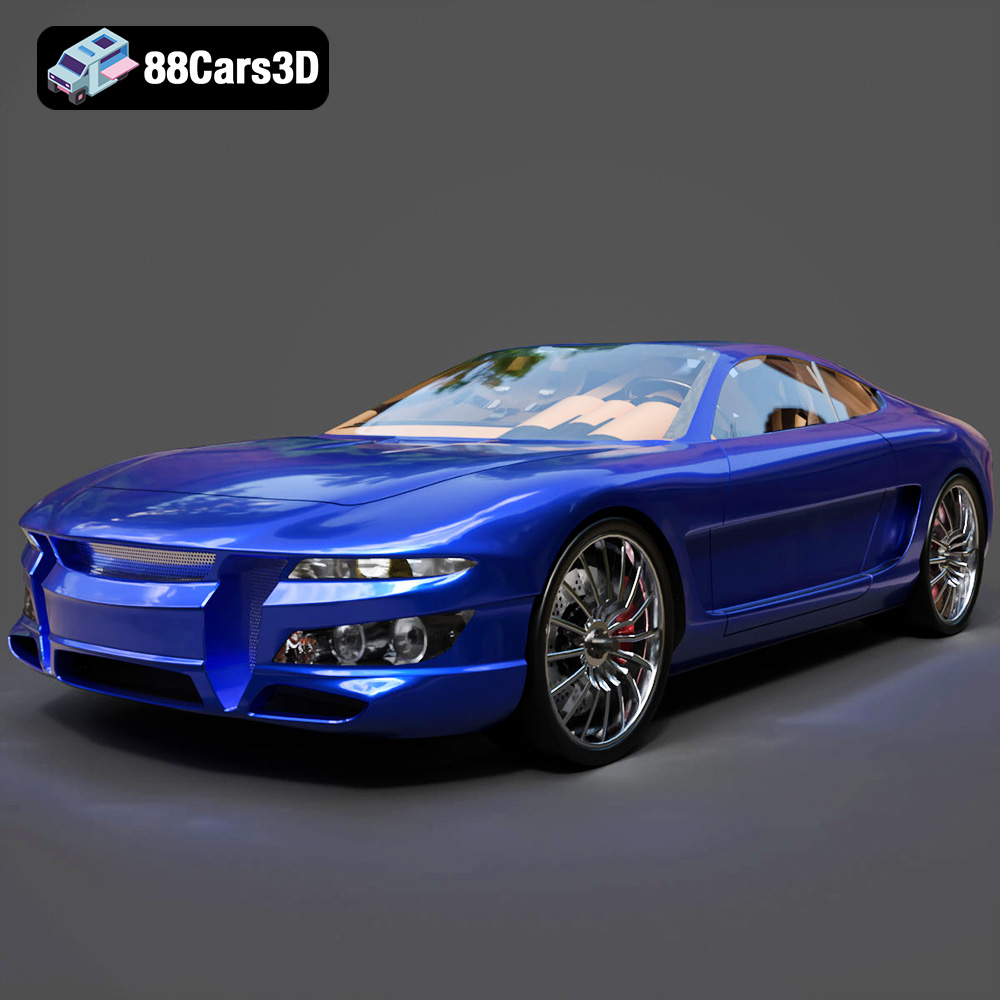
Texture: Yes
Material: Yes
Download the Car Tasergal 005 3D Model featuring clean geometry, realistic detailing, and a fully modeled interior. Includes .blend, .fbx, .obj, .glb, .stl, .ply, .unreal, and .max formats for rendering, simulation, and game development.
Price: $10
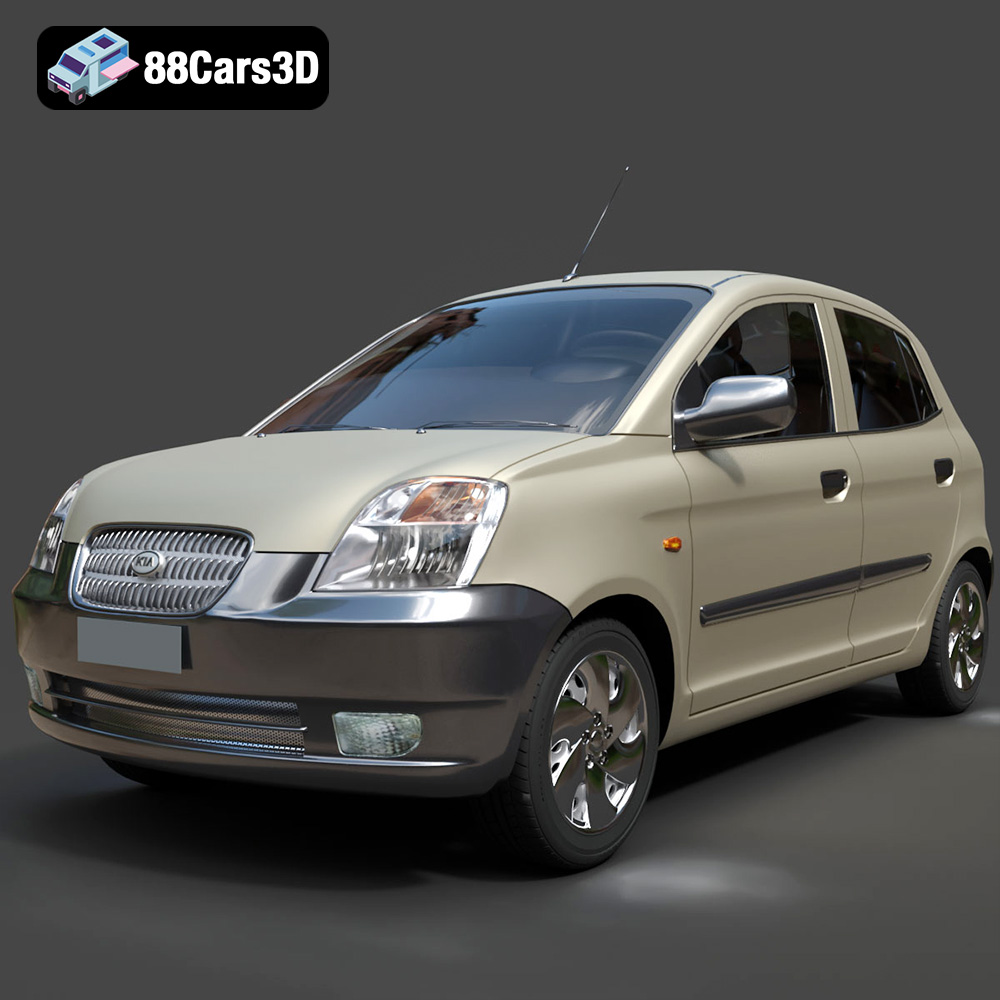
Texture: Yes
Material: Yes
Download the Kia Picanto 2024 3D Model featuring clean geometry, realistic detailing, and a fully modeled interior. Includes .blend, .fbx, .obj, .glb, .stl, .ply, .unreal, and .max formats for rendering, simulation, and game development.
Price: $15.99

