Get 50% OFF All Premium 3D & STL Models!

The world of automotive design is a captivating blend of art and engineering, and bringing these magnificent machines to life in 3D is a highly specialized craft. Whether you’re a seasoned 3D artist, a game developer, an automotive designer, or a student aspiring to create breathtaking visualizations, understanding the nuances between modeling classic and modern cars is paramount. Each era presents unique challenges and demands specific technical approaches, from the smooth, sweeping lines of a vintage roadster to the sharp, aggressive contours of a contemporary hypercar.
This comprehensive guide will delve deep into the technical distinctions that separate the 3D modeling workflows for classic and modern vehicles. We’ll explore everything from intricate topology and UV mapping strategies to advanced PBR material creation, rendering techniques, game engine optimization, and beyond. By understanding these key differences, you’ll be equipped to capture the authentic spirit and design philosophy of any car, ensuring your 3D models are not only visually stunning but also technically robust for a myriad of applications, including rendering, game development, AR/VR, 3D printing, and high-fidelity visualization.
The fundamental difference between classic and modern car modeling often begins with topology – the arrangement of polygons and edge loops that define the mesh. This foundational aspect dictates how light interacts with surfaces, how details are articulated, and ultimately, the visual integrity of your model.
Classic cars, particularly those from the mid-20th century, are characterized by their iconic, flowing lines, graceful curves, and often hand-sculpted aesthetics. Large, contiguous panels with minimal sharp creases or complex vents are common. Modeling these vehicles demands an emphasis on maintaining smooth, organic curvature and clean, quad-based topology that supports subdivision surfacing. The goal is to avoid pinching or unsightly distortions, especially in areas of high reflection.
A typical workflow involves starting with low-polygon base meshes that capture the primary forms. Artists then rely heavily on subdivision modifiers (like Blender’s Subdivision Surface or 3ds Max’s TurboSmooth) to achieve the desired smoothness. This requires meticulous attention to edge flow, ensuring that edge loops follow the natural contours and design lines of the car. For example, an edge loop should ideally run along a natural crease line or define the boundary of a distinct surface change, like where a fender meets a door. Maintaining an all-quad topology is crucial, as triangles can cause unpredictable shading and pinching when subdivided. Polygon counts for classic car models, especially for high-detail renders, can easily reach several hundred thousand to millions of polygons once subdivided, depending on the level of detail (e.g., interior, engine bay). For pristine reflections, consistent mesh density across panels is vital to prevent “wobbly” reflections.
In stark contrast, modern cars, especially performance and luxury vehicles, embrace a language of sharp angles, intricate panel gaps, aggressive vents, and complex multi-faceted surfaces. Their design often incorporates aerodynamic elements and modular components, leading to a more “engineered” aesthetic. Modeling modern cars leans heavily on hard surface modeling techniques, often involving precise cuts, booleans, and careful management of supporting edge loops to maintain sharp creases without excessive geometry.
The workflow for modern cars often involves constructing individual panels with a focus on defining crisp edges. Boolean operations can be used for initial cuts for vents and openings, but these operations typically require significant cleanup to convert N-gons into clean quad topology. Techniques like creasing (e.g., using Blender’s Bevel weight or 3ds Max’s Crease Set) can help control subdivision behavior on sharp edges without adding excessive geometry initially. Panel gaps are crucial and must be modeled with precision, often as separate mesh elements or carefully controlled edge loops. The emphasis shifts from purely organic flow to maintaining design integrity on sharp transitions. While subdivision is still used, it’s often more controlled, with tighter supporting edge loops defining creases rather than purely relying on overall mesh density. Polygon counts for highly detailed modern car models can exceed classic cars due to the sheer number of small, intricate components and sharp details that require more local geometry to define accurately.
Once the topology is established, UV mapping becomes the critical next step, translating the 3D surface into a 2D plane for texture application. The distinct design philosophies of classic and modern cars significantly influence the best practices for UV unwrapping.
The smooth, sweeping panels of classic cars demand careful UV unwrapping to avoid stretching and to ensure seamless texture application, particularly for paint finishes and chrome. Large contiguous UV islands are generally preferred to minimize visible seams and allow for consistent texture flow, especially when applying metallic flake paints or glossy clear coats that rely on subtle reflections across the entire surface. Maintaining consistent texel density across these large panels is crucial for visual fidelity.
Techniques involve projecting UVs from appropriate angles (e.g., using planar or cylindrical mapping for large sections), followed by manual tweaking to relax and straighten UVs in the UV editor. For very large models or extremely high-resolution textures, artists might opt for a UDIM workflow in Blender or other software. UDIMs allow multiple texture tiles to be assigned to a single material, effectively breaking down large surfaces into manageable UV spaces while maintaining extremely high texture resolution across the entire model. This is particularly beneficial for large, pristine paint jobs or intricate pin-striping that needs to remain sharp at close-up rendering distances. The key challenge is to achieve a uniform scale for all UV islands to prevent texture resolution discrepancies and ensure reflections behave predictably.
Modern cars, with their complex assembly of smaller, more intricate components – think intricate grilles, segmented lights, numerous vents, and multi-material dashboards – require a more modular and often multi-UV set approach. Efficiency and organization are key, as a modern car can have dozens or even hundreds of distinct material zones.
Artists often create separate UV maps or texture atlases for different material types or component groups. For instance, an atlas might be dedicated to all rubber seals, another for carbon fiber elements, and another for interior plastics. This approach helps optimize draw calls in game engines and allows for more focused texture resolution where it’s needed most. When unwrapping, the focus shifts to cleanly separating these smaller elements into their own UV islands. Techniques like automatic unwrapping algorithms followed by careful manual packing are common. For very detailed parts like grilles or complex emblems, individual UV maps might be dedicated to them. Achieving efficient UV packing, where UV islands are tightly arranged within the 0-1 UV space without overlap, is essential for maximizing texture resolution and minimizing wasted space. This directly impacts performance in real-time applications where every texture pixel counts. For applications like game asset development, careful attention to avoiding over-stretching and ensuring that tangent space normals are correctly generated is vital for realistic lighting and material appearance.
Physically Based Rendering (PBR) materials are fundamental to achieving realism in 3D. The specific aesthetic of classic and modern cars dictates vastly different approaches to their PBR material setups and shader networks.
Classic cars often carry the weight of history, evident in their finishes. Replicating this authenticity requires a deep understanding of aged materials. Vintage paints, for example, often feature subtle metallic flakes, a slightly thicker clear coat, and sometimes a delicate patina of age, chips, or minor scratches. Chrome, a hallmark of many classic designs, needs to be rendered with extreme reflectivity and a slightly warmer, sometimes imperfect sheen rather than clinical perfection. Shader networks for classic cars often emphasize layers:
For rendering in environments like Corona or V-Ray, meticulous control over IOR and reflectivity curves is paramount to capturing the distinctive look of polished vintage metals and paints.
Modern cars, by contrast, feature cutting-edge materials and technologies. Carbon fiber, often a prominent feature, requires intricate normal maps for its woven pattern and a subtle anisotropic reflection to capture its unique light-catching properties. LED light strips, aggressive matte paints, and complex multi-layered coatings are common. Shader networks for modern cars tend to be more complex, incorporating these advanced features:
The precision required for modern car materials extends to every subtle scratch, fingerprint, or dust particle, all contributing to the photorealistic illusion. Platforms like 88cars3d.com offer models with these advanced material setups already implemented, saving significant time for artists.
Effective rendering and lighting are where the meticulously crafted 3D model truly comes to life. The choice of lighting and environment plays a crucial role in conveying the character of a classic versus a modern vehicle.
Rendering classic cars often aims for a timeless, cinematic, and evocative aesthetic. The goal is to highlight their graceful curves, polished chrome, and historical charm. This often involves:
Software like Corona Renderer, V-Ray, or Blender’s Cycles excel at rendering these types of nuanced, physically accurate light interactions, allowing artists to fine-tune every bounce and reflection. Experimenting with rim lights from specific angles can dramatically enhance the silhouette of a classic car.
Modern car rendering often prioritizes showcasing cutting-edge design, aerodynamic features, and technological advancements. The lighting tends to be cleaner, sharper, and more precise, emphasizing geometric forms and sophisticated materials.
Achieving crisp, artifact-free renders of sharp edges and complex materials requires careful attention to render settings, including sampling rates, denoising, and anti-aliasing. Using IES profiles for accurate light distribution from simulated car headlights or studio fixtures can also add a layer of realism to modern car renders.
Translating highly detailed 3D car models from a rendering pipeline to a real-time game engine like Unity or Unreal Engine involves significant optimization. The approach differs based on the complexity inherent in classic vs. modern designs.
Classic cars, while often high-poly for rendering, generally have fewer distinct components and less geometric complexity in their overall form compared to modern counterparts. Optimization focuses on:
The emphasis is on maintaining the car’s iconic silhouette and key reflective surfaces while stripping away unnecessary geometric detail that won’t be perceived in real-time. Baking normal maps from the high-poly model to a lower-poly mesh is crucial for retaining surface detail.
Modern cars, with their numerous small parts, complex grilles, intricate lighting arrays, and often multi-layered components, demand a more sophisticated optimization strategy for game engines:
The complexity of modern car designs means that artists must be incredibly disciplined in their optimization efforts, balancing visual fidelity with performance targets. Game assets from marketplaces like 88cars3d.com are often already optimized with multiple LODs and texture atlases, making them ready for immediate integration.
Beyond traditional rendering and game development, 3D car models find applications in augmented reality (AR), virtual reality (VR), and even 3D printing. Each requires specific technical considerations and understanding of file formats.
AR/VR environments impose some of the strictest performance demands on 3D models due to the need for high frame rates and immersive experiences. This is especially true for mobile AR/VR devices:
File formats like GLB (GLTF Binary) and USDZ are becoming industry standards for AR/VR due to their efficiency and ability to package geometry, materials, and animations into a single file.
Preparing a 3D car model for physical output via 3D printing involves a distinct set of technical requirements focused on mesh integrity:
While classic and modern cars don’t differ significantly in terms of 3D print preparation, modern cars with intricate grilles or fine details might require careful consideration of minimum wall thickness for delicate parts.
The choice of file format is dictated by the intended application. Understanding their characteristics is crucial:
When sourcing models from marketplaces such as 88cars3d.com, you’ll often find models available in multiple formats, allowing you to choose the best fit for your specific pipeline. Proper conversion and export settings are critical to maintain data integrity across different software and platforms.
The journey of creating 3D car models, whether classic or modern, is a rich and rewarding endeavor that demands both artistic vision and technical mastery. While the fundamental principles of 3D modeling remain constant, the specific techniques and considerations vary significantly based on the era and design philosophy of the vehicle. Classic cars demand an appreciation for sweeping curves, seamless topology, and the art of capturing timeless elegance through subtle imperfections. Modern cars challenge artists with geometric precision, intricate details, and the sophisticated reproduction of advanced materials and engineering.
By understanding these key differences – from topology and UV mapping to PBR material creation, rendering, and optimization for diverse applications like games, AR/VR, and 3D printing – you empower yourself to create truly authentic and high-quality automotive 3D models. The ability to adapt your workflow and toolset to the specific demands of each vehicle is what separates a good 3D artist from a great one. Continue to hone your skills, experiment with new techniques, and always strive for that perfect blend of realism and artistic expression. For those seeking a head start, platforms like 88cars3d.com offer an extensive collection of high-quality 3D car models, meticulously crafted to meet professional standards for a wide range of applications, allowing you to focus on bringing your visions to life.
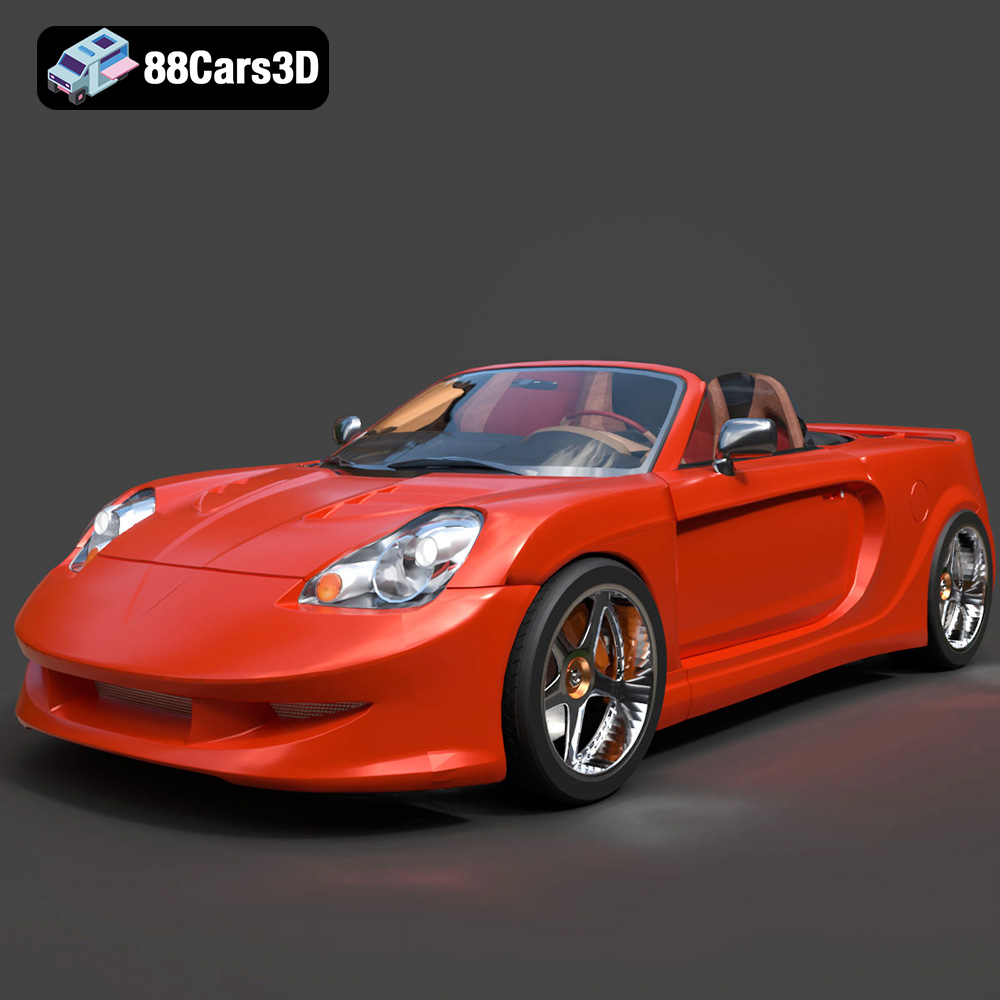
Texture: Yes
Material: Yes
Download the Toyota MRS-007 3D Model featuring clean geometry, realistic detailing, and a fully modeled interior. Includes .blend, .fbx, .obj, .glb, .stl, .ply, .unreal, and .max formats for rendering, simulation, and game development.
Price: $10

Texture: Yes
Material: Yes
Download the Porsche 911 Turbo S 2024 3D Model featuring clean geometry, realistic detailing, and a fully modeled interior. Includes .blend, .fbx, .obj, .glb, .stl, .ply, .unreal, and .max formats for rendering, simulation, and game development.
Price: $20

Texture: Yes
Material: Yes
Download the Pontiac Solstice 2009 3D Model featuring clean geometry, realistic detailing, and a fully modeled interior. Includes .blend, .fbx, .obj, .glb, .stl, .ply, .unreal, and .max formats for rendering, simulation, and game development.
Price: $10

Texture: Yes
Material: Yes
Download the Mini Cooper Countryman 2025 3D Model featuring clean geometry, realistic detailing, and a fully modeled interior. Includes .blend, .fbx, .obj, .glb, .stl, .ply, .unreal, and .max formats for rendering, simulation, and game development.
Price: $29.9
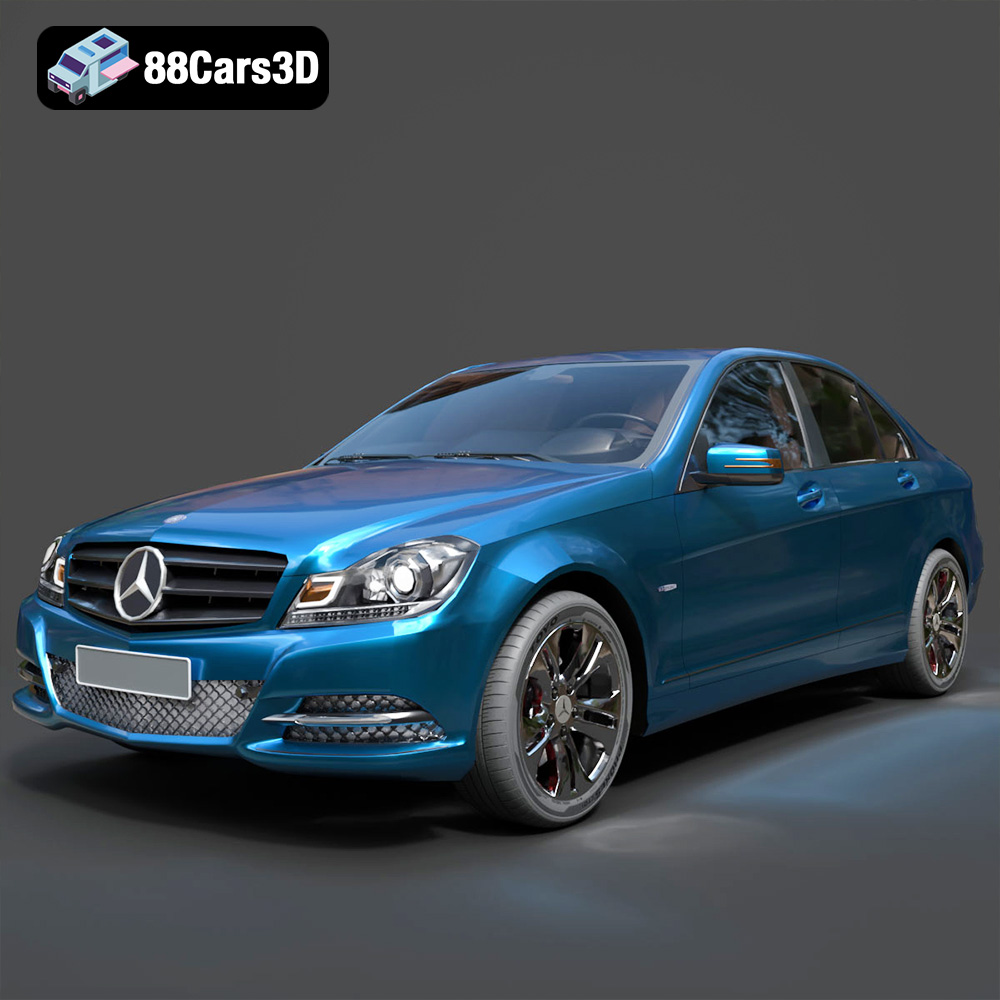
Texture: Yes
Material: Yes
Download the Mercedes C Classe 2012 3D Model featuring clean geometry, realistic detailing, and a fully modeled interior. Includes .blend, .fbx, .obj, .glb, .stl, .ply, .unreal, and .max formats for rendering, simulation, and game development.
Price: $19.9
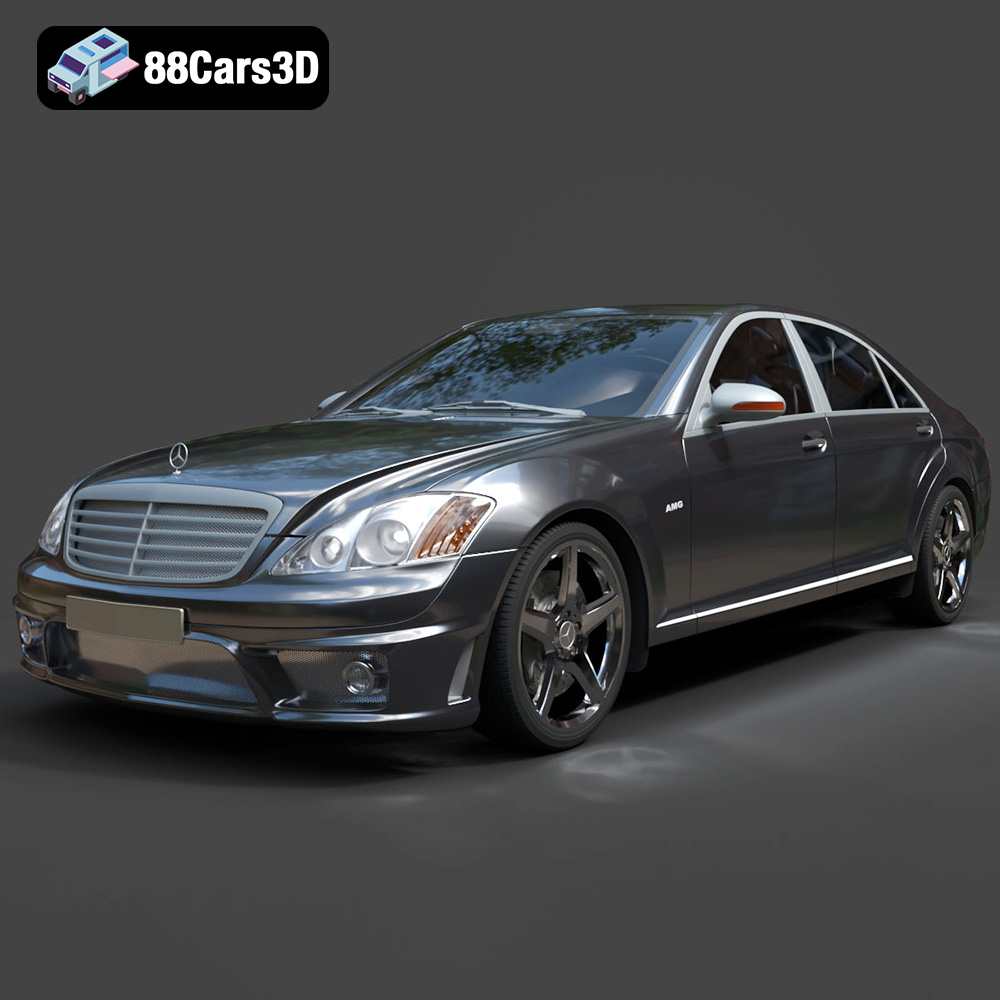
Texture: Yes
Material: Yes
Download the Mercedes-Benz S65 AMG 2018 3D Model featuring clean geometry, realistic detailing, and a fully modeled interior. Includes .blend, .fbx, .obj, .glb, .stl, .ply, .unreal, and .max formats for rendering, simulation, and game development.
Price: $19.9
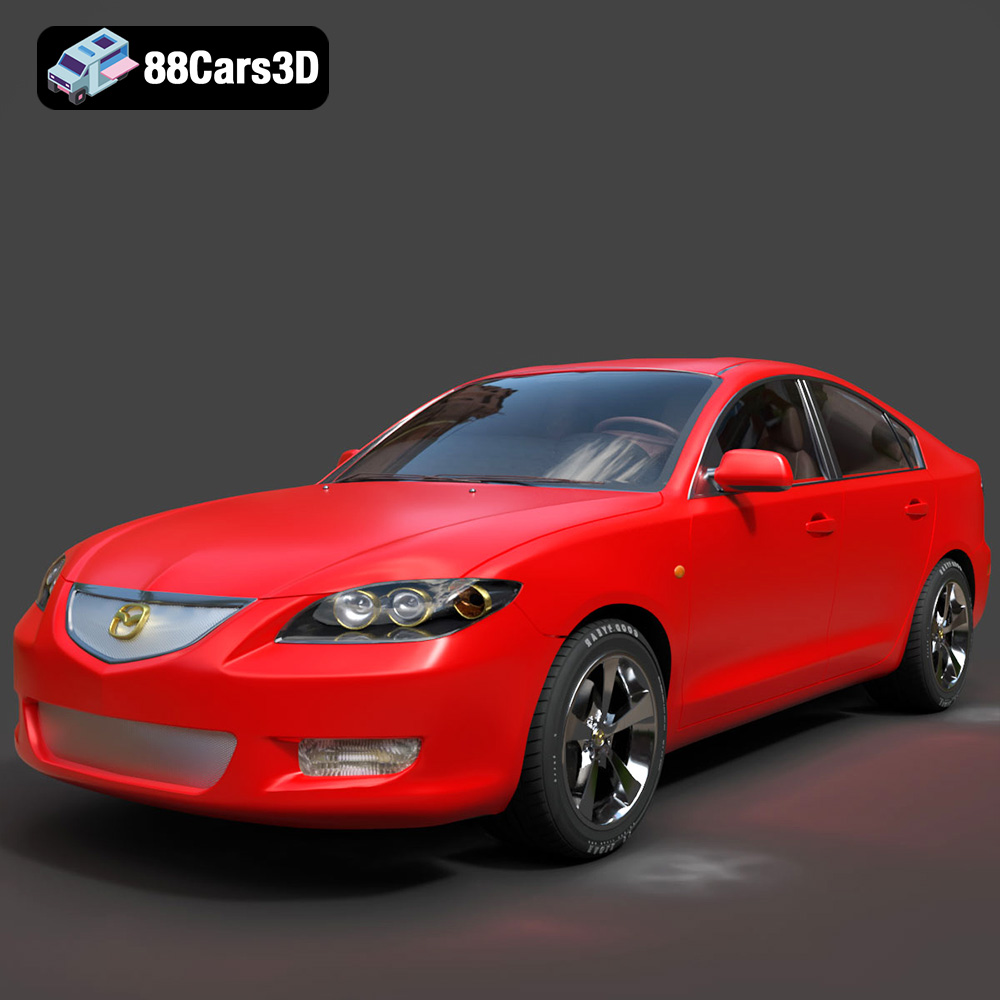
Texture: Yes
Material: Yes
Download the Mazda 3 Sedan 2004 3D Model featuring clean geometry, realistic detailing, and a fully modeled interior. Includes .blend, .fbx, .obj, .glb, .stl, .ply, .unreal, and .max formats for rendering, simulation, and game development.
Price: $10

Texture: Yes
Material: Yes
Download the Martin Rapide 2011 3D Model featuring clean geometry, realistic detailing, and a fully modeled interior. Includes .blend, .fbx, .obj, .glb, .stl, .ply, .unreal, and .max formats for rendering, simulation, and game development.
Price: $20.9
Texture: Yes
Material: Yes
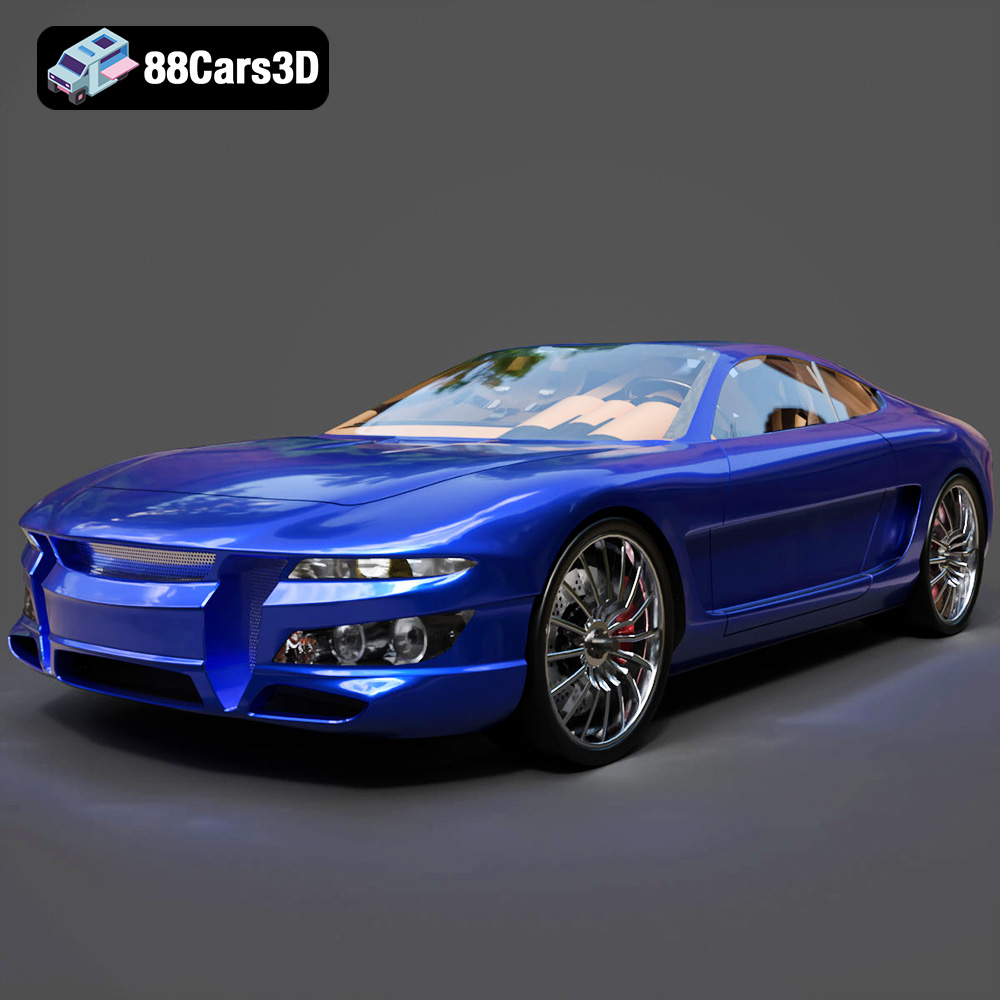
Download the Car Tasergal 005 3D Model featuring clean geometry, realistic detailing, and a fully modeled interior. Includes .blend, .fbx, .obj, .glb, .stl, .ply, .unreal, and .max formats for rendering, simulation, and game development.
Price: $10
Texture: Yes
Material: Yes
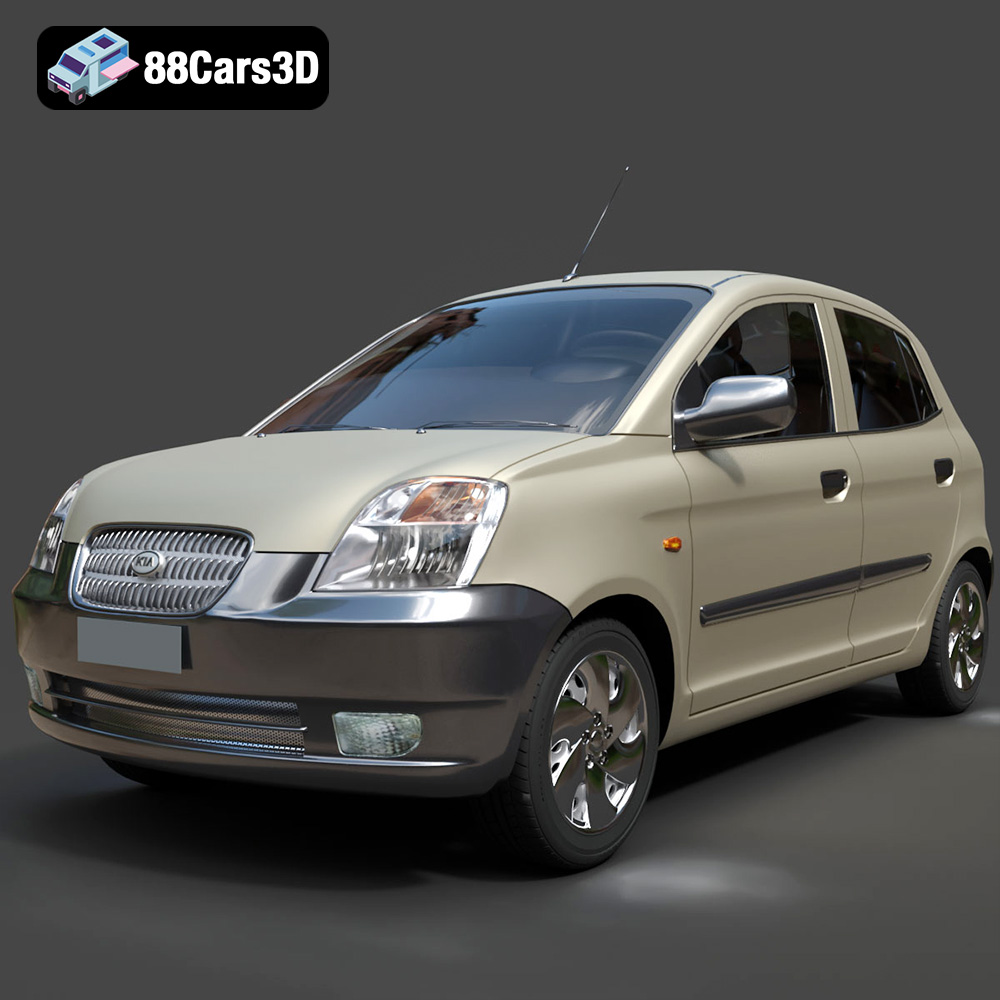
Download the Kia Picanto 2024 3D Model featuring clean geometry, realistic detailing, and a fully modeled interior. Includes .blend, .fbx, .obj, .glb, .stl, .ply, .unreal, and .max formats for rendering, simulation, and game development.
Price: $15.99

