Get 50% OFF All Premium 3D & STL Models!

The automotive industry is in constant motion, and with the acceleration of digital transformation, virtual showrooms have emerged as a powerful paradigm shift. More than just a trend, these immersive digital spaces offer unparalleled accessibility, customization, and engagement, allowing potential buyers to explore vehicles from the comfort of their homes, anywhere in the world. But what truly fuels these breathtaking virtual experiences? It’s the meticulous artistry and technical precision of high-quality 3D car models.
At the heart of every compelling virtual showroom lies a robust 3D model – a digital twin that must perfectly replicate its real-world counterpart. This isn’t merely about aesthetics; it’s about engineering a digital asset capable of photorealistic rendering, real-time interactivity, and seamless integration across diverse platforms, from web browsers to advanced AR/VR headsets. This comprehensive guide will delve deep into the technical intricacies involved in creating, optimizing, and deploying these critical assets. We’ll explore everything from foundational 3D modeling topology and advanced PBR material creation to sophisticated rendering workflows, game engine optimization, and the crucial role of various file formats. By understanding these core principles, artists, developers, and industry professionals can unlock the full potential of virtual showrooms, delivering engaging and impactful automotive visualizations that drive the future of vehicle showcasing.
The journey to a photorealistic 3D car model begins with its underlying mesh structure – the topology. For automotive models, which are defined by their complex curves, sleek surfaces, and precise panel gaps, impeccable topology is not just a preference; it’s a necessity. A clean, well-optimized mesh ensures smooth deformations, accurate reflections, and efficient rendering, laying the groundwork for every subsequent stage of the pipeline. Without it, even the most advanced materials and lighting will struggle to produce convincing results.
Effective topology for automotive models primarily relies on quad-based geometry, meaning faces composed of four vertices. While triangles and n-gons (faces with more than four vertices) have their places in certain contexts, quads are preferred for primary surfaces due to their predictable subdivision behavior and smoother deformations. The goal is to establish an “edge flow” that follows the natural contours and creases of the vehicle. This means edge loops should run parallel to panel lines, around wheel arches, and along the sharp edges of bodywork. When you subdivide a clean quad-based mesh, it smooths out predictably, maintaining the intended shape without pinching or undesirable artifacts. For a high-detail virtual showroom model, target polygon counts can range from **100,000 to 500,000** polygons for the entire vehicle, excluding interior and wheels, to capture all the subtle curvatures and details. However, optimized versions for real-time applications might aim for **20,000 to 50,000** polygons for the main body through techniques like decimation and manual retopology.
Software like Blender offers powerful tools for this. According to the Blender 4.4 manual on modeling (https://docs.blender.org/manual/en/4.4/modeling/index.html), modifiers such as `Subdivision Surface` are crucial for creating smooth, high-resolution meshes from a low-poly base, leveraging clean quad topology. Understanding how to use tools like `Loop Cut and Slide` to add supporting edge loops near sharp corners is vital for controlling the smoothing effect and maintaining crisp edges where needed, such as around windows or door frames.
Automotive modeling presents unique challenges. One common issue is managing **smoothing groups** or **hard/soft edges**. While subdivision surfaces smooth most areas, certain edges, like the sharp cut of a fender or the distinct line of a spoiler, need to remain crisp. In Blender, this is often achieved by adding “crease” values or additional support loops, as well as applying `Edge Split` modifiers or marking edges as sharp. Another challenge lies in handling **complex curvatures** like those found on hoods, roofs, and fenders, where subtle variations in reflection are highly noticeable. This requires meticulous attention to edge flow, ensuring even distribution of polygons to prevent faceting or ripples when light hits the surface. Finally, ensuring a **”water-tight” mesh** – one without holes or disconnected vertices – is paramount. This guarantees consistent rendering results, avoids issues during UV mapping, and is crucial for proper export and compatibility across different software and game engines. Regularly checking for non-manifold geometry and merging vertices within a small threshold are essential practices.
Once the 3D model’s geometry is perfected, the next critical step is to give it realistic surface properties. This involves two closely related processes: UV mapping and the creation of Physically Based Rendering (PBR) materials. Together, these elements transform a gray mesh into a vibrant, reflective, and tactile representation of a car, ready to captivate viewers in a virtual showroom.
UV mapping is the process of unwrapping the 3D surface of a model onto a 2D plane, much like cutting open a cardboard box to lay it flat. This 2D representation, known as a UV map or UV layout, dictates how textures are applied to the model. For complex automotive surfaces, a strategic UV layout is crucial to prevent **stretching, distortion**, or visible seams. The goal is to maximize UV space efficiency, giving important parts of the car, such as the main body panels, headlights, and specific trim, ample texture resolution. Typically, a car model will have multiple UV sets: one for the main body, another for interior elements, wheels, and glass, and perhaps separate maps for decals or specific intricate parts. For the main body, it’s often best to have unique UVs for each major panel to allow for specific paint wear, scratches, or decal placement without repetition. However, for repeating elements like tire treads or bolts, **overlapping UVs** can be used to save texture memory, as these parts can share the same texture space. When unwrapping, aiming for consistent texel density (pixels per unit of surface area) across the model ensures that textures appear uniformly sharp, whether you’re zoomed in on a door handle or viewing the entire car.
Physically Based Rendering (PBR) has revolutionized material creation by mimicking how light interacts with surfaces in the real world. This approach ensures that materials look consistent and realistic under various lighting conditions, a crucial aspect for dynamic virtual showrooms. PBR materials typically consist of several texture maps:
* **Albedo/Base Color:** Defines the color of the surface without any lighting information.
* **Metallic:** Indicates whether a material is metallic (0 for dielectric, 1 for metallic).
* **Roughness/Glossiness:** Determines how rough or smooth a surface is, affecting light scattering and reflections. A low roughness value means a highly reflective, smooth surface like polished paint, while high roughness means a duller, diffuse surface.
* **Normal Map:** Adds fine surface detail and bumps without increasing polygon count, simulating intricate panel lines, screws, or fabric textures.
* **Ambient Occlusion (AO):** Simulates self-shadowing, enhancing depth and realism in crevices and corners.
For car paint, a complex material often involves **layered shaders**. This typically includes a base coat (Albedo, Roughness, Metallic) with metallic flakes and then a clear coat layer, which is highly reflective and slightly refractive. Creating these intricate material networks in software like 3ds Max with Corona or V-Ray, or Blender with Cycles, requires a deep understanding of node-based material editors. For example, in Blender, the `Principled BSDF` shader serves as an excellent starting point for PBR materials, allowing control over metallic, roughness, and clear coat properties directly. The Blender 4.4 manual on Shading (https://docs.blender.org/manual/en/4.4/render/cycles/nodes/shaders/principled.html) details how to combine various textures and nodes for complex material setups. For the sharpest details and to hold up to close-up views in a virtual showroom, texture resolutions of **4K (4096×4096 pixels) to 8K (8192×8192 pixels)** are often employed for critical components, ensuring no pixelation is visible even during an interactive “zoom-in” feature.
A stunning 3D model with exquisite materials can only truly shine under the right lighting. In virtual showrooms, the goal is photorealism – making the digital car indistinguishable from a photograph of its real-world counterpart. This demands a sophisticated understanding of lighting principles and rendering engine capabilities to create environments that highlight the vehicle’s design and appeal.
Effective lighting for automotive visualization often begins with **High Dynamic Range Image (HDRI) environments**. An HDRI is a 360-degree image that captures the full range of light intensities from a real-world location. When used as an environment map in a 3D renderer, it provides realistic reflections, accurate global illumination, and subtle color nuances that instantly ground the car in a believable space. Whether it’s a sterile white studio environment that emphasizes the car’s form or a dramatic sunset scene that highlights its curves, HDRIs are indispensable.
Beyond global illumination, **additional targeted lights** are crucial. A “key light” acts as the primary light source, establishing the main direction of illumination and casting prominent shadows. “Fill lights” soften these shadows and reveal details in darker areas, while “rim lights” (often placed behind and to the sides of the car) create a bright outline, separating the vehicle from the background and enhancing its silhouette. In studio setups, large softbox lights and strip lights are emulated in 3D to create controlled, flattering reflections on the car’s paintwork. For outdoor scenes, a physically accurate sun and sky system complements the HDRI, providing sharp directional shadows and realistic atmospheric effects. Software features like Corona Renderer’s LightMix or V-Ray’s Light Select allow artists to adjust the intensity, color, and even disable individual lights during or after rendering, providing immense creative control. Blender’s Cycles engine offers similar flexibility with its node-based lighting and light groups, enabling artists to fine-tune every aspect of their scene’s illumination.
Choosing the right rendering engine is pivotal. **Offline renderers** like Corona Renderer, V-Ray, Blender Cycles, and Arnold are known for their unparalleled photorealism, leveraging advanced techniques like **ray tracing** to simulate light paths with incredible accuracy. However, this fidelity comes at the cost of render time. Optimizing render settings involves balancing quality with efficiency: adjusting samples per pixel, utilizing denoisers (AI-powered tools that remove noise from renders), and carefully setting up render passes (separate layers for diffuse, reflections, shadows, etc.) for greater flexibility in post-processing. For example, understanding how to configure Cycles’ sampling settings and denoiser options (like OptiX or OpenImageDenoise) is critical for achieving clean renders efficiently, as outlined in the Blender 4.4 documentation on Cycles Render Settings (https://docs.blender.org/manual/en/4.4/render/cycles/render_settings/index.html).
The specific engine choice often depends on the project’s requirements and existing pipeline. Corona Renderer is celebrated for its ease of use and realistic light distribution, while V-Ray offers extensive features for complex productions. Cycles provides a powerful integrated solution within Blender, and Arnold is favored for its cinematic quality. For virtual showrooms, while final high-resolution renders might use these offline engines for marketing materials, the interactive experience often relies on **real-time engines** which we’ll discuss next. Mastering the intricacies of these engines – understanding global illumination methods, subsurface scattering for materials like headlights, and caustics for realistic glass – is what elevates a good render to an exceptional one, capturing every subtle detail of an automotive design.
While offline renderers excel at producing static, photorealistic images, virtual showrooms demand interactivity and real-time performance. This is where game engines like Unity and Unreal Engine become indispensable. Integrating high-quality 3D car models into these environments requires significant optimization to ensure smooth frame rates, responsive controls, and an immersive user experience without compromising visual fidelity.
One of the most crucial optimization techniques for real-time applications is the implementation of **Level of Detail (LODs)**. Instead of rendering a single, high-polygon model at all distances, LODs involve creating multiple versions of the same asset, each with progressively fewer polygons and simpler materials. When the car is far from the camera, a low-polygon LOD is displayed. As the camera approaches, a higher-polygon LOD seamlessly replaces it. A typical car model might have 3-5 LOD levels:
* **LOD0 (High-Poly):** 100,000 – 300,000+ triangles (for close-ups)
* **LOD1 (Medium-Poly):** 30,000 – 80,000 triangles (for mid-range views)
* **LOD2 (Low-Poly):** 10,000 – 25,000 triangles (for distant views)
* **LOD3+ (Impostors/Billboards):** As few as 100-500 triangles or a simple textured plane (for very far distances or reflections).
This dramatically reduces the computational load, especially when multiple vehicles are present in the showroom. **Draw calls** are another major performance bottleneck. Each time the GPU has to switch materials, objects, or textures, it incurs a draw call. Reducing these means combining meshes and using **texture atlasing**, where multiple smaller textures are packed into one larger texture map. For instance, all the separate textures for a car’s interior trim, dashboard, and seats could be combined into a single atlas, reducing many draw calls to just one or two. Tools within game engines and DCC software (like Blender’s `Decimate` modifier or external retopology tools) aid in polygon reduction and LOD generation, while manual re-modeling for specific LODs ensures visual integrity. Platforms like 88cars3d.com often provide models pre-optimized with multiple LODs and texture atlases, ready for immediate integration into game engines, significantly streamlining development for virtual showrooms.
Bringing PBR materials into a real-time engine requires careful setup. Game engines interpret PBR textures (Albedo, Metallic, Roughness, Normal, AO) and apply them to the model through their own material systems. In Unity, this involves setting up materials using the `Standard` or `HDRP/URP Lit` shaders. In Unreal Engine, the `Material Editor` provides a powerful node-based interface to connect textures and create complex PBR shaders, often replicating the layered look of car paint.
For lighting, game engines offer a blend of **baked lighting** and **real-time global illumination**. Baked lighting pre-calculates static light and shadow information into lightmaps, which is highly efficient for static showroom environments. However, real-time global illumination (like Unreal Engine’s Lumen or Unity’s Enlighten/Probe-based systems) is essential for dynamic elements, reflections, and changes to the environment, allowing for interactive time-of-day changes or moving lights. Optimizing reflections is critical for cars; techniques include using **reflection probes** (static or real-time) and **screen space reflections** (SSR). Post-processing effects, such as Ambient Occlusion, Bloom, Color Grading, and Anti-aliasing, are applied to the final image to enhance visual fidelity and achieve a cinematic look, often making the difference between a good virtual showroom and an truly immersive one.
The true power of virtual showrooms lies in their capacity for interactivity and immersion, particularly when extending into Augmented Reality (AR) and Virtual Reality (VR). These technologies transform a passive viewing experience into an active, engaging exploration, allowing users to interact with the vehicle in unprecedented ways.
AR and VR applications introduce even stricter performance demands than traditional real-time experiences, especially for mobile AR. The goal is to maintain a high frame rate (typically **60-90 frames per second**) to prevent motion sickness and ensure smooth interaction. This means significantly tighter **polygon budgets** – often targeting **50,000 to 100,000 triangles** for an entire car model in mobile AR, and perhaps up to 200,000-300,000 triangles for high-end VR on desktop. This necessitates aggressive LOD strategies and meticulous optimization of every asset.
Texture sizes also need to be optimized, typically ranging from **1K (1024×1024) to 2K (2048×2048)** for the majority of textures, sometimes with smaller resolutions for less critical elements. Over-optimizing, however, can lead to a noticeable drop in visual quality, so a delicate balance must be struck. **Single-pass stereo rendering**, where both eyes’ views are rendered simultaneously in one pass, is a crucial VR optimization technique to reduce CPU and GPU overhead. Furthermore, specific file formats are favored for AR/VR. **GLB (glTF Binary)** is widely adopted for web-based and cross-platform AR/VR due to its efficiency and ability to embed models, textures, and animations in a single file. For Apple’s AR ecosystem, **USDZ** is the standard, optimized for quick loading and realistic rendering on iOS devices. Ensuring models are exported correctly in these formats, with proper material assignments and scale, is paramount for a seamless AR/VR experience.
The interactive features within a virtual showroom are what truly differentiate it from a static image gallery. **Configurators** are a prime example, allowing users to instantly change car paint colors, swap out wheel designs, select interior trims, and add optional accessories. This level of customization empowers buyers and creates a highly personalized experience. Beyond aesthetics, interactive elements can include:
* **Door and hood opening animations:** Allowing users to virtually “open” doors, peer into the engine bay, or examine the trunk space.
* **Interior views and hotspots:** Enabling users to step inside the car, look around a 360-degree interior, and click on interactive “hotspots” to learn about specific features like infotainment systems or safety technologies.
* **Lights and turn signals:** Activating functional car lights or turn signals adds another layer of realism.
* **Environmental controls:** Allowing users to change the lighting environment (e.g., day to night, different studio settings) to see how the car looks under various conditions.
Implementing these features requires robust scripting within the game engine, connecting user interface elements to model animations, material swaps, and lighting adjustments. The goal is to create an intuitive and engaging user journey that replicates the tactile experience of exploring a real car showroom, enhancing the decision-making process for potential buyers.
The journey of a 3D car model from its creation in a Digital Content Creation (DCC) tool to its deployment in a virtual showroom involves navigating a complex landscape of file formats and ensuring compatibility across different software and platforms. Understanding these technical nuances is crucial for a smooth and efficient production pipeline.
The 3D industry utilizes a variety of file formats, each with its strengths and specific applications:
* **FBX (Filmbox):** Developed by Autodesk, FBX is arguably the most prevalent interchange format. It can store not only geometry (meshes, UVs, normals) but also materials, textures, animations, cameras, and lights. It’s widely supported across DCC applications like 3ds Max, Maya, Blender, and game engines like Unity and Unreal. It’s an excellent choice for transferring a complete animated car model between software.
* **OBJ (Wavefront Object):** A simpler, older, but highly universal format. OBJ primarily stores mesh geometry (vertices, faces, UVs, normals) and references external material files (.MTL) for basic color and texture information. It’s highly compatible but does not support animations or advanced material properties. It’s often used for static mesh transfer.
* **GLB/glTF (Graphics Language Transmission Format):** An open-standard, royalty-free format designed for the efficient transmission and loading of 3D scenes and models by engines and applications. GLB is the binary version, packing everything (geometry, materials, textures, animations) into a single file, making it ideal for web-based viewers, AR/VR, and real-time applications due to its optimized size and runtime capabilities.
* **USDZ (Universal Scene Description Zip):** A proprietary file format developed by Apple in collaboration with Pixar. USDZ is specifically designed for AR applications on Apple’s iOS platform, leveraging Pixar’s robust USD framework. It’s optimized for quick loading and high-fidelity rendering on mobile devices, making it essential for any AR experience targeting the Apple ecosystem.
* **Blender’s native .blend format:** While not an interchange format, it’s crucial for Blender users. The Blender 4.4 documentation on File Management (https://docs.blender.org/manual/en/4.4/files/index.html) emphasizes efficient saving, linking, and appending to manage project assets effectively within Blender itself.
Each format has its trade-offs regarding file size, feature support, and compatibility. Choosing the right format depends on the specific stage of the pipeline and the target platform.
Ensuring a 3D car model looks and performs consistently across different software and virtual showroom platforms requires meticulous attention to detail during export.
* **Units and Scale:** Always ensure that the units in your DCC software match the units of your target game engine or rendering application. Inconsistent scaling can lead to incorrect lighting, physics, or visual discrepancies. Most 3D applications default to meters or centimeters; aligning these is critical.
* **Material Conversions:** PBR materials created in one renderer (e.g., Corona) will likely need to be manually re-setup or adjusted when moving to another (e.g., Unreal Engine) due to differences in shader implementations. While texture maps (Albedo, Normal, Roughness) are universal, the way they are plugged into and interpreted by shader nodes can vary.
* **Texture Paths:** Ensure all texture paths are relative or embedded during export to avoid “missing texture” errors when the model is moved to a new environment.
* **Pivot Points and Transformations:** Verify that model pivots are correctly placed (e.g., at the center of the car’s base) and transformations are frozen or reset before export, preventing unexpected scaling or rotation issues in the target application.
* **Well-Organized Asset Libraries:** For organizations managing numerous car models, establishing a standardized asset library with consistent naming conventions, folder structures, and metadata is crucial. This facilitates easy retrieval, version control, and seamless integration into various projects. Platforms like 88cars3d.com exemplify this by offering models that are already optimized, cleanly structured, and available in multiple common file formats, significantly streamlining the process for artists and developers sourcing high-quality automotive assets for their virtual showrooms.
The evolution of virtual showrooms marks a significant leap forward in how the automotive industry presents its vehicles. At the core of this transformation are high-quality 3D car models – not just static representations, but meticulously crafted digital assets capable of delivering photorealistic renders and immersive, interactive experiences. From the foundational precision of clean topology and strategic UV mapping to the advanced artistry of PBR materials and dynamic lighting, every technical detail contributes to creating a convincing digital twin.
We’ve explored the critical importance of optimizing these models for real-time performance in game engines through LODs and draw call reduction, ensuring smooth interaction for the end-user. The unique demands of AR/VR were also highlighted, emphasizing strict polygon budgets and specific file formats like GLB and USDZ to deliver truly immersive applications. Finally, understanding the nuances of 3D file formats and mastering cross-platform compatibility are essential for a seamless workflow, bridging the gap between design and deployment.
By investing in high-fidelity 3D car models and adhering to industry best practices in modeling, texturing, rendering, and optimization, businesses can create virtual showrooms that not only captivate audiences but also provide a powerful, informative, and unforgettable engagement with their products. As technology continues to advance, the demand for sophisticated 3D assets will only grow, making the expertise discussed here more valuable than ever. Dive into the world of digital automotive visualization, and explore how platforms like 88cars3d.com can provide the professional-grade assets needed to drive your virtual showroom to success. The future of car showcasing is here, and it’s undeniably 3D.
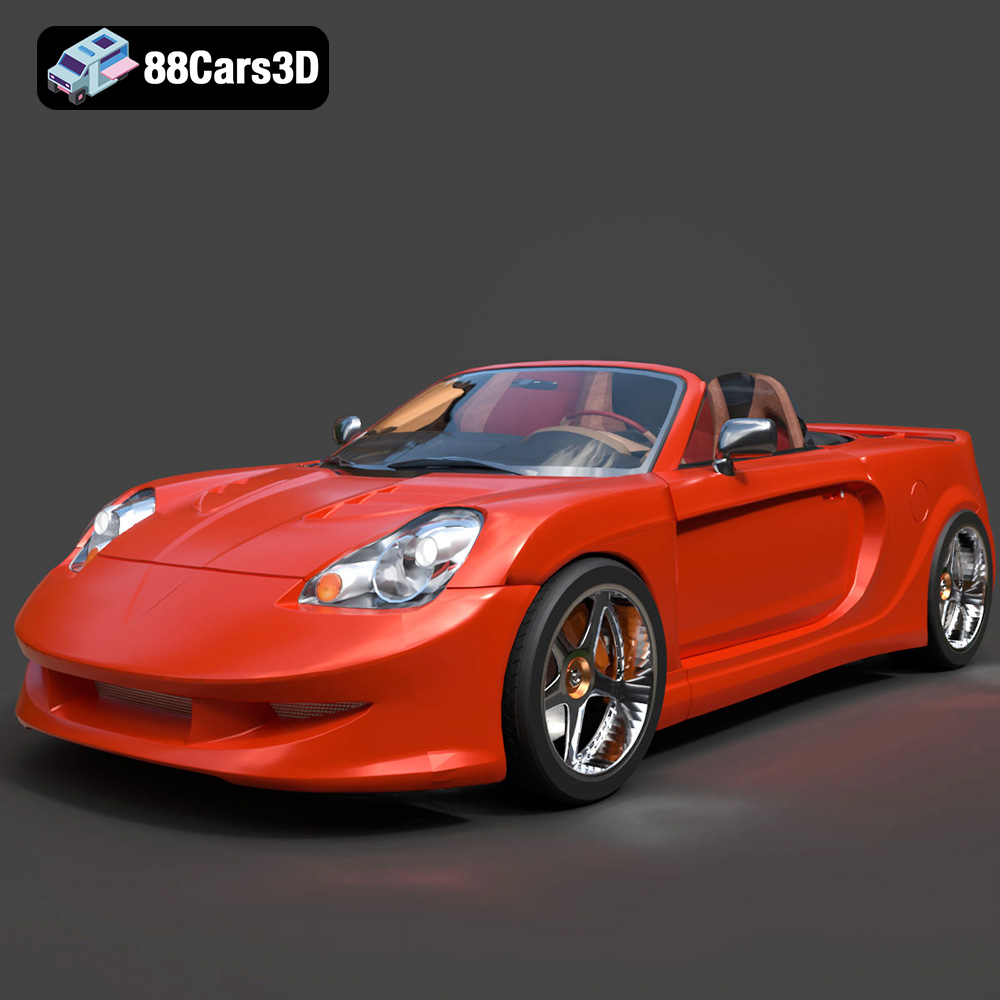
Texture: Yes
Material: Yes
Download the Toyota MRS-007 3D Model featuring clean geometry, realistic detailing, and a fully modeled interior. Includes .blend, .fbx, .obj, .glb, .stl, .ply, .unreal, and .max formats for rendering, simulation, and game development.
Price: $10

Texture: Yes
Material: Yes
Download the Porsche 911 Turbo S 2024 3D Model featuring clean geometry, realistic detailing, and a fully modeled interior. Includes .blend, .fbx, .obj, .glb, .stl, .ply, .unreal, and .max formats for rendering, simulation, and game development.
Price: $20

Texture: Yes
Material: Yes
Download the Pontiac Solstice 2009 3D Model featuring clean geometry, realistic detailing, and a fully modeled interior. Includes .blend, .fbx, .obj, .glb, .stl, .ply, .unreal, and .max formats for rendering, simulation, and game development.
Price: $10

Texture: Yes
Material: Yes
Download the Mini Cooper Countryman 2025 3D Model featuring clean geometry, realistic detailing, and a fully modeled interior. Includes .blend, .fbx, .obj, .glb, .stl, .ply, .unreal, and .max formats for rendering, simulation, and game development.
Price: $29.9
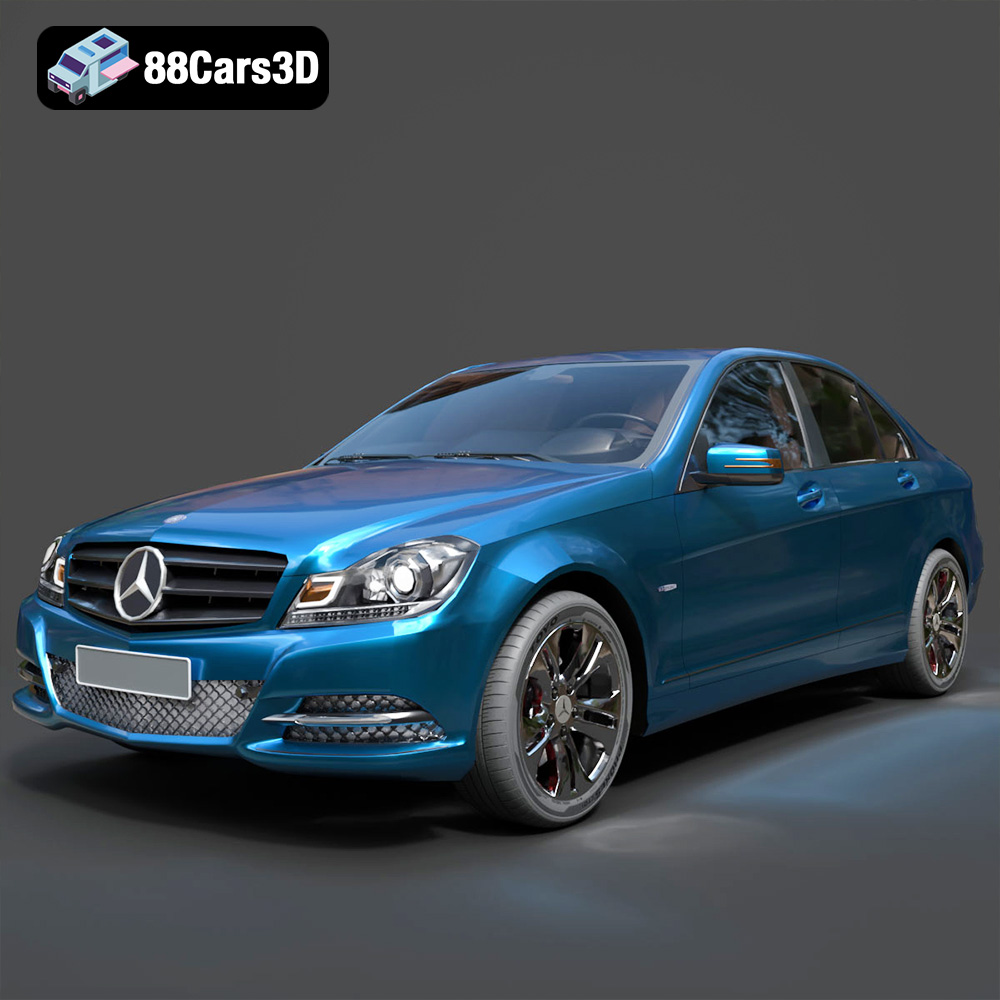
Texture: Yes
Material: Yes
Download the Mercedes C Classe 2012 3D Model featuring clean geometry, realistic detailing, and a fully modeled interior. Includes .blend, .fbx, .obj, .glb, .stl, .ply, .unreal, and .max formats for rendering, simulation, and game development.
Price: $19.9
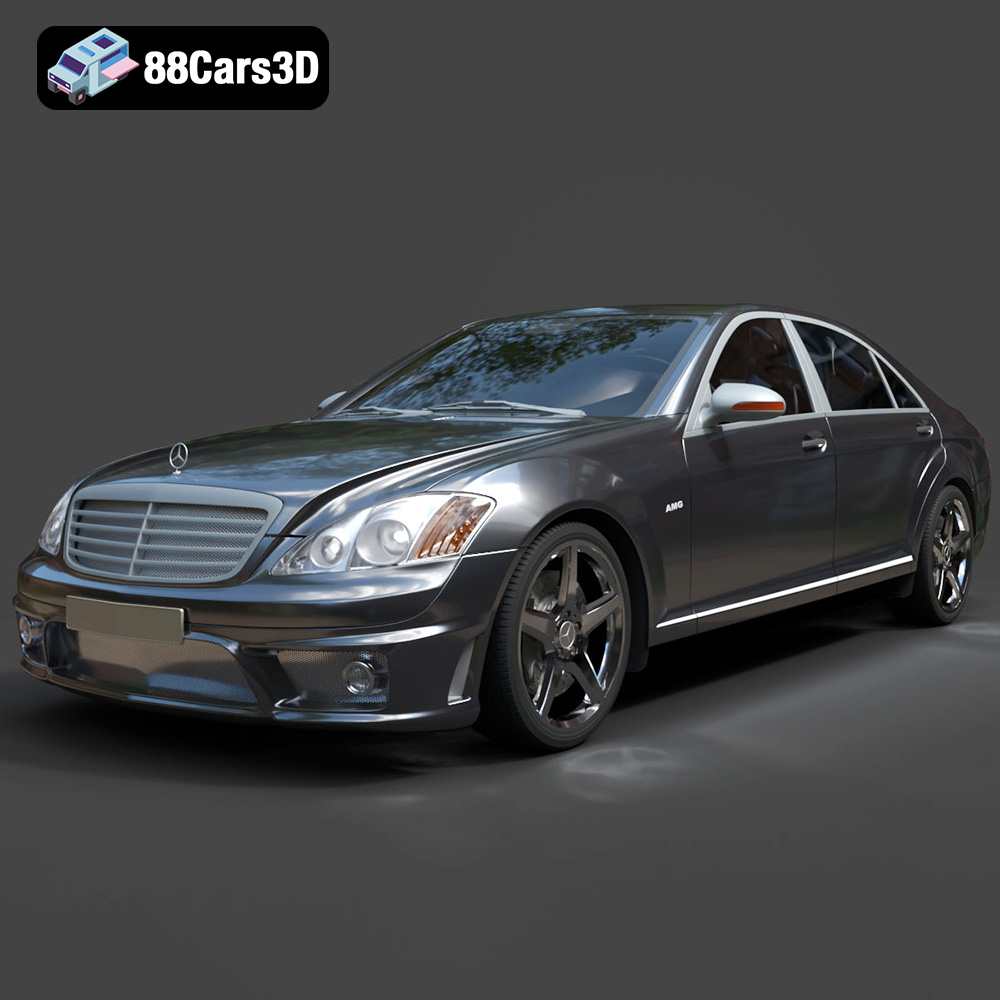
Texture: Yes
Material: Yes
Download the Mercedes-Benz S65 AMG 2018 3D Model featuring clean geometry, realistic detailing, and a fully modeled interior. Includes .blend, .fbx, .obj, .glb, .stl, .ply, .unreal, and .max formats for rendering, simulation, and game development.
Price: $19.9
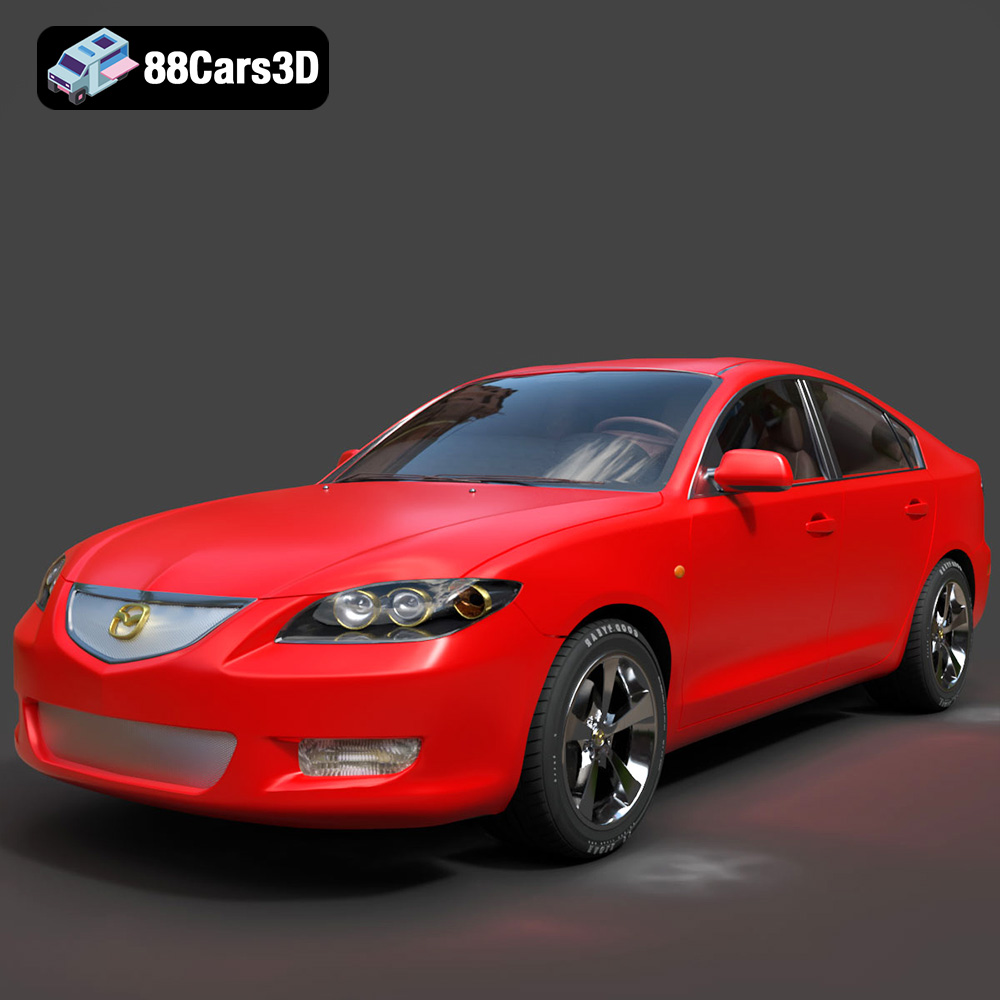
Texture: Yes
Material: Yes
Download the Mazda 3 Sedan 2004 3D Model featuring clean geometry, realistic detailing, and a fully modeled interior. Includes .blend, .fbx, .obj, .glb, .stl, .ply, .unreal, and .max formats for rendering, simulation, and game development.
Price: $10

Texture: Yes
Material: Yes
Download the Martin Rapide 2011 3D Model featuring clean geometry, realistic detailing, and a fully modeled interior. Includes .blend, .fbx, .obj, .glb, .stl, .ply, .unreal, and .max formats for rendering, simulation, and game development.
Price: $20.9
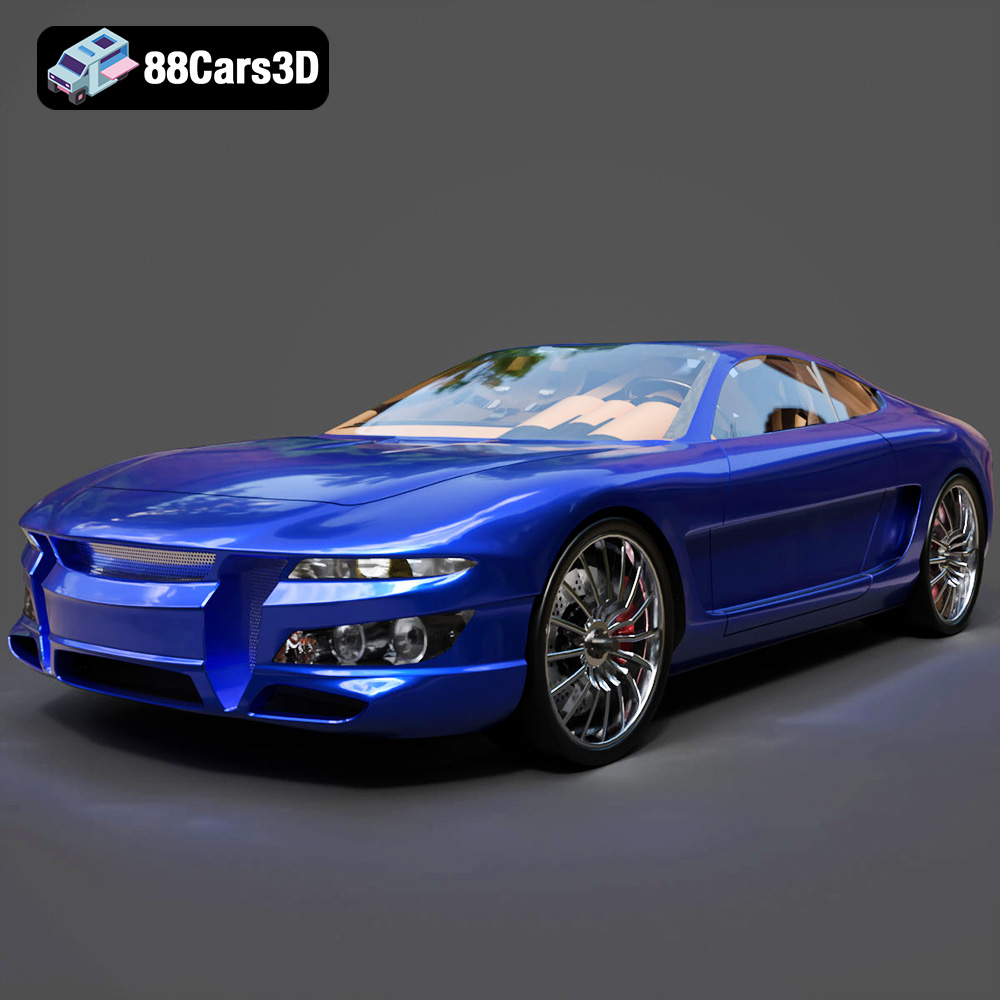
Texture: Yes
Material: Yes
Download the Car Tasergal 005 3D Model featuring clean geometry, realistic detailing, and a fully modeled interior. Includes .blend, .fbx, .obj, .glb, .stl, .ply, .unreal, and .max formats for rendering, simulation, and game development.
Price: $10
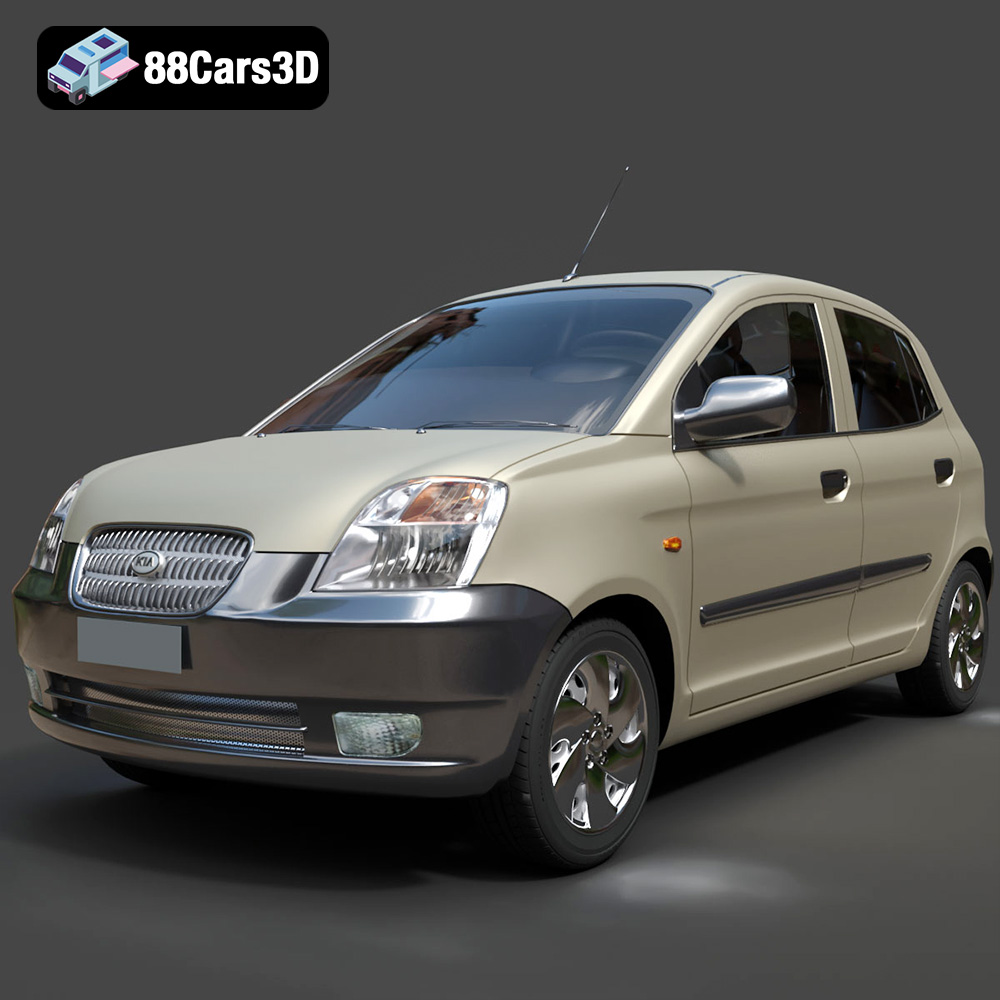
Texture: Yes
Material: Yes
Download the Kia Picanto 2024 3D Model featuring clean geometry, realistic detailing, and a fully modeled interior. Includes .blend, .fbx, .obj, .glb, .stl, .ply, .unreal, and .max formats for rendering, simulation, and game development.
Price: $15.99

