Get 50% OFF All Premium 3D & STL Models!

The journey from a raw 3D model to a captivating real-time automotive visualization in Unreal Engine is a complex yet incredibly rewarding process. At its core, success hinges on meticulous asset management and a well-thought-out project organization strategy. Without a robust framework, even the most stunning 3D car models can lead to spiraling development times, performance bottlenecks, and collaborative nightmares.
For professionals in automotive design, game development, virtual production, and interactive experiences, Unreal Engine offers unparalleled power and flexibility. However, harnessing this power, especially with high-fidelity assets like those found on platforms such as 88cars3d.com, requires discipline. This comprehensive guide will walk you through the essential techniques for organizing your Unreal Engine projects, optimizing your 3D car models, and leveraging cutting-edge features to achieve photorealistic, performant, and scalable automotive visualizations. We’ll dive deep into everything from initial project setup to advanced optimization, ensuring your automotive projects run smoothly and look spectacular.
The cornerstone of any successful Unreal Engine project, particularly one involving complex assets like 3D car models, is a clear, logical project structure and consistent naming conventions. Think of it as the blueprint for your entire development pipeline. A well-organized Content Browser not only speeds up workflow for individual artists but also facilitates seamless collaboration across larger teams, reduces errors, and makes future updates or debugging significantly easier. Without this foundation, even the highest quality assets can become a tangled mess, leading to wasted time and frustration.
Implementing a standardized structure from the outset prevents the common issue of a “wild west” Content folder where assets are scattered haphazardly. This is especially vital when importing multiple high-fidelity 3D car models, each potentially consisting of dozens of meshes, textures, and materials. A consistent approach ensures that any team member can quickly locate, understand, and work with any asset, whether it’s a specific car paint material or a custom Blueprint for an interactive door.
Your Content Browser should reflect a logical categorization that makes sense for automotive visualization. A common and highly effective structure begins with broad categories and then drills down into specifics. Here’s a recommended hierarchy for your Unreal Engine projects:
Content/
Blueprints/ (For all custom Blueprint classes)Cars/
[ManufacturerName]/ (e.g., BMW/, Mercedes/, Porsche/)
[ModelName]/ (e.g., i8/, GT_R/)
Meshes/ (For static meshes like body, interior, wheels)Materials/ (Base materials, material instances for paint, glass, rubber)Textures/ (Albedo, Normal, Roughness, Metallic, AO maps)Blueprints/ (Car-specific Blueprints, e.g., vehicle controller)Animations/ (Door open/close, wheel rotation if not physics-driven)Sounds/ (Engine sounds, door closing sounds)Environments/ (For maps, props, lighting setups)
Studio/CityStreet/FX/ (Particle systems like exhaust, dust)UI/ (Widgets for interactive elements)PostProcess/ (Custom post-process volumes and effects)Maps/ (Your level files)Sequences/ (Cinematic sequences)This structure provides immediate clarity. For instance, if you’re looking for the metallic texture of a BMW i8, you know exactly where to find it: Content/Cars/BMW/i8/Textures/. When sourcing automotive assets from marketplaces such as 88cars3d.com, it’s wise to integrate them into this consistent structure as soon as they are imported, avoiding a disorganized ‘Imports’ folder.
Beyond folder structure, standardized naming conventions for individual assets are crucial. Unreal Engine’s Content Browser uses prefixes to indicate asset types, which greatly aids in searching and filtering. Adopting a consistent prefix system, combined with clear, descriptive names, makes your project self-documenting. Here are widely accepted prefixes:
SM_BMW_i8_Body, SM_Wheel_Front_LeftSK_Character_DriverT_BMW_i8_Body_Albedo, T_Tire_NormalM_CarPaint_Base, M_Glass_TintedMI_BMW_i8_Paint_Red, MI_Tire_Rubber_WornBP_BMW_i8_Vehicle, BP_Door_InteractionVC_Player_CarLS_BMW_i8_Showcase_IntroPC_Exhaust_SmokeS_Engine_IdleP_BMW_i8_BodyDT_CarStatsCombine these prefixes with descriptive names, using underscores for separation and camel case where appropriate. For example, a texture for the roughness of a specific car paint could be named T_BMW_i8_Paint_Red_Roughness. This level of detail, while seemingly minor, exponentially improves project maintainability and collaboration, ensuring your team spends more time creating and less time searching.
High-fidelity 3D car models are the heart of automotive visualization. Importing these complex assets into Unreal Engine requires a strategic approach to maintain visual quality while ensuring optimal performance. Models sourced from reputable providers like 88cars3d.com are typically well-optimized, but understanding the import process and further optimization techniques is key to leveraging their full potential within your Unreal Engine project. This section covers crucial steps from pre-import preparation to advanced techniques like Nanite for handling immense polygon counts.
Before bringing your 3D car models into Unreal Engine, some preparation in your 3D modeling software (e.g., Blender, Maya, 3ds Max) is essential. Clean, well-structured models lead to fewer issues and better performance:
When importing the FBX file into Unreal Engine, pay close attention to the import dialog options:
For detailed guidance on FBX import settings, refer to the official Unreal Engine documentation on importing static meshes at https://dev.epicgames.com/community/unreal-engine/learning.
One of Unreal Engine’s most transformative features for high-fidelity assets is Nanite, a virtualized geometry system introduced in UE5. Nanite allows artists to import film-quality assets with millions or even billions of polygons without manual LODs, tessellation, or normal map baking. For high-end 3D car models, Nanite is a game-changer:
To enable Nanite for your imported mesh, simply select the static mesh asset in the Content Browser, open its details panel, and check the “Enable Nanite” checkbox under the “Nanite Settings” section. You might also adjust the “Fallback Relative Error” to control the precision of the simplified mesh used for distant views, though default settings are often sufficient. For high-poly 3D car models, Nanite is the recommended approach for optimal visual quality and performance in modern real-time rendering contexts.
While Nanite is excellent for high-end rendering, there are scenarios where traditional Level of Detail (LOD) generation remains relevant, especially for projects targeting mobile AR/VR, older hardware, or specific game development constraints. For such cases, manual or automatic LOD generation is crucial for performance optimization.
Proper LOD management ensures that your automotive scene renders efficiently, delivering a smooth experience across various distances and hardware configurations, effectively balancing visual fidelity with performance requirements.
The visual appeal of any 3D car model largely depends on its materials and textures. Achieving photorealistic surfaces in Unreal Engine relies on the Physically Based Rendering (PBR) workflow, which accurately simulates how light interacts with different materials in the real world. This section delves into creating stunning PBR materials for your automotive assets, managing textures efficiently, and developing advanced material setups for complex car finishes.
PBR materials are crucial for realistic rendering because they adhere to physical laws, making them look correct under any lighting conditions. In Unreal Engine’s Material Editor, the core PBR properties typically include:
For effective asset management, use Material Instances. Create a robust master material (e.g., M_CarPaint_Base) with exposed parameters (Base Color tint, Roughness multiplier, flake intensity, normal strength). Then, create material instances (e.g., MI_BMW_i8_Paint_Red, MI_BMW_i8_Paint_BlueMetallic) from this master material. This allows you to create countless variations (different paint colors, varying tire wear, distinct interior trims) without compiling new shaders or duplicating complex node graphs, significantly reducing iteration time and improving performance.
Textures are often the largest contributors to project size and VRAM usage. Efficient texture management is vital for performance, especially in real-time automotive visualization.
By optimizing texture usage, you maintain visual fidelity without excessively burdening GPU memory, crucial for smooth real-time rendering, particularly for high-poly 3D car models.
Automotive surfaces demand sophisticated material setups to achieve true realism. Here are some advanced techniques:
Each of these advanced material techniques adds a layer of realism that elevates your automotive visualizations from good to outstanding, making the 3D car models indistinguishable from their real-world counterparts.
Lighting is paramount in automotive visualization, often making or breaking the realism of a scene. Unreal Engine’s advanced real-time lighting systems allow artists to create dynamic, photorealistic environments that showcase 3D car models in their best light. This section focuses on harnessing Unreal Engine’s state-of-the-art global illumination, setting up realistic light rigs, and fine-tuning visuals with post-processing effects to achieve cinematic quality.
Lumen is Unreal Engine 5’s fully dynamic global illumination and reflections system, providing an unprecedented level of realism for real-time applications. For automotive visualization, Lumen is a transformative feature:
Lumen eliminates the need for baking static lighting, making it ideal for interactive automotive configurators where lighting conditions or vehicle positions can change dynamically. It ensures that your high-fidelity 3D car models are always presented with physically accurate and visually stunning illumination.
Beyond Lumen, strategic use of High Dynamic Range Images (HDRIs) and custom light rigs allows for artistic control and diverse lighting scenarios:
Combining HDRIs for ambient realism with custom light rigs for targeted illumination provides unparalleled control over the mood and visual impact of your automotive scenes.
Post-processing effects are the final polish that elevates raw renders to cinematic quality. Applied via a Post Process Volume in your scene, these effects allow for artistic expression and critical visual adjustments:
By meticulously adjusting these post-process settings, you can define the visual identity of your automotive visualization, creating a powerful emotional connection with the viewer and ensuring your 3D car models truly stand out.
Beyond static renders, Unreal Engine excels at creating interactive and dynamic automotive experiences. From changing paint colors on the fly to realistic driving simulations and cinematic sequences, these capabilities transform passive viewing into engaging interactions. This section explores how Blueprint visual scripting, vehicle physics, and Sequencer can bring your 3D car models to life.
Blueprint Visual Scripting is Unreal Engine’s powerful node-based system that allows artists and designers to create complex gameplay and interactive logic without writing a single line of code. For automotive configurators, Blueprint is indispensable:
The power of Blueprint lies in its accessibility and iterative nature, enabling rapid prototyping of complex interactive experiences. You can find extensive Blueprint examples and tutorials on the Epic Games learning portal: https://dev.epicgames.com/community/unreal-engine/learning.
For simulations, games, or truly interactive driving experiences, accurate vehicle physics are essential. Unreal Engine’s Chaos Vehicles system provides a robust framework for simulating realistic car dynamics:
Achieving believable vehicle dynamics requires careful tweaking and understanding of real-world automotive engineering principles. The goal is to create a driving experience that feels authentic and responsive, whether for a high-fidelity driving simulator or an arcade-style racing game built around your 3D car models.
Sequencer is Unreal Engine’s non-linear cinematic editor, allowing you to create stunning cinematics, animations, and virtual production sequences. For automotive showcases, Sequencer is a powerful tool:
By mastering Sequencer, you can craft compelling visual narratives around your automotive assets, suitable for marketing, film, or immersive presentations, showcasing every meticulously crafted detail of your 3D car models in a dynamic and engaging way.
Even with powerful features like Nanite and Lumen, performance optimization remains a critical aspect of Unreal Engine development, especially for complex automotive projects aiming for real-time rendering. Ensuring your project runs smoothly across target platforms requires a systematic approach to identify and resolve bottlenecks. This section covers various strategies to keep your automotive visualizations performant and scalable.
The first step in optimization is always to understand where your project is spending its resources. Unreal Engine provides several tools for this:
Window > Developer Tools > Asset Audit. It allows you to analyze your project’s assets by type, size, and memory usage. You can quickly identify which textures are the largest, which static meshes have the most polygons (if not using Nanite), or which materials are the most complex. This is crucial for pinpointing heavy assets from your 3D car models and environment.Stat Unit: Displays CPU (Game, Draw, GPU) and frame time. This tells you if you’re CPU or GPU bound.Stat GPU: Provides a detailed breakdown of GPU rendering passes, helping identify expensive post-processing, lighting, or draw calls.Stat RHI: Shows render hardware interface stats, including draw calls and primitive counts.Stat Engine: Gives a broader overview of engine performance.Regularly auditing and profiling your project, especially after adding new 3D car models or environments, helps maintain a healthy performance baseline and catch issues before they escalate.
When creating expansive automotive visualization scenes, such as large cityscapes or sprawling test tracks, managing all the content in a single level can become unwieldy and impact performance. Unreal Engine 5’s World Partition system, combined with Data Layers, offers a robust solution for this:
By leveraging World Partition and Data Layers, you can build incredibly complex and detailed automotive worlds without sacrificing editor responsiveness or runtime performance, making your projects more scalable and manageable.
Developing interactive automotive experiences for Augmented Reality (AR) and Virtual Reality (VR) presents unique optimization challenges due to strict performance targets (e.g., 90 FPS for comfortable VR). Here are key strategies:
Optimizing for AR/VR requires a meticulous, detail-oriented approach to asset management and rendering. Each polygon, texture, and shader instruction must be considered to deliver a smooth and immersive experience for your interactive 3D car models.
Mastering Unreal Engine for automotive visualization is an art and a science, requiring not just artistic talent but also a disciplined approach to asset management and project organization. Throughout this comprehensive guide, we’ve explored the critical foundations for building performant, scalable, and visually stunning automotive projects. From establishing a logical project structure and consistent naming conventions to leveraging cutting-edge features like Nanite and Lumen, every step contributes to a more efficient workflow and a superior final product.
We’ve delved into the intricacies of importing high-fidelity 3D car models, crafting realistic PBR materials and textures, and illuminating your scenes with dynamic real-time lighting. Furthermore, we’ve highlighted how Blueprint visual scripting can create engaging interactive experiences, how Chaos Vehicles can simulate realistic driving dynamics, and how Sequencer can produce cinematic masterpieces. Finally, we emphasized the non-negotiable importance of optimization strategies, ensuring your projects perform flawlessly across diverse platforms, including the demanding world of AR/VR.
By integrating these best practices into your Unreal Engine workflow, you’ll not only streamline your development process but also unlock the full potential of your high-quality 3D car models, transforming them into immersive, interactive experiences. Remember that sourcing top-tier assets from reputable platforms like 88cars3d.com provides an excellent starting point, but it’s your organizational rigor and technical acumen that will truly bring those assets to life. Embrace these techniques, experiment, and continue to push the boundaries of real-time automotive visualization.
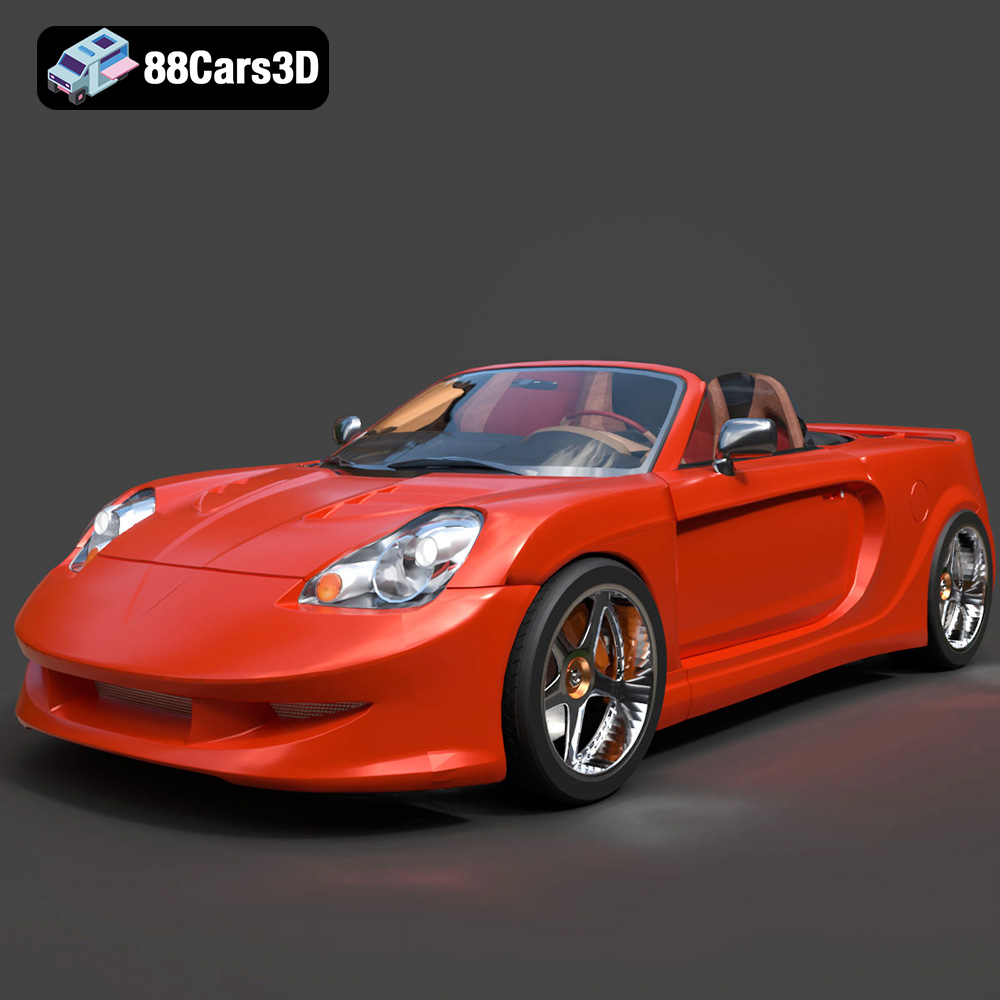
Texture: Yes
Material: Yes
Download the Toyota MRS-007 3D Model featuring clean geometry, realistic detailing, and a fully modeled interior. Includes .blend, .fbx, .obj, .glb, .stl, .ply, .unreal, and .max formats for rendering, simulation, and game development.
Price: $10

Texture: Yes
Material: Yes
Download the Porsche 911 Turbo S 2024 3D Model featuring clean geometry, realistic detailing, and a fully modeled interior. Includes .blend, .fbx, .obj, .glb, .stl, .ply, .unreal, and .max formats for rendering, simulation, and game development.
Price: $20

Texture: Yes
Material: Yes
Download the Pontiac Solstice 2009 3D Model featuring clean geometry, realistic detailing, and a fully modeled interior. Includes .blend, .fbx, .obj, .glb, .stl, .ply, .unreal, and .max formats for rendering, simulation, and game development.
Price: $10

Texture: Yes
Material: Yes
Download the Mini Cooper Countryman 2025 3D Model featuring clean geometry, realistic detailing, and a fully modeled interior. Includes .blend, .fbx, .obj, .glb, .stl, .ply, .unreal, and .max formats for rendering, simulation, and game development.
Price: $29.9
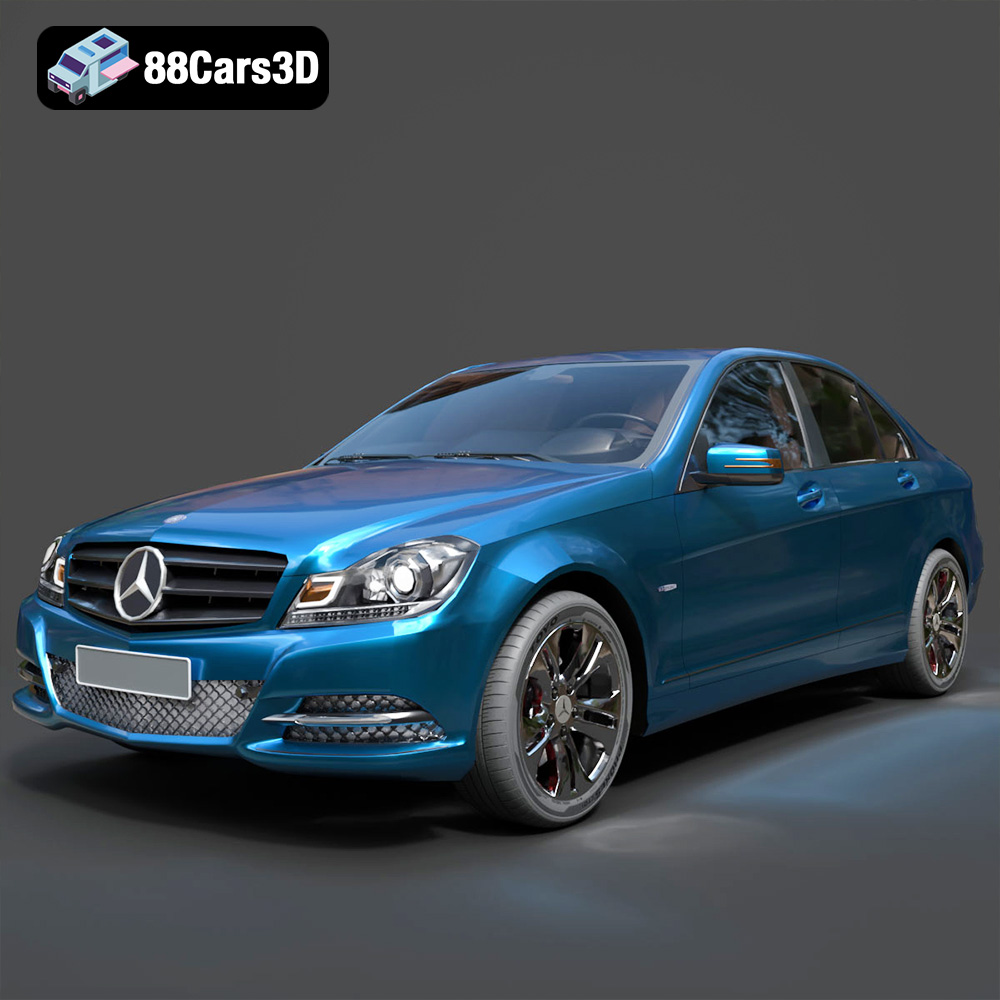
Texture: Yes
Material: Yes
Download the Mercedes C Classe 2012 3D Model featuring clean geometry, realistic detailing, and a fully modeled interior. Includes .blend, .fbx, .obj, .glb, .stl, .ply, .unreal, and .max formats for rendering, simulation, and game development.
Price: $19.9
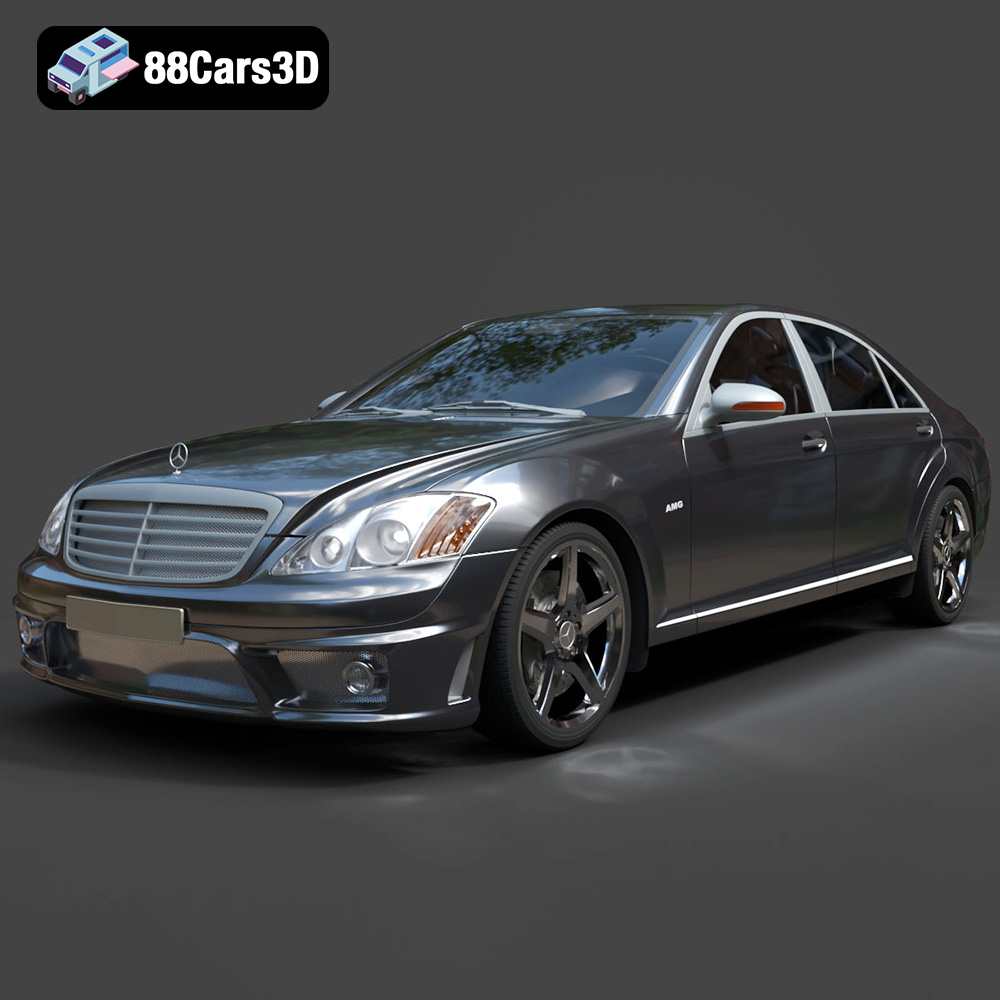
Texture: Yes
Material: Yes
Download the Mercedes-Benz S65 AMG 2018 3D Model featuring clean geometry, realistic detailing, and a fully modeled interior. Includes .blend, .fbx, .obj, .glb, .stl, .ply, .unreal, and .max formats for rendering, simulation, and game development.
Price: $19.9
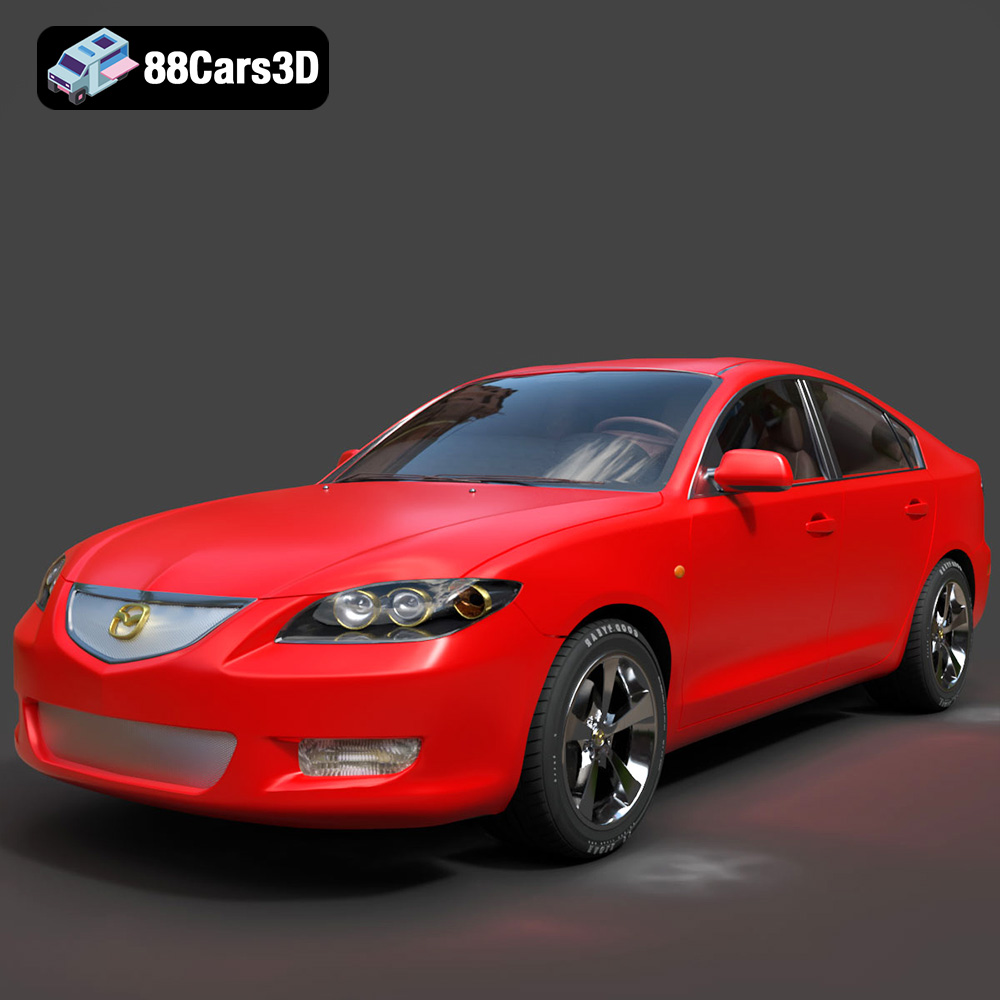
Texture: Yes
Material: Yes
Download the Mazda 3 Sedan 2004 3D Model featuring clean geometry, realistic detailing, and a fully modeled interior. Includes .blend, .fbx, .obj, .glb, .stl, .ply, .unreal, and .max formats for rendering, simulation, and game development.
Price: $10

Texture: Yes
Material: Yes
Download the Martin Rapide 2011 3D Model featuring clean geometry, realistic detailing, and a fully modeled interior. Includes .blend, .fbx, .obj, .glb, .stl, .ply, .unreal, and .max formats for rendering, simulation, and game development.
Price: $20.9
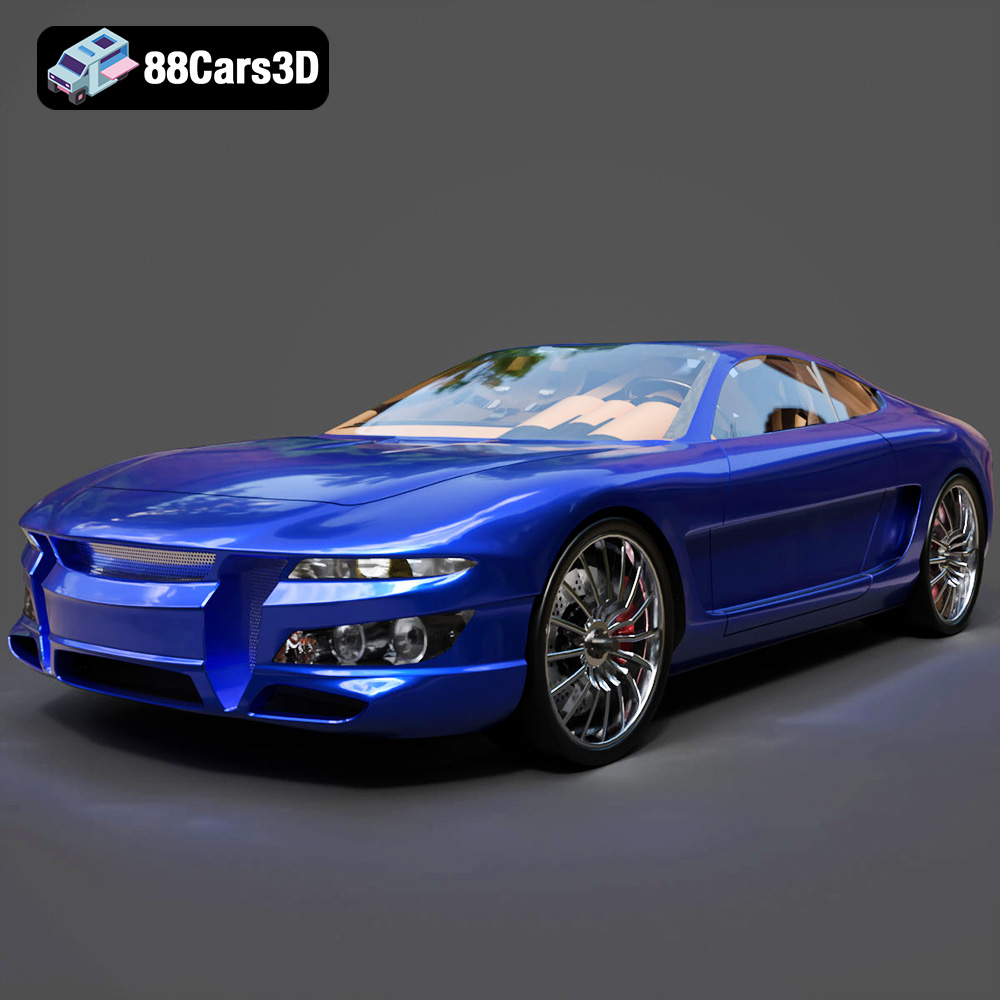
Texture: Yes
Material: Yes
Download the Car Tasergal 005 3D Model featuring clean geometry, realistic detailing, and a fully modeled interior. Includes .blend, .fbx, .obj, .glb, .stl, .ply, .unreal, and .max formats for rendering, simulation, and game development.
Price: $10
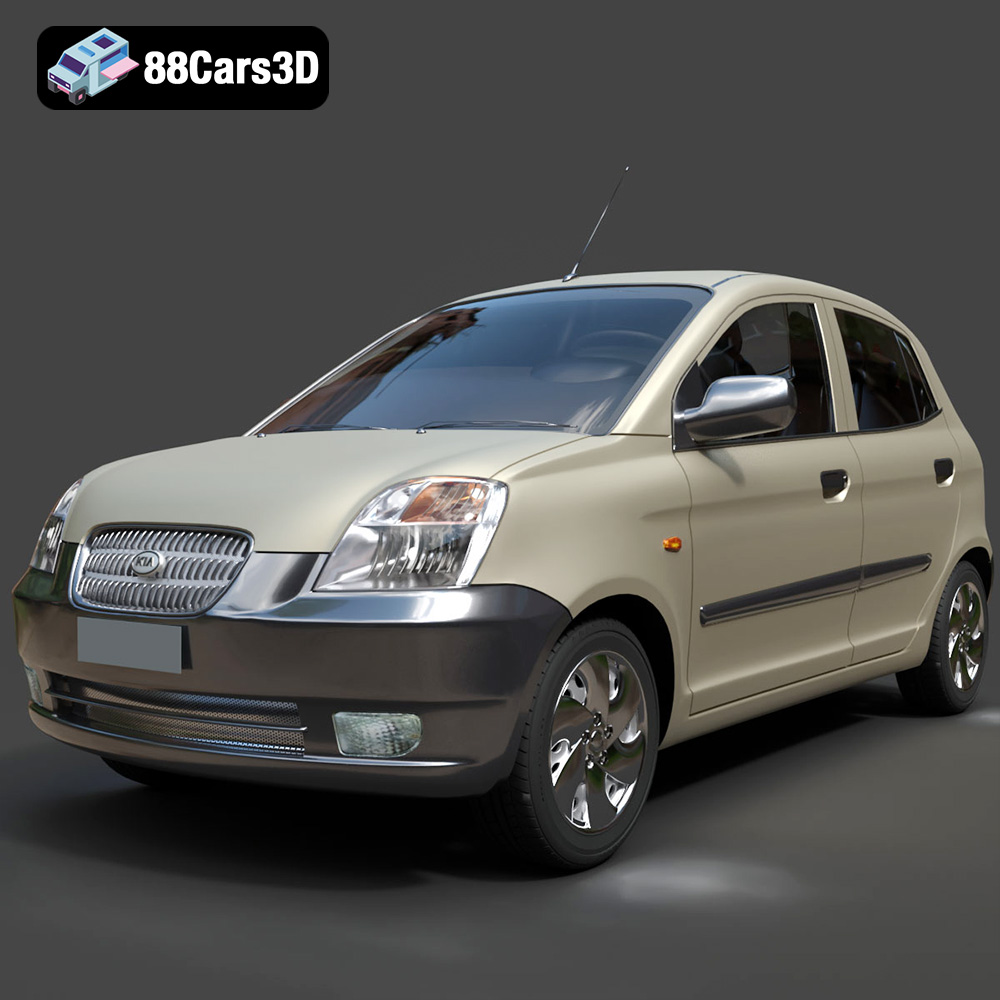
Texture: Yes
Material: Yes
Download the Kia Picanto 2024 3D Model featuring clean geometry, realistic detailing, and a fully modeled interior. Includes .blend, .fbx, .obj, .glb, .stl, .ply, .unreal, and .max formats for rendering, simulation, and game development.
Price: $15.99

