Get 50% OFF All Premium 3D & STL Models!

In the dynamic world of digital content creation, high-quality 3D car models serve as the backbone for an immense array of applications. From breathtaking automotive rendering advertisements that captivate millions to immersive video game environments fueled by meticulously crafted game assets, the demand for precision, accuracy, and performance in 3D vehicle assets has never been higher. Whether you’re a seasoned visualization artist, a game developer pushing the boundaries of realism, or an architect integrating vehicles into a scene, the caliber of your 3D models directly impacts the final output.
At 88cars3d.com, we understand this critical need for excellence. We specialize in providing a vast library of professionally engineered 3D car models designed to meet the rigorous demands of modern digital workflows across various industries. This comprehensive guide delves into the intricate world of 3D car models, exploring their technical nuances, diverse applications, and the workflows that bring them to life.
The pursuit of realism and efficiency in digital projects begins with the fundamental assets. For vehicles, this means models that are not only visually accurate but also technically sound. High-quality 3D car models are more than just pretty meshes; they are meticulously structured data designed for specific purposes.
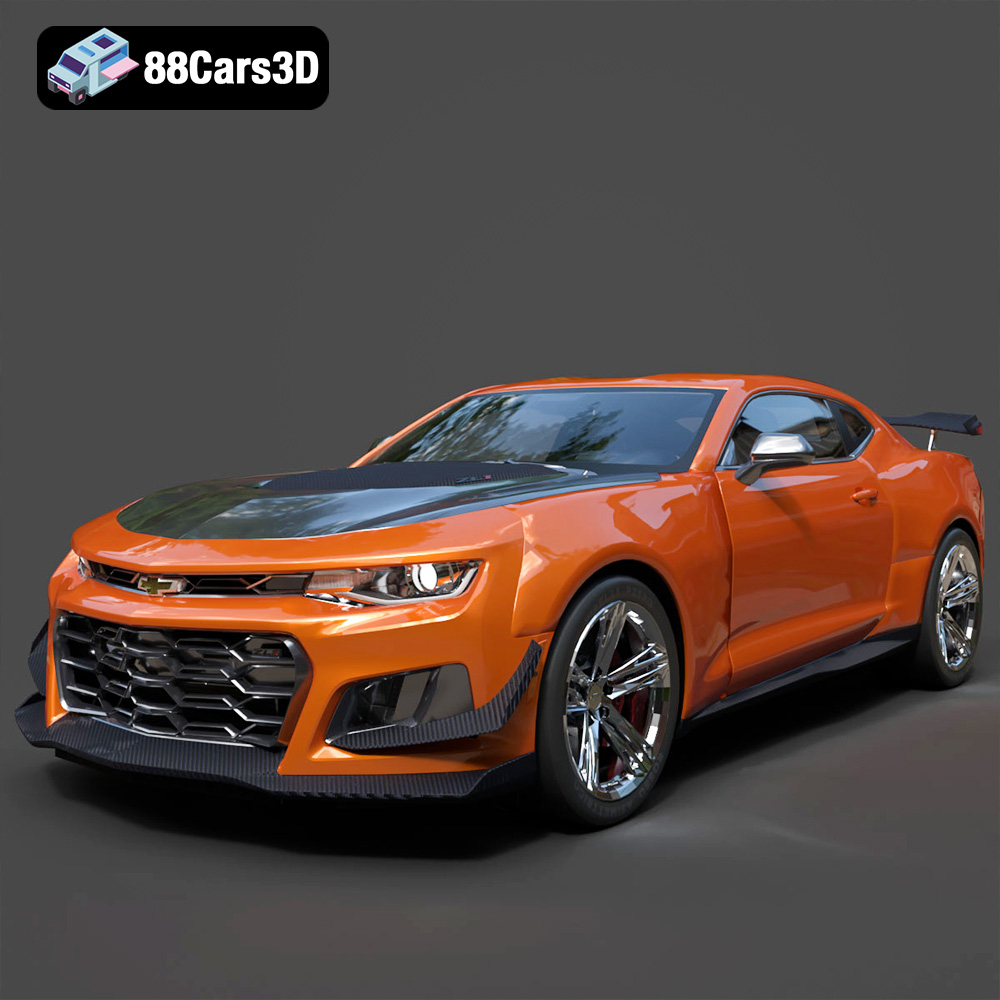
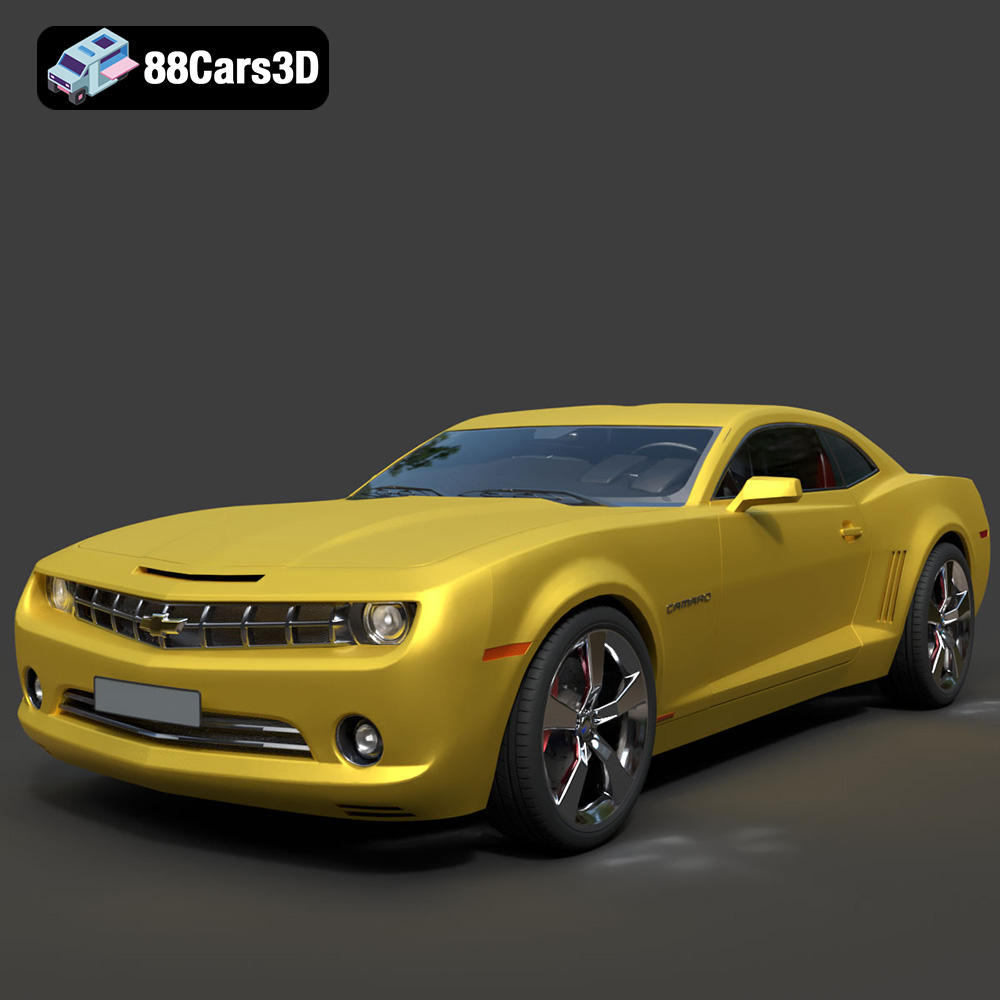
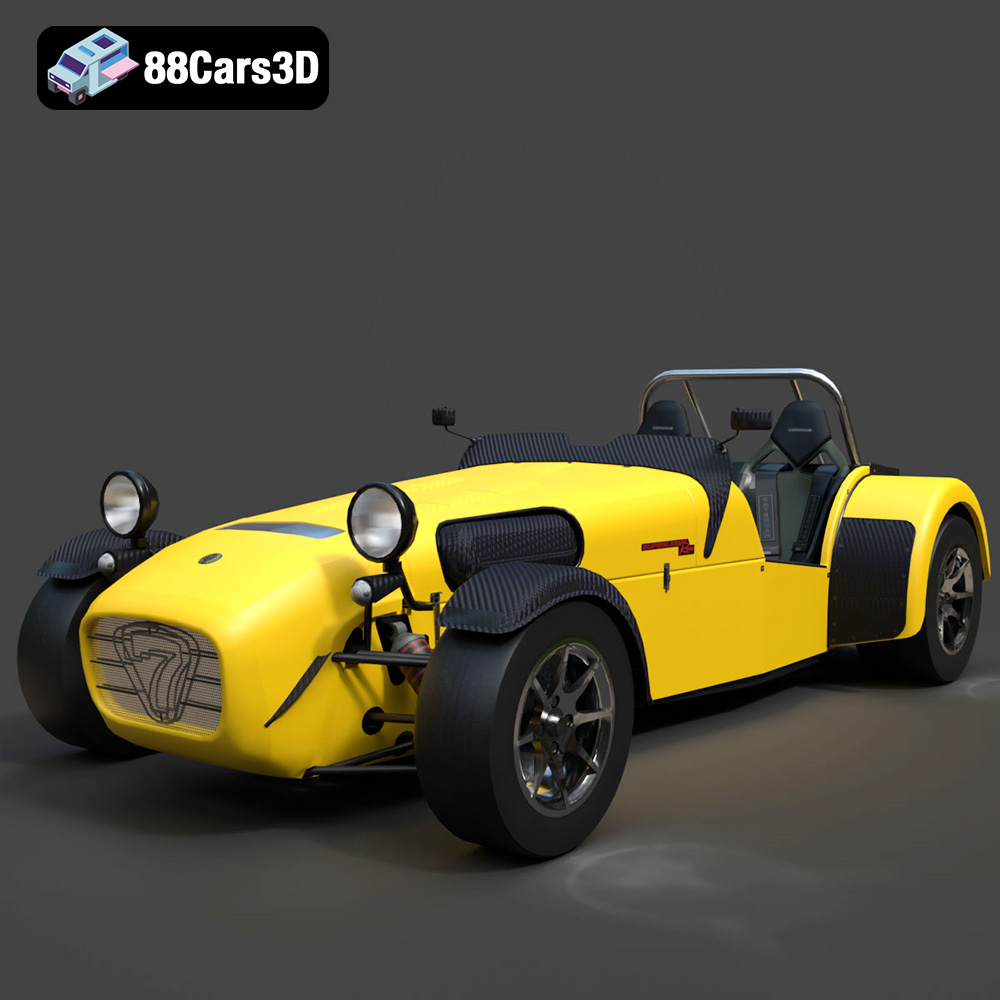
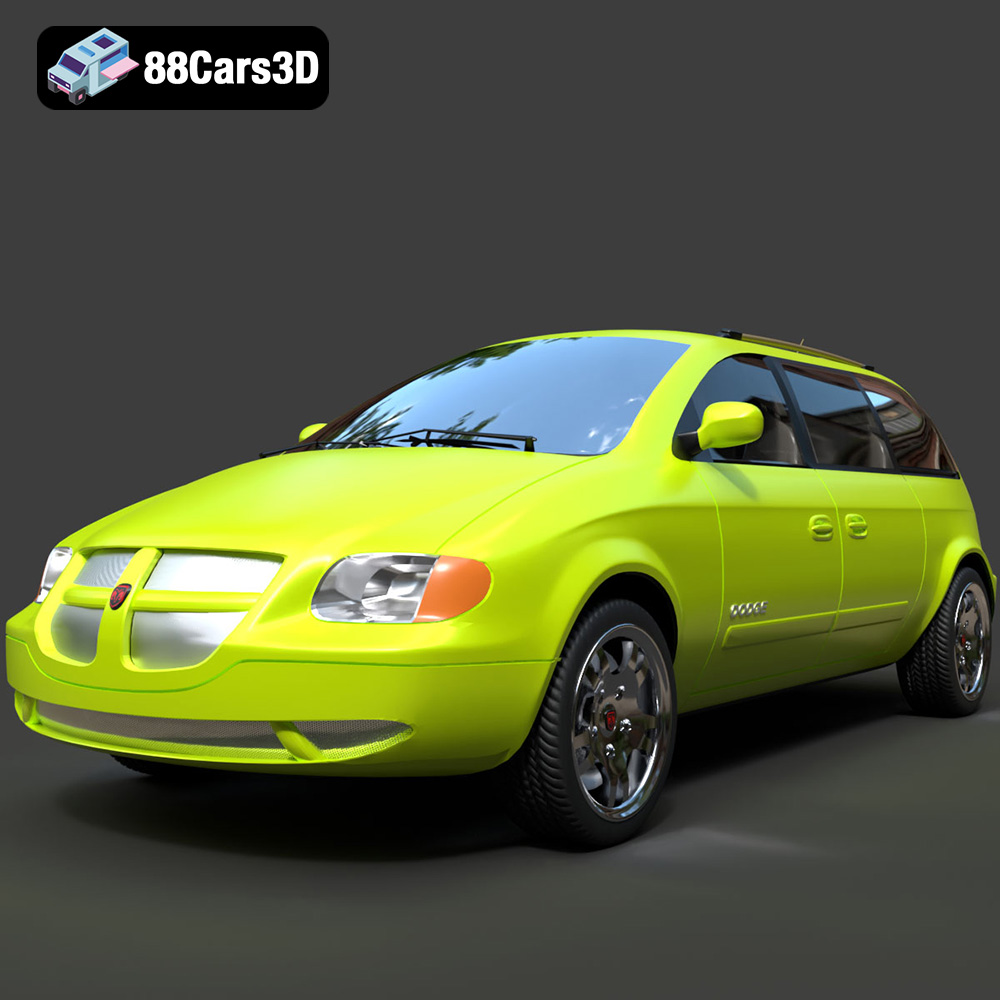
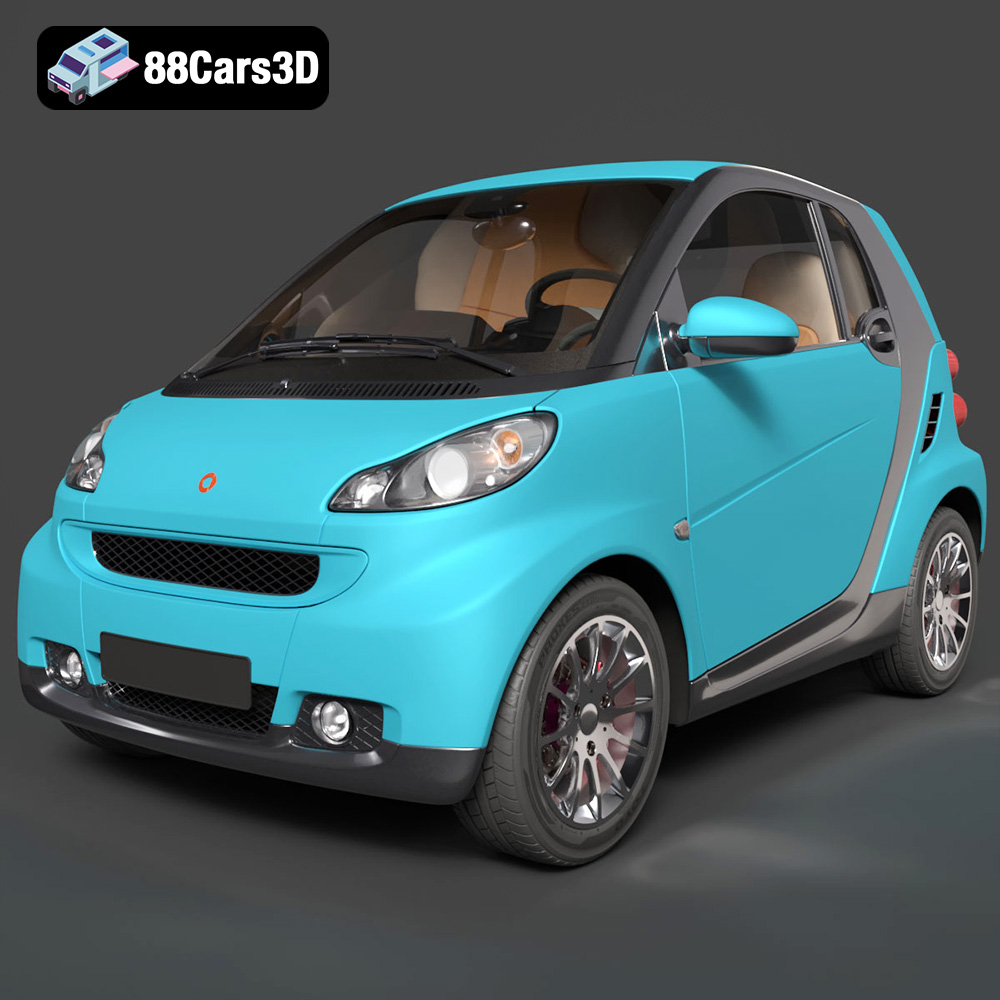
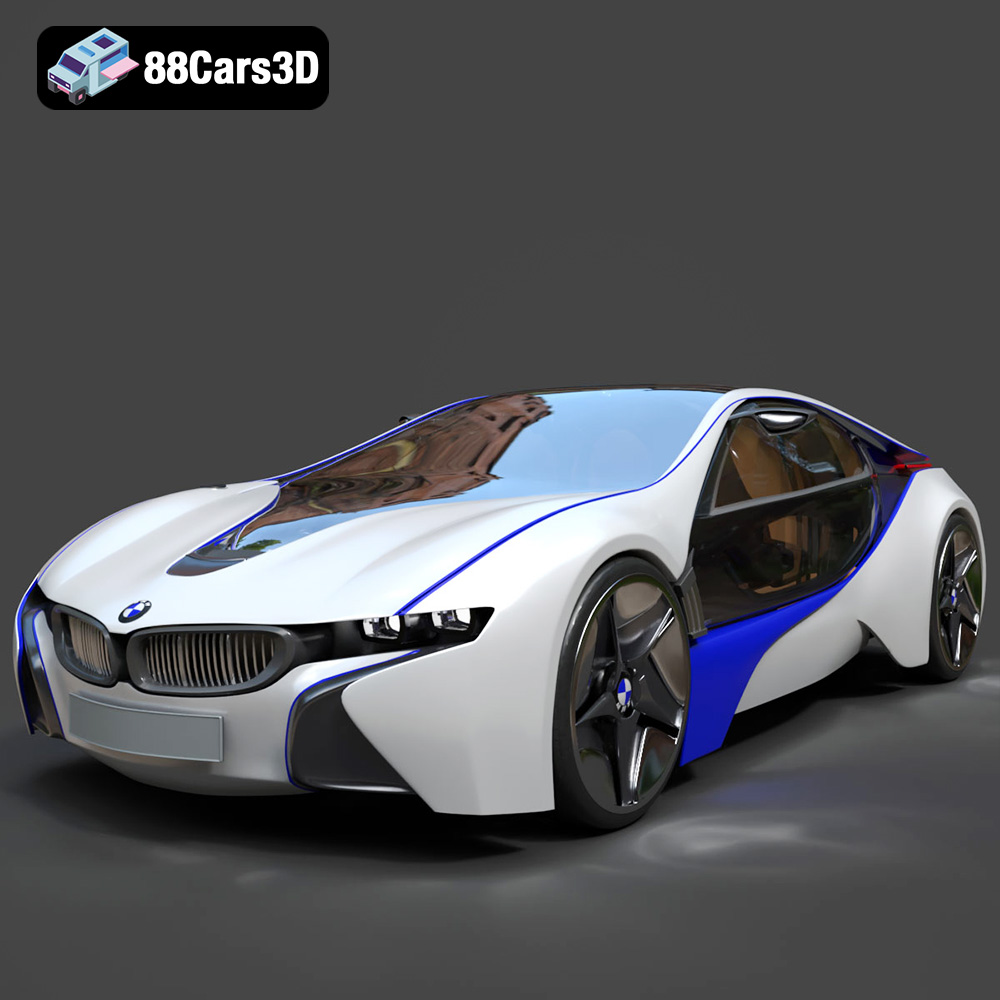
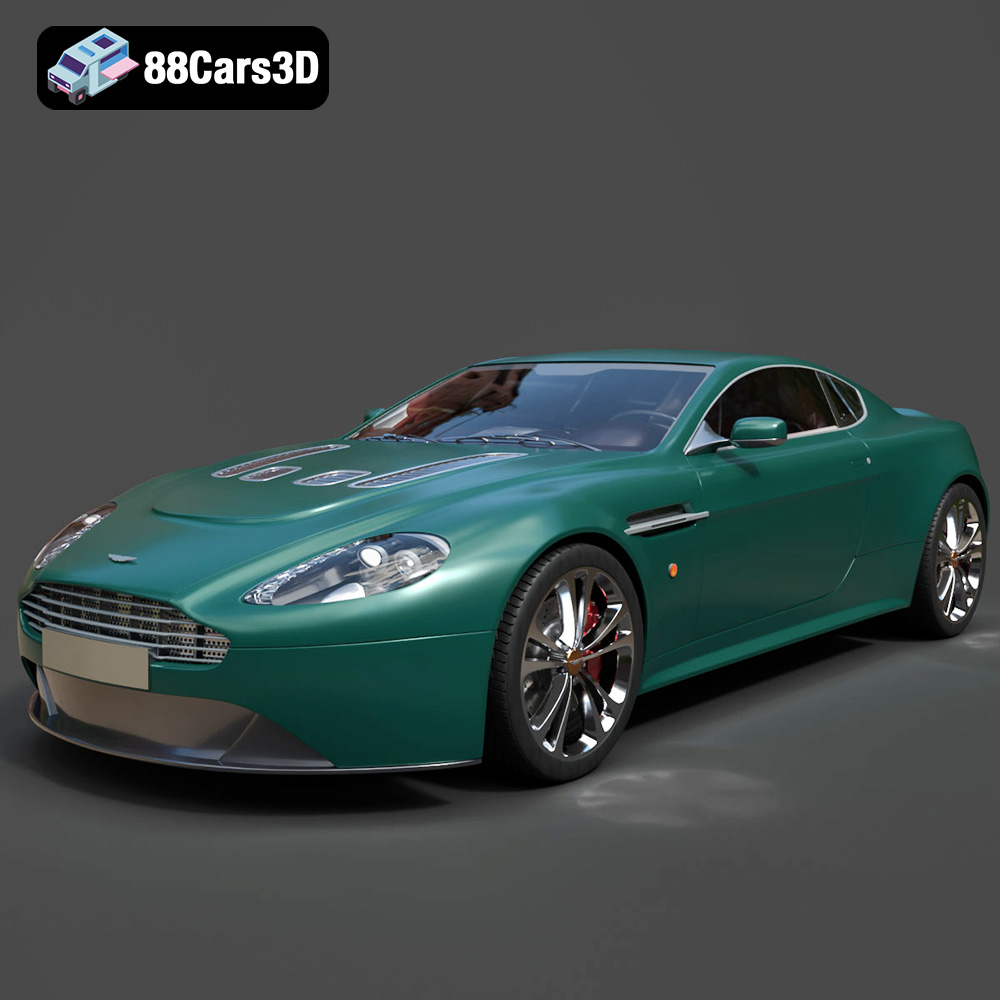
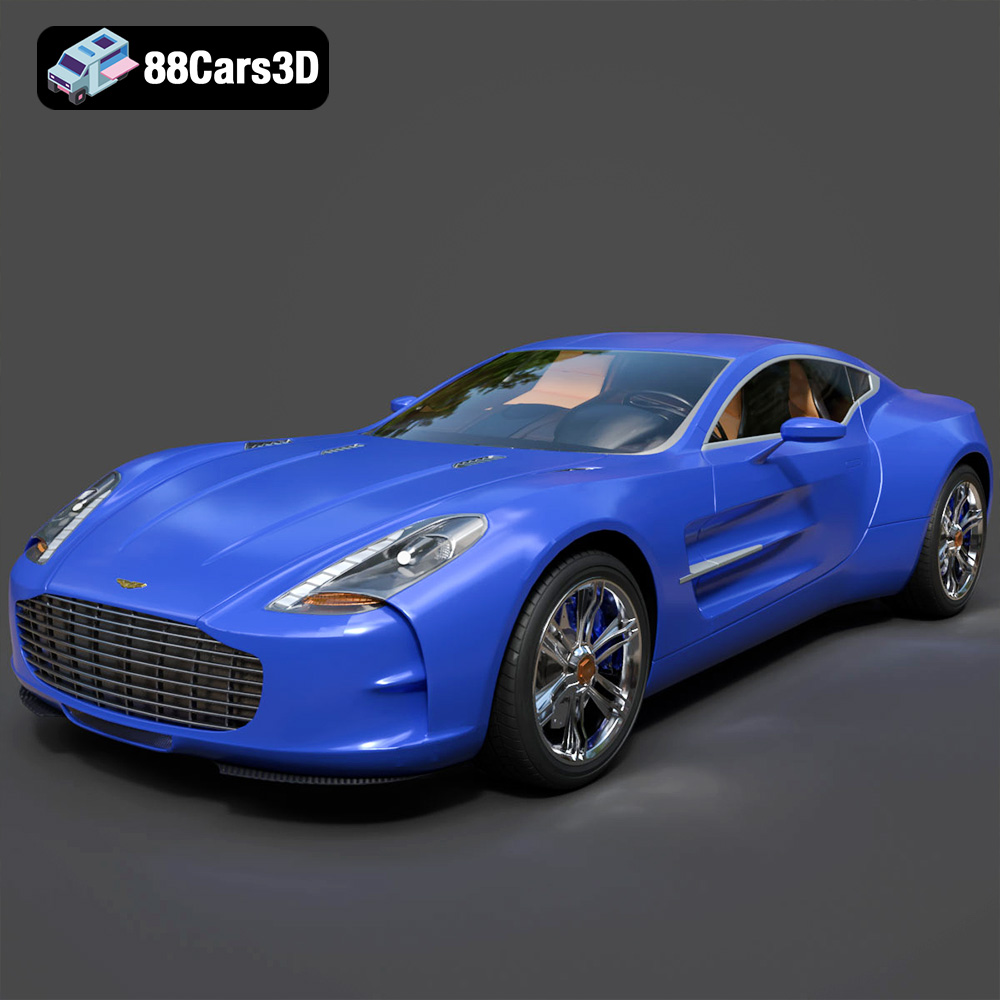
In the automotive industry, visualization is key to showcasing new designs, marketing campaigns, and engineering concepts long before physical prototypes exist. Photorealistic automotive rendering demands models with accurate proportions, complex surface details, and clean topology. Every curve, panel gap, and material reflectivity must be precisely represented to convey the designer’s intent. Low-quality models often lead to artifacts, incorrect reflections, and an overall sense of artificiality that detracts from the professional presentation. Professionals rely on assets that can withstand extreme close-ups and diverse lighting scenarios without breaking down.
Time is a valuable commodity in any production. Starting with a high-quality 3D car model significantly streamlines the workflow. These models typically come with proper UV mapping, organized material IDs, and optimized polygon counts, reducing the need for extensive cleanup or rework. For studios working on tight deadlines, acquiring a pre-made, production-ready asset from a trusted source like 88cars3d.com can save hundreds of hours, allowing artists and developers to focus on creative tasks like scene composition, animation, or engine integration, rather than foundational modeling.
Modern 3D assets must be versatile enough to transition seamlessly between different software packages and end-use platforms. A single high-quality car model might be rendered in 3ds Max for a print advertisement, optimized for real-time display in Unreal Engine for a configurator, and even prepared for 3D printing a scale model. This flexibility is achievable only when the source model adheres to professional standards for topology, geometry, and material setup, allowing for easy adaptation without compromising visual integrity or performance.
Navigating the landscape of 3D software and applications often requires a deep understanding of file formats. Each format has its strengths, weaknesses, and specific use cases, making the choice critical for compatibility and workflow efficiency. Here, we break down the most common and important formats for 3D car models.
The .blend file is Blender’s native format and a powerhouse for any project developed within the Blender ecosystem. It encapsulates everything within a Blender scene: meshes, materials (including complex node-based setups), textures, animations, cameras, lights, modifiers, and even custom scripts. For artists who primarily work in Blender, this format offers the highest degree of editability and preservation of scene data. It’s ideal for projects requiring extensive modifications, custom animations, or integration into existing Blender scenes. When you download a .blend file, you’re getting the complete source project, enabling full creative control.
FBX (Filmbox) is an industry-standard 3D interchange format developed by Autodesk. It’s revered for its robust support of geometry, materials, animations, cameras, and lights, making it the go-to format for transferring assets between different 3D applications and game engines like Unreal Engine and Unity. For game assets, .fbx is indispensable due to its ability to retain bone structures, skinning, and animation data crucial for animated vehicles. When preparing assets for real-time applications, an .fbx export is often optimized for polygon counts and PBR material setups, ensuring efficient rendering and seamless integration into interactive environments.
OBJ (or Wavefront .obj) is one of the oldest and most widely supported 3D file formats. It’s a simple, text-based format primarily used to store 3D geometry – vertices, UV coordinates, vertex normals, and faces. Material information is typically stored in a companion .mtl (material) file. While .obj doesn’t support advanced features like animation, rigging, or complex scene data, its universal compatibility makes it an excellent choice for static meshes and transferring basic geometry between virtually any 3D software. It’s often used when maximum software interoperability is required, especially for basic 3D car models that don’t require animation.
.glb is the binary version of the glTF (GL Transmission Format), a relatively new open standard designed for efficient transmission and loading of 3D scenes and models by engines and applications. What makes .glb particularly powerful is its self-contained nature: it embeds all data (geometry, materials, textures, animations) into a single file. This makes it incredibly efficient for web-based 3D viewers, augmented reality (AR) applications, virtual reality (VR) experiences, and e-commerce product visualization, where quick loading times and minimal external dependencies are crucial. For interactive viewing of 3D car models on websites or in AR apps, .glb is becoming the preferred format.
STL (Stereolithography) is almost exclusively used for 3D printing. It represents a 3D model as a series of connected triangles (triangulated surfaces) without any color, texture, or material information. The key requirement for an .stl file is that the mesh must be “manifold,” meaning it has no holes, internal geometry, or intersecting faces that would confuse a 3D printer. While it’s not suitable for rendering or game development, an .stl export of a 3D car model is essential when you need to fabricate a physical prototype or a scale replica.
PLY (Polygon File Format) is another format that stores 3D data, often originating from 3D scanners. It can store a wider range of properties than .obj or .stl, including color, transparency, surface normals, and even confidence values for each vertex. .ply files are frequently used in scientific research, CAD applications, and for models derived from point clouds, where precision and additional data per vertex or face are important. While less common for general 3D rendering, it’s a valuable format for highly detailed, scanned 3D car models intended for analysis or reverse engineering.
While not a direct file extension in the same way as .fbx or .obj, an “.unreal” asset typically refers to a 3D car model that has been meticulously prepared and optimized for direct import and use within Unreal Engine. This often means the asset comes as an .fbx or similar interchange format, but with specific considerations: optimized mesh topology for real-time performance, correct PBR material setup, properly scaled UVs, collision meshes, LOD (Level of Detail) variations, and potentially even pre-configured blueprints or animation sequences. Assets described as “Unreal-ready” from 88cars3d.com signify that they have undergone a rigorous preparation process to ensure seamless integration and optimal performance within the Unreal Engine pipeline, minimizing setup time for developers.
The .max file is the native scene format for Autodesk 3ds Max. Similar to .blend for Blender, it contains all the scene data, including geometry, materials, textures, lighting, cameras, animation, modifiers, and render settings. For professionals and studios using 3ds Max as their primary DCC (Digital Content Creation) tool, the .max format offers full editability and access to every component of the 3D car model. It’s the preferred format for projects requiring deep customization, complex animation setups, or high-fidelity automotive rendering using renderers integrated with 3ds Max like V-Ray or Corona.
Creating images that are indistinguishable from photographs is the ultimate goal of automotive rendering. This process goes far beyond merely placing a 3D model in a scene; it involves sophisticated material work, nuanced lighting, and meticulous post-production.
No render is truly finished until it has passed through post-production. Software like Adobe Photoshop, Affinity Photo, or Nuke are used to refine the image: adding color grading, lens effects (chromatic aberration, vignetting, lens flare), depth of field, motion blur, and subtle atmospheric effects. Compositing render passes (reflection pass, shadow pass, Z-depth) allows for precise control over individual elements, pushing the final image from excellent to truly exceptional.
Creating game assets for real-time environments presents a unique set of challenges compared to offline rendering. The focus shifts from absolute photorealism to optimized performance while maintaining visual fidelity within strict budgets for polygon count, texture memory, and draw calls.
.fbx file from your DCC software (e.g., Blender, 3ds Max). Care must be taken to ensure correct scale, axis orientation, and embedded media during export.The utility of high-quality 3D car models extends far beyond traditional rendering and game development, venturing into groundbreaking interactive and physical domains.
AR (Augmented Reality) and VR (Virtual Reality) offer unparalleled opportunities for immersive experiences. Imagine configurating a new car in real-time AR on your driveway, or taking a virtual test drive in a fully interactive VR environment. These applications demand models that are not only visually compelling but also highly optimized for real-time performance on mobile devices (for AR) or high-fidelity headsets (for VR). The .glb format, with its efficiency and self-contained nature, is rapidly becoming the standard for delivering these interactive 3D car models across web and mobile platforms.
For AR/VR, meticulous attention to detail at reduced poly counts, efficient draw calls, and PBR material setup with baked lighting (if necessary) is paramount to achieving smooth frame rates and a believable sense of presence. Interactive elements, such as opening doors or changing colors, are integrated using engine scripting or dedicated AR/VR development platforms.
3D car models also bridge the gap between the digital and physical realms through 3D printing. Engineers and designers can rapidly prototype concepts, create scale models for presentations, or even produce custom parts. The critical requirement for 3D printing is a “water-tight” or “manifold” mesh, meaning the model must be a solid, enclosed volume without any holes or intersecting geometry. The .stl format is the most common for this purpose, though other formats like .obj or .ply can also be used if the mesh is properly prepared. Complex interior details or extremely thin surfaces may require adjustment to meet the minimum wall thickness requirements of various 3D printing technologies.
With a plethora of options available, selecting the ideal 3D car model is crucial for project success. It involves assessing various factors to ensure compatibility, quality, and legal compliance.
Before purchasing, always review the licensing agreement. Licenses typically define how you can use the model: for personal projects, commercial projects, resale, modification, or inclusion in interactive applications. Understanding these terms prevents legal issues down the line. Premium marketplaces often offer clearer licensing options, ensuring you have the rights to use the assets in your intended projects.
Investing in professionally crafted 3D car models from a reputable source like 88cars3d.com offers significant advantages. Our models are meticulously built by experienced artists, ensuring:
Choosing premium assets means you are acquiring not just a 3D model, but a reliable foundation for your creative endeavors, backed by expert craftsmanship.
The realm of 3D content creation is continually evolving, with 3D car models standing out as critical assets across numerous industries. From the precision required for stunning automotive rendering to the performance optimization demanded by intricate game assets, the quality of your digital vehicles directly impacts the success and realism of your projects. Understanding the nuances of file formats, mastering rendering techniques, and intelligently optimizing for real-time applications are essential skills for any professional in this field.
By leveraging high-quality, technically sound 3D car models, artists and developers can significantly enhance their workflows, achieve unparalleled visual fidelity, and push the boundaries of immersive experiences. Whether you are crafting a cinematic animation, developing an interactive game, or designing for AR/VR, the foundation of your success lies in the assets you choose. Explore the extensive collection at 88cars3d.com to find the perfect 3D car models that will drive your next project to new heights of excellence.