Get 50% OFF All Premium 3D & STL Models!

In the vast landscape of real-time rendering and interactive experiences, stunning visuals often captivate audiences. While hyper-realistic vehicles are undoubtedly a centerpiece in automotive visualization, the addition of lifelike character animation can elevate a scene from static beauty to dynamic storytelling. Imagine a virtual showroom where a brand ambassador walks around a meticulously rendered car, or a cinematic sequence where a driver interacts seamlessly with the vehicle’s interior. Achieving such fidelity and interactivity used to be a daunting task, often requiring complex external software and laborious pipelines.
Enter Unreal Engine’s Control Rig – a powerful, node-based rigging system built directly within the engine. This innovation empowers artists and developers to create custom animation rigs, manipulate skeletal meshes in real-time, and streamline their character animation workflows like never before. For professionals leveraging high-quality 3D car models from platforms like 88cars3d.com, integrating equally compelling animated characters can unlock new dimensions of realism and engagement. This comprehensive guide will delve deep into the world of Control Rig, from foundational concepts to advanced techniques, demonstrating how it revolutionizes character animation setup in Unreal Engine for automotive visualization, game development, virtual production, and beyond. Prepare to unlock the full potential of your scenes with expressive, performant character animation.
Before diving into the intricacies of Control Rig, it’s essential to grasp the fundamental components of character animation within Unreal Engine. At its core, any animated character in Unreal Engine relies on a Skeletal Mesh. This asset comprises two main parts: the mesh itself, which defines the character’s geometry and appearance, and a Skeleton, which is a hierarchy of bones that deforms the mesh. Each bone typically corresponds to a joint or section of the character’s body, allowing it to bend, twist, and move realistically. The quality of this initial skeletal setup and mesh topology significantly impacts the final animation results and the ease of rigging.
Unreal Engine provides a robust framework for managing animations, from simple static poses to complex motion capture data. Animation sequences are essentially recordings of bone transformations over time, dictating how the character moves. These sequences can be blended together, layered, and modified using a variety of tools. However, directly manipulating raw bone transforms for every pose is incredibly cumbersome. This is where animation tools like Control Rig become indispensable, providing an intuitive and efficient interface for artists to pose and animate characters. Understanding these foundational elements is the first step toward leveraging the power of Control Rig for creating dynamic character interactions, whether they’re driving a vehicle, acting as virtual presenters, or populating a bustling scene.
The journey of any character into Unreal Engine typically begins with importing an FBX file. This widely used exchange format encapsulates not only the character’s mesh and textures but crucially, its skeleton and any pre-existing animations. When importing, Unreal Engine intelligently separates these components, creating a Skeletal Mesh asset, a Skeleton asset, and various Animation Sequence assets. It’s critical to ensure your FBX export settings from your 3D modeling software (e.g., Maya, Blender, 3ds Max) are optimized for Unreal Engine, focusing on clean topology, proper unit scales, and a well-structured bone hierarchy. Meshes should be triangulated, and UV maps correctly unwrapped for texturing. When sourcing character models, always look for assets with clean topology and a well-defined skeletal hierarchy, similar to the high standards found in automotive models on marketplaces like 88cars3d.com, ensuring compatibility and ease of rigging.
Once your skeletal mesh and animation sequences are imported, the Animation Blueprint becomes the central hub for orchestrating your character’s movement logic. This visual scripting graph allows you to blend animations, apply IK (Inverse Kinematics) solutions, manage state machines, and dynamically respond to game logic or user input. For instance, you can define states like ‘Idle’, ‘Walking’, and ‘Running’, and transition between them based on movement speed variables. Within the Animation Blueprint, you can also apply various animation modifiers and runtime rigging solutions, including the powerful Control Rig. It acts as the bridge between your raw animation data and the final animated character rendered in your scene, making it a crucial component for any complex character setup.
Control Rig stands as a paradigm shift in how character animation is handled within Unreal Engine. Prior to its introduction, artists often relied on external DCC (Digital Content Creation) tools for rigging and then imported baked animation data. While effective, this workflow could be rigid and time-consuming, especially for iterative changes or real-time performance. Control Rig changes this by bringing a powerful, node-based rigging and animation system directly into the engine’s ecosystem. It allows for the creation of procedural rigs that can be applied to any skeletal mesh, offering real-time manipulation, IK/FK blending, and dynamic constraints without leaving the Unreal Editor.
The beauty of Control Rig lies in its flexibility and efficiency. Animators can build highly customized, intuitive control schemes that mirror their traditional rigging preferences, directly within Unreal Engine. This means less back-and-forth between applications, faster iteration times, and a more integrated production pipeline. For virtual production scenarios or interactive experiences where immediate feedback is paramount, Control Rig is an absolute game-changer. It empowers developers to create sophisticated character animations for a variety of contexts, from complex driver interactions within an automotive simulator to nuanced performances for cinematics, all within the robust environment of Unreal Engine.
At its heart, Control Rig operates on a node-based graph system, much like Unreal Engine’s Material Editor or Blueprint editor. Each node performs a specific operation, such as setting a bone’s transform, calculating IK, or applying a constraint. These nodes are connected in a logical flow, defining how the rig functions and how controls manipulate the underlying skeleton. Understanding the hierarchy of bones is crucial, as Control Rig operations often work on specific bone chains or entire hierarchies. Key nodes include Set Bone Transform, Get Bone Transform, and various Two Bone IK or Fabrik IK solvers. Constraints are also fundamental; they allow you to limit bone movement, link controls to bones, or even drive one bone’s movement based on another, creating dependencies and intelligent rigging behaviors. The hierarchical nature of a skeleton means that a single control can influence an entire chain of bones, offering precise and efficient manipulation.
One of the most common and powerful applications of Control Rig is setting up IK (Inverse Kinematics) and FK (Forward Kinematics) controls. FK involves rotating bones individually down a chain (e.g., shoulder rotates, then elbow, then wrist), which is intuitive for general arm swings. IK, conversely, allows you to define an end effector (e.g., the hand) and have the system calculate the necessary rotations for the intermediate bones (elbow, shoulder) to reach that target. This is incredibly useful for precise posing, like having a character grip a steering wheel or brace against a dashboard. In Control Rig, you can easily implement IK solvers using nodes like Two Bone IK for limbs. You would typically create custom controls (represented by shapes in the viewport) and link them to the IK targets. Animators can then switch between IK and FK modes, blending between the two for optimal control over different parts of the animation, offering unparalleled flexibility for achieving realistic and nuanced character performances within an automotive context.
Beyond basic IK/FK setups, Control Rig truly shines when crafting sophisticated, animator-friendly rigs. Its node-based environment allows for almost limitless customization, enabling developers to build complex systems that traditionally required extensive scripting in external software. This level of control means you can design rigs that are perfectly tailored to the specific needs of your project, whether it’s a game character with dynamic clothing, a virtual production performer driven by motion capture, or a driver character whose hands precisely grip a steering wheel. The iterative nature of Control Rig also means you can constantly refine and expand your rig as your animation needs evolve, without disrupting existing animation data. This flexibility is invaluable for production pipelines that demand high fidelity and rapid iteration, ensuring that your animated characters seamlessly integrate with high-quality automotive assets.
Advanced Control Rig techniques allow for the creation of highly specialized controls, dynamic behaviors, and robust error handling. Implementing features like automatic hand-to-steering wheel IK, foot-to-pedal IK, or gaze-at-target systems can dramatically reduce animation time and improve consistency. By leveraging the full power of the Control Rig graph, artists can move beyond simple bone manipulation to build intelligent rigs that anticipate and assist the animation process. This makes the animation workflow significantly more efficient, freeing up animators to focus on performance and storytelling rather than grappling with technical rigging challenges, ultimately leading to more polished and believable character interactions within your virtual environments.
For realistic character interaction, especially within a vehicle, complex IK chains are paramount. Consider a full-body IK system for a driver, where the hands are constrained to the steering wheel and the feet to the pedals, while the torso and head can still move freely. Control Rig makes this achievable with combinations of Fabrik IK and custom solvers. For instance, a Fabrik IK node can be used for the spine, while Two Bone IK handles limbs. Pole vectors are crucial for controlling the orientation of knees and elbows, preventing unnatural bending. You can set up controls that drive these pole vectors, giving animators precise control over limb posture. Moreover, you can implement ‘look-at’ controls, where a character’s head or eyes automatically track a target, enhancing realism for virtual presenters or interactive NPCs. Each of these components is built using specific nodes within the Control Rig graph, carefully connected to ensure smooth and predictable behavior across multiple limbs simultaneously.
A powerful rig is only truly effective if it’s intuitive and easy to use for animators. Control Rig allows for extensive customization of controls, not just in their functionality but also in their visual representation. You can create custom shapes (e.g., circles, boxes, arrows) to represent controls in the viewport, making it easier for animators to identify and manipulate specific parts of the rig. These shapes can be color-coded, grouped, and organized into hierarchical layers. Furthermore, you can expose rig properties to the editor’s Details panel, creating a custom UI for your rig. This means animators can toggle IK/FK, adjust blend weights, or control complex behaviors like finger curling using simple sliders or checkboxes, rather than navigating complex node graphs. A well-designed control UI significantly enhances productivity and reduces the learning curve for new animators, making the entire animation process more enjoyable and efficient.
The Control Rig Event Graph provides an additional layer of sophistication, allowing you to implement dynamic and conditional behaviors within your rig. Similar to an Animation Blueprint’s event graph, this allows you to execute specific rigging logic based on certain events or conditions. For example, you might want to automatically adjust a character’s posture when they enter a specific interaction zone, or activate a secondary motion system only when a certain control is active. You can use various Blueprint nodes, mathematical operations, and control flow nodes (e.g., Branch, Sequence) within the event graph to create these dynamic behaviors. This capability is invaluable for creating smart rigs that react intelligently to the animation context, minimizing manual keyframing and enhancing the overall realism and reactivity of your characters. For instance, a driver character could automatically adjust their seating position based on the car’s speed or turn angle, adding a subtle layer of realism.
Once a robust Control Rig is established, the next crucial step is putting it to use for animation. Unreal Engine’s Sequencer is the engine’s non-linear cinematic editor, providing a powerful timeline-based interface for creating cutscenes, cinematics, and complex animated sequences. The integration of Control Rig with Sequencer is seamless and incredibly efficient, allowing animators to directly manipulate character rigs in real-time within the context of their cinematic or game level. This synergy empowers artists to achieve high-quality, frame-perfect animations with rapid iteration, a critical aspect for both pre-rendered content and real-time interactive experiences.
The ability to animate with Control Rig directly in Sequencer eliminates the need for exporting and re-importing animation data, drastically shortening production cycles. Animators can see their changes instantly, make adjustments on the fly, and achieve a level of polish that was previously difficult to attain within the engine. This integrated workflow is particularly beneficial for projects that require tight synchronization between character performances and environmental elements, such as a character interacting with the meticulously detailed interiors of car models sourced from marketplaces like 88cars3d.com. The combination of high-fidelity static assets and dynamic, real-time character animation opens up new creative possibilities for storytelling and immersive experiences.
Animating with Control Rig in Sequencer is straightforward. After adding your Skeletal Mesh to a Sequencer track, you can then add a Control Rig track. This automatically instantiates your custom Control Rig and displays its controls directly in the viewport. Animators can then select these controls, manipulate them using Unreal Engine’s standard transformation tools, and keyframe their positions and rotations on the Sequencer timeline. Each control’s transformations are recorded as animation curves, allowing for precise timing and interpolation. You can blend between different Control Rigs, layer animation sequences on top of Control Rig animation, and utilize Sequencer’s robust editing features like keyframe interpolation, curve editing, and pre/post-roll settings. This level of integration provides animators with a familiar and powerful environment to craft compelling character performances for any project, from short cinematic clips to full-length virtual productions.
One of the most significant advantages of Control Rig is its real-time nature. When animating in Sequencer, changes made to the rig are immediately reflected on the character. This instant feedback loop is invaluable for animators, allowing them to rapidly experiment with poses, refine movements, and quickly identify and correct issues. There’s no waiting for baked simulations or re-imports; everything happens live in the viewport. This dramatically speeds up the iteration process, enabling artists to spend more time finessing the quality of their animation rather than battling technical limitations. For high-stakes virtual production scenarios, where live adjustments are often required, Control Rig’s real-time performance is absolutely critical, ensuring a smooth and responsive workflow even with complex rigs and high-fidelity characters.
Control Rig also plays a pivotal role in animation retargeting, a process of transferring animations from one skeleton to another, even if they have different proportions or bone counts. While Unreal Engine has built-in retargeting tools, Control Rig offers a more precise and artist-driven approach, especially for complex cases. You can build a Control Rig specifically designed for retargeting, where controls map source skeleton bones to target skeleton bones. By leveraging IK solvers and custom constraints within the Control Rig graph, animators can fine-tune how motion from a source animation (e.g., motion capture data) is applied to a target character. This allows for more accurate and visually appealing results, minimizing bone popping or stretching. For instance, you could retarget a general human motion capture animation to a specific driver character whose proportions are optimized for a car interior, ensuring their hands accurately grasp the wheel and feet reach the pedals, saving immense amounts of manual animation time.
While Control Rig empowers the creation of highly detailed and expressive character animations, integrating these into real-time environments, especially alongside high-fidelity automotive models, demands a keen eye for performance optimization. An unoptimized character rig or animation setup can quickly become a bottleneck, leading to frame rate drops and a compromised user experience. Achieving both visual realism and smooth performance is a delicate balance, requiring strategic approaches to asset management, rendering techniques, and animation logic. Understanding these optimization techniques is crucial for game developers, virtual production artists, and anyone creating interactive automotive visualizations where every millisecond counts.
The goal is to ensure that your animated characters look fantastic without overburdening the CPU or GPU. This involves making intelligent decisions about polygon counts, texture resolutions, bone counts, and the complexity of animation blueprints and Control Rigs. By implementing smart optimization strategies, you can scale your character animation effectively, from a single detailed driver to a bustling crowd of pedestrians, all while maintaining a high level of visual quality and interactivity. This section will delve into practical methods for keeping your character animations performant and visually compelling within Unreal Engine.
Just like static meshes, skeletal meshes greatly benefit from Levels of Detail (LODs). LODs are simplified versions of the mesh that are automatically swapped in when the character is further away from the camera. For skeletal meshes, this involves not only reducing polygon count but also potentially reducing bone count (e.g., removing finger bones on distant characters) and texture resolution. Unreal Engine allows you to generate LODs automatically or import custom LODs. The key is to find the right balance: distant LODs should be significantly simpler, while close-up LODs retain the necessary detail. For animated characters, it’s also vital to ensure that animation data correctly transitions between LODs without noticeable popping or visual glitches. This optimization is particularly effective in large open-world games or virtual production scenes with many background characters, significantly reducing rendering overhead.
Populating a scene with numerous animated characters, such as a crowd around a car at an auto show, can be a major performance challenge. Directing each character with its own Animation Blueprint and Skeletal Mesh Component can be resource-intensive. Unreal Engine offers techniques to mitigate this. For static or looped background animations, consider using Instance Animation or Skeletal Mesh Component Pooling. Instance Animation allows multiple skeletal meshes to share the same animation data and potentially even the same animation blueprint, with only unique transforms needing to be calculated individually. For more complex crowds, tools like the Mass AI framework or custom C++ solutions can manage large numbers of agents efficiently. Additionally, optimizing your Animation Blueprints by reducing complex calculations and using Native Update Animation where possible can yield significant performance gains, especially when many characters are present.
To enhance realism, characters often feature physics-driven elements like flowing hair, dynamic clothing, or secondary motion in accessories. Unreal Engine’s Chaos Cloth and Hair Groom (Niagara-based) systems provide powerful tools for simulating these effects. While visually stunning, these can be computationally expensive. Optimization involves careful tuning of simulation parameters, using lower-resolution collision meshes, and simplifying groom assets (e.g., fewer hair strands, simpler physics LODs). For less critical secondary motion, consider using control rig nodes or simple Physics Constraints rather than full cloth simulations, as they offer a good balance of realism and performance. The key is to apply physics selectively where it adds the most visual impact, ensuring that the primary character animation remains smooth and responsive.
The integration of high-quality animated characters, powered by Control Rig, opens up a wealth of possibilities across various industries, particularly in automotive visualization and virtual production. For creators leveraging assets from marketplaces like 88cars3d.com, adding lifelike characters transforms static product showcases into engaging, immersive experiences. This human element can forge a stronger emotional connection with the audience, provide context for scale, and demonstrate product features in a dynamic and relatable way. Whether it’s a game development studio integrating realistic NPCs into a racing title, an automotive marketing team crafting a compelling virtual launch event, or a film crew utilizing virtual production techniques, Control Rig makes sophisticated character animation more accessible and efficient within Unreal Engine.
From highly detailed virtual presenters showcasing the latest car models to crowds populating an immersive virtual auto show, the role of animated characters is expanding. Control Rig’s real-time capabilities are especially beneficial here, allowing for live performance capture, interactive demonstrations, and rapid content iteration. These applications underscore the value of a robust and flexible rigging system, enabling artists to push the boundaries of realism and interactivity. The synergy between incredibly detailed vehicle models and equally compelling character performances creates a truly next-generation visualization experience, bridging the gap between digital assets and believable narratives.
Automotive configurators are evolving beyond static color and trim selection. Imagine a configurator where a virtual driver character dynamically adjusts their seating position, grips the steering wheel, and even reacts to user-selected options (e.g., showing excitement for a performance upgrade). Control Rig makes this level of interactivity achievable. You can create a Control Rig for a driver character with IK controls for hands and feet, constrained to the steering wheel and pedals. Blueprint logic can then drive these controls based on user input, ensuring the character’s pose adapts seamlessly. For example, selecting a different seat size could trigger an adjustment in the character’s hip and spine controls. This not only enhances immersion but also helps potential buyers visualize themselves within the vehicle, strengthening their connection to the brand and product.
For large-scale virtual events, architectural visualizations, or immersive game worlds, populating scenes with believable crowds is essential. Control Rig can be used to create versatile base animations and character variations that can then be scaled across numerous instances. Utilizing a master Control Rig to create a library of idle, walking, and interacting animations simplifies the process. These animations can then be applied to different skeletal meshes using retargeting, ensuring variety in character appearance without needing unique animation sets for each. Combined with LODs and instance animation techniques, Control Rig facilitates the creation of visually rich, performance-optimized crowd simulations for virtual car shows, bustling city streets, or detailed showroom environments, adding life and context to your automotive scenes.
Virtual production, especially with LED walls, demands real-time animation and immediate feedback. Control Rig is a cornerstone of this workflow. Actors wearing motion capture suits can drive a Control Rig-powered character in real-time, instantly seeing their performance rendered within the virtual set on the LED wall. This allows directors to block scenes, iterate on performances, and make creative decisions live on set. The Control Rig acts as the intermediary, translating raw motion capture data into a cleaned, expressive character performance. Furthermore, for situations requiring nuanced facial animation or hand gestures, Control Rig can be integrated with facial capture systems or custom hand trackers, enabling performers to bring their characters to life with unprecedented fidelity and immediacy, making it an indispensable tool for cutting-edge automotive commercials and interactive media.
Unreal Engine’s Control Rig has undeniably revolutionized the landscape of character animation, transforming what was once a complex, multi-application workflow into a streamlined, real-time process within a single robust engine. From setting up foundational skeletal meshes to crafting intricate IK/FK systems, building animator-friendly UIs, and integrating seamlessly with Sequencer, Control Rig empowers artists and developers to achieve unparalleled levels of realism and efficiency in their animated characters. Its node-based flexibility allows for the creation of highly customized rigs that adapt to any project’s unique demands, whether it’s a detailed driver for an automotive configurator, a background character in a virtual production scene, or a hero NPC in a next-generation game.
The ability to iterate rapidly, observe changes in real-time, and optimize performance through smart LODs and instance animation techniques ensures that your characters not only look exceptional but also run smoothly within demanding real-time environments. For creators utilizing high-quality 3D car models from resources like 88cars3d.com, mastering Control Rig provides the missing piece to elevate their visualizations from impressive static renders to dynamic, narrative-driven experiences. The future of automotive visualization, game development, and virtual production is increasingly interactive and character-centric. Embrace Control Rig, explore its vast potential, and start bringing your virtual worlds to life with compelling, performant, and truly expressive animated characters today. The journey to creating breathtaking, integrated experiences begins now.
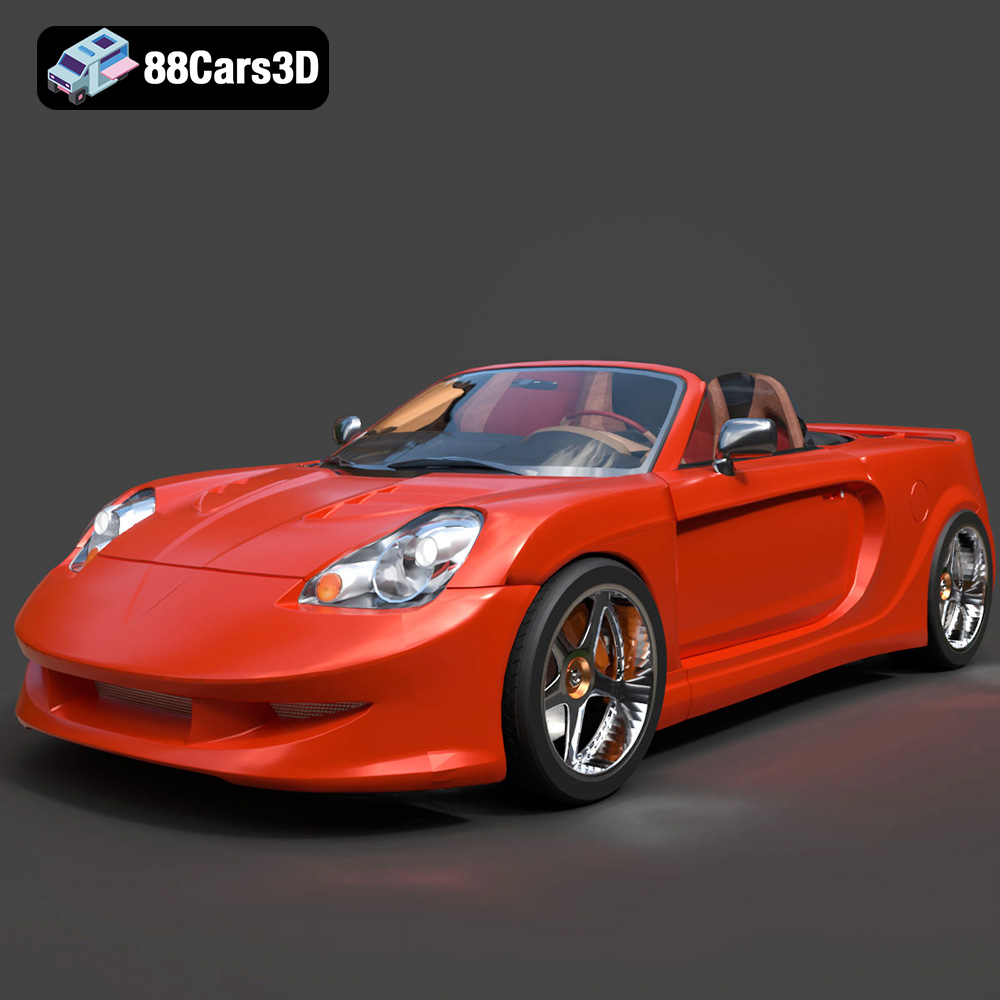
Texture: Yes
Material: Yes
Download the Toyota MRS-007 3D Model featuring clean geometry, realistic detailing, and a fully modeled interior. Includes .blend, .fbx, .obj, .glb, .stl, .ply, .unreal, and .max formats for rendering, simulation, and game development.
Price: $10

Texture: Yes
Material: Yes
Download the Porsche 911 Turbo S 2024 3D Model featuring clean geometry, realistic detailing, and a fully modeled interior. Includes .blend, .fbx, .obj, .glb, .stl, .ply, .unreal, and .max formats for rendering, simulation, and game development.
Price: $20

Texture: Yes
Material: Yes
Download the Pontiac Solstice 2009 3D Model featuring clean geometry, realistic detailing, and a fully modeled interior. Includes .blend, .fbx, .obj, .glb, .stl, .ply, .unreal, and .max formats for rendering, simulation, and game development.
Price: $10

Texture: Yes
Material: Yes
Download the Mini Cooper Countryman 2025 3D Model featuring clean geometry, realistic detailing, and a fully modeled interior. Includes .blend, .fbx, .obj, .glb, .stl, .ply, .unreal, and .max formats for rendering, simulation, and game development.
Price: $29.9
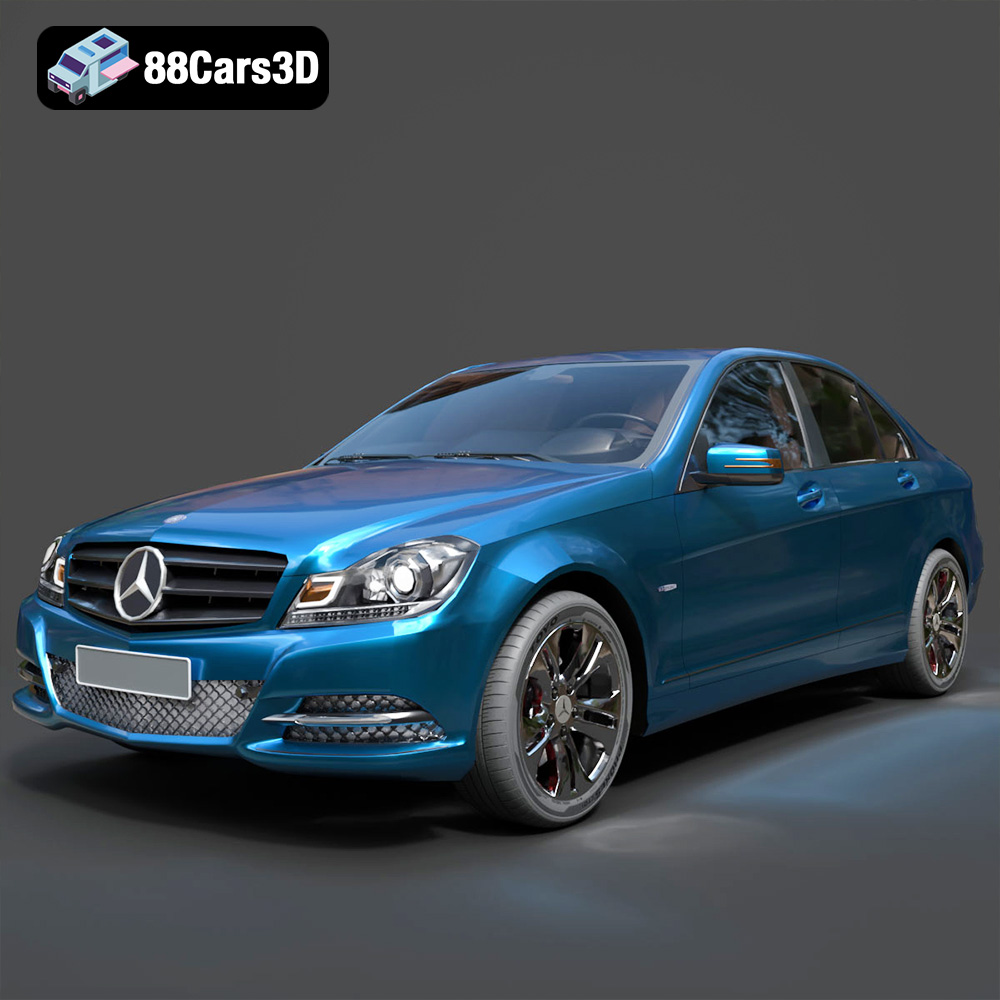
Texture: Yes
Material: Yes
Download the Mercedes C Classe 2012 3D Model featuring clean geometry, realistic detailing, and a fully modeled interior. Includes .blend, .fbx, .obj, .glb, .stl, .ply, .unreal, and .max formats for rendering, simulation, and game development.
Price: $19.9
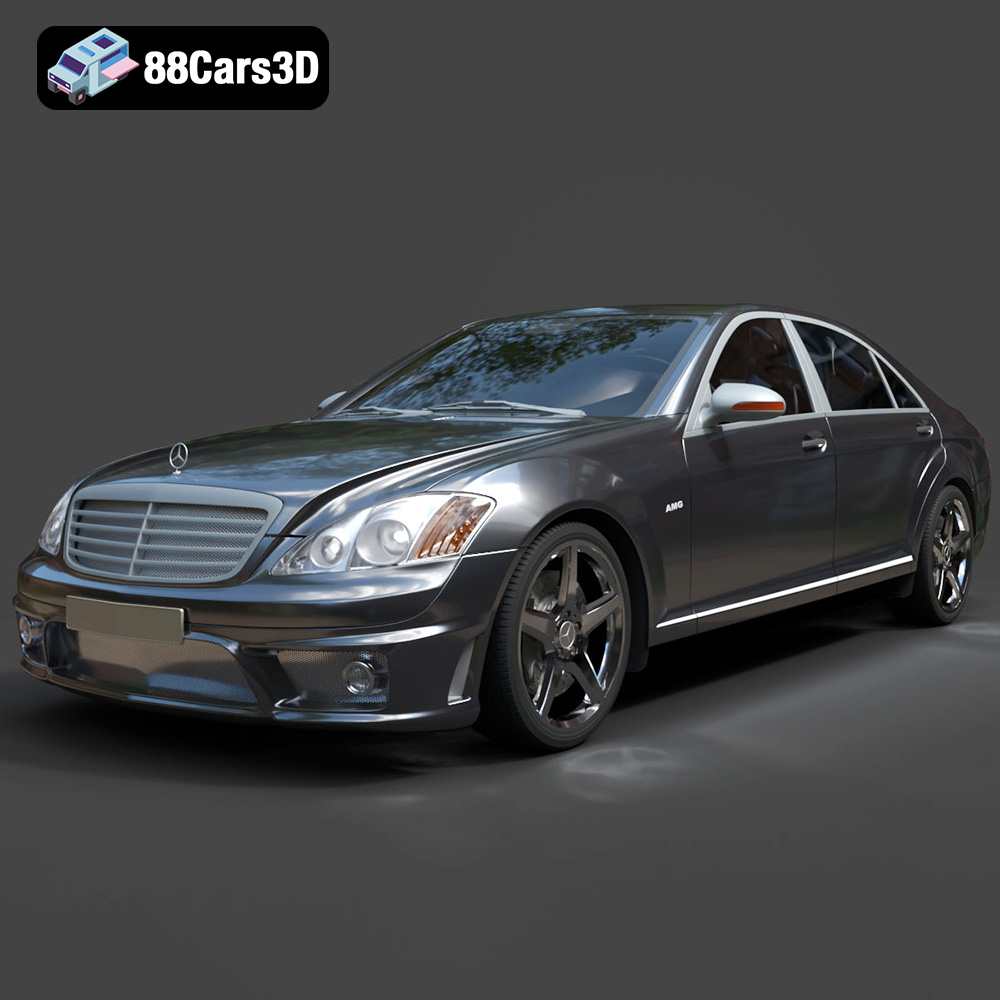
Texture: Yes
Material: Yes
Download the Mercedes-Benz S65 AMG 2018 3D Model featuring clean geometry, realistic detailing, and a fully modeled interior. Includes .blend, .fbx, .obj, .glb, .stl, .ply, .unreal, and .max formats for rendering, simulation, and game development.
Price: $19.9
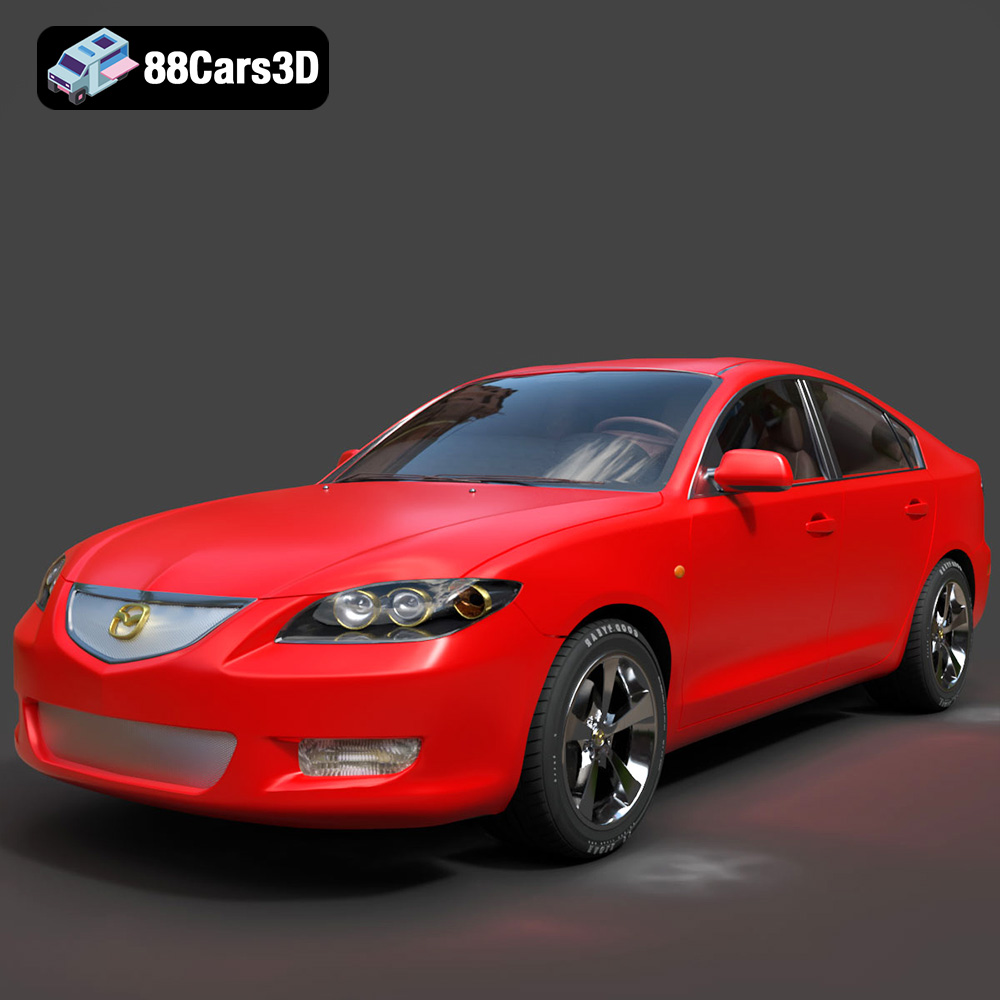
Texture: Yes
Material: Yes
Download the Mazda 3 Sedan 2004 3D Model featuring clean geometry, realistic detailing, and a fully modeled interior. Includes .blend, .fbx, .obj, .glb, .stl, .ply, .unreal, and .max formats for rendering, simulation, and game development.
Price: $10

Texture: Yes
Material: Yes
Download the Martin Rapide 2011 3D Model featuring clean geometry, realistic detailing, and a fully modeled interior. Includes .blend, .fbx, .obj, .glb, .stl, .ply, .unreal, and .max formats for rendering, simulation, and game development.
Price: $20.9
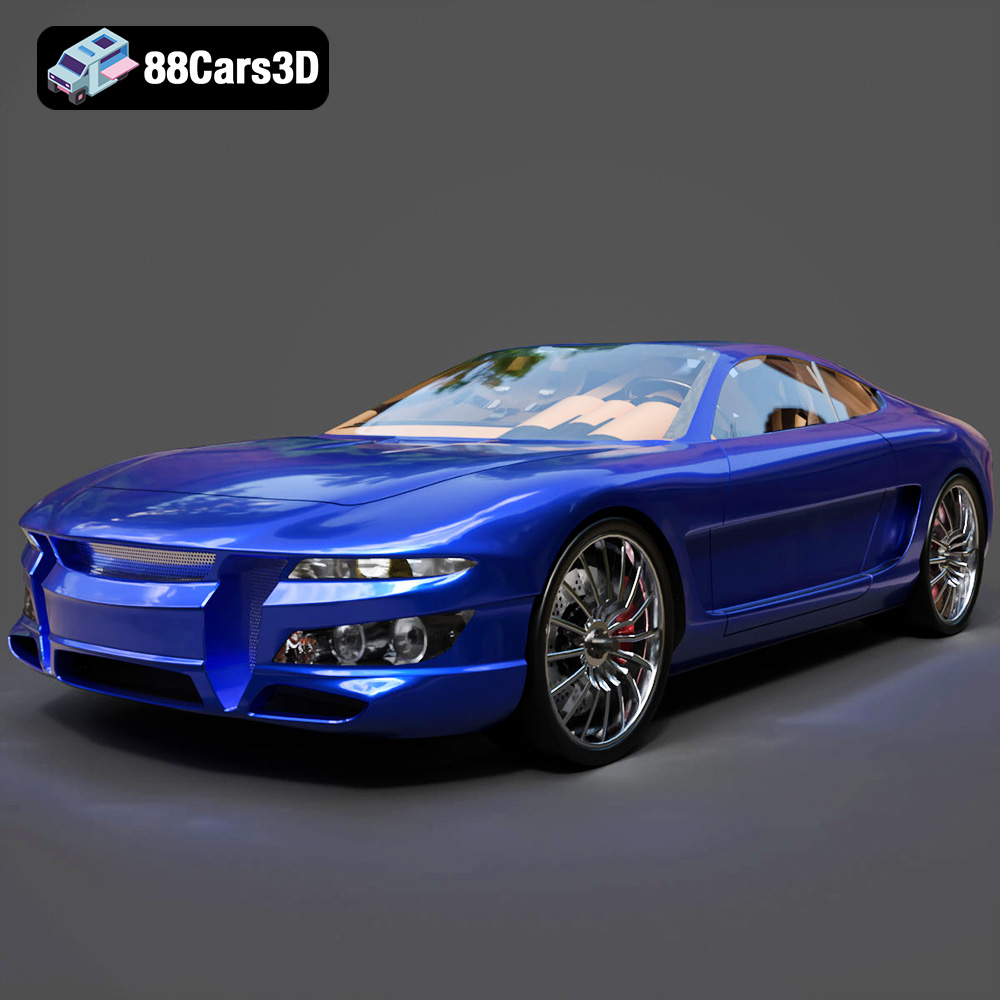
Texture: Yes
Material: Yes
Download the Car Tasergal 005 3D Model featuring clean geometry, realistic detailing, and a fully modeled interior. Includes .blend, .fbx, .obj, .glb, .stl, .ply, .unreal, and .max formats for rendering, simulation, and game development.
Price: $10
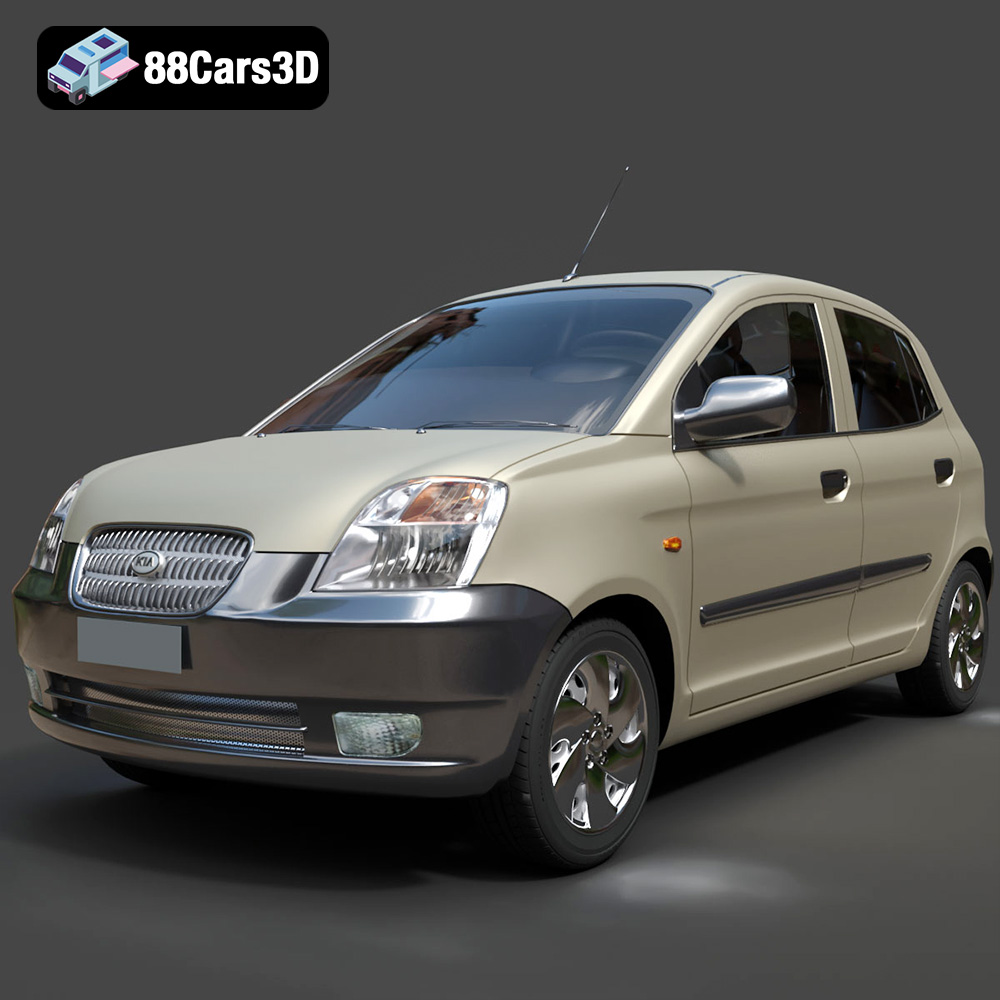
Texture: Yes
Material: Yes
Download the Kia Picanto 2024 3D Model featuring clean geometry, realistic detailing, and a fully modeled interior. Includes .blend, .fbx, .obj, .glb, .stl, .ply, .unreal, and .max formats for rendering, simulation, and game development.
Price: $15.99

