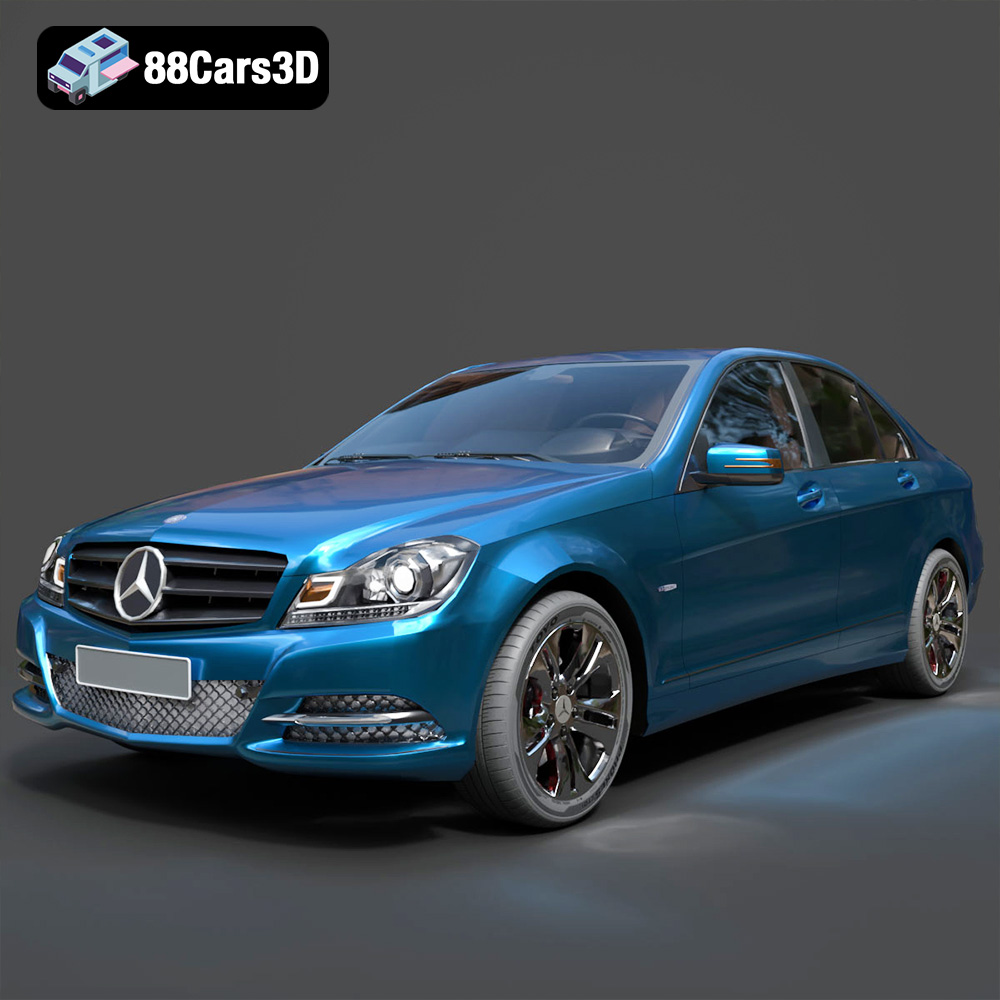
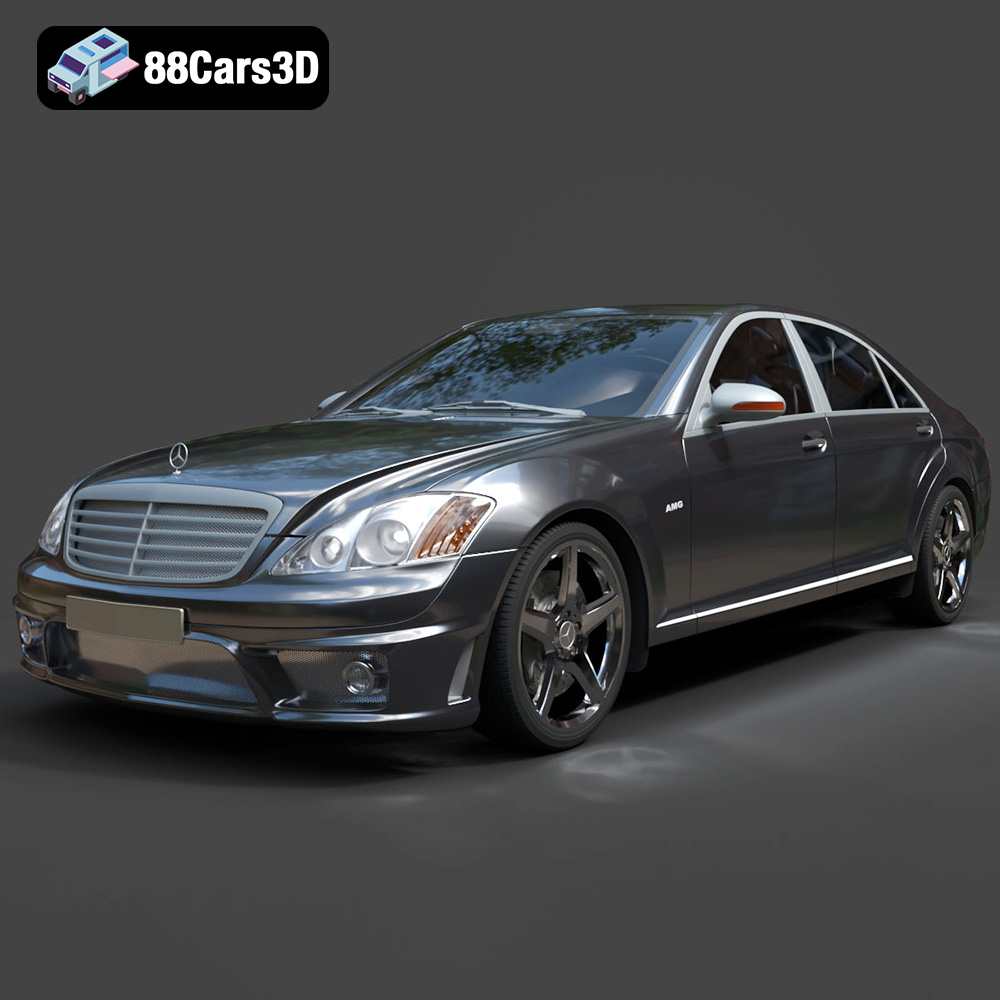
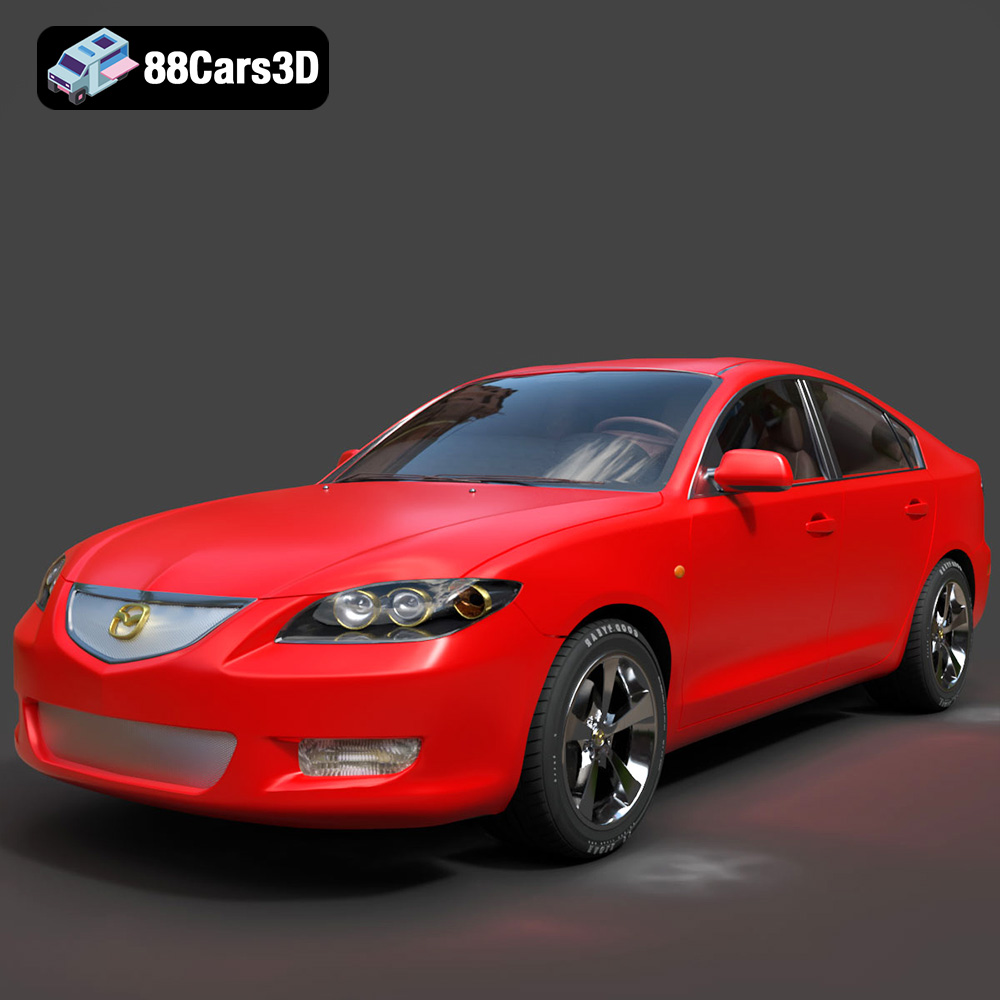
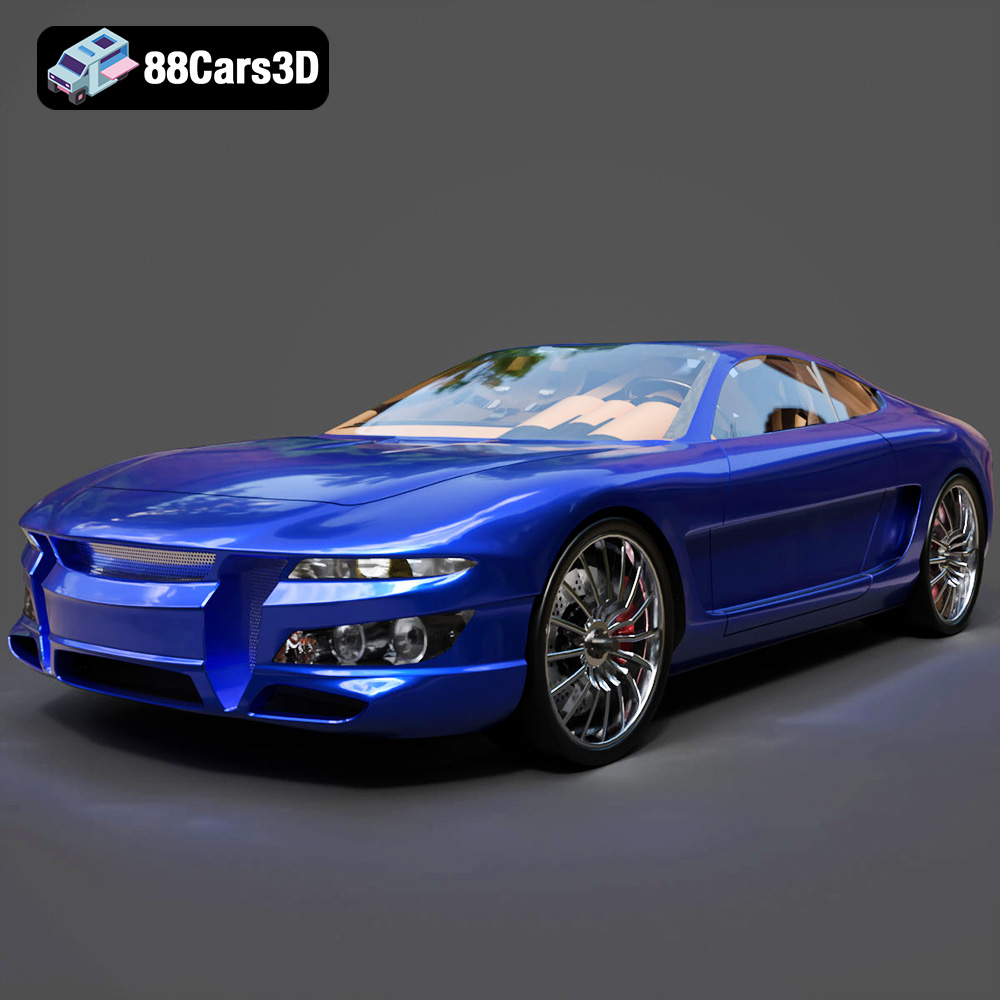
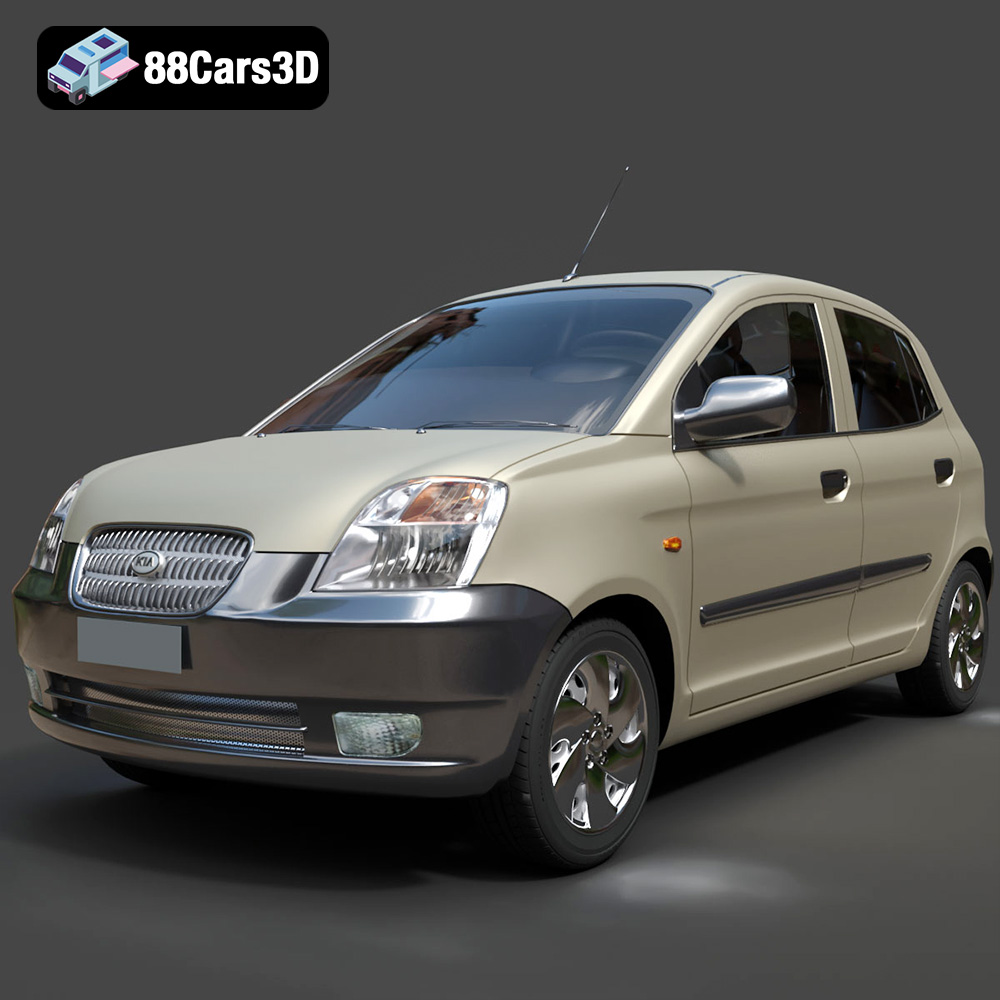
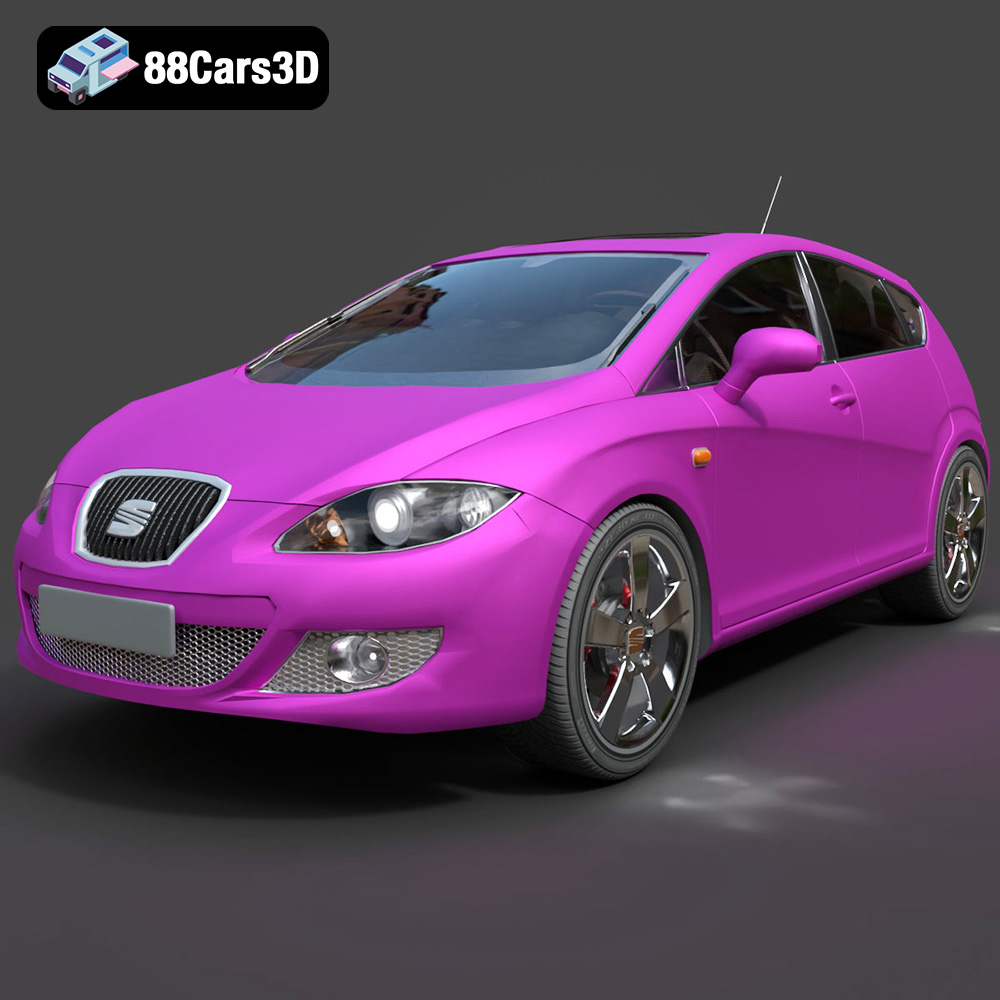
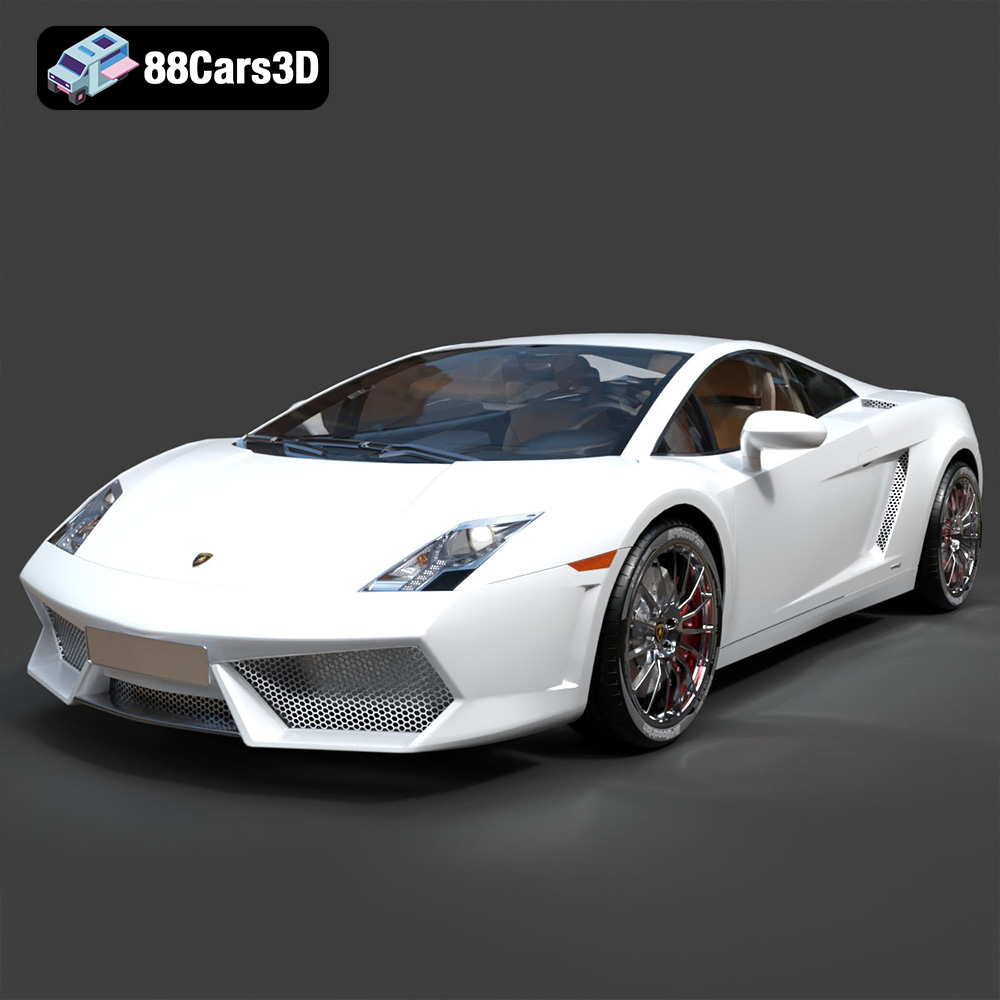
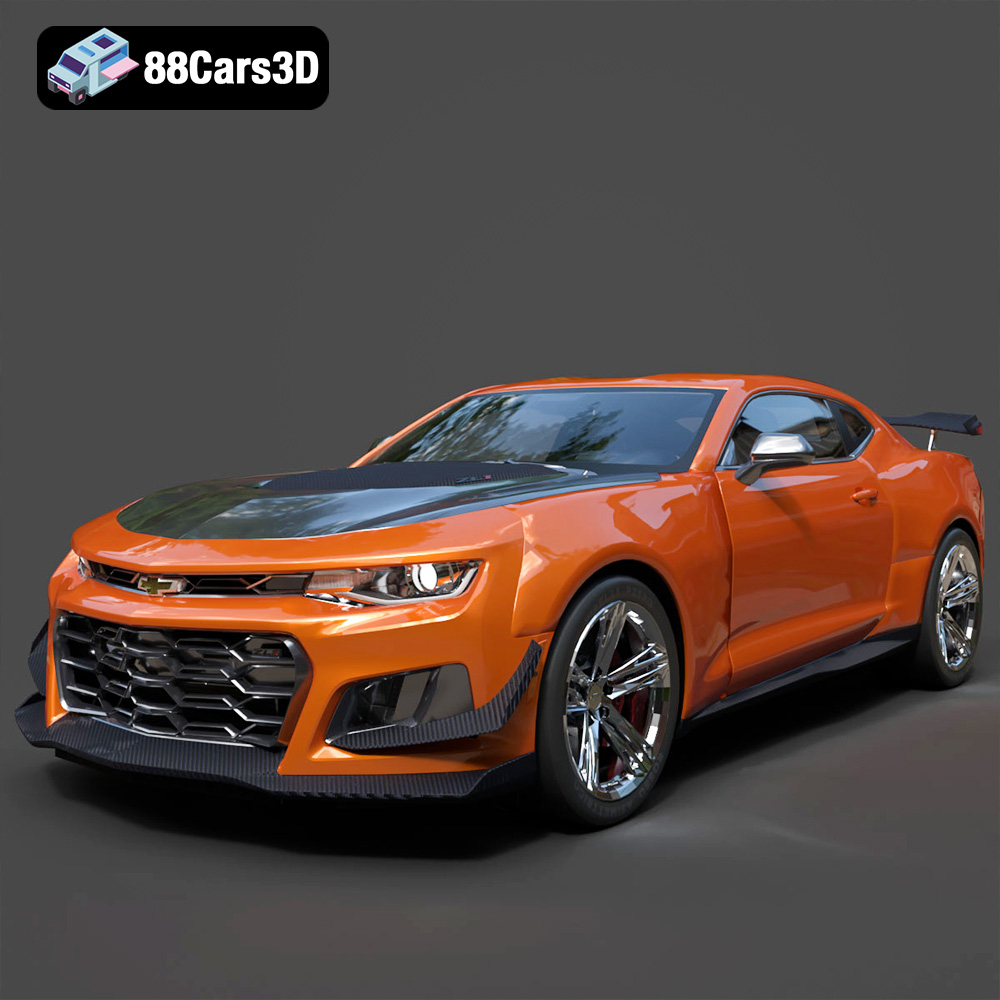
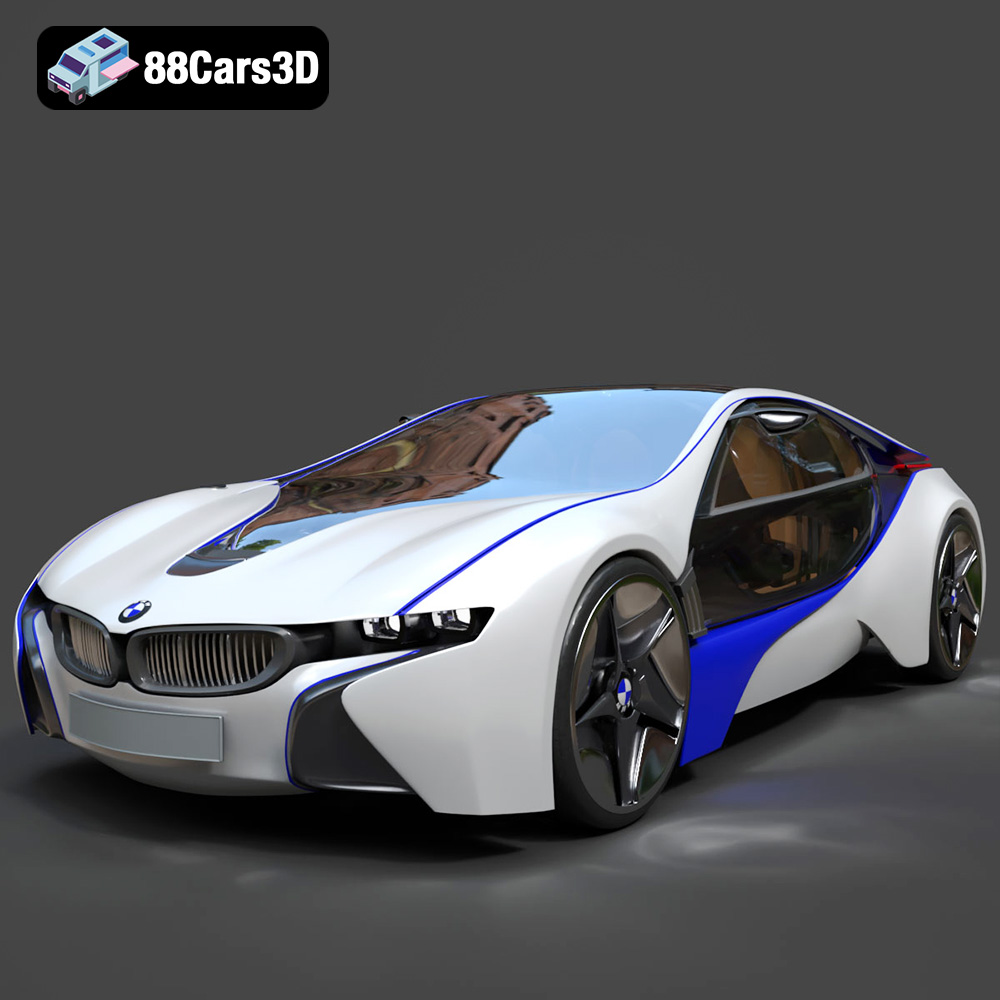
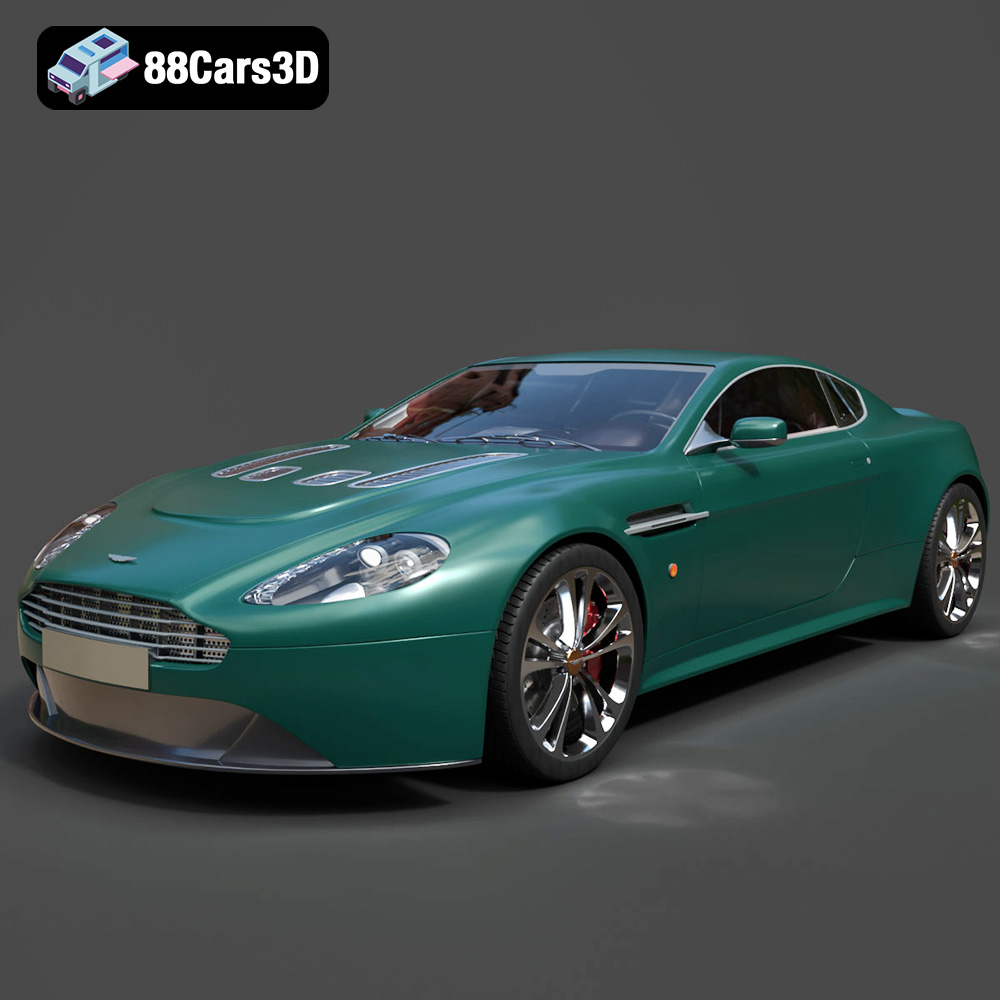
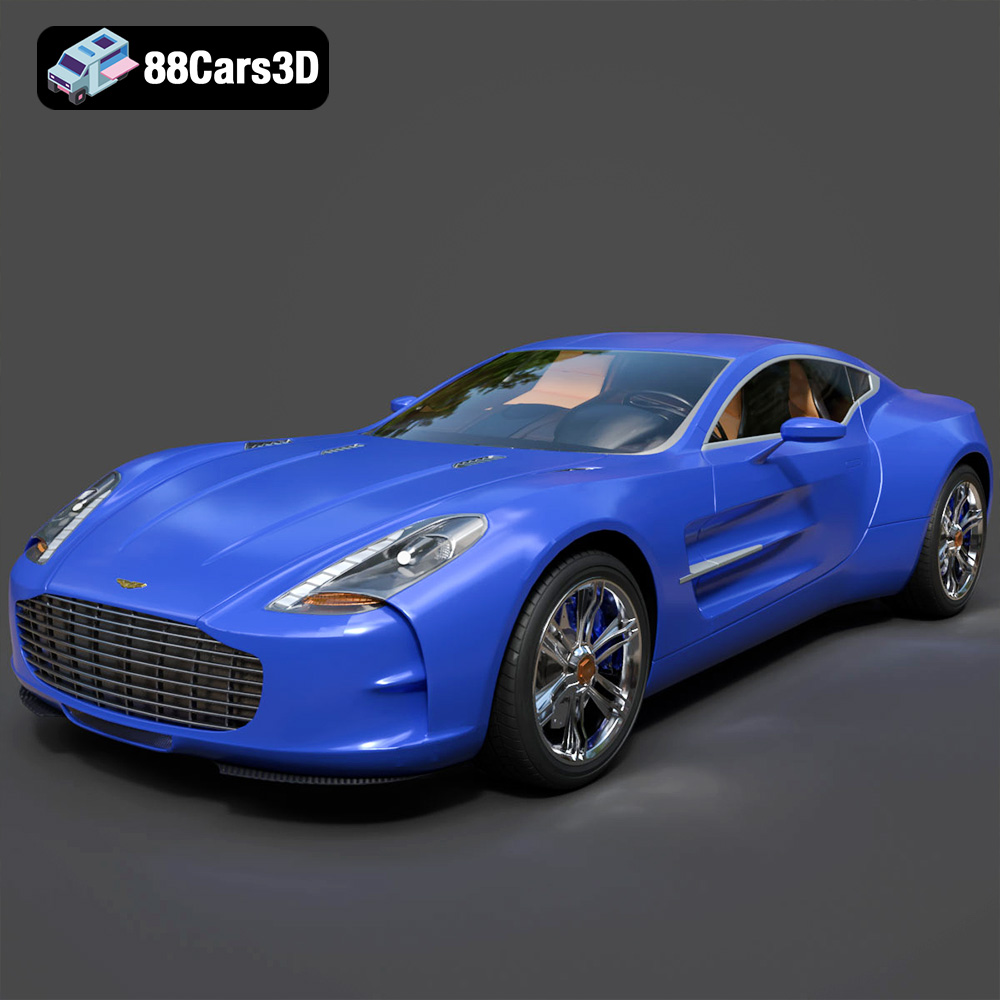
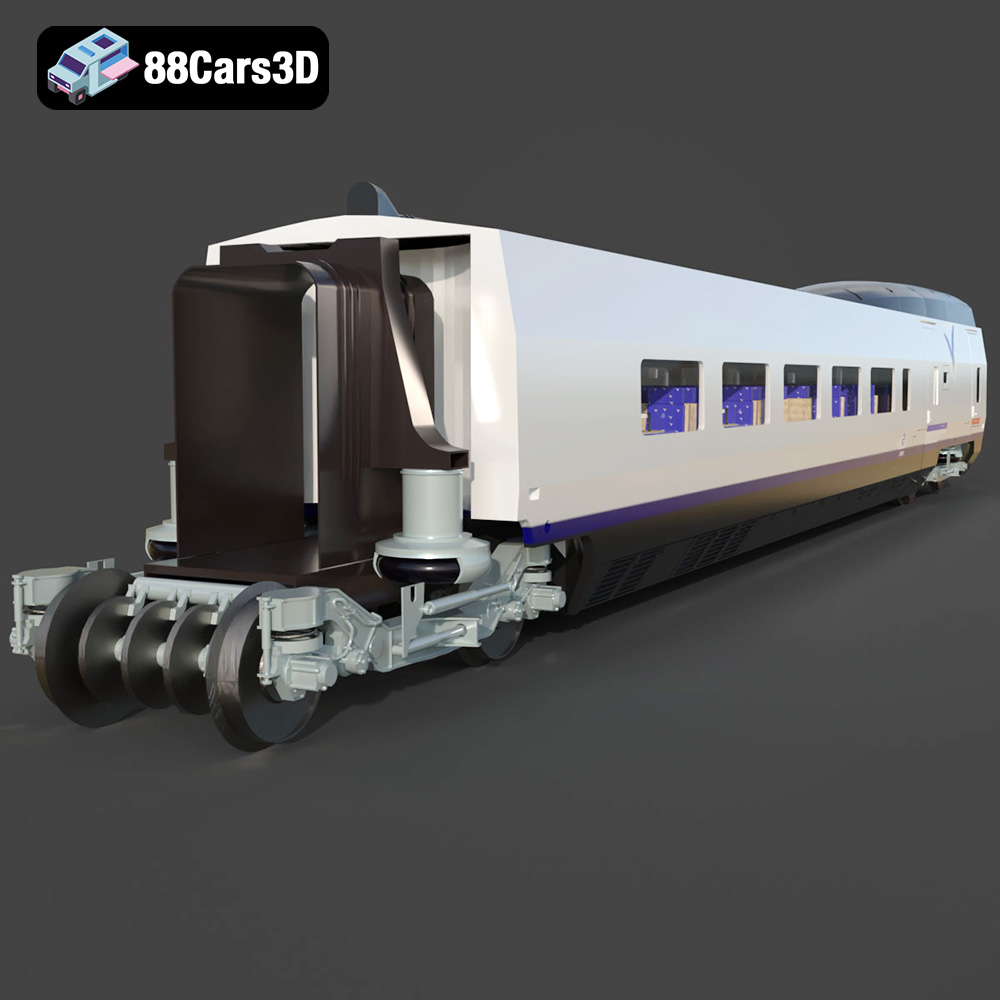
The Art and Engineering Behind High-Quality 3D Car Models: From Concept to Real-Time Immersion
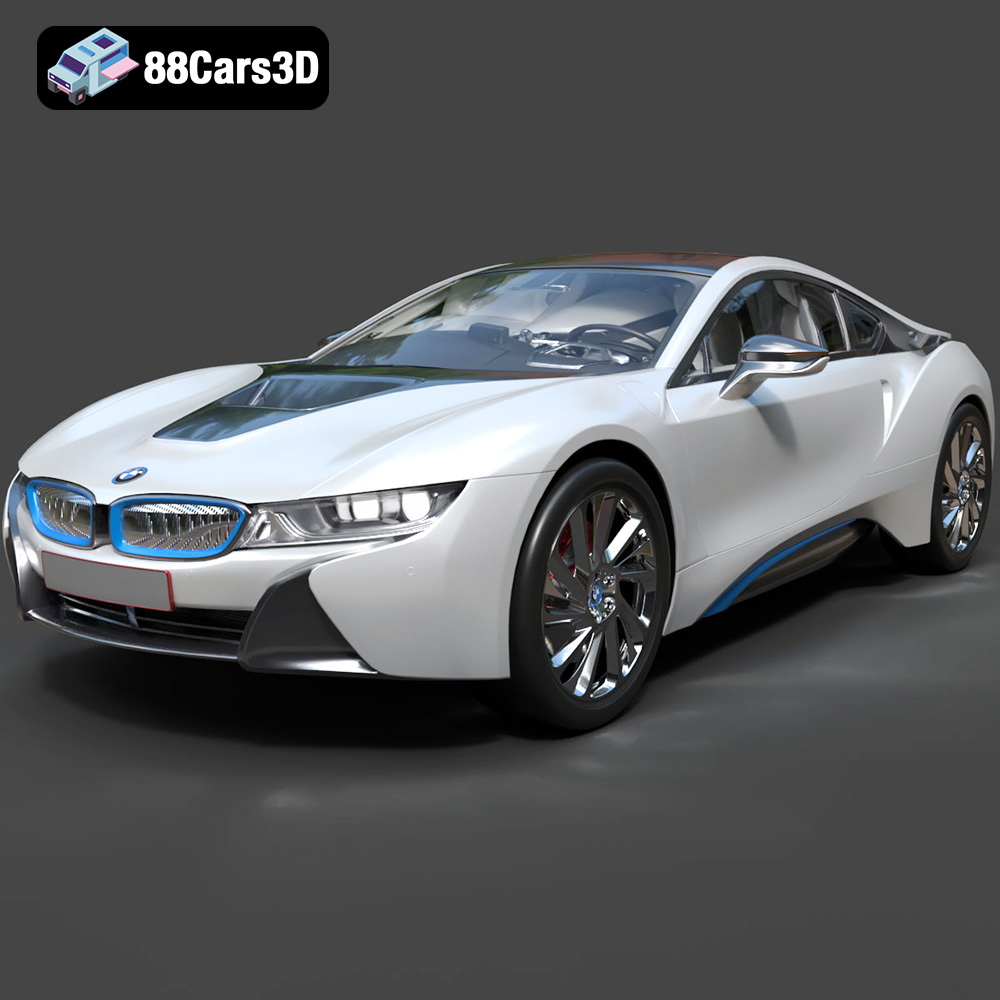
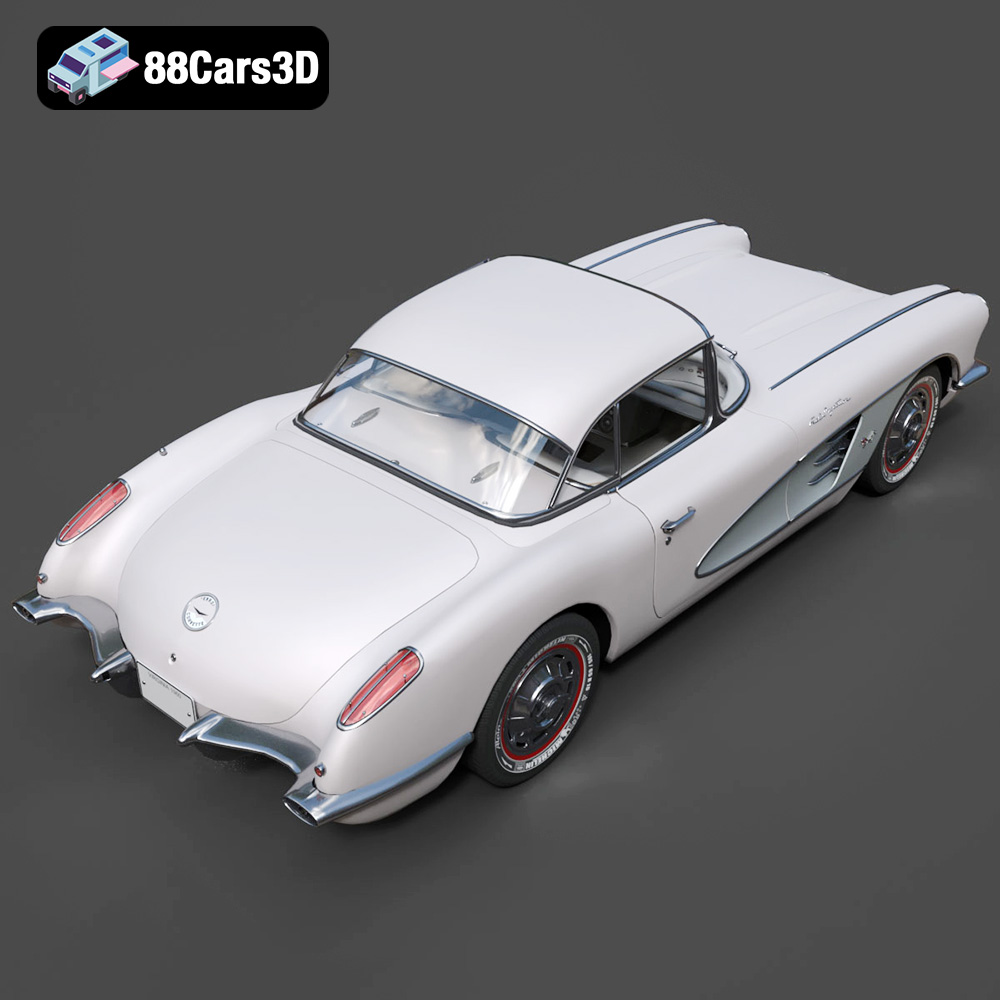
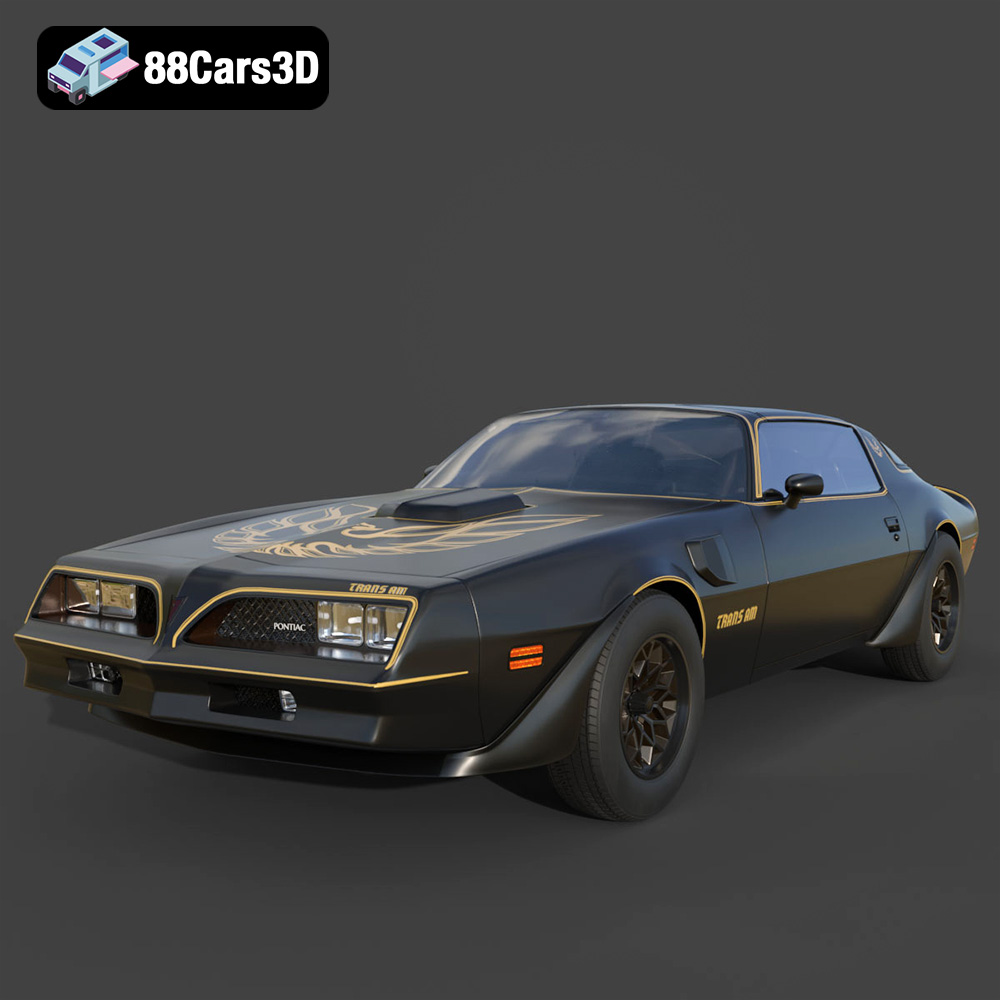
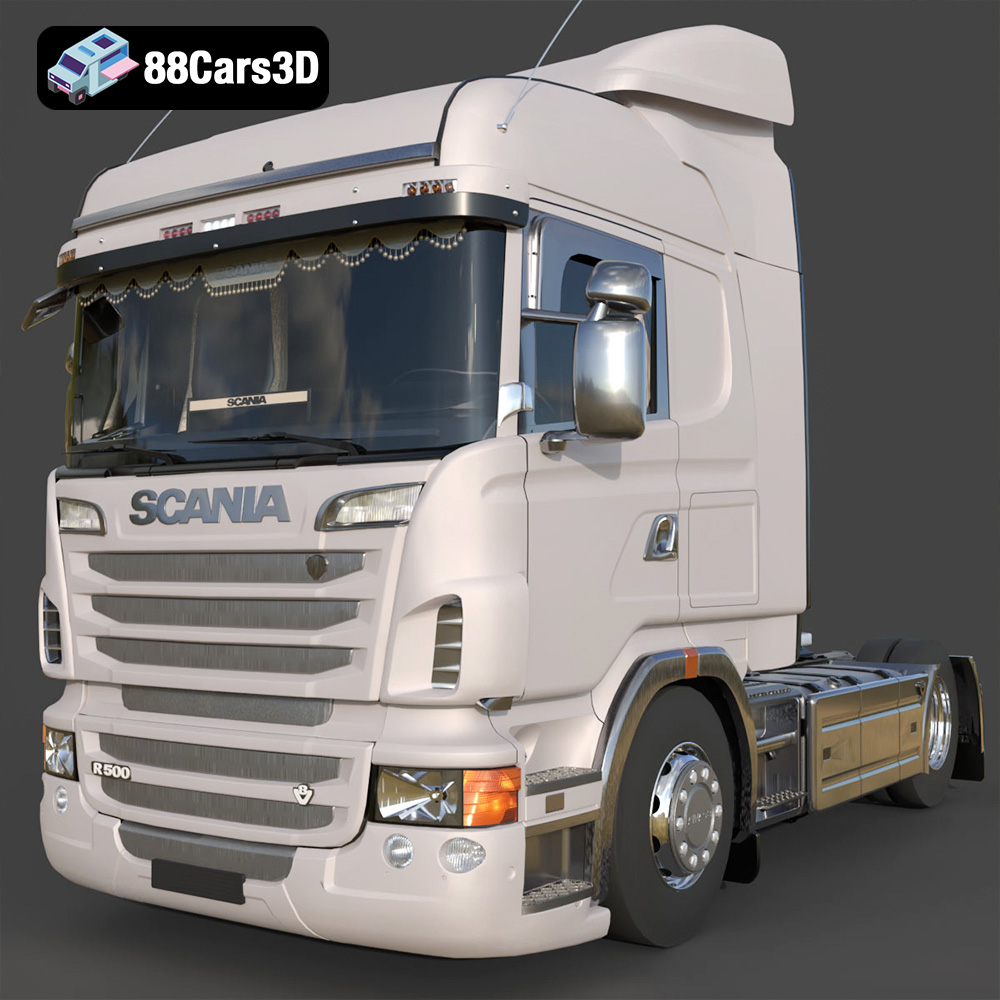
In today’s visually driven world, the demand for high-fidelity 3D car models is skyrocketing across industries. From cinematic automotive rendering that showcases the sleek lines of a new prototype to realistic in-game vehicles that immerse players in vast open worlds, quality 3D assets are the bedrock of compelling visual experiences. Developing these models requires a nuanced understanding of design principles, technical specifications, and cross-platform compatibility. Whether you’re a seasoned artist, a game developer, or an architect seeking to integrate realistic vehicles into your visualizations, understanding the journey from a raw mesh to a polished, engine-ready asset is crucial. Websites like 88cars3d.com specialize in providing these meticulously crafted models, enabling professionals to elevate their projects without the extensive time investment of creating every asset from scratch.
The Foundation: Crafting Exceptional 3D Car Models
Creating a truly high-quality 3D car model begins with meticulous attention to detail and a strong grasp of foundational modeling principles. The goal is to produce an asset that is not only visually stunning but also technically robust for various applications.
Precision Modeling Techniques
The journey often starts with gathering extensive reference material, including blueprints, photographs, and even real-world vehicle scans. Artists employ several sophisticated techniques to translate these references into a 3D form:
- Subdivision Surface Modeling (Sub-D): This is a common method for creating organic and smooth shapes like car bodies. Artists build a low-polygon “cage” mesh, which is then smoothed by a subdivision algorithm, allowing for intricate detail control without an excessively dense base mesh. Software like 3ds Max and Blender excel in this area.
- CAD Import and Retopology: Automotive manufacturers often provide CAD data (e.g., from SolidWorks, Catia). While incredibly accurate, this data is typically unsuitable for rendering or real-time engines due to its complex surface patches and non-manifold geometry. Artists must retopologize these CAD models, creating clean, animation-friendly polygon meshes that retain the original design fidelity.
- Photogrammetry and Laser Scanning: For existing physical vehicles, photogrammetry (using multiple photos to reconstruct a 3D model) or laser scanning can capture highly accurate surface data. Similar to CAD imports, these raw scans require significant cleanup, decimation, and retopology to become usable 3D car models for production.
Topology and Mesh Optimization
Excellent topology is the backbone of a versatile 3D car model. Good topology ensures smooth deformation during animation, clean subdivision results, and efficient performance. Key considerations include:
- Edge Loops and Flow: Edges should follow the natural curves and contours of the car, particularly around prominent features like wheel arches, door lines, and body panels. This is critical for both visual accuracy and for creating precise panel gaps.
- Polycount Management: The number of polygons (polycount) significantly impacts performance. High-resolution models for cinematic automotive rendering might have millions of polygons, while game assets require optimized meshes, often with multiple Levels of Detail (LODs) ranging from thousands to mere hundreds of polygons for distant views.
- Non-Destructive Workflows: Using modifiers and procedural techniques (e.g., Blender’s modifiers stack, 3ds Max’s modifier stack) allows artists to make changes without permanently altering the base mesh, facilitating iterative design and optimization.
UV Mapping and Texture Preparation
Once the geometry is solid, UV mapping is essential for applying textures accurately. This process unwraps the 3D surface into a 2D plane, much like cutting and flattening a cardboard box.
- Seamless UV Layouts: Clean UVs are critical for texture fidelity. Seams should be placed in inconspicuous areas and minimized where possible. Overlapping UVs, common in mirrored parts, need careful management to avoid lighting artifacts or incorrect texture display.
- UDIM Workflow: For extremely high-resolution automotive rendering, UDIM (U-Dimension) allows artists to use multiple UV tiles (separate texture maps) for a single object. This is common for large objects like car bodies, providing incredible texture detail without needing massive single texture files.
- Physically Based Rendering (PBR) Workflows: Modern rendering relies on PBR materials. This involves creating a suite of textures (Albedo/Base Color, Metallic, Roughness, Normal, Ambient Occlusion, Displacement) that accurately simulate how light interacts with different surfaces, ensuring realism across various lighting conditions.
Understanding 3D Model File Formats
The vast ecosystem of 3D software and applications necessitates a variety of file formats, each optimized for specific workflows and use cases. Choosing the correct format is paramount for maintaining model integrity, ensuring compatibility, and optimizing performance. Understanding these distinctions is a cornerstone for anyone working with 3D car models.
Native and Interchange Formats for Production
- .blend (Blender): This is Blender’s native project file format. A .blend file is a complete package, containing not just the mesh data but also materials, textures (packed within the file or linked), animations, lighting, camera setups, and even Python scripts. It’s ideal for artists working within Blender who need full editability and access to all scene data. When exchanging models, a .blend file offers maximum flexibility for a Blender user, providing the entire scene ready for modification or advanced rendering.
- .max (3ds Max): Similar to .blend, the .max file is the native project format for Autodesk 3ds Max. It stores all scene information, including complex modifier stacks, animation keyframes, rigging, render settings, and materials unique to 3ds Max’s ecosystem (e.g., V-Ray or Corona materials). For projects deeply integrated into 3ds Max’s powerful animation and rendering capabilities, the .max format is indispensable, offering full creative control and preserving every detail of the original artist’s work.
- .fbx (Filmbox): Developed by Autodesk, .fbx has become an industry-standard interchange format, particularly prevalent in game development. It’s highly versatile, capable of storing not only geometry but also materials (though often simplified upon export/import), animations, skinning, and camera data. .fbx is ideal for transferring assets between different 3D software (e.g., from 3ds Max to Maya, or Blender to Unreal Engine) and is the go-to format for real-time pipelines like Unity and Unreal. Its robust handling of animation and hierarchical data makes it perfect for animated 3D car models in games.
- .obj (Wavefront OBJ): The .obj format is one of the oldest and most widely supported 3D file formats, making it a universal choice for cross-software compatibility. It primarily stores geometry (vertices, normals, UV coordinates) and references to external material files (.mtl). While simpler than FBX, it’s incredibly reliable for mesh data transfer. Its widespread adoption ensures almost any 3D software can open an .obj file, making it excellent for sharing basic 3D car models without complex rigging or animation data. However, it doesn’t store lights, cameras, or complex shader networks.
Specialized Formats for Specific Applications
- .glb (GL Transmission Format Binary): This is the binary version of glTF, a modern, open-standard format designed for efficient transmission and loading of 3D scenes and models. .glb files are optimized for web-based 3D, Augmented Reality (AR), and Virtual Reality (VR) applications. They bundle geometry, materials, textures, and animation into a single compact file, making them incredibly efficient for interactive, real-time display in browsers or mobile AR apps. Many 3D car models destined for online configurators or AR showcases are provided in .glb.
- .stl (Stereolithography): The primary format for 3D printing, .stl represents 3D objects as a series of connected triangles (a tessellated surface). It contains only the raw geometric data, with no color, texture, or material information. While simple, its ubiquity in the 3D printing world makes it the standard for turning digital 3D car models into physical objects, whether for prototyping or creating scale models. Precision is key here, as tiny gaps or non-manifold edges can cause printing errors.
- .ply (Polygon File Format / Stanford Triangle Format): .ply is often used to store 3D data from 3D scanners, capturing precise point cloud and polygonal mesh information. It can store a variety of properties including color, transparency, normals, texture coordinates, and even reliability information. While less common for general asset exchange than FBX or OBJ, it’s excellent for scientific and engineering applications, especially when dealing with highly accurate scanned data of automotive parts or full vehicles for CAD comparison or analysis.
- .unreal (Unreal Engine Asset): While not a direct export format from external software, once a model is imported into Unreal Engine, it becomes an Unreal Engine asset. These are engine-ready representations optimized for Unreal’s rendering pipeline, often encompassing static meshes, skeletal meshes, materials, and textures specific to the engine’s internal structure. For developers creating interactive experiences or photorealistic simulations within Unreal, having native .unreal assets means seamless integration and maximum performance, taking full advantage of the engine’s capabilities.
Mastering Automotive Rendering: Bringing Cars to Life
Automotive rendering is where art meets engineering, transforming a static 3D car model into a breathtaking, photorealistic image or animation. This process demands a deep understanding of light, materials, and composition.
Physically Based Rendering (PBR) Principles
Modern rendering engines heavily rely on PBR to achieve realism. PBR systems simulate how light interacts with surfaces in the real world, producing consistent and believable results under any lighting condition.
- Material Creation: Key PBR textures for a car model include Base Color (or Albedo) for the paint, chrome, and interior fabrics; Metallic maps to define metallic vs. dielectric surfaces; Roughness maps to control surface smoothness (e.g., glossy paint vs. matte tires); and Normal maps to simulate fine surface detail like microscopic paint imperfections or fabric weaves without adding extra geometry.
- Layered Shaders: Complex car paints, for example, often require layered shaders simulating a base coat, metallic flakes, clear coat, and even orange peel effects. This multi-layered approach creates the distinct depth and reflection quality seen in high-end vehicle finishes.
- Refractive and Transparent Materials: Glass, headlights, and taillights require accurate refractive index (IOR) values, dispersion (for prism-like effects), and volumetric absorption to simulate realistic light bending and color shifts.
Advanced Lighting and Environment Setup
Lighting is arguably the most critical element in automotive rendering, defining mood, shape, and realism.
- High Dynamic Range Image (HDRI) Lighting: HDRIs capture real-world lighting environments (e.g., a sunny outdoor scene, a cloudy sky, a studio setup) and project them onto the scene, providing natural and accurate reflections and illumination. This is a cornerstone for photorealism.
- Studio Lighting Techniques: For showcasing product design, studio lighting setups using area lights, softboxes, and reflectors are common. Artists use three-point lighting (key, fill, back) augmented with rim lights, kickers, and gobos to sculpt the car’s form and highlight its features.
- Path Tracing and Global Illumination: Modern renderers (V-Ray, Corona, Octane, Cycles) use advanced global illumination techniques like path tracing to simulate how light bounces around a scene, creating subtle color bleeding, realistic soft shadows, and accurate reflections.
Post-Processing and Compositing for Photorealism
The raw render is often just the beginning. Post-processing in tools like Adobe Photoshop or Nuke adds the final layer of polish.
- Color Grading and Tone Mapping: Adjusting colors, contrast, and exposure to achieve a desired aesthetic, matching a reference photo, or enhancing mood. Tone mapping converts HDR render data into a viewable LDR image.
- Depth of Field (DOF) and Motion Blur: Adding realistic camera effects to draw attention to specific areas of the car or convey speed in animation.
- Render Passes (AOVs): Professional workflows utilize render passes (e.g., Diffuse, Specular, Reflection, Z-Depth, Object IDs, Normals) to have granular control over each element of the image during compositing, allowing for precise adjustments and effects.
Integrating 3D Car Models into Game Development
For game developers, 3D car models are not just about visual fidelity; they’re about performance, interactivity, and integration into complex game engines. This requires specific optimization strategies and attention to engine-specific requirements.
Optimization for Real-Time Performance
Game engines like Unreal Engine and Unity need assets that run smoothly at high frame rates. This often means making intelligent compromises without sacrificing visual quality.
- Levels of Detail (LODs): Creating multiple versions of a 3D car model with decreasing polygon counts. The engine switches between these LODs based on the car’s distance from the camera, significantly reducing the computational load for distant objects.
- Texture Atlases and Instancing: Combining multiple small textures into one larger atlas minimizes draw calls, improving performance. Instancing allows multiple identical objects (e.g., multiple copies of the same car model in a race) to be rendered efficiently using a single draw call.
- Occlusion Culling: Techniques that prevent rendering of objects or parts of objects that are hidden from the camera’s view (e.g., a car’s engine when the hood is closed).
Collision Meshes and Physics Integration
For a car to behave realistically in a game, it needs accurate collision and physics properties.
- Collision Geometry: Game engines use simplified “collision meshes” or primitive shapes (boxes, capsules) rather than the high-resolution visual mesh for physics calculations. This is far more performant while still providing accurate interaction with the environment.
- Vehicle Dynamics Systems: Engines like Unreal have sophisticated vehicle physics systems (e.g., Chaos Vehicles) that allow developers to configure parameters like wheel suspension, engine torque, gear ratios, and tire friction. Importing a well-structured 3D car model with properly defined wheel components is critical here.
- Damage Models: Implementing visual and physical damage requires breaking down the car into separate, destructible components, often involving blend shapes or skeletal deformation for real-time deformation.
Material and Texture Optimization for Game Engines
Game engines have specific requirements for materials and textures to ensure efficient rendering.
- Shader Complexity: Complex shaders with many instructions can be performance heavy. Game artists aim for efficient PBR shaders that balance visual quality with computational cost.
- Texture Resolution and Compression: Textures are optimized for resolution (e.g., 2048×2048, 4096×4096) and compressed (e.g., DXT1, DXT5, BC7) to reduce memory footprint on the GPU.
- Unreal Engine Specifics: For Unreal, proper material instancing allows variations (e.g., different car colors) from a single master material, while Lumen and Nanite provide incredible real-time global illumination and high-poly mesh streaming, dramatically improving visual fidelity without typical performance hits.
Beyond Visualization: Practical Applications of 3D Car Models
The utility of high-quality 3D car models extends far beyond static renders or interactive games, impacting product design, marketing, and experiential technologies.
AR/VR Experiences and Interactive Showrooms
Augmented Reality (AR) and Virtual Reality (VR) are transforming how consumers interact with products, especially high-value items like cars.
- Virtual Car Configurators: Customers can customize a car in real-time, changing colors, rims, and interior options, then view it in AR overlaid in their driveway or in a fully immersive VR environment. This provides a highly engaging and personalized buying experience.
- Training and Simulation: 3D car models are crucial for driver training simulations, maintenance procedure training, and even virtual test drives, offering safe and cost-effective learning environments.
- Immersive Marketing: Automakers use AR/VR to showcase concept cars at auto shows or allow potential buyers to “step inside” a virtual model before it’s physically built.
Automotive Design and Prototyping
Before any physical parts are manufactured, 3D car models are indispensable in the design and engineering phases.
- Iterative Design and Styling Reviews: Designers can rapidly iterate on exterior and interior designs, visualizing changes in real-time, conducting virtual wind tunnel tests, and presenting designs to stakeholders in VR.
- Ergonomics and Packaging: Engineers use 3D models to assess cabin space, driver visibility, component placement, and even simulate crash scenarios long before a physical prototype exists.
- Marketing Pre-Production: Creating promotional materials, advertisements, and even user manuals for a car can begin with 3D car models long before the first vehicle rolls off the assembly line.
3D Printing for Physical Models
The journey from digital to physical often involves 3D printing, enabling rapid prototyping and creation of tangible objects.
- Scale Models and Collectibles: Enthusiasts and companies alike can 3D print highly detailed scale models of their favorite cars, ranging from small desktop figures to larger, display-worthy pieces.
- Functional Prototypes: For specific car components (e.g., custom interior trims, aerodynamic spoilers), 3D printing allows designers to quickly produce physical prototypes for fitment checks and functional testing before committing to expensive tooling.
- Tooling and Molds: 3D-printed molds or patterns can be used in various manufacturing processes to create final parts from different materials, significantly accelerating the development cycle.
Selecting the Right 3D Car Model for Your Project
With the vast array of options available, choosing the perfect 3D car model is a critical decision that can impact your project’s timeline, budget, and ultimate quality. It pays to understand what differentiates a professional-grade asset.
Assessing Model Quality and Technical Specifications
When evaluating a 3D car model, consider these key technical aspects:
- Clean Topology: Look for models with logical edge flow, minimal triangles (unless specifically for games where triangulation is an export step), and no non-manifold geometry or overlapping faces. Good topology ensures smooth subdivisions and easy modifications.
- Optimized Polycount: Does the polycount align with your intended use? For cinematic automotive rendering, higher polycounts are acceptable. For game engines or real-time AR/VR, look for optimized models, ideally with multiple LODs.
- Accurate UV Mapping: Verify that UVs are unwrapped cleanly, without stretching or overlapping. This is essential for proper texture application and avoiding visual artifacts.
- PBR-Ready Textures: Ensure the model comes with a full set of PBR textures (Base Color, Metallic, Roughness, Normal, AO, etc.) at appropriate resolutions. The quality of these maps directly influences realism.
- Scalability and Modularity: Can individual parts (wheels, doors, interior) be easily separated or manipulated? This is crucial for animation, customization, or damage systems.
Compatibility with Your Workflow
The best model is one that integrates seamlessly into your existing software and rendering pipeline.
- Software Compatibility: Does the model come in formats native to your primary 3D software (e.g., .max for 3ds Max, .blend for Blender) or a widely accepted interchange format like .fbx or .obj?
- Renderer Compatibility: Are the materials configured for your preferred renderer (e.g., V-Ray, Corona, Cycles, Arnold)? If not, be prepared for potential material conversion, which can be time-consuming.
- Engine Readiness: For game development, check if the model is already optimized and structured for engines like Unreal or Unity, perhaps with pre-built LODs, collision meshes, or even basic rigged setups.
The Value of Professional-Grade Assets
While free or cheap models exist, investing in professional-grade 3D car models from reputable sources like 88cars3d.com offers significant advantages:
- Time-Saving: High-quality assets save hundreds of hours of modeling, texturing, and optimization time, allowing artists to focus on creative direction and rendering.
- Quality Assurance: Professional models are meticulously crafted by experienced artists, ensuring accuracy, clean topology, and consistent quality across all components.
- Technical Reliability: These models are typically built with industry best practices in mind, making them robust and adaptable for various applications without unexpected issues.
Conclusion
The creation and application of high-quality 3D car models represent a fascinating convergence of artistic skill and technical expertise. From the precise modeling of every curve and panel to the intricate art of automotive rendering that brings chrome and paint to life, and finally, to the rigorous optimization required for compelling game assets, each stage demands a deep understanding of complex workflows and specialized tools. As industries increasingly rely on immersive visuals, the demand for truly exceptional 3D vehicles will only continue to grow. By understanding the technical underpinnings and leveraging expertly crafted assets from platforms like 88cars3d.com, creators across design, gaming, and visualization can unlock new levels of realism and engagement in their projects.
Featured 3D Car Models