The Engine of Creativity: Driving Success with High-Quality 3D Car Models

The Engine of Creativity: Driving Success with High-Quality 3D Car Models

In the fiercely competitive realms of automotive design, film production, game development, and architectural visualization, the quality of your visual assets can make or break a project. High-quality 3D car models are no longer just an advantage; they are an absolute necessity. From stunning photorealistic renders that define a brand’s aesthetic to intricately detailed vehicles populating expansive open-world games, these digital assets form the backbone of modern visual media.

The demand for precision, accuracy, and efficiency in creating these models has never been higher. Professionals across various industries require models that are not only visually appealing but also technically robust, optimized for diverse pipelines, and ready for immediate integration. Understanding the nuances of topology, UV mapping, material setup, and format compatibility is crucial for leveraging these assets effectively. This guide delves into the technical considerations, workflows, and advanced applications that underscore the value of superior 3D car models, helping you harness their full potential. Whether you are an independent artist, a large studio, or an enterprise seeking premium visualization solutions, sourcing reliable, expertly crafted models from platforms like 88cars3d.com can significantly accelerate your creative journey and elevate your final output.

The Foundation: Why High-Quality 3D Car Models Matter

At the core of any successful visual project involving vehicles lies the quality of the source 3D model. This isn’t just about aesthetics; it’s about the technical integrity and versatility that allows for seamless integration and stunning results across multiple platforms and applications.

Visual Fidelity and Realism

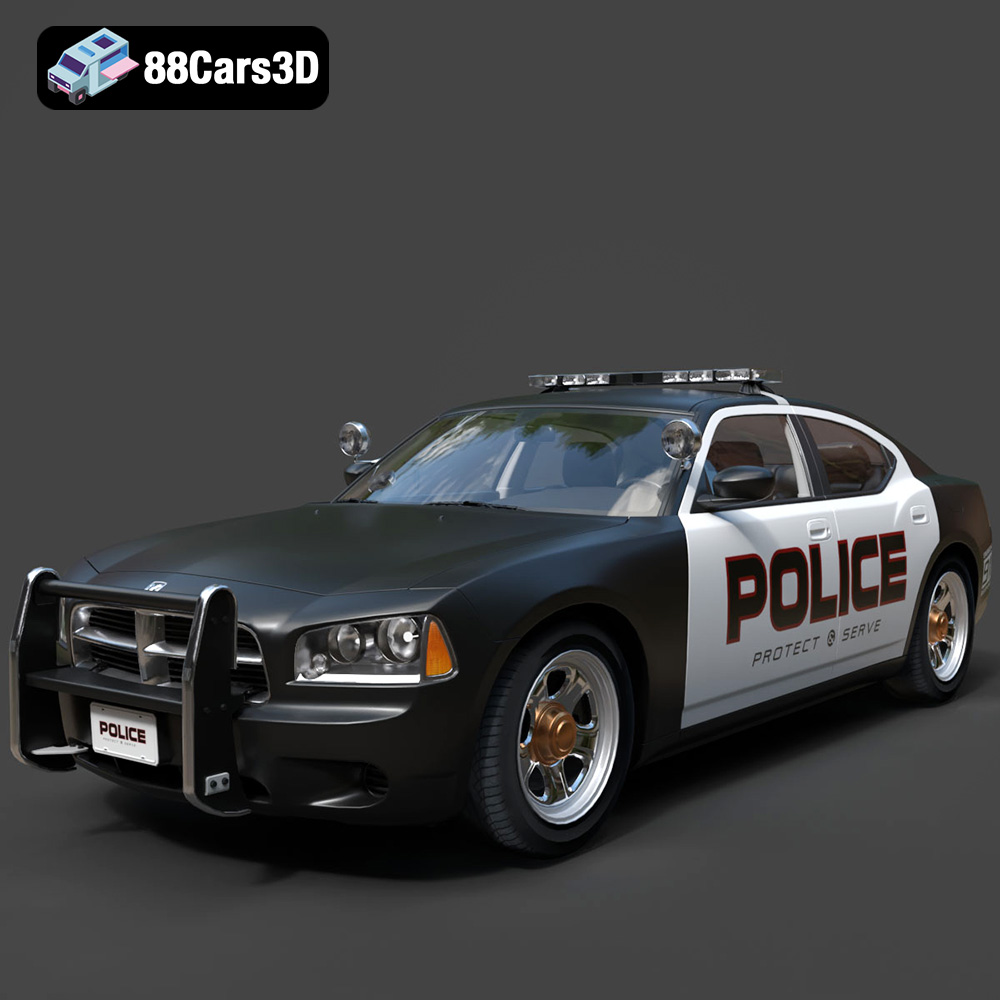
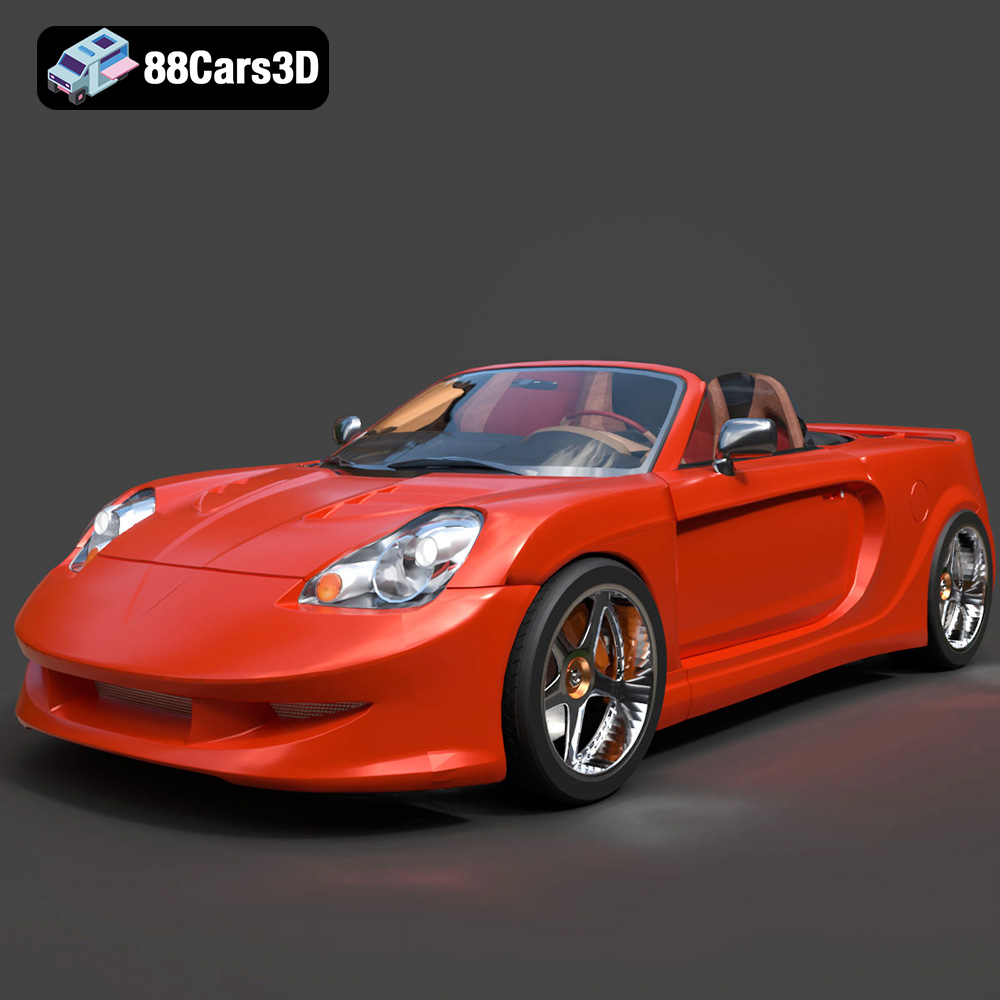
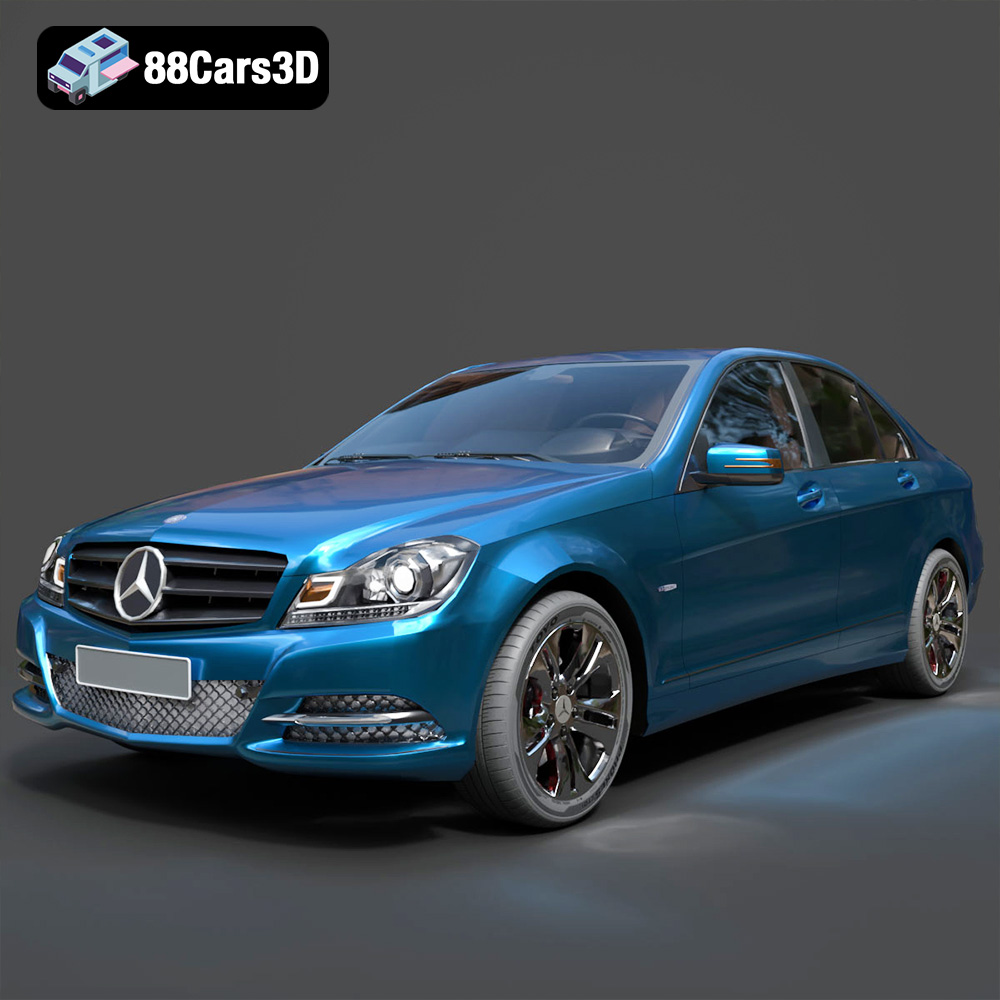
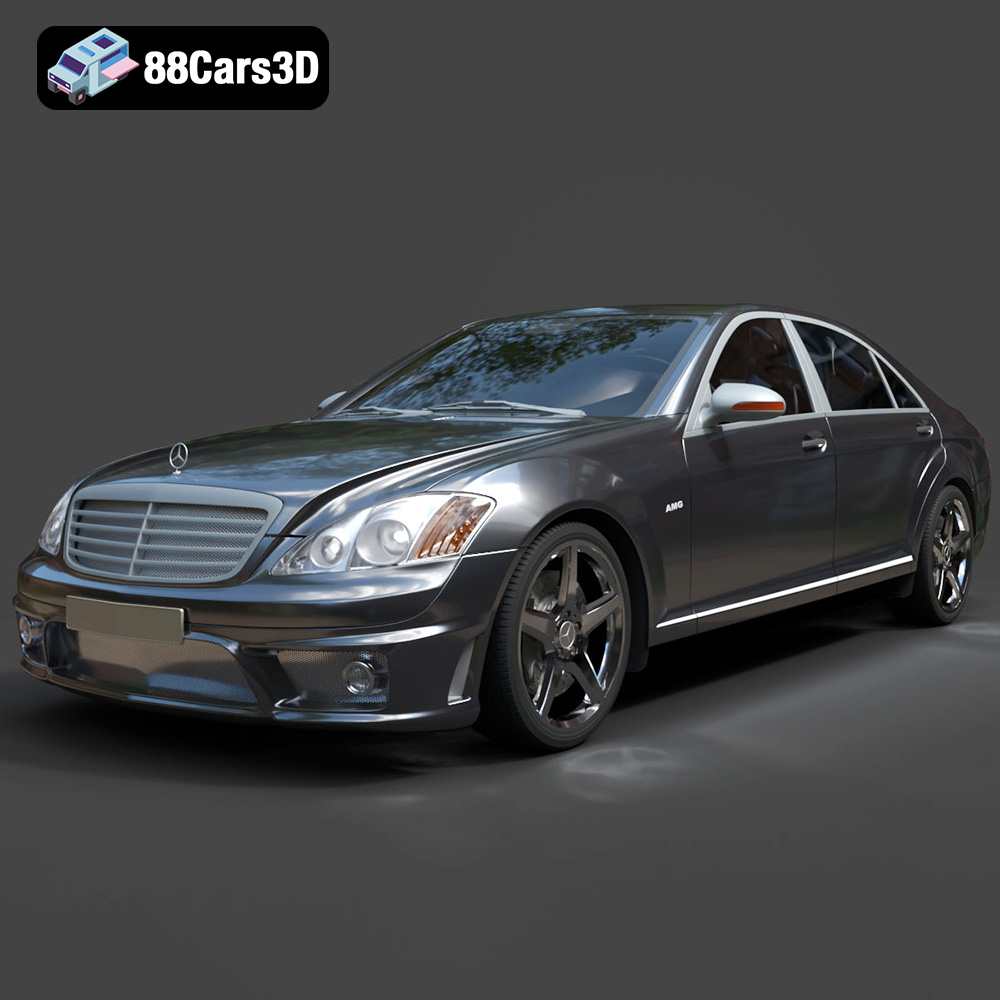
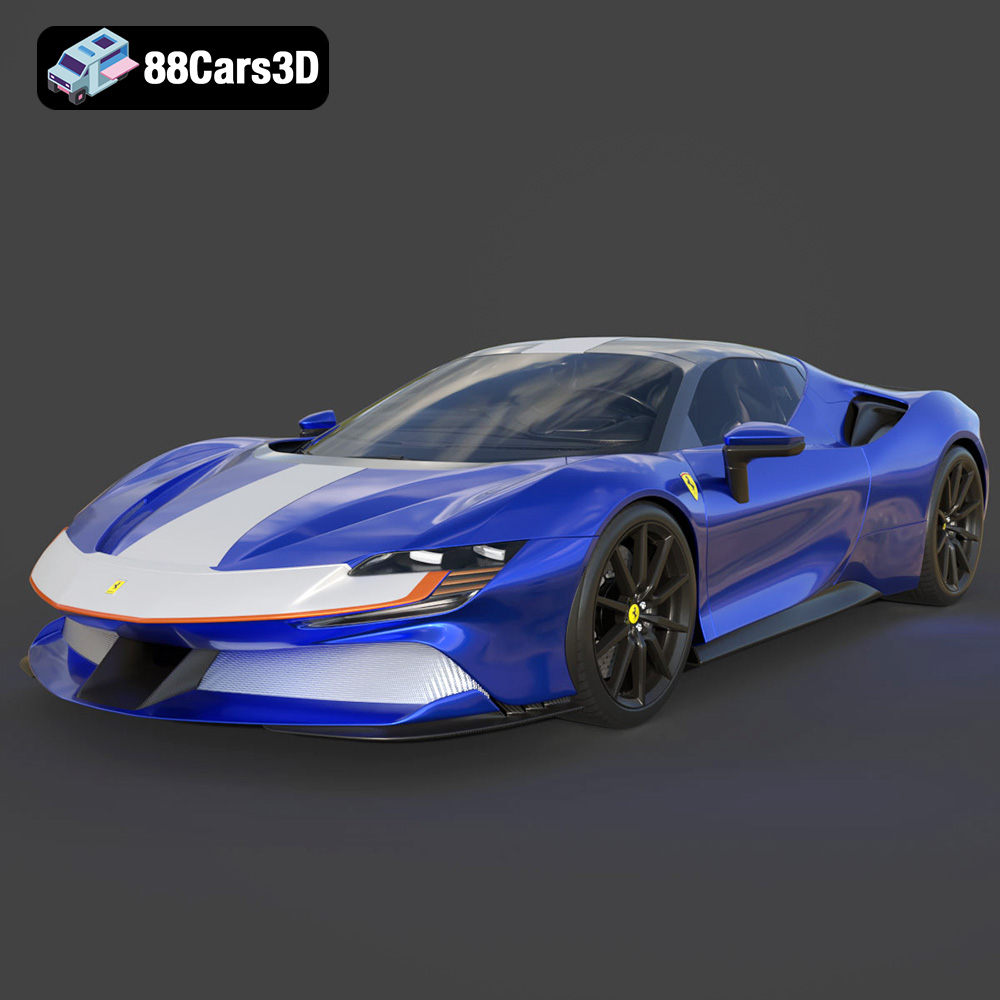
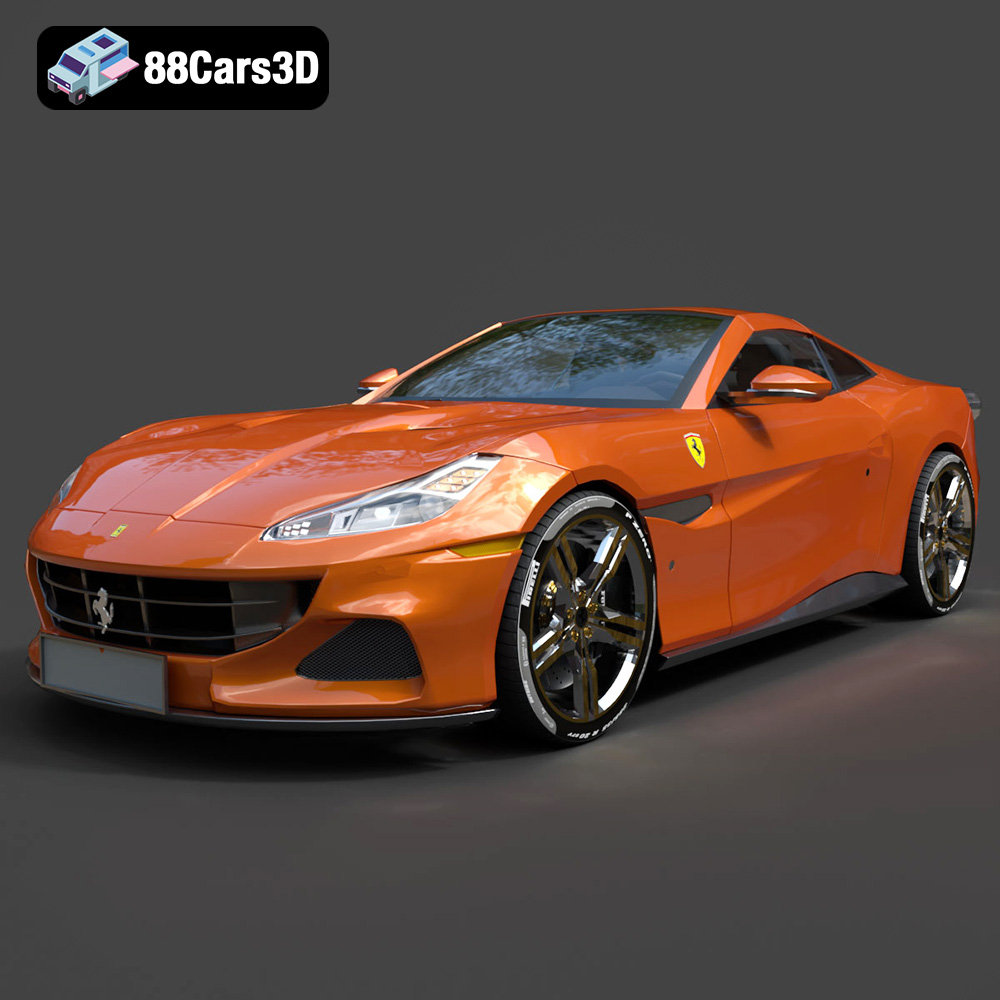
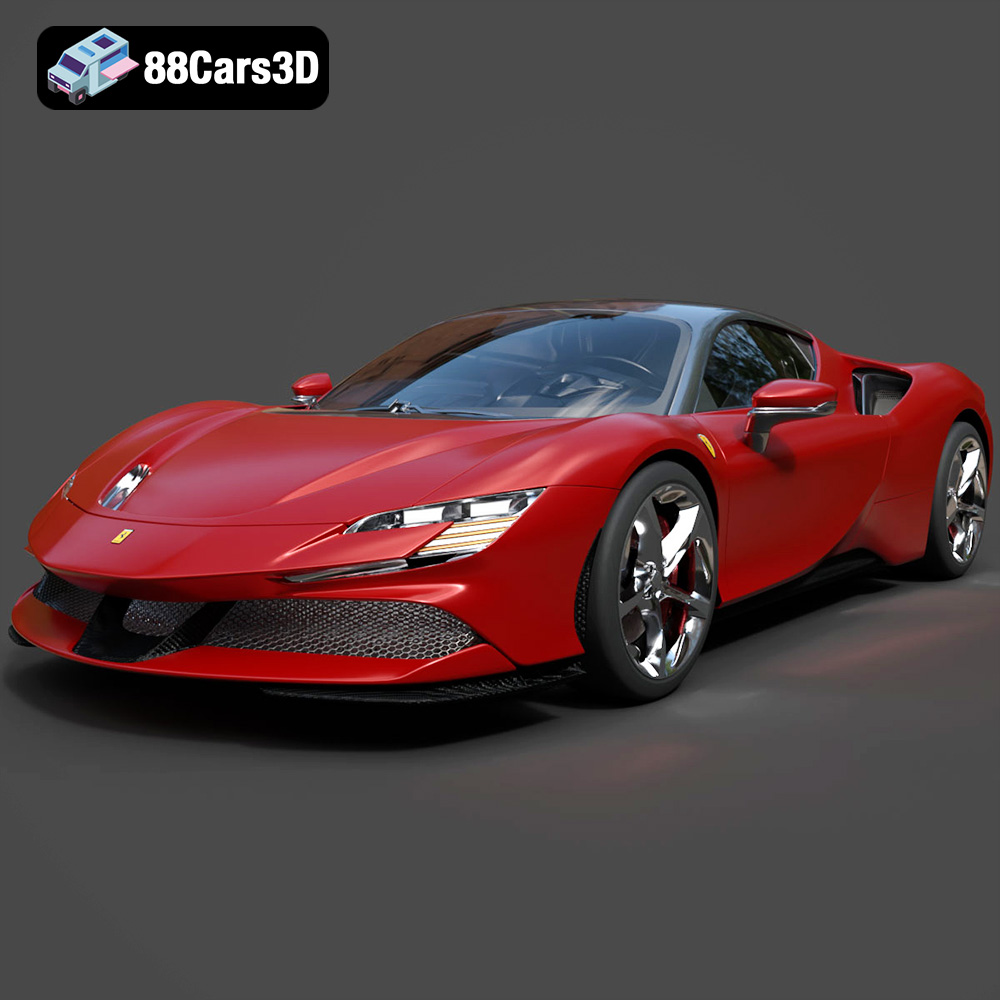
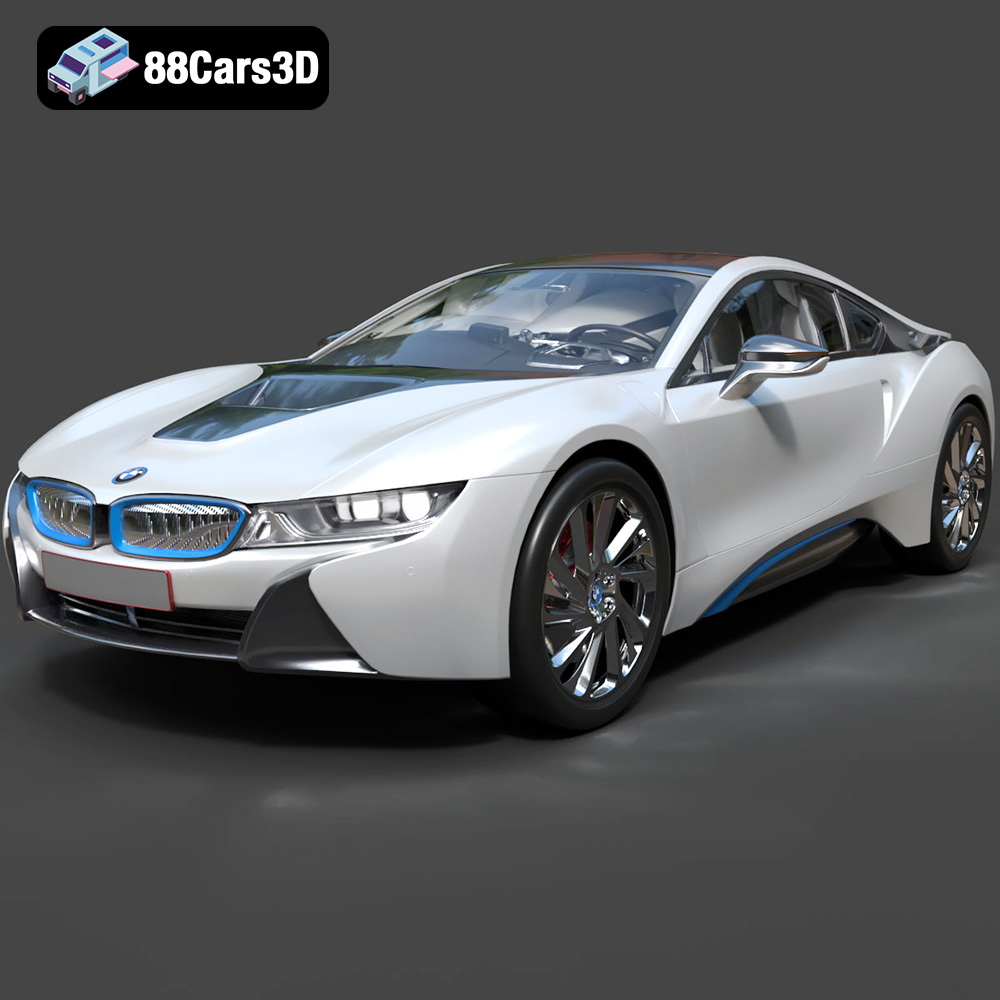
In an age where audiences expect nothing less than hyperrealism, the pursuit of visual fidelity is paramount. High-quality 3D car models boast meticulously crafted surfaces, accurate proportions, and intricate detailing that accurately reflect real-world vehicles. This includes precise panel gaps, accurate tire treads, detailed interiors, and correctly modeled lighting elements. Such attention to detail ensures that automotive renders achieve a level of photorealism indistinguishable from photography, critical for marketing campaigns, product showcases, and cinematic sequences.

  • Authentic Detailing: From dashboard buttons to intricate engine components, every part is modeled with precision.
  • Accurate Proportions: Ensures the vehicle looks correct from all angles, avoiding common distortions.
  • Clean Topology: Facilitates smooth deformations for animation and impeccable subdivisions for close-up renders.

Efficiency in Production Pipelines

Time is a valuable commodity in any production. Starting with a poorly optimized or inaccurately modeled asset can lead to significant delays and cost overruns. High-quality models are designed to be production-ready, meaning they come with clean geometry, optimized mesh density, proper UV maps, and often pre-configured materials. This reduces the need for extensive cleanup, remodeling, or re-texturing, allowing artists and developers to focus on creative tasks rather than remedial work. For large-scale projects, this efficiency translates directly into faster turnaround times and reduced operational expenses.

  • Reduced Rework: Clean meshes and properly unwrapped UVs minimize the time spent fixing issues.
  • Optimized for Performance: Models are often provided with multiple Levels of Detail (LODs) for game engines, or optimized for rendering efficiency.
  • Consistent Standards: Adherence to industry-standard practices ensures compatibility across different software packages and pipelines.

Versatility Across Industries

A truly high-quality 3D car model is a versatile asset capable of serving multiple purposes across diverse industries. A single model purchased from 88cars3d.com, for example, might be used for a photorealistic architectural visualization scene, then adapted for a real-time driving simulator in a game, and finally prepared for an interactive augmented reality experience. This versatility maximizes the return on investment and allows creative teams to explore new avenues without needing to rebuild assets from scratch for each application.

  • Automotive Marketing & Design: For configurators, concept visualization, and advertising.
  • Film & Animation: As hero assets for VFX sequences or animated shorts.
  • Game Development: Populate virtual worlds with realistic vehicles for racing games, open-world titles, or simulations.
  • AR/VR & Training: Interactive experiences, virtual showrooms, or professional driving simulators.

Understanding 3D Model File Formats

Choosing the correct file format for your 3D car models is a critical decision that impacts compatibility, feature retention, and overall workflow efficiency. Each format is designed with specific use cases and technical considerations in mind, making it essential to understand their strengths and limitations. Leveraging a marketplace like 88cars3d.com, which provides models in a variety of these essential formats, ensures you have the right tools for any project.

.blend: Native Blender Scenes

The .blend format is the native file type for Blender, the powerful open-source 3D creation suite. When you acquire a .blend file, you’re getting a fully editable Blender scene. This means it contains not just the mesh data, but also all associated materials (often set up with Cycles or Eevee renderers), textures, lighting, cameras, animation data, modifiers, and even scene settings. This makes .blend files ideal for Blender users who want maximum flexibility for editing, re-texturing, or integrating the model directly into their existing Blender projects without any loss of data. It’s an excellent choice for those deeply embedded in the Blender ecosystem, offering a complete, ready-to-render setup.

.fbx: The Industry Standard for Interchange

.fbx (Filmbox) is arguably the most widely adopted proprietary 3D file format for interchange between different software applications. Developed by Autodesk, .fbx is particularly robust at preserving animation, rigging, skinning, lights, cameras, and material assignments (though complex procedural materials might not translate perfectly). Its strength lies in its ability to carry a wide range of data between programs like 3ds Max, Maya, Blender, Unity, and Unreal Engine. This makes it ideal for game development pipelines and real-time applications where assets need to move seamlessly between modeling software and game engines. When a 3D car model is provided as .fbx, it often means it’s prepped for efficient import into these environments, making it a cornerstone for many professional workflows.

.obj: Universal Compatibility

The .obj (Wavefront OBJ) format is one of the oldest and most universally supported 3D file formats. It’s a simple, text-based format primarily used to store geometric data: vertices, faces, normals, and UV coordinates. While it’s excellent for mesh data and basic material assignments (through an accompanying .mtl file for diffuse color and texture maps), it does not typically store animation, rigging, or complex material node setups. Its widespread support across virtually all 3D software makes it a reliable choice for cross-software compatibility when the primary concern is the raw mesh and UVs. If you need to import a model into a niche program or a legacy application, .obj is often the safest bet.

.glb: Web-Optimized and AR/VR Ready

.glb (GL Transmission Format Binary) is the binary version of the glTF format, designed for efficient transmission and loading of 3D scenes and models by engines and applications. It’s becoming the “JPEG of 3D” due to its optimization for web, AR, and VR applications. A .glb file packages all necessary data—mesh, materials (PBR ready), textures, animations, and skinning—into a single compact file, making it incredibly easy to integrate into browser-based viewers, mobile AR apps, and VR experiences. If your project involves showcasing 3D car models on a website, integrating them into a WebGL viewer, or developing for platforms like ARKit or ARCore, .glb is the definitive choice for performance and ease of deployment.

.stl: Precision for 3D Printing

.stl (Stereolithography) is the de facto standard file format for 3D printing and rapid prototyping. It represents a 3D model as a series of connected triangles, describing only the surface geometry without color, texture, or other attributes. While not suitable for rendering or animation, its simplicity makes it perfect for conveying solid object data to 3D printers. For automotive designers who need to quickly prototype physical models of their vehicle concepts, or hobbyists looking to print miniature versions of their favorite cars, an .stl file is indispensable. It’s a raw, precise representation of the model’s form, ready for fabrication.

.ply: Detailed Mesh Data for Analysis

The .ply (Polygon File Format, or Stanford Triangle Format) is another format for storing 3D data, particularly useful for scanned data and scientific applications. Like .obj, it can store vertex, face, and normal data, but it also supports additional properties like color per vertex, transparency, range data, and confidence values. It’s often used in CAD, reverse engineering, and applications where precise mesh analysis and additional per-vertex data are crucial. While less common for general rendering, it’s a powerful format for specific technical workflows involving detailed geometric analysis of 3D car models.

.unreal: Direct Engine Integration

While not a direct external file format in the same way .fbx or .obj are, an “.unreal” file often refers to a pre-packaged asset or project file specifically prepared for direct import or use within the Unreal Engine ecosystem. This might involve an .uasset file or a small Unreal project package. Such assets are highly optimized, potentially including pre-configured materials using Unreal’s PBR shader system, collision meshes, LODs, and even basic vehicle blueprints. This format is the ultimate convenience for Unreal Engine users, providing engine-ready assets that minimize setup time and maximize performance, making it a prime target for game developers and real-time visualization specialists.

.max: Native 3ds Max Projects

The .max format is the native file type for Autodesk 3ds Max, one of the leading software packages for 3D modeling, animation, and rendering, particularly strong in architectural visualization and automotive design. A .max file provides a complete 3ds Max scene, including all geometry, modifiers, materials (V-Ray, Corona, Arnold, Scanline), lighting setups, cameras, and animation data. This offers the ultimate flexibility for 3ds Max users, allowing full access to the original scene structure, making modifications, re-rendering with specific settings, or integrating complex animation sequences. For professionals deeply integrated into the 3ds Max workflow, a .max file offers unparalleled control and fidelity.

By offering diverse formats, 88cars3d.com ensures that users can select the version of their chosen 3D car models that best fits their specific software, pipeline, and end-use application, streamlining their creative process.

Mastering Automotive Rendering: Achieving Photorealism

Photorealistic automotive rendering is an art form that blends technical mastery with an artistic eye. It’s about meticulously recreating the intricate interplay of light, material, and environment to produce images that are indistinguishable from photographs. Achieving this level of realism with 3D car models demands a deep understanding of rendering principles and software capabilities.

Core Principles of Photorealistic Rendering

At the heart of photorealistic rendering lies the accurate simulation of light. This involves several key principles:

  • Physically Based Rendering (PBR): This methodology is essential. PBR materials accurately simulate how light interacts with surfaces based on real-world physics. Key PBR maps include Albedo/Base Color, Metallic, Roughness, Normal, and Ambient Occlusion. These maps dictate how light reflects, absorbs, and scatters across a car’s paint, glass, chrome, and rubber.
  • Global Illumination (GI): Simulating indirect light bounces is crucial for natural-looking scenes. GI engines (like those in V-Ray, Corona, Cycles) calculate how light reflects off surfaces and illuminates other areas, creating realistic soft shadows, color bleeding, and overall environmental realism.
  • Lighting Setup: A realistic lighting environment is paramount. This often involves High Dynamic Range Images (HDRIs) for ambient lighting and reflections, complemented by targeted area lights or spotlights to highlight specific features or create studio-like setups. Understanding real-world studio lighting techniques is highly beneficial.
  • Camera Settings: Mimicking real-world camera optics (focal length, aperture, depth of field, motion blur) adds to the photorealistic illusion.

Workflow in 3ds Max and V-Ray/Corona

Autodesk 3ds Max, paired with powerful renderers like V-Ray or Corona Renderer, is a dominant force in high-end automotive visualization. The workflow typically involves:

  1. Model Preparation: Ensure the 3D car model (perhaps sourced from 88cars3d.com) has clean geometry, proper smoothing groups, and optimized mesh density. Check UV maps for distortion-free texturing.
  2. Material Creation: Apply PBR materials. Car paint often requires a multi-layered approach: a base diffuse layer, a metallic flake layer, and a clear coat layer for reflectivity and gloss. Glass, chrome, plastic, and rubber materials each have unique PBR properties that need careful adjustment for metallicness, roughness, and index of refraction (IOR).
  3. Environment & Lighting: Set up an HDRI environment for realistic reflections and global illumination. Add additional V-Ray/Corona lights (e.g., dome lights, planar lights) to accentuate lines, provide key highlights, or simulate studio softboxes. Pay close attention to subtle light leaks and bounce light.
  4. Camera Setup: Position virtual cameras with realistic focal lengths (e.g., 85mm or 100mm for automotive photography) and adjust depth of field for artistic focus.
  5. Render Settings: Optimize V-Ray or Corona settings for quality and speed. Use denoisers to clean up noise and choose appropriate sampling settings.
  6. Render Elements: Render out separate passes (e.g., Z-Depth, Cryptomatte, Reflection, Refraction, GI, Normals) for advanced post-processing.

Blender’s Cycles and Eevee for Automotive Visualization

Blender, with its integrated Cycles and Eevee renderers, offers a highly capable and accessible alternative for automotive rendering:

  • Cycles Renderer: Blender’s Cycles is a powerful physically-based path tracer, similar in quality to V-Ray or Corona. The workflow for PBR materials, HDRI lighting, and global illumination is conceptually similar to 3ds Max. Blender’s node-based material system offers immense flexibility for creating complex car paint shaders, intricate glass materials, and detailed interiors. Its GPU rendering capabilities make iterative adjustments fast.
  • Eevee Renderer: Eevee is Blender’s real-time physically-based renderer. While not achieving the ultimate fidelity of Cycles, it’s incredibly fast and provides excellent results for quick previews, animations, or even final renders where speed is paramount. It’s fantastic for rapidly iterating on lighting and composition. Understanding how to optimize Eevee’s settings for reflections, ambient occlusion, and screen-space effects is key to getting the best visuals.

Post-Production Techniques for Polish

No render is truly finished until it goes through post-production. Software like Adobe Photoshop or Affinity Photo is used to:

  • Color Correction & Grading: Adjust exposure, contrast, white balance, and add stylistic color grades.
  • Refinement: Enhance reflections, add subtle lens flares, vignetting, or chromatic aberration.
  • Compositing: Combine render passes (if used) to fine-tune elements individually.
  • Denoising: Apply advanced denoisers to further clean up any remaining noise from the render.
  • Atmospheric Effects: Add depth, mist, or subtle atmospheric haze.

These post-production steps can dramatically elevate a good render to an exceptional, photorealistic image, showcasing your 3D car models in their best light.

Integrating 3D Car Models into Game Development

For game developers, 3D car models are more than just visual assets; they are interactive elements that must perform flawlessly within real-time constraints. This requires a specialized approach to optimization, material setup, and engine integration.

Optimization for Real-Time Performance

Unlike offline rendering, game engines have strict performance budgets for polygons, textures, and draw calls. Therefore, optimization is paramount:

  • Polygon Count Management: High-detail models for cinematics might have millions of polygons. For games, these must be drastically reduced. A common strategy involves creating multiple Levels of Detail (LODs) for each car model.
    • LOD0: Highest detail, for close-ups (e.g., 50,000 – 150,000 tris for a hero vehicle).
    • LOD1: Medium detail, for mid-range viewing (e.g., 20,000 – 50,000 tris).
    • LOD2/LOD3: Low detail, for distant views or background vehicles (e.g., 5,000 – 20,000 tris, or even billboard assets).

    Game engines automatically switch between LODs based on camera distance, saving performance.

  • Draw Calls: Minimize the number of separate materials and objects to reduce draw calls, which impact GPU performance. Combine meshes and texture sets where possible.
  • Texture Optimization: Use appropriate texture resolutions (e.g., 2K or 4K for hero vehicles, 512px-1K for less prominent parts). Employ texture atlases to combine multiple smaller textures into one larger sheet, further reducing draw calls. Use efficient compression formats (e.g., DXT for desktop, ASTC for mobile).
  • Occlusion Culling: Ensure models are properly set up for occlusion culling, where parts of the scene not visible to the camera are not rendered.

Unreal Engine Workflow for Vehicle Assets

Unreal Engine provides robust tools for integrating and managing vehicle assets:

  1. Import: Import the optimized 3D car model (typically .fbx format from 88cars3d.com) into Unreal Engine. Ensure correct scale and pivot points. Separate key components like wheels, doors, and interior parts for animation or damage systems.
  2. Skeletal Mesh & Physics Asset: For animated vehicles (e.g., opening doors, suspension), the car body needs to be a Skeletal Mesh with a bone hierarchy. A Physics Asset is then created to define collision shapes for individual bones, crucial for realistic physics simulation and damage.
  3. Materials: Create PBR materials using Unreal’s Material Editor. Link your Albedo, Metallic, Roughness, Normal, and Ambient Occlusion maps. For car paint, use clear coat shaders and potentially blend multiple materials for dirt or damage effects. Ensure correct UV channels are assigned.
  4. Vehicle Blueprint: Create a custom Vehicle Blueprint (inheriting from WheeledVehiclePawn or ChaosVehiclePawn) to define the vehicle’s behavior. This involves setting up suspension, engine torque curves, gear ratios, tire friction, and input mapping for player control.
  5. Animation: Implement wheel rotation, suspension compression, and any other relevant animations directly in the Blueprint or through animation assets.

Material Setup and Collision Models

Beyond basic PBR textures, game-ready materials have specific requirements:

  • Damage System: Plan for a damage system by creating multiple material instances that can be swapped or blended based on collision severity. This often involves using a separate set of normal maps or grunge textures.
  • LOD Materials: Ensure materials for lower LODs are simpler, potentially using fewer texture maps or combining textures to reduce draw calls.
  • Collision Meshes: Every interactive part of the car requires a collision mesh. These are typically simplified versions of the visual mesh (often convex hulls or simple box/sphere primitives) to reduce physics calculation overhead. Unreal Engine allows for generating these automatically or importing custom collision meshes (e.g., using “UCX_” prefix in the FBX export). A separate complex collision mesh might be used for highly accurate impacts, while simple collision is used for general movement.
  • Decals: Utilize decals for elements like dirt, grime, or specific branding that can be dynamically applied or swapped without modifying the base material.

By meticulously addressing these technical considerations, game developers can ensure that 3D car models not only look fantastic but also perform optimally, providing an immersive and fluid player experience.

Beyond Rendering: Advanced Applications of 3D Car Models

The utility of high-quality 3D car models extends far beyond static renders or traditional game environments. They are increasingly becoming indispensable tools for cutting-edge interactive experiences, professional training, and physical prototyping.

AR/VR Experiences and Interactive Configurators

Augmented Reality (AR) and Virtual Reality (VR) are transforming how consumers interact with products, especially in the automotive sector. High-fidelity 3D car models are the bedrock of these immersive applications:

  • Virtual Showrooms: Car manufacturers use VR to allow customers to “step inside” and explore new models before they are physically available. Users can walk around the car, open doors, change paint colors, and customize interiors in a fully immersive environment.
  • AR Configurators: AR apps enable users to place a virtual 3D car model into their real-world environment via a smartphone or tablet. They can then change specifications, view different trim levels, and inspect details as if the car were right in front of them. The .glb format, optimized for web and mobile, is crucial here for efficient delivery and display.
  • Interactive Marketing: Beyond simple viewing, AR/VR can offer interactive storytelling, allowing users to experience a vehicle’s features in dynamic, engaging ways, transforming passive viewing into active engagement.

Vehicle Simulation and Training

Precision 3D car models are vital for creating realistic and effective simulations used in professional training and research:

  • Driver Training Simulators: From aspiring race car drivers to commercial truck operators and military personnel, simulators provide a safe and controlled environment to practice driving skills, react to various scenarios, and understand vehicle dynamics. The accuracy of the 3D model, coupled with advanced physics engines, is critical for realistic feedback.
  • Autonomous Vehicle Development: Self-driving car companies heavily rely on virtual simulations to test and train their AI systems in millions of hypothetical scenarios before real-world deployment. These simulations require highly accurate 3D environments and vehicle models that perfectly replicate physical properties and visual cues.
  • Engineering & Design Validation: Engineers use 3D models in simulation software to test aerodynamic properties, structural integrity, crash performance, and thermal management long before a physical prototype is built, significantly reducing development costs and time.

3D Printing and Prototyping

The journey from a digital concept to a physical object is often facilitated by 3D printing, where 3D car models play a crucial role:

  • Rapid Prototyping: Automotive designers can quickly print scale models of new concepts or specific components (like custom rims or interior parts) to evaluate their physical form, ergonomics, and aesthetics. This tangible feedback loop is invaluable in the design process.
  • Manufacturing Tooling: 3D printed models can be used to create molds, jigs, and fixtures for manufacturing processes, speeding up production and reducing costs for specialized tooling.
  • Collectibles and Miniatures: Enthusiasts and hobbyists leverage 3D printing to create highly detailed scale models of their favorite cars, often customizing them with unique paint schemes or modifications. The .stl format is the standard for this application, ensuring accurate geometry for printing.

In each of these advanced applications, the underlying technical quality and adaptability of the 3D car model are what unlock its full potential, making platforms like 88cars3d.com a critical resource for professionals seeking precision-engineered assets.

Essential Technical Considerations for 3D Car Models

The visual appeal of a 3D car model is only part of its value. Underlying technical quality dictates its usability, performance, and flexibility across diverse applications. Understanding these core technical considerations is crucial for any professional working with 3D assets.

Topology and Mesh Purity

Topology refers to the arrangement of polygons (faces, edges, and vertices) that form the surface of a 3D model. Good topology is fundamental for several reasons:

  • Clean Deformation: Proper edge flow allows the mesh to deform smoothly when animated (e.g., suspension compression, opening doors) without pinching or tearing.
  • Subdivision Readiness: Models intended for high-fidelity rendering often use subdivision surfaces (e.g., OpenSubdiv, TurboSmooth). Clean quad-based topology (meshes primarily made of four-sided polygons) ensures predictable and smooth results when subdivided. Avoid excessive triangles and N-gons (polygons with more than four sides) which can cause rendering artifacts.
  • Optimal Poly Count: While high polygon counts contribute to detail, they must be managed. A “pure” mesh is optimized to have enough polygons to capture detail without being overly dense, which can hinder performance in real-time engines or increase render times unnecessarily. Good topology finds the balance between detail and efficiency.
  • Ease of Editing: Well-organized topology makes it easier for artists to select, modify, and texture parts of the model efficiently.

UV Mapping and Texture Sets

UV mapping is the process of flattening the 3D surface of a model into a 2D space (the UV map) so that a 2D texture image can be applied to it. Proper UVs are non-negotiable for high-quality results:

  • No Overlapping UVs: Ensures that different parts of the model don’t share the same texture space, preventing artifacts and allowing unique details on each part.
  • Minimal Distortion: The UVs should be unwrapped to minimize stretching or compression of the texture, ensuring that paint lines, decals, and details appear correctly on the 3D surface.
  • Efficient Texture Space Utilization: Maximize the use of the texture resolution. Large, important surfaces (like the car body) should occupy more UV space than smaller, less visible components (like undercarriage elements).
  • Multiple UV Channels: For advanced workflows, multiple UV channels are often used. For instance, one channel for diffuse/base textures, another for lightmaps (especially in game engines), and a third for tiling detail textures or decals.
  • PBR Texture Sets: Modern workflows rely on Physically Based Rendering (PBR) texture sets which typically include:
    • Base Color / Albedo: The color of the surface without lighting information.
    • Metallic: Defines which parts are metallic.
    • Roughness / Glossiness: Controls how diffuse or sharp reflections are.
    • Normal Map: Adds surface detail without increasing poly count.
    • Ambient Occlusion (AO): Simulates small-scale shadowing from contact areas.

    These maps must be precisely aligned with the UVs to achieve realistic surface properties.

Rigging and Animation Readiness

For any 3D car model that needs to move or be interactive, rigging is essential:

  • Wheel Rig: A standard car rig typically includes controls for steering, wheel rotation (synchronized with forward movement), and independent suspension movement. This allows for realistic driving animations.
  • Doors, Hood, Trunk: Separate pivots and controls for opening and closing these components, often linked with inverse kinematics (IK) or direct FK animation.
  • Interior Elements: For highly detailed interiors, individual controls for steering wheel rotation, gear shifter movement, and dashboard buttons might be included for interactive experiences or detailed cinematics.
  • Damage System Integration: A well-designed rig can facilitate a damage system, allowing parts to deform or break off realistically upon impact, especially critical for modern racing games or simulations.
  • Skeletal Mesh Export: For game engines, the rigged car model is exported as a skeletal mesh, where the bones (joints) drive the mesh deformation, enabling complex animations and physics interactions.

By prioritizing these technical foundations, professionals ensure that their investment in 3D car models yields versatile, high-performing assets capable of meeting the rigorous demands of any modern production pipeline.

Conclusion: Driving Innovation with Premium 3D Car Models

The digital landscape is continuously evolving, and the need for high-quality, technically sound 3D car models has never been more pronounced. From pushing the boundaries of photorealistic automotive rendering to powering immersive game worlds and pioneering AR/VR experiences, these assets are the silent workhorses behind countless visual spectacles and interactive innovations.

We’ve explored the critical role of visual fidelity, production efficiency, and cross-industry versatility. We delved into the intricacies of file formats, understanding when to deploy .fbx for game engines, .max for deep 3ds Max workflows, or .glb for web and AR. The journey through mastering photorealistic rendering in 3ds Max and Blender, as well as optimizing models for real-time game development in Unreal Engine, highlighted the technical depth required to truly excel. Finally, we examined the advanced applications from simulation to 3D printing, underscoring the broad impact of expertly crafted digital vehicles.

Ultimately, the success of your project hinges on the quality of your foundational assets. Investing in premium 3D car models means investing in efficiency, realism, and future-proofing your creative endeavors. For professionals seeking an extensive collection of meticulously crafted, production-ready vehicles that adhere to the highest technical standards, 88cars3d.com stands as a premier destination. Equip your pipeline with the best, and drive your projects towards unparalleled success.

Featured 3D Car Models

Nick
Author: Nick

Lamborghini Aventador 001

🎁 Get a FREE 3D Model + 5% OFF

We don’t spam! Read our privacy policy for more info.
Leave a Reply

Your email address will not be published. Required fields are marked *