Get 20% OFF All Premium 3D & STL Models!

The world of 3D printing is an exciting frontier, where digital designs transform into tangible objects. For automotive enthusiasts and hobbyists, this means the ability to bring iconic cars to life, right on your desk. Whether you’re looking to build a detailed scale replica, prototype a custom part, or simply expand your collection, 3D printable car models are the key. However, the journey from a complex 3D model to a successful print often hinges on understanding and properly utilizing the STL file format. While many models are readily available in STL, sometimes you might encounter designs in other polygon-based formats like OBJ or FBX. This guide will demystify the process of converting these polygon 3D models into print-ready STL files, ensuring your projects from platforms like 88cars3d.com come off the build plate flawlessly. We’ll delve into the technical intricacies of the STL format, explore essential file preparation workflows, discuss crucial slicing parameters, and provide actionable advice to overcome common printing challenges.
Before we dive into conversion, it’s vital to understand what an STL file actually is and why it’s the de facto standard in 3D printing. STL, which stands for Stereolithography or Standard Tessellation Language, is a relatively simple file format that describes the surface geometry of a 3D object. Unlike more complex formats that can store color, material, and texture information, STL is purely about shape.
The core concept behind STL is tessellation, where the entire surface of a 3D model is approximated by a collection of interconnected triangles. Each triangle is defined by three vertices (points in 3D space) and a normal vector, which indicates the outward-facing direction of the triangle’s surface. This normal is crucial for the slicing software to understand which side of the triangle is “inside” and which is “outside” the object, enabling it to determine where to deposit material during printing.
The more triangles used to represent a surface, the more detailed and accurate the resulting STL model will be. However, a higher triangle count also leads to larger file sizes and can potentially increase processing time in slicing software. This is a delicate balance: too few triangles can result in a faceted, blocky appearance, while too many can overwhelm your software or printer.
STL files can be saved in two primary formats: ASCII and Binary. While both represent the same geometric data, they differ significantly in file size and readability.
When you download print-ready models from marketplaces like 88cars3d.com, they are almost always provided in binary STL format due to its efficiency. Understanding these fundamental aspects of the STL format will empower you to better prepare and troubleshoot your 3D prints, especially when working with models converted from other file types.
Many 3D modeling software packages and professional CAD programs save their native files in formats like OBJ (Object File), FBX (Filmbox), or STEP. While these formats offer richer data, they need to be converted into the STL format for most 3D printers and slicers. This conversion is essentially a process of “tessellating” or “meshing” the object’s surface into triangles.
Powerful 3D modeling software like Blender (free and open-source), Autodesk Meshmixer (free), or professional suites like Maya and 3ds Max offer robust tools for importing various file formats and exporting them as STL. The general workflow involves importing the source file, performing necessary mesh clean-up, and then exporting with specific STL settings.
For example, in Blender, you would import your model, use the ‘3D-Print Toolbox’ add-on (which you might need to enable) to check for non-manifold edges and other errors, and then go to File > Export > Stl (.stl), selecting ‘Binary’ and adjusting the ‘Scale’ as needed.
While general 3D modeling software can handle conversions, specialized tools are often better equipped for intricate mesh repair. Autodesk Meshmixer is a powerful free option excellent for cleaning up imported meshes, fixing holes, and simplifying complex geometry before exporting to STL. Adobe Substance 3D Sampler (formerly Substance Painter) also includes tools for mesh manipulation and export. For professional-grade analysis and repair, Autodesk Netfabb offers advanced features for identifying and correcting errors automatically or semi-automatically, making it invaluable for complex or problematic models.
These tools often provide “Make Solid” or “Hollow” functions that can help create printable objects from non-solid meshes, though they should be used judiciously as they can sometimes introduce new artifacts. When dealing with highly detailed car models, ensuring clean geometry after conversion is paramount for a successful print.
The STL format, by its very nature of representing surfaces with triangles, can easily lead to “unprintable” models if not properly prepared. A non-manifold or “water-tight” mesh is the most common reason for slicing errors and failed prints. This is where meticulous file preparation and mesh repair become non-negotiable, especially when converting from other formats.
For a 3D printer to understand and successfully build an object, the STL file must represent a solid, enclosed volume. This is known as a **watertight** or **manifold** mesh. Imagine trying to fill the object with water – if there are any holes, gaps, or internal walls, the water would leak out. In 3D printing terms, this means:
When converting models, especially those originating from CAD software where surfaces might be defined mathematically rather than as a mesh, these issues can arise. For instance, a perfectly defined cylinder in a CAD file might be tessellated in STL with a slight gap along its seam.
Fortunately, both slicing software and dedicated mesh repair tools offer solutions. Most modern slicers, such as Ultimaker Cura, PrusaSlicer, and Simplify3D, have built-in features to detect and automatically repair common mesh errors like holes and inverted normals. These tools are often your first line of defense.
When preparing intricate car models from sources like 88cars3d.com, even though they are typically provided print-ready, it’s good practice to run a quick check in your preferred repair software. This ensures that any minor corruption during download or transfer doesn’t lead to print failures.
Beyond manifold errors, a crucial aspect of printability is ensuring adequate wall thickness and that critical features are large enough to be resolved by your 3D printer. A model might be watertight but have walls that are too thin to print reliably.
Tools like Meshmixer allow you to measure wall thickness and manually thicken thin areas or scale up the entire model if necessary. You might also need to simplify or remove extremely fine details that are unlikely to print successfully, especially on FDM printers.
Once you have a clean, watertight STL file, the next critical step is slicing – the process of converting the 3D model into layer-by-layer instructions (G-code) for your 3D printer. The settings you choose in your slicing software have a profound impact on print quality, strength, and speed. This is where understanding your printer, material, and the specific model’s geometry comes into play.
Layer height is arguably one of the most significant settings affecting print quality. It determines the thickness of each deposited layer of material.
For detailed automotive models, starting with a layer height of 0.1mm to 0.15mm on an FDM printer is often a good compromise. Resin printers typically excel at fine details, so 0.05mm is a common choice.
Infill refers to the internal structure printed within the outer walls of your model. It affects the model’s strength, weight, and material consumption.
For most car models intended for display, an infill density of 15-20% with a Gyroid or Cubic pattern is usually sufficient. This ensures the model is rigid enough without adding unnecessary weight or print time. You can achieve significant material savings and faster prints with lower infill percentages.
Print speed and temperature are closely linked and must be calibrated for each specific material and printer combination.
Calibrating these settings using temperature towers and speed calibration tests is highly recommended. Many slicers also have pre-configured profiles for popular materials and printers, which serve as excellent starting points.
Overhangs and bridges are the bane of 3D printing. Without proper support, gravity will pull molten plastic or liquid resin down, resulting in drooping, stringing, or complete print failure. Choosing the right print orientation and effectively utilizing support structures are crucial for complex geometries like car models.
The way you position your STL model on the virtual build plate can significantly impact the need for supports, print quality, and overall print time. Consider these factors:
When printing a car model, you might consider printing the body, chassis, wheels, and other components separately and then assembling them. This often allows for optimal orientation of each individual part.
Slicing software offers various options for generating supports:
For intricate car models, **Tree supports** are often preferred for their ease of removal and reduced scarring on the model’s surface. Experimenting with support interface settings can significantly improve the quality of the underside of overhangs. When downloading models from marketplaces such as 88cars3d.com, they may sometimes include pre-supported versions, but understanding how to generate your own is a valuable skill.
No matter how well your model is prepared or how optimized your slicing settings are, a print will fail if it doesn’t adhere properly to the build plate. This is especially true for larger models like car bodies.
For most car models, especially those with a reasonably wide base, a brim is usually the best option. It provides sufficient adhesion without the material waste and potential surface scarring of a raft. Ensure your build plate is clean (using isopropyl alcohol) and level for optimal adhesion.
The journey doesn’t end when the print is finished. Post-processing is essential for achieving professional-looking results, especially for detailed models like those found on 88cars3d.com.
Carefully removing support structures is the first step. Use flush cutters, pliers, hobby knives, and sometimes specialized support removal tools. Work slowly and deliberately to avoid damaging the model. Tree supports are generally much easier to remove than traditional ones.
Layer lines are inherent to FDM printing and often visible on resin prints as well. Sanding is the primary method for achieving a smooth surface.
For resin prints, sanding is also effective, but care must be taken due to the potentially brittle nature of the cured resin.
For significant gaps or imperfections, modeling putty or epoxy fillers can be used. After applying and curing, sand the area smooth to blend it with the surrounding surface.
Painting can bring your 3D printed car model to life. Ensure the surface is clean and primed before applying paints. Acrylics, enamels, and spray paints are all viable options. For multi-part models, assembly using super glue (cyanoacrylate), epoxy, or plastic cement will be necessary. Masking tape is invaluable for achieving clean paint lines on different sections.
Post-processing takes time and practice, but the results can elevate a standard 3D print into a show-quality model. Investing in good tools and materials will make this process more enjoyable and effective.
The journey from a polygon 3D model to a perfectly printed car replica is a rewarding one, and understanding the STL format is your essential first step. By grasping the principles of tessellation, mastering the conversion process from formats like OBJ and FBX, and diligently preparing your STL files for printability through mesh repair and optimization, you lay the groundwork for success. The detailed strategies for slicing – from layer height and infill to print speed and temperature – combined with thoughtful print orientation and robust support structures, ensure that your complex geometries translate accurately to the physical world. Remember that even the most meticulously prepared digital file requires careful post-processing, including support removal, sanding, and painting, to achieve that show-stopping finish.
Whether you’re downloading expertly crafted STL files from platforms like 88cars3d.com or converting your own designs, these technical insights provide a comprehensive blueprint. Embrace the iterative nature of 3D printing; don’t be discouraged by initial challenges. Each print is a learning opportunity. With practice, attention to detail, and a solid understanding of these technical concepts, you’ll soon be assembling a stunning fleet of 3D printed automotive masterpieces.

Meta Description:
Texture: Yes
Material: Yes
Download the Cadillac CTS-V Coupe 3D Model featuring detailed exterior styling and realistic interior structure. Includes .blend, .fbx, .obj, .glb, .stl, .ply, .unreal, and .max formats for rendering, simulation, AR VR, and game development.
Price: $13.9

Texture: Yes
Material: Yes
Download the Cadillac DTS-005 3D Model featuring its iconic luxury design, detailed interior, and realistic exterior. Includes .blend, .fbx, .obj, .glb, .stl, .ply, .unreal, and .max formats for rendering, simulation, and game development.
Price: $10.79

Texture: Yes
Material: Yes
Download the Buick LeSabre 1998 3D Model featuring a classic American full-size sedan design. Includes .blend, .fbx, .obj, .glb, .stl, .ply, .unreal, and .max formats for rendering, simulation, and game development.
Price: $10.79
Texture: Yes
Material: Yes
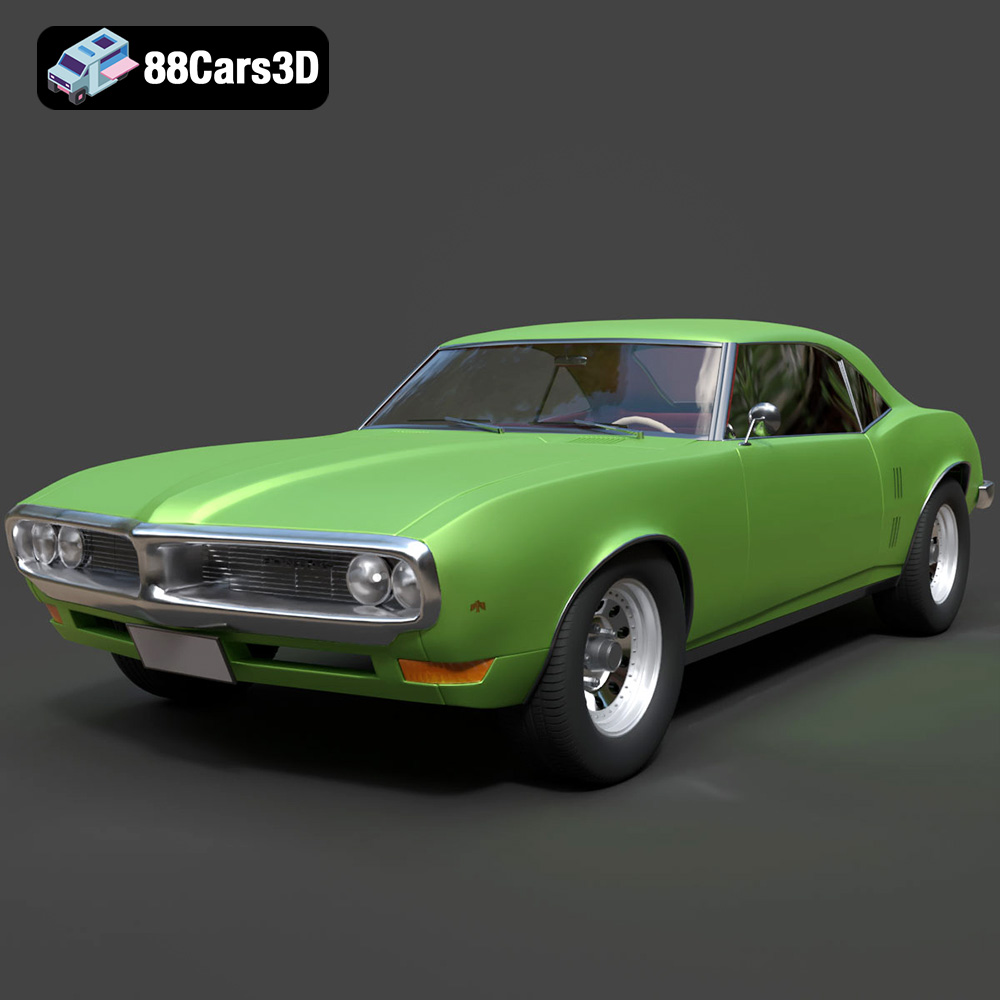
Download the Pontiac Firebird 1998 3D Model featuring clean geometry, realistic detailing, and a fully modeled interior. Includes .blend, .fbx, .obj, .glb, .stl, .ply, .unreal, and .max formats for rendering, simulation, and game development.
Price: $10

Texture: Yes
Material: Yes
Download the Opel Astra 2008 3D Model featuring clean geometry, realistic detailing, and a fully modeled interior. Includes .blend, .fbx, .obj, .glb, .stl, .ply, .unreal, and .max formats for rendering, simulation, and game development.
Price: $10

Texture: Yes
Material: Yes
Download the Mercedes Benz Joaquin-007 3D Model featuring clean geometry, realistic detailing, and a fully modeled interior. Includes .blend, .fbx, .obj, .glb, .stl, .ply, .unreal, and .max formats for rendering, simulation, and game development.
Price: $19.99
Texture: Yes
Material: Yes
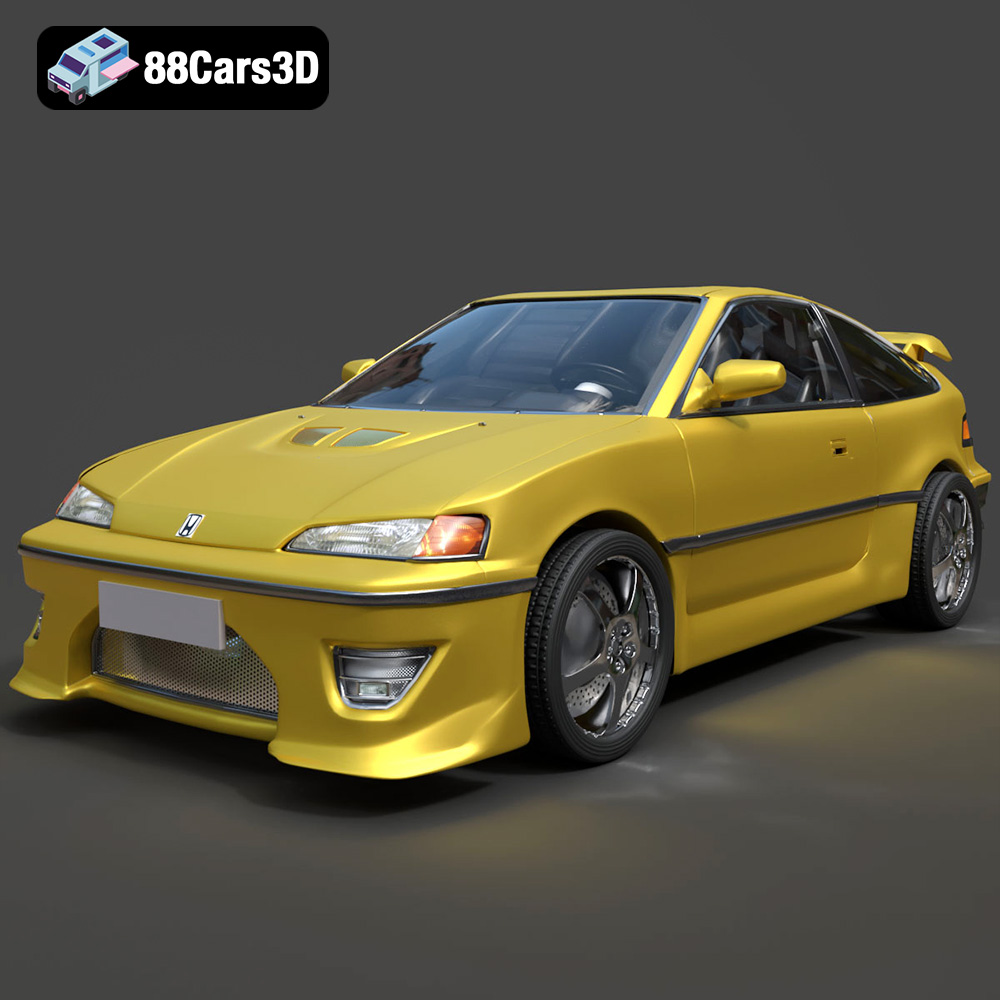
Download the Honda CRX 1980 3D Model featuring clean geometry, realistic detailing, and a fully modeled interior. Includes .blend, .fbx, .obj, .glb, .stl, .ply, .unreal, and .max formats for rendering, simulation, and game development.
Price: $11.99
Texture: Yes
Material: Yes
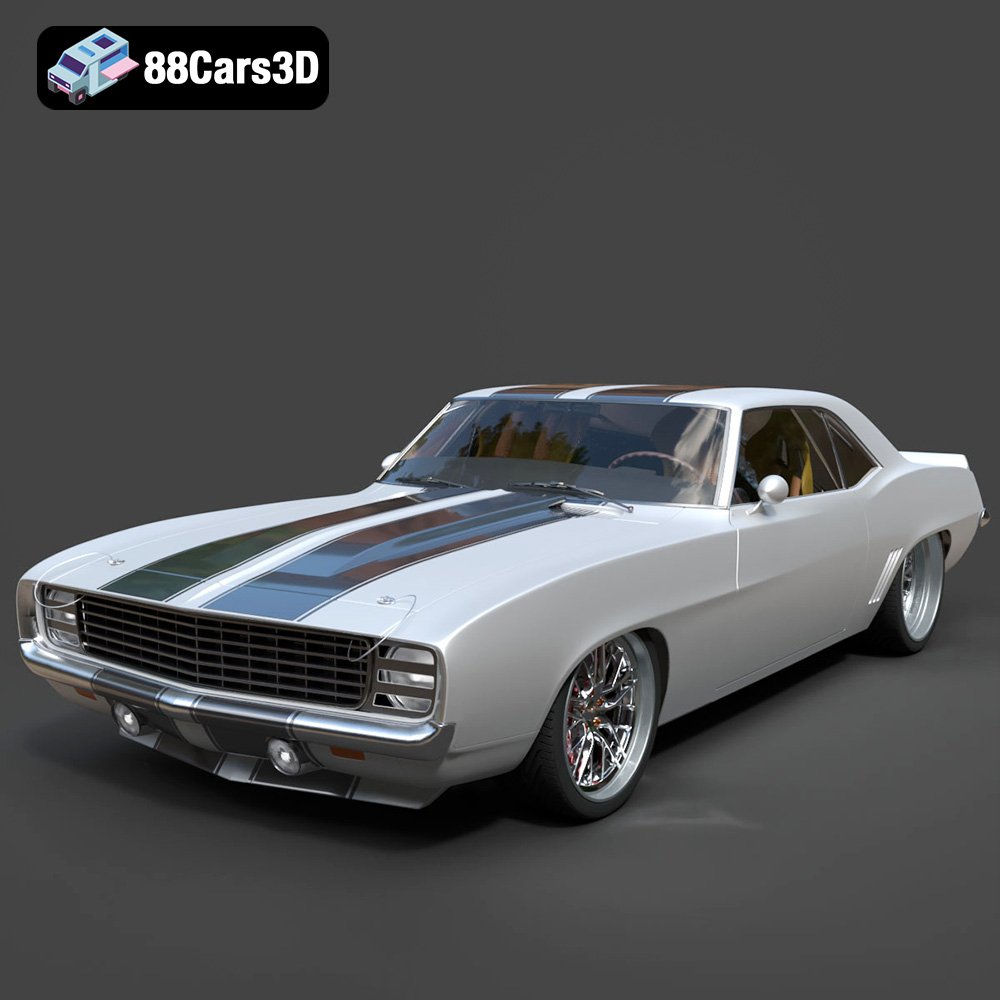
Download the Chevrolet Camaro 69 Pro-007 3D Model featuring classic muscle car design and custom performance aesthetics. Includes .blend, .fbx, .obj, .glb, .stl, .ply, .unreal, and .max formats for rendering, simulation, and game development.
Price: $20.79

Texture: Yes
Material: Yes
Download the Honda Fit 2008 3D Model featuring a compact, versatile design with detailed exterior and interior components. Includes .blend, .fbx, .obj, .glb, .stl, .ply, .unreal, and .max formats for rendering, simulation, and game development.
Price: $10.79
Texture: Yes
Material: Yes
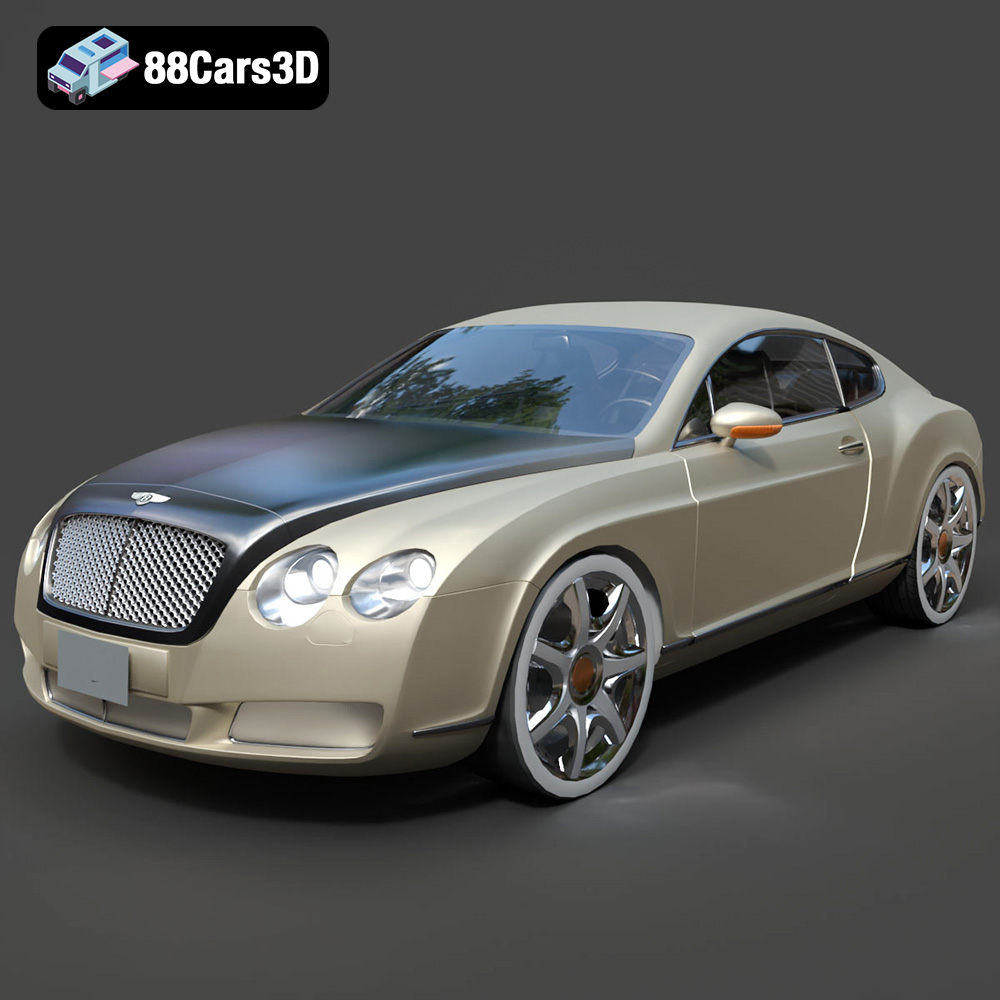
Download the Bentley Continental GT-002 3D Model featuring a luxurious grand touring design and high-quality details. Includes .blend, .fbx, .obj, .glb, .stl, .ply, .unreal, and .max formats for rendering, simulation, and game development.
Price: $20.79

