“`html
Welcome to the exciting intersection of automotive passion and cutting-edge technology! For car enthusiasts and makers alike, the ability to bring iconic vehicles to life in 3D is no longer a distant dream. With the advent of affordable and user-friendly 3D printers, intricate car models, like those found on 88cars3d.com, are now within reach for everyone. Whether you’re looking to build a detailed replica for your display shelf, prototype a custom car part, or simply explore the world of additive manufacturing, understanding the right tools is crucial. This guide dives deep into the world of budget-friendly 3D printers perfect for beginners looking to print STL files of their favorite cars. We’ll explore essential printer settings, crucial file preparation steps, and how to navigate common printing challenges, ensuring your journey from digital model to physical object is as smooth and rewarding as possible.
Choosing Your First Budget 3D Printer: Key Considerations for Beginners
Stepping into the world of 3D printing can feel overwhelming, especially when faced with a plethora of printer options. For beginners aiming to print detailed printable car models from sources like 88cars3d.com, selecting the right budget 3D printer is paramount. The ideal machine balances affordability with ease of use, reliability, and the capability to produce quality prints. We’re not just looking for the cheapest option, but the one that offers the best value and a smooth entry into the hobby. This involves understanding fundamental technologies, essential features, and what to expect from a printer in the sub-$300 price range.
FDM vs. Resin: Understanding the Core Technologies
The two primary 3D printing technologies available at the budget end are Fused Deposition Modeling (FDM) and Stereolithography (SLA), commonly referred to as resin printing. Each has its strengths and weaknesses, particularly concerning print quality, material types, and post-processing.
- FDM Printing: This is the most common technology for budget printers. FDM works by extruding melted plastic filament layer by layer onto a build plate. It’s generally more affordable to operate, with a wider range of readily available and robust materials like PLA and PETG. FDM printers are excellent for larger models, functional parts, and when cost per print is a concern. However, FDM prints can exhibit visible layer lines and may not capture the ultra-fine details required for some intricate car models without careful calibration and higher layer heights.
- Resin Printing (SLA/DLP): Resin printers use a UV light source to cure liquid photopolymer resin layer by layer. They excel at producing incredibly detailed and smooth prints, making them ideal for intricate miniatures and highly detailed models. However, resin printers typically have a smaller build volume, require more careful post-processing (washing and curing), and the resins themselves can be more expensive and require specific safety precautions due to their chemical nature. For highly detailed car models where surface finish is critical, a budget resin printer can be a fantastic choice, but be prepared for a slightly steeper learning curve in post-processing.
Essential Features for Beginner-Friendly Printers
When evaluating budget 3D printers, certain features significantly enhance the beginner experience. These are the elements that reduce frustration and increase the likelihood of successful prints right out of the box.
- Automatic Bed Leveling: A perfectly level build plate is crucial for print adhesion and overall quality. Manual leveling can be a point of frustration for beginners. Printers with automatic or assisted bed leveling systems make setup significantly easier.
- Removable/Flexible Build Plate: Removing your finished prints from the build plate can be challenging. A flexible build plate (often magnetic) that can be bent to release the print makes this process much simpler and less likely to damage your model or the build surface.
- Filament Run-out Sensor (FDM): This feature pauses the print if you run out of filament, allowing you to swap in a new spool and resume without losing progress. This is invaluable for longer prints, especially detailed car models that can take many hours to complete.
- Power Loss Recovery: Similar to the filament run-out sensor, this function saves your print if the power is interrupted, allowing you to resume from where it left off once power is restored.
- Quiet Operation: While not strictly a functional requirement, a quieter printer makes the hobby more enjoyable, especially if it’s located in a living space. Look for printers with silent stepper motor drivers.
- Community Support and Software: A large, active online community means more readily available troubleshooting advice, tutorials, and custom profiles. The included slicing software should also be intuitive, or it should be compatible with popular, user-friendly slicers like Cura or PrusaSlicer.
Mastering STL Files: Preparation for 3D Printing
The quality of your 3D print is intrinsically linked to the quality of your STL file. While platforms like 88cars3d.com strive to provide optimized models, understanding fundamental file preparation and mesh repair is crucial for achieving professional-looking results, especially with complex geometries like car models. This section will demystify the STL format and guide you through essential pre-print checks and repairs.
Understanding the STL Format and Mesh Topology
The STL (STereoLithography) file format is the de facto standard for 3D printing. It represents a 3D model’s surface geometry using a collection of triangular facets. Each triangle is defined by three vertices (points in 3D space) and a normal vector, which indicates the outward-facing direction of the surface. For successful slicing and printing, the mesh must be “watertight” or “manifold,” meaning it has no holes, self-intersections, or non-manifold edges.
- Watertight Meshes: Imagine filling your 3D model with water. If no water leaks out, the mesh is watertight. This is essential because slicers interpret the inside of the model as solid and the outside as the surface to be printed.
- Non-Manifold Geometry: This includes issues like:
- Holes: Gaps in the surface where triangles are missing.
- Internal Faces: Triangles that exist inside the solid volume of the model.
- Duplicate Faces: Two or more triangles occupying the exact same space.
- Edge Loops with More Than Two Faces: An edge where more than two triangles meet (e.g., a vertex connected to multiple separate surfaces).
- Self-Intersections: Where the mesh crosses over itself, creating ambiguous interior/exterior definitions.
These issues can cause slicing errors, leading to incomplete layers, unexpected gaps, or entirely failed prints. Fortunately, most modern slicing software can automatically detect and attempt to repair minor issues, but more complex problems often require dedicated mesh editing tools.
Essential Mesh Repair Tools and Techniques
When an STL file isn’t perfect, you’ll need to employ mesh repair software. These tools analyze the mesh, identify errors, and offer solutions to make the model printable.
- Built-in Slicer Repair: Most popular slicers like Cura, PrusaSlicer, and Simplify3D have basic mesh repair capabilities. When importing an STL, they often prompt you to repair the model. This is a good first step for minor issues.
- Meshmixer (Free): Autodesk Meshmixer is a powerful and free tool for detailed mesh analysis and repair. Its “Inspector” tool is excellent for finding and fixing holes, non-manifold edges, and other common errors. You can also use its “Make Solid” function for more drastic repairs, though this can sometimes reduce detail.
- Blender (Free): While having a steeper learning curve, Blender offers comprehensive mesh editing capabilities. You can manually select and delete errant faces, fill holes using the “Grid Fill” or “F2” addon, and use modifiers like “Solidify” to ensure proper wall thickness.
- Netfabb (Paid/Free Basic): Autodesk Netfabb is a professional-grade tool for mesh repair and preparation. Its automated repair functions are highly effective, and it provides detailed analysis reports. A basic free version is often available with limited functionality.
Workflow Example: When downloading a car model, import it into your slicer first. If the slicer flags errors or the resulting preview looks strange, export the STL and open it in Meshmixer. Run the “Inspector” tool, analyze the report, and use the automated repair functions. For more specific issues, manually identify and fix them. Once repaired, export the STL from Meshmixer and re-import it into your slicer for final slicing.
Ensuring Proper Wall Thickness and Detail Preservation
A critical aspect of 3D printing, especially for detailed models, is ensuring adequate wall thickness. FDM printers have a minimum wall thickness determined by your nozzle diameter (typically 0.4mm). Walls thinner than this may not print at all or will be extremely fragile.
- Minimum Wall Thickness: For FDM printing, aim for a minimum wall thickness of 0.8mm to 1.2mm to ensure structural integrity and printability. For resin printing, thinner walls (0.5mm or even less) can be viable, but still require careful consideration.
- Assessing Wall Thickness: Mesh repair software like Meshmixer and Netfabb can often help visualize or analyze wall thickness. In Blender, the “Solidify” modifier can be used to add thickness.
- Detail vs. Thickness: Sometimes, very fine details on a model (like delicate spoilers or side mirrors) might be too thin to print reliably. You may need to slightly thicken these features in your modeling software or accept that they might not come out perfectly. Slicers also have settings like “Print Thin Walls” which can help, but it’s better to fix the model if possible.
When downloading models from marketplaces such as 88cars3d.com, look for descriptions that mention optimized wall thickness, as this indicates the creator has considered printability.
Slicing for Success: Optimizing 3D Printer Settings for Car Models
The slicer is your digital workshop, translating your 3D model (STL) into layer-by-layer instructions (G-code) for your 3D printer. Correctly configuring your slicing parameters is arguably the most crucial step in achieving high-quality prints of detailed printable car models. This involves balancing print speed, layer height, support structures, and material settings to capture the intricate curves and fine details of automotive designs.
Layer Height vs. Print Time: Finding the Sweet Spot
Layer height is one of the most significant factors influencing both print quality and print duration. It dictates the vertical resolution of your print.
- Standard Layer Heights: For FDM printers, common layer heights range from 0.1mm (fine detail) to 0.3mm (draft quality). A good balance for many car models is often between 0.12mm and 0.2mm. Lower layer heights produce smoother surfaces and capture finer details, reducing the visible “stair-stepping” effect on curved surfaces like car bodies.
- Trade-offs: Printing at 0.12mm will take significantly longer than printing at 0.2mm for the same model height. For example, a 100mm tall model might take 10 hours at 0.2mm but 20 hours or more at 0.12mm.
- Strategic Layer Height: Consider using adaptive or variable layer height features available in some slicers (like Cura’s experimental features or PrusaSlicer’s per-model settings). This allows you to use a larger layer height (e.g., 0.2mm) for less detailed areas (like the underside) and automatically reduce it (e.g., to 0.1mm) for critical areas like body panels, wheel arches, or grills, optimizing both quality and print time.
Infill Settings: Strength, Weight, and Material Usage
Infill refers to the internal support structure printed within the outer walls of your model. While car models are often displayed rather than used functionally, infill still plays a role.
- Infill Density: For display models, very low infill densities (5-15%) are usually sufficient. This saves on printing time and material while providing internal support for the outer shell. If the model has delicate parts that require extra rigidity, you might increase this slightly.
- Infill Patterns: Patterns like “Grid,” “Lines,” or “Gyroid” are common. For display models, the pattern choice often has minimal impact on the visible result. However, patterns like “Gyroid” offer good strength in all directions and can help reduce ringing artifacts. For complex overhangs or parts requiring more support, consider patterns that create internal bridging capabilities.
- Top/Bottom Layers: Ensure you have enough solid top and bottom layers (typically 4-6 layers) to create a smooth, finished surface and prevent infill patterns from showing through, especially on the roof or hood of a car model.
Temperature, Speed, and Cooling: Fine-Tuning for Materials
Material properties dictate the optimal printing temperatures and speeds. Using the correct settings is crucial for adhesion, layer bonding, and surface finish.
- Material Profiles: Most slicers come with pre-configured profiles for common materials like PLA, PETG, and ABS. Always start with these and calibrate.
- Nozzle Temperature: PLA typically prints between 190-220°C, PETG between 230-250°C, and ABS between 240-260°C. Consult your filament manufacturer’s recommendations. Printing too hot can cause stringing and oozing; too cold can lead to poor layer adhesion and weak prints.
- Bed Temperature: This is critical for first-layer adhesion. PLA generally needs 50-60°C, PETG 70-85°C, and ABS 90-110°C.
- Print Speed: For high-quality prints of car models, reducing print speed is often beneficial. A common starting point for outer walls is 40-50 mm/s. Faster speeds can lead to reduced detail, increased ringing, and poor layer adhesion. The initial layer should be printed much slower (15-20 mm/s) for optimal bed adhesion.
- Cooling Fan Speed: For PLA, a cooling fan speed of 100% is usually ideal after the first few layers to help solidify overhangs and bridges. For PETG and ABS, reduced cooling (30-70%) might be necessary to improve layer adhesion and prevent warping.
Pro Tip: Perform temperature and retraction towers with your chosen filament to dial in the perfect settings for crisp details and minimal stringing, which is vital for car models with delicate components.
The Art of Supports: Enabling Complex Geometries and Easy Removal
Car models, with their sweeping curves, intricate undercarriages, and sometimes delicate spoilers, often require support structures to be printed successfully. Generating and removing these supports efficiently is a critical skill for anyone printing complex objects. The goal is to provide just enough support to prevent failures without leaving excessive marks on the final print.
Support Types and Placement Strategies
Slicing software offers various support options, each with its advantages and disadvantages for different geometries.
- Normal vs. Tree Supports (Tessellated/Organic):
- Normal Supports: These are typically generated as a grid or line structure extending from the build plate or existing model surfaces up to the overhanging parts. They are robust but can be difficult to remove cleanly and may leave noticeable marks.
- Tree/Organic Supports: Found in slicers like Cura (Tree) and PrusaSlicer (Organic), these supports branch out from the overhangs like tree roots. They use less material, are generally easier to remove, and often leave fewer marks because they touch the model at fewer points. They are particularly effective for curved surfaces found on car bodies.
- Support Placement:
- Touching Build Plate Only: This option generates supports only where overhangs connect directly to the print bed. It’s useful for models that don’t have many internal overhangs.
- Everywhere: This generates supports on any overhang, regardless of whether it connects to the build plate or another part of the model. This is often necessary for complex car models with significant internal overhangs (e.g., wheel wells, engine bays).
- Overhang Angle: Most slicers have a setting for the maximum overhang angle that requires support. A common value is 45-55 degrees. This allows the printer to bridge shorter overhangs naturally while supporting steeper ones.
Optimizing Support Settings for Clean Removal
Fine-tuning support settings is key to minimizing post-processing effort and achieving a clean finish.
- Support Density: Lower density means less material and easier removal, but potentially less stable support. A density of 10-15% is often sufficient for display models.
- Support Wall Count: Increasing the number of walls for supports can make them stronger but harder to break away cleanly. Start with 1-2 walls.
- Support Z Distance: This is the vertical gap between the support structure and the model. A larger gap (e.g., 0.2mm – 0.3mm for a 0.4mm nozzle) makes removal much easier and cleaner. However, too large a gap can result in a poor surface finish on the supported area.
- Support XY Distance: This is the horizontal gap between the support and the model. A smaller XY distance (e.g., 0.4mm – 0.8mm) can improve stability, while a larger distance aids in removal.
- Support Interface Layers: This feature adds a dense, solid layer or two directly beneath and/or above the overhang. While it significantly improves the surface finish of the supported area, it can make removal more challenging. Use it judiciously, perhaps only on the top interface layer for smoother surfaces.
Post-Support Removal Techniques
Even with optimized settings, some cleanup will likely be necessary. Having the right tools makes a significant difference.
- Tools: A set of hobby knives (X-Acto), small pliers (needle-nose), flush cutters, dental picks, and sometimes a small file or sandpaper are essential. For resin prints, isopropyl alcohol (IPA) and a curing station are also needed.
- Careful Removal: For FDM prints, try to break supports away by hand first. Use pliers to grip and gently twist or pull. Flush cutters are excellent for snipping away stubborn support sections close to the model.
- Cleaning Marks: After support removal, you may see small blobs or marks where the supports touched the model. These can often be sanded away. Start with a coarser grit sandpaper (e.g., 120-220 grit) and gradually move to finer grits (400, 800, 1000+). For very stubborn marks or layer lines, a small hobby knife can be used to carefully shave off imperfections.
- Resin Print Cleanup: After washing resin prints in IPA, supports can often be snapped off relatively cleanly. Any remaining marks can be sanded, and the surface can be smoothed with additional UV curing.
When dealing with intricate models from 88cars3d.com, consider printing parts separately if the design allows, then assembling them. This can drastically reduce the need for complex supports and make post-processing much more manageable.
Material Selection and Post-Processing for a Showroom Finish
The material you choose and the post-processing techniques you employ are the final determinants of your 3D printed car model’s appearance and durability. For hobbyists and collectors, achieving a smooth, paint-ready surface or a robust finished product is often the ultimate goal.
Choosing the Right Filament/Resin for Automotive Models
The material choice depends heavily on whether you’re using an FDM or resin printer, and what your desired outcome is.
- For FDM Printers:
- PLA (Polylactic Acid): This is the most beginner-friendly material. It’s easy to print, dimensionally stable, and comes in a vast array of colors. PLA is excellent for detailed display models but can be brittle and susceptible to heat deformation (warping in a hot car, for example). It’s also the go-to for most budget FDM prints.
- PETG (Polyethylene Terephthalate Glycol): Stronger and more durable than PLA, with better temperature resistance. It’s slightly trickier to print, prone to stringing, but offers a good balance of strength and detail for models that might see more handling.
- ABS (Acrylonitrile Butadiene Styrene): Known for its toughness and high-temperature resistance, often used for functional parts. However, ABS is notoriously difficult to print, requiring a heated enclosure to prevent warping and fumes that need ventilation. For most display car models, PLA or PETG are better choices for beginners.
- For Resin Printers:
- Standard Resin: These are the most common and affordable resins, offering excellent detail and smooth surfaces. They are ideal for intricate car models but can be brittle.
- Tough/ABS-like Resin: Offers increased durability and impact resistance, making them suitable for models that might be handled more frequently or require some flexibility. They are generally more expensive than standard resins.
Recommendation: For beginners with FDM printers printing models from 88cars3d.com, start with PLA. Explore different colors to match classic car schemes or consider a primer-ready filament if you plan extensive painting.
Sanding, Filling, and Priming for a Smooth Finish
Even with perfect prints, some surface imperfections are inevitable. Post-processing transforms a “printed” object into a professional-looking model.
- Removing Support Marks: As discussed, start with coarser sandpaper (120-220 grit) to remove support contact points and significant layer lines. Progress to finer grits (400, 800, 1200, 2000+) to achieve a smooth surface. Wet sanding (using water or a lubricant with sandpaper) can help prevent clogging and create a smoother finish.
- Filling Gaps and Imperfections: For significant layer lines or gaps, use a filler. Options include:
- Model Putty/Filler: Specific modeling putties (like Tamiya or Mr. Surfacer) are designed for this purpose. Apply thinly and sand smooth once cured.
- Bondo Spot Putty: A more aggressive filler for larger imperfections, but requires careful sanding.
- XTC-3D Epoxy Coating: A brush-on epoxy that self-levels and fills layer lines, creating a very smooth, hard surface ideal for painting. Requires good ventilation.
- Priming: Apply a thin, even coat of primer (spray primer is often best). Primer helps to reveal any remaining imperfections that were missed during sanding and provides an even base for your paint. Use multiple thin coats rather than one thick one to avoid obscuring detail. Lightly sand with very fine grit sandpaper (2000+) after priming for an ultra-smooth surface.
Painting and Finishing Techniques
This is where your car model truly comes to life.
- Paints:
- Acrylic Paints: Water-based and easy to clean up, acrylics are a popular choice for brush painting or airbrushing. Brands like Vallejo, Citadel, and Tamiya offer a wide range of colors.
- Enamel Paints: More durable once cured but require mineral spirits for cleanup and offer less ventilation.
- Spray Paints: Offer quick, even coverage, especially for base coats and primers.
- Application Methods:
- Brushing: Best for smaller details or when an airbrush isn’t available. Use good quality brushes and thin your paints for smooth application.
- Airbrushing: Provides the most professional and smooth finish, especially for car bodies. Allows for gradient effects and precise control.
- Weathering: Techniques like dry brushing, washes, and applying pigments can add realism to your models, simulating dirt, rust, or wear.
- Clear Coats: Apply a clear coat (gloss, satin, or matte, depending on the desired finish) as a final protective layer over your paint job. Gloss coats are often used before applying decals, followed by a final satin or matte coat to seal everything.
By combining careful material selection with meticulous post-processing and painting, you can turn even a budget 3D print into a stunning display piece worthy of any collection.
Conclusion: Your Journey into 3D Printed Automotive Models Begins
Embarking on the adventure of 3D printing your favorite cars is an incredibly rewarding experience, combining technical skill with automotive passion. We’ve explored the essential landscape of budget-friendly 3D printers, highlighting the importance of features like auto-bed leveling and understanding the nuances between FDM and resin technologies. Crucially, we delved into the vital steps of STL file preparation, emphasizing mesh repair and ensuring watertight models for flawless slicing. You now have a comprehensive understanding of how to leverage your slicer software, balancing layer height, print speed, and infill to achieve optimal quality for intricate printable car models.
Furthermore, mastering the art of support generation and removal, along with selecting the right materials (from beginner-friendly PLA to detailed resins), provides the foundation for achieving a showroom-ready finish. The journey from digital model to tangible replica involves careful attention to detail in every stage – from the initial file import to the final coat of paint. With the wealth of resources available, including high-quality models on platforms like 88cars3d.com and user-friendly budget printers, the barrier to entry has never been lower. Start with simple models, experiment with settings, and don’t be afraid of failure; each print is a learning opportunity. Your garage of 3D printed automotive dreams awaits!
“`
Featured 3D Car Models

Meta Description:
Texture: Yes
Material: Yes
Download the Cadillac CTS-V Coupe 3D Model featuring detailed exterior styling and realistic interior structure. Includes .blend, .fbx, .obj, .glb, .stl, .ply, .unreal, and .max formats for rendering, simulation, AR VR, and game development.
Price: $13.9
View Product

Texture: Yes
Material: Yes
Download the Cadillac DTS-005 3D Model featuring its iconic luxury design, detailed interior, and realistic exterior. Includes .blend, .fbx, .obj, .glb, .stl, .ply, .unreal, and .max formats for rendering, simulation, and game development.
Price: $10.79
View Product

Texture: Yes
Material: Yes
Download the Buick LeSabre 1998 3D Model featuring a classic American full-size sedan design. Includes .blend, .fbx, .obj, .glb, .stl, .ply, .unreal, and .max formats for rendering, simulation, and game development.
Price: $10.79
View Product
Texture: Yes
Material: Yes
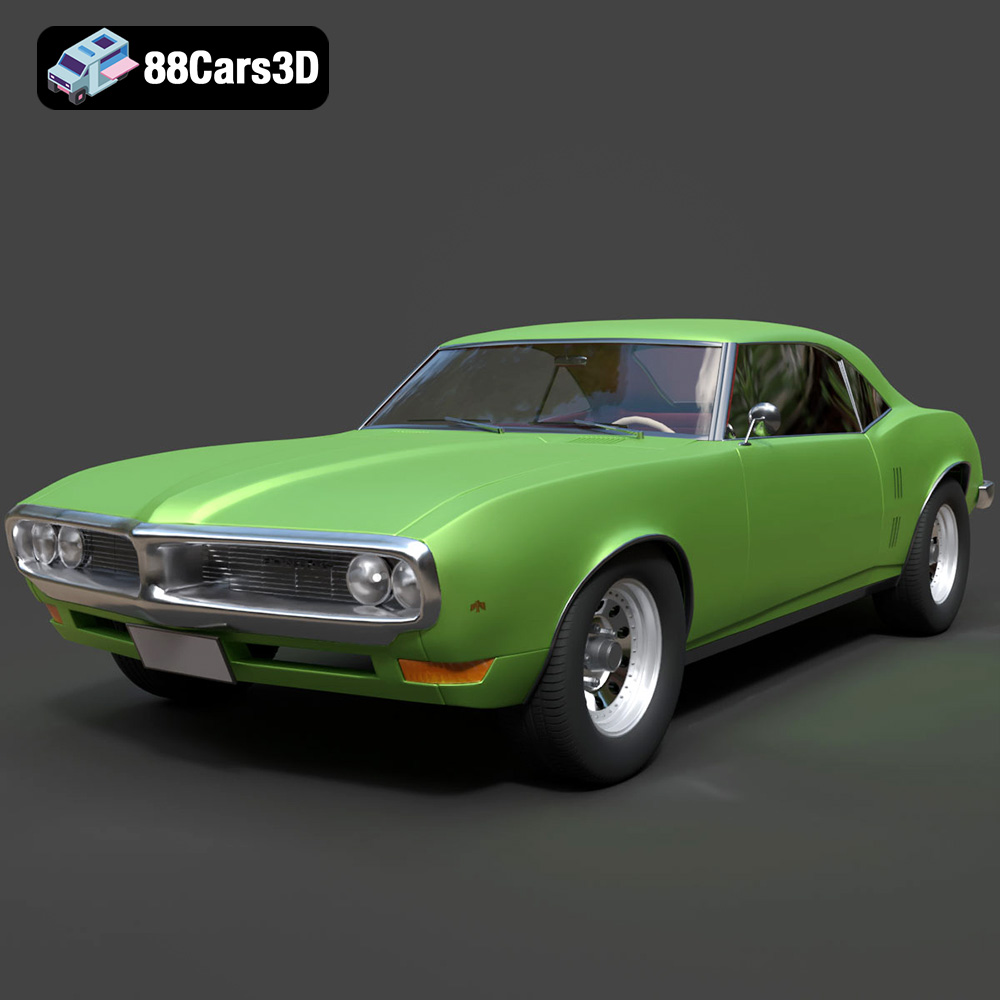
Download the Pontiac Firebird 1998 3D Model featuring clean geometry, realistic detailing, and a fully modeled interior. Includes .blend, .fbx, .obj, .glb, .stl, .ply, .unreal, and .max formats for rendering, simulation, and game development.
Price: $10
View Product

Texture: Yes
Material: Yes
Download the Opel Astra 2008 3D Model featuring clean geometry, realistic detailing, and a fully modeled interior. Includes .blend, .fbx, .obj, .glb, .stl, .ply, .unreal, and .max formats for rendering, simulation, and game development.
Price: $10
View Product

Texture: Yes
Material: Yes
Download the Mercedes Benz Joaquin-007 3D Model featuring clean geometry, realistic detailing, and a fully modeled interior. Includes .blend, .fbx, .obj, .glb, .stl, .ply, .unreal, and .max formats for rendering, simulation, and game development.
Price: $19.99
View Product
Texture: Yes
Material: Yes
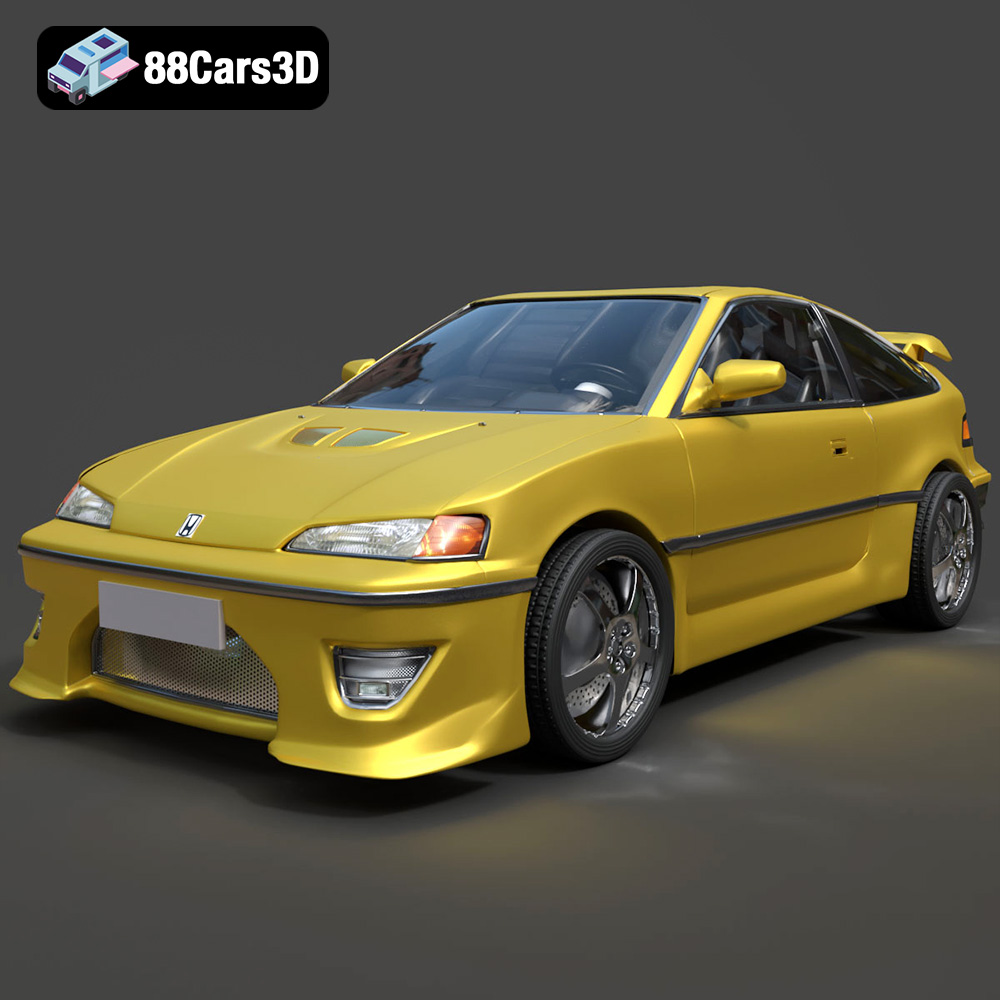
Download the Honda CRX 1980 3D Model featuring clean geometry, realistic detailing, and a fully modeled interior. Includes .blend, .fbx, .obj, .glb, .stl, .ply, .unreal, and .max formats for rendering, simulation, and game development.
Price: $11.99
View Product
Texture: Yes
Material: Yes
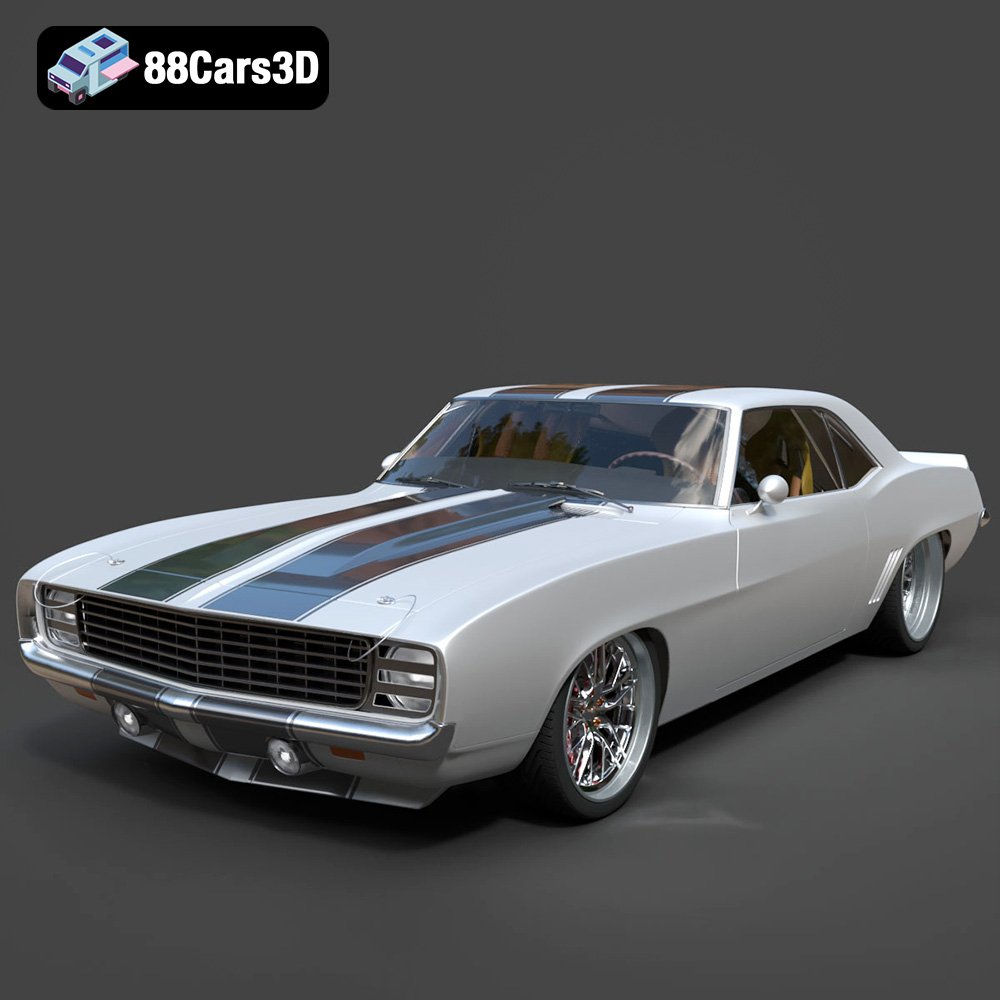
Download the Chevrolet Camaro 69 Pro-007 3D Model featuring classic muscle car design and custom performance aesthetics. Includes .blend, .fbx, .obj, .glb, .stl, .ply, .unreal, and .max formats for rendering, simulation, and game development.
Price: $20.79
View Product

Texture: Yes
Material: Yes
Download the Honda Fit 2008 3D Model featuring a compact, versatile design with detailed exterior and interior components. Includes .blend, .fbx, .obj, .glb, .stl, .ply, .unreal, and .max formats for rendering, simulation, and game development.
Price: $10.79
View Product
Texture: Yes
Material: Yes
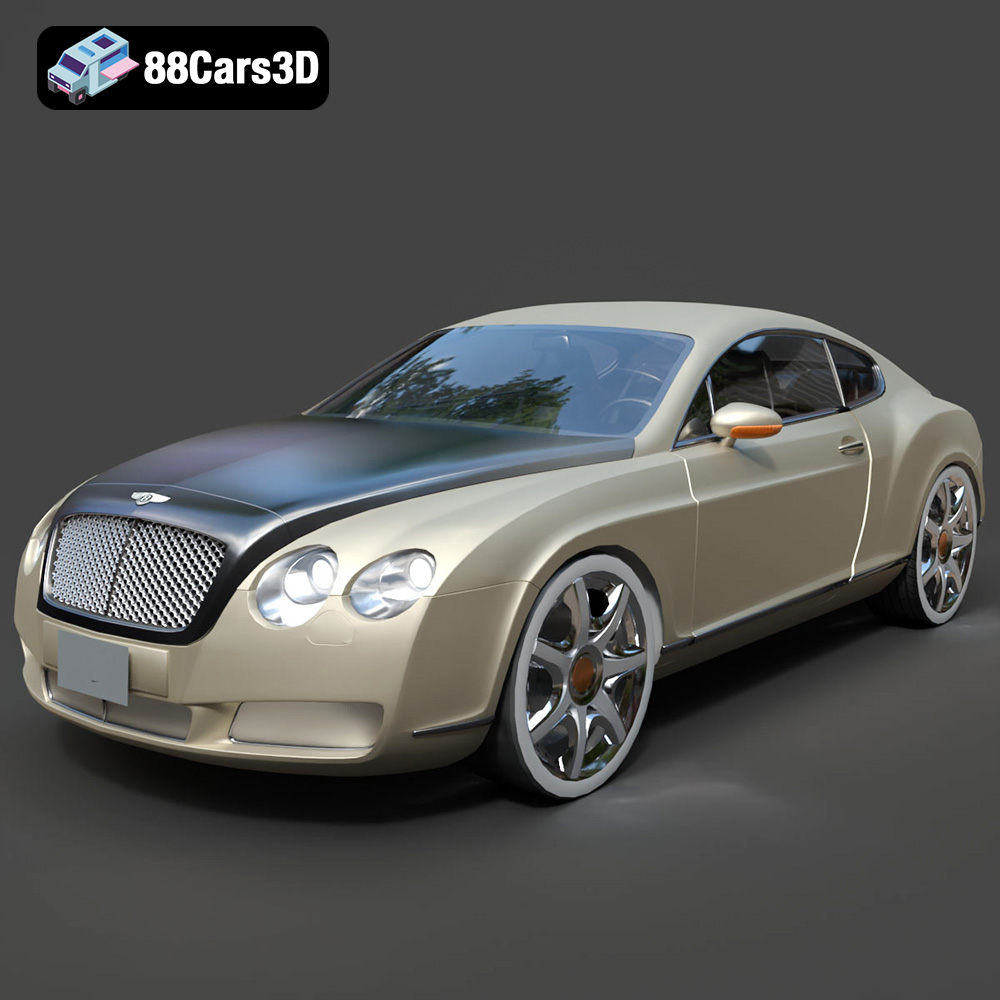
Download the Bentley Continental GT-002 3D Model featuring a luxurious grand touring design and high-quality details. Includes .blend, .fbx, .obj, .glb, .stl, .ply, .unreal, and .max formats for rendering, simulation, and game development.
Price: $20.79
View Product


