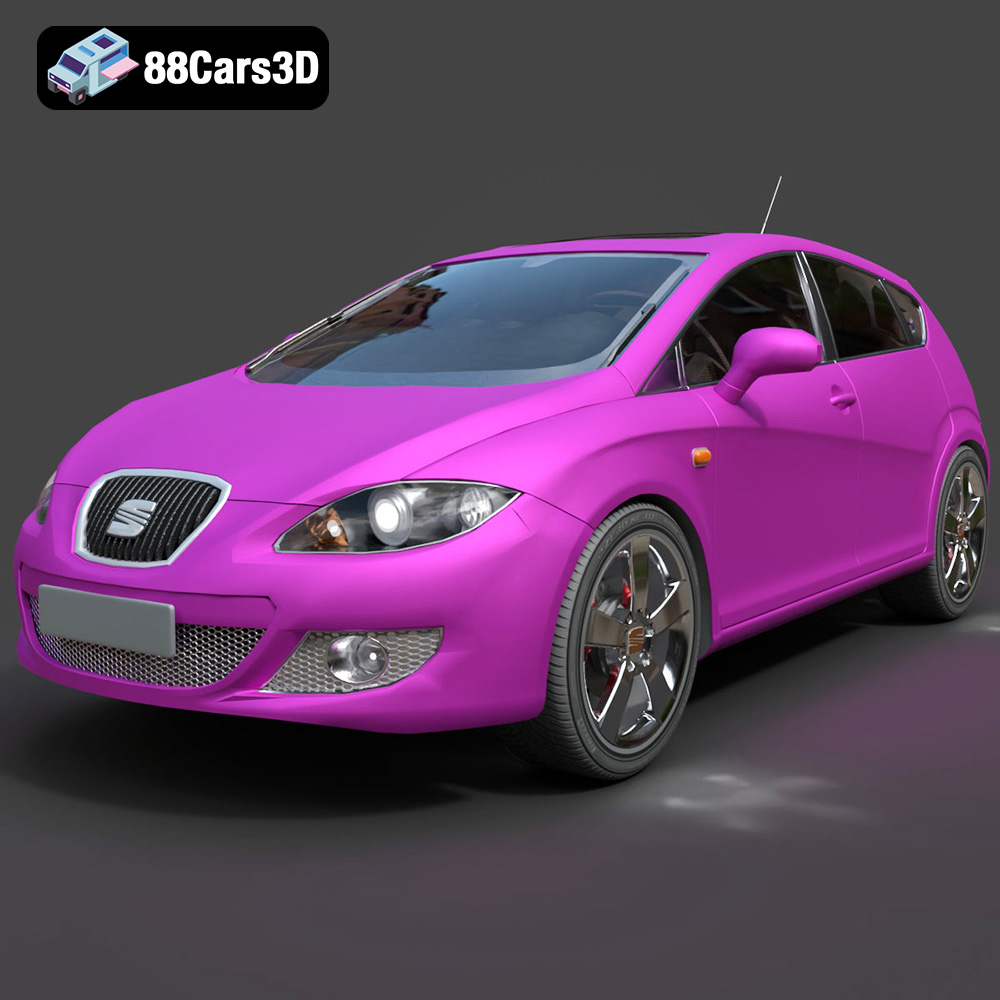
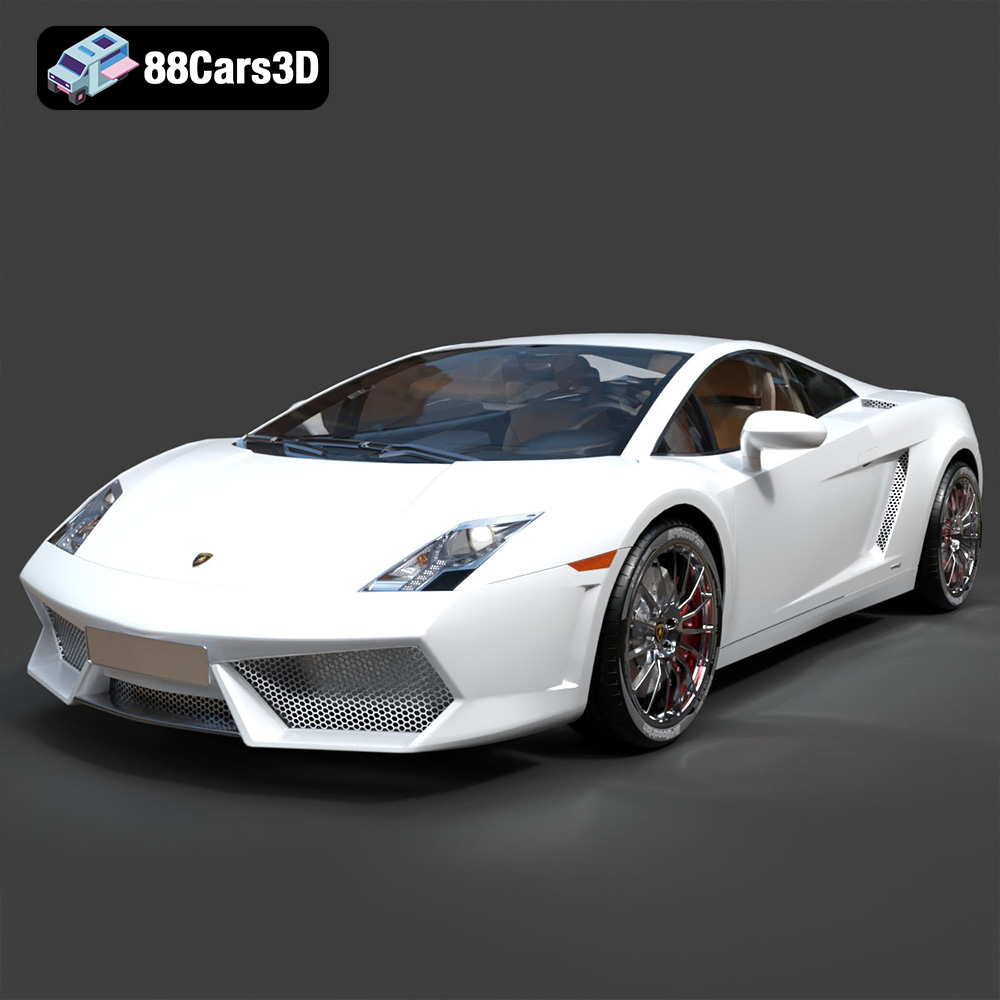
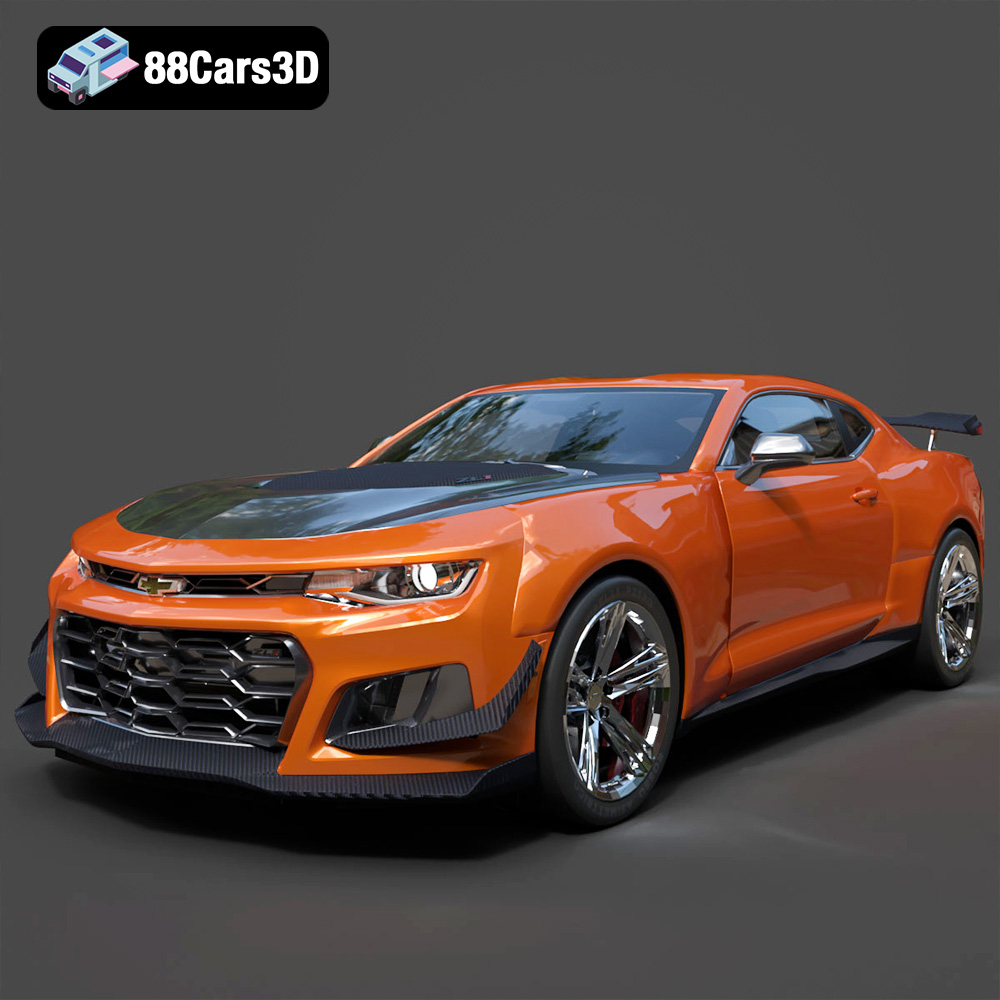
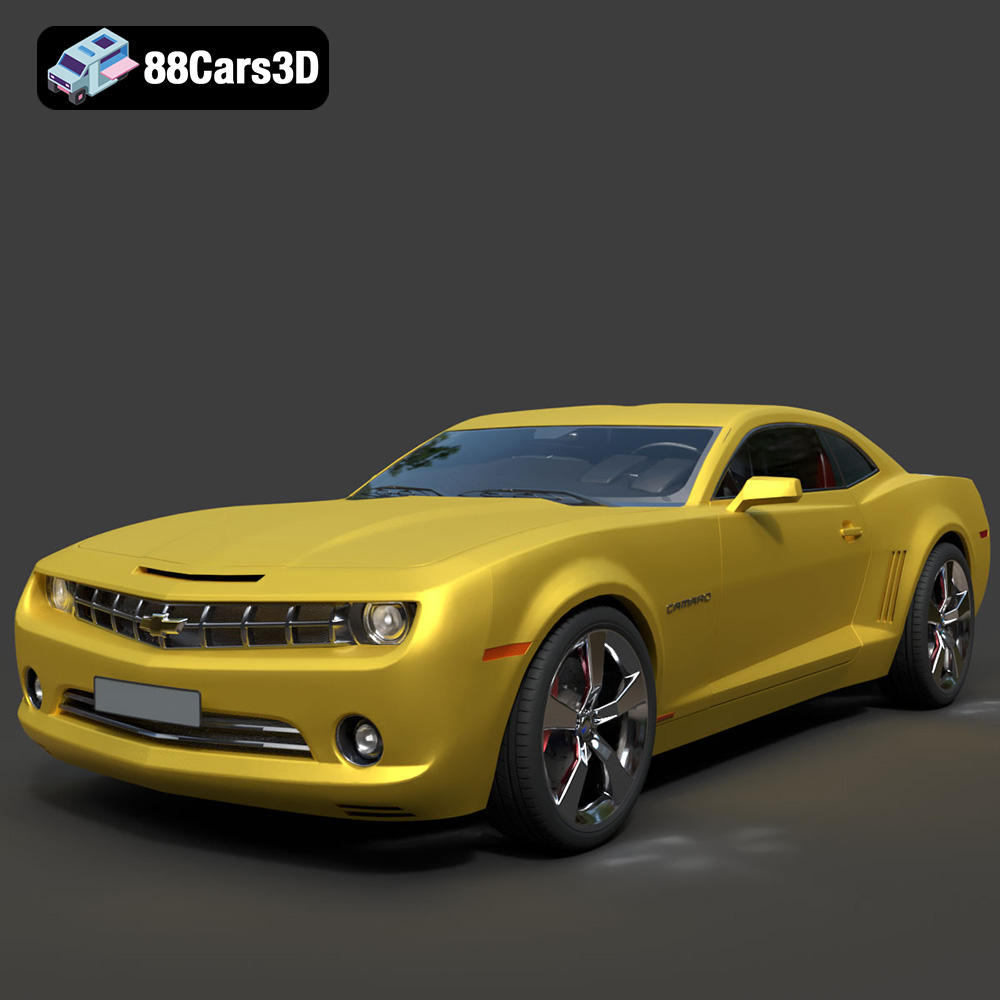
Mastering the Art and Science of 3D Car Models: From Photorealism to Interactive Game Assets
The automotive industry has always been at the forefront of design and technological innovation. In the digital realm, this pursuit of excellence translates into the meticulous creation and deployment of high-fidelity 3D car models. These intricate digital assets are far more than just pretty pictures; they are the backbone of photorealistic marketing campaigns, immersive virtual reality experiences, cutting-edge game development, and critical engineering visualizations. Understanding the technical nuances behind these models is paramount for anyone looking to push the boundaries of digital automotive content.
From the subtle curvature of a fender reflecting ambient light to the precise stitching on a leather seat, every detail contributes to a convincing digital representation. This comprehensive guide delves deep into the technical journey of 3D car models, exploring their fundamental construction, the critical role of file formats, the art of automotive rendering, and their integration into the demanding environments of game engines. We will uncover the workflows, specifications, and creative considerations that elevate a mere digital object into a compelling, functional asset across diverse industries.
The Foundation of Realism: Anatomy of a High-Quality 3D Car Model
Creating a compelling 3D car model begins with a profound understanding of its underlying structure. It’s not just about replicating external aesthetics; it’s about building a digital twin that behaves and looks accurate under any lighting or interactive scenario. This requires mastery of topology, UV mapping, and material definition.
Topology and Mesh Optimization
The mesh of a 3D car model is its skeletal structure, defining its shape and surface. High-quality models are characterized by clean, efficient topology that balances visual fidelity with performance. A crucial aspect is maintaining an all-quad geometry, where every face is a four-sided polygon. This ensures smooth subdivision, predictable deformation, and eliminates rendering artifacts commonly associated with triangles or N-gons in non-planar surfaces. For intricate automotive bodies, maintaining crisp edge flow along panel gaps, creases, and character lines is essential to capture accurate reflections and highlights, which are critical for realism.
Poly count is another significant consideration. For static, high-resolution renders, a model might contain several million polygons, allowing for incredible detail in areas like tire treads, intricate grille designs, and interior components. However, for real-time applications like games or AR/VR, poly count must be carefully optimized. Techniques like retopology are employed to create a lower-polygon version of a high-detail sculpt, baking normal maps from the high-poly mesh onto the low-poly one to retain visual detail without the computational overhead. This ensures smooth performance while still delivering stunning visuals, often achieved through multiple Levels of Detail (LODs) that swap models based on distance from the camera.
UV Mapping and Texture Sets
UV mapping is the process of unwrapping the 3D mesh into a 2D plane, allowing textures to be applied accurately. For a high-quality car model, meticulous UV unwrapping is crucial. This involves creating clean, non-overlapping UV islands that maximize texture space efficiency and minimize distortion. Areas requiring high detail, such as badges, headlights, or dashboard instruments, receive more UV space. Poor UVs can lead to blurry textures, visible seams, and incorrect material application, severely diminishing realism.
Once unwrapped, the model requires a comprehensive set of PBR (Physically Based Rendering) textures. These texture maps define how light interacts with the surface, mimicking real-world material properties. Key maps include:
- Albedo/Base Color: The inherent color of the material, free from lighting information.
- Roughness: Controls how diffuse or specular a surface is, from perfectly smooth to extremely rough.
- Metallic: Defines whether a surface is metallic or dielectric (non-metallic), crucial for realistic car paint and chrome.
- Normal Map: Adds fine surface detail and bumps without increasing polygon count, derived from high-poly models.
- Ambient Occlusion (AO): Simulates soft shadows where surfaces are close together, adding depth.
- Displacement Map: Used for actual geometric displacement in high-end renders, adding true depth to details like tire treads or carbon fiber weaves.
Each material on the car – paint, glass, rubber, plastic, leather, chrome – will have its own set of expertly crafted PBR textures, often at resolutions of 4K or 8K, to ensure sharpness even in close-up renders.
Understanding 3D Model File Formats
The choice of 3D model file format is a critical decision that impacts workflow, compatibility, and the ultimate application of your 3D car model. Each format has its strengths, limitations, and specific use cases. Knowing which one to use for a particular task can streamline your pipeline and prevent compatibility headaches. When sourcing high-quality 3D car models, such as those found on 88cars3d.com, understanding these formats ensures you select the right asset for your project.
Editable Scene Formats (.blend, .max)
- .blend (Blender): This is the native file format for Blender, a powerful open-source 3D creation suite. A .blend file is a complete scene package, containing not just the mesh data, but also materials, textures (packed within the file or linked externally), lighting setups, camera positions, animations, rigging, and even custom scripts. Its primary advantage is full editability; every aspect of the model and scene can be modified, making it ideal for artists who want to customize a purchased model extensively, animate it, or integrate it into an existing Blender project. It offers the most flexibility for those working within the Blender ecosystem, ensuring all original scene data and modifiers are preserved.
- .max (3ds Max): Similar to .blend, .max is the native file format for Autodesk 3ds Max, a long-standing industry standard for architectural visualization, game development, and animation. A .max file encapsulates the entire 3ds Max project, including geometry, materials (often specific to renderers like V-Ray or Corona), lighting, cameras, animation timelines, and scene hierarchies. It provides the highest level of fidelity and editability for 3ds Max users, allowing for complex scene management, advanced rendering setups, and robust animation capabilities. If your workflow is centered around 3ds Max, this format offers the most seamless integration and the least loss of data or functionality.
Universal Interchange Formats (.fbx, .obj, .ply)
- .fbx (Filmbox): Developed by Autodesk, FBX is arguably the most widely adopted interchange format in the 3D industry, particularly favored for game development and real-time pipelines. It supports not only mesh geometry and UVs but also materials (though often simplified), textures, animations, rigging, skinning, and camera data. This comprehensive support makes it ideal for transferring assets between different 3D software (e.g., Blender to 3ds Max, Maya to Unreal Engine). For game engines like Unreal, Unity, or Lumberyard, FBX is the go-to format for importing animated characters, complex static meshes, and, of course, 3D car models with their associated wheels, doors, and suspension rigs.
- .obj (Wavefront OBJ): This is one of the oldest and most universally supported 3D file formats. An .obj file primarily stores geometry (vertices, normals, texture coordinates) and references to external material files (.mtl). While excellent for static meshes and offering broad compatibility across virtually every 3D application, its main limitation is a lack of support for advanced features like animation, rigging, or scene hierarchies. It’s a robust choice for simple mesh transfers, 3D printing preparation (though .stl is more common), and situations where pure geometry is the priority, but for complex, animated car models, FBX is generally preferred.
- .ply (Polygon File Format/Stanford Triangle Format): The PLY format is primarily used for storing 3D data from 3D scanners or for CAD applications where precise geometric data is paramount. It can store various properties beyond just XYZ coordinates, such as color, transparency, normals, texture coordinates, and scalar values at each vertex. PLY files are often dense point clouds or triangular meshes and are particularly useful in scientific visualization, reverse engineering, and applications requiring high-precision geometric analysis. While not common for directly importing into game engines, it serves as an excellent format for precision meshing or for converting scanned data into a usable 3D model.
Specialized Formats (.glb, .stl, .unreal)
- .glb (GL Transmission Format Binary): GLB is the binary version of glTF (GL Transmission Format), a relatively newer, open-standard format designed for efficient transmission and loading of 3D scenes and models by engines and applications. GLB files are self-contained, packing all geometry, materials, textures, animations, and skeletal data into a single file, making them incredibly convenient. They are highly optimized for web-based 3D, AR (Augmented Reality), and VR (Virtual Reality) applications due to their small file size and quick loading times. For interactive 3D viewers on websites or mobile AR experiences, GLB is rapidly becoming the standard.
- .stl (Stereolithography): STL is the de facto standard file format for 3D printing. It represents a 3D model as a series of interconnected triangles that define the surface geometry of an object. Crucially, STL files contain only the raw geometry; they do not store color, texture, or material information. Their simplicity makes them universally compatible with 3D printers and slicing software. If your goal is to physically manifest a 3D car model, converting it to an optimized STL for printing is the necessary final step.
- .unreal (Unreal Engine Asset): While not a single, universal file format in the traditional sense, “.unreal” refers to assets packaged specifically for direct use within Unreal Engine. This often comes as an asset pack, project file, or a highly optimized FBX/GLB that has been pre-processed and configured within Unreal Engine itself. These “engine-ready” assets include not only the mesh but also the fully configured materials, collision meshes, LODs, and sometimes even blueprints or animations tailored for Unreal Engine’s pipeline. Acquiring an Unreal-ready car model significantly reduces setup time and ensures optimal performance and visual fidelity within the engine environment.
Choosing the right format is crucial for workflow efficiency and achieving your desired outcome. For high-fidelity editable assets, .blend or .max are ideal. For broad interchange and game development, .fbx is king. For web and AR/VR, .glb excels, and for 3D printing, .stl is non-negotiable. Understanding these distinctions empowers you to make informed decisions when acquiring or exporting 3D car models.
Automotive Rendering: Crafting Photorealism
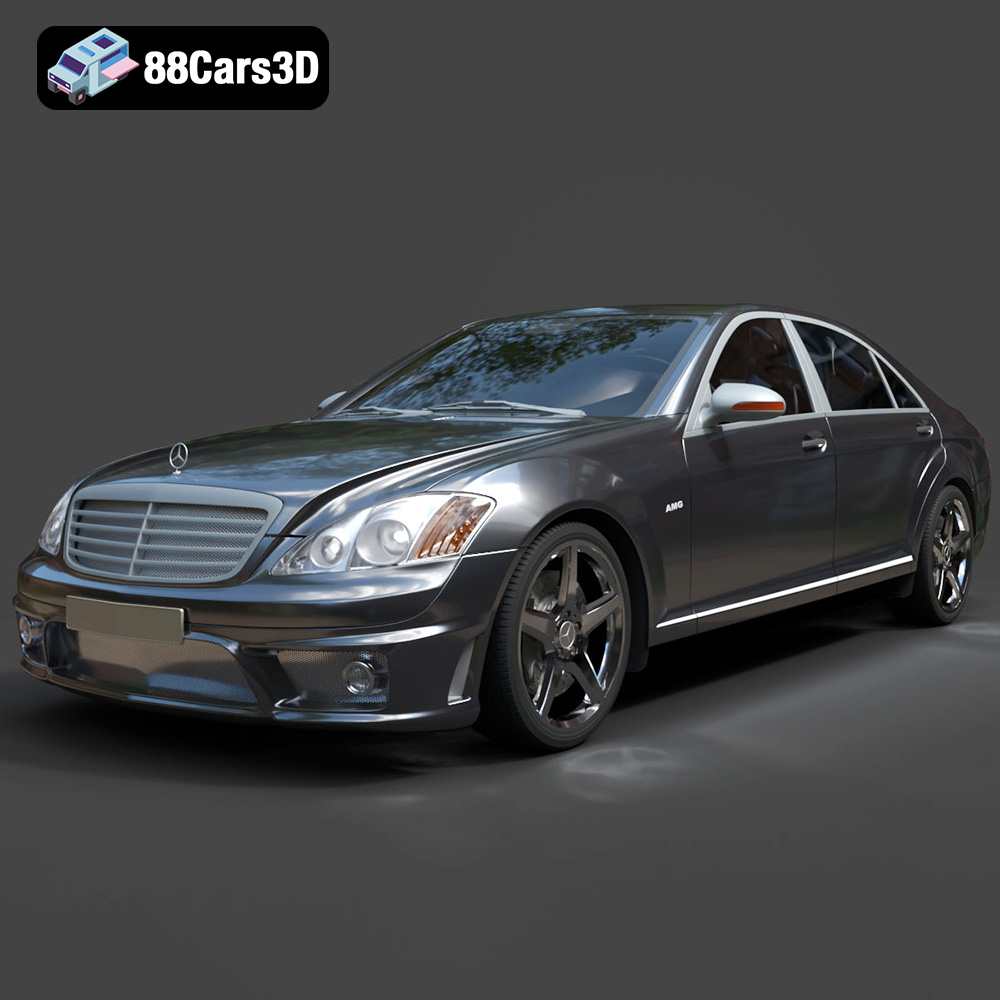
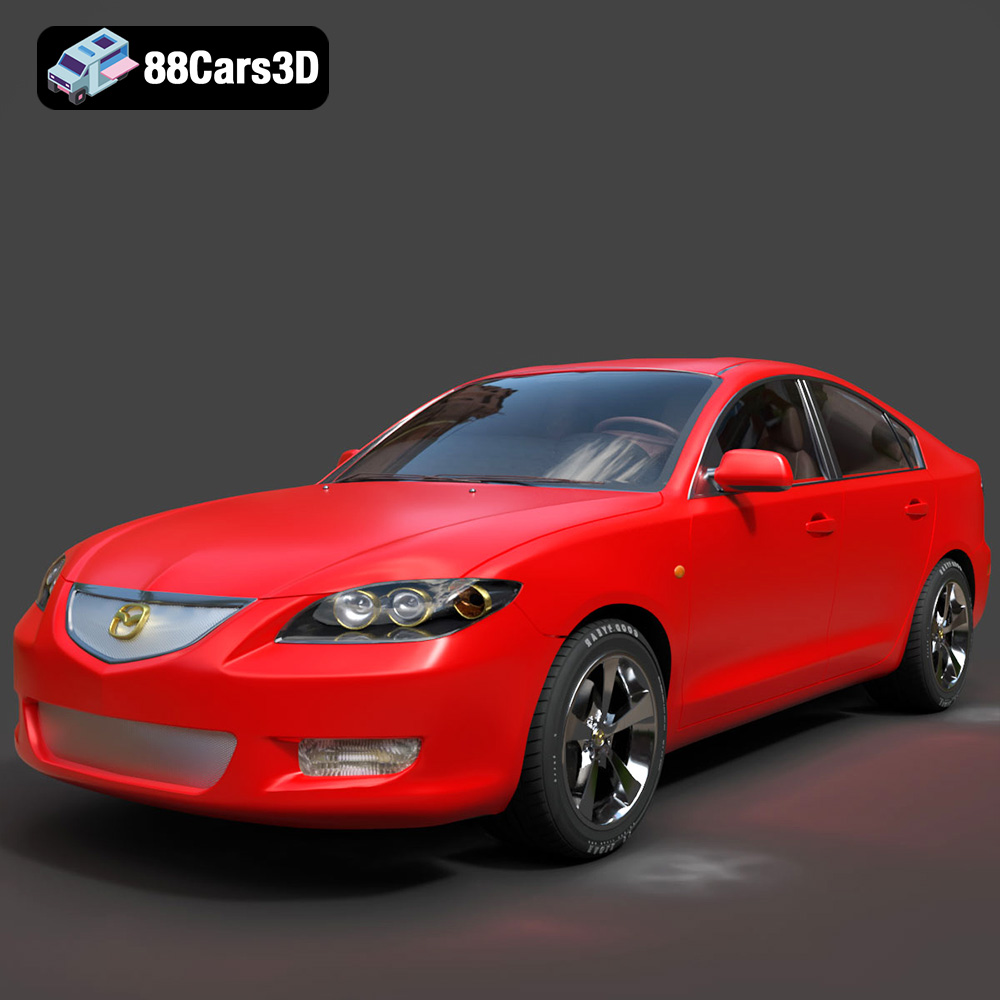
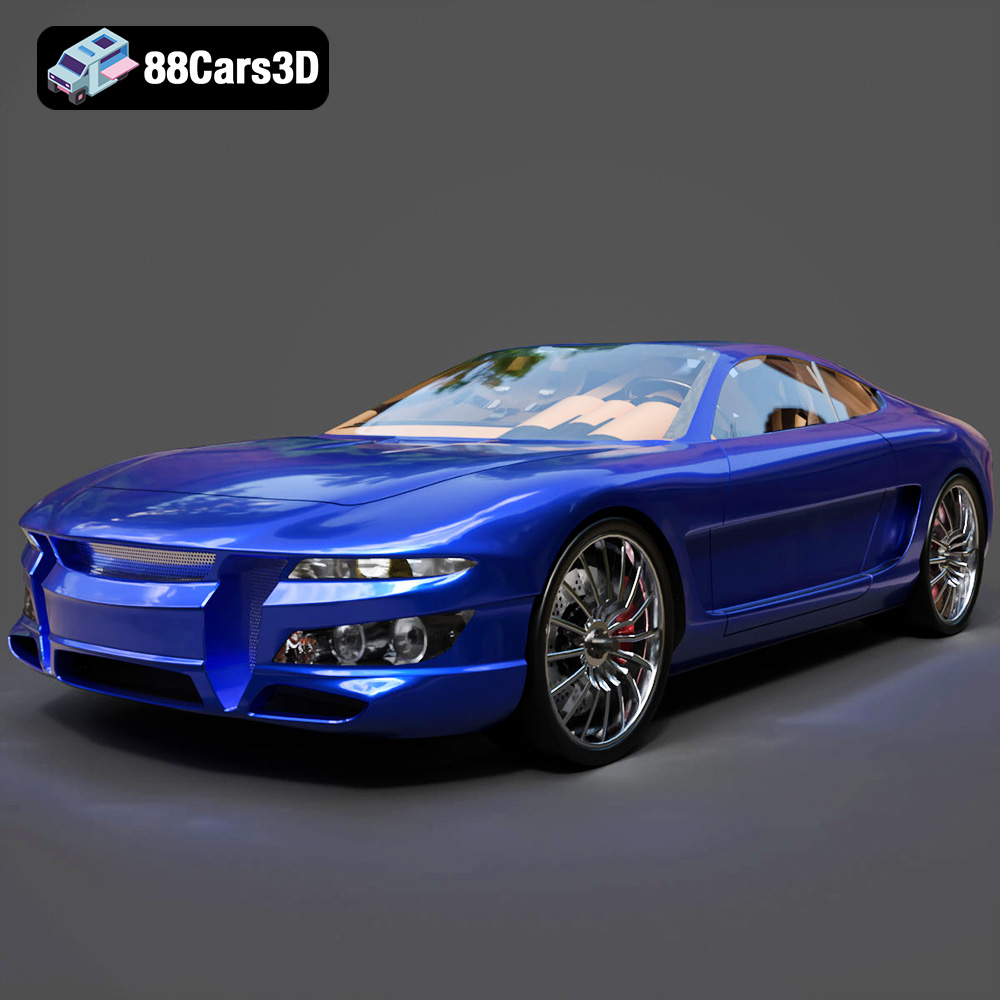
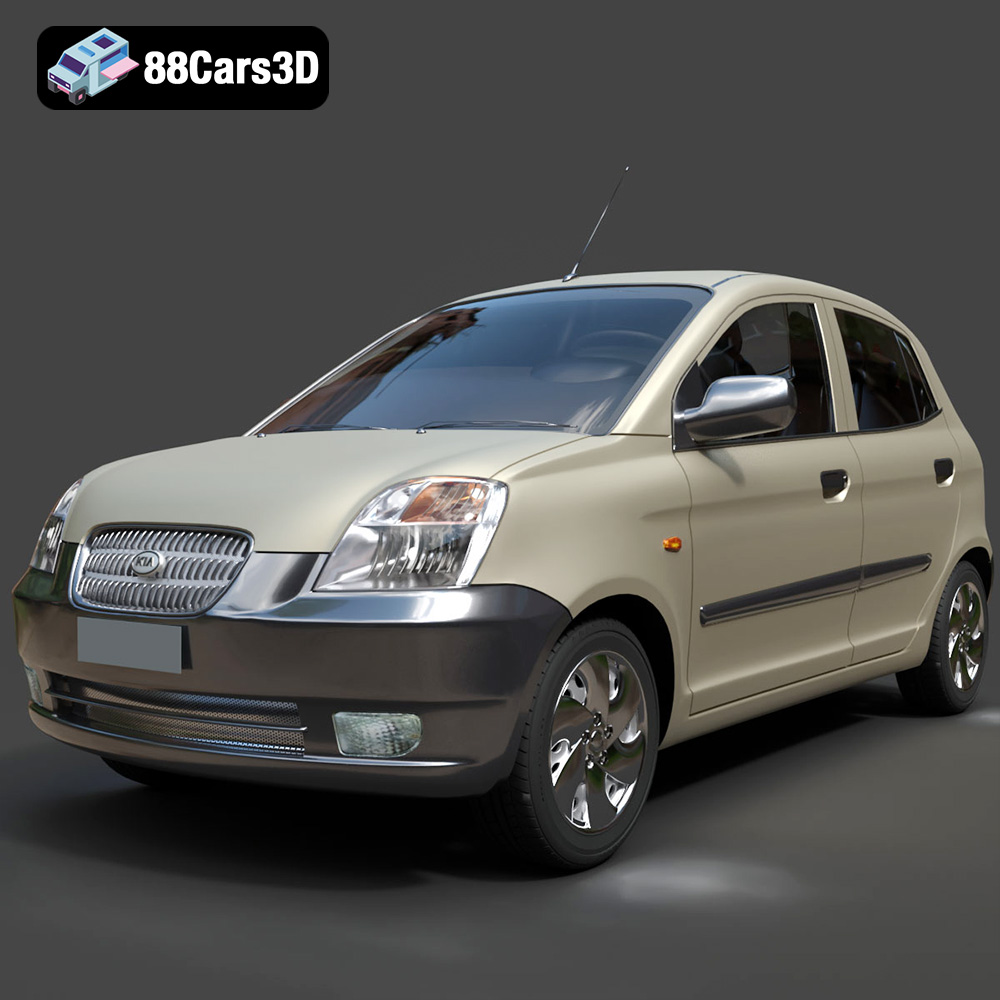
Photorealistic automotive rendering is an art form that merges technical proficiency with an acute eye for detail. The goal is to create digital images that are indistinguishable from photographs, capturing the luxurious appeal and sophisticated design of a vehicle.
Lighting and Environment Setup
Lighting is arguably the most critical element in photorealistic rendering. Without proper lighting, even the most detailed 3D car model will fall flat. High Dynamic Range Imaging (HDRI) environments are fundamental. An HDRI map captures 360-degree real-world lighting information, including intensity and color, which is then projected onto a spherical dome around the 3D model. This provides incredibly realistic global illumination, accurate reflections, and subtle color bounces that mimic real-world environments, whether it’s a sunny outdoor scene or a controlled studio setup.
Beyond HDRI, specific light sources like area lights, spot lights, or physical sky models are often layered to enhance highlights, create dramatic shadows, or simulate a studio light rig. Precisely positioning these lights to accentuate the car’s curves and reflections is a skill that takes years to master. The interplay of direct and indirect light, along with controlled reflections, defines the visual impact of the render.
Advanced Shading and Materials
Car paint is a complex material, typically composed of multiple layers: a base coat (metallic flakes), a clear coat (glossy, reflective), and sometimes additional layers like a metallic clear coat. Replicating this complexity in a 3D shader requires advanced PBR material setup. Parameters for metallic flake density, size, color shift, and clear coat roughness are meticulously tuned. Realistic glass shaders with accurate refraction, dispersion, and absorption properties are essential for windows and headlights. Similarly, materials for tires (with subsurface scattering for subtle light absorption), chrome trim, interior fabrics, and plastics all require dedicated PBR shaders to achieve their distinct looks. Adding subtle imperfections like fingerprints, dust, or micro-scratches via grunge maps further enhances realism, breaking up perfectly clean surfaces that can look artificial.
Render Engine Choices and Workflow
The choice of render engine significantly impacts both the quality and the workflow. Industry-leading renderers like V-Ray and Corona Renderer (for 3ds Max/Cinema 4D), Cycles (Blender), Octane Render, and Redshift are all capable of producing stunning results. Each has its strengths:
- V-Ray/Corona: Renowned for architectural and product visualization, offering robust features for complex lighting and realistic materials with extensive control.
- Cycles (Blender): Blender’s integrated path tracer, capable of highly realistic results, leveraging GPU rendering for speed.
- Octane Render/Redshift: GPU-based renderers known for their incredible speed, making iterative adjustments and high-volume rendering much faster.
The workflow typically involves setting up the scene, applying materials, dialing in the lighting, and then optimizing render settings (sample rates, denoising, GI bounces) to balance quality and render time. Post-processing in image editing software like Photoshop is also a critical step, used for color grading, adding lens effects, and refining overall image composition.
Integrating 3D Car Models into Game Engines
While photorealistic renders aim for static perfection, integrating 3D car models into game engines like Unreal Engine or Unity demands a different set of optimizations and considerations centered around real-time performance and interactivity. This is where 3D car models purchased from stores like 88cars3d.com truly demonstrate their versatility as high-quality game assets.
Optimization for Real-time Performance
Game engines require highly optimized assets to maintain smooth frame rates. This involves several key strategies:
- LODs (Levels of Detail): Multiple versions of the car model are created, each with progressively fewer polygons. The engine automatically swaps to a lower-poly LOD when the car is far from the camera, significantly reducing rendering overhead without noticeable quality loss. A typical car might have 3-5 LODs.
- Collision Meshes: Separate, simplified collision meshes are created for accurate physics calculations (e.g., car hitting a wall). These are much simpler than the visual mesh, as players don’t see them directly, but they are crucial for realistic interaction.
- Draw Call Reduction: Combining multiple materials into a single texture atlas (a large texture containing many smaller textures) and using fewer material slots can reduce the number of draw calls, which are costly for the GPU.
- Occlusion Culling: Optimizing visibility so that parts of the car or scene that are hidden behind other objects are not rendered, further saving resources.
Material Setup in Unreal Engine/Unity
Game engines utilize PBR workflows similar to offline renderers, but with specific material graph editors (e.g., Unreal Engine’s Material Editor, Unity’s Shader Graph). Car paint materials, for instance, are crafted using complex node networks to simulate clear coat, metallic flakes, and Fresnel reflections. Implementing parameters that allow for real-time color changes or damage effects through material instances provides immense flexibility. Optimizing texture resolutions (e.g., using 2K textures for game models versus 4K/8K for offline renders) and employing texture streaming further aids performance without sacrificing too much visual quality.
Animation and Rigging for Interactive Experiences
For a car to be interactive in a game, it needs to be rigged and often animated. A typical car rig includes bones or pivots for:
- Wheel Rotation: Each wheel needs its own pivot for independent rotation.
- Steering: Front wheels need to be able to turn left and right.
- Suspension: Jointed or constrained suspension systems allow the car to react realistically to terrain.
- Doors/Hood/Trunk: Individual pivots for opening and closing these components, often with simple keyframe animations.
These rigs are then integrated with the game engine’s physics and animation systems, allowing for dynamic interactions, realistic driving mechanics, and cinematic sequences.
Case Studies and Applications: Beyond the Showroom
The utility of high-quality 3D car models extends far beyond traditional static imagery. They are powerful tools driving innovation across multiple sectors.
Automotive Marketing and Visualization
The automotive industry leverages 3D car models for virtually every aspect of marketing. Virtual configurators allow customers to customize a car in real-time, changing colors, rims, and interior options, providing an immersive pre-purchase experience. High-fidelity renders are standard for advertising campaigns, brochures, and online media, often showcasing cars in exotic or impossible locations. Augmented Reality (AR) apps enable prospective buyers to “place” a virtual car in their driveway via their smartphone, visualizing its size and presence in their real-world environment before it even exists physically. This reduces the need for expensive physical prototypes and studio photography, offering unparalleled flexibility and speed to market.
Simulation and Training
3D car models are fundamental to advanced simulation. Driving simulators for professional training (e.g., race car drivers, heavy vehicle operators) use highly accurate digital car models coupled with sophisticated physics engines to replicate real-world driving dynamics. These simulators are invaluable for scenario training, skill development, and testing reactions in hazardous situations without risk. Furthermore, the development of autonomous vehicles relies heavily on virtual testing environments where 3D car models interact with simulated traffic, pedestrians, and road conditions, allowing for millions of miles of testing in a controlled, repeatable, and safe digital space.
Virtual Production and Film VFX
In the film and television industry, 3D car models are integral to virtual production workflows and visual effects (VFX). Pre-visualization (pre-vis) uses digital models to plan complex action sequences, camera movements, and stunts, saving significant time and resources on set. For VFX, digital doubles of cars are created for destructive sequences, impossible maneuvers, or to replace physical vehicles in dangerous scenes. Entire chase sequences can be constructed entirely in 3D, seamlessly blending with live-action footage. This allows filmmakers to realize visions that would be impossible or prohibitively expensive with practical effects alone.
The Value Proposition of Professional 3D Car Models
For studios, developers, and marketing agencies, the decision to invest in professionally crafted 3D car models is a strategic one. While custom modeling offers ultimate control, the time and skill required are substantial. This is where specialized marketplaces like 88cars3d.com provide immense value.
By sourcing ready-to-use, high-quality 3D car models, teams can dramatically reduce production timelines and reallocate valuable artist hours from foundational modeling to creative execution and project-specific refinement. Professional models are built to exacting technical standards, ensuring clean topology, optimized UVs, and PBR-ready material setups, which are crucial for achieving consistent visual quality across different platforms and renderers. They come pre-configured for various applications, saving countless hours on format conversions, material tweaks, and performance optimizations. This means less time troubleshooting and more time focusing on innovative designs, compelling animations, or interactive experiences. The ability to access a diverse library of vehicles, from classic muscle cars to the latest supercars, provides unparalleled flexibility for any project requirement, guaranteeing a professional foundation upon which to build.
Conclusion
The world of 3D car models is a fascinating intersection of art and engineering, where every polygon, texture, and light ray contributes to a captivating digital experience. From the intricate topology that defines a vehicle’s form to the precise PBR materials that dictate its visual properties, and through the diverse file formats that govern its journey across software, each technical layer plays a vital role. Whether destined for a photorealistic advertisement, an immersive game, or a critical simulation, the underlying technical rigor is what truly elevates a 3D car model from a mere object to a powerful, versatile asset.
As industries continue to embrace digital transformation, the demand for high-quality, technically sound 3D car models will only intensify. Understanding the sophisticated workflows, optimization techniques, and format considerations discussed in this guide is essential for anyone aiming to excel in this dynamic field. The ability to leverage expertly crafted assets empowers creators to focus on innovation, pushing the boundaries of what’s possible in automotive visualization and interactive experiences.
Featured 3D Car Models