

Mastering PBR Materials for Automotive 3D Models: A Comprehensive Guide for Unrivaled Realism
In the dynamic world of 3D visualization, from breathtaking automotive renders to immersive game environments, the pursuit of photorealism is an unending journey. At the heart of achieving this visual fidelity, especially for complex subjects like cars, lies the mastery of Physically Based Rendering (PBR) materials. PBR is not just a buzzword; it’s a fundamental paradigm shift in how we approach texturing and shading, mirroring real-world light interaction with surfaces. For 3D artists, game developers, and automotive designers, understanding and implementing PBR correctly is the difference between a passable model and a truly captivating one.
This comprehensive guide delves deep into the intricacies of PBR materials specifically tailored for automotive 3D models. We will explore everything from the foundational principles of PBR workflows and essential texture maps to advanced material crafting for car paint, glass, and tires. You’ll learn about optimal UV mapping strategies, critical performance optimizations for game engines and AR/VR, and sophisticated rendering and post-processing techniques that elevate your automotive visualizations to professional standards. Whether you’re creating assets for high-end cinematic renders or real-time interactive experiences, mastering PBR will equip you with the skills to produce visually stunning and physically accurate automotive models, making your work stand out on platforms like 88cars3d.com.
Understanding PBR Fundamentals for Automotive Surfaces
Physically Based Rendering (PBR) represents a standardized approach to shading and rendering that more accurately simulates how light behaves in the real world. Unlike older, “artistic” workflows where artists often tweaked values until something “looked right,” PBR relies on physically plausible parameters that respect the laws of energy conservation. This results in materials that look consistent and correct under any lighting conditions, making it indispensable for achieving photorealism in automotive 3D models. For car surfaces, where reflections, refractions, and intricate material properties are paramount, PBR is the bedrock of visual accuracy.
At its core, PBR materials are defined by properties that describe how light interacts with a surface. These properties include the base color of a surface, how metallic it is, and how rough or smooth it appears at a microscopic level. The two most common PBR workflows are Metallic-Roughness and Specular-Glossiness. The **Metallic-Roughness workflow** is often favored for its intuitive nature, using a grayscale Metallic map (0 for dielectric, 1 for metallic) and a Roughness map (0 for perfectly smooth, 1 for perfectly rough). The **Specular-Glossiness workflow**, conversely, uses a Specular map to define the color and intensity of reflections, and a Glossiness map (the inverse of roughness) to define surface smoothness. For automotive models, the Metallic-Roughness workflow is generally preferred due to its simplicity in handling the distinct properties of car paint (dielectric with a metallic flake layer), chrome (metallic), and glass (dielectric).
Energy Conservation and Realistic Reflection
A fundamental principle of PBR is **energy conservation**. This means that a surface cannot reflect more light than it receives. When light hits a surface, it’s either reflected (specular reflection) or absorbed and refracted into the material (diffuse reflection). In PBR, the sum of reflected and absorbed light never exceeds the incoming light. This prevents materials from appearing unnaturally bright or glowing without an emission property. For car paint, this means that as the specular reflection (the shiny clear coat) becomes stronger, the diffuse color underneath must become proportionally darker, ensuring a realistic interaction with light. This principle also applies to the **Fresnel effect**, where surfaces become more reflective at grazing angles. PBR shaders inherently incorporate this, making car windows or the curved surfaces of a car body appear more reflective when viewed from an acute angle, precisely mimicking real-world physics.
Essential PBR Texture Maps and Their Application
The realism of a PBR material hinges on the quality and accuracy of its texture maps. Each map conveys specific information about the surface’s properties, allowing the PBR shader to compute how light should interact with it. For automotive models, a precise understanding and meticulous creation of these maps are crucial for capturing the nuances of car paint, metal, glass, and rubber.
Albedo/Base Color and Metallic Maps
The **Albedo map**, also known as Base Color, defines the inherent color of a surface without any lighting information. It should be flat, desaturated, and devoid of shadows or highlights. For car bodies, this map would represent the base color of the paint before any clear coat or metallic flakes are applied. A common pitfall is to bake ambient occlusion or shadows directly into the Albedo, which leads to incorrect lighting calculations and unrealistic results. The **Metallic map** is a grayscale image that dictates which parts of the material are metallic (white, value 1) and which are dielectric (black, value 0). For automotive models, chrome trims, wheel rims, and engine parts would be white, while the painted body, rubber tires, and glass would be black. Car paint itself, being a dielectric with metallic flakes, often involves a more complex shader setup that leverages metallic properties within a clear coat layer rather than a simple metallic map.
Roughness/Glossiness and Normal Maps
The **Roughness map** (or its inverse, Glossiness) is arguably one of the most impactful PBR maps for visual realism, especially for automotive surfaces. It describes the microscopic surface irregularities that scatter light. A value of 0 (black) represents a perfectly smooth, mirror-like surface (e.g., highly polished chrome), while a value of 1 (white) represents a completely rough, diffuse surface (e.g., matte rubber). Subtle variations in roughness can simulate dust, scratches, or wear, adding significant detail to car surfaces without altering geometry. For instance, the difference between a pristine, highly reflective clear coat and a slightly duller, waxed finish is primarily controlled by the roughness map. The **Normal map** is a powerful tool for adding fine surface detail, such as subtle panel lines, fabric textures on seats, or tire tread patterns, without increasing polygon count. It stores directional information in its RGB channels, telling the renderer how light should react as if those details were geometrically present. Normal maps can be baked from high-poly models onto low-poly versions or sculpted directly. Both **Tangent space** and **Object space** normal maps exist, with tangent space being more common for deformable meshes.
Ambient Occlusion (AO) and Displacement Maps
The **Ambient Occlusion (AO) map** fakes soft global illumination by darkening crevices and areas where light struggles to reach. While not strictly part of the real-time lighting calculation in many PBR setups, it can be multiplied over the Albedo map or used in the shader to enhance depth and realism in shaded areas, like gaps between car panels or under door handles. It provides a subtle, grounding effect to the model. **Displacement maps**, on the other hand, physically deform the mesh at render time, adding actual geometric detail based on a grayscale texture. This is ideal for highly detailed elements like intricate grille patterns or heavily worn tire treads, where a normal map might not suffice. However, displacement maps are computationally expensive and generally reserved for high-end offline renders, not real-time game engines, unless used in a very limited capacity with tessellation. For most automotive game assets, normal maps are preferred for surface details.
Crafting Realistic Automotive Materials: Workflow & Techniques
Developing compelling automotive materials in PBR requires a blend of artistic skill and technical understanding of how different surfaces interact with light. From the gleaming clear coat of a car body to the intricate textures of interior components, each material presents unique challenges and opportunities for realism.
Complex Car Paint Shaders
Achieving convincing car paint is often the most challenging aspect of automotive PBR. Real car paint is a multi-layered material, typically consisting of a base color coat, metallic flakes (for metallic paints), and a glossy, transparent clear coat. A simple Metallic-Roughness setup might not fully capture this complexity. Advanced car paint shaders often simulate these layers:
- Base Color Layer: This is the underlying diffuse color.
- Metallic Flake Layer: For metallic paints, this layer scatters light directionally, often requiring an anisotropic shader or a specific flake normal map to simulate the tiny reflective particles embedded in the paint. The intensity and size of these flakes are crucial.
- Clear Coat Layer: This is a transparent, highly reflective layer that sits on top. It’s a dielectric material with its own roughness value (usually very low for a shiny finish) and its own normal map (for subtle imperfections or dust). The clear coat also exhibits a strong Fresnel effect, becoming more reflective at glancing angles.
Software like Blender’s Principled BSDF, 3ds Max’s Physical Material, or Arnold’s aiStandardSurface offer parameters to simulate clear coats and anisotropy, allowing artists to build these layered effects directly into their shaders. For an example of how the Principled BSDF shader in Blender handles clear coat and other properties, refer to the official Blender 4.4 documentation on Shaders and Materials at https://docs.blender.org/manual/en/4.4/render/cycles/nodes/shaders/principled.html.
Glass, Rubber, and Chrome Materials
**Glass and Transparent Materials** on a car, such as windshields and windows, require careful handling of refraction, absorption, and tint. The material should have a low roughness, a high transmission value, and an appropriate Index of Refraction (IOR) (e.g., 1.5-1.55 for standard glass). Absorption color and distance are critical for simulating tinted windows or thicker glass elements. For example, a car window will typically have a subtle green tint and absorb more light over distance, which needs to be accounted for in the shader. **Tire Rubber** requires a distinct PBR setup, being a dielectric material with high roughness. Variations in roughness can effectively convey wear and tear, and subtle normal maps are essential for tread patterns and sidewall details. Often, blending in subtle dirt or dust layers with masks can significantly enhance realism. **Chrome and Metallic Accents** are pure metallic materials with very low roughness values. The Metallic map would be white (or close to 1), and the Roughness map would be very dark (close to 0). Anisotropy can be important for brushed metals or chrome with specific manufacturing patterns, causing reflections to stretch along a certain direction.
Interior Materials and Realistic Aging
The car’s interior features a diverse range of materials like leather, fabric, plastics, and wood. Each requires its own PBR treatment. **Leather** can be simulated with a distinct normal map for grain, combined with roughness variations to show wear, oils from hands, or areas of stretching. **Fabric** materials need detailed normal maps for weave patterns and can benefit from subtle subsurface scattering for added realism, especially for softer textiles. **Plastics** vary widely in roughness and color, from matte dashboards to glossy trim pieces. Pay attention to micro-scratches and fingerprint smudges, which can be subtly introduced via roughness maps. To add realism, incorporate **aging and wear** through texture blending. Layering dirt, dust, scratches, and subtle paint chips (using blend masks) over the base PBR materials can tell a story and ground the model in a realistic context. Platforms like 88cars3d.com benefit immensely from models that showcase this level of attention to detail and material accuracy.
UV Mapping Strategies for PBR Automotive Models
Effective UV mapping is a foundational step in the PBR workflow, critical for ensuring textures are applied accurately and efficiently to your automotive models. Poor UVs can lead to stretched, distorted, or pixelated textures, completely undermining the realism achieved by high-quality PBR maps. For complex car models, meticulous UV unwrapping is paramount.
Clean UVs and Consistent Texel Density
The primary goal of UV mapping is to create a flattened 2D representation of your 3D model’s surface, onto which your textures will be painted or projected. **Clean UVs** are essential: this means no overlapping islands (unless intentional for mirroring parts), minimal stretching, and avoiding very small, fragmented islands where possible. For automotive models, you want to maximize the use of UV space. **Consistent texel density** across the entire model is crucial. Texel density refers to the number of pixels per unit of surface area on your model. If different parts of your car have vastly different texel densities, some areas will appear blurry while others are sharp, leading to an inconsistent look. Tools in 3ds Max, Blender, Maya, and other software allow you to visualize and normalize texel density, ensuring that textures like car paint maintain a uniform resolution across large, smooth surfaces and smaller, detailed components alike.
Main Body UVs and Interior Components
For the main body panels of a car, strive for **large, continuous UV islands**. This minimizes seams, which can be difficult to hide, especially with highly reflective materials like car paint. Strategically place seams along natural breaks in the geometry, such as panel lines, creases, or areas that are less visible. For example, the underside of a door or the inner edge of a wheel well are excellent places for seams. Tools like Blender’s “Follow Active Quads” or “Conformal” unwrap methods can help achieve even UV distribution on curved surfaces. **Interior components** often allow for more freedom, but still benefit from optimized UVs. Parts like dashboard elements, seats, and steering wheels can have their own dedicated UV layouts. For smaller, less visible components, you might pack multiple small parts onto a single UV island to save space and streamline texturing.
Texture Atlasing and UDIM Workflow
**Texture Atlasing** is a performance optimization technique where multiple smaller textures are combined into a single, larger texture map. This reduces the number of draw calls in game engines, improving performance. For a car model, you might atlas all the interior plastics into one texture, or all the various bolt heads and small metallic pieces into another. This requires careful planning of your UV layouts so that all the UV islands for these combined elements fit neatly into the atlas. For extremely high-detail automotive models, especially those intended for cinematic rendering or virtual production, the **UDIM workflow** becomes invaluable. UDIM (Unique Digital IDentifier Map) allows you to use multiple UV tiles (separate 0-1 UV spaces) to effectively increase the texture resolution beyond what a single texture map can provide. This is particularly useful for large, complex car bodies where a single 8K or 16K texture map might still not offer enough detail across the entire surface. Each UDIM tile gets its own set of PBR maps, offering unparalleled resolution and flexibility without compromising texel density.
Optimizing PBR Automotive Models for Game Engines and Real-time Applications
While PBR ensures visual fidelity, translating high-quality automotive models into real-time environments like game engines (Unity, Unreal Engine) or AR/VR applications requires rigorous optimization. Balancing visual quality with performance is key to delivering a smooth, immersive experience.
Level of Detail (LODs) and Draw Call Reduction
**Level of Detail (LODs)** are crucial for performance optimization. This involves creating multiple versions of your 3D car model, each with decreasing polygon counts and simplified materials, for different distances from the camera. The highest detail (LOD0) is used when the car is close, while lower detail versions (LOD1, LOD2, etc.) are swapped in as the car moves further away. For automotive models, careful consideration must be given to silhouette integrity even at lower LODs. The goal is to reduce geometry and material complexity without noticeable popping or visual degradation. Tools within game engines and 3D software can automate LOD generation, but manual refinement is often needed for optimal results. **Draw call reduction** is another critical optimization. Each time the GPU has to switch materials, it incurs a draw call overhead. By using texture atlases (combining multiple textures into one) and consolidating materials where possible, you can significantly reduce the number of draw calls, leading to smoother performance. For example, grouping all the interior plastic elements under a single material with a shared atlas can be very effective.
Texture Resolution, Compression, and Shader Complexity
Choosing appropriate **texture resolutions** is a balancing act. While 4K or 8K textures might look stunning in offline renders, they can quickly consume vast amounts of memory in real-time applications. For game assets, common resolutions range from 1K to 2K for major components, with smaller details sometimes using 512×512 or 256×256. Employ **texture compression** (e.g., DXT for desktop, ETC2 for Android, ASTC for iOS) to further reduce memory footprint without severe quality loss. Modern game engines handle this automatically, but understanding the implications is vital. **Shader complexity** directly impacts GPU performance. Avoid overly complex material node setups with many layers, expensive calculations, or numerous texture lookups where simpler alternatives exist. For instance, using a detailed normal map instead of complex geometric displacement for fine surface details is a common optimization. Baking complex environmental reflections into static cubemaps or spherical panoramas can also save real-time reflection calculations, especially for static elements or lower-end AR/VR experiences.
AR/VR Optimization and File Formats
**AR/VR applications** demand even stricter optimization due to their performance-intensive nature. Target very low polygon counts (e.g., under 100k triangles for an entire car in mobile VR/AR), minimal lights, and often rely on baked lighting (lightmaps) rather than fully dynamic global illumination to save computation. Overdraw (multiple transparent layers rendered on top of each other) should be minimized, making careful design of glass and transparent effects critical. **File formats** play a significant role in compatibility and performance. **FBX** remains a industry standard for transferring 3D assets between software and game engines, supporting geometry, UVs, animations, and basic material properties. For web-based AR/VR and lightweight applications, **GLB/glTF** is gaining immense popularity due to its efficiency and PBR support. **USDZ** is Apple’s format for AR applications, optimized for iOS devices. When sourcing high-quality automotive models from marketplaces like 88cars3d.com, ensure they are available in these optimized formats or can be easily converted for your target platform.
Advanced Rendering and Post-Processing for PBR Automotive Scenes
Once your PBR materials are meticulously crafted and your model is optimized, the final stage of bringing your automotive vision to life lies in advanced rendering and post-processing. This is where subtle artistic choices combine with technical precision to create a truly professional and captivating image or animation.
Lighting Setup with HDRIs and Area Lights
Effective lighting is paramount for showcasing PBR materials. **High Dynamic Range Image (HDRI) environments** are the cornerstone of realistic automotive rendering. An HDRI captures real-world lighting and reflections, providing a physically accurate environment map that lights your car model realistically. Load a high-quality automotive studio HDRI or an outdoor environment HDRI (e.g., a cloudy sky, urban street) into your renderer. Complementing the HDRI, **area lights** can be strategically placed to emphasize contours, create specular highlights, and add directional lighting. For instance, large, soft area lights positioned above and to the sides of the car can simulate studio softboxes, bringing out the subtle curves and reflections of the car paint. Using **sun and sky systems** (e.g., Corona Sun, V-Ray Sun, Blender Sky Texture) combined with volumetric fog can create stunning outdoor scenes, especially for showcasing metallic paint in direct sunlight. Always aim for physically plausible light sources and intensities.
Camera Settings and Render Passes (AOVs)
Just like a real photographer, your **camera settings** in a 3D renderer are vital. Adjusting the **F-stop** controls depth of field, artfully blurring the background to make the car pop. **Shutter speed** impacts motion blur for animations, creating a sense of speed. **ISO** or exposure settings control the overall brightness. Using a shallow depth of field for close-up detail shots, or a wider aperture for showcasing the entire vehicle within its environment, dramatically impacts the visual narrative. **White balance** should be carefully chosen to avoid color casts. For professional post-processing, rendering out **Render Passes (AOVs – Arbitrary Output Variables)** is indispensable. These separate image layers capture specific information like diffuse color, reflections, refractions, direct and indirect lighting, ambient occlusion, and various masks (e.g., material IDs, object IDs, cryptomatte). By separating these elements, you gain granular control during compositing, allowing you to fine-tune reflections without re-rendering the entire scene, or adjust the intensity of ambient occlusion.
Post-Processing and Compositing for Cinematic Results
The final polish comes in **post-processing and compositing** software like Adobe Photoshop, Blackmagic DaVinci Resolve, or Foundry Nuke. This stage is where you truly elevate your render from a raw image to a cinematic masterpiece.
- Exposure and Color Grading: Adjust overall brightness, contrast, and color balance. Use curves and levels to fine-tune highlights, midtones, and shadows. Apply color grading to establish a specific mood or aesthetic (e.g., cool tones for a luxury feel, warm tones for a sporty vibe).
- Bloom and Glare: Add subtle bloom (light bleeding from bright areas) and lens flare effects to simulate real camera optics and enhance the specular highlights of car paint and chrome. Be careful not to overdo these effects, as subtlety is key.
- Chromatic Aberration: A very slight chromatic aberration effect (color fringing at high-contrast edges) can add a subtle touch of realism by mimicking optical imperfections of real lenses.
- Vignetting and Grain: A gentle vignette can draw the eye towards the center of the image, while a subtle film grain or noise can add a tactile, photographic quality, especially effective in neutralizing perfect, digital smoothness.
- Denoisers: Most modern renderers include AI-powered denoisers that clean up noise from renders, especially with lower sample counts. Integrate these passes effectively into your compositing workflow.
By leveraging these post-processing techniques, you can achieve a level of polish and visual impact that truly makes your automotive renders shine, whether they are for advertising, game trailers, or portfolio pieces.
Conclusion
The journey through mastering PBR materials for automotive 3D models is a blend of technical understanding, artistic sensibility, and meticulous execution. We’ve traversed the foundational principles of Physically Based Rendering, explored the critical roles of various texture maps—from Albedo and Metallic to Roughness and Normal maps—and delved into crafting complex shaders for car paint, glass, and interior elements. We’ve also highlighted the paramount importance of precise UV mapping, crucial optimization strategies for real-time applications like game engines and AR/VR, and the final magic woven through advanced rendering and post-processing.
The ability to produce physically accurate and visually stunning automotive models is a highly sought-after skill in industries ranging from game development and film to advertising and industrial design. By embracing PBR workflows, paying attention to consistent texel density, leveraging LODs for performance, and meticulously finessing your renders in post-production, you empower your 3D automotive assets with unparalleled realism. Platforms like 88cars3d.com thrive on the quality and technical excellence of such models, serving a diverse audience of professionals. Continue to experiment, refine your techniques, and always strive to observe and understand how light interacts with materials in the real world. Your dedication to these best practices will not only elevate your automotive 3D models but also solidify your reputation as a master of digital realism.
Featured 3D Car Models

Cadillac CTS-V Coupe 3D Model
Meta Description:
Texture: Yes
Material: Yes
Download the Cadillac CTS-V Coupe 3D Model featuring detailed exterior styling and realistic interior structure. Includes .blend, .fbx, .obj, .glb, .stl, .ply, .unreal, and .max formats for rendering, simulation, AR VR, and game development.
Price: $13.9

Cadillac DTS-005 3D Model
Texture: Yes
Material: Yes
Download the Cadillac DTS-005 3D Model featuring its iconic luxury design, detailed interior, and realistic exterior. Includes .blend, .fbx, .obj, .glb, .stl, .ply, .unreal, and .max formats for rendering, simulation, and game development.
Price: $10.79

Buick LeSabre 1998 3D Model
Texture: Yes
Material: Yes
Download the Buick LeSabre 1998 3D Model featuring a classic American full-size sedan design. Includes .blend, .fbx, .obj, .glb, .stl, .ply, .unreal, and .max formats for rendering, simulation, and game development.
Price: $10.79
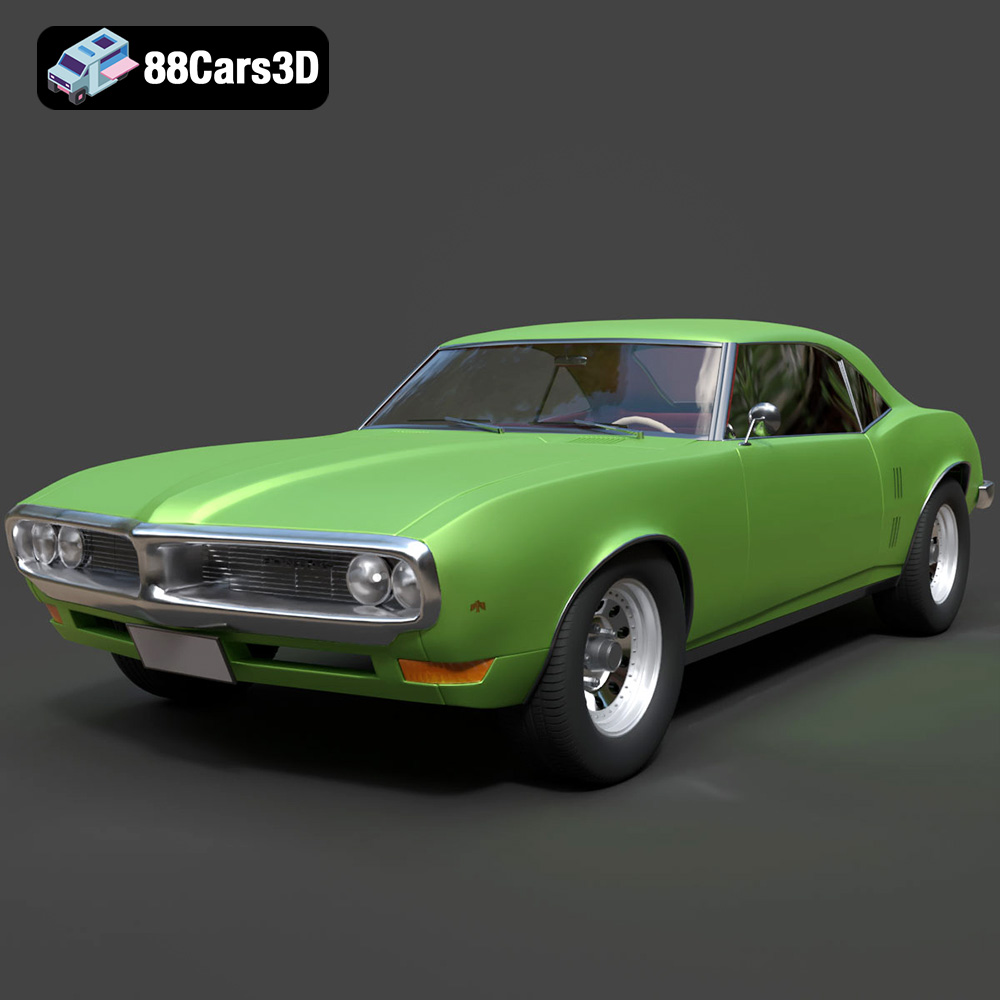
Pontiac Firebird 1998 3D Model
Texture: Yes
Material: Yes
Download the Pontiac Firebird 1998 3D Model featuring clean geometry, realistic detailing, and a fully modeled interior. Includes .blend, .fbx, .obj, .glb, .stl, .ply, .unreal, and .max formats for rendering, simulation, and game development.
Price: $10

Opel Astra 2008 3D Model
Texture: Yes
Material: Yes
Download the Opel Astra 2008 3D Model featuring clean geometry, realistic detailing, and a fully modeled interior. Includes .blend, .fbx, .obj, .glb, .stl, .ply, .unreal, and .max formats for rendering, simulation, and game development.
Price: $10

Mercedes Benz Joaquin-007 3D Model
Texture: Yes
Material: Yes
Download the Mercedes Benz Joaquin-007 3D Model featuring clean geometry, realistic detailing, and a fully modeled interior. Includes .blend, .fbx, .obj, .glb, .stl, .ply, .unreal, and .max formats for rendering, simulation, and game development.
Price: $19.99
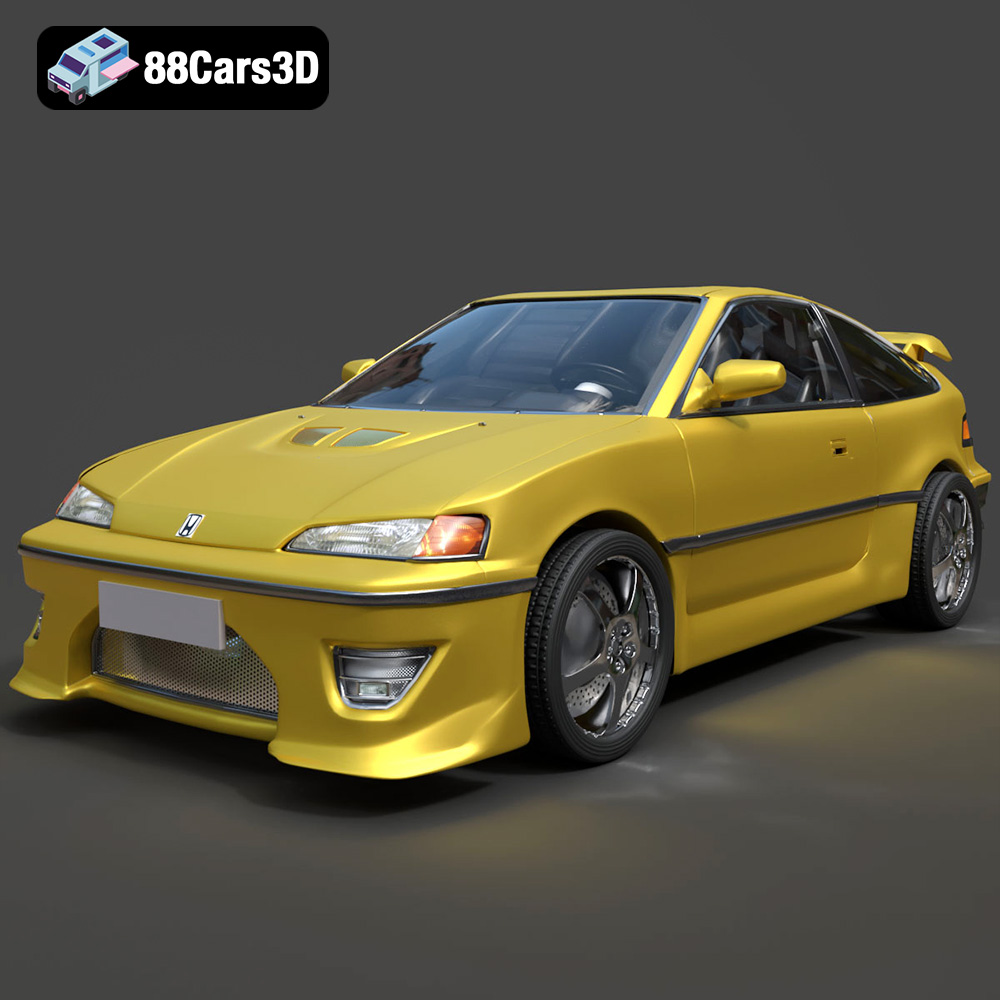
Honda CRX 1980 3D Model
Texture: Yes
Material: Yes
Download the Honda CRX 1980 3D Model featuring clean geometry, realistic detailing, and a fully modeled interior. Includes .blend, .fbx, .obj, .glb, .stl, .ply, .unreal, and .max formats for rendering, simulation, and game development.
Price: $11.99
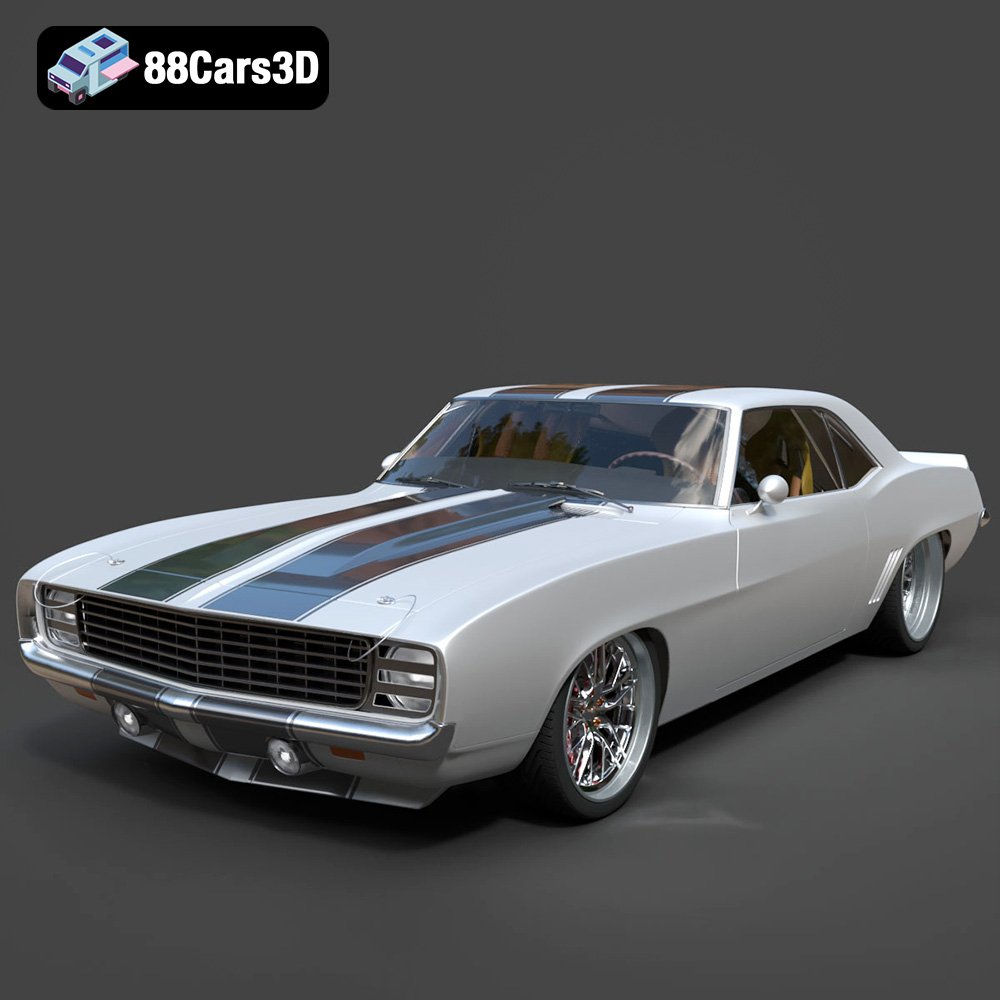
Chevrolet Camaro 69 Pro-007 3D Model
Texture: Yes
Material: Yes
Download the Chevrolet Camaro 69 Pro-007 3D Model featuring classic muscle car design and custom performance aesthetics. Includes .blend, .fbx, .obj, .glb, .stl, .ply, .unreal, and .max formats for rendering, simulation, and game development.
Price: $20.79

Honda Fit 2008 3D Model
Texture: Yes
Material: Yes
Download the Honda Fit 2008 3D Model featuring a compact, versatile design with detailed exterior and interior components. Includes .blend, .fbx, .obj, .glb, .stl, .ply, .unreal, and .max formats for rendering, simulation, and game development.
Price: $10.79
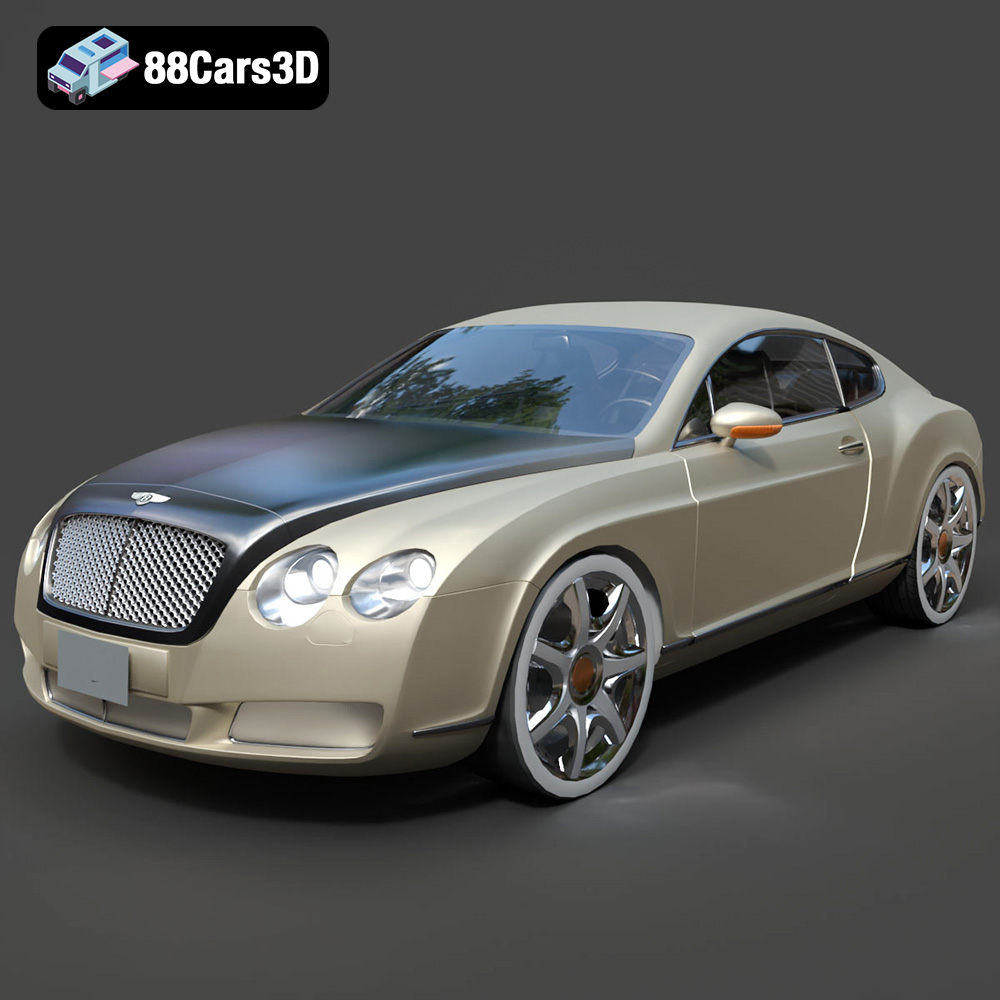
Bentley Continental GT-002 3D Model
Texture: Yes
Material: Yes
Download the Bentley Continental GT-002 3D Model featuring a luxurious grand touring design and high-quality details. Includes .blend, .fbx, .obj, .glb, .stl, .ply, .unreal, and .max formats for rendering, simulation, and game development.
Price: $20.79
