Unlocking the Potential: The Definitive Guide to 3D Car Models for Automotive Rendering and Game Development
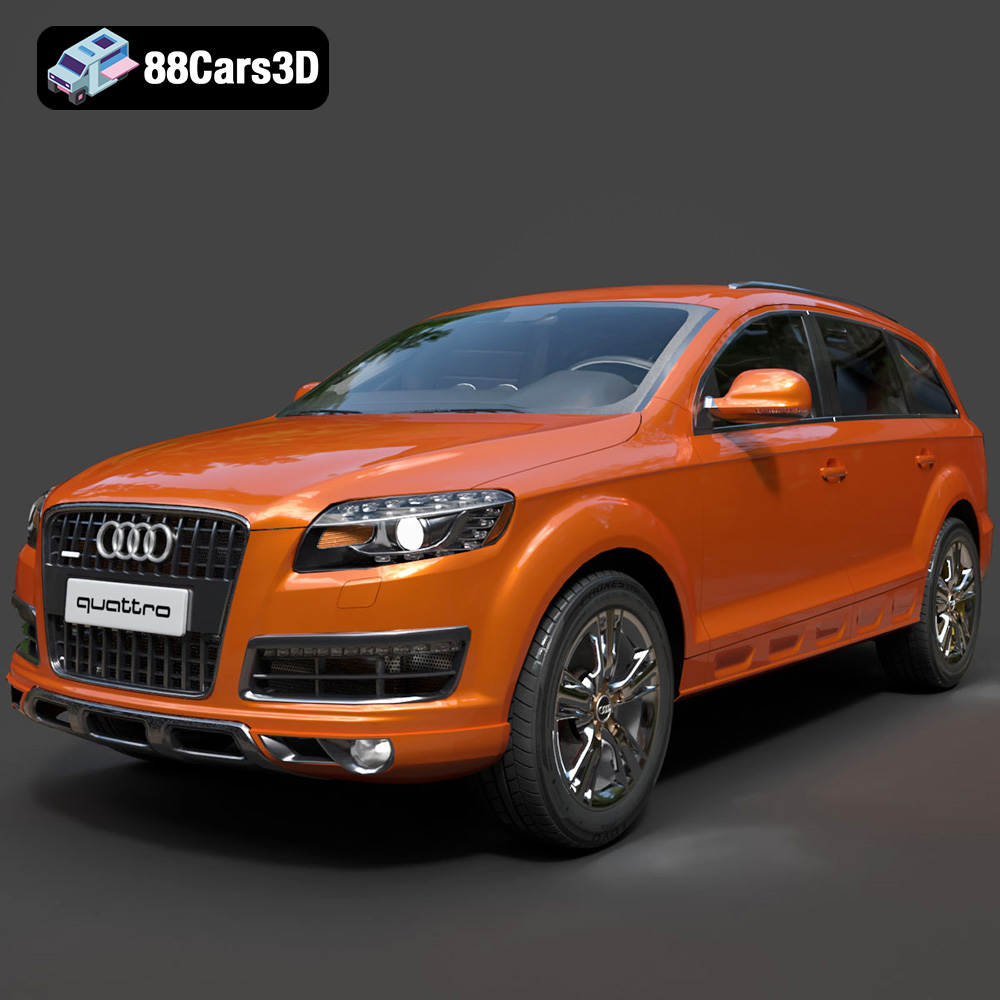
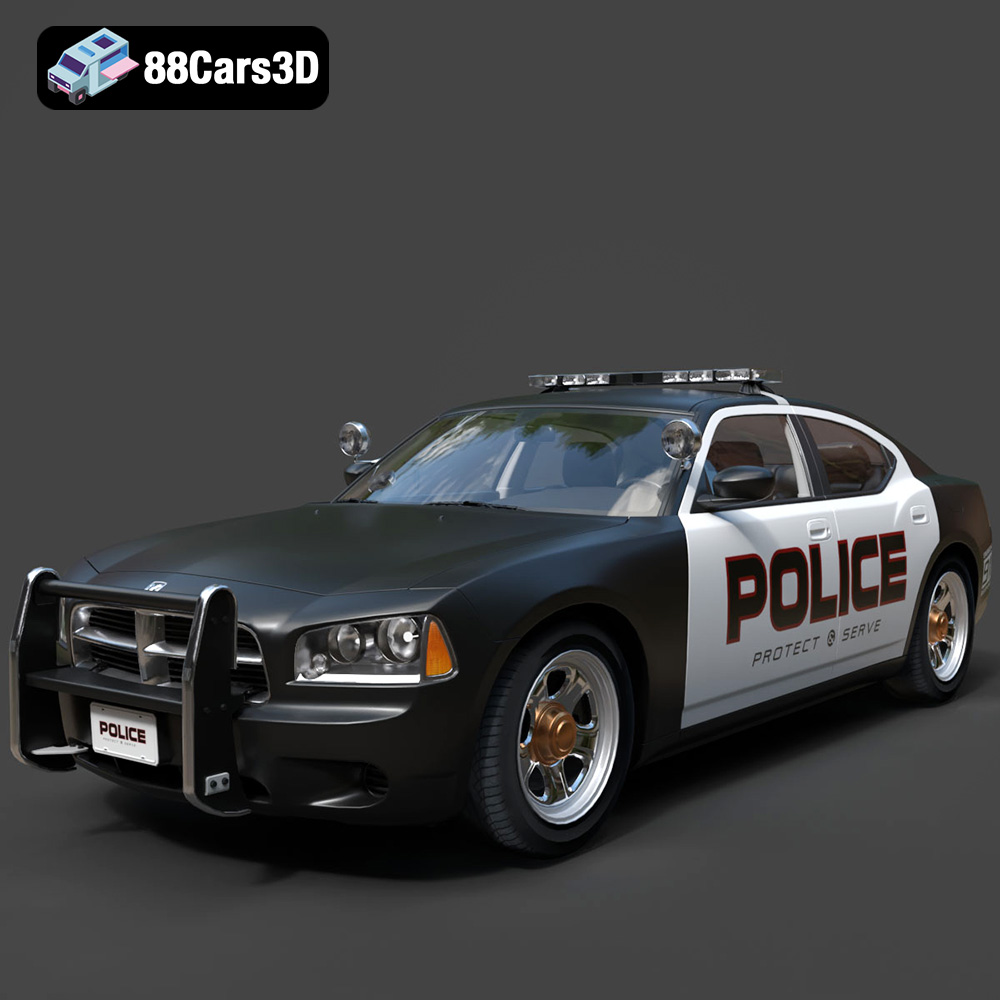
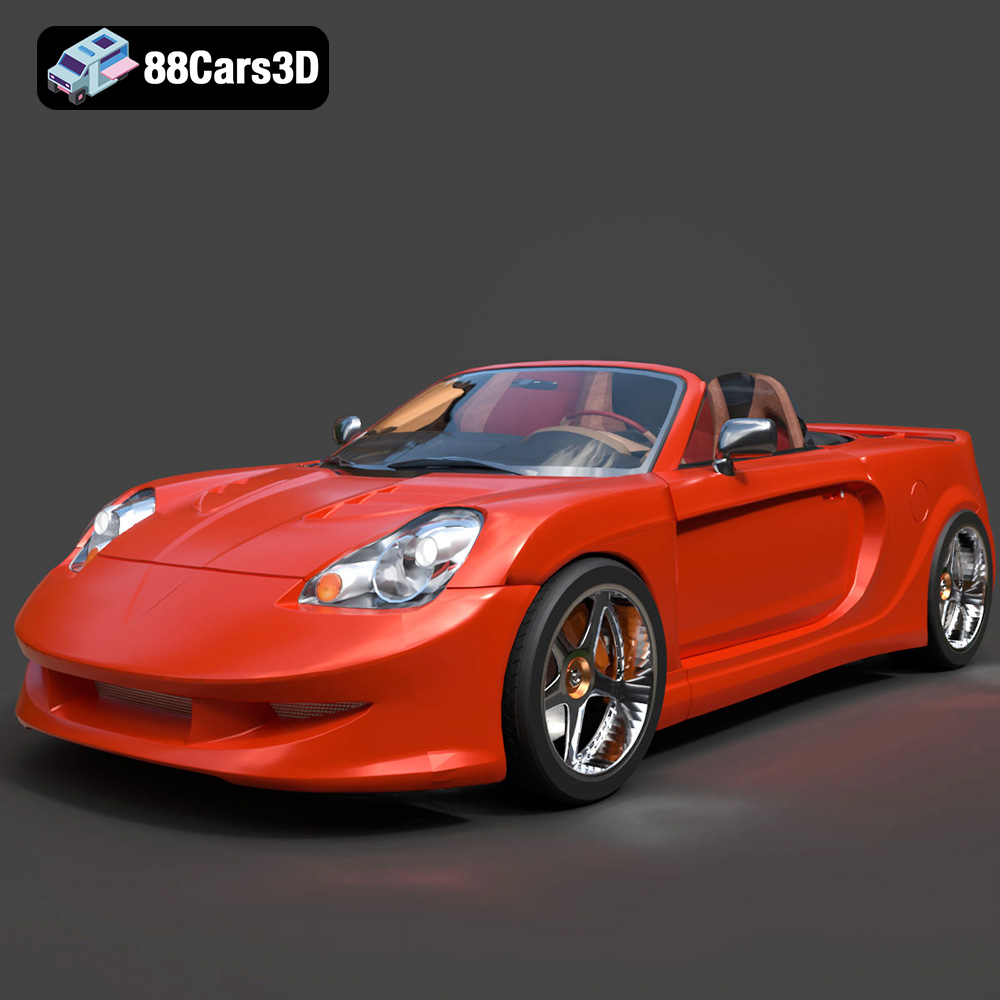
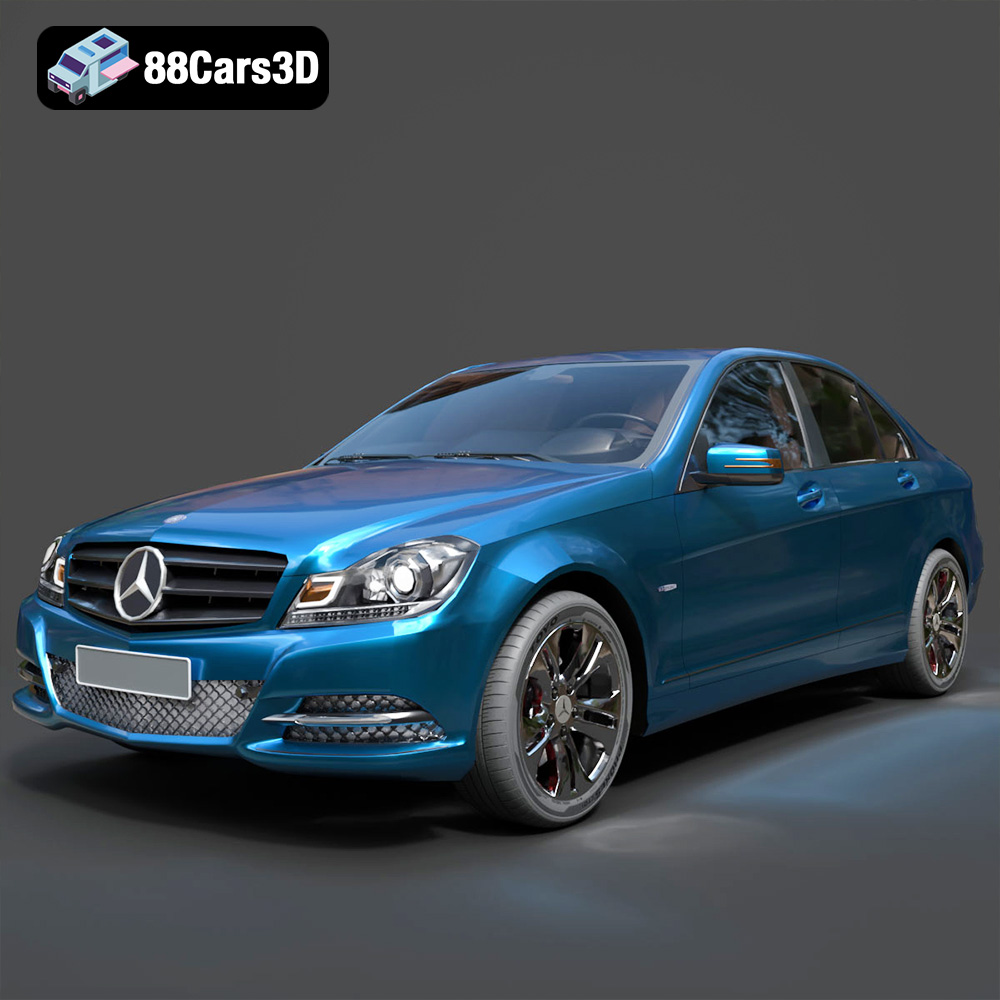
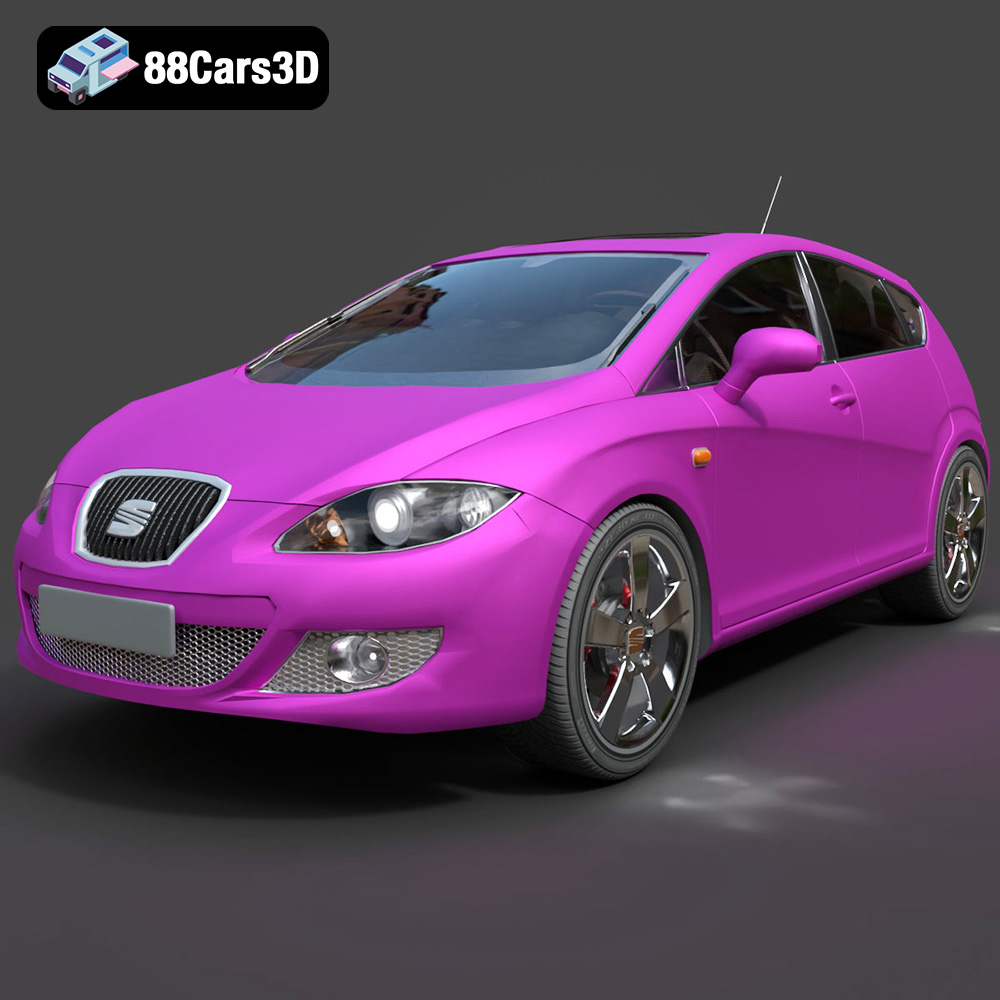
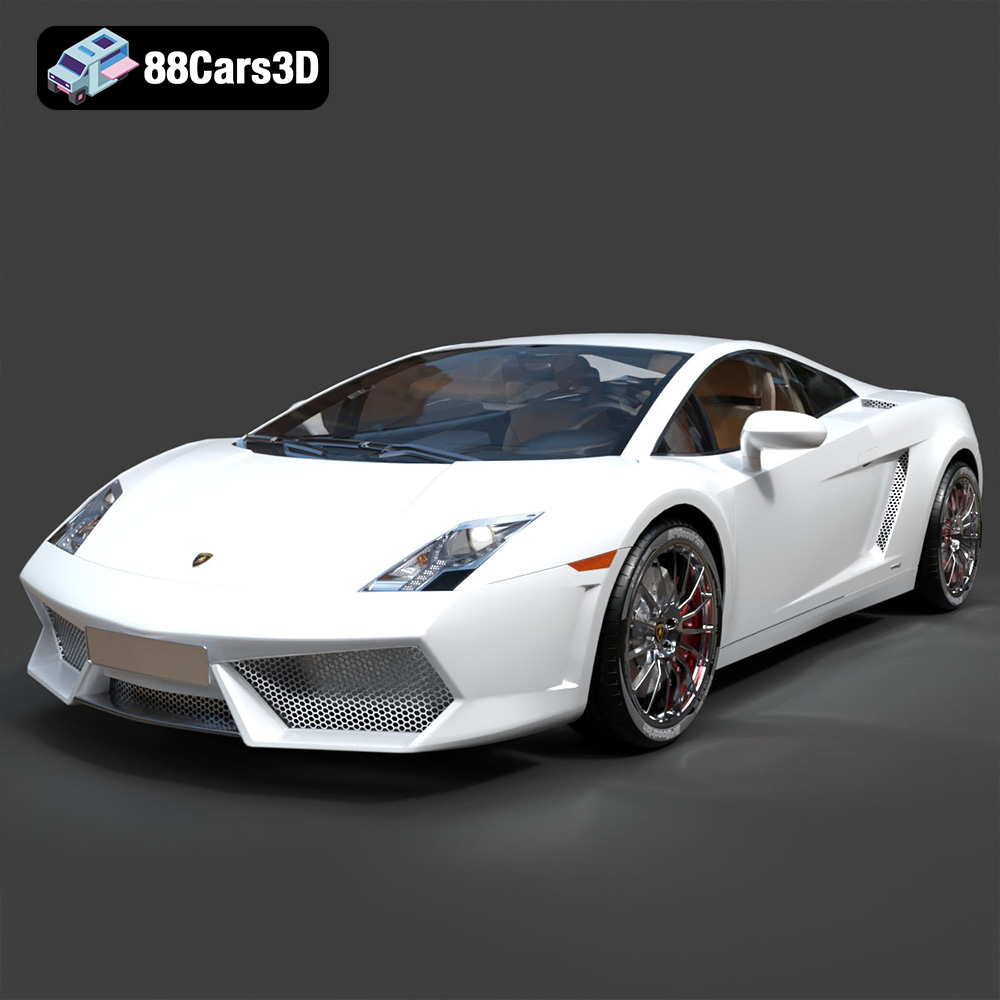
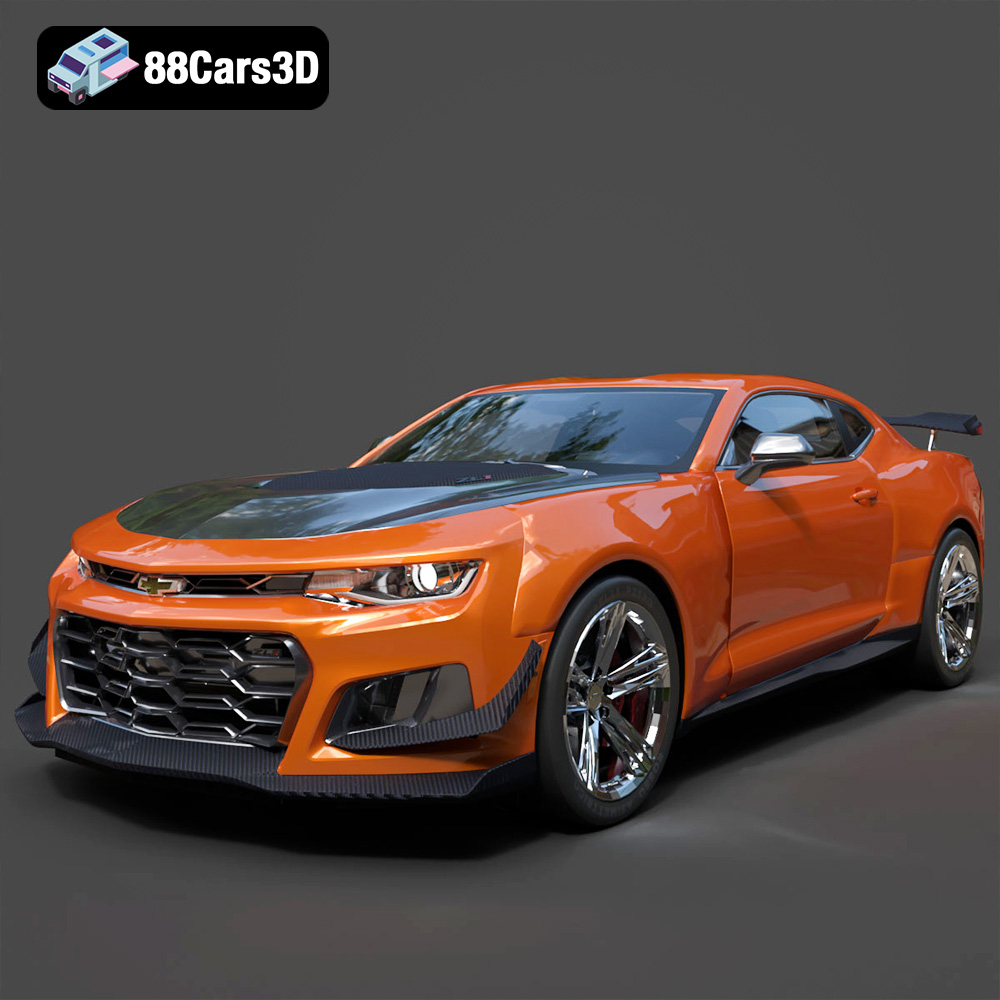
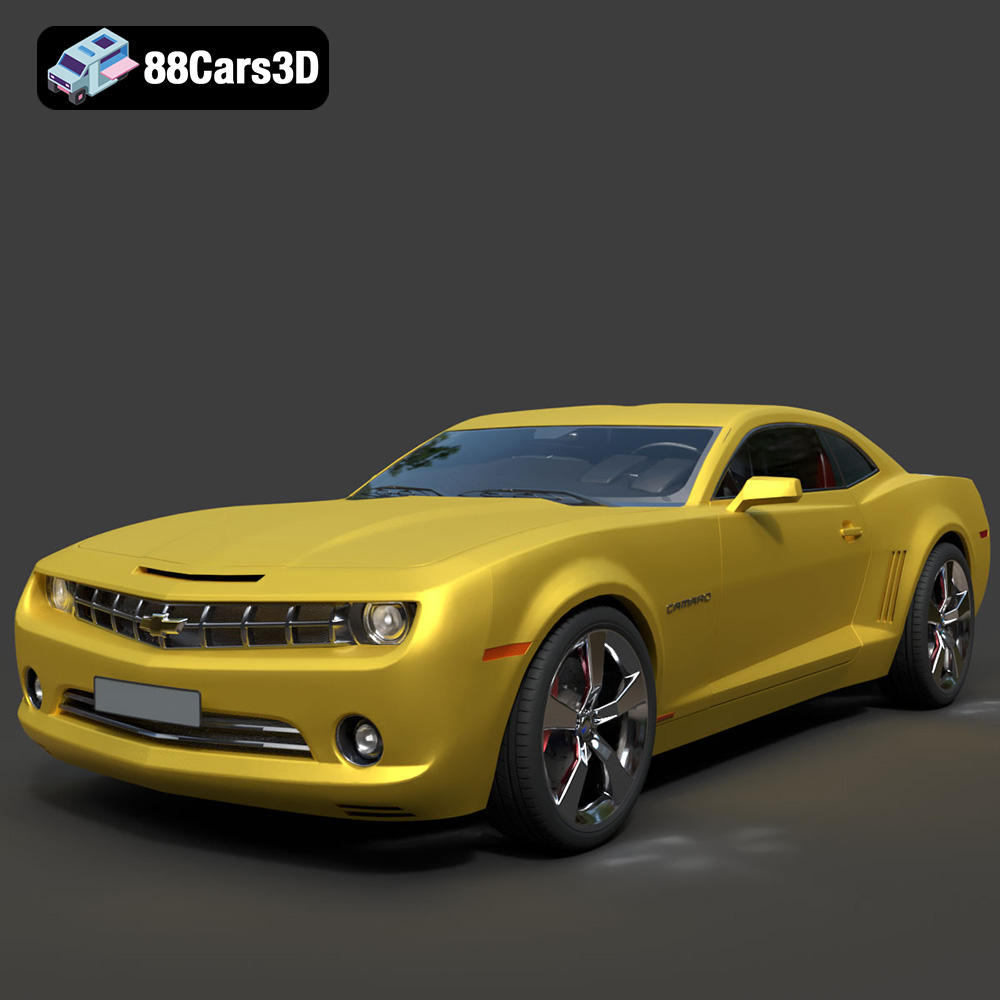
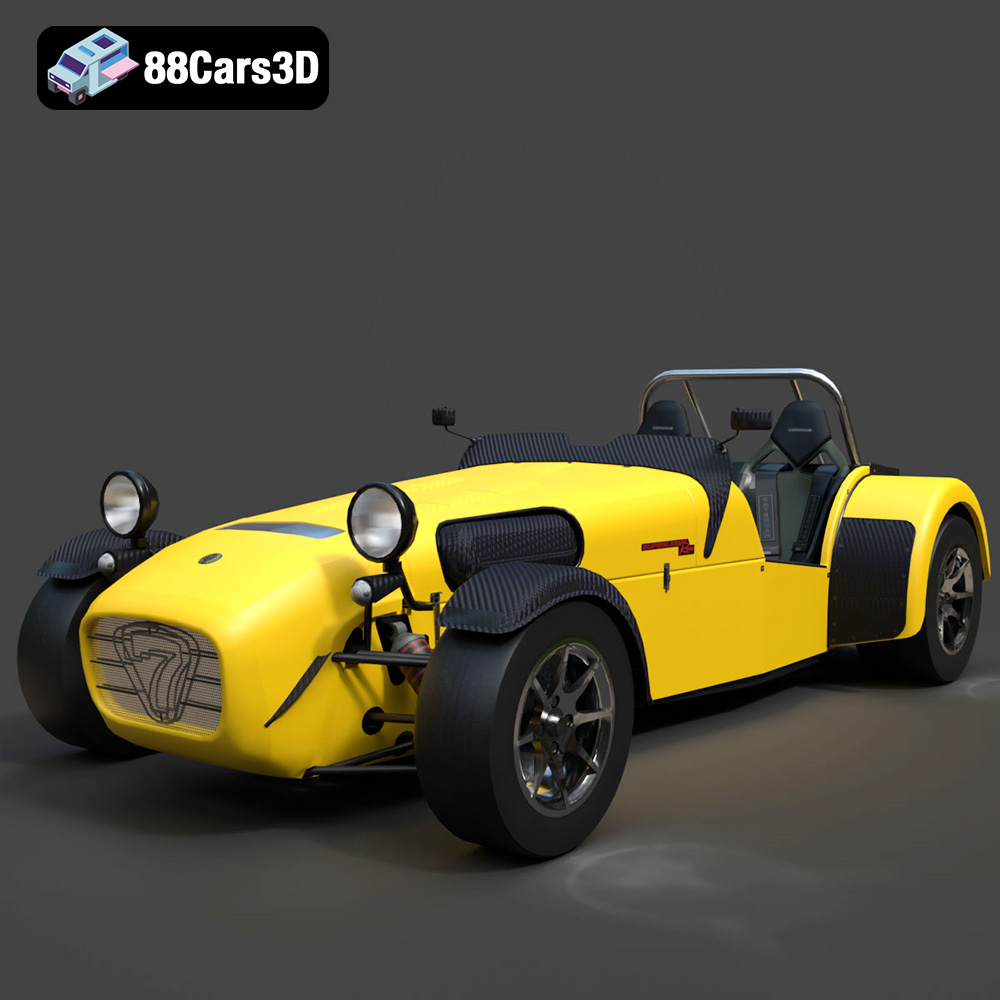
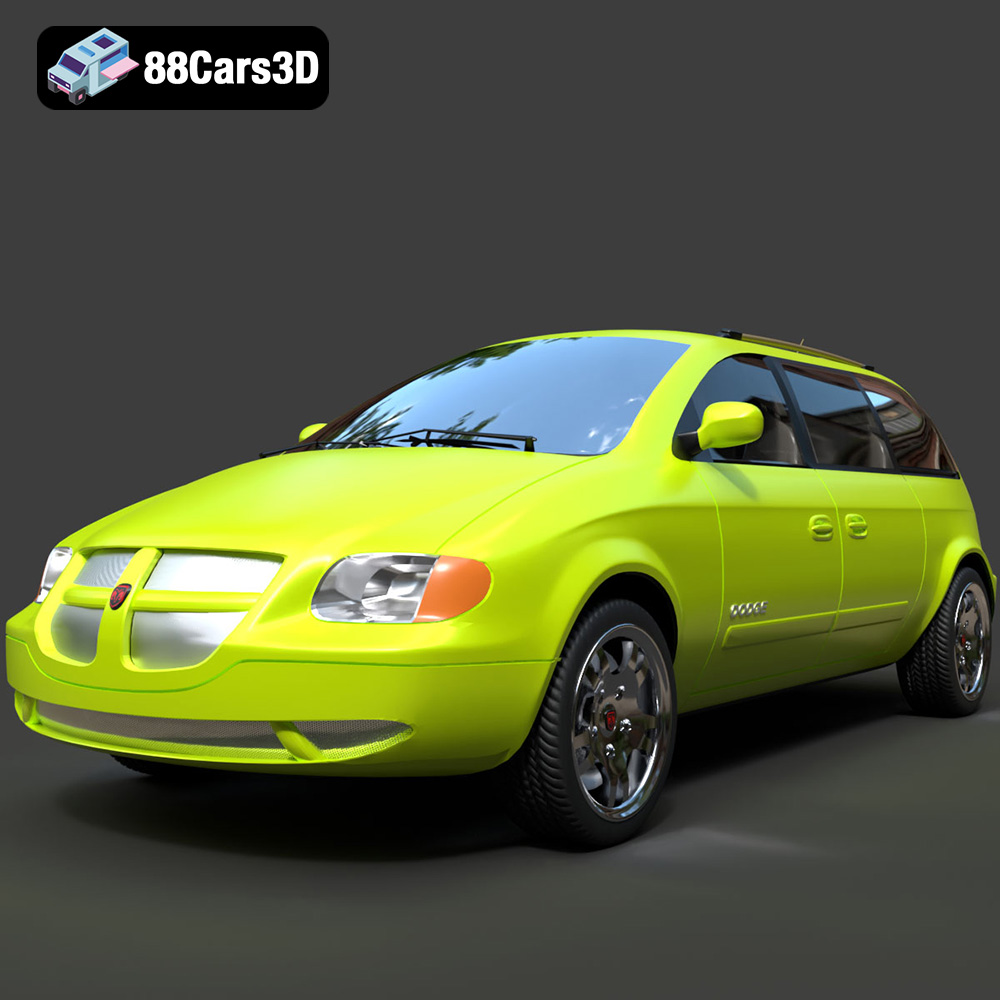
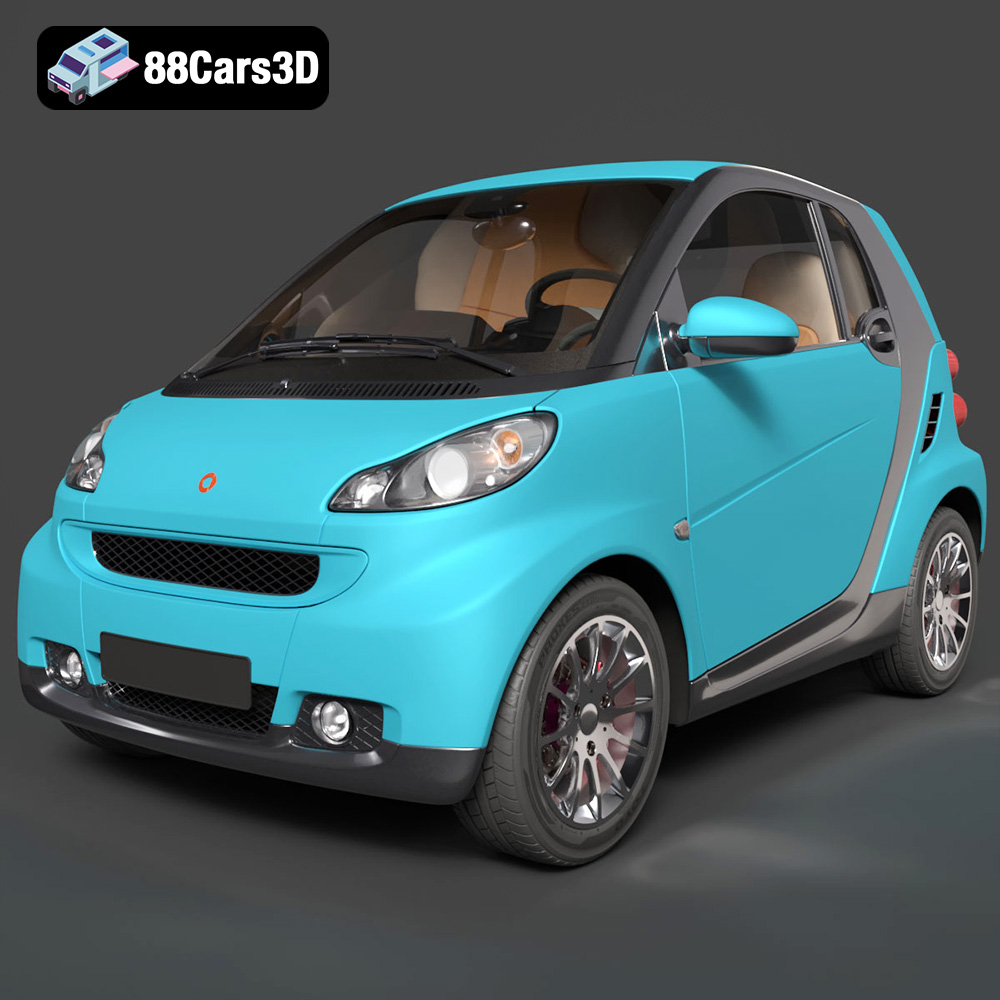
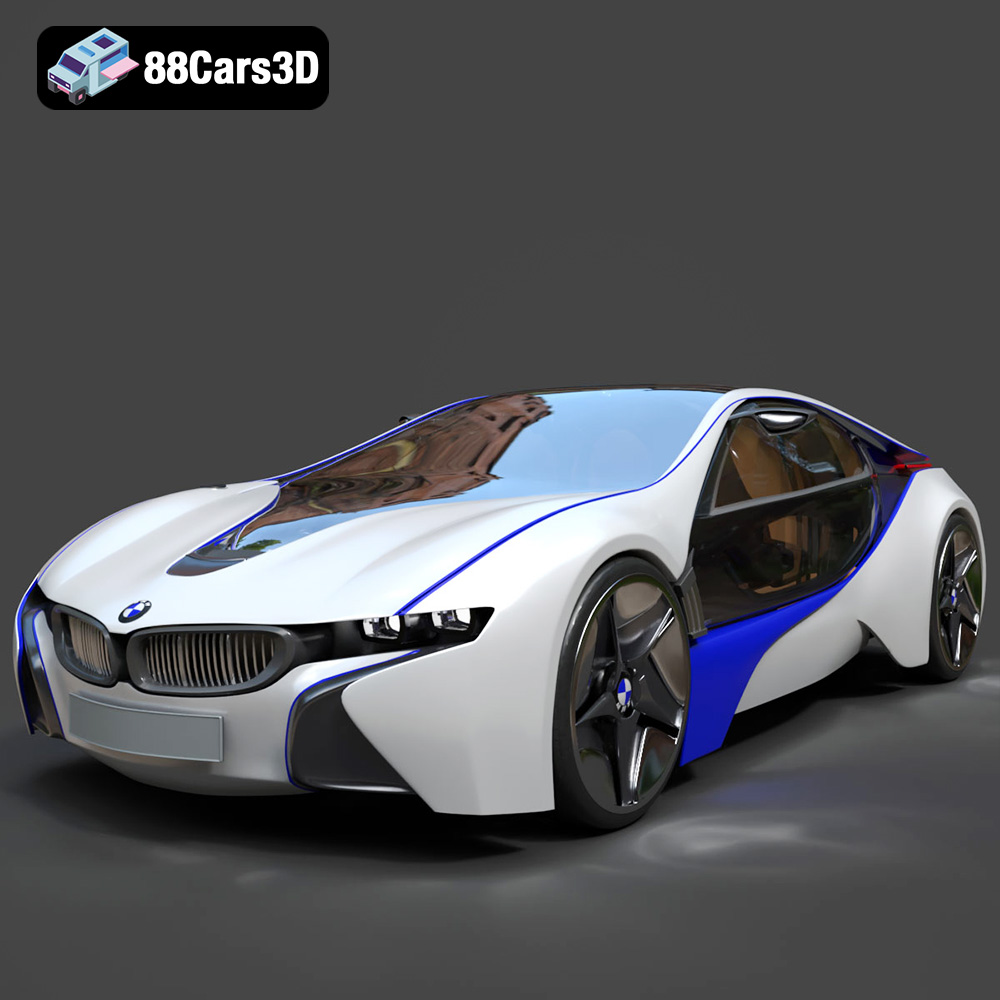
The automotive industry thrives on innovation, not just on the assembly line, but increasingly in the digital realm. From concept visualization and marketing campaigns to immersive video games and cutting-edge virtual reality experiences, high-quality 3D car models are the indispensable building blocks. These digital assets are far more than simple polygons; they represent countless hours of artistic skill, technical precision, and a deep understanding of automotive design.
In this comprehensive guide, we’ll delve deep into the world of 3D car models, exploring their critical role in achieving photorealistic automotive rendering and creating captivating game assets. We’ll uncover the technical nuances, essential workflows, and best practices that elevate digital vehicles from mere objects to lifelike representations, ready for any application. Whether you’re a seasoned 3D artist, a game developer, or an automotive designer looking to integrate digital solutions, understanding the intricacies of these models is paramount. Platforms like 88cars3d.com offer a vast array of professionally crafted 3D car models, serving as a vital resource for professionals seeking precision and quality without starting from scratch.
Understanding 3D Model File Formats: Choosing the Right Foundation
The foundation of any successful 3D project lies in selecting the appropriate file format. Each format serves a specific purpose, offering unique advantages and limitations in terms of compatibility, data retention, and optimization for particular workflows. Knowing which format to utilize can significantly streamline your production pipeline, whether you’re aiming for high-fidelity rendering, real-time game integration, or precise 3D printing. Let’s explore the most common and critical 3D car model file formats in detail.
.blend – The Native Blender Powerhouse
The .blend format is Blender’s native file type, encapsulating an entire Blender scene. This includes not just the mesh geometry, but also materials (with full node setups), textures, lights, cameras, animations, physics simulations, and any modifiers applied to the objects. Its primary advantage is complete editability within Blender. For artists working primarily in Blender, it offers unparalleled control and flexibility, preserving every aspect of the project for future revisions or complex animations. However, its native nature means it’s best suited for Blender users and can require export to other formats for use in different software or engines.
.fbx – The Industry Standard for Interchange
Autodesk’s .fbx (Filmbox) format has become an industry staple for exchanging 3D data between various software applications and game engines. It is incredibly versatile, supporting not only mesh data but also animations, cameras, lights, skeletal rigs, and PBR materials. This makes it ideal for pipelines involving multiple software packages, such as modeling in 3ds Max or Maya, animating in another, and then importing into Unreal Engine or Unity. For game assets, .fbx is often the go-to choice due to its robust support for animations and its widespread adoption in real-time environments. While powerful, users must be mindful of version compatibility, as issues can sometimes arise when importing FBX files created in newer software versions into older ones.
.obj – The Universal Mesh Communicator
The Wavefront .obj format is perhaps one of the most universal and widely supported 3D file formats. It’s a text-based format primarily designed to store geometry data—vertices, normals, UV coordinates, and faces. It can also reference external material files (.mtl) for basic color and texture mapping. Its strength lies in its simplicity and cross-software compatibility, making it an excellent choice for basic mesh transfer between virtually any 3D application. However, .obj files do not support animations, rigging, lights, or camera data, making them less suitable for complex animated scenes or direct game engine import without further preparation.
.glb – Optimized for AR, VR, and Web
.glb (GL Transmission Format Binary) is a modern, open-standard file format specifically designed for efficient transmission and loading of 3D scenes and models on the web and in augmented/virtual reality applications. It packages all necessary assets—geometry, materials, textures, animations—into a single, compact binary file. This optimization makes it perfect for interactive web-based configurators, AR experiences on mobile devices, or displaying models directly in browsers without complex plugins. While highly efficient for deployment, .glb files are generally less editable than native formats once exported, emphasizing their role as a delivery format.
.stl – The 3D Printing Blueprint
The .stl (Stereolithography) format is the undisputed standard for 3D printing. It describes only the surface geometry of a 3D object as a collection of unconnected triangular facets. This simple representation is universally accepted by 3D printers and slicing software, allowing them to translate the digital model into physical layers. STL files do not carry color, texture, or scene information, focusing purely on the physical shape. Due to its tessellated nature, it’s crucial that models intended for .stl export are watertight (manifold) to ensure successful printing, without any gaps or holes in the mesh.
.ply – Precision Mesh for Scans and Analysis
The .ply (Polygon File Format) is often associated with 3D scanning and scientific applications. It’s capable of storing a wider range of information than .obj or .stl, including color per vertex, transparency, surface normals, texture coordinates, and even confidence values from scanning devices. This makes it a robust format for capturing and analyzing precise geometric data from real-world objects. While less common in general 3D design pipelines, .ply is invaluable for reverse engineering, archaeological documentation, and specialized engineering applications where detailed point cloud or mesh data is critical.
.unreal – Engine-Ready Real-Time Asset
While technically not a specific file format in the same way .fbx or .obj are, “.unreal” refers to an asset that has been fully processed, optimized, and imported into the Unreal Engine. This typically begins with an .fbx or .gltf file that is then configured within the engine. An engine-ready Unreal asset has had its materials set up using Unreal’s robust PBR (Physically Based Rendering) system, LODs (Levels of Detail) generated, collision meshes created, and potentially animations integrated. When someone refers to an “.unreal” car model, they’re indicating an asset that is fully prepared for real-time environments, taking advantage of Unreal’s specific rendering pipeline and optimizations for performance and visual fidelity.
.max – The 3ds Max Project File
Similar to .blend for Blender, the .max format is the native project file for Autodesk 3ds Max. It stores all data related to a 3ds Max scene, including geometry, modifiers, materials, textures, lights, cameras, animation keyframes, and render settings. For artists and studios heavily invested in the 3ds Max ecosystem, the .max file provides complete access to the model’s construction history and all scene elements. This allows for intricate adjustments, complex rigging, and sophisticated animation setups. Like .blend, its main limitation is its software specificity, requiring other formats for interoperability with different 3D applications.
Selecting the right format is a strategic decision that impacts the entire production lifecycle of your 3D car model. By understanding the strengths of each, you can ensure your assets are not only visually stunning but also technically sound and optimally prepared for their intended application, whether it’s a breathtaking render or an interactive game world.
Mastering Automotive Rendering for Photorealism
Photorealistic automotive rendering is an art form that demands meticulous attention to detail, advanced software knowledge, and a keen eye for lighting and materials. The goal is to create images so lifelike they are indistinguishable from real-world photographs. This is crucial for marketing, design reviews, and showcasing concepts before physical prototypes exist.
The Art of Lighting and Environment Setup
- HDRI (High Dynamic Range Imaging): HDRI maps are essential for realistic lighting. They capture light information from real-world environments, allowing your 3D scene to be illuminated with accurate light temperatures, intensities, and reflections. Using a studio HDRI for controlled product shots or an outdoor environment HDRI for contextual renders can dramatically enhance realism.
- Physical Lights and Reflectors: Beyond HDRIs, strategic placement of virtual area lights, spot lights, and even simulated softbox reflectors can highlight specific contours of the car, emphasize design lines, and create compelling reflections. Understanding real-world photography principles is invaluable here.
- Ground Plane and Backdrops: A realistic ground plane with subtle imperfections and appropriate texture (concrete, asphalt) helps ground the vehicle in the scene. Backdrops, whether simple studio infinite sweeps or detailed environments, provide context and depth without distracting from the car.
Advanced Material and Texture Creation
- Physically Based Rendering (PBR): PBR materials are fundamental for modern photorealism. They simulate how light interacts with surfaces in a physically accurate manner. Key PBR channels include Albedo/Base Color, Metallic, Roughness, Normal, and sometimes Ambient Occlusion. For automotive paints, advanced PBR setups might involve layered materials for clear coat, metallic flakes, and subsurface scattering for headlights.
- Detailing with Texture Maps: High-resolution texture maps are critical for intricate details like tire treads, brake disc scratches, carbon fiber weaves, and interior upholstery. Procedural textures can also be used for certain effects, offering flexibility and resolution independence.
- Car Paint Shaders: Recreating realistic car paint is one of the biggest challenges. This involves complex shader graphs that simulate metallic flakes, clear coat reflections (Fresnel effect), and subtle color shifts at different angles. Software like V-Ray, Corona Renderer, and Arnold offer robust tools for crafting these sophisticated materials.
Post-Processing for that “Camera” Look
- Color Grading and Tone Mapping: Once rendered, the image often benefits from color grading to enhance mood, correct color imbalances, and ensure a cohesive aesthetic. Tone mapping adjusts the overall brightness and contrast to bring out details in both highlights and shadows.
- Depth of Field and Motion Blur: These camera effects add realism by mimicking how a physical camera perceives the world. Depth of field draws attention to the subject by blurring the foreground and background, while motion blur can convey speed in action shots.
- Lens Effects and Compositing: Subtle lens flares, chromatic aberration, vignetting, and grain can emulate real-world camera optics. Compositing rendered passes (e.g., reflection pass, shadow pass) in software like Adobe Photoshop or Nuke allows for non-destructive adjustments and finer control over the final image.
Integrating 3D Cars into Game Development & Real-Time Engines
For game developers, 3D car models are more than just visual assets; they are interactive elements that must perform flawlessly in real-time environments. Optimizing these models for game engines like Unreal Engine and Unity is a specialized skill that balances visual fidelity with performance constraints.
Optimization Strategies for Real-Time Performance
- Polygon Count Management and LODs: High-detail models suitable for rendering often have millions of polygons, which is too demanding for real-time. Game-ready models require significant poly-reduction. This is achieved through careful retopology and the creation of Levels of Detail (LODs) – progressively simpler versions of the model that swap in as the camera moves further away, reducing rendering overhead. A typical high-quality game car might have 100k-200k polys for LOD0, dropping to a few thousand for LOD3.
- Efficient UV Mapping and Texture Atlases: Clean, non-overlapping UV maps are crucial for applying textures without distortion. Texture atlases, which combine multiple smaller textures into a single, larger image, minimize draw calls and improve performance by reducing the number of texture swaps the GPU needs to perform.
- Material Budgeting and PBR Workflow: While games use PBR, the complexity of materials must be managed. Using fewer, more efficient PBR materials (e.g., combining metallic and roughness maps into a single channel where possible) and optimizing texture resolutions helps maintain frame rates.
Importing and Configuring in Game Engines (Unreal, Unity)
- Unreal Engine Workflow: Typically, game-ready 3D car models are imported into Unreal Engine via .fbx. Once imported, artists configure materials using Unreal’s robust material editor, setting up PBR values, clear coats, and decals. Collision meshes (simple convex shapes or custom-made low-poly meshes) are then added for physical interaction. Blueprints are often used to integrate vehicle physics, animations (doors, wheels), and interactive elements.
- Unity Workflow: Similar to Unreal, Unity also heavily relies on .fbx for importing character and vehicle models. Materials are set up using Unity’s Standard Shader or HDRP/URP shaders for PBR. Colliders are added to meshes, and scripts are written (in C#) to handle vehicle physics, controls, and dynamic elements. LOD groups are configured to manage performance scaling based on distance.
Setting up Vehicle Physics and Interactivity
- Wheel Colliders and Suspension: Implementing realistic vehicle physics requires carefully setting up wheel colliders (or raycasts) and configuring suspension parameters, friction curves, and engine torque. This ensures the car reacts believably to terrain and player input.
- Damage Systems and Dynamic Elements: Advanced game assets might include dynamic damage systems, allowing parts of the car to deform or break off in response to collisions. Interactive elements like opening doors, working headlights, and interior gauges add to the immersion and complexity of the model, often requiring rigging and animation within the 3D software before import.
Beyond Rendering & Gaming: AR/VR, Visualization, and 3D Printing
The utility of high-quality 3D car models extends far beyond traditional rendering and game development. Their versatility makes them invaluable tools for augmented reality (AR), virtual reality (VR), interactive product visualization, and even precise 3D printing, opening up new avenues for engagement and design exploration.
Immersive Experiences with AR/VR
- AR Car Configurators: Imagine pointing your phone at your driveway and seeing a life-sized virtual car appear, allowing you to change colors, rims, and interior options in real-time. This is made possible by optimized 3D car models and AR frameworks like ARKit or ARCore, using formats like .glb for efficient delivery.
- VR Showrooms and Test Drives: Virtual reality offers an unparalleled sense of presence. Automotive manufacturers are increasingly using VR for virtual showrooms where customers can explore vehicles in 360 degrees, sit inside, and even take virtual test drives, all powered by highly detailed, performance-optimized 3D car models.
- Training and Simulation: AR/VR also finds applications in professional training. Mechanics can practice repairs on virtual engines, or drivers can experience simulated hazardous conditions, leveraging accurate 3D models for realistic scenarios.
Interactive Product Visualization and Configuration
- Web-Based 3D Viewers: Many automotive brands now feature interactive 3D viewers on their websites, allowing potential buyers to rotate, zoom, and explore a vehicle from every angle. These typically use highly optimized models, often in .gltf or .glb format, rendered in real-time in the browser.
- Real-time Configurator Applications: Advanced configurators allow users to customize nearly every aspect of a car – paint, wheels, interior trim, accessories – and see the changes reflected instantly. These applications rely on modular 3D car models where components can be swapped out dynamically, often developed in game engines or specialized real-time rendering software.
Precision for 3D Printing
- Prototyping and Concept Models: Before committing to expensive physical prototypes, designers use 3D car models to 3D print scaled versions for tactile review. This allows them to assess proportions, ergonomics, and aesthetic details in a physical form, saving time and resources.
- Educational Models and Collectibles: Highly detailed 3D car models can be prepared for 3D printing as educational tools, dioramas, or collectible scale models. For this purpose, models must be “watertight” (manifold) and often require specific geometric considerations for printability, typically exported as .stl or .obj.
Workflow Optimization and Best Practices
Achieving consistently high-quality 3D car models, whether for stunning renders or optimized game environments, relies on a disciplined workflow and adherence to industry best practices. Efficiency, consistency, and future-proofing are key considerations.
Modular Design and Asset Management
- Component-Based Modeling: Building a car model in a modular fashion (e.g., separate objects for body panels, wheels, interior, lights) offers immense flexibility. It allows for easier modifications, variations (e.g., different rim designs), and optimization (e.g., hiding interior components for exterior shots).
- Layering and Naming Conventions: A well-organized scene with clear naming conventions for objects, materials, and textures is crucial for large projects and team collaboration. Consistent layering (e.g., “Body_HighPoly,” “Wheels_LowPoly”) simplifies scene navigation and management.
- Version Control: Using version control systems (like Perforce or Git LFS) is critical for managing changes, tracking revisions, and enabling multiple artists to work on different parts of a project without conflicts.
Data Preparation and Cleaning for Different Applications
- Topology Optimization (Retopology): For game assets, manual or automated retopology is often necessary to create a clean, quad-based mesh with an optimized polygon count, suitable for real-time deformation and efficient UV mapping.
- UV Unwrapping and Texturing Best Practices: Clean UV unwrapping, minimizing stretching and seams, is paramount. For high-resolution rendering, UVs are often broken into multiple maps. For games, texture atlases and efficient packing are preferred. Baking high-poly details (normals, ambient occlusion) onto low-poly meshes is a standard game development technique.
- Pre-Export Checks: Before exporting to any format, it’s vital to perform checks: ensure all normals are facing correctly, remove duplicate vertices, fix non-manifold geometry, and confirm all transformations are frozen or reset. These steps prevent common import errors in other software or engines.
Collaboration and Asset Libraries
- Team Collaboration Tools: In larger studios, specialized asset management tools and cloud-based platforms facilitate collaboration, allowing artists to share assets, track progress, and manage feedback efficiently.
- Building an Internal Asset Library: Developing an internal library of frequently used components (e.g., standard tire treads, common interior materials) saves significant time and ensures consistency across projects. This is where platforms like 88cars3d.com become incredibly valuable, providing a starting point of high-quality, pre-made assets that meet professional standards, allowing artists to focus on customization and unique elements rather than building every part from scratch.
Future Trends in 3D Automotive Design and Digital Assets
The world of 3D modeling and visualization is constantly evolving. Staying abreast of emerging technologies and trends is crucial for professionals leveraging 3D car models to remain competitive and innovative.
Real-Time Ray Tracing and Path Tracing
- Enhanced Visual Fidelity: Traditionally the domain of offline rendering, real-time ray tracing is becoming increasingly viable in game engines and interactive applications. This technology simulates light paths with unprecedented accuracy, enabling hyper-realistic reflections, global illumination, and shadows in real-time.
- Impact on Workflows: As real-time ray tracing matures, the gap between offline renders and interactive experiences will shrink. This means 3D car models will need to be increasingly robust in terms of geometric detail and PBR material setup to fully exploit these capabilities.
Procedural Generation and Parametric Design
- Automating Design Variations: Tools like SideFX Houdini are at the forefront of procedural modeling, allowing artists to define rules and parameters for generating complex geometry. This can be used to rapidly create countless variations of car components (e.g., rim designs, grille patterns) or even entire car bodies based on specific inputs.
- Dynamic Customization: Parametric design empowers users to dynamically adjust car features in real-time, offering unparalleled customization possibilities for both designers and end-users in configurator applications.
Artificial Intelligence and Machine Learning in 3D
- AI-Assisted Modeling and Texturing: While not the focus of this article’s creation, AI is beginning to assist with tasks like generating PBR textures from simple images, suggesting design variations, or even automating parts of the retopology process. This could significantly speed up production cycles.
- Smart Material Systems: Future material systems could leverage AI to intelligently adapt to lighting conditions or even “learn” desired aesthetic outcomes based on user input, creating more realistic and dynamic finishes for 3D car models.
Conclusion
The journey from a digital concept to a photorealistic render or a high-performance game asset is intricate, demanding a blend of artistic vision and technical mastery. High-quality 3D car models are the cornerstone of this process, enabling automotive designers, marketing professionals, and game developers to push the boundaries of visual fidelity and interactive experiences.
We’ve explored the critical importance of understanding diverse file formats, mastering the nuances of automotive rendering through sophisticated lighting and PBR materials, and optimizing assets for demanding real-time environments. Furthermore, the expanding applications in AR/VR, interactive visualization, and even 3D printing underscore the versatility and growing demand for meticulously crafted digital vehicles.
As technology continues to evolve with trends like real-time ray tracing and advanced procedural design, the workflows for creating and utilizing these models will only become more sophisticated. For professionals seeking to streamline their projects and ensure the highest standards of quality, resources like 88cars3d.com offer a robust selection of meticulously prepared 3D car models, ready to integrate into any demanding production pipeline. Investing in quality assets and understanding the technical backbone of 3D production is not just a best practice; it’s a necessity for staying ahead in the dynamic world of digital automotive design.
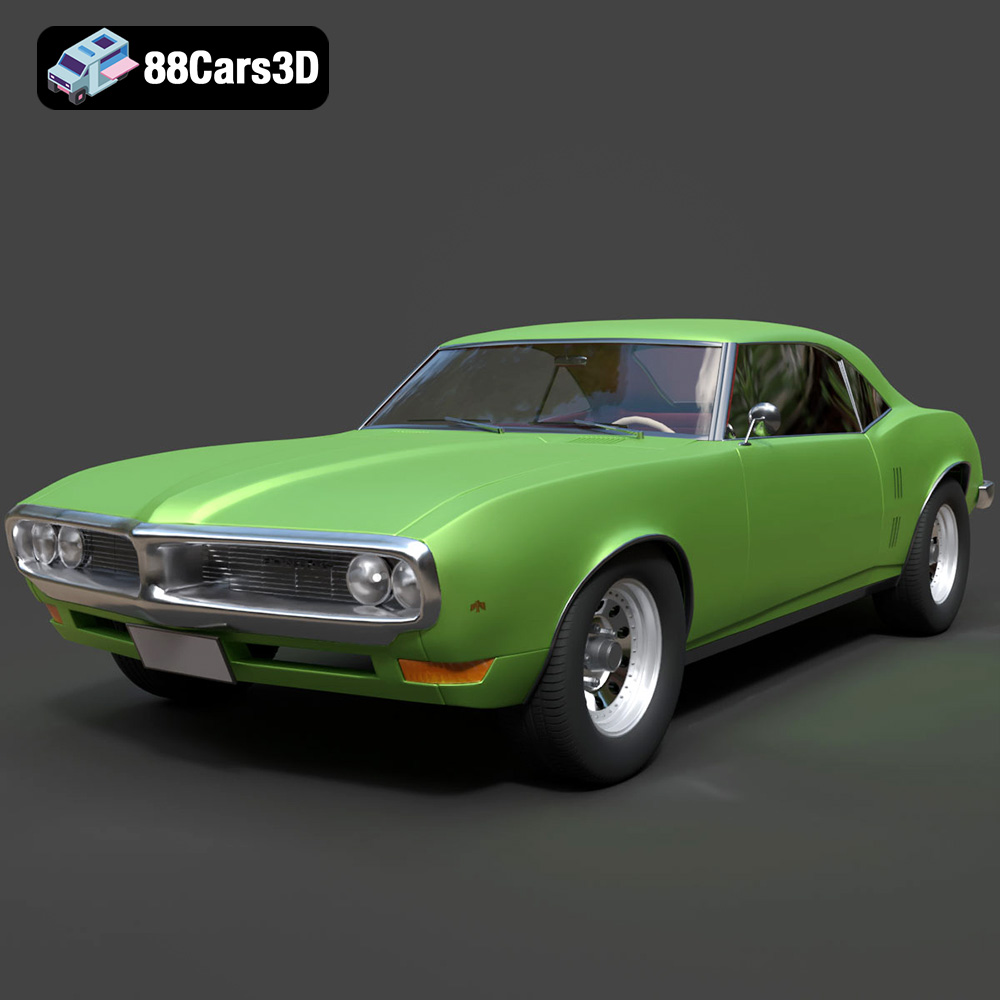
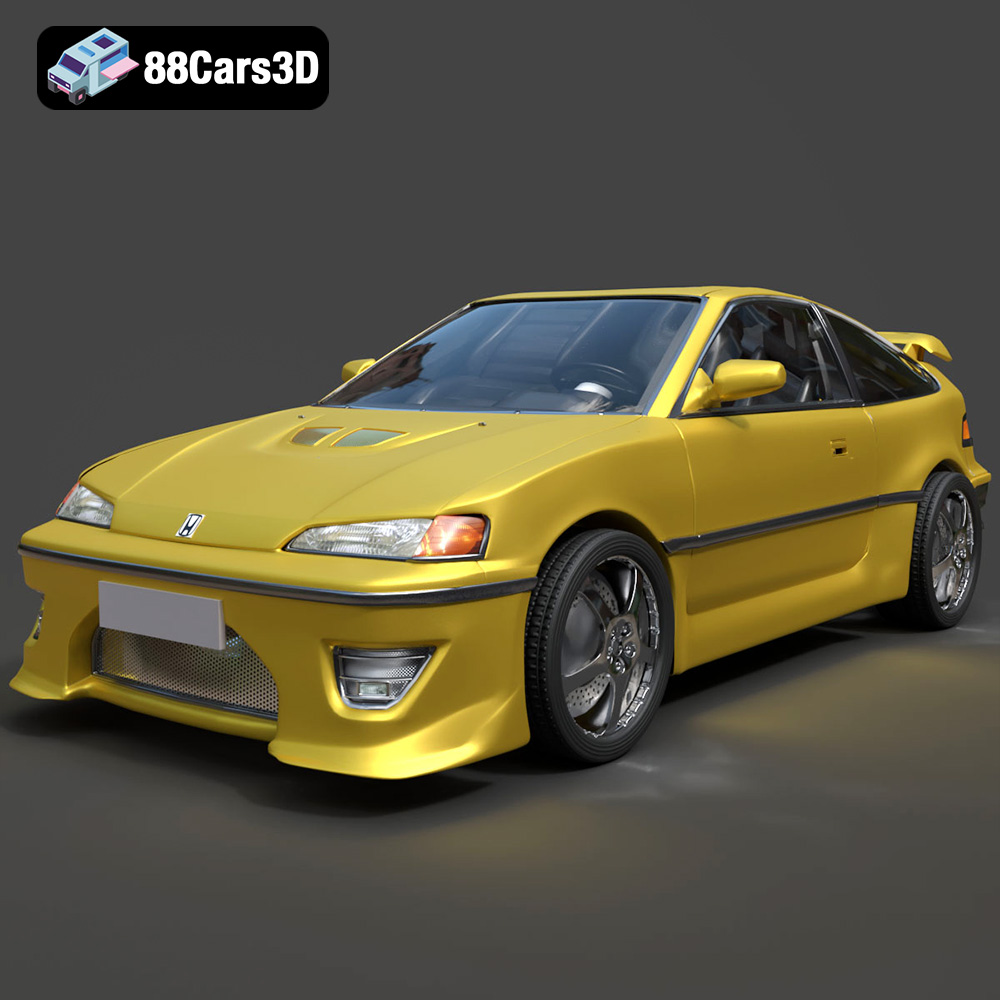
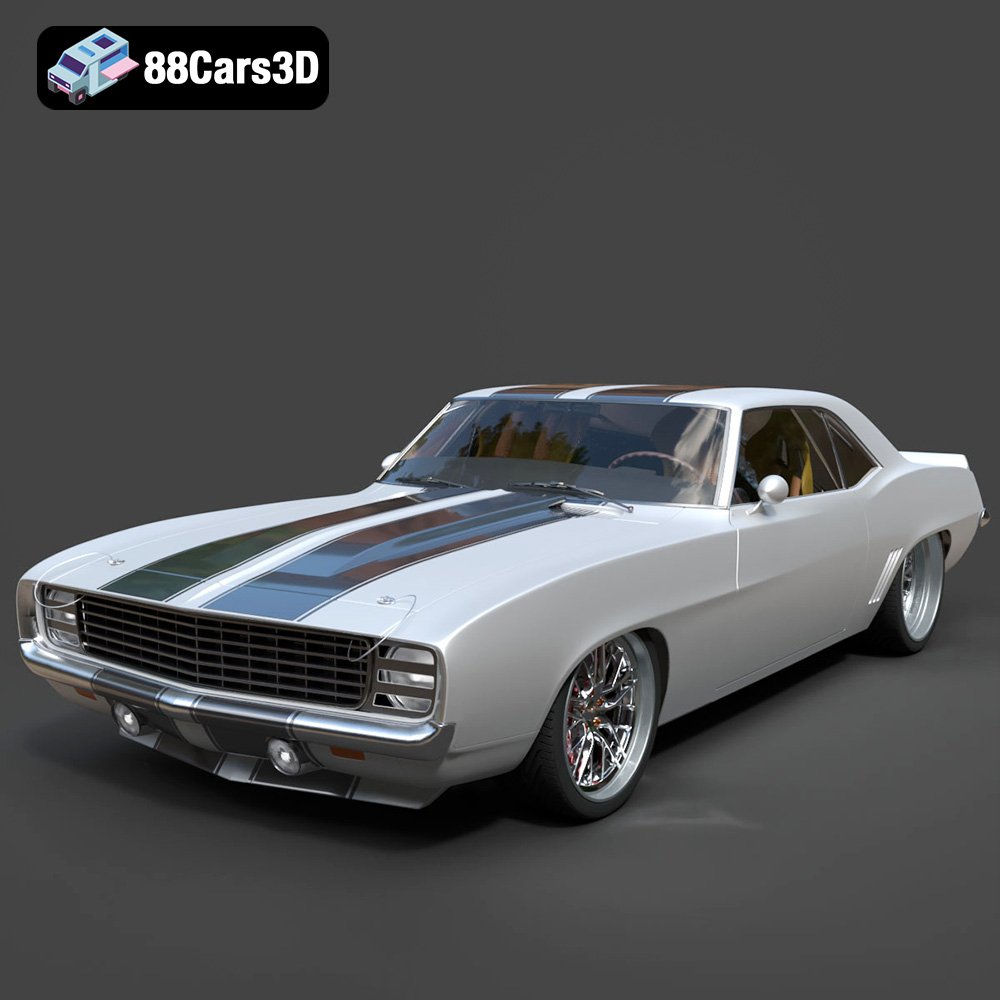
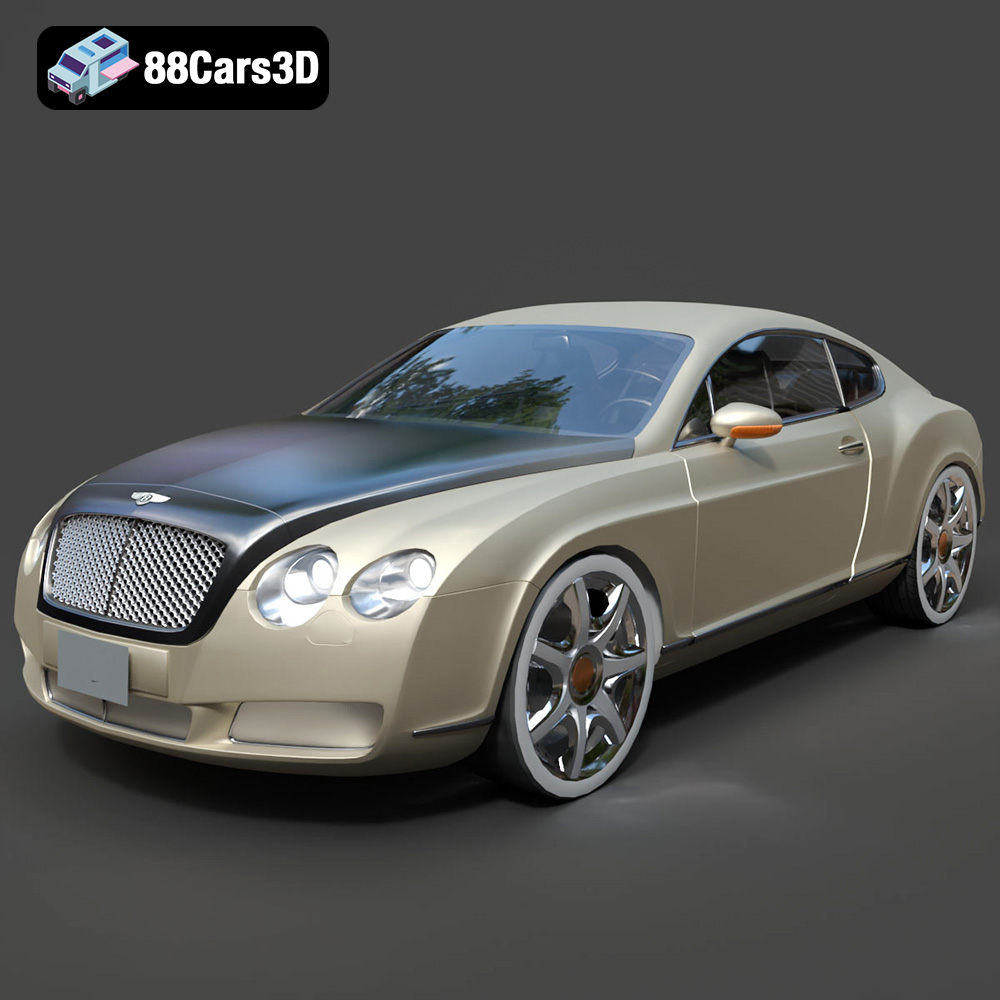
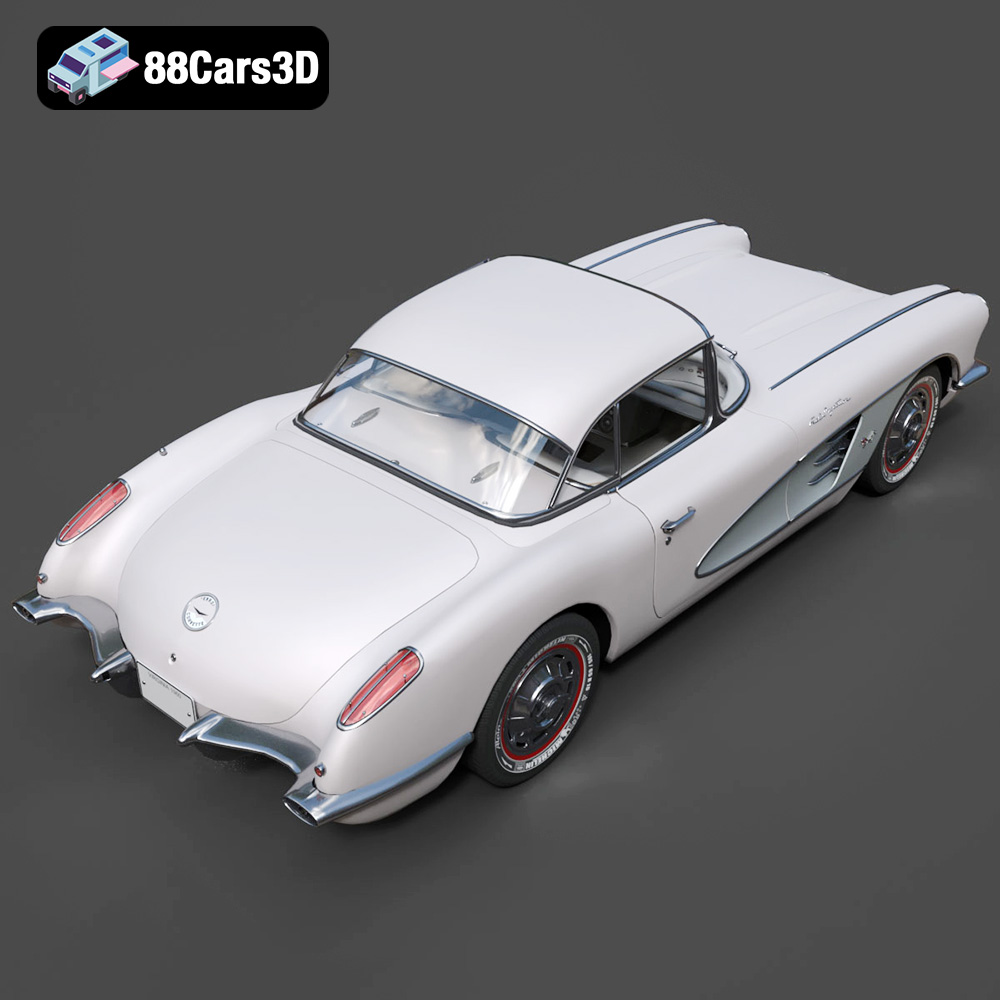
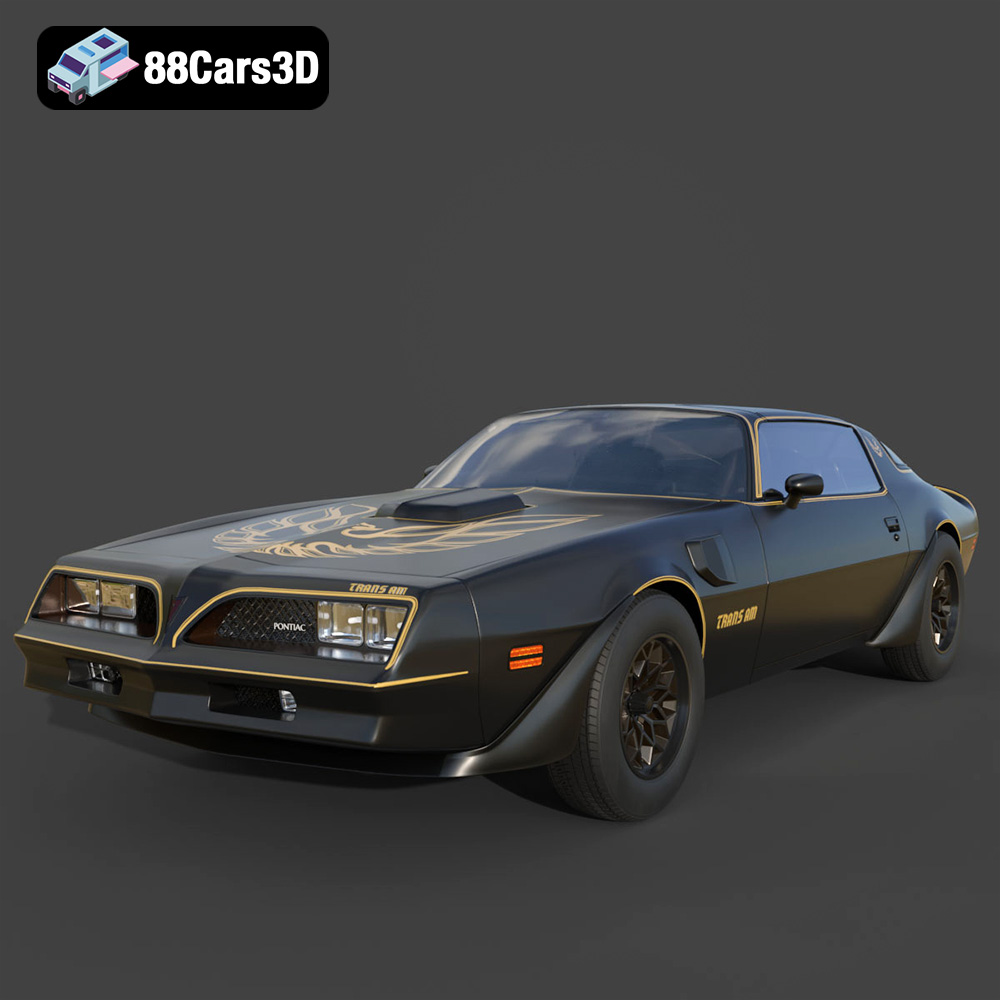
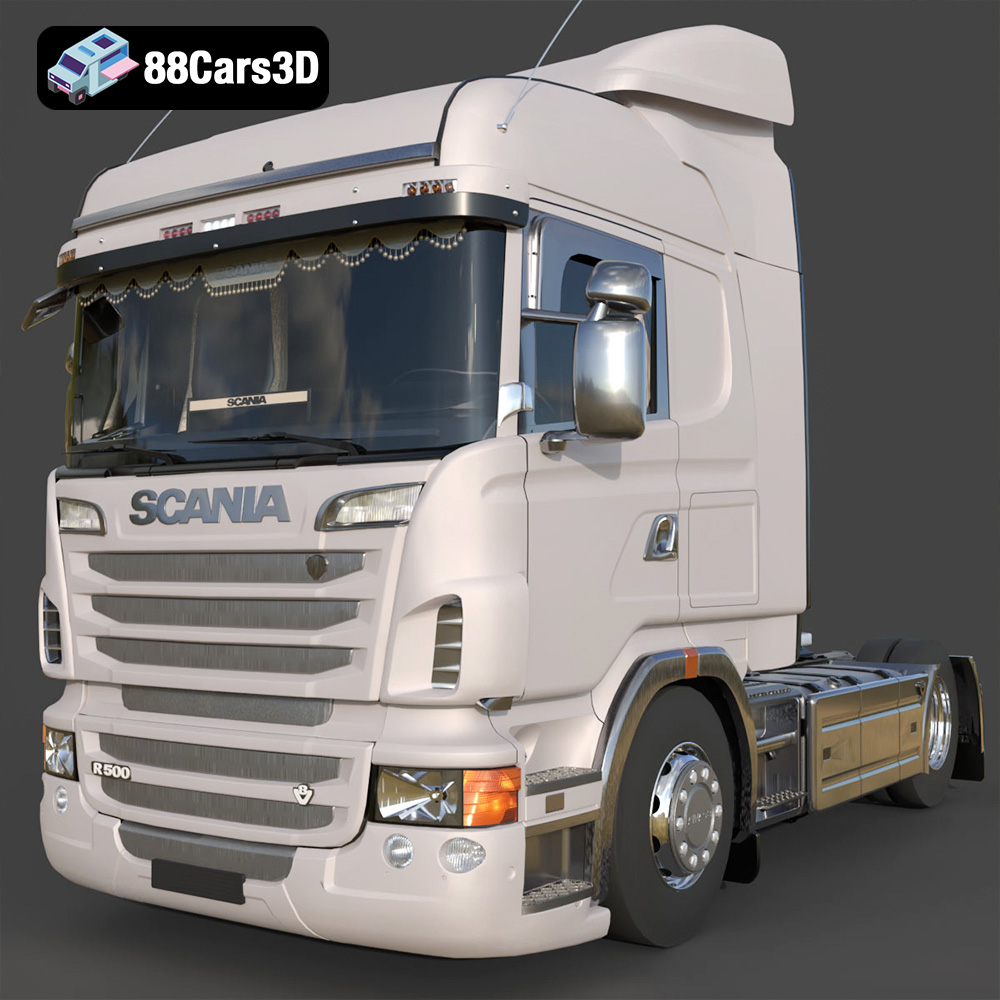
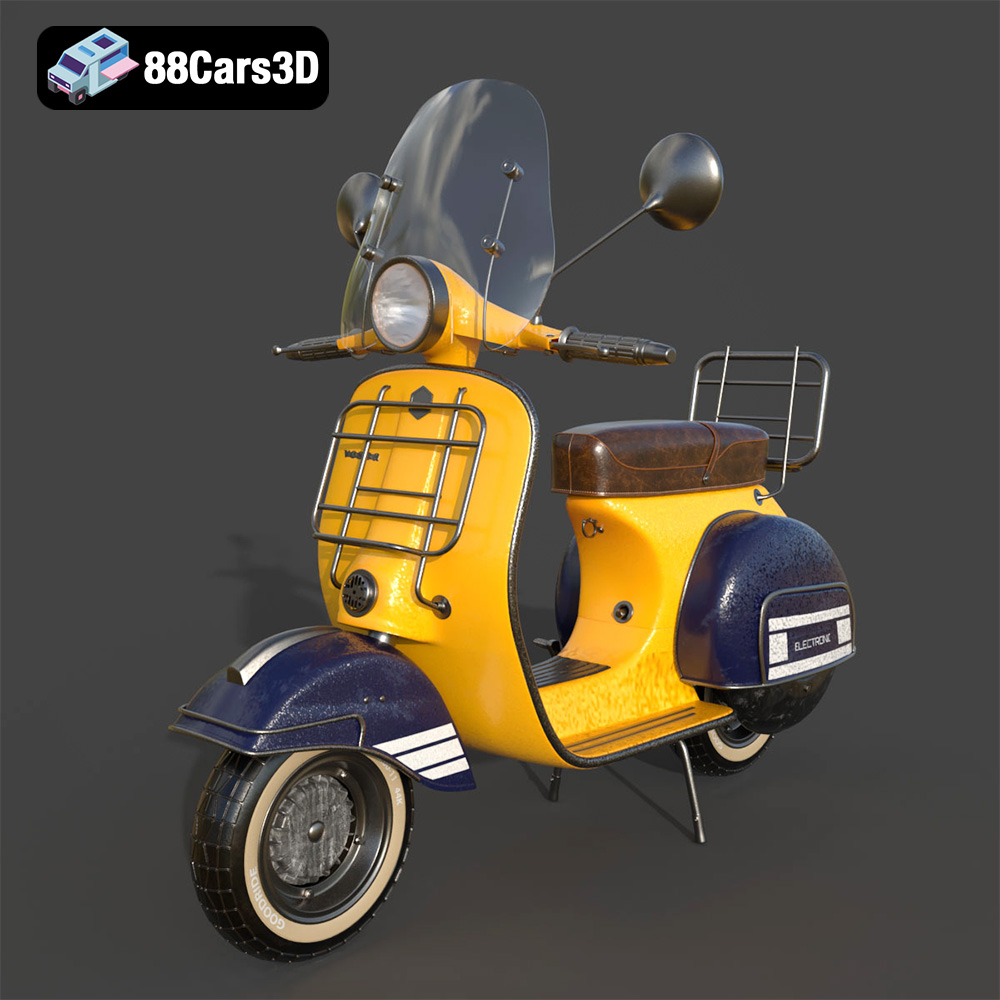
Featured 3D Car Models