

“`html
The world of 3D printing has revolutionized how we approach hobbies, prototyping, and even collecting. For automotive enthusiasts, this means bringing iconic cars and intricate components to life right on our desktops. Whether you’re looking to create a detailed display model, a functional part for a RC car, or even a prototype for a custom automotive design, the choice of material is paramount. At 88cars3d.com, we understand that the quality of your 3D printable car models hinges not only on the STL file’s integrity but also on the filament or resin you select and how you print it. This guide delves deep into the best resins and filaments for automotive 3D prints, exploring their properties, ideal applications, and essential printing considerations to help you achieve stunning results with your next project.
Understanding Your 3D Printing Material Options
The foundation of any successful 3D print lies in selecting the appropriate material for the job. For automotive applications, this often means balancing aesthetics, durability, and printability. Two primary categories dominate the landscape: Fused Deposition Modeling (FDM) filaments and Stereolithography (SLA) / Digital Light Processing (DLP) resins. Each has its strengths and weaknesses, making them suitable for different aspects of automotive modeling.
FDM Filaments: The Workhorse of 3D Printing
FDM printing, also known as fused filament fabrication, involves extruding melted plastic layer by layer. This technology is accessible, versatile, and widely used for creating robust parts. The range of available filaments is vast, each offering unique mechanical and thermal properties. For automotive prints, the most common and effective filaments include PLA, PETG, and ABS, with more specialized options like Nylon and TPU catering to specific needs.
PLA (Polylactic Acid) remains a favorite for beginners and many hobbyists due to its ease of printing, low warping, and pleasant finish. It’s excellent for detailed display models where high mechanical strength isn’t the primary concern. However, its low heat resistance (around 60°C) limits its use in applications exposed to high temperatures, such as engine bay components or parts near a car’s interior electronics.
PETG (Polyethylene Terephthalate Glycol) offers a significant upgrade in terms of strength and temperature resistance compared to PLA. It’s tougher, more durable, and has better chemical resistance, making it suitable for functional parts that might experience some stress or mild environmental exposure. PETG can be slightly trickier to print than PLA, often requiring precise temperature control and retraction settings to avoid stringing, but its improved mechanical properties make it a compelling choice for many automotive parts, from chassis components to exterior accessories.
ABS (Acrylonitrile Butadiene Styrene) is renowned for its high impact resistance, temperature resistance (up to 100°C), and post-processing capabilities (sanding, gluing, painting). It’s the same material used in many consumer products and LEGO bricks. However, ABS is notorious for its tendency to warp during printing, requiring an enclosed printer and a heated bed set to higher temperatures (around 100-110°C) to achieve successful prints. It also emits fumes that necessitate good ventilation. For parts that need to withstand significant stress or mimic the feel of production plastics, ABS is often the go-to.
Resins: Precision and Surface Finish
Resin printing technologies like SLA and DLP build objects by curing liquid photopolymer resin with UV light, layer by layer. This process typically yields incredibly high detail and smooth surface finishes, making them ideal for intricate scale models, detailed components, and prototypes where visual fidelity is critical. The variety of resins available allows for tailoring properties such as strength, flexibility, and even specific functionalities.
Standard Resins are the most common and cost-effective option, offering good detail and a smooth finish. They are perfect for creating highly detailed car models, body kits, or interior components where the primary goal is visual accuracy and display quality. While they offer excellent printability, they can be brittle and are not suitable for high-stress functional parts.
Tough or ABS-like Resins are engineered to mimic the mechanical properties of ABS plastic. They offer increased impact resistance and durability compared to standard resins, making them a good choice for parts that might experience some physical stress, such as suspension components or even functional prototypes. They can be more challenging to print and may require different exposure settings than standard resins.
Flexible or Rubber-like Resins are designed to bend and deform without breaking. These are invaluable for printing tires for scale models, flexible seals, or shock-absorbing components. They often require careful print orientation and support strategies to achieve optimal results due to their compliant nature.
When downloading models from marketplaces such as 88cars3d.com, consider the intended use of the model and choose your material accordingly. A highly detailed classic car for display might be best in standard resin or PLA, while a component for a custom RC car might benefit from PETG or ABS-like resin.
Optimizing FDM Printing for Automotive Models
Achieving high-quality automotive prints with FDM technology requires a meticulous approach to printer settings and material handling. From bed adhesion to layer height, every parameter plays a crucial role in the final outcome. The goal is often to balance speed, detail, and structural integrity, especially when printing complex car models with numerous small parts and fine details.
Bed Adhesion and Warping Prevention
Warping is a common enemy in FDM printing, particularly with materials like ABS. It occurs when the cooling plastic contracts, pulling away from the print bed and causing dimensional inaccuracies or print failures. For automotive models, which often have large, flat surfaces, this is a significant concern.
Heated Bed: The most critical factor is a heated print bed. For PLA, temperatures between 50-60°C are typical. PETG often requires 70-80°C, and ABS necessitates 100-110°C. Maintaining this temperature throughout the print is vital.
Bed Surface: The material of your print bed also matters. PEI sheets offer excellent adhesion for many filaments. Glass beds can be enhanced with adhesion promoters like glue stick (PVA-based) or specialized sprays. For ABS, a brim or raft in your slicer settings can provide a larger surface area for adhesion, significantly reducing the likelihood of warping.
Enclosure: For warp-prone materials like ABS, an enclosure is highly recommended. It traps heat around the print, creating a stable, warm environment that minimizes temperature fluctuations and drafts, leading to much better print success rates and dimensional stability.
Layer Height, Speed, and Infill Strategies
The interplay between layer height, print speed, and infill directly impacts the visual quality, strength, and print time of your automotive models. Striking the right balance is key to producing detailed yet robust prints.
Layer Height: For high-detail automotive models, a lower layer height is generally preferred. For FDM, this typically means settings between 0.1mm and 0.16mm. While 0.1mm will yield incredibly smooth surfaces and capture fine details like panel lines and emblems, it significantly increases print time. A compromise like 0.16mm can offer a good balance between detail and speed for many applications. For parts requiring more strength and less surface finish focus, layer heights of 0.2mm or even 0.28mm can be used to speed up the printing process.
Print Speed: High speeds can lead to poor layer adhesion, ringing artifacts, and decreased detail. For detailed automotive parts, printing slower is often better. A general guideline is to print outer walls at speeds around 30-50 mm/s and infill at 50-80 mm/s. Outer walls, in particular, benefit from slower speeds to ensure a smooth, consistent surface finish.
Infill: The infill pattern and density determine the internal structure and strength of your print. For display models where strength is not a major concern, 10-15% infill with a simple pattern like grid or gyroid is usually sufficient. For functional parts, increasing infill density to 30-50% or even higher, and using stronger infill patterns like cubic or gyroid, can provide the necessary durability. Consider the geometry of the part; for hollow components like car bodies, infill is critical for structural integrity. Platforms like 88cars3d.com often provide models with hollowed sections for easier printing and material saving.
Leveraging Resins for Ultra-Fine Automotive Details
Resin 3D printing excels where FDM often struggles: achieving microscopic detail and incredibly smooth surfaces. This makes it the preferred choice for highly accurate scale car models, intricate engine components, and any application where visual fidelity is paramount. However, achieving these results requires understanding resin types, printer calibration, and the nuances of support structures.
Choosing the Right Resin for Detail and Durability
The vast array of resins available can be overwhelming, but for automotive applications, focusing on specific properties will yield the best results. The goal is to match the resin’s characteristics to the model’s requirements, whether it’s delicate detailing or functional resilience.
Standard Resins: These are the workhorses for most detailed prints. They offer excellent resolution, capturing sharp edges, fine textures, and intricate curves that are essential for realistic car models. They are generally easy to print and cure, making them a great starting point. Their main limitation is brittleness, so they are best suited for display pieces or components that won’t be subjected to significant force.
Tough/ABS-like Resins: When a printed car part needs to withstand more than just gentle handling, these resins are invaluable. They offer significantly improved impact resistance and a degree of flexibility, mimicking the properties of injection-molded ABS. This makes them ideal for parts on RC cars, functional prototypes, or components that might experience minor impacts or flexing. Printing with these resins might require slightly longer exposure times or different support strategies than standard resins.
High-Temperature Resins: For specific automotive applications, such as components near heat sources (e.g., under the hood of a display model), high-temperature resins are necessary. These resins maintain their structural integrity and shape even when exposed to elevated temperatures, preventing deformation or degradation. They often come with higher price tags and can be more challenging to print.
Flexible Resins: Essential for creating realistic tires for scale models or other flexible parts like seals or suspension elements. These resins require careful print orientation and potentially different curing settings to achieve the desired flexibility without becoming gummy or weak.
Supports, Orientation, and Curing for Resin Prints
Successfully printing intricate automotive models with resin printers relies heavily on effective support generation, optimal print orientation, and proper post-curing. These factors directly influence surface quality, structural integrity, and the ease of post-processing.
Support Structures: Resin prints require support structures to hold the model in place during printing and prevent overhangs from collapsing. For automotive models, supports should be placed strategically to minimize damage to visible surfaces. Light supports are often preferred for detail areas, while robust supports are needed for larger, heavier sections. Fine-tuning support settings in your slicer (e.g., Lychee Slicer, ChiTuBox) to control contact point size, density, and tip type is crucial. For extremely detailed parts, consider using lighter supports with smaller contact points, which are easier to remove cleanly.
Print Orientation: The angle at which your model is oriented on the build plate significantly impacts print quality, support needs, and print time. Generally, orienting models to minimize the cross-sectional area of each layer is beneficial. For cars, this often means printing them at an angle (e.g., 15-30 degrees) rather than flat on the build plate. This reduces the peeling forces on the FEP film, minimizes layer lines on visible surfaces, and can decrease the number and size of supports needed. Avoid placing large, flat surfaces parallel to the build plate, as this can lead to suction forces and print failures.
Curing: After printing and washing, resin prints require UV curing to reach their final hardness and strength. Insufficient curing can leave parts weak and brittle, while over-curing can sometimes make them more brittle. Follow the resin manufacturer’s recommendations for curing time and temperature, typically using a UV curing station. For tough or high-temperature resins, post-curing at an elevated temperature (e.g., 60-80°C) can further enhance their mechanical properties.
Advanced Techniques for Flawless Automotive Prints
Moving beyond basic material selection and printer settings, advanced techniques can elevate your 3D printed automotive models from good to exceptional. These methods address common challenges and unlock new levels of detail, strength, and finish, ensuring your creations stand out. Whether you’re a seasoned maker or just starting, incorporating these strategies can make a significant difference.
Mesh Repair and File Preparation
The quality of your print is directly tied to the quality of the STL file. Even the best materials and settings can’t salvage a poorly formed mesh. For complex automotive models, ensuring the file is “watertight” and free of errors is paramount. Platforms like 88cars3d.com pride themselves on offering clean, print-ready STL files, but understanding mesh repair is still a valuable skill.
Watertight Meshes: A watertight (or manifold) mesh means that the 3D model has no holes or internal surfaces; it’s a solid, enclosed volume. Slicers interpret these models to generate toolpaths. Errors like non-manifold edges, inverted normals, or holes can cause the slicer to misinterpret the geometry, leading to gaps, missing sections, or failed prints. Software like Meshmixer, Blender, or Netfabb are indispensable tools for diagnosing and repairing these issues. Simple checks include looking for holes in the mesh, ensuring all faces point outwards (normals), and verifying that edges are shared by exactly two faces.
Model Optimization: For highly detailed models, especially those intended for FDM printing, it’s sometimes necessary to optimize the mesh. This might involve slightly thickening thin walls that could collapse during printing, removing extremely fine details that won’t resolve on your printer, or strategically hollowing out large parts to save material and print time. For example, a very thin spoiler or mirror might need a slight increase in thickness for FDM, while such details are perfectly handled by resin printers.
Scaling: Ensure models are scaled correctly for your intended application. While slicers allow scaling, it’s best practice to work with models at or near the intended scale before slicing. Be mindful of how scaling affects wall thickness – scaling down a model can make thin walls even thinner, potentially making them unprintable.
Post-Processing Techniques
The journey doesn’t end when the print is finished. Post-processing is essential for achieving a professional-quality finish on your automotive models, whether they are destined for display or functional use. This stage transforms a raw print into a polished piece.
Support Removal: Carefully removing supports is the first step. For FDM, this might involve using flush cutters, pliers, or hobby knives. For resin prints, supports are often removed after washing and before final curing. Using a sharp blade or flush cutters can help remove them cleanly. For stubborn supports, a quick blast with a heat gun can sometimes soften the material, making removal easier. Always work carefully to avoid damaging the model itself.
Sanding and Filling: Layer lines are an inherent characteristic of FDM prints. To achieve a smooth finish, sanding is often required. Start with coarser grit sandpaper (e.g., 120-220 grit) to remove major imperfections and layer lines, then progressively move to finer grits (e.g., 400, 800, 1000, 2000+ grit). For FDM prints, filler primers or specialized sanding fillers can be used to fill gaps and smooth out imperfections before painting. Resin prints typically have much finer layer lines, making them easier to sand to a smooth finish.
Painting and Assembly: Once sanded and primed, your automotive models are ready for painting. Using acrylic model paints, airbrushing, or spray cans can achieve professional results. For multi-part models downloaded from marketplaces like 88cars3d.com, painting individual components before assembly often makes the process much easier and leads to a cleaner final product. Cyanoacrylate (super glue) or epoxy adhesives are typically used for joining FDM or resin printed parts. For ABS prints, acetone vapor smoothing can create an incredibly smooth, glossy finish that mimics injection molding, though this requires extreme caution and proper ventilation.
Material-Specific Troubleshooting and Best Practices
Even with careful preparation, 3D printing can present challenges. Understanding common issues and their solutions, tailored to specific materials, is crucial for consistently achieving excellent results. Whether you’re printing with a common PLA or a specialized engineering resin, there’s always a learning curve. Effective troubleshooting saves time, reduces material waste, and ultimately leads to more successful prints.
Common FDM Printing Problems and Solutions
FDM printing involves melting and extruding plastic, which can lead to a range of issues if not managed correctly. For automotive models, which can have intricate details and large surfaces, these problems can be particularly frustrating.
Stringing and Oozing: This is characterized by fine strands of plastic between different parts of the print. It’s often caused by incorrect retraction settings (speed and distance) or printing temperatures being too high. Try increasing retraction speed and distance slightly, and ensure your filament is dry, as moisture can exacerbate oozing. For PLA, reducing print temperature by 5°C can also help. For PETG, dialing in retraction is critical.
Layer Shifting: If layers are misaligned, it indicates that one of the axes (X or Y) skipped steps during printing. This is usually caused by mechanical issues: loose belts, a motor overheating, or the print head colliding with a raised section of the print. Check belt tension, ensure stepper motor drivers are adequately cooled, and consider printing slower or adding measures to avoid layer collisions.
Under-extrusion/Over-extrusion: Under-extrusion results in gaps between lines and weak prints, while over-extrusion leads to blobs and dimensional inaccuracy. Under-extrusion can be caused by a clogged nozzle, incorrect filament diameter settings, or worn extruder gears. Over-extrusion can be fixed by adjusting the E-steps calibration or reducing the flow rate in your slicer. Consistent flow calibration for each filament type is a good practice.
Bed Adhesion Failure: As discussed earlier, this is a major cause of print failure, especially with materials like ABS. Ensure your bed is level and clean, use the correct bed temperature, and consider applying adhesion aids. Printing a larger initial layer or adding a brim/raft can significantly improve adhesion.
Resin Printing Pitfalls and Cures
Resin printing, while offering incredible detail, has its own set of common issues that require specific attention. Understanding these can prevent wasted resin and failed prints.
Failed Layers/Detached Prints: This is perhaps the most common resin printing failure, where layers fail to adhere to each other or to the build plate. Causes include insufficient exposure time (especially for the bottom layers), excessively high lift speeds, or too much suction force from large, flat surfaces. Increase bottom layer exposure times and lift speeds, ensure the build plate is level and clean, and orient models to reduce suction.
Hollow Prints with Water Inside: If you print hollow models and don’t include drainage holes, uncured resin can get trapped inside. During washing and curing, this internal resin may not be fully removed, leading to issues later. Always add small drainage holes to hollow parts in your slicer or modeling software. Ensure these holes are positioned at the lowest point during printing.
Poor Surface Finish/Layer Lines: While resin printing is known for smooth surfaces, poor settings or issues with the FEP film can lead to visible layer lines or uneven surfaces. Ensure your FEP film is clean and in good condition. Experiment with slightly longer exposure times or a very light sanding with very fine grit sandpaper (e.g., 2000+) after curing, if necessary.
Resin Curing Issues: Under-cured prints will be soft and may deform. Over-cured prints can become brittle. Ensure your UV curing station is functioning correctly and follow manufacturer recommendations for cure times. For some resins, post-curing at elevated temperatures can significantly improve mechanical properties.
Conclusion: Crafting Your Perfect 3D Printed Automotive Masterpiece
The pursuit of perfect 3D printed automotive models is a journey that combines technical skill, material understanding, and a passion for detail. From the initial selection of filament or resin to the final sanding and painting, each step offers opportunities for learning and refinement. We’ve explored the strengths of FDM materials like PLA, PETG, and ABS for varying levels of detail and durability, alongside the exquisite precision offered by standard, tough, and flexible resins.
Mastering FDM printing involves careful attention to bed adhesion, layer height, print speed, and infill, while resin printing demands precision in support placement, orientation, and curing. Advanced techniques such as mesh repair and meticulous post-processing transform raw prints into display-worthy collectibles or functional components. By understanding common troubleshooting scenarios specific to each material type, you can overcome challenges and ensure consistent, high-quality results.
Whether you’re creating a detailed scale replica from a high-quality STL file found on 88cars3d.com, prototyping a custom part, or educating yourself on additive manufacturing, the principles discussed here provide a solid foundation. Embrace the process, experiment with different materials and settings, and don’t be afraid to tackle complex projects. With the right knowledge and a bit of practice, you’ll be well on your way to bringing your automotive dreams to life, one layer at a time.
“`
Featured 3D Car Models

Cadillac CTS-V Coupe 3D Model
Meta Description:
Texture: Yes
Material: Yes
Download the Cadillac CTS-V Coupe 3D Model featuring detailed exterior styling and realistic interior structure. Includes .blend, .fbx, .obj, .glb, .stl, .ply, .unreal, and .max formats for rendering, simulation, AR VR, and game development.
Price: $13.9

Cadillac DTS-005 3D Model
Texture: Yes
Material: Yes
Download the Cadillac DTS-005 3D Model featuring its iconic luxury design, detailed interior, and realistic exterior. Includes .blend, .fbx, .obj, .glb, .stl, .ply, .unreal, and .max formats for rendering, simulation, and game development.
Price: $10.79

Buick LeSabre 1998 3D Model
Texture: Yes
Material: Yes
Download the Buick LeSabre 1998 3D Model featuring a classic American full-size sedan design. Includes .blend, .fbx, .obj, .glb, .stl, .ply, .unreal, and .max formats for rendering, simulation, and game development.
Price: $10.79

Pontiac Firebird 1998 3D Model
Texture: Yes
Material: Yes
Download the Pontiac Firebird 1998 3D Model featuring clean geometry, realistic detailing, and a fully modeled interior. Includes .blend, .fbx, .obj, .glb, .stl, .ply, .unreal, and .max formats for rendering, simulation, and game development.
Price: $10

Opel Astra 2008 3D Model
Texture: Yes
Material: Yes
Download the Opel Astra 2008 3D Model featuring clean geometry, realistic detailing, and a fully modeled interior. Includes .blend, .fbx, .obj, .glb, .stl, .ply, .unreal, and .max formats for rendering, simulation, and game development.
Price: $10

Mercedes Benz Joaquin-007 3D Model
Texture: Yes
Material: Yes
Download the Mercedes Benz Joaquin-007 3D Model featuring clean geometry, realistic detailing, and a fully modeled interior. Includes .blend, .fbx, .obj, .glb, .stl, .ply, .unreal, and .max formats for rendering, simulation, and game development.
Price: $19.99
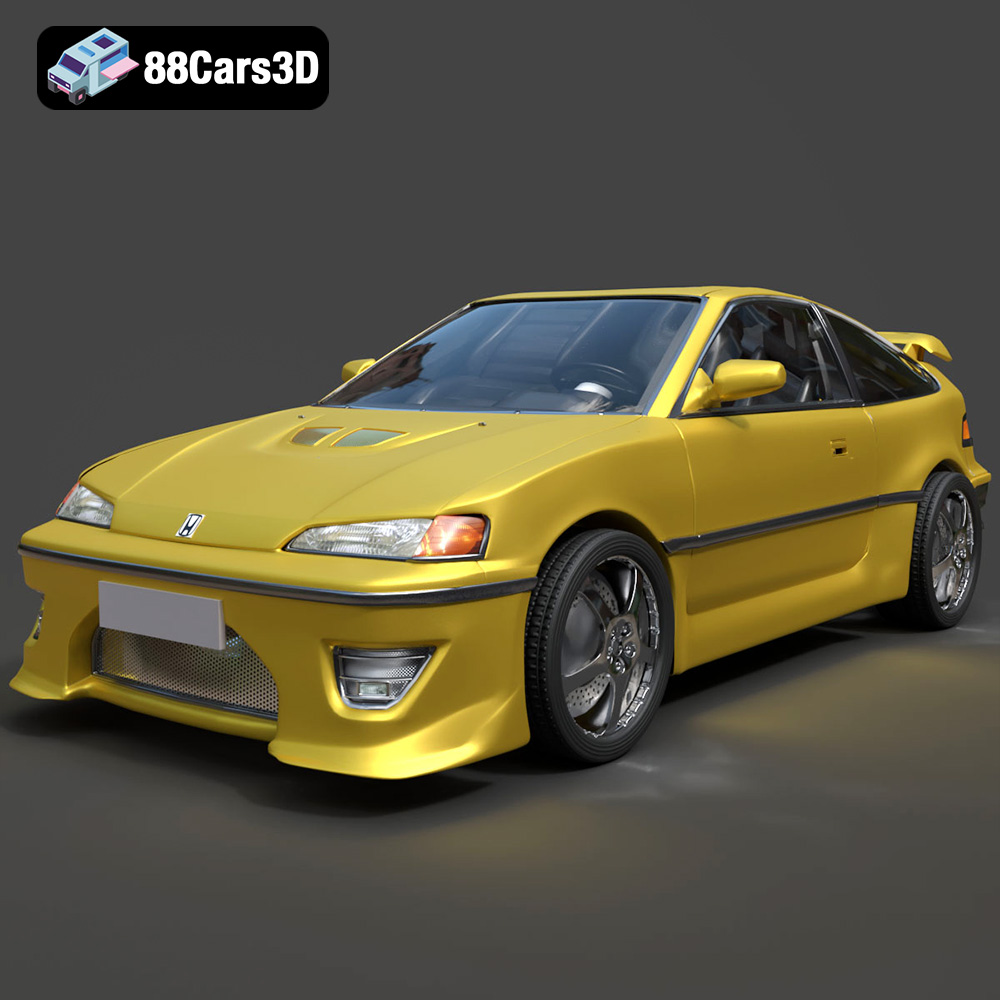
Honda CRX 1980 3D Model
Texture: Yes
Material: Yes
Download the Honda CRX 1980 3D Model featuring clean geometry, realistic detailing, and a fully modeled interior. Includes .blend, .fbx, .obj, .glb, .stl, .ply, .unreal, and .max formats for rendering, simulation, and game development.
Price: $11.99
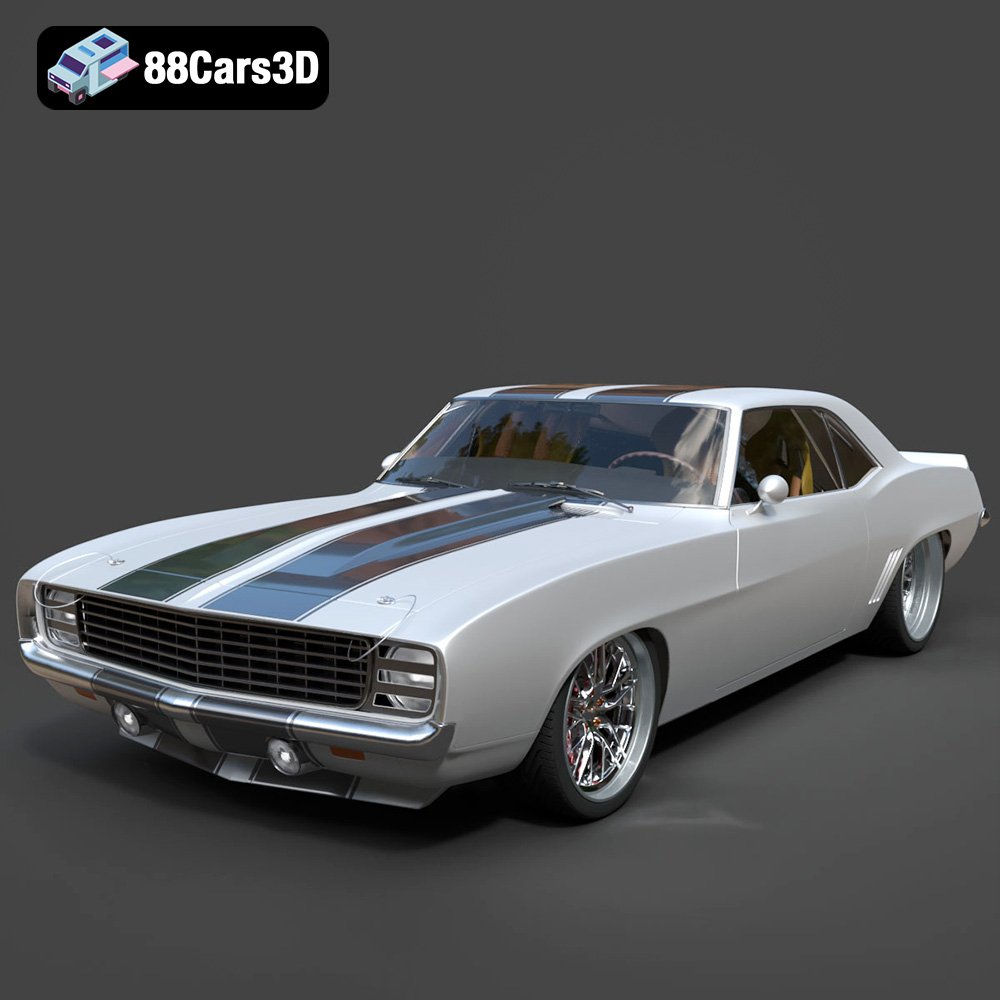
Chevrolet Camaro 69 Pro-007 3D Model
Texture: Yes
Material: Yes
Download the Chevrolet Camaro 69 Pro-007 3D Model featuring classic muscle car design and custom performance aesthetics. Includes .blend, .fbx, .obj, .glb, .stl, .ply, .unreal, and .max formats for rendering, simulation, and game development.
Price: $20.79

Honda Fit 2008 3D Model
Texture: Yes
Material: Yes
Download the Honda Fit 2008 3D Model featuring a compact, versatile design with detailed exterior and interior components. Includes .blend, .fbx, .obj, .glb, .stl, .ply, .unreal, and .max formats for rendering, simulation, and game development.
Price: $10.79
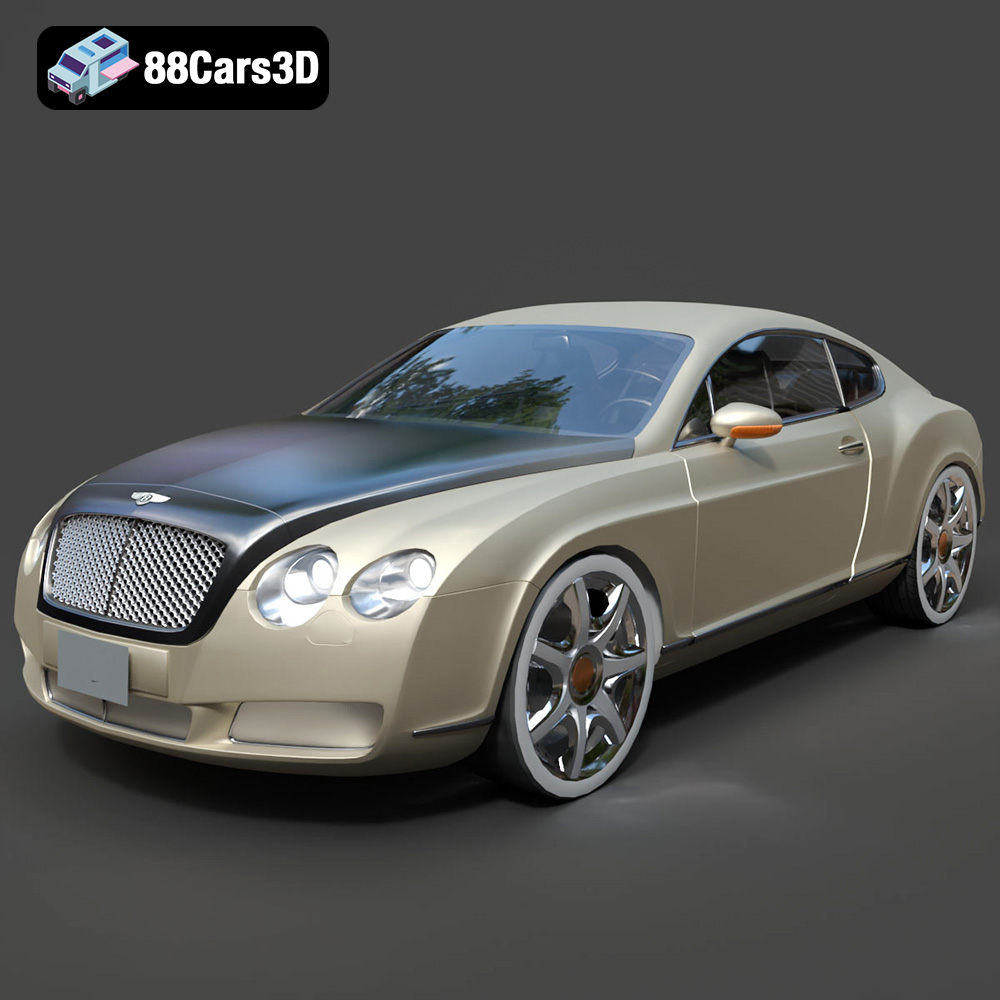
Bentley Continental GT-002 3D Model
Texture: Yes
Material: Yes
Download the Bentley Continental GT-002 3D Model featuring a luxurious grand touring design and high-quality details. Includes .blend, .fbx, .obj, .glb, .stl, .ply, .unreal, and .max formats for rendering, simulation, and game development.
Price: $20.79
