Get 20% OFF All Premium 3D & STL Models!

In the high-stakes world of 3D visualization, where photorealism is paramount, rendering complex automotive scenes can often feel like a race against the clock. Whether you’re a seasoned professional creating stunning visuals for a new car launch, a game developer optimizing high-fidelity game assets, or an architectural visualizer integrating vehicles into a scene, long render times are a universal challenge. The pursuit of perfection in automotive rendering, with its intricate details, reflective surfaces, and sophisticated lighting, frequently pushes hardware to its limits, translating into hours, or even days, of waiting. This comprehensive guide from 88cars3d.com is designed to equip you with the advanced technical knowledge and practical strategies needed to dramatically reduce render times without compromising quality. We’ll dive deep into geometry optimization, material efficiency, lighting techniques, renderer-specific settings, and post-processing workflows, ensuring your projects are delivered faster and more efficiently.
The goal isn’t just to render faster, but to render smarter. By understanding the underlying principles that impact rendering performance, you can make informed decisions at every stage of your 3D pipeline. From the initial modeling phase to the final compositing touches, every step offers opportunities for optimization. We will explore how clean topology, intelligent UV mapping, PBR material creation, and strategic lighting setups contribute to a leaner, more efficient rendering process. Prepare to unlock the secrets to rapid iteration and superior output, transforming your workflow and elevating the quality of your automotive visualizations.
The foundation of any efficient render begins with optimized scene geometry. Complex car models, with their multitude of curves, sharp edges, and intricate components, can quickly inflate polygon counts, leading to heavier scene files and significantly longer render times. A well-optimized 3D car model, such as those found on platforms like 88cars3d.com, prioritizes clean topology and efficient mesh density without sacrificing visual fidelity. The key is to have just enough polygons where detail is needed, and fewer where it’s not. This often involves a careful balance between artistic intent and technical limitations, especially when preparing models for real-time applications like games or AR/VR.
Good topology isn’t just about polycount; it’s about edge flow and mesh cleanliness. Quads (four-sided polygons) are generally preferred over triangles or N-gons, as they deform better, are easier to subdivide, and lead to cleaner UV maps. For automotive surfaces, maintaining smooth, continuous edge loops is crucial for accurate reflections and shading. This attention to detail during modeling prevents artifacts and facilitates efficient mesh processing during rendering. Understanding where to introduce detail and where to simplify is a critical skill for any 3D artist aiming for optimized render performance.
Reducing polygon count without noticeable visual degradation is a primary optimization technique. For models not requiring extreme close-ups or subdivision, decimation modifiers (e.g., Blender’s Decimate modifier, 3ds Max’s ProOptimizer) can intelligently reduce polygons while preserving shape. However, this must be used judiciously, as aggressive decimation can destroy topology and UV maps. A more controlled approach involves creating Levels of Detail (LODs). This involves generating multiple versions of a model, each with a progressively lower polygon count. The highest detail (LOD0) is used for close-ups, while lower detail versions (LOD1, LOD2, etc.) are used for objects further from the camera, significantly reducing the geometry the renderer has to process.
For example, a high-detail car model might have 500,000 polygons for LOD0, 150,000 for LOD1, and 30,000 for LOD2. Implementing LODs, especially in game engines like Unity or Unreal Engine, or even for static renders with scene proxies, ensures that only necessary detail is rendered. This is particularly effective for scenes with multiple cars or complex environments. Additionally, for repetitive elements like tire treads, bolts, or interior buttons, instancing is invaluable. Instead of creating unique geometry for each instance, instancing references a single mesh, dramatically reducing memory footprint and processing overhead, as the renderer only has to load and compute the geometry once.
Instancing is a powerful, often underutilized, optimization technique for complex car scenes. Consider a car’s interior: seat stitching, dashboard buttons, grilles, or even the tire treads. If these elements are modeled individually for each car or for each repeating pattern, the scene quickly becomes overburdened with redundant geometry. By using instances, you create a single “master” object, and all other occurrences are merely references to that master. This means the actual geometry data is only stored in memory once, regardless of how many times it appears in the scene.
The benefits of instancing extend beyond memory savings; it also reduces draw calls and computational complexity for the renderer. When rendering, the graphics card doesn’t need to process unique geometry for each instance; it simply applies the transformations (position, rotation, scale) to the shared mesh data. This is particularly effective for elements like car badges, screws, or repetitive patterns on upholstery. Most 3D software offers robust instancing features (e.g., linked duplicates in Blender, instances in 3ds Max/Maya). When sourcing 3D car models, like those available on 88cars3d.com, check if repetitive parts are already instanced, as this is a mark of a well-optimized model.
Beyond geometry, materials and textures are significant contributors to render times. Photorealistic car paint, detailed tire rubber, and intricate interior fabrics demand sophisticated PBR (Physically Based Rendering) materials, often involving multiple texture maps and complex shader networks. Inefficient material setups, such as excessively high-resolution textures for distant objects, overly complex procedural shaders, or redundant material assignments, can drastically slow down rendering.
The goal is to create materials that are both visually stunning and computationally lean. This involves making smart choices about texture resolution, utilizing PBR principles correctly, and understanding when to use simpler shaders. Every texture map, every shader node, and every ray bounce adds to the render budget. Optimizing these elements is crucial for achieving fast, high-quality results. A clean and organized material workflow not only speeds up rendering but also makes your scene easier to manage and iterate upon.
Physically Based Rendering (PBR) has become the industry standard for achieving realism, accurately simulating how light interacts with surfaces. However, complex PBR setups can be render-intensive. To optimize, ensure your PBR materials are correctly configured. Utilize a standard metallic/roughness or specular/glossiness workflow. Avoid unnecessary texture maps; if a material’s roughness or metallic value is uniform, use a solid color or numerical input instead of an image texture. For car paint, consider specialized PBR shaders that simulate flakes and clear coat layers efficiently, rather than stacking numerous generic shaders.
Be mindful of shader complexity. Each node in a shader graph adds computation. While node-based materials offer immense flexibility, evaluate if every node is truly necessary. For example, complex procedural noise patterns can be baked into static texture maps if the object isn’t deforming. Understanding how different renderers handle PBR (e.g., V-Ray’s VRayMtl, Corona’s CoronaMtl, Blender Cycles Principled BSDF) is also key. Stick to their native, optimized PBR shaders for the best performance. Always test your materials in isolation to identify bottlenecks before integrating them into complex scenes.
Texture maps, especially high-resolution ones, consume significant VRAM and impact render times due to data transfer and processing. A common mistake is using 4K or 8K textures for objects that will only be seen at a distance. Implement a sensible texture resolution strategy: 4K or 2K for hero assets and close-ups, 1K or 512px for mid-ground elements, and even lower for background objects. Use power-of-two resolutions (e.g., 2048×2048, 4096×4096) for better GPU caching.
Texture Atlasing is another powerful optimization. Instead of having multiple small texture maps for different parts of an object (e.g., various interior components), combine them into a single, larger texture atlas. This reduces the number of draw calls and texture swaps, leading to performance gains, particularly in real-time engines but also beneficial for offline rendering. Ensure your textures are saved in efficient formats like .EXR (for HDR data), .PNG, or .JPG (for color/data) with appropriate compression. Use image editing software to optimize file sizes without losing critical detail. For normal maps, ensure they are 8-bit or 16-bit to maintain detail without excessive file size.
Lighting is paramount for establishing mood and realism in automotive renders, but it’s also one of the most computationally expensive aspects. Global Illumination (GI) calculations, especially for highly reflective car surfaces, can quickly become a bottleneck. An optimized lighting setup involves not just choosing the right lights but also configuring their settings intelligently, utilizing efficient environment maps, and understanding the trade-offs between realism and render speed.
The goal is to achieve compelling lighting with the fewest possible light sources and the most efficient GI solution. Every light source, every bounce of light, and every shadow calculation adds to the render time. By strategically placing lights, simplifying environment setups, and leveraging render-specific GI optimizers, you can dramatically cut down on render times while maintaining a high level of visual quality.
Global Illumination (GI) is what makes renders look realistic by simulating how light bounces off surfaces. However, GI is notoriously expensive. Most renderers offer various GI algorithms (e.g., Irradiance Map, Light Cache, Brute Force, Path Tracing). Brute Force (or Path Tracing for both primary and secondary bounces) is the most accurate but also the slowest. For static scenes, consider using a combination of faster methods like Irradiance Map for primary bounces and Light Cache for secondary bounces (common in V-Ray) or similar approximations in other renderers. These methods pre-calculate GI, saving time during final rendering, though they may introduce some splotchiness if settings are too low.
The number of GI bounces also impacts render time. While a high number of bounces provides more realistic light distribution, diminishing returns kick in quickly. Often, 2-3 diffuse bounces and 1-2 reflection/refraction bounces are sufficient for most scenes, especially for car exteriors where reflections are dominant. Experiment with denoising solutions (built into many modern renderers like Cycles, V-Ray, Corona, Arnold) which can allow you to render with fewer samples and clean up noise in post, saving significant render time.
For automotive renders, High Dynamic Range Images (HDRIs) are a game-changer for realistic environment lighting and reflections. However, a high-resolution HDRI (e.g., 16K or 32K) can consume considerable memory. While useful for crisp reflections, consider downscaling the HDRI used for lighting calculations (e.g., to 4K or 8K) while retaining a higher resolution version specifically for reflections. Some renderers allow for this separation. Alternatively, use a blurred version of the HDRI for background illumination, and a sharper one for reflections, or even use a separate backplate image for the background.
Minimize the number of artificial lights. Often, a single HDRI combined with a few strategically placed area lights or portal lights is sufficient. Area lights provide softer shadows and more realistic illumination than point or spot lights. When using multiple lights, ensure they are contributing meaningfully to the scene. Disable “Cast Shadows” or “Affect Diffuse/Specular” for lights that are purely aesthetic or barely noticeable. Utilize light linking/exclusion (where available) to control which objects specific lights illuminate, further optimizing calculations. For exterior scenes, physically accurate sun and sky systems are generally more efficient than trying to emulate them with multiple artificial lights.
Each rendering engine has its unique strengths and optimization pathways. Understanding these specific settings is crucial for maximizing efficiency. Whether you’re using industry-standard renderers like V-Ray, Corona, Arnold, or open-source solutions like Blender’s Cycles and Eevee, delving into their respective documentation and best practices can unlock significant performance gains. Generic tips are helpful, but renderer-specific knowledge is where true optimization lies.
The key is to leverage the renderer’s unique features, such as adaptive sampling, denoising, and optimized material types. Blindly increasing sample counts or subdividing meshes won’t yield the best results; intelligent adjustment of settings based on the scene’s needs will. This section delves into practical tips for some of the most popular renderers used in automotive visualization.
Blender, a powerful open-source suite, offers two primary render engines: Cycles (path tracer) for realism and Eevee (real-time) for speed. For photorealistic automotive rendering, Cycles is the choice. To optimize Cycles, start with the Sampling settings. Instead of excessively high render samples, target a reasonable number (e.g., 500-1000 for complex scenes) and rely on the built-in Denoising feature (OpenImageDenoise or OptiX) to clean up noise. Enable Adaptive Sampling, which focuses samples on noisy areas, saving time on clean parts of the image. For specific details on Cycles sampling and denoising, refer to the official Blender 4.4 documentation at Blender 4.4 Documentation – Cycles Sampling and Blender 4.4 Documentation – Cycles Denoising.
Further Cycles optimizations include: limiting Light Paths (especially diffuse and glossy bounces) to practical values (2-4 for diffuse, 2-4 for glossy for car paint); enabling Persistent Data for animations to avoid re-exporting static geometry; and optimizing textures by converting them to .EXR or .PNG with appropriate bit depth and compression. Ensure your GPU (NVIDIA CUDA/OptiX or AMD HIP) is correctly configured in Blender’s preferences for maximum performance. For quick previews or stylized renders, Eevee offers incredible speed. Optimize Eevee by limiting indirect lighting bounces, reducing shadow map resolution, and selectively enabling features like screen space reflections and refractions.
For commercial renderers like V-Ray, optimizing render times involves a deep understanding of its powerful settings. Utilize V-Ray’s Adaptive Image Sampler (or Progressive for fast feedback), ensuring the Min/Max Subdivisions are balanced (e.g., Min 1, Max 24-36 for quality renders, lower for drafts). For Global Illumination, a common fast setup is Irradiance Map for the primary engine (with High preset for detail, Medium for speed) and Light Cache for the secondary engine (with 1000-1500 subdivisions). Enable Denoiser (NVIDIA AI or V-Ray Denoiser) to reduce noise at lower samples.
For Corona Renderer, a modern and intuitive CPU-based renderer, optimization often comes from efficient scene setup rather than complex settings, as Corona is designed to be largely “set-and-forget.” However, several tips can help: reduce the GI vs. AA balance to prioritize cleaner anti-aliasing over GI calculation in areas where GI is less critical. Utilize Corona’s efficient Denoiser to achieve clean results with fewer passes. Avoid overly complex procedural maps, especially for displacement, favoring displacement maps baked into textures when possible. Ensure your materials are built using the native CoronaMtl for optimal performance. Both V-Ray and Corona benefit greatly from optimized geometry (LODs, instancing) and efficient texture management discussed earlier.
The rendering process doesn’t end when the final image is computed. Post-processing and compositing are integral steps that can significantly influence the final look of an automotive render and, crucially, reduce the time spent waiting for “perfect” render output. By offloading certain effects from the renderer to a dedicated compositing application (like Photoshop, Affinity Photo, After Effects, Nuke, or Fusion), you can achieve faster iterations and greater flexibility.
Instead of rendering everything perfectly in a single pass, breaking down your render into various “passes” or AOV (Arbitrary Output Variables) allows you to tweak elements like reflections, shadows, and lighting intensities independently in post. This means if a light source is too bright, you don’t need to re-render the entire scene; you simply adjust the light pass in compositing. This non-destructive workflow is a cornerstone of efficient production pipelines.
Render passes (or AOVs) are separate image layers that contain specific information from the render, such as diffuse color, raw reflection, shadows, Z-depth, normal maps, and object IDs. By rendering these passes, you gain granular control in post-production. For a complex car scene, essential passes include: Beauty (the final combined image), Diffuse Filter, Reflection Filter, Specular Filter, Shadows, GI, Self-Illumination, Refraction, Z-Depth (for depth of field), and Object ID/Material ID (for selection masks).
Carefully select the passes you need; rendering too many unnecessary passes can still increase render time and file sizes. Most renderers provide options to output these passes, often in multi-layer .EXR files, which store all passes in a single file and support high dynamic range data. In your compositing software, you then combine and adjust these passes to achieve the desired look. For instance, adjusting the intensity of reflections or the color of shadows becomes a quick slider tweak rather than a lengthy re-render.
Once you have your render passes, an efficient compositing workflow can save immense amounts of time. Instead of relying solely on the renderer for effects like depth of field, motion blur, lens flares, or chromatic aberration, apply these in post-production. Depth of field (DOF), calculated from a Z-depth pass, is often faster and more controllable in compositing than ray-traced DOF from the renderer. Similarly, motion blur can be applied to object IDs based on velocity passes, providing realistic blur without the render hit. Tools like Photoshop’s Lens Blur filter or After Effects’ camera blur effects are highly optimized.
Use compositing to enhance realism with subtle effects: adding bloom or glare, correcting colors, adjusting contrast, and integrating background plates. These final touches, when done in a dedicated image editor or compositing software, are far more iterative and less resource-intensive than trying to achieve them perfectly within the 3D application. This approach shifts the computational burden from the render engine to your CPU/GPU for real-time adjustments, significantly accelerating the entire production pipeline.
While software optimizations are paramount, the hardware you’re rendering on plays an equally critical role. A powerful workstation can drastically cut down render times, but merely throwing more hardware at the problem without intelligent optimization will still lead to inefficient results. Understanding how your CPU, GPU, and RAM interact with your rendering software allows you to make informed decisions about hardware upgrades and workflow strategies.
Beyond raw power, a streamlined workflow, good scene management, and smart file handling practices can prevent many common bottlenecks. From how you organize your assets to how you configure your project files, every detail contributes to overall efficiency. This section focuses on leveraging your hardware effectively and adopting professional workflow habits.
For rendering, both CPU and GPU are crucial. CPU-based renderers (like Corona Renderer, some V-Ray modes, older Arnold) thrive on a high core count and clock speed. More cores mean more threads to process ray calculations simultaneously. GPU-based renderers (like Cycles, Octane, Redshift, newer V-Ray/Arnold) benefit immensely from powerful graphics cards with abundant VRAM. Multiple GPUs can offer linear or near-linear scaling in performance. If you primarily use a GPU renderer, invest in the best GPU you can afford. If you use a CPU renderer, prioritize a CPU with a high core count (e.g., AMD Threadripper or Intel Xeon/i9).
RAM (Random Access Memory) is critical for scene complexity. Larger scenes with many high-resolution textures, dense geometry, and extensive particle systems demand more RAM. Aim for a minimum of 32GB, with 64GB or even 128GB being ideal for professional automotive visualization. Insufficient RAM leads to slow disk swapping, severely impacting render times. SSD storage (NVMe preferred) is also vital for fast scene loading, texture streaming, and saving render output, as mechanical hard drives can become a bottleneck when dealing with large 3D assets and project files.
Adopting disciplined workflow practices is as important as technical optimizations. Clean scene organization is fundamental: group objects logically, name them clearly, and use layers or collections to manage visibility. Delete unused objects, materials, and textures from your scene to keep it lean. Audit your scene regularly for hidden geometry or lights that might be contributing to render calculations unnecessarily.
Asset management is key. Store all project assets (textures, HDRIs, references) in a centralized, well-organized folder structure. Use relative file paths to ensure assets are found when moving projects between workstations. For large projects, consider using a project manager or version control system. For animations, render in sequences (e.g., .EXR or .PNG image sequences) rather than directly to video formats. This allows you to resume interrupted renders and provides greater flexibility in compositing. Regularly save incremental versions of your work to prevent data loss and allow for easy rollback to previous stages. By integrating these practices into your daily routine, you’ll find your rendering workflow becoming significantly smoother and faster.
Another crucial tip is to always render a small, low-resolution region or specific frame before committing to a full-resolution final render. This allows you to quickly spot potential issues with lighting, materials, or geometry without wasting hours on a flawed render. Gradually increase resolution and quality settings once you’re confident with the overall look. This iterative approach saves considerable time and resources in the long run.
Optimizing render times for complex car scenes is an intricate dance between artistic vision and technical proficiency. It’s not about finding a single magic bullet, but rather implementing a holistic strategy that touches every aspect of your 3D pipeline. From the very foundation of your 3D models with clean topology and efficient polygon counts, through the intelligent application of PBR materials and texture atlasing, to the strategic setup of lighting and environment, every decision contributes to the final render performance. Leveraging renderer-specific features and adopting a robust post-processing workflow further empowers you to achieve stunning results in a fraction of the time.
The journey to faster renders is continuous, evolving with new software features and hardware advancements. By internalizing the principles discussed—mastering geometry, streamlining materials, optimizing lighting, understanding your renderer’s nuances, and embracing compositing—you gain invaluable control over your production pipeline. Platforms like 88cars3d.com provide high-quality 3D car models that often come pre-optimized, giving you a strong head start. However, the ultimate efficiency comes from your proactive efforts in fine-tuning every element of your scene. Embrace these strategies, experiment with confidence, and transform your rendering workflow from a bottleneck into a streamlined, creative powerhouse. Your clients, your deadlines, and your artistic integrity will thank you for it.

Meta Description:
Texture: Yes
Material: Yes
Download the Cadillac CTS-V Coupe 3D Model featuring detailed exterior styling and realistic interior structure. Includes .blend, .fbx, .obj, .glb, .stl, .ply, .unreal, and .max formats for rendering, simulation, AR VR, and game development.
Price: $13.9

Texture: Yes
Material: Yes
Download the Cadillac DTS-005 3D Model featuring its iconic luxury design, detailed interior, and realistic exterior. Includes .blend, .fbx, .obj, .glb, .stl, .ply, .unreal, and .max formats for rendering, simulation, and game development.
Price: $10.79

Texture: Yes
Material: Yes
Download the Buick LeSabre 1998 3D Model featuring a classic American full-size sedan design. Includes .blend, .fbx, .obj, .glb, .stl, .ply, .unreal, and .max formats for rendering, simulation, and game development.
Price: $10.79
Texture: Yes
Material: Yes
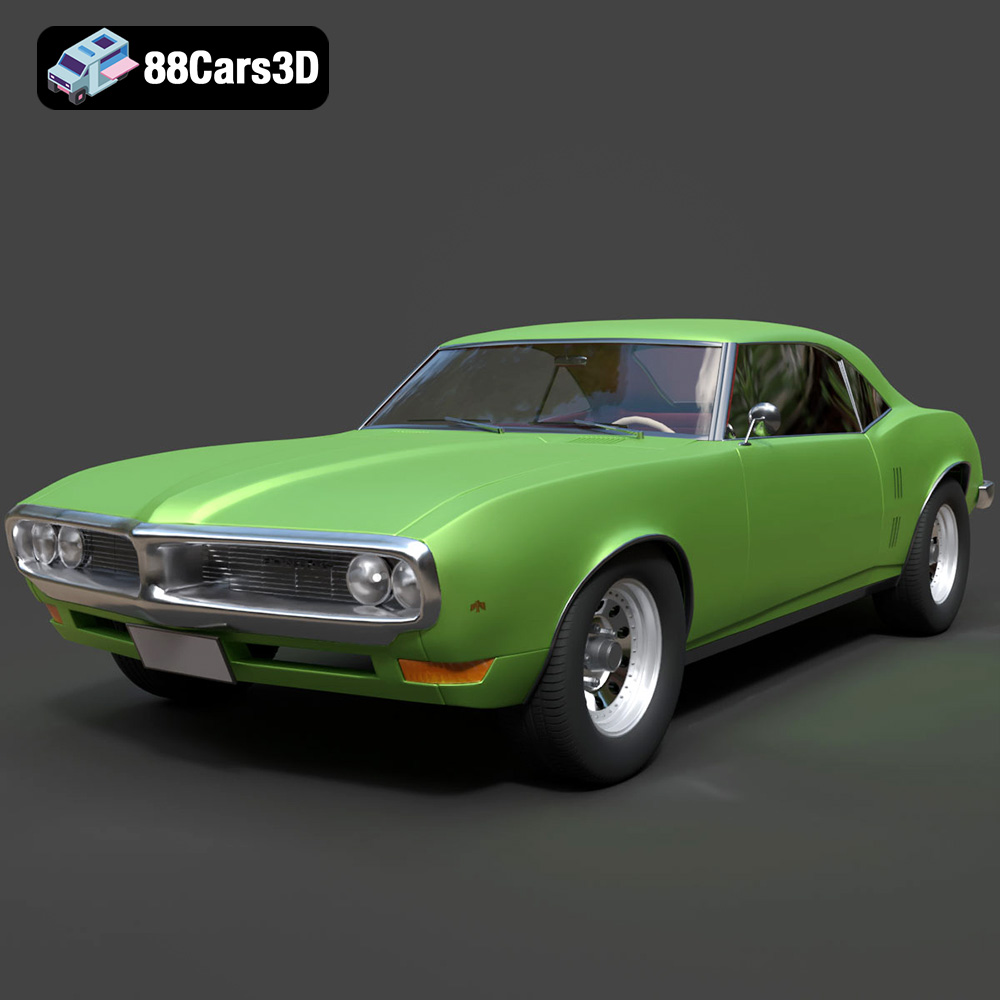
Download the Pontiac Firebird 1998 3D Model featuring clean geometry, realistic detailing, and a fully modeled interior. Includes .blend, .fbx, .obj, .glb, .stl, .ply, .unreal, and .max formats for rendering, simulation, and game development.
Price: $10

Texture: Yes
Material: Yes
Download the Opel Astra 2008 3D Model featuring clean geometry, realistic detailing, and a fully modeled interior. Includes .blend, .fbx, .obj, .glb, .stl, .ply, .unreal, and .max formats for rendering, simulation, and game development.
Price: $10

Texture: Yes
Material: Yes
Download the Mercedes Benz Joaquin-007 3D Model featuring clean geometry, realistic detailing, and a fully modeled interior. Includes .blend, .fbx, .obj, .glb, .stl, .ply, .unreal, and .max formats for rendering, simulation, and game development.
Price: $19.99
Texture: Yes
Material: Yes
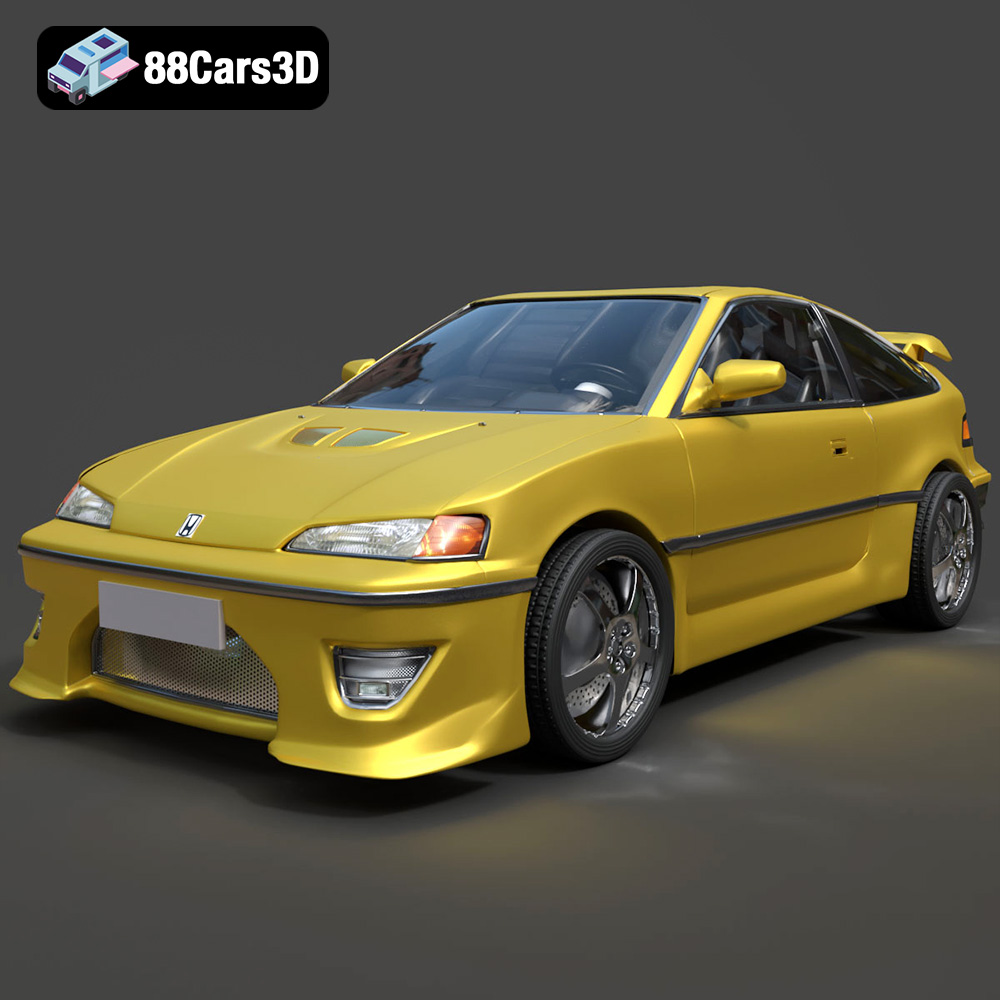
Download the Honda CRX 1980 3D Model featuring clean geometry, realistic detailing, and a fully modeled interior. Includes .blend, .fbx, .obj, .glb, .stl, .ply, .unreal, and .max formats for rendering, simulation, and game development.
Price: $11.99
Texture: Yes
Material: Yes
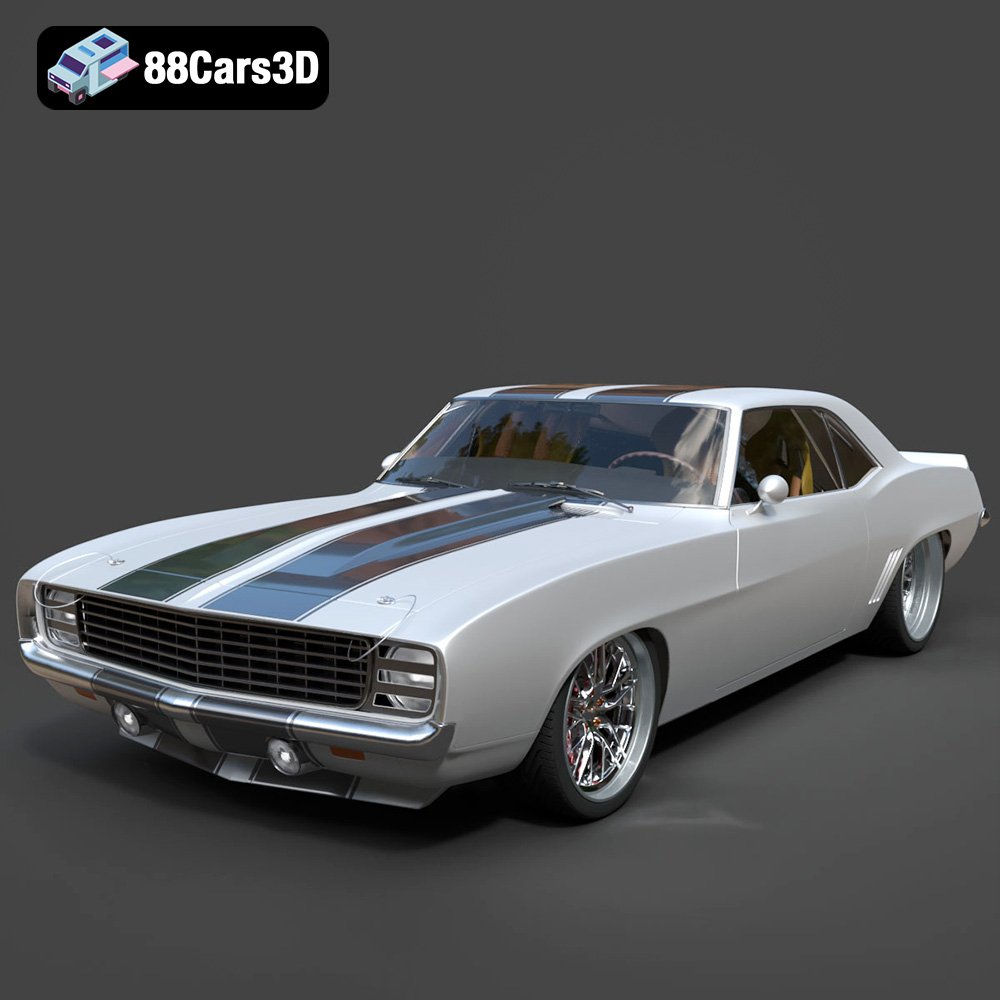
Download the Chevrolet Camaro 69 Pro-007 3D Model featuring classic muscle car design and custom performance aesthetics. Includes .blend, .fbx, .obj, .glb, .stl, .ply, .unreal, and .max formats for rendering, simulation, and game development.
Price: $20.79

Texture: Yes
Material: Yes
Download the Honda Fit 2008 3D Model featuring a compact, versatile design with detailed exterior and interior components. Includes .blend, .fbx, .obj, .glb, .stl, .ply, .unreal, and .max formats for rendering, simulation, and game development.
Price: $10.79
Texture: Yes
Material: Yes
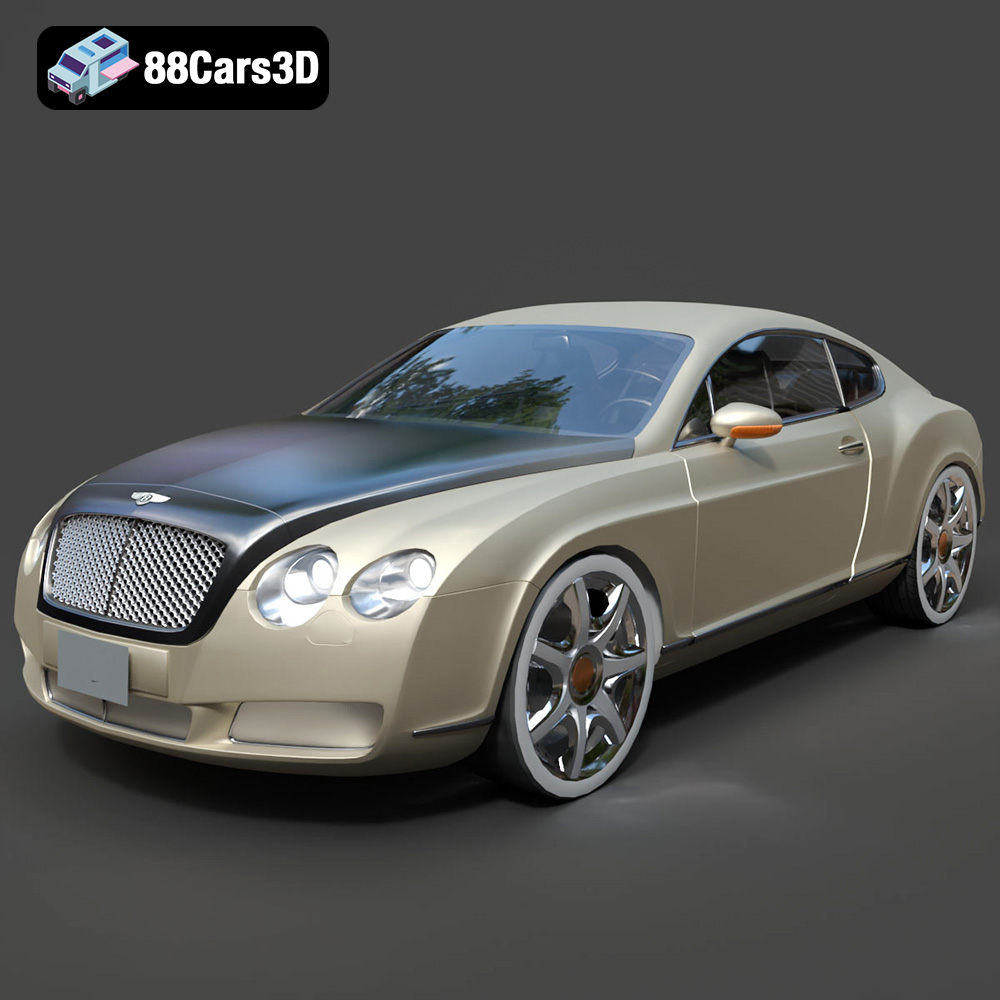
Download the Bentley Continental GT-002 3D Model featuring a luxurious grand touring design and high-quality details. Includes .blend, .fbx, .obj, .glb, .stl, .ply, .unreal, and .max formats for rendering, simulation, and game development.
Price: $20.79

