

“`html
The world of 3D printing has revolutionized hobbies and industries alike, offering unprecedented access to creating intricate physical objects from digital designs. For automotive enthusiasts and model makers, this means the ability to bring iconic car models, down to their finest details, right into their own homes. Platforms like 88cars3d.com are at the forefront, providing high-quality, print-ready STL files of detailed vehicle models. While external details like body panels and wheels are often the primary focus, the true magic for many lies in recreating the equally complex and fascinating car interiors. Achieving a successful and highly detailed interior print, however, requires a nuanced understanding of 3D printing, slicing, and file preparation. This guide will delve deep into the technical intricacies of transforming an STL file of a car interior into a stunning physical model, covering everything from initial file assessment to advanced printing and post-processing techniques. We’ll explore the critical settings, common pitfalls, and best practices that seasoned makers employ to achieve museum-quality results.
Understanding Your 3D Printable Car Interior STL File
Before even loading a file into your slicer, a thorough understanding of the STL file itself is paramount for successful printing. The quality and structure of the mesh directly impact the printability and final output. STL files, while ubiquitous, are essentially a collection of triangular facets that approximate the 3D surface of an object. For detailed car interiors, this means that the resolution and integrity of these facets are crucial for capturing delicate features like dashboards, steering wheels, seats, and even intricate trim pieces.
Mesh Topology and Watertightness
A ‘watertight’ or manifold mesh is a fundamental requirement for any 3D printable model. This means the surface has no holes, no inverted normals (faces pointing inwards), and no non-manifold edges (edges shared by more than two faces). For complex car interiors, ensuring watertightness can be challenging. Gaps between separate interior components within a single STL, or poorly connected geometry, can lead to slicing errors and failed prints. Software like Meshmixer, Blender, or Netfabb are invaluable tools for inspecting and repairing these mesh issues. Features like “Make Solid” or “Fix Mesh” can automatically mend many common problems, but manual inspection and correction are often necessary for highly detailed models where subtle gaps can prevent proper printing.
Assessing Geometric Detail and Wall Thickness
Detailed car interiors often feature very fine geometry. When examining an STL file, pay close attention to the level of detail captured. Are the seams on the seats clearly defined? Is the texture on the dashboard discernible? Critically, consider the wall thickness of these delicate features. A wall that is too thin will be invisible on the print or may simply fail to adhere properly, especially on FDM printers. Most slicers have a minimum feature size or wall thickness setting they can reliably print, often around 0.4mm to 0.8mm for standard FDM nozzles. If a delicate detail in the STL file falls below this threshold, it might need to be scaled up or manually thickened in modeling software before printing.
Model Splitting for Printability
Many intricate car interior models, especially those from marketplaces like 88cars3d.com, are designed to be printed in multiple parts. This is a smart strategy for several reasons: it allows for greater detail by printing delicate components separately, facilitates easier support removal, and enables the use of different filament colors for distinct parts. Inspect the provided files to see if the model is already sectioned (e.g., dashboard, seats, steering wheel, door panels). If not, or if you intend to print specific sub-assemblies, you may need to use your 3D modeling software to split the main mesh into manageable, printable pieces. This process requires careful planning to ensure clean separation lines that are easy to align and glue later.
Slicing Strategies for Unparalleled Interior Detail
The slicer is where your digital STL file is translated into layer-by-layer instructions for your 3D printer. For highly detailed car interiors, standard slicing profiles won’t suffice. You need to meticulously adjust settings to maximize fidelity while maintaining structural integrity and minimizing print time.
Layer Height: The Cornerstone of Detail
Arguably the most impactful setting for surface detail is layer height. For FDM printing, a smaller layer height results in finer resolution and smoother curves, making subtle features like stitching on seats or buttons on a dashboard much more apparent. While standard prints might use 0.2mm, for intricate interiors, dropping to 0.1mm or even 0.08mm is often recommended. This significantly increases print time but is crucial for capturing the intended detail. Resin printers, with their inherent higher resolution, can achieve even finer details with layer heights as low as 0.02mm to 0.05mm.
Optimizing Print Speed for Delicate Features
High print speeds can lead to ringing, ghosting, and poor adhesion, especially on delicate overhangs and small features common in car interiors. For detailed prints, it’s often necessary to reduce print speeds significantly. Consider printing outer walls at 20-30 mm/s and inner walls at slightly higher speeds if necessary. Travel speed can remain relatively high, but retraction settings must be precisely tuned to prevent stringing, which can obscure fine details. For resin printing, slower lift speeds and moderate exposure times are key to preserving fine features and preventing delamination.
Support Structures: The Necessary Evil
Car interiors are rife with overhangs and bridges – think of the undersides of dashboards, seats angled backward, and steering columns. Effective support generation is critical. Most slicers (Cura, PrusaSlicer) offer various support types. For interiors, tree supports or organic supports are often superior to standard linear supports. They use less material, are easier to remove, and can be angled to avoid obscuring important details. Crucially, adjust support density, density, and Z-distance (the gap between the support and the model) to find a balance between print stability and ease of removal. A Z-distance of 0.1mm to 0.2mm for FDM, or using a support interface layer, can make a huge difference in surface finish where supports touch the model.
Infill Patterns and Density: Balancing Strength and Weight
While strength is important, especially for larger interior components that might be handled, excessive infill can waste material and significantly increase print time without adding much perceivable detail. For most detailed car interior parts, a low infill density of 5-15% is usually sufficient. Patterns like gyroid or cubic offer good strength in multiple directions without being overly complex to print. If certain parts, like structural elements of a dashboard frame, require more rigidity, you might increase infill density locally or choose a more robust pattern like monotonic for top surfaces.
Material Selection and Printer Considerations
The choice of 3D printer technology and the filament or resin used plays a substantial role in the success of printing detailed car interiors. Each combination presents unique advantages and challenges.
FDM vs. Resin Printing: A Tale of Two Technologies
FDM (Fused Deposition Modeling) printers are widely accessible and versatile, capable of printing with a broad range of materials. For car interiors, FDM printers can produce excellent results, particularly when using a smaller nozzle size (e.g., 0.25mm or 0.3mm) in conjunction with fine layer heights. This increases print time dramatically but allows for capturing much finer details than a standard 0.4mm nozzle. However, FDM prints can still show layer lines and may struggle with extremely fine overhangs or internal details without careful support placement. Resin printers (SLA/DLP/MSLA), on the other hand, offer significantly higher resolution and smoother surface finishes out-of-the-box. They excel at reproducing intricate details like small buttons, textures, and sharp edges. The primary trade-offs are build volume limitations, the need for post-processing (washing and curing), and the handling of liquid resins, which requires more safety precautions. For ultimate detail on small interior components, resin is often the preferred choice.
Filament/Resin Choices for Detail and Durability
For FDM printing, PLA is often the go-to material for detailed models due to its ease of printing, low warping, and ability to hold fine details. Its brittle nature might be a concern for functional parts, but for display models, it’s excellent. PETG offers increased durability and temperature resistance but can be more prone to stringing, requiring more careful tuning. For resin printers, standard ‘grey’ or ‘white’ resins offer a good balance of detail reproduction and ease of printing. Specialty resins, such as engineering resins, might offer improved toughness or flexibility if needed for specific interior components, but standard resins are usually sufficient for aesthetic detail.
Printer Calibration and Maintenance for Precision
Regardless of the technology, a well-calibrated printer is non-negotiable. For FDM, ensure your bed leveling is perfect, as this impacts the first layer adhesion, which is critical for overall print success. Calibrate your extruder E-steps and flow rate to ensure accurate material deposition. For resin printers, ensure the build plate is clean and level and that your exposure times are correctly dialed in for your chosen resin and layer height. Regular maintenance, such as cleaning the FDM nozzle, lubricating Z-axis rods, or cleaning the resin printer’s FEP film, prevents print failures and maintains print quality over time.
Post-Processing: Bringing Your Interior to Life
The journey doesn’t end when the print finishes. Post-processing is where raw 3D prints are transformed into polished, realistic models. For detailed car interiors, this stage is crucial for hiding layer lines, assembling parts, and painting.
Support Removal and Surface Smoothing
Careful support removal is essential. For FDM prints, use flush cutters, hobby knives, and pliers to gently break away supports. For resin prints, supports are often more brittle and can be removed with flush cutters or by gently twisting. After support removal, a crucial step for FDM prints is surface smoothing. Options range from manual sanding (starting with coarse grit sandpaper like 120-220 and progressing to finer grits like 400-1000+) to using chemical smoothing agents like XTC-3D or applying filler primers. For resin prints, sanding with progressively finer grits is usually sufficient, as the layer lines are much less pronounced.
Assembly and Adhesion Techniques
If your interior model was printed in multiple parts, careful assembly is required. For PLA and PETG, cyanoacrylate (super glue), epoxy, or specialized plastic cements work well. Ensure mating surfaces are clean and fit snugly before applying adhesive. For resin prints, cyanoacrylate or epoxy are the standard choices. Using clamps or jigs can help hold parts together while the adhesive cures, ensuring accurate alignment. For larger assemblies, consider adding small pins or slots to aid alignment and provide a stronger bond.
Painting and Detailing for Realism
Painting is where a 3D printed car interior truly comes alive. For FDM prints, applying a primer (spray or brush-on) is vital to create a uniform surface and fill minor imperfections. Use acrylic model paints for brush painting or airbrushing. Consider using washes and dry brushing techniques to highlight details like panel lines, stitching, and textures. For resin prints, acrylics adhere well after a light sanding. Advanced techniques like weathering, adding flocking for carpet effects, or using clear coats can elevate the realism significantly. Remember to consult reference photos of the actual car to achieve accurate color schemes and detailing.
Troubleshooting Common Interior Print Failures
Even with meticulous preparation, printing complex models can present challenges. Understanding common failure modes and their solutions is key to a smooth printing experience.
Warping and Bed Adhesion Issues
Cause: Uneven cooling, poor first layer adhesion, or issues with the build surface. For large, flat parts like dashboards, warping is a risk.
Solution: Ensure proper bed leveling and adhesion (using a raft, brim, or appropriate build surface like PEI or glass with adhesion aids like glue stick or hairspray). For FDM, consider printing in an enclosure to maintain consistent ambient temperature. For resin, ensure the vat is clean and the FEP film is undamaged.
Support Material Adherence or Removal Problems
Cause: Support settings too loose (poor adhesion), too tight (difficult removal), or incorrectly positioned.
Solution: Experiment with support density, pattern, and Z-distance. Use support interfaces for a smoother contact point. For FDM, try printing supports with a different material or at a different temperature if your printer supports it. For resin, adjust exposure times for supports or consider different support types in your slicer.
Stringing and Oozing
Cause: Inaccurate retraction settings, high temperatures, or moisture in filament.
Solution: Fine-tune retraction distance and speed. Lower printing temperature slightly. Dry your filament thoroughly. For resin, ensure proper curing and consider using specialized ‘tough’ resins if stringing is persistent.
Loss of Fine Detail
Cause: Layer height too high, print speed too fast, incorrect exposure settings (resin), or insufficient model resolution.
Solution: Reduce layer height (FDM) or increase print time/reduce lift speed (resin). Slow down print speeds. Calibrate exposure times for resin. Ensure the original STL file has sufficient detail resolution and consider scaling up if necessary.
In conclusion, bringing the intricate details of a car interior to life through 3D printing is a rewarding endeavor that bridges the gap between digital design and tangible reality. It requires a holistic approach, starting with a deep understanding of your STL file and its mesh integrity. Meticulous slicing, selecting appropriate 3D printer settings—from layer height and speed to support structures—is crucial for capturing the delicate nuances of dashboards, seats, and consoles. The choice between FDM printing and resin printing, along with careful material selection, further defines the potential for detail and durability. Finally, diligent post-processing, including support removal, smoothing, assembly, and painting, transforms a raw print into a captivating miniature replica. By mastering these technical aspects and learning to troubleshoot common issues, enthusiasts can confidently tackle even the most complex printable car models available from sources like 88cars3d.com, creating stunningly detailed interior replicas that showcase both their passion for automobiles and their 3D printing prowess.
“`
Featured 3D Car Models

Cadillac CTS-V Coupe 3D Model
Meta Description:
Texture: Yes
Material: Yes
Download the Cadillac CTS-V Coupe 3D Model featuring detailed exterior styling and realistic interior structure. Includes .blend, .fbx, .obj, .glb, .stl, .ply, .unreal, and .max formats for rendering, simulation, AR VR, and game development.
Price: $13.9
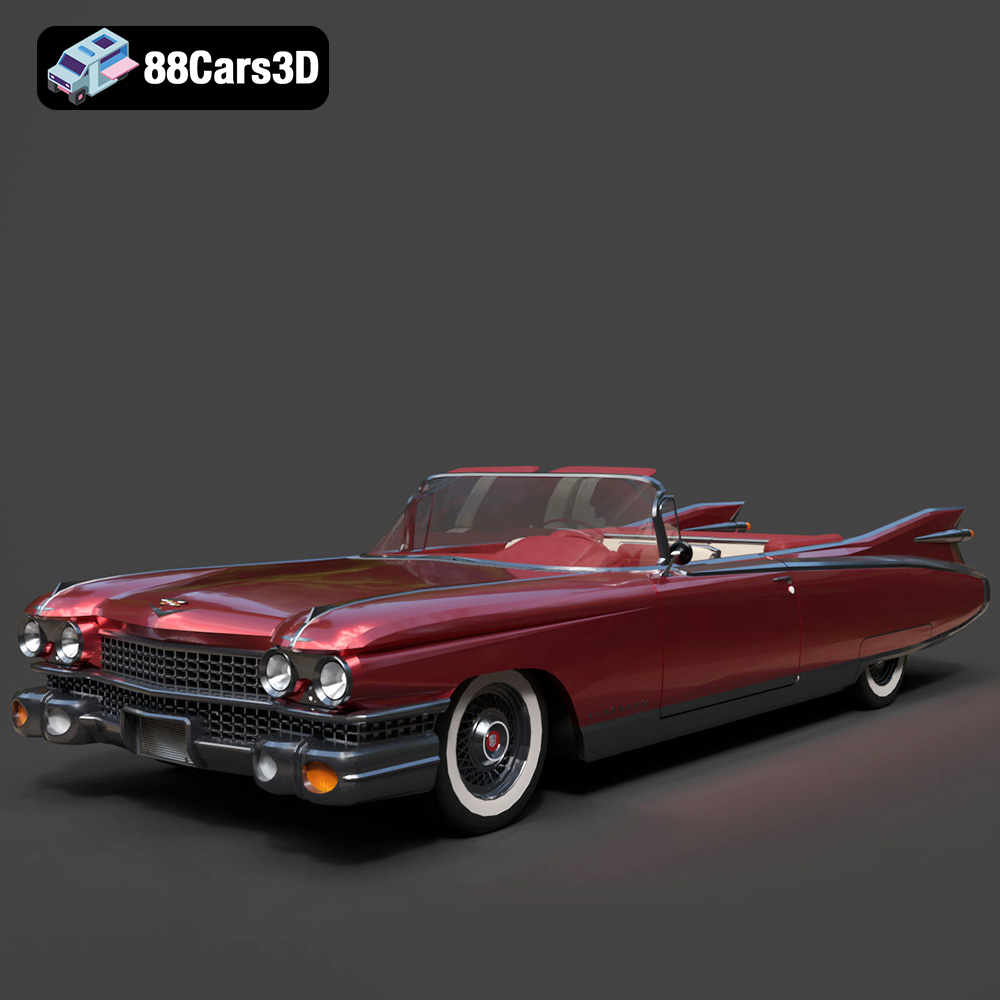
Cadillac Eldorado Convertible (1959) 3D Model
Texture: Yes
Material: Yes
Download the Cadillac Eldorado Convertible (1959) 3D Model featuring iconic fins, luxurious chrome details, and a classic vintage design. Includes .blend, .fbx, .obj, .glb, .stl, .ply, .unreal, and .max formats for rendering, simulation, and game development.
Price: $20.79

Cadillac DTS-005 3D Model
Texture: Yes
Material: Yes
Download the Cadillac DTS-005 3D Model featuring its iconic luxury design, detailed interior, and realistic exterior. Includes .blend, .fbx, .obj, .glb, .stl, .ply, .unreal, and .max formats for rendering, simulation, and game development.
Price: $10.79

Buick LeSabre 1998 3D Model
Texture: Yes
Material: Yes
Download the Buick LeSabre 1998 3D Model featuring a classic American full-size sedan design. Includes .blend, .fbx, .obj, .glb, .stl, .ply, .unreal, and .max formats for rendering, simulation, and game development.
Price: $10.79
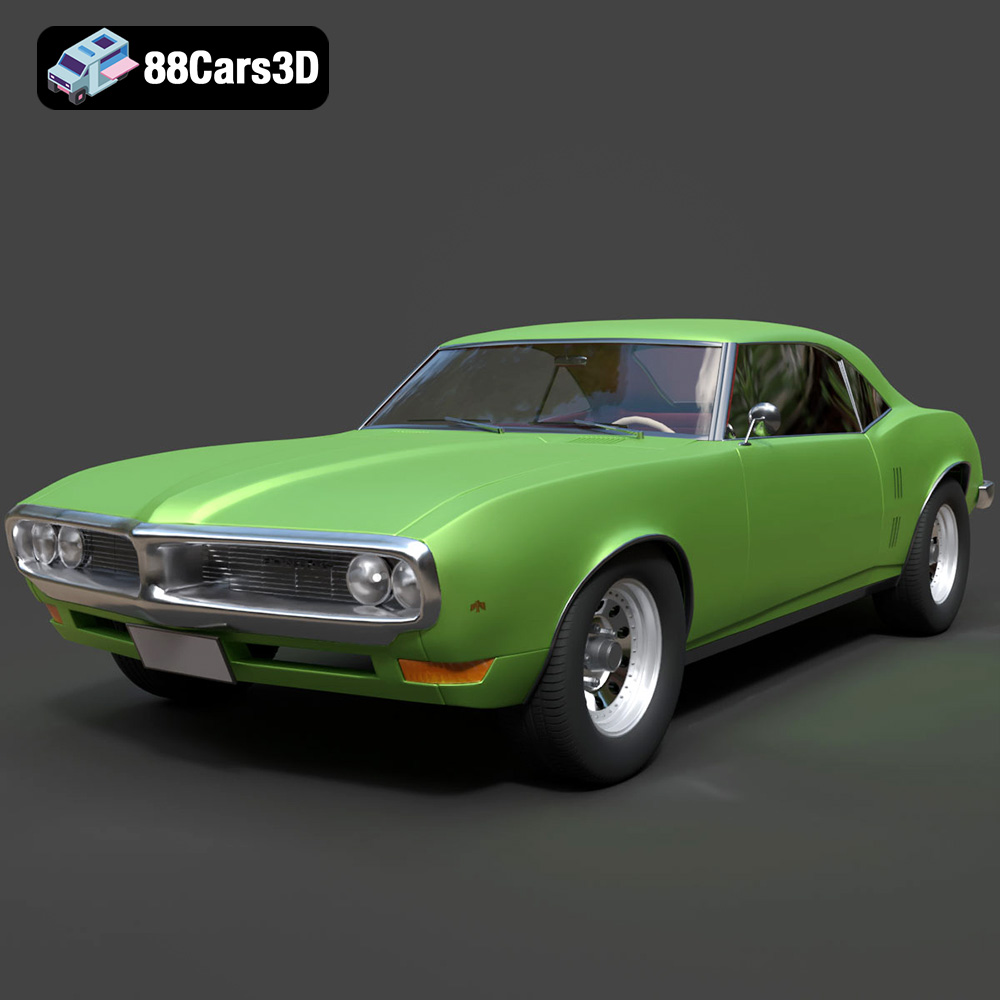
Pontiac Firebird 1998 3D Model
Texture: Yes
Material: Yes
Download the Pontiac Firebird 1998 3D Model featuring clean geometry, realistic detailing, and a fully modeled interior. Includes .blend, .fbx, .obj, .glb, .stl, .ply, .unreal, and .max formats for rendering, simulation, and game development.
Price: $10

Opel Astra 2008 3D Model
Texture: Yes
Material: Yes
Download the Opel Astra 2008 3D Model featuring clean geometry, realistic detailing, and a fully modeled interior. Includes .blend, .fbx, .obj, .glb, .stl, .ply, .unreal, and .max formats for rendering, simulation, and game development.
Price: $10

Mercedes Benz Joaquin-007 3D Model
Texture: Yes
Material: Yes
Download the Mercedes Benz Joaquin-007 3D Model featuring clean geometry, realistic detailing, and a fully modeled interior. Includes .blend, .fbx, .obj, .glb, .stl, .ply, .unreal, and .max formats for rendering, simulation, and game development.
Price: $19.99
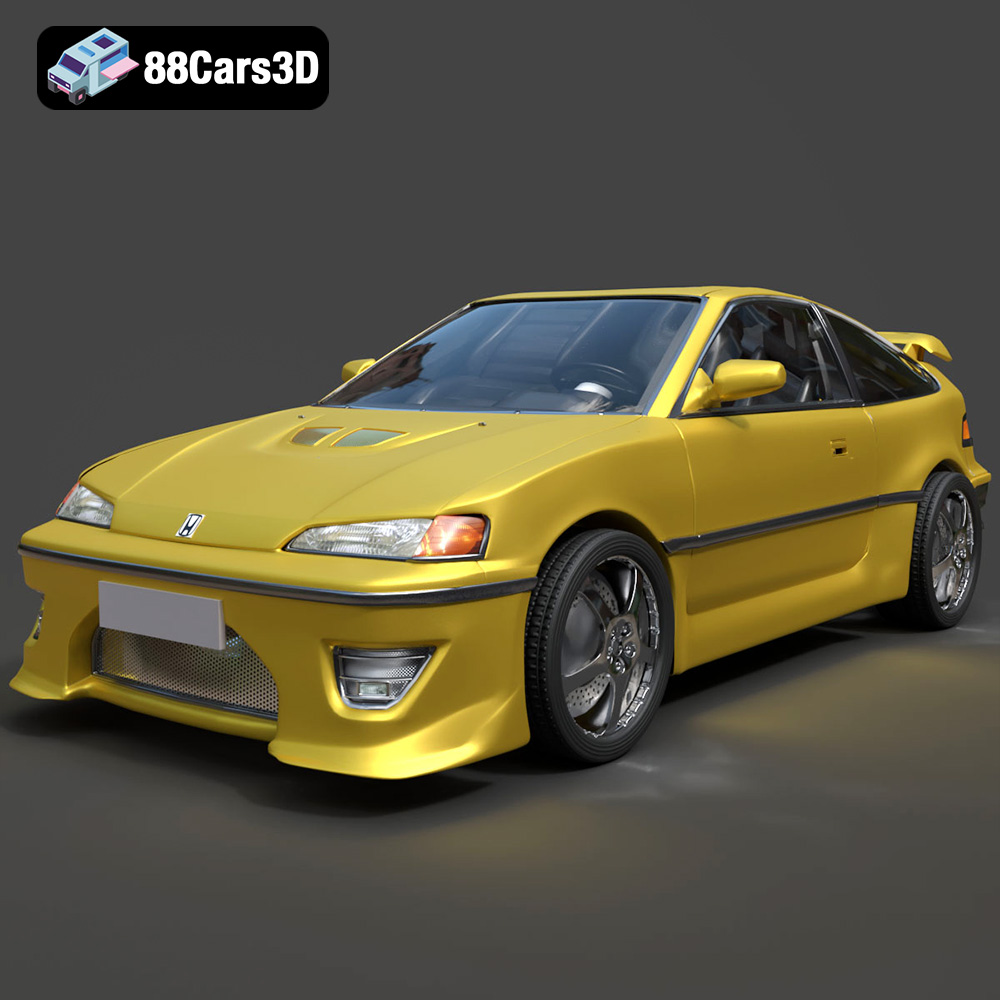
Honda CRX 1980 3D Model
Texture: Yes
Material: Yes
Download the Honda CRX 1980 3D Model featuring clean geometry, realistic detailing, and a fully modeled interior. Includes .blend, .fbx, .obj, .glb, .stl, .ply, .unreal, and .max formats for rendering, simulation, and game development.
Price: $11.99
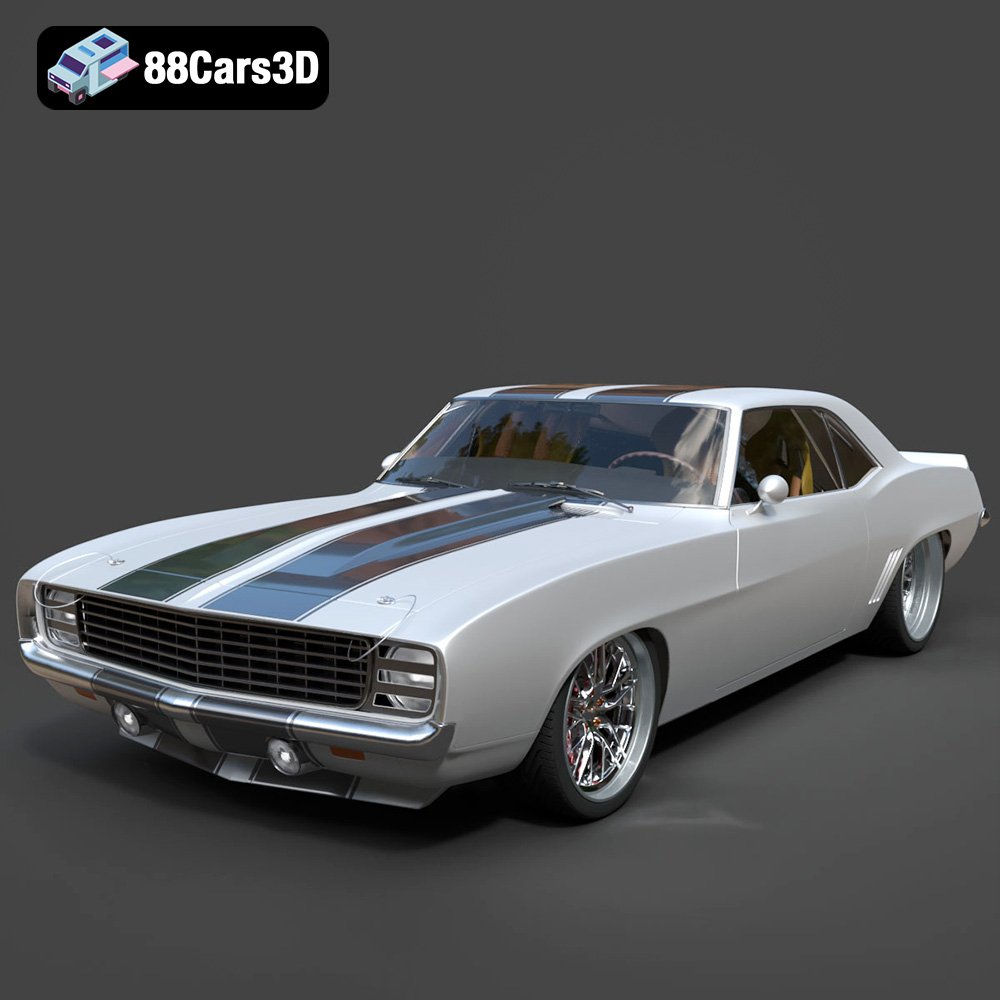
Chevrolet Camaro 69 Pro-007 3D Model
Texture: Yes
Material: Yes
Download the Chevrolet Camaro 69 Pro-007 3D Model featuring classic muscle car design and custom performance aesthetics. Includes .blend, .fbx, .obj, .glb, .stl, .ply, .unreal, and .max formats for rendering, simulation, and game development.
Price: $20.79

Honda Fit 2008 3D Model
Texture: Yes
Material: Yes
Download the Honda Fit 2008 3D Model featuring a compact, versatile design with detailed exterior and interior components. Includes .blend, .fbx, .obj, .glb, .stl, .ply, .unreal, and .max formats for rendering, simulation, and game development.
Price: $10.79
