Get 20% OFF All Premium 3D & STL Models!

“`html
The world of 3D printing has revolutionized how we approach hobbies, prototyping, and even collecting. For automotive enthusiasts, the ability to bring iconic cars to life in miniature form through 3D printing is a dream come true. Whether you’re recreating classic models, designing custom car parts, or simply building your collection, the choice of material – be it filament for FDM printers or resin for SLA/DLP printers – plays a pivotal role in the success and quality of your final print. At 88cars3d.com, we understand that providing high-quality, print-ready STL files is just the first step. The true magic happens when these digital models are translated into tangible objects with the right materials and settings. This comprehensive guide will delve deep into the best resins and filaments for automotive 3D prints, exploring their properties, ideal applications, and how to select the perfect material for your specific project. We’ll cover everything from material characteristics and printer compatibility to achieving that perfect finish for your miniature masterpieces.
Fused Deposition Modeling (FDM) is the most accessible and widely used 3D printing technology, relying on spools of thermoplastic filament that are melted and extruded layer by layer. For automotive models, the variety of filaments available offers a spectrum of properties, from ease of printing to mechanical strength and surface finish. Selecting the correct filament is crucial for capturing the intricate details of car models, ensuring structural integrity for larger prints, and achieving a surface quality suitable for painting and finishing.
Polylactic Acid (PLA) is often the go-to material for FDM printing, especially for hobbyists and those new to the technology. Its primary advantages lie in its ease of printing, minimal warping, and pleasant, low odor during extrusion. PLA generally requires lower printing temperatures (typically 190-220°C) and a heated bed temperature of around 50-60°C, making it compatible with a wider range of printers, including those without an enclosure. For detailed automotive models, PLA can produce excellent results. Its low shrinkage rate means it adheres well to the build plate and maintains dimensional accuracy, which is vital for precise model components.
However, PLA has limitations. It is relatively brittle and has a low glass transition temperature (around 60°C), meaning it can deform under heat, making it less suitable for prints that might be exposed to sunlight or warm environments. The surface finish, while good, can sometimes show layer lines more prominently than other materials if not printed with optimal settings. For static display models where high impact resistance isn’t a concern, PLA is an excellent choice, offering a balance of printability and detail rendition. For models downloaded from platforms like 88cars3d.com, starting with PLA is often recommended to get a feel for the model’s complexity and your printer’s capabilities.
Polyethylene Terephthalate Glycol-modified (PETG) is a popular choice for applications requiring increased strength, temperature resistance, and durability compared to PLA. It strikes a good balance between the ease of printing of PLA and the robustness of ABS. PETG offers excellent layer adhesion, making prints stronger and more resistant to impacts. It also has a higher glass transition temperature than PLA (around 80°C), making it more suitable for models that might be exposed to moderate heat.
Printing with PETG requires slightly higher temperatures (230-250°C) and a heated bed around 70-80°C. One of the main challenges with PETG is its tendency to string, which requires careful calibration of retraction settings in your slicer. Over-extrusion can also be an issue, leading to blobs and a less clean surface finish. However, with proper tuning, PETG can produce incredibly durable and detailed automotive models. Its improved layer adhesion is particularly beneficial for components that might need to withstand handling or stress, such as detachable parts or functional elements. If you’re printing car models that will be frequently handled or require a more robust build, PETG is a superior option.
Acrylonitrile Butadiene Styrene (ABS) is known for its exceptional toughness, impact resistance, and high-temperature performance, making it a staple in many professional applications. For automotive models, ABS offers a durable finish that can be sanded and painted exceptionally well, achieving a smooth, professional look. Its higher temperature resistance means prints are less likely to warp or deform in warm conditions.
However, ABS is also one of the more challenging FDM filaments to print. It requires significantly higher printing temperatures (240-260°C) and a heated bed temperature of 90-110°C. Crucially, ABS is prone to significant warping due to its high thermal contraction. Therefore, printing ABS typically necessitates an enclosed printer to maintain a consistent, warm ambient temperature around the print, preventing rapid cooling and subsequent warping. Ventilation is also important, as ABS emits fumes during printing. Despite the printing challenges, for high-quality, durable automotive models, especially those intended for display or with complex geometries where warping is a concern, ABS, when printed correctly, delivers outstanding results. Mastery of ABS printing opens the door to professional-grade finishes.
Resin 3D printing, using Stereolithography (SLA) or Digital Light Processing (DLP) technologies, excels at producing incredibly detailed and smooth surfaces, making it ideal for intricate automotive models. The selection of resin is paramount, as different formulations offer varying properties that directly impact print quality, durability, and post-processing ease.
Standard resins are the most common and accessible type of photopolymer resin, offering a good balance of detail, ease of printing, and cost-effectiveness. They are formulated for general-purpose use and are excellent for capturing the fine details found in complex car models, such as panel lines, badges, and interior elements. Standard resins typically cure relatively quickly under UV light, allowing for efficient print times.
These resins are generally easy to handle and clean, requiring standard IPA (Isopropyl Alcohol) or resin cleaner for washing and UV curing. The surface finish achieved with standard resins is typically very smooth, often requiring minimal post-processing sanding before painting. They come in a wide array of colors, allowing for vibrant prints straight off the printer, though opaque colors often hide layer lines better if any are present. For most hobbyist automotive models, especially those downloaded from marketplaces like 88cars3d.com, standard resins provide a fantastic entry point to achieve high-fidelity prints that closely match the digital design.
For automotive models that need to withstand more handling, or for functional parts like custom dashboards or chassis components, tough or ABS-like resins are the preferred choice. These resins are engineered to mimic the mechanical properties of ABS plastic, offering significantly improved toughness, impact resistance, and durability compared to standard resins. They are less brittle and can absorb more stress before fracturing.
Printing with tough resins might require slightly longer exposure times per layer compared to standard resins, and they can sometimes be more viscous, requiring careful calibration of printer settings. Post-processing is similar to standard resins, but their inherent toughness means they are more forgiving during assembly or if dropped. If you plan to create models that are interactive, have moving parts, or need to endure regular handling, investing in a tough resin will ensure your prints are not only detailed but also robust enough for the intended application. The enhanced durability is a significant advantage for models that serve a purpose beyond static display.
While less common for the main body of car models, flexible or rubber-like resins have niche applications in automotive 3D printing. These can be used for creating realistic tires, flexible suspension components, or weather seals on detailed dioramas. These resins allow for deformation and return to their original shape, adding a layer of realism to specific parts.
Printing with flexible resins can be challenging. They often require specific support structures, slower print speeds, and precise curing parameters to achieve the desired flexibility without becoming brittle. Layer adhesion can also be a critical factor. If your project requires components that mimic rubber or other flexible materials, these specialized resins are invaluable. They enable a level of detail and realism that would be impossible with rigid materials, opening up new creative possibilities for highly accurate automotive replicas.
Regardless of whether you choose filament or resin, achieving optimal print settings is crucial for translating the intricate details of 3D car models into reality. This involves careful calibration, understanding material properties, and leveraging slicer software effectively.
The layer height setting directly impacts the trade-off between print time and surface finish. For FDM printing, layer heights typically range from 0.1mm to 0.3mm. For highly detailed automotive models, using a smaller layer height, such as 0.1mm or 0.12mm, will result in smoother surfaces and finer detail capture, reducing the visibility of layer lines. This is especially important for curved surfaces like car bodies and hoods.
However, reducing layer height significantly increases print time. A common strategy is to use a finer layer height for critical areas or the entire model if time permits. For resin printing, the layer height (or Z resolution) is typically much finer, often ranging from 0.025mm to 0.1mm. Lower layer heights in resin printing lead to even smoother surfaces and exceptional detail, ideal for miniature collectibles and highly intricate designs. Balancing detail requirements with print time is a key aspect of preparing your models.
For FDM prints, infill density and pattern affect the model’s strength, weight, and material usage. For display models, a low infill percentage (e.g., 10-20%) is often sufficient, using patterns like gyroid or cubic for good strength-to-weight ratio. For parts requiring more durability, increasing infill density to 40-60% or more can be beneficial.
Support structures are critical for any model with overhangs or bridges. For automotive models, supports are often needed under wheel arches, spoilers, and the undersides of the chassis. With FDM, careful placement and type of support (e.g., tree supports vs. standard) can minimize damage during removal. For resin printing, supports are generated automatically by the slicer but require careful tuning to ensure they are strong enough to hold the model but also easy to remove without damaging fine details. Messy supports can ruin the aesthetic of a detailed car model, making their proper generation and removal a key skill.
The orientation of your model on the build plate significantly affects print success. For FDM, orienting models to minimize overhangs and ensure the best surface finish on visible areas is paramount. Often, printing car bodies upright with supports is preferred for detail, but sometimes printing them upside down or on their side can reduce support needs or improve surface quality. Bed adhesion is crucial to prevent prints from detaching mid-print; using rafts, brims, or appropriate build surface preparation (like adhesion sprays or specific build plates) is essential, especially for materials prone to warping like ABS.
For resin printing, orientation is critical for minimizing peel forces during layer separation, which can lead to print failures. Angling models at 5-15 degrees on the build plate and ensuring that the cross-sectional area of each layer is as consistent as possible can greatly improve success rates. Proper bed adhesion is also important for resin printers, ensuring the build plate is clean and level.
Once your automotive 3D print is complete, post-processing is where you transform a raw print into a polished masterpiece. This stage is as critical as the printing itself for achieving professional-looking results.
For resin prints, thorough cleaning is the first step. Use Isopropyl Alcohol (IPA) or a dedicated resin cleaner to remove uncured resin. Follow this with a UV curing process, either using a dedicated curing station or sunlight, to fully harden the print. Over-curing can make prints brittle, while under-curing can leave them tacky and weak.
For both FDM and resin prints, sanding is often necessary to remove layer lines and support marks. Start with coarser grit sandpaper (e.g., 200-400 grit) and progressively move to finer grits (e.g., 1000-2000 grit or higher) for a smooth finish. For FDM prints, using fillers like Bondo or specialized 3D printing primers can help fill layer lines before sanding. For resin prints, wet sanding with very fine grits is often effective.
Painting is where automotive models truly come alive. Priming the model is essential for paint adhesion and to reveal any remaining surface imperfections. Automotive acrylics, enamels, or spray paints are excellent choices. Airbrushing can provide the smoothest, most professional finish, replicating automotive paint jobs accurately. Masking techniques are crucial for achieving clean lines between different colors, such as on two-tone paint schemes or racing stripes. Clear coats add protection and a glossy finish, mimicking factory paint jobs.
Many complex car models, especially those downloaded from resources like 88cars3d.com, may come as multi-part prints. Careful assembly using cyanoacrylate (super glue), epoxy, or specialized plastic cements is required. Adding small details like mirrors, antennas, or even tiny decals can elevate the realism of your finished model. For advanced hobbyists, integrating lighting or functional components can add another layer of complexity and appeal.
In conclusion, selecting the right material and mastering the printing and post-processing techniques are key to creating stunning 3D printed automotive models. Whether you opt for the accessibility of PLA, the durability of PETG, the high detail of resin, or the toughness of ABS-like resins, understanding their properties and how to print them effectively will elevate your projects. Platforms like 88cars3d.com offer a vast library of meticulously designed STL files, providing you with the perfect digital blueprint. By combining these high-quality models with the right materials and careful attention to print settings and finishing, you can bring your favorite cars to life with incredible detail and realism, building a collection you can be truly proud of.
“`

Meta Description:
Texture: Yes
Material: Yes
Download the Cadillac CTS-V Coupe 3D Model featuring detailed exterior styling and realistic interior structure. Includes .blend, .fbx, .obj, .glb, .stl, .ply, .unreal, and .max formats for rendering, simulation, AR VR, and game development.
Price: $13.9
Texture: Yes
Material: Yes
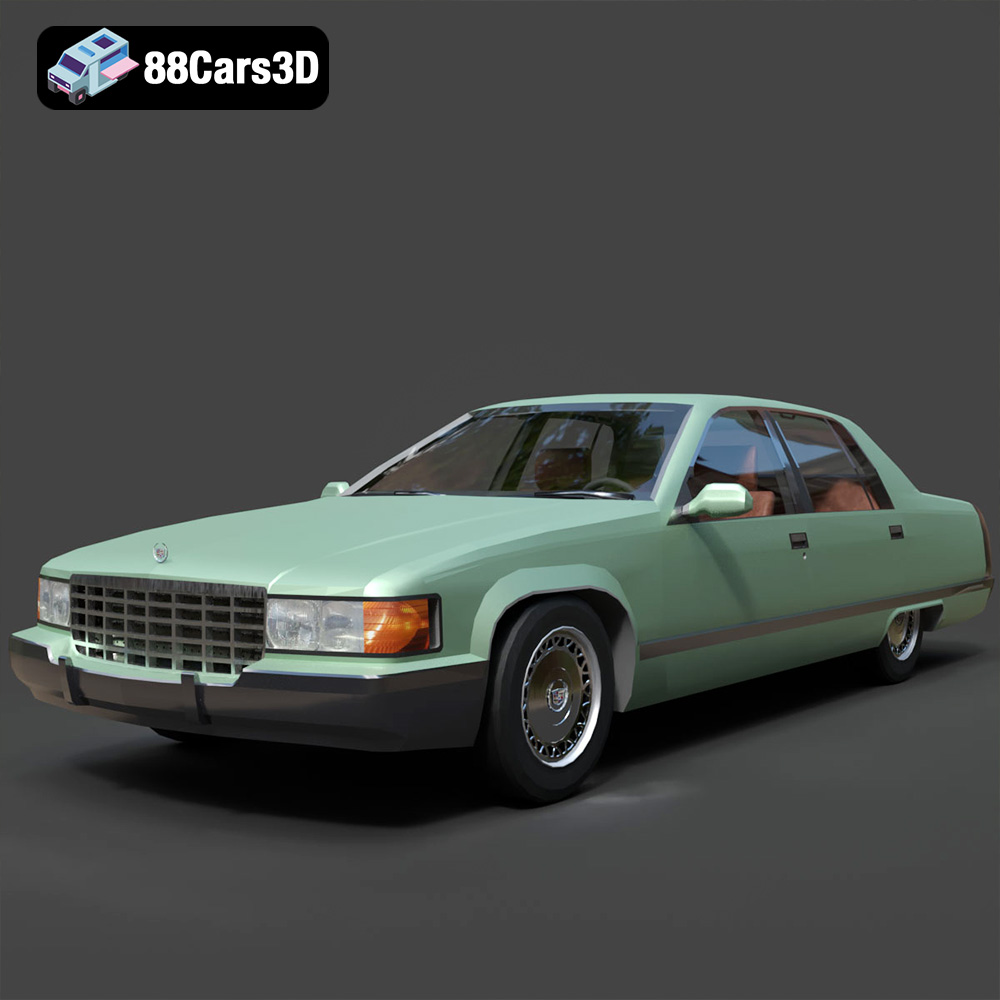
Download the Cadillac Fleetwood Brougham 3D Model featuring its iconic classic luxury design and detailed exterior and interior. Includes .blend, .fbx, .obj, .glb, .stl, .ply, .unreal, and .max formats for rendering, simulation, and game development.
Price: $10.79
Texture: Yes
Material: Yes
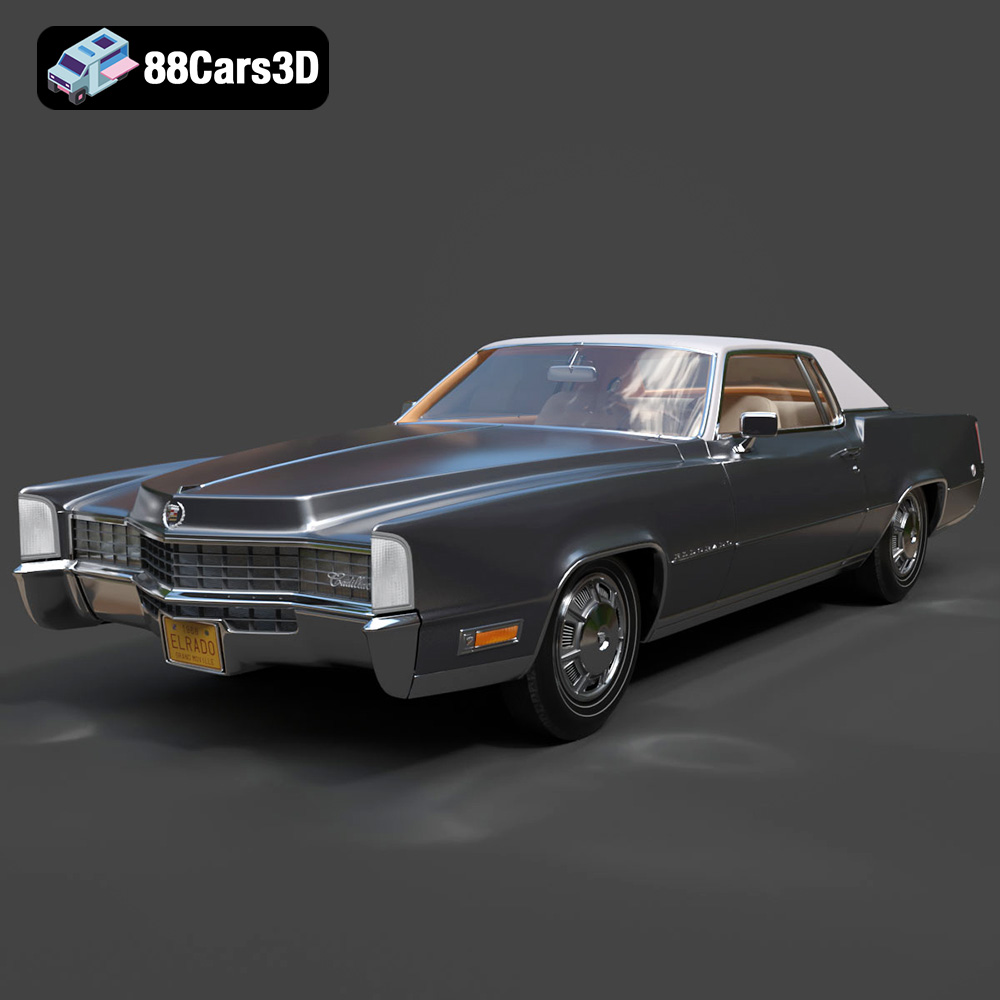
Download the Cadillac Eldorado 1968 3D Model featuring its iconic elongated body, distinctive chrome accents, and luxurious interior. Includes .blend, .fbx, .obj, .glb, .stl, .ply, .unreal, and .max formats for rendering, simulation, and game development.
Price: $20.79

Texture: Yes
Material: Yes
Download the Cadillac CTS SW 2010 3D Model featuring a detailed exterior, functional interior elements, and realistic materials. Includes .blend, .fbx, .obj, .glb, .stl, .ply, .unreal, and .max formats for rendering, simulation, and game development.
Price: $10.79
Texture: Yes
Material: Yes
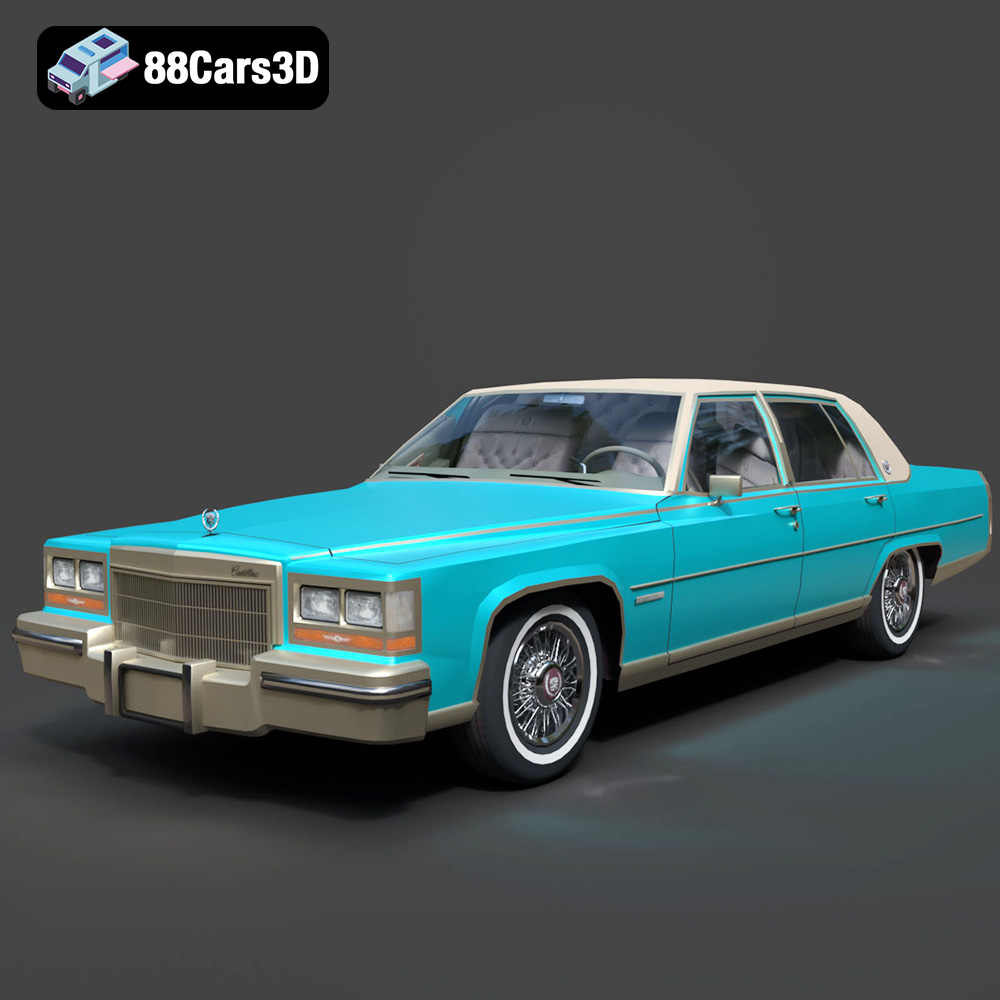
Download the Cadillac Fleetwood Brougham 1985 3D Model featuring its iconic classic luxury design and detailed craftsmanship. Includes .blend, .fbx, .obj, .glb, .stl, .ply, .unreal, and .max formats for rendering, simulation, and game development.
Price: $10.79
Texture: Yes
Material: Yes
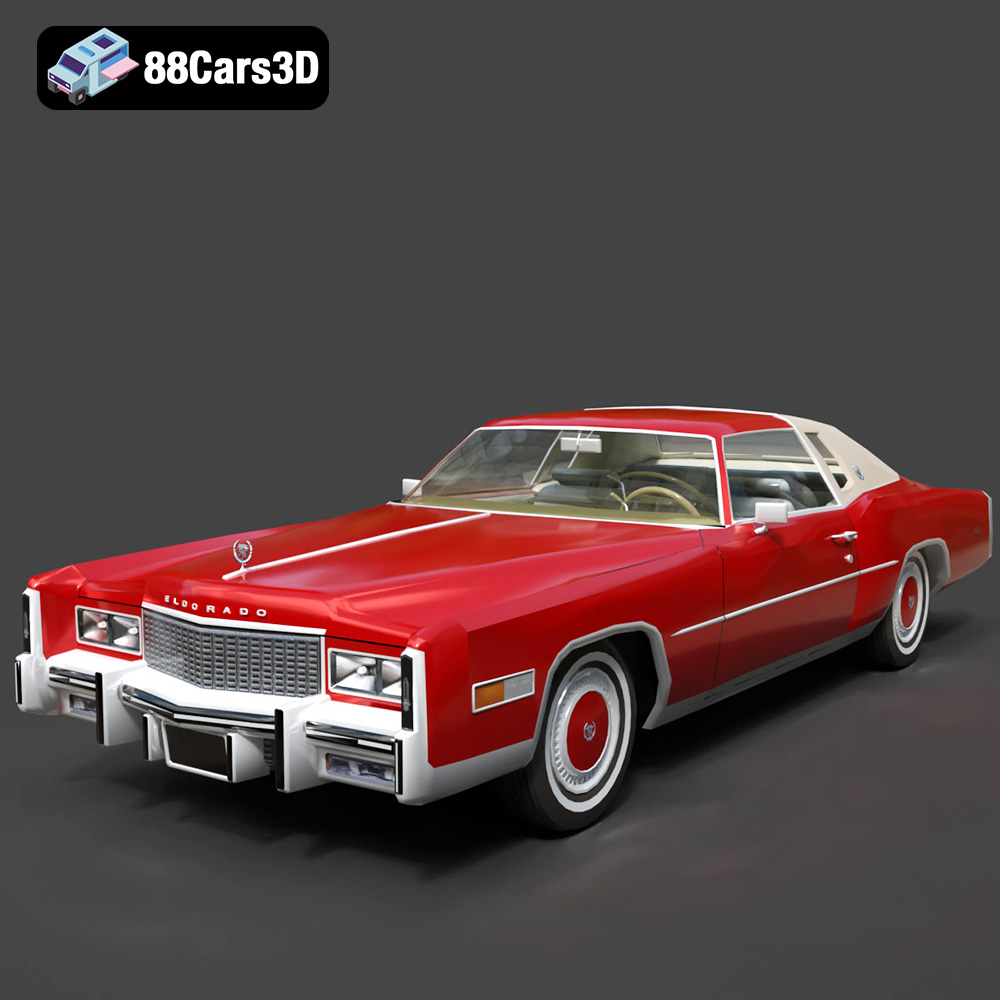
Download the Cadillac Eldorado 1978 3D Model featuring accurately modeled exterior, detailed interior, and period-correct aesthetics. Includes .blend, .fbx, .obj, .glb, .stl, .ply, .unreal, and .max formats for rendering, simulation, and game development.
Price: $10.79
Texture: Yes
Material: Yes
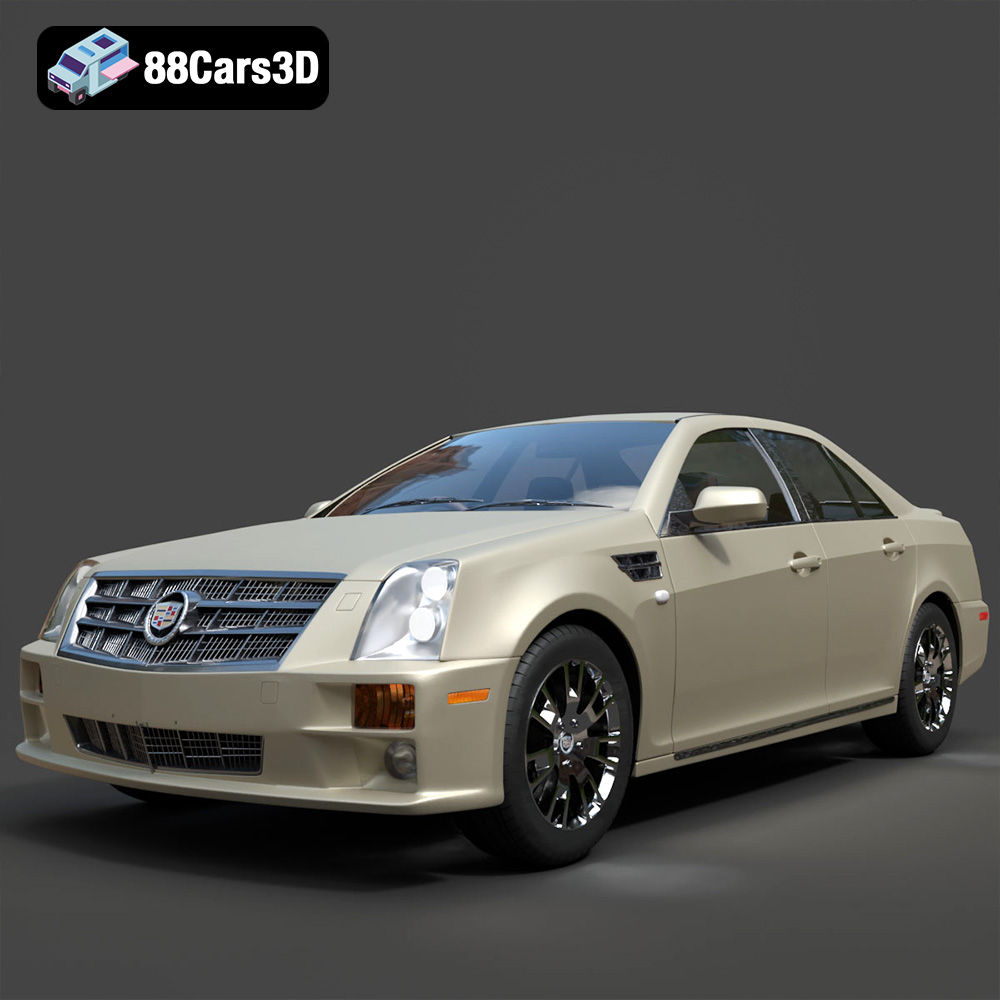
Download the Cadillac STS-005 3D Model featuring a detailed exterior and interior. Includes .blend, .fbx, .obj, .glb, .stl, .ply, .unreal, and .max formats for rendering, simulation, and game development.
Price: $22.79
Texture: Yes
Material: Yes
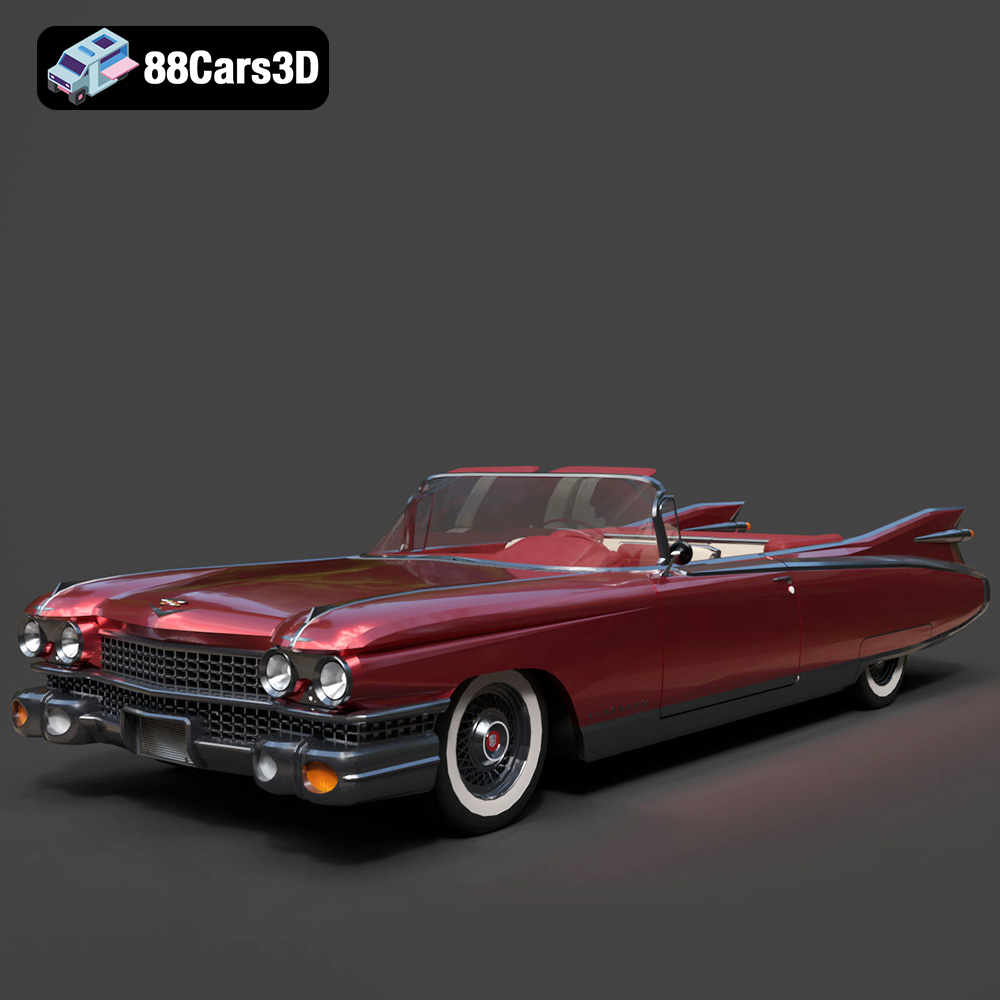
Download the Cadillac Eldorado Convertible (1959) 3D Model featuring iconic fins, luxurious chrome details, and a classic vintage design. Includes .blend, .fbx, .obj, .glb, .stl, .ply, .unreal, and .max formats for rendering, simulation, and game development.
Price: $20.79

Texture: Yes
Material: Yes
Download the Cadillac DTS-005 3D Model featuring its iconic luxury design, detailed interior, and realistic exterior. Includes .blend, .fbx, .obj, .glb, .stl, .ply, .unreal, and .max formats for rendering, simulation, and game development.
Price: $10.79

Texture: Yes
Material: Yes
Download the Buick LeSabre 1998 3D Model featuring a classic American full-size sedan design. Includes .blend, .fbx, .obj, .glb, .stl, .ply, .unreal, and .max formats for rendering, simulation, and game development.
Price: $10.79

