

In the realm of real-time rendering and interactive experiences, the environment surrounding your 3D models is as crucial as the models themselves. For automotive visualization, presenting a sleek vehicle against a static, unchanging backdrop can only take you so far. Imagine, however, showcasing a high-fidelity 3D car model, perhaps meticulously crafted and sourced from 88cars3d.com, not just in a sunny scene, but transitioning seamlessly through a dramatic thunderstorm, or perhaps a serene, snowy afternoon. This level of dynamic immersion is precisely what Unreal Engine’s powerful toolset allows us to achieve through sophisticated weather systems.
Dynamic weather systems don’t just add visual flair; they fundamentally transform how users perceive and interact with your automotive designs. They inject mood, challenge the vehicle’s aesthetics under different conditions, and create compelling narratives, whether for game development, virtual production, or interactive configurators. This comprehensive guide will take you through the technical intricacies of building immersive dynamic weather systems in Unreal Engine. We’ll explore everything from setting up your project’s environmental foundation to crafting stunning volumetric clouds, realistic precipitation effects with Niagara, and leveraging Blueprint scripting for seamless transitions. You’ll also learn crucial optimization strategies and advanced techniques to elevate your automotive visualizations to breathtaking new levels of realism and interactivity.
Foundations of Environmental Design in Unreal Engine
Before diving into the complexities of dynamic weather, establishing a robust and scalable environmental foundation in Unreal Engine is paramount. A well-structured base ensures that your weather effects integrate seamlessly and enhance, rather than detract from, the realism of your scene. This initial setup dictates how light behaves, how atmospheric elements are rendered, and ultimately, how your high-quality 3D car models from 88cars3d.com will look under varying conditions.
Project Setup and Core Lighting
Begin by selecting an appropriate Unreal Engine project template, such as the “Blank” or “Architectural” template, which provides a clean slate or basic scene for environment building. The core of any realistic outdoor environment in Unreal Engine revolves around its lighting setup. The Sun and Sky actor is an excellent starting point, integrating a Directional Light (for the sun), a Skylight (for ambient light), and a Sky Atmosphere component. These work in conjunction to simulate realistic sunlight, sky color, and atmospheric scattering based on the time of day and sun position. Enable Lumen Global Illumination and Reflections in your project settings for truly next-generation indirect lighting and mirror-like reflections on wet surfaces, which is critical for automotive visualization. Additionally, the Exponential Height Fog actor is essential for simulating atmospheric perspective and distance fog, allowing you to control density, color, and even volumetric scattering, which becomes invaluable during foggy or rainy weather states.
Terrain and Landscape Integration
The ground beneath your vehicle is just as important as the sky above. Unreal Engine’s Landscape tools provide powerful capabilities for creating vast, detailed terrains. When designing your landscape, consider how different weather conditions will affect its appearance. Use multiple material layers for your landscape material, allowing for dynamic blending. For instance, you might have layers for dry asphalt, wet asphalt, muddy terrain, or snow-covered ground. Each layer should utilize physically based rendering (PBR) materials, carefully adjusting parameters like base color, roughness, metallic, and normal maps to react realistically to light. A key technique involves blending these material layers based on a ‘wetness’ or ‘snowfall’ parameter, which can be controlled dynamically via Blueprint. This allows puddles to form, roads to appear slick, or snow to accumulate procedurally, directly impacting the visual realism of the environment surrounding your vehicle.
Implementing Dynamic Skies and Volumetric Clouds
The sky is the largest and often most impactful element of an outdoor environment, dictating mood, time of day, and overall lighting. Unreal Engine’s advanced volumetric cloud system and integrated sky components offer unparalleled realism, allowing you to create anything from clear blue skies to heavy, storm-laden formations that truly encapsulate your 3D car models.
Unreal Engine’s Volumetric Clouds System
Introduced in Unreal Engine 4.26, the Volumetric Clouds system is a game-changer for atmospheric realism. It provides a real-time, ray-marched volume of clouds that react accurately to lighting changes and can be dynamically manipulated. To enable it, simply add a Volumetric Cloud actor to your scene. Key parameters to explore include ‘Layer Bottom Altitude’ and ‘Layer Height’ to define the cloud layer’s vertical extent, ‘Coverage’ to control overall cloud density, and ‘Anvil Bias’ to shape the clouds. The ‘Material’ input points to the default Volumetric Cloud material, which is highly customizable. You can create a material instance from it to expose parameters for real-time adjustments, such as cloud opacity, scattering color, animation speed (to simulate wind), and even a ‘Weather Map’ texture to drive localized cloud formations. Performance is a consideration with volumetric rendering; use the ‘r.VolumetricCloud.ResolutionScale’ console variable to adjust rendering quality and optimize for your target platform, scaling down for less powerful hardware while maintaining visual fidelity for high-end automotive visualizations.
Integrating Sky Atmosphere and Sun & Sky Actor
The Volumetric Clouds work in tandem with the Sky Atmosphere component, which realistically simulates the scattering of sunlight through the Earth’s atmosphere. This component drives the sky’s color, hue, and overall appearance based on the sun’s position and atmospheric properties. By adjusting parameters like ‘Rayleigh Scattering Scale’ and ‘Mie Scattering Scale’, you can control the intensity of atmospheric haze and dust, influencing everything from vibrant sunsets to overcast conditions. The Sun & Sky actor bundles a Directional Light (representing the sun), a Skylight, and the Sky Atmosphere component, creating a unified and easily manageable lighting solution. Crucially, as you change the sun’s rotation (to simulate time of day) or its intensity, the Sky Atmosphere and Volumetric Clouds automatically update, providing a cohesive and dynamic environmental response. For instance, rotating the sun below the horizon line will cause the sky to darken, stars to appear, and clouds to be lit from underneath, creating dramatic nocturnal scenes for showcasing your exquisite vehicle models.
Crafting Realistic Precipitation Effects with Niagara
Once your dynamic sky is in place, the next step is to introduce the most impactful weather elements: precipitation. Unreal Engine’s Niagara particle system empowers artists and developers to create incredibly realistic and performant rain, snow, and other atmospheric effects that truly immerse the viewer in the scene and highlight the interplay of light on your vehicle’s surface.
Niagara for Particle System Creation
Niagara is Unreal Engine’s powerful and highly modular particle effects system. To create a dynamic rain or snow system, start by creating a new Niagara Emitter and then a Niagara System from that emitter. For rain, typical modules include ‘Spawn Rate’ (to control the density of raindrops), ‘Initialize Particle’ (to set initial velocity and size), ‘Update Mesh Reproduction Sprite’ (for rendering textures or meshes as particles), and ‘Sphere Collision’ (to simulate raindrops hitting the ground). Using GPU particles is highly recommended for performance, especially for dense rain or snow, as it offloads computation to the graphics card. You can define the spawn location using a ‘Box Location’ module, matching the dimensions of your playable area. Expose parameters like ‘Spawn Rate’, ‘Particle Size’, and ‘Velocity’ to your Niagara system via User Exposed Parameters, allowing you to drive these dynamically from Blueprint, seamlessly transitioning from light drizzle to a heavy downpour. For instance, increasing the ‘Spawn Rate’ parameter from 10 to 500 can smoothly transition a scene from sparse rain to a heavy storm, transforming the ambiance around your 88cars3d.com automotive assets.
Advanced Precipitation Techniques and Surface Interaction
Realistic precipitation goes beyond simply having particles fall from the sky. It involves detailed interaction with the environment and, crucially, with the vehicle itself. For rain, this means simulating splashes on surfaces and creating the appearance of wetness. Use Niagara to spawn ‘splash’ emitters at collision points, utilizing small, short-lived particle bursts with appropriate textures. A more impactful technique is to dynamically modify materials. For wet surfaces, you can create a material function that blends between a dry and a wet version of a PBR material based on a ‘wetness’ parameter. This function typically darkens the base color slightly, reduces roughness significantly to simulate standing water and reflections, and blends in a normal map for water ripples. For car materials, apply this same principle, allowing raindrops to dynamically darken the paint and glass, increasing specular highlights. For snow, create a material blend that applies a layer of white, diffuse snow with a slight normal offset on upward-facing surfaces, using world-space normals and a ‘snowfall’ parameter. These dynamic material effects, combined with subtle puddles created via deferred decals or landscape material blending, are vital for elevating your scene from static renders to truly dynamic and believable environments, perfectly complementing the high-quality topology and UV mapping of models found on marketplaces like 88cars3d.com.
Blueprint Scripting for Weather Transitions and Interactivity
The true power of dynamic weather systems in Unreal Engine lies in their ability to transition smoothly and respond to user input or narrative events. Blueprint Visual Scripting is the key to orchestrating these complex changes, allowing artists and designers to create sophisticated, interactive experiences without writing a single line of code.
State Machines and Event-Driven Weather Systems
To manage complex weather transitions, implementing a finite state machine (FSM) in Blueprint is an efficient and robust approach. Define various weather states such as ‘Sunny’, ‘Cloudy’, ‘Rainy’, and ‘Snowy’. Each state would encapsulate a specific set of environmental parameters (e.g., cloud density, fog intensity, light color, precipitation effects). Use Custom Events or Event Dispatchers to trigger transitions between these states. For instance, a ‘Change Weather’ event could take a ‘Target Weather State’ enumeration as input. Within the Blueprint, when a state change is requested, you would use a ‘Timeline’ node to smoothly interpolate (Lerp) between the current parameters and the target state’s parameters over a specified duration. This ensures gradual changes in cloud coverage, light intensity, fog density, and precipitation effects, preventing jarring pops. For example, transitioning from ‘Sunny’ to ‘Rainy’ would gradually increase cloud density, dim the directional light, change its color temperature to cooler tones, intensify volumetric fog, and slowly ramp up the Niagara rain system’s spawn rate. This systematic approach ensures a cohesive and believable environmental shift, enhancing the impact of your automotive showcases.
User Interface and Configuration for Automotive Demos
For interactive automotive configurators or demo applications, providing users with the ability to control weather conditions significantly enhances engagement. You can achieve this by designing a simple User Widget (UMG) in Unreal Engine. Create buttons or sliders in your UI that, when interacted with, call the ‘Change Weather’ event in your master Weather Blueprint. For example, a “Rainy Day” button could trigger the transition to the ‘Rainy’ state, while a slider could directly control a ‘Cloud Coverage’ parameter, instantaneously updating the volumetric clouds. This level of user control not only allows potential customers to see a vehicle in various conditions but also adds a layer of professionalism and interactivity to your visualization. Imagine a user toggling between a pristine sunny day and a dramatic thunderstorm, observing how the car’s reflective surfaces and paint job react. When showcasing 3D car models from platforms like 88cars3d.com, these interactive weather controls allow you to highlight the superior quality of their PBR materials and intricate detailing under a diverse range of lighting and atmospheric conditions, demonstrating the asset’s versatility and realism.
Optimization and Performance for Real-Time Weather
Creating highly realistic dynamic weather systems can be computationally intensive. Ensuring smooth frame rates, especially for real-time automotive visualization, games, or AR/VR applications, requires careful optimization. Unreal Engine provides numerous tools and techniques to manage performance while maintaining visual fidelity.
Managing Particle Overdraw and Shader Complexity
Particle systems like Niagara, especially for dense rain or snow, can be significant performance bottlenecks due to overdraw. Overdraw occurs when multiple translucent particles render on top of each other, increasing pixel shader cost. To combat this:
- Use GPU Particles: Always prefer GPU particles over CPU particles for large-scale effects, as they are significantly more performant.
- LODs for Niagara Systems: Implement Level of Detail (LOD) for your Niagara systems. Create different LOD stages that reduce particle count, complexity, or switch to simpler materials as the camera moves further away.
- Optimize Particle Materials: Ensure your particle materials are as simple as possible. Avoid complex calculations, use small texture resolutions, and minimize instructions.
- Shader Complexity View Mode: Utilize the ‘Shader Complexity’ view mode (Alt+8) in Unreal Engine to identify areas with high shader cost. Red and white areas indicate potential bottlenecks. Simplify complex material graphs, especially for dynamic wetness or snow shaders that blend multiple textures and functions. Consider using material instances to reuse optimized base materials.
By meticulously managing particle density and shader instructions, you can maintain high visual quality without crippling performance, even when displaying highly detailed assets such as 3D car models from 88cars3d.com which demand significant rendering resources themselves.
Lumen, Nanite, and Scalability Settings
Unreal Engine 5’s core technologies, Lumen and Nanite, fundamentally impact how you approach optimization for dynamic weather.
- Lumen Performance: While Lumen provides stunning global illumination and reflections, it can be demanding. For scenes with dynamic wetness and puddles, Lumen’s software ray tracing handles reflections beautifully but needs to be managed. Adjust Lumen’s quality settings in your project preferences (e.g., ‘Resolution’, ‘Max Trace Distance’) or via console commands (‘r.Lumen.ScreenProbeGather.MaxReflections’, ‘r.Lumen.HardwareRayTracing.Lighting.Enabled’) to find the right balance for your target hardware.
- Nanite and Resource Allocation: Nanite virtualized geometry dramatically reduces draw calls and triangles for static meshes, allowing you to use incredibly high-polygon models (like the detailed 3D car models available on 88cars3d.com) without traditional LOD management issues. This reduction in geometry processing frees up CPU and GPU resources that can then be reallocated to computationally expensive dynamic weather effects like volumetric clouds and Niagara particles.
- Scalability Settings: Leverage Unreal Engine’s built-in Scalability Settings (Edit -> Project Settings -> Engine -> General Settings -> Scalability) to create presets for different hardware targets (e.g., Low, Medium, High, Epic). These presets can automatically adjust settings for volumetric clouds, shadows, post-processing, and particle counts, ensuring your dynamic weather system performs well across a range of devices, from high-end PCs to more constrained AR/VR environments. Additionally, consider using Hierarchical Level of Detail (HLODs) for distant environment meshes to further optimize draw calls beyond the immediate weather-affected area.
Advanced Environmental Storytelling and Cinematic Integration
Pushing beyond basic precipitation, advanced weather effects can dramatically enhance the narrative and emotional impact of your automotive visualizations. Integrating these effects with cinematic tools allows you to craft compelling stories and stunning promotional content for your 3D car models.
Wind, Lightning, and Other Atmospheric Phenomena
Beyond rain and snow, consider introducing effects that truly animate your environment:
- Wind Simulation: Simulate wind using a combination of techniques. For foliage, leverage Unreal Engine’s built-in wind node in materials, or apply simple vertex animation. For Niagara particles, use ‘Vector Field’ modules or ‘Force’ modules to gently push particles around, creating swirling dust or drifting snow. For the main subject, a 3D car model, subtle wind effects might involve animating loose elements like flags or tarps in the scene, or even using physics assets on certain car parts (if applicable and optimized) to react to strong gusts.
- Lightning Strikes: Create a dramatic lightning effect using Niagara for the bolt itself (a thin, bright particle system with a short lifespan) combined with a sudden, intense flash from a Point Light or a brief, exaggerated brightness from the Directional Light. Integrate thunder sound effects that are slightly delayed from the visual flash for realism.
- Dust Storms and Fog Banks: These can be achieved with localized volumetric fog using a Volumetric Fog actor (separate from Exponential Height Fog for global fog) and particle systems for swirling dust motes. Adjusting the Sky Atmosphere and Directional Light’s tint to a warmer, hazy color further sells the illusion of a dust storm, or a colder, denser tone for a thick fog bank, dramatically altering the visibility and mood around your vehicle.
These nuanced effects add depth and credibility, making your virtual world feel more alive and reactive around the vehicles you showcase.
Sequencer for Dynamic Weather Cinematics
Unreal Engine’s Sequencer is the ultimate tool for orchestrating dynamic weather within cinematic sequences, creating captivating presentations of your 3D car models. With Sequencer, you can keyframe virtually any parameter of your weather system and environment:
- Smooth Transitions: Add tracks for your Weather Blueprint and keyframe its ‘Target Weather State’ or specific parameters like ‘Cloud Coverage’, ‘Fog Density’, ‘Rain Intensity’, and ‘Sun Brightness’. Sequencer will automatically interpolate these values over time, ensuring perfectly smooth and timed transitions between weather conditions.
- Synchronized Events: Synchronize weather changes with camera movements, vehicle animations (e.g., a car driving through a puddle), and even sound effects. Imagine a cinematic where a vehicle accelerates, and as it passes, a sudden lightning strike illuminates the scene, followed by a heavy downpour, all precisely timed within Sequencer.
- Dynamic Lighting Storytelling: Use Sequencer to not only control the weather but also the nuanced lighting response. Keyframe the Directional Light’s color temperature and intensity to shift with the weather, creating a moody, overcast feel during rain or a warm, golden hour glow.
By leveraging Sequencer, you can craft stunning promotional content that showcases the aesthetic appeal and intricate details of 3D car models sourced from platforms like 88cars3d.com, presenting them in a series of breathtaking, dynamically evolving environments. This integration transforms static assets into characters within a vivid, interactive story, maximizing their visual impact and demonstrating their photorealistic capabilities.
Conclusion
Creating dynamic weather systems in Unreal Engine is a powerful way to breathe life into your automotive visualizations and real-time experiences. From laying the foundational environmental elements to implementing sophisticated volumetric clouds, crafting realistic precipitation with Niagara, and orchestrating seamless transitions using Blueprint, you now possess a comprehensive understanding of the techniques involved. We’ve explored how these systems not only enhance realism but also provide immense creative opportunities for storytelling, interactive configurators, and immersive virtual production scenarios.
The synergy between Unreal Engine’s cutting-edge features—such as Lumen for global illumination, Nanite for high-fidelity geometry, and Niagara for advanced particle effects—allows developers to push the boundaries of visual fidelity without sacrificing performance. By meticulously optimizing your systems and leveraging tools like Sequencer, you can ensure your 3D car models, especially those meticulously detailed and optimized assets found on 88cars3d.com, are presented in the most captivating and realistic light possible, regardless of the virtual weather. We encourage you to experiment with these techniques, delve deeper into Unreal Engine’s extensive documentation at dev.epicgames.com/community/unreal-engine/learning, and transform your static scenes into dynamic, living worlds. The ability to control and simulate the elements truly elevates your projects, offering unparalleled immersion and visual impact that will captivate any audience.
Featured 3D Car Models

Cadillac CTS-V Coupe 3D Model
Meta Description:
Texture: Yes
Material: Yes
Download the Cadillac CTS-V Coupe 3D Model featuring detailed exterior styling and realistic interior structure. Includes .blend, .fbx, .obj, .glb, .stl, .ply, .unreal, and .max formats for rendering, simulation, AR VR, and game development.
Price: $13.9
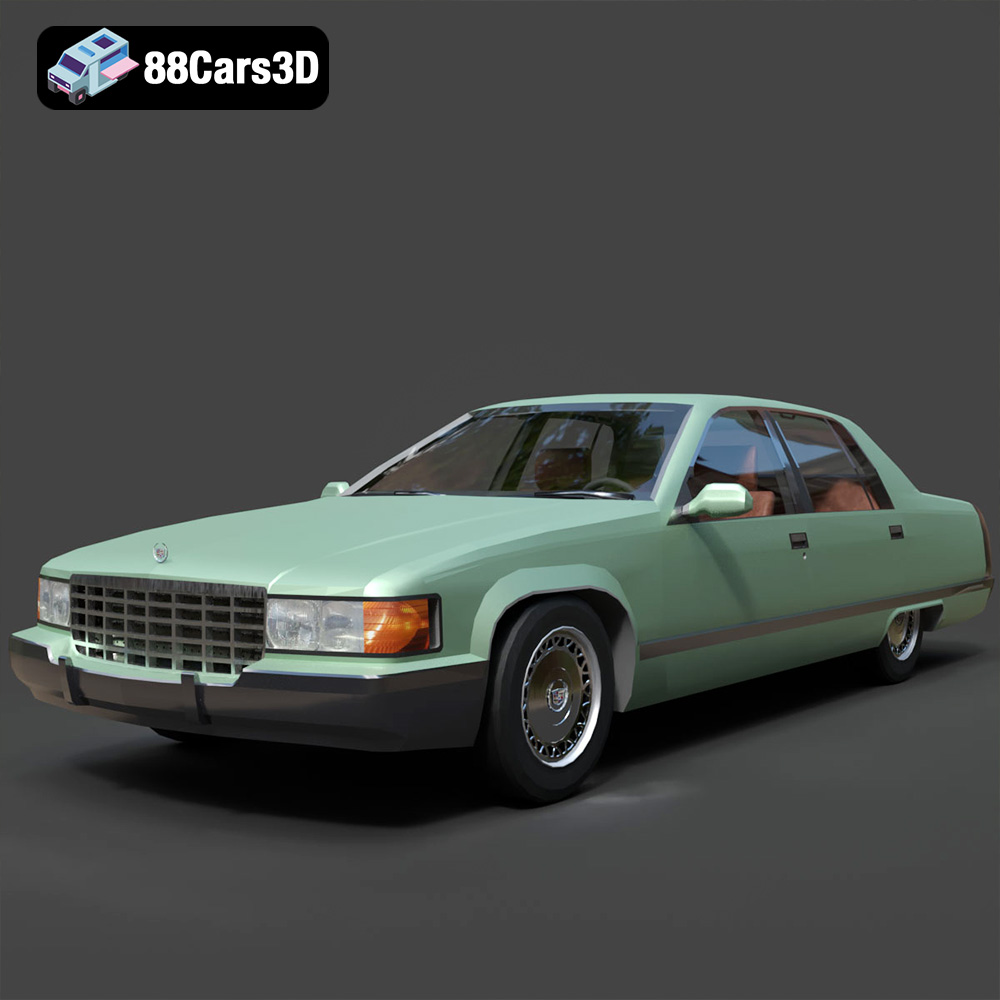
Cadillac Fleetwood Brougham 3D Model
Texture: Yes
Material: Yes
Download the Cadillac Fleetwood Brougham 3D Model featuring its iconic classic luxury design and detailed exterior and interior. Includes .blend, .fbx, .obj, .glb, .stl, .ply, .unreal, and .max formats for rendering, simulation, and game development.
Price: $10.79
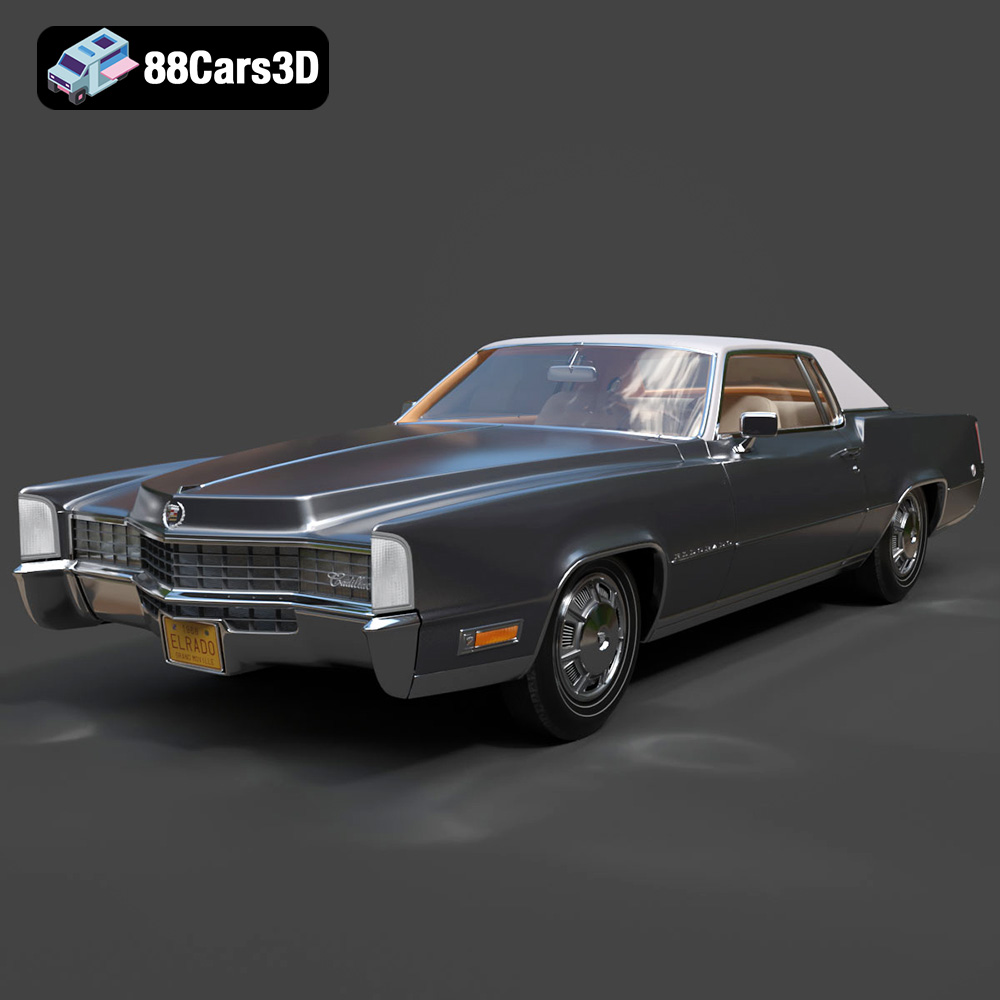
Cadillac Eldorado 1968 3D Model
Texture: Yes
Material: Yes
Download the Cadillac Eldorado 1968 3D Model featuring its iconic elongated body, distinctive chrome accents, and luxurious interior. Includes .blend, .fbx, .obj, .glb, .stl, .ply, .unreal, and .max formats for rendering, simulation, and game development.
Price: $20.79

Cadillac CTS SW 2010 3D Model
Texture: Yes
Material: Yes
Download the Cadillac CTS SW 2010 3D Model featuring a detailed exterior, functional interior elements, and realistic materials. Includes .blend, .fbx, .obj, .glb, .stl, .ply, .unreal, and .max formats for rendering, simulation, and game development.
Price: $10.79
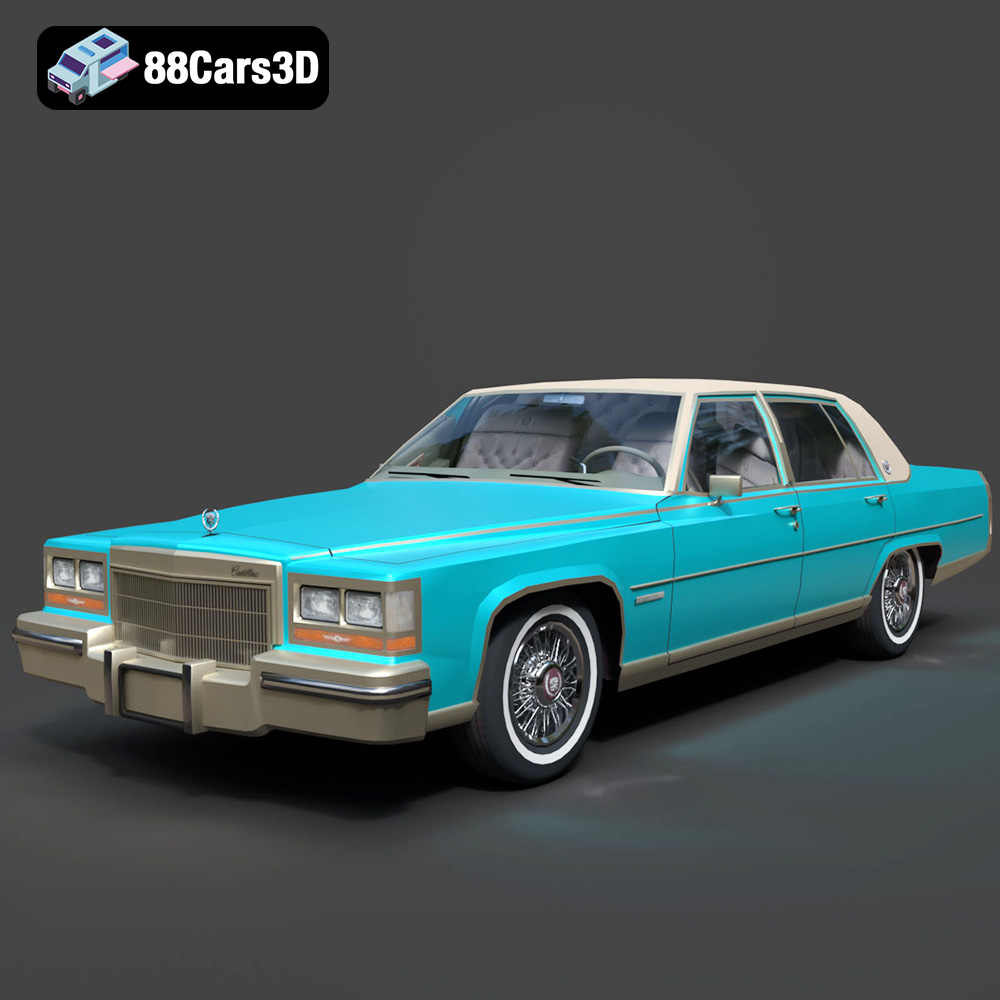
Cadillac Fleetwood Brougham 1985 3D Model
Texture: Yes
Material: Yes
Download the Cadillac Fleetwood Brougham 1985 3D Model featuring its iconic classic luxury design and detailed craftsmanship. Includes .blend, .fbx, .obj, .glb, .stl, .ply, .unreal, and .max formats for rendering, simulation, and game development.
Price: $10.79
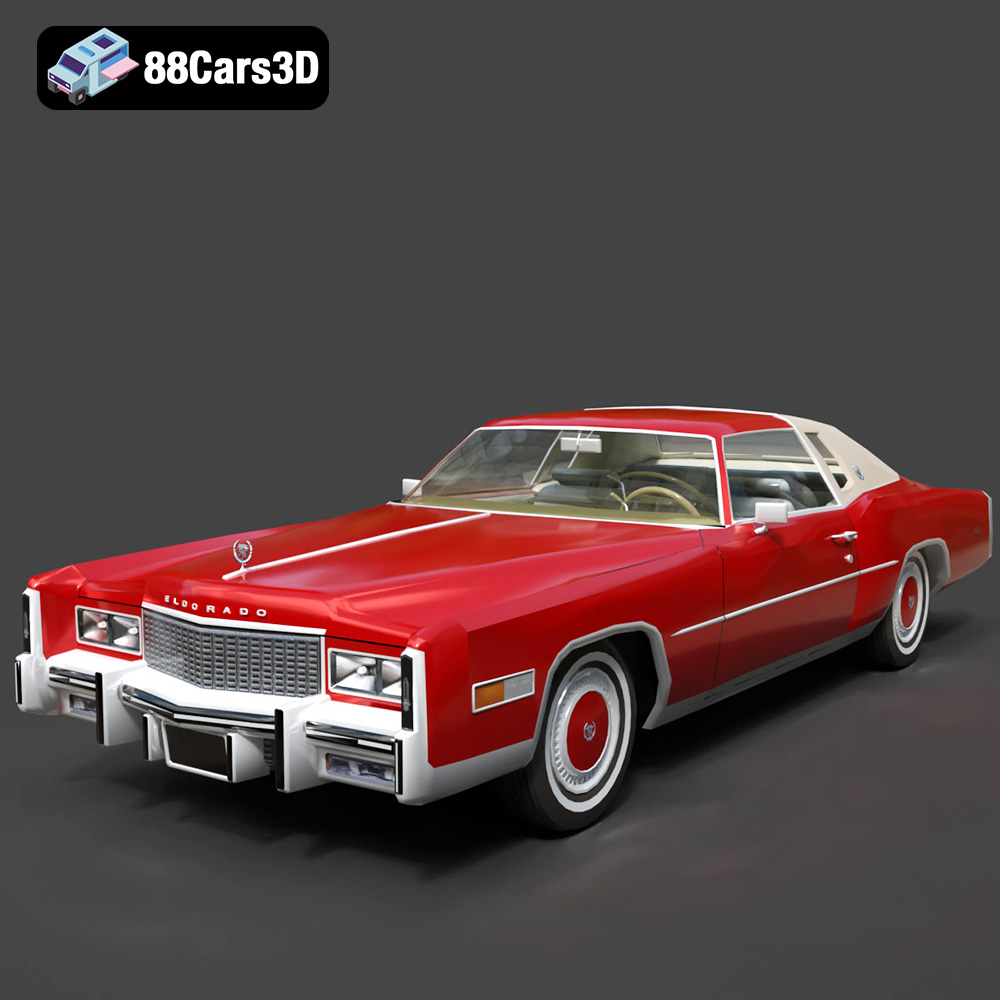
Cadillac Eldorado 1978 3D Model
Texture: Yes
Material: Yes
Download the Cadillac Eldorado 1978 3D Model featuring accurately modeled exterior, detailed interior, and period-correct aesthetics. Includes .blend, .fbx, .obj, .glb, .stl, .ply, .unreal, and .max formats for rendering, simulation, and game development.
Price: $10.79
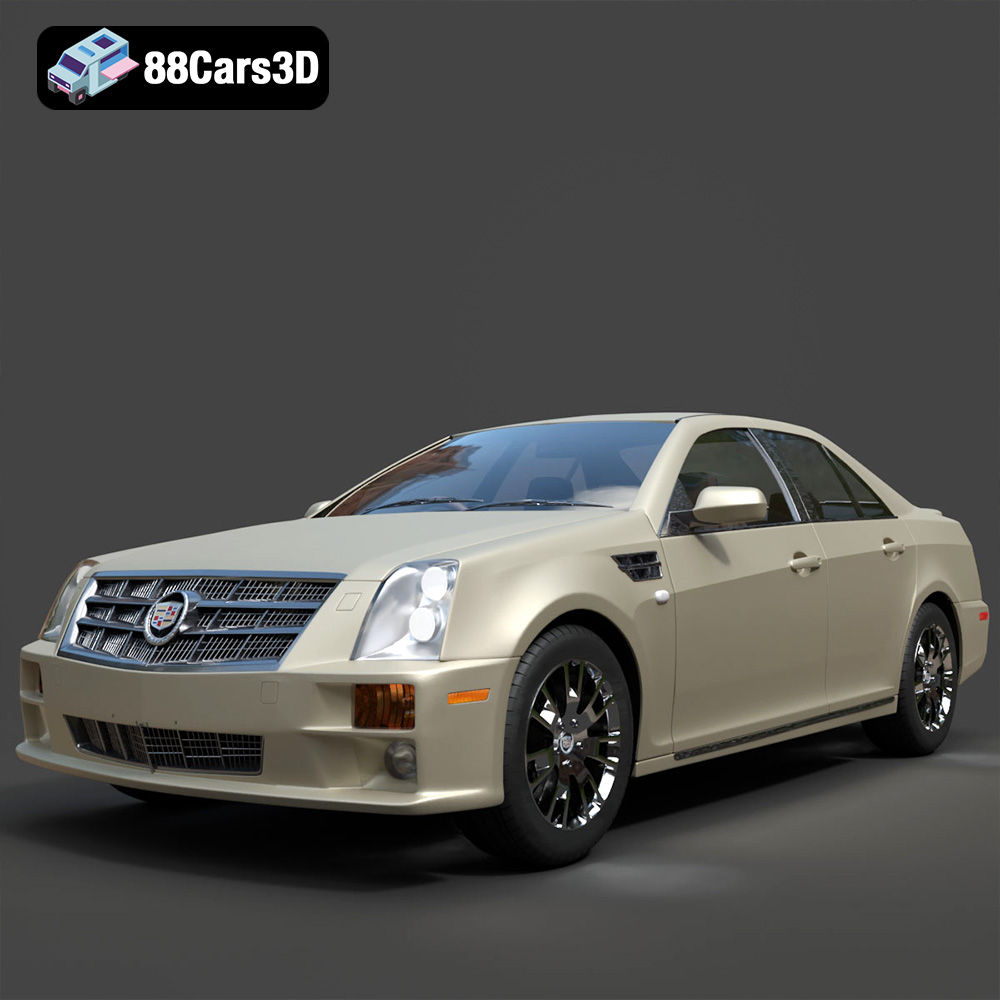
Cadillac STS-005 3D Model
Texture: Yes
Material: Yes
Download the Cadillac STS-005 3D Model featuring a detailed exterior and interior. Includes .blend, .fbx, .obj, .glb, .stl, .ply, .unreal, and .max formats for rendering, simulation, and game development.
Price: $22.79
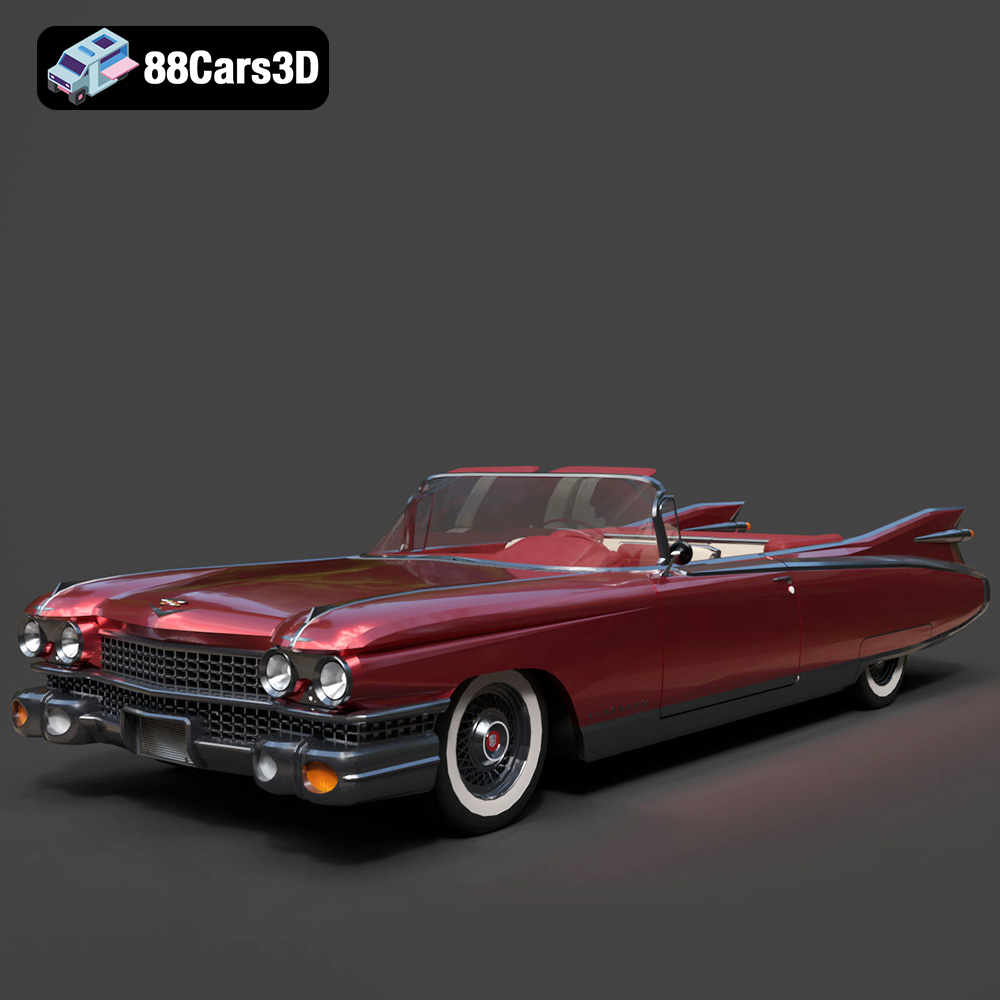
Cadillac Eldorado Convertible (1959) 3D Model
Texture: Yes
Material: Yes
Download the Cadillac Eldorado Convertible (1959) 3D Model featuring iconic fins, luxurious chrome details, and a classic vintage design. Includes .blend, .fbx, .obj, .glb, .stl, .ply, .unreal, and .max formats for rendering, simulation, and game development.
Price: $20.79

Cadillac DTS-005 3D Model
Texture: Yes
Material: Yes
Download the Cadillac DTS-005 3D Model featuring its iconic luxury design, detailed interior, and realistic exterior. Includes .blend, .fbx, .obj, .glb, .stl, .ply, .unreal, and .max formats for rendering, simulation, and game development.
Price: $10.79

Buick LeSabre 1998 3D Model
Texture: Yes
Material: Yes
Download the Buick LeSabre 1998 3D Model featuring a classic American full-size sedan design. Includes .blend, .fbx, .obj, .glb, .stl, .ply, .unreal, and .max formats for rendering, simulation, and game development.
Price: $10.79
