Get 20% OFF All Premium 3D & STL Models!

“`html
Welcome, fellow makers and automotive enthusiasts! At 88cars3d.com, we’re passionate about bringing iconic vehicles to life through high-quality, 3D printable STL files. While the intricate details of our car models are designed for stunning results, achieving that perfect print often hinges on fundamental yet crucial decisions: selecting the right nozzle size and ensuring your print bed is adequately sized for the task. This guide will demystify these choices, providing you with the technical insights needed to elevate your 3D printing game, from tiny desktop models to larger display pieces. We’ll explore how nozzle diameter impacts detail, print speed, and material compatibility, and how bed dimensions dictate the scale and feasibility of your projects. Get ready to unlock new levels of precision and efficiency in your printing endeavors!
The nozzle on your 3D printer is where the magic happens – it’s the conduit through which molten filament is precisely deposited onto the build plate. Its diameter is arguably one of the most influential settings affecting print quality, speed, and the type of models you can successfully print. For enthusiasts downloading intricate 3D printable car models from platforms like 88cars3d.com, understanding this crucial component is paramount.
The most common nozzle sizes for FDM (Fused Deposition Modeling) printers are 0.4mm, 0.6mm, and 0.8mm. Some specialized nozzles can range from 0.1mm for extreme detail to 1.0mm for rapid prototyping. Each size offers distinct advantages and disadvantages:
When you download a stunning 1:18 scale classic car STL from 88cars3d.com, consider the intended outcome. For a highly detailed display piece, sticking with a standard 0.4mm nozzle is usually the best bet. This allows you to achieve crisp body lines, sharp edges on spoilers, and well-defined grilles. You can leverage smaller layer heights (e.g., 0.12mm to 0.15mm) for a smoother surface finish, requiring less post-processing. If you’re printing a larger, simpler component, like a basic frame for a RC car project, a 0.6mm nozzle might shave hours off your print time. Remember to adjust your slicer settings accordingly – wall thickness, line width, and layer height should all be scaled with the nozzle size.
Nozzles aren’t just about size. They come in various materials: brass (most common, affordable, but wears quickly with abrasive filaments), hardened steel (durable, resistant to wear from carbon fiber or metal-infused filaments, but can have slightly lower thermal conductivity), and ruby/tungsten (extremely durable, for specialized applications). For printing standard PLA, PETG, or ABS, a brass nozzle is perfectly adequate. If you plan on experimenting with exotic materials that can quickly degrade brass, investing in a hardened steel nozzle is wise. Regular maintenance, such as ensuring the nozzle is clean and properly tightened against the heat break, is crucial for consistent extrusion and preventing leaks.
Your printer’s build plate is the literal foundation of every 3D print. Its size dictates the maximum dimensions of a single-piece model you can print and significantly influences how you approach larger or multi-part projects. For automotive enthusiasts looking to print anything from a small dashboard detail to a full-scale replica dashboard (in sections, of course!), the build plate dimensions are a critical planning factor.
Consumer-grade FDM printers typically come with build plate sizes ranging from 150x150mm (small) to 300x300mm (large), with 220x220mm being a very common mid-range size. Resin printers (SLA/DLP/MSLA) often have smaller build plates, measured in X and Y dimensions, focusing more on the height (Z-axis) for batch printing multiple small items. The build plate size affects:
When downloading an STL file for a car from 88cars3d.com, always check its approximate dimensions. Compare these to your printer’s build volume. If the model is too large for a single print, you’ll need to use software like Meshmixer or Blender to split it. Consider how the model can be logically divided. For a car, common splitting points include the chassis, body panels (roof, doors, hood, trunk), wheels, and interior components. Ensure your split lines are clean and will allow for easy assembly later. For example, you might add small alignment pins or a slight chamfer to mating surfaces within your CAD software before slicing.
Successfully printing large models, or even multiple small ones on a large bed, relies heavily on excellent bed adhesion. A first layer that doesn’t stick properly can ruin an entire print, costing hours of time and filament. Ensure your build plate is clean and level. Using a brim or raft in your slicer can significantly improve adhesion for large, flat-bottomed objects. For materials prone to warping like ABS, using an enclosure to trap heat and maintain a consistent ambient temperature around the print is highly recommended. Regularly calibrating your Z-offset is also critical, especially when printing on different surfaces or after maintenance.
The selection of your nozzle size and the capabilities of your build plate are not independent decisions. They form a synergistic relationship that dictates the success, quality, and efficiency of your 3D printing projects, especially when working with detailed models like those found on 88cars3d.com. Understanding how they interact allows for smarter planning and better outcomes.
This is the core tradeoff. A small nozzle (e.g., 0.2mm) combined with a small layer height (e.g., 0.08mm) on a precisely calibrated printer can produce incredibly detailed prints, capturing the subtle curves and sharp edges of a vintage sports car. However, printing a single complex model at this resolution can take days. Conversely, a larger nozzle (0.6mm or 0.8mm) with a thicker layer height (0.3mm) can print the same model in a matter of hours, but with a noticeable loss of fine detail. For most users, a 0.4mm nozzle with layer heights between 0.1mm and 0.2mm offers the best compromise for high-quality car models. You can then use post-processing techniques like sanding and painting to further enhance the finish.
Different filament materials have varying flow rates and thermal properties. Some materials, like flexible TPUs, can be challenging to print with smaller nozzles as they can bunch up or jam. A 0.6mm or even 1.0mm nozzle might be more forgiving for certain flexible filaments. Abrasive filaments, such as those containing carbon fiber, metal particles, or wood fibers, will rapidly wear down standard brass nozzles. If you plan to print with these materials frequently to achieve unique finishes on your car models (e.g., a brushed metal effect), investing in a hardened steel nozzle is essential to maintain print quality and prevent damage.
Consider your printer’s build volume relative to the size of the car model you want to print. If you have a large build plate (e.g., 300x300mm), you might be tempted to print a larger scale model in one piece. However, even on a large bed, extreme dimensions can lead to long print times and increased risk of failure. If you have a smaller build plate (e.g., 200x200mm), mastering the art of splitting models and assembling them is crucial. Platforms like 88cars3d.com often provide models that are already designed with multi-part printing in mind, or you can use tools like Meshmixer to split them yourself. The key is to plan your cuts strategically to ensure easy and strong assembly.
Optimizing your nozzle and bed size choices goes beyond basic settings. Advanced users often tweak parameters and employ specific strategies to overcome limitations and achieve professional-grade results. Troubleshooting common issues related to these components is also a vital skill for any serious 3D printing hobbyist.
Your slicer software (Cura, PrusaSlicer, Simplify3D) is where you translate your nozzle and bed size decisions into actionable print instructions. Beyond basic layer height and wall thickness, consider these settings:
Nozzle Clogs: Often caused by debris in the filament, heat creep, or printing at too low a temperature. If a clog occurs, try a ‘cold pull’ (heat nozzle, then rapidly pull filament out) or use a cleaning filament. For persistent clogs, nozzle replacement might be necessary. Abrasive filaments are notorious for causing wear, leading to under-extrusion and poor quality, necessitating a hardened steel nozzle.
Poor Bed Adhesion: On large prints, this can be due to an uneven bed, incorrect Z-offset, drafts, or dirty build surface. Ensure your bed is level and clean. Use a brim or raft. For ABS, consider an enclosure. If the first layer is too high, it won’t stick; too low, and it might scrape or jam the nozzle.
Warping: Particularly on larger models with flat surfaces. Caused by uneven cooling. Use an enclosure, a brim, and potentially adjust cooling fan speeds (lower for materials like ABS, higher for PLA once the initial layers are down).
Layer Shifting: Often due to mechanical issues like loose belts, a stepper motor skipping steps (due to printing too fast or overheating), or collisions with failed print sections. Check belt tension, reduce print speed, and ensure adequate cooling for electronics.
Even with the perfect print settings, post-processing is key to achieving a showroom-quality finish on your 3D printed car models. Sanding is essential to smooth out layer lines. Start with coarser grits (e.g., 150-220) and progressively move to finer grits (e.g., 400, 800, 1000+). For ABS, vapor smoothing with acetone can create an incredibly smooth, injection-molded look, but requires extreme caution and proper ventilation. Priming and painting are the final steps to bring your model to life. Using automotive-grade primers and paints can yield fantastic results. For multi-part prints, ensure precise alignment during assembly using super glue (cyanoacrylate) or epoxy, perhaps aided by the alignment features you designed or added.
In conclusion, the seemingly simple choices of nozzle size and build plate dimensions have a profound impact on your 3D printing success. By understanding the strengths and weaknesses of different nozzle diameters, you can optimize for detail or speed. By respecting your build plate’s limitations, you can plan complex projects effectively, whether it’s printing a single large car model or assembling a multi-part masterpiece. Remember that platforms like 88cars3d.com offer meticulously designed STL files, but achieving the best results is a partnership between model quality and printer optimization. Experiment with different settings, embrace troubleshooting as a learning opportunity, and most importantly, enjoy the process of bringing these incredible vehicles to life in 3D!
“`
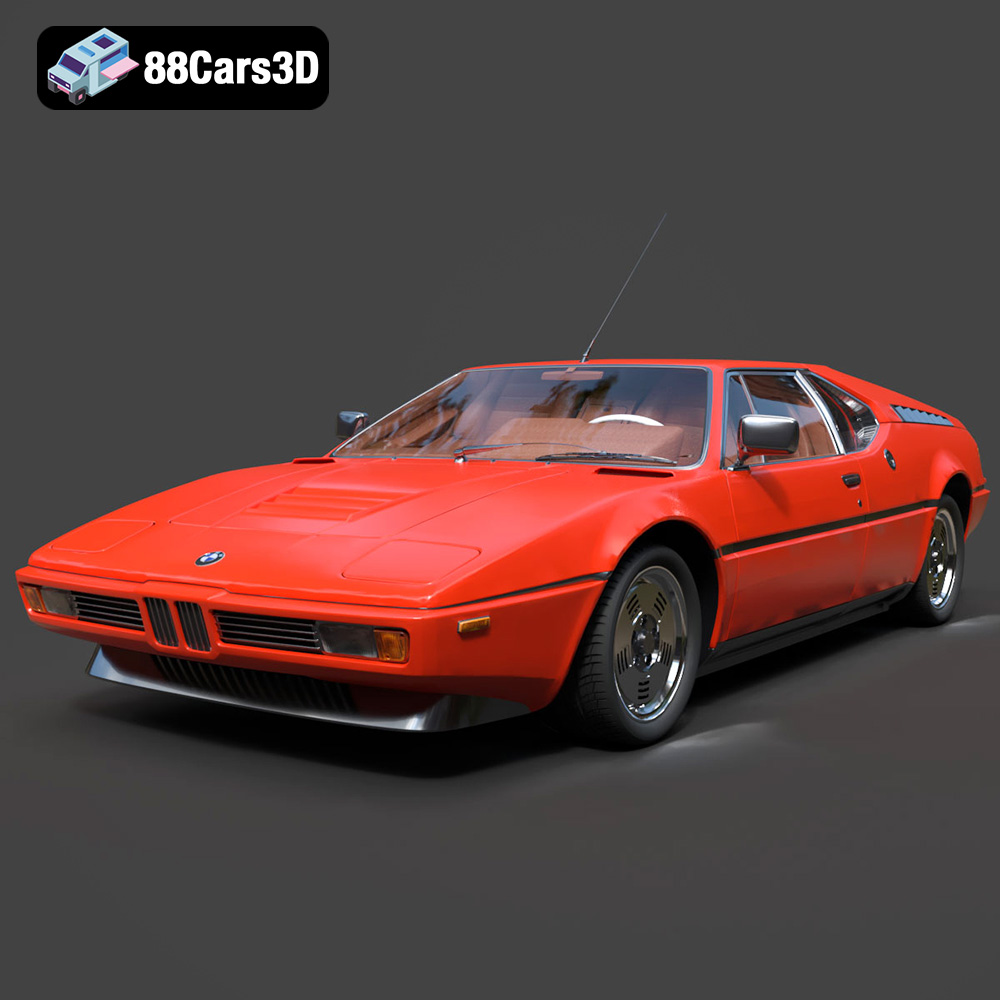
Texture: Yes
Material: Yes
Download the BMW Motorsport M1 E26 1981 3D Model featuring its iconic design, race-bred aerodynamics, and meticulously crafted details. Includes .blend, .fbx, .obj, .glb, .stl, .ply, .unreal, and .max formats for rendering, simulation, and game development.
Price: $20.79

Meta Description:
Texture: Yes
Material: Yes
Download the Cadillac CTS-V Coupe 3D Model featuring detailed exterior styling and realistic interior structure. Includes .blend, .fbx, .obj, .glb, .stl, .ply, .unreal, and .max formats for rendering, simulation, AR VR, and game development.
Price: $13.9
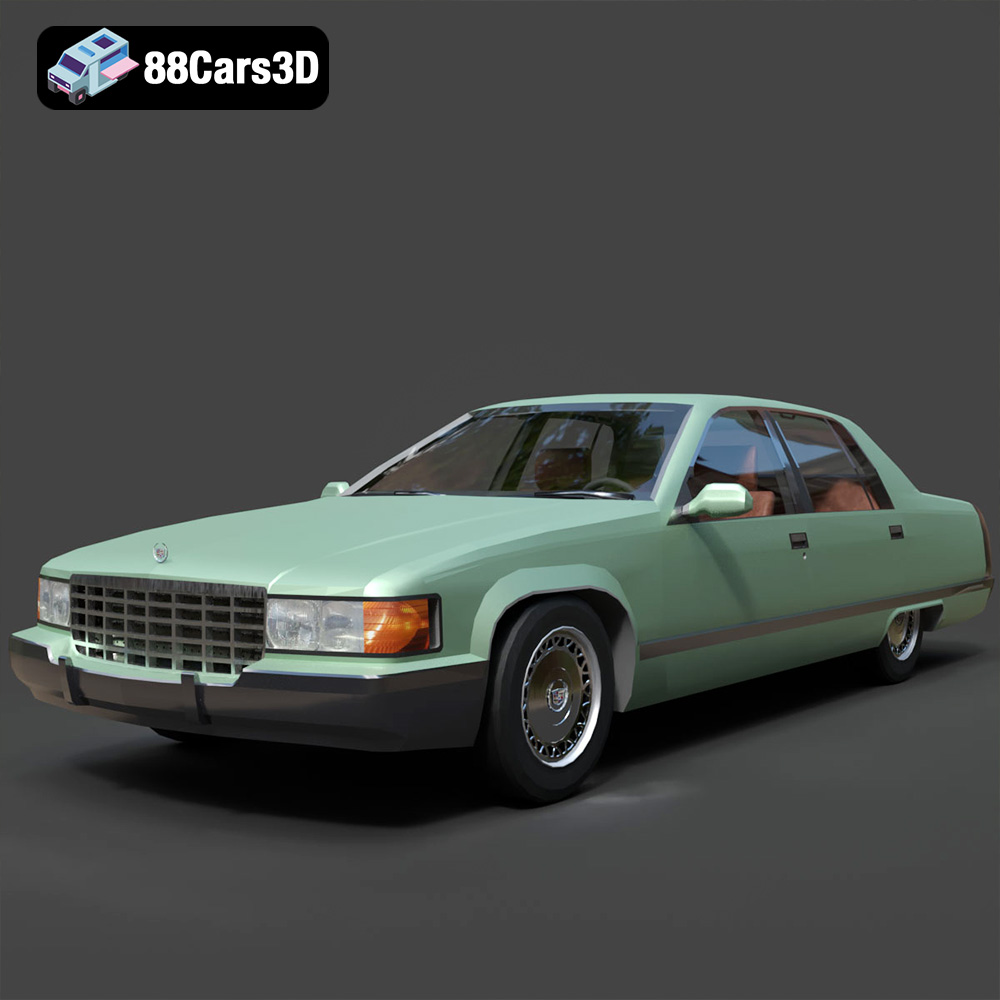
Texture: Yes
Material: Yes
Download the Cadillac Fleetwood Brougham 3D Model featuring its iconic classic luxury design and detailed exterior and interior. Includes .blend, .fbx, .obj, .glb, .stl, .ply, .unreal, and .max formats for rendering, simulation, and game development.
Price: $10.79
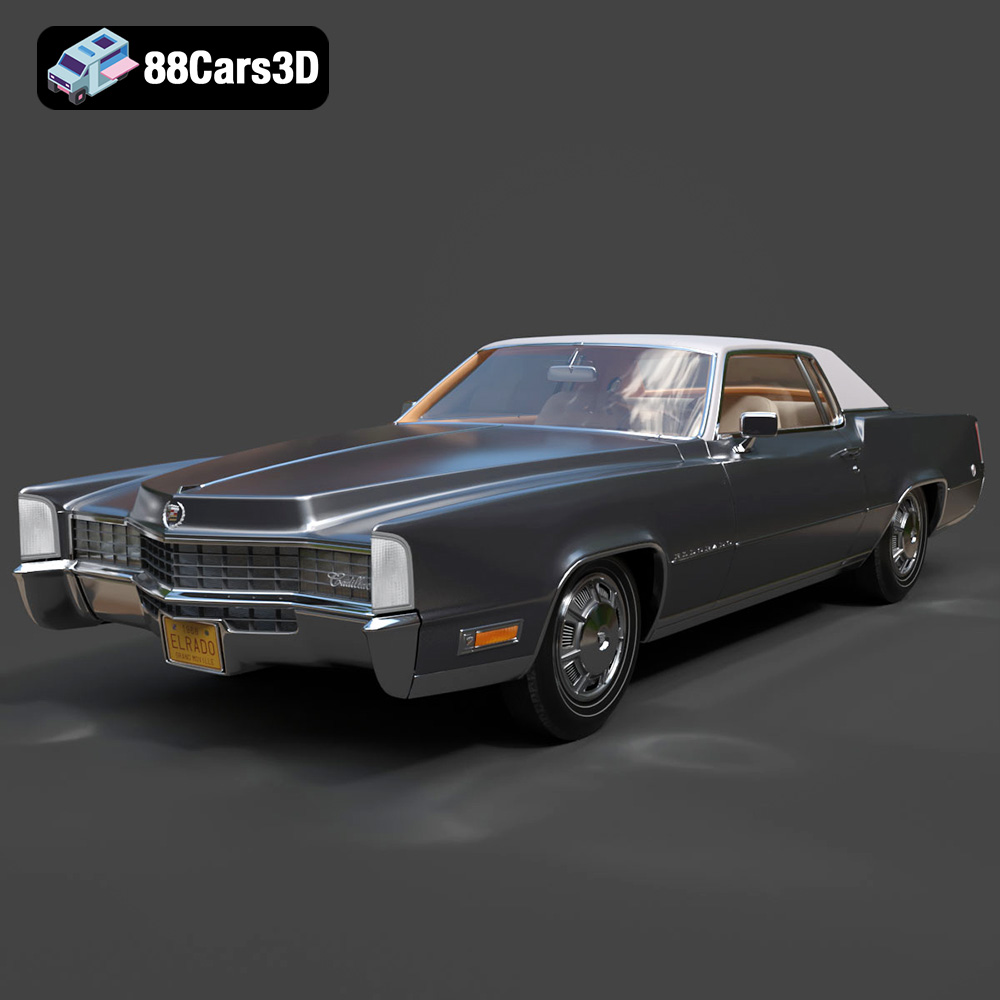
Texture: Yes
Material: Yes
Download the Cadillac Eldorado 1968 3D Model featuring its iconic elongated body, distinctive chrome accents, and luxurious interior. Includes .blend, .fbx, .obj, .glb, .stl, .ply, .unreal, and .max formats for rendering, simulation, and game development.
Price: $20.79

Texture: Yes
Material: Yes
Download the Cadillac CTS SW 2010 3D Model featuring a detailed exterior, functional interior elements, and realistic materials. Includes .blend, .fbx, .obj, .glb, .stl, .ply, .unreal, and .max formats for rendering, simulation, and game development.
Price: $10.79
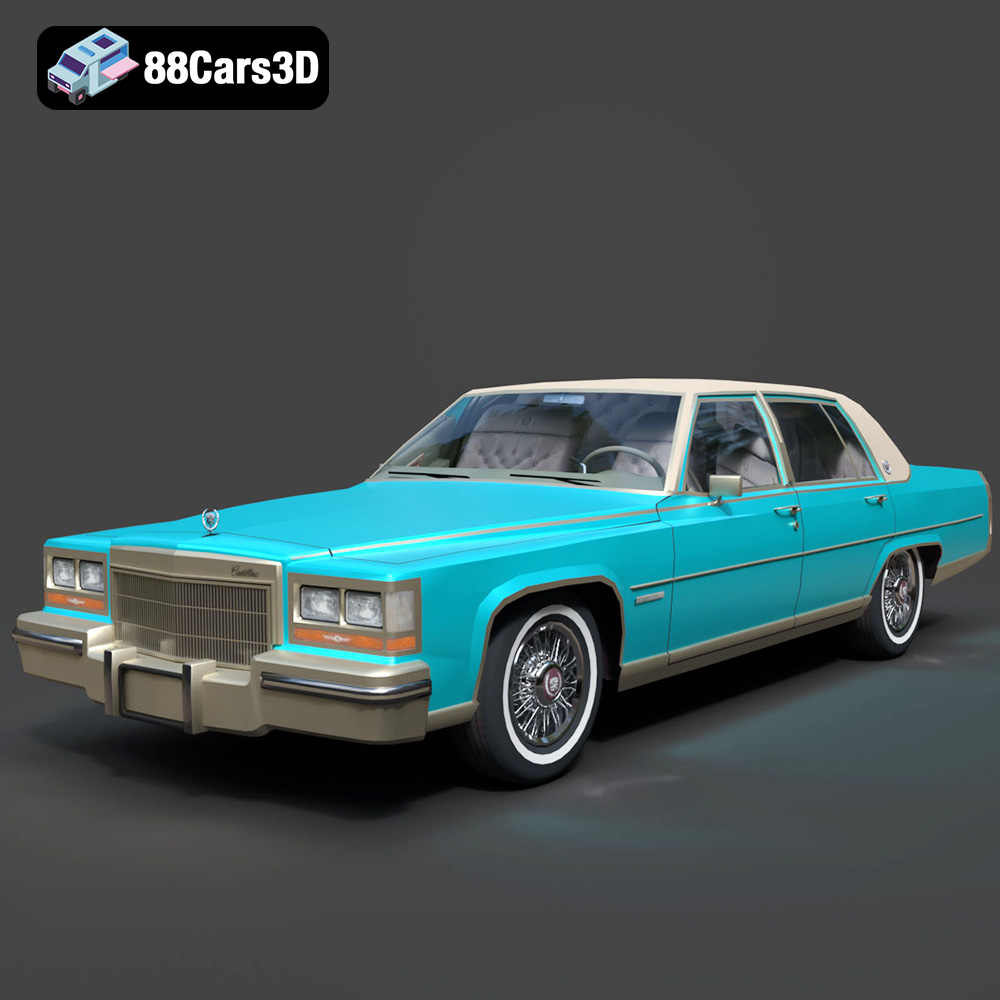
Texture: Yes
Material: Yes
Download the Cadillac Fleetwood Brougham 1985 3D Model featuring its iconic classic luxury design and detailed craftsmanship. Includes .blend, .fbx, .obj, .glb, .stl, .ply, .unreal, and .max formats for rendering, simulation, and game development.
Price: $10.79
Texture: Yes
Material: Yes
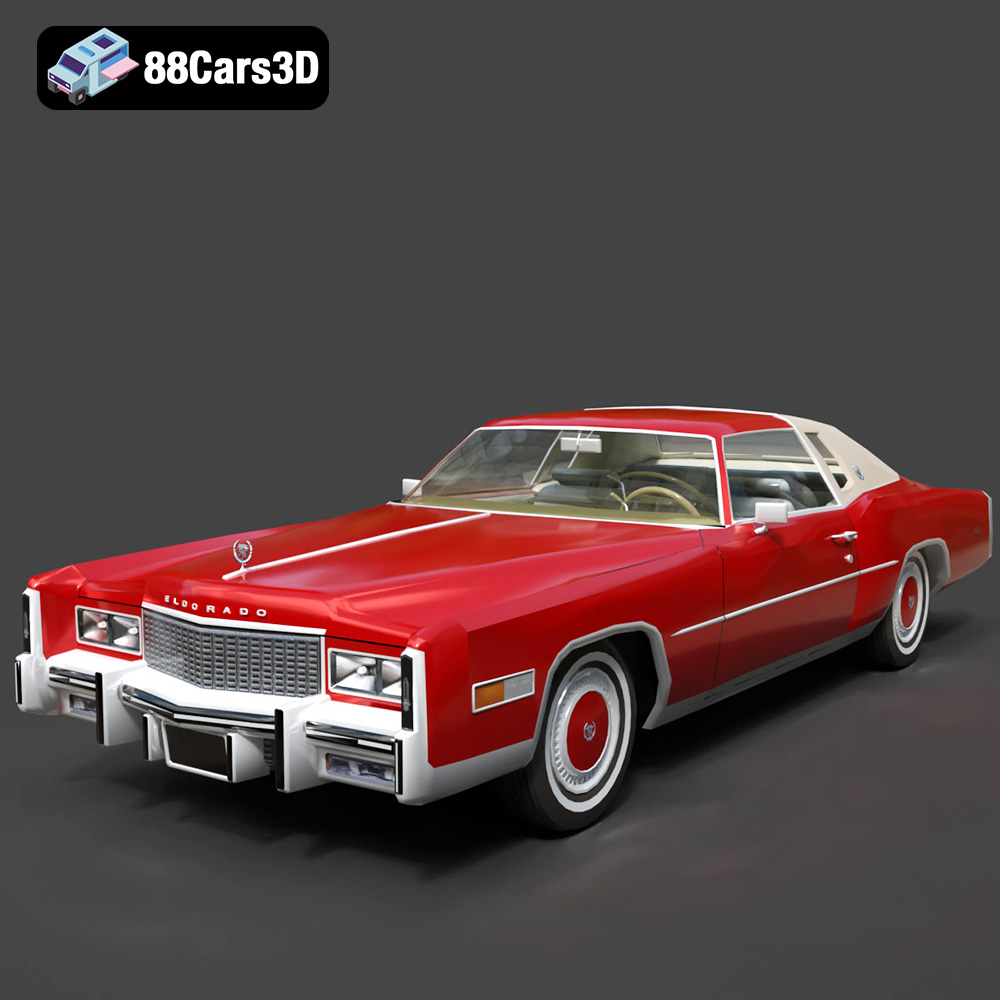
Download the Cadillac Eldorado 1978 3D Model featuring accurately modeled exterior, detailed interior, and period-correct aesthetics. Includes .blend, .fbx, .obj, .glb, .stl, .ply, .unreal, and .max formats for rendering, simulation, and game development.
Price: $10.79
Texture: Yes
Material: Yes
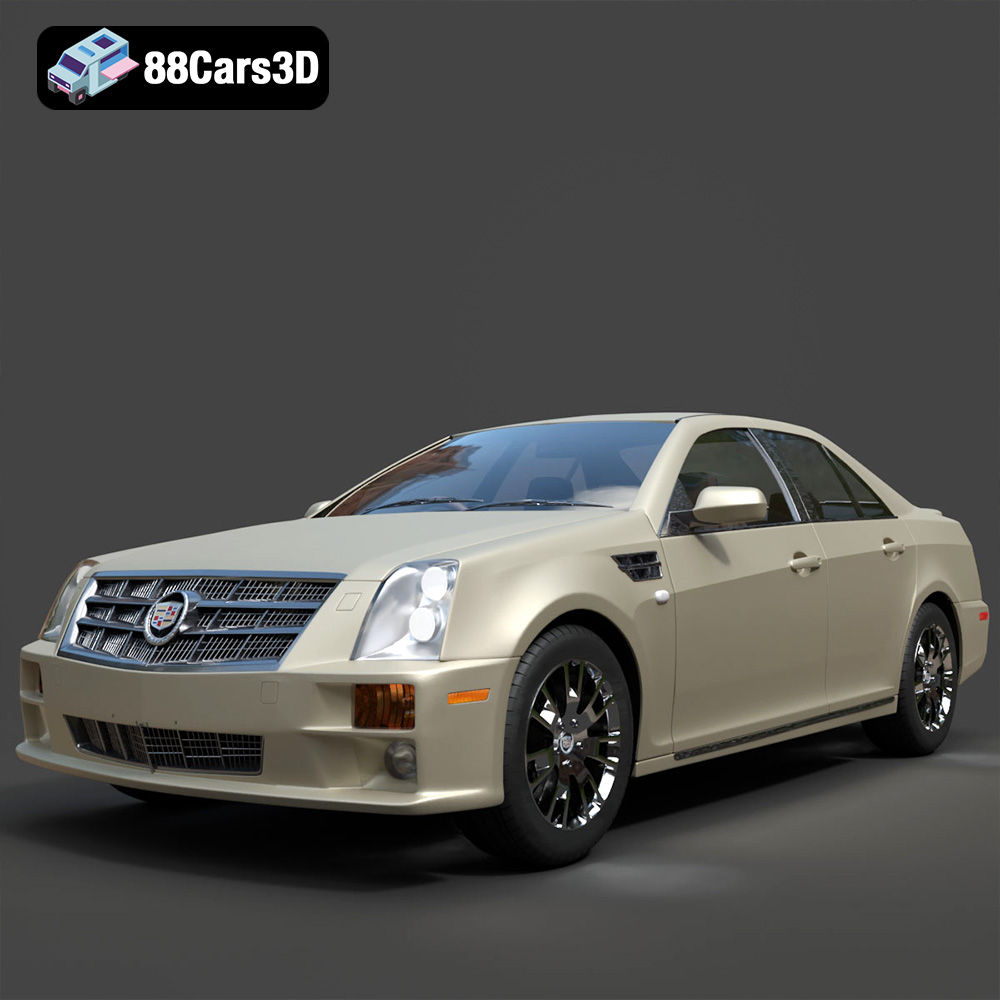
Download the Cadillac STS-005 3D Model featuring a detailed exterior and interior. Includes .blend, .fbx, .obj, .glb, .stl, .ply, .unreal, and .max formats for rendering, simulation, and game development.
Price: $22.79
Texture: Yes
Material: Yes
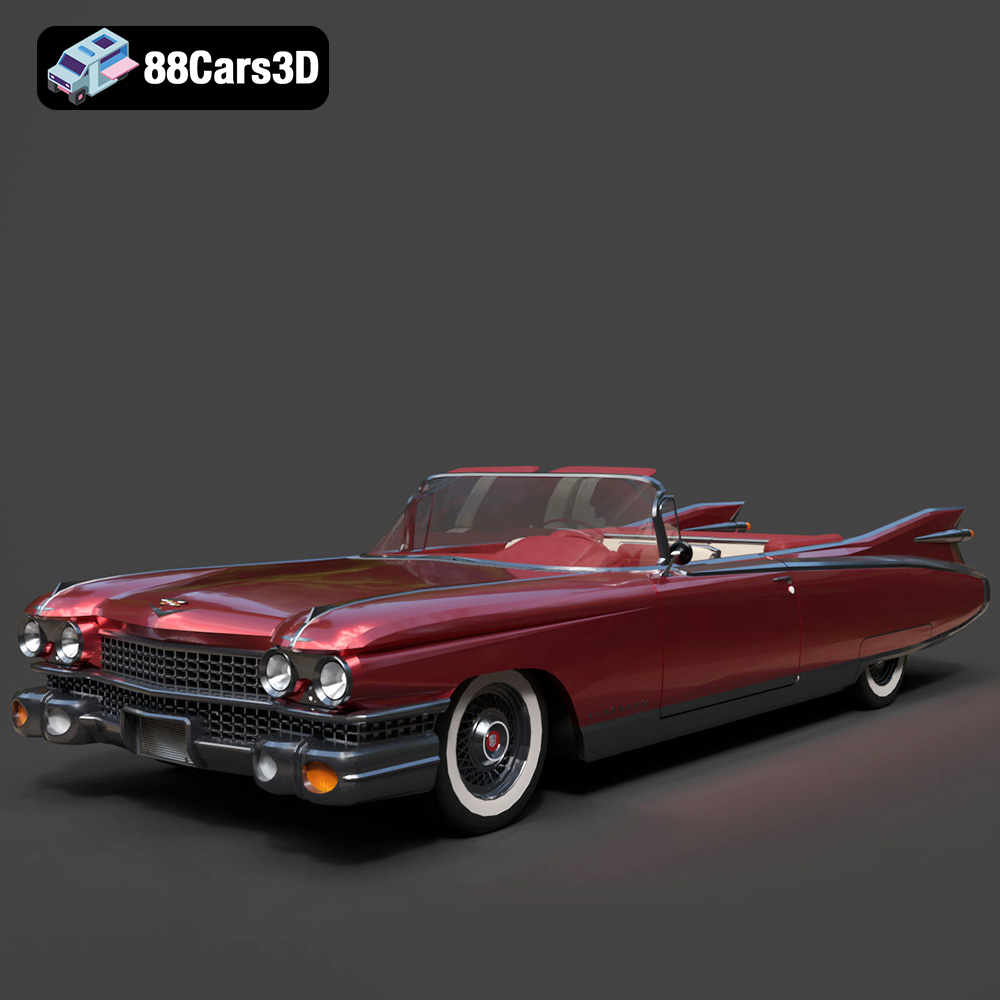
Download the Cadillac Eldorado Convertible (1959) 3D Model featuring iconic fins, luxurious chrome details, and a classic vintage design. Includes .blend, .fbx, .obj, .glb, .stl, .ply, .unreal, and .max formats for rendering, simulation, and game development.
Price: $20.79

Texture: Yes
Material: Yes
Download the Cadillac DTS-005 3D Model featuring its iconic luxury design, detailed interior, and realistic exterior. Includes .blend, .fbx, .obj, .glb, .stl, .ply, .unreal, and .max formats for rendering, simulation, and game development.
Price: $10.79

