“`html
Mastering the Art of 3D Printing Realistic Car Models: A Deep Dive into STL Files and Print Optimization
The allure of classic automobiles, futuristic concept cars, and iconic racing machines captivates enthusiasts worldwide. For 3D printing aficionados and automotive fans alike, bringing these mechanical marvels to life in miniature form is an incredibly rewarding endeavor. The journey from a digital design to a tangible, highly detailed replica hinges on understanding the nuances of 3D printing, particularly when working with STL files. These files, the cornerstone of additive manufacturing, define the geometry of your desired model. However, simply downloading an STL file and hitting ‘print’ rarely yields the professional-quality results we all strive for. This comprehensive guide will equip you with the knowledge and technical expertise to transform raw STL files into stunningly realistic 3D printed car models. We’ll explore everything from the fundamental structure of STL files and meticulous slicing strategies to advanced support generation, material selection, and crucial post-processing techniques. Get ready to elevate your hobby and create breathtaking automotive displays.
Deconstructing the STL File: The Foundation of Your 3D Printed Car
Before you even load a file into your slicer, a fundamental understanding of the STL file format is paramount. Originally developed for stereolithography (SLA) 3D printing, STL has become the de facto standard for representing 3D object geometry in 3D printing. It describes the surface geometry of a three-dimensional object using a collection of triangular facets. Each triangle is defined by a normal vector (indicating its outward-facing direction) and three vertices, which represent its corners in 3D space. This seemingly simple structure can sometimes lead to complex challenges if not properly constructed.
Understanding Mesh Topology and Common Issues
The ‘mesh’ is essentially the collection of all these triangles that form the surface of your car model. For a successful print, this mesh needs to be ‘watertight’ or ‘manifold.’ This means it should have no holes, no overlapping faces, and no internal geometry. Think of it like a sealed container – any breaches will cause problems during slicing and printing. Common issues that can arise from poorly constructed meshes include:
- Non-manifold edges: Edges shared by more than two faces, which can confuse slicer software.
- Holes or gaps: Missing triangles that create openings in the model’s surface.
- Inverted normals: Triangles facing inward instead of outward, leading to solid areas being interpreted as empty space, or vice versa.
- Self-intersecting geometry: Triangles that cross over each other, creating impossible physical geometry.
Platforms like 88cars3d.com invest heavily in ensuring their printable car models are meticulously designed with clean, manifold meshes, significantly reducing the likelihood of these issues. However, if you’re working with models from other sources or performing your own modifications, dedicated mesh repair software is essential.
Essential Tools for Mesh Repair and Preparation
When faced with a problematic STL file, several software tools can help you clean and prepare it for printing. These tools are invaluable for ensuring printability and achieving the high detail expected from automotive models.
- Meshmixer (Free): A powerful, albeit slightly dated, tool from Autodesk. It offers excellent capabilities for analyzing meshes, identifying errors, and performing automatic or manual repairs. Features like ‘Inspector’ can automatically find and fix many common mesh problems.
- Netfabb (Autodesk): A professional-grade software with advanced mesh analysis and repair features. It provides detailed diagnostics and robust automatic repair algorithms, ideal for complex models or production environments.
- Blender (Free): While primarily a 3D modeling and animation suite, Blender has robust mesh editing and analysis tools. You can manually fix many errors or use add-ons designed for 3D printing preparation.
- Slicer Software (Built-in tools): Many slicers, like Cura and PrusaSlicer, include basic mesh repair capabilities that can fix minor issues automatically upon loading.
When using these tools, always perform an analysis of your mesh before attempting repairs. Understand the nature of the errors, as aggressive automatic repairs can sometimes simplify or damage intricate details crucial for realistic car models. For models from 88cars3d.com, mesh repair is often unnecessary, allowing you to jump straight into slicing.
Slicing Strategies: Transforming STL to Print Instructions
The slicer is the bridge between your 3D model (the STL file) and your 3D printer. It takes the geometric data and converts it into a series of thin, horizontal layers, generating the machine code (G-code) that instructs the printer’s movements, temperature, and extrusion. Effective slicing is where you dictate the quality, strength, and print time of your automotive models.
Layer Height: The Trade-off Between Detail and Speed
Layer height refers to the thickness of each individual layer the printer deposits. This is one of the most critical settings influencing print quality and duration.
- Fine Layer Heights (e.g., 0.05mm – 0.1mm): These settings are crucial for capturing the intricate details of car models, such as subtle curves, panel lines, and badges. Expect significantly longer print times, but the visual fidelity will be dramatically enhanced, making these ideal for highly detailed display pieces.
- Standard Layer Heights (e.g., 0.15mm – 0.2mm): A good balance between detail and speed. Suitable for many parts of a car model or for less critical components where extreme detail isn’t paramount. This is often the default setting in many slicers.
- Coarse Layer Heights (e.g., 0.25mm – 0.3mm): Primarily used for rapid prototyping or large, less detailed models. You will see pronounced layer lines, which will require more post-processing to achieve a smooth finish on automotive surfaces.
For realistic car models, especially those with smooth body panels, a finer layer height is almost always recommended. Layer lines on a car’s paintwork can break the illusion of realism. Experiment to find the sweet spot for your specific printer and desired level of detail.
Infill: Strength, Weight, and Material Efficiency
Infill refers to the internal support structure printed within the hollow parts of your model. The infill percentage and pattern significantly affect the model’s strength, weight, and material consumption.
- Infill Percentage: For most display car models, an infill density between 10% and 25% is usually sufficient. This provides adequate internal support without making the model excessively heavy or consuming too much filament. For parts that need to be particularly strong or durable (e.g., parts that will be handled frequently or assembled with moving components), you might increase this to 30-50%.
- Infill Patterns: Different patterns offer varying strengths and print speeds.
- Grid/Lines: Fast to print and provides good Z-axis strength.
- Cubic/Gyroid: Offer excellent strength in multiple directions and are often preferred for higher-strength prints. Gyroid patterns are particularly good at distributing stress.
- Honeycomb: Good balance of strength and material usage, visually interesting if the infill is ever visible.
For car models, a Gyroid or Cubic pattern at a moderate infill percentage (15-20%) is often a good choice, providing a balance of structural integrity and print efficiency.
Print Speed and Temperature: Fine-Tuning for Quality
Print speed dictates how quickly the print head moves while extruding filament. Higher speeds reduce print time but can compromise quality, especially on detailed models. Temperature (nozzle and bed) is critical for proper layer adhesion and material flow.
- Print Speed: Start with conservative speeds recommended by your filament manufacturer. For outer walls and detailed sections of car models, consider reducing speed further (e.g., 30-40 mm/s) to ensure clean extrusion and sharp details. Inner walls and infill can often be printed faster.
- Nozzle Temperature: This is filament-dependent. PLA typically prints between 190-220°C, PETG 230-250°C, and ABS 240-260°C. Always perform temperature towers to find the optimal temperature for your specific filament brand, as this impacts surface finish and layer adhesion.
- Bed Temperature: Crucial for adhesion. PLA: 50-60°C, PETG: 70-85°C, ABS: 90-110°C. Proper bed adhesion prevents warping, a common issue that can ruin a car model.
It’s often beneficial to print a small test model or a section of the car (like a wheel or spoiler) with varied settings to dial in the perfect balance before committing to a full print.
Support Structures: Enabling Complex Geometries
Car models, with their overhangs, undercuts, and intricate details like spoilers, mirrors, and grilles, often require support structures. These are temporary structures printed by the 3D printer to hold up parts of the model that would otherwise print in mid-air, leading to failure. Proper generation and removal of supports are critical for a clean, high-quality finish.
Types of Supports and When to Use Them
Slicers offer various support types, each with pros and cons:
- Normal/Grid Supports: The most basic type. They print a grid pattern beneath overhangs. Can be difficult to remove cleanly and may leave behind significant marks.
- Tree/Branching Supports: These supports resemble tree branches, originating from a single point on the build plate or model and branching out to support overhangs. They are generally easier to remove, use less material, and can be positioned more precisely, making them excellent for detailed car models. Many slicers (like Cura’s experimental tree supports or PrusaSlicer’s organic supports) offer advanced versions.
- Custom Supports: In some software (e.g., Meshmixer, Blender, or within slicers that allow manual support painting), you can manually place support structures exactly where you need them. This offers the most control but requires a good understanding of how overhangs form.
When generating supports, consider the angle threshold. Most overhangs beyond 45-60 degrees will require support. For car models, you want supports that are strong enough to hold the geometry but not so dense or integrated that they damage delicate parts upon removal.
Optimizing Support Settings for Easy Removal
Beyond the type of support, several settings within your slicer influence how easily they can be removed and the quality of the surface they leave behind.
- Support Density: Lower density means less material and easier removal, but potentially less stable support. For most car models, 10-20% density is a good starting point.
- Support Wall Count: Increasing wall count makes supports stronger but harder to remove. Often, 1-2 walls are sufficient.
- Support Z Distance (or Gap): This is the vertical gap between the support structure and the model itself. A larger gap makes removal easier but can lead to a less precise surface finish on the supported area. A smaller gap provides better accuracy but increases the risk of supports fusing to the model. Typical values range from 0.1mm to 0.3mm. Fine-tuning this is crucial.
- Support Interface Layers: Some slicers allow you to add a denser interface layer at the top and/or bottom of the support structure where it touches the model. This can improve the surface finish of the supported area but may also make removal more challenging if the gap is not optimized.
- Support Pattern: Similar to infill patterns, different support patterns (e.g., lines, grid) can affect ease of removal.
After printing, carefully remove supports using flush cutters, pliers, or a hobby knife. Work slowly and methodically, especially around delicate areas like mirrors or spoilers. If supports are too difficult to remove, consider adjusting the Z distance or trying a different support type in your next print.
Print Orientation and Bed Adhesion: The Foundation of Success
How you orient your STL file on the printer’s build plate and ensuring it adheres properly are fundamental to a successful print, especially for complex shapes like car models. Incorrect orientation can lead to excessive supports, weaker parts, or surface quality issues, while poor bed adhesion is a primary cause of print failure.
Strategic Orientation for Optimal Results
The orientation of your car model can impact:
- Support Minimization: By rotating the model, you can often reduce the amount and complexity of required supports. For instance, printing a car body upright might necessitate extensive supports for the undercarriage and wheel wells. Rotating it slightly or even printing it in sections can significantly alleviate this.
- Surface Quality: Some surfaces are more sensitive to layer lines. Orienting the model so that critical visible surfaces (like the hood or roof) are less prone to visible support marks or are presented in a way that minimizes layer line visibility is key.
- Part Strength: Layer adhesion is weakest between layers (Z-axis) and strongest along the extrusion path (X/Y axes). Orienting parts so that critical stress points are aligned with the stronger X/Y axes can improve durability if the model needs to withstand any force.
- Print Time: Orientation can also affect the total height of the model on the build plate, directly influencing print time.
For most car bodies, printing them on their ‘back’ (roof down) or at a slight angle (e.g., 15-30 degrees) often provides a good balance, reducing supports on the most visible areas and minimizing the need for interface layers.
Achieving Reliable Bed Adhesion
A print detaching from the build plate mid-print is one of the most frustrating failures. Ensuring proper adhesion is paramount:
- Clean Build Surface: Oils from fingerprints, dust, or residual filament can prevent adhesion. Clean your build plate regularly with isopropyl alcohol (IPA). For textured PEI sheets, soap and water can also be effective periodically.
- Leveling the Bed: An uneven bed means the nozzle is too close in some spots and too far in others. Ensure your bed is perfectly leveled using your printer’s auto-leveling feature or manual adjustment before every print.
- First Layer Settings: The first layer is critical.
- First Layer Height: Often slightly thicker (e.g., 0.24mm for a 0.2mm standard layer height) to ensure good squish.
- First Layer Speed: Significantly slower than the rest of the print (e.g., 15-25 mm/s) to allow filament to properly adhere.
- First Layer Flow/Extrusion Multiplier: Sometimes slightly increased for the first layer.
- Adhesion Aids: Depending on your build surface and filament, you might need adhesion aids like PVA glue stick, hairspray, or specialized adhesion solutions. PETG and ABS often benefit from slightly higher bed temperatures and sometimes adhesion aids.
- Brim or Raft:
- Brim: Adds a single layer of flat loops around the base of the model, increasing surface area contact with the bed. Excellent for preventing corners from lifting.
- Raft: Prints a thicker, multi-layer platform beneath the model. Use this for very challenging prints or warped build plates, though it consumes more material and can leave a rougher surface on the model’s base.
For car models, a brim is often sufficient to ensure stability without significantly impacting the visual quality of the base.
Material Selection and Post-Processing: The Finishing Touches
The material you choose and the post-processing steps you undertake will ultimately determine the final aesthetic and tactile qualities of your 3D printed car model. Moving beyond basic function to achieve a realistic look requires careful consideration of these aspects.
Choosing the Right Filament for Automotive Models
Different materials offer unique properties:
- PLA (Polylactic Acid): The most popular choice for hobbyists due to its ease of printing, low warping, and availability in a vast array of colors. It offers good detail but can be brittle and has a lower heat resistance (around 60°C), making it unsuitable for high-temperature environments or functional parts under stress. It’s excellent for display models.
- PETG (Polyethylene Terephthalate Glycol): Offers a good combination of strength, slight flexibility, and temperature resistance (around 80°C) compared to PLA. It’s more durable and less brittle but can be stringier and require slightly higher temperatures and slower speeds. Good for parts that might need more resilience.
- ABS (Acrylonitrile Butadiene Styrene): Known for its toughness, impact resistance, and higher temperature resistance (around 100°C). However, it’s more prone to warping, requires a heated enclosure, and emits fumes, necessitating good ventilation. Often used for functional automotive parts.
- Resin (SLA/DLP/MSLA printing): For ultimate detail and smooth surfaces, resin printing is often superior. Resin printers can achieve incredibly fine layer heights and capture minute details like badges and intricate grilles with exceptional clarity. However, resin prints can be more brittle, require more post-processing (washing and curing), and involve handling potentially hazardous chemicals. If hyper-realism is the goal, resin is a strong contender, and platforms like 88cars3d.com often provide models optimized for both FDM and resin printing.
For most static display car models printed on FDM printers, PLA is often the easiest and best choice for achieving excellent detail and surface finish, especially when paired with fine layer heights.
From Raw Print to Showroom Ready: Post-Processing Techniques
This is where raw prints are transformed into works of art. The goal is to eliminate visible layer lines and imperfections.
- Support Removal: As discussed, careful and precise removal is the first step. Use appropriate tools like flush cutters, pliers, and small files.
- Sanding: This is the most critical step for achieving smooth surfaces. Start with coarse grit sandpaper (e.g., 120-220 grit) to remove major imperfections and layer lines, progressing to finer grits (e.g., 400, 800, 1200, and even higher for a mirror finish). Sanding in one direction helps reveal areas that still need work. Wet sanding (using water or a sanding lubricant) can help prevent clogging and achieve smoother results, especially with finer grits.
- Filling Gaps and Imperfections: Use model putty, Bondo, or specialized 3D printing fillers to fill any remaining gaps, seam lines (if printing in multiple parts), or small imperfections revealed during sanding. Allow the filler to cure fully before sanding smooth.
- Priming: Apply a few thin coats of primer. Primer helps to reveal any remaining low spots or imperfections missed during sanding and provides a uniform surface for paint. Sand lightly between coats with very fine grit sandpaper (e.g., 600-1000 grit).
- Painting: Use hobby paints (acrylics, enamels) or airbrushing for professional results. Apply thin, even coats. For car models, consider automotive paints or techniques like spray cans for smooth finishes. Masking tape is essential for clean lines between different colored sections (e.g., body color, trim, windows).
- Clear Coating: Apply a clear coat (gloss, satin, or matte, depending on the desired finish) to protect the paint job and enhance the visual appeal. Gloss clear coats are often used for car bodies to mimic a real automotive paint finish.
- Assembly: If your car model was printed in multiple parts (e.g., body, chassis, wheels), assemble them carefully using appropriate adhesives like super glue (cyanoacrylate) or epoxy.
Post-processing is time-consuming but absolutely essential for creating truly realistic 3D printed car models. Patience and attention to detail during this phase will pay dividends in the final appearance.
Conclusion: Bringing Your Miniature Fleet to Life
The journey to creating stunningly realistic 3D printed car models from STL files is a rewarding blend of technical understanding and artistic execution. By delving into the structure of STL files, mastering the intricacies of slicer settings like layer height and infill, strategically employing supports, and paying close attention to print orientation and bed adhesion, you lay a robust foundation for success. The careful selection of materials and the meticulous application of post-processing techniques – from sanding and filling to priming and painting – are what elevate a good print to a truly exceptional replica.
Remember that practice and experimentation are key. Each 3D printer, filament, and model presents unique challenges and opportunities. Don’t be discouraged by initial setbacks; view them as learning experiences. Resources like those found on 88cars3d.com, offering high-quality, print-ready printable car models, can significantly streamline your workflow, allowing you to focus more on the printing and finishing aspects. With the knowledge gained from this guide and a commitment to honing your skills, you are well-equipped to populate your shelves with a breathtaking fleet of miniature automotive masterpieces. Happy printing!
“`
Featured 3D Car Models
Texture: Yes
Material: Yes
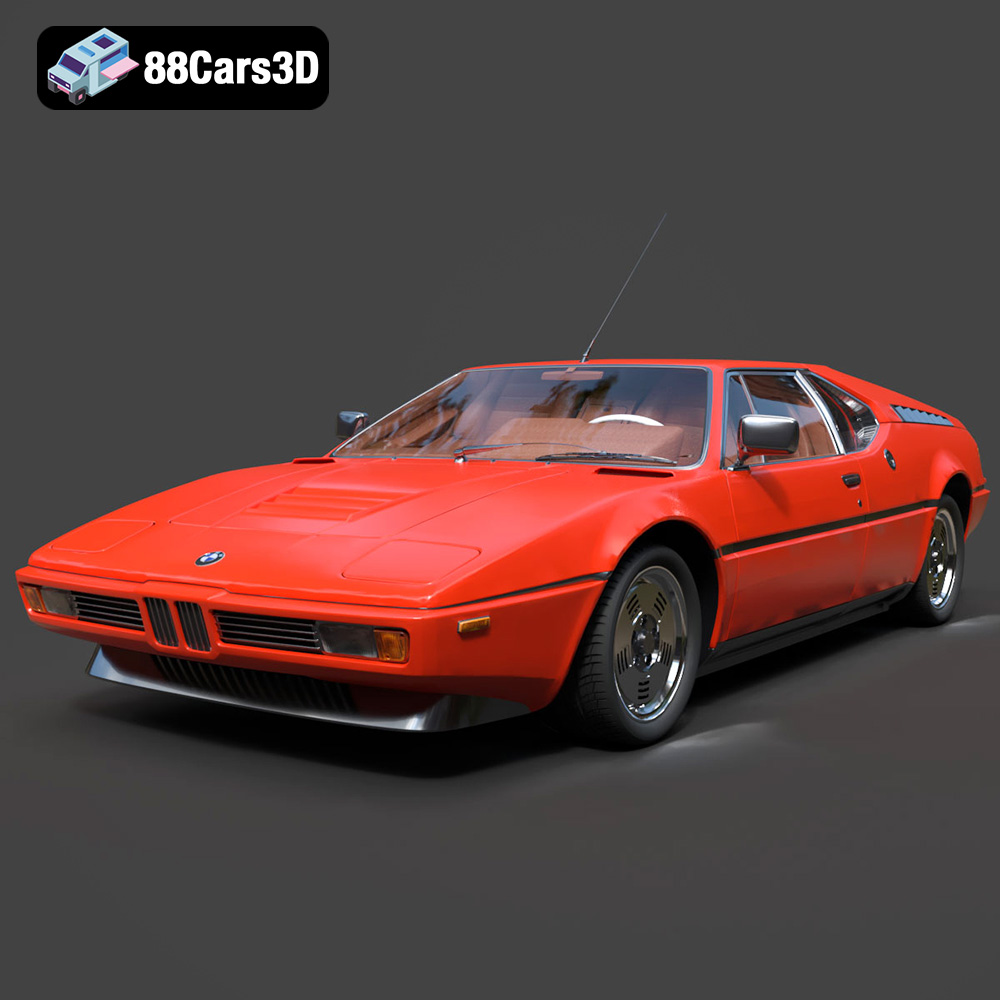
Download the BMW Motorsport M1 E26 1981 3D Model featuring its iconic design, race-bred aerodynamics, and meticulously crafted details. Includes .blend, .fbx, .obj, .glb, .stl, .ply, .unreal, and .max formats for rendering, simulation, and game development.
Price: $20.79
View Product

Meta Description:
Texture: Yes
Material: Yes
Download the Cadillac CTS-V Coupe 3D Model featuring detailed exterior styling and realistic interior structure. Includes .blend, .fbx, .obj, .glb, .stl, .ply, .unreal, and .max formats for rendering, simulation, AR VR, and game development.
Price: $13.9
View Product
Texture: Yes
Material: Yes
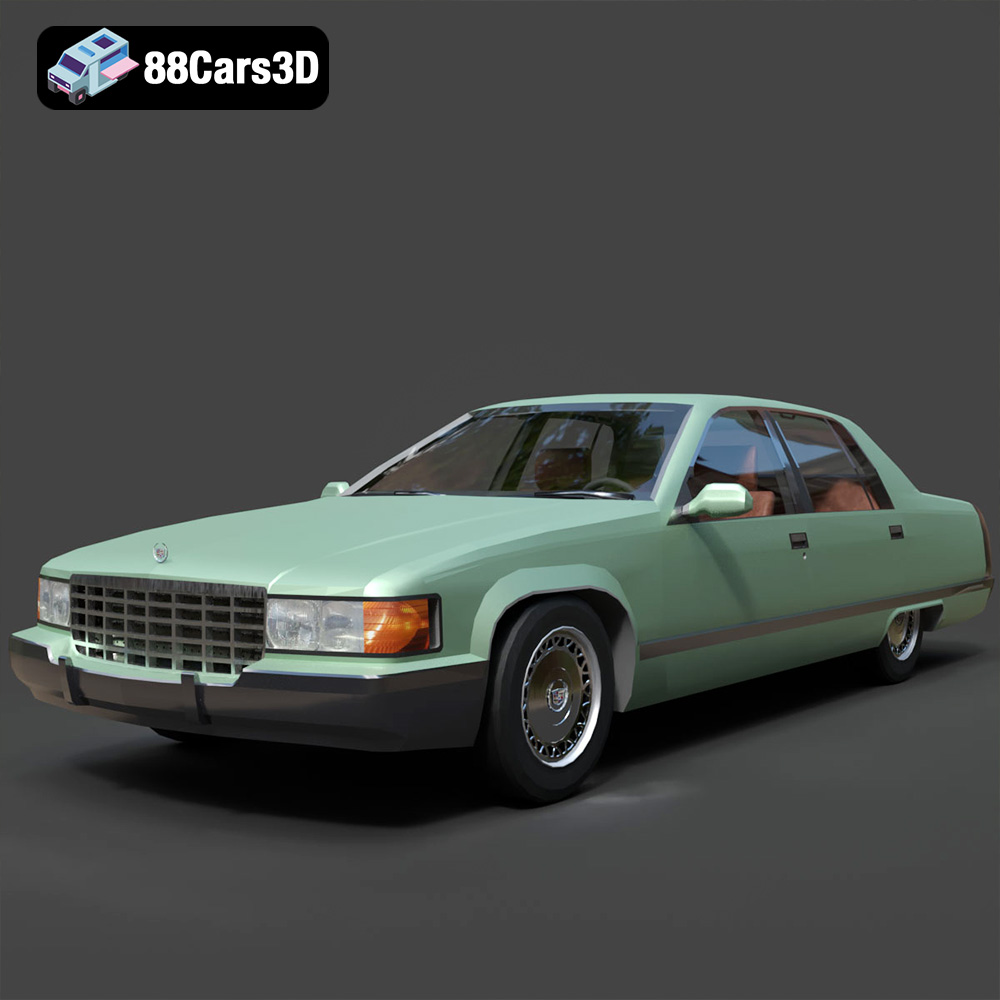
Download the Cadillac Fleetwood Brougham 3D Model featuring its iconic classic luxury design and detailed exterior and interior. Includes .blend, .fbx, .obj, .glb, .stl, .ply, .unreal, and .max formats for rendering, simulation, and game development.
Price: $10.79
View Product
Texture: Yes
Material: Yes
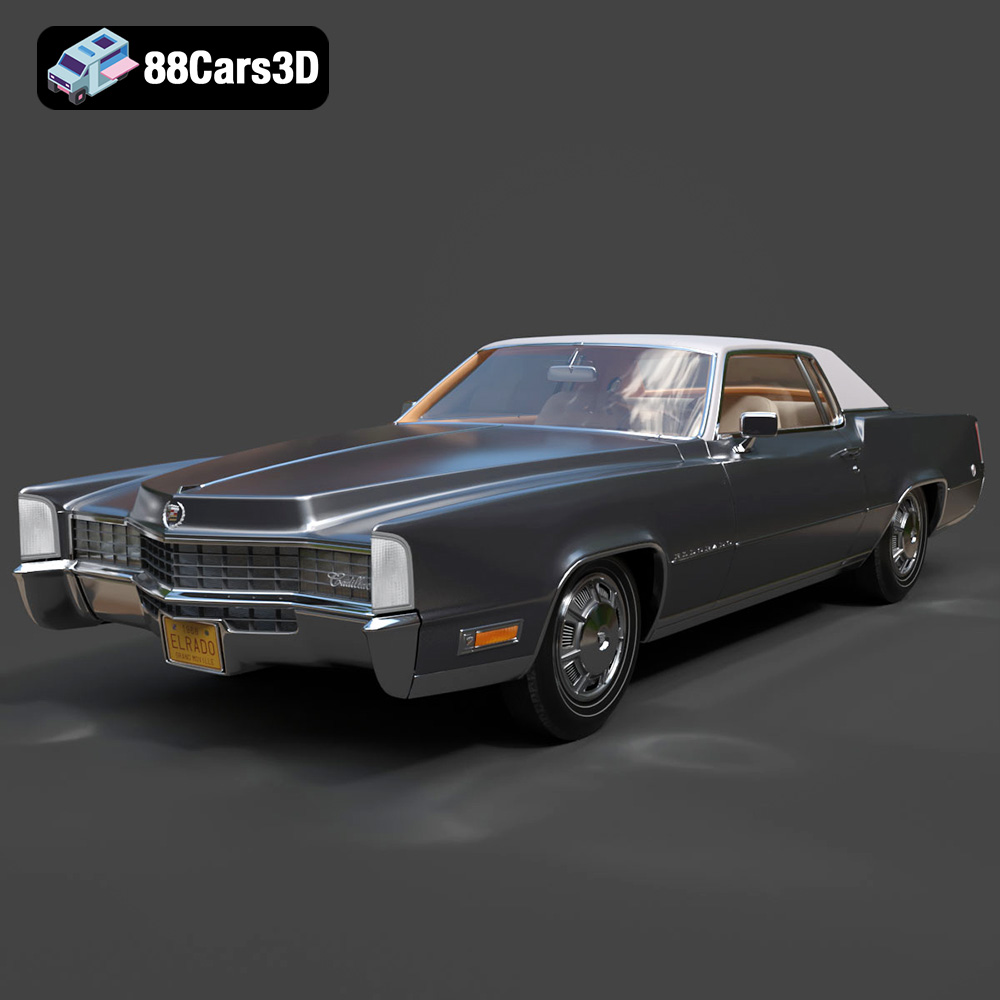
Download the Cadillac Eldorado 1968 3D Model featuring its iconic elongated body, distinctive chrome accents, and luxurious interior. Includes .blend, .fbx, .obj, .glb, .stl, .ply, .unreal, and .max formats for rendering, simulation, and game development.
Price: $20.79
View Product

Texture: Yes
Material: Yes
Download the Cadillac CTS SW 2010 3D Model featuring a detailed exterior, functional interior elements, and realistic materials. Includes .blend, .fbx, .obj, .glb, .stl, .ply, .unreal, and .max formats for rendering, simulation, and game development.
Price: $10.79
View Product
Texture: Yes
Material: Yes
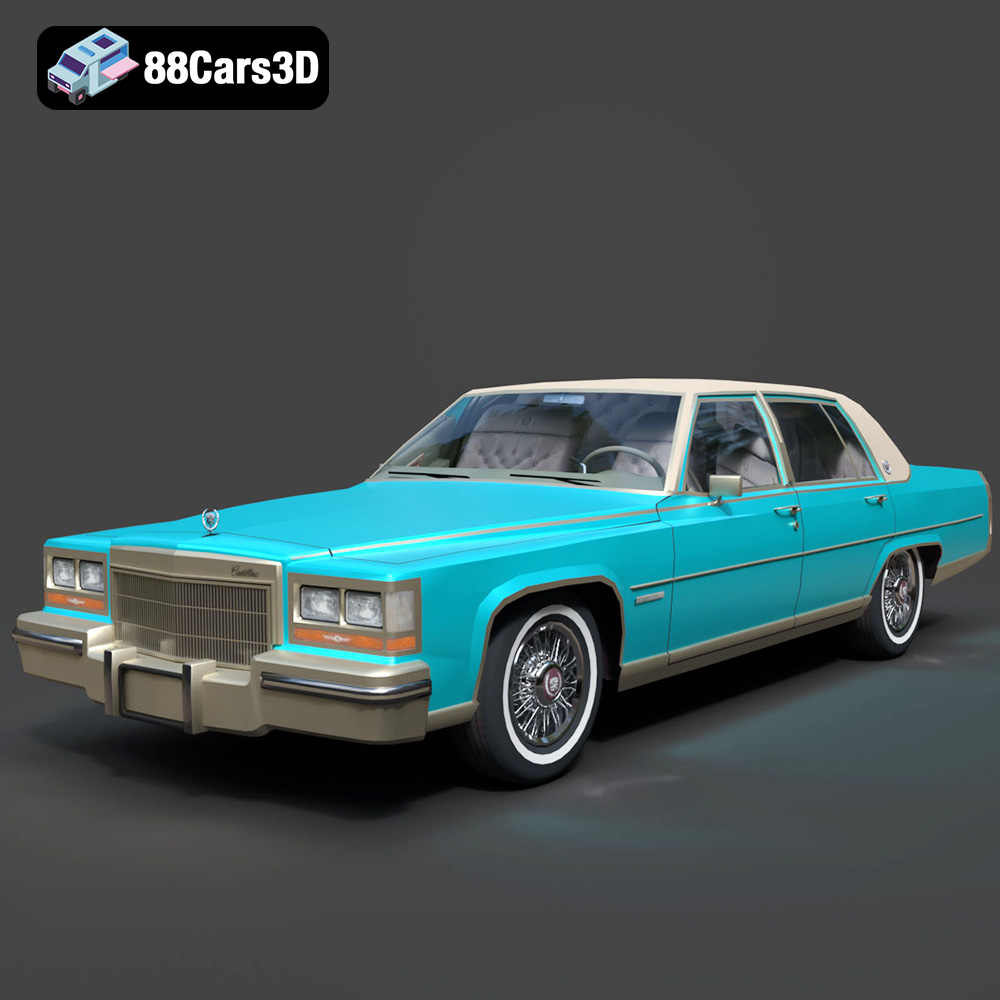
Download the Cadillac Fleetwood Brougham 1985 3D Model featuring its iconic classic luxury design and detailed craftsmanship. Includes .blend, .fbx, .obj, .glb, .stl, .ply, .unreal, and .max formats for rendering, simulation, and game development.
Price: $10.79
View Product
Texture: Yes
Material: Yes
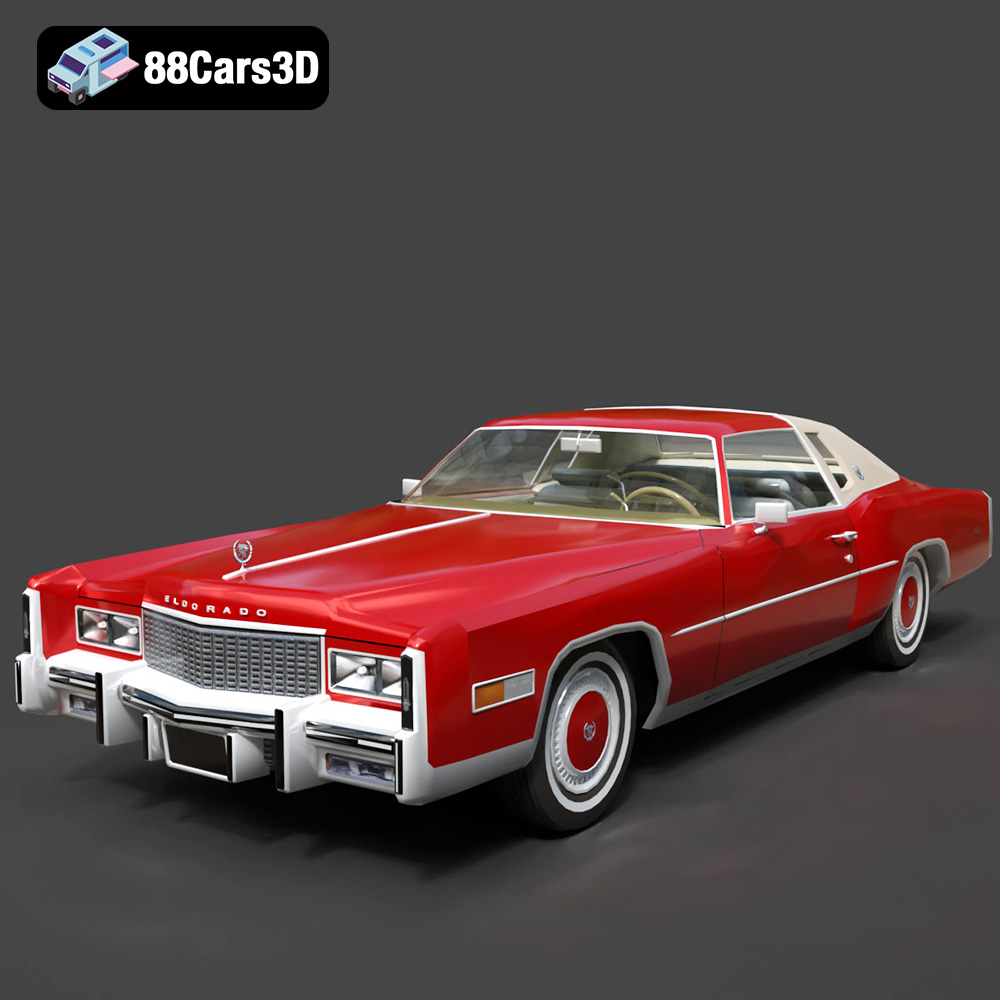
Download the Cadillac Eldorado 1978 3D Model featuring accurately modeled exterior, detailed interior, and period-correct aesthetics. Includes .blend, .fbx, .obj, .glb, .stl, .ply, .unreal, and .max formats for rendering, simulation, and game development.
Price: $10.79
View Product
Texture: Yes
Material: Yes
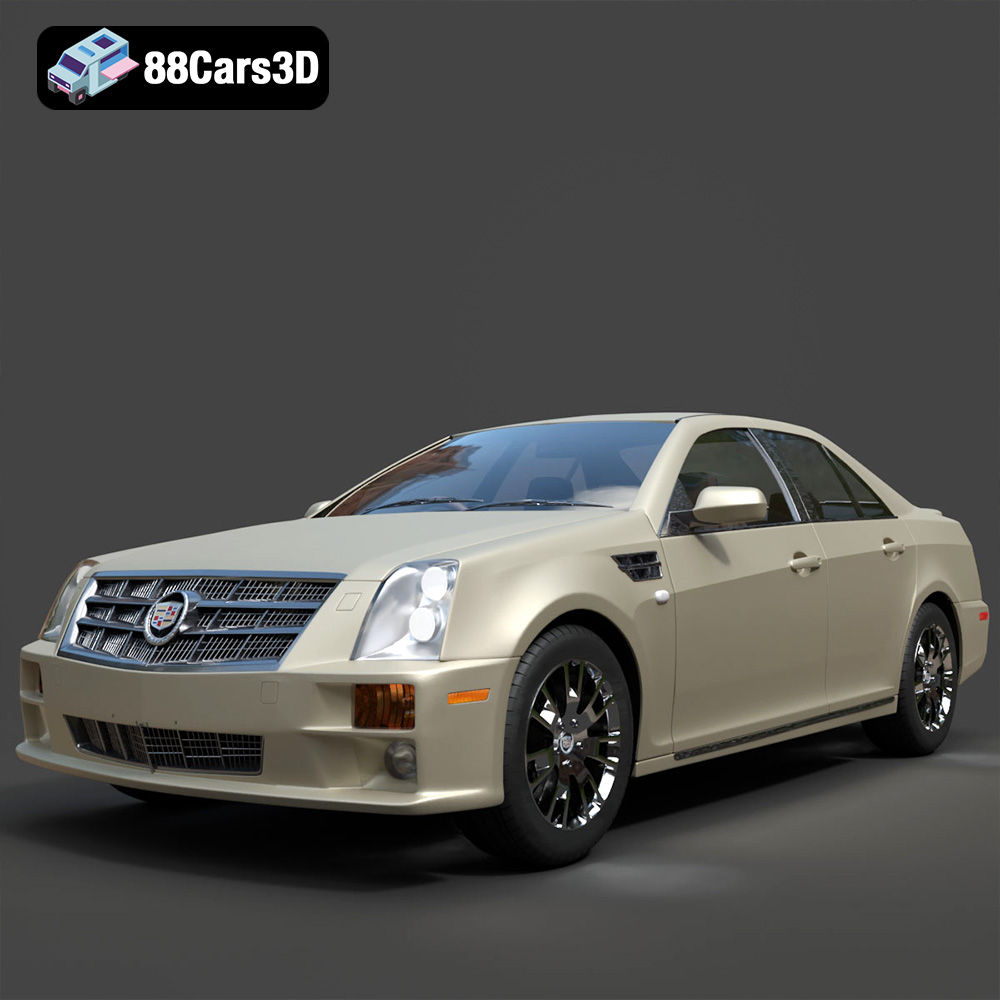
Download the Cadillac STS-005 3D Model featuring a detailed exterior and interior. Includes .blend, .fbx, .obj, .glb, .stl, .ply, .unreal, and .max formats for rendering, simulation, and game development.
Price: $22.79
View Product
Texture: Yes
Material: Yes
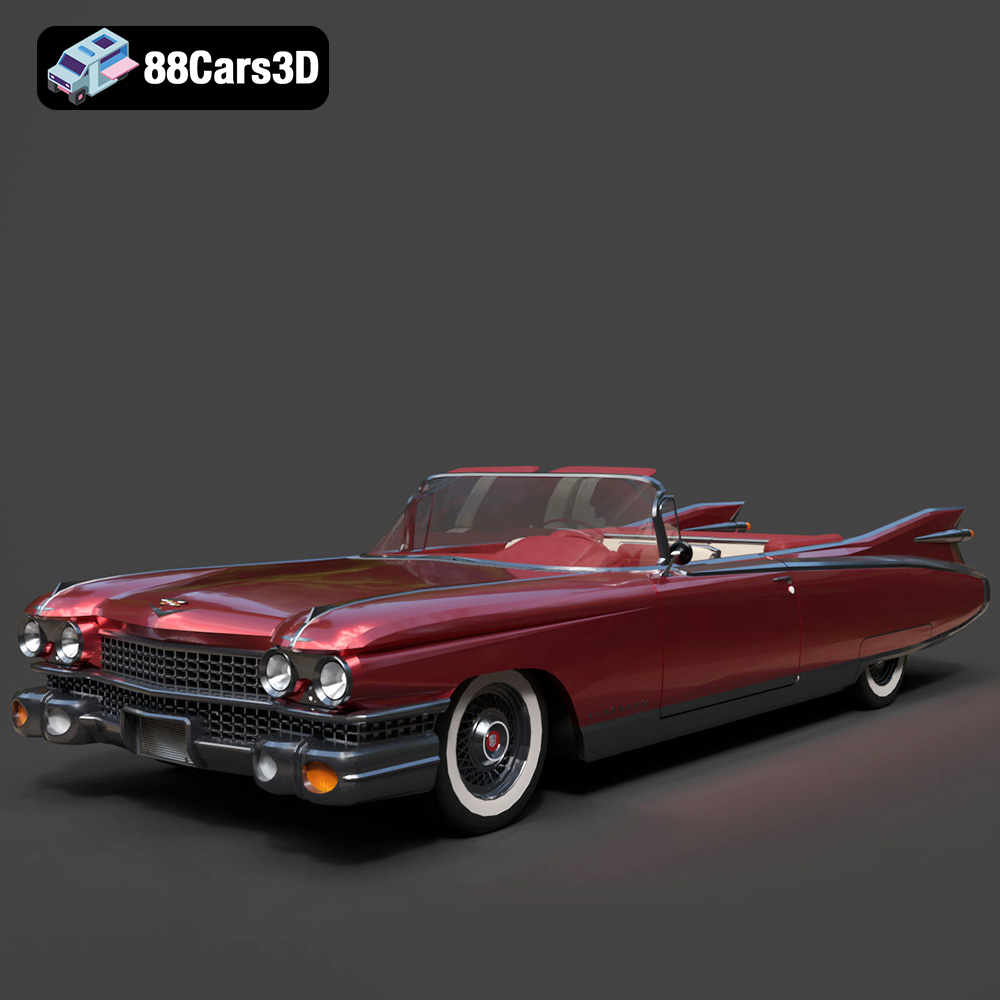
Download the Cadillac Eldorado Convertible (1959) 3D Model featuring iconic fins, luxurious chrome details, and a classic vintage design. Includes .blend, .fbx, .obj, .glb, .stl, .ply, .unreal, and .max formats for rendering, simulation, and game development.
Price: $20.79
View Product

Texture: Yes
Material: Yes
Download the Cadillac DTS-005 3D Model featuring its iconic luxury design, detailed interior, and realistic exterior. Includes .blend, .fbx, .obj, .glb, .stl, .ply, .unreal, and .max formats for rendering, simulation, and game development.
Price: $10.79
View Product


