

Mastering Performance: Advanced LOD Management and Optimization for 3D Car Models in Unreal Engine
The quest for hyper-realistic automotive experiences in real-time environments has never been more intense. From dazzling virtual production sets and interactive car configurators to immersive AR/VR applications and next-generation video games, 3D car models are at the heart of many visually stunning projects. However, the exquisite detail demanded by modern automotive visualization—intricate interiors, high-resolution textures, and complex geometry—can quickly become a performance bottleneck within game engines. This challenge is particularly pronounced in Unreal Engine, renowned for its graphical prowess.
To truly unlock the potential of high-fidelity assets like those found on marketplaces such as 88cars3d.com, developers and artists must master the art and science of optimization. This comprehensive guide delves deep into advanced Level of Detail (LOD) management, cutting-edge Unreal Engine features like Nanite and Lumen, and a suite of other optimization strategies designed to maintain buttery-smooth frame rates without sacrificing visual fidelity. Whether you’re an Unreal Engine developer, a 3D artist, or a visualization professional, you’ll learn actionable techniques to ensure your stunning 3D car models perform as flawlessly as they look, delivering an unparalleled real-time experience to your audience.
The Imperative of Optimization for 3D Car Models in Unreal Engine
In the world of real-time rendering, raw polygon count and texture resolution are often directly correlated with visual quality. However, unchecked, these elements become significant performance inhibitors. A single highly detailed 3D car model, such as those optimized for close-up automotive visualization, can easily contain millions of polygons, multiple 4K or even 8K texture maps, and complex material shader graphs. While breathtaking in a static render, processing this volume of data for dozens or hundreds of frames per second in a dynamic real-time environment places immense strain on both the CPU and GPU. For projects targeting lower-spec hardware, mobile devices, or demanding VR headsets, failing to optimize can quickly lead to juddering frame rates, increased power consumption, and a sub-par user experience. The goal is always to deliver the highest possible visual quality while staying within the target performance budget, a delicate balancing act that requires a deep understanding of Unreal Engine’s rendering pipeline.
Why High-Poly Models are a Performance Killer
High-polygon models, while visually rich, directly impact several performance metrics. Each vertex and polygon needs to be processed by the GPU, leading to increased vertex processing time. Furthermore, complex meshes contribute to higher draw calls, which is the number of times the CPU tells the GPU to render an object. Each draw call incurs overhead, and too many can quickly bottleneck the CPU, preventing the GPU from being fully utilized. Beyond geometric complexity, large texture resolutions consume vast amounts of video memory (VRAM). A single 8K texture requires 64 times more memory than a 1K texture. When VRAM is exhausted, the system resorts to slower main memory or disk, leading to hitches and stutters. This is especially critical in automotive visualization, where pristine surfaces and intricate details are paramount, often pushing models to extreme poly counts (e.g., 2-5 million triangles for a single car body, excluding interior and wheels) and necessitating numerous high-resolution PBR texture sets.
Understanding the Pillars of Real-time Performance
Optimizing in Unreal Engine involves understanding the interplay between your system’s core components. The **CPU** is responsible for game logic, physics simulations, animation updates, and preparing draw calls for the GPU. A “CPU bottleneck” means the CPU cannot feed the GPU data fast enough, leaving the GPU idle. The **GPU** then takes these draw calls and renders the actual pixels, handling vertex processing, pixel shading (materials), and post-processing effects. A “GPU bottleneck” means the GPU is struggling to render all the required pixels at the target frame rate. **Memory (RAM/VRAM)** dictates how many assets (meshes, textures, animations) can be loaded and accessed quickly. **Bandwidth** refers to the speed at which data can be transferred between these components. Effective optimization targets improvements across all these pillars, ensuring no single component becomes a limiting factor. For instance, reducing draw calls alleviates CPU strain, while simplifying material shaders reduces GPU pixel shading complexity.
Mastering Level of Detail (LODs) in Unreal Engine
Level of Detail (LOD) is a fundamental optimization technique that swaps out high-resolution meshes for lower-resolution versions as objects move further from the camera. For detailed assets like 3D car models, strategic LOD implementation is absolutely crucial for maintaining performance across varying distances and viewports. Without it, your scene would attempt to render millions of polygons for every distant car, crippling frame rates. Unreal Engine provides robust tools for managing LODs, offering both automatic generation and the flexibility for precise manual control, which is often preferred for hero assets.
Automatic LOD Generation vs. Manual Crafting
Unreal Engine offers built-in functionality to automatically generate LODs for static meshes. You can find these settings within the Static Mesh Editor under the “LOD Settings” panel. By simply specifying the number of LODs and a desired triangle percentage reduction for each, Unreal can quickly create simplified versions. This is a fast and convenient method for many assets, especially background props or less critical objects. However, for highly detailed 3D car models, particularly those sourced from high-quality platforms like 88cars3d.com, manual crafting or significant post-processing of auto-generated LODs is often superior. Automated processes can sometimes introduce undesirable artifacts, break clean topology, or remove crucial details that impact the car’s silhouette or reflections. Manually created LODs, typically modeled by an artist, offer precise control over polygon reduction, ensuring critical shapes are preserved and that UV maps and material assignments remain consistent, preventing visual “popping” during transitions.
Effective LOD Setup and Transition Strategies
When setting up LODs for a 3D car model, consider creating 3-5 distinct levels. A typical strategy might involve:
- LOD0 (Base Mesh): Full detail (e.g., 100% triangles), visible when very close to the camera.
- LOD1: Moderate reduction (e.g., 50-70% triangles), for mid-range views.
- LOD2: Significant reduction (e.g., 25-40% triangles), for distant views.
- LOD3: Aggressive reduction (e.g., 10-20% triangles), often a “cardboard cutout” or very simplified mesh for extremely far distances.
- LOD4 (Optional): A billboard or single plane if the object becomes a tiny speck on the horizon.
Each LOD should have a defined “Screen Size” threshold, which determines when Unreal Engine switches to that LOD based on how much screen space the object occupies. For example, a car might switch to LOD1 when it covers 0.5 of the screen height, and to LOD2 at 0.25. It’s crucial to ensure that the visual differences between LODs are minimal at their transition points to avoid jarring “popping.” You can fine-tune these transitions using the “LOD Hysteresis” setting to prevent rapid back-and-forth switching. Also, ensure consistent UVs and material IDs across all LODs to avoid material flickering. For more advanced management, particularly with skeletal meshes, explore using the “Merge Actors” tool in Unreal Engine to combine multiple static mesh components into a single actor with shared LODs, reducing draw calls for complex vehicles. Refer to the official Unreal Engine documentation for detailed guides on LOD setup: https://dev.epicgames.com/community/unreal-engine/learning
Unreal Engine’s Advanced Optimization Tools
Unreal Engine 5 introduced groundbreaking features that redefine how developers handle high-fidelity assets, dramatically easing the burden of traditional LOD management while pushing visual boundaries. Nanite, in particular, has revolutionized the workflow for extremely detailed meshes, making previously unmanageable polygon counts feasible in real-time. Paired with Lumen for dynamic global illumination and meticulous material optimization, these tools form a powerful arsenal for achieving stunning automotive visualization without compromising on performance. Understanding how to harness these features effectively is key to delivering next-generation real-time experiences.
Nanite: A Game-Changer for High-Fidelity Car Models
Nanite is Unreal Engine’s virtualized geometry system, designed to handle immense polygon counts (millions, even billions of triangles) with real-time performance. For 3D car models, which are often meticulously detailed with complex sub-components and intricate surfaces, Nanite is a monumental advancement. Instead of relying on traditional LODs and the associated draw call overhead, Nanite automatically streams and processes only the necessary detail for each pixel on screen. This means you can import cinematic-quality source models directly, often bypassing the manual LOD creation process for static meshes. Enabling Nanite for a static mesh is as simple as checking a box in the Static Mesh Editor.
The benefits are profound: drastically reduced draw calls, efficient memory streaming, and near-infinite geometric detail without manual LOD management. This is especially advantageous for hero vehicles and interior details where visual fidelity is paramount. However, Nanite has certain limitations: it currently only supports static meshes (not skeletal meshes like animated characters or deformers), requires specific material setups (e.g., no World Position Offset), and has some restrictions with certain rendering features. Despite these, for high-poly car bodies, wheels, and interior components, Nanite is a fundamental tool for achieving unmatched visual quality with optimal performance.
Leveraging Lumen and Global Illumination for Visual Quality with Performance
Lumen is Unreal Engine 5’s fully dynamic global illumination and reflections system, providing incredibly realistic lighting that reacts instantly to changes in the scene. For automotive visualization, where pristine reflections and accurate ambient lighting on metallic and highly reflective surfaces are critical, Lumen is invaluable. It enables artists to achieve cinematic lighting results in real-time without the need for time-consuming light baking. However, Lumen is computationally intensive, and careful optimization is necessary to maintain high frame rates.
Key optimization strategies for Lumen include: adjusting the “Lumen Scene Lighting Quality” and “Lumen Scene Detail” in Project Settings, which control the resolution and complexity of the global illumination solution. Consider lowering these values for less critical scenes or when targeting lower-end hardware. Utilizing Hardware Ray Tracing for Lumen, if available, can offer a performance boost and higher quality compared to Software Ray Tracing. Furthermore, ensuring efficient geometry (even with Nanite, simpler forms contribute to faster GI calculations) and optimized materials helps Lumen perform better. For extremely performance-sensitive scenarios or static environments, traditional baked lighting with Lightmass or GPU Lightmass remains a viable, though less dynamic, alternative.
Optimizing Textures and Materials for Automotive Assets
Beyond mesh geometry, textures and materials are significant contributors to performance and visual quality. The PBR (Physically Based Rendering) workflow relies on a set of textures—Base Color, Normal, Roughness, Metallic, Ambient Occlusion—each contributing to the realistic appearance of a surface. When working with 3D car models, especially those from professional marketplaces like 88cars3d.com, these textures are often provided at high resolutions (e.g., 4K or 8K).
Optimizing textures involves several steps:
- Resolution Management: While 4K/8K textures are great for hero shots, consider reducing resolutions for less prominent parts (e.g., interior components, engine bay) or for LODs beyond LOD0. Unreal Engine’s texture streaming system automatically loads lower-resolution Mips (mipmaps) for distant objects, but explicit resolution limits can save VRAM.
- Texture Compression: Ensure appropriate compression settings. For most PBR textures, BC7 (DX11) or DXTC (older) offers good quality-to-size ratios. Normal maps require specific compression (Normalmap (DXT5, BC5)).
- Material Complexity: The number of instructions within a material shader graph directly impacts GPU performance. Use Material Functions to reuse complex nodes, combine textures into single packed textures (e.g., Roughness, Metallic, AO into RGB channels of one texture), and avoid unnecessary calculations. For example, a simple car paint material can be optimized by minimizing expensive clear coat calculations unless absolutely necessary.
Beyond Meshes: Scene and Interactive Optimization
While individual assets like 3D car models require meticulous optimization, their performance within a larger scene is equally crucial. Unreal Engine offers a suite of scene management and culling techniques, alongside intelligent Blueprint scripting practices, to ensure that only relevant elements are processed and rendered at any given time. This holistic approach extends to physics simulations, which can be particularly demanding for complex vehicles and environments. By strategically managing these aspects, developers can build expansive and interactive automotive experiences that maintain high frame rates, even with numerous dynamic elements.
Culling Techniques and Scene Management
Culling is the process of preventing objects that are not visible to the camera from being rendered, significantly reducing the workload on the GPU. Unreal Engine employs several culling methods:
- Frustum Culling: Automatically disables rendering for objects entirely outside the camera’s view frustum. This is a fundamental and highly efficient method.
- Occlusion Culling: More advanced, this technique prevents rendering of objects that are hidden by other objects closer to the camera (occluders). Hardware Occlusion Queries (HOQ) are fast but can have a CPU overhead. Unreal also supports software occlusion culling. Ensure your environment meshes are designed to be good occluders to maximize the benefits.
- Distance Culling: For objects that are too far away to be meaningfully seen, you can set a “Max Draw Distance” for individual static meshes. This is excellent for background details, minor props, or even lower-priority vehicles in a large automotive scene.
For extremely large automotive environments or open-world scenarios, Unreal Engine’s **World Partition** system is essential. It automatically streams in and out relevant parts of the world based on the player’s proximity, significantly reducing the memory footprint and processing load of vast landscapes where vehicles operate. Proper scene organization, using layers and folders, also aids in managing visibility and culling settings more effectively.
Blueprint and Scripting for Performance-Aware Interactivity
Blueprint visual scripting is a powerful tool for creating interactive automotive experiences, from car configurators to dynamic vehicle behaviors. However, inefficient Blueprint logic can quickly become a CPU bottleneck. To optimize your Blueprints:
- Avoid Tick Events: The “Event Tick” fires every frame. If a piece of logic doesn’t absolutely need to run 60+ times per second, find an alternative. Use timers, custom events, or event-driven logic (e.g., reacting to collisions, input, or property changes). For example, rather than polling for a car’s speed on Tick, update it only when its velocity changes significantly.
- Object Pooling: For frequently spawned actors (e.g., tire smoke particles, small debris from a crash), use object pooling instead of repeatedly spawning and destroying them. This reuses existing instances, avoiding memory allocation overhead.
- Conditional Logic: Only execute complex logic when necessary. For instance, a detailed interior light interaction might only activate when the player is inside the car or a specific camera view is active. Disable expensive physics or AI updates for vehicles that are far away or not currently controlled by the player.
By adopting these practices, your interactive car demos and game mechanics will remain responsive and performant.
Physics Simulation and Vehicle Dynamics Optimization
Physics simulations, especially for complex vehicle dynamics, are inherently CPU-intensive. Unreal Engine’s Chaos Vehicles system (the successor to PhysX) offers robust vehicle simulation capabilities, but requires careful optimization.
- Collision Meshes: Instead of using the high-polygon render mesh for collisions, create simplified collision meshes. Unreal Engine can automatically generate “Convex Hull” collision geometry, which is much cheaper to process than per-triangle collisions. For cars, separate collision meshes for the body, wheels, and potentially interior components (like seats for occupant collision) are ideal.
- Physics Update Rates: Adjust the physics sub-stepping settings in Project Settings > Physics. While higher sub-steps lead to more accurate simulations, they also increase CPU load. Find a balance that provides believable vehicle behavior without over-simulating.
- Disable Physics: For static or distant vehicles that are not actively moving or interacting with the environment, disable their physics simulation entirely. Only enable it when they become relevant.
Balancing the desire for realistic vehicle behavior with performance constraints is a continuous process of tweaking and profiling.
Real-World Applications and Advanced Strategies
The demand for high-performance 3D car models extends across a multitude of industries, each with its unique optimization challenges and requirements. From providing instantaneous feedback in automotive configurators to maintaining rock-solid frame rates on virtual production LED walls, advanced Unreal Engine optimization strategies are pivotal. Understanding these specific application contexts and how to debug performance bottlenecks is key to delivering professional-grade real-time content.
Automotive Configurators and AR/VR Optimization
Automotive configurators are a prime example of real-time rendering’s power, allowing customers to customize vehicles with immediate visual feedback. These applications demand rapid asset loading, seamless material changes, and consistently high frame rates. Optimization strategies include:
- Modular Assets: Designing car parts (wheels, bumpers, interiors) as separate, optimized static meshes allows for efficient loading and swapping.
- Material Instancing: Using a single master material with numerous material instances for different paint colors, finishes, and trims. This reduces shader complexity and draw calls.
- Pre-Loading/Streaming: For parts not immediately visible but likely to be selected, pre-load them in the background or stream them efficiently to avoid hitches during configuration changes.
For AR/VR applications, the performance bar is significantly higher due to stereo rendering (rendering the scene twice, once for each eye) and the need for very high, consistent frame rates (e.g., 90 FPS) to prevent motion sickness.
- Aggressive LODs: Implement more aggressive LOD switching for AR/VR, reducing poly counts at closer distances.
- Foveated Rendering: If supported by the hardware, this technique renders the center of the user’s gaze at full resolution and the periphery at lower resolution, saving significant GPU cycles.
- Instancing: Use hardware instancing for repeating elements (e.g., bolts, rivets) to reduce draw calls.
- Optimized UI: Ensure UI elements are efficiently rendered and don’t introduce unexpected draw calls or overdraw.
Leveraging file formats like USD (Universal Scene Description) and USDZ is also becoming critical for seamless AR experiences, enabling robust interchange and streamlined deployment across various platforms.
Virtual Production and Cinematic Rendering
Virtual production, particularly with LED walls, integrates real-time Unreal Engine environments with physical sets and actors. Here, optimization is critical for maintaining stable frame rates for genlock (synchronization with cameras) and ensuring a fluid background for in-camera visual effects.
- Consistent Frame Rates: Achieving a locked frame rate (e.g., 24 FPS for film, or 30/60 FPS for broadcast) is more important than raw speed. Aggressive optimization helps prevent drops that can cause visual anomalies on the LED wall.
- Pre-Baking: For static elements of the virtual environment, baking lighting and shadows can offload real-time calculations, freeing up resources for dynamic elements like a moving car.
- Sequencer Optimization: When creating cinematic sequences with Unreal Engine’s Sequencer, consider baking complex physics or character animations to Alembic or other formats to reduce real-time computation during playback. Limit the number of active simulations or dynamic effects to what is absolutely necessary for the shot.
Even for offline cinematic rendering, where raw performance might seem less critical, efficient assets and scenes will significantly reduce render times, making iteration faster and more cost-effective.
Profiling and Debugging Performance Bottlenecks
No optimization strategy is complete without the ability to accurately identify performance bottlenecks. Unreal Engine provides robust profiling tools:
- Stat Commands: In-editor console commands are your first line of defense.
stat fps: Displays current frame rate.stat unit: Shows CPU game, draw, and GPU times, helping identify if you’re CPU or GPU bound.stat rhi: Displays rendering hardware interface statistics, including draw calls and triangles.stat gpu: Provides detailed GPU timing breakdown per rendering pass.stat scenerendering: Offers insights into various rendering passes and their costs.
- Unreal Insights: A powerful standalone profiling tool that captures detailed runtime data, including CPU, GPU, memory, and I/O events. It provides deep visibility into where time is being spent in your application, allowing for targeted optimization.
- GPU Debuggers: Tools like NVIDIA Nsight Graphics or RenderDoc can give you an even deeper look into individual draw calls and shader performance.
The process is iterative: profile, identify a bottleneck, implement an optimization, and then profile again to measure the impact. This scientific approach ensures that your efforts yield the best possible results.
Conclusion
Optimizing 3D car models for Unreal Engine is not merely a technical necessity; it’s an art form that balances visual ambition with performance reality. By embracing a comprehensive strategy that includes judicious LOD management, harnessing the power of Nanite for high-fidelity geometry, intelligently leveraging Lumen for dynamic lighting, and meticulously optimizing materials and scene elements, you can create automotive visualizations that are as smooth and responsive as they are stunning.
The journey to real-time excellence is an ongoing process of learning, applying best practices, and continuous iteration. Start with high-quality foundational assets, like the meticulously crafted 3D car models available on platforms such as 88cars3d.com, and then apply these advanced Unreal Engine techniques to push the boundaries of real-time rendering. Experiment with different settings, rigorously profile your scenes, and identify the unique bottlenecks of your projects. By doing so, you’ll not only enhance the user experience but also solidify your expertise in delivering cutting-edge automotive visualization and interactive applications within Unreal Engine. The future of real-time rendering demands both beauty and efficiency, and by mastering these optimization strategies, you’ll be well-equipped to deliver on both fronts.
Featured 3D Car Models
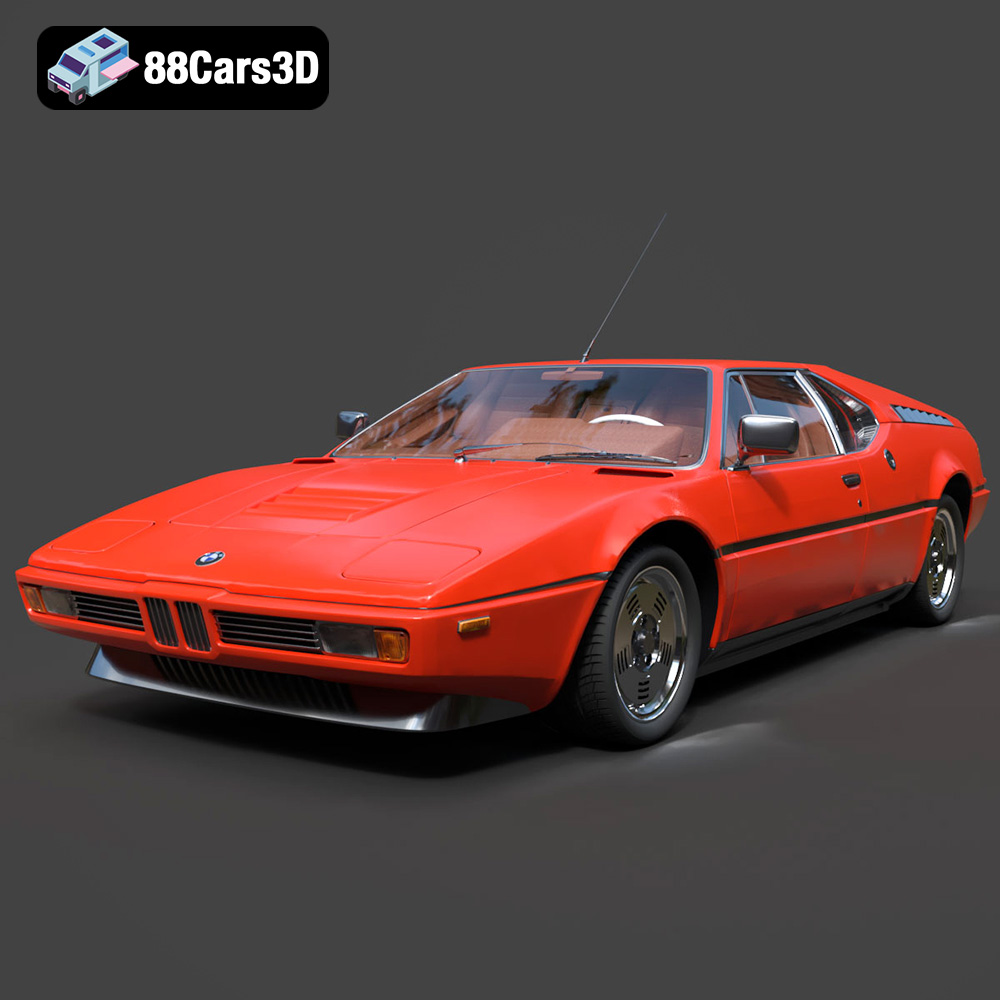
BMW Motorsport M1 E26 1981 3D Model
Texture: Yes
Material: Yes
Download the BMW Motorsport M1 E26 1981 3D Model featuring its iconic design, race-bred aerodynamics, and meticulously crafted details. Includes .blend, .fbx, .obj, .glb, .stl, .ply, .unreal, and .max formats for rendering, simulation, and game development.
Price: $20.79

Cadillac CTS-V Coupe 3D Model
Meta Description:
Texture: Yes
Material: Yes
Download the Cadillac CTS-V Coupe 3D Model featuring detailed exterior styling and realistic interior structure. Includes .blend, .fbx, .obj, .glb, .stl, .ply, .unreal, and .max formats for rendering, simulation, AR VR, and game development.
Price: $13.9
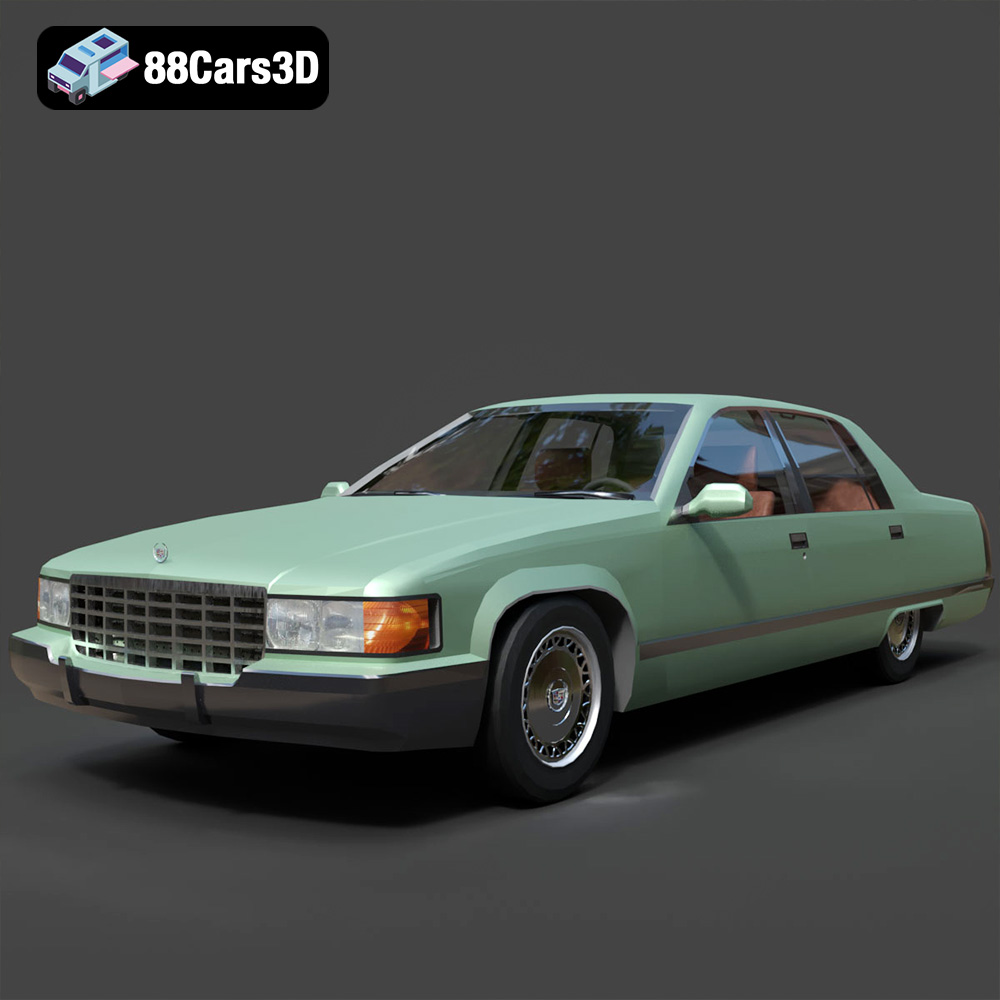
Cadillac Fleetwood Brougham 3D Model
Texture: Yes
Material: Yes
Download the Cadillac Fleetwood Brougham 3D Model featuring its iconic classic luxury design and detailed exterior and interior. Includes .blend, .fbx, .obj, .glb, .stl, .ply, .unreal, and .max formats for rendering, simulation, and game development.
Price: $10.79
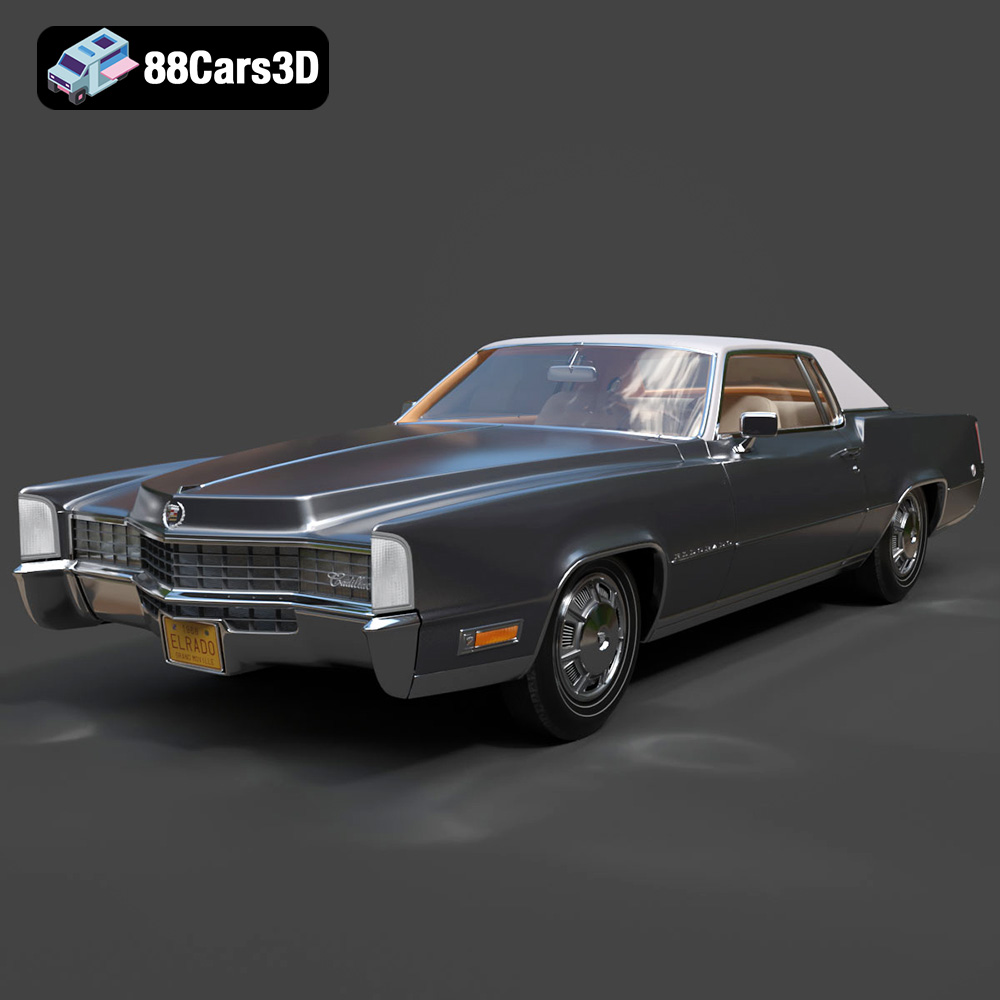
Cadillac Eldorado 1968 3D Model
Texture: Yes
Material: Yes
Download the Cadillac Eldorado 1968 3D Model featuring its iconic elongated body, distinctive chrome accents, and luxurious interior. Includes .blend, .fbx, .obj, .glb, .stl, .ply, .unreal, and .max formats for rendering, simulation, and game development.
Price: $20.79

Cadillac CTS SW 2010 3D Model
Texture: Yes
Material: Yes
Download the Cadillac CTS SW 2010 3D Model featuring a detailed exterior, functional interior elements, and realistic materials. Includes .blend, .fbx, .obj, .glb, .stl, .ply, .unreal, and .max formats for rendering, simulation, and game development.
Price: $10.79
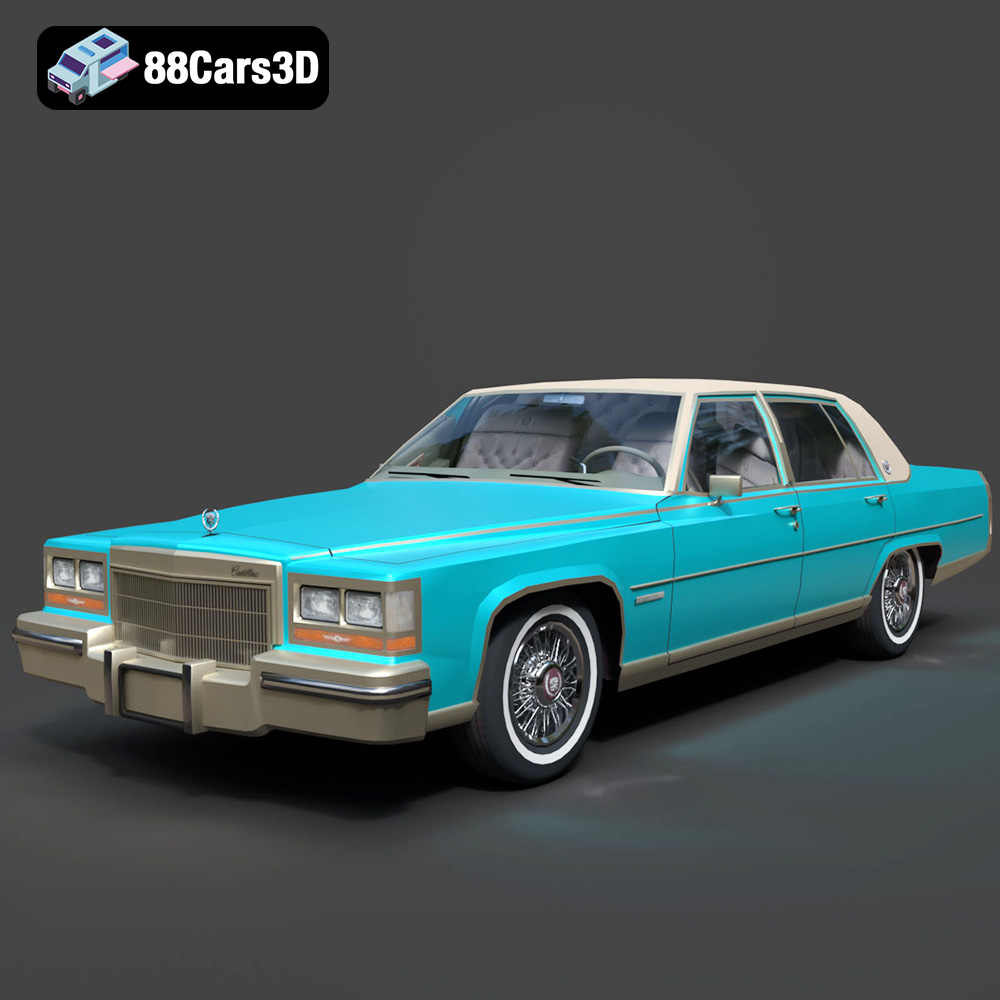
Cadillac Fleetwood Brougham 1985 3D Model
Texture: Yes
Material: Yes
Download the Cadillac Fleetwood Brougham 1985 3D Model featuring its iconic classic luxury design and detailed craftsmanship. Includes .blend, .fbx, .obj, .glb, .stl, .ply, .unreal, and .max formats for rendering, simulation, and game development.
Price: $10.79

Cadillac Eldorado 1978 3D Model
Texture: Yes
Material: Yes
Download the Cadillac Eldorado 1978 3D Model featuring accurately modeled exterior, detailed interior, and period-correct aesthetics. Includes .blend, .fbx, .obj, .glb, .stl, .ply, .unreal, and .max formats for rendering, simulation, and game development.
Price: $10.79
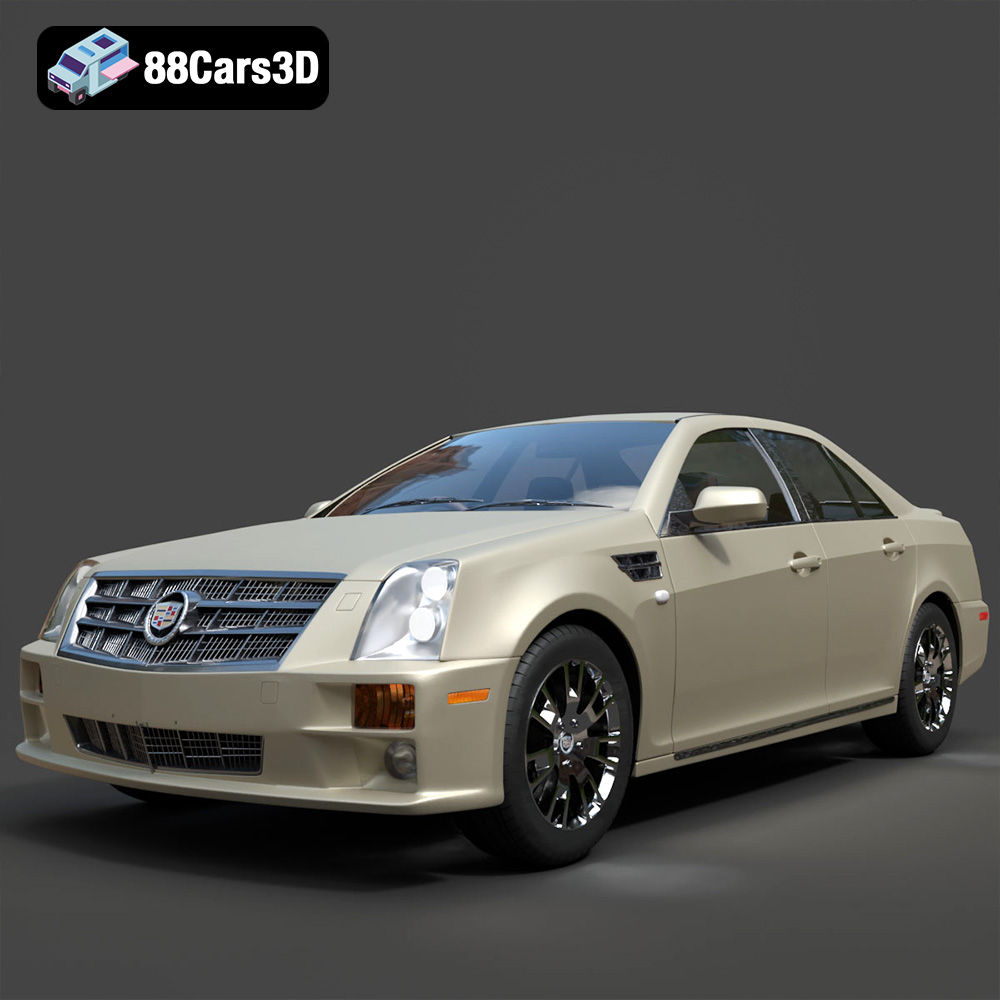
Cadillac STS-005 3D Model
Texture: Yes
Material: Yes
Download the Cadillac STS-005 3D Model featuring a detailed exterior and interior. Includes .blend, .fbx, .obj, .glb, .stl, .ply, .unreal, and .max formats for rendering, simulation, and game development.
Price: $22.79
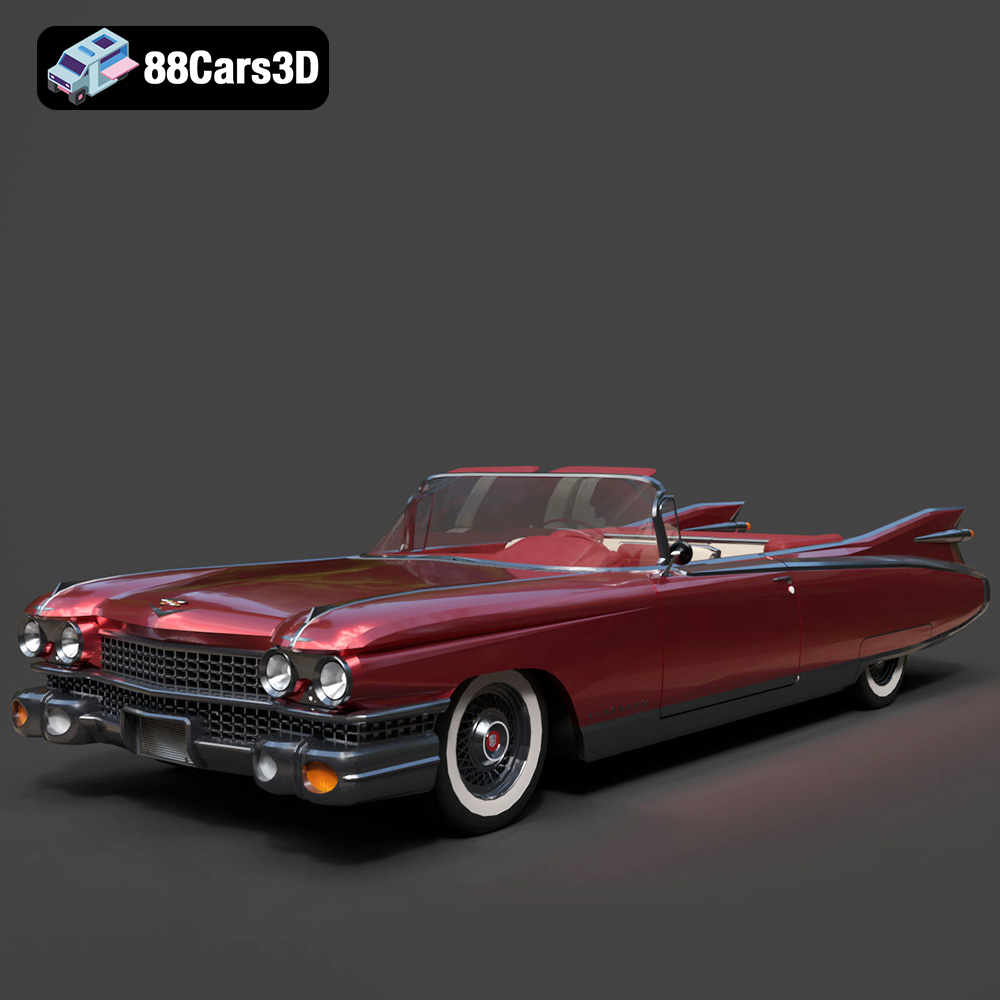
Cadillac Eldorado Convertible (1959) 3D Model
Texture: Yes
Material: Yes
Download the Cadillac Eldorado Convertible (1959) 3D Model featuring iconic fins, luxurious chrome details, and a classic vintage design. Includes .blend, .fbx, .obj, .glb, .stl, .ply, .unreal, and .max formats for rendering, simulation, and game development.
Price: $20.79

Cadillac DTS-005 3D Model
Texture: Yes
Material: Yes
Download the Cadillac DTS-005 3D Model featuring its iconic luxury design, detailed interior, and realistic exterior. Includes .blend, .fbx, .obj, .glb, .stl, .ply, .unreal, and .max formats for rendering, simulation, and game development.
Price: $10.79
