

In the fast-paced world of 3D modeling, especially within niche markets like automotive design, game asset development, and architectural visualization, organization is not just a nicety—it’s a critical component of success. For professionals and enthusiasts creating high-quality 3D car models, a well-structured file system can be the difference between a smooth, efficient workflow and a tangled mess of lost textures and broken links. Imagine spending countless hours meticulously crafting a stunning vehicle, only to struggle with sharing it, updating it, or making it compatible with various rendering engines or game platforms. This guide will walk you through the best practices for organizing your 3D model files, ensuring your projects are manageable, scalable, and ready for any application, whether for stunning automotive rendering, integrating into immersive AR/VR experiences, or listing on marketplaces like 88cars3d.com.
We’ll delve into everything from foundational folder structures and robust naming conventions to advanced techniques in texture management, game optimization, and cross-software compatibility. By the end, you’ll have a clear roadmap to keep your 3D assets pristine, enhancing your productivity and elevating the professional presentation of your work.
The Foundation: Project Structure and Naming Conventions
The first step towards impeccable 3D file organization is establishing a consistent and logical project structure. Without it, even the most detailed models can quickly become unmanageable. A well-defined hierarchy ensures that you, your collaborators, or even potential buyers on platforms like 88cars3d.com can immediately understand and navigate your project files. This consistency reduces errors, saves time, and significantly improves overall workflow efficiency.
Establishing Robust Folder Hierarchy
Every 3D project should begin with a root folder that encapsulates all related assets. A good practice is to name this root folder clearly, perhaps including the project name and version, e.g., Lamborghini_Aventador_Project_v1.0. Inside this main directory, create a standardized set of subfolders. This structure acts as a blueprint for all your future projects, creating familiarity and predictability.
01_Source_Files/: This is where your primary 3D scene files reside.Max_Files/(for 3ds Max projects)Blender_Files/(for Blender projects)Maya_Files/(for Maya projects)ZBrush_Files/(for sculpting files)
02_Textures/: All your image-based assets go here.PBR_Maps/: Organized further by material or object (e.g.,Paint_Red_Albedo.png).Decals/: Logos, stickers, license plates.HDRI/: Environment maps for lighting and reflections.Utility_Maps/: Ambient occlusion, curvature, normal maps generated from high-poly.
03_Renders/: Output images and animations.Beauty_Shots/Clay_Renders/Wireframe_Renders/Animation_Sequences/
04_Exports/: Final models prepared for different applications.FBX/OBJ/GLB/(for web, AR/VR)USDZ/(for Apple ARKit)3D_Print_Ready/
05_Documentation/: Any project-specific notes, reference images, or legal information.
Mastering Naming Conventions for 3D Assets
Beyond folders, individual files and objects within your 3D software need meticulous naming. A good naming convention provides instant information about an asset’s purpose, version, and properties. It prevents confusion when dealing with hundreds of objects and materials, especially in complex 3D car models.
- Object Naming: Use descriptive names, often following a structure like
[CarPart]_[SubPart]_[Detail]_[Suffix].- Example:
Car_Body_Main_HighPoly,Wheel_Rim_Front_Left,Interior_Dashboard_Panel_A. - Prefixes like
SM_(Static Mesh),SK_(Skeletal Mesh) for game assets can be useful.
- Example:
- Material Naming: Clearly indicate the material type.
- Example:
M_CarPaint_Glossy_Red,M_Tire_Rubber,M_Window_Glass. - Avoid generic names like
Material.001.
- Example:
- Texture Naming: This is crucial for PBR workflows. Combine object/material name with the map type.
- Example:
CarBody_Paint_Albedo.png,CarBody_Paint_Metallic.png,CarBody_Paint_Roughness.png,CarBody_Paint_Normal.png. - Consistency in file extensions (e.g., always
.pngfor alpha,.jpgfor diffuse).
- Example:
- Versioning: Never overwrite your main files. Use incremental versioning.
- Example:
MyCarModel_v001.blend,MyCarModel_v002_WIP.blend,MyCarModel_v003_Final.fbx. - Suffixes like
_WIP,_Draft,_Final,_Bakedcan denote status.
- Example:
By implementing these foundational practices, your 3D car model projects become inherently more professional and easier to manage, laying the groundwork for high-quality production and seamless sharing with clients or on marketplaces.
Streamlining 3D Modeling Workflows and File Preparation
Beyond external file organization, the internal structure and quality of your 3D model itself play a huge role in a smooth workflow. For 3D car models, where intricate shapes and details are paramount, maintaining clean geometry and an efficient scene hierarchy is indispensable. This not only impacts performance but also simplifies texturing, rigging, and future modifications.
Optimizing Topology and Scene Hierarchy
Topology refers to the arrangement of vertices, edges, and faces that make up your 3D mesh. For automotive models, clean quad-based topology is generally preferred, especially for models intended for subdivision surfacing or animation. Quads deform better and allow for more predictable edge flow, which is vital for smooth curves and crisp details found on car bodies.
- Clean Quad Topology: Ensure your mesh consists primarily of quadrilaterals. Triangles should be used sparingly and strategically, typically in flat, non-deforming areas. N-gons (faces with more than four vertices) should be avoided as they can cause shading artifacts and issues during export or subdivision.
- Edge Flow: Good edge flow follows the natural contours and creases of the vehicle, allowing for easy selection of edge loops and smooth deformation. This is crucial for defining panel gaps, fender lines, and character lines on a car.
- Scene Hierarchy: Organize your model into logical components within your 3D software. Use groups or collections to separate the main body, interior, wheels, suspension, engine, lights, etc. In Blender, for example, you can utilize the ‘Collections’ feature to neatly arrange objects, which greatly aids in managing complex scenes. Refer to the Blender 4.4 manual on Collections for detailed guidance on this powerful organizational tool.
- Mesh Cleanup: Regularly perform mesh cleanup operations to remove unnecessary data. This includes deleting stray vertices, merging nearly identical vertices, dissolving edges or faces that don’t contribute to the form, and ensuring no non-manifold geometry exists. Most 3D software offers tools for this; in Blender, you can find options under the ‘Mesh’ menu in Edit Mode, such as ‘Clean Up’ to perform operations like ‘Merge by Distance’ or ‘Limited Dissolve.’
- Polygon Counts: Tailor your poly count to the intended use. For high-resolution renders, models might range from 50,000 to 300,000 polygons or more, allowing for intricate details. For game assets or real-time AR/VR applications, lower poly counts (e.g., 10,000-50,000 for a car, or even less for mobile VR) are crucial for performance. Utilize techniques like retopology and subdivision surface modifiers (which can be applied during export) to manage detail efficiently.
Efficient UV Mapping Strategies
UV mapping is the process of flattening the 3D surface of your model into a 2D space, allowing you to apply 2D textures. Proper UV mapping is fundamental for realistic texturing and efficient texture utilization. For complex surfaces like those of a car, strategic UV unwrapping is key.
- Non-Overlapping UVs: Ensure that no UV islands overlap unless explicitly intended for mirroring or tiling, especially for models that will be baked with normal maps or used in game engines. Overlapping UVs can cause baking artifacts and incorrect texture display.
- Seam Placement: Strategically place UV seams in less visible areas to minimize their impact on the final texture. For car bodies, seams often follow natural panel lines or hidden edges. The goal is to minimize distortion while keeping seams discreet. Blender’s UV Editor (Blender 4.4 UV Editor documentation) offers powerful tools for marking seams and unwrapping.
- Texel Density: Maintain a consistent texel density across your entire model. This means that a given area of your 3D model should correspond to roughly the same pixel area on your texture map, regardless of the object’s size. Consistent texel density ensures that all parts of your car model have similar visual fidelity in terms of texture resolution, preventing some areas from looking blurry while others are sharp. Tools like UV-Packer add-ons or manual scaling in the UV Editor can help achieve this.
- UV Atlases vs. Multiple UV Sets: For game assets, it’s often beneficial to combine multiple smaller UV maps into a single larger UV atlas to reduce draw calls and improve performance. For high-resolution renders, you might use multiple UV sets for different material layers or detail levels, allowing for more granular control over texture application.
By paying close attention to topology and UV mapping during the modeling phase, you create 3D car models that are not only visually appealing but also technically sound, ready for the next stages of production and optimized for various target platforms.
PBR Materials and Texture Management
The visual fidelity of 3D car models hinges significantly on the quality and realism of their materials and textures. Physically Based Rendering (PBR) has become the industry standard, offering a predictable and consistent way to represent how light interacts with surfaces. Effective texture management goes hand-in-hand with PBR, ensuring optimal performance and visual quality across different platforms and renderers.
Crafting Realistic PBR Material Networks
PBR materials replicate real-world light interactions through a set of distinct texture maps. Understanding and correctly implementing these channels is paramount for achieving photorealistic results in automotive rendering and game development alike.
- Standard PBR Channels:
- Albedo/Base Color: Defines the base color of the surface, stripped of any lighting information.
- Metallic: A grayscale map (0 to 1) indicating how metallic a surface is. 0 (black) is dielectric (non-metal), 1 (white) is metallic.
- Roughness: A grayscale map (0 to 1) indicating the microscopic surface imperfections that scatter light. 0 (black) is perfectly smooth, 1 (white) is perfectly rough.
- Normal Map: Provides fine surface detail by faking geometric bumps and dents using pixel-level normal vectors. This is critical for adding high-frequency detail to lower-poly meshes without increasing polygon count.
- Height/Displacement Map: Offers actual geometric displacement, primarily used in high-fidelity rendering for subtle surface variations or distinct patterns.
- Ambient Occlusion (AO): Simulates soft shadows where surfaces are close together, enhancing perceived depth. Often baked and used to multiply over the Albedo map.
- Setting Up Shader Networks:
In most modern 3D software, PBR workflows are supported through dedicated shaders. In Blender, the Principled BSDF shader (available in both Cycles and Eevee renderers) is a versatile, all-in-one solution for PBR materials. You can connect your various texture maps directly to its corresponding inputs (Base Color, Metallic, Roughness, Normal, etc.). The Blender 4.4 documentation on Shader Nodes provides extensive information on setting up complex material networks.
For 3ds Max, the Physical Material offers similar PBR parameters. Maya users often rely on the AiStandardSurface shader within Arnold. Consistency in how you connect these maps and understanding the renderer’s specific interpretation of PBR values is crucial.
- Material Naming Consistency: Continue your rigorous naming conventions for materials. For instance,
M_CarPaint_MetallicBlue,M_Tire_Rubber_Worn,M_Headlight_Glass. This makes it easy to identify and re-use materials across different parts of your 3D car model or even in future projects.
Optimal Texture Resolution and Formats
Efficient texture management involves choosing appropriate resolutions and file formats to balance visual quality with file size and performance. This is especially vital when preparing game assets or optimizing for AR/VR.
- Resolution Strategy:
- 4K (4096×4096): Ideal for primary, large surfaces like the car body, where high detail is essential for close-up renders.
- 2K (2048×2048): Suitable for significant components like wheels, interior panels, or engine parts that require good detail but aren’t always the primary focus.
- 1K (1024×1024) or 512×512: Used for smaller details, decals, or objects that will be far from the camera or have minimal surface area.
Avoid using excessively high resolutions for small or hidden parts; it unnecessarily inflates file size and memory usage.
- File Formats:
- PNG (.png): Excellent for maps requiring an alpha channel (e.g., opacity, transparent decals) or when lossless compression is desired for maps like normals and height maps.
- JPG (.jpg): Best for color (Albedo/Base Color) maps, offering good compression and smaller file sizes, though it is a lossy format.
- EXR (.exr) / HDR (.hdr): Essential for High Dynamic Range Image (HDRI) maps used for environment lighting, as they store a much wider range of light information than standard image formats.
- TGA (.tga) / TIFF (.tif): Often used in game development for their flexibility with alpha channels and robust support in various engines.
- Embedding vs. External Files: When exporting for marketplaces, it’s often best to provide textures in a separate, clearly labeled folder. However, for certain formats like GLB, embedding textures directly into the 3D file can be convenient for single-file delivery. When using Blender, the “Pack Resources” option (File > External Data > Pack Resources) can embed all external files into the .blend file, which is useful for portability but can increase the .blend file size.
By thoughtfully applying PBR principles and managing your textures with precision, your 3D car models will achieve a higher level of realism, perform better, and be more versatile for various uses, from showcasing on 88cars3d.com to integration into a game engine.
Rendering, Game Engine, and AR/VR Optimization
The journey of a 3D car model often extends beyond its creation, moving into different applications such as photorealistic renders, interactive game environments, or immersive AR/VR experiences. Each of these destinations demands specific optimization strategies to ensure stunning visuals and optimal performance.
High-Quality Automotive Rendering Workflows
Achieving breathtaking automotive rendering requires more than just a great model and PBR materials; it’s about mastering lighting, camera work, and post-processing. Popular rendering engines like Corona and V-Ray (often paired with 3ds Max or Maya), or Cycles and Arnold (favored in Blender and Maya respectively) each have their nuances.
- Lighting and Environment Setup: The most crucial element after the model itself.
- HDRI Maps: High Dynamic Range Image maps are indispensable for realistic automotive renders. They provide both environment lighting and reflections, simulating complex real-world lighting conditions with minimal setup. Ensure your HDRI maps are high-resolution (e.g., 8K or 16K) for sharp reflections.
- Studio Lighting: Complement HDRIs with virtual studio lights (area lights, spot lights) to highlight specific contours, create dramatic reflections, and accentuate details. Utilize softboxes or light planes for soft, appealing reflections on the car paint.
- Camera Settings: Just like a real photographer, your virtual camera settings make a significant difference.
- Focal Length: Longer focal lengths (e.g., 80mm-135mm) are often preferred for automotive photography to minimize distortion and provide a flattering perspective.
- Aperture/Depth of Field: Use a shallow depth of field sparingly to draw focus to specific areas, but be careful not to blur out too much detail.
- Camera Angles: Experiment with dynamic angles and compositions to showcase the vehicle’s design effectively.
- Post-processing and Compositing: The final polish happens here, often in software like Adobe Photoshop, Affinity Photo, Nuke, or directly in Blender’s Compositor.
- Color Grading: Adjusting colors, tones, and contrast to evoke a specific mood or enhance realism.
- Bloom & Glare: Adding subtle glow effects to bright areas, like headlights or reflections, for a more cinematic look.
- Chromatic Aberration: A slight color fringing effect that can add a touch of photographic realism.
- Vignetting: Darkening the edges of the image to draw attention to the center.
Game Engine Readiness and Performance
When preparing 3D car models for interactive environments like Unity or Unreal Engine, optimization is paramount to ensure smooth frame rates and efficient resource usage.
- LODs (Levels of Detail): Create multiple versions of your model, each with a progressively lower polygon count. The engine then swaps between these versions based on the camera’s distance, ensuring high detail up close and optimal performance further away. For example, a main car body might have LOD0 (100k polygons), LOD1 (30k polygons), LOD2 (10k polygons), and LOD3 (2k polygons).
- Reducing Draw Calls: Each unique material and mesh contributes to draw calls, which can impact performance.
- Material Instancing: Share materials across different objects whenever possible.
- Texture Atlasing: Combine multiple smaller textures into one larger texture sheet. This allows the engine to render several parts with a single draw call, saving significant resources. For example, all interior fabric textures might be on one atlas.
- Mesh Combination: Combine static meshes that use the same material into a single object where appropriate to reduce draw calls.
- Export Formats:
- FBX: The most common format for game engines due to its robust support for meshes, materials, animations, and rigs. When exporting, ensure correct settings for embedding media, smoothing groups, and coordinate systems.
- GLB/glTF: Gaining popularity for its efficiency and widespread adoption in web and real-time applications. GLB is a binary version of glTF, bundling all assets into a single file.
- Blender Specifics: Blender’s instancing capabilities, as detailed in the Blender 4.4 documentation on Object Instancing, are excellent for creating multiple copies of objects (like individual bolts on a wheel) without significantly increasing file size or memory. These instances are often optimized when exported to game engines.
AR/VR Optimization Techniques
AR/VR environments often have even stricter performance budgets than traditional games. Every polygon, texture, and draw call needs to be carefully considered.
- Aggressive Poly Count Limits: For mobile AR/VR, target extremely low polygon counts. A full car model might need to be below 50,000 triangles, with crucial elements like wheels being as low as 5,000-10,000 triangles each.
- Optimized Texture Usage: Utilize smaller texture resolutions (e.g., 1K or even 512×512 for many components) and heavily rely on texture atlases.
- PBR Material Simplification: While still using PBR, simplify material networks. Avoid complex procedural shaders that might be too heavy for real-time rendering on less powerful hardware.
- USDZ for Apple ARKit: If targeting Apple devices, learn the USDZ format. It’s an optimized format for AR experiences, preserving PBR materials and animations efficiently.
- Occlusion Culling: Implement occlusion culling in your engine to prevent rendering objects that are hidden behind others, a critical optimization for complex scenes.
By adapting your models and workflows to these specific requirements, you can ensure your 3D car models shine across all desired platforms, from a high-end visualization to a captivating interactive experience.
File Management for Collaboration and Distribution
Whether you’re working in a team or preparing your 3D car models for sale on marketplaces like 88cars3d.com, effective file management is crucial for seamless collaboration and successful distribution. A well-prepared and organized asset is a professional asset, reflecting attention to detail and a smooth user experience for anyone who acquires your work.
Version Control and Backup Strategies
In any significant 3D project, changes are inevitable. Without a robust version control and backup system, you risk losing valuable work and making project recovery a nightmare.
- Incremental Saves: Always save your work incrementally. Instead of just pressing Ctrl+S, use “Save As…” and append version numbers (e.g.,
CarModel_Exterior_v001.blend,CarModel_Exterior_v002.blend). This creates a history you can revert to if needed. Many software packages, including Blender, support auto-save and incremental save features, which are invaluable. - Cloud Storage and Dedicated Backups: Beyond local saves, implement a cloud storage solution (Google Drive, Dropbox, OneDrive) or a dedicated external hard drive for regular backups. This protects against hardware failure and allows for easy access from different locations. Consider automated backup solutions to minimize manual effort.
- Archiving Older Versions: Once a major milestone is reached or a project is completed, archive older, stable versions of your primary files. Zip these up and store them separately, ensuring you can always return to a known good state without cluttering your active working directories.
Preparing Models for Marketplace Upload (88cars3d.com)
Selling your high-quality 3D car models on platforms like 88cars3d.com requires specific attention to detail in file preparation. The easier your model is for a buyer to use, the higher its perceived value and the more positive your reputation as a seller will be.
- Required File Formats: Understand the accepted and preferred file formats. Common ones include:
- FBX (.fbx): Widely supported and excellent for retaining mesh, materials, textures, and even basic animation or rigging. It’s a go-to for game engines and general 3D software interchange.
- OBJ (.obj): A universal format for geometry and basic material information, though it doesn’t support advanced PBR shaders or animation. It’s a reliable fallback for static meshes.
- GLB (.glb): The binary version of glTF, perfect for web-based viewers, augmented reality (AR), and virtual reality (VR) applications due to its single-file nature and efficient data representation.
- USDZ (.usdz): Specifically for Apple’s ARKit and other USD-compatible applications. If your model is intended for Apple’s AR ecosystem, providing a USDZ is highly beneficial.
- Texture Packing and Delivery: Ensure all necessary textures are either correctly packed within the main 3D file (if the format supports it, like GLB) or provided in a clearly organized subfolder within your export package. Double-check that all paths are relative or embedded to prevent “missing texture” issues for the end-user.
- Clear Documentation: Include a simple text file (
ReadMe.txt) with essential information:- Poly Count: Clearly state the total polygon (and/or triangle) count.
- Material List: List all materials used and their respective PBR channels.
- UV Unwrapping Method: Specify if UVs are overlapping, non-overlapping, or utilize UDIMs.
- Software Used: Mention the primary 3D software (e.g., Blender 4.4, 3ds Max 2024) and render engine.
- Scale Information: Confirm the real-world scale and units used (e.g., meters, centimeters).
- Scene Origin: Note if the model’s pivot is at the world origin (0,0,0) and if transformations are frozen/applied.
- Presentation Matters: Just as important as the model itself is its presentation. Include high-quality renders (beauty shots, wireframes, clay renders) in your marketplace listing to showcase the asset’s quality. On platforms like 88cars3d.com, a professional presentation makes a strong first impression.
Cross-Software Compatibility and Conversion
Working in 3D often involves moving assets between different software. Understanding best practices for conversion minimizes data loss and maintains integrity.
- FBX Export Settings: When exporting to FBX, pay close attention to settings like “Embed Media” (for textures), “Smoothing Groups” or “Tangent Space Normals” (for correct shading), and “Units Scale” to ensure consistency.
- OBJ Limitations: Be aware that OBJ is a simpler format. Complex material networks, animations, and skeletal rigs will not transfer. It’s best for pure geometry and basic UV/material information.
- GLTF/GLB Advantages: For modern, interoperable 3D, GLTF (and its binary variant GLB) is becoming a standard. It supports PBR materials, animations, and scene hierarchies efficiently, making it ideal for web and real-time use.
- Maintaining Material Integrity: Different software and renderers interpret PBR values slightly differently. Be prepared to make minor adjustments to materials after import into a new environment to achieve the desired look. Provide clear texture maps and material names in your documentation to facilitate this for buyers.
By focusing on these distribution and compatibility practices, you not only protect your work but also empower others to utilize your 3D car models efficiently, enhancing their value and reach in the broader 3D community and on marketplaces like 88cars3d.com.
Troubleshooting and Maintenance
Even with the most meticulous organization, issues can arise in 3D projects. Knowing how to troubleshoot common problems and implementing routine maintenance are essential skills for any 3D artist, especially when dealing with complex 3D car models intended for various applications. Proactive maintenance saves significant time and frustration down the line, ensuring your assets remain clean and functional.
Identifying and Resolving Common File Issues
Several common pitfalls can disrupt your workflow or impact the usability of your 3D models. Being able to quickly diagnose and fix these problems is invaluable.
- Missing Textures: This is perhaps the most frequent issue. It often stems from absolute file paths in your 3D software.
- Solution: Always use relative paths for your textures. This ensures that as long as the texture folder maintains its relative position to your main 3D file, the textures will be found. Most 3D software has an option to make paths relative or to “repack” external data. In Blender, for instance, you can use
File > External Data > Make All Paths Relative. If textures are already missing, you can useFile > External Data > Find Missing Filesto relink them. - Prevention: Consolidate all project files, especially textures, within your project’s main folder structure from the outset.
- Solution: Always use relative paths for your textures. This ensures that as long as the texture folder maintains its relative position to your main 3D file, the textures will be found. Most 3D software has an option to make paths relative or to “repack” external data. In Blender, for instance, you can use
- Broken References/Links: Similar to missing textures, this can occur with linked objects, HDRIs, or other external files.
- Solution: Manually relink assets using your software’s file browser. For Blender users, the Link & Append documentation explains how to manage linked libraries. Consider “appending” (importing fully) rather than “linking” (referencing externally) if the goal is a self-contained file.
- Prevention: Ensure that any linked assets are also maintained within your consistent project folder structure, or that you clearly document their expected location.
- Scale Issues: Importing a model into a new scene or software only to find it’s miniature or gigantic is a common headache.
- Solution: Establish a consistent unit system (e.g., meters in Blender, centimeters in 3ds Max, or specific game engine units) at the beginning of a project and stick to it. When exporting, check your export dialogue for scale options and ensure they match the target software’s unit system. In Blender, you can set scene units under
Scene Properties > Units. - Prevention: Always export with applied transforms (scale and rotation) to ensure objects have a clean, neutral state.
- Solution: Establish a consistent unit system (e.g., meters in Blender, centimeters in 3ds Max, or specific game engine units) at the beginning of a project and stick to it. When exporting, check your export dialogue for scale options and ensure they match the target software’s unit system. In Blender, you can set scene units under
- Cleaning Up Unused Data: Over time, 3D files can accumulate unused materials, textures, and mesh data.
- Solution: Periodically purge unused data. In Blender, go to
File > Clean Up > Purge Allto remove orphaned data blocks that are no longer linked to anything in the scene. Similar functions exist in other software (e.g., “Remove Unused Nodes” in Maya’s Hypershade). - Benefit: Reduces file size, makes the file cleaner, and improves load times, especially important for assets on marketplaces.
- Solution: Periodically purge unused data. In Blender, go to
Regular Audits and Archiving
Maintaining a clean and efficient asset library is an ongoing process. Regular checks and systematic archiving ensure long-term usability and prevent digital clutter.
- Periodically Review Project Folders: Set aside time to go through your project directories. Delete temporary files, old render tests, or unnecessary backups. Ensure all critical assets are correctly named and located.
- Consolidating and Zipping Projects: Once a project is finalized and delivered (or sold on 88cars3d.com), create a final, clean export package. Then, zip up the entire project folder (including source files, textures, renders, and exports) for long-term storage. This compresses the files, keeps everything together, and acts as a definitive archived version.
- Maintaining a Detailed Asset Library: For recurring assets or components, build a dedicated asset library. This involves creating clean, organized files for individual elements (e.g., a specific type of car headlight, a tire tread pattern, or a material preset). These can then be easily linked or appended into new projects, fostering reusability and speeding up future workflows. Blender’s Asset Browser (
Editors > Asset Browser) is designed specifically for this purpose, allowing you to mark assets and categorize them for easy retrieval.
By integrating these troubleshooting and maintenance practices into your routine, you fortify your 3D workflow against common issues, keep your project files lean, and ensure that every 3D car model you produce is robust and professionally prepared for its intended purpose.
Conclusion
The journey of creating a high-quality 3D car model is complex, demanding precision and artistic flair at every step. However, the technical mastery of organizing your digital assets is equally, if not more, important for a sustainable and efficient workflow. From initial conceptualization to final delivery for platforms like 88cars3d.com, a well-structured approach to file management can dramatically enhance your productivity, minimize errors, and elevate the professional appeal of your work.
We’ve explored how establishing a robust project structure and consistent naming conventions forms the bedrock of an organized workflow. From there, we delved into the intricacies of 3D modeling topology, emphasizing clean quad meshes and efficient UV mapping strategies to ensure visual fidelity and seamless texturing. The power of PBR materials and smart texture management was highlighted as crucial for achieving photorealism while maintaining optimal performance, whether for static renders or interactive experiences.
Furthermore, we discussed the critical optimizations required for diverse applications, from high-fidelity automotive rendering to performance-sensitive game assets and cutting-edge AR/VR environments. Understanding the nuances of file formats like FBX, OBJ, GLB, and USDZ ensures your creations are compatible and accessible across the industry. Finally, we equipped you with troubleshooting techniques and maintenance strategies to keep your projects clean, lean, and resilient against common digital hurdles.
Implementing these best practices will not only streamline your personal workflow but also make your 3D car models more desirable and easier for others to use, a key factor in success on any marketplace. A clean, well-documented, and optimized asset speaks volumes about its creator. So, take these insights, apply them diligently, and watch as your 3D projects become more efficient, professional, and impactful. For those seeking top-tier, meticulously organized 3D car models, remember to explore the exquisite collection available on 88cars3d.com, where quality and usability are paramount.
Featured 3D Car Models
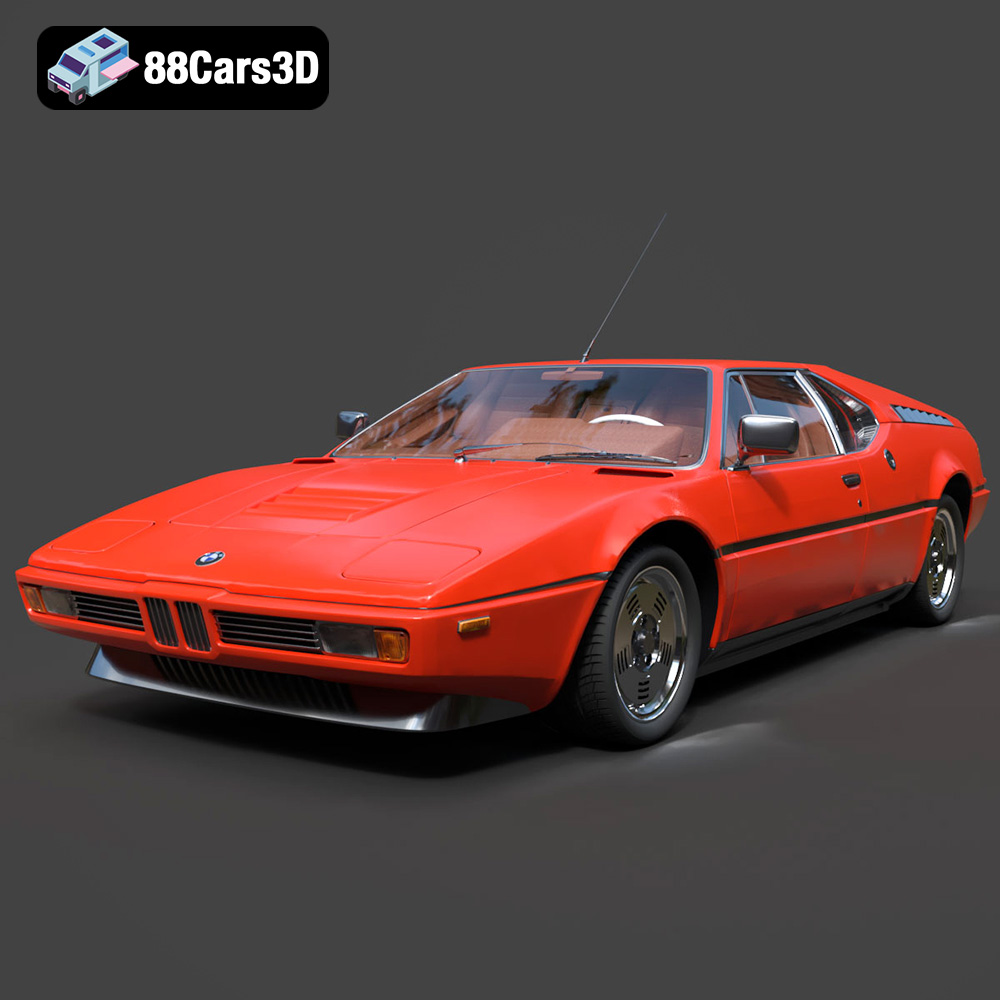
BMW Motorsport M1 E26 1981 3D Model
Texture: Yes
Material: Yes
Download the BMW Motorsport M1 E26 1981 3D Model featuring its iconic design, race-bred aerodynamics, and meticulously crafted details. Includes .blend, .fbx, .obj, .glb, .stl, .ply, .unreal, and .max formats for rendering, simulation, and game development.
Price: $20.79

Cadillac CTS-V Coupe 3D Model
Meta Description:
Texture: Yes
Material: Yes
Download the Cadillac CTS-V Coupe 3D Model featuring detailed exterior styling and realistic interior structure. Includes .blend, .fbx, .obj, .glb, .stl, .ply, .unreal, and .max formats for rendering, simulation, AR VR, and game development.
Price: $13.9
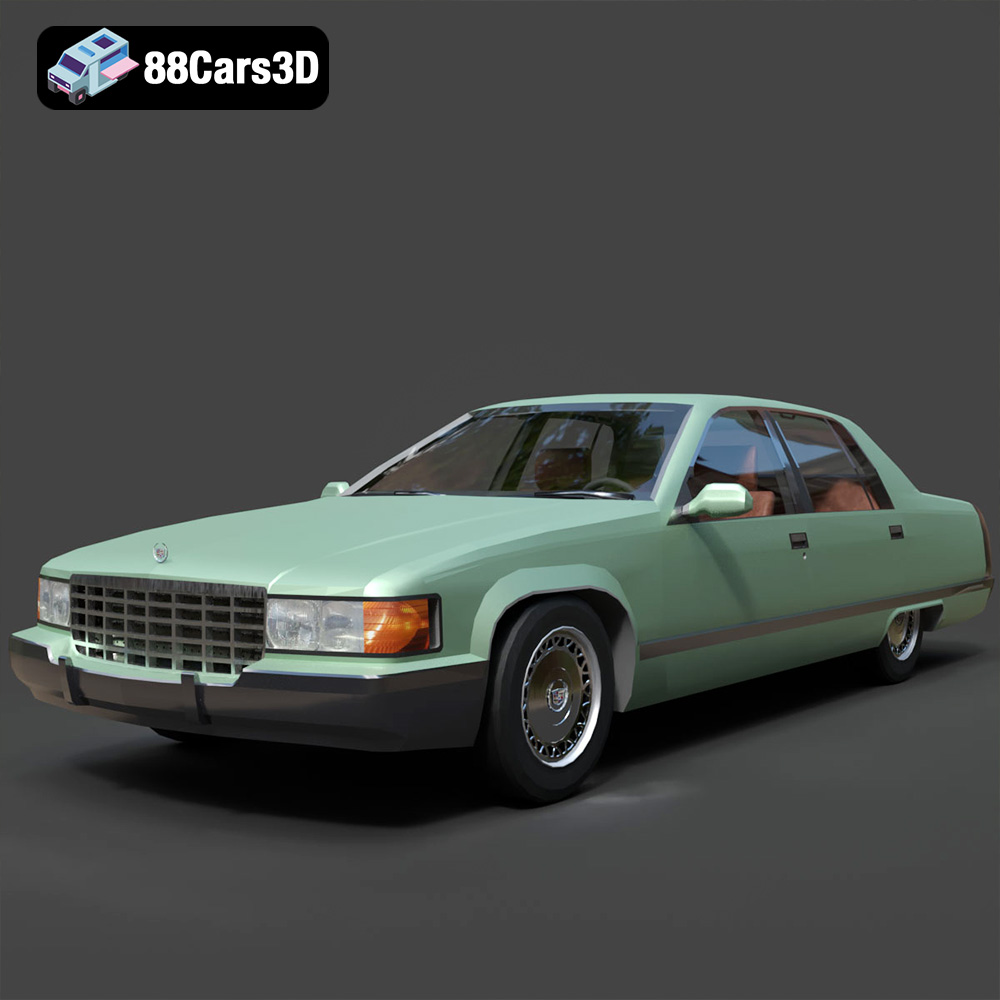
Cadillac Fleetwood Brougham 3D Model
Texture: Yes
Material: Yes
Download the Cadillac Fleetwood Brougham 3D Model featuring its iconic classic luxury design and detailed exterior and interior. Includes .blend, .fbx, .obj, .glb, .stl, .ply, .unreal, and .max formats for rendering, simulation, and game development.
Price: $10.79
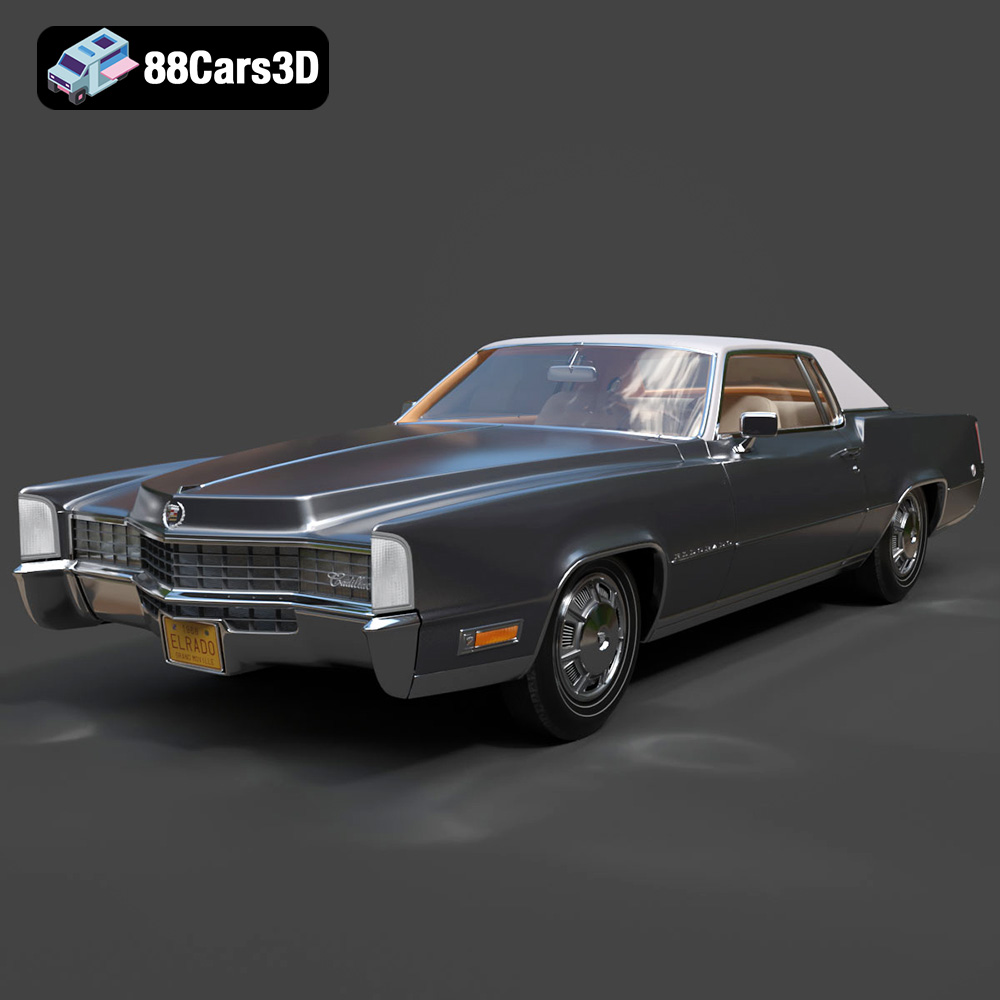
Cadillac Eldorado 1968 3D Model
Texture: Yes
Material: Yes
Download the Cadillac Eldorado 1968 3D Model featuring its iconic elongated body, distinctive chrome accents, and luxurious interior. Includes .blend, .fbx, .obj, .glb, .stl, .ply, .unreal, and .max formats for rendering, simulation, and game development.
Price: $20.79

Cadillac CTS SW 2010 3D Model
Texture: Yes
Material: Yes
Download the Cadillac CTS SW 2010 3D Model featuring a detailed exterior, functional interior elements, and realistic materials. Includes .blend, .fbx, .obj, .glb, .stl, .ply, .unreal, and .max formats for rendering, simulation, and game development.
Price: $10.79
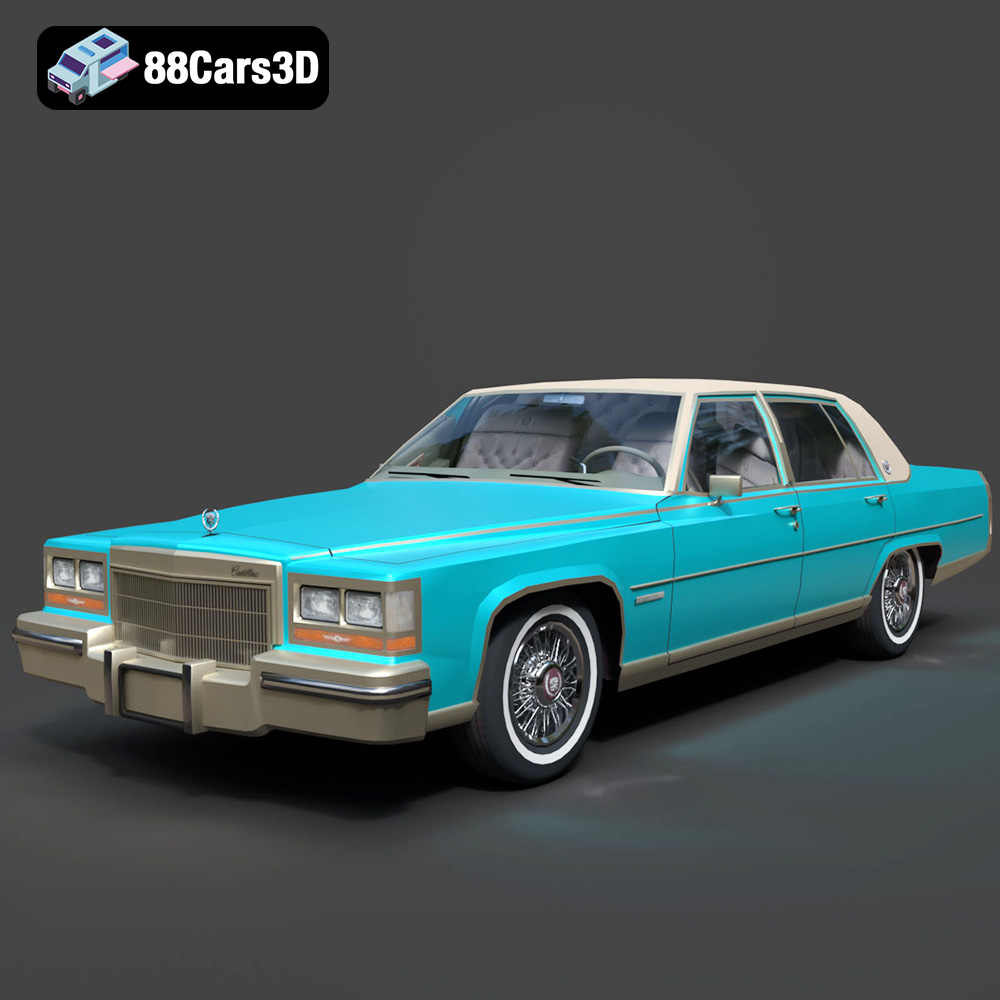
Cadillac Fleetwood Brougham 1985 3D Model
Texture: Yes
Material: Yes
Download the Cadillac Fleetwood Brougham 1985 3D Model featuring its iconic classic luxury design and detailed craftsmanship. Includes .blend, .fbx, .obj, .glb, .stl, .ply, .unreal, and .max formats for rendering, simulation, and game development.
Price: $10.79
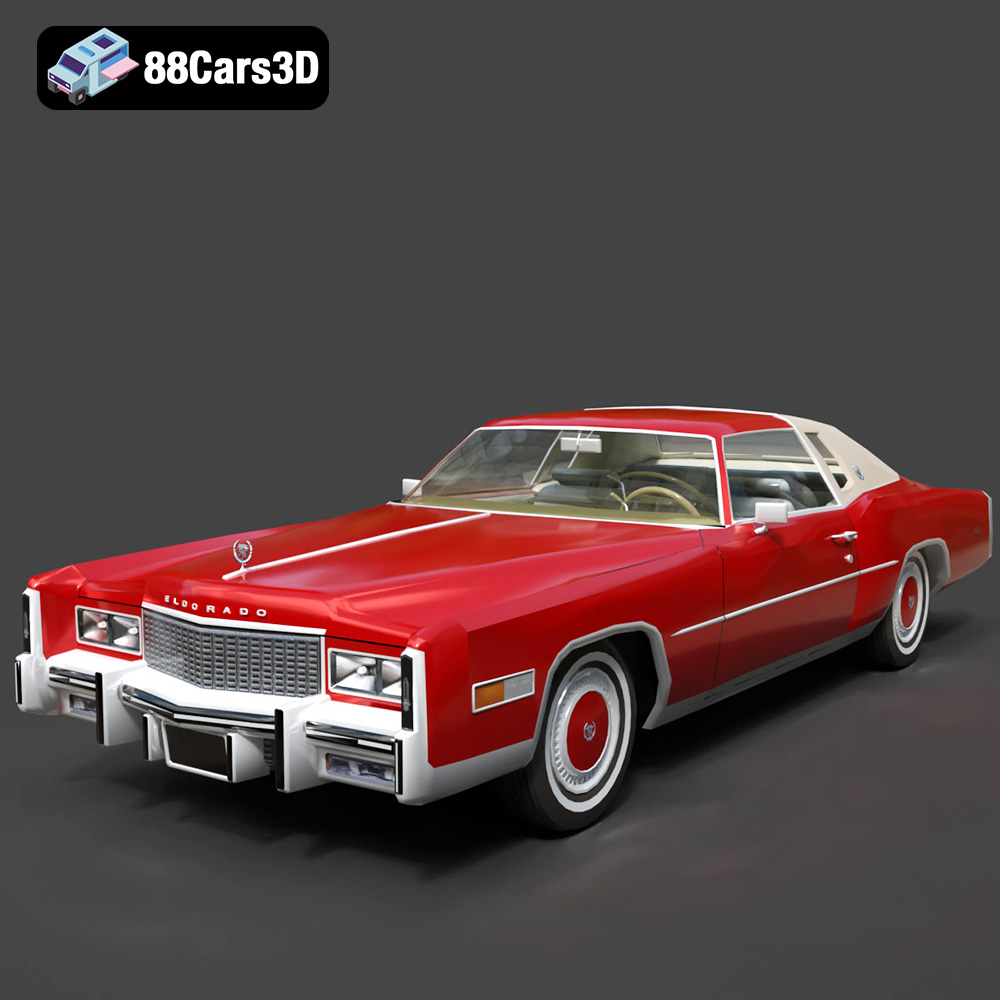
Cadillac Eldorado 1978 3D Model
Texture: Yes
Material: Yes
Download the Cadillac Eldorado 1978 3D Model featuring accurately modeled exterior, detailed interior, and period-correct aesthetics. Includes .blend, .fbx, .obj, .glb, .stl, .ply, .unreal, and .max formats for rendering, simulation, and game development.
Price: $10.79
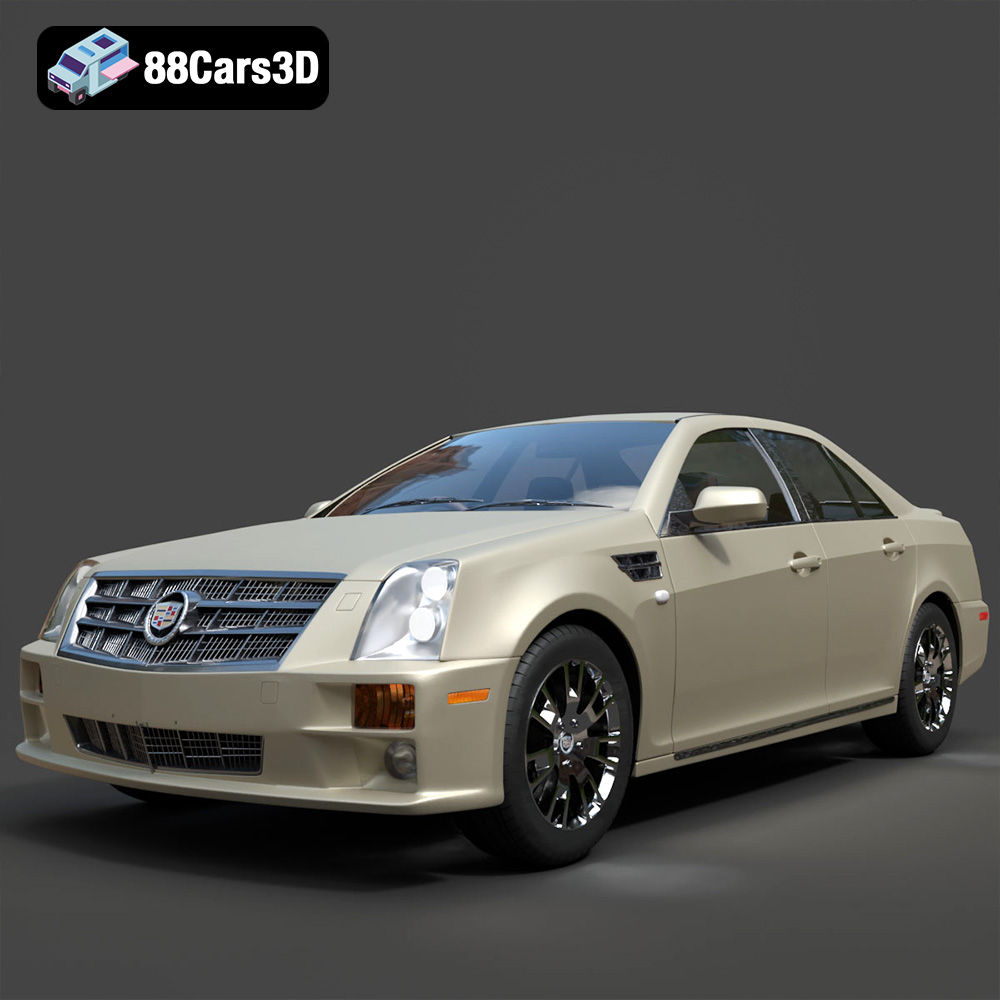
Cadillac STS-005 3D Model
Texture: Yes
Material: Yes
Download the Cadillac STS-005 3D Model featuring a detailed exterior and interior. Includes .blend, .fbx, .obj, .glb, .stl, .ply, .unreal, and .max formats for rendering, simulation, and game development.
Price: $22.79
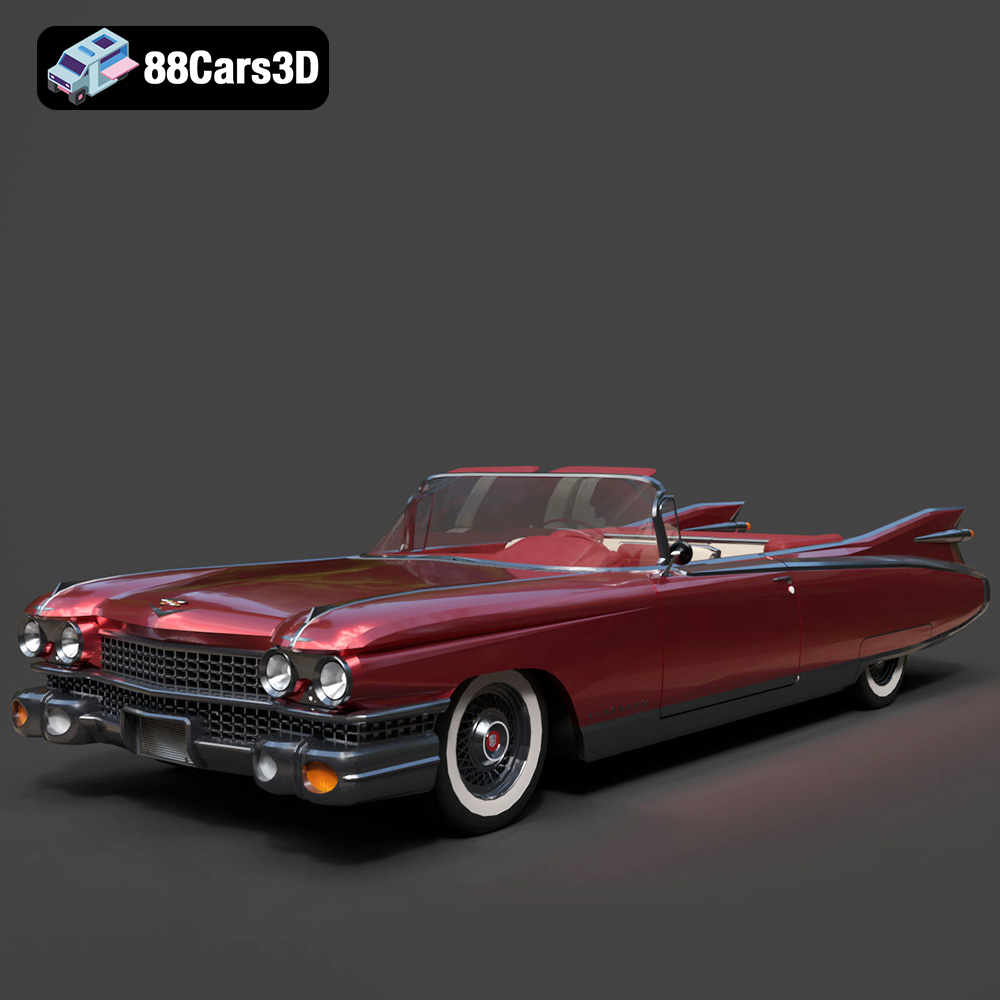
Cadillac Eldorado Convertible (1959) 3D Model
Texture: Yes
Material: Yes
Download the Cadillac Eldorado Convertible (1959) 3D Model featuring iconic fins, luxurious chrome details, and a classic vintage design. Includes .blend, .fbx, .obj, .glb, .stl, .ply, .unreal, and .max formats for rendering, simulation, and game development.
Price: $20.79

Cadillac DTS-005 3D Model
Texture: Yes
Material: Yes
Download the Cadillac DTS-005 3D Model featuring its iconic luxury design, detailed interior, and realistic exterior. Includes .blend, .fbx, .obj, .glb, .stl, .ply, .unreal, and .max formats for rendering, simulation, and game development.
Price: $10.79
