

“`html
Mastering the Details: Adding Car Logos, Emblems, and Custom Embellishments to Your 3D Printed Models
The world of 3D printed automotive models offers an unparalleled avenue for enthusiasts and hobbyists to bring their dream machines to life. While platforms like 88cars3d.com provide meticulously designed, print-ready STL files of iconic vehicles, true customization lies in the finer details. Adding authentic car logos, intricate emblems, and unique personal touches can elevate a standard print into a showpiece. This guide delves into the technical intricacies of incorporating these elements into your 3D printable car models, from initial file preparation and mesh manipulation to specific slicing strategies and post-processing techniques. Whether you’re a seasoned maker or just starting, you’ll gain the knowledge to transform your 3D printed cars into hyper-realistic representations with an added layer of bespoke artistry. We’ll cover everything from understanding STL file structures and mesh topology to leveraging software tools for seamless integration and achieving flawless finishes.
Understanding the Foundation: STL Files and Mesh Topology
Before we can even think about adding logos, it’s crucial to grasp the fundamental nature of STL files and how they represent 3D objects. An STL (STereoLithography) file describes the surface geometry of a 3D object using a collection of connected triangles (facets). Each triangle is defined by its three vertices and a normal vector, indicating the outward direction. For successful 3D printing, this mesh must be “manifold,” meaning it represents a watertight volume with no holes, intersecting faces, or non-manifold edges. Logos and emblems, when added, must seamlessly integrate into this existing manifold structure.
The Anatomy of an STL File for Detail Integration
When working with complex models, especially those with intricate details like badges, understanding the mesh density and topology of the target area is vital. High-polygon models offer more vertices to work with, allowing for smoother integration of curved logos. Conversely, lower-polygon models might require mesh subdivision or careful placement to avoid jagged edges. Identifying areas suitable for embedding or attaching separate logo components is key. For instance, a raised emblem might be modeled as a separate STL file and then fused with the main body during slicing, or it could be directly modeled onto the car’s surface if the base model’s topology allows for clean Boolean operations.
Ensuring Mesh Integrity: Manifold Meshes and Watertight Models
Adding new geometry, such as a logo, can inadvertently introduce non-manifold conditions. Tools like Meshmixer, Blender, or Netfabb are indispensable for checking and repairing mesh integrity. A common issue is creating gaps between the added logo and the car body or having overlapping internal geometry. Before exporting your modified STL, run a “Make Solid” or “Check for Errors” command in your chosen software. This process identifies issues like disconnected triangles, inverted normals, and self-intersections. Correcting these problems is paramount, as most slicers will either fail to process a non-manifold mesh or produce unpredictable, flawed prints.
Strategic Integration: Methods for Adding Logos and Emblems
There are several technical approaches to incorporating logos and emblems into your 3D printable car models. The best method often depends on the complexity of the logo, the desired level of detail, the capabilities of your 3D modeling software, and the specific requirements of your 3D printer and chosen materials. For instance, highly detailed, multi-colored logos might be better suited for multi-material printing or post-processing painting, while simpler, single-color badges can be directly modeled or attached as separate components.
Method 1: Direct Modeling and Boolean Operations
This is often the cleanest method for permanently integrating details. It involves importing the car model into a 3D modeling software (like Blender or Fusion 360) and either modeling the logo directly onto the surface or importing a separate logo STL and using Boolean operations (Union, Subtract, Intersect) to merge it with the car body. For raised emblems, you’d model the logo geometry and then use a “Union” operation. For recessed badges (like a badge molded into a grille), you’d model the negative space and use a “Subtract” operation. Precise alignment is critical here. Using snapping tools and orthogonal views in your modeling software ensures the logo sits flush and accurately.
Method 2: Separate Components and Assembly
Sometimes, it’s more practical to print logos and emblems as separate STL files. This is particularly useful for:
- Multi-color logos: Print each color on a separate printer or use a multi-material printer.
- Different materials: Print a metallic-looking emblem in a specific filament (e.g., silk PLA) and the car body in another.
- Easier post-processing: Allows for easier sanding, painting, and finishing of the small detail before attaching it.
- Repairability: If a small emblem breaks, it’s easier to reprint just that part.
When using this method, ensure the contact surfaces are designed for a strong bond. Adding small pegs and corresponding holes can aid in alignment and structural integrity. After printing and finishing both parts, they can be assembled using super glue (cyanoacrylate) or a suitable adhesive for your chosen materials.
Method 3: Surface Embossing/Debossing via Displacement Maps
For extremely fine details or logos that need to follow complex curves, displacement mapping can be a powerful technique in certain 3D modeling software. You would create a grayscale image (a heightmap) where white represents raised areas and black represents recessed areas. This map is then applied to the surface of the car model, effectively “pushing” or “pulling” the geometry to create the desired detail. This method often requires high-resolution models and careful application to avoid mesh distortion. It’s more advanced but can yield stunning results for subtle branding elements.
Slicing Strategies for Flawless Detail Printing
Once your STL file, complete with integrated logos or separate emblem components, is ready, the next critical step is slicing. The slicer software translates the 3D model into layer-by-layer instructions (G-code) for your 3D printer. The settings you choose here will directly impact the print quality, particularly for the fine details of logos and emblems.
Optimizing Layer Height and Print Speed
The adage “smaller layer height equals finer detail” holds true, especially for emblems. For standard FDM printing, a layer height of 0.1mm to 0.15mm is often a good balance between detail and print time. For exceptionally intricate logos, dropping to 0.08mm or even 0.05mm can capture subtleties but will significantly increase print duration. Similarly, slowing down the print speed for the outer layers or the entire print can improve surface finish and detail accuracy. Consider reducing print speed to 30-40 mm/s for detailed sections. For resin printers (SLA/DLP), layer heights of 0.025mm to 0.05mm are standard and excel at capturing minute features.
Support Structures: The Unsung Heroes of Detail
Logos, especially those with overhangs or intricate 3D forms, will likely require support structures. The type and placement of these supports are crucial.
- Tree/Organic Supports: Many slicers (like Cura) offer tree supports, which are often more efficient and easier to remove from delicate details than standard linear supports. They minimize contact points, reducing surface scarring.
- Support Interface Layers: Enabling support interface layers in your slicer can create a denser, smoother surface where the support meets the model. This makes removal cleaner and leaves a better finish on the underside of logos.
- Support Density and Angle: Experiment with support density (e.g., 10-15%) and overhang angle (e.g., 45-60 degrees) to find the right balance between stability and ease of removal. Too dense, and they’re hard to break away; too sparse, and they won’t hold.
When printing separate emblem parts, orient them on the build plate to minimize the need for supports on visible surfaces.
Infill Strategies for Strength and Weight
While logos and emblems might seem small, they can be prone to damage. For attached logos, a higher infill density (e.g., 20-30%) in the immediate vicinity of the logo can provide better adhesion and structural integrity. For separate emblem parts, the infill percentage can be adjusted based on the desired strength and weight. A common default of 15-20% is often sufficient for display pieces, but increasing it to 40-50% will make them more robust.
Material Selection and Printer Considerations
The choice of filament or resin, combined with your printer’s capabilities, plays a significant role in how well those tiny details translate from digital model to physical object. Understanding the strengths and weaknesses of different materials and printer types is key to achieving professional-looking results.
FDM vs. Resin Printing for Automotive Details
FDM (Fused Deposition Modeling) printers are widely accessible and offer a broad range of materials. They excel at printing larger parts and are cost-effective. However, the layer lines inherent in FDM printing can be noticeable on very fine details like small emblems. Using a smaller nozzle size (e.g., 0.3mm or 0.2mm instead of the standard 0.4mm) can significantly improve the resolution of details. Materials like PLA are easy to print and sand, while ABS offers greater durability but requires more careful temperature control. PETG provides a good balance of strength and ease of printing.
Resin (SLA/DLP/MSLA) printers, on the other hand, are renowned for their exceptional detail and smooth surface finish. The layer lines are virtually invisible. This makes them ideal for printing highly intricate logos, emblems, or even entire miniature car models where fine details are paramount. However, resin prints often require more post-processing (washing, curing) and the materials can be more brittle or UV-sensitive. Choosing the right resin type (standard, tough, flexible) is important depending on the application.
Nozzle Size and Calibration for FDM Detail Work
For FDM printing, reducing the nozzle size is a common technique for increasing detail. A 0.2mm nozzle can print significantly finer lines and capture smaller features than a 0.4mm nozzle. However, this comes with trade-offs:
- Slower Print Speeds: You’ll need to print slower to allow the smaller nozzle to deposit material correctly.
- Clogging Risk: Smaller nozzles are more prone to clogging, especially with lower-quality filaments.
- Calibration is Key: Ensure your printer is meticulously calibrated. Extrusion multiplier (E-steps), flow rate, and temperature settings must be dialed in precisely for a small nozzle to perform optimally.
Before committing to a long print with a small nozzle, perform test prints of small, detailed objects to fine-tune your settings.
Material Properties for Durability and Finish
When selecting materials for your car models and their details, consider the desired outcome:
- PLA: Easy to print, comes in many colors (including metallic finishes), good for display models. Can be brittle.
- PETG: Stronger and more temperature resistant than PLA, good for models that might be handled frequently. Slightly trickier to print smooth surfaces.
- ABS: Very durable and temperature resistant, but requires a heated enclosure and good ventilation due to fumes. Prone to warping.
- Resin Types: Standard resins are great for general detail. Tough or ABS-like resins offer improved durability for parts that might experience stress.
For logos that need a metallic sheen, consider using silk PLA filaments or painting the printed part with metallic acrylics.
Post-Processing: Bringing Your Detailed Models to Life
The print is just the beginning. Post-processing is where raw 3D prints are transformed into polished, professional-looking models. This is especially true for adding logos and emblems, where finishing techniques can seamlessly blend attached parts or highlight individual details.
Support Removal and Surface Finishing
Careful removal of support structures is paramount. Use flush cutters, hobby knives, and needle-nose pliers for precise removal. Avoid ripping supports away forcefully, which can damage delicate details. Once supports are removed, sanding is usually required. Start with a coarser grit sandpaper (e.g., 220-400 grit) to remove layer lines and imperfections, then progressively move to finer grits (e.g., 800, 1000, 2000+ grit) for a smooth finish. For FDM prints, sanding alone can achieve a good result, but using fillers or primers can further enhance smoothness before painting. For resin prints, sanding is often minimal, but careful removal of support nubs is essential.
Painting Techniques for Authentic Details
Painting is where logos and emblems truly come alive.
- Priming: Always start with a good quality primer. This provides a uniform surface for paint adhesion and reveals any remaining imperfections that need attention.
- Base Coats: Apply thin, even coats of your chosen colors. Airbrushing provides the smoothest finish, but quality brushes can also yield excellent results.
- Washes and Dry Brushing: Use dark washes to settle into recessed details (like lettering on a badge) and highlight them. Dry brushing with a lighter metallic color can catch raised edges, giving them a realistic metallic sheen.
- Masking: For clean lines between different colored sections of a logo or emblem, use masking tape designed for models (e.g., Tamiya tape). Ensure the underlying paint is fully cured before masking.
Reference photos of the actual car are invaluable for color accuracy.
Assembly and Final Touches
If you printed your logos and emblems as separate parts, this is where they are attached. Use a strong adhesive suitable for your materials – cyanoacrylate (super glue) is common for plastics. Ensure proper alignment before the glue sets. For added realism, consider adding small details like chrome trim, tiny lights, or even custom license plates, which can also be 3D printed or crafted from other modeling materials. Clear coats (gloss, satin, or matte) can protect the paint job and give the model a finished look.
By meticulously applying these techniques, from understanding your STL files to the final coat of paint, you can imbue your 3D printed car models with the authentic details that make them truly special. The availability of high-quality, print-ready models on marketplaces like 88cars3d.com provides an excellent starting point, allowing you to focus your efforts on these rewarding customization steps.
Troubleshooting Common Printing Issues with Details
Even with careful preparation and slicing, unexpected issues can arise when printing fine details like logos and emblems. Knowing how to diagnose and fix these common problems can save you time and filament.
Adhesion Problems and Warping on Small Parts
Small, detailed parts are often more susceptible to poor bed adhesion and warping, especially with materials like ABS.
- Bed Leveling: Ensure your printer’s bed is perfectly level. Even a slight tilt can cause a corner of a small part to lift.
- Adhesion Aids: Use adhesion solutions like a glue stick, hairspray, or specialized bed adhesives (e.g., Magigoo). For heated beds, ensure the correct temperature is set for your material (e.g., 50-60°C for PLA, 90-110°C for ABS).
- Brim or Raft: In your slicer settings, add a brim or raft. A brim provides a larger surface area for the initial layer to adhere to, reducing the likelihood of peeling. A raft prints a small platform beneath your part, offering maximum adhesion but can leave a rougher surface on the bottom of the print.
- Draft Shield: For materials prone to warping (like ABS), enable the “Draft Shield” or “Skirt” option in your slicer. This creates a wall around the print, protecting it from drafts and maintaining a stable temperature.
Blobbing, Stringing, and Poor Surface Quality
These issues often stem from temperature settings or retraction issues, and they are particularly noticeable on smooth, detailed surfaces.
- Temperature Tuning: Print a temperature tower for your specific filament. This test print shows how the filament performs at various temperatures, allowing you to find the optimal setting for minimizing stringing and improving surface finish.
- Retraction Settings: Incorrect retraction settings (distance and speed) are a primary cause of stringing. Fine-tune these parameters in your slicer. A common starting point for PLA is 5-6mm retraction distance at 40-50 mm/s speed for Bowden setups, and 1-2mm at 30-40 mm/s for direct drive.
- Travel Speed: Increase travel speed so the nozzle moves faster between printed sections, reducing the chance of molten plastic oozing out and creating fine strings.
- Filament Drying: Moist filament can cause popping sounds during printing, poor layer adhesion, and stringing. Ensure your filament is dry, especially hygroscopic materials like PETG and Nylon. Use a filament dryer or oven on a low setting.
Loss of Fine Detail or Imperfect Features
When the intricate parts of a logo or emblem don’t print correctly, it’s usually a combination of slicing settings and hardware limitations.
- Layer Height and Speed Revisited: As mentioned earlier, a lower layer height (e.g., 0.1mm or less) and slower print speeds are critical for capturing fine details.
- “Print Thin Walls” Option: Some slicers have a “Print Thin Walls” or “Detect Thin Walls” feature. Enabling this can help the printer successfully render very fine geometric features that might otherwise be ignored.
- Flow Rate Calibration: An incorrect flow rate (extrusion multiplier) can cause details to become over-extruded and blobby, or under-extruded and weak. Calibrate your flow rate accurately.
- Nozzle Size vs. Feature Size: Ensure your nozzle size is appropriate for the smallest features you are trying to print. If a logo has features smaller than approximately 2-3 times your nozzle diameter, they may not resolve clearly on an FDM printer. This is where resin printing truly shines.
Regular maintenance, such as cleaning your nozzle and ensuring smooth filament feeding, is also crucial for consistent detail printing.
By systematically addressing these common troubleshooting points, you can overcome many printing challenges and achieve the high level of detail required for impressive car logos and emblems. Platforms like 88cars3d.com offer optimized models, but understanding these printing nuances ensures you can bring them to life perfectly.
Conclusion: Elevating Your 3D Printed Automotive Models
The journey of transforming a raw STL file of a car into a hyper-realistic, detailed model is a rewarding one. Integrating authentic logos, emblems, and custom embellishments is the key to achieving that next level of authenticity and personal expression. We’ve explored the fundamental importance of manifold mesh topology, the strategic advantages of different integration methods—from direct modeling to separate component printing—and the critical slicing parameters like layer height and support generation that dictate fine detail fidelity. Furthermore, we’ve examined the impact of material selection and printer type (FDM vs. resin), highlighting specific techniques like nozzle size optimization and calibration for FDM. Finally, the essential post-processing steps, including meticulous support removal, precise sanding, and artistic painting, bring these details to life. Remember, practice and experimentation are your greatest allies. Don’t hesitate to test settings on smaller components before committing to a large print. By mastering these technical skills, you can elevate your 3D printed car collection from mere models to intricate works of art, truly showcasing your passion for automotive excellence.
“`
Featured 3D Car Models
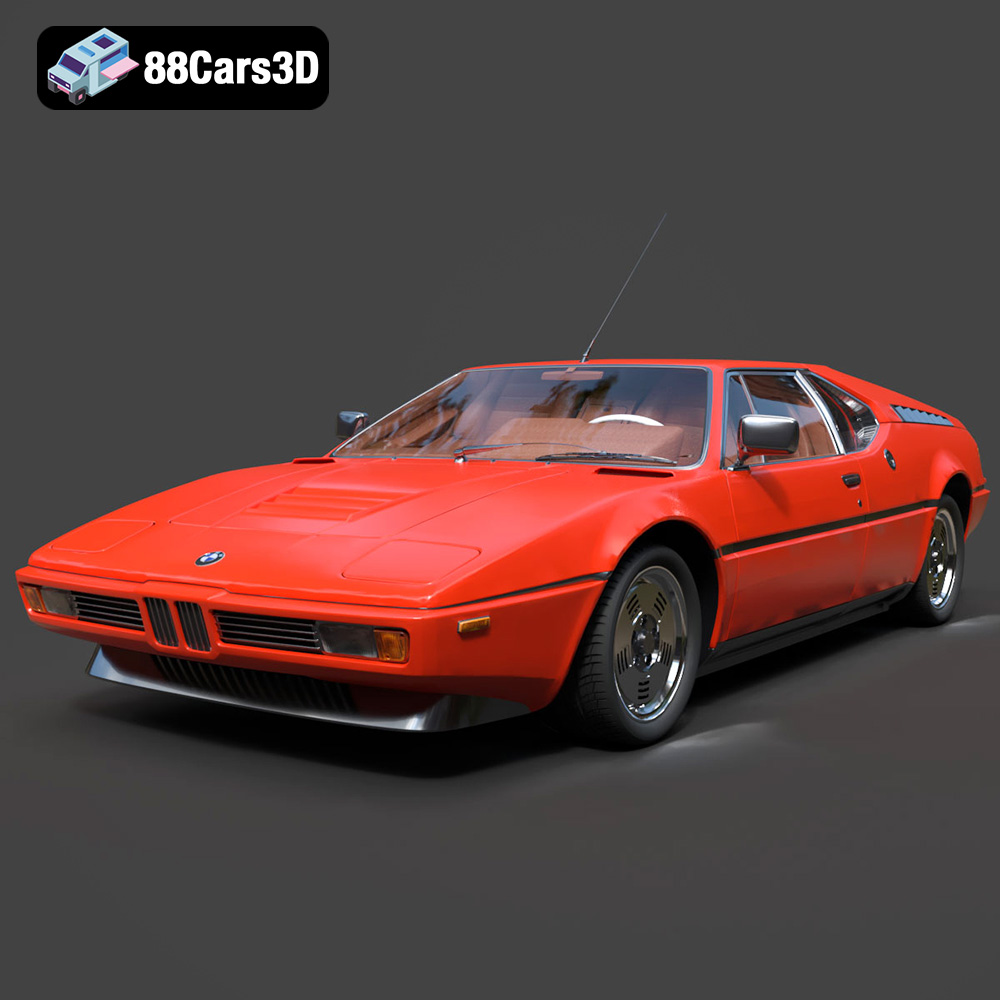
BMW Motorsport M1 E26 1981 3D Model
Texture: Yes
Material: Yes
Download the BMW Motorsport M1 E26 1981 3D Model featuring its iconic design, race-bred aerodynamics, and meticulously crafted details. Includes .blend, .fbx, .obj, .glb, .stl, .ply, .unreal, and .max formats for rendering, simulation, and game development.
Price: $20.79

Cadillac CTS-V Coupe 3D Model
Meta Description:
Texture: Yes
Material: Yes
Download the Cadillac CTS-V Coupe 3D Model featuring detailed exterior styling and realistic interior structure. Includes .blend, .fbx, .obj, .glb, .stl, .ply, .unreal, and .max formats for rendering, simulation, AR VR, and game development.
Price: $13.9
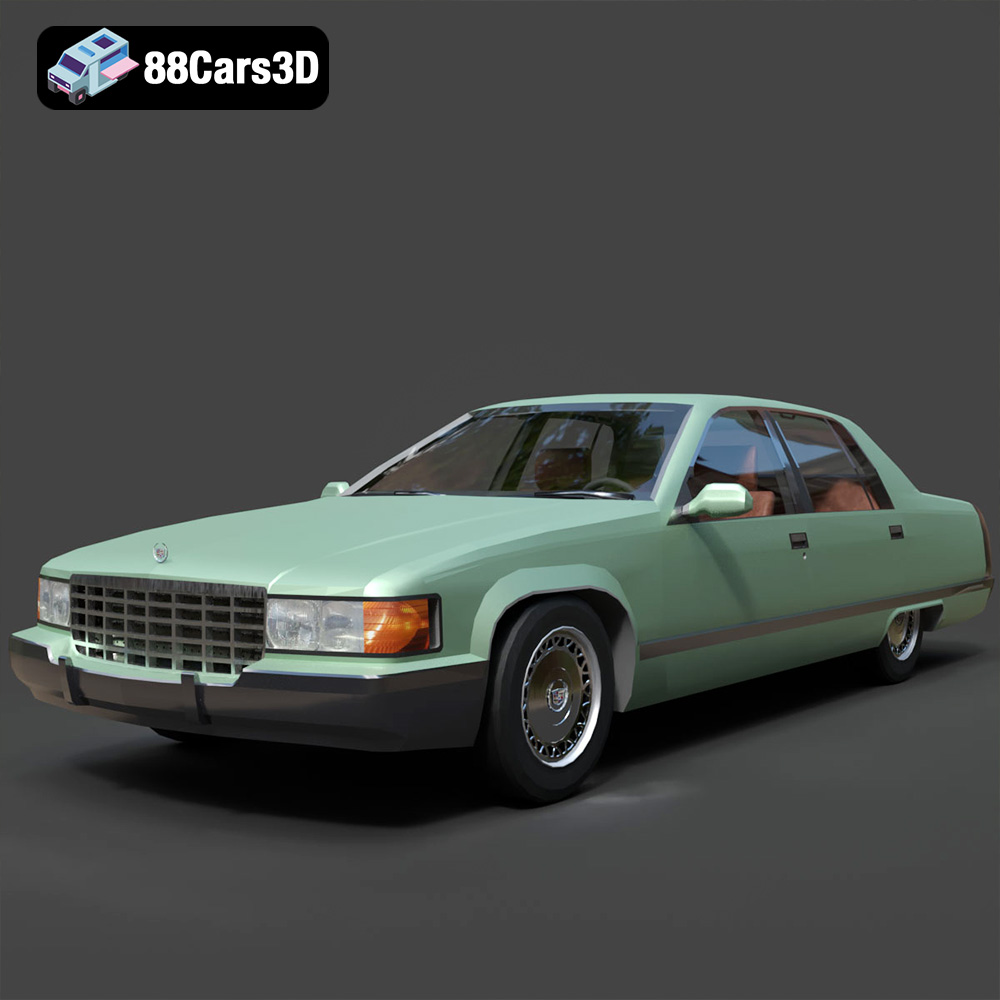
Cadillac Fleetwood Brougham 3D Model
Texture: Yes
Material: Yes
Download the Cadillac Fleetwood Brougham 3D Model featuring its iconic classic luxury design and detailed exterior and interior. Includes .blend, .fbx, .obj, .glb, .stl, .ply, .unreal, and .max formats for rendering, simulation, and game development.
Price: $10.79
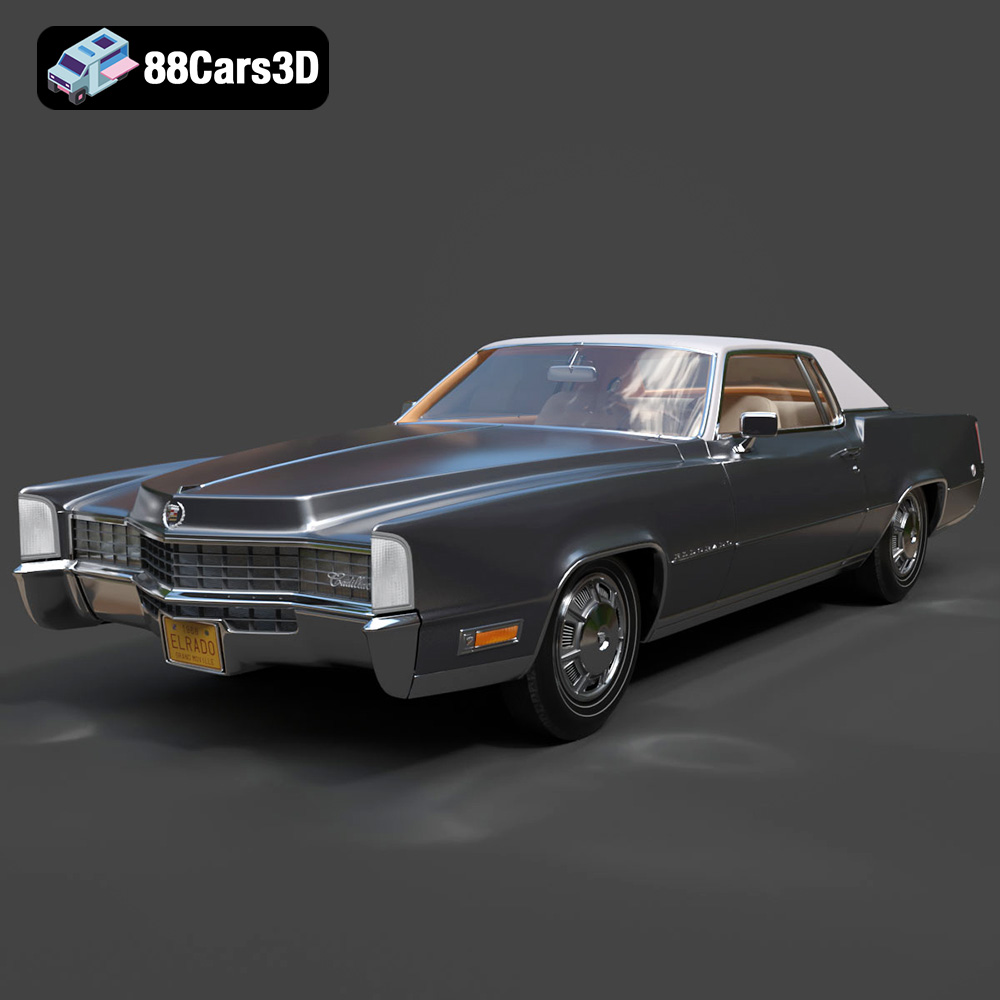
Cadillac Eldorado 1968 3D Model
Texture: Yes
Material: Yes
Download the Cadillac Eldorado 1968 3D Model featuring its iconic elongated body, distinctive chrome accents, and luxurious interior. Includes .blend, .fbx, .obj, .glb, .stl, .ply, .unreal, and .max formats for rendering, simulation, and game development.
Price: $20.79

Cadillac CTS SW 2010 3D Model
Texture: Yes
Material: Yes
Download the Cadillac CTS SW 2010 3D Model featuring a detailed exterior, functional interior elements, and realistic materials. Includes .blend, .fbx, .obj, .glb, .stl, .ply, .unreal, and .max formats for rendering, simulation, and game development.
Price: $10.79
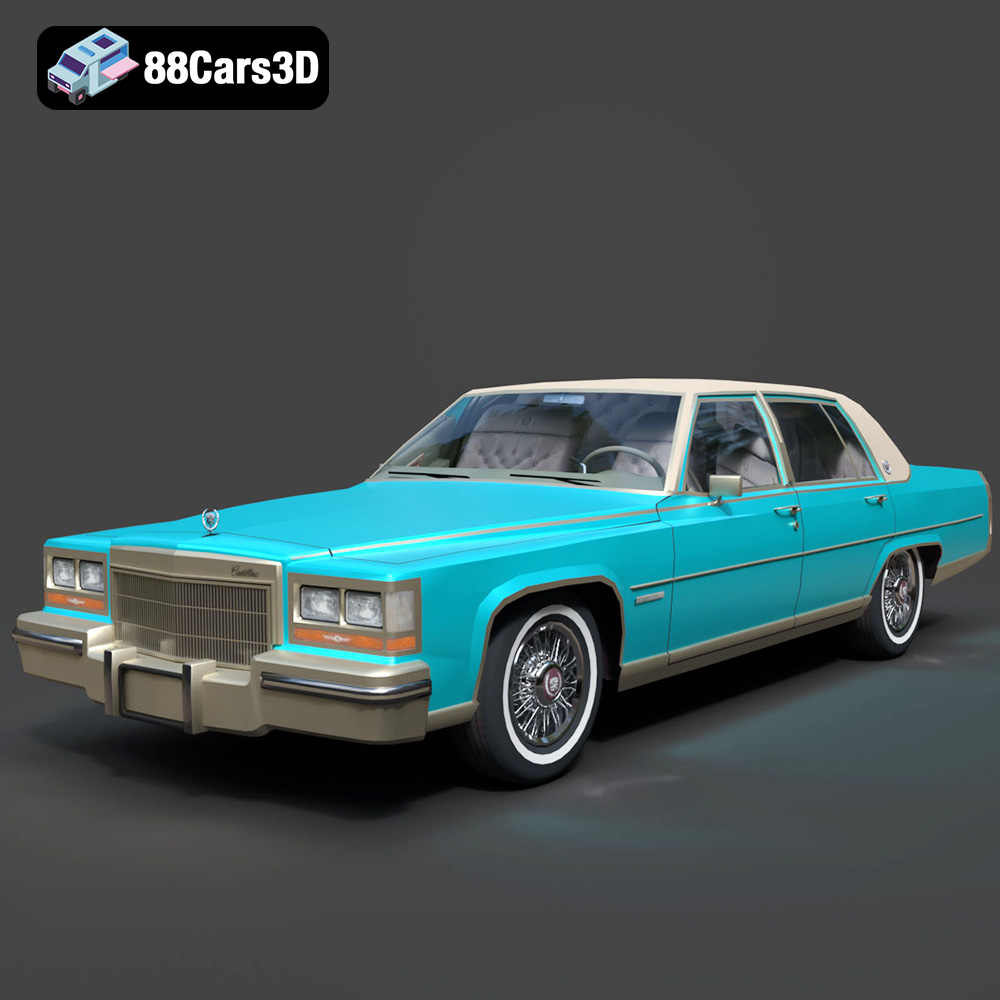
Cadillac Fleetwood Brougham 1985 3D Model
Texture: Yes
Material: Yes
Download the Cadillac Fleetwood Brougham 1985 3D Model featuring its iconic classic luxury design and detailed craftsmanship. Includes .blend, .fbx, .obj, .glb, .stl, .ply, .unreal, and .max formats for rendering, simulation, and game development.
Price: $10.79
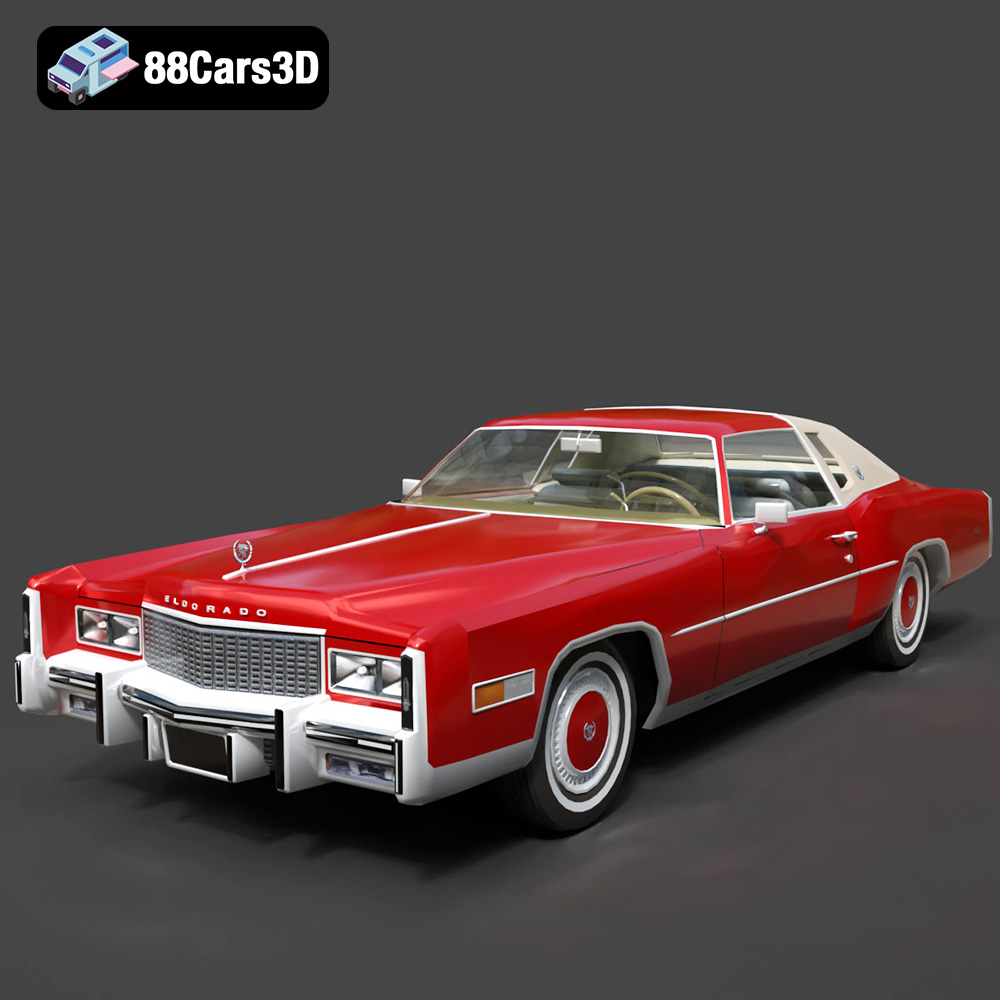
Cadillac Eldorado 1978 3D Model
Texture: Yes
Material: Yes
Download the Cadillac Eldorado 1978 3D Model featuring accurately modeled exterior, detailed interior, and period-correct aesthetics. Includes .blend, .fbx, .obj, .glb, .stl, .ply, .unreal, and .max formats for rendering, simulation, and game development.
Price: $10.79
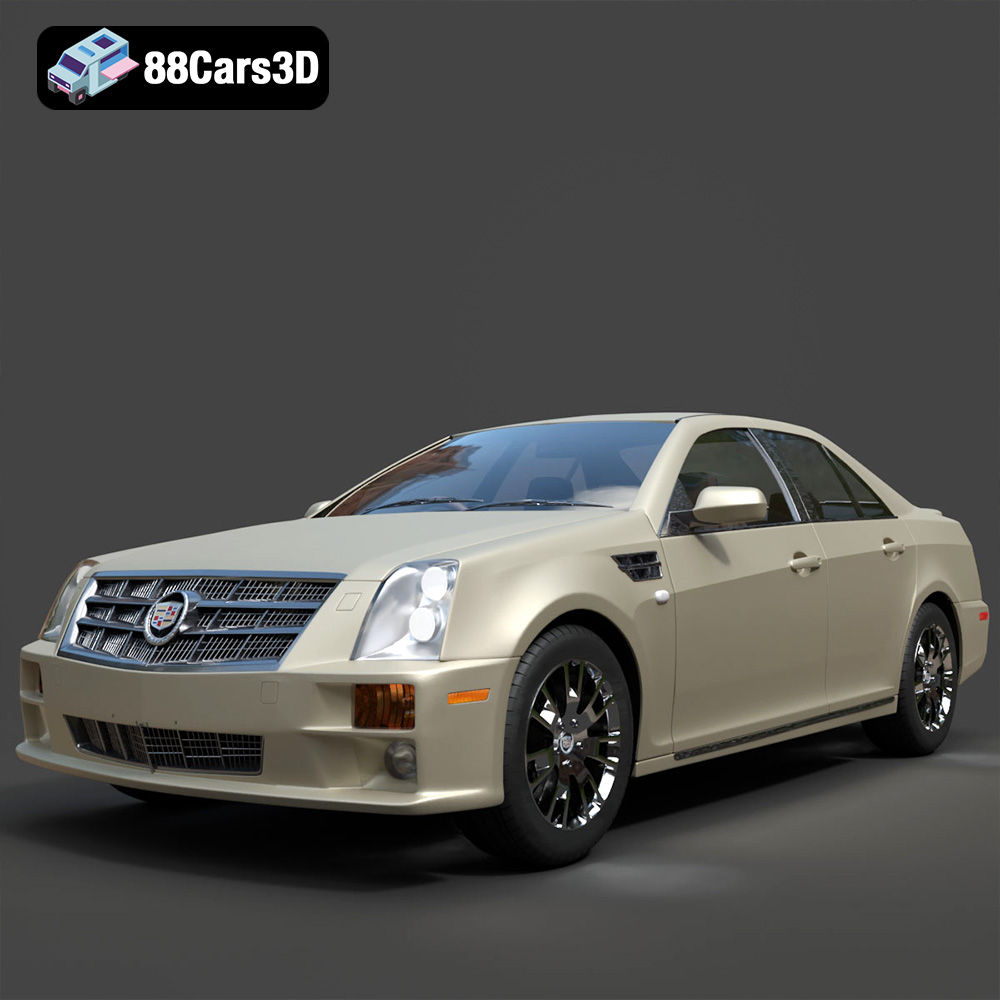
Cadillac STS-005 3D Model
Texture: Yes
Material: Yes
Download the Cadillac STS-005 3D Model featuring a detailed exterior and interior. Includes .blend, .fbx, .obj, .glb, .stl, .ply, .unreal, and .max formats for rendering, simulation, and game development.
Price: $22.79
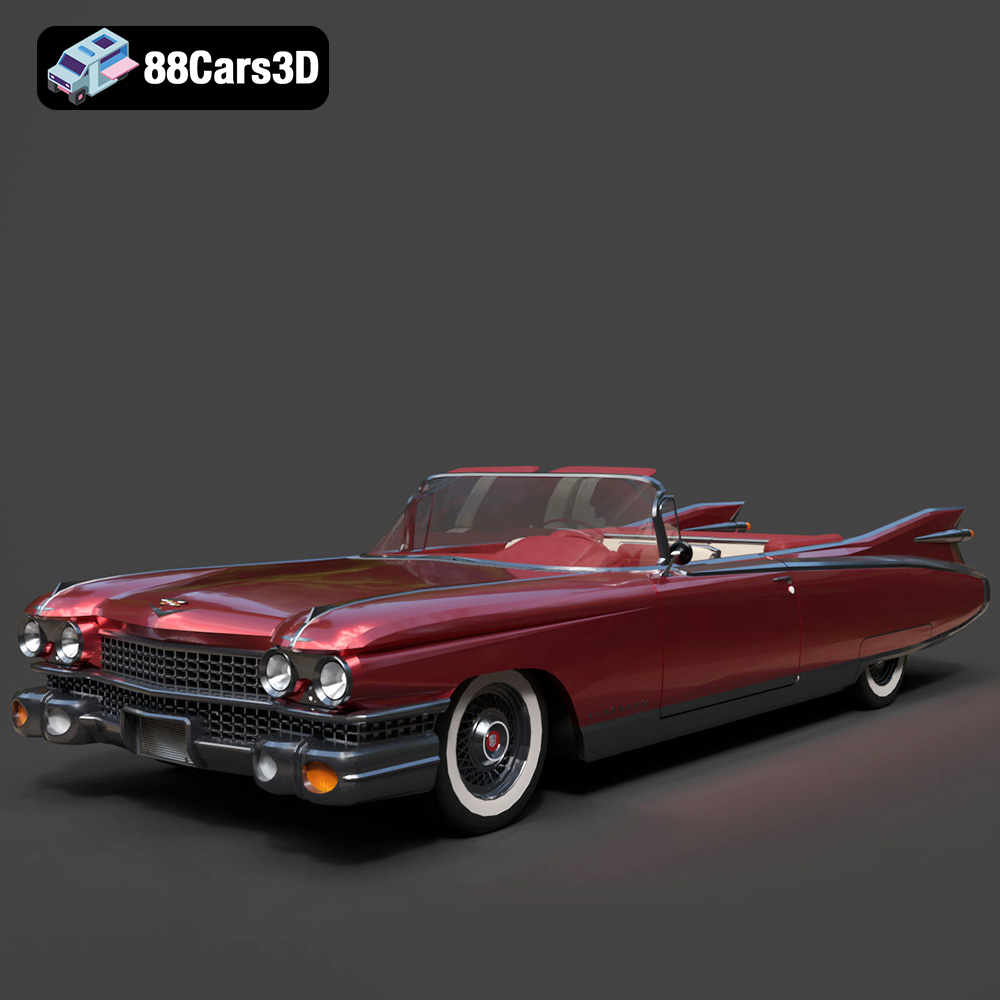
Cadillac Eldorado Convertible (1959) 3D Model
Texture: Yes
Material: Yes
Download the Cadillac Eldorado Convertible (1959) 3D Model featuring iconic fins, luxurious chrome details, and a classic vintage design. Includes .blend, .fbx, .obj, .glb, .stl, .ply, .unreal, and .max formats for rendering, simulation, and game development.
Price: $20.79

Cadillac DTS-005 3D Model
Texture: Yes
Material: Yes
Download the Cadillac DTS-005 3D Model featuring its iconic luxury design, detailed interior, and realistic exterior. Includes .blend, .fbx, .obj, .glb, .stl, .ply, .unreal, and .max formats for rendering, simulation, and game development.
Price: $10.79
