

In the world of real-time rendering and interactive experiences, stunning visuals often take center stage. From the intricate details of a meticulously crafted 3D car model sourced from 88cars3d.com to the breathtaking realism of Lumen-powered global illumination, the visual feast can be truly captivating. However, a truly immersive experience is never just about what you see; it’s profoundly shaped by what you hear. For automotive visualization, game development, and virtual production, the Unreal Engine’s robust audio system is an indispensable tool, allowing developers to craft intricate soundscapes that breathe life into their digital creations.
Imagine a sleek supercar, rendered with Nanite-level detail, its metallic paint gleaming under realistic lighting. Now, imagine hitting the accelerator and hearing nothing but a generic ‘whoosh’. The spell is immediately broken. This blog post dives deep into Unreal Engine’s audio system, exploring the intricacies of spatial sound and advanced mixing techniques specifically tailored for automotive applications. We’ll cover everything from importing your pristine engine roars and tire screeches to sophisticated Blueprint scripting for interactive audio, ensuring your high-fidelity car models from 88cars3d.com don’t just look amazing, but sound absolutely phenomenal.
The Undeniable Impact of Sound in Automotive Visualization and Gaming
While the visual fidelity of 3D car models, especially those optimized for Unreal Engine’s advanced rendering features like Nanite and Lumen, is undeniably crucial, the role of sound in creating truly compelling automotive experiences is often underestimated. Sound is a powerful, subliminal tool that evokes emotion, conveys information, and dramatically enhances realism and immersion. For a virtual drive, a car configurator, or an automotive training simulation, the accuracy of engine sounds, the subtle creak of suspension, or the distinct whine of a supercharger can be just as important as the gleam of the paint or the reflection in the chrome.
High-quality automotive assets, such as the photorealistic 3D car models available on platforms like 88cars3d.com, provide an exceptional visual foundation. However, to complete the illusion, these models need an equally high-fidelity audio counterpart. Generic sound effects simply won’t suffice when paired with highly detailed visuals. A deep, resonant V8 rumble can convey power and luxury, while a high-pitched, precise whine can suggest agility and performance. Sound cues provide crucial feedback to the user, indicating speed changes, engine load, collisions, and environmental interactions, making the virtual vehicle feel responsive and alive. Without carefully crafted audio, even the most visually stunning automotive scenes can feel sterile and unconvincing.
Beyond Engine Roars: Crafting the Full Vehicle Soundscape
When we think of car sounds, the engine note is often the first thing that comes to mind. While pivotal, a complete automotive soundscape encompasses much more. Consider the subtle details: the distinct sound of a door closing, the click of a turn signal, the gentle hum of an electric motor, the crunch of gravel under tires, the squeal of brakes, or the metallic thud of a collision. Each of these elements contributes to the overall perception of quality, realism, and immersion. In Unreal Engine, we combine various audio assets, each with its own characteristics and spatial properties, to build this rich tapestry. This layered approach ensures that every interaction with a vehicle feels authentic, from a quiet moment in a virtual showroom to a high-speed chase.
Integrating High-Quality Sound with 88cars3d.com Models
When you acquire a high-quality 3D car model from 88cars3d.com, you’re investing in an asset with clean topology, realistic PBR materials, and optimized UV mapping. The next step is to complement this visual excellence with an equally high standard of audio. This involves sourcing authentic sound recordings—either professional sound libraries or custom recordings of real vehicles—and carefully preparing them for Unreal Engine. The objective is to ensure that the audio assets match the visual fidelity, providing a cohesive and believable experience. This means paying attention to detail in sound design, just as much as an artist pays attention to texturing and lighting. The combination of stellar visuals and compelling audio is what truly elevates a project, whether it’s an interactive car configurator, an architectural visualization walkthrough featuring a vehicle, or a next-generation racing game.
Core Audio Setup in Unreal Engine for Automotive Projects
Getting started with audio in Unreal Engine involves a few fundamental steps. First, you need to import your audio assets. Unreal Engine primarily supports uncompressed WAV files, which offer the highest fidelity, but also handles compressed formats like OGG Vorbis. For automotive projects, you’ll typically be importing a range of sounds: engine samples at different RPMs, tire sounds (skid, gravel, asphalt), horn, door sounds, collision effects, and more.
Once imported, these raw audio files become ‘Sound Waves’ within Unreal Engine. The next crucial step is to encapsulate these Sound Waves within ‘Sound Cues’. Sound Cues are powerful nodes that allow you to combine, modify, and control multiple Sound Waves. Think of them as mini-programs for your sounds. You can randomize pitch, volume, and playback order, loop sections, apply delays, and even layer multiple Sound Waves together – perfect for complex engine sounds that transition smoothly between idle, acceleration, and deceleration. For a deep dive into Sound Cues, refer to the official Unreal Engine documentation on Sound Cues.
Attaching these Sound Cues to your vehicle is straightforward. For static sounds like a horn or door close, you can simply attach a Play Sound at Location node in Blueprint, or use an Audio Component directly on a Static Mesh or Skeletal Mesh component of your car. For dynamic sounds like an engine, you’ll likely use an Audio Component attached to the root of your vehicle’s Skeletal Mesh. This allows the sound to move and spatially react with the car, leveraging Unreal’s built-in spatialization features.
Sound Asset Management and File Formats
Efficient management of audio assets is key to a streamlined workflow and optimized performance. Organizing your audio files into logical folders (e.g., ‘Audio/Vehicles/EngineSounds’, ‘Audio/Vehicles/TireSounds’) helps maintain order. For file formats, WAV is generally preferred for its quality, especially for critical sounds like engine notes. However, WAV files can be large. Unreal Engine automatically compresses WAV files to a more efficient format (like OGG or ADPCM) during the cooking process for game builds, but you can also control compression settings per Sound Wave asset to balance fidelity and file size. For background ambient sounds or less critical audio, OGG can be a good choice even before import due to its smaller size.
When preparing your sound assets, ensure they are clean, properly normalized, and loop seamlessly if intended for continuous playback like engine idle or driving sounds. Poorly looped sounds will introduce distracting clicks or gaps, breaking immersion. Using an audio editing software to carefully trim, fade, and crossfade loop points is a vital step in preparing professional-grade automotive audio.
Basic Sound Cue Configuration for Car Engines
A typical car engine sound isn’t just one recording; it’s a blend of different engine states. A common approach is to have separate recordings for idle, low RPM, mid RPM, and high RPM, along with a ‘wind-up’ and ‘wind-down’ sound. In a Sound Cue, you can use a ‘Mixer’ node to blend these different Sound Waves based on parameters like vehicle speed or engine RPM, which you’d drive via Blueprints. For example, you might have an ‘Idle Loop’ and a ‘Throttle Loop’. As the car accelerates, you fade out the ‘Idle Loop’ and fade in the ‘Throttle Loop’, then increase its pitch to simulate rising RPMs. For more complex engines, you might layer multiple ‘Mixer’ nodes, blending sounds like exhaust, intake, and engine block noise to create a rich, dynamic sound that evolves realistically with the vehicle’s performance. This level of detail in sound design is what elevates a project using premium 3D car models from 88cars3d.com.
Mastering Spatial Sound for Automotive Immersion
Spatial audio is the cornerstone of realistic soundscapes in real-time environments. It refers to the localization of sound in a 3D space, making it sound as if it’s coming from a specific point relative to the listener. In Unreal Engine, this is primarily managed through Attenuation Settings. Without proper spatialization, all sounds would feel flat, as if coming directly from the speakers, regardless of their source’s position in the virtual world. For automotive projects, precise spatial audio is critical for conveying the size and speed of a vehicle, its position relative to the player, and how its sound interacts with the environment.
When you attach an Audio Component to your car model, its sound will automatically spatialize. However, the realism comes from configuring its Attenuation Settings. These settings determine how a sound’s volume, spatialization, and other properties change based on the distance between the sound source and the listener. Key properties include:
- Attenuation Distance: Defines the inner and outer radii for sound falloff. Sounds within the inner radius play at full volume, and gradually decrease to silence at the outer radius.
- Spatialization: Controls whether a sound is 3D (spatialized) or 2D (non-spatialized).
- Spread: Determines how wide a sound source appears, affecting how directional it sounds.
- Occlusion: Simulates how obstacles between the sound source and listener block or filter sound.
Properly configured attenuation settings allow you to create the illusion of a roaring engine passing by, its volume fading and its stereo image shifting as it moves. You can even customize attenuation curves to achieve unique falloff behaviors, perhaps for a powerful supercar whose sound carries further than a small electric vehicle.
Attenuation Settings: Custom Curves and Shapes
Unreal Engine provides granular control over attenuation through custom curves and shapes. Instead of a simple linear falloff, you can define how volume, spatialization, and even filter frequencies change over distance. For a vehicle, this is incredibly powerful. You might want the engine sound to maintain a high volume for longer distances before rapidly fading, or perhaps have the high-frequency components of a tire screech filter out more quickly than the low-frequency rumble as the car drives away. You can define these curves within the ‘Attenuation Settings’ asset, allowing for a precise and nuanced sound design that mirrors real-world physics and perception. Experimenting with inverse square falloffs or logarithmic curves can yield particularly realistic results for how sound dissipates in open environments.
Occlusion and Obstruction for Realistic Car Environments
Real-world sound is heavily influenced by the environment. Walls, buildings, and other obstacles block and reflect sound. Unreal Engine simulates this through occlusion and obstruction. Occlusion reduces sound volume when a line of sight between the listener and sound source is broken. Obstruction applies a low-pass filter to the sound, mimicking how high frequencies are absorbed more readily by obstacles. For automotive visualization, this is crucial. An engine revving inside a garage should sound muffled compared to one in an open field. As a car drives behind a building, its sound should not only decrease in volume but also become less clear and more bass-heavy. Unreal Engine’s ‘Reverb Volumes’ and ‘Occlusion Settings’ within ‘Audio Volumes’ or directly on ‘Attenuation Settings’ (via Ray Tracing or physics-based traces) enable this sophisticated environmental interaction. You can even configure specific ‘Occlusion Traces’ via Blueprints to achieve very specific behaviors, ensuring your 3D car models from 88cars3d.com sound authentically integrated into their surroundings.
Advanced Mixing Techniques and Sound Classes
While spatialization handles where a sound appears to come from, mixing controls how all sounds in your project coexist and interact. Unreal Engine offers powerful tools like Sound Classes and Sound Mix Modifiers to manage the overall audio landscape, ensuring a professional and balanced audio experience, especially vital for complex automotive simulations with multiple simultaneous sound sources.
Sound Classes are hierarchical categories for your sounds. Think of them as folders for audio, but with inherited properties. You can assign individual Sound Cues or other Sound Classes to a parent Sound Class. This allows you to control the volume, pitch, and output parameters of entire groups of sounds with a single adjustment. For an automotive project, you might create a ‘Master’ Sound Class, with children like ‘Vehicle_SFX’, ‘Engine_SFX’, ‘UI_SFX’, and ‘Music’. Then, ‘Engine_SFX’ could have further children like ‘V8_Engine’, ‘EV_Engine’, ‘Tire_Screech’, etc. If a player opens the game’s audio settings and turns down ‘Vehicle_SFX’, all engine and tire sounds automatically adjust, maintaining a consistent mix. This structure is essential for large-scale projects and offers immense flexibility for player customization.
Sound Mix Modifiers are even more dynamic. They allow you to apply real-time adjustments to Sound Classes based on specific events or conditions. For instance, when a player enters a car (and switches from an exterior camera to an interior one), you might apply a Sound Mix Modifier that slightly reduces the volume of exterior engine sounds and boosts the volume of interior cabin sounds. Or, during a high-speed chase, a modifier could slightly increase the volume of all engine and tire sounds for added intensity, while subtly ducking the background music. These modifiers can be activated, deactivated, and blended using Blueprints, offering precise control over the emotional and informational impact of your audio mix.
Dynamic Mix Adjustments with Blueprints and Modifiers
The true power of Sound Mix Modifiers is unleashed when combined with Blueprint visual scripting. You can trigger and adjust mix modifiers based on almost any game event. For example, when your vehicle’s speed exceeds a certain threshold, a Blueprint could activate a Sound Mix Modifier that slightly increases the overall volume of the ‘Engine_SFX’ Sound Class and applies a subtle low-pass filter to the ‘Wind_Noise’ Sound Class to simulate cabin acoustics. Conversely, when the car is damaged, another modifier could reduce the volume of music and enhance collision sounds, bringing attention to the incident.
Here’s a simplified Blueprint flow:
- Event: On Vehicle Enter Interior Camera
- Action: Push Sound Mix Modifier (InteriorMix)
And when exiting:
- Event: On Vehicle Exit Interior Camera
- Action: Pop Sound Mix Modifier (InteriorMix)
This allows for highly contextual and adaptive audio mixing, significantly enhancing the player’s immersion. For interactive demos of 88cars3d.com models, imagine distinct audio profiles for “showroom mode” versus “test drive mode,” easily swapped with a Blueprint.
Leveraging Submixes for Environmental Reverb and Effects
Beyond Sound Classes, Unreal Engine’s ‘Submixes’ offer another layer of control for routing and processing audio. A Submix acts as an intermediate audio bus where you can apply effects to multiple sounds before they reach the master output. This is incredibly useful for applying global environmental effects like reverb. Instead of applying a separate reverb effect to every single sound, you can route all relevant automotive sounds (engine, tires, collisions) through a ‘Reverb_Submix’. Then, you apply a single reverb effect to this Submix. This is not only efficient for performance but also ensures a consistent and cohesive spatial effect. You can even dynamically swap out different Submix presets (e.g., ‘Tunnel_Reverb_Submix’, ‘OpenField_Reverb_Submix’) based on the player’s location within the virtual world using Unreal Engine’s Audio Volumes or Blueprint triggers, making your high-fidelity 3D car models sound perfectly integrated into any environment.
Interactive Audio for Automotive Experiences with Blueprints
The true magic of Unreal Engine’s audio system, especially for interactive automotive experiences like configurators, driving simulators, or AR/VR applications, comes from its deep integration with Blueprint visual scripting. Blueprints allow you to create dynamic, responsive audio that reacts intelligently to player input, vehicle state, and environmental conditions, transforming static sound effects into a living, breathing soundscape.
One of the most common applications is triggering specific sound events based on vehicle parameters. Imagine an engine sound that subtly changes pitch and volume as the car accelerates, or tire sounds that shift from a gentle hum to a harsh screech during hard braking or cornering. This is all achievable through Blueprint scripting. You can read vehicle speed, RPM, throttle input, steering angle, and even collision impulses, then use these values to drive audio parameters within your Sound Cues. For example, a “Play Sound at Location” node can be triggered on impact, with the volume modulated by the force of the collision.
For complex interactive systems, like a full-fledged automotive configurator featuring a premium 3D car model from 88cars3d.com, you can use Blueprints to provide instant audio feedback. Clicking on a new rim option could play a subtle metallic ‘clink’, or changing the paint color could be accompanied by a gentle ‘whoosh’. These small audio cues significantly enhance the user experience, making interactions feel more tangible and responsive. For AR/VR automotive applications, interactive audio is paramount for grounding the virtual vehicle in the real-world environment, creating a convincing sense of presence.
Blueprinting Multi-Layered Engine Sound Systems
A realistic engine sound system in Unreal Engine is rarely a single audio file. It’s typically a complex blend of multiple sound layers, seamlessly transitioned and modulated by vehicle physics. Blueprints are indispensable for this. A common technique involves:
- RPM-Based Pitch and Volume: Using the vehicle’s current RPM (obtained from its physics asset or a custom variable), you can drive the pitch and volume parameters of your engine Sound Cue. As RPM increases, the pitch of the engine sound rises, and its volume might increase slightly.
- Throttle Input Blending: You might have separate audio layers for ‘idle’, ‘light throttle’, and ‘heavy throttle’. Blueprints can blend between these layers based on the player’s accelerator input, creating a smooth, dynamic sound that responds immediately to driver actions. This often involves using ‘Set Float Parameter’ nodes on Sound Cues and then interpolating between values.
- Gear Changes: Triggering a distinct ‘clunk’ or ‘whine’ sound cue when a gear shift occurs, with the pitch potentially adjusted based on the current speed.
- Turbo/Supercharger Whine: An additional Sound Cue can be activated and modulated (pitch/volume) when the turbo boost or supercharger engagement crosses a threshold.
These complex interactions are managed by the vehicle’s main Blueprint, constantly feeding real-time data to its Audio Components, ensuring the engine sound is a living representation of the car’s performance. For guidance on vehicle physics setup, see the official Unreal Engine documentation on Vehicle Physics.
Enhancing User Experience in AR/VR Car Applications
In AR/VR, spatial audio takes on even greater significance. The feeling of ‘presence’—the illusion of being physically in a virtual space—is heavily influenced by convincing 3D audio. For an AR/VR automotive configurator or virtual showroom featuring high-fidelity models from 88cars3d.com, spatial sound helps ground the virtual car in the user’s real environment. Hearing a car door close convincingly from a specific direction, or an engine rumble from beneath the virtual hood, enhances the believability of the experience. Blueprints can be used to manage audio based on user gaze (e.g., highlighting a part with a subtle sound when looked at), hand gestures (e.g., playing a ‘click’ when interacting with a virtual button), or proximity to different parts of the vehicle, ensuring a truly interactive and immersive user journey. Optimizing for AR/VR also means being mindful of polyphony and complexity, to avoid taxing system resources on mobile or standalone headsets.
Performance Optimization and Best Practices for Automotive Audio
Just as with visual assets, optimizing audio in Unreal Engine is crucial for maintaining smooth frame rates and efficient resource usage, especially in performance-critical applications like games or complex automotive visualizations. Poorly optimized audio can lead to hitches, excessive memory consumption, and even crashes. For projects featuring numerous high-detail 3D car models and intricate environments, every component, including audio, needs to be lean and efficient.
One of the primary considerations is audio polyphony – the maximum number of simultaneous sounds that can play at once. Every active sound cue consumes CPU and memory. For a bustling automotive scene with multiple vehicles, environmental sounds, UI feedback, and music, it’s easy to exceed reasonable limits. Unreal Engine allows you to set ‘Max Concurrent Sounds’ on individual Sound Cues or globally within a Sound Class. Prioritize critical sounds (like the player’s engine) to ensure they are always heard, while allowing less important or distant sounds to be culled if the polyphony limit is reached. Using ‘Sound Concurrency’ assets can define specific rules for groups of sounds, ensuring, for example, that only one engine sound from a specific car type is playing at a time within a certain radius.
Stream Caching and Compression are also vital. For long-playing audio, such as continuous engine loops, enabling ‘Stream Caching’ on the Sound Wave asset can significantly reduce memory usage, as only portions of the audio are loaded into memory as needed, rather than the entire file. For static sound effects, compression (which Unreal Engine handles automatically during import, but with customizable settings) reduces file size, aiding load times and memory footprint. Balancing compression ratio with perceived quality is key; critical sounds like engine notes may require less aggressive compression to preserve fidelity, while ambient background sounds can often tolerate higher compression.
Finally, implementing LOD (Level of Detail) for audio can be highly effective. Similar to how visual models swap to lower-polygon versions at a distance, you can design your audio system to use simpler, less resource-intensive sound cues for distant vehicles. For example, a distant car might only play a single, simplified engine loop, while a nearby car uses the full multi-layered system. This can be managed via Blueprints based on the distance to the listener, or by integrating with the engine’s built-in LOD system for Audio Components. By being strategic about when and how sounds play, you can maintain a rich audio experience without sacrificing performance.
Optimizing Audio Memory and CPU Usage
Beyond polyphony and streaming, several other techniques contribute to optimal audio performance. Ensure your audio assets are properly formatted; using appropriate sample rates (e.g., 44.1 kHz or 48 kHz for most game audio) and bit depths (16-bit) avoids unnecessary processing overhead. Avoid excessively long silent sections within sound files. For looping sounds, ensure the loop points are precise to prevent extra processing for crossfades. If you’re using a large number of unique sound files, consider if some can be consolidated or if variations can be achieved through pitch and volume randomization in Sound Cues rather than entirely new files. Regularly profile your audio using Unreal Engine’s ‘Audio Debugging Tools’ and ‘Stat Sound’ command to identify performance bottlenecks and areas for improvement. This allows you to see exactly which sounds are playing, their memory footprint, and their CPU cost.
Profiling Audio for Performance in Vehicle Simulations
Unreal Engine provides powerful profiling tools that are indispensable for optimizing audio. The ‘Stat Sound’ console command, for instance, offers real-time statistics on active sound sources, voice counts, and CPU usage. For more in-depth analysis, the ‘Audio Mixer Debugger’ (accessible via the ‘Window -> Developer Tools’ menu) provides a comprehensive view of all playing sounds, their associated Sound Cues, Sound Classes, and mix states. When developing an automotive simulation, regularly use these tools to monitor your audio system’s performance. Pay close attention to unexpected spikes in voice count when multiple vehicles are present, or sudden increases in CPU usage. These tools help you pinpoint inefficient Sound Cues, excessive polyphony, or unoptimized assets, allowing you to make targeted adjustments and ensure that your high-fidelity car models from 88cars3d.com not only look and feel incredible but also sound flawless without compromising the overall real-time experience.
Conclusion
The journey to creating truly compelling real-time automotive experiences in Unreal Engine is a holistic one, where visual fidelity, interactivity, and audio design must harmonize perfectly. While the stunning 3D car models from 88cars3d.com provide an exceptional visual foundation—boasting clean topology, realistic PBR materials, and optimization for features like Nanite and Lumen—it is the expertly crafted soundscape that ultimately breathes life into these digital vehicles, making them feel tangible and reactive.
By mastering Unreal Engine’s powerful audio system, from fundamental Sound Cues and precise spatial attenuation to sophisticated Sound Classes, dynamic mix modifiers, and intelligent Blueprint scripting, you can transform your automotive projects. Whether you are developing an immersive AR/VR car configurator, a cutting-edge racing game, or a photorealistic virtual production scene, understanding how to apply these techniques will elevate the user experience from merely viewing a vehicle to truly interacting with and feeling its presence. Performance optimization, a constant companion in real-time rendering, also extends to audio, ensuring that your rich soundscapes run efficiently without compromising the overall responsiveness and frame rate of your application.
Now that you have a comprehensive understanding of how to unleash the full potential of Unreal Engine’s audio system, it’s time to apply these principles. Start by exploring the vast library of high-quality, game-ready 3D car models available at 88cars3d.com. Pair these visually stunning assets with meticulously designed soundscapes, and watch your automotive visualizations and interactive experiences come to life with unprecedented realism and immersion. The synergy of visual excellence and auditory brilliance is what truly captivates audiences and sets professional projects apart.
Featured 3D Car Models
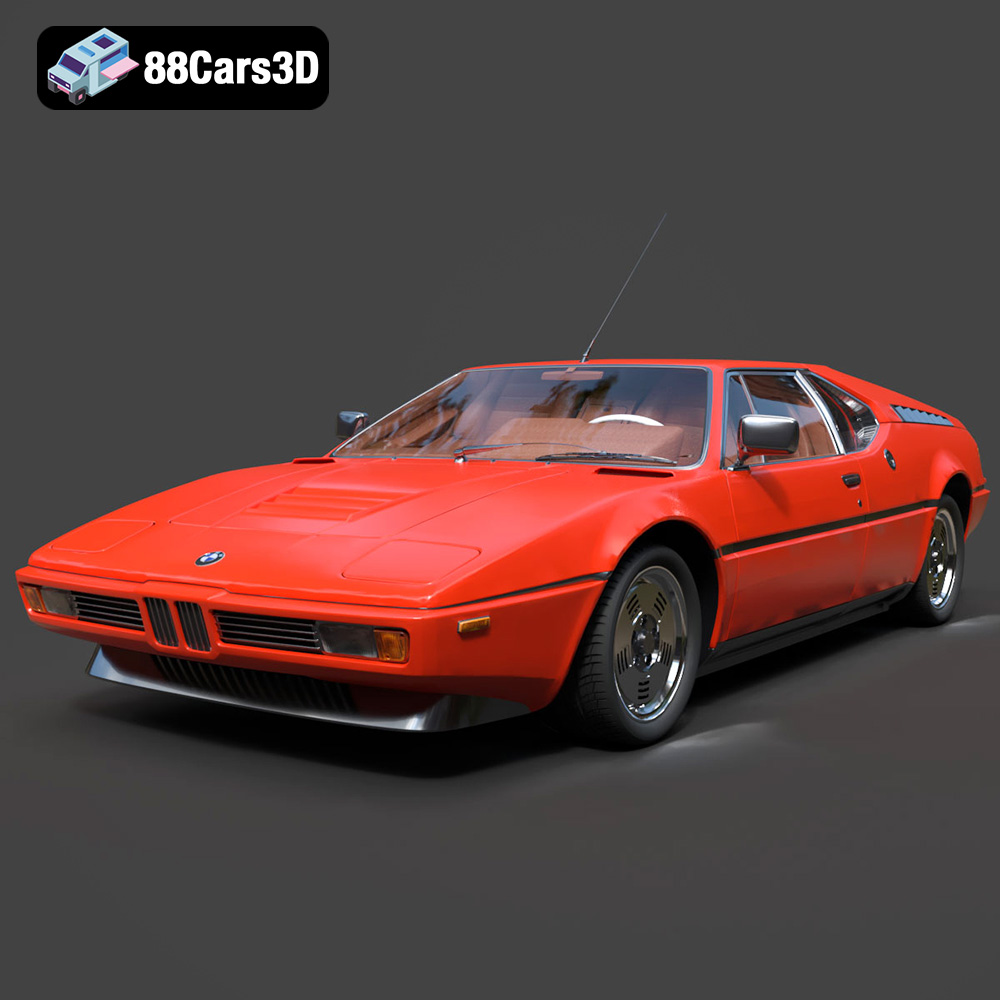
BMW Motorsport M1 E26 1981 3D Model
Texture: Yes
Material: Yes
Download the BMW Motorsport M1 E26 1981 3D Model featuring its iconic design, race-bred aerodynamics, and meticulously crafted details. Includes .blend, .fbx, .obj, .glb, .stl, .ply, .unreal, and .max formats for rendering, simulation, and game development.
Price: $20.79

Cadillac CTS-V Coupe 3D Model
Meta Description:
Texture: Yes
Material: Yes
Download the Cadillac CTS-V Coupe 3D Model featuring detailed exterior styling and realistic interior structure. Includes .blend, .fbx, .obj, .glb, .stl, .ply, .unreal, and .max formats for rendering, simulation, AR VR, and game development.
Price: $13.9
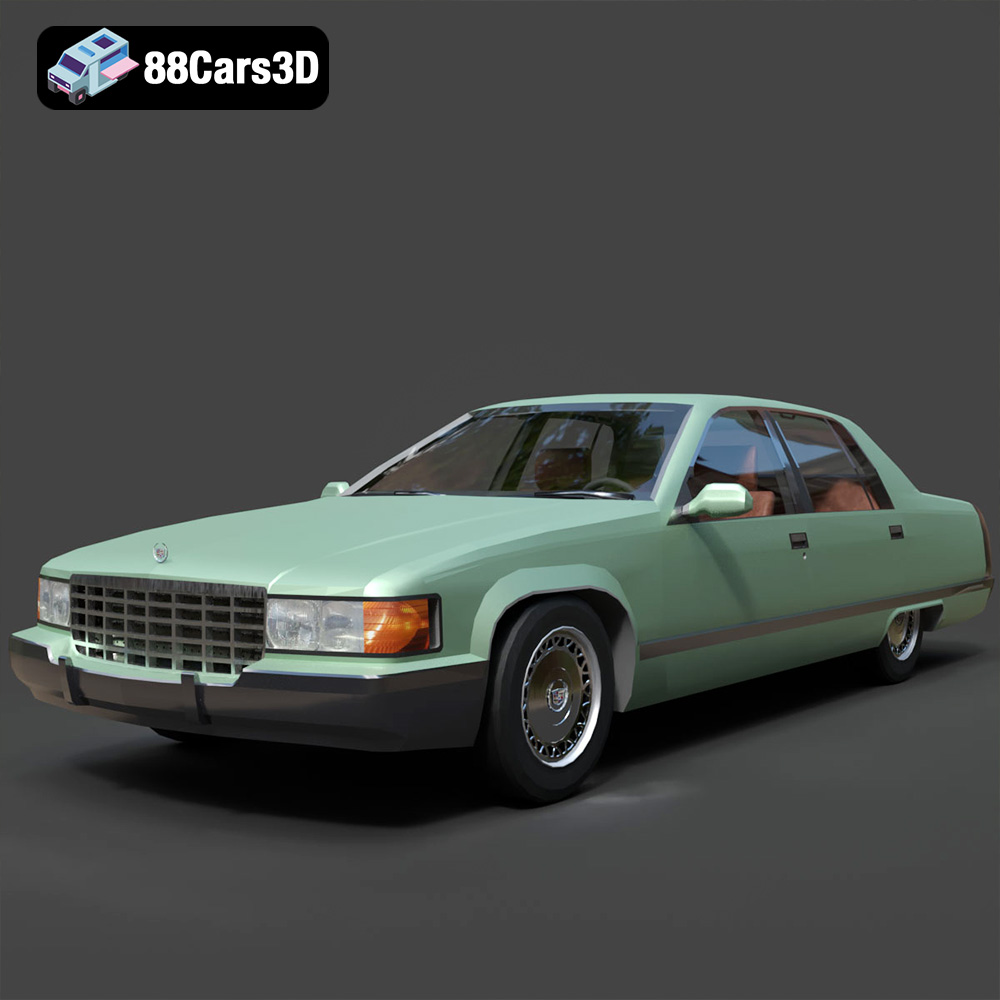
Cadillac Fleetwood Brougham 3D Model
Texture: Yes
Material: Yes
Download the Cadillac Fleetwood Brougham 3D Model featuring its iconic classic luxury design and detailed exterior and interior. Includes .blend, .fbx, .obj, .glb, .stl, .ply, .unreal, and .max formats for rendering, simulation, and game development.
Price: $10.79
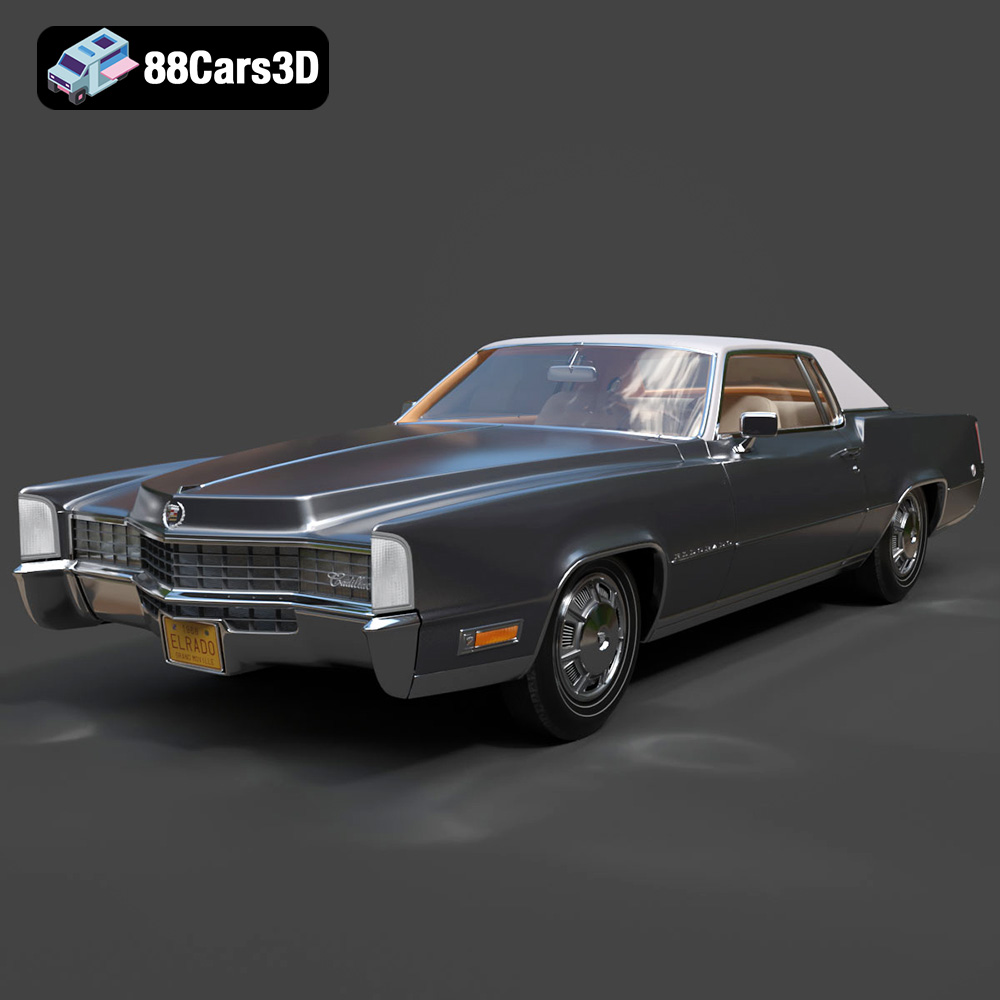
Cadillac Eldorado 1968 3D Model
Texture: Yes
Material: Yes
Download the Cadillac Eldorado 1968 3D Model featuring its iconic elongated body, distinctive chrome accents, and luxurious interior. Includes .blend, .fbx, .obj, .glb, .stl, .ply, .unreal, and .max formats for rendering, simulation, and game development.
Price: $20.79

Cadillac CTS SW 2010 3D Model
Texture: Yes
Material: Yes
Download the Cadillac CTS SW 2010 3D Model featuring a detailed exterior, functional interior elements, and realistic materials. Includes .blend, .fbx, .obj, .glb, .stl, .ply, .unreal, and .max formats for rendering, simulation, and game development.
Price: $10.79
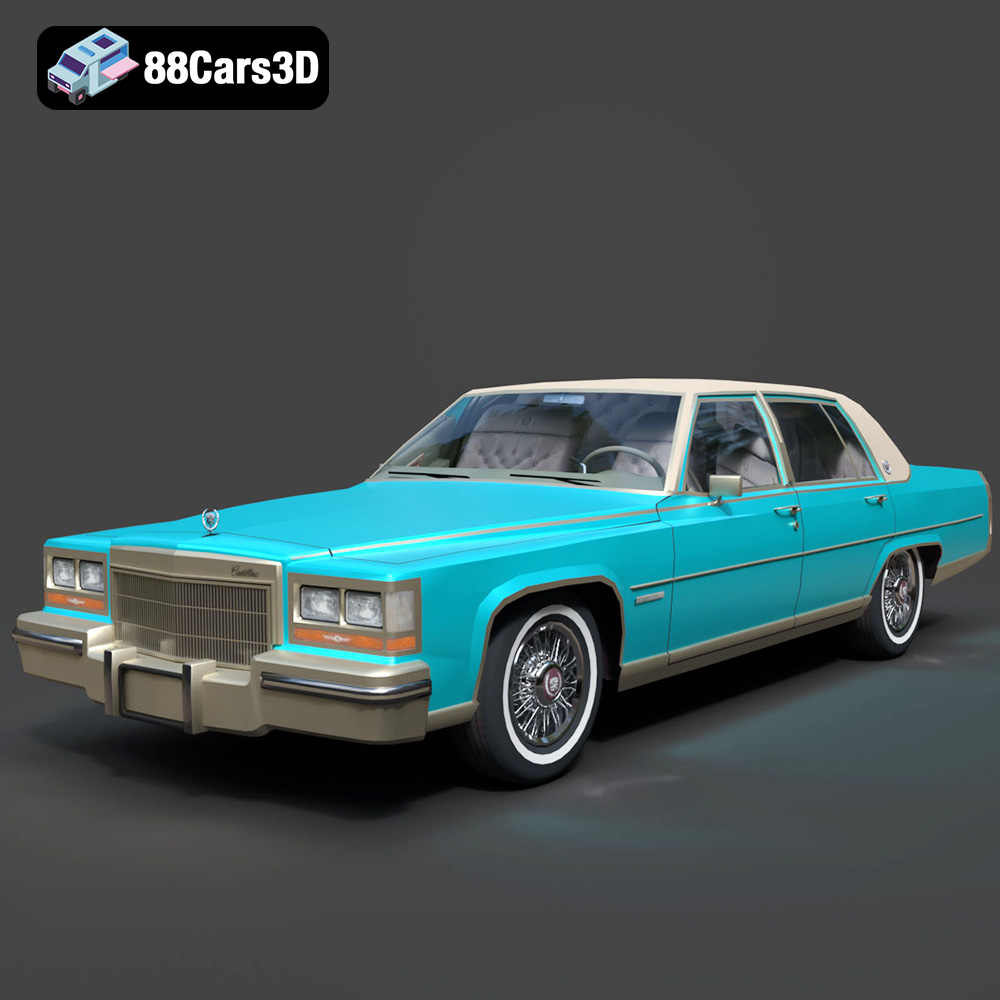
Cadillac Fleetwood Brougham 1985 3D Model
Texture: Yes
Material: Yes
Download the Cadillac Fleetwood Brougham 1985 3D Model featuring its iconic classic luxury design and detailed craftsmanship. Includes .blend, .fbx, .obj, .glb, .stl, .ply, .unreal, and .max formats for rendering, simulation, and game development.
Price: $10.79
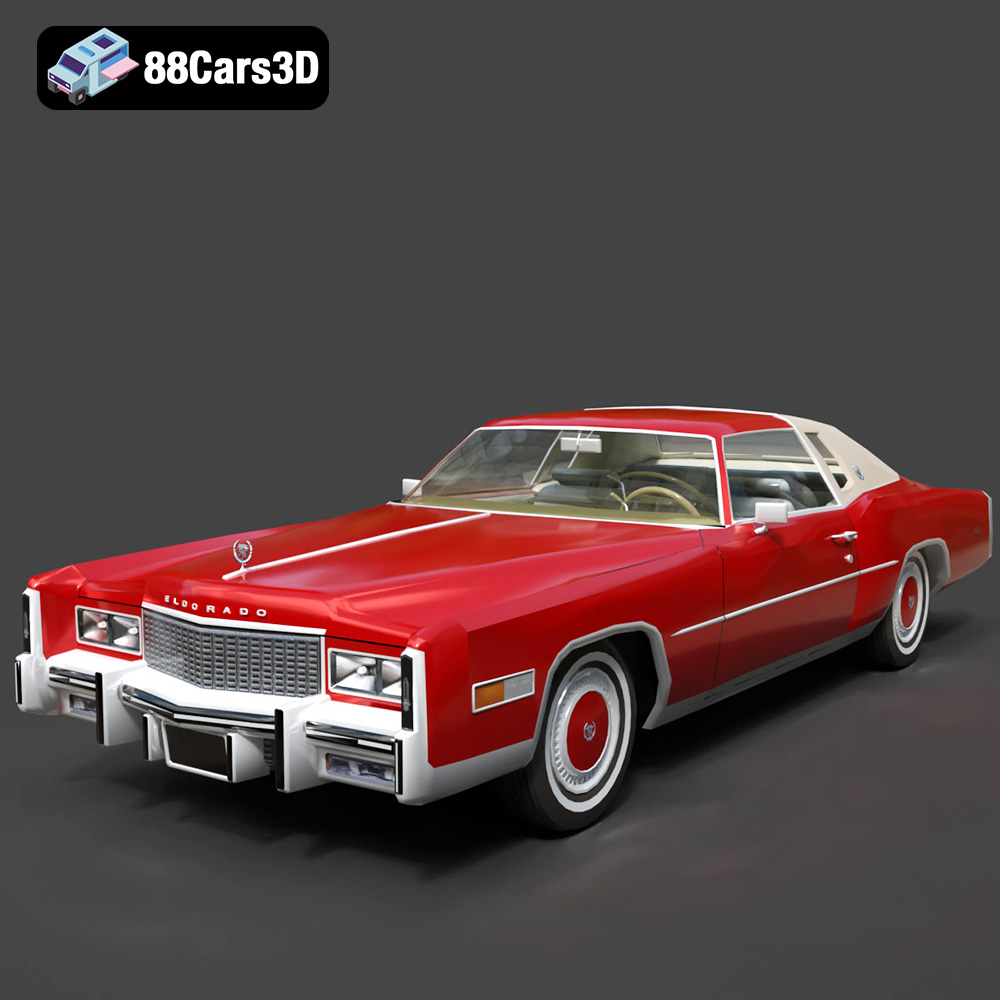
Cadillac Eldorado 1978 3D Model
Texture: Yes
Material: Yes
Download the Cadillac Eldorado 1978 3D Model featuring accurately modeled exterior, detailed interior, and period-correct aesthetics. Includes .blend, .fbx, .obj, .glb, .stl, .ply, .unreal, and .max formats for rendering, simulation, and game development.
Price: $10.79
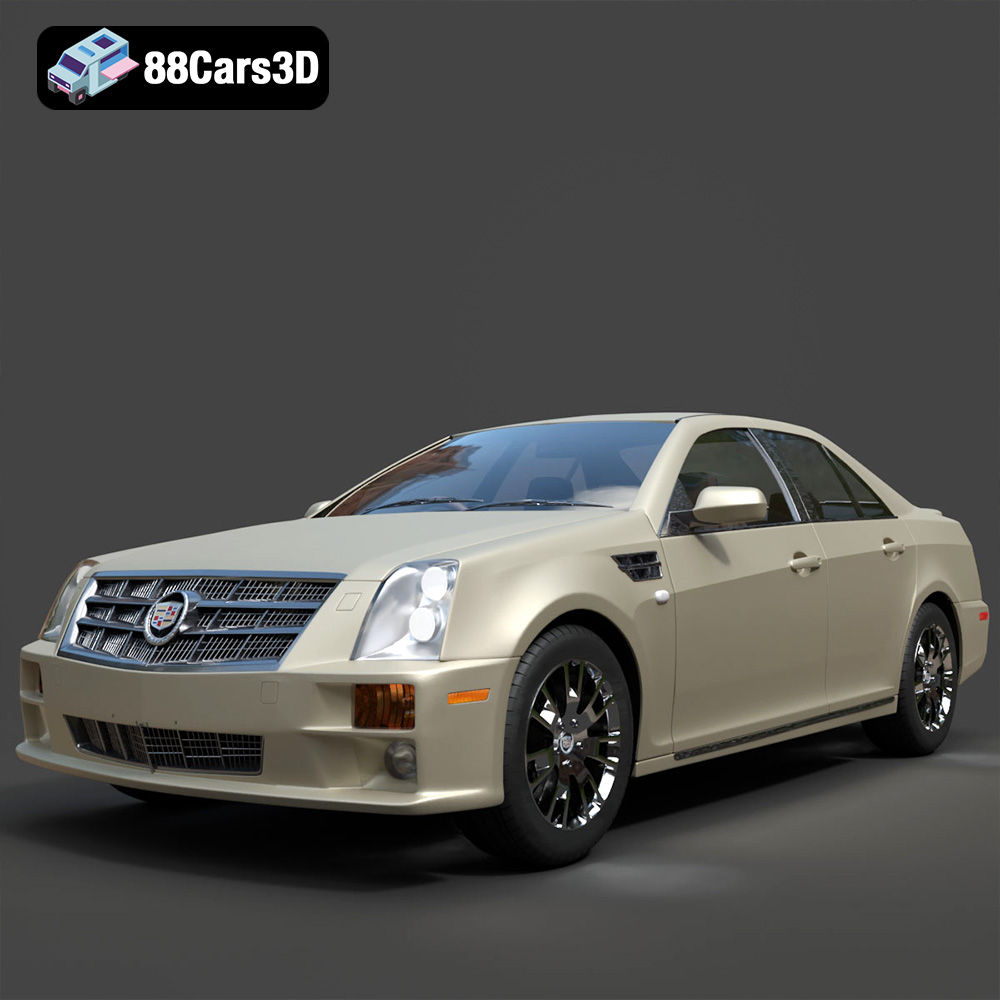
Cadillac STS-005 3D Model
Texture: Yes
Material: Yes
Download the Cadillac STS-005 3D Model featuring a detailed exterior and interior. Includes .blend, .fbx, .obj, .glb, .stl, .ply, .unreal, and .max formats for rendering, simulation, and game development.
Price: $22.79
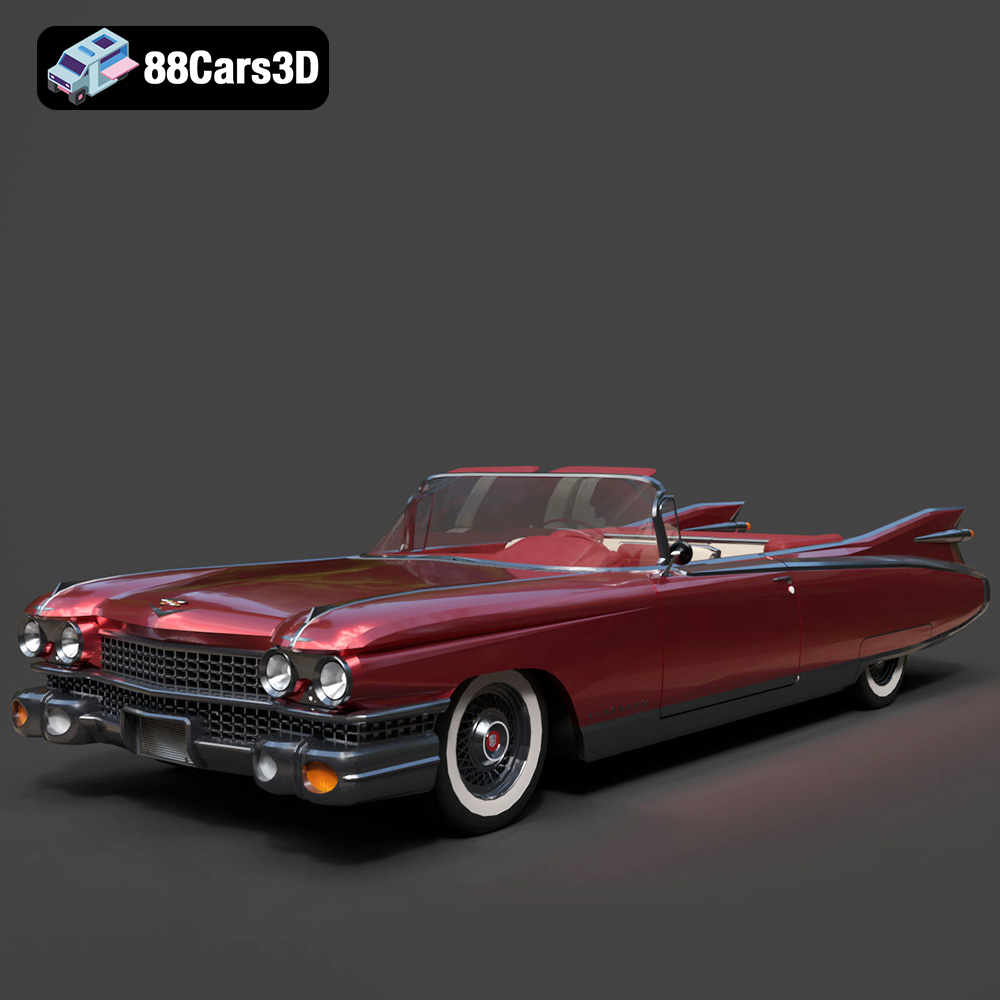
Cadillac Eldorado Convertible (1959) 3D Model
Texture: Yes
Material: Yes
Download the Cadillac Eldorado Convertible (1959) 3D Model featuring iconic fins, luxurious chrome details, and a classic vintage design. Includes .blend, .fbx, .obj, .glb, .stl, .ply, .unreal, and .max formats for rendering, simulation, and game development.
Price: $20.79

Cadillac DTS-005 3D Model
Texture: Yes
Material: Yes
Download the Cadillac DTS-005 3D Model featuring its iconic luxury design, detailed interior, and realistic exterior. Includes .blend, .fbx, .obj, .glb, .stl, .ply, .unreal, and .max formats for rendering, simulation, and game development.
Price: $10.79
