

The allure of a perfectly rendered automotive model is undeniable. From the sleek lines of a supercar glinting under studio lights to a rugged off-roader navigating a virtual landscape, 3D car models captivate audiences across industries. Whether you’re a seasoned 3D artist aiming for photorealism, a game developer optimizing for performance, or an automotive designer visualizing a new concept, the journey from a blank canvas to a stunning final render or interactive experience is a complex yet rewarding one. This comprehensive guide will meticulously walk you through the entire 3D modeling workflow for automotive subjects, covering everything from the initial concept and meticulous topology to advanced rendering techniques, game engine optimization, and even preparation for 3D printing.
We’ll delve into the technical intricacies of creating high-quality 3D car models, exploring best practices in topology, UV mapping, PBR material creation, and efficient rendering workflows. You’ll gain insights into optimizing your assets for demanding applications like game development, AR/VR, and robust visualization projects. By the end of this post, you’ll have a profound understanding of the processes involved and actionable strategies to elevate your automotive 3D projects, allowing you to create assets that stand out in any professional pipeline.
Establishing the Foundation – Concept and Blueprinting
Every successful 3D automotive model begins long before a single polygon is laid down. The initial phase of concept development and meticulous blueprinting is critical, forming the bedrock upon which the entire project will be built. This stage dictates accuracy, proportions, and ultimately, the believability of your final model.
Reference Gathering and Analysis
The first step is to amass a comprehensive collection of reference images and blueprints. For automotive models, precision is paramount. You’ll need high-resolution images of the vehicle from every conceivable angle: front, back, sides, top, and crucial perspective shots that highlight the car’s unique character and curves. Blueprints, often available from automotive archives or hobbyist sites, provide invaluable orthographic views that ensure accurate scale and proportion. Software like PureRef allows you to organize these images into a single, easily accessible board, essential for constant comparison during the modeling process.
Beyond simple images, analyze the vehicle’s design language. Pay close attention to how light interacts with the surfaces – the subtle creases, the sharp edges, the smooth transitions. How do panel gaps terminate? What are the key design elements that define this specific car? Understanding these details visually will inform your modeling choices, particularly when it comes to maintaining accurate reflections and surface continuity. For instance, studying a car’s iconic grille or headlight design means understanding its subtle curvatures, material variations, and how light scatters across its intricate facets.
Initial Blockout and Scale
With your references in hand, the next phase involves creating a rough “blockout” of the car. This initial stage is focused on capturing the primary shapes and overall proportions without getting bogged down in detail. Start with simple primitives (cubes, cylinders, spheres) to outline the major components like the chassis, wheels, cabin, and engine bay. It’s crucial to establish the correct scale from the very beginning. Using real-world units (e.g., meters or centimeters) in your 3D software ensures that your model will integrate seamlessly into various environments, whether for a game engine, a render scene, or 3D printing. A common practice is to model a simple human figure or a standard-sized object (like a traffic cone) to visually confirm the scale and proportions of your vehicle.
This low-polygon blockout serves as a foundational guide. It allows you to quickly adjust the overall form, refine proportions, and ensure that the vehicle looks correct from all angles before committing to complex geometry. Think of it as sculpting with broad strokes; you’re defining the silhouette and primary volumes. This iterative process of comparing your blockout against your references and making adjustments is vital for achieving an accurate and aesthetically pleasing model. Skipping this stage often leads to fundamental proportional errors that are much harder and more time-consuming to fix later in the production pipeline.
Precision Modeling – Topology and Edge Flow for Automotive Models
Once the foundational blockout is established, the real craftsmanship of 3D car models begins: precision modeling with an emphasis on clean topology and optimal edge flow. This is where the subtle curves, sharp creases, and smooth surfaces of a vehicle truly come to life, dictating not only its visual fidelity but also its performance in animation, rendering, and game engines.
Clean Topology for Smooth Surfaces
Clean topology, primarily focusing on quad-based geometry, is paramount for automotive models. Quads (four-sided polygons) are ideal because they subdivide predictably, resulting in smooth, continuous surfaces free of pinching or undesirable artifacts. Aim for an even distribution of quads across the entire model, avoiding excessively long, thin, or dense polygons in certain areas. This uniformity is crucial for achieving smooth reflections, which are incredibly important for car paint and metallic surfaces. Inconsistent topology can lead to “lumpy” surfaces or rippling in reflections, instantly breaking the illusion of realism.
Edge loops play a vital role. These are continuous rings of edges that flow around the contours of your model, allowing for precise control over shape and deformation. For instance, an edge loop running along the entire length of a car’s fender allows for smooth curvature adjustments. Avoiding N-gons (polygons with more than four sides) and isolated triangles, especially on large, curved surfaces, is a best practice. While triangles are unavoidable in some instances (e.g., at the termination of an edge loop), they should be managed carefully to prevent shading issues or unexpected deformations during subdivision or animation.
Mastering Edge Flow for Panel Gaps and Details
Achieving realistic panel gaps and sharp, defined edges on automotive models requires careful attention to edge flow. Panel gaps, such as those around doors, hoods, and trunks, need to be clean, consistent, and visually distinct. This is typically achieved by creating parallel edge loops that define the start and end of a panel gap. These “holding loops” or “support loops” prevent the geometry from becoming too soft when subdivision surfaces are applied, ensuring that crucial edges remain sharp and crisp. The proximity of these holding loops to the primary edge determines the sharpness of the crease; closer loops result in a sharper edge.
For fine details like vents, grilles, or intricate headlight designs, specific edge flow strategies are employed. You might need to introduce additional edge loops locally to capture these nuances without disrupting the overall topology. Consider the impact of subdivision surfaces; a simple edge loop can transform a soft corner into a perfectly defined crease. For Blender users, features like edge creasing, accessible through the “Mean Crease” value in the Item tab, allow for localized control over subdivision behavior without adding extra geometry. You can find more detailed information on controlling subdivision surfaces in the official Blender 4.4 documentation at https://docs.blender.org/manual/en/4.4/, specifically in the Modifier Properties section related to Subdivision Surface. Consistent edge flow is not just about aesthetics; it also ensures that the model can be easily modified, textured, and animated without encountering topology-related issues.
Unwrapping and Texturing – UV Mapping and PBR Materials
Once your high-fidelity 3D car models are meticulously built with clean topology, the next crucial phase is giving them their visual identity through UV mapping and the creation of Physically Based Rendering (PBR) materials. This stage transforms raw geometry into realistic, tangible surfaces, vital for any form of automotive rendering or interactive experience.
Efficient UV Mapping Strategies for Complex Car Surfaces
UV mapping is the process of flattening the 3D surface of your model into a 2D space, allowing you to apply 2D textures. For complex automotive surfaces, efficient UV mapping is critical for high-quality texturing and performance. The primary goals are to minimize seams, prevent stretching, and maintain a uniform texel density across the entire model. Texel density refers to the number of pixels per unit of 3D space; a consistent texel density ensures that all parts of your model have similar texture resolution, preventing blurry or pixelated areas.
Strategically placed seams are essential. They should ideally be hidden from direct view, such as along natural breaks in the geometry or in areas that will be less visible. For symmetrical parts of the car (e.g., sides, wheels), you can overlap UVs to save texture space, provided those areas share the exact same texture information. However, for unique details or areas where decals will be applied, non-overlapping UVs are necessary. Tools within your 3D software (Blender UV editor, 3ds Max Unwrap UVW) or dedicated UV unwrapping applications like RizomUV and UVLayout provide powerful features for unwrapping and packing UV islands efficiently onto a single UV sheet. Optimal UV packing maximizes the use of texture space, which is crucial for reducing file sizes and improving rendering performance, especially in real-time applications.
Crafting Realistic PBR Materials and Shader Networks
Physically Based Rendering (PBR) has become the standard for achieving photorealistic materials in modern 3D pipelines. PBR materials simulate how light interacts with real-world surfaces, using a set of texture maps that define properties like color, reflectivity, and surface roughness. The core PBR maps typically include:
- Albedo (Base Color): The pure color of the surface, free of lighting information.
- Roughness: Determines how rough or smooth a surface is, affecting the spread of reflections.
- Metalness: Defines whether a surface is metallic or dielectric (non-metallic).
- Normal Map: Adds fine surface detail (like scratches or panel lines) without increasing polygon count.
- Ambient Occlusion (AO): Simulates soft shadows where objects are close together, adding depth.
Crafting realistic car paint shaders is a sophisticated process. A typical car paint material often involves a base coat (metallic or solid color) combined with a clear coat layer that provides the glossy, reflective finish. This layered approach can be achieved through complex shader networks in software like Blender’s Shader Editor, 3ds Max’s Material Editor, or directly within game engines like Unity and Unreal Engine. For tires, you’ll focus on a rough, rubbery texture with subtle normal map details for treads and sidewall text. Glass requires accurate transmission and reflection properties, while chrome demands extremely low roughness and high metalness values. Software like Substance Painter and Quixel Mixer are industry-standard tools for creating and PBR textures, allowing artists to procedurally generate and hand-paint intricate details.
Bringing the Model to Life – Rendering and Lighting Techniques
With your meticulously modeled and textured 3D car models, the next critical step is to breathe life into them through expert lighting and rendering. This phase is where your automotive design truly shines, transforming static geometry into a compelling visual narrative. Whether for marketing, portfolio, or visualization purposes, superior rendering is paramount.
Setting up a Realistic Lighting Environment
Lighting is perhaps the single most impactful element in conveying realism and mood. For automotive rendering, High Dynamic Range Images (HDRIs) are indispensable. An HDRI captures a full 360-degree panoramic image of a real-world environment, including its light data. When used as an environment map in your renderer (e.g., Corona Renderer, V-Ray, Cycles in Blender, Arnold), it bathes your model in realistic ambient light and, crucially, provides accurate reflections that react authentically to the car’s surfaces. The subtle nuances of an overcast sky or the sharp reflections of a bright studio environment can instantly elevate the perceived realism.
Beyond HDRIs, studio lighting setups are essential for product shots. A classic three-point lighting setup (key, fill, and rim lights) provides excellent control over highlights, shadows, and overall definition. Key lights define the main illumination source, fill lights soften shadows, and rim lights (placed behind the car) create a subtle outline that separates the vehicle from the background, emphasizing its silhouette. When lighting cars, special attention must be paid to how reflections play across the curved body panels. Strategic placement of large, soft area lights can create beautiful, continuous reflections that highlight the contours of the vehicle, which is a hallmark of high-quality automotive rendering. Experiment with different light shapes and sizes to achieve the desired effect, mimicking the softboxes and light strips used in professional automotive photography studios.
Advanced Rendering Workflows and Post-Processing
Modern render engines offer advanced workflows that go beyond a single beauty pass. Utilizing render passes (or AOV – Arbitrary Output Variables) allows for greater control in post-production. Common passes include:
- Z-Depth: Provides depth information for focus effects (depth of field).
- ID Masks: Color-coded masks for easily selecting individual components in compositing.
- Normals: Normal direction for relighting or adjusting surface information.
- Reflections/Refractions: Isolated passes for fine-tuning reflective and refractive elements.
These passes are then brought into a compositing application like Photoshop, Affinity Photo, or Nuke. Here, you can perform non-destructive adjustments, enhance colors, add lens effects (flares, chromatic aberration, vignettes), and fine-tune contrast. Denoising techniques, either within the renderer itself (e.g., using NVIDIA OptiX denoiser in Cycles) or as a post-process, are also crucial for achieving clean, noise-free images without excessively long render times. For high-fidelity output, understanding the specific settings of your chosen render engine – such as sampling rates, global illumination bounces, and material overrides – is key to balancing render quality and efficiency. Platforms like 88cars3d.com offer models that are often already optimized for common renderers, providing a solid starting point for your projects.
Optimization for Interactive Experiences – Game Engines & AR/VR
While photorealistic renders are stunning, many 3D car models are destined for interactive environments such as video games and AR/VR applications. These platforms demand rigorous optimization to maintain smooth frame rates and deliver an immersive user experience. Understanding these optimization strategies is crucial for any 3D artist looking to enter these dynamic fields.
Game Engine Optimization – LODs, Draw Calls, and Texture Atlasing
Performance in real-time environments hinges on efficient asset management. One of the primary techniques for optimizing game assets is creating Level of Detail (LOD) meshes. An LOD system involves creating multiple versions of the same model, each with a progressively lower polygon count. The game engine then automatically switches between these LODs based on the camera’s distance from the object. For instance, a high-polygon version of a car might be used when it’s close to the player, while a much simpler, low-polygon version is used when it’s far away. This significantly reduces the computational load on the GPU. When creating LODs, it’s common practice to bake normal maps from the high-poly model onto the low-poly versions to retain fine surface details without the need for additional geometry.
Reducing draw calls is another critical optimization. A draw call occurs every time the CPU instructs the GPU to render a set of objects. Too many draw calls can bottleneck performance. Texture atlasing helps alleviate this by combining multiple smaller textures into one larger texture sheet. This allows a single material to be applied to many parts of the car, reducing the number of materials and thus the number of draw calls. Simplified collision meshes, which are low-polygon representations used solely for physics interactions, further improve performance. Additionally, interiors are often simplified or removed for models intended for racing games where the player primarily sees the exterior. When sourcing models from marketplaces such as 88cars3d.com, checking for included LODs and optimized texture sets is a wise approach.
AR/VR Readiness and File Format Compatibility
AR/VR applications impose even stricter performance budgets than traditional video games, given the need for very high and stable frame rates to prevent motion sickness. This means even more aggressive polygon count reductions and careful management of texture resolutions. For mobile AR experiences (e.g., Apple ARKit, Google ARCore), poly counts might need to be as low as 20k-50k triangles per vehicle, depending on the complexity and target device. Textures should be optimized for mobile, often using lower resolutions and compressed formats.
File format compatibility is also key. While FBX and OBJ remain ubiquitous for general 3D asset transfer, specific formats are gaining traction for interactive experiences. GLB (GL Transmission Format) is an excellent choice for web-based 3D viewers and many AR applications due to its single-file nature, embedding geometry, materials, and textures. For Apple’s AR ecosystem, USDZ is the preferred format, offering optimized asset delivery and seamless integration with AR Quick Look. Understanding these format distinctions and preparing your models accordingly ensures broad compatibility and a smooth workflow across different platforms. Accurate UV mapping and PBR material setup are foundational, as these formats rely on standard PBR workflows for visual fidelity.
Beyond Visualization – 3D Printing Preparation
While 3D car models are predominantly used for digital rendering and interactive media, there’s a growing demand for physical output through 3D printing. This requires a unique set of considerations and preparation steps that differ significantly from those for purely digital assets. Converting a beautifully rendered vehicle into a tangible object demands precision and an understanding of additive manufacturing principles.
Preparing Automotive Models for Physical Production
The fundamental requirement for any 3D printable model is a “watertight” or “manifold” mesh. This means the model must be a completely enclosed volume with no holes, gaps, or overlapping faces. Imagine filling your model with water; if any water would leak out, it’s not watertight. Digital models often contain open edges, non-manifold geometry (edges shared by more than two faces), or internal geometry that is invisible in a render but problematic for a 3D printer. These issues must be identified and resolved. Software like Blender offers a 3D Print Toolbox add-on that can check for common issues like non-manifold edges, intersections, and thin walls.
Wall thickness is another critical factor. FDM (Fused Deposition Modeling) and SLA (Stereolithography) printers have minimum wall thickness requirements. If parts of your model are too thin, they might not print correctly or will be extremely fragile. Scaling your model to the desired physical size and ensuring internal structures meet these thickness requirements is essential. For complex models with intricate details, it might be necessary to simplify certain elements or adjust their scale to ensure they are robust enough for printing. Supports are also a key consideration; understanding how your model will be oriented on the print bed and where supports will be needed can influence how you prepare the mesh to minimize post-processing.
Common Challenges and Troubleshooting for 3D Printing
Several common challenges arise when preparing 3D car models for printing. Inverted normals (faces pointing inward instead of outward) can lead to holes in the printed object or incorrect slicing. Self-intersections, where different parts of the mesh pass through each other, confuse slicing software and can result in artifacts. Mesh repair tools, whether built into your 3D software or dedicated applications like Meshmixer, are invaluable for automatically detecting and fixing these issues. Often, complex organic forms or highly detailed models may require remeshing techniques to create a uniform, print-friendly mesh while preserving details, although for hard-surface automotive models, this is less common than for organic sculptures.
Ultimately, a successful 3D print depends on understanding the capabilities and limitations of the specific 3D printer you intend to use. Different printer technologies (FDM, SLA, SLS) have varying tolerances, material properties, and support requirements. Always perform a final check of your model using the slicer software (e.g., Cura, PrusaSlicer, Chitubox) before printing, as it will highlight any potential issues. Exporting your prepared model in STL (Stereolithography) or OBJ format is standard for 3D printing. Platforms like 88cars3d.com may specify if models are “print-ready” or provide guidelines for adapting them, saving significant preparation time for designers looking to bring their digital automotive creations into the physical world.
Conclusion
The journey from a conceptual sketch to a polished, final render or an optimized game asset is a multifaceted adventure demanding both artistic vision and technical prowess. We’ve explored the intricate stages of this workflow, starting from the foundational importance of precise blueprinting and concept development. We delved into the critical role of clean topology and masterful edge flow in crafting visually flawless 3D car models, emphasizing the techniques that ensure smooth surfaces and sharp details.
From there, we advanced into the world of UV mapping and PBR materials, understanding how to apply realistic textures and shaders that mimic real-world properties. The art of automotive rendering was demystified through discussions on realistic lighting environments and advanced post-processing techniques. Crucially, we covered the essential optimization strategies for integrating these models into demanding real-time applications like game engines and AR/VR, including LODs, draw calls, and vital file format compatibility. Finally, we touched upon the unique challenges and preparation required for transforming digital assets into physical objects via 3D printing.
Mastering this comprehensive workflow is an ongoing process of learning and refinement. Each stage builds upon the last, contributing to the overall quality and versatility of your 3D assets. By applying the detailed technical insights and best practices outlined in this guide, you are well-equipped to tackle complex automotive projects, producing stunning visualizations and high-performance interactive experiences. Remember to continuously experiment, stay updated with software advancements, and leverage high-quality resources. Explore platforms like 88cars3d.com for expertly crafted 3D models that can serve as excellent starting points or reference material for your own endeavors. The road to becoming a master of automotive 3D is long, but immensely rewarding – now, it’s time to start creating!
Featured 3D Car Models
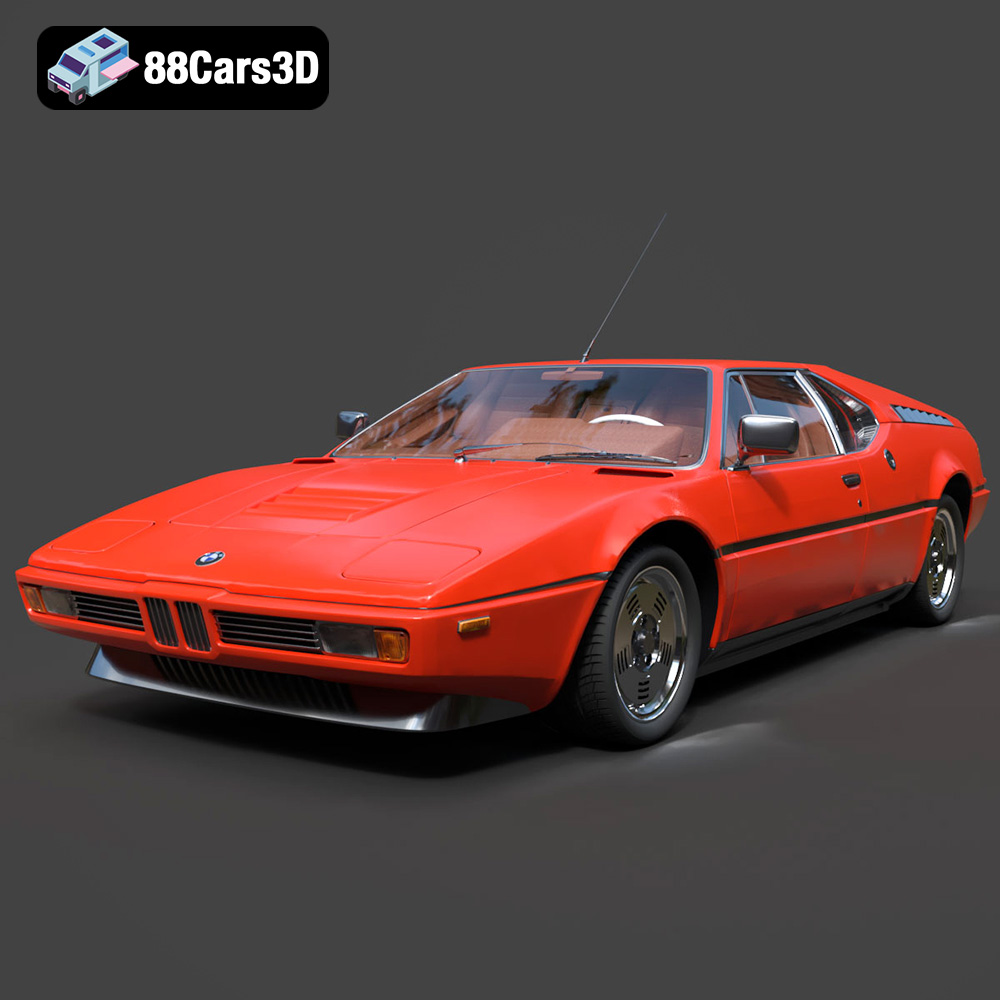
BMW Motorsport M1 E26 1981 3D Model
Texture: Yes
Material: Yes
Download the BMW Motorsport M1 E26 1981 3D Model featuring its iconic design, race-bred aerodynamics, and meticulously crafted details. Includes .blend, .fbx, .obj, .glb, .stl, .ply, .unreal, and .max formats for rendering, simulation, and game development.
Price: $20.79

Cadillac CTS-V Coupe 3D Model
Meta Description:
Texture: Yes
Material: Yes
Download the Cadillac CTS-V Coupe 3D Model featuring detailed exterior styling and realistic interior structure. Includes .blend, .fbx, .obj, .glb, .stl, .ply, .unreal, and .max formats for rendering, simulation, AR VR, and game development.
Price: $13.9
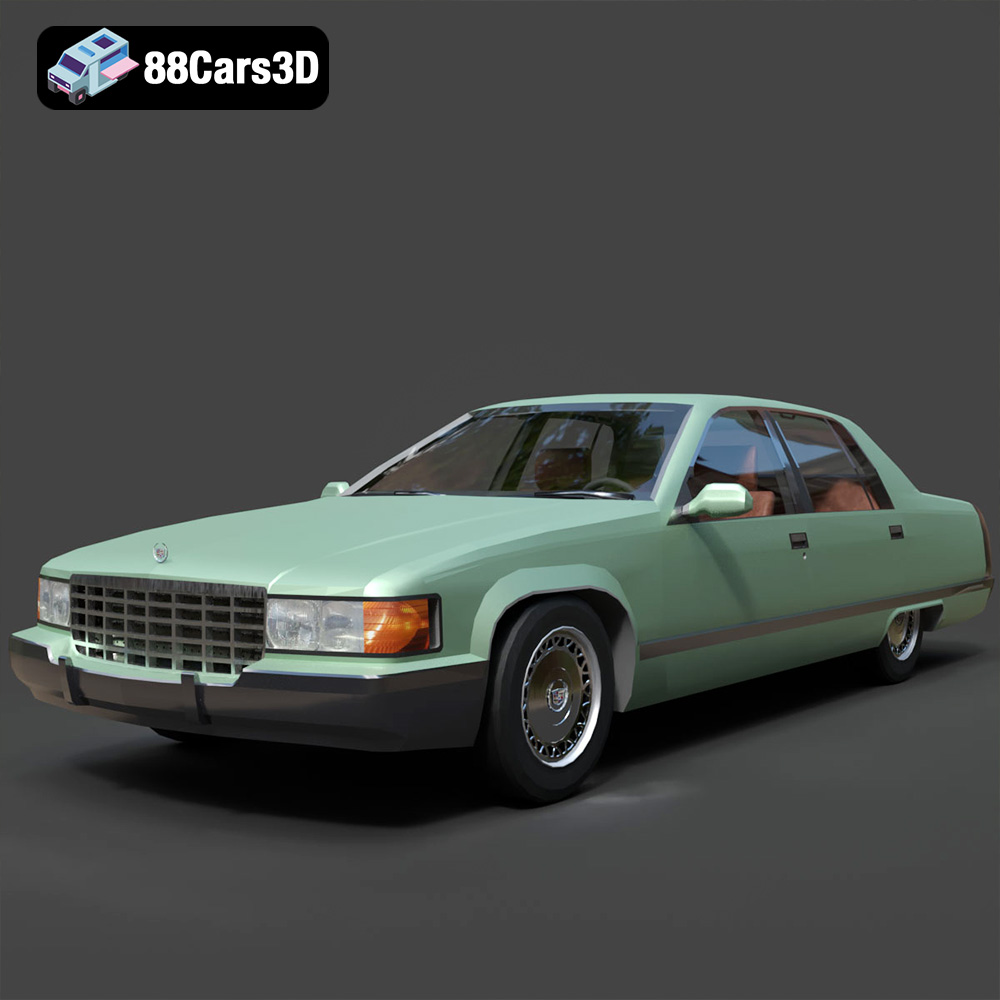
Cadillac Fleetwood Brougham 3D Model
Texture: Yes
Material: Yes
Download the Cadillac Fleetwood Brougham 3D Model featuring its iconic classic luxury design and detailed exterior and interior. Includes .blend, .fbx, .obj, .glb, .stl, .ply, .unreal, and .max formats for rendering, simulation, and game development.
Price: $10.79
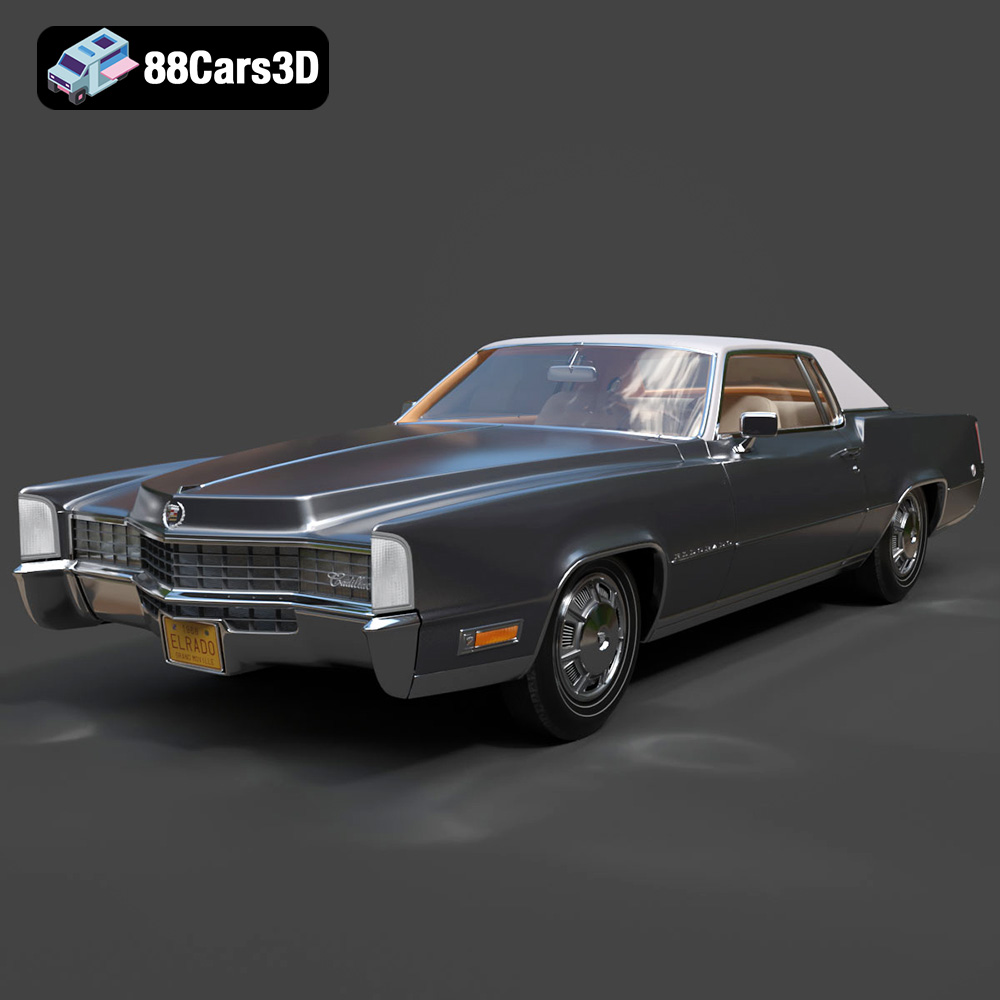
Cadillac Eldorado 1968 3D Model
Texture: Yes
Material: Yes
Download the Cadillac Eldorado 1968 3D Model featuring its iconic elongated body, distinctive chrome accents, and luxurious interior. Includes .blend, .fbx, .obj, .glb, .stl, .ply, .unreal, and .max formats for rendering, simulation, and game development.
Price: $20.79

Cadillac CTS SW 2010 3D Model
Texture: Yes
Material: Yes
Download the Cadillac CTS SW 2010 3D Model featuring a detailed exterior, functional interior elements, and realistic materials. Includes .blend, .fbx, .obj, .glb, .stl, .ply, .unreal, and .max formats for rendering, simulation, and game development.
Price: $10.79
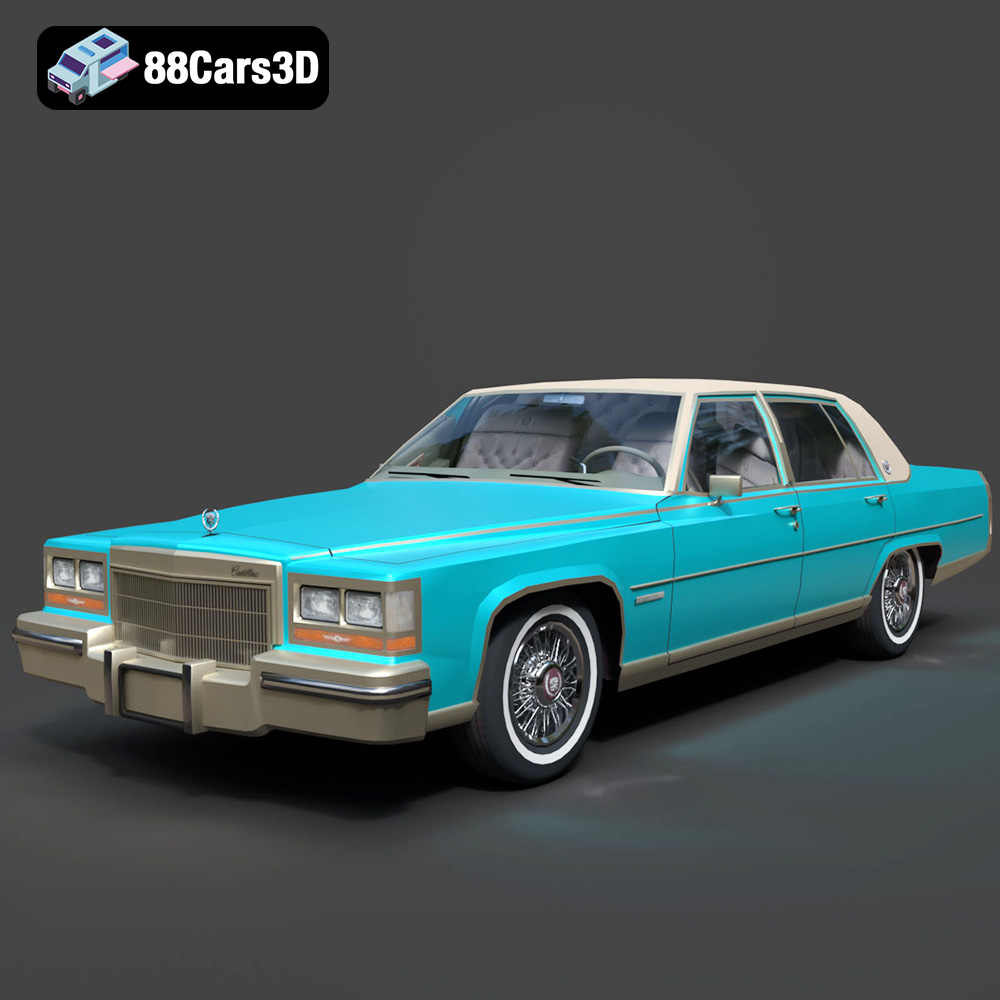
Cadillac Fleetwood Brougham 1985 3D Model
Texture: Yes
Material: Yes
Download the Cadillac Fleetwood Brougham 1985 3D Model featuring its iconic classic luxury design and detailed craftsmanship. Includes .blend, .fbx, .obj, .glb, .stl, .ply, .unreal, and .max formats for rendering, simulation, and game development.
Price: $10.79
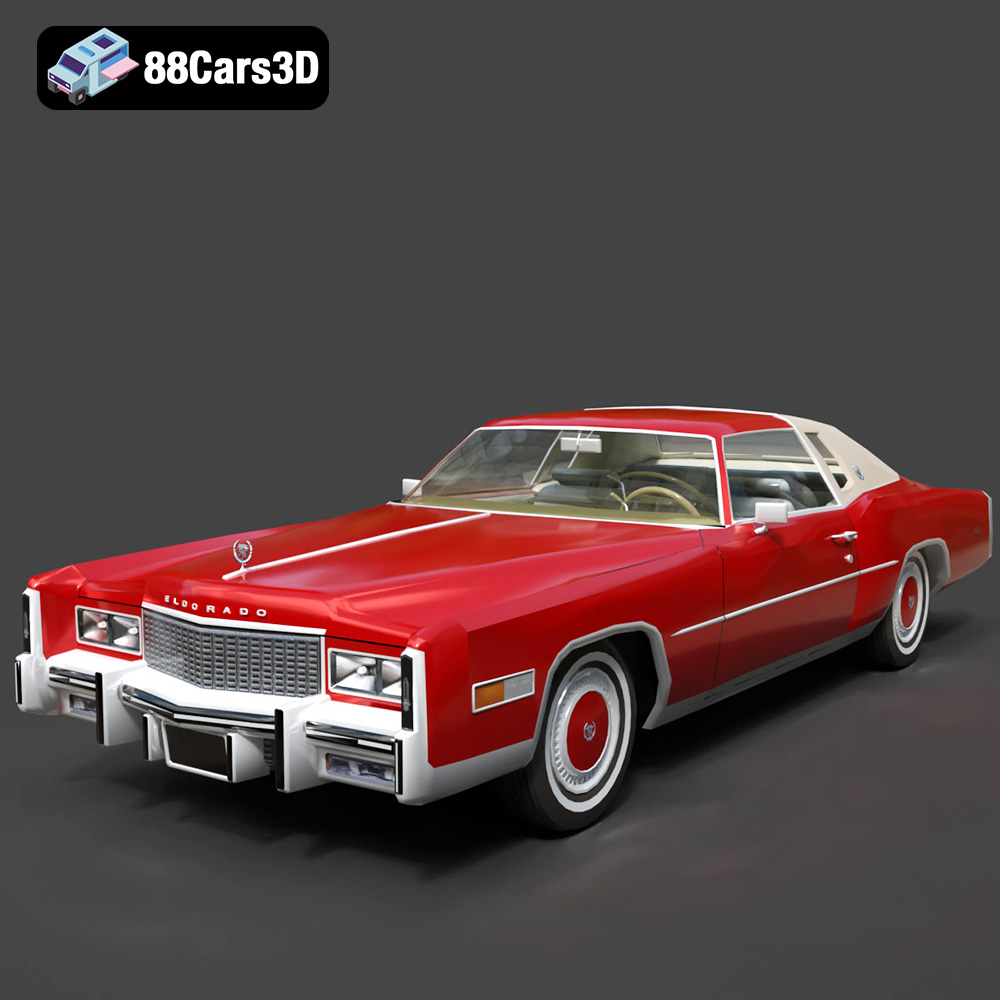
Cadillac Eldorado 1978 3D Model
Texture: Yes
Material: Yes
Download the Cadillac Eldorado 1978 3D Model featuring accurately modeled exterior, detailed interior, and period-correct aesthetics. Includes .blend, .fbx, .obj, .glb, .stl, .ply, .unreal, and .max formats for rendering, simulation, and game development.
Price: $10.79
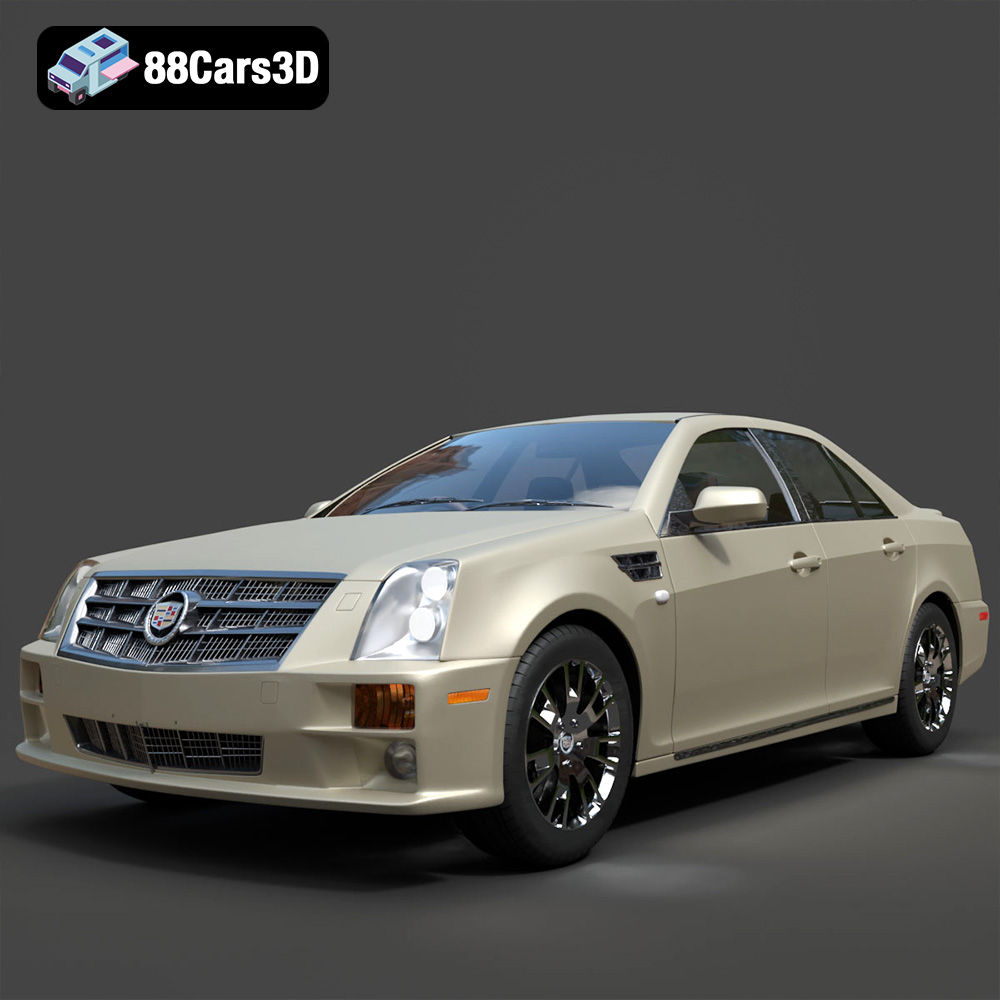
Cadillac STS-005 3D Model
Texture: Yes
Material: Yes
Download the Cadillac STS-005 3D Model featuring a detailed exterior and interior. Includes .blend, .fbx, .obj, .glb, .stl, .ply, .unreal, and .max formats for rendering, simulation, and game development.
Price: $22.79
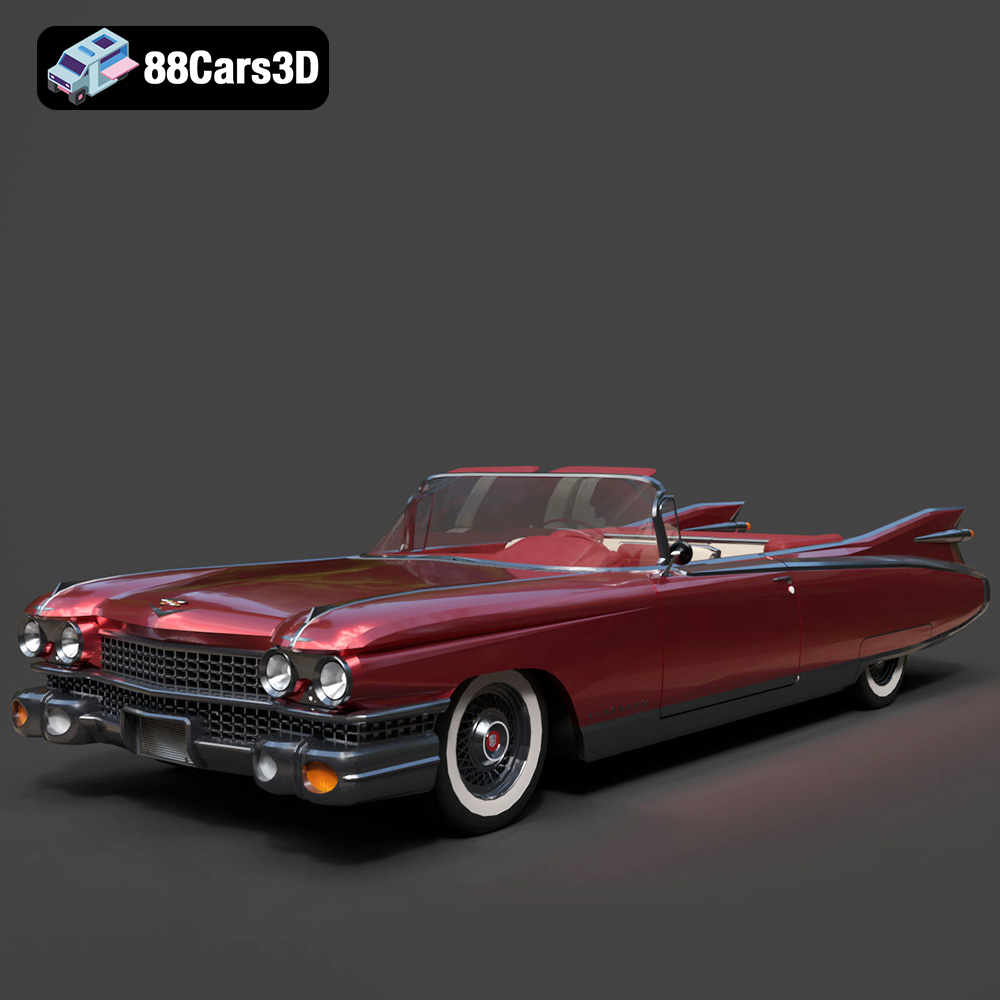
Cadillac Eldorado Convertible (1959) 3D Model
Texture: Yes
Material: Yes
Download the Cadillac Eldorado Convertible (1959) 3D Model featuring iconic fins, luxurious chrome details, and a classic vintage design. Includes .blend, .fbx, .obj, .glb, .stl, .ply, .unreal, and .max formats for rendering, simulation, and game development.
Price: $20.79

Cadillac DTS-005 3D Model
Texture: Yes
Material: Yes
Download the Cadillac DTS-005 3D Model featuring its iconic luxury design, detailed interior, and realistic exterior. Includes .blend, .fbx, .obj, .glb, .stl, .ply, .unreal, and .max formats for rendering, simulation, and game development.
Price: $10.79
