

Mastering Automotive Visualization: A Deep Dive into High-Fidelity 3D Car Models
In the rapidly evolving world of 3D visualization, the demand for breathtaking realism and technical precision has never been higher. From cinematic trailers and immersive virtual reality experiences to detailed engineering simulations and interactive product configurators, the quality of your 3D assets can make or break a project. Automotive design, in particular, stands at the forefront of this revolution, requiring an unparalleled level of fidelity to capture the intricate beauty and engineering prowess of modern vehicles.
Crafting a truly exceptional 3D car model is an art form, demanding not only artistic vision but also a profound understanding of topology, materials, and rendering pipelines. These are the crucial elements that transform a mere digital mesh into a compelling, lifelike representation. It’s about more than just aesthetics; it’s about creating an asset that is versatile, optimized, and ready for deployment across a myriad of professional applications. It is in this spirit of uncompromising quality and technical excellence that models like the Mercedes Benz Joaquin-007 3D Model truly shine, offering creators a robust foundation for their most ambitious projects.
This comprehensive guide will explore the technical nuances and professional workflows involved in utilizing high-fidelity 3D car models. We will delve into the critical role of optimized geometry, advanced material setups, and the importance of versatile file formats, illustrating how a premium asset can streamline your production pipeline and elevate your final output. Whether you’re a seasoned professional in game development, automotive rendering, or an aspiring artist exploring AR/VR, understanding these principles is key to unlocking the full potential of 3D visualization.
The Art of Automotive Visualization: Why Detail Matters
Automotive visualization is a specialized field where precision and authenticity are paramount. When it comes to representing vehicles, particularly luxury or concept models, every curve, every reflection, and every material finish must be impeccably recreated in the digital realm. This isn’t merely about making something look good; it’s about conveying design intent, emotional appeal, and technical sophistication.
Bridging Design and Reality
In the automotive industry, 3D models serve as critical tools throughout the entire design lifecycle, from initial concept sketches to final marketing campaigns. High-fidelity 3D car models allow designers to iterate rapidly, visualize complex geometries, and present ideas with striking realism long before a physical prototype is ever built. This process significantly reduces development costs and accelerates time to market. Imagine showcasing a new concept car, like the Mercedes Benz Joaquin-007, to potential investors or focus groups with photorealistic renders that are virtually indistinguishable from actual photographs. This level of detail ensures that design nuances are accurately communicated, helping to validate concepts and refine aesthetics without expensive physical mock-ups. For marketing, these assets become the backbone of campaigns, generating stunning visuals for brochures, websites, and advertisements that captivate audiences and drive interest.
Beyond Aesthetics: Performance and Optimization
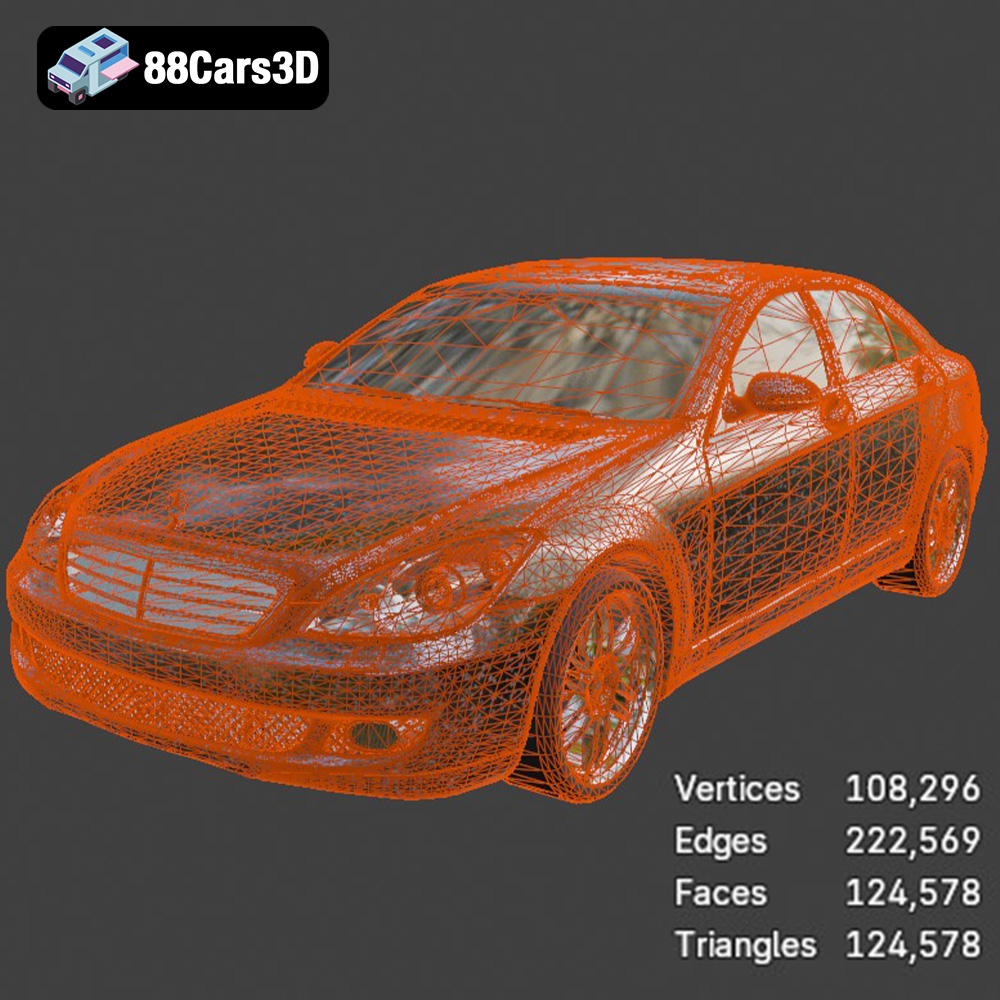
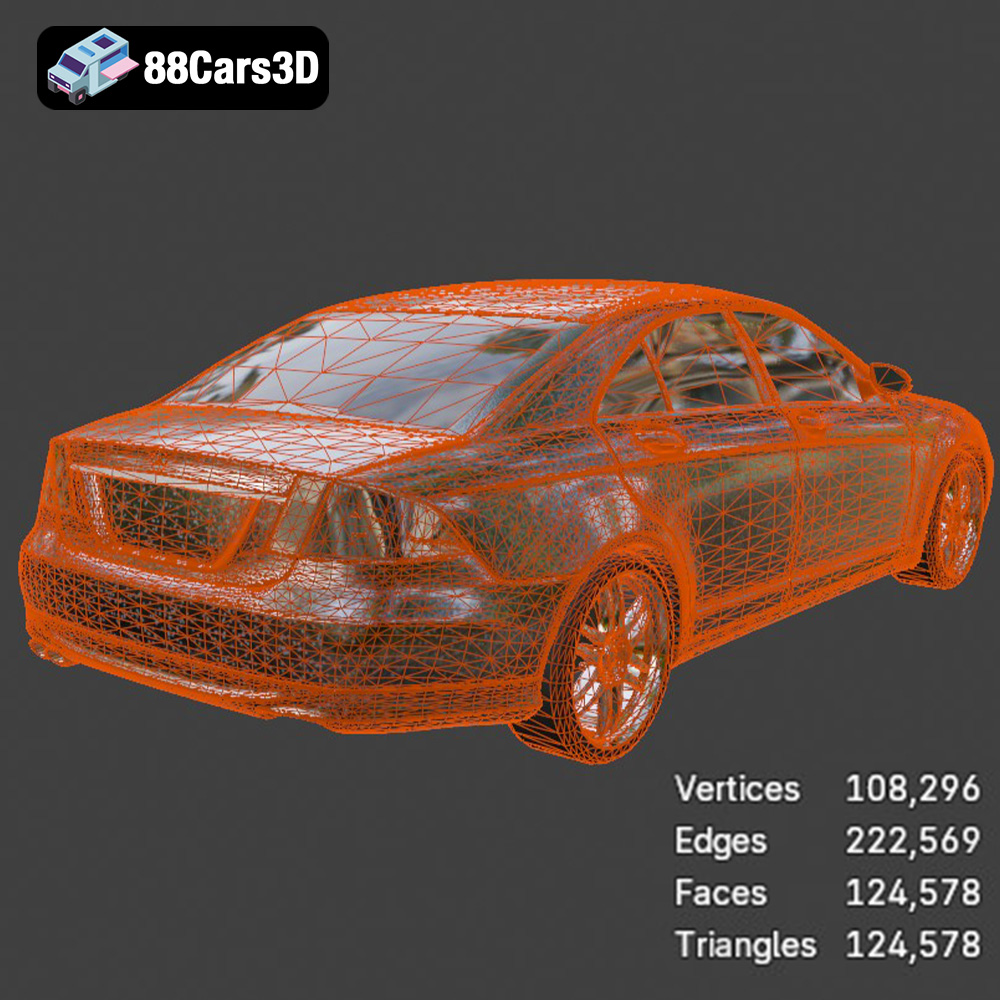
While visual fidelity is crucial, it must be balanced with performance and optimization, especially in real-time applications such as game development or interactive AR/VR experiences. A truly professional 3D car model, such as those found on 88cars3d.com, doesn’t just look good; it’s built intelligently from the ground up. This means meticulous attention to topology – the underlying structure of the 3D mesh. Clean, quad-based geometry, consistent edge flow, and optimized poly counts are essential for smooth deformations during animation and efficient rendering. The Mercedes Benz Joaquin-007 3D Model exemplifies this, boasting meticulously structured topology that facilitates fast rendering times across various platforms. This optimization ensures that even highly detailed models can be integrated into diverse projects without bogging down system performance, providing both visual excellence and operational efficiency.
Understanding 3D Model File Formats
The versatility of a 3D car model hinges significantly on the file formats it supports. Different formats are optimized for distinct purposes, software environments, and pipelines. A comprehensive asset, like the Mercedes Benz Joaquin-007 3D Model from 88cars3d.com, is provided in multiple formats to ensure maximum compatibility and utility across professional workflows. Understanding each format’s strengths and typical use cases is crucial for any 3D artist or developer.
.blend – Fully Editable Blender Scene with Materials
The .blend format is the native file type for Blender, a powerful open-source 3D creation suite. When a 3D car model is provided in .blend format, it means you’re getting a fully editable scene file. This often includes not just the mesh, but also all materials, textures, lighting setups, cameras, and even animation data if present. For artists working primarily in Blender, this is the most convenient format, allowing for direct modification, rigging, and rendering within their familiar environment without any loss of information or conversion artifacts. It’s ideal for those who wish to customize the model extensively or integrate it into complex Blender-based projects, providing a complete and ready-to-render setup.
.fbx – Ideal for Unreal, Unity, and Real-Time Pipelines
The .fbx (Filmbox) format is a proprietary file format owned by Autodesk, specifically designed for interoperability between 3D software applications and game engines. It’s an industry standard for transferring 3D models, animation, and scene data. FBX supports meshes, materials, textures, lights, cameras, and skeletal animations. Its robustness makes it the go-to format for exporting 3D car models into game engines like Unreal Engine and Unity, or other real-time visualization platforms. The .fbx variant of the Mercedes Benz Joaquin-007 3D Model is typically optimized for performance, ensuring that UVs are correctly mapped, normals are consistent, and material assignments are properly grouped for easy import and setup in a game development pipeline.
.obj – Universal Format for Cross-Software Compatibility
The .obj (Wavefront OBJ) format is one of the oldest and most widely supported 3D file formats. It’s a universal standard, making it compatible with virtually every 3D software package on the market. OBJ files store geometry data (vertices, normals, texture coordinates, and faces) and can reference an accompanying .mtl (Material Template Library) file for basic material properties like color and texture maps. While it doesn’t support advanced features like animation or rigging, its simplicity and widespread compatibility make it an excellent choice for basic mesh transfer and archiving. When you need to bring the Mercedes Benz Joaquin-007 into a less common software or simply need the raw geometry, .obj is a reliable choice.
.glb – Optimized for AR, VR, and Browser-Based Display
The .glb (GL Transmission Format Binary) format is a modern, open-standard format specifically designed for efficient transmission and loading of 3D scenes and models in web and AR/VR applications. It’s a binary container that includes 3D model data, animations, and PBR (Physically Based Rendering) materials within a single file, reducing file size and improving loading times. GLB is becoming increasingly popular for interactive web experiences, augmented reality apps on mobile devices, and virtual reality platforms. Its optimization makes the Mercedes Benz Joaquin-007 3D Model’s .glb version perfect for showcasing the car interactively in a browser or integrating it into an AR experience.
.stl – Suitable for 3D Printing Output
The .stl (Stereolithography) format is the standard file type used for 3D printing and CAD software. Unlike other formats that store complex mesh data, STL represents a 3D model as a collection of unconnected triangular facets, making it suitable for manufacturing processes. It lacks color and texture information but is precise enough to define the surface geometry of an object for physical production. The .stl version of the Mercedes Benz Joaquin-007 3D Model would be used if you intended to 3D print a scale model or prototype, requiring a watertight mesh suitable for additive manufacturing.
.ply – Precision Mesh Format for CAD or Analysis
The .ply (Polygon File Format, or Stanford Triangle Format) is another format used to store 3D data, often originating from 3D scanners. It can store a wider range of data than STL, including color, transparency, and texture coordinates per vertex, not just per face. It’s commonly used in academic research, 3D scanning, and CAD applications where precise mesh data, including vertex properties, is critical for analysis or reconstruction. The Mercedes Benz Joaquin-007 3D Model in .ply format offers a detailed polygon mesh for users who require this level of precision for engineering analysis or specific visualization techniques.
.unreal – Engine-Ready Asset for Real-Time Environments
While often a custom package or project file, an .unreal file (or an asset specifically configured for Unreal Engine) typically refers to a pre-packaged asset optimized and set up within the Unreal Engine ecosystem. This might involve an .uasset file or a set of files organized in an Unreal project structure. These assets are usually imported via FBX and then configured within Unreal. A truly “Unreal-ready” asset, like the Mercedes Benz Joaquin-007 3D Model lies in its seamless integration into various professional workflows. Whether you’re aiming for photorealistic renders or optimized real-time experiences, the right asset can significantly accelerate your production process and enhance the final outcome.
Cinematic Rendering in 3ds Max and Blender
For high-resolution cinematic renders, precision and artistic control are paramount. In environments like 3ds Max (using the .max file) or Blender (using the .blend file), artists can leverage the full potential of the Mercedes Benz Joaquin-007. The process typically involves setting up sophisticated lighting rigs – often utilizing HDRI (High Dynamic Range Image) environments for realistic reflections and global illumination, complemented by targeted area or spot lights to highlight specific features. Physically Based Rendering (PBR) materials, already configured for realistic light scattering and reflection, are crucial here. Artists fine-tune the paint gloss, metallic flake, glass reflectivity, and subtle imperfections to achieve hyper-realism. The fully modeled and textured internal cabin of the Mercedes Benz Joaquin-007 allows for stunning close-ups and driver’s-eye views, adding another layer of depth and storytelling to animations or still renders. These renders are often used for automotive marketing, commercials, or high-end visualizations where every pixel matters.
Real-Time Development with Unreal Engine and Unity
Game development and interactive simulations demand a different set of optimizations. Here, the .fbx and .unreal formats of the Mercedes Benz Joaquin-007 3D Model become indispensable. Upon import into Unreal Engine or Unity, the model’s clean, optimized geometry ensures smooth performance. Developers typically create material instances from the provided PBR textures, allowing for quick adjustments to paint color, roughness, or metallic properties without affecting the base material. For game assets, crucial steps include generating LODs (Levels of Detail) – lower-polygon versions of the model that automatically swap in at distance to maintain frame rates – and creating accurate collision meshes for realistic physics interactions. The meticulously structured topology of the Mercedes Benz Joaquin-007 facilitates these processes, ensuring the model is performant enough for racing games, open-world environments, or detailed virtual production sets where hundreds of assets might be present.
AR/VR and Web Visualization
The rise of augmented and virtual reality, alongside interactive web experiences, has created a demand for highly optimized yet visually rich 3D assets. The .glb format of the Mercedes Benz Joaquin-007 3D Model is specifically tailored for these applications. GLB files encapsulate all necessary data – mesh, materials, textures – into a single, compact file, making them ideal for rapid loading in browser-based viewers or mobile AR/VR apps. Developers focus on ensuring the model’s polygon count and texture resolutions are appropriate for the target hardware, as performance is critical for a smooth, immersive experience. The model’s inherent optimization from 88cars3d.com ensures it can be scaled down or adapted for these platforms while retaining its distinct design and luxurious styling, providing an interactive showcase that allows users to explore the vehicle from every angle in their own environment or within a virtual world.
Technical Deep Dive: Topology, Materials, and Textures
The “exceptional level of detail” and “absolute fidelity” described for a high-quality 3D car model are not accidental. They are the result of rigorous technical standards applied to its underlying structure, material definitions, and texture mapping. Understanding these technical components is key to appreciating the true value of a professional asset like the Mercedes Benz Joaquin-007 3D Model.
The Backbone of Realism: Optimized Topology
Topology refers to the arrangement of vertices, edges, and faces that form the 3D mesh. Good topology is the invisible hero of any high-quality 3D model. The Mercedes Benz Joaquin-007’s “clean, optimized geometry” implies several critical characteristics:
- Quad-Based Mesh: Primarily composed of four-sided polygons (quads), which deform smoothly during animation and subdivide predictably. This is crucial for maintaining the vehicle’s sleek lines and curves even when manipulated.
- Consistent Edge Flow: Edges follow the natural contours and design lines of the car, allowing for crisp details at panel gaps, vents, and character lines without pinching or distortion.
- Efficient Poly Count: While high-fidelity suggests a detailed mesh, “optimized” means the poly count is balanced – high enough to capture intricate details like the grille, badges, and interior components, but low enough to remain performant for real-time applications when necessary. A typical high-detail car model might range from 200,000 to over a million polygons, judiciously placed to maximize visual quality without excessive overhead.
- Clean UV Layout: UV mapping is the process of flattening the 3D mesh into a 2D space so textures can be applied. A clean UV layout ensures that textures are applied without stretching or distortion, maximizing texture resolution and simplifying the texturing process. The Mercedes Benz Joaquin-007’s meticulous UVs are essential for its realistic paint gloss and metal finishes.
This attention to topology ensures that the model is not only beautiful but also robust and versatile, ready for smooth deformations and fast rendering times across various platforms and rendering engines.
Crafting Visual Fidelity: PBR Materials and Textures
The visual appeal of any 3D car model heavily relies on its materials and textures. The Mercedes Benz Joaquin-007 features “materials and textures logically named and configured for realistic light scattering and reflection,” indicating a Physically Based Rendering (PBR) workflow. PBR materials accurately simulate how light interacts with surfaces in the real world, leading to highly consistent and believable results across different lighting conditions and rendering engines.
Key components of a professional PBR material setup include:
- Albedo/Base Color Maps: Define the intrinsic color of the surface, free from lighting information.
- Normal Maps: Add fine surface detail (like subtle bumps or scratches) without increasing polygon count, crucial for areas like tire treads or intricate interior stitching.
- Roughness/Glossiness Maps: Control how light disperses or reflects off a surface, defining its shininess. This is vital for accurately reproducing the high-gloss paint, matte interior plastics, and polished metal accents of the Mercedes Benz Joaquin-007.
- Metallic Maps: Distinguish between metallic and non-metallic surfaces, dictating how light is absorbed or reflected.
- Ambient Occlusion (AO) Maps: Simulate soft shadowing in crevices and corners, adding depth and realism.
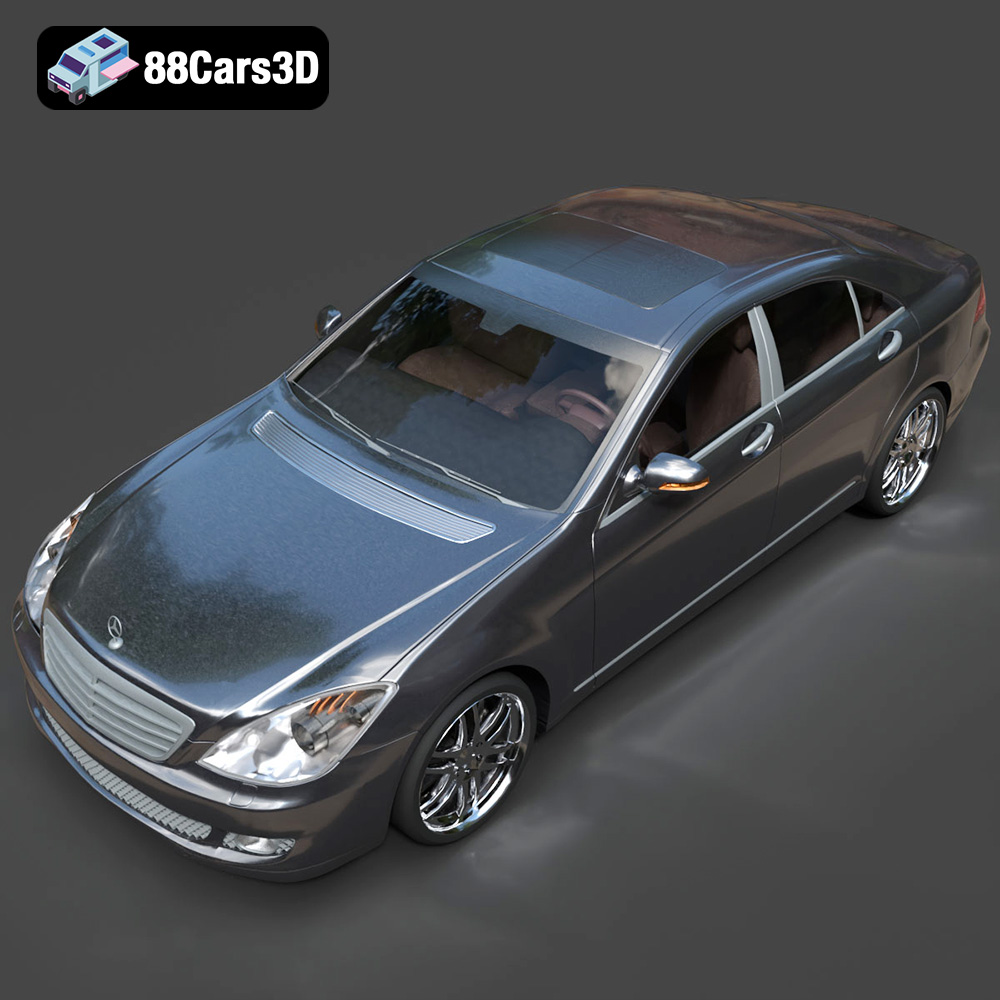
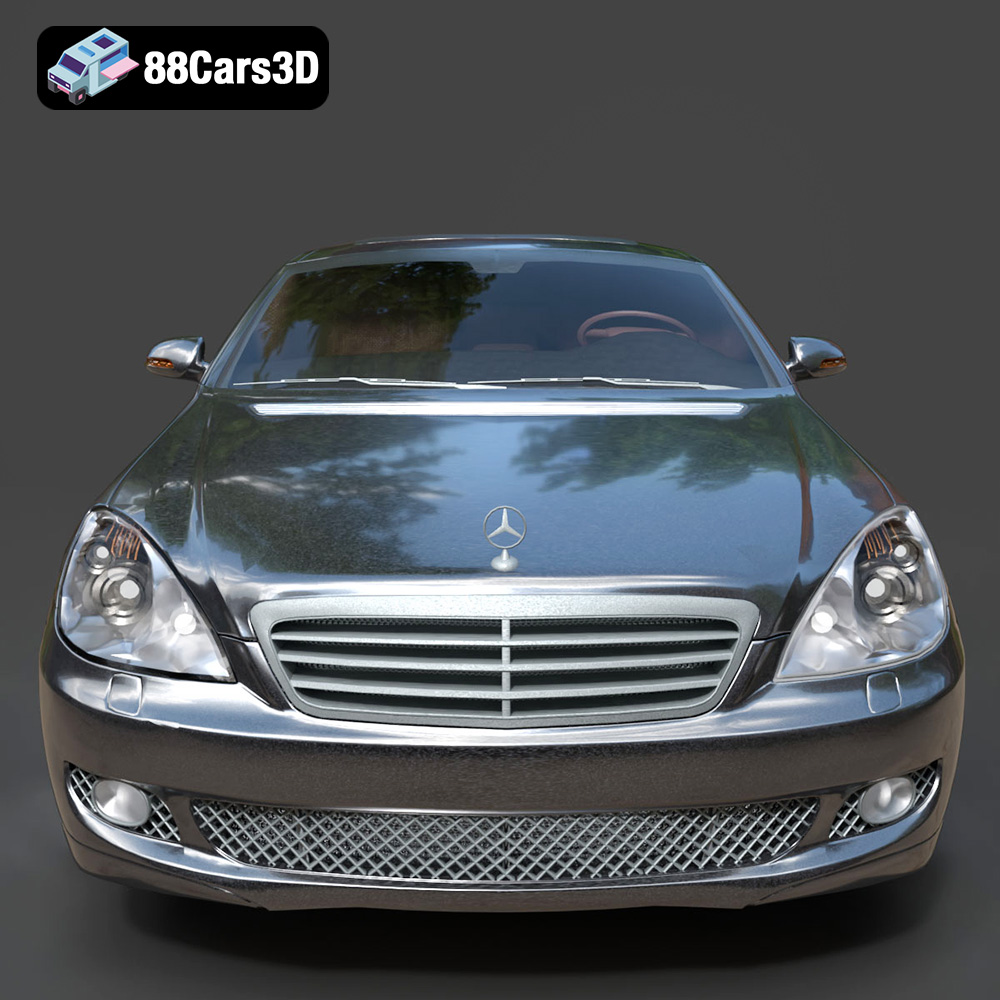
The model’s ability to accurately reproduce paint gloss, metal finishes, and glass reflectivity stems from these carefully crafted PBR materials and high-resolution textures. The fully modeled and textured internal cabin further showcases this attention to detail, with separate materials for leather, fabric, carbon fiber, and chrome, each contributing to an immersive and luxurious experience, even in extreme close-up shots.
Real-World Applications and Case Studies
The demand for high-quality 3D car models like the Mercedes Benz Joaquin-007 3D Model is driven by their utility across a broad spectrum of industries. These assets are not just static images; they are dynamic tools that empower professionals to visualize, simulate, and interact with designs in ways never before possible.
Automotive Marketing & Configurators
In the fiercely competitive automotive market, captivating visuals are essential. High-fidelity 3D car models have revolutionized marketing strategies. Instead of costly and time-consuming physical photo shoots or video productions, companies can generate an endless array of photorealistic images and animations of their vehicles in various environments, colors, and configurations. Imagine launching a new Mercedes Benz concept where customers can interact with the Joaquin-007 in an online configurator, changing paint colors, wheel designs, and interior trims in real-time, all powered by a meticulously crafted 3D model. This not only enhances customer engagement but also significantly reduces marketing costs and speeds up campaign deployments. The Mercedes Benz Joaquin-007 3D Model provides the visual fidelity required to make these interactive experiences as realistic and compelling as possible, from intricate reflections on the bodywork to the luxurious textures of the interior.
Game Development and Virtual Production
The gaming industry is a major consumer of 3D car models, with titles ranging from hyper-realistic racing simulations to open-world adventures. Developers leverage optimized 3D car models to populate their virtual worlds, ensuring both visual quality and smooth gameplay performance. A model like the Mercedes Benz Joaquin-007, with its game-engine ready formats (.fbx, .unreal), clean topology, and PBR materials, drastically reduces the development time for studios. Beyond gaming, virtual production – the use of real-time 3D environments for filmmaking and television – is rapidly gaining traction. High-quality 3D car models can be integrated into LED volumes or virtual sets, allowing directors and cinematographers to stage complex scenes with vehicles without the logistical challenges and costs of physical vehicles on location. The realism of the Mercedes Benz Joaquin-007 ensures it holds up even under the scrutiny of large-scale virtual screens.
Simulation and Training
Precision and accuracy are paramount in simulation and training applications. From advanced driver-assistance systems (ADAS) development to professional driver training simulators, 3D car models provide the virtual environment for rigorous testing and practice. Engineers can use these models to simulate vehicle dynamics, test autonomous driving algorithms, or visualize aerodynamic flows. For training, detailed simulations allow users to familiarize themselves with vehicle controls, practice maneuvers, or even conduct emergency response training in a safe, controlled digital space. The exacting detail and authentic representation of the Mercedes Benz Joaquin-007 3D Model make it an ideal candidate for such high-stakes applications, where fidelity directly translates to effective learning and accurate data collection.
Conclusion
The landscape of 3D visualization is continually pushing the boundaries of realism and interactivity. At the heart of this evolution are high-quality 3D assets – meticulously crafted models that serve as the building blocks for everything from cinematic masterpieces to immersive real-time experiences. The demand for detail, optimization, and versatility has never been greater, and professional assets like the Mercedes Benz Joaquin-007 3D Model rise to meet this challenge.
We’ve explored the critical importance of optimized topology, the power of Physically Based Rendering materials, and the indispensable role of a comprehensive array of file formats – from .blend and .max for comprehensive creative control, to .fbx and .unreal for seamless game integration, and .glb for cutting-edge AR/VR and web visualization. This robust technical foundation ensures that models like the Mercedes Benz Joaquin-007 are not just visually stunning but also incredibly efficient and adaptable across diverse professional pipelines, whether for automotive rendering, game assets, or advanced simulations.
Investing in such high-fidelity 3D car models significantly streamlines production, enhances visual quality, and opens up new possibilities for creative expression and technical application. For professionals seeking uncompromising quality and versatility in their 3D automotive assets, 88cars3d.com provides an invaluable resource, ensuring you have the tools to bring your most ambitious visions to life with absolute fidelity. The journey to truly master automotive visualization begins with the right foundation, and a premium 3D model is precisely that.
Featured 3D Model
Mercedes Benz Joaquin-007 3D Model
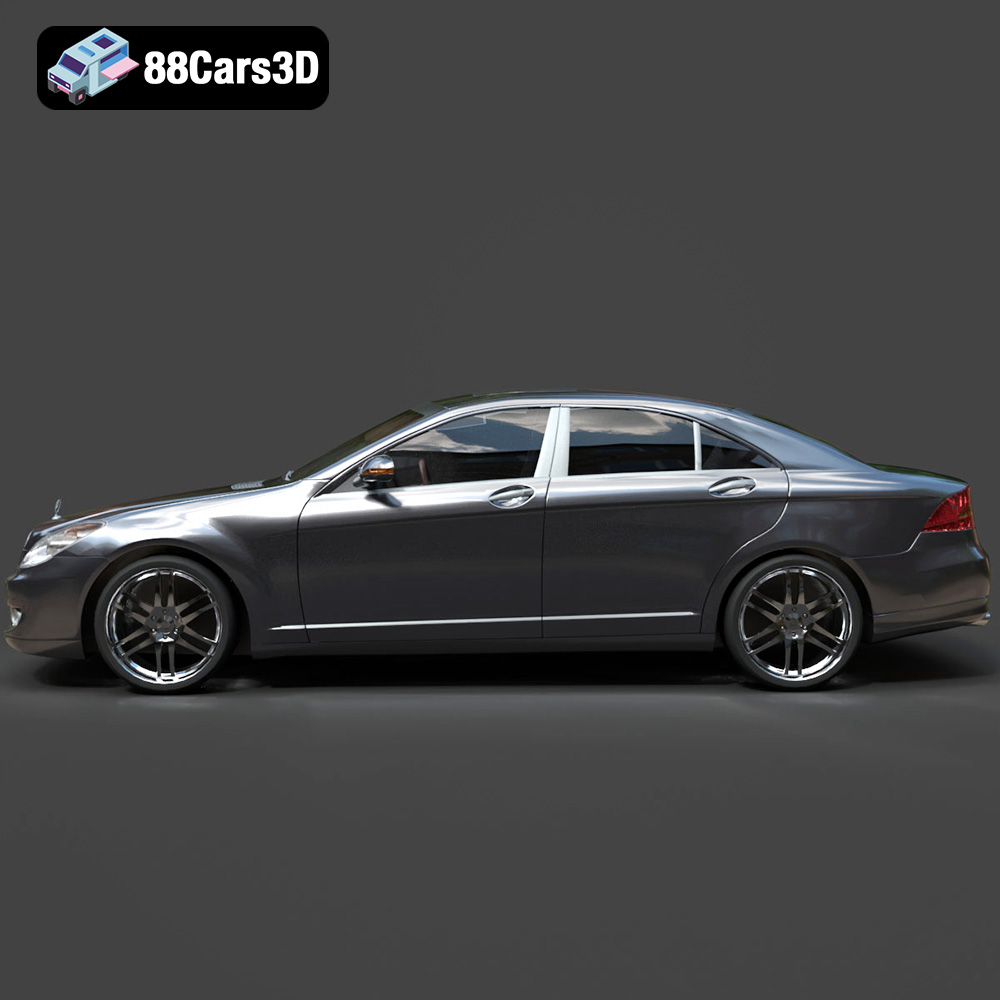
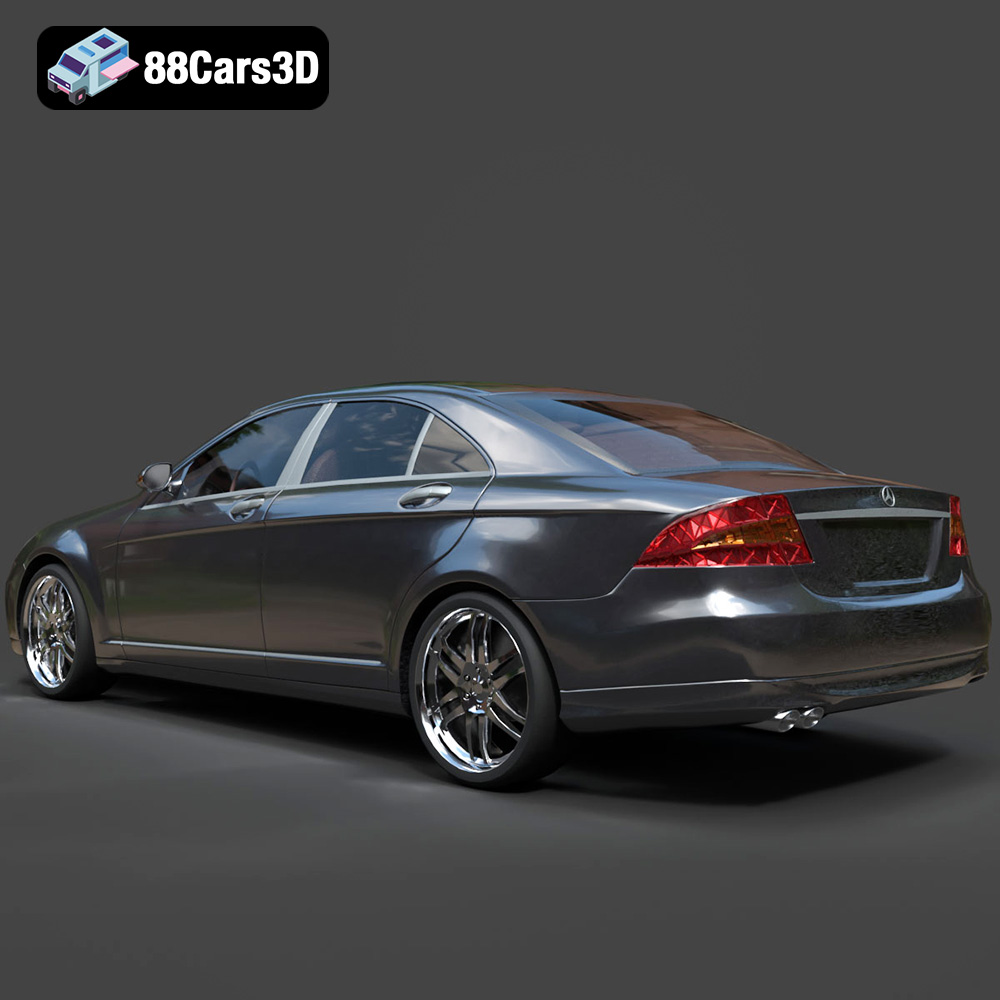
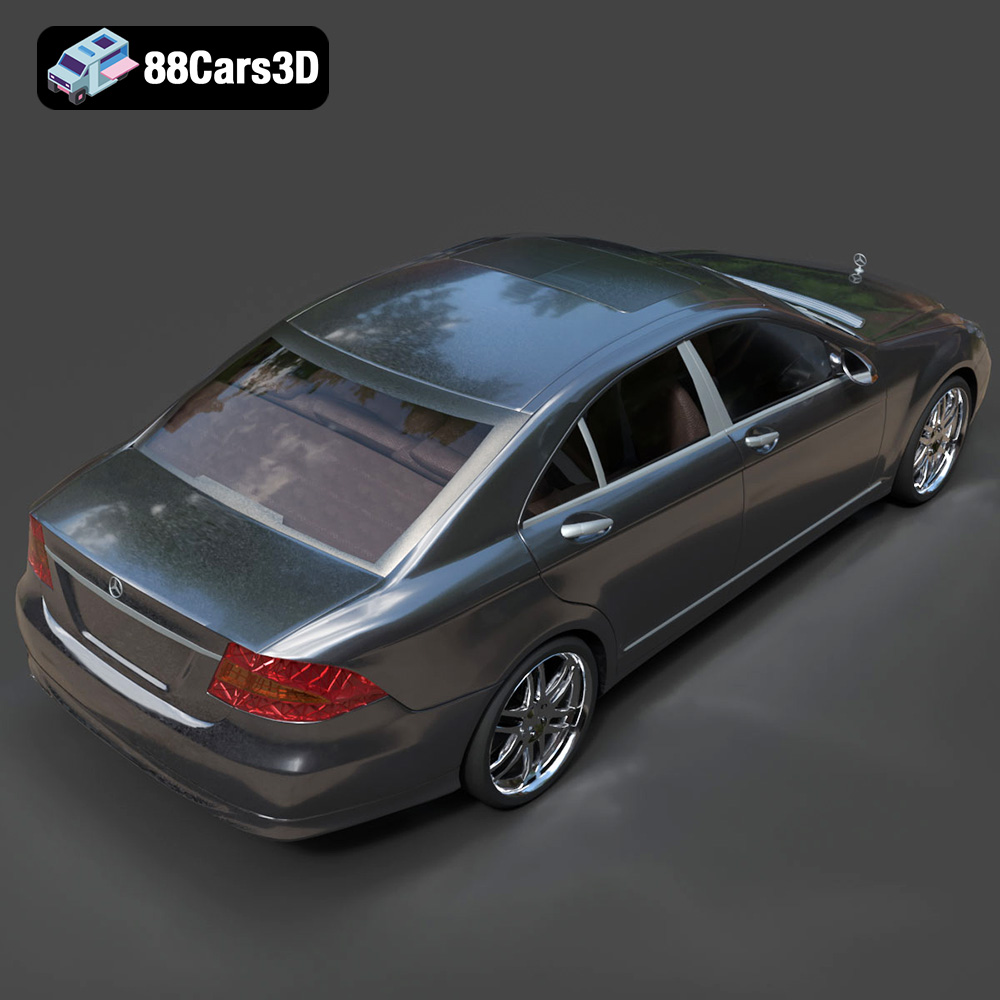
The Mercedes Benz Joaquin-007 3D Model offers an exceptional level of detail, capturing the distinct design and luxurious styling of this vehicle with absolute fidelity. This asset is engineered for creators who demand accuracy, realism, and efficiency in their visualization and simulation projects. The model’s topology is meticulously structured to facilitate smooth deformations and fast rendering times across various platforms. This professional-grade 3D vehicle model features clean, optimized geometry, making it highly versatile for both real-time environments and high-resolution cinematic rendering. All materials and textures are logically named and configured for realistic light scattering and reflection, accurately reproducing paint gloss, metal finishes, and glass reflectivity. The internal cabin is fully modeled and textured, allowing for detailed close-ups and driver’s-eye views. The Mercedes Benz Joaquin-007 3D Model is optimized for integration across multiple professional applications. Use this asset for realistic automotive visualization, training simulations, detailed game asset development (PC, Console, Mobile), virtual production environments, and interactive AR/VR experiences. Its comprehensive set of provided formats ensures compatibility with all major 3D software packages.
$19.99
Product Image Gallery

Related Tags
.arvr
.blend
.car3dmodel
.conceptcar
.fbx
.gameasset
.glb
.joaquin
.joaquin007
.luxurycar
.max
.mercedes
.mercedesbenz
.obj
.ply
.rendering
.simulation
.stl
.unreal
