

“`html
The Ultimate Guide to Printing Wheels, Tires, and Car Parts in STL Format
The world of 3D printing has opened up incredible possibilities for automotive enthusiasts, model makers, and hobbyists. From intricate scale model replicas to functional prototype parts, the ability to bring digital designs into the physical realm is truly remarkable. At the heart of this process lies the STL file format, a cornerstone of additive manufacturing. For those looking to recreate iconic vehicles or design custom automotive components, understanding how to effectively print car parts, especially detailed elements like wheels and tires, is crucial. This guide will delve deep into the technical aspects of preparing and printing these complex geometries, ensuring you achieve high-quality results every time. We’ll cover everything from mesh integrity and slicing strategies to material selection and post-processing, empowering you to transform digital STL files into tangible automotive masterpieces. Get ready to elevate your 3D printing game and bring your automotive dreams to life!
Understanding the STL File Format for Automotive Models
The STL (STereoLithography) file format is the de facto standard for 3D printing. It represents a 3D surface geometry as a collection of connected triangles, known as a mesh. For automotive models, particularly intricate components like wheels with their complex spokes and tread patterns on tires, the quality and structure of this mesh are paramount. A well-formed STL file ensures that your 3D printer can accurately interpret the model’s geometry, leading to a successful print. Poorly constructed meshes, often containing errors like holes, inverted normals, or non-manifold edges, can cause slicing software to fail, produce distorted prints, or result in weak structural integrity.
Mesh Topology and Geometry Integrity
The ‘topology’ of a 3D model refers to how its vertices, edges, and faces are connected. In an STL file, this translates to the arrangement of triangles. For printable car parts, a ‘clean’ mesh means each edge is shared by exactly two triangles, forming a watertight or manifold surface. Non-manifold geometry occurs when an edge is shared by more than two triangles (like a seam) or when a vertex connects disparate parts of the mesh. These errors can confuse slicing software. For instance, a hole in the mesh might be interpreted as an internal void by the slicer, leading to infill printing in unintended areas or print failures altogether. Platforms like 88cars3d.com specialize in providing STL files for car models that have undergone meticulous mesh cleanup, ensuring they are print-ready from the outset.
Common STL File Errors and Repair Strategies
Even with high-quality source files, errors can sometimes creep in during the modeling or export process. Common issues include:
- Holes: Gaps in the mesh that prevent it from being watertight.
- Inverted Normals: Triangles whose surface direction is flipped, confusing the slicer about the model’s exterior.
- Non-Manifold Edges: Edges shared by more than two triangles, creating ambiguous geometry.
- Intersecting Faces: Triangles that overlap each other, leading to print artifacts.
- Degenerate Faces: Triangles with zero area (e.g., all vertices are in the same spot).
Fortunately, several software tools can help repair these issues. Meshmixer (free) and Autodesk Netfabb (commercial) are powerful options for automated and manual mesh repair. Blender (free) also offers robust mesh editing tools. The general workflow involves importing the STL, running automated repair functions (like “Make Solid” or “Fix Mesh”), and then visually inspecting the model for any remaining errors, often using diagnostic tools that highlight problematic areas. Correcting these errors is a critical step before proceeding to slicing.
File Formats Beyond STL
While STL is dominant, other formats like OBJ and FBX are sometimes encountered. OBJ files can store color and texture information, which is less relevant for standard FDM or resin printing but useful for visualization. FBX is a proprietary format often used in game development and animation, also capable of storing more complex data. For 3D printing, however, STL remains the most universally supported and straightforward format. When downloading models from marketplaces such as 88cars3d.com, you’ll typically find STL files optimized for direct use with slicing software.
Slicing Parameters for High-Detail Car Parts
Slicing software is the bridge between your digital STL model and your 3D printer. It translates the 3D geometry into a series of layered toolpaths, dictating how the printer will build the object. For intricate car parts, especially those with fine details like tire treads or delicate wheel spokes, optimizing slicing parameters is essential for achieving a balance between print quality, detail fidelity, and print time. Common slicers include Ultimaker Cura, PrusaSlicer, and Simplify3D.
Layer Height: The Detail vs. Time Tradeoff
Layer height is one of the most significant factors influencing print quality and duration. It defines the thickness of each individual layer deposited by the printer. For highly detailed car models, especially smaller components like emblems or intricate wheel designs, a smaller layer height is desirable.
- Standard: 0.2mm layer height offers a good balance of speed and detail for many parts.
- Fine Detail: 0.1mm or even 0.08mm layer height significantly improves vertical resolution, making curved surfaces smoother and fine features sharper. This is ideal for replicating the subtle contours of a car body or the intricate patterns on a wheel.
- Draft Quality: 0.3mm or higher layer heights are much faster but result in visibly stepped layers, unsuitable for high-fidelity automotive models.
The trade-off is print time. Reducing layer height by half (e.g., from 0.2mm to 0.1mm) can roughly double the print time for a given height of the object. For a complex set of four wheels, using a 0.1mm layer height could mean many hours of printing per wheel.
Infill: Density, Patterns, and Strength
Infill refers to the internal support structure printed within the model’s outer walls. For display models and most car parts, extreme strength is usually not required, allowing for lower infill densities to save material and print time. However, the infill pattern can impact surface quality and structural integrity.
- Density: For display models, 10-20% infill is often sufficient. If the part needs to withstand some handling or stress (e.g., a chassis component), 25-40% might be appropriate.
- Patterns:
- Grid/Lines: Simple, fast, and uses less material. Good for basic support.
- Cubic/Gyroid: Offers better strength in multiple directions and can reduce ringing artifacts on outer surfaces compared to rectilinear patterns. Gyroid is particularly popular for its efficient use of material and strength.
- Concentric: Follows the outer perimeter, which can sometimes improve the smoothness of curved outer walls, ideal for car bodies.
For car wheels, a concentric or gyroid pattern at 15-25% density is often a good choice, providing adequate internal support without adding excessive weight or print time.
Print Speed and Temperature Optimization
Print speed needs careful calibration, especially when printing fine details. While faster printing is tempting, excessively high speeds can lead to reduced accuracy, poor layer adhesion, and increased ringing artifacts.
- Outer Walls: Print outer walls at a slower speed (e.g., 30-40 mm/s) to ensure the best surface finish.
- Inner Walls/Infill: Can often be printed slightly faster (e.g., 50-60 mm/s).
- Travel Speed: A higher travel speed (e.g., 120-150 mm/s) reduces the time the nozzle spends moving between print sections, speeding up the overall process.
Nozzle temperature should be calibrated for the specific filament being used. Refer to the filament manufacturer’s recommendations, and perform temperature tower tests to find the optimal temperature for layer adhesion and surface quality. For common materials like PLA, temperatures typically range from 190°C to 220°C.
Support Structures: The Unsung Heroes of Complex Prints
Complex automotive geometries, like the undercuts on a sports car’s body, the delicate spokes of alloy wheels, or the intricate details of an engine bay, often require support structures. These are temporary structures printed by the 3D printer to hold up overhanging parts of the model during the printing process, preventing them from collapsing. Proper support generation and removal are critical for achieving clean, successful prints without damaging the model.
Automatic vs. Manual Support Generation
Most slicers offer automatic support generation, which analyzes the model and places supports where overhangs exceed a specified angle (typically 45-60 degrees). While convenient, automatic supports can sometimes be difficult to remove cleanly or may not be placed optimally for certain geometries.
- Best Settings: Enabling “Support Everywhere” in your slicer will place supports on the build plate and on the model itself, offering more stability for complex shapes. “Support Touching Buildplate Only” is generally insufficient for intricate car parts.
- Overhang Angle: Adjusting the overhang threshold can control where supports are generated. A lower angle (e.g., 40 degrees) will generate more supports, providing better stability but making removal harder.
For critical areas or particularly challenging models, manual support placement (available in some slicers like Simplify3D or via plugins in others) allows for precise control over where supports are added, often leading to cleaner results and easier removal. This is especially useful for supporting the inner edges of wheel spokes or the underside of aerodynamic body kits.
Support Types and Interface Layers
Different support types offer varying levels of ease of removal and surface quality.
- Normal Supports: Standard tree-like structures.
- Tree/Organic Supports: Branching structures that often use less material and are easier to remove, as they touch the model at fewer points. These are excellent for organic shapes and complex curves found on car bodies.
- Support Interface Layers: These are specialized layers printed just below the actual model surface. They can be denser or have a different pattern than the main support structure, creating a smoother surface finish on the underside of overhangs. Enabling support interface layers significantly improves the quality of surfaces that would otherwise be rough and stringy. Experiment with interface density and pattern for optimal results.
Support Removal Techniques
Removing supports without damaging the printed part requires patience and the right tools.
- Tools: A set of hobby knives, flush cutters, needle-nose pliers, and potentially a small file or sandpaper are essential.
- Method: Start by gently breaking away larger sections of the support structure with pliers or by carefully wiggling them. Use a hobby knife to carefully cut away any remaining support material attached to the model. For tricky spots, such as between wheel spokes, dental picks or fine-tipped tweezers can be invaluable.
- Cooling: Allowing the print to cool completely before attempting support removal can make the supports more brittle and easier to snap off.
- Special Considerations: For resin prints, supports are typically removed before final curing. They are often thinner and break away more cleanly. If supports leave marks, light sanding or polishing might be necessary.
The goal is to remove supports cleanly, leaving the underlying model surface as intact as possible, ready for post-processing.
Print Orientation and Bed Adhesion for Stability
The way you orient your car part on the 3D printer’s build plate, and ensuring it adheres well, are fundamental to a successful print. Incorrect orientation can lead to excessive support material, weak layer adhesion, or surface quality issues. Poor bed adhesion is a common cause of print failure, often resulting in the print detaching midway and becoming a tangled mess.
Optimizing Print Orientation
Choosing the right orientation for your car parts involves considering several factors:
- Minimize Supports: Rotate the model to reduce the amount of overhang and the need for complex support structures. For example, printing a car body upright might require extensive supports for the wheel wells and undercarriage. Laying it on its side or roof, if possible, might drastically reduce support needs, although it could compromise surface finish on certain sides. Wheels are often best printed standing upright on their rim or laying flat on the tire sidewall, depending on the wheel design and available printer build volume.
- Surface Quality: The side of the model facing the build plate will have the best surface finish. Conversely, the top surfaces of overhangs, even with supports, may exhibit some roughness from the support interface. Orient the model so that the most visible or critical surfaces are optimized for quality.
- Layer Line Appearance: Layer lines are inherent to FDM printing. Printing curved surfaces vertically can emphasize these lines, making them more noticeable. Orienting parts to have major curves on a flatter plane can sometimes mitigate this visual effect.
- Strength: Layer adhesion is weakest between layers. If a part will be subjected to stress along a particular axis, orient it so that the layers are perpendicular to that stress, or the load is applied parallel to the layers.
For wheels, printing upright on the build plate often requires supports for the inner spokes. Printing them lying on their side might require supports for the outer rim and tire tread. Experimentation and careful examination of the sliced model are key.
Bed Adhesion Techniques
Ensuring your print sticks firmly to the build plate is crucial. This prevents warping and detachment.
- Clean Build Surface: Always start with a clean build plate. Oils from fingerprints or residual filament can interfere with adhesion. Use isopropyl alcohol (IPA) for routine cleaning.
- Adhesive Aids: For materials prone to warping (like ABS) or for challenging prints, consider using adhesives such as glue stick (PVA-based), hairspray, or specialized 3D printing adhesion solutions like Magigoo.
- Bed Leveling: A perfectly level bed is non-negotiable. Ensure your printer’s auto-bed leveling system is calibrated or manually level the bed meticulously before each print. The first layer should be slightly “squished” onto the build plate – not too thin (tearing) nor too thick (lifting).
- Brims and Rafts:
- Brim: Adds a single layer of material around the base of your print, extending outwards. This significantly increases the contact area with the build plate, improving adhesion for parts with small footprints or sharp corners prone to lifting. Brims are generally easy to remove.
- Raft: Prints a thick base structure below your model. This is typically used for very difficult materials or extremely uneven build surfaces, as it can mask minor imperfections in bed leveling. However, rafts consume more material and can leave a rougher surface on the bottom of your model.
For most car parts printed in PLA or PETG, a brim is often sufficient to ensure good adhesion without the material waste of a raft.
Proper bed adhesion ensures that the foundation of your meticulously printed car part remains solid throughout the entire build process.
Material Selection and Post-Processing for Realistic Finishes
The choice of filament and the subsequent post-processing steps significantly impact the final appearance and durability of your 3D printed car parts. From replicating the glossy finish of a car’s paint job to achieving the rubbery texture of tires, material selection and finishing techniques are key.
Choosing the Right Filament
Several common FDM filaments are suitable for printing car models, each with its pros and cons:
- PLA (Polylactic Acid): The most popular choice for hobbyists due to its ease of printing, wide color availability, and low warping. It’s rigid and holds detail well, making it excellent for display models, wheels, and body panels. However, it has a lower heat resistance (around 60°C), so it’s not ideal for parts exposed to high temperatures or direct sunlight for extended periods.
- PETG (Polyethylene Terephthalate Glycol): Offers a good balance of strength, flexibility, and temperature resistance (up to 80°C) compared to PLA. It’s slightly more challenging to print, prone to stringing, but produces durable parts. Good for functional components or parts that might experience some stress.
- ABS (Acrylonitrile Butadiene Styrene): Known for its high strength, impact resistance, and good temperature resistance (around 100°C). However, ABS is prone to significant warping during printing and requires a heated enclosure and good ventilation due to fumes. It’s ideal for more robust, functional parts.
- Resin (SLA/DLP): For ultra-high detail, resin printing is unmatched. It can capture incredibly fine details, making it perfect for intricate emblems, tiny interior components, or perfect scale replicas where every detail matters. However, resin prints can be more brittle, require more post-processing (washing and curing), and are generally more expensive per volume. Various resin types are available, including standard, tough, and flexible options.
For most 88cars3d.com models intended for display or static models, PLA is often the best starting point due to its printability and detail retention. If you need parts that are more durable or heat-resistant, consider PETG or ABS. For the absolute highest level of detail, resin printing is the way to go.
Sanding, Filling, and Priming
Achieving a smooth, professional finish often requires post-processing, especially on FDM prints where layer lines are visible.
- Sanding: Start with coarser grit sandpaper (e.g., 120-220 grit) to remove obvious layer lines and support marks. Progress to finer grits (400, 800, 1200, and even higher) to achieve a smooth surface. Wet sanding (using water with sandpaper) can help reduce dust and provide a smoother finish.
- Filling: For significant layer lines or imperfections, filler putties (like automotive body filler or wood filler) can be applied to the surface, allowed to dry, and then sanded smooth. For FDM prints, repeated applications of filler and sanding are often necessary to completely obscure layer lines.
- Priming: Apply a few thin coats of spray primer (automotive or model primer). Primer not only provides a uniform base color but also highlights any remaining imperfections that need further sanding or filling. Sand lightly between primer coats with very fine grit sandpaper (e.g., 800-1200 grit).
Painting and Finishing Techniques
Once primed, your car parts are ready for paint.
- Airbrushing: Offers the most professional and even finish, allowing for thin, consistent coats of paint. This is ideal for replicating automotive paint jobs.
- Spray Cans: Can achieve good results, but require careful application to avoid drips and uneven coverage. Multiple thin coats are better than one thick coat.
- Hand Brushing: Suitable for smaller details, interiors, or weathering effects, but difficult to achieve a smooth, uniform finish on large surfaces.
- Clear Coats: A final clear coat (gloss, satin, or matte, depending on the desired finish) seals the paint and provides protection. Gloss clear coats are essential for replicating a car’s showroom shine.
- Weathering: Techniques like applying washes, dry brushing, or pigments can add realism, simulating dirt, grime, or wear and tear.
For tires, a matte black paint is typically used, and sometimes a flexible sealant can be applied to give them a slightly rubbery texture. The goal is to transform the raw 3D print into a visually appealing and realistic representation of the actual car part.
Printer Calibration and Maintenance for Consistent Quality
Even with the best STL files and meticulously chosen slicing parameters, a poorly calibrated or maintained 3D printer will struggle to produce high-quality automotive parts consistently. Regular calibration and maintenance are non-negotiable aspects of professional 3D printing.
Essential Calibration Steps
Before printing any critical car models, ensure your printer is properly calibrated:
- E-Steps Calibration: This ensures that the extruder motor pushes exactly the amount of filament commanded by the printer. Incorrect E-steps can lead to under-extrusion (weak, gappy prints) or over-extrusion (bloated, inaccurate dimensions).
- Flow Rate/Extrusion Multiplier: Fine-tunes the amount of filament extruded, especially important for achieving accurate dimensions and good layer adhesion after E-steps calibration. Small adjustments (e.g., +/- 2-5%) can make a big difference.
- PID Tuning: Calibrates the hotend and heated bed temperature control loops. Proper PID tuning prevents temperature fluctuations during printing, ensuring consistent material properties and layer adhesion.
- First Layer Calibration: As mentioned earlier, a perfect first layer is crucial for overall print success. Re-level the bed and adjust the Z-offset until the filament is slightly squished onto the build surface, forming a solid, uniform base.
- Dimensional Accuracy Test: Print calibration cubes (e.g., 20x20x20mm) and measure them with calipers. Compare the measured dimensions to the intended dimensions and adjust scaling factors in your slicer if necessary. This is vital for ensuring parts like wheels fit correctly onto axles or other components.
Regular Maintenance Schedule
A proactive maintenance approach prevents most common printing issues:
- Nozzle Cleaning/Replacement: Filament residue can build up inside the nozzle, causing clogs and extrusion issues. Regularly clean the nozzle with a brass brush while hot, or replace it if clogs persist or print quality degrades. Worn nozzles can also affect dimensional accuracy.
- Lubrication: Apply appropriate lubricants (e.g., PTFE-based or lithium grease) to the printer’s linear rods, lead screws, and bearings according to the manufacturer’s recommendations. This ensures smooth movement of the print head and build plate, reducing noise and improving print quality.
- Belt Tension: Check and adjust the tension of the X and Y-axis belts. Belts that are too loose can cause backlash and ghosting/ringing artifacts, while belts that are too tight can cause excessive wear and strain on motors.
- Firmware Updates: Keep your printer’s firmware updated. Manufacturers often release updates that improve performance, add features, or fix bugs.
- Filament Drive Gear Cleaning: The gear that grips the filament can accumulate plastic dust, reducing its grip. Clean it regularly with a small brush.
By diligently performing these calibrations and maintenance tasks, you create a reliable printing environment, ensuring that every STL file you slice, whether it’s a sleek supercar body or a set of intricate BBS-style wheels from 88cars3d.com, has the best possible chance of being printed successfully and with exceptional quality.
Conclusion: Bringing Your Automotive Visions to Life with 3D Printing
The journey from a digital STL file to a tangible, high-quality 3D printed car part is a rewarding process that blends technical expertise with creative passion. We’ve explored the intricacies of the STL format, the critical importance of mesh integrity, and the advanced techniques for preparing files for printing. Understanding the nuanced settings within slicing software—from layer height and infill patterns to print speed and temperature—is key to unlocking the full potential of your 3D printer for detailed automotive models. Furthermore, mastering the art of support generation and removal, optimizing print orientation for stability and surface finish, and ensuring robust bed adhesion are foundational practices for preventing common failures.
The choice of material, whether it’s the accessible PLA, the durable PETG, or the ultra-detailed resin, plays a significant role in the final outcome. Coupled with thoughtful post-processing techniques like sanding, filling, priming, and painting, you can transform raw prints into incredibly realistic replicas. Finally, consistent, high-quality results are underpinned by diligent printer calibration and routine maintenance. By investing time in these essential steps, you ensure your printer is a reliable tool for bringing even the most complex automotive designs to life. Whether you’re building a scale model fleet, prototyping custom parts, or exploring the engineering marvels of vehicle design, the techniques outlined in this guide will empower you to achieve professional-level results with your 3D printed car parts.
“`
Featured 3D Car Models
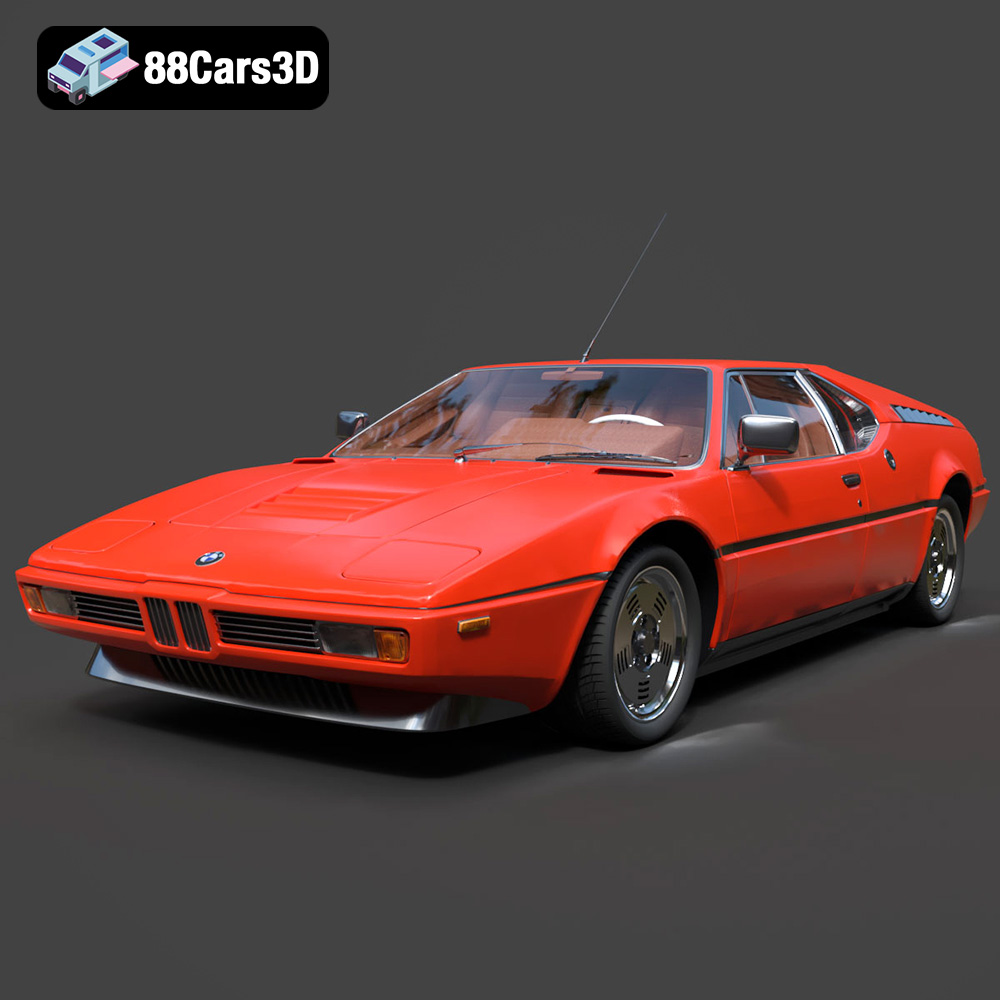
BMW Motorsport M1 E26 1981 3D Model
Texture: Yes
Material: Yes
Download the BMW Motorsport M1 E26 1981 3D Model featuring its iconic design, race-bred aerodynamics, and meticulously crafted details. Includes .blend, .fbx, .obj, .glb, .stl, .ply, .unreal, and .max formats for rendering, simulation, and game development.
Price: $20.79

Cadillac CTS-V Coupe 3D Model
Meta Description:
Texture: Yes
Material: Yes
Download the Cadillac CTS-V Coupe 3D Model featuring detailed exterior styling and realistic interior structure. Includes .blend, .fbx, .obj, .glb, .stl, .ply, .unreal, and .max formats for rendering, simulation, AR VR, and game development.
Price: $13.9
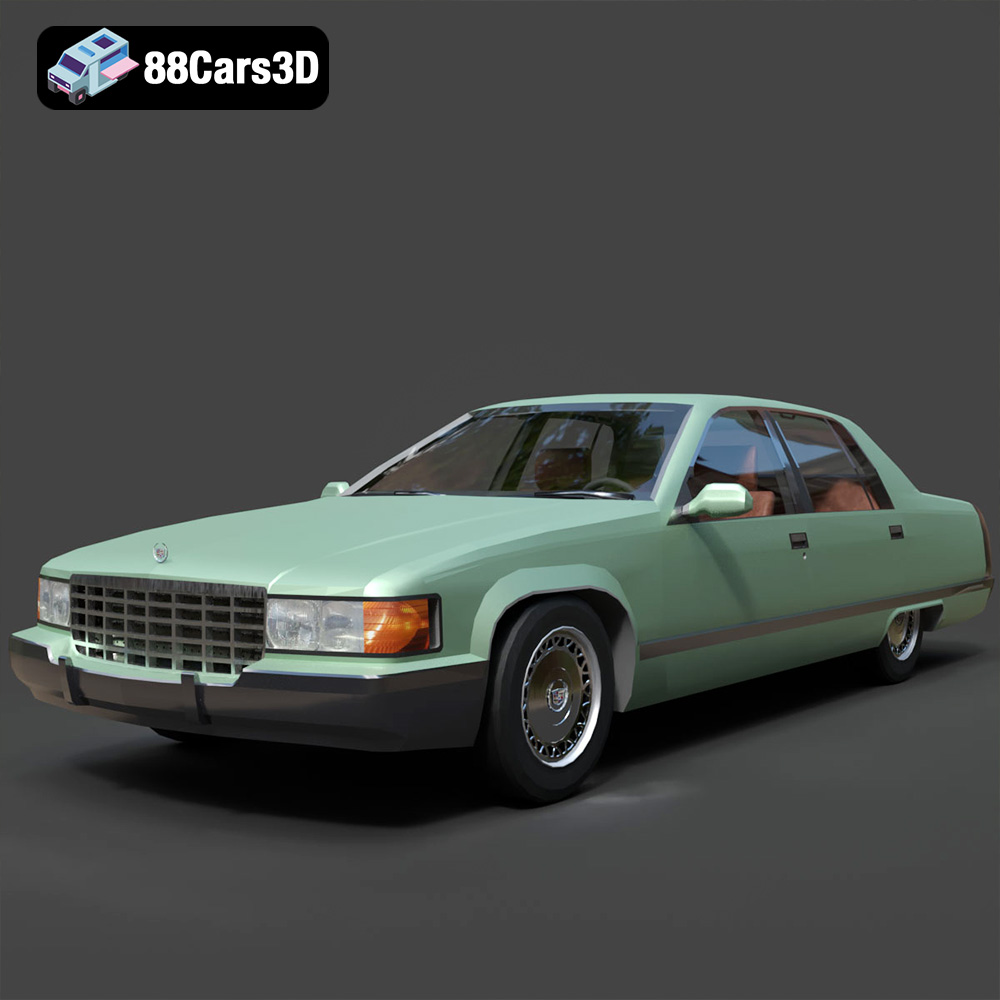
Cadillac Fleetwood Brougham 3D Model
Texture: Yes
Material: Yes
Download the Cadillac Fleetwood Brougham 3D Model featuring its iconic classic luxury design and detailed exterior and interior. Includes .blend, .fbx, .obj, .glb, .stl, .ply, .unreal, and .max formats for rendering, simulation, and game development.
Price: $10.79
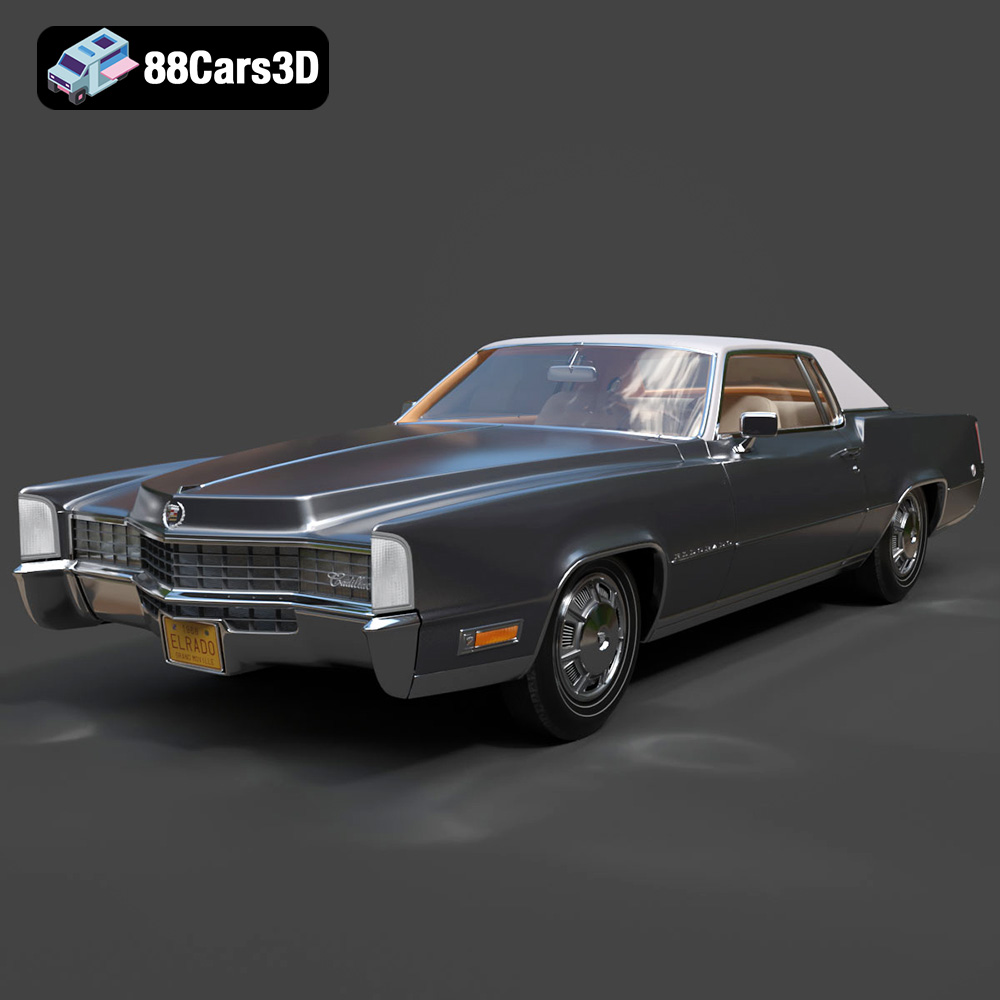
Cadillac Eldorado 1968 3D Model
Texture: Yes
Material: Yes
Download the Cadillac Eldorado 1968 3D Model featuring its iconic elongated body, distinctive chrome accents, and luxurious interior. Includes .blend, .fbx, .obj, .glb, .stl, .ply, .unreal, and .max formats for rendering, simulation, and game development.
Price: $20.79

Cadillac CTS SW 2010 3D Model
Texture: Yes
Material: Yes
Download the Cadillac CTS SW 2010 3D Model featuring a detailed exterior, functional interior elements, and realistic materials. Includes .blend, .fbx, .obj, .glb, .stl, .ply, .unreal, and .max formats for rendering, simulation, and game development.
Price: $10.79
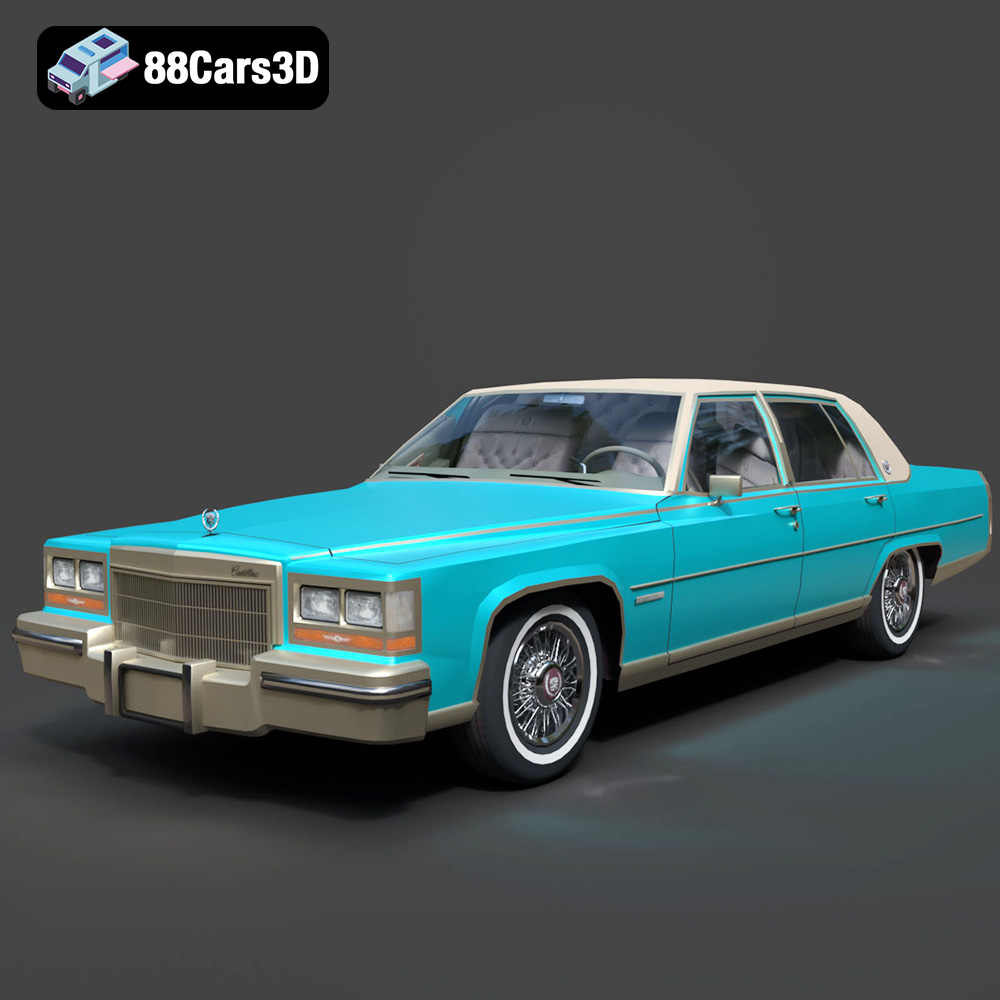
Cadillac Fleetwood Brougham 1985 3D Model
Texture: Yes
Material: Yes
Download the Cadillac Fleetwood Brougham 1985 3D Model featuring its iconic classic luxury design and detailed craftsmanship. Includes .blend, .fbx, .obj, .glb, .stl, .ply, .unreal, and .max formats for rendering, simulation, and game development.
Price: $10.79

Cadillac Eldorado 1978 3D Model
Texture: Yes
Material: Yes
Download the Cadillac Eldorado 1978 3D Model featuring accurately modeled exterior, detailed interior, and period-correct aesthetics. Includes .blend, .fbx, .obj, .glb, .stl, .ply, .unreal, and .max formats for rendering, simulation, and game development.
Price: $10.79
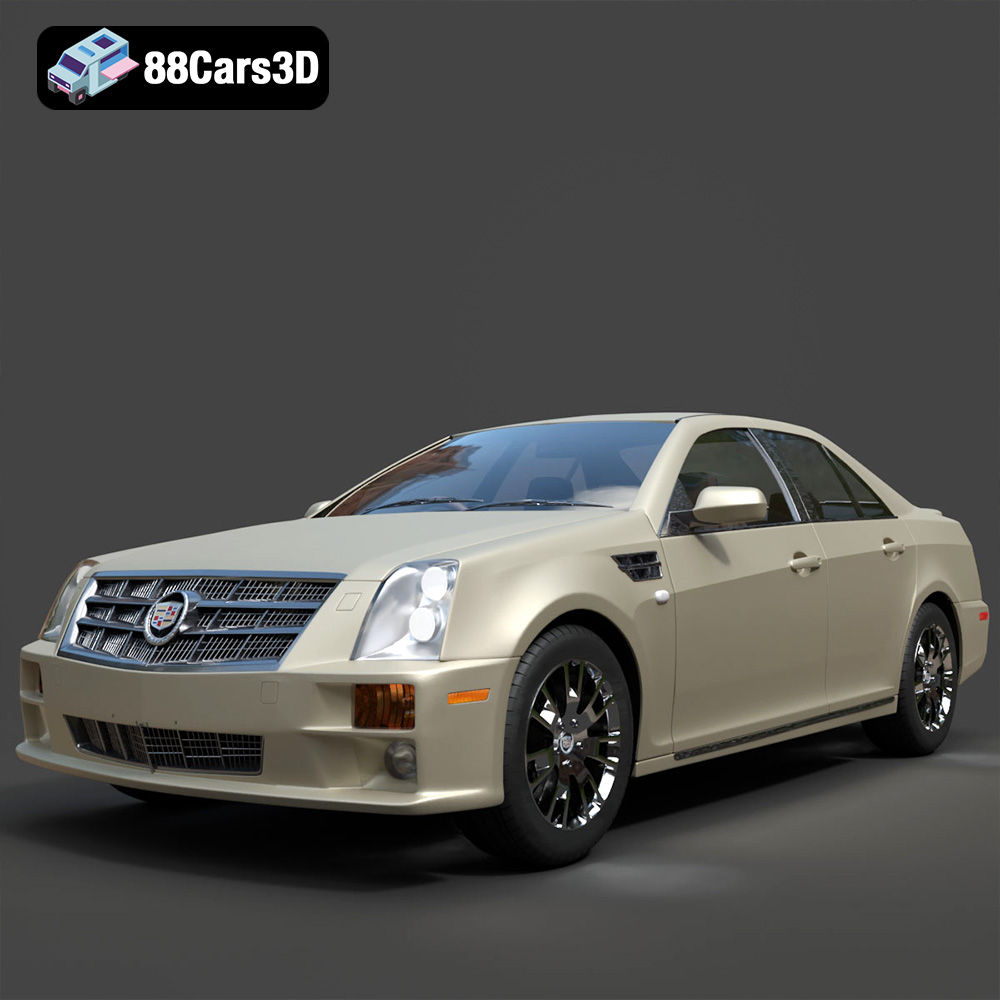
Cadillac STS-005 3D Model
Texture: Yes
Material: Yes
Download the Cadillac STS-005 3D Model featuring a detailed exterior and interior. Includes .blend, .fbx, .obj, .glb, .stl, .ply, .unreal, and .max formats for rendering, simulation, and game development.
Price: $22.79
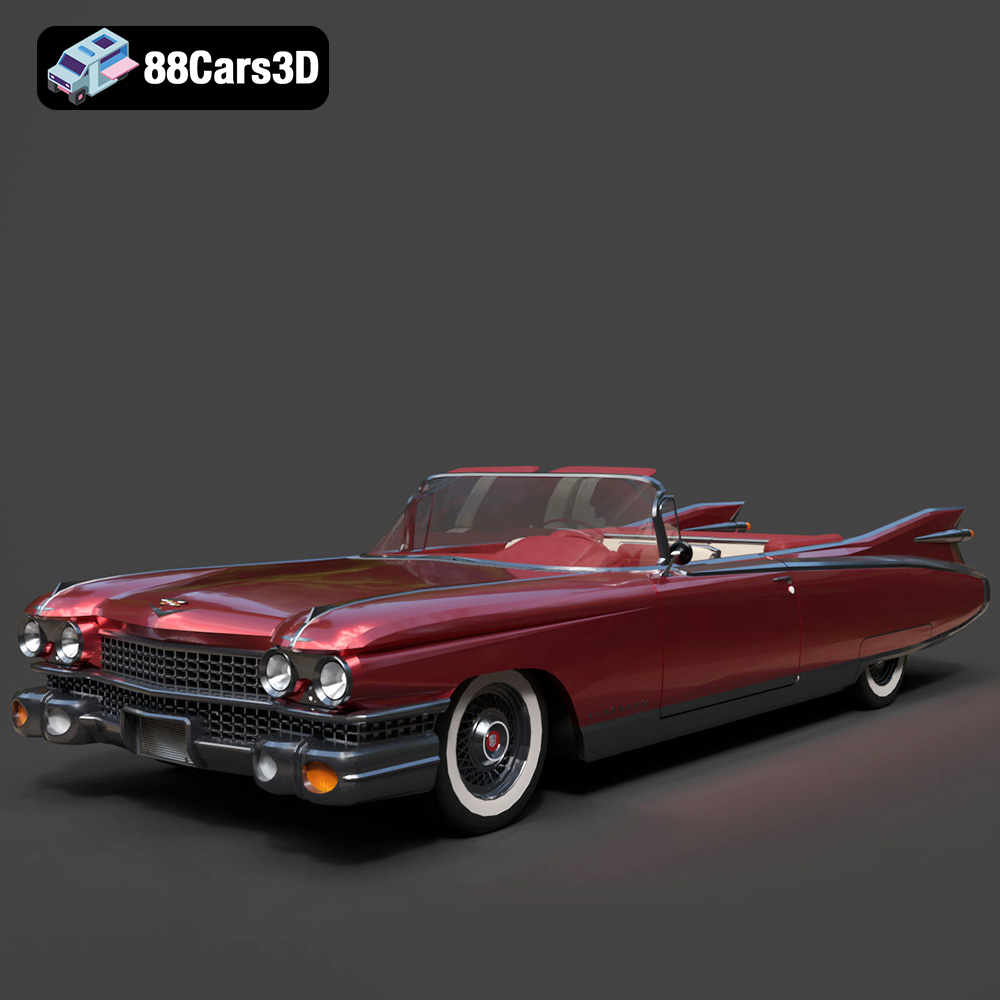
Cadillac Eldorado Convertible (1959) 3D Model
Texture: Yes
Material: Yes
Download the Cadillac Eldorado Convertible (1959) 3D Model featuring iconic fins, luxurious chrome details, and a classic vintage design. Includes .blend, .fbx, .obj, .glb, .stl, .ply, .unreal, and .max formats for rendering, simulation, and game development.
Price: $20.79

Cadillac DTS-005 3D Model
Texture: Yes
Material: Yes
Download the Cadillac DTS-005 3D Model featuring its iconic luxury design, detailed interior, and realistic exterior. Includes .blend, .fbx, .obj, .glb, .stl, .ply, .unreal, and .max formats for rendering, simulation, and game development.
Price: $10.79
