Get 20% OFF All Premium 3D & STL Models!

In the vibrant world of real-time rendering, game development, and automotive visualization, creating compelling experiences goes beyond just stunning 3D models. It hinges on how users interact with those models, explore options, and receive information. This is where a meticulously crafted User Interface (UI) and User Experience (UX) become indispensable. For professionals working with Unreal Engine, the Unreal Motion Graphics (UMG) Widget System is the powerful toolset that brings these interactive elements to life.
From an intuitive automotive configurator that allows a customer to customize a high-fidelity 3D car model – perhaps one sourced from a specialized marketplace like 88cars3d.com – to an immersive in-game vehicle selection screen or an AR/VR diagnostic tool, UMG provides the flexibility and power to design and implement sophisticated interfaces. This long-form technical guide will delve deep into leveraging UMG for exceptional UI/UX design in Unreal Engine. We’ll explore everything from foundational concepts and blueprint scripting to advanced animation, optimization strategies, and best practices, ensuring your interactive experiences are as polished and performant as your 3D assets.
By the end of this article, you will have a comprehensive understanding of how to architect, build, and optimize dynamic user interfaces that not only enhance the visual appeal of your projects but also provide seamless, engaging interactions, crucial for showcasing the quality of your real-time content, whether it’s for cutting-edge game assets or next-generation automotive visualization.
Unreal Motion Graphics (UMG) is Unreal Engine’s declarative UI system, enabling artists and designers to create complex user interfaces directly within the engine. At its core, UMG operates on a widget-based system, where every UI element—from buttons and text blocks to progress bars and complex custom layouts—is a “widget.” These widgets can be combined, nested, and styled to form rich, interactive experiences. UMG leverages the power of Blueprint visual scripting, making it accessible to a wide range of developers without requiring extensive C++ knowledge, though C++ integration is robust for advanced scenarios.
For automotive visualization and game development, UMG’s advantages are manifold. Imagine building an automotive configurator where users can seamlessly switch between different car models obtained from 88cars3d.com, apply various paint finishes, select wheel types, and view interior options. UMG provides the drag-and-drop interface and logical binding capabilities to make this a reality. It’s also ideal for in-game HUDs (Heads-Up Displays) that show speed, RPM, health, or mission objectives, providing critical feedback to the player interacting with vehicle-centric gameplay. The ability to prototype quickly and iterate on designs is a significant workflow boost, allowing creative visions to be realized efficiently.
The system is built upon Slate, Unreal Engine’s underlying C++ UI framework, which offers performance and deep customization. UMG abstracts much of Slate’s complexity, providing a user-friendly editor within Unreal. This hierarchy ensures that while UMG is easy to use, it retains the power and flexibility needed for professional applications.
Creating your first UMG widget is a straightforward process. In the Content Browser, right-click, select “User Interface,” then “Widget Blueprint.” Name it appropriately, for instance, `WB_CarConfigurator`. Double-clicking this asset opens the Widget Editor, which consists of four main areas: the Palette (where you find pre-built widgets like Buttons, Text, Images), the Hierarchy (showing the parent-child relationship of widgets), the Designer (your visual canvas), and the Details panel (for modifying selected widget properties). To get started, drag a “Canvas Panel” from the Palette into the Designer – this acts as your root container. Then, drag a “Button” and a “Text Block” onto the Canvas Panel. Position and size them using the anchors and transform tools in the Details panel. This visual, iterative approach makes UI design highly intuitive.
When designing UIs for automotive visualization or car-centric games, several UX principles are paramount. First, clarity and legibility: ensure text is easily readable against background colors and iconography is unambiguous. Second, consistency: maintain a uniform visual style, button placement, and interaction paradigm across all UI screens. Third, responsiveness: the UI should react quickly to user input, providing immediate visual feedback. Fourth, information hierarchy: prioritize critical information, placing it prominently, while secondary options are easily discoverable. For a car configurator, for example, the main customization options (paint, wheels, interior) should be front and center, while less frequent actions (save, load) might be in a secondary menu. Clean aesthetics, often inspired by actual car dashboards or premium brand websites, can greatly enhance the perceived quality of your real-time application.
A static UI might suffice for a simple display, but real-world applications demand dynamic interfaces that respond to user input, update based on game state, or display data from external sources. UMG, combined with Unreal Engine’s Blueprint visual scripting, excels at creating these intelligent, data-driven UIs. The true power lies in binding UI elements to underlying game logic, allowing for highly interactive experiences like dynamic car configurators or complex in-game dashboards.
Imagine a scenario where your application displays a catalog of high-quality 3D car models. Users need to be able to browse these models, view their specifications, and apply different configurations. Instead of hardcoding each car’s details, you can use data structures—like Blueprint Structs or Data Tables—to store information such as model name, price, available paint colors, rim options, and engine specifications. UMG widgets can then be dynamically populated with this data. For instance, a list of available car models can be generated from an array of car data, with each entry creating a new UI button or image that, when clicked, loads the corresponding 3D car model into the scene and updates the associated descriptive text.
This approach significantly reduces development time and makes your UI highly scalable. Adding a new car model to your inventory (perhaps a freshly optimized asset from 88cars3d.com) becomes as simple as adding a new row to a Data Table, without needing to modify any UI Blueprint logic. Furthermore, this separation of data from presentation adheres to good software design principles, making your projects easier to maintain and extend.
The backbone of any interactive UMG interface is its event-driven nature. Widgets expose events that can be listened to and responded to via Blueprint. For example, a “Button” widget has an “OnClicked” event. When the user clicks this button, the “OnClicked” event fires, triggering any connected Blueprint nodes. For a car configurator, you might have buttons for “Red Paint,” “Blue Paint,” “White Paint.” Each button’s “OnClicked” event would call a Blueprint function that changes the material instance applied to the car’s body. Similarly, a “Slider” widget’s “OnValueChanged” event can be used to dynamically adjust parameters like camera FOV, lighting intensity, or even the tint of a car’s window material, providing immediate visual feedback to the user. “Check Box” widgets are perfect for toggling features on or off, such as headlights, interior lights, or displaying additional performance metrics.
Populating UI dynamically is a core skill for UMG. For a collection of car models or customization options, Blueprint Arrays are your first stop. You can have an array of custom Structs, where each Struct holds all the relevant data for a specific car (e.g., mesh reference, texture paths, a list of available colors). You would then iterate through this array in Blueprint, creating a new instance of a custom “Car Selection Widget” for each element in the array. Each created widget would then bind its internal text and image elements to the data from the corresponding Struct. For larger datasets, Data Tables are immensely powerful. These are essentially spreadsheet-like assets that can be easily imported from CSV files, allowing non-programmers to manage vast amounts of data. You can define a Row Struct that mirrors your car data, then simply fetch rows from the Data Table and use them to populate your UI widgets, making content updates and localization incredibly efficient. This approach is invaluable for managing vast inventories of vehicles or their customizable components.
A compelling user experience isn’t just about functionality; it’s also about visual appeal. UMG empowers developers to create interfaces that are not only interactive but also aesthetically pleasing, complementing the high-fidelity 3D environments they often interact with. This involves strategic use of materials, thoughtful application of animations, and designing for responsiveness across various screen sizes and aspect ratios.
Unlike 3D geometry which often relies on complex PBR materials, UMG UI elements typically use simpler materials tailored for 2D rendering. However, these materials can still be incredibly sophisticated, allowing for custom visual effects such as animated gradients, subtle glows, intricate patterns, and advanced blend modes. Imagine a car configurator where selecting a paint color subtly animates a material effect on the UI button itself, or a dynamic loading screen for a new car model that features a stylized, animating background. By leveraging custom UMG materials, you can inject significant personality and brand identity into your interface, making it feel more integrated with the overall visual design of your project.
Animations play a crucial role in enhancing UX by providing feedback, guiding the user’s eye, and making transitions feel fluid and natural. Simple fade-ins for newly opened menus, scaling effects for selected items, or complex choreographed sequences for showcasing a new vehicle feature can elevate an interface from functional to delightful. UMG’s built-in animation system, often managed through Timelines in Blueprint, offers precise control over these visual movements.
One of the most critical aspects of modern UI design is responsiveness. Applications need to look and function correctly across a multitude of devices, from ultra-wide desktop monitors to tablets, smartphones, and even VR headsets. UMG provides robust tools for achieving responsive layouts. The concept of “Anchors” is fundamental: these define the points on the parent widget or screen that your child widget will anchor itself to. By setting anchors to specific corners, edges, or the center, and using offsets, you can ensure that widgets maintain their relative positions and sizes even when the screen resolution or aspect ratio changes. Furthermore, UMG’s scaling options allow widgets to automatically adjust their size based on resolution, preventing elements from becoming too small or too large. For example, a car configurator designed for a 16:9 desktop monitor needs to gracefully adapt when presented on a 4:3 display or a wider cinema screen setup, ensuring buttons remain accessible and text readable. Careful consideration of layout panels like “Scale Box,” “Size Box,” and “Uniform Grid Panel” also aids in creating adaptive UIs that flex and reflow gracefully.
While UMG provides a rich set of pre-built widgets, there are times when a project requires a truly unique look that goes beyond simple property adjustments. This is where Unreal Engine’s underlying Slate UI framework comes into play. Every UMG widget is essentially a wrapper around a Slate widget, and Slate offers deep customization capabilities through “Style Assets” and “Slate Brushes.” You can define custom button styles, text styles, and even entirely new widget appearances using Slate. For instance, an automotive brand might have a very specific typeface, button shape, or highlight color scheme that needs to be uniformly applied across their entire interactive experience. By creating a custom Slate Style, you can define these elements once and then apply them to all your UMG widgets, ensuring pixel-perfect adherence to brand guidelines. This level of control allows for the creation of highly distinctive and branded interfaces that seamlessly integrate with the visual identity of the high-quality 3D car models being presented.
While UMG offers unparalleled flexibility in UI creation, it’s essential to manage its performance to ensure smooth frame rates, especially in real-time applications where every millisecond counts. A poorly optimized UI can degrade the overall user experience, regardless of how stunning the underlying 3D scene (rendered with features like Nanite and Lumen for your 88cars3d.com car models) might be. Optimizing UMG involves understanding how widgets are rendered, minimizing unnecessary calculations, and structuring your UI for efficiency.
The primary performance considerations for UMG revolve around draw calls, overdraw, and widget complexity. Each widget contributes to the rendering overhead. If you have numerous overlapping widgets, transparent elements, or complex shaders on your UI, it can quickly impact performance. For example, a car configurator with dozens of small, animated buttons, each with a semi-transparent background and a custom material, could collectively become a bottleneck. Therefore, the goal is to reduce the number of individual rendering operations and streamline the rendering path as much as possible.
Careful consideration should be given to how and when widgets update. Blueprint logic that runs every frame, even if a widget isn’t visible or doesn’t need to update, can be a performance sink. Instead, aim for event-driven updates, where UI elements only refresh when their underlying data changes. For example, if displaying the current speed of a car, only update the text block when the speed value actually changes, not every tick. This mindful approach to data binding and event handling is crucial for maintaining optimal performance.
Identifying performance bottlenecks in UMG requires effective profiling tools. Unreal Engine provides several powerful utilities. The Widget Reflector (accessible via `~` then `WidgetReflector`) is an invaluable in-editor tool that allows you to inspect the widget tree, visualize widget bounds, and see their draw order. It helps pinpoint instances of excessive overdraw and complex widget hierarchies. For more in-depth analysis, Unreal Insights offers a comprehensive profiling solution. You can capture detailed performance data, including UI rendering times, Blueprint execution costs, and memory usage. By analyzing the “UI” track in Insights, you can identify specific widgets or Blueprint functions that are consuming the most CPU time, allowing you to target your optimizations effectively. Regularly profiling your UMG during development, especially for complex interfaces like an automotive configurator, is a best practice that pays dividends.
AR/VR applications present unique challenges for UI performance, as maintaining high frame rates is critical for user comfort and immersion. Any stutter or lag in the UI can lead to motion sickness or break presence. For automotive AR/VR experiences—such as viewing a virtual car model in real-world space or immersing oneself in a virtual cockpit—minimizing UMG overhead is paramount. This means using fewer widgets, simpler materials, and reducing Blueprint complexity. Consider using “Widget Components” to display UI directly in 3D space, but be mindful that these often render to a texture, which can have its own performance implications. For truly performance-critical UI, it might be necessary to pre-render certain static UI elements as textures. Furthermore, for highly interactive 3D elements, consider using 3D meshes with interactive materials instead of UMG widgets, especially for elements like dashboard buttons, if they can be integrated naturally into the 3D geometry of your car models sourced from 88cars3d.com. Prioritize efficiency and simplicity in your VR/AR UIs to deliver a truly immersive and comfortable experience.
Beyond the basics, UMG offers a suite of advanced techniques that unlock even greater potential for creating sophisticated, maintainable, and highly interactive user interfaces. These methods are particularly useful when building complex applications such as full-fledged automotive configurators, detailed simulation dashboards, or virtual production control panels, where modularity and extensibility are key. Mastering these techniques allows developers to push the boundaries of UI/UX design within Unreal Engine.
One powerful concept is user widget compositing. Instead of building one monolithic widget for an entire screen, you break down the UI into smaller, reusable “child” widgets. For example, a car configurator might have a main configurator widget, but within it, there are separate widgets for “Paint Selection,” “Wheel Selection,” and “Interior Trim Selection.” Each of these child widgets handles its own specific logic and visual state. This modular approach not only improves organization and readability but also makes it easier to update or reuse specific UI components across different parts of your application. If you update the “Paint Selection” logic, you only need to modify that single child widget, rather than sifting through a giant, complex parent widget.
Another crucial advanced topic, especially for global deployments, is internationalization and localization. If your automotive visualization or game needs to cater to a worldwide audience, your UI text, images, and even layouts must be adaptable to different languages and cultural contexts. Unreal Engine provides robust systems for this, allowing you to mark text for localization and manage translations in external files. This ensures that your car configurator can seamlessly switch between English, Japanese, German, or any other language, presenting the correct information to the user.
Sometimes, the UI doesn’t just sit on top of your 3D scene; it becomes an integral part of it. This is where Widget Components shine. A Widget Component allows you to render a UMG widget onto a 3D mesh within your scene. This is incredibly useful for creating interactive displays directly within a virtual car’s interior, such as a functional infotainment system, a digital dashboard, or even interactive buttons on a steering wheel. Instead of relying on traditional 2D UI overlays, users can interact with these “in-world” widgets as if they were physical objects. For example, a user could tap a virtual screen inside a car model (perhaps one sourced from 88cars3d.com) to change radio stations or adjust climate controls. While powerful, Widget Components do carry a performance cost (as they render to a texture), so careful optimization and judicious use are recommended, especially for AR/VR applications where frame rate is paramount.
Unreal Engine’s Sequencer is a powerful multi-track editor for creating cinematics and driving real-time animations. While primarily used for 3D camera movements, character animations, and visual effects, Sequencer can also be used to orchestrate UI elements. This integration is particularly valuable for creating marketing visualizations or cinematic trailers for new car models. Imagine a sequence where a virtual camera gracefully orbits a car, and at specific points, UMG text overlays dynamically animate in to highlight features like “Aerodynamic Design” or “Hybrid Powertrain.” Buttons might fade in to invite the viewer to “Explore More.” By adding your Widget Blueprint to a Sequencer track, you can animate various UI properties, such as opacity, position, scale, and even trigger Blueprint events at precise moments in time. This allows for beautifully synchronized presentations that blend high-fidelity 3D car models with engaging, information-rich UI elements, creating a polished and professional narrative.
The journey through Unreal Engine’s UMG Widget System reveals a powerful and versatile toolset for crafting compelling UI/UX in a wide array of real-time applications. From foundational concepts and intuitive Blueprint scripting to advanced animation, meticulous optimization, and sophisticated integration with 3D scenes and cinematic tools like Sequencer, UMG empowers developers to build interfaces that are not only highly functional but also visually stunning and deeply engaging. Whether you’re designing an interactive automotive configurator for premium car brands, a dynamic in-game dashboard for a racing simulator, or an AR/VR diagnostic tool, UMG provides the flexibility to bring your vision to life.
By adhering to best practices in design, prioritizing performance through intelligent profiling and optimization, and leveraging advanced techniques like widget compositing and in-world UI, you can create user experiences that truly elevate your projects. The ability to seamlessly integrate high-quality 3D assets—such as the meticulously crafted car models available on 88cars3d.com—with an intuitive and responsive UI ensures that your creations stand out in a competitive landscape.
We encourage you to experiment with the concepts and techniques discussed, dive into the Unreal Engine documentation, and explore the vast possibilities that UMG offers. A well-designed UI/UX is not just an aesthetic addition; it’s a critical component that enhances user engagement, streamlines workflows, and ultimately dictates the success of your real-time endeavors. Start building, iterating, and perfecting your interfaces today, and watch your Unreal Engine projects become even more interactive and immersive.
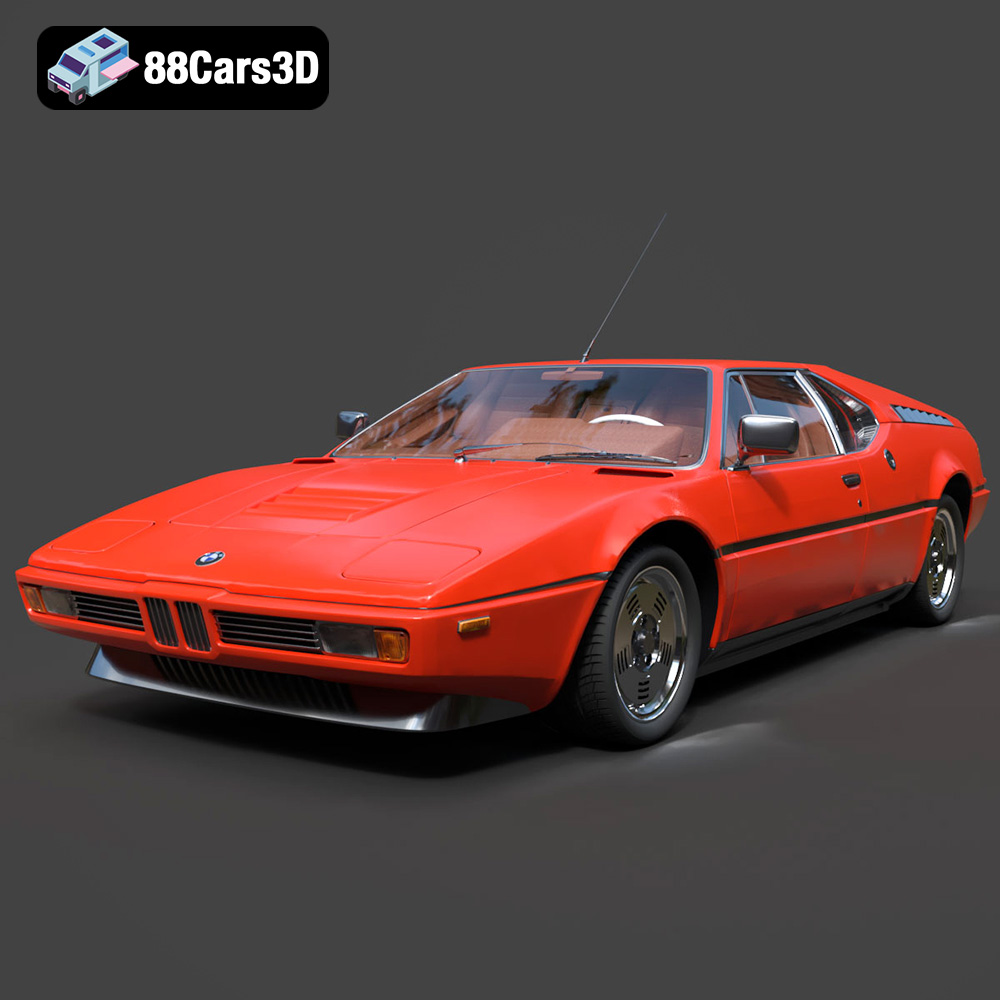
Texture: Yes
Material: Yes
Download the BMW Motorsport M1 E26 1981 3D Model featuring its iconic design, race-bred aerodynamics, and meticulously crafted details. Includes .blend, .fbx, .obj, .glb, .stl, .ply, .unreal, and .max formats for rendering, simulation, and game development.
Price: $20.79

Meta Description:
Texture: Yes
Material: Yes
Download the Cadillac CTS-V Coupe 3D Model featuring detailed exterior styling and realistic interior structure. Includes .blend, .fbx, .obj, .glb, .stl, .ply, .unreal, and .max formats for rendering, simulation, AR VR, and game development.
Price: $13.9
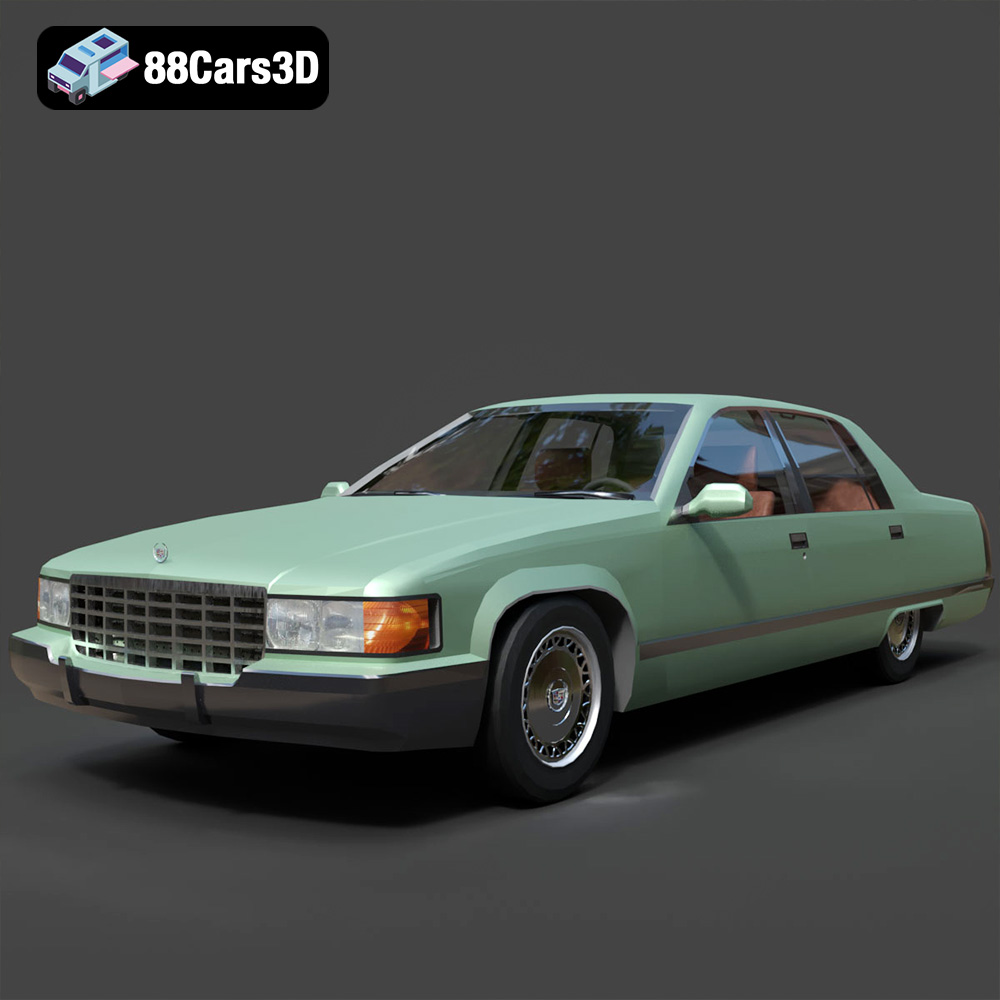
Texture: Yes
Material: Yes
Download the Cadillac Fleetwood Brougham 3D Model featuring its iconic classic luxury design and detailed exterior and interior. Includes .blend, .fbx, .obj, .glb, .stl, .ply, .unreal, and .max formats for rendering, simulation, and game development.
Price: $10.79
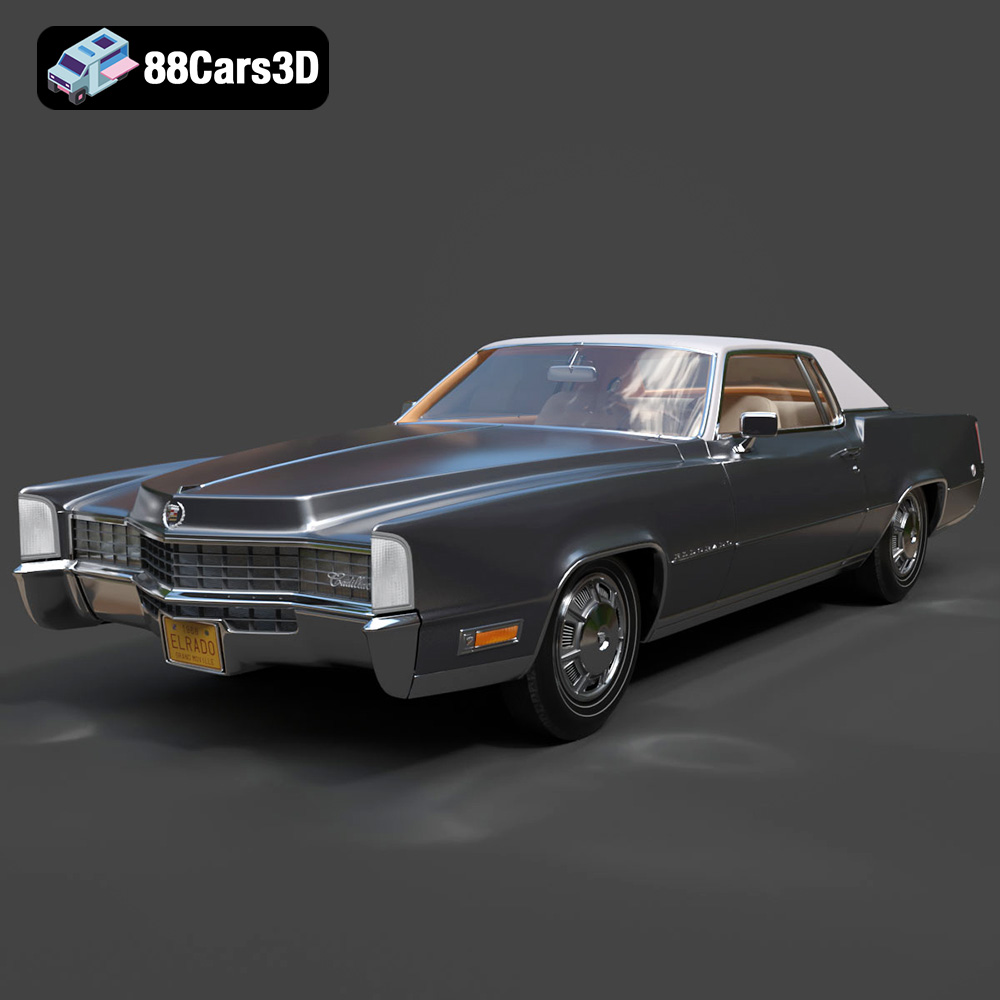
Texture: Yes
Material: Yes
Download the Cadillac Eldorado 1968 3D Model featuring its iconic elongated body, distinctive chrome accents, and luxurious interior. Includes .blend, .fbx, .obj, .glb, .stl, .ply, .unreal, and .max formats for rendering, simulation, and game development.
Price: $20.79

Texture: Yes
Material: Yes
Download the Cadillac CTS SW 2010 3D Model featuring a detailed exterior, functional interior elements, and realistic materials. Includes .blend, .fbx, .obj, .glb, .stl, .ply, .unreal, and .max formats for rendering, simulation, and game development.
Price: $10.79
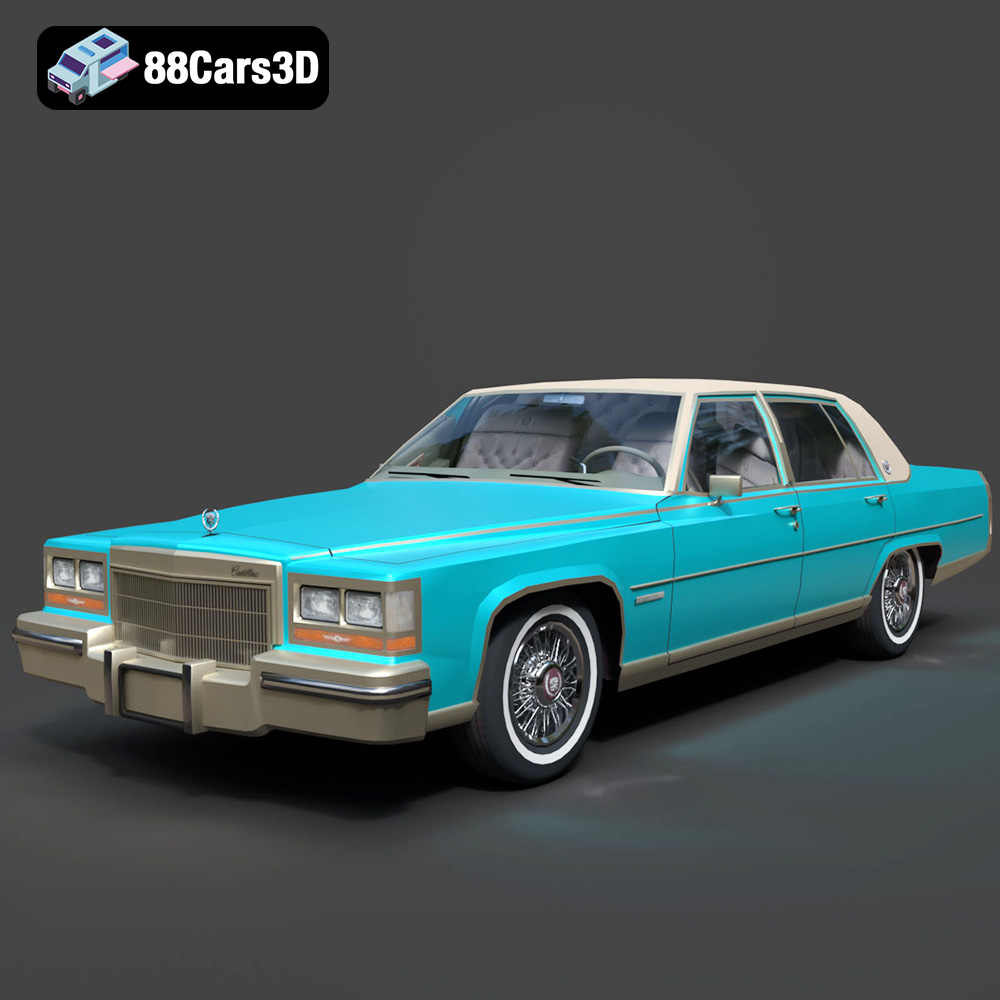
Texture: Yes
Material: Yes
Download the Cadillac Fleetwood Brougham 1985 3D Model featuring its iconic classic luxury design and detailed craftsmanship. Includes .blend, .fbx, .obj, .glb, .stl, .ply, .unreal, and .max formats for rendering, simulation, and game development.
Price: $10.79
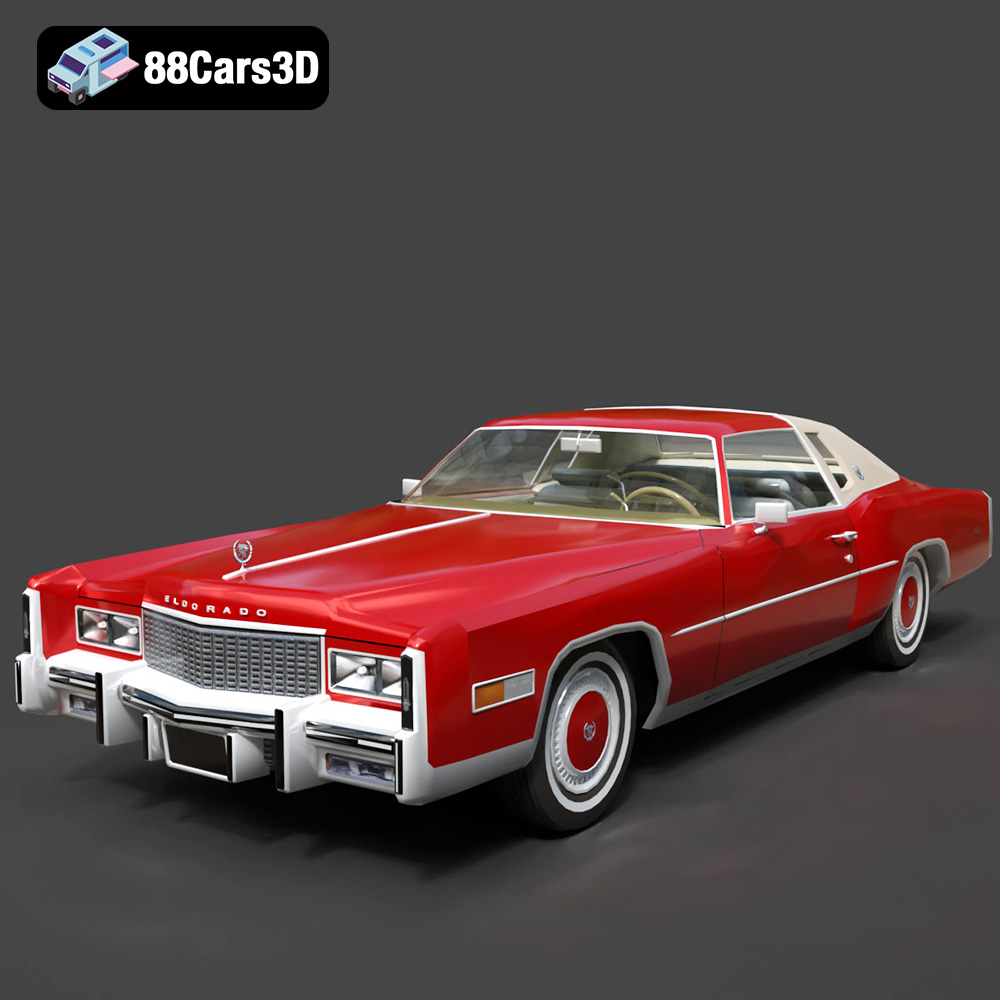
Texture: Yes
Material: Yes
Download the Cadillac Eldorado 1978 3D Model featuring accurately modeled exterior, detailed interior, and period-correct aesthetics. Includes .blend, .fbx, .obj, .glb, .stl, .ply, .unreal, and .max formats for rendering, simulation, and game development.
Price: $10.79
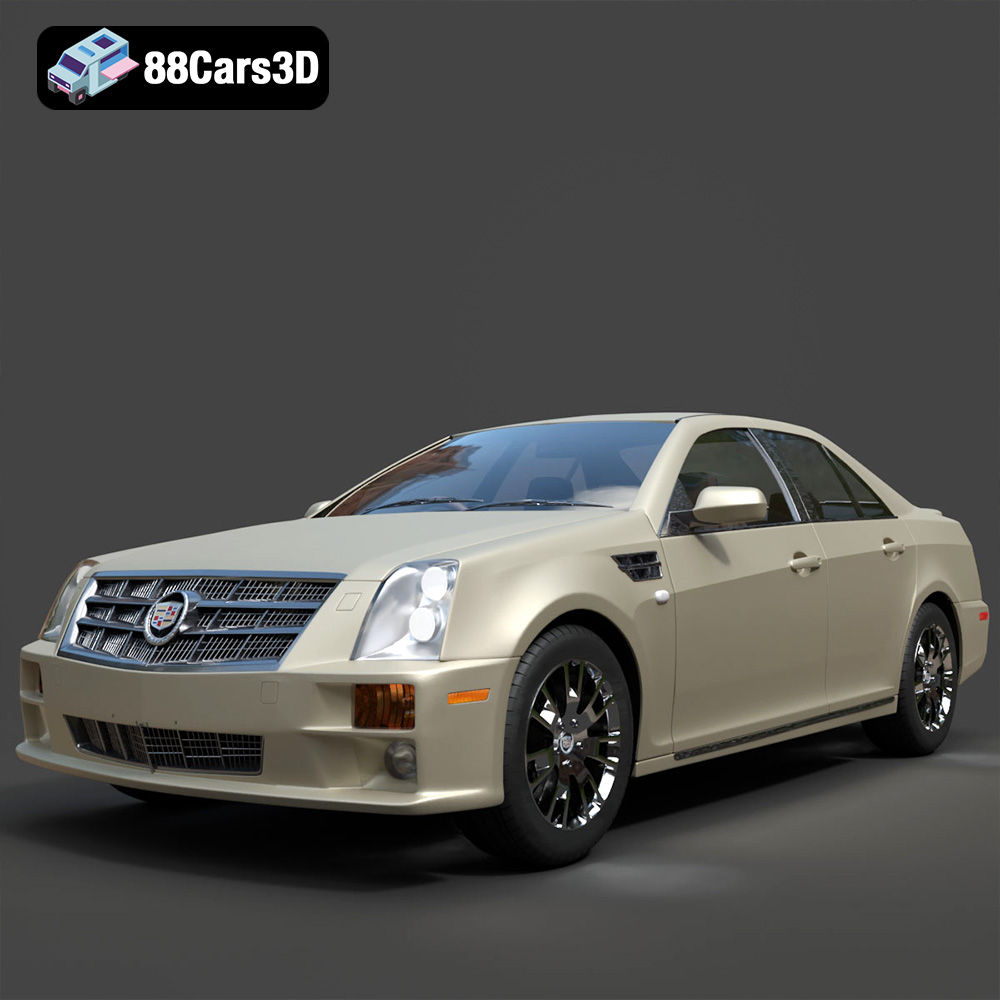
Texture: Yes
Material: Yes
Download the Cadillac STS-005 3D Model featuring a detailed exterior and interior. Includes .blend, .fbx, .obj, .glb, .stl, .ply, .unreal, and .max formats for rendering, simulation, and game development.
Price: $22.79
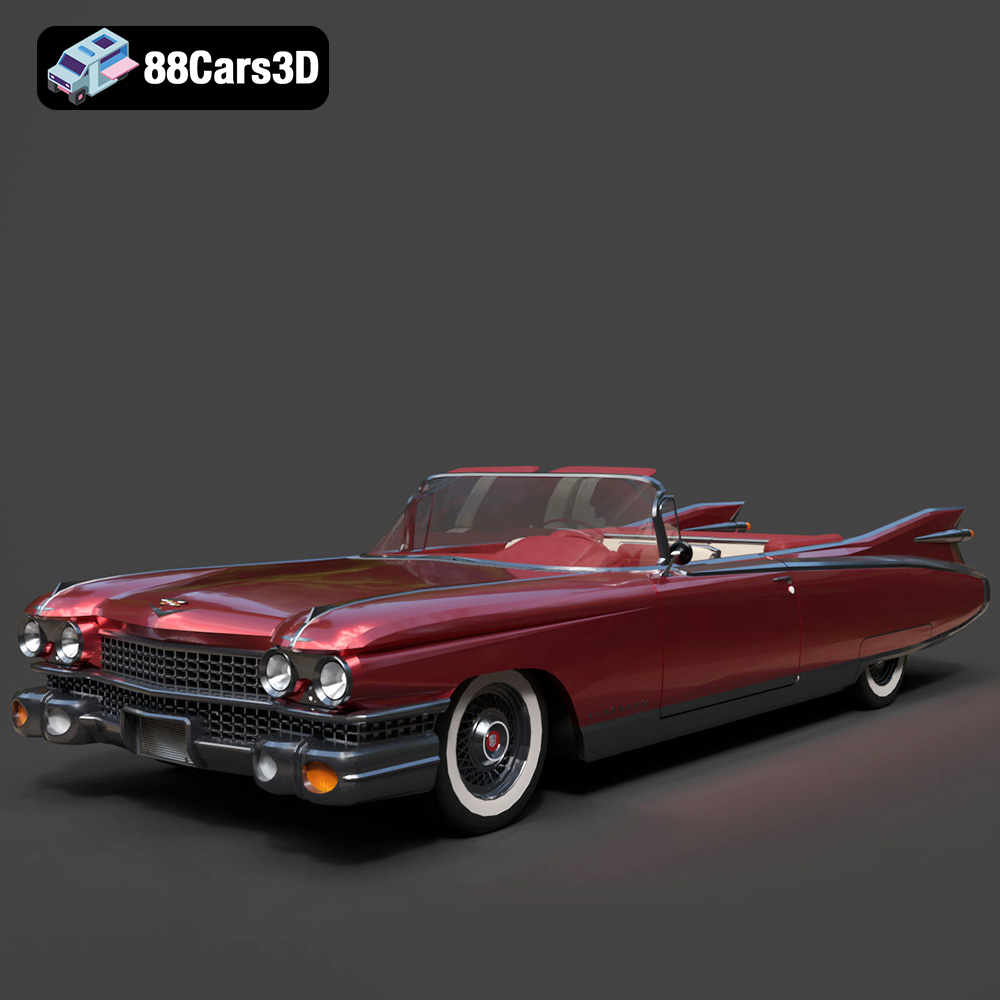
Texture: Yes
Material: Yes
Download the Cadillac Eldorado Convertible (1959) 3D Model featuring iconic fins, luxurious chrome details, and a classic vintage design. Includes .blend, .fbx, .obj, .glb, .stl, .ply, .unreal, and .max formats for rendering, simulation, and game development.
Price: $20.79

Texture: Yes
Material: Yes
Download the Cadillac DTS-005 3D Model featuring its iconic luxury design, detailed interior, and realistic exterior. Includes .blend, .fbx, .obj, .glb, .stl, .ply, .unreal, and .max formats for rendering, simulation, and game development.
Price: $10.79

