

Crafting Interactive Realism: The Definitive Guide to Animated 3D Car Configurators
In today’s visually-driven market, showcasing automotive designs with static images simply doesn’t cut it. Consumers and industry professionals alike demand dynamic, engaging experiences that allow for deep interaction and personalization. Enter the animated 3D car configurator: a powerful tool that transforms the viewing experience into an immersive journey. These configurators aren’t just about changing colors; they enable users to explore every detail, from opening doors to customizing interiors, all in stunning real-time. This comprehensive guide will walk you through the intricate process of developing such configurators, from the foundational 3D modeling principles to advanced deployment strategies. Whether you’re a 3D artist, game developer, or an automotive designer seeking to revolutionize your presentation, understanding these technical workflows is paramount. Leveraging high-quality 3D car models, like those available on platforms such as 88cars3d.com, is the crucial first step towards building these interactive marvels.
The Foundation: High-Quality 3D Car Models and Modular Design
The success of any animated 3D car configurator hinges on the quality and structure of its underlying 3D models. A poorly constructed model will lead to visual artifacts, difficult animations, and poor performance, regardless of how advanced your rendering engine is. Starting with meticulously crafted 3D assets is non-negotiable. This involves not only aesthetic fidelity but also a deep understanding of mesh topology and modularity.
Topology and Edge Flow for Automotive Accuracy
Automotive surfaces are characterized by their smooth, flowing lines and sharp, precise creases. Achieving this in 3D requires an immaculate quad-based topology. Quads (four-sided polygons) are preferred over tris (three-sided polygons) for their predictability under subdivision surface modifiers, which are essential for creating perfectly smooth car body panels. Good edge flow ensures that these curves and hard edges are maintained correctly when the model is subdivided. For instance, creating tight edge loops around critical areas like headlights, grilles, and wheel arches prevents unsightly pinching or deformation when the subdivision surface modifier is applied. Without these supporting loops, a simple curved surface could appear lumpy or faceted. Professional 3D car models, like those found on 88cars3d.com, often feature optimized topology that facilitates smooth deformations and clean reflections, which are critical for photorealistic automotive rendering. Aim for a balance: enough polygons to capture detail and curvature, but not so many that it hinders performance. A common polygon target for a high-detail car in a configurator might range from 200,000 to 500,000 triangles, with further optimization for real-time applications.
Modular Design for Configurability
A core principle for configurators is modular design. Instead of a single monolithic mesh, the car should be broken down into individual, interchangeable components. This includes obvious parts like wheels, brake calipers, and bumpers, but also extends to interior elements such as seats, steering wheel variants, and dashboard trims. The benefits are manifold:
- Easier Material Changes: Each component can have its own material, allowing for independent color and texture customization.
- Variant Creation: Swapping out entire components (e.g., different wheel designs or body kits) becomes a simple toggle.
- Optimization: Unseen parts can be excluded from rendering or loaded only when selected, significantly reducing memory footprint and draw calls.
- Animation: Individual parts like doors, hood, or trunk can be easily animated by isolating their transformations.
When acquiring models from marketplaces like 88cars3d.com, always check if they are already structured with this modularity in mind, or if they provide source files that allow for such separation. Consistent naming conventions for these parts (e.g., “Wheel_FrontLeft_Sport,” “Paint_Material_Red”) are crucial for managing complexity and implementing scripting for interactivity.
Immersive Realism: UV Mapping and PBR Materials
Once the geometric foundation is solid, the next step is to give the car its visual identity. This involves strategic UV mapping and the creation of physically based rendering (PBR) materials that react realistically to light, delivering the stunning visuals expected from modern configurators.
Strategic UV Mapping for Complex Surfaces
UV mapping is the process of flattening a 3D model’s surface into a 2D space, allowing textures to be applied accurately. For complex automotive surfaces, effective UV mapping is paramount. The goal is to create UV layouts that minimize distortion and maximize texture resolution. Key strategies include:
- Seam Placement: Strategically placing UV seams in less visible areas (e.g., under the chassis, along natural panel breaks) to hide any potential texture discontinuities.
- Minimizing Stretching: Ensuring that the UV islands are scaled appropriately to maintain consistent texture density across the model, avoiding unsightly stretched pixels.
- Efficient Packing: Maximizing the use of the UV space (the 0-1 UV square) to avoid wasted texture memory. Automated packing tools can assist, but manual refinement is often necessary for critical parts.
- Multiple UV Sets: For specific details like decals, racing stripes, or dirt masks, utilizing multiple UV sets can be highly beneficial. One UV set might be for the primary paint, while another can overlay unique graphics without affecting the base layer.
For a high-quality car model, a resolution of 4096×4096 pixels for major texture maps (like the body paint, interior, and wheels) is a good starting point, scaled down for less critical elements or optimized for specific platforms. Understanding the UV Editor in tools like Blender is essential for this process, as detailed in the official Blender 4.4 documentation on the UV Editor.
Crafting Photorealistic PBR Materials
Physically Based Rendering (PBR) materials are the industry standard for achieving photorealistic results. They simulate how light interacts with surfaces in a physically accurate manner, resulting in consistent and believable visuals across different lighting conditions. The core maps for PBR materials typically include:
- Albedo/Base Color: The inherent color of the surface, without any lighting information.
- Metallic: Defines whether a material is a dielectric (0, like plastic) or a conductor (1, like metal).
- Roughness: Controls the microscopic surface irregularities, determining how sharp or blurry reflections appear. A value of 0 is perfectly smooth, 1 is completely rough.
- Normal Map: Adds fine surface detail without increasing polygon count, by faking surface normals.
- Ambient Occlusion (AO): Simulates soft shadows where objects or parts of objects are occluded, adding depth.
For car paint, the PBR workflow involves creating complex shader networks. A typical car paint shader in Blender or 3ds Max might involve layering a base metallic shader with a clear coat layer that includes its own roughness and normal maps. The clear coat simulates the glossy, protective layer on actual car paint, contributing significantly to the realism. Metallic flakes can be added procedurally or through a dedicated texture map to achieve that iconic shimmering effect. Interior materials like leather, fabric, and plastic also require careful attention to their PBR properties to ensure they look and feel authentic.
Bringing it to Life: Animation and Interactivity
A true configurator allows for more than just static viewing. Animation and interactive elements transform a passive viewing experience into an engaging, explorative one. This is where the modular design pays dividends, enabling individual components to be manipulated and animated.
Animating Configurability
The animated aspects of a car configurator can range from subtle to dramatic. Common animated features include:
- Door Opening and Closing: This requires careful rigging of the doors to pivot correctly.
- Wheel Rotation: Simple rotation animations for showcasing different wheel designs in motion.
- Interior Options: Animations for deploying infotainment screens, retracting sunroofs, or adjusting seats.
- Color and Material Changes: While not strictly “animation,” the smooth transition between different material presets can be driven by animation logic.
For subtle deformations, such as a slight bulge in the tire when it’s under load or the compression of a seat cushion, blend shapes or shape keys are invaluable. These allow you to store different “poses” of a mesh and blend between them. Keyframe animation is the fundamental technique for controlling these movements, often managed in a Dope Sheet or Graph Editor in software like Blender, ensuring smooth and realistic motion. Planning your animations in advance and breaking them down into manageable, reusable clips is a professional tip for streamlining the animation workflow.
Interactive Control Mechanisms
The animation is only half the story; users need intuitive ways to control it. This involves designing and implementing interactive UI elements that trigger changes in the 3D model.
- UI Elements: Buttons for changing paint color, toggles for different wheel types, sliders for adjusting seat positions, and dropdowns for interior trim options are common.
- Scripting/Logic: In real-time environments like Unity or Unreal Engine, these UI interactions are linked to scripts that dynamically modify the 3D scene. For example, clicking a “red paint” button would trigger a script to apply the red PBR material to the car body.
- Smooth Transitions: When changing colors or swapping parts, aim for smooth, visually appealing transitions rather than abrupt cuts. This can be achieved through dissolve effects, fades, or simple interpolation between states, enhancing the user experience.
The responsiveness of these controls is critical for a positive user experience. Latency between an interaction and the visual feedback can quickly lead to frustration, so optimizing the underlying model and textures to allow for swift updates is essential.
Performance and Cross-Platform Deployment
A stunning 3D configurator is only effective if it performs well across various devices and platforms. Optimization is not an afterthought; it’s an integral part of the development process, especially when targeting real-time game engines or web-based applications.
Game Engine Optimization for Real-time Performance
Real-time configurators demand efficient asset management to maintain high frame rates. Key optimization strategies include:
- Level of Detail (LODs): Creating multiple versions of each 3D model, each with a different polygon count. The engine automatically switches to a lower-detail version when the object is further from the camera, significantly reducing rendering overhead. A typical car might have 3-5 LOD levels, starting from a high-poly render model (200k-500k polys) down to a distant LOD with just a few thousand polygons.
- Draw Call Reduction: Minimizing the number of times the CPU tells the GPU to draw something. This is achieved through:
- Material Instancing: Reusing the same material with different parameters (e.g., color) instead of creating unique materials for every variant.
- Texture Atlasing: Combining multiple small textures into a single, larger texture map, which reduces the number of texture swaps required.
- Polygon Budget: Carefully managing the total polygon count of the scene. For a detailed car in a real-time configurator, a polygon budget between 50,000 and 150,000 triangles for the primary viewable model is often a good target, with higher budgets for close-ups if performance allows.
- Occlusion Culling: Preventing objects that are hidden by other objects from being rendered, further boosting performance.
These techniques are crucial for ensuring a smooth and responsive experience, whether on a high-end desktop or a mobile device.
File Formats and Compatibility
Choosing the right file formats is vital for seamless integration into different platforms.
- FBX (.fbx): A widely supported format by Autodesk, excellent for transferring 3D models, animations, and basic material data to game engines like Unity and Unreal Engine. It maintains object hierarchy and animation curves well.
- GLB (.glb) / glTF (.gltf): The “Graphics Language Transmission Format” is rapidly becoming the standard for web-based 3D and AR/VR. GLB is the binary version, containing all assets (models, textures, animations) in a single file, making it ideal for efficient web delivery.
- USDZ (.usdz): Apple’s format for augmented reality experiences on iOS devices. It’s built on Pixar’s Universal Scene Description (USD) and is optimized for AR.
- OBJ (.obj) and DAE (Collada): Older, but still widely used formats. OBJ is good for pure mesh data, while Collada can handle basic animations and materials, though often less robustly than FBX or glTF.
Ensuring that material assignments, UV data, and animation curves transfer correctly between your 3D software (like 3ds Max or Blender) and the target platform is a common challenge. Thorough testing across target devices and browsers is always recommended to identify and resolve any compatibility issues early in the development cycle. High-quality models from 88cars3d.com often come in multiple formats, simplifying this export process.
Lighting, Rendering, and Post-Processing
Realistic lighting and sophisticated post-processing are the final touches that elevate a 3D car configurator from merely functional to truly captivating. These elements work in concert to create a visually stunning and believable presentation.
Dynamic Lighting and Environment Setup
Lighting is arguably the most critical factor in achieving photorealistic automotive renders. For configurators, lighting needs to be dynamic, responding to user interactions (e.g., switching from day to night scenes) and accurately showcasing material properties.
- HDRI (High Dynamic Range Image) Lighting: HDRIs are panoramic images that capture real-world lighting information, including intensity and color. They are indispensable for realistic reflections and ambient lighting, making the car appear seamlessly integrated into its environment. Software like Blender, with its Cycles and EEVEE render engines, handles HDRI lighting exceptionally well.
- Studio Lighting: For a clean, product-shot aesthetic, virtual studio lighting setups with area lights, spot lights, and softboxes are employed. These can highlight specific features of the car and emphasize its design lines.
- Outdoor Environments: Recreating realistic outdoor lighting involves a combination of sun lamps, sky domes, and atmospheric effects. The lighting should dynamically adapt to changes in the car’s paint color or material, preventing any unnatural appearance.
- Real-time Shadows and Reflections: In real-time engines, efficient shadow mapping and screen-space reflections (SSR) or planar reflections are used to ground the car realistically in its environment and enhance the realism of its glossy surfaces.
The goal is to create lighting setups that are both visually appealing and flexible enough to accommodate various customization options without requiring extensive re-rendering.
Post-Processing for Visual Polish
Post-processing effects add a layer of cinematic polish, enhancing the visual appeal and realism of the configurator. These effects are applied after the initial render pass to fine-tune the image.
- Bloom: Simulates the natural glow around bright light sources, adding a touch of ethereal beauty to headlights or reflections.
- Depth of Field (DOF): Blurs parts of the image that are out of focus, mimicking real camera lenses and drawing attention to the configurable elements.
- Color Grading: Adjusts the overall color balance, contrast, and saturation to achieve a specific mood or aesthetic. This can dramatically alter the perception of the car’s finish.
- Vignetting: A subtle darkening of the image corners, often used to focus attention on the center of the frame.
- Ambient Occlusion (Screen Space Ambient Occlusion – SSAO): Further enhances depth by adding contact shadows in crevices and corners, making the model appear more grounded.
In Blender, the Compositor allows artists to set up complex node-based post-processing workflows. Game engines like Unity and Unreal Engine also offer robust post-process volumes and effects stacks that can be configured in real-time, allowing for dynamic visual adjustments based on user choices or environmental conditions.
Advanced Applications: AR/VR and 3D Printing
Beyond traditional desktop and web configurators, the high-quality 3D car models from 88cars3d.com can be extended to cutting-edge applications like Augmented Reality (AR), Virtual Reality (VR), and even 3D printing, offering diverse ways for users to interact with and own their dream car designs.
AR/VR Optimization and Interaction
Deploying car configurators in AR/VR environments introduces a new set of technical considerations, primarily centered around performance and intuitive interaction.
- Performance is King: AR/VR applications are highly sensitive to frame rate drops. Aggressive LODs, efficient texture compression, and careful polygon budgeting are even more critical. Models must be optimized to render smoothly at high refresh rates (e.g., 90Hz or 120Hz) to prevent motion sickness.
- Scale and Fidelity: In AR, the car is often viewed at real-world scale, demanding even higher visual fidelity from the 3D model and its materials. In VR, the immersive nature requires impeccable rendering quality to suspend disbelief.
- Spatial Interaction: Users interact with AR/VR configurators through gestures, gaze, or handheld controllers. This means designing intuitive UIs that feel natural in 3D space, allowing users to “walk around” the car, open doors with a virtual touch, or pull up customization menus.
- Leveraging Specific Formats: For Apple AR, the USDZ format is the go-to, ensuring seamless integration with iOS devices and ARKit. For broader AR/VR compatibility, glTF remains an excellent choice due to its open standard and widespread support across various platforms and engines.
The goal is to create an experience where the car feels tangibly present, whether it’s parked in your driveway via AR or experienced in a fully virtual showroom.
Preparing Models for 3D Printing
For enthusiasts or design studios, the configurator can also serve as a gateway to physical prototypes or collectibles via 3D printing. However, preparing a 3D model for printing requires a different kind of optimization focused on mesh integrity and physical constraints.
- Manifold Meshes and Watertight Models: A 3D printable model must be “watertight,” meaning it has no holes or non-manifold geometry (e.g., internal faces, zero-thickness edges). Every edge must be shared by exactly two faces. This is crucial for the slicer software to correctly interpret the model’s volume.
- Addressing Polygon Density: While configurators benefit from higher polygon counts, excessively dense meshes can lead to unnecessarily large file sizes and longer print times without adding practical detail. Decimation modifiers (available in Blender, see Blender’s Decimate Modifier documentation) can reduce polygon count while preserving detail.
- Wall Thickness: Ensuring that all parts of the model have sufficient wall thickness to be structurally sound when printed. Thin walls can break easily.
- Mesh Repair Tools: Software like Blender (with its 3D Print Toolbox add-on) or dedicated mesh repair tools (e.g., Meshmixer, Netfabb) are essential for identifying and fixing common 3D printing issues like non-manifold edges, inverted normals, and intersecting geometry. The Clean Up operations in Blender’s Mesh editing tools can also be very helpful here.
- Export Formats: STL (.stl) is the most common format for 3D printing, followed by OBJ and 3MF.
Integrating a “3D Print Ready” option into a configurator could allow users to export a customized car model that has already undergone basic printability checks, adding significant value.
Conclusion
Creating an animated 3D car configurator is a multi-faceted endeavor, demanding expertise across 3D modeling, texturing, animation, optimization, and deployment. From ensuring impeccable mesh topology and mastering UV mapping, to crafting stunning PBR materials and optimizing for game engines, every step is critical. The seamless integration of animation and interactive elements transforms a simple product view into an immersive experience. Furthermore, adapting these configurators for AR/VR and preparing models for 3D printing opens up exciting new avenues for engagement and product visualization.
The journey into interactive 3D is rewarding, offering unparalleled levels of detail and user engagement for automotive visualization. By starting with a strong foundation of high-quality 3D car models, such as those meticulously prepared for various applications on 88cars3d.com, you empower your projects with the visual fidelity and technical cleanliness required for success. We encourage you to explore the vast array of premium 3D assets available at 88cars3d.com to kickstart your next interactive car configurator project. The future of automotive design and presentation is interactive, and with the right tools and knowledge, you can be at the forefront of this exciting evolution.
Featured 3D Car Models
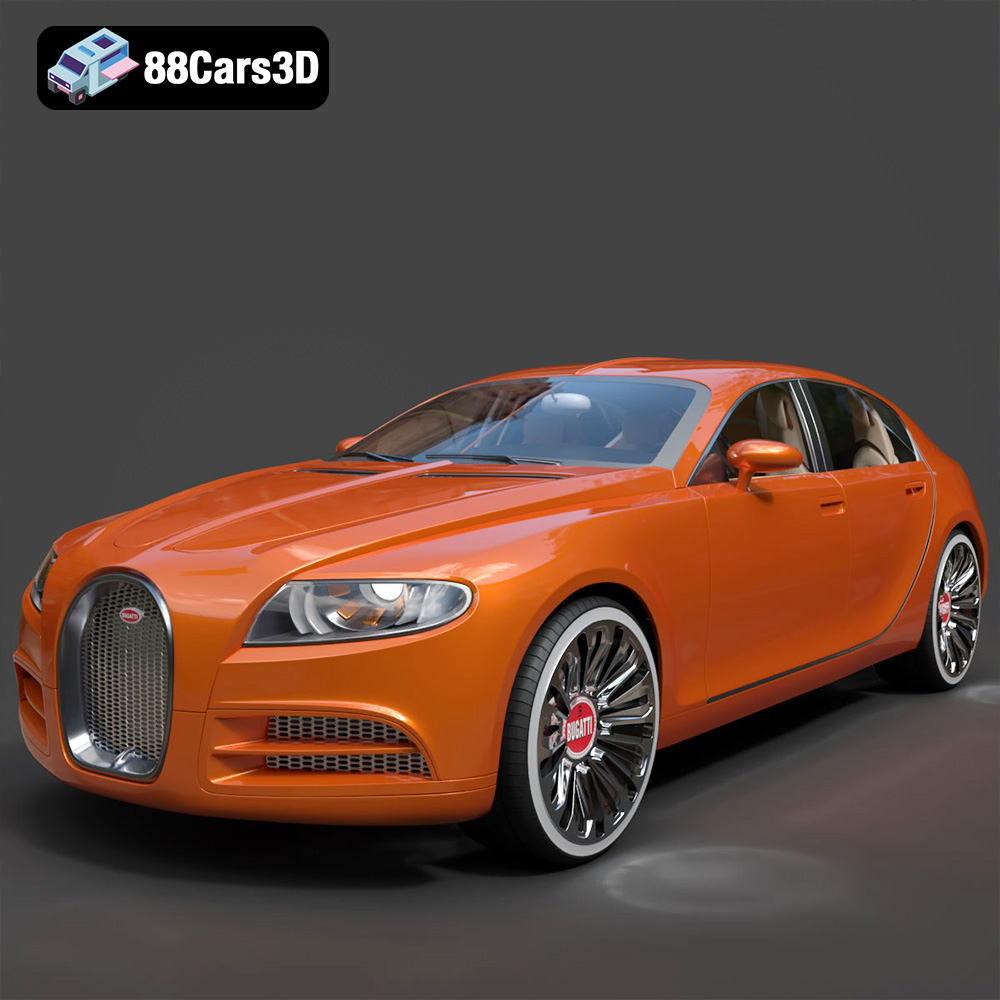
Bugatti 16C Galibier-006 3D Model
Texture: Yes
Material: Yes
Download the Bugatti 16C Galibier-006 3D Model featuring its luxurious sedan design, detailed interior, and sophisticated exterior. Includes .blend, .fbx, .obj, .glb, .stl, .ply, .unreal, and .max formats for rendering, simulation, and game development.
Price: $10.79
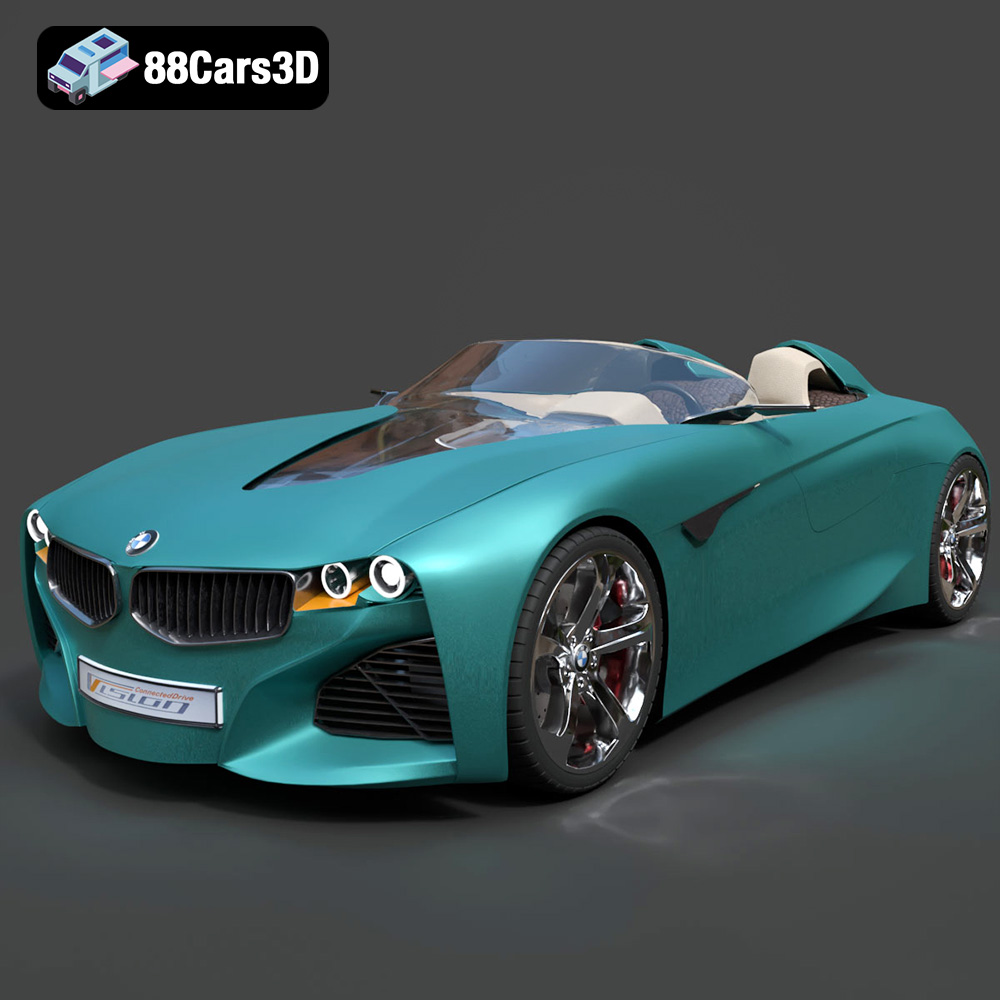
BMW Vision Connected Drive Concept 3D Model
Texture: Yes
Material: Yes
Download the BMW Vision Connected Drive Concept 3D Model featuring its innovative design, advanced connectivity, and sleek aesthetics. Includes .blend, .fbx, .obj, .glb, .stl, .ply, .unreal, and .max formats for rendering, simulation, and game development.
Price: $19.79
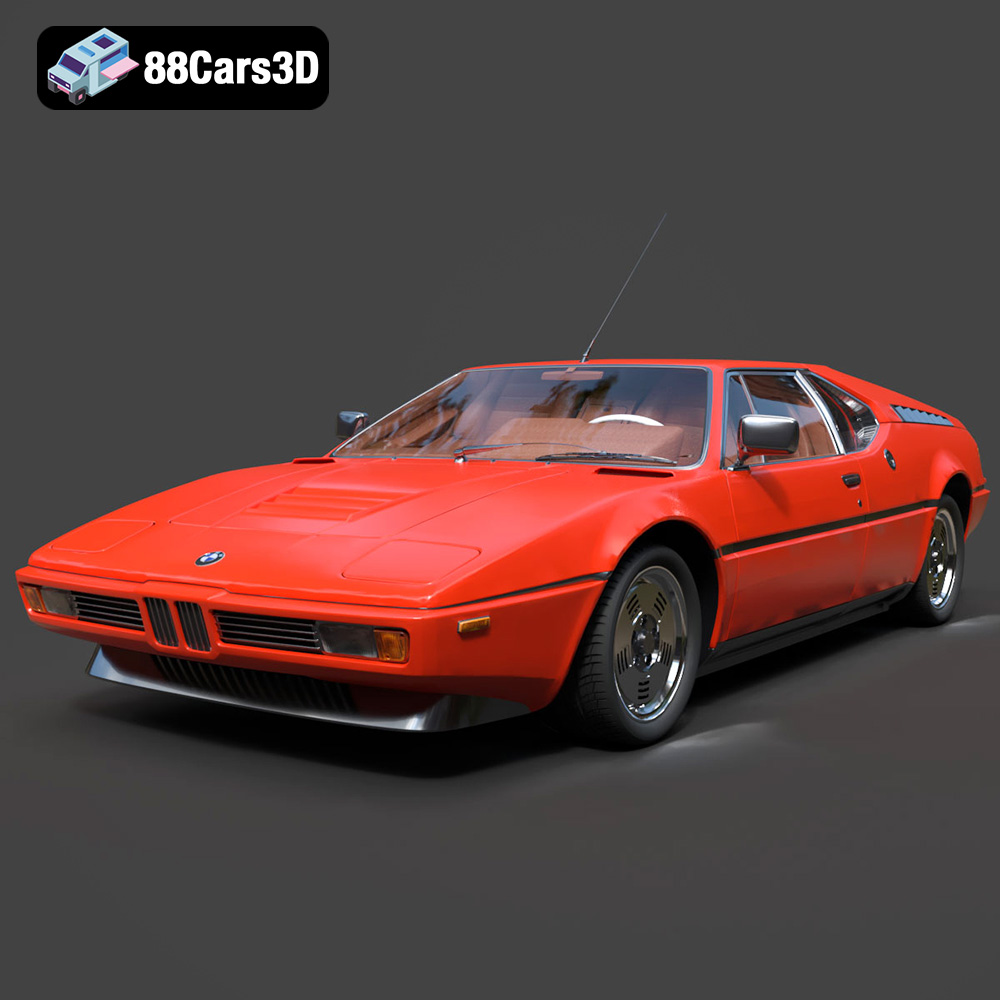
BMW Motorsport M1 E26 1981 3D Model
Texture: Yes
Material: Yes
Download the BMW Motorsport M1 E26 1981 3D Model featuring its iconic design, race-bred aerodynamics, and meticulously crafted details. Includes .blend, .fbx, .obj, .glb, .stl, .ply, .unreal, and .max formats for rendering, simulation, and game development.
Price: $20.79

Cadillac CTS-V Coupe 3D Model
Meta Description:
Texture: Yes
Material: Yes
Download the Cadillac CTS-V Coupe 3D Model featuring detailed exterior styling and realistic interior structure. Includes .blend, .fbx, .obj, .glb, .stl, .ply, .unreal, and .max formats for rendering, simulation, AR VR, and game development.
Price: $13.9
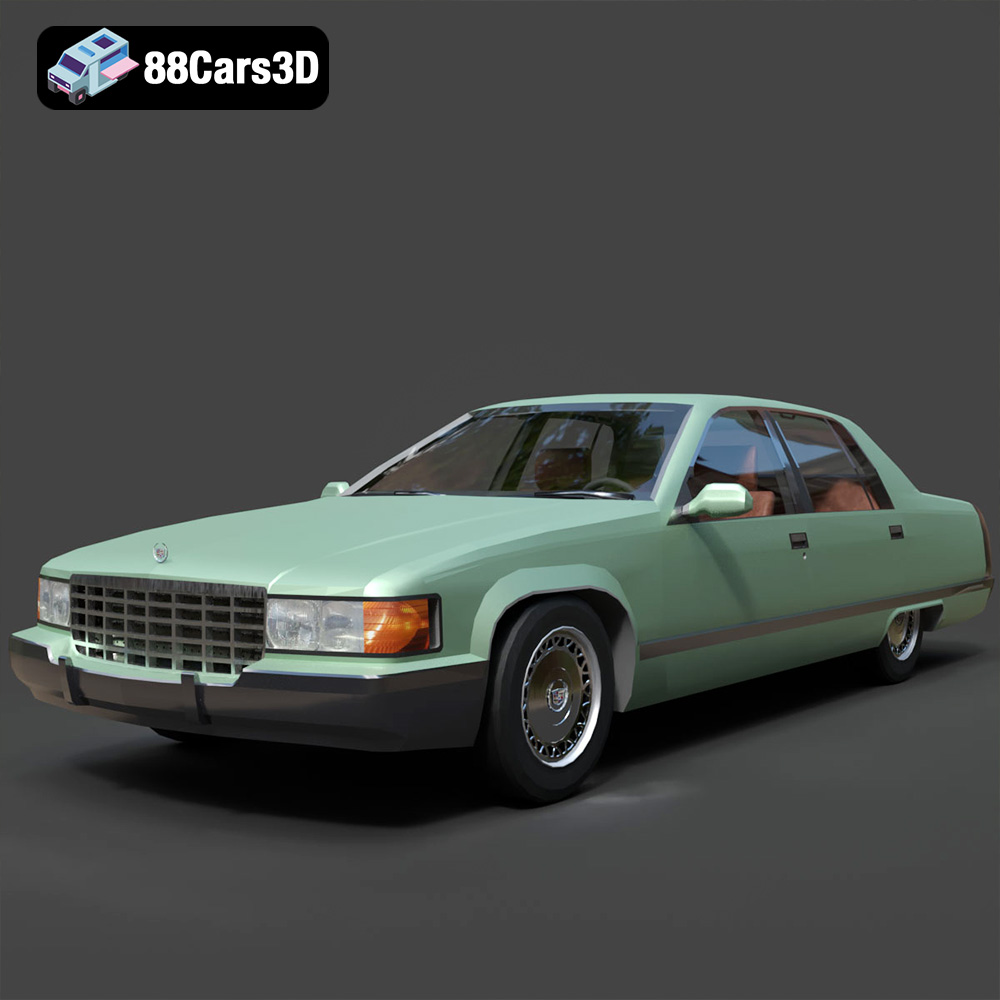
Cadillac Fleetwood Brougham 3D Model
Texture: Yes
Material: Yes
Download the Cadillac Fleetwood Brougham 3D Model featuring its iconic classic luxury design and detailed exterior and interior. Includes .blend, .fbx, .obj, .glb, .stl, .ply, .unreal, and .max formats for rendering, simulation, and game development.
Price: $10.79
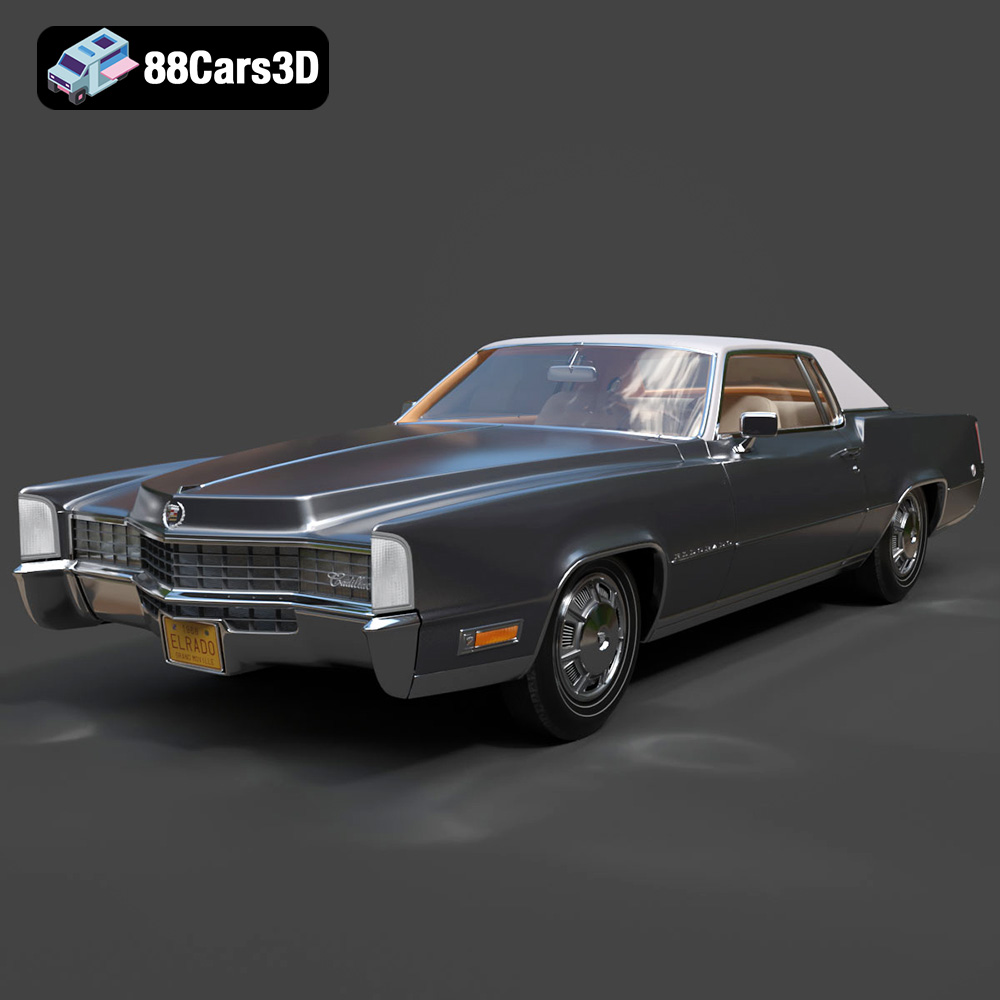
Cadillac Eldorado 1968 3D Model
Texture: Yes
Material: Yes
Download the Cadillac Eldorado 1968 3D Model featuring its iconic elongated body, distinctive chrome accents, and luxurious interior. Includes .blend, .fbx, .obj, .glb, .stl, .ply, .unreal, and .max formats for rendering, simulation, and game development.
Price: $20.79

Cadillac CTS SW 2010 3D Model
Texture: Yes
Material: Yes
Download the Cadillac CTS SW 2010 3D Model featuring a detailed exterior, functional interior elements, and realistic materials. Includes .blend, .fbx, .obj, .glb, .stl, .ply, .unreal, and .max formats for rendering, simulation, and game development.
Price: $10.79
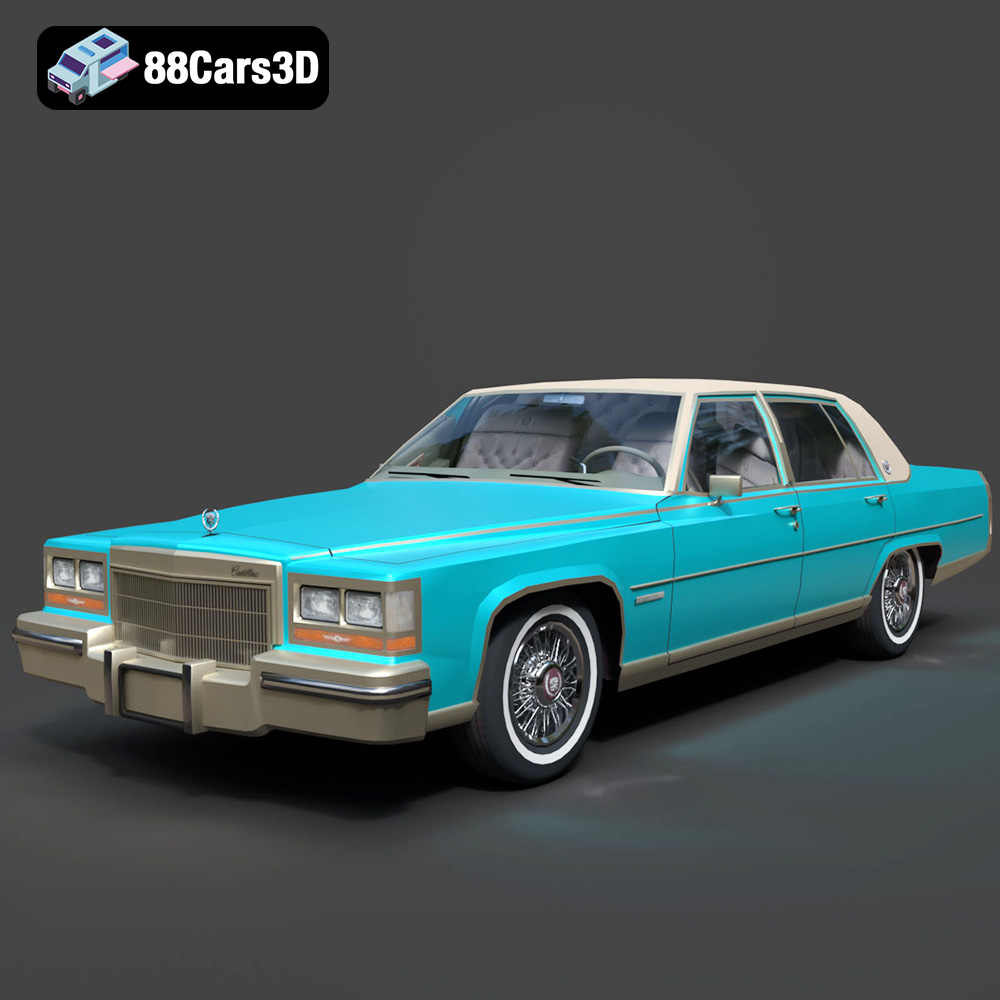
Cadillac Fleetwood Brougham 1985 3D Model
Texture: Yes
Material: Yes
Download the Cadillac Fleetwood Brougham 1985 3D Model featuring its iconic classic luxury design and detailed craftsmanship. Includes .blend, .fbx, .obj, .glb, .stl, .ply, .unreal, and .max formats for rendering, simulation, and game development.
Price: $10.79
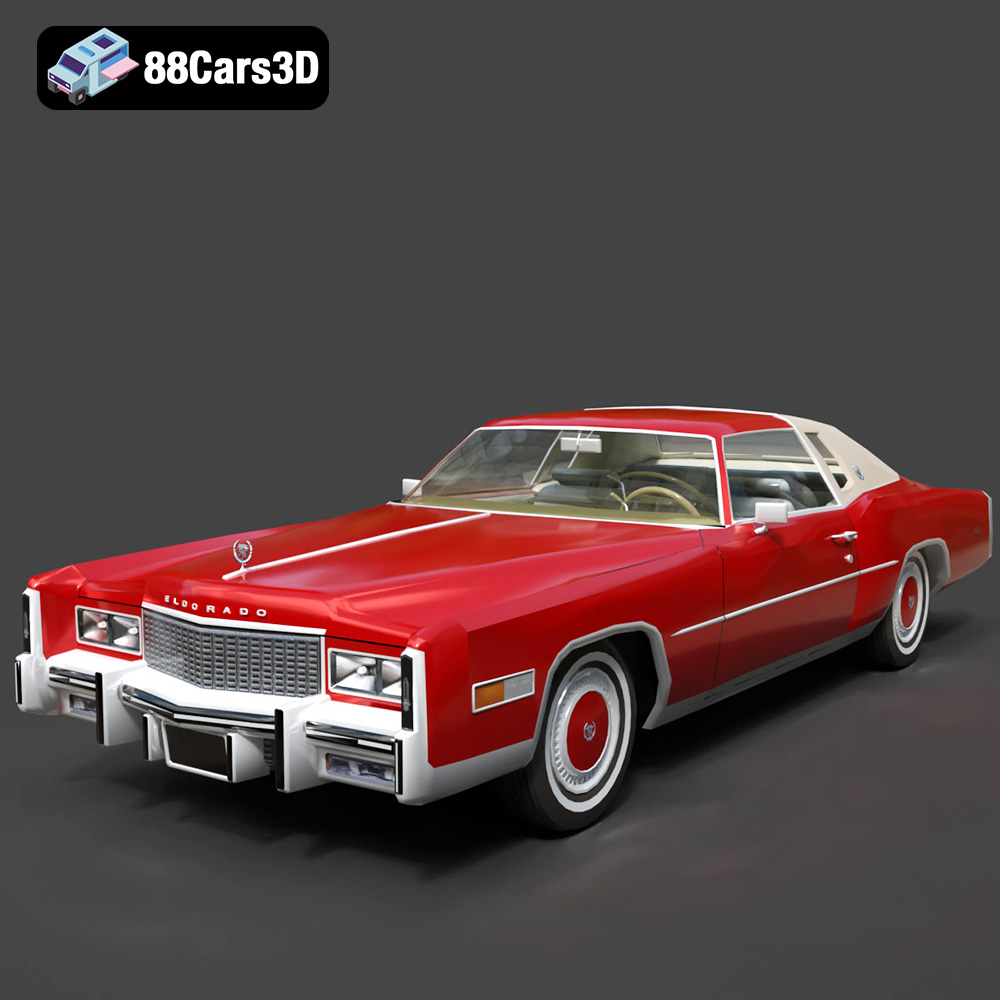
Cadillac Eldorado 1978 3D Model
Texture: Yes
Material: Yes
Download the Cadillac Eldorado 1978 3D Model featuring accurately modeled exterior, detailed interior, and period-correct aesthetics. Includes .blend, .fbx, .obj, .glb, .stl, .ply, .unreal, and .max formats for rendering, simulation, and game development.
Price: $10.79
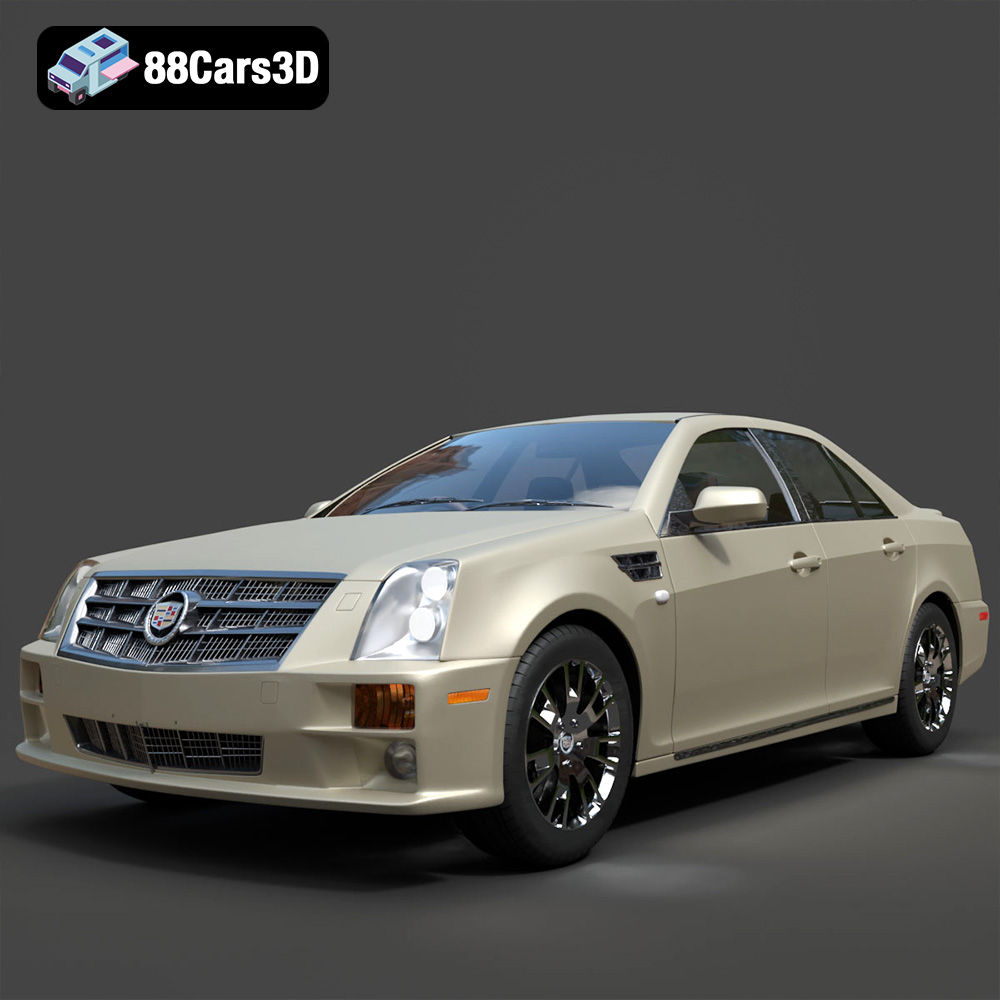
Cadillac STS-005 3D Model
Texture: Yes
Material: Yes
Download the Cadillac STS-005 3D Model featuring a detailed exterior and interior. Includes .blend, .fbx, .obj, .glb, .stl, .ply, .unreal, and .max formats for rendering, simulation, and game development.
Price: $22.79
