Get 20% OFF All Premium 3D & STL Models!

The automotive industry is undergoing a profound transformation, driven by advancements in real-time visualization and immersive technologies. Among these, Augmented Reality (AR) stands out as a game-changer, offering unprecedented ways to interact with vehicles, from virtual showrooms to interactive maintenance guides. At the heart of creating these captivating AR experiences lies Unreal Engine, a powerful real-time 3D creation tool known for its cinematic quality, robust feature set, and extensive platform support.
This comprehensive guide will delve into the technical intricacies of leveraging Unreal Engine to develop high-fidelity AR applications for automotive visualization. We’ll explore everything from setting up your Unreal Engine project and integrating optimized 3D car models to crafting realistic PBR materials, implementing interactive Blueprints, and mastering performance optimization for diverse AR platforms. Whether you’re a seasoned Unreal Engine developer, a 3D artist specializing in automotive rendering, or an industry professional keen to explore the potential of AR, this article will equip you with the knowledge and actionable insights needed to bring your automotive AR visions to life. Prepare to unlock the full potential of real-time rendering and transform how we interact with cars in the digital and physical worlds.
Unreal Engine has firmly established itself as a premier platform for creating high-quality, real-time 3D content, and its capabilities extend seamlessly into the realm of Augmented Reality. Its physically based renderer, advanced lighting systems, and powerful visual scripting tools make it an unparalleled choice for automotive AR applications that demand visual fidelity and robust interactivity. The engine’s flexibility allows developers to target a wide array of AR devices, from mobile phones and tablets (ARKit, ARCore) to dedicated AR headsets and future mixed reality platforms (OpenXR). This versatility ensures that your investment in developing automotive AR content can reach a broad audience across various hardware ecosystems. Furthermore, the engine’s extensive community support and continuous updates ensure you always have access to the latest tools and best practices for cutting-edge AR development.
Embarking on an AR project in Unreal Engine begins with proper setup. The first crucial step is to enable the necessary AR plugins. For mobile AR, this typically involves activating **ARKit** for iOS devices, **ARCore** for Android, or the more universal **OpenXR** plugin which provides a standardized API for various XR devices. You can find these by navigating to **Edit > Plugins**, searching for “AR,” and enabling the relevant options. After enabling, a restart of the engine is required.
Once the plugins are active, you’ll need to configure your project for AR. This often involves setting up a custom Game Mode and Player Controller specifically designed for AR interaction. A common practice is to create an AR Pawn that handles camera tracking, plane detection, and user input. In your Project Settings (**Edit > Project Settings**), under the **Platforms > iOS** or **Android** sections, ensure that the “Supports AR” option is checked. For Android, you may also need to configure specific permissions. It’s also vital to set the desired device orientation (usually Portrait) and ensure the correct rendering APIs are selected for optimal mobile performance (e.g., Vulkan for Android, Metal for iOS). For detailed instructions on configuring AR platforms, refer to the official Unreal Engine documentation at https://dev.epicgames.com/community/unreal-engine/learning.
The visual quality of any automotive AR application hinges entirely on the fidelity of its 3D car models. In AR, where virtual objects are overlaid onto the real world, imperfections are far more noticeable. Therefore, sourcing high-quality, production-ready assets is paramount. These models must feature clean topology, accurate UV mapping, and come with optimized PBR textures. They should also be designed with performance in mind, offering multiple Levels of Detail (LODs) to scale gracefully across different device capabilities.
Platforms like **88cars3d.com** specialize in providing exactly these types of professional-grade 3D car models, meticulously crafted for Unreal Engine, real-time rendering, and high-end visualization. When selecting models, look for attributes such as realistic material setups (car paint, glass, chrome), well-defined interiors, and optional features like animate-able doors or wheels. Utilizing pre-optimized models from such reputable sources significantly reduces development time and ensures a strong foundation for visual excellence and performance, allowing developers to focus more on AR interaction and user experience rather than extensive model cleanup or retexturing.
Once you have your high-quality 3D car models, the next step is to bring them into Unreal Engine and prepare them for a real-time AR environment. This process involves careful import settings, scaling, and critical optimization steps to ensure smooth performance on target AR devices. The goal is to achieve visual fidelity without compromising frame rates, which is especially challenging on mobile AR platforms.
The most common file formats for importing 3D models into Unreal Engine are FBX and USD. Both formats support meshes, materials, textures, and even animations. When importing a 3D car model from a source like 88cars3d.com, you’ll typically drag and drop the `.fbx` or `.usd` file directly into your Content Browser. The Unreal Editor will then present an import dialog with various options.
Key import settings for automotive assets include:
After import, inspect the model in the Static Mesh Editor. Verify the scale, check for any inverted normals, and review the UV mapping, especially for lightmaps (often a second UV channel).
Performance is paramount for AR, particularly on mobile devices where resources are limited. High polygon counts, excessive draw calls, and large texture sizes can quickly degrade frame rates and user experience.
Regularly profile your AR application using Unreal Insights or the in-editor profiler (accessed via `stat unit`, `stat fps`, `stat rhi` in the console) to identify and address performance bottlenecks throughout development.
Achieving photorealistic visuals is a hallmark of Unreal Engine, and this applies equally to AR. The goal in automotive AR is to make the virtual car appear seamlessly integrated into the real-world environment. This demands meticulously crafted PBR materials and a thoughtful approach to lighting and shadows that mimic real-world conditions.
PBR is fundamental to creating believable materials in Unreal Engine. It’s an approach that simulates how light interacts with surfaces in the real world, resulting in more consistent and realistic visuals under various lighting conditions. For automotive visualization, PBR is crucial for accurately representing complex surfaces like car paint, chrome, glass, and interior fabrics.
A typical PBR material in Unreal Engine involves several texture maps:
For car paint, a sophisticated master material is often created, allowing for dynamic changes to base color, metallic flakes, clear coat effects, and even specialized car paint models like iridescent or pearlescent finishes. Glass materials require specific settings for refraction, reflection, and transparency, often leveraging translucency or masked blend modes. Chrome and other metallic surfaces rely heavily on accurate metallic and roughness maps, along with strong reflections. Utilizing material instances allows you to create countless variations (different paint colors, rim finishes) from a single optimized master material, further reducing draw calls.
Integrating virtual objects seamlessly into the real world requires sophisticated lighting and shadow solutions. Unreal Engine offers several approaches, though mobile AR imposes certain limitations.
Experimentation with various lighting setups and shadow techniques is crucial to find the optimal balance between visual fidelity and performance on your target AR devices.
Beyond mere visualization, the true power of AR lies in its interactivity. Unreal Engine’s Blueprint visual scripting system empowers developers, even those without extensive coding backgrounds, to create complex and engaging AR experiences for automotive applications. Blueprints allow you to define user interactions, manipulate virtual objects, and integrate with AR-specific functionalities.
Blueprint scripting is essential for handling the foundational aspects of any AR application.
You’ll commonly implement these interactions within your AR Pawn or an associated Actor Blueprint, utilizing input events such as `Input Touch` and `Gesture Recognizer` nodes. For comprehensive guidance on AR functionality and Blueprint scripting, consult the official Unreal Engine documentation on AR development: https://dev.epicgames.com/community/unreal-engine/learning.
Blueprint excels at creating rich, interactive automotive configurators, allowing users to customize vehicles in real-time AR. This capability is invaluable for sales, marketing, and design reviews.
These interactive configurators, powered by Unreal Engine and high-quality 3D car models from sources like **88cars3d.com**, transform static product showcases into dynamic, engaging experiences that empower users to explore and personalize vehicles like never before.
Pushing the boundaries of automotive AR requires embracing advanced features and employing rigorous optimization strategies. While mobile AR has its limitations, Unreal Engine provides tools and workflows to maximize visual quality and performance.
Unreal Engine 5 introduced Nanite, a revolutionary virtualized geometry system that allows for the import and rendering of film-quality assets with billions of polygons, maintaining real-time performance. For traditional desktop AR, PC VR, or virtual production, Nanite is a game-changer, enabling automotive assets with unprecedented detail without worrying about poly budgets. You can import CAD data or highly detailed sculpted models directly, and Nanite efficiently handles the streaming and rendering of only the necessary detail.
However, it’s crucial to understand that **Nanite currently does not directly support mobile AR platforms (ARKit/ARCore)**. These platforms still rely on traditional mesh pipelines and LODs. Despite this, Nanite remains highly relevant to automotive AR workflows:
The key takeaway for mobile AR developers is to create the highest quality source assets possible and then use Unreal Engine’s powerful optimization tools to generate performant LODs suitable for the target mobile hardware.
Optimizing for AR is an ongoing process, and the strategies can vary significantly depending on whether you’re targeting mobile devices or more powerful dedicated AR headsets.
By meticulously optimizing every aspect of your AR application, you can deliver a smooth, visually stunning, and immersive experience that truly leverages the power of Unreal Engine for automotive visualization.
Augmented Reality, powered by Unreal Engine, is not just a futuristic concept; it’s actively transforming various facets of the automotive industry today. From enhancing the customer experience to revolutionizing design and maintenance, its impact is profound and continues to grow.
The most immediate and impactful applications of automotive AR are found in customer engagement and operational efficiency:
Beyond direct customer applications, Unreal Engine’s AR capabilities are converging with other cutting-edge technologies, particularly in virtual production and advanced mixed reality:
The journey of building high-fidelity AR applications with Unreal Engine for automotive visualization is a challenging yet incredibly rewarding endeavor. We’ve explored the essential steps, from setting up your Unreal Engine project and carefully importing optimized 3D car models to crafting breathtaking PBR materials and implementing engaging interactivity with Blueprint. We’ve also delved into critical performance optimization strategies for mobile AR and examined the vast real-world applications transforming the automotive industry.
The power of Unreal Engine lies in its ability to combine cinematic-quality rendering with robust real-time performance and cross-platform compatibility. When paired with meticulously crafted, performance-optimized 3D car models, such as those available on **88cars3d.com**, developers have everything they need to create truly immersive and impactful AR experiences. Whether you’re designing virtual showrooms, developing interactive training modules, or pushing the boundaries of virtual production, the combination of Unreal Engine and high-quality assets offers an unparalleled toolkit.
The future of automotive visualization is undeniably intertwined with Augmented Reality. By embracing these technologies and mastering the workflows outlined in this guide, you can position yourself at the forefront of this exciting revolution. Begin your journey today: explore the vast capabilities of Unreal Engine, integrate professional-grade 3D car models, and start building the next generation of automotive AR experiences that will captivate, educate, and inspire.
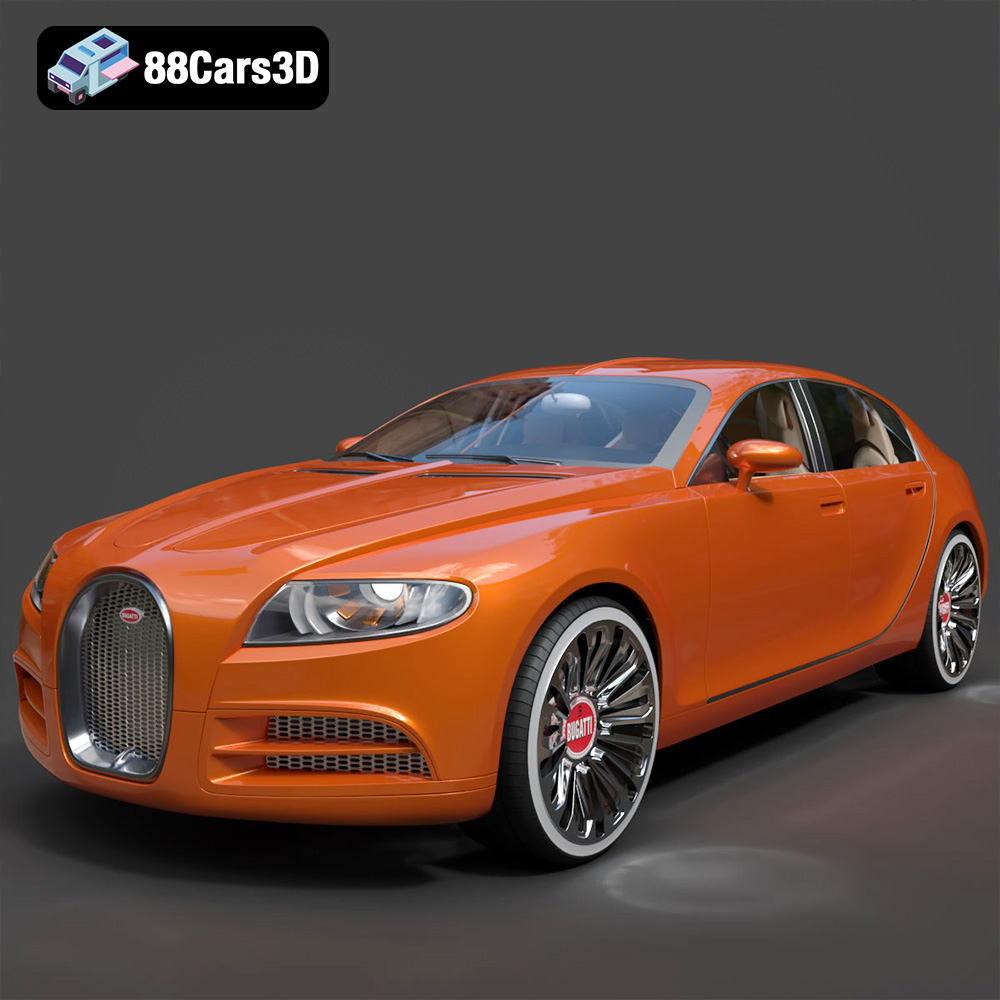
Texture: Yes
Material: Yes
Download the Bugatti 16C Galibier-006 3D Model featuring its luxurious sedan design, detailed interior, and sophisticated exterior. Includes .blend, .fbx, .obj, .glb, .stl, .ply, .unreal, and .max formats for rendering, simulation, and game development.
Price: $10.79
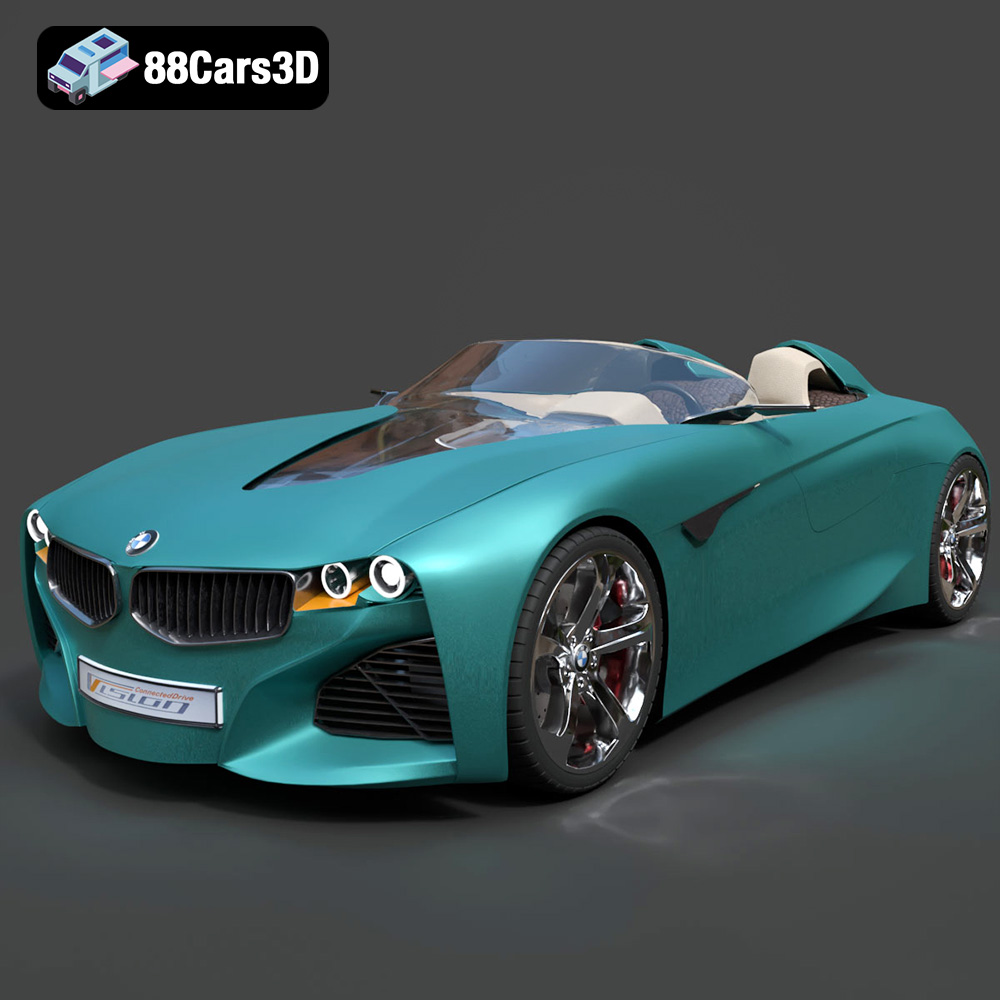
Texture: Yes
Material: Yes
Download the BMW Vision Connected Drive Concept 3D Model featuring its innovative design, advanced connectivity, and sleek aesthetics. Includes .blend, .fbx, .obj, .glb, .stl, .ply, .unreal, and .max formats for rendering, simulation, and game development.
Price: $19.79
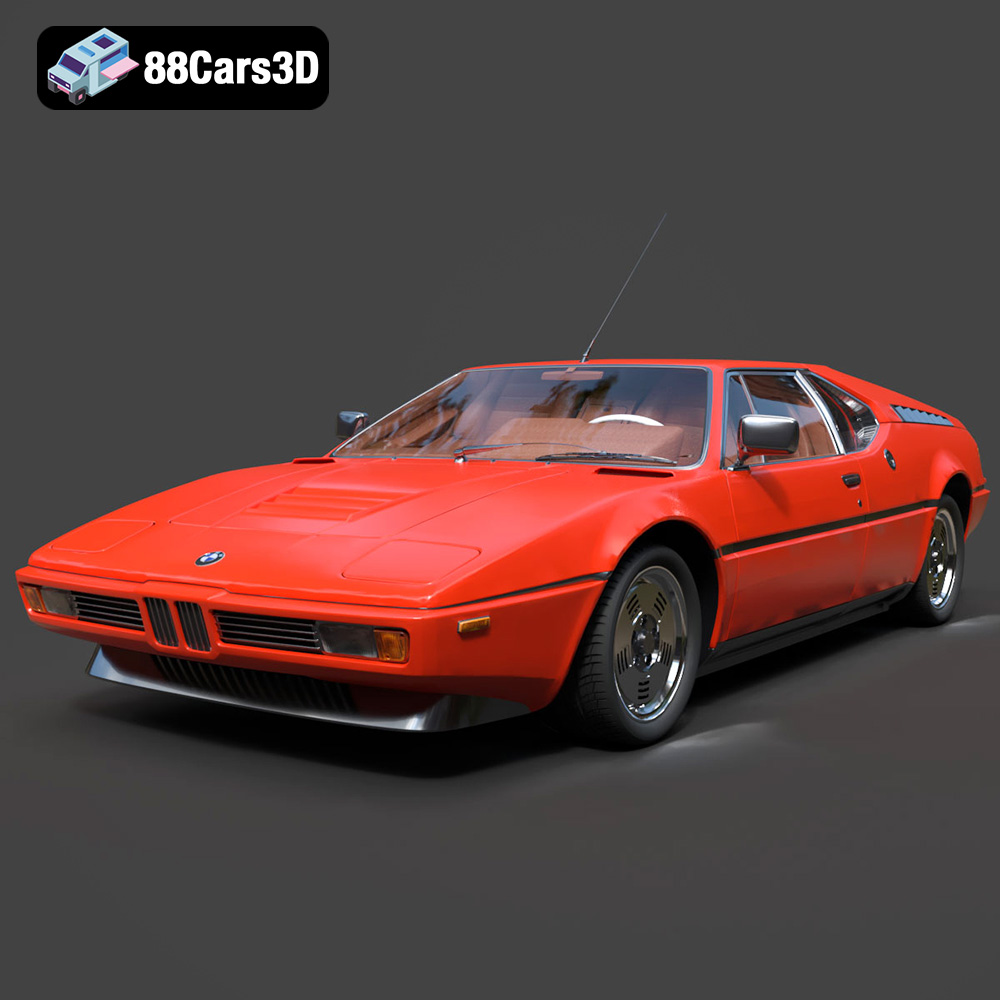
Texture: Yes
Material: Yes
Download the BMW Motorsport M1 E26 1981 3D Model featuring its iconic design, race-bred aerodynamics, and meticulously crafted details. Includes .blend, .fbx, .obj, .glb, .stl, .ply, .unreal, and .max formats for rendering, simulation, and game development.
Price: $20.79

Meta Description:
Texture: Yes
Material: Yes
Download the Cadillac CTS-V Coupe 3D Model featuring detailed exterior styling and realistic interior structure. Includes .blend, .fbx, .obj, .glb, .stl, .ply, .unreal, and .max formats for rendering, simulation, AR VR, and game development.
Price: $13.9
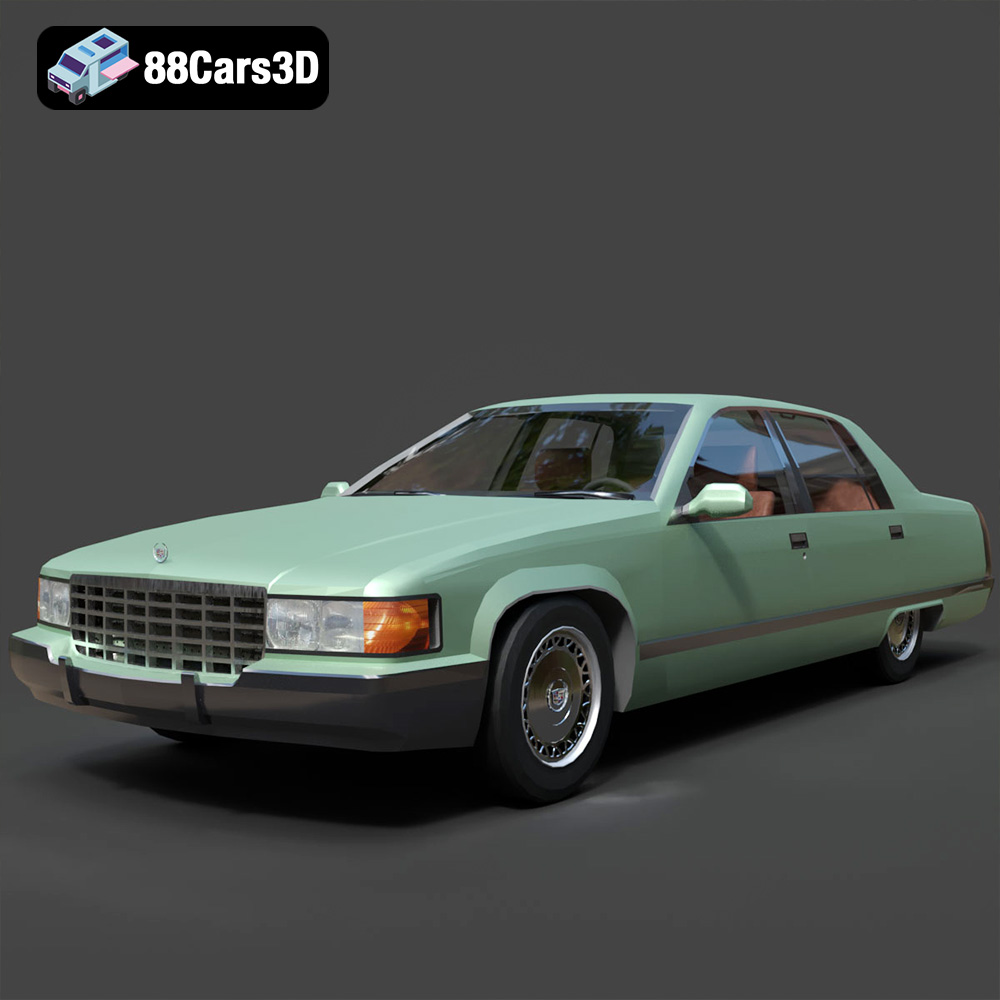
Texture: Yes
Material: Yes
Download the Cadillac Fleetwood Brougham 3D Model featuring its iconic classic luxury design and detailed exterior and interior. Includes .blend, .fbx, .obj, .glb, .stl, .ply, .unreal, and .max formats for rendering, simulation, and game development.
Price: $10.79
Texture: Yes
Material: Yes
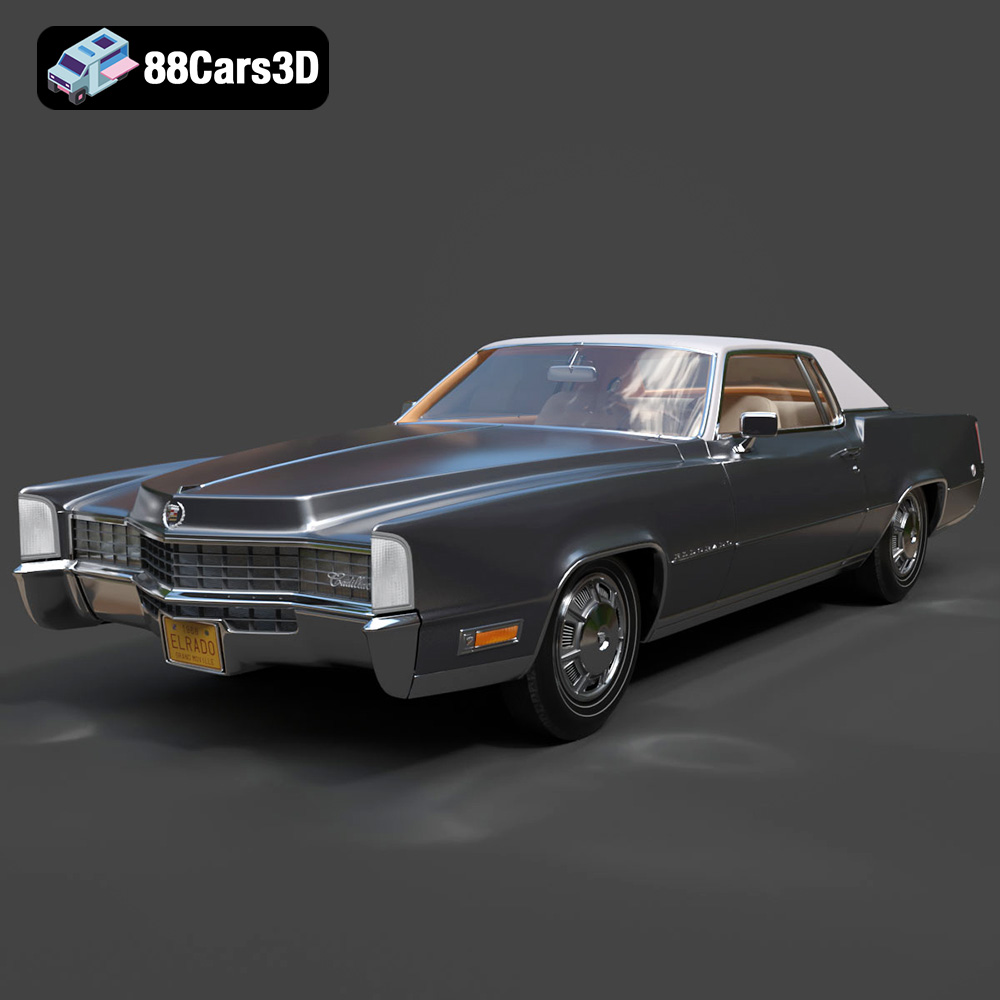
Download the Cadillac Eldorado 1968 3D Model featuring its iconic elongated body, distinctive chrome accents, and luxurious interior. Includes .blend, .fbx, .obj, .glb, .stl, .ply, .unreal, and .max formats for rendering, simulation, and game development.
Price: $20.79

Texture: Yes
Material: Yes
Download the Cadillac CTS SW 2010 3D Model featuring a detailed exterior, functional interior elements, and realistic materials. Includes .blend, .fbx, .obj, .glb, .stl, .ply, .unreal, and .max formats for rendering, simulation, and game development.
Price: $10.79
Texture: Yes
Material: Yes
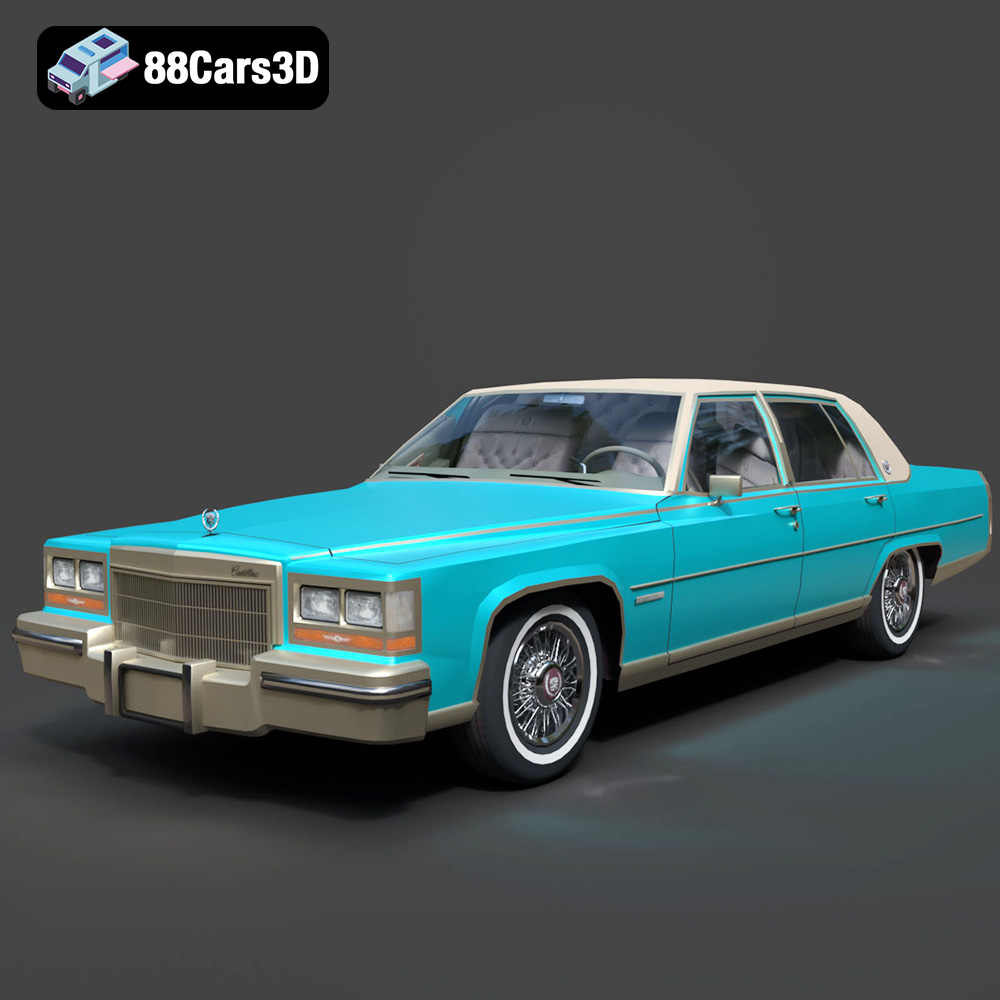
Download the Cadillac Fleetwood Brougham 1985 3D Model featuring its iconic classic luxury design and detailed craftsmanship. Includes .blend, .fbx, .obj, .glb, .stl, .ply, .unreal, and .max formats for rendering, simulation, and game development.
Price: $10.79
Texture: Yes
Material: Yes
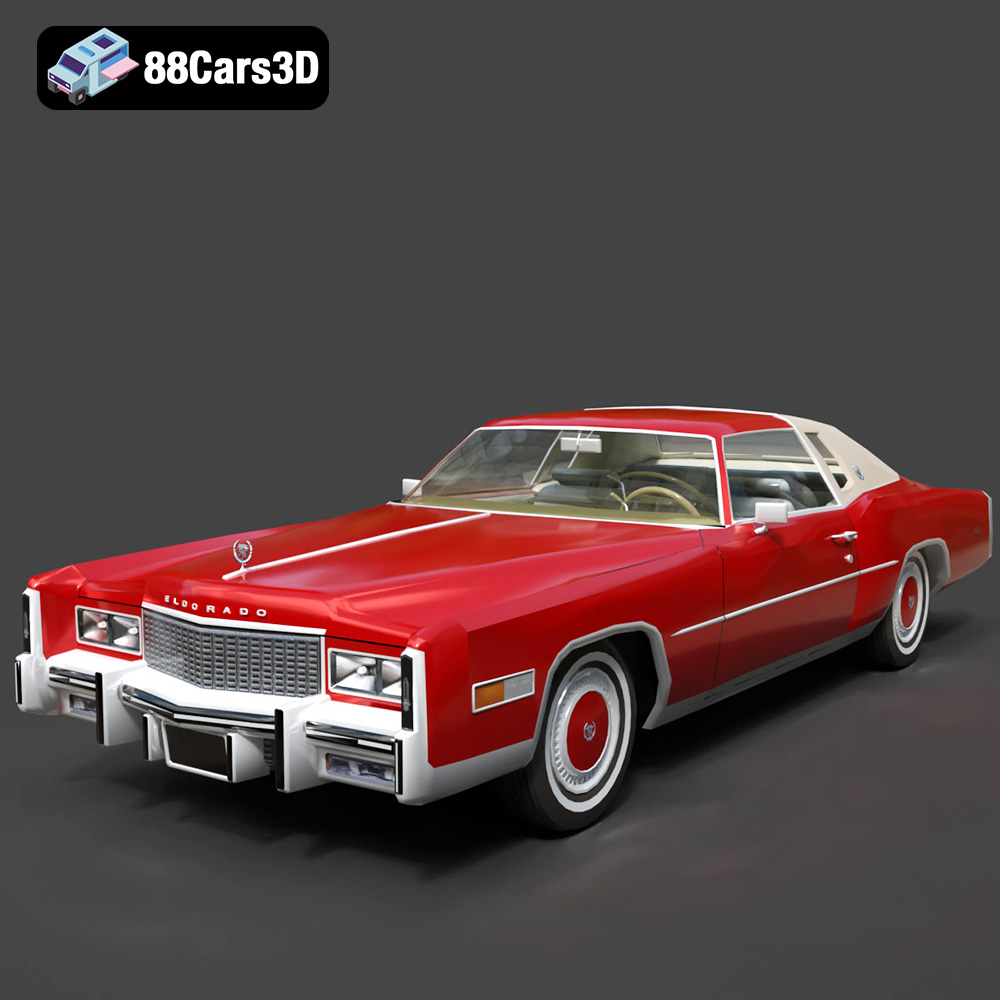
Download the Cadillac Eldorado 1978 3D Model featuring accurately modeled exterior, detailed interior, and period-correct aesthetics. Includes .blend, .fbx, .obj, .glb, .stl, .ply, .unreal, and .max formats for rendering, simulation, and game development.
Price: $10.79
Texture: Yes
Material: Yes
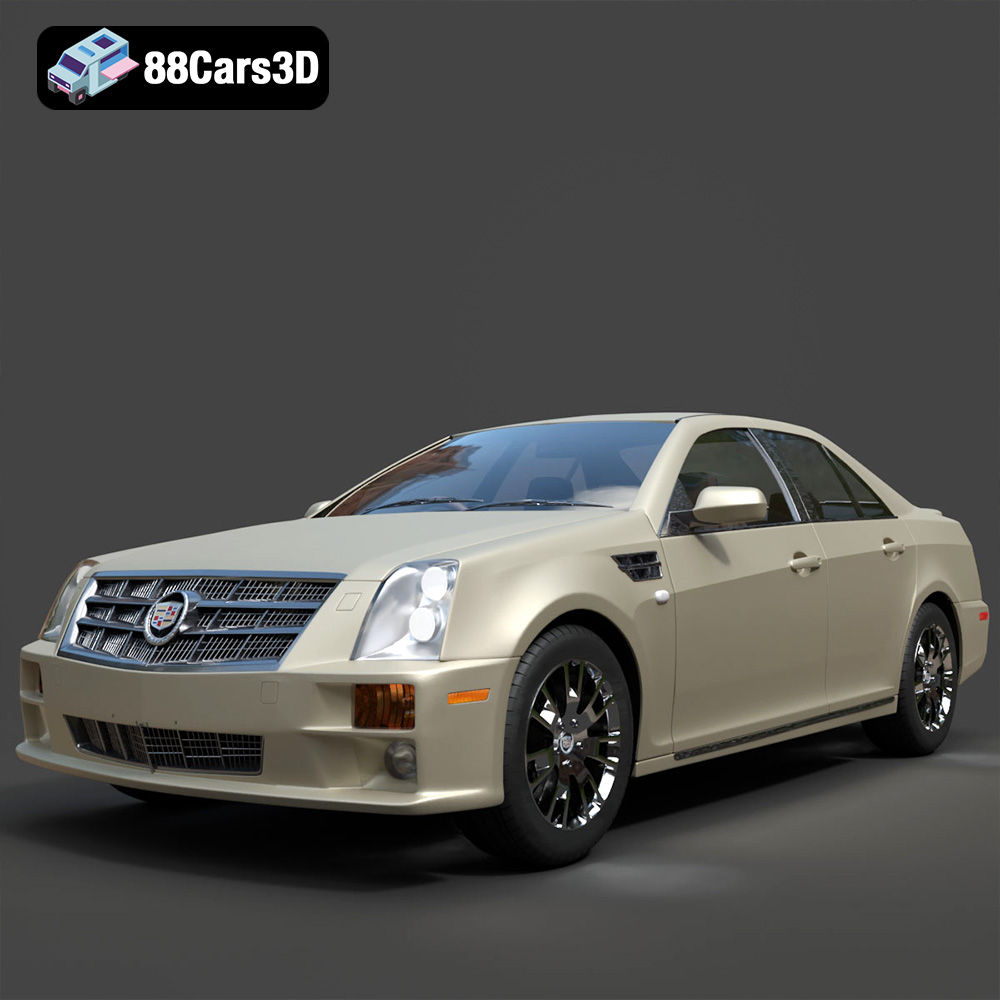
Download the Cadillac STS-005 3D Model featuring a detailed exterior and interior. Includes .blend, .fbx, .obj, .glb, .stl, .ply, .unreal, and .max formats for rendering, simulation, and game development.
Price: $22.79

