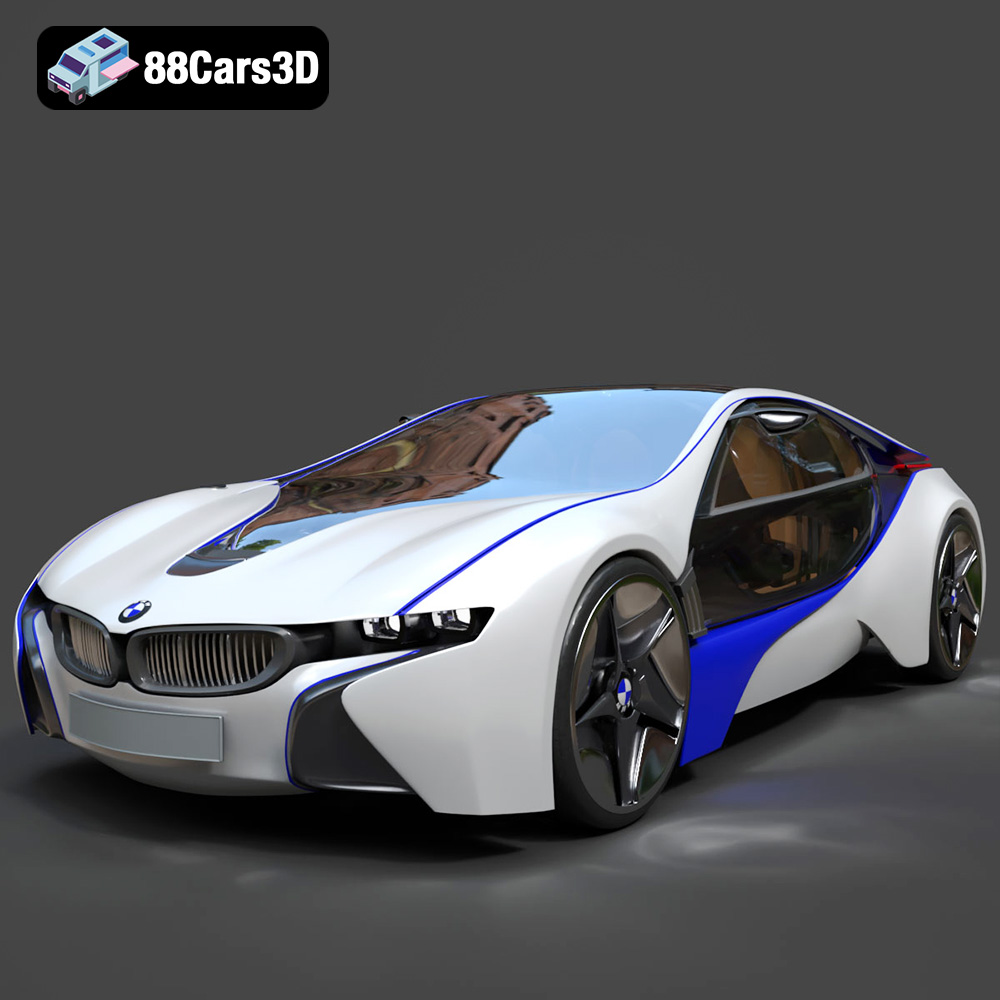
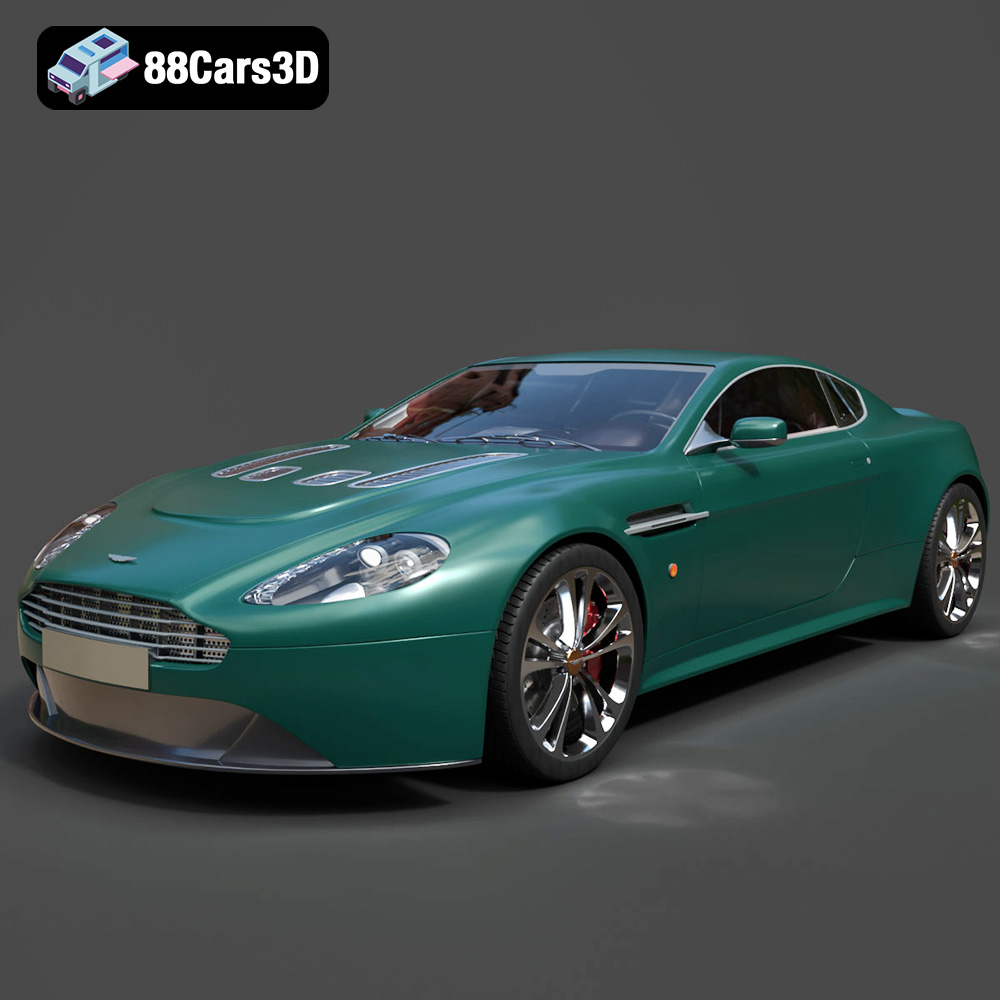
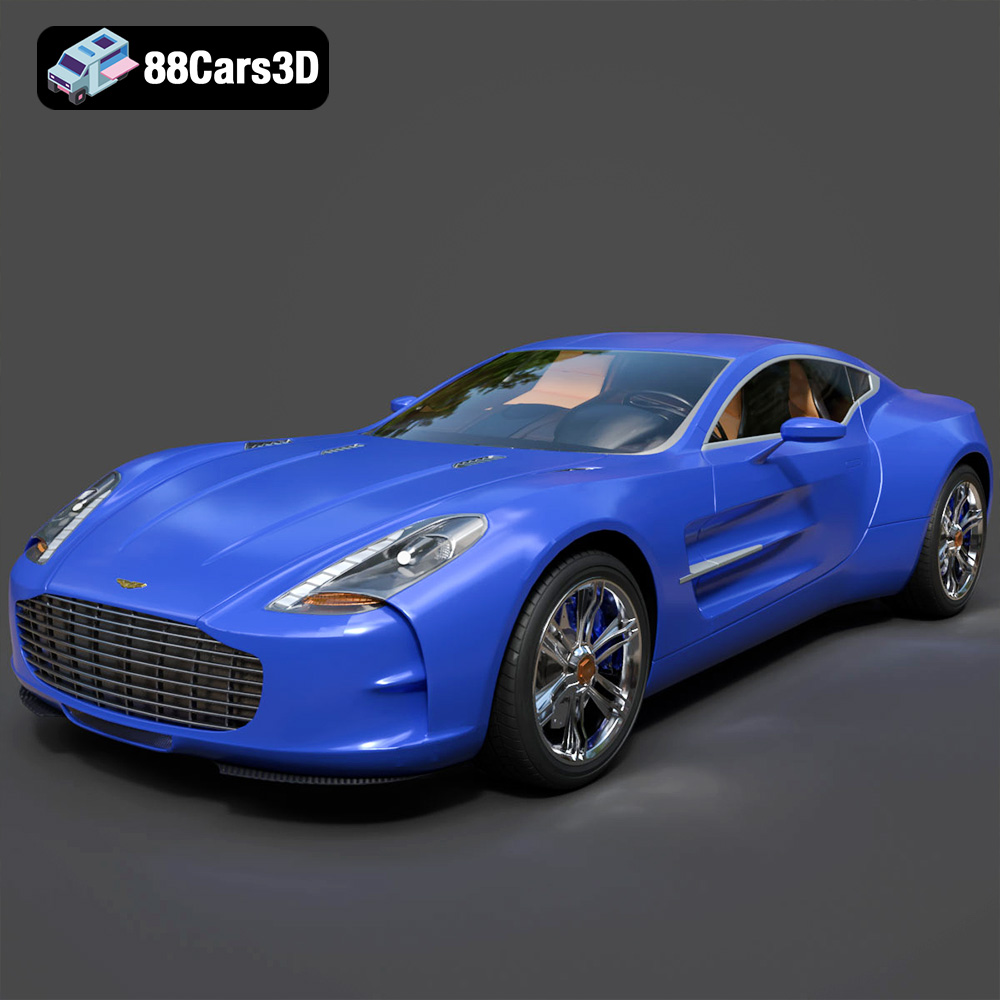
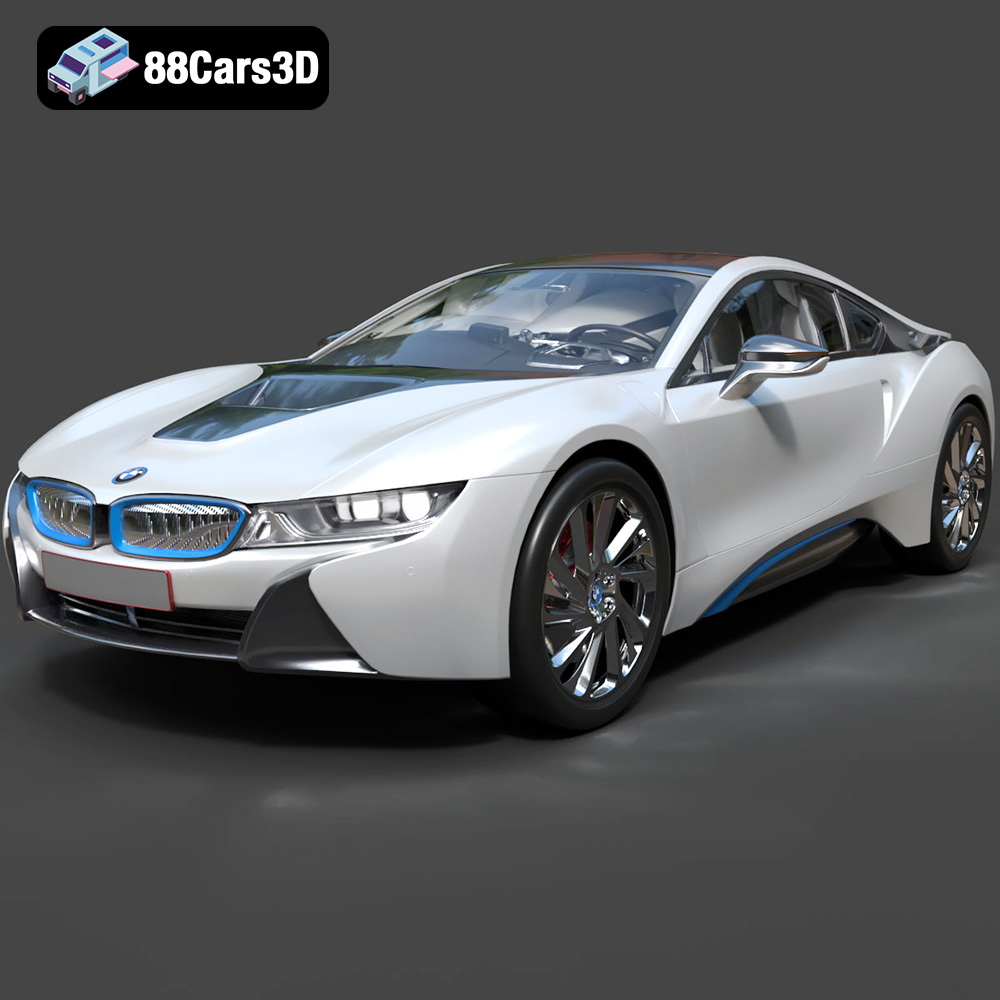
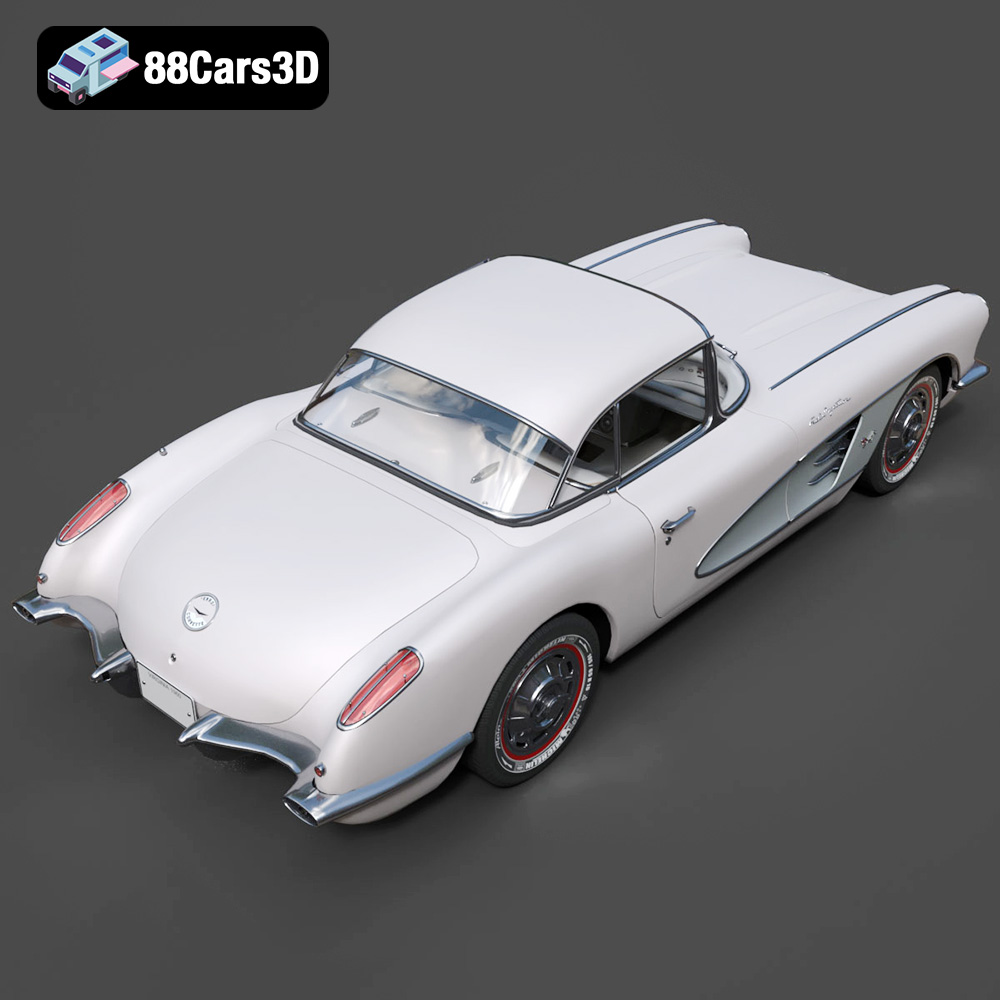
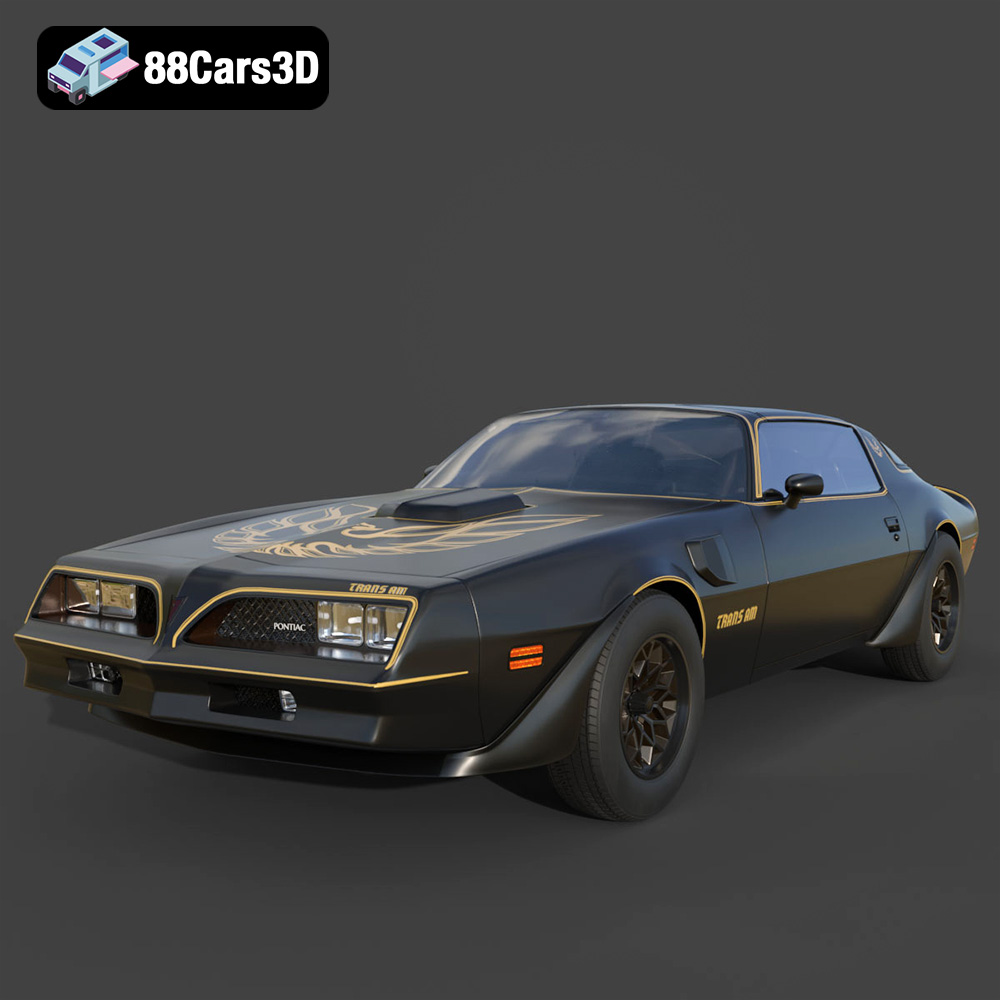
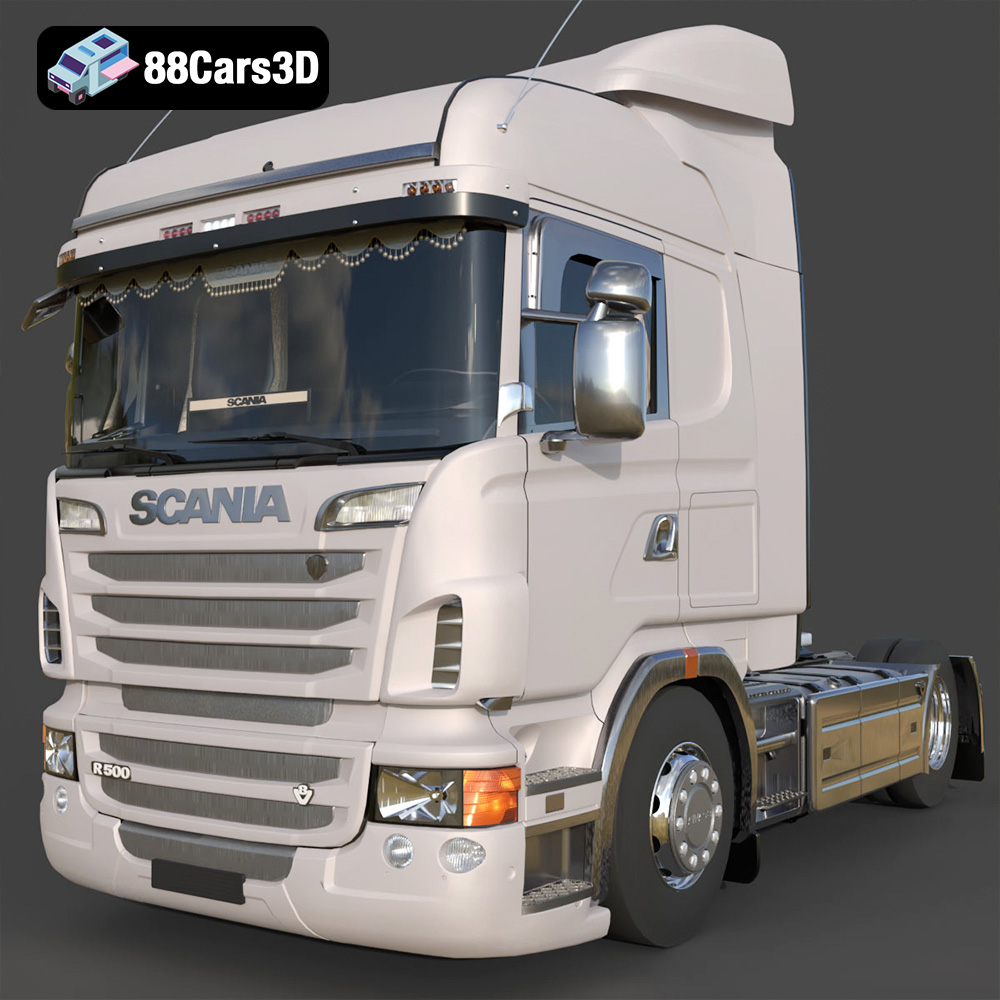
Get 20% OFF All Premium 3D & STL Models!

In the dynamic realm of digital content creation, 3D car models stand as pillars of innovation, fueling industries from blockbuster cinematic productions to cutting-edge automotive design and immersive game development. The precision, detail, and versatility of these digital assets are critical, transforming abstract concepts into tangible, visual experiences. Far beyond simple representations, a meticulously crafted 3D car model encapsulates countless hours of design, technical artistry, and optimization, serving as the cornerstone for everything from stunning visualizations to real-time interactive simulations.
This comprehensive guide delves into the intricate world of 3D car models, exploring their creation, application, and the technical nuances that define their quality and usability across diverse platforms. We will unpack the essential workflows, technical specifications, and critical considerations for anyone involved in leveraging these powerful assets, whether for high-end automotive rendering, integrating them as compelling game assets, or pushing the boundaries of AR/VR experiences. Understanding the underlying principles and best practices is paramount to achieving visual excellence and operational efficiency in any digital project.
The demand for high-quality 3D car models has never been greater. As industries push for more realism, faster iterations, and deeper immersion, the foundational asset — the 3D vehicle itself — must meet increasingly stringent technical and aesthetic requirements. From initial concept visualization to final product marketing, a robust 3D model streamlines the entire production pipeline, offering unparalleled flexibility and cost-effectiveness compared to traditional methods.
The journey of a 3D car model often begins in the conceptual phase, where designers translate sketches and ideas into three-dimensional forms using specialized CAD (Computer-Aided Design) software or polygon modeling tools. This initial phase focuses on capturing the vehicle’s unique aesthetics, proportions, and design language. Tools like Autodesk Alias, Rhino, or even Blender are frequently employed for their robust surfacing capabilities. Once the primary form is established, the model undergoes a rigorous refinement process, adding intricate details, ensuring correct topology, and preparing it for downstream applications like rendering or real-time simulation. This early stage is crucial; a well-structured base mesh facilitates easier texturing, rigging, and animation later on.
Modern visual standards dictate an extraordinary level of fidelity. For automotive rendering, this means accurate reflections, believable material responses, and precise surface continuity. For game assets, it implies not just visual quality but also optimal performance through careful polygon budgeting, efficient UV layouts, and well-managed Levels of Detail (LODs). Professionals seek models that are not only beautiful but also technically sound, free of common issues like non-manifold geometry, overlapping UVs, or excessive polygon counts where unnecessary. This demand is precisely what platforms like 88cars3d.com strive to meet, offering models engineered for demanding professional workflows right out of the box.
Selecting the correct file format for your 3D car models is a critical decision that impacts compatibility, workflow efficiency, and the final output quality. Different formats are optimized for specific use cases, ranging from full editability within native software to streamlined integration into game engines or web-based AR applications. Understanding their characteristics is paramount for any professional dealing with digital assets.
When maximum flexibility and customization are required, native project files are invaluable:
These formats are designed for broad compatibility and efficient deployment:
Certain formats cater to very specific needs:
Choosing the right format is a key step in any project. High-quality asset providers like 88cars3d.com often offer models in multiple formats to accommodate diverse project requirements, ensuring seamless integration into various pipelines.
Achieving photorealistic automotive rendering is an art form that blends technical proficiency with a keen eye for detail. It involves meticulous attention to materials, lighting, and post-processing to create images indistinguishable from photographs. This is where the true potential of high-fidelity 3D car models comes to life.
The realism of a rendered vehicle hinges significantly on its materials. Car paint, for instance, is a complex shader requiring multiple layers: a base metallic flake coat, a clear coat with accurate reflections (using physically based rendering, or PBR, principles), and potentially subtle orange peel effects. Tire rubber needs specific roughness and anisotropy to convey its texture, while glass demands accurate refraction, absorption, and subtle reflections. Techniques like anisotropic reflections for polished metals, subsurface scattering for headlights, and micro-displacement for intricate grilles all contribute to a believable final image. Leveraging robust render engines like V-Ray, Corona Renderer, Arnold, or Octane is essential, as these engines provide the advanced shading models and computational power necessary for these intricate material definitions.
Just as in photography, lighting makes or breaks a render. For automotive visuals, an HDRI (High Dynamic Range Image) environment is often the backbone, providing realistic global illumination and reflections. Complementing HDRIs with carefully placed artificial lights (e.g., area lights, spotlights) allows for emphasizing specific design lines, adding dramatic shadows, or simulating studio setups. Understanding the interplay of key lights, fill lights, and rim lights is crucial. The environment itself – whether a pristine studio, an urban street, or a natural landscape – needs to be integrated seamlessly, ensuring consistent lighting and reflections across the car and its surroundings to truly sell the illusion of reality.
The render output is rarely the final image. Post-processing in tools like Adobe Photoshop or Foundry Nuke adds the finishing touches that elevate a render to photorealistic artwork. This includes color grading to set the mood, adding subtle lens flares or depth of field for cinematic effect, sharpening details, and introducing atmospheric elements like haze or dust. Compositing multiple render passes (e.g., diffuse, specular, reflection, Z-depth) provides granular control over individual elements, allowing for non-destructive adjustments and refinements that would be impossible with a single raw render. This final stage is where the artist’s vision truly materializes, enhancing the narrative and emotional impact of the automotive rendering.
While photorealism is the goal for rendering, real-time applications like games, AR/VR, and simulations demand a different kind of optimization. Here, efficiency and performance are paramount, requiring a delicate balance between visual quality and computational cost. Converting high-polygon 3D car models into performant game assets is a specialized skill.
Game engines must render thousands or millions of polygons per frame, often at 60 frames per second or higher. High-fidelity models, which can easily exceed millions of polygons, need significant reduction. This is achieved through careful retopology, baking normal maps from high-poly details onto low-poly meshes, and employing Levels of Detail (LODs). LODs are simplified versions of the model that swap in as the camera moves further away, drastically reducing the polygon count of distant objects without a noticeable drop in visual quality. A typical car might have 3-5 LODs, ranging from 100,000+ triangles for the closest view to just a few thousand for models seen in the distance.
Textures provide crucial visual detail, but their management is vital for performance. Efficient UV mapping ensures that every pixel of the texture is used effectively, avoiding stretching or wasted space. Texture atlasing consolidates multiple smaller textures (e.g., separate textures for a car’s interior, exterior, wheels) into one larger texture map. This reduces draw calls – the number of times the GPU needs to fetch new texture data – leading to smoother performance. PBR texture workflows (Albedo, Normal, Roughness, Metallic, Ambient Occlusion maps) are standard, often packed into fewer texture files to save memory and reduce sampling overhead.
Successfully importing 3D car models into engines like Unreal Engine or Unity involves more than just dragging and dropping. It requires careful setup of materials using the engine’s node-based shader editors (e.g., Unreal’s Material Editor, Unity’s Shader Graph), configuring collision meshes (often simplified box or convex hull collisions for performance), and setting up physics properties for driving dynamics. For animated components like wheels or suspension, skeletal meshes with proper rigging are essential. Leveraging engine-specific features like nanite (Unreal Engine 5) can simplify polygon management for extremely high-detail assets, but fundamental optimization principles remain crucial for broad compatibility and optimal performance across different hardware.
The utility of high-quality 3D car models extends far beyond static renders or traditional games. They are integral to groundbreaking advancements in augmented reality (AR), virtual reality (VR), sophisticated simulations, and even directly impacting physical manufacturing processes. This breadth of application underscores the transformative power of expertly crafted digital assets.
In AR/VR, 3D car models create immersive, interactive experiences. Imagine configurating a new car in real-time, walking around it in a virtual showroom, or even placing a life-sized model in your driveway using an AR app. For these applications, models must be highly optimized for real-time performance, similar to game assets, but with an added focus on maintaining visual fidelity even when viewed up close in a VR headset. The .glb format is particularly well-suited for web-based AR/VR due to its compact nature and efficient loading. This allows for unparalleled product exploration, training simulations, and virtual prototyping, enabling users to engage with vehicles in entirely new ways.
In engineering and training, 3D car models form the basis of advanced simulations. From aerodynamic studies in virtual wind tunnels to driver training simulators, accuracy is paramount. These models often require precise geometric data, sometimes even derived directly from CAD data, to ensure that physical properties and behaviors are accurately represented. The concept of a “digital twin” – a virtual replica of a physical object – relies heavily on highly accurate and up-to-date 3D models. These digital twins can be used to monitor performance, predict maintenance needs, or simulate modifications before they are applied to the physical vehicle, revolutionizing product lifecycle management and operational efficiency.
High-detail 3D car models also bridge the gap between digital design and physical fabrication through 3D printing. Designers can prototype scale models of their vehicles rapidly, iterating on form and aesthetics much faster than traditional sculpting methods. While game-ready models are often too low-poly and high-fidelity render models too complex (with overlapping geometry or non-manifold surfaces), a properly prepared 3D model in formats like .stl or .ply can be converted and optimized for 3D printing. This allows for tangible concept models, functional parts, or collectible miniatures to be produced directly from the digital design, accelerating the product development cycle and opening new avenues for bespoke manufacturing.
In a world saturated with digital content, the quality of your 3D car models directly correlates with the success and impact of your project. Relying on sub-par assets can lead to countless hours of rework, technical glitches, and ultimately, a compromised visual experience. This is precisely why sources of professionally crafted models, like 88cars3d.com, are invaluable resources for creators across industries.
Sourcing high-quality, pre-made 3D car models from reputable marketplaces offers significant advantages. These models are typically created by experienced artists and technical directors, ensuring clean topology, accurate UV maps, optimized poly counts, and professionally set up materials. For automotive rendering, this means models that reflect light correctly, have accurate proportions, and detailed interiors. For game assets, it means models that are already optimized for real-time performance, potentially including LODs and efficient texture atlases. This reduces the need for extensive post-purchase cleanup and optimization, saving valuable time and resources that can be redirected towards creative aspects of a project.
Consider a studio working on a tight deadline for a car commercial. Instead of spending weeks modeling a specific vehicle from scratch, purchasing a meticulously detailed model from 88cars3d.com allows them to jump straight into lighting, texturing (if needed), and animation. This acceleration of the workflow is a critical competitive edge.
Professional 3D car models are designed for seamless integration into existing production pipelines. They often come in multiple standard formats like .fbx for Unreal/Unity, .max for 3ds Max workflows, and .blend for Blender users, ensuring compatibility across various software ecosystems. This multi-format availability, often found on platforms like 88cars3d.com, means artists can immediately bring the model into their preferred environment and begin working, without the headache of format conversions or complex import errors. For complex projects, this immediate usability translates directly into faster project completion and higher efficiency, especially when dealing with client revisions or rapid prototyping needs.
The investment in a high-quality 3D car model is an investment in the overall quality and professionalism of your final product. Whether it’s for a high-stakes marketing campaign, an immersive game, or an educational simulation, the detail and accuracy of the vehicle model profoundly impact audience perception. Small inaccuracies in a reflection, a poorly modeled panel gap, or an unrealistic material can detract from the entire scene. By starting with a technically sound and visually stunning model, artists lay a strong foundation for their projects, ensuring that their creative efforts are built upon assets that truly stand out and deliver impact.
The journey of a 3D car model from concept to its diverse applications is a testament to the intricate blend of art and technical expertise required in modern digital production. From the initial meticulous modeling and thoughtful selection of file formats to the nuanced techniques of automotive rendering and the rigorous optimization for game assets, every stage demands precision and a deep understanding of digital workflows.
We’ve explored how different file formats serve specific purposes, from editable .max and .blend files to versatile .fbx and web-optimized .glb. We delved into the secrets of achieving photorealism through advanced shading, sophisticated lighting, and critical post-processing. Furthermore, we examined the distinct requirements for real-time performance in game engines and the expanded utility of these models in AR/VR, engineering simulations, and even 3D printing.
Ultimately, the bedrock of any successful digital project involving vehicles is the quality of its 3D assets. Investing in professionally crafted models saves time, reduces frustration, and elevates the final output, ensuring that your visions are realized with the fidelity and impact they deserve. For professionals seeking such excellence, platforms offering meticulously prepared assets are indispensable resources for accelerating workflows and achieving unparalleled visual standards.