Get 20% OFF All Premium 3D & STL Models!

In the vibrant world of real-time rendering, interactive experiences, and game development, bringing characters and complex mechanical objects to life is paramount. Unreal Engine’s Animation Blueprint system stands as a cornerstone for achieving this, offering artists and developers a powerful visual scripting environment to control the intricate dance of skeletal meshes. While often associated with character locomotion, the principles and techniques of Animation Blueprints are incredibly versatile, extending their utility to any skeletal mesh that requires dynamic, responsive animation – including elements within sophisticated automotive visualizations or even transforming vehicle concepts.
For studios and artists leveraging high-quality 3D car models from platforms like 88cars3d.com, understanding Animation Blueprints can unlock new dimensions of interactivity and realism. Imagine not just rendering a static car, but showcasing an animated driver interacting with the vehicle, a transforming concept car, or even highly detailed, dynamically reacting suspension systems. This comprehensive guide will delve deep into the essentials of Unreal Engine’s Animation Blueprints, from initial setup to advanced techniques, equipping you with the knowledge to animate with precision and efficiency. We’ll explore the core components, practical applications, and optimization strategies, ensuring your animated content looks stunning and performs flawlessly within your Unreal Engine projects.
At its heart, an Animation Blueprint is a specialized Blueprint class designed exclusively to control the animation of a Skeletal Mesh Component. Unlike static meshes, skeletal meshes are composed of a hierarchy of bones (the ‘skeleton’) that can be posed and manipulated to deform the mesh. The Animation Blueprint acts as the brain for this skeleton, orchestrating how individual animations, poses, and logic combine to produce the final, dynamic motion seen in your project. It’s where you define the rules, states, and transitions that govern an asset’s movement, allowing for complex behaviors that respond to gameplay events, user input, or environmental factors.
Every Animation Blueprint consists of two primary graphs: the Event Graph and the Anim Graph. The Event Graph is similar to a standard Blueprint Event Graph, processing events and calculating variables relevant to animation, such as speed, direction, or character state. These variables then feed into the Anim Graph, which is responsible for blending, layering, and modifying actual animation assets (like individual animations or blend spaces) to produce the final pose. This separation of concerns allows for robust and maintainable animation systems. Understanding how to effectively utilize both graphs is fundamental to creating compelling and efficient animated content.
Before you can even begin thinking about an Animation Blueprint, you need a properly rigged Skeletal Mesh. This mesh, complete with its accompanying Skeleton asset, serves as the canvas for all your animation efforts. The skeleton defines the bone hierarchy, and the skeletal mesh is “skinned” to these bones, meaning vertices on the mesh are weighted to specific bones, allowing them to deform realistically as the bones move. The quality of your skeletal mesh and its rig directly impacts the quality and flexibility of your animations. When sourcing automotive assets from marketplaces such as 88cars3d.com, if you intend to animate elements like a driver character, ensure the character models come with clean, production-ready skeletal meshes and skeletons.
For characters, common skeletons like the UE4/UE5 Mannequin or Metahumans provide excellent starting points, offering compatibility with a vast library of existing animations. For more specialized mechanical animations, like a complex suspension system for a vehicle or a transforming car chassis, you might need a custom skeleton tailored to those specific moving parts. The key is to have a well-defined bone structure that accurately represents the intended movement and deformation of your asset. Improperly weighted or poorly structured skeletons can lead to undesirable visual artifacts, such as “candy wrapper” deformations or broken joints, hindering realism and performance.
The distinction between the Event Graph and the Anim Graph is critical for efficient Animation Blueprint development. The **Event Graph** is where you perform calculations and set up logic to determine what animation state or parameters should be active. Here, you’ll find nodes like “Event Blueprint Update Animation,” which executes every frame, and “Event Blueprint Initialize Animation,” which runs once at the start. You’ll typically query gameplay states, character movement components, or custom variables to drive animation decisions. For instance, you might calculate a character’s speed and direction, check if they are jumping, or determine if an automotive part’s specific action (e.g., door opening) has been triggered.
The **Anim Graph**, on the other hand, is purely concerned with taking those calculated variables and translating them into a final pose for the skeletal mesh. It’s a network of nodes that blend, combine, and modify animation assets. Nodes like “State Machine,” “Blend Poses by Boolean,” “Blend Space,” “Layered Blend per Bone,” and “Pose Blend” are central to the Anim Graph. The output of the Anim Graph is a single, unified pose that is then applied to the skeletal mesh. This modular approach allows for highly complex animation logic to be cleanly separated from the actual pose generation, making your Animation Blueprints easier to understand, debug, and optimize. For detailed information on specific nodes and workflows, refer to the official Unreal Engine documentation.
The true power of Animation Blueprints shines through its ability to manage complex animation sequences and transitions seamlessly. This is primarily achieved through the intelligent use of State Machines and Blend Spaces. These tools allow you to define distinct animation states (e.g., Idle, Walking, Running, Jumping) and smoothly blend between them based on gameplay parameters, creating fluid and believable character movement or dynamic mechanical actions.
A **State Machine** organizes your animations into logical states and defines the rules for transitioning between them. Each state can contain a single animation, a Blend Space, or even another nested State Machine for hierarchical control. Transitions between states are governed by a set of rules, typically Boolean variables or comparison checks (e.g., “IsMoving == true,” “Speed > 0”). This system prevents abrupt animation changes and ensures that your animated asset moves naturally from one action to another. For instance, a character might transition from ‘Idle’ to ‘Walk’ when their speed exceeds a certain threshold, and back to ‘Idle’ when speed drops below it, with defined transition times to ensure smoothness.
Blend Spaces are another fundamental building block, allowing you to blend multiple animations based on one or more input parameters. A common use case is a 1D Blend Space for blending an idle animation with a walk and run cycle based on a ‘Speed’ parameter. A 2D Blend Space can further incorporate ‘Direction’ for omnidirectional movement, blending multiple walk/run animations (e.g., forward, backward, left strafe, right strafe). This eliminates the need for dozens of individual animation assets for every possible combination of speed and direction, making your animation pipeline far more efficient and scalable.
When designing a State Machine, the primary goal is to map out every possible animation state your asset can enter and exit, and then define the conditions that trigger these transitions. For a character, this might involve states for movement (Idle, Walk, Run, Sprint), actions (Jump, Attack, Dodge), and reactions (Hit, Death). Each transition has an entry rule (when can I enter this state?) and an exit rule (when can I leave this state?). You can also define the “Transition Duration,” which specifies how long the blend between the outgoing and incoming animation takes, preventing jarring pops. Longer durations result in smoother, more gradual blends, while shorter durations provide snappier responses.
Conduits are a powerful feature within State Machines that allow multiple states to transition into or out of a common “conduit” node, simplifying complex graphs. Instead of drawing lines from every state to every other state, you can route them through a conduit. This is particularly useful for global transitions, such as a ‘Death’ state that can be reached from almost any other state, or an ‘Equip Weapon’ animation that can interrupt various movement states. Thoughtful State Machine design is crucial for managing animation complexity, especially as projects grow larger and more intricate.
Blend Spaces offer an incredibly efficient way to generate a wide range of interpolated poses from a limited set of source animations. A **1D Blend Space** is ideal for blending along a single axis, such as a character’s speed. You define points along a horizontal axis, assigning an animation asset to each point (e.g., Idle at 0, Walk at 150, Run at 400). As the input variable (Speed) changes, the Blend Space interpolates between these animations, creating natural-looking transitions without needing separate animations for every speed increment.
A **2D Blend Space** extends this concept to two input axes, typically ‘Speed’ and ‘Direction’ for character locomotion. You arrange your animations in a grid (e.g., Idle, Walk Forward, Walk Back, Strafe Left, Strafe Right, Run Forward). As your character’s speed and direction variables change, the Blend Space interpolates across the four nearest animation samples in the grid, generating highly nuanced and responsive movement. The precision of the grid points and the quality of your source animations are key to achieving smooth and convincing results. Proper configuration of minimum and maximum values for your input axes ensures the blending behaves as expected, covering the full range of desired motion.
Beyond the fundamental State Machines and Blend Spaces, Unreal Engine offers a suite of advanced features to elevate your animations to new levels of realism and interactivity. These include Animation Montages for action sequences, Inverse Kinematics (IK) for dynamic posing, and Layered Blend per Bone for targeted animation control.
Animation Montages are powerful assets designed for playing specific, often short, animation sequences that need to be triggered on demand, such as attacks, dodges, or specific character reactions. Unlike animations played directly within a State Machine, Montages can “interrupt” the ongoing animation graph and play a dedicated sequence before returning control to the main Anim Graph. They support sections, allowing you to play specific parts of a montage, and even custom “slots” for blending different animation types (e.g., an upper body attack animation blending over a lower body locomotion animation). For interactive car features, Montages could be used to animate a door opening and closing on command, or a convertible roof retracting.
Inverse Kinematics (IK) is a critical technique for dynamic posing. While traditional Forward Kinematics (FK) animates bones down the hierarchy from parent to child, IK allows you to specify a target for an end effector (like a hand or foot) and the system automatically calculates the necessary rotations for the intermediate bones to reach that target. This is invaluable for grounding characters on uneven terrain (foot IK), precise hand placements, or dynamic look-at systems. Unreal Engine offers various IK solutions, including the built-in “Two Bone IK” node for simple scenarios and the more robust “Full Body IK” and Control Rig for complex procedural animation and retargeting.
The flexibility of Animation Montages lies in their ability to dynamically control specific animation segments. When you create an Animation Montage, you can define multiple “sections” within it, allowing you to jump to specific points or play sequences in a particular order. Crucially, Montages utilize “Slots” in the Anim Graph. A slot is a point in the Anim Graph where a Montage can temporarily inject its animation, overriding what’s currently playing in that slot. The default slot typically affects the entire skeletal mesh, but you can create custom slots (e.g., “UpperBody,” “LowerBody”) and use the “Layered Blend per Bone” node to blend specific Montages over different parts of the skeleton. This means a character can be running (from the main Anim Graph) while simultaneously playing an arm-waving Montage (in the “UpperBody” slot), creating a layered and more realistic animation.
For automotive applications, imagine an 88cars3d.com car model with a driver. An Animation Montage could be used for the driver character to perform specific actions like shifting gears, pressing buttons, or even emoting, all while the primary driving animation (controlled by the vehicle’s speed and direction) continues in the background. Similarly, Montages could handle complex transformations for a concept vehicle – perhaps animating the deployment of a spoiler or the change in a car’s driving mode, triggered by user interaction via Blueprint scripting.
Achieving grounded and interactive animation relies heavily on IK. The “Two Bone IK” node in the Anim Graph is perfect for simple tasks like making a character’s feet stick to the ground or ensuring their head tracks a target. You specify a target location and a “knee/elbow pole vector” to define the bend direction, and the system handles the rest. For more complex IK needs, Unreal Engine offers the **Control Rig** system. Control Rig provides a dedicated graph for creating custom rigs and procedural animation directly within Unreal Engine, without needing external DCC tools. It’s incredibly powerful for building advanced IK chains, creating complex deformation rigs, and even retargeting animations between vastly different skeletons.
In an automotive context, IK can be incredibly valuable. Consider animating a character driver’s hands to accurately grasp the steering wheel or their feet to press the pedals, regardless of slight variations in the character’s pose or the vehicle’s specific setup. IK can dynamically adjust the limb positions, ensuring perfect contact. For complex suspension systems on high-fidelity car models, Control Rig could potentially be used to drive realistic wheel articulation based on terrain interaction, or to simulate the dynamic compression and extension of individual suspension components more realistically than pure physics assets alone. It allows for a level of procedural detail that greatly enhances the realism of your automotive visualizations.
While visual fidelity is important, performance in real-time applications is paramount. Animation can be a significant performance bottleneck if not managed carefully. Optimizing your Animation Blueprints and skeletal meshes is crucial to maintain high frame rates, especially in complex scenes or applications like AR/VR automotive experiences.
One of the primary optimization techniques for skeletal meshes is **Level of Detail (LODs)**. Similar to static meshes, you can create multiple versions of a skeletal mesh, each with a progressively lower polygon count and potentially fewer bones or lower resolution textures. Unreal Engine automatically switches between these LODs based on the mesh’s distance from the camera, reducing rendering overhead for objects further away. Applying this principle to animation, you can also reduce the complexity of your Animation Blueprint for lower LODs, disabling complex IK or certain blend nodes when the character is far away, further saving performance. This hierarchical approach to optimization is key for scaling your projects effectively.
Beyond LODs, understanding the cost of various nodes in your Anim Graph and utilizing features like **Anim Budget** and **Fast Path** are essential. Every node in your Anim Graph contributes to the calculation cost per frame. Minimizing the number of complex blend operations, especially those affecting a large number of bones, can yield significant performance gains. Anim Budget allows you to define a maximum calculation time for Animation Blueprints, ensuring they don’t consume too much CPU time. Fast Path is a specialized optimization that compiles certain parts of the Anim Graph directly into native code, offering substantial speed improvements for common animation blending scenarios.
Properly configured LODs are non-negotiable for optimized skeletal meshes. When importing models, whether a character or a vehicle component with a skeleton, ensure you generate or import appropriate LODs. Unreal Engine’s built-in LOD generation tools can automate this process, but for critical assets, manually creating and refining LODs in a 3D modeling package often yields better results. For Animation Blueprints, you can use the “Set LOD” node to control which animation logic is active for different LOD levels. For instance, a complex Full Body IK setup might only be active for LOD0 (the closest view), while simpler two-bone IK or even no IK at all is used for LOD1 and beyond. This allows you to trade off visual detail for performance when it’s less noticeable to the player.
It’s also possible to reduce the number of bones processed at lower LODs, effectively simplifying the skeletal structure for distant characters. This can be configured in the Skeletal Mesh Editor. Carefully balancing visual fidelity with performance across different LODs is an art form. Regular profiling with Unreal Engine’s built-in tools (like the Stat Anim console command or the Session Frontend’s Animation Budget Profiler) is crucial to identify and address bottlenecks. This ensures that your high-quality 3D car models, and any animated elements within them, perform optimally in a real-time environment.
The Anim Graph can quickly become complex, leading to performance hits if not managed efficiently. A key strategy is to minimize redundant calculations and use appropriate nodes. For instance, using “Pose Assets” to cache common poses can reduce calculation overhead. Avoid using complex “Look At” or “Transform (Modify) Bone” nodes unnecessarily, especially on many bones. The “Copy Bone” node, while useful, should also be used judiciously. When dealing with many characters, consider using “Anim Sharing” or “Anim Instance Pooling” to reduce the memory footprint and CPU cost of running multiple identical Animation Blueprints.
The “Fast Path” optimization checkbox in the Anim Blueprint editor is a powerful tool. When enabled, Unreal Engine attempts to compile eligible Anim Graph nodes into highly optimized native code, bypassing slower Blueprint interpretation. Not all nodes are compatible with Fast Path, so it’s essential to understand its limitations. However, for common blending and transform operations, it can provide significant performance boosts. Always profile your animation system regularly using the Unreal Engine’s profiling tools. This iterative process of identify, optimize, and re-profile is vital for maintaining a smooth user experience, particularly for demanding applications like automotive configurators or virtual production scenarios where real-time performance is critical.
The true magic of Animation Blueprints emerges when they are seamlessly integrated with your game’s or application’s gameplay logic. Whether it’s a character responding to player input, a car door opening via a button press, or a complex vehicle transformation based on an event, the connection between your main Blueprint scripts (or C++ code) and the Animation Blueprint is fundamental for creating interactive experiences.
The primary way to communicate with an Animation Blueprint is by setting variables within it from external Blueprints (like a Character Blueprint or a Level Blueprint) or C++ code. You typically get a reference to the Skeletal Mesh Component, then cast its “Anim Instance” to your specific Animation Blueprint class. Once you have this casted reference, you can access and modify any public variables defined in your Animation Blueprint’s Event Graph. For instance, a Character Blueprint might calculate the character’s ‘Speed’ and ‘Direction’ and then set corresponding variables in its Animation Blueprint. The Anim Blueprint then uses these variables to drive its Blend Spaces and State Machine transitions, resulting in dynamic locomotion.
For more immediate, one-shot animations, Animation Montages are ideal. You can trigger a Montage directly from a Character Blueprint or any other Blueprint, often with a “Play Montage” node. This allows for precise control over when an action animation begins and ends. Events within Montages (Anim Notifies) can also be used to send signals back to the gameplay Blueprint, triggering sound effects, spawning particles, or executing specific gameplay logic at precise points in an animation, creating a tightly integrated and responsive system.
The workflow for connecting gameplay logic to your Animation Blueprint is straightforward yet powerful. First, in your Character Blueprint (or whatever Blueprint owns the Skeletal Mesh Component), access the Skeletal Mesh Component. Then, drag off the Skeletal Mesh Component and use the “Get Anim Instance” node. Cast the result to your custom Animation Blueprint class (e.g., ‘Cast to MyCharacterAnimBP’). From this casted node, you can now access and “Set” any public variables you’ve created in your Animation Blueprint’s Event Graph. Common variables include ‘Speed’, ‘Direction’, ‘IsJumping’, ‘IsFalling’, ‘HasWeapon’, etc. These variables are typically updated every tick (or at a controlled rate) in the owning Blueprint, ensuring the Animation Blueprint always has the most current gameplay state to work with.
For automotive applications, this might involve an interactive vehicle Blueprint determining if a specific door is open (‘IsLeftFrontDoorOpen’) and setting a corresponding Boolean variable in an Animation Blueprint that controls the door’s skeletal animation. Or, a racing game’s vehicle dynamics system could feed suspension compression values into an Animation Blueprint to drive procedural bone transforms for a hyper-realistic, deforming suspension model. This data flow creates a reactive animation system that mirrors the interactive capabilities of your application, whether it’s a game or a high-end visualization.
Animation Montages are your go-to for playing specific, unprompted animation sequences. In your controlling Blueprint, you can reference the Skeletal Mesh Component and call the “Play Montage” node, specifying the Montage asset you want to play. You can also control playback speed, starting section, and get a delegate for when the Montage finishes. This makes them perfect for triggered actions like attacks, reloads, or character emotes. Crucially, Montages also support **Anim Notifies**. These are events placed on the animation timeline within the Montage editor. When the animation playback reaches an Anim Notify, it triggers an event that can be caught in your Animation Blueprint’s Event Graph or even directly in your owning Character Blueprint.
Anim Notifies are incredibly versatile. You could use them to:
This granular control over events synchronized with animation allows for a truly polished and dynamic user experience, making your interactive car models from 88cars3d.com feel even more alive.
While Animation Blueprints are most commonly associated with character locomotion, their underlying principles and advanced features have significant, albeit often overlooked, applications within the realm of automotive visualization and interactive vehicle experiences. Thinking beyond just static models opens up a world of dynamic possibilities for 88cars3d.com users.
Imagine a dynamic automotive configurator where a concept vehicle can smoothly transition between “sport mode” and “eco mode,” with the chassis subtly transforming and aerodynamic elements extending and retracting – all driven by Animation Blueprints. Or consider a high-fidelity virtual production scene where an animated driver character realistically interacts with the steering wheel and pedals of a premium car model, their movements perfectly synchronized with the vehicle’s physics. Even the most intricate mechanical components, such as a multi-link suspension system, could benefit from procedural animation within an Anim Blueprint, allowing for more realistic deformation and interaction with uneven terrain.
Furthermore, for AR/VR applications where immersion is key, animating elements like opening doors, retractable roofs, or even subtle engine vibrations can significantly enhance realism. The combination of skeletal animation for specific car parts (or accompanying characters) with Unreal Engine’s physics systems for primary vehicle movement creates a rich, believable experience. This is where the power of Animation Blueprints extends beyond simple character control and into complex mechanical behaviors, making your 3D car models truly stand out.
Many modern vehicles feature complex moving parts that go beyond simple static pivots. Convertible roofs, automatic spoilers, active aerodynamics, transforming vehicle modes, or even intricate engine bay components can all benefit from skeletal animation driven by an Animation Blueprint. Instead of relying solely on Scene Component transforms (which are purely hierarchical), rigging these components to a skeleton allows for more sophisticated, blended, and interpolated movements. For instance, a convertible roof could have a series of bones that define its folding mechanism. An Animation Blueprint could then play a Montage to cycle through “Open,” “Closing,” and “Closed” states, with smooth transitions.
For transforming vehicles, a central Animation Blueprint could manage the entire transformation sequence, blending multiple sub-animations for different components. Each component (e.g., wheels retracting, wings unfolding, chassis extending) could be rigged to its own mini-skeleton within the larger vehicle skeleton, or even use a series of “Transform (Modify) Bone” nodes to procedurally drive complex motions. Variables fed from a main vehicle Blueprint would dictate the “transformation progress,” which the Anim Blueprint then uses to drive Blend Spaces or State Machines, creating a truly dynamic and eye-catching visualization. This goes far beyond what simple static mesh animation or physics assets can achieve alone, opening up new frontiers for designers and artists using 88cars3d.com models.
Integrating realistically animated driver characters into 88cars3d.com’s high-quality car models is a common request for automotive visualization and game development. An Animation Blueprint for a driver character would typically manage locomotion (if the character can exit the car), but more importantly, it would handle in-car animations. This includes idle poses, steering wheel interaction (driven by IK, making hands follow the wheel), pedal interaction (feet following pedals), and even more expressive actions like looking at mirrors or interacting with the infotainment system. Variables from the vehicle’s Blueprint (e.g., steering angle, throttle input) would directly influence the driver’s Animation Blueprint to create synchronized movements.
For AR/VR applications, performance and immersion are critical. Animation Blueprints need to be highly optimized with LODs and Fast Path, as described earlier, to prevent frame rate drops which can cause motion sickness in VR. Furthermore, consider the level of detail required for animations in AR/VR. Subtle hand movements or head turns might be more important than full-body locomotion if the user is always seated in the car. Procedural animation via Control Rig can be particularly useful here, dynamically adjusting the driver’s pose to match the vehicle’s interior precisely, enhancing the feeling of presence and realism for the user. By combining high-quality vehicle assets with intelligently designed Animation Blueprints, you can create truly immersive automotive experiences for VR, AR, and virtual production.
Unreal Engine’s Animation Blueprint system is an incredibly deep and flexible tool, indispensable for bringing dynamic life to any skeletal mesh. From basic character locomotion to complex mechanical transformations and interactive driver experiences, mastering Animation Blueprints empowers you to create content that is not only visually stunning but also highly responsive and engaging. We’ve journeyed through the core components, like the Event Graph and Anim Graph, explored the power of State Machines and Blend Spaces for fluid transitions, and delved into advanced techniques such as Animation Montages and Inverse Kinematics for refined control and realism.
Beyond the technical prowess, understanding the principles of performance optimization through LODs and profiling is crucial for delivering smooth, high-fidelity experiences, especially in demanding applications like automotive visualization, virtual production, and AR/VR. By leveraging these techniques, you can ensure that your projects, whether featuring character interactions or dynamically transforming vehicle components using models from 88cars3d.com, run efficiently and look spectacular. Embrace the iterative process of creation, testing, and refinement, and you’ll unlock the full potential of real-time animation in Unreal Engine, crafting truly memorable and immersive digital worlds.

Texture: Yes
Material: Yes
Download the Buick Roadmaster Hardtop Coupe 1957 3D Model featuring a classic American design with detailed exterior and interior. Includes .blend, .fbx, .obj, .glb, .stl, .ply, .unreal, and .max formats for rendering, simulation, and game development.
Price: $10.79
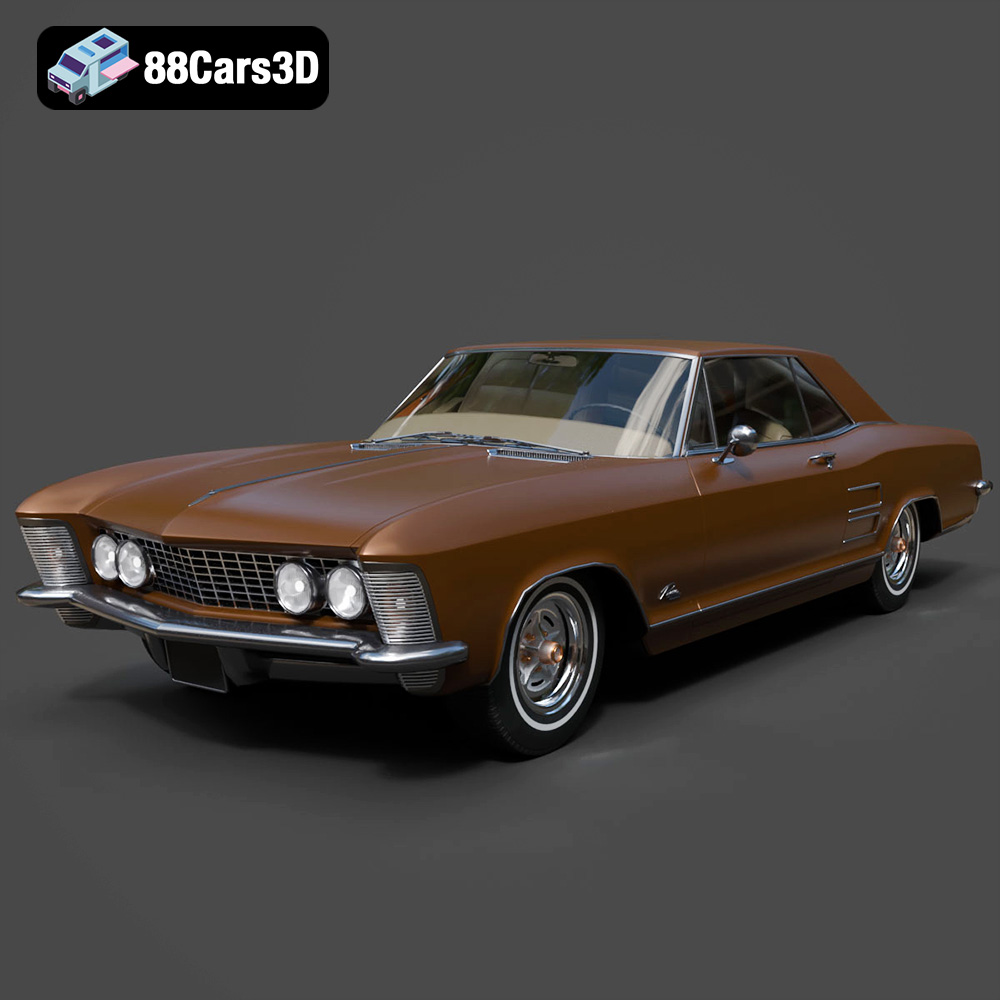
Texture: Yes
Material: Yes
Download the Buick Riviera 1963 3D Model featuring classic American muscle car design and iconic styling. Includes .blend, .fbx, .obj, .glb, .stl, .ply, .unreal, and .max formats for rendering, simulation, and game development.
Price: $10.79
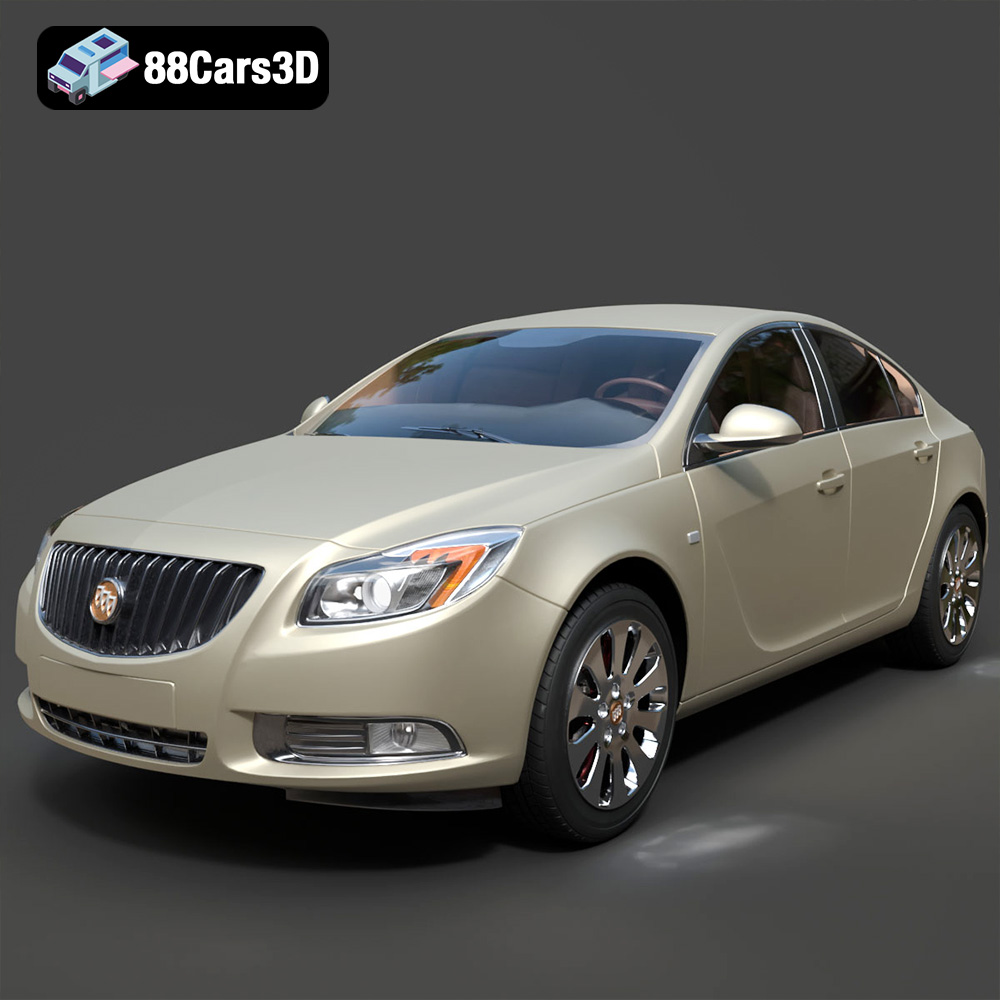
Texture: Yes
Material: Yes
Download the Buick Regal 3D Model featuring a classic American sedan design, detailed exterior, and optimized interior. Includes .blend, .fbx, .obj, .glb, .stl, .ply, .unreal, and .max formats for rendering, simulation, and game development.
Price: $10.79
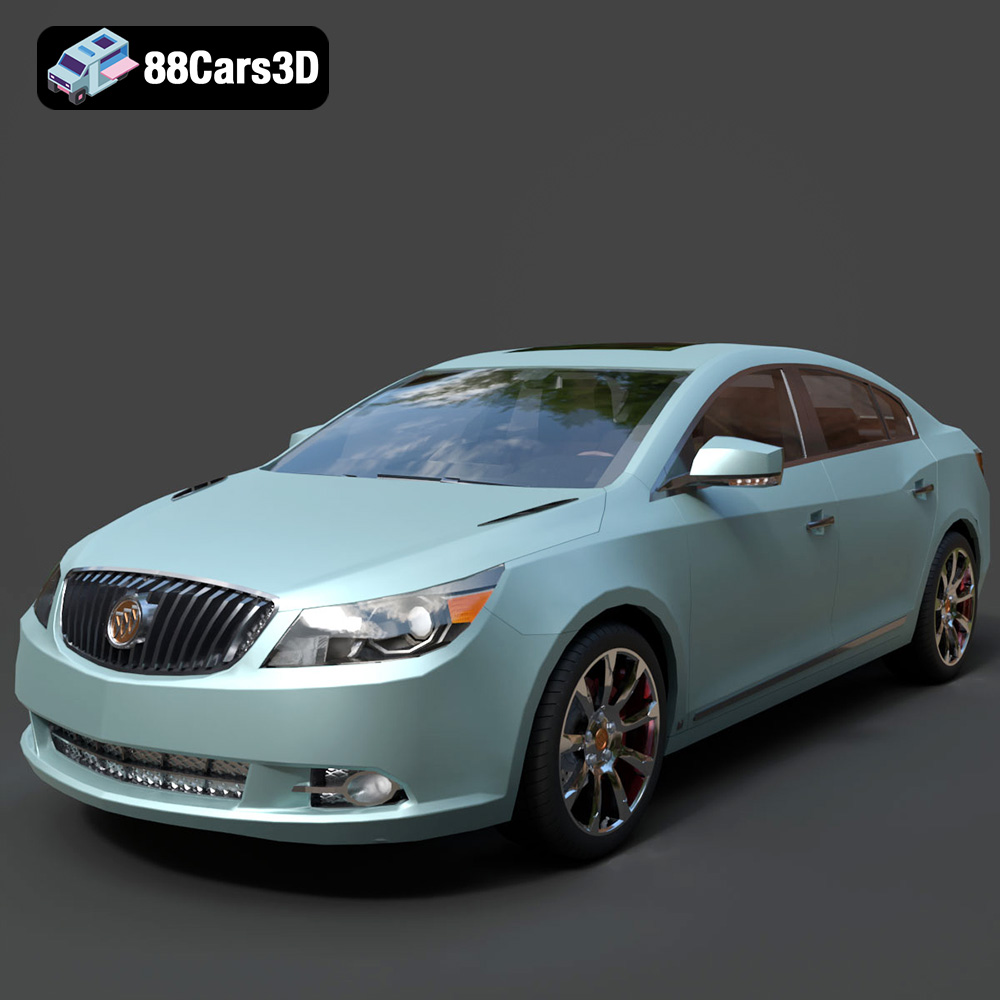
Texture: Yes
Material: Yes
Download the Buick LaCrosse 3D Model featuring professional modeling and texture work. Includes .blend, .fbx, .obj, .glb, .stl, .ply, .unreal, and .max formats for rendering, simulation, and game development.
Price: $10.79
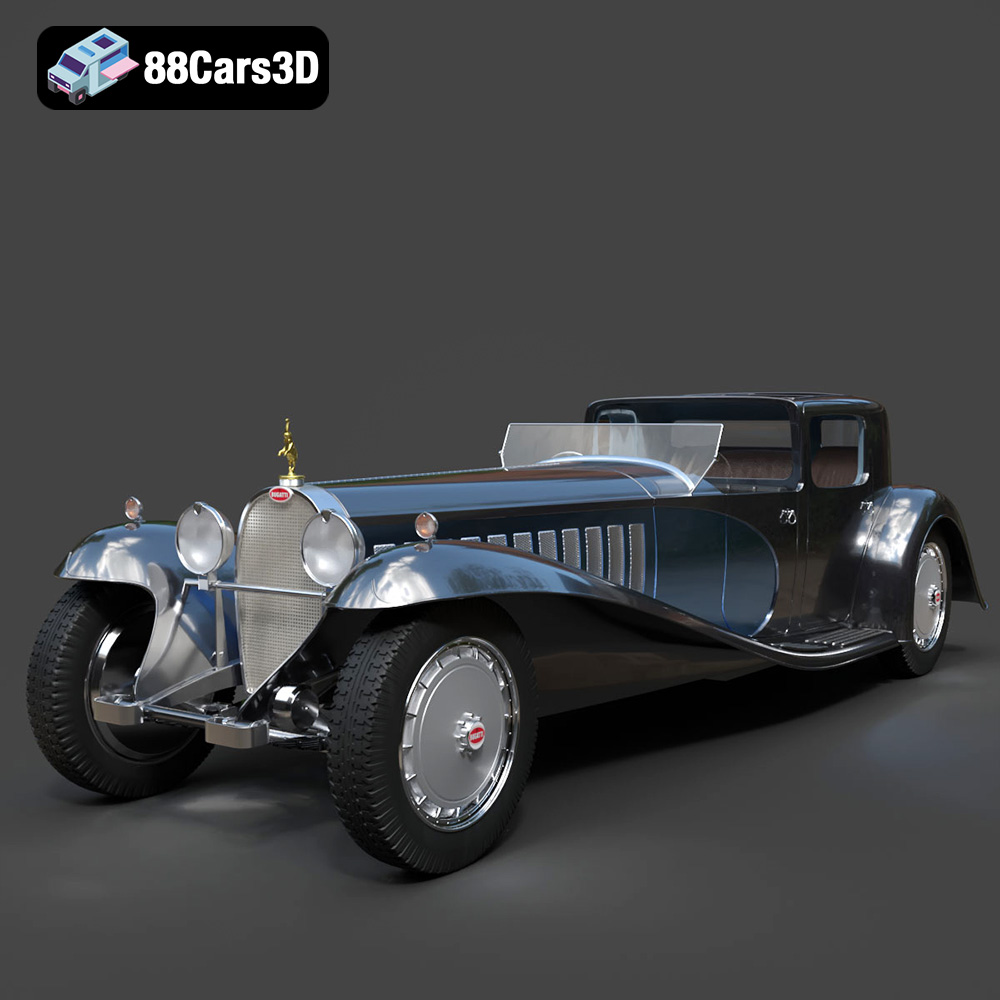
Texture: Yes
Material: Yes
Download the Bugatti Type 41 Napoleon 3D Model featuring its iconic luxury design, detailed exterior, and opulent interior. Includes .blend, .fbx, .obj, .glb, .stl, .ply, .unreal, and .max formats for rendering, simulation, and game development.
Price: $10.79
Texture: Yes
Material: Yes
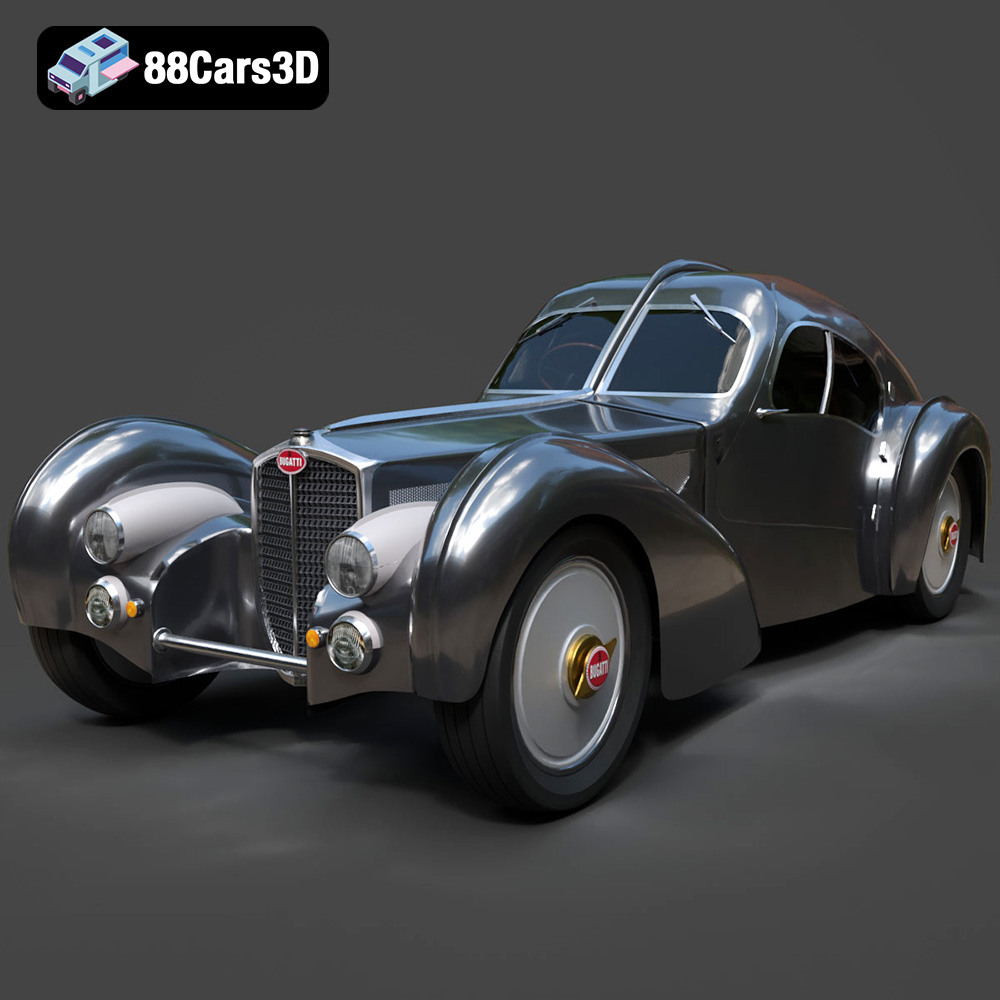
Download the Bugatti Type 57SC Atlantic Coupe 3D Model featuring its iconic streamlined body and classic design. Includes .blend, .fbx, .obj, .glb, .stl, .ply, .unreal, and .max formats for rendering, simulation, and game development.
Price: $10.79
Texture: Yes
Material: Yes
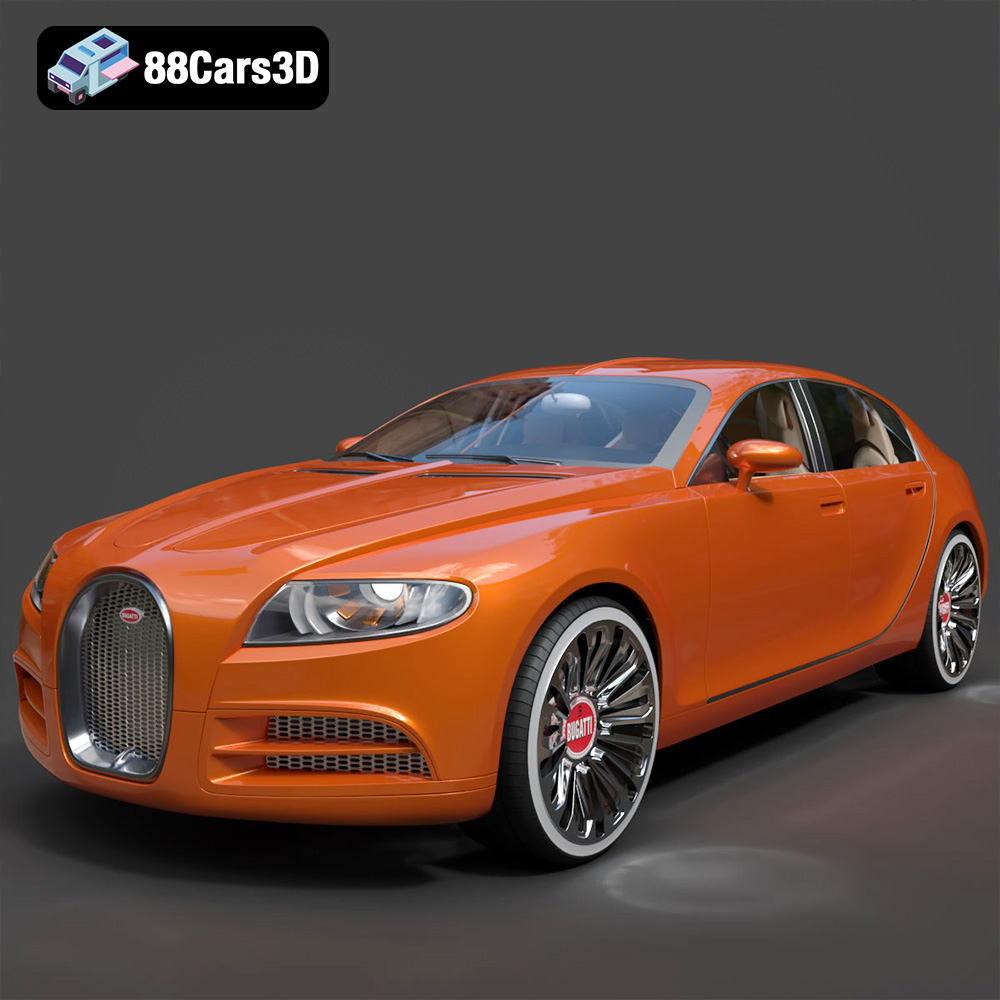
Download the Bugatti 16C Galibier-006 3D Model featuring its luxurious sedan design, detailed interior, and sophisticated exterior. Includes .blend, .fbx, .obj, .glb, .stl, .ply, .unreal, and .max formats for rendering, simulation, and game development.
Price: $10.79
Texture: Yes
Material: Yes
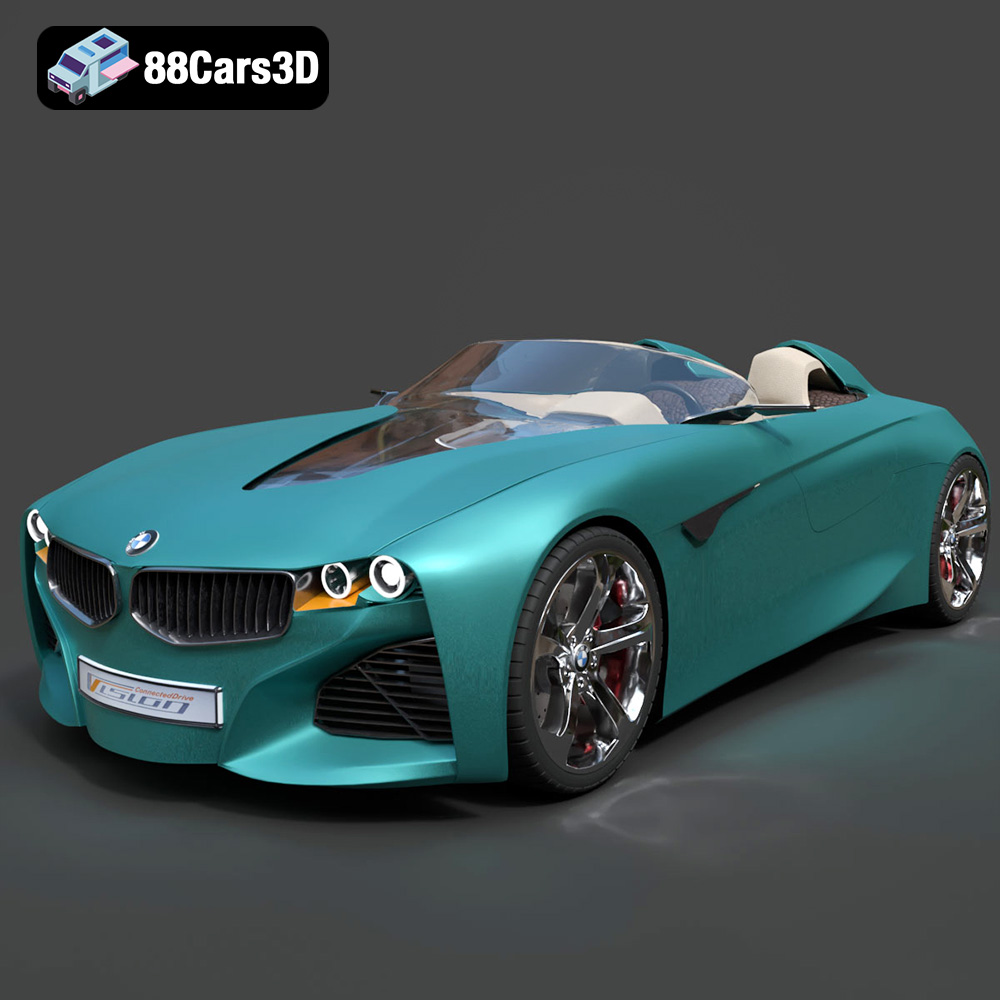
Download the BMW Vision Connected Drive Concept 3D Model featuring its innovative design, advanced connectivity, and sleek aesthetics. Includes .blend, .fbx, .obj, .glb, .stl, .ply, .unreal, and .max formats for rendering, simulation, and game development.
Price: $19.79
Texture: Yes
Material: Yes
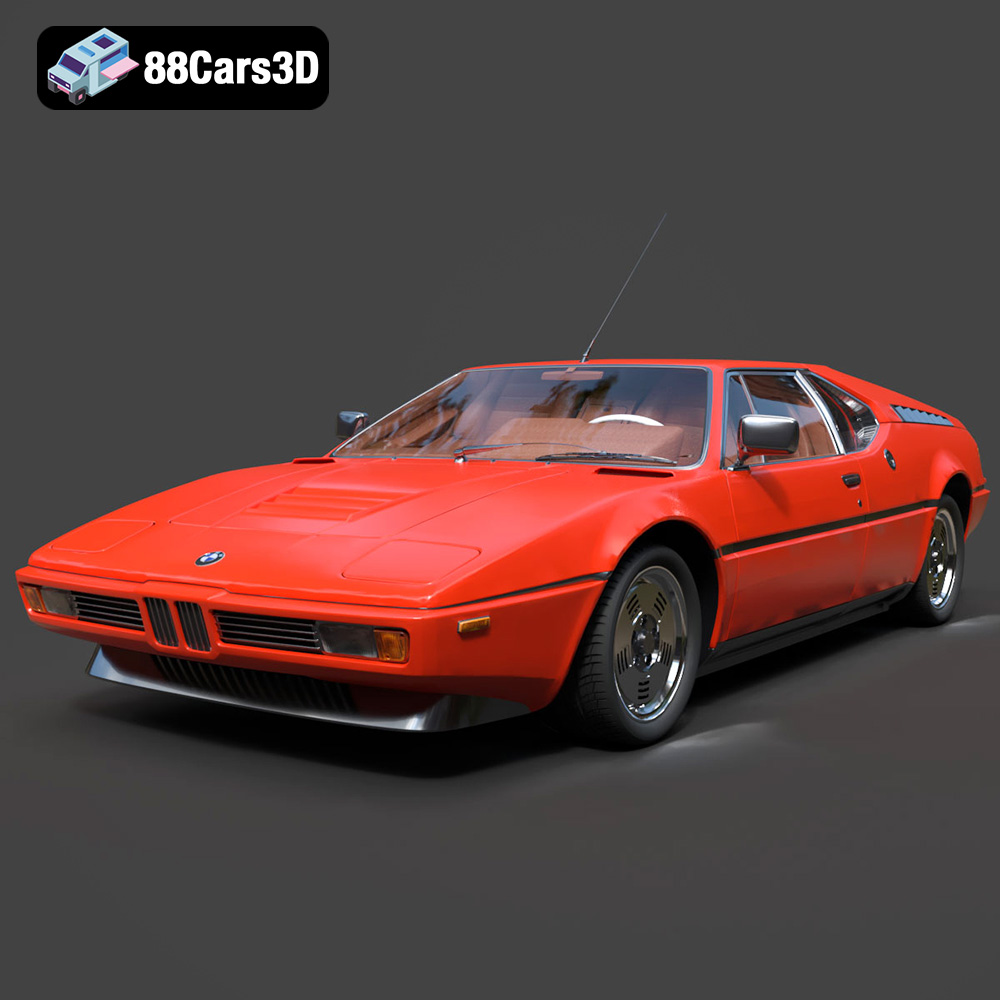
Download the BMW Motorsport M1 E26 1981 3D Model featuring its iconic design, race-bred aerodynamics, and meticulously crafted details. Includes .blend, .fbx, .obj, .glb, .stl, .ply, .unreal, and .max formats for rendering, simulation, and game development.
Price: $20.79

Meta Description:
Texture: Yes
Material: Yes
Download the Cadillac CTS-V Coupe 3D Model featuring detailed exterior styling and realistic interior structure. Includes .blend, .fbx, .obj, .glb, .stl, .ply, .unreal, and .max formats for rendering, simulation, AR VR, and game development.
Price: $13.9

