

“`html
Mastering the Art of 3D Printing Realistic Car Models: A Technical Deep Dive
The allure of automotive engineering, the sleek lines of a classic sports car, or the rugged build of an off-road beast – these captivating designs can now be brought to life in your own home with the power of 3D printing. For hobbyists, collectors, and makers alike, 3D printing offers an unparalleled avenue to create stunning, detailed car models. However, transforming a digital STL file into a tangible, realistic replica requires more than just hitting the ‘print’ button. It involves a meticulous understanding of file preparation, slicing techniques, printer settings, and post-processing. This comprehensive guide will equip you with the technical knowledge to achieve breathtaking results, whether you’re printing a delicate 1:24 scale vintage coupe or a robust 1:10 scale RC car. We’ll delve into the nuances of 3D printing, from optimizing your printable car models and navigating slicing software to mastering FDM and resin printing techniques, troubleshooting common issues, and achieving that perfect, polished finish. Prepare to elevate your model-making game and bring your automotive passion to life like never before.
Understanding the Foundation: STL Files and Mesh Topology
At the heart of every 3D printable model lies the STL file format. While ubiquitous, understanding its structure is crucial for successful printing, especially with complex geometries like car models. An STL file represents a 3D surface as a collection of connected triangles (facets). The orientation and arrangement of these triangles define the shape of the object. For car models, this means intricate curves, sharp edges, and potentially delicate components like mirrors, spoilers, and wheels. The quality of the mesh – its density, the absence of gaps or overlaps, and the correct orientation of normals (the direction each triangle faces) – directly impacts printability.
The Importance of Manifold Meshes
A “manifold” mesh is a watertight, continuous surface without holes, self-intersections, or stray edges. Think of it as a perfectly sealed container. If an STL file is non-manifold, your slicing software will struggle to interpret it correctly, leading to gaps in the print, missing sections, or failed prints altogether. Many car models, especially those designed for aesthetic appeal, can have incredibly detailed features that push the limits of mesh creation. It’s common to encounter non-manifold errors, particularly around small, intricate parts or where separate components have been joined. Software like Meshmixer, Blender, or even dedicated tools like Netfabb are indispensable for diagnosing and repairing these issues. These tools can automatically detect and often fix non-manifold errors, allowing you to generate a clean, printable mesh.
Assessing Model Complexity and Scale
When selecting a car model, consider its complexity and intended scale. A highly detailed, large-scale model will have a much denser mesh and require more advanced printing techniques and longer print times than a simpler, smaller model. Platforms like 88cars3d.com offer a wide range of models, often categorized by detail level and intended print size. Before downloading, examine the model preview. Look for thin walls, overhangs, and small, protruding features. These are often indicators that careful 3D printer settings and support structures will be essential. Understanding the trade-offs between detail and printability will help you choose models that are appropriate for your printer’s capabilities and your desired outcome. For instance, a model with extremely thin antenna masts might be better suited for resin printing or scaled up significantly for FDM printing.
File Formats Beyond STL: OBJ and FBX
While STL is the de facto standard for 3D printing, you might encounter other file formats like OBJ or FBX, especially when downloading from diverse sources or purchasing models with additional textures or rigging. OBJ files are similar to STL in that they define geometry, but they can also store color and texture information. FBX files are more complex, often used in animation and game development, and can contain geometry, materials, textures, rigging, and animations. For direct 3D printing, these formats typically need to be converted to STL. Most 3D modeling software can easily export to STL. However, when converting, ensure that the meshing process is clean and that you maintain the integrity of the geometry, especially for complex car models.
Slicing Strategies: Translating Geometry into Printer Instructions
The slicer is your digital translation engine, converting your STL files into the G-code instructions your 3D printer understands. This is where raw geometry becomes printable layers. Choosing the right slicer and configuring its parameters is paramount for achieving high-quality car models. Popular slicers like Cura, PrusaSlicer, and Simplify3D offer a vast array of settings that can dramatically impact the final print. For automotive models, with their curves, details, and often multi-part assemblies, meticulous slicing is key to avoiding print failures and achieving a smooth, accurate finish.
Layer Height: The Sweet Spot Between Detail and Time
Layer height is arguably the most significant setting affecting print quality and duration. For FDM printing, typical layer heights range from 0.1mm (high detail) to 0.3mm (faster prints). For realistic car models, especially those with smooth body panels and fine details, a lower layer height (e.g., 0.1mm to 0.15mm) is highly recommended. This reduces the visibility of layer lines, resulting in a smoother surface finish that requires less post-processing. However, printing at 0.1mm can significantly increase print times, sometimes by a factor of three or more compared to 0.3mm. The trade-off is crucial: prioritize a smoother finish for visible bodywork, but perhaps use a slightly higher layer height for internal components or less critical parts if speed is a concern.
Infill Patterns and Density: Strength vs. Material Usage
While car models are often printed for display rather than structural integrity, infill still plays a role. It provides a base for top layers and can add a sense of solidity. For most display models, a low infill density (5-15%) is sufficient. Patterns like gyroid or cubic offer good strength distribution. For models that will be handled frequently or used in applications like RC car bodies, increasing infill density (20-50%) and using stronger patterns like rectilinear or honeycomb can improve durability. Excessive infill can increase print time and material consumption without significant aesthetic benefit. Many slicers allow you to set different infill settings for different parts of a model if you are printing it in multiple pieces.
Support Structures: The Unsung Heroes of Complex Geometry
Car models are notorious for their overhangs and bridges – think of spoilers, wheel arches, rooflines, and interior components. Effective support generation is critical. Most slicers offer various support types (normal, tree/organic) and settings like support density, interface layers, and placement (touching build plate vs. everywhere). For complex car models, ‘tree’ or ‘organic’ supports are often preferred as they use less material, are easier to remove, and leave fewer artifacts on the model’s surface compared to traditional supports. Ensure that supports are generated where needed, but avoid excessive support placement on smooth, visible body panels where removal can be difficult and damaging. Experiment with support interface layers; these denser layers create a more stable surface for the model to print on, making removal cleaner.
Print Orientation: Maximizing Aesthetics and Minimizing Issues
The way you orient your car model on the build plate significantly impacts print quality, strength, and the need for supports. For most car bodies, printing them upright (as they would sit on the road) is often the most intuitive. However, this can lead to extensive supports for the undercarriage and wheels. Consider alternative orientations: printing the body upside down can drastically reduce supports on the exterior. Sometimes, splitting a complex model into multiple parts (e.g., body, chassis, wheels separately) allows for optimal orientation of each piece, minimizing overhangs and maximizing surface finish. Always orient the model to place the most critical, visible surfaces in a way that minimizes overhangs or ensures they are supported cleanly.
FDM Printing vs. Resin Printing: Choosing Your Weapon
The choice between FDM (Fused Deposition Modeling) and resin (SLA/DLP/MSLA) printing has a profound impact on the final outcome for your car models. Each technology has its strengths and weaknesses, making one potentially more suitable than the other depending on your priorities.
FDM Printing: Accessibility and Versatility
FDM printers extrude thermoplastic filament layer by layer. They are generally more affordable, have larger build volumes, and can print with a wider range of materials, including durable options like PETG and ABS. For large-scale car models or RC car bodies where durability and ease of post-processing are important, FDM is an excellent choice. The key to achieving good detail with FDM lies in using a smaller nozzle (e.g., 0.2mm or 0.3mm instead of the standard 0.4mm) and printing at lower layer heights (0.1mm – 0.15mm). This allows for finer details, sharper edges, and smoother curves. However, even with these optimizations, visible layer lines are often inherent to the FDM process, requiring more intensive sanding and finishing to achieve a truly realistic look.
Optimizing FDM Settings for Car Models
When printing car models on an FDM printer, pay close attention to 3D printer settings. For a smooth finish, aim for a layer height of 0.1mm or 0.12mm. Print speeds should be moderate – around 40-60 mm/s for outer walls to ensure good surface quality. Retraction settings are crucial to prevent stringing, especially with detailed models; fine-tuning retraction distance and speed can save hours of cleanup. Bed adhesion is vital; use a brim or raft for parts with small footprints, like wheels, to prevent detachment during long prints. Consider materials like PLA for ease of printing and minimal warping, or PETG for increased strength and temperature resistance if the model needs to withstand more demanding conditions.
Resin Printing: Unmatched Detail and Smoothness
Resin printers, using UV light to cure liquid photopolymer resin, excel at producing incredibly detailed and smooth surfaces. For intricate scale models, miniature car replicas, or parts requiring exceptionally fine details like grilles, badges, or interior elements, resin printing is often the superior choice. The layer lines produced by resin printers are typically microscopic and virtually invisible, providing a finish that closely resembles injection-molded plastic right off the printer. However, resin printers usually have smaller build volumes, require more careful handling of chemicals, and post-processing involves washing and curing steps.
Resin Settings and Material Considerations
For realistic car models on a resin printer, layer heights of 0.025mm to 0.05mm are common. These incredibly thin layers contribute to the smooth finish. Exposure times are critical and depend heavily on the specific resin and printer. Over-exposure can lead to loss of detail, while under-exposure results in weak, incomplete prints. Support structures in resin printing are typically finer and more numerous than in FDM, and their removal requires careful attention to avoid damaging delicate parts. Popular resin types for model making include standard resins for general use, ABS-like resins for improved toughness, and clear resins for windows. Always wear appropriate personal protective equipment (gloves, eye protection) when handling resins and working with resin printers.
Mastering Support Structures and Print Orientation
The interplay between support structures and print orientation is perhaps the most critical factor in successfully printing complex objects like car models. Mismanagement of either can lead to print failures, damaged models, or extensive post-processing work. Understanding how to strategically employ supports and choose the optimal orientation is a hallmark of an experienced 3D printer operator.
Advanced Support Generation Techniques
Modern slicers offer sophisticated support generation tools. Beyond basic supports, explore options like ‘tree’ or ‘organic’ supports, which branch out from touchpoints and converge on the model. These are excellent for car models because they are less invasive on the surface and easier to remove. Crucially, experiment with support density and interface layers. A denser interface layer creates a more solid platform for overhangs, leading to cleaner detachment. You can also manually add or remove supports in your slicer to fine-tune where support is needed most, preventing it from obscuring critical details on the car’s body or wheels.
The Art of Support Removal
Removing supports cleanly is an art form. For FDM prints, once the print is complete and cooled, use flush cutters, hobby knives, or pliers to carefully break away support material. Start with larger sections and work your way to smaller, more intricate areas. For resin prints, supports are often removed after the initial wash but before the final cure. They tend to be more brittle and can often be snapped off. In both cases, a bit of sanding or filing is usually required to remove any nubs or marks left by the supports. Take your time; rushing this process is a common way to damage a perfectly printed model.
Strategic Orientation for Minimal Supports and Optimal Finish
When orienting a car model, think about where the overhangs are and how they will be supported. Printing a car body upright might seem natural, but it often requires extensive supports underneath. Consider printing it upside down, which usually places the smooth roof and hood upwards, minimizing supports on the most visible areas. Alternatively, splitting the model into logical sections (e.g., body, chassis, interior, wheels) allows each part to be oriented optimally. A common strategy for a full car model might involve printing the main body separately, perhaps upside down, while printing the chassis, wheels, and any undercarriage components in their natural orientation. Always aim to have critical exterior surfaces positioned to minimize or avoid supports altogether.
Bridging and Overhang Performance Tuning
Your printer’s ability to handle bridges (horizontal spans between two points) and overhangs (angles greater than 45-60 degrees) is vital. For FDM printers, this is influenced by print speed, cooling fan speed, and retraction settings. Slower speeds and increased cooling generally improve bridging and overhang performance. For resin printers, the angle of overhangs and the density of supports are key. Slicers often have specific settings to optimize bridging, such as increasing cooling or slowing down print speed for those specific moves. Understanding your printer’s limitations and tuning these settings accordingly will prevent drooping or failed overhangs on elements like spoilers or wheel arches.
Material Selection and Printer Calibration
The material you choose and the calibration of your 3D printer are foundational to achieving high-quality, repeatable results. Different materials offer distinct properties, and a well-calibrated printer ensures that those properties are realized accurately.
Common 3D Printing Materials for Car Models
PLA (Polylactic Acid): The go-to material for many beginners due to its ease of printing, low warping, and wide availability of colors. It’s great for display models but can become brittle over time and has a lower heat resistance.
PETG (Polyethylene Terephthalate Glycol): Offers a good balance of strength, flexibility, and temperature resistance, making it suitable for RC car bodies or models that might experience more handling. It can be slightly trickier to print than PLA, with a tendency for stringing.
ABS (Acrylonitrile Butadiene Styrene): Known for its toughness and heat resistance, similar to the material used in LEGO bricks. However, it’s prone to warping and requires a heated enclosure and good ventilation due to fumes.
Resin Types (Standard, Tough, Flexible, Clear): For resin printing, standard resins offer good detail at a low cost. Tough resins mimic ABS, and clear resins are ideal for windows, though they require significant post-processing (sanding and polishing) to achieve true transparency.
Essential Printer Calibration Steps
Before tackling that complex car model, ensure your printer is properly calibrated. This includes:
Bed Leveling: Crucial for the first layer adhesion. An uneven bed leads to prints that detach or have distorted bases. Auto-leveling features help, but manual checks are still recommended.
E-step Calibration: Ensures that the amount of filament extruded is accurate. Incorrect E-steps can lead to under-extrusion (weak, gappy prints) or over-extrusion (bloated details, nozzle clogs).
Temperature Towers and Retraction Tests: Print calibration models to fine-tune the optimal printing temperature and retraction settings for your chosen filament and printer. This is especially important for achieving clean details and preventing stringing on intricate car parts.
Flow Rate/Extrusion Multiplier Calibration: Fine-tunes the overall amount of filament extruded. Over- or under-extrusion can affect dimensions and surface finish.
Tuning for Fine Details: Nozzle Size and Layer Height
For FDM printing of highly detailed car models, consider using a smaller nozzle, such as 0.2mm or 0.3mm. This allows for finer extrusion lines, resulting in sharper edges and more intricate details on elements like grilles, badges, and panel lines. When using a smaller nozzle, you’ll typically need to reduce print speed and potentially adjust layer height (though you can still print at 0.1mm or 0.12mm layer height with a smaller nozzle for maximum detail). This is a trade-off between speed and detail, but for realistic car models, the increased detail is often worth the slower print times.
Post-Processing: The Path to a Museum-Quality Finish
The journey doesn’t end when the print is complete. Post-processing is where a raw 3D print is transformed into a polished, realistic car model. This stage often requires patience and a variety of techniques, from basic cleanup to intricate painting and assembly.
Cleaning and Preparation
Once supports are removed, inspect the model for any remaining artifacts, stringing, or rough patches. For FDM prints, use hobby knives, files, and sandpaper (starting with a coarse grit, like 120-220, and progressing to finer grits, such as 400, 800, and even higher) to smooth out layer lines and support marks. For resin prints, wash away uncured resin thoroughly using isopropyl alcohol (IPA) or specialized resin cleaners, then cure the part under UV light. Resin prints typically require less sanding for layer lines but may still need minor cleanup of support contact points.
Sanding and Filling Techniques
Achieving a smooth, paint-ready surface on FDM prints is heavily reliant on sanding. Use wet-sanding techniques (sanding with water) to reduce dust and friction. For stubborn layer lines or gaps, filler primers or automotive putty can be applied, sanded, and reapplied multiple times to build up a smooth surface. For resin prints, minimal sanding is usually required, primarily for smoothing support contact points. Careful attention to detail during this stage is what separates a good print from a great one.
Priming and Painting for Realism
Priming is a crucial step before painting. A good quality primer (automotive primers work exceptionally well) will reveal any remaining imperfections that need further sanding and provide a uniform base for your paint. Apply primer in thin, even coats. For realistic car models, spray paints designed for models or automotive applications offer the best finishes. Consider using an airbrush for smooth, professional-looking results. Layering colors, adding clear coats for gloss finishes, and meticulously masking off areas for two-tone paint jobs will bring your model to life. Don’t forget details like painting the tires, windows, and interior elements.
Assembly and Detailing
Many complex car models are designed to be printed in multiple parts. This allows for easier printing, optimal orientation, and the ability to print different materials (e.g., clear plastic for windows, flexible filament for tires). Use appropriate adhesives for plastic (e.g., cyanoacrylate/super glue, plastic cement) to assemble the components. Pay close attention to alignment. Once assembled, you can add further details: applying decals, painting headlights and taillights, adding photo-etched parts, or even wiring up LEDs for lighting effects. The final detailing touches are what truly elevate a printed model to a realistic replica.
Troubleshooting Common Print Failures
Even with meticulous preparation, print failures can happen. Understanding common issues and their causes is vital for quick diagnosis and resolution, ensuring you get back to printing your automotive masterpieces.
Adhesion Issues: The First Layer Nightmare
Cause: Improper bed leveling, incorrect Z-offset, dirty build plate, wrong bed temperature, or printing too fast on the first layer.
Solution: Re-level the bed carefully, adjust the Z-offset to ensure the nozzle is the correct distance from the build plate, clean the build plate with IPA, and ensure bed temperature is appropriate for the filament. For FDM, using a brim can significantly improve adhesion for parts with small footprints like wheels. For resin, ensuring the FDM build plate is clean and free of dust or grease is crucial.
Warping: The Corners Lift Off
Cause: Significant thermal contraction of the plastic as it cools, especially with materials like ABS.
Solution: Use a heated bed, consider an enclosure to maintain ambient temperature, use a brim, choose materials less prone to warping like PLA or PETG, or slow down the print speed for the initial layers.
Layer Shifting: Ghostly Misalignments
Cause: Mechanical issue – loose belts on FDM printers, worn stepper motor drivers, or print head snagging on a previous layer or support.
Solution: Check belt tension, ensure smooth movement of axes, clear any obstructions, and verify that the print head is not catching on any part of the print or supports.
Stringing and Oozing: The Pesky Hairs
Cause: Filament oozing from the nozzle during non-print moves. Often due to incorrect retraction settings, printing too hot, or damp filament.
Solution: Fine-tune retraction distance and speed in your slicer. Lower the printing temperature slightly. Dry your filament using a filament dryer or oven; moisture absorption is a common cause of stringing. For resin, this can manifest as ‘curing islands’ or small solidified bits in the resin vat, requiring careful cleaning.
Over-extrusion / Under-extrusion: Fat or Skinny Lines
Cause: Incorrect E-step calibration, flow rate multiplier, or nozzle partially clogged.
Solution: Calibrate E-steps and flow rate. Clean the nozzle and hotend. Ensure filament is feeding smoothly.
Putting It All Together: Workflow for Success
Bringing a realistic car model to life is a systematic process. By following a structured workflow, you can minimize errors and maximize the quality of your final print. Whether you’re downloading a meticulously prepared STL file from a marketplace like 88cars3d.com or working with your own designs, this workflow ensures a smooth transition from digital to physical.
Step 1: Model Selection and Initial Inspection
Choose a model that suits your printer’s capabilities and your desired level of detail. Visually inspect the model in your slicer or a dedicated 3D viewer. Check for obvious issues like thin walls or extreme overhangs. Understand the scale and complexity.
Step 2: Mesh Repair and Preparation
If you suspect issues or if the model is not specifically marked as “print-ready,” use tools like Meshmixer or Netfabb to check for and repair non-manifold errors, holes, or flipped normals. Ensure the model has a solid, watertight geometry.
Step 3: Strategic Slicing
Import the clean STL into your preferred slicer (Cura, PrusaSlicer, etc.). Select the appropriate material profile. Carefully choose your print orientation to minimize supports on visible surfaces. Configure layer height (e.g., 0.1mm – 0.15mm for FDM, 0.025mm – 0.05mm for resin), infill, and most importantly, generate and fine-tune support structures, favoring tree/organic supports where possible. Consider splitting the model into parts if it simplifies printing.
Step 4: Printer Calibration and First Layer Check
Ensure your printer is calibrated (bed leveling, E-steps, flow). Perform a test print of a small object or the first layer of your car model to verify adhesion and correct Z-offset. Adjust settings as needed before committing to a long print.
Step 5: The Print Process
Start the print and monitor it, especially during the initial layers. For long prints, consider features like remote monitoring via OctoPrint or similar solutions. Be prepared to intervene if a critical failure occurs early on.
Step 6: Post-Processing
Once the print is complete, carefully remove supports. Sand, fill, and prime the model to achieve a smooth surface. Paint and detail the model according to your desired aesthetic. Assemble any separate parts using appropriate adhesives.
Conclusion: Bringing Your Dream Cars to Life
3D printing realistic car models is a rewarding endeavor that combines technical skill with artistic vision. By mastering the intricacies of STL file preparation, understanding the nuances of slicing software, carefully selecting your 3D printer settings, and dedicating time to post-processing, you can transform digital designs into stunning tangible replicas. Whether you’re using the accessibility of FDM printing or the unparalleled detail of resin technology, the key lies in a systematic approach, attention to detail, and continuous learning. Remember that practice makes perfect; each print, successful or otherwise, provides valuable insights. Explore resources and communities dedicated to 3D printing for further learning. Platforms like 88cars3d.com offer a fantastic starting point with high-quality, print-ready models, allowing you to focus on the printing and finishing aspects. With the knowledge gained from this guide, you are well-equipped to embark on your journey to create breathtakingly realistic printable car models that will be the envy of any collection.
“`
Featured 3D Car Models
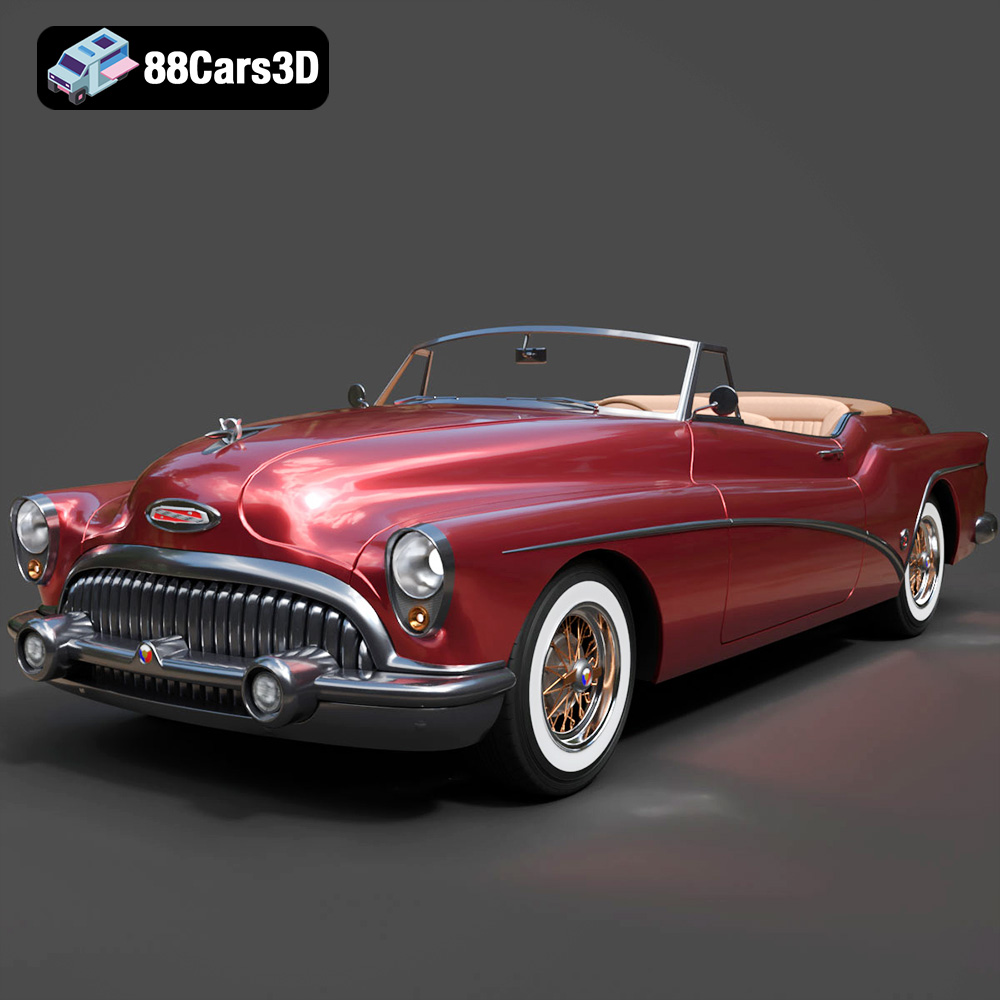
Buick Skylark Convertible 1953 3D Model
Texture: Yes
Material: Yes
Download the Buick Skylark Convertible 1953 3D Model featuring iconic 1950s styling, a detailed exterior with chrome accents, and an accurately modeled interior. Includes .blend, .fbx, .obj, .glb, .stl, .ply, .unreal, and .max formats for rendering, simulation, and game development.
Price: $10.79

Buick Roadmaster Hardtop Coupe 1957 3D Model
Texture: Yes
Material: Yes
Download the Buick Roadmaster Hardtop Coupe 1957 3D Model featuring a classic American design with detailed exterior and interior. Includes .blend, .fbx, .obj, .glb, .stl, .ply, .unreal, and .max formats for rendering, simulation, and game development.
Price: $10.79
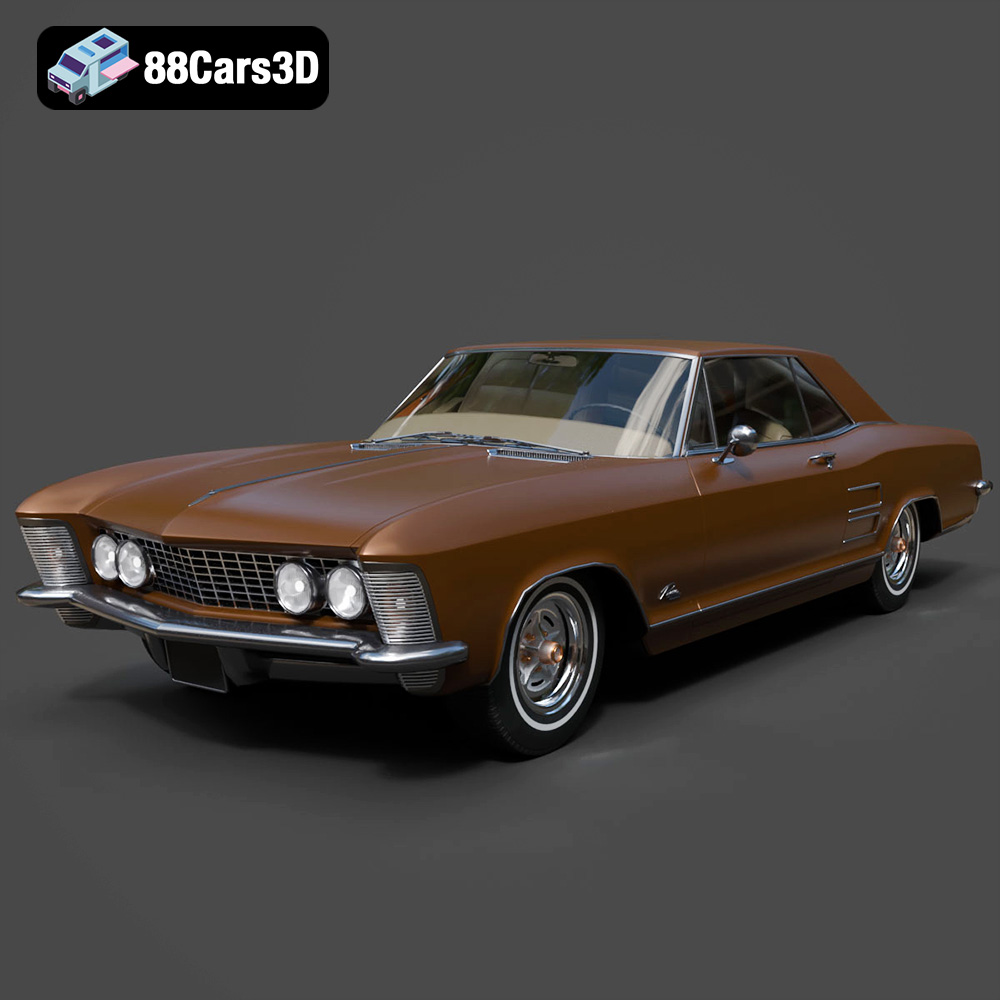
Buick Riviera 1963 3D Model
Texture: Yes
Material: Yes
Download the Buick Riviera 1963 3D Model featuring classic American muscle car design and iconic styling. Includes .blend, .fbx, .obj, .glb, .stl, .ply, .unreal, and .max formats for rendering, simulation, and game development.
Price: $10.79
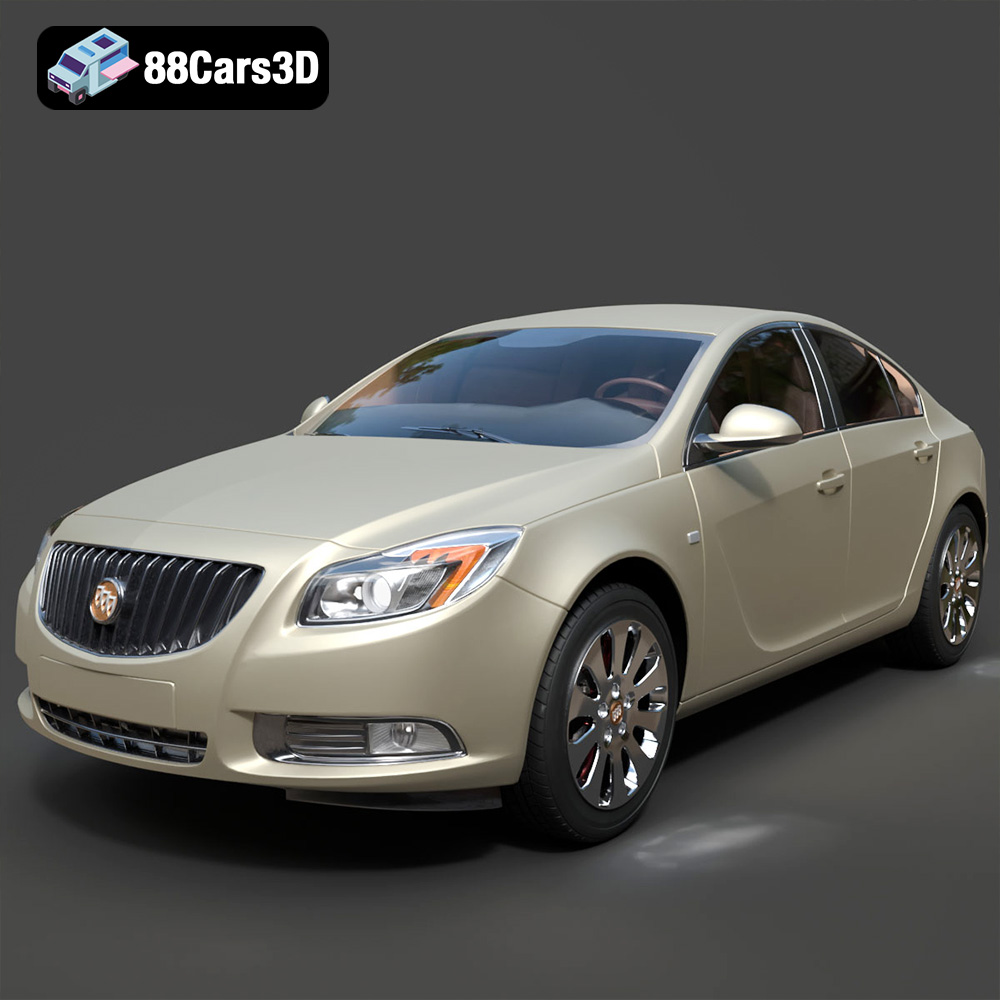
Buick Regal 3D Model
Texture: Yes
Material: Yes
Download the Buick Regal 3D Model featuring a classic American sedan design, detailed exterior, and optimized interior. Includes .blend, .fbx, .obj, .glb, .stl, .ply, .unreal, and .max formats for rendering, simulation, and game development.
Price: $10.79
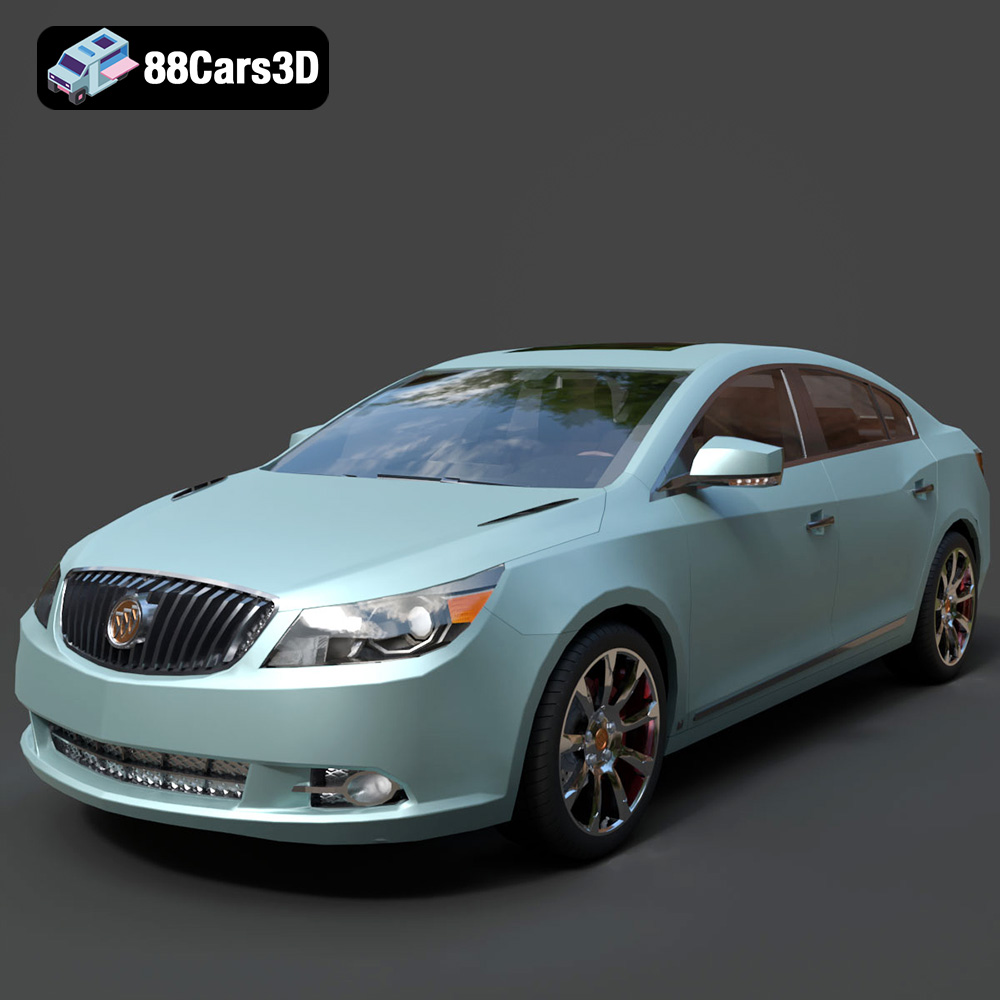
Buick LaCrosse 2008 3D Model
Texture: Yes
Material: Yes
Download the Buick LaCrosse 3D Model featuring professional modeling and texture work. Includes .blend, .fbx, .obj, .glb, .stl, .ply, .unreal, and .max formats for rendering, simulation, and game development.
Price: $10.79
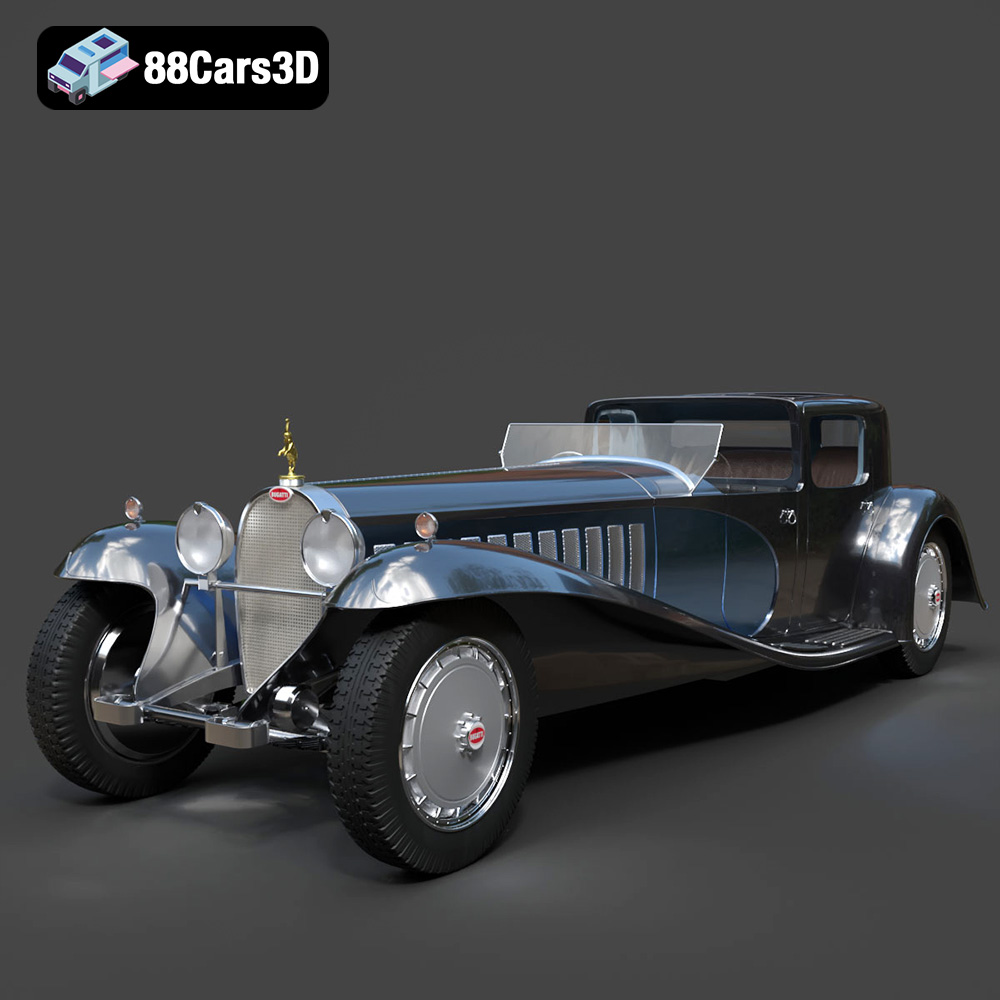
Bugatti Type 41 Napoleon 3D Model
Texture: Yes
Material: Yes
Download the Bugatti Type 41 Napoleon 3D Model featuring its iconic luxury design, detailed exterior, and opulent interior. Includes .blend, .fbx, .obj, .glb, .stl, .ply, .unreal, and .max formats for rendering, simulation, and game development.
Price: $10.79
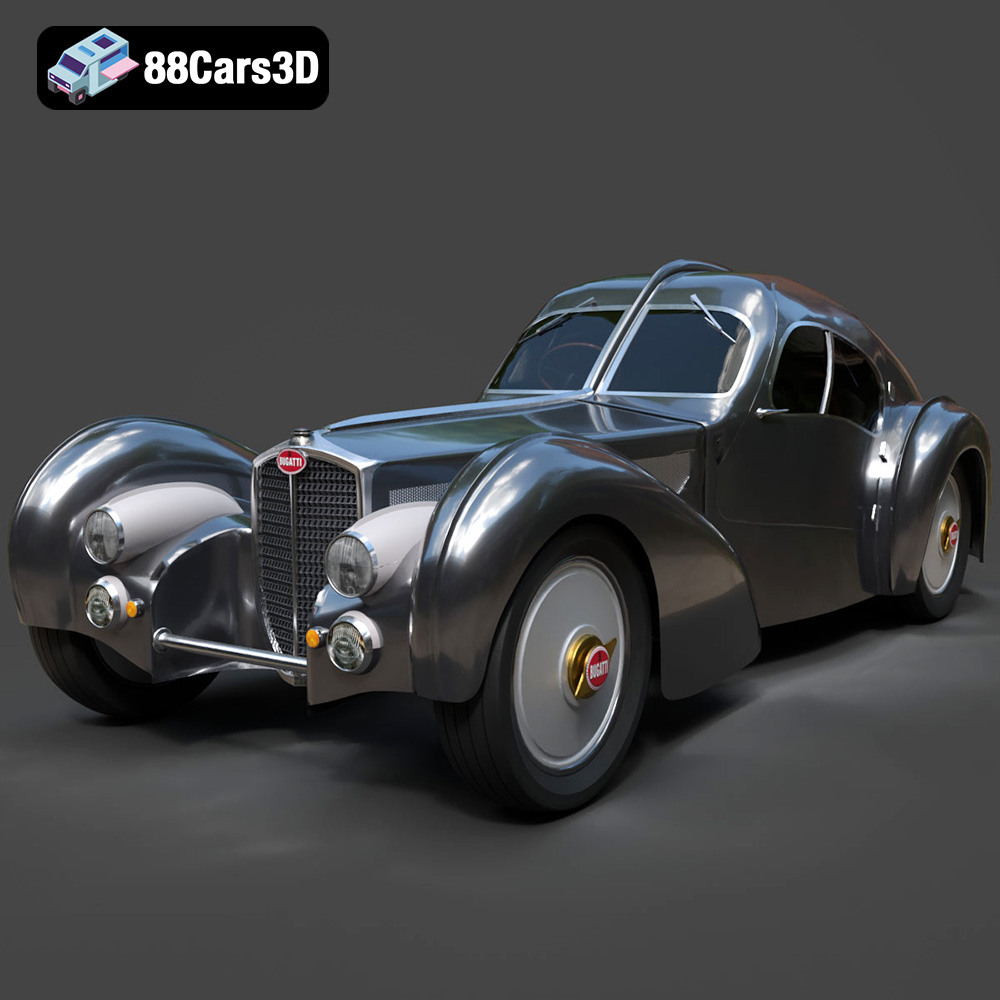
Bugatti Type 57SC Atlantic Coupe 3D Model
Texture: Yes
Material: Yes
Download the Bugatti Type 57SC Atlantic Coupe 3D Model featuring its iconic streamlined body and classic design. Includes .blend, .fbx, .obj, .glb, .stl, .ply, .unreal, and .max formats for rendering, simulation, and game development.
Price: $10.79
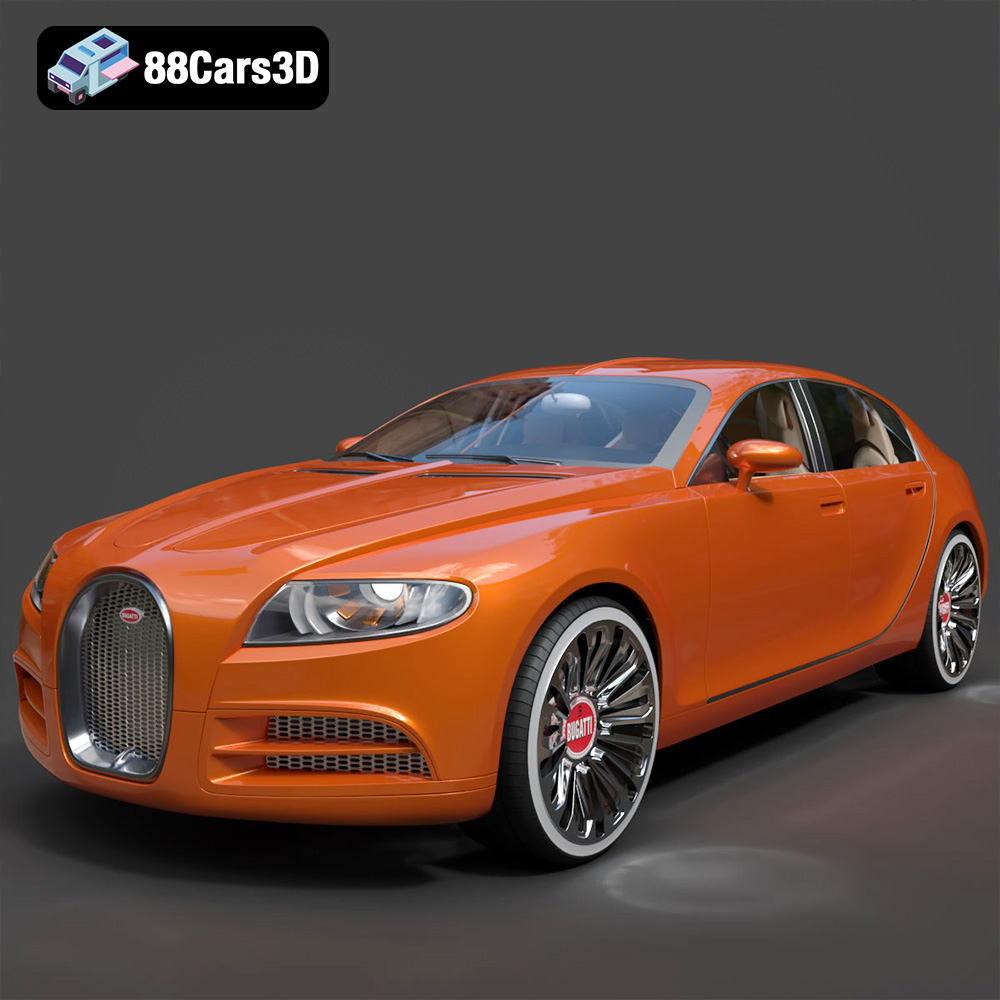
Bugatti 16C Galibier-006 3D Model
Texture: Yes
Material: Yes
Download the Bugatti 16C Galibier-006 3D Model featuring its luxurious sedan design, detailed interior, and sophisticated exterior. Includes .blend, .fbx, .obj, .glb, .stl, .ply, .unreal, and .max formats for rendering, simulation, and game development.
Price: $10.79
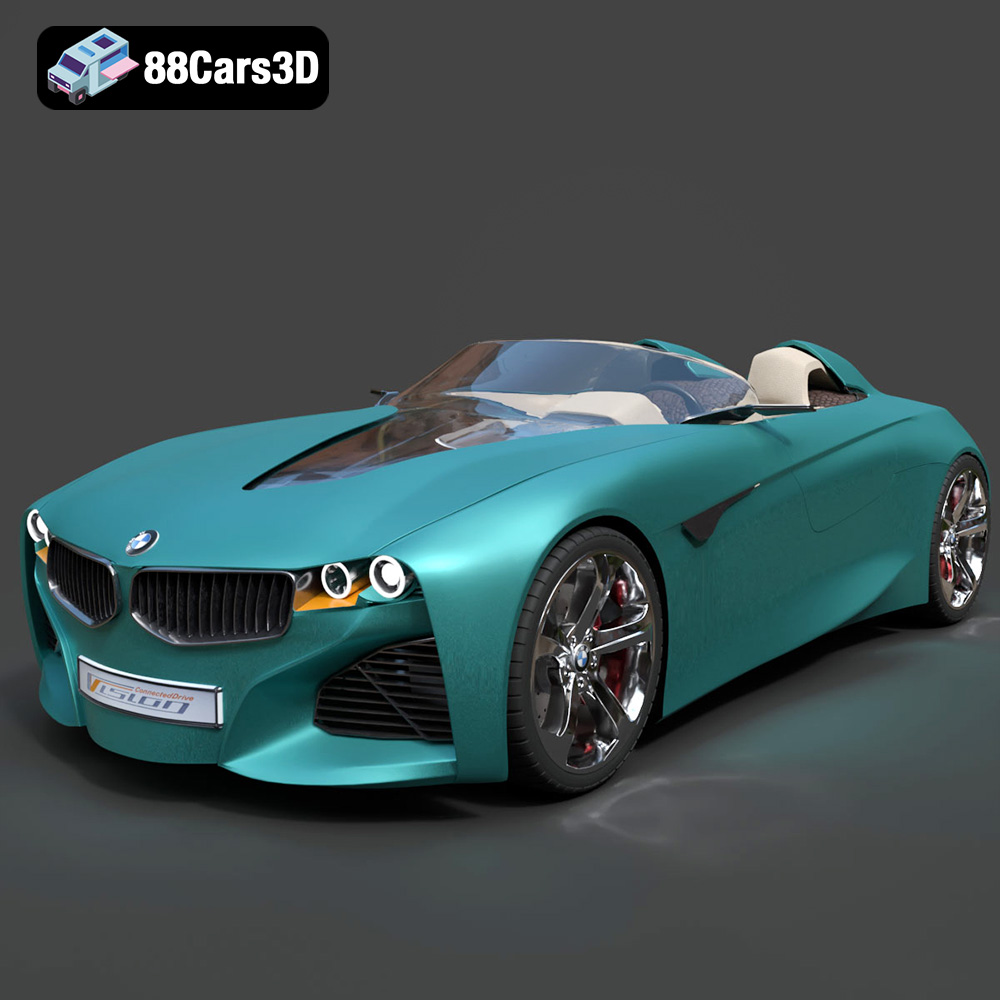
BMW Vision Connected Drive Concept 3D Model
Texture: Yes
Material: Yes
Download the BMW Vision Connected Drive Concept 3D Model featuring its innovative design, advanced connectivity, and sleek aesthetics. Includes .blend, .fbx, .obj, .glb, .stl, .ply, .unreal, and .max formats for rendering, simulation, and game development.
Price: $19.79
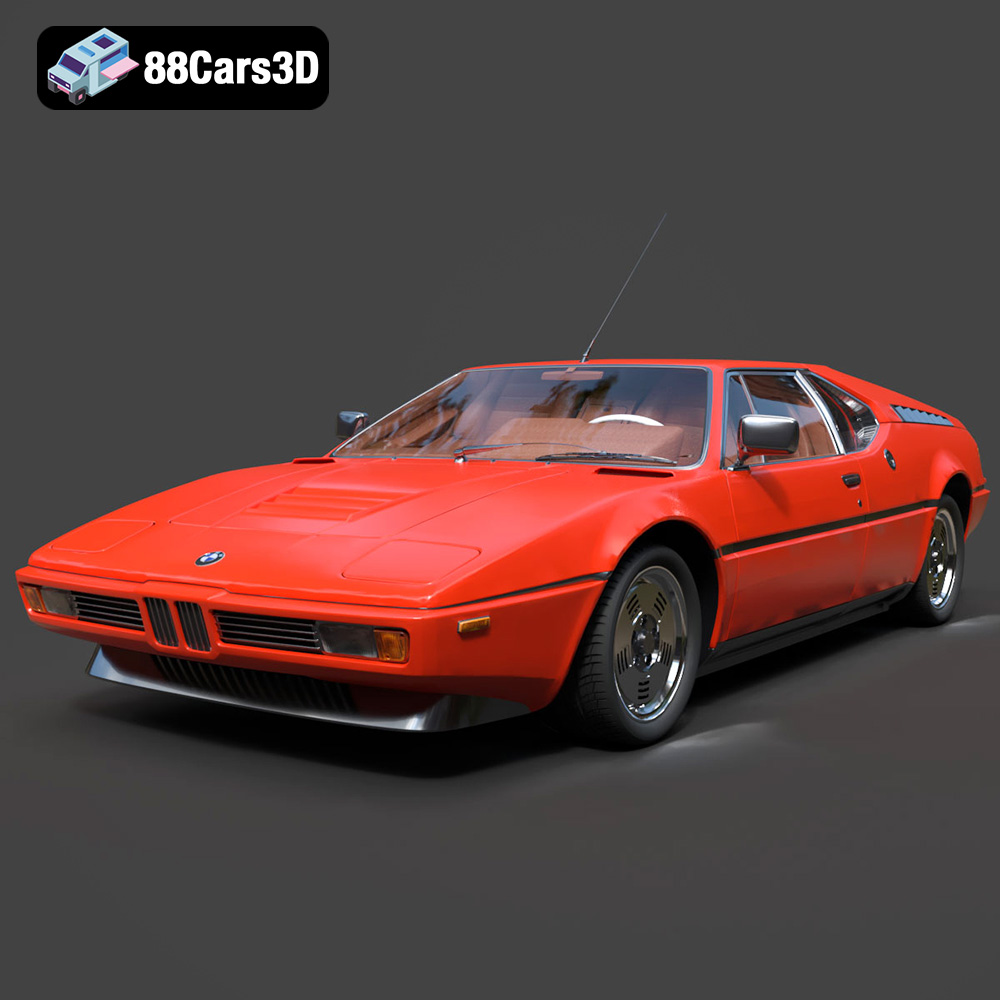
BMW Motorsport M1 E26 1981 3D Model
Texture: Yes
Material: Yes
Download the BMW Motorsport M1 E26 1981 3D Model featuring its iconic design, race-bred aerodynamics, and meticulously crafted details. Includes .blend, .fbx, .obj, .glb, .stl, .ply, .unreal, and .max formats for rendering, simulation, and game development.
Price: $20.79
