

Mastering Vast Landscapes: Unleashing Unreal Engine’s World Partition for Automotive Visualization and Open Worlds
The ambition to create sprawling, hyper-realistic environments has long been a driving force in game development, architectural visualization, and increasingly, in the automotive industry. Imagine driving a meticulously rendered vehicle, perhaps one of the high-fidelity 3D car models from 88cars3d.com, through an infinitely detailed city or a vast, dynamic countryside – all rendered in real-time. This vision, while exhilarating, presents a formidable technical challenge: how do you manage and render such immense worlds without overwhelming system resources or sacrificing performance?
Unreal Engine 5’s answer to this monumental task is the **World Partition** system. Far more than just an incremental update, World Partition represents a fundamental shift in how large open worlds are structured, managed, and streamed, making the creation of previously unimaginable scales not only feasible but also significantly more streamlined. For Unreal Engine developers, 3D artists, game developers, and automotive visualization professionals, understanding and leveraging World Partition is no longer optional; it’s a critical skill for building the next generation of immersive experiences. In this comprehensive guide, we’ll dive deep into World Partition, exploring its mechanics, workflows, optimization strategies, and how it empowers the creation of breathtakingly vast and detailed real-time environments, especially for high-fidelity assets like those found on platforms such as 88cars3d.com.
Understanding Unreal Engine’s World Partition System
At its core, Unreal Engine’s World Partition system is a sophisticated framework designed to manage and stream colossal open worlds efficiently. It represents a significant evolution from the previous World Composition system, addressing its limitations by providing a more robust and scalable solution for handling incredibly large datasets. The fundamental principle behind World Partition is simple yet powerful: instead of loading an entire vast world into memory, it intelligently divides the world into a grid of cells. Only the cells surrounding the player or camera, or those explicitly marked for loading, are streamed into memory at runtime, significantly reducing memory footprint and improving performance. This approach is absolutely critical when working with high-quality assets, like the detailed 3D car models required for automotive visualization, which can be resource-intensive.
This dynamic loading and unloading of content makes World Partition indispensable for any project aiming for immense scale, whether it’s an open-world game, a virtual production stage with vast digital backdrops, or an expansive automotive configurator environment. It democratizes the creation of huge worlds, allowing individual artists and small teams to tackle projects that would previously have required massive resources. The system also fundamentally changes collaborative workflows, as multiple team members can now work on different parts of the same large world simultaneously without conflicting, thanks to its non-overlapping cell-based structure. This paradigm shift ensures that even the most complex scenes, featuring numerous detailed elements and high-polygon car models, can maintain optimal performance.
Key Concepts: Streaming Grids and Data Layers
The efficacy of World Partition hinges on two primary concepts: **Streaming Grids** and **Data Layers**. The *Streaming Grid* is the foundational element, dividing your entire world into a uniform grid of cells. Each cell contains a subset of your world’s Actors. At runtime, Unreal Engine determines which cells are relevant based on the player’s position and view frustum, then streams those cells in and out of memory. This process is largely automatic, though developers can fine-tune streaming distances and rules. The size of these cells can be configured, impacting how finely the world is subdivided and thus how quickly content is streamed. Smaller cells offer more granular control and potentially faster loading of immediate surroundings, but can increase the overhead of managing more cells.
*Data Layers*, on the other hand, provide an organizational framework that works in conjunction with the streaming grid. They allow you to categorize and group actors within your world, enabling selective loading and unloading of specific content sets regardless of their physical location within the grid. For instance, you could have a “Daytime Lighting” Data Layer, a “Nighttime Lighting” Data Layer, an “Interactive Elements” Data Layer, or separate Data Layers for different levels of detail or variations of an environment. This is incredibly powerful for automotive visualization, allowing artists to easily switch between different car models, weather conditions, or environment variants without needing to rebuild or reload the entire map. You can activate or deactivate Data Layers at runtime via Blueprints or C++, providing immense flexibility for interactive experiences and virtual production scenarios.
The Performance Imperative: Why World Partition Matters
Before World Partition, managing extremely large worlds often involved breaking them into numerous sub-levels via World Composition. While functional, this system had limitations, especially regarding memory footprint and collaborative workflows. Every sub-level needed to be loaded into the editor for certain operations, and merging changes from multiple artists could be cumbersome. World Partition fundamentally resolves these issues by implementing a true *single-level* approach. The entire world is still conceptually one map file, but only relevant parts are loaded.
This dramatically reduces the amount of data the engine needs to process at any given moment, leading to:
* **Lower Memory Usage:** Only necessary assets are in RAM, preventing memory overloads even with enormous worlds.
* **Faster Load Times:** Only a fraction of the world needs to be loaded when opening the editor or starting a game.
* **Improved Editor Performance:** The editor remains responsive even when working on vast maps because only a small region is actively loaded.
* **Enhanced Collaborative Workflows:** Multiple artists can work on the same world simultaneously, each focusing on their specific area or Data Layer, with changes automatically integrated. This is a game-changer for large teams developing detailed automotive configurators or expansive virtual test drives where different specialists handle car models, environments, and interactive elements.
Setting Up Your Project with World Partition
Embarking on a new project or converting an existing one to utilize World Partition requires a few straightforward steps, but understanding the implications of each decision is key to a smooth development process. For projects focused on automotive visualization, where the environment serves as a crucial backdrop for high-fidelity car models, proper World Partition setup is paramount for both performance and visual consistency.
Creating a New World Partition Map
When starting fresh, enabling World Partition is simple. In the Unreal Engine editor, go to **File > New Level**. From the templates, select **Open World**. This automatically creates a new level with World Partition enabled and pre-configured with a basic streaming grid. You’ll notice the World Partition minimap in the editor, displaying the grid cells.
Alternatively, you can enable World Partition for any new empty level:
1. Create a new empty level (**File > New Level > Empty Level**).
2. Go to **Window > World Settings**.
3. In the World Settings panel, locate the **World Partition** section.
4. Check the **Enable Streaming** box. This action will usually prompt you to save the map and may ask to convert the world partition grid. Confirm these actions.
Once enabled, you’ll see a new panel: **Window > World Partition > World Partition Editor**. This editor provides a visual representation of your world’s streaming grid and allows you to load/unload specific cells manually for editing purposes. This is incredibly useful for isolating sections of your environment when placing detailed 3D car models or specific props, ensuring the editor remains responsive.
Converting Legacy Maps and Initial Optimization
For existing projects that were created without World Partition (e.g., using World Composition or a single persistent level), Unreal Engine provides a conversion tool.
1. Open your existing level.
2. Go to **Tools > Convert Level to World Partition**.
3. The tool will present options for grid size and cell dimensions. Carefully consider these settings. A smaller cell size (e.g., 256m x 256m) allows for more granular streaming but can increase the number of cells, while larger cells (e.g., 512m x 512m) reduce cell count but might stream larger chunks of content. For highly detailed automotive environments, a balance is often best.
4. Confirm the conversion. The engine will process your level, moving existing actors into the new World Partition structure.
After conversion, or even with a new map, initial optimization is crucial:
* **Streaming Distance:** Adjust the `World Partition Streaming Distance` in your World Settings. This determines how far actors are loaded from the player camera. For automotive visualization, where the camera might move very quickly, you might need a larger distance to prevent pop-in, but be mindful of performance.
* **HLODs (Hierarchical Level of Detail):** Begin setting up HLODs early. World Partition works hand-in-hand with HLODs to generate simplified representations of distant geometry, significantly reducing draw calls and vertex counts for faraway objects. This is particularly vital for urban environments or dense landscapes where numerous background buildings or trees would otherwise cripple performance.
* **Data Layers for Organization:** Start organizing your environment with Data Layers immediately. For instance, create a “Road Network” Data Layer, a “Buildings” Data Layer, an “Interactive Props” Data Layer, and perhaps even a “Car Spawns” Data Layer. This structure simplifies future development and allows for dynamic content management. When sourcing automotive assets from marketplaces such as 88cars3d.com, you can import them into specific Data Layers to control their visibility and runtime behavior. Remember to reference the official Unreal Engine documentation at https://dev.epicgames.com/community/unreal-engine/learning for the most accurate and up-to-date guidance on World Partition setup and best practices.
Streamlining Asset Management with World Partition & Data Layers
Effective asset management is paramount in any large-scale Unreal Engine project, and World Partition, particularly through its Data Layers feature, transforms this process. For automotive visualization professionals and game developers using high-quality assets like the 3D car models from 88cars3d.com, Data Layers offer an unparalleled level of control over how content is organized, collaborated upon, and experienced at runtime. They move beyond simple visibility toggles, becoming a powerful tool for scene composition, performance optimization, and collaborative workflows.
Organizing Content with Data Layers for Automotive Scenes
Imagine an expansive virtual city designed for testing autonomous vehicles or an interactive automotive configurator that needs to showcase different environments and conditions. Without Data Layers, managing the myriad of assets—roads, buildings, foliage, lighting setups, pedestrian traffic, and various car models—would be a monumental undertaking. Data Layers provide a logical grouping mechanism for Actors, allowing you to define distinct content sets.
Here are practical examples for automotive scenes:
* **Environment Variations:** Create separate Data Layers for “Day_Environment,” “Night_Environment,” “Rainy_Weather,” or “Snow_Conditions.” At runtime, you can activate only the relevant Data Layers to switch the entire scene’s ambiance.
* **Detail Levels:** For very large environments, you might create “High_Detail_Props” and “Low_Detail_Props” Data Layers. In lower-spec scenarios or distant camera shots, you could deactivate the high-detail layer.
* **Interactive Elements:** Group all interactive objects (e.g., traffic lights, barriers, destructible props) into an “Interactive_Elements” Data Layer.
* **Specific Car Models/Props:** When importing a new high-quality 3D car model from 88cars3d.com, you can assign it to a specific Data Layer, e.g., “Sports_Car_Models” or “SUV_Models.” This allows you to easily toggle entire categories of vehicles for comparison or display.
* **Workflow Layers:** Create “WIP_Art_Assets” or “QA_Testing_Points” Data Layers that are only active during development and never shipped with the final product.
To assign Actors to a Data Layer:
1. Select the desired Actors in the Outliner.
2. In the Details panel, under the “Data Layers” section, add a new Data Layer. You can either select an existing one or create a new one directly.
3. Save your level. The Actors will now be associated with that Data Layer.
In the World Partition Editor (**Window > World Partition > Data Layers Outliner**), you can view all defined Data Layers and manually activate/deactivate them in the editor. This instant toggling is invaluable for quickly previewing different scene compositions or isolating specific asset types during development.
Collaborative Workflows and Version Control
Data Layers significantly enhance collaborative development. In traditional single-level workflows, multiple artists working on the same area would often conflict. With World Partition and Data Layers:
* **Specialized Focus:** An environment artist can work on the “Building_Exteriors” Data Layer, while another artist simultaneously focuses on the “Interior_Props” Data Layer of the same building, or a lighting artist tweaks the “Night_Lighting” Data Layer.
* **Reduced Conflicts:** Since Data Layers logically separate content, the chances of conflicts during version control (e.g., Perforce or Git LFS) are drastically reduced. Changes made to one Data Layer are less likely to clash with changes made to another, even if they occupy the same physical space in the world.
* **Modular Development:** Teams can develop distinct features or asset sets in isolation using their own Data Layers, then integrate them seamlessly into the main world. This fosters modularity and allows for parallel development, accelerating project timelines, especially for large-scale automotive projects with many different environmental elements and vehicle models.
By leveraging Data Layers, teams can manage the complexity of vast open worlds with much greater efficiency, ensuring that high-fidelity assets like those from 88cars3d.com are integrated and managed effectively throughout the entire production pipeline.
Optimizing Performance in World Partition Worlds
Achieving fluid, real-time performance in vast World Partition environments, especially when showcasing high-fidelity 3D car models and intricate environments, demands a multi-faceted optimization strategy. While World Partition inherently improves memory management, raw rendering performance still hinges on how intelligently content is prepared and streamed. Key Unreal Engine features like HLODs, Nanite, and Lumen play crucial roles in this optimization journey.
HLODs and Performance: A Synergistic Approach
Hierarchical Level of Detail (HLODs) are indispensable for rendering large, complex scenes efficiently. World Partition works in perfect synergy with HLODs. Instead of individual meshes having their own LODs, HLODs generate simplified proxy meshes and materials for clusters of actors at increasing distances from the camera. This means that distant buildings, forests, or entire city blocks can be represented by a single, low-polygon mesh with a baked texture, drastically reducing draw calls and vertex counts.
To set up HLODs:
1. Go to **Window > HLOD Outliner**.
2. Select the actors you want to include in an HLOD cluster.
3. Right-click in the HLOD Outliner and select **New HLOD Layer**.
4. Configure the HLOD layer settings (e.g., target triangle count, merge distance, material baking). For large-scale automotive environments, you’ll likely want multiple HLOD layers to handle various distance thresholds.
5. Generate HLODs. Unreal Engine will process the geometry and create the simplified representations.
When using high-detail car models from 88cars3d.com, you might not generate HLODs *for the car model itself* (as it’s often a primary focus), but HLODs for the surrounding environment are crucial. A beautifully rendered car will only shine if the environment it sits in also performs well. Proper HLOD generation ensures that the background elements don’t steal performance from your hero vehicle assets. This allows for a rich and detailed environment to be rendered at a distance without incurring a significant performance cost.
Integrating Nanite and Lumen with World Partition
Unreal Engine 5’s groundbreaking technologies, **Nanite** and **Lumen**, are natural allies for World Partition, especially for automotive visualization.
* **Nanite Virtualized Geometry:** Nanite is a virtualized geometry system that allows artists to import and render film-quality assets with billions of polygons directly into Unreal Engine without manual LOD creation or significant performance penalties. This is a game-changer for high-fidelity car models and detailed environments sourced from platforms like 88cars3d.com. When assets are Nanite-enabled, Unreal Engine handles the real-time culling and streaming of geometric detail, rendering only the pixels that are relevant to the camera. This means you can populate a vast World Partition map with incredibly detailed props and environments, and Nanite will ensure optimal performance by efficiently managing the geometry. For automotive scenes, this allows for unparalleled visual fidelity in vehicle exteriors, interiors, and even complex engine models, all within a vast, explorable world. Just ensure your static meshes are set to “Nanite Enabled” in their Details panel.
* **Lumen Global Illumination and Reflections:** Lumen provides fully dynamic global illumination and reflections, bringing unprecedented realism to lighting in real-time. In a World Partition environment, Lumen works across the entire streamed world, ensuring consistent and physically accurate lighting and reflections as the player navigates. This is vital for automotive visualization, where accurate lighting is essential to showcase the intricate surface details and paint finishes of a car model. Lumen dynamically adapts to scene changes, meaning that if you change a Data Layer to activate a different time of day or weather condition, Lumen will instantly update the global illumination across the streamed cells. While Lumen can be performance-intensive, its integration with World Partition ensures that its calculations are only performed on the currently loaded parts of the world, making it feasible for large-scale projects. Careful configuration of Lumen settings (e.g., quality, trace distances) is necessary to balance fidelity and performance.
By strategically combining World Partition with HLODs for distant static meshes and leveraging Nanite for highly detailed close-up geometry (including 88cars3d.com’s car models) alongside Lumen for dynamic, realistic lighting, developers can create truly stunning and performant large-scale automotive environments. Performance profiling tools like the Unreal Insights and Stat commands (`stat unit`, `stat rhi`, `stat gpu`) are essential for identifying bottlenecks and fine-tuning these systems.
Advanced Workflows: Runtime Management & Virtual Production
World Partition’s utility extends far beyond static level loading, offering robust capabilities for dynamic runtime management and becoming a cornerstone for advanced workflows like virtual production and interactive automotive experiences. Leveraging its programmatic control via Blueprints and C++ allows developers to create truly reactive and flexible environments.
Blueprinting Dynamic World Partition Interactions
The ability to control World Partition streaming and Data Layers programmatically via Blueprints or C++ opens up a world of possibilities for interactive applications. This is especially powerful for automotive configurators, virtual showrooms, or dynamic simulation environments where users need to alter the scene in real-time.
**Examples of Blueprinting World Partition:**
* **Dynamic Environment Switching:** Imagine a user in an automotive configurator wanting to see a car model from 88cars3d.com in different environments (e.g., a city street, a desert track, a studio showroom). You can create UI buttons that, when pressed, trigger a Blueprint to:
1. Deactivate the currently active environment Data Layer (e.g., `SetIsDataLayerActive(false, “City_Env”)`).
2. Activate the new environment Data Layer (e.g., `SetIsDataLayerActive(true, “Desert_Env”)`).
This provides seamless, instant transitions between entirely different backdrops.
* **Time of Day/Weather Changes:** A Blueprint can manage multiple Data Layers representing different times of day (e.g., “Morning_Lighting”, “Evening_Lighting”) or weather conditions (e.g., “Clear_Sky”, “Rainy_Sky”). An interactive slider or button could dynamically activate and deactivate these layers, providing a fully dynamic simulation.
* **Performance Scaling:** For users with varying hardware capabilities, a Blueprint could detect system specifications and dynamically activate/deactivate Data Layers containing high-detail props or effects, ensuring a smooth experience across different machines.
* **Mission/Event Triggers:** In a game context, specific game events could trigger the loading of new parts of the world or activate Data Layers containing specific NPCs or interactive elements relevant to a mission.
* **Manual Streaming Control:** While World Partition handles automatic streaming, you can use nodes like `LoadWorldPartition` or `UnloadWorldPartition` to explicitly manage streaming for specific regions if you need precise control for specific events or pre-loading scenarios, perhaps for a cinematic sequence starting in a particular area.
Virtual Production and Large-Scale Background Environments
Virtual Production, particularly LED wall stages, has revolutionized filmmaking. World Partition is an absolute game-changer in this domain. When filming a car commercial against a massive LED volume, the background environment rendered in Unreal Engine needs to be incredibly detailed, expansive, and performant. World Partition enables this by:
* **Managing Huge Backgrounds:** An LED wall might display a vast cityscape or a sweeping natural landscape. World Partition ensures that only the relevant portion of this immense environment is streamed and rendered onto the LED panels at any given time, maintaining high frame rates essential for real-time camera tracking and parallax.
* **Dynamic Background Changes:** Directors can rapidly switch between different background environments, or even different versions of the same environment (e.g., day to night, sunny to overcast), simply by activating different Data Layers. This allows for unparalleled creative flexibility on set.
* **Seamless Transitions:** As the physical camera moves across the LED stage, World Partition seamlessly streams in new parts of the virtual environment, providing a continuous, believable backdrop for the physical car model and actors.
* **Pre-visualization:** For automotive pre-visualization, directors and clients can explore various virtual locations with the car model, making real-time decisions about lighting, camera angles, and environmental details, all powered by a World Partition setup.
* **Sequencer Integration:** For crafting cinematic sequences within these vast worlds, Unreal Engine’s **Sequencer** tool works seamlessly with World Partition. You can animate camera paths across immense distances, knowing that World Partition will efficiently stream the necessary environment cells and Data Layers, allowing for the creation of breathtaking automotive cinematic content without manual level management.
By integrating World Partition with Blueprint logic and specialized virtual production workflows, artists and developers can unlock unprecedented levels of interactivity and realism in automotive visualization, game development, and cinematic experiences.
Challenges and Best Practices for Large-Scale Environments
While World Partition simplifies the creation of vast open worlds, navigating its complexities and ensuring optimal performance requires foresight and adherence to best practices. Creating environments that effectively showcase high-quality assets, such as the detailed 3D car models available on 88cars3d.com, while maintaining smooth real-time rendering, involves addressing several common challenges.
Avoiding Common Pitfalls and Optimizing Workflow
Developing truly massive environments with World Partition can introduce new challenges that, if not managed correctly, can hinder performance and workflow efficiency.
* **Over-Scoping:** The ease of creating vast worlds with World Partition can tempt teams to make environments larger than strictly necessary. Remember, every asset, even streamed ones, contributes to build times and project size. Plan your world’s scope realistically.
* **Incorrect Cell Size Selection:** Choosing an inappropriate cell size during setup can lead to inefficient streaming. Too small, and the overhead of managing many cells can increase; too large, and you might be streaming more content than needed. Experimentation based on your world’s density and typical player speed is key. For fast-moving vehicles, larger cells or increased streaming distances might be preferable to avoid pop-in.
* **Data Layer Sprawl:** While Data Layers are powerful, creating too many or poorly defined ones can lead to organizational chaos. Establish clear naming conventions and grouping strategies from the outset. For instance, `DL_Environment_Urban`, `DL_Lighting_Day`, `DL_Props_Interactive`.
* **Build Times and Iteration:** Generating HLODs and building lighting (even with Lumen, some precomputation might be involved for specific scenarios) across a truly massive world can still take considerable time. Use HLOD generation settings wisely, and leverage Lumen’s real-time capabilities to reduce reliance on baked lighting.
* **Debugging Streaming Issues:** If content isn’t streaming correctly (e.g., objects popping in late), use the World Partition Editor to manually load/unload cells, and use console commands like `wp.LogStreaming` to get verbose logging on streaming activity. Visualize streaming bounds with `show WorldPartition` in the editor.
* **Performance Monitoring:** Continuously profile your game or application using Unreal Insights, `stat` commands (e.g., `stat unit`, `stat gpu`, `stat streaming`), and hardware monitoring tools. Identify bottlenecks early, whether they are CPU (draw calls, object updates) or GPU (pixel fill, complex materials).
* **Version Control for Large Worlds:** While World Partition helps reduce conflicts, managing a single, very large `.umap` file in version control systems (like Perforce or Git LFS) still requires discipline. Ensure frequent check-ins and educate team members on proper World Partition workflow.
Managing High-Fidelity Automotive Assets
When integrating incredibly detailed 3D car models from sources like 88cars3d.com into a World Partition environment, specific considerations apply to ensure they look their best without crippling performance.
* **Nanite for Car Models:** Always enable Nanite for your hero vehicle assets. This allows you to bring in extremely high-polygon models with multiple million triangles without needing to manually generate LODs, ensuring peak visual quality up close. Nanite will handle the geometric complexity, making models from 88cars3d.com shine.
* **PBR Materials and Texture Resolution:** Use physically based rendering (PBR) materials with appropriate texture resolutions (e.g., 4K or 8K for primary car textures) for the vehicle itself. For environmental elements, optimize texture resolutions based on their importance and distance from the camera. Use virtual textures (sparse textures) for vast landscapes to efficiently manage texture memory.
* **Blueprint for Vehicle Dynamics and Interaction:** Integrate your car models with a robust Blueprint or C++ vehicle physics system. This allows for realistic driving experiences within your World Partition environment. You can also use Blueprints to manage interactive elements related to the car, such as door openings, interior light toggles, or even damage states.
* **LODs for Small Props and Distant Cars:** While your hero car might use Nanite, any distant vehicles or small props scattered throughout your large world should still utilize traditional LODs to maintain performance. Generate them carefully or ensure your sourced assets come with optimized LODs.
* **Lighting and Reflection Captures:** Even with Lumen, strategically placed Reflection Captures can enhance localized reflections, especially on the glossy surfaces of a car model. Ensure your lighting setup (using Directional Lights, Sky Lights, and potentially Spot Lights for specific details) properly showcases the car’s design.
By adhering to these best practices and proactively addressing potential challenges, developers can leverage World Partition to create truly immersive and visually stunning large-scale environments where high-fidelity automotive assets can be showcased in their full glory, providing unparalleled experiences for games, visualization, and virtual production.
Conclusion
The creation of vast, immersive open worlds is no longer a futuristic dream but a tangible reality, thanks in large part to Unreal Engine 5’s groundbreaking **World Partition** system. For Unreal Engine developers, 3D artists, game developers, and especially those in automotive visualization, World Partition is an indispensable tool for managing the immense scale and complexity demanded by modern real-time projects. It liberates artists and designers from the previous constraints of memory and performance, opening up a canvas of limitless possibilities.
Throughout this guide, we’ve explored the core mechanics of World Partition, from its fundamental streaming grids and organizational Data Layers to its seamless integration with cutting-edge technologies like Nanite and Lumen. We’ve delved into practical setup workflows, detailed optimization strategies, and examined how advanced techniques can power dynamic automotive configurators, virtual test drives, and sophisticated virtual production stages. By understanding and implementing these techniques, you can ensure that your high-fidelity assets, such as the meticulously crafted 3D car models from 88cars3d.com, are beautifully showcased within performant, expansive, and breathtaking environments.
Embracing World Partition means embracing the future of large-scale content creation in Unreal Engine. It streamlines collaborative efforts, enhances runtime performance, and provides unparalleled flexibility for dynamic, interactive experiences. Don’t let the ambition of a massive world deter you; leverage World Partition to bring your grandest visions to life. Start experimenting with World Partition in your next Unreal Engine project, and remember to visit 88cars3d.com for optimized, production-ready 3D car models to populate your magnificent new worlds. The era of truly epic real-time environments is here, and World Partition is your key to unlocking it.
Featured 3D Car Models
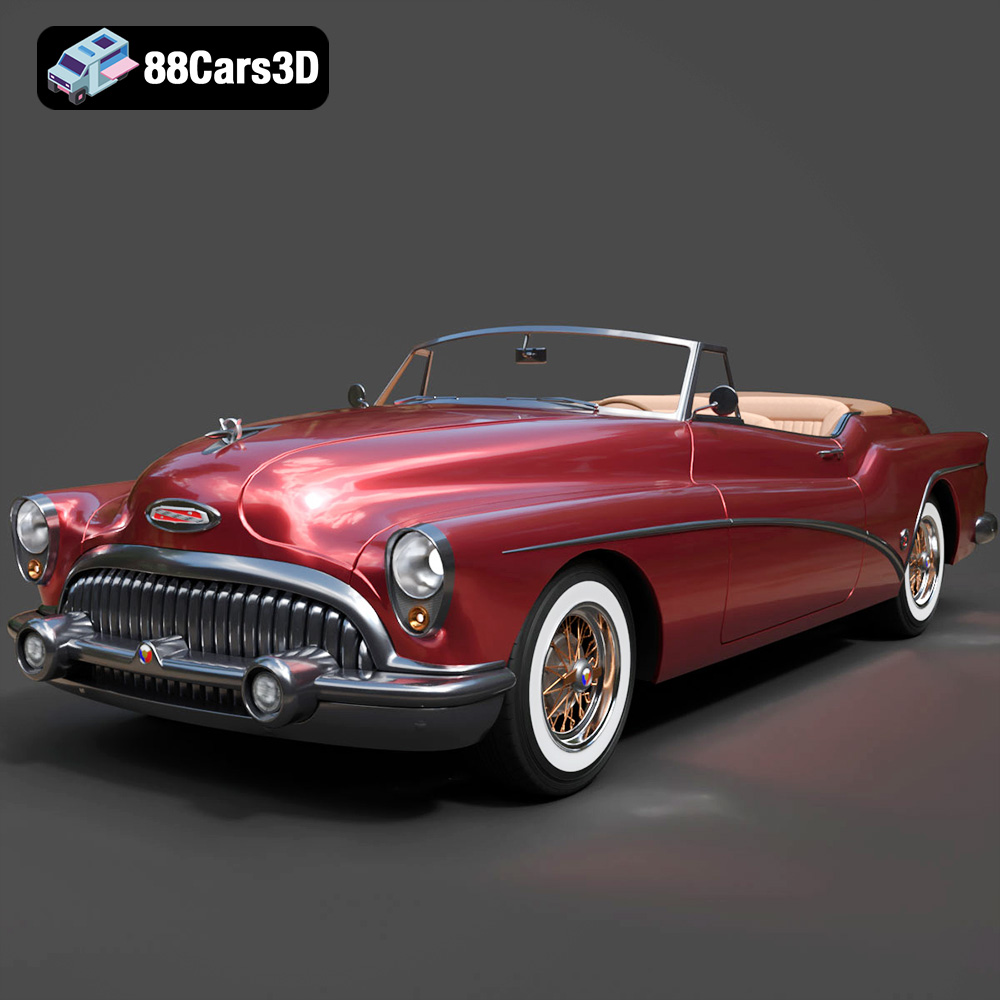
Buick Skylark Convertible 1953 3D Model
Texture: Yes
Material: Yes
Download the Buick Skylark Convertible 1953 3D Model featuring iconic 1950s styling, a detailed exterior with chrome accents, and an accurately modeled interior. Includes .blend, .fbx, .obj, .glb, .stl, .ply, .unreal, and .max formats for rendering, simulation, and game development.
Price: $10.79

Buick Roadmaster Hardtop Coupe 1957 3D Model
Texture: Yes
Material: Yes
Download the Buick Roadmaster Hardtop Coupe 1957 3D Model featuring a classic American design with detailed exterior and interior. Includes .blend, .fbx, .obj, .glb, .stl, .ply, .unreal, and .max formats for rendering, simulation, and game development.
Price: $10.79
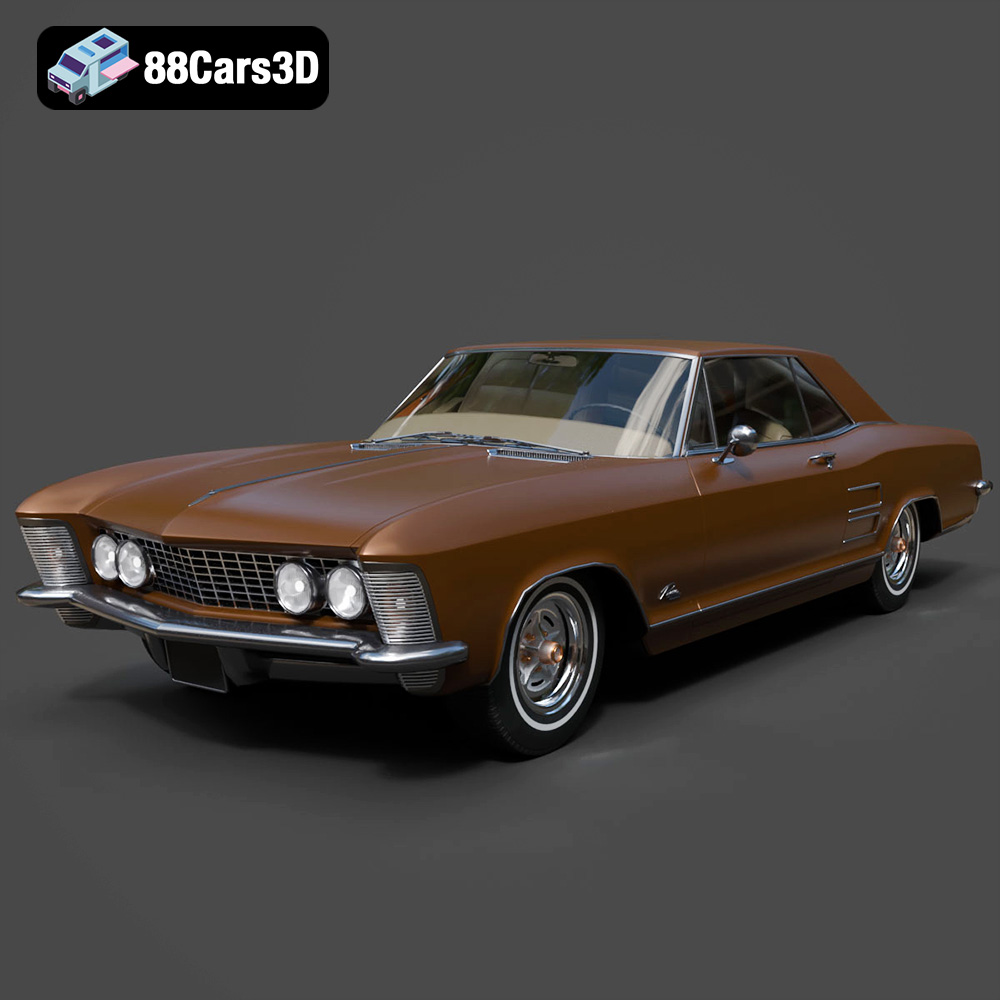
Buick Riviera 1963 3D Model
Texture: Yes
Material: Yes
Download the Buick Riviera 1963 3D Model featuring classic American muscle car design and iconic styling. Includes .blend, .fbx, .obj, .glb, .stl, .ply, .unreal, and .max formats for rendering, simulation, and game development.
Price: $10.79
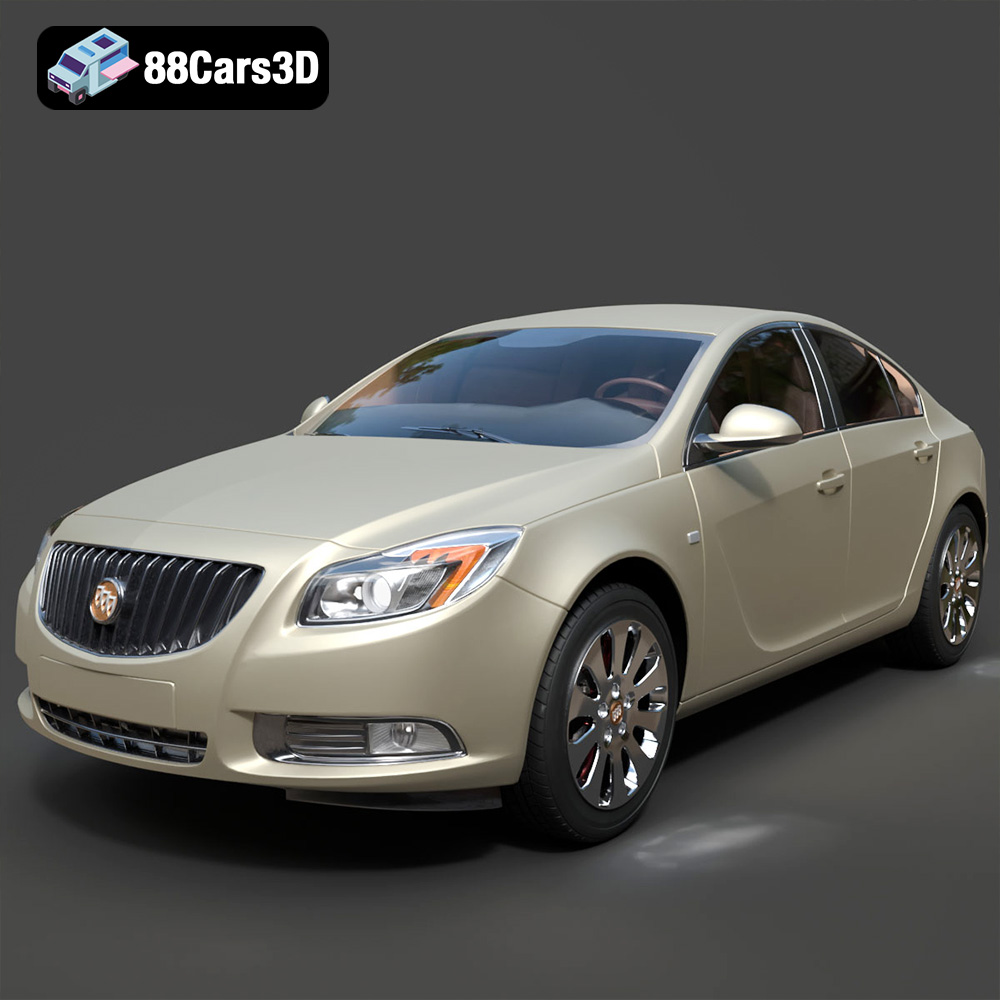
Buick Regal 3D Model
Texture: Yes
Material: Yes
Download the Buick Regal 3D Model featuring a classic American sedan design, detailed exterior, and optimized interior. Includes .blend, .fbx, .obj, .glb, .stl, .ply, .unreal, and .max formats for rendering, simulation, and game development.
Price: $10.79
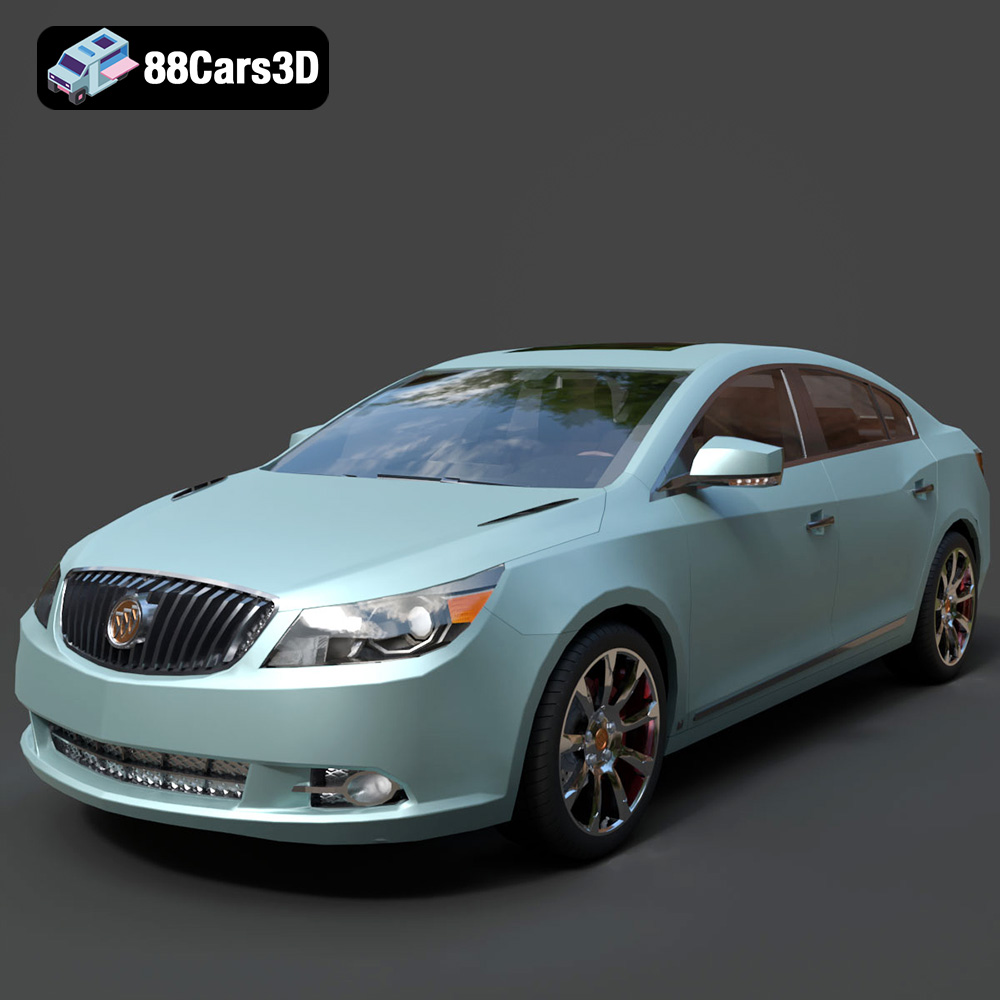
Buick LaCrosse 2008 3D Model
Texture: Yes
Material: Yes
Download the Buick LaCrosse 3D Model featuring professional modeling and texture work. Includes .blend, .fbx, .obj, .glb, .stl, .ply, .unreal, and .max formats for rendering, simulation, and game development.
Price: $10.79
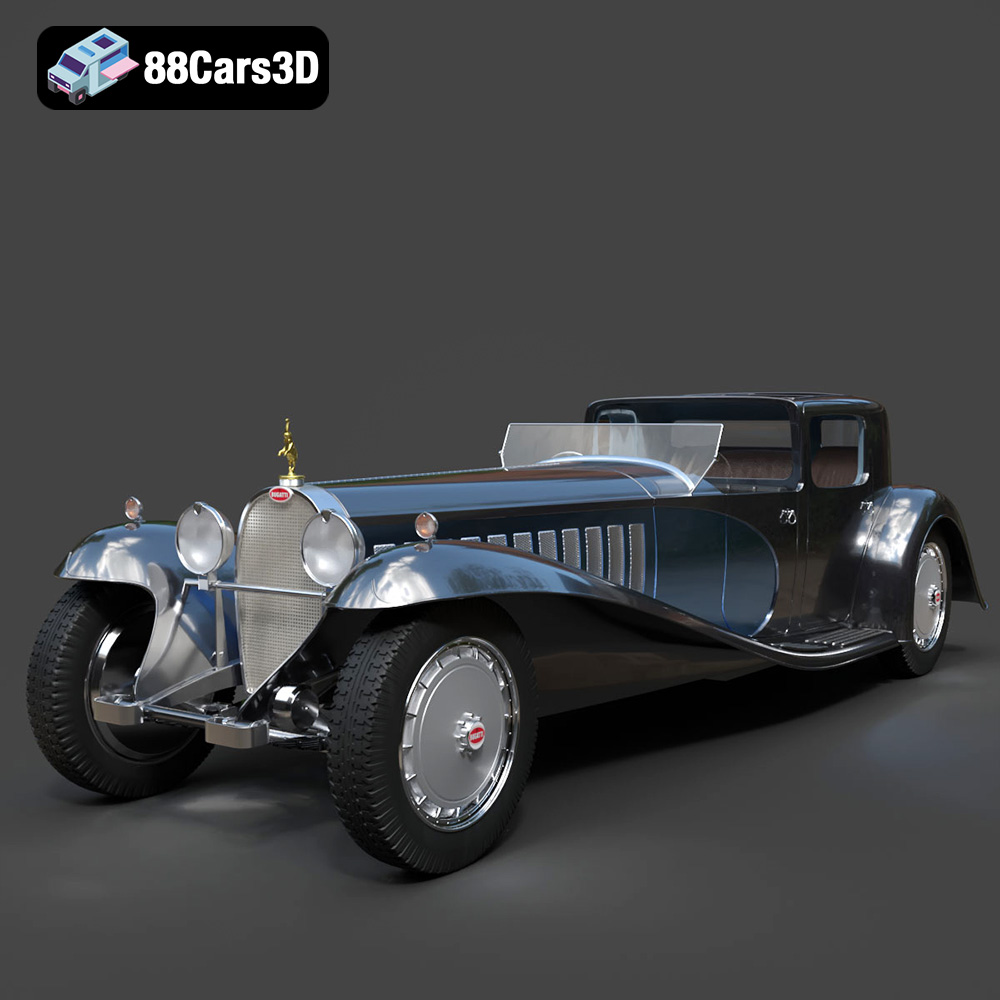
Bugatti Type 41 Napoleon 3D Model
Texture: Yes
Material: Yes
Download the Bugatti Type 41 Napoleon 3D Model featuring its iconic luxury design, detailed exterior, and opulent interior. Includes .blend, .fbx, .obj, .glb, .stl, .ply, .unreal, and .max formats for rendering, simulation, and game development.
Price: $10.79
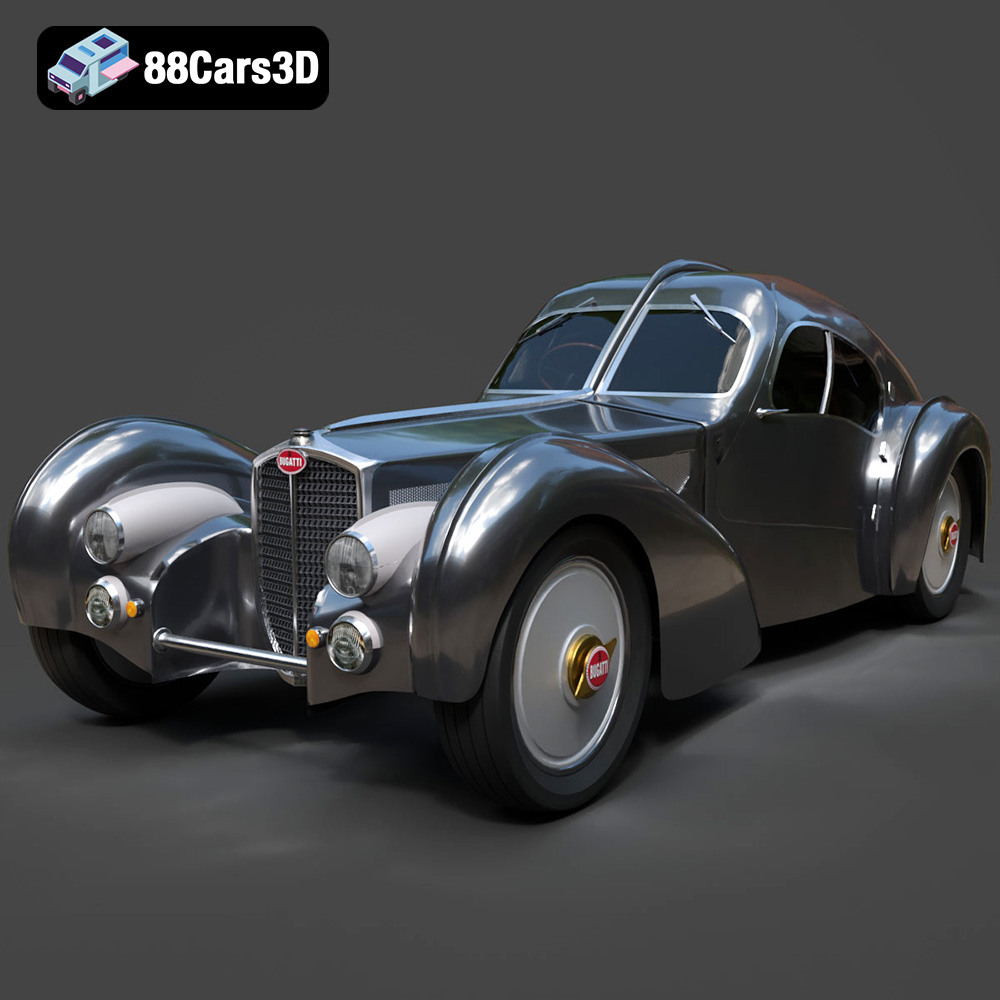
Bugatti Type 57SC Atlantic Coupe 3D Model
Texture: Yes
Material: Yes
Download the Bugatti Type 57SC Atlantic Coupe 3D Model featuring its iconic streamlined body and classic design. Includes .blend, .fbx, .obj, .glb, .stl, .ply, .unreal, and .max formats for rendering, simulation, and game development.
Price: $10.79
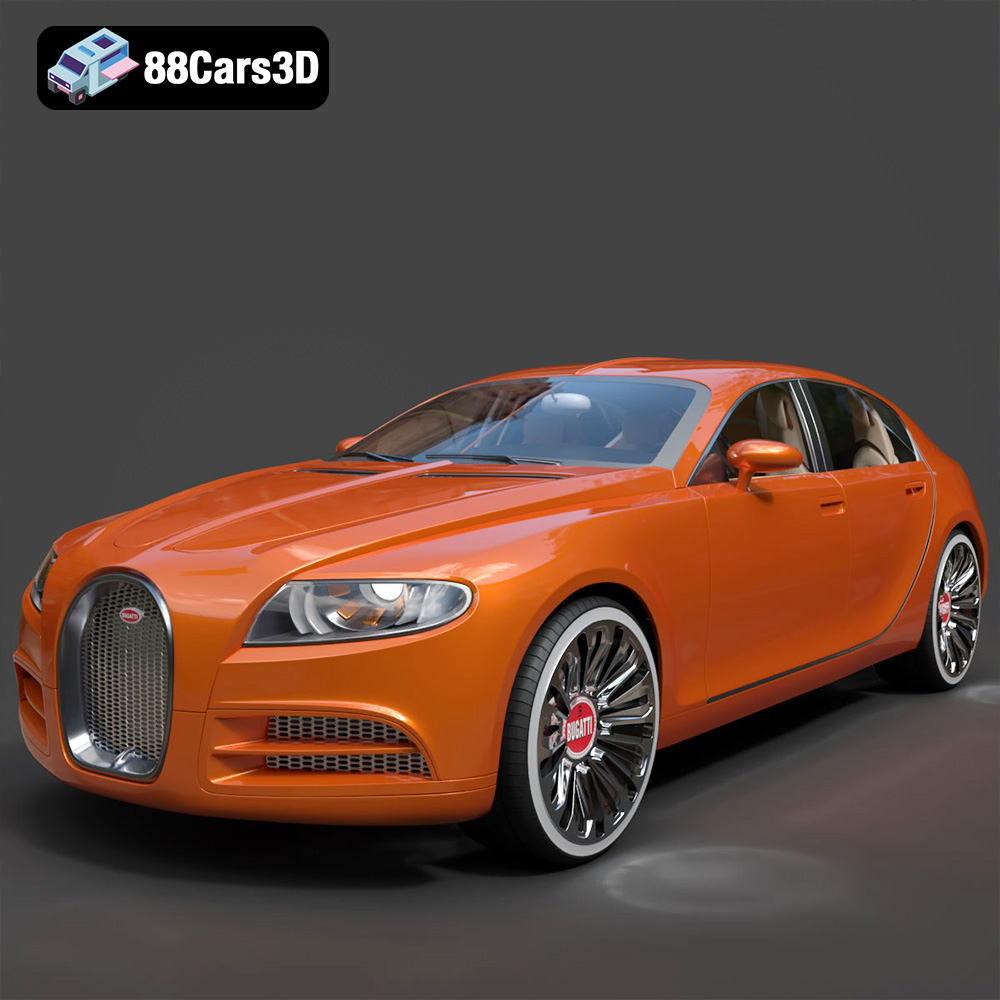
Bugatti 16C Galibier-006 3D Model
Texture: Yes
Material: Yes
Download the Bugatti 16C Galibier-006 3D Model featuring its luxurious sedan design, detailed interior, and sophisticated exterior. Includes .blend, .fbx, .obj, .glb, .stl, .ply, .unreal, and .max formats for rendering, simulation, and game development.
Price: $10.79
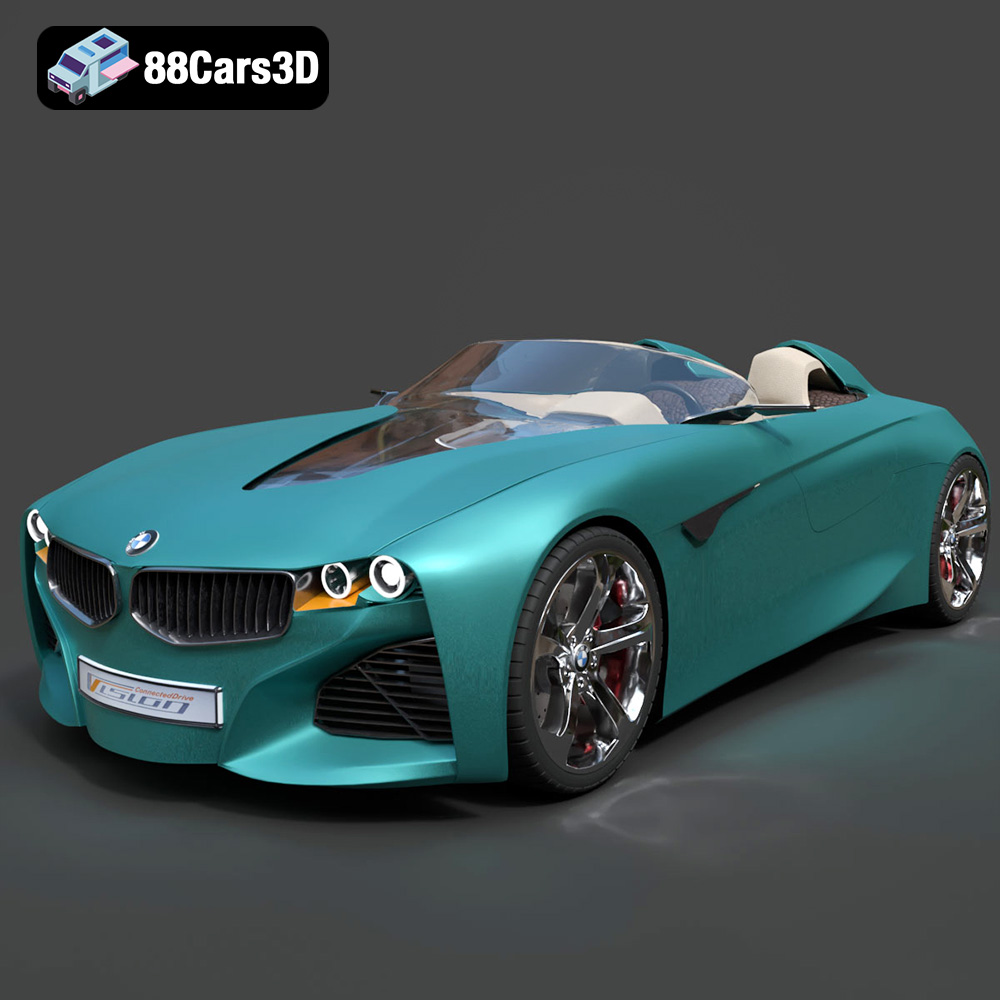
BMW Vision Connected Drive Concept 3D Model
Texture: Yes
Material: Yes
Download the BMW Vision Connected Drive Concept 3D Model featuring its innovative design, advanced connectivity, and sleek aesthetics. Includes .blend, .fbx, .obj, .glb, .stl, .ply, .unreal, and .max formats for rendering, simulation, and game development.
Price: $19.79
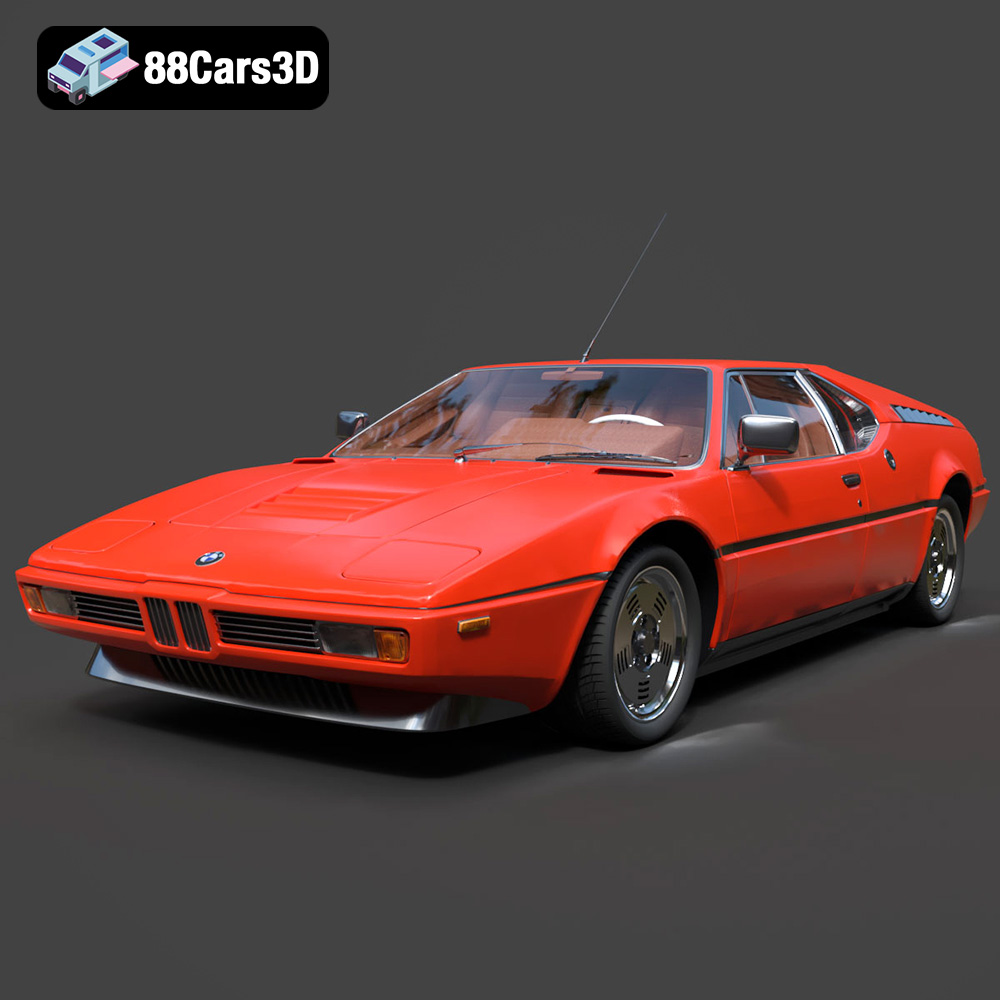
BMW Motorsport M1 E26 1981 3D Model
Texture: Yes
Material: Yes
Download the BMW Motorsport M1 E26 1981 3D Model featuring its iconic design, race-bred aerodynamics, and meticulously crafted details. Includes .blend, .fbx, .obj, .glb, .stl, .ply, .unreal, and .max formats for rendering, simulation, and game development.
Price: $20.79
