Get 20% OFF All Premium 3D & STL Models!

The landscape of film and television production is undergoing a radical transformation, driven by the advent of real-time technologies. At the forefront of this revolution stands Unreal Engine, a powerful platform that is redefining how cinematic content, especially for the high-stakes automotive sector, is created. Gone are the days of lengthy render farms and costly physical sets; today, visionary filmmakers and visualization artists are leveraging Unreal Engine to build breathtaking virtual environments, animate photorealistic vehicles, and even shoot entire scenes in real-time on LED volumes. This paradigm shift offers unprecedented creative freedom, accelerated workflows, and significant cost efficiencies.
For professionals working with automotive brands, advertising agencies, or even personal projects, understanding Unreal Engine’s capabilities is no longer optional—it’s essential. This comprehensive guide will deep dive into the technical workflows, best practices, and innovative features that empower studios to produce stunning automotive visuals for film and TV. From ingesting high-fidelity 3D car models from platforms like 88cars3d.com to orchestrating complex cinematic sequences with Sequencer, and even venturing into the cutting-edge realm of virtual production with LED walls, we’ll explore how Unreal Engine delivers unparalleled realism and efficiency. Prepare to unlock the full potential of real-time rendering and elevate your automotive storytelling to new cinematic heights.
The foundation of any successful Unreal Engine project for film and TV production lies in meticulous project setup and efficient asset ingestion. For automotive visualization, this means starting with the highest quality 3D car models. Unlike game development, where aggressive optimization is often paramount from the outset, film and TV productions prioritize visual fidelity, leveraging Unreal Engine’s advanced features to handle incredibly detailed geometry. A well-organized project structure ensures smooth collaboration and scalability, especially when working with large teams and complex scenes.
Upon creating a new Unreal Engine project, selecting the “Film, Television, and Live Events” template provides an excellent starting point, pre-configured with relevant plugins and settings. It’s crucial to establish a consistent folder structure for car models, materials, textures, animations, and sequences to maintain order. When sourcing automotive assets from marketplaces such as 88cars3d.com, you can expect professionally prepared models featuring clean topology, proper UV mapping, and often PBR-ready materials, which significantly streamlines the import process. These high-quality assets are engineered to be compatible with Unreal Engine’s demanding visual fidelity requirements for cinematic output.
The initial step involves importing your 3D car models into Unreal Engine. While FBX has long been the industry standard for asset exchange, the Universal Scene Description (USD) format is rapidly gaining traction due to its ability to handle complex scene hierarchies, layering, and non-destructive workflows. USD offers a more robust pipeline for collaborative efforts and managing iterative changes, which is invaluable in a fast-paced production environment. CAD data, often the native format for automotive designs (e.g., STEP, IGES), requires specialized conversion tools like Datasmith to prepare it for Unreal Engine. Datasmith ensures that complex CAD assemblies, materials, and metadata are correctly translated, maintaining design intent and precision.
Regardless of the format, before importing, ensure your 3D car models are scaled correctly (Unreal Engine uses centimeters as its base unit), have unique mesh names, and ideally, their pivots are centered at the origin for ease of placement and animation. For FBX imports, pay attention to import settings like “Combine Meshes” (often unchecked for individual control) and “Generate Missing Collisions” (can be useful for basic interaction, though custom collision is usually better for realism). When importing USD, Unreal Engine’s native USD Importer (accessible via the File menu or Datasmith) provides granular control over which layers and variants are brought in. Always perform a quick visual check and sanity test after import to verify geometry integrity and material assignments.
One of Unreal Engine 5’s most revolutionary features, Nanite, fundamentally changes how high-polygon meshes are handled, making it perfectly suited for the demands of film and TV automotive visualization. With Nanite, you can import cinematic-quality 3D car models containing millions of polygons without traditional performance bottlenecks. It intelligently streams and renders only the necessary detail, regardless of mesh complexity or distance from the camera, eliminating the need for manual LODs (Levels of Detail) for static meshes. This means your beautifully detailed car models from 88cars3d.com can be brought directly into Unreal Engine, often without further decimation.
To enable Nanite, simply select your imported static mesh in the Content Browser, right-click, and choose “Nanite Enable.” You’ll see the Nanite settings appear in the Static Mesh Editor. While Nanite excels with high-poly meshes, it’s not ideal for meshes with transparent materials, masked materials, or complex vertex animation. For these, traditional static meshes or optimized geometry might still be necessary. Understanding which assets benefit most from Nanite, and how to configure fallback meshes for specific use cases (like distant shots or specific VFX), is key to leveraging this technology effectively for cinematic quality without sacrificing real-time performance. This capability ensures that every curve, panel gap, and intricate detail of a luxury vehicle is rendered with absolute fidelity, even in a bustling virtual set. You can find more detailed guidance on Nanite setup at the official Unreal Engine documentation: https://dev.epicgames.com/community/unreal-engine/learning.
Achieving photorealism in automotive visualization within Unreal Engine demands a meticulous approach to materials and lighting. The goal is to replicate the way light interacts with various surfaces—from glossy paints and reflective chrome to textured interiors—just as it would in the real world. This process, often referred to as “look development,” is where the art and science of real-time rendering truly merge to produce stunning cinematic results.
Unreal Engine’s physically based rendering (PBR) system is designed to simulate light behavior accurately. Combined with advanced lighting solutions like Lumen and robust Material Editor capabilities, artists have an unprecedented level of control over the visual characteristics of their automotive assets. The ability to iterate on materials and lighting in real-time drastically accelerates the look development process compared to traditional offline rendering pipelines.
Physically Based Rendering (PBR) is the cornerstone of realism in Unreal Engine. It relies on a set of texture maps (Albedo/Base Color, Metallic, Roughness, Normal, Ambient Occlusion, Opacity) that describe how light interacts with a surface. For automotive assets, creating accurate PBR materials is critical. Car paint, for instance, is a complex material, often requiring custom shaders. A standard car paint material in Unreal Engine would combine a base color, high metallic value (e.g., 0.9-1.0), and a carefully tuned roughness map (often very low, around 0.1-0.2) to simulate the clear coat. Beyond standard PBR, more advanced car paint shaders can incorporate multi-layer clear coats, metallic flakes, and iridescent effects, often achieved through custom Material Functions or Complex Material Inputs within the Material Editor.
Chrome and glass also demand precise material setup. Chrome is typically a pure metallic material (Metallic = 1, Roughness = 0.05-0.1, Base Color = near white or specific chrome tint). Glass, on the other hand, is a translucent material that requires careful attention to refraction and absorption, often implemented with a `Thin Translucent` shading model for realistic look without heavy performance hit. Textures should be high resolution (e.g., 4K or 8K) for close-up cinematic shots, using efficient compression settings to balance quality and memory footprint. Leveraging Unreal Engine’s Material Editor, artists can construct intricate shader networks, blending layers, adding wear and tear, and even incorporating decals for branding or damage effects, ensuring every detail contributes to the vehicle’s photorealism.
Unreal Engine 5’s Lumen global illumination system is a game-changer for real-time lighting in film and TV. Lumen provides dynamic, believable indirect lighting and reflections, eliminating the need for tedious lightmap baking. This means when you move a car, change the time of day, or adjust a light source, the global illumination updates instantly, making iterative lighting design incredibly efficient. For cinematic automotive scenes, Lumen allows for dynamic environment changes, such as moving from a sunny outdoor shot to a shadowy studio, with perfectly integrated lighting.
For even higher fidelity, particularly for reflections and shadow accuracy, Unreal Engine’s hardware ray tracing capabilities can be enabled. Ray tracing delivers pixel-perfect reflections on glossy surfaces like car paint and glass, accurate soft shadows, and precise global illumination. While more performance-intensive, for film and TV productions where the final output is a rendered sequence, ray tracing offers unparalleled visual quality. Combining Lumen for dynamic global illumination and reflections with hardware ray tracing for specific features like accurate shadow and mirror reflections provides a powerful hybrid approach. Careful placement of Lightmass portals (even if not baking lightmaps) and Reflection Captures can further enhance scene lighting and reflections, especially for off-screen influences. Leveraging HDRI environments for sky lighting and reflections is also a standard practice, providing realistic ambient light and reflections that convincingly ground the car in its environment.
For film and television production, static images rarely tell the full story. Dynamic camera movements, character animations, and visual effects are critical to conveying narrative and emotion. Unreal Engine’s Sequencer is the ultimate non-linear editor for creating and managing cinematic content, allowing artists to direct complex scenes with precision and creative control, all within the real-time environment. From blocking out camera shots to orchestrating intricate timelines of character and vehicle actions, Sequencer streamlines the entire cinematic pipeline.
Sequencer empowers filmmakers to treat their Unreal Engine project like a virtual soundstage, where every element, from the car model to environmental lighting and special effects, can be precisely timed and animated. This integrated approach not only speeds up production but also fosters greater creative collaboration, as directors, cinematographers, and VFX artists can iterate on shots together in real-time.
Sequencer’s strength lies in its intuitive timeline interface, allowing artists to add “Tracks” for various elements such as cameras, actors (including your 3D car models), lights, and even audio. For camera animation, you can add “Cine Camera Actors” to your sequence, which replicate real-world camera properties like focal length, aperture, and depth of field. Animating these cameras can be done manually by setting keyframes for position, rotation, and focus, or by using a “Camera Rig Rail” for smooth, predefined paths. For more organic, handheld camera movements, the “Virtual Camera” plugin allows users to control a virtual camera in Unreal Engine using an iPad or smartphone, mimicking real-world camera operation and enhancing immersion for the director.
Managing multiple shots within a sequence is simplified using “Shots” and “Takes.” This allows you to break down a larger cinematic into individual scenes or shots, each with its own camera, timing, and specific elements. You can then easily re-arrange, trim, and adjust these shots, much like in a traditional video editor. Data tracking, such as integrating real-world camera movement data (via Live Link or motion capture), can also be imported and applied directly to Cine Camera Actors, seamlessly blending virtual and physical production techniques. This level of control ensures that every frame of your automotive commercial or film segment is meticulously crafted to meet cinematic standards.
Beyond core animation, Sequencer acts as the central hub for integrating advanced visual effects into your cinematic scenes. Unreal Engine’s Niagara particle system allows for the creation of incredibly sophisticated visual effects, from exhaust smoke and tire dust to environmental phenomena like rain, fog, or sparks from a collision. These Niagara systems can be directly added to Sequencer and animated or triggered at specific points in the timeline, dynamically reacting to the car’s movement or scene events. For instance, a burst of exhaust smoke can be precisely timed with an acceleration keyframe, adding significant visual impact.
Post-process volumes are another powerful tool in Sequencer, enabling artists to apply global visual adjustments and stylistic effects. Within Sequencer, you can keyframe post-process settings such as exposure, color grading (using Lookup Tables or LUTs), vignette, bloom, and lens flares. This allows for dynamic color correction and grading that changes throughout a shot or sequence, enhancing the mood and visual storytelling. Combining Niagara effects with carefully managed post-process effects in Sequencer provides a comprehensive toolkit for achieving stunning, film-quality visual effects that seamlessly integrate with your automotive content, elevating the overall cinematic experience.
Virtual production, particularly with LED volumes, is revolutionizing how film and TV content, especially automotive commercials and dynamic driving scenes, are created. Instead of relying on green screens and post-production compositing, an Unreal Engine-powered LED wall displays the virtual environment behind the physical subject (e.g., a real car or talent). This creates realistic in-camera effects, physically accurate reflections on the vehicle, and natural lighting, significantly reducing post-production time and enhancing creative spontaneity on set.
For automotive visualization, LED walls offer a game-changing solution. A car positioned in front of an LED screen displaying a moving virtual road or an exotic location benefits from real-time environmental reflections on its glossy surfaces, and the actors within the car experience a far more immersive environment. This workflow provides immediate feedback to the director and cinematographer, allowing for on-the-fly adjustments to the virtual world, ensuring seamless integration between the physical and digital elements.
Unreal Engine’s nDisplay framework is the core technology that drives LED wall virtual production. nDisplay allows for the synchronized rendering of multiple viewports across several machines, outputting to a complex display setup like an LED volume. Setting up nDisplay involves configuring a cluster of PCs (nodes), where one acts as the primary controller and others render specific sections of the LED wall. This requires precise calibration of screen geometry, camera tracking, and synchronization protocols to create a seamless virtual environment that responds accurately to the physical camera’s perspective.
Key elements of nDisplay configuration include:
* **nDisplay Config Asset:** Defines the physical layout of your LED wall, including individual screen resolutions, positions, and bezel compensation.
* **Cluster Nodes:** Specifies the IP addresses and roles of each machine in the nDisplay network.
* **Tracking System Integration:** Integrating camera tracking systems (e.g., Mo-Sys, Stype, FreeD) via the Live Link plugin is crucial. This feeds real-time camera position and rotation data to Unreal Engine, allowing the engine to render the correct perspective on the LED wall, creating the illusion of infinite space behind the subject.
* **Genlock and Synchronization:** Ensuring all rendering nodes are perfectly synchronized with the camera’s shutter through genlock is vital to prevent tearing and artifacts in the final shot.
Setting up an nDisplay pipeline is technically complex but yields incredibly powerful results, allowing for stunning in-camera visual effects that significantly enhance the realism of automotive shoots. For in-depth guides on nDisplay, refer to the official Unreal Engine documentation.
With LED walls, the need for traditional green screen chroma keying is often minimized or entirely eliminated for background elements. Because the environment is rendered and displayed in real-time, reflections on the car are physically accurate, and spill light from the LED screen onto the physical set (and talent) matches the virtual scene. This significantly reduces the tedious work of keying and compositing in post-production. However, for foreground elements or specific effects that still require isolated alpha channels, Unreal Engine offers robust capabilities.
The Composure plugin in Unreal Engine enables real-time compositing directly within the engine. This allows filmmakers to layer live camera feeds with CG elements, perform real-time keying (if a small green screen is still used for specific props or talent), and apply visual effects and color grading before the shot is even recorded. This “in-engine compositing” provides immediate visual feedback, allowing directors and VFX supervisors to make informed decisions on set. When outputting footage from Unreal Engine (e.g., for elements that need to be composited later), the Movie Render Queue can export multi-layer EXR sequences with alpha channels and various render passes, providing maximum flexibility for traditional post-production pipelines while still leveraging the real-time advantages of the engine.
Beyond static shots and pre-rendered cinematics, Unreal Engine allows for dynamic and interactive experiences, bringing an unparalleled level of realism and engagement to automotive film and TV productions. This can range from controlling virtual car models in real-time on set to creating interactive configurators for product showcases that can be integrated into broader cinematic narratives. The power of Blueprint visual scripting and robust physics simulations are central to achieving this dynamic realism.
For automotive commercials or product reveals, the ability to interact with a virtual car in a convincing manner adds a layer of authenticity and detail that captivates audiences. Imagine a director on set, effortlessly changing the color of a virtual car or opening its doors with a tablet, all rendered in real-time and projected onto an LED wall or monitored by virtual cameras. This interactivity not only streamlines production but also opens up new creative avenues for showcasing vehicles.
Unreal Engine’s Blueprint visual scripting system is an incredibly powerful tool that enables artists and designers to create complex gameplay mechanics and interactive functionalities without writing a single line of code. For automotive projects, Blueprint can be used to drive a wide range of dynamic interactions:
* **Virtual Car Control:** Create controllable car blueprints that allow users (or directors on set) to drive the vehicle in real-time, adjust speed, turn wheels, or even trigger specific animations. This is essential for virtual production environments where a physical car might be static, but its virtual counterpart needs to match dynamic movements.
* **Interactive Configurators:** Build menu systems to dynamically change car paint colors, wheel types, interior trims, or even open/close doors and hoods. These configurators can be integrated into a larger cinematic sequence, allowing for on-the-fly customization during a shoot or for interactive client presentations.
* **Environmental Responses:** Program interactions between the car and its environment, such as automatic headlight activation in tunnels, dynamic weather effects affecting the car’s surface, or even minor procedural damage effects based on impact.
* **Sequencer Integration:** Blueprints can be triggered directly from Sequencer, allowing complex interactive events to be precisely timed within a cinematic. For instance, a Blueprint could be used to simulate an autonomous driving sequence, with pre-defined paths and actions that are initiated and controlled via Sequencer tracks.
The beauty of Blueprint lies in its accessibility and iterative nature, enabling rapid prototyping and real-time adjustments that save significant production time. For further learning, the Unreal Engine documentation provides extensive resources on Blueprint scripting.
Achieving realistic vehicle movement and interaction is crucial for convincing automotive visualization. Unreal Engine offers robust physics simulation capabilities through its Chaos physics engine. For car models, this means simulating realistic suspension, tire deformation, weight transfer during acceleration/braking, and collision responses. While basic physics can be set up using Unreal Engine’s built-in Vehicle Blueprint templates, achieving cinematic-level realism often requires more advanced configurations.
This might involve:
* **Custom Suspension Rigs:** Building custom suspension systems with raycast wheels for precise ground interaction and accurate wheel articulation.
* **Tire Friction Models:** Fine-tuning tire friction curves to simulate different road surfaces (e.g., asphalt, dirt, wet roads) for realistic grip and drift.
* **Engine & Transmission Simulation:** Implementing more detailed engine torque curves and transmission gear ratios for authentic acceleration and speed control.
* **Collision Detection:** Setting up accurate collision meshes for the vehicle body and environment to ensure believable impacts and deformations. While Nanite is excellent for high-poly visual meshes, dedicated simpler collision meshes are often used for physics calculations to maintain performance.
* **Destructible Meshes:** For scenes requiring vehicle damage or destruction, using destructible meshes (though typically pre-calculated rather than fully dynamic real-time destruction for cinematic quality) adds another layer of realism.
Integrating these advanced physics simulations with Sequencer allows for highly dynamic and believable car animations that go beyond simple keyframed movements. This combination results in automotive footage that feels genuine, bringing vehicles to life on screen.
While film and TV production typically focuses on rendered output rather than interactive frame rates, real-time performance within Unreal Engine remains critical throughout the development process. Smooth editor performance allows artists to iterate quickly, directors to make real-time decisions on virtual sets, and cinematographers to operate virtual cameras without lag. Optimization ensures that even with incredibly detailed 3D car models and complex environments, the engine can maintain a responsive experience.
The key is to strike a balance between visual fidelity and performance efficiency. Unreal Engine provides a suite of tools and best practices to manage this, allowing you to push the boundaries of realism while keeping your project manageable and responsive, even when working with high-resolution assets suitable for cinematic output.
Although Nanite greatly simplifies LOD management for static meshes, there are still scenarios where traditional optimization techniques are vital:
* **Traditional LODs:** For skeletal meshes (e.g., character models, complex animated vehicle parts that aren’t Nanite-compatible) or objects with transparent/masked materials, manually generated LODs are still necessary. Creating 3-5 LODs (Level of Detail) ensures that less detailed versions of the mesh are rendered at a distance, saving significant GPU resources. This is especially important for large open-world environments or scenes with many cars.
* **Occlusion Culling:** Unreal Engine automatically performs occlusion culling, not rendering objects that are hidden behind others. Ensure your scene geometry is solid and correctly set up to maximize the effectiveness of this system.
* **Frustum Culling:** Only objects within the camera’s view frustum are rendered.
* **Level Streaming:** For extremely large scenes or multi-part environments (like extensive cityscapes for car chases), Level Streaming is indispensable. It allows you to load and unload portions of your world dynamically based on the camera’s position or distance, keeping only the relevant geometry in memory. This is critical for maintaining performance in expansive cinematic sequences.
* **View Distance Culling:** Manually setting a maximum draw distance for less critical objects helps manage the scene complexity. This can be done per-mesh or per-component.
By strategically applying these techniques, even complex scenes featuring multiple high-fidelity 3D car models can maintain excellent real-time performance within the editor and on virtual production stages.
For the absolute highest quality offline rendering that leverages Unreal Engine’s real-time capabilities, two features are paramount: GPU Lightmass and the Movie Render Queue.
* **GPU Lightmass:** While Lumen provides excellent dynamic global illumination, for static elements and backgrounds that don’t change, pre-calculated lighting with GPU Lightmass can deliver even higher quality, flicker-free indirect lighting with fewer performance overheads during the final render. GPU Lightmass accelerates the baking process dramatically by utilizing your graphics card, making it practical for cinematic production. It generates extremely realistic bounced light, soft shadows, and color bleed, which significantly enhances the photorealism of your automotive environments.
* **Movie Render Queue (MRQ):** This is Unreal Engine’s dedicated tool for exporting high-quality, anti-aliased cinematic sequences. Unlike the legacy Matinee or basic Sequencer export, MRQ offers:
* **Temporal and Spatial Anti-Aliasing:** Produces incredibly clean, flicker-free images, crucial for film and TV.
* **Configurable Render Passes:** Exports multiple render passes (e.g., diffuse, specular, normals, depth, motion vectors, custom passes) as separate EXR files, providing maximum flexibility for compositing in post-production.
* **Multi-Frame Rendering:** Renders multiple frames at once to reduce render times, especially for heavy scenes.
* **Command Line Support:** Enables batch rendering and integration into render farm pipelines.
* **Output Formats:** Supports high-quality formats like OpenEXR, ProRes, and more.
By leveraging GPU Lightmass for pre-baked elements and employing the Movie Render Queue for final export, filmmakers can achieve visually stunning, production-ready automotive content that meets the rigorous standards of the film and television industry.
The journey from virtual production to final screen is not complete until the rendered output from Unreal Engine is seamlessly integrated into traditional post-production pipelines. While Unreal Engine minimizes many post-production tasks through its real-time capabilities and in-camera VFX, the final polish, color grading, and mastering typically occur in industry-standard tools like DaVinci Resolve, Nuke, or Adobe After Effects. Understanding how to prepare and export your Unreal Engine footage for these external applications is crucial for achieving a professional, broadcast-ready result.
This final stage involves careful consideration of file formats, color management, and the flexibility needed for additional compositing and artistic adjustments. Unreal Engine provides robust options to ensure your high-fidelity automotive visuals can be flawlessly integrated into any film or TV production workflow.
For film and TV production, the OpenEXR (.exr) file format is the undisputed standard for rendered output due to its high dynamic range (HDR) capabilities, support for multiple channels, and lossless compression. When exporting from Unreal Engine via the Movie Render Queue, always choose EXR as your output format.
* **High Dynamic Range:** EXR files retain the full dynamic range of your Unreal Engine scene, allowing for extensive exposure adjustments and grading in post-production without banding or clipping. This is critical for automotive visuals, where bright reflections and deep shadows need to be faithfully preserved.
* **Alpha Channels:** MRQ can automatically export an alpha channel, which is essential for compositing the virtual car or environment onto live-action footage or other backgrounds. This eliminates the need for complex keying processes.
* **Multi-Pass Rendering:** One of the most powerful features of MRQ is its ability to export multiple render passes. These include:
* **Base Color / Diffuse:** The flat color of objects.
* **Specular / Reflections:** Highlight information.
* **Normals:** Surface orientation, useful for relighting.
* **World Position:** Position of each pixel in world space.
* **Depth / Z-Depth:** Distance from the camera, great for fog or depth-of-field effects in post.
* **Motion Vectors:** Information about how pixels move between frames, crucial for accurate motion blur in compositing.
* **Ambient Occlusion:** Pre-calculated contact shadows.
By exporting these separate passes, compositing artists gain immense control to isolate, adjust, and enhance specific elements of the rendered image, making final adjustments to lighting, reflections, and atmospheric effects with precision. This modular approach provides maximum flexibility and reduces the need for re-rendering from Unreal Engine for minor tweaks.
Consistent and accurate color is paramount in film and television. Unreal Engine offers robust color management capabilities, with support for the Academy Color Encoding System (ACES), which is the industry standard for professional film production.
* **ACES Workflow:** Implementing an ACES workflow ensures that color is consistently represented across all stages of production, from initial asset creation to final delivery. In Unreal Engine, you can configure your project to use ACES by enabling the “ACES RRT” and “ACES ODT” transforms in the Project Settings under “Color Management.” This ensures that the colors rendered in Unreal Engine match the intended look for a cinema display or broadcast monitor, preventing color shifts and maintaining artistic intent. When exporting EXR files, they will carry the ACES color space information, allowing seamless integration into other ACES-compliant post-production software.
* **Lookup Tables (LUTs):** For artistic color grading or specific stylistic looks, Lookup Tables (LUTs) can be applied within Unreal Engine (via Post-Process Volumes or Sequencer) or during post-production. LUTs are pre-defined color transformations that can dramatically alter the mood and tone of your automotive visuals. Using a consistent set of LUTs across all stages helps maintain a cohesive visual style.
* **Linear Workflow:** Unreal Engine inherently operates in a linear color space, which is critical for accurate light calculations and compositing. Ensuring that all textures are correctly gamma-corrected (sRGB for diffuse/albedo, linear for everything else like normal maps, metallic, roughness) is fundamental to a correct linear workflow.
By meticulously managing color and leveraging industry standards like ACES, the stunning automotive visuals created in Unreal Engine can be seamlessly integrated into the most demanding film and television pipelines, ready for final mastering and broadcast.
Unreal Engine has definitively transformed the landscape of automotive visualization for film and television. From the pristine accuracy of high-fidelity 3D car models sourced from platforms like 88cars3d.com to the dynamic realism of Lumen and Nanite, and the unparalleled creative control offered by Sequencer and virtual production workflows, Unreal Engine empowers artists and filmmakers to achieve cinematic excellence with unprecedented speed and efficiency. The ability to iterate in real-time, coupled with advanced features like nDisplay for LED walls, fundamentally redefines how automotive stories are brought to life on screen.
Embracing these cutting-edge workflows not only streamlines production timelines and reduces costs but also unleashes a new era of creative freedom. Whether you’re crafting a high-octane commercial, a dramatic car chase sequence for a feature film, or an immersive product launch, Unreal Engine provides the tools to deliver breathtaking visuals that captivate audiences. The journey into real-time production is ongoing, and as Unreal Engine continues to evolve, its impact on automotive film and TV will only grow. We encourage you to explore these powerful features, experiment with the workflows, and discover how Unreal Engine can elevate your next automotive storytelling endeavor. Dive into the Unreal Engine documentation for more in-depth learning (https://dev.epicgames.com/community/unreal-engine/learning) and start building your cinematic future today.
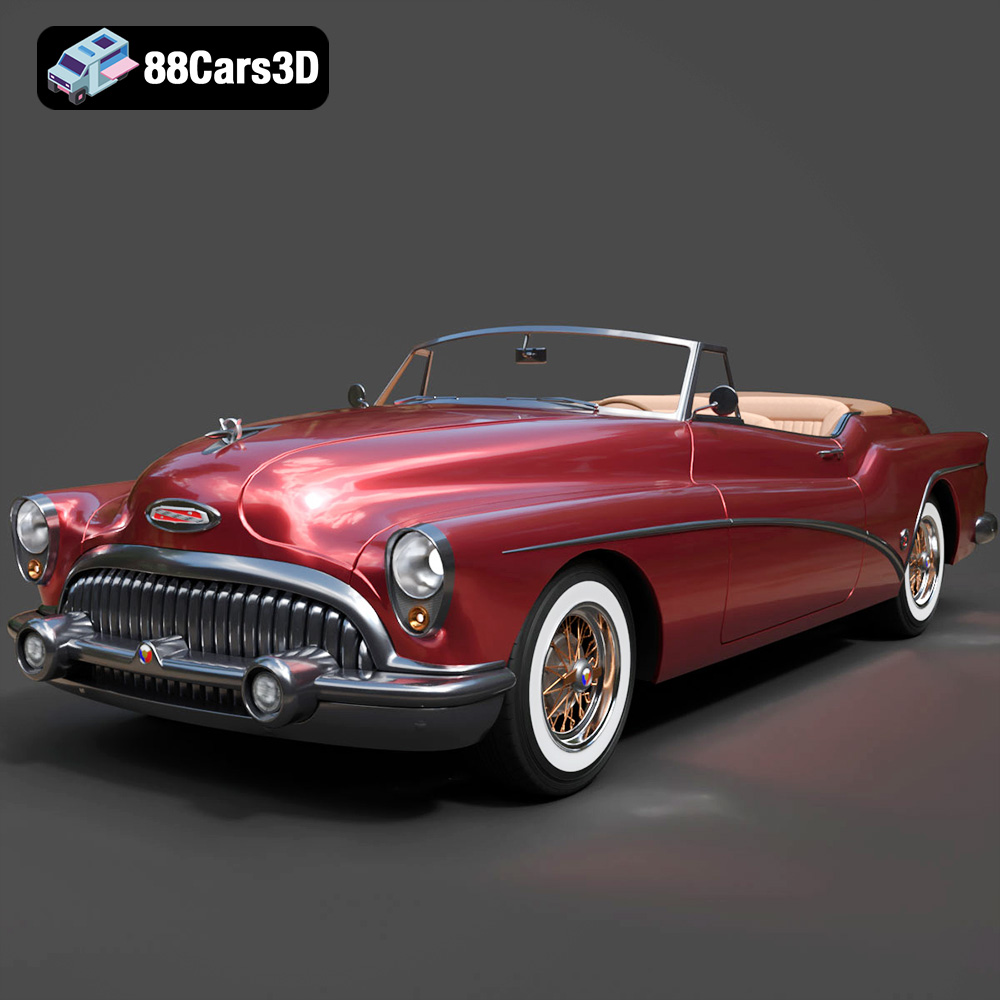
Texture: Yes
Material: Yes
Download the Buick Skylark Convertible 1953 3D Model featuring iconic 1950s styling, a detailed exterior with chrome accents, and an accurately modeled interior. Includes .blend, .fbx, .obj, .glb, .stl, .ply, .unreal, and .max formats for rendering, simulation, and game development.
Price: $10.79

Texture: Yes
Material: Yes
Download the Buick Roadmaster Hardtop Coupe 1957 3D Model featuring a classic American design with detailed exterior and interior. Includes .blend, .fbx, .obj, .glb, .stl, .ply, .unreal, and .max formats for rendering, simulation, and game development.
Price: $10.79
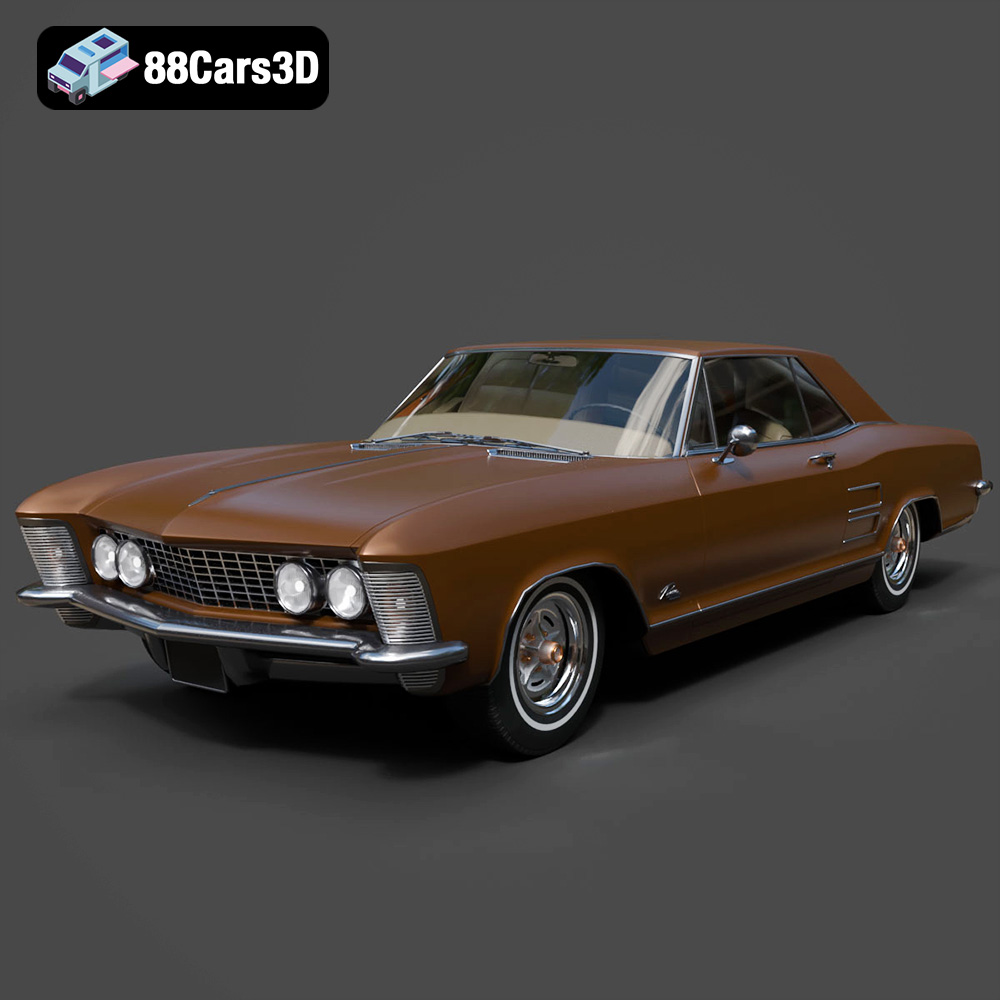
Texture: Yes
Material: Yes
Download the Buick Riviera 1963 3D Model featuring classic American muscle car design and iconic styling. Includes .blend, .fbx, .obj, .glb, .stl, .ply, .unreal, and .max formats for rendering, simulation, and game development.
Price: $10.79
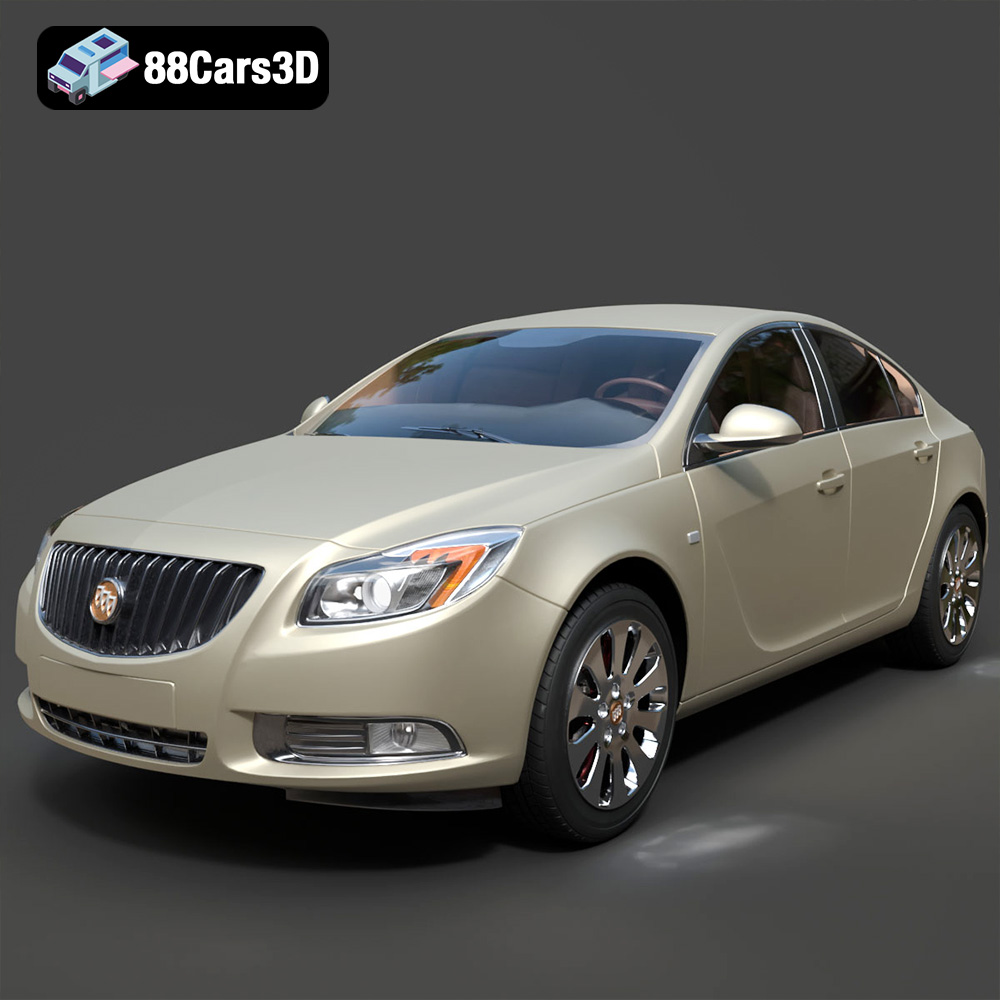
Texture: Yes
Material: Yes
Download the Buick Regal 3D Model featuring a classic American sedan design, detailed exterior, and optimized interior. Includes .blend, .fbx, .obj, .glb, .stl, .ply, .unreal, and .max formats for rendering, simulation, and game development.
Price: $10.79
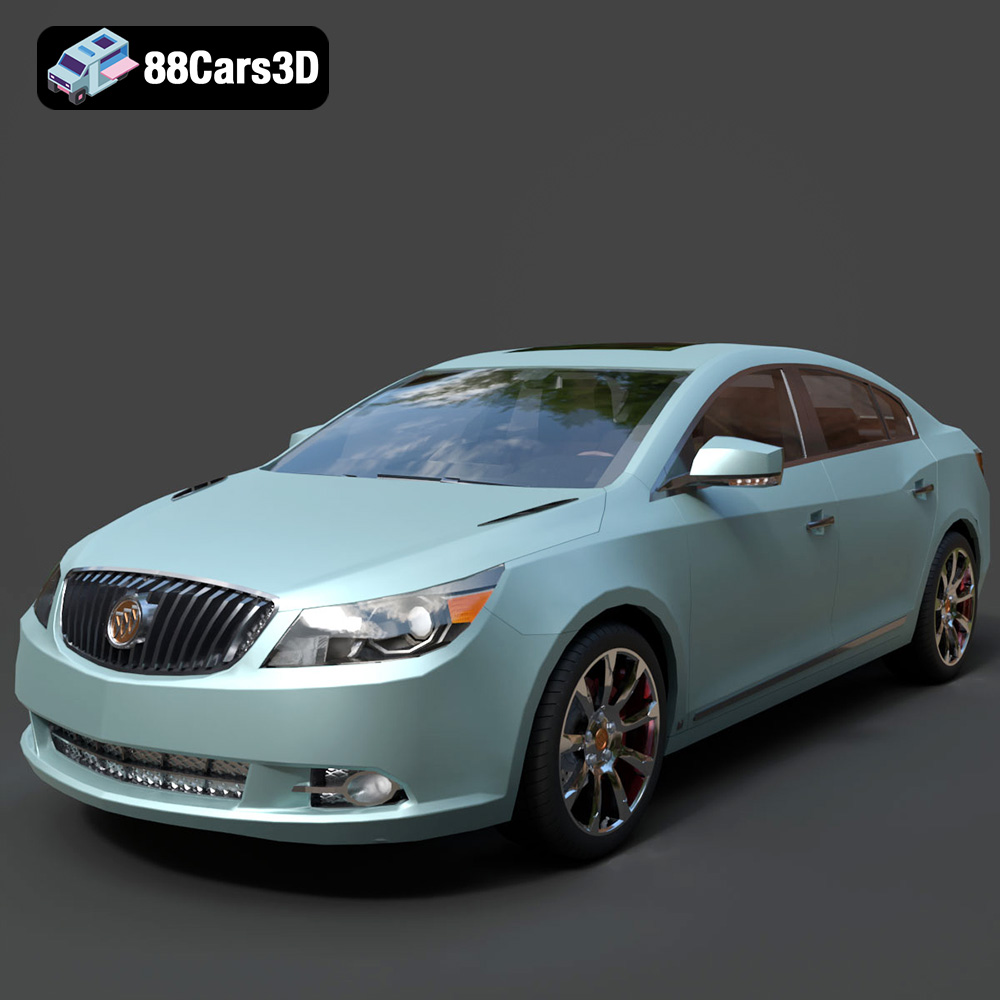
Texture: Yes
Material: Yes
Download the Buick LaCrosse 3D Model featuring professional modeling and texture work. Includes .blend, .fbx, .obj, .glb, .stl, .ply, .unreal, and .max formats for rendering, simulation, and game development.
Price: $10.79
Texture: Yes
Material: Yes
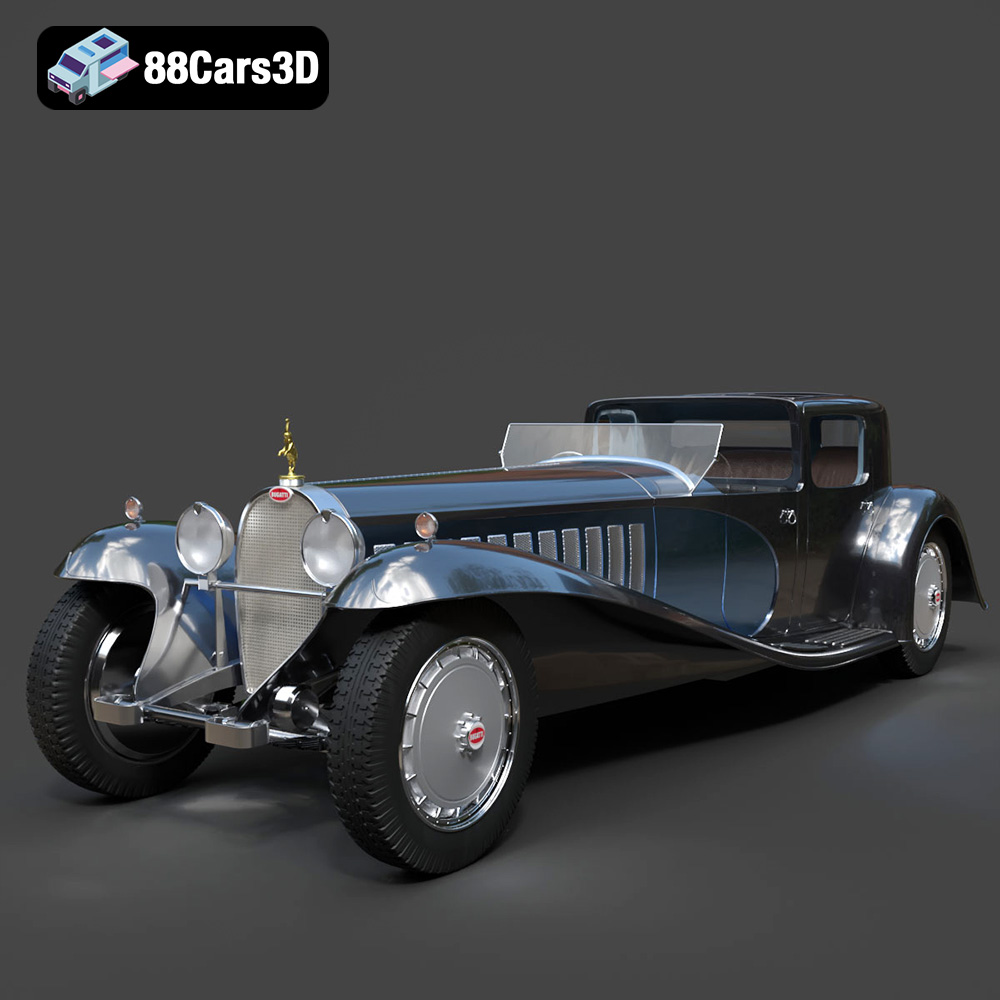
Download the Bugatti Type 41 Napoleon 3D Model featuring its iconic luxury design, detailed exterior, and opulent interior. Includes .blend, .fbx, .obj, .glb, .stl, .ply, .unreal, and .max formats for rendering, simulation, and game development.
Price: $10.79
Texture: Yes
Material: Yes
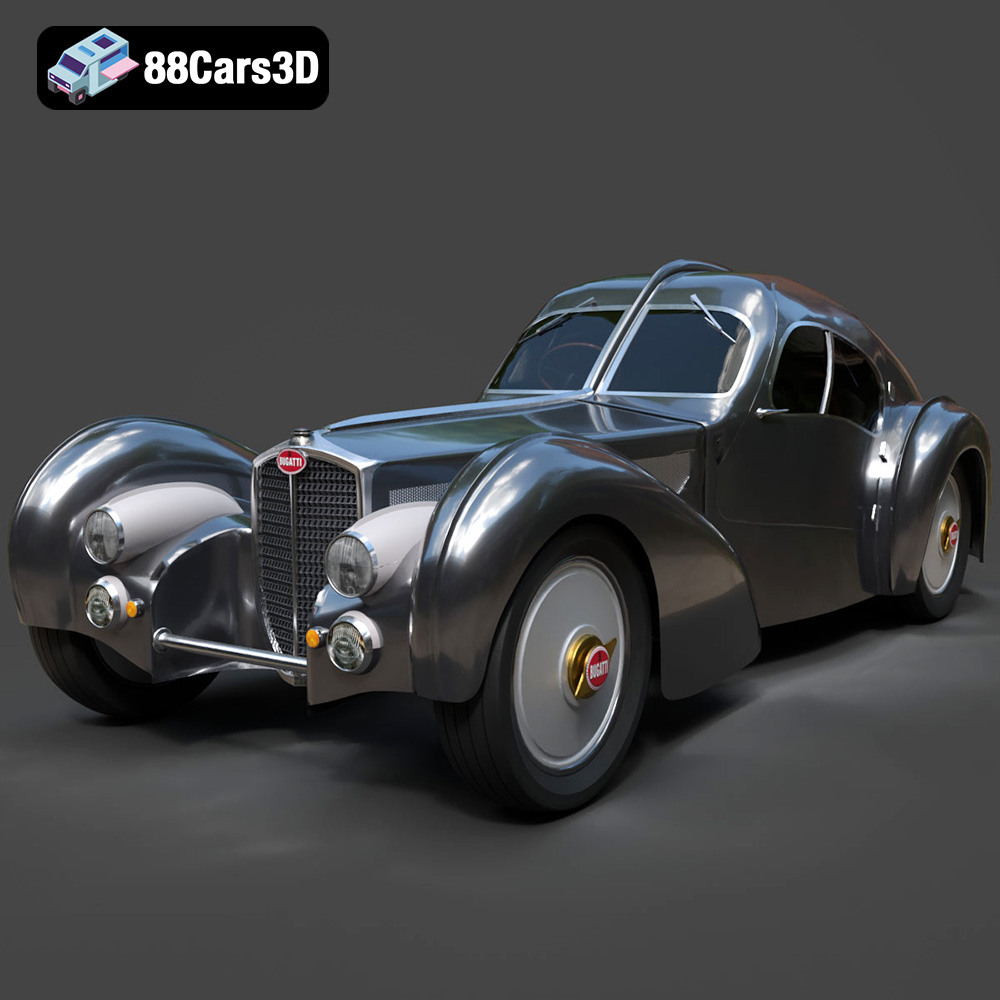
Download the Bugatti Type 57SC Atlantic Coupe 3D Model featuring its iconic streamlined body and classic design. Includes .blend, .fbx, .obj, .glb, .stl, .ply, .unreal, and .max formats for rendering, simulation, and game development.
Price: $10.79
Texture: Yes
Material: Yes
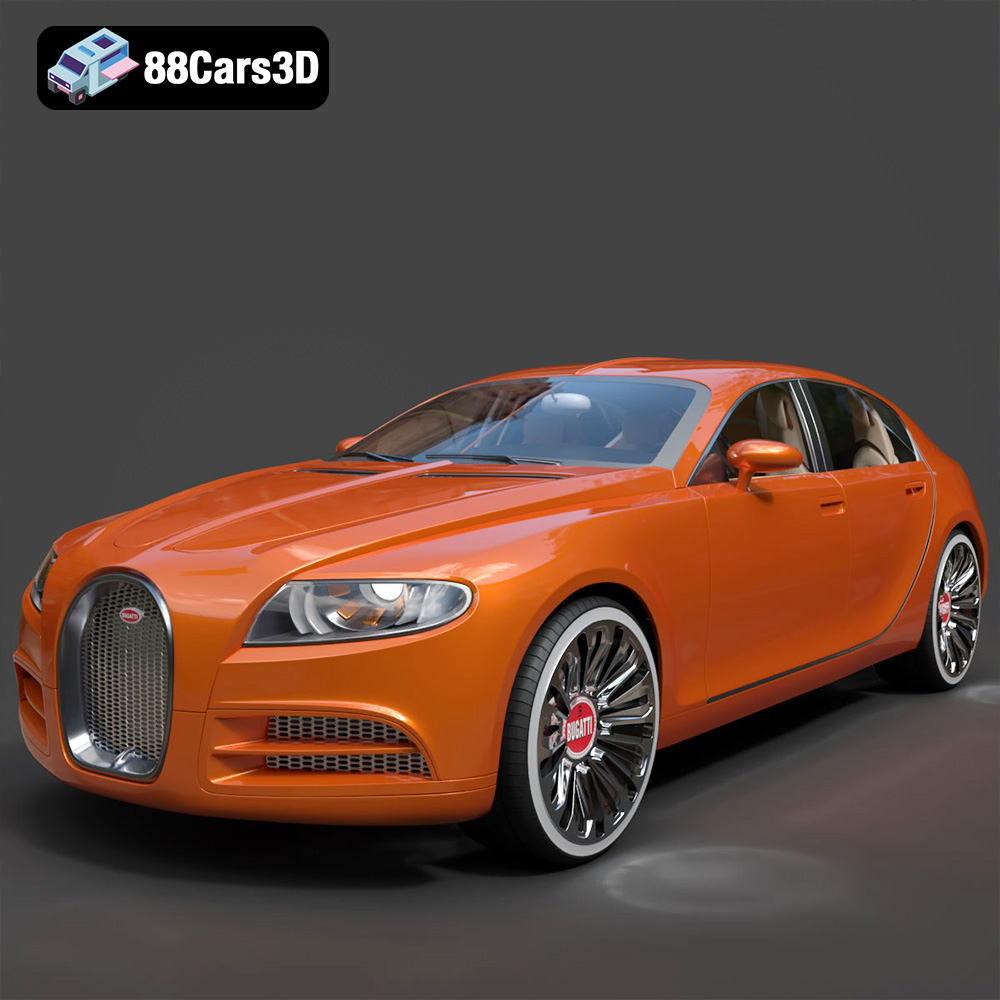
Download the Bugatti 16C Galibier-006 3D Model featuring its luxurious sedan design, detailed interior, and sophisticated exterior. Includes .blend, .fbx, .obj, .glb, .stl, .ply, .unreal, and .max formats for rendering, simulation, and game development.
Price: $10.79
Texture: Yes
Material: Yes
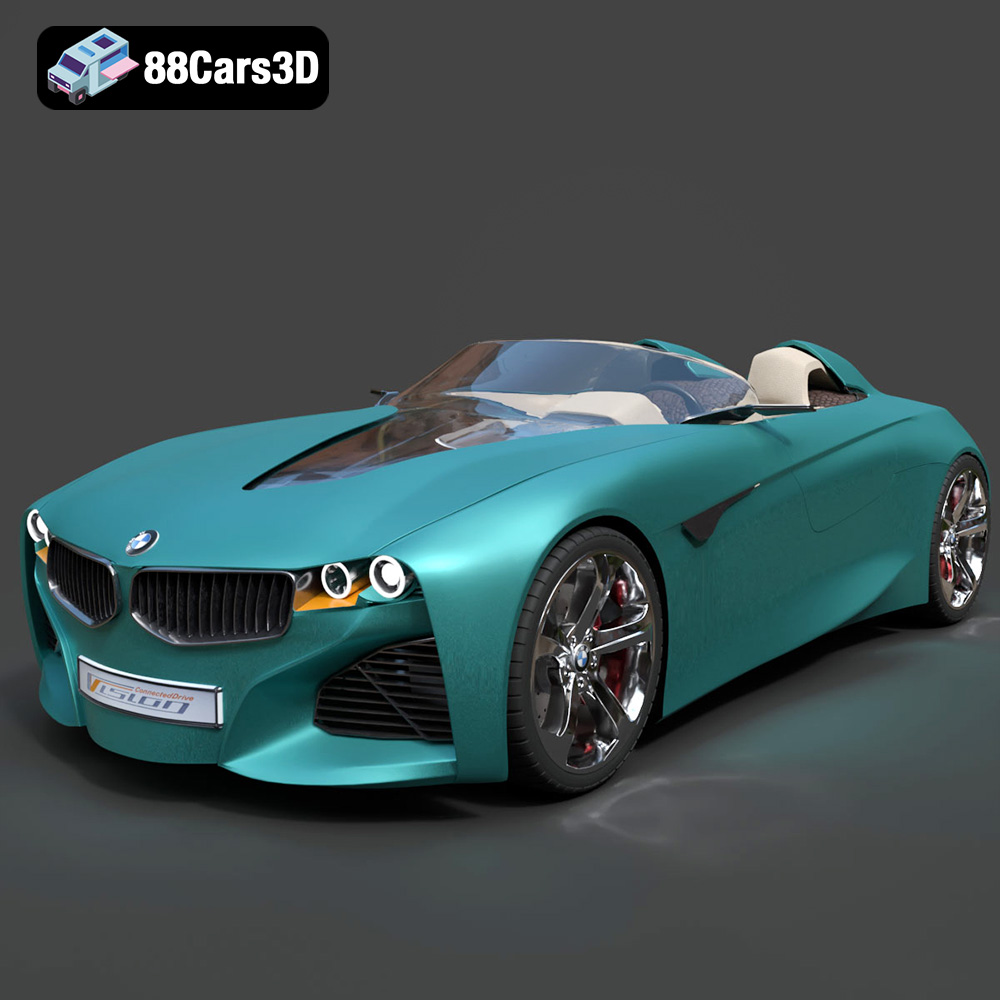
Download the BMW Vision Connected Drive Concept 3D Model featuring its innovative design, advanced connectivity, and sleek aesthetics. Includes .blend, .fbx, .obj, .glb, .stl, .ply, .unreal, and .max formats for rendering, simulation, and game development.
Price: $19.79
Texture: Yes
Material: Yes
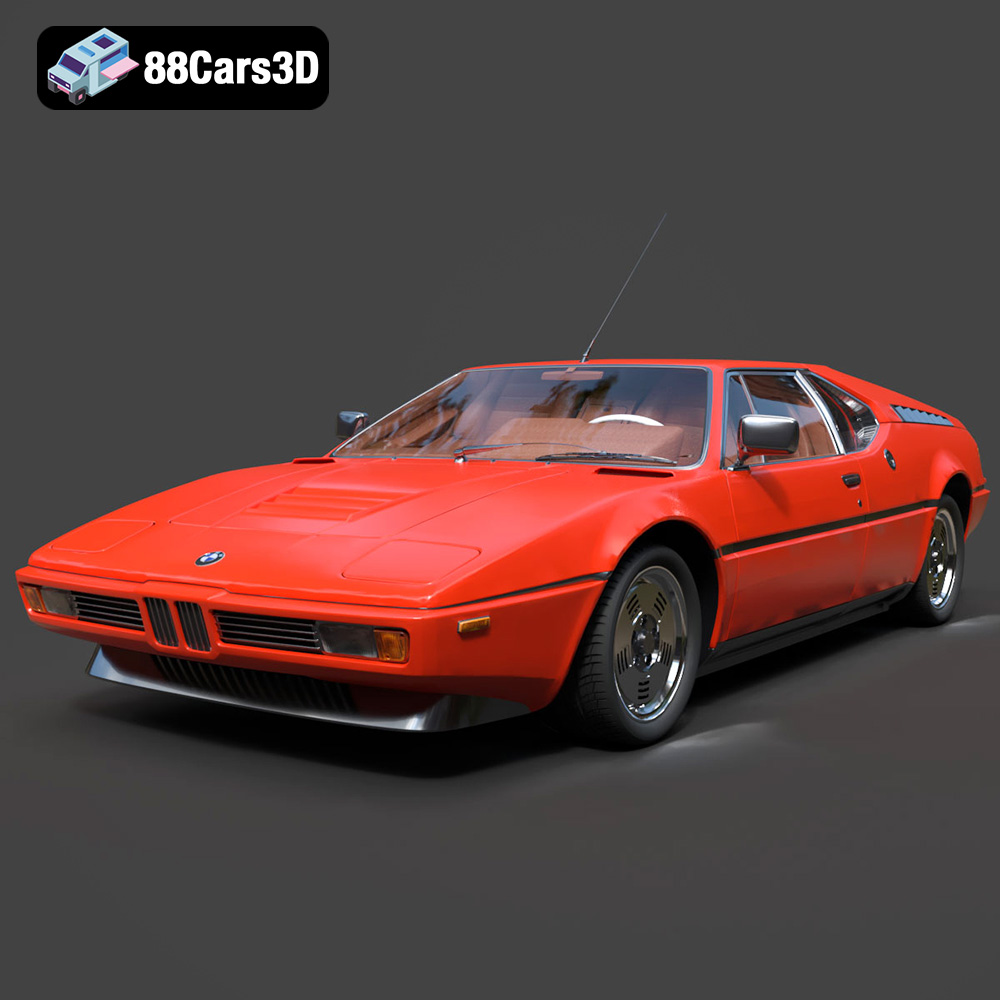
Download the BMW Motorsport M1 E26 1981 3D Model featuring its iconic design, race-bred aerodynamics, and meticulously crafted details. Includes .blend, .fbx, .obj, .glb, .stl, .ply, .unreal, and .max formats for rendering, simulation, and game development.
Price: $20.79

