Get 20% OFF All Premium 3D & STL Models!

Welcome, fellow makers and automotive enthusiasts, to a deep dive into the foundational elements of 3D printing: file formats. If you’ve ever downloaded a stunning 3D printable car model, you’ve likely encountered files with extensions like .STL, .OBJ, or .FBX. While they all represent 3D data, their underlying structures and suitability for 3D printing can vary significantly. Understanding these differences is crucial for achieving flawless prints, especially when working with intricate automotive designs. This article will demystify these popular file formats, exploring their strengths, weaknesses, and how to choose the best one for your next project from marketplaces like 88cars3d.com. We’ll cover everything from mesh topology and data representation to slicing considerations and troubleshooting common issues, equipping you with the knowledge to elevate your 3D printing game.
At its core, 3D printing translates a digital design into a physical object layer by layer. The blueprint for this digital design is contained within a 3D model file. These files describe the geometry, and sometimes, the appearance of an object in three-dimensional space. However, not all 3D model files are created equal, particularly when it comes to their compatibility and efficacy with 3D printers and slicing software. The choice of file format directly impacts print quality, the complexity of preparation, and the potential for errors. For intricate models, such as the highly detailed printable car models found on 88cars3d.com, the underlying data structure can make a significant difference in the success of your print. We’ll explore the most common formats:
Most 3D models used for 3D printing are based on polygonal meshes. These meshes are composed of vertices (points in 3D space), edges (lines connecting vertices), and faces (typically triangles or quadrilaterals formed by vertices and edges). The way these elements are organized and defined within a file format is known as its mesh topology. A “watertight” or “manifold” mesh is essential for 3D printing, meaning it has no holes, self-intersections, or non-manifold edges, ensuring that the slicer can accurately calculate the interior volume and generate printable surfaces. Understanding mesh topology helps in diagnosing and fixing issues that might arise during slicing or printing.
Different file formats prioritize different aspects of 3D data. Some focus purely on geometric information, describing the shape of the object. Others incorporate additional data, such as color, texture coordinates (UV mapping), and material properties. For 3D printing, the primary concern is accurate geometric representation. Features like color and detailed textures are often lost or require specific workflows to be translated into printable attributes (e.g., painting after printing). Knowing what data a format carries helps you manage expectations and select the right tool for the job.
The complexity of a 3D model—meaning the number of polygons and details it contains—directly impacts the file size. More complex models with higher polygon counts require more data storage and processing power from your slicing software. While high detail is desirable for realistic automotive models, excessively dense meshes can lead to longer slicing times, larger file sizes that are cumbersome to manage, and potential performance issues with your computer. Optimizing meshes for printability often involves reducing polygon count without sacrificing critical detail, a process that can be influenced by the chosen file format and the tools used for preparation.
The Stereolithography (STL) file format, developed by 3D Systems in the 1980s, is by far the most prevalent and widely supported format in the 3D printing industry. Its simplicity is its greatest strength, making it compatible with virtually all slicing software and 3D printers. However, this simplicity comes with limitations, particularly concerning the representation of complex surface data and the lack of any information beyond geometry. When you download printable car models from platforms like 88cars3d.com, you’ll almost always find STL as the primary option.
STL files represent the 3D surface geometry of an object as a collection of interconnected triangles. Each triangle is defined by the coordinates of its three vertices and a normal vector, which indicates the outward-facing direction of the surface. The slicer software uses these triangles to reconstruct the object’s shape. The format can be either ASCII (human-readable text) or binary (more compact and faster to process). For 3D printing, the crucial aspect is that the collection of triangles must form a watertight, manifold surface. Any gaps or overlaps between triangles will result in errors during slicing.
STL is the go-to format for most 3D printing applications. If you’re printing a single, solid object and don’t need to preserve color or complex material information, STL is usually the best choice. For detailed car models intended for single-color printing and subsequent painting, STL files are perfectly adequate and ensure maximum compatibility with your chosen slicer.
The Wavefront OBJ (.OBJ) format is another popular file format in the 3D graphics world, offering a more versatile approach than STL by supporting not only geometry but also color and texture information. While not as universally adopted for direct 3D printing as STL, OBJ files can be incredibly useful, especially if you plan to incorporate multi-color printing or detailed surface finishes into your projects. Many 3D modeling software packages that create printable car models often export to OBJ, providing more data for advanced users.
OBJ files describe geometry using vertices, texture coordinates (UVs), normal vectors, and polygonal faces. Unlike STL, which exclusively uses triangles, OBJ can define faces using polygons of any number of vertices (quadrilaterals, pentagons, etc.). This can sometimes lead to cleaner geometry and smaller file sizes compared to an equivalent STL file with the same level of detail, as fewer triangles might be needed. Crucially, OBJ files often come with an accompanying .MTL (Material Template Library) file that defines surface properties, colors, and texture maps, allowing for richer visual representation.
OBJ is a good choice when you need to preserve color or texture information during the modeling process, even if you intend to paint the model later. If your slicer software has good support for importing OBJ and you want to leverage its potential for cleaner geometry, it can be a viable alternative to STL. It’s also beneficial if you’re working with a pipeline where OBJ is the standard exchange format for other graphical applications.
The Filmbox (FBX) format, developed by Autodesk, is a proprietary file format designed primarily for the exchange of 3D data between different applications in the animation, game development, and visual effects industries. FBX is exceptionally powerful, capable of storing not only geometry, but also animation data, skeletal structures, cameras, lights, and complex material properties. While its capabilities extend far beyond what’s typically needed for 3D printing, it can sometimes be encountered when downloading assets or when preparing models from advanced software.
FBX files are complex binary files that can bundle a wide array of data types. For 3D printing purposes, the relevant data includes mesh geometry, UV coordinates, material definitions, and sometimes even embedded textures. Its hierarchical structure allows for the organization of complex scenes, which is overkill for most single printable models but essential for its intended applications. The ability to embed textures directly within the FBX file simplifies asset management compared to OBJ’s separate .MTL files.
FBX is generally not the preferred format for direct 3D printing. If you receive a model in FBX format that you wish to print, the best practice is to import it into 3D modeling software (like Blender, Meshmixer, or even professional CAD tools) and export it as an STL or OBJ file. This process allows you to clean up the mesh, remove irrelevant data (like animations), and ensure it’s watertight and ready for slicing. FBX is excellent for transferring complex assets between design software but less so for the direct print preparation workflow.
The decision of which file format to use hinges on your specific needs, your 3D printer’s capabilities, and your workflow. For the vast majority of users printing detailed automotive models, the answer often simplifies to selecting the most appropriate representation of the geometry for the printing process.
When downloading models from curated marketplaces like 88cars3d.com, you’ll typically find STL as the primary, and often only, option for print-ready files. This is because STL is the most reliable format for direct import into slicing software. Its limitations in storing color or texture are usually not a concern for FDM or basic resin printing, where the model is printed in a single material and color, intended for post-processing like sanding and painting. Ensuring the STL is manifold and free of errors is paramount.
If your project involves intricate surface details where OBJ’s potentially cleaner geometry or its associated material information could be beneficial (perhaps for specific resin printing setups or if you plan to experiment with multi-material printing on advanced FDM machines), then an OBJ file might be considered. However, always verify that your chosen slicer handles OBJ imports effectively, especially regarding geometric integrity. You might still need to perform mesh repairs or conversions.
For FBX files, or even complex OBJ files, the standard workflow involves conversion. Tools like Blender are excellent for this. You can import the FBX or OBJ, clean up the mesh, ensure it’s manifold (using tools like the “3D-Print Toolbox” add-on in Blender), and then export it as an STL file. This conversion process is critical for removing extraneous data and ensuring a clean, printable mesh. For instance, if an FBX file contains animation rigs, these must be removed, and the mesh must be simplified and solidified into a single, watertight form before exporting to STL for slicing.
Regardless of the chosen format (though typically starting with STL), preparing your model and configuring your slicer settings are critical steps for a successful print. These stages involve ensuring the digital model is ready for the physical printing process and communicating the desired print characteristics to your 3D printer.
Even print-ready files can sometimes have minor imperfections. Using software like Meshmixer, Blender, or Autodesk Netfabb, you can check for and repair common issues.
Optimization might also involve reducing the polygon count of overly dense models to improve slicing speed and reduce file size, without sacrificing essential details, especially on intricate parts like car wheels or body panels.
When slicing your chosen car model (likely from an STL file), consider these settings for optimal results:
The choice between FDM (Fused Deposition Modeling) and resin printing (SLA/DLP) significantly influences the outcome:
For hyper-realistic, highly detailed collectible car models, resin printing often provides superior results, assuming the model is designed to be printed in parts and assembled.
Even with the best file formats and settings, printing issues can arise. Understanding common failures and their causes is part of the 3D printing journey.
Often caused by excess material on the nozzle. Check retraction settings (distance and speed), increase travel speed, and consider temperature settings. Ensure filament is dry.
The corners of the print lift off the build plate. Use a brim or raft, ensure your build plate is clean and level, adjust bed temperature, or use an enclosure for materials prone to warping (like ABS).
Layers are misaligned. Check belt tension on your FDM printer, ensure stepper motor drivers are not overheating, and reduce print speed.
Supports are too difficult to remove, leave too much scarring, or fail to support overhangs adequately. Experiment with support interface settings, density, pattern, and placement. Tree supports can sometimes offer a good balance of support and ease of removal.
The printer struggles to print across gaps. Optimize print speed, temperature, and cooling fan settings for bridging. Ensure the slicer is set to bridge effectively.
Mastering the nuances of 3D model file formats is a fundamental step towards achieving exceptional prints, particularly when working with complex and detailed subjects like automotive models. While OBJ and FBX offer richer data capabilities, the humble STL format remains the undisputed champion for direct 3D printing due to its universal compatibility with slicing software and printers. For most users downloading ready-to-print car models from resources like 88cars3d.com, STL will be your primary file type, and your focus should be on ensuring the STL is manifold and watertight.
Understanding the limitations and strengths of each format allows you to make informed decisions. If you encounter an FBX or complex OBJ, remember the conversion workflow to STL is often the most reliable path to a successful print. Furthermore, effective file preparation, including mesh repair and optimization, coupled with carefully tuned slicer settings—from layer height and infill to support generation and material choice—are equally critical. By combining a solid understanding of file formats with meticulous print preparation and thoughtful slicer configuration, you can confidently tackle even the most intricate 3D printable car models and bring your passion for automobiles to life, one layer at a time.
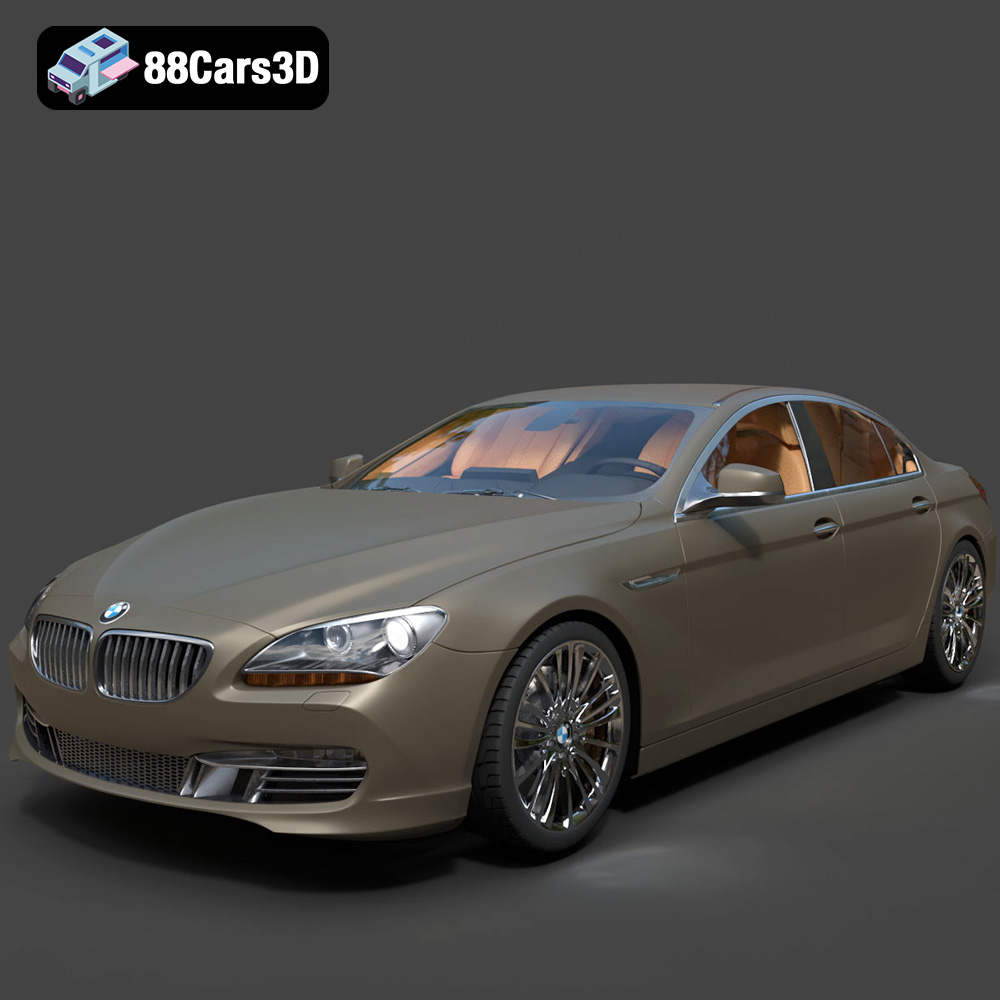
Texture: Yes
Material: Yes
Download the BMW 6 Series Gran Coupe 2013 3D Model featuring a sophisticated design, detailed exterior, and well-appointed interior. Includes .blend, .fbx, .obj, .glb, .stl, .ply, .unreal, and .max formats for rendering, simulation, and game development.
Price: $20.79
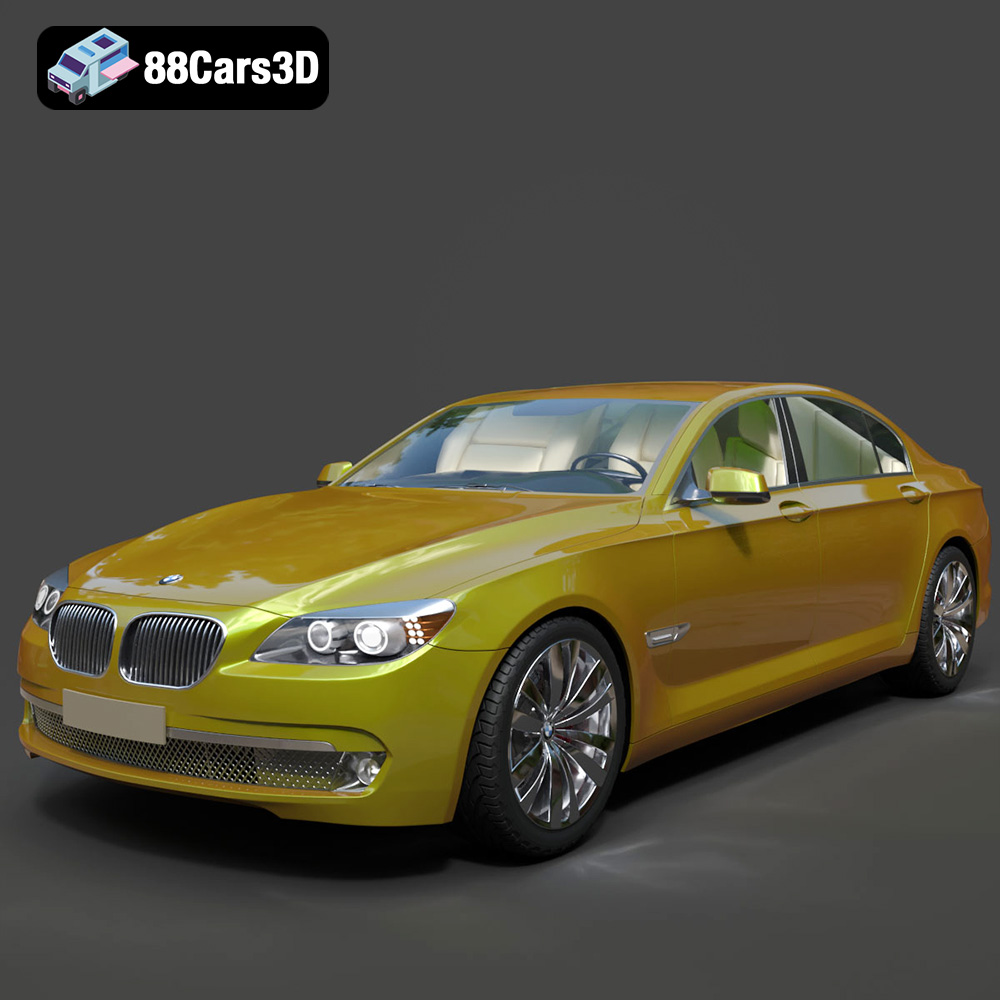
Texture: Yes
Material: Yes
Download the BMW 7 Series 750 F01 3D Model featuring a detailed exterior and a luxurious interior. Includes .blend, .fbx, .obj, .glb, .stl, .ply, .unreal, and .max formats for rendering, simulation, and game development.
Price: $10.79
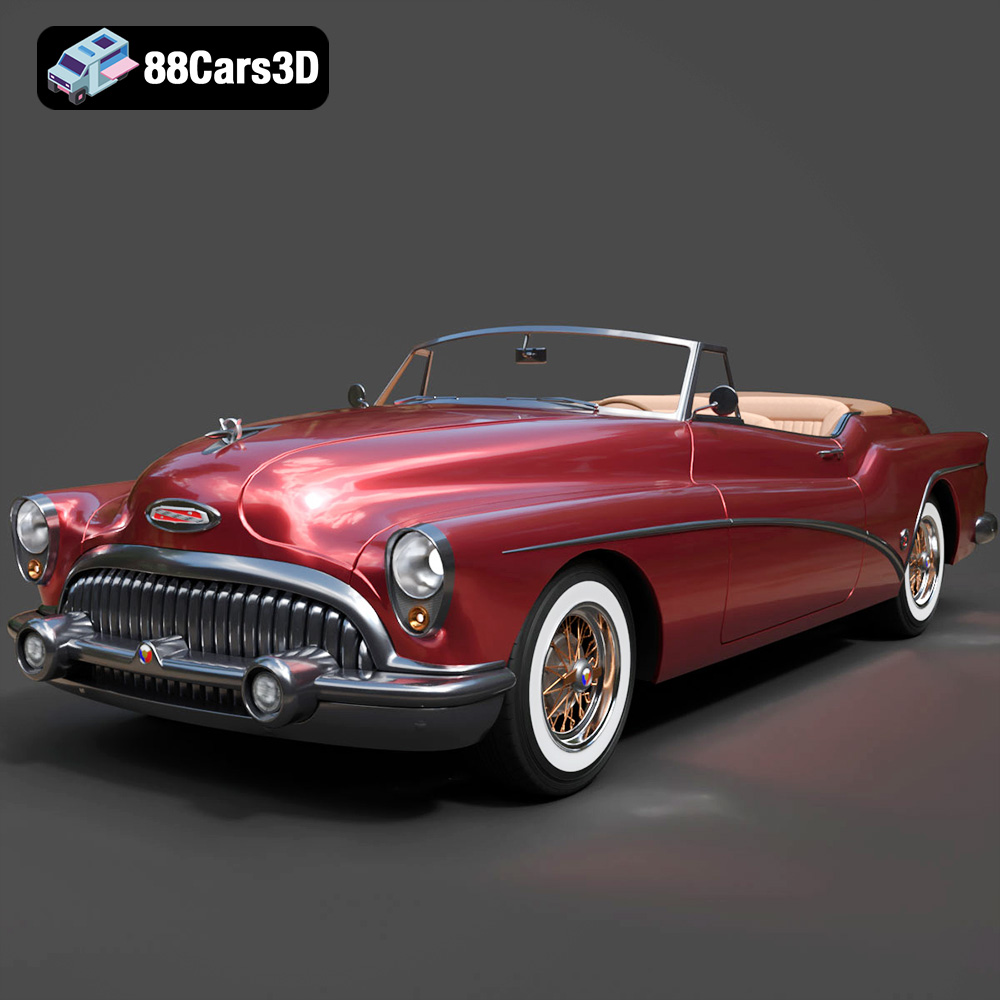
Texture: Yes
Material: Yes
Download the Buick Skylark Convertible 1953 3D Model featuring iconic 1950s styling, a detailed exterior with chrome accents, and an accurately modeled interior. Includes .blend, .fbx, .obj, .glb, .stl, .ply, .unreal, and .max formats for rendering, simulation, and game development.
Price: $10.79

Texture: Yes
Material: Yes
Download the Buick Roadmaster Hardtop Coupe 1957 3D Model featuring a classic American design with detailed exterior and interior. Includes .blend, .fbx, .obj, .glb, .stl, .ply, .unreal, and .max formats for rendering, simulation, and game development.
Price: $10.79
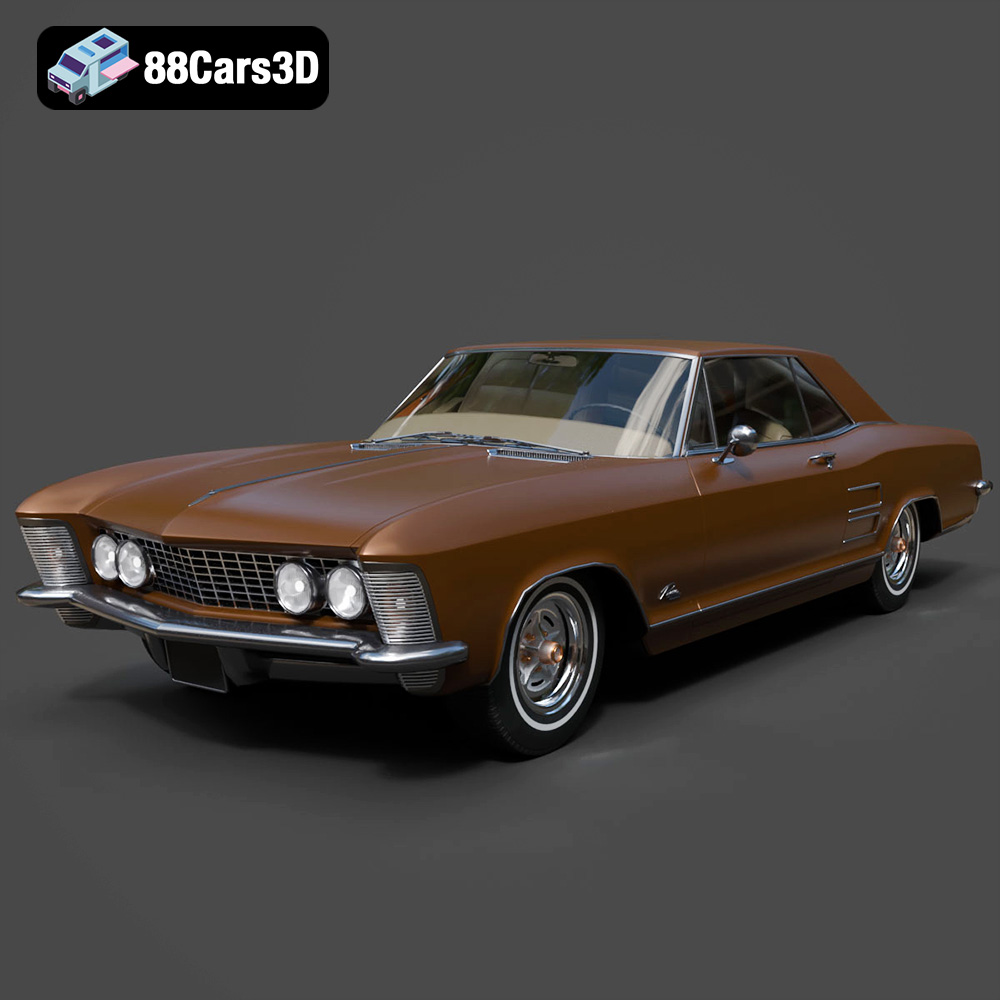
Texture: Yes
Material: Yes
Download the Buick Riviera 1963 3D Model featuring classic American muscle car design and iconic styling. Includes .blend, .fbx, .obj, .glb, .stl, .ply, .unreal, and .max formats for rendering, simulation, and game development.
Price: $10.79

Texture: Yes
Material: Yes
Download the Buick Regal 3D Model featuring a classic American sedan design, detailed exterior, and optimized interior. Includes .blend, .fbx, .obj, .glb, .stl, .ply, .unreal, and .max formats for rendering, simulation, and game development.
Price: $10.79
Texture: Yes
Material: Yes
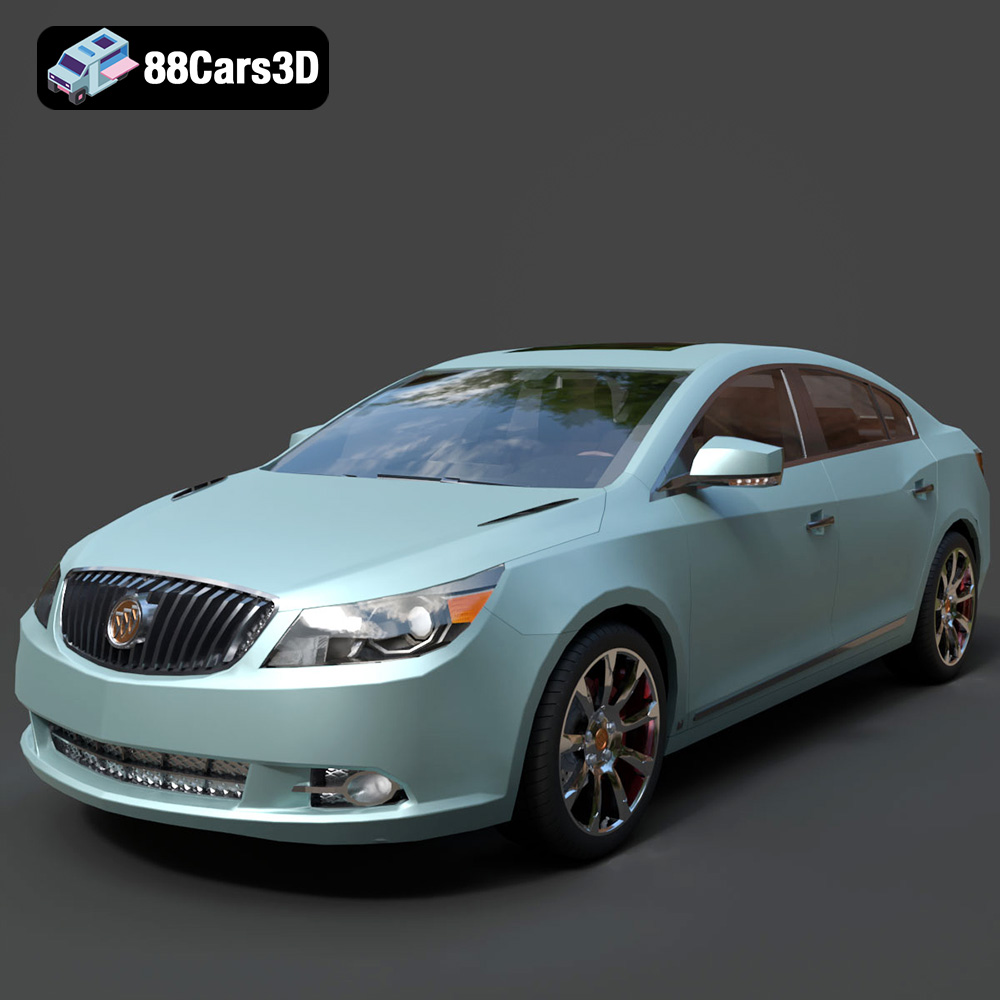
Download the Buick LaCrosse 3D Model featuring professional modeling and texture work. Includes .blend, .fbx, .obj, .glb, .stl, .ply, .unreal, and .max formats for rendering, simulation, and game development.
Price: $10.79
Texture: Yes
Material: Yes
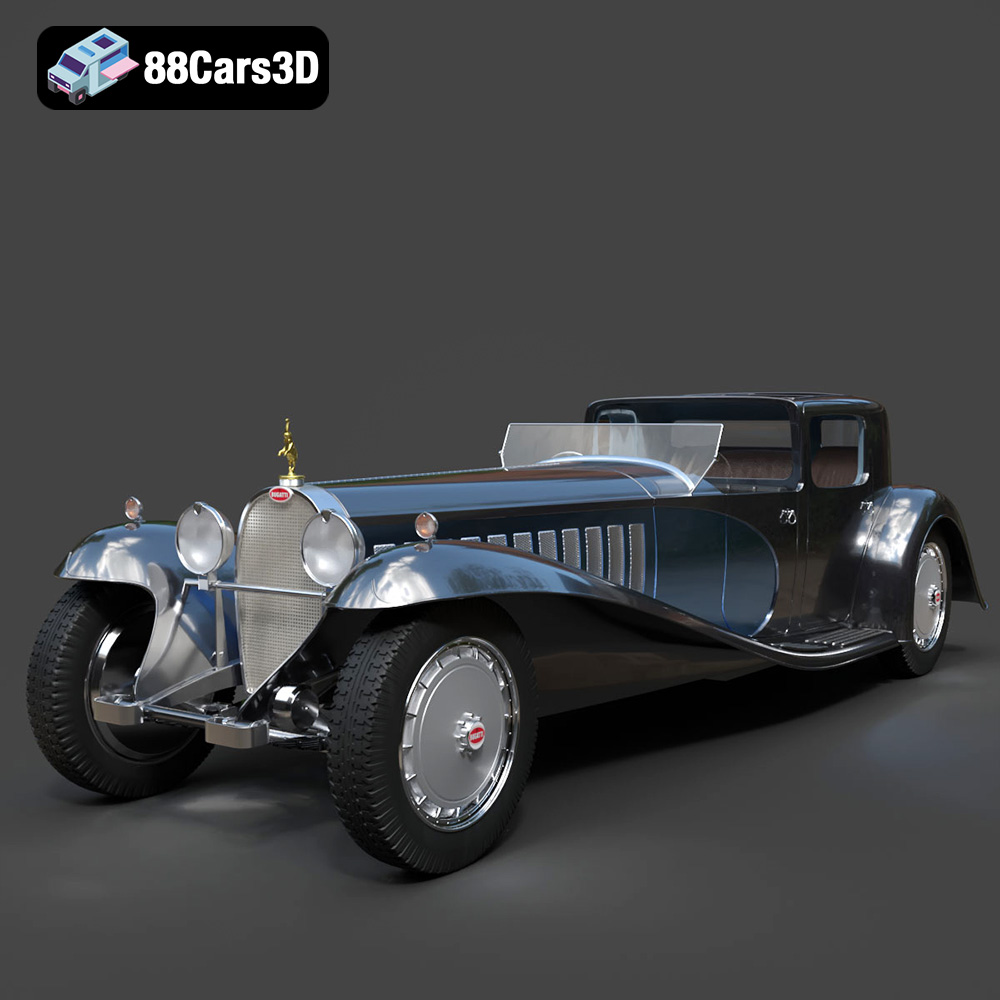
Download the Bugatti Type 41 Napoleon 3D Model featuring its iconic luxury design, detailed exterior, and opulent interior. Includes .blend, .fbx, .obj, .glb, .stl, .ply, .unreal, and .max formats for rendering, simulation, and game development.
Price: $10.79
Texture: Yes
Material: Yes
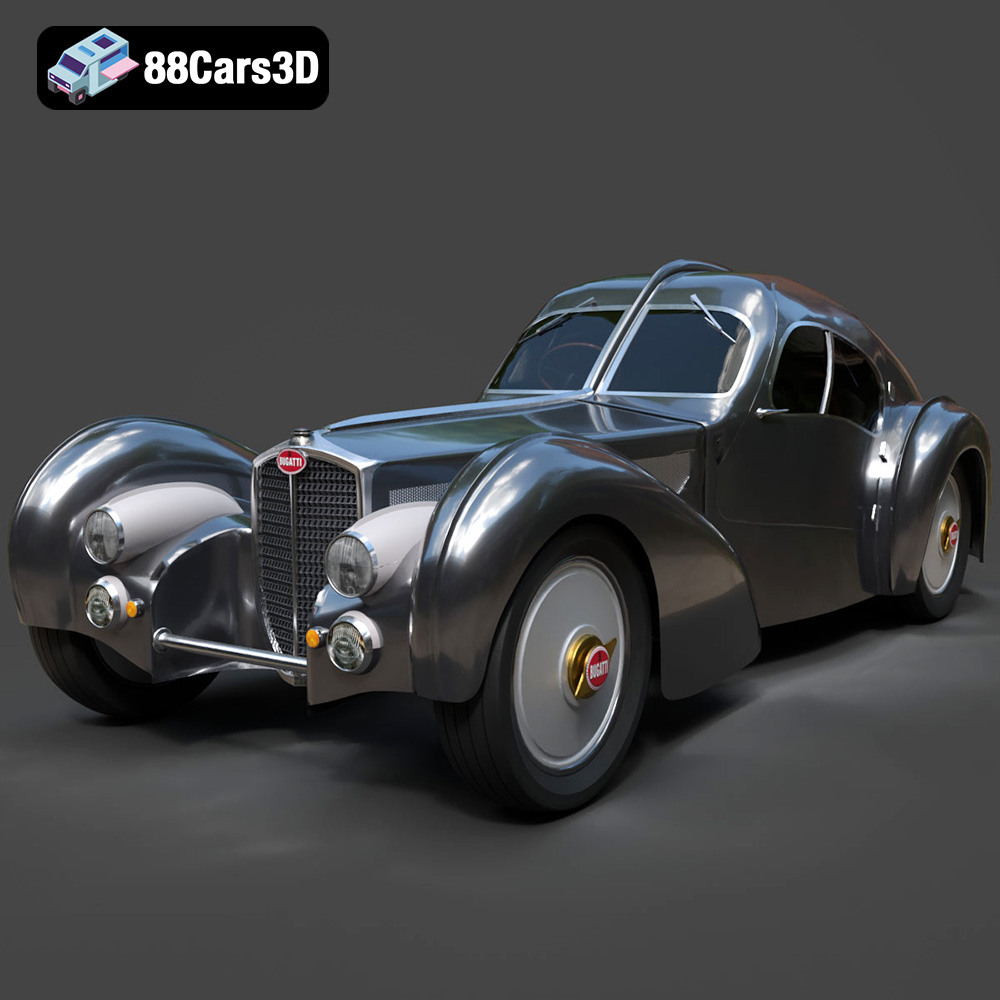
Download the Bugatti Type 57SC Atlantic Coupe 3D Model featuring its iconic streamlined body and classic design. Includes .blend, .fbx, .obj, .glb, .stl, .ply, .unreal, and .max formats for rendering, simulation, and game development.
Price: $10.79
Texture: Yes
Material: Yes
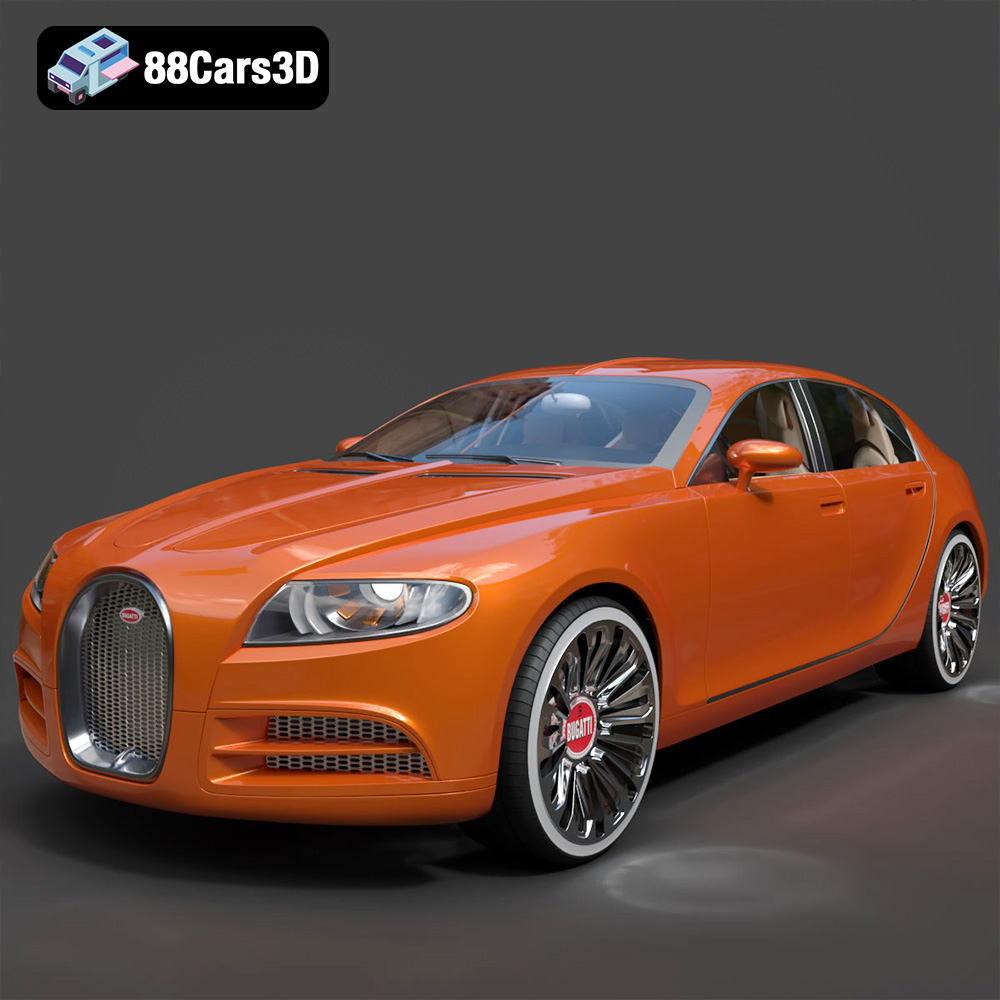
Download the Bugatti 16C Galibier-006 3D Model featuring its luxurious sedan design, detailed interior, and sophisticated exterior. Includes .blend, .fbx, .obj, .glb, .stl, .ply, .unreal, and .max formats for rendering, simulation, and game development.
Price: $10.79

