

“`html
Mastering the Finish: Achieving Ultra-Smooth Surfaces on Your 3D Printed Car Models
The allure of a perfectly rendered 3D printed car model lies not just in its intricate details and faithful replication of a classic design, but in its flawless finish. A smooth, glossy surface can elevate a hobbyist’s collection, a maker’s prototype, or an educational display from merely “good” to “stunning.” But achieving this level of perfection with additive manufacturing can be a journey fraught with challenges – visible layer lines, support marks, and surface imperfections are common hurdles. Fortunately, with the right knowledge and techniques, these obstacles can be overcome. This comprehensive guide will delve deep into the technical aspects of transforming raw prints into show-quality car models. We’ll explore everything from the foundational principles of STL file preparation and 3D printer settings to advanced slicing techniques, optimal support structure generation, and essential post-processing workflows. Whether you’re using FDM or resin printing, this guide will equip you with the actionable insights needed to achieve the smoothest possible surfaces on your next printable car model.
Understanding the Root Causes of Surface Imperfections
Before we can fix surface imperfections, we must understand their origins. The layered nature of 3D printing, by definition, introduces lines where each layer is deposited. While unavoidable to some extent, their prominence is influenced by a myriad of factors. On FDM printers, issues like inconsistent extrusion, wobbling print heads, incorrect temperature settings, and poor bed adhesion can all manifest as visible surface defects. For resin printers, over-exposure, improper curing, and issues with the build plate or FEP film can lead to undesirable surface textures. Even the quality of the STL file itself plays a critical role; a model with a low polygon count or non-manifold geometry can result in a visibly faceted or broken surface, no matter how well it’s printed. Understanding these fundamental causes is the first step towards implementing effective solutions.
Layer Lines: The Unavoidable Reality
Layer lines are the fundamental building blocks of any 3D print. They represent the cross-section of the object being laid down by the printer’s nozzle or light source. The primary factor influencing their visibility is layer height. A smaller layer height (e.g., 0.05mm) will result in significantly finer layer lines compared to a larger layer height (e.g., 0.2mm). However, reducing layer height dramatically increases print time. Finding the optimal balance between surface smoothness and acceptable print duration is a key consideration for automotive models, which often feature sweeping curves where layer lines can be particularly noticeable.
Extrusion and Flow Issues (FDM)
In FDM printing, inconsistent plastic flow is a major culprit for rough surfaces. This can stem from:
- Under-extrusion: Gaps between layers, stringing, and a generally rough, grainy surface. Caused by incorrect E-steps calibration, low filament temperature, or a partially clogged nozzle.
- Over-extrusion: Blobs and zits on the surface, excessive stringing, and a “fuzzy” or uneven appearance. Caused by over-calibrated E-steps, too high filament temperature, or incorrect flow multiplier settings in the slicer.
- Temperature Fluctuations: Inconsistent extrusion temperature leads to varying plastic viscosity, resulting in inconsistent layer adhesion and surface finish. Ensure your printer’s thermistor and heater cartridge are functioning correctly.
Resin Print Artifacts
Resin printing offers inherently finer detail, but surface quality can still be compromised. Common issues include:
- “Orange Peel” Effect: Often caused by over-exposure, leading to excessive light scattering and a textured surface.
- Layer Stacking Artifacts: Minor inconsistencies in layer peeling from the FEP film can create subtle ridges.
- Support Marks: Resin supports, while crucial, leave visible marks upon removal.
- Incomplete Curing: A sticky or dull surface can indicate insufficient post-curing.
Optimizing Slicer Settings for Surface Smoothness
The slicer software is your primary interface for translating a 3D model into machine instructions. Fine-tuning its parameters is paramount for achieving smooth surfaces. This involves carefully balancing print quality settings with print time and material properties. For intricate automotive models, especially those with smooth body panels and flowing lines, detailed attention to these settings is non-negotiable. Whether you’re using Cura, PrusaSlicer, or another popular slicer, the principles remain largely the same, focusing on how the printer deposits material layer by layer.
Layer Height and Wall Thickness
As mentioned, layer height is the most direct control over layer line visibility. For show-quality finishes, consider printing at 0.1mm or even 0.08mm layer height for FDM. For resin printing, layer heights of 0.03mm to 0.05mm are common for high detail. Equally important is wall thickness (or shell thickness). Ensure your walls are at least 3-4 times your nozzle diameter (for FDM) or a minimum of 1.0-1.5mm for resin to prevent infill showing through or creating weak spots. Increasing the number of walls (perimeters) can also contribute to a smoother outer surface by ensuring better overlap and coverage.
Print Speed and Acceleration
Printing too fast is a common cause of poor surface finish. Reduce your overall print speed, especially for outer walls, to allow the filament to cool and settle properly. For FDM, consider speeds around 40-60 mm/s for outer walls and potentially higher for inner walls. Lowering acceleration and jerk settings can also smooth out movements, reducing vibrations that translate to surface artifacts. For resin, print speed dictates how fast the build plate lifts, impacting the peel force; slower speeds generally yield better results for smooth surfaces.
Retraction and Cooling (FDM)
Proper retraction settings are crucial for minimizing stringing and blobs, which mar smooth surfaces. Experiment with retraction distance and speed until stringing is eliminated. Ensure your part cooling fan is set to an appropriate level (often 100% after the first few layers for PLA) to help the extruded plastic solidify quickly, preventing sagging and improving layer adhesion on curves.
Optimizing for Resin Prints
For resin printers, key settings include:
- Exposure Time: Calibrate this carefully using a resin exposure guide. Under-exposure leads to failed prints, while over-exposure causes loss of detail and surface texture.
- Lift Speed and Distance: Slower lift speeds reduce the stress on the model as it separates from the FEP, minimizing layer artifacts.
- Anti-Aliasing: Many resin slicers offer anti-aliasing settings to smooth out the stair-stepping effect on curved surfaces by varying pixel intensity.
Mastering Support Structures for Flawless Finishes
Support structures are the unsung heroes of 3D printing, enabling complex geometries to be realized. However, they are also a primary source of surface imperfections. The points where supports attach to the model can leave marks, dimples, or even tear away material upon removal. The goal is to generate supports that are strong enough to hold the overhangs but can be removed cleanly, leaving minimal trace on the critical surfaces of your car model.
Support Placement and Type
Strategic placement is key. Avoid placing supports directly on highly visible areas like the hood, roof, or body panels whenever possible. Instead, aim to place them on seams, bottom surfaces, or less critical internal areas. Most slicers offer different support types: normal, tree/organic, or custom. Tree supports (or organic supports) are often excellent for automotive models as they tend to have fewer contact points and can be angled away from delicate surfaces. Experiment with support density and patterns – lighter density supports are easier to remove.
Contact Point Optimization
The interface between the support and the model is where damage can occur. Within your slicer, look for settings related to support contact distance (or Z distance) and support contact diameter/radius. Increasing the Z distance slightly (e.g., from 0.1mm to 0.15mm or 0.2mm) creates a small air gap, making separation easier. Reducing the contact diameter or using a finer contact pattern also minimizes the area affected. For critical models, consider using ‘touching buildplate’ supports only, and manually adding supports with tools like Meshmixer or Blender where absolutely necessary.
Support Removal Techniques
Patience and the right tools are essential for clean support removal. For FDM prints, allow the model to cool completely. Use sharp hobby knives, flush cutters, or pliers to carefully snip and break away supports. Start with larger sections and work towards smaller attachment points. For resin prints, supports are typically removed after initial cleaning and before final curing. Use flush cutters and a gentle wiggling motion. For stubborn marks, a quick blast with a heat gun can sometimes soften the resin slightly, making removal easier (use with extreme caution).
Print Orientation and Bed Adhesion: The Foundation of Quality
How you orient your car model on the print bed and ensuring it adheres reliably are fundamental to achieving a good outcome. The chosen orientation dictates which surfaces are exposed to the most stress during printing and which will require supports. Proper bed adhesion prevents print failures, warping, and layer shifting, all of which contribute to surface defects.
Strategic Model Orientation
For car models, consider the following:
- Minimize Overhangs: Orient the model to reduce the number and severity of overhangs. For example, printing a car body upright might require extensive supports on the undercarriage and wheel wells. Printing it slightly tilted or even upside down (if the underside is less critical) might be beneficial.
- Maximize Flat Surfaces: If possible, orient the model so that large, flat surfaces like the roof or hood are parallel to the build plate, minimizing the need for supports on these critical areas.
- Consider Assembly: For complex models, printing in sections and then assembling them can significantly improve surface quality. Each part can be oriented optimally for its own print. Platforms like 88cars3d.com often provide multi-part models designed for this purpose.
Achieving Robust Bed Adhesion
Reliable adhesion prevents the model from detaching mid-print, which ruins the surface finish and wastes material. Options include:
- Clean Build Surface: Always ensure your build plate is clean. Use Isopropyl Alcohol (IPA) for regular cleaning. For stubborn residue, soap and water can be effective.
- Adhesion Aids: Depending on your printer and material, consider using a glue stick, hairspray, or specialized bed adhesion solutions like Magigoo.
- Brim or Raft: For models with small contact areas or prone to warping (like ABS), a brim or raft can significantly improve adhesion. A brim adds a single layer of extruded material around the base of the print, increasing surface area contact. A raft prints a small platform underneath the model.
- Bed Leveling: Ensure your bed is perfectly leveled. An uneven bed leads to poor first-layer adhesion in certain areas. Auto bed leveling systems help, but manual checks are still recommended.
Advanced Techniques and Post-Processing for a Showroom Shine
Even with optimized settings and careful printing, some level of post-processing is often required to achieve a truly professional, smooth finish. This is where raw prints are transformed into polished masterpieces. This stage is crucial for automotive models where smooth, glossy finishes are highly desired.
Sanding and Surface Smoothing
For FDM prints, sanding is essential to remove layer lines. Start with a coarser grit sandpaper (e.g., 120-220 grit) to remove major imperfections and level the surface. Progress through finer grits (e.g., 400, 600, 800, 1000, and even up to 2000 or 3000 grit wet/dry sandpaper). Wet sanding (using water as a lubricant) helps to prevent clogging and produces a smoother finish. For resin prints, sanding is also effective, particularly after support removal and initial cleanup.
Filling and Priming
Gaps, support marks, and remaining layer lines can be filled using various techniques. Automotive putty, filler primer spray, or even a thin layer of XTC-3D (a resin coating that smooths and protects) can be applied. Multiple thin coats are usually better than one thick coat. After filling, applying a good quality primer is crucial. Primer helps to reveal any remaining imperfections that need further attention and provides a uniform surface for subsequent painting. Sand the primer smooth between coats.
Painting and Finishing
The final painting stage is where your car model truly comes to life. Use high-quality model paints (acrylics, enamels) or even automotive spray paints. Apply paint in thin, even coats to avoid drips and uneven coverage. Airbrushing offers excellent control for smooth, professional finishes. For a glossy car finish, consider using gloss clear coats after the base color has been applied and allowed to cure. Multiple clear coats, followed by polishing with automotive finishing compounds, can achieve a mirror-like shine. For resin models, a smooth surface before painting is paramount as paint can accentuate any remaining texture.
Utilizing Software for File Optimization
Before even hitting print, software like Meshmixer, Netfabb, or Blender can be invaluable. These tools allow you to:
- Repair Meshes: Fix non-manifold edges, holes, and flipped normals that can cause printing errors.
- Hollow Models: Reduce print time and material usage for larger models by hollowing them out and adding drainage holes (crucial for resin prints).
- Cut Models: Divide complex models into smaller, more manageable parts for easier printing and assembly, allowing for optimal orientation of each piece. This is a technique often employed when sourcing models from marketplaces such as 88cars3d.com, where models might be offered in pre-sectioned formats.
- Add Custom Supports: Manually add or modify supports for precise control over contact points.
By combining meticulous slicer settings, strategic support generation, careful print execution, and thorough post-processing, you can achieve exceptionally smooth surfaces on your 3D printed car models. The journey from raw filament or resin to a polished collectible requires attention to detail at every step, but the results are incredibly rewarding.
Material Selection and Printer Calibration: The Unseen Heroes
While settings and techniques are vital, the choice of material and the condition of your 3D printer play foundational roles in surface quality. Different materials have inherent properties that affect their printability and final finish, and a poorly calibrated printer will struggle to produce smooth results regardless of other optimizations.
Choosing the Right Filament or Resin
For FDM printing, PLA is often the easiest material to print with and generally yields good surface quality with minimal warping. It’s also easier to sand and paint. PETG offers increased durability but can be prone to stringing, requiring more careful retraction and temperature tuning. ABS can achieve very smooth finishes, especially with post-processing like vapor smoothing, but it requires higher temperatures, an enclosure, and is prone to warping. For resin printing, standard ‘Standard’ or ‘High Detail’ resins are excellent starting points. Specialized resins might offer different properties, but for smooth finishes, consistency in exposure and curing is key.
The Importance of Printer Calibration
A well-calibrated printer is the bedrock of quality prints:
- E-Steps Calibration (FDM): Ensures your extruder pushes the correct amount of filament. Incorrect E-steps lead directly to under or over-extrusion, resulting in rough surfaces.
- PID Tuning: Stabilizes the hotend and bed temperatures. Fluctuations lead to inconsistent extrusion and poor layer adhesion.
- Belts and Frame Tightness: Loose belts or a wobbly frame can cause ringing or ghosting artifacts, visible on smooth surfaces.
- Nozzle Condition: A worn or partially clogged nozzle will negatively impact extrusion consistency and surface quality. Replace nozzles periodically.
- Resin Printer Calibration: Ensure the Z-axis is calibrated correctly, the build plate is level and clean, and the FEP film is in good condition (not scratched or overly stretched).
Regular maintenance, including cleaning the extruder gears, lubricating Z-axis rods, and checking all mechanical components, ensures your printer operates at peak performance, providing the best possible foundation for achieving those coveted smooth surfaces on your 3D printed car models.
Conclusion: The Path to a Polished Print
Achieving ultra-smooth surfaces on your 3D printed car models is a multi-faceted endeavor that rewards patience and attention to detail. It begins with understanding the fundamental reasons behind surface imperfections, from the inherent layering of additive manufacturing to specific issues like extrusion inconsistencies or resin print artifacts. By meticulously tuning your slicer settings – optimizing layer height, print speed, and flow parameters – you lay the groundwork for quality. Strategic support structure generation and removal are critical for minimizing surface blemishes. Furthermore, correct print orientation and robust bed adhesion are non-negotiable for a flawless start. Advanced techniques, including careful mesh repair using software like Meshmixer, material selection, and rigorous printer calibration, further refine the process. Finally, embracing post-processing steps like sanding, filling, priming, and painting is the key to transforming a good print into a show-stopping model. Whether you’re downloading intricate designs from platforms like 88cars3d.com or working with your own creations, these technical insights will guide you towards producing car models with finishes that truly impress.
“`
Featured 3D Car Models

BMW M6 Coupe (F12) 3D Model
Texture: Yes
Material: Yes
Download the BMW M6 Coupe (F12) 3D Model featuring its iconic sporty design and luxurious details. Includes .blend, .fbx, .obj, .glb, .stl, .ply, .unreal, and .max formats for rendering, simulation, and game development.
Price: $10.79
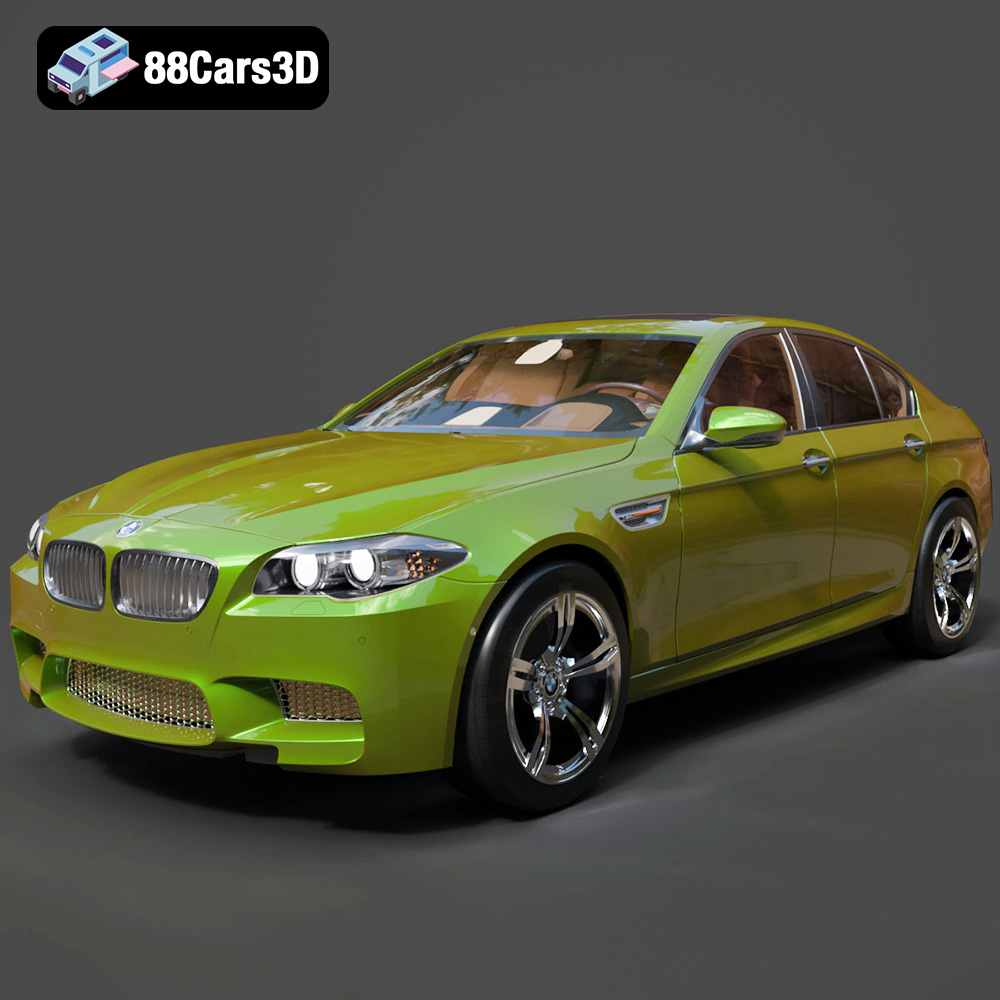
BMW M5 F10 3D Model
Texture: Yes
Material: Yes
Download the BMW M5 F10 3D Model featuring high-performance luxury sedan design, detailed interior, and realistic PBR textures. Includes .blend, .fbx, .obj, .glb, .stl, .ply, .unreal, and .max formats for rendering, simulation, and game development.
Price: $10.79
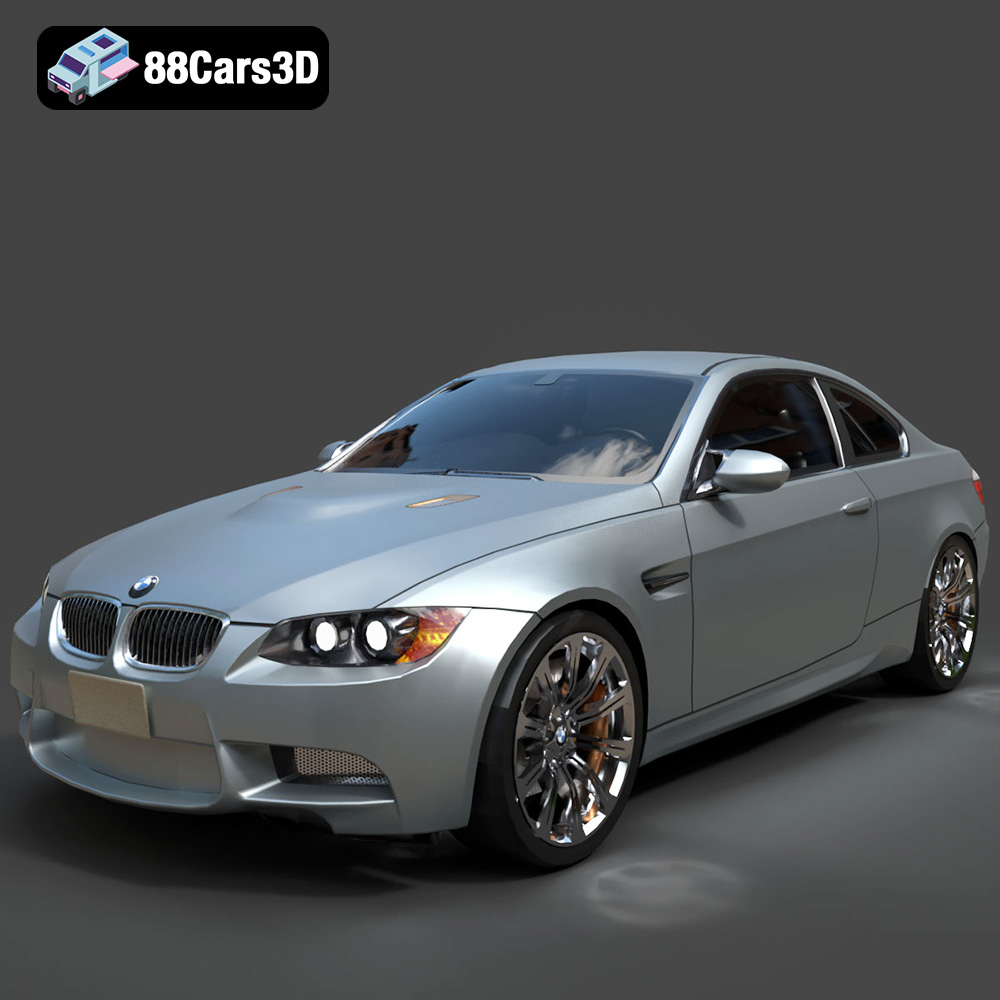
BMW M3 Coupe E92-002 3D Model
Texture: Yes
Material: Yes
Download the BMW M3 Coupe E92-002 3D Model featuring authentic styling, detailed exterior, and a faithful interior. Includes .blend, .fbx, .obj, .glb, .stl, .ply, .unreal, and .max formats for rendering, simulation, and game development.
Price: $10.79

BMW 6 Series Gran Coupe 2013 3D Model
Texture: Yes
Material: Yes
Download the BMW 6 Series Gran Coupe 2013 3D Model featuring a sophisticated design, detailed exterior, and well-appointed interior. Includes .blend, .fbx, .obj, .glb, .stl, .ply, .unreal, and .max formats for rendering, simulation, and game development.
Price: $20.79

BMW 7 Series 750 F01 3D Model
Texture: Yes
Material: Yes
Download the BMW 7 Series 750 F01 3D Model featuring a detailed exterior and a luxurious interior. Includes .blend, .fbx, .obj, .glb, .stl, .ply, .unreal, and .max formats for rendering, simulation, and game development.
Price: $10.79
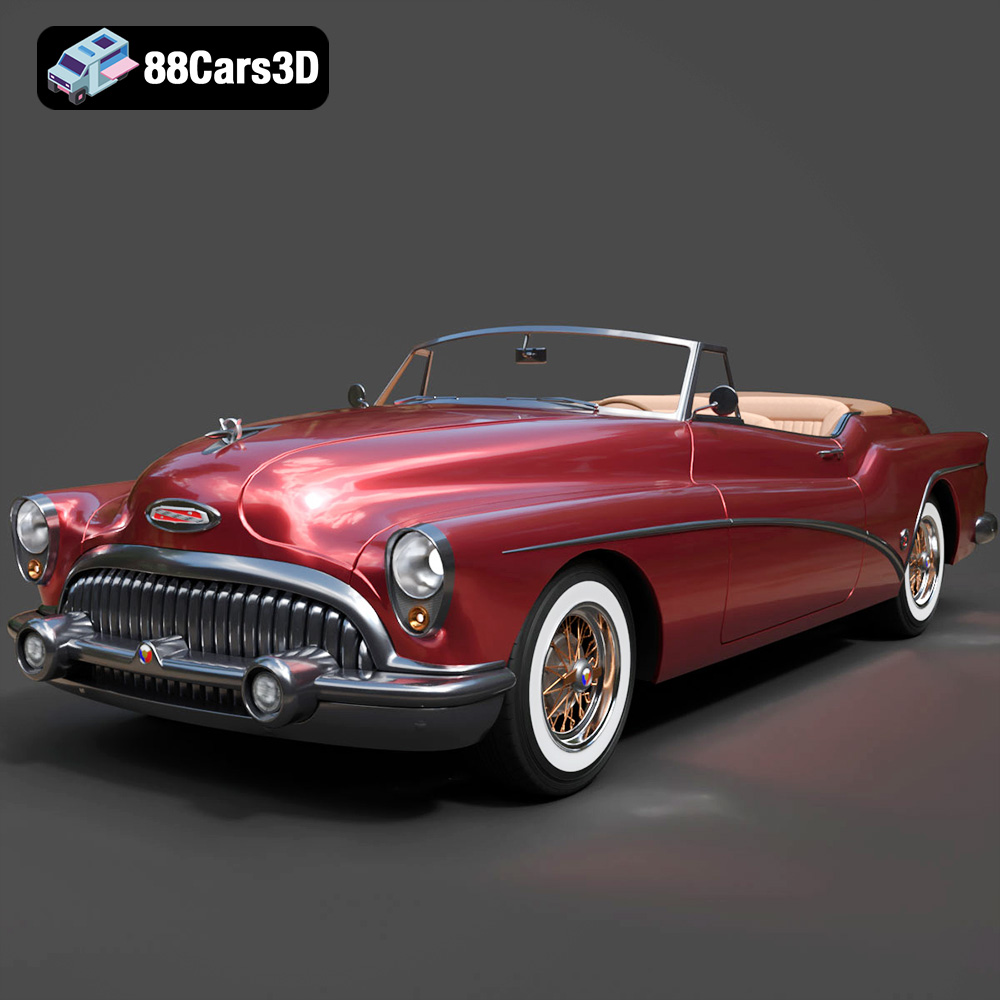
Buick Skylark Convertible 1953 3D Model
Texture: Yes
Material: Yes
Download the Buick Skylark Convertible 1953 3D Model featuring iconic 1950s styling, a detailed exterior with chrome accents, and an accurately modeled interior. Includes .blend, .fbx, .obj, .glb, .stl, .ply, .unreal, and .max formats for rendering, simulation, and game development.
Price: $10.79

Buick Roadmaster Hardtop Coupe 1957 3D Model
Texture: Yes
Material: Yes
Download the Buick Roadmaster Hardtop Coupe 1957 3D Model featuring a classic American design with detailed exterior and interior. Includes .blend, .fbx, .obj, .glb, .stl, .ply, .unreal, and .max formats for rendering, simulation, and game development.
Price: $10.79
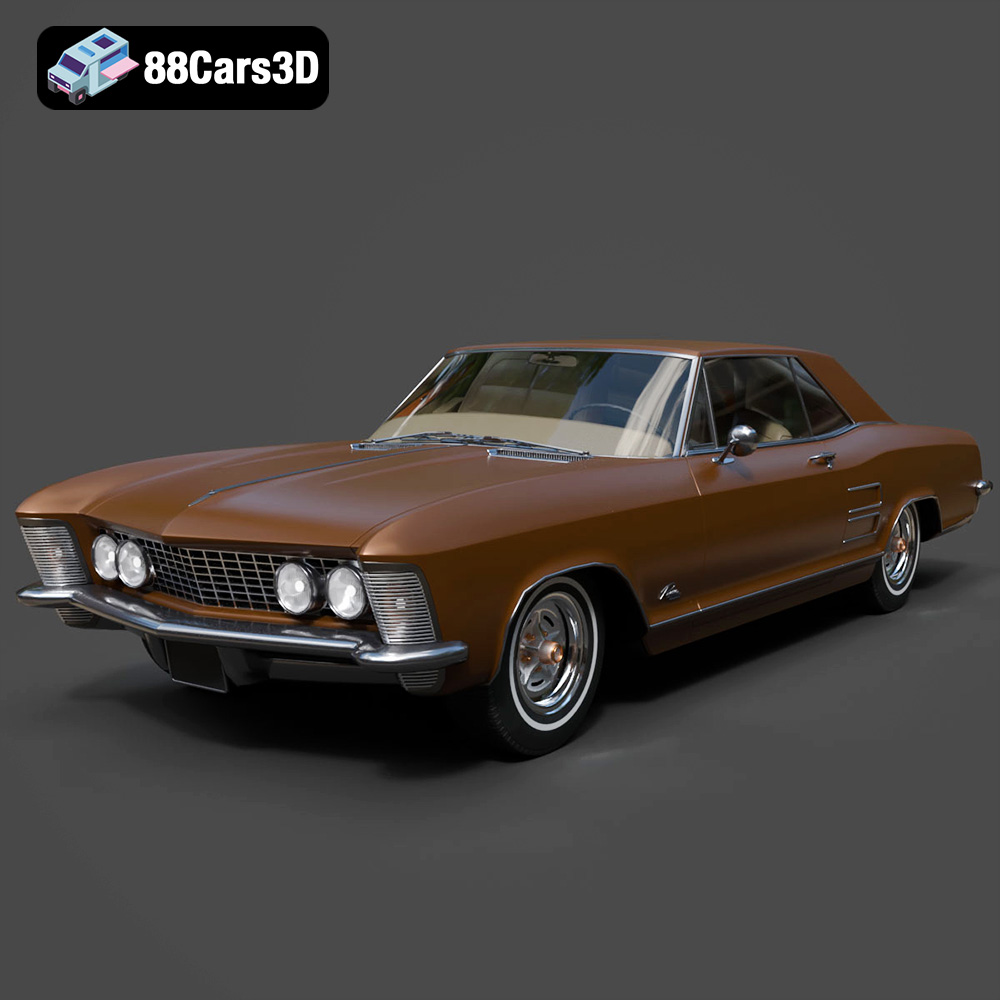
Buick Riviera 1963 3D Model
Texture: Yes
Material: Yes
Download the Buick Riviera 1963 3D Model featuring classic American muscle car design and iconic styling. Includes .blend, .fbx, .obj, .glb, .stl, .ply, .unreal, and .max formats for rendering, simulation, and game development.
Price: $10.79

Buick Regal 3D Model
Texture: Yes
Material: Yes
Download the Buick Regal 3D Model featuring a classic American sedan design, detailed exterior, and optimized interior. Includes .blend, .fbx, .obj, .glb, .stl, .ply, .unreal, and .max formats for rendering, simulation, and game development.
Price: $10.79

Buick LaCrosse 2008 3D Model
Texture: Yes
Material: Yes
Download the Buick LaCrosse 3D Model featuring professional modeling and texture work. Includes .blend, .fbx, .obj, .glb, .stl, .ply, .unreal, and .max formats for rendering, simulation, and game development.
Price: $10.79
