Get 20% OFF All Premium 3D & STL Models!

In the dynamic world of real-time rendering and immersive experiences, static scenes no longer cut it. Whether you’re crafting a high-fidelity automotive visualization, developing a next-generation game, or producing cinematic content, bringing your environments to life with compelling character animation is paramount. The challenge, historically, has been the often cumbersome and time-consuming process of rigging and animating characters, frequently involving round-tripping between multiple software packages.
Enter Unreal Engine’s Control Rig – a revolutionary in-engine rigging and animation system that has transformed how artists and developers approach character workflows. Control Rig empowers creators to build sophisticated, modular rigs directly within the Unreal Editor, facilitating faster iteration, more intuitive control, and seamless integration into complex projects. For professionals looking to populate their automotive showcases with realistic drivers, interactive pedestrians, or even animate intricate vehicle components with precision, Control Rig offers an unparalleled level of flexibility and efficiency.
This comprehensive guide will deep dive into Unreal Engine Control Rig, unraveling its power for character animation setup. We’ll explore everything from importing your skeletal mesh and building robust rig graphs with FK/IK systems, to leveraging Control Rig within Sequencer for cinematic storytelling and optimizing performance for real-time applications. By the end, you’ll have a solid understanding of how to harness Control Rig to elevate your Unreal Engine projects, breathing life into your characters and enhancing your overall visual narratives.
Unreal Engine’s Control Rig isn’t just another feature; it’s a paradigm shift in character animation workflows. Traditionally, animators relied heavily on Digital Content Creation (DCC) tools like Maya or Blender for rigging and animation, then painstakingly exported their work back into the game engine. This process, while functional, was prone to errors, slow iteration, and often resulted in a disconnected workflow. Control Rig changes all of that by bringing robust rigging capabilities directly into the Unreal Editor, enabling a truly integrated animation pipeline.
At its core, Control Rig is a node-based rigging system, much like Blueprint, but specifically tailored for manipulating skeletal hierarchies. It allows you to create a layer of interactive controls on top of your skeletal mesh, giving animators direct, intuitive handles to pose and animate characters. This system is incredibly flexible, allowing you to build anything from simple FK (Forward Kinematics) chains to complex IK (Inverse Kinematics) setups, full body rigs, and even advanced procedural animation systems. The ability to visualize and interact with the rig in real-time within the viewport significantly accelerates the animation process, making it an indispensable tool for game developers, virtual production studios, and visualization specialists aiming for dynamic, high-quality results.
The beauty of Control Rig lies in its live-editing capabilities. Changes made to the rig graph immediately update in the viewport, providing instant feedback. This live connection fosters rapid experimentation and allows artists to fine-tune their rigs without constant recompilation or export/import cycles. For projects demanding a high degree of fidelity, such as automotive visualizations where precise character movements or interactions with a vehicle are crucial, Control Rig offers the precision and speed needed to achieve stunning results. You can find comprehensive documentation and learning resources on Control Rig and other Unreal Engine features at https://dev.epicgames.com/community/unreal-engine/learning.
The distinction between Control Rig and traditional DCC animation workflows is significant. In a traditional pipeline, rigging is often a specialized task performed by a technical artist in a separate software. The animator then uses that rig to create animation sequences, which are then exported as FBX files containing skeletal animation data. Any rig adjustments or major changes typically require going back to the DCC tool, re-exporting, and re-importing – a costly process in terms of time and potential for errors.
Control Rig streamlines this by making the rigging process an integral part of the Unreal Engine project. Technical artists can build rigs directly in UE, ensuring they function perfectly within the engine’s environment. Animators can then access and manipulate these rigs without leaving the editor, leveraging tools like Sequencer to create stunning cinematics or game-ready animations. This not only reduces the friction between departments but also empowers animators with greater control and faster iteration, a critical advantage in fast-paced production cycles.
For artists, Control Rig means more time animating and less time troubleshooting exports. Direct manipulation of controls in the viewport offers an intuitive experience, making complex poses achievable with ease. Features like animation layers allow artists to non-destructively add or modify animations, refining existing motion capture data or building bespoke animations from scratch. For developers, Control Rig provides a robust framework for procedural animation, allowing for dynamic character reactions based on game logic or environmental cues. Its integration with Blueprint further extends its utility, enabling interactive rigging elements or dynamic adjustments in real-time. This level of control and flexibility is invaluable when creating immersive experiences, whether it’s a detailed virtual showroom featuring characters interacting with vehicles sourced from marketplaces like 88cars3d.com, or a dynamic action sequence in a game.
Before you can unleash the power of Control Rig, your character needs to be properly prepared. The foundation of any successful Control Rig setup is a clean, well-structured Skeletal Mesh with an appropriate skeleton and bind pose. This preparation phase is crucial, as any issues at this stage can lead to compounding problems later in the rigging and animation process. Focusing on best practices here will save countless hours of troubleshooting down the line.
The process typically begins in your DCC application (e.g., Maya, Blender, 3ds Max), where your character model is created, textured, and rigged with a basic skeleton. It’s vital that the skeleton’s hierarchy is clean and logical, and that the character is posed correctly – usually in a T-pose or A-pose – before export. This ‘bind pose’ is the default, un-animated state from which all subsequent animations will originate. Once your skeletal mesh is ready, it’s exported as an FBX file, which is the industry standard for transferring 3D assets with animation data into Unreal Engine.
Upon importing into Unreal Engine, you’ll create the Control Rig asset itself. This is where you define the interactive controls and logic that will drive your character’s skeleton. The initial setup involves mapping the bones of your skeletal mesh to the Control Rig’s internal structure, establishing the foundation for all subsequent rigging efforts. Attention to detail in bone naming conventions and ensuring a consistent scale across all assets are critical steps that prevent frustrating scale mismatches or transform issues.
When importing your skeletal mesh into Unreal Engine, several factors require careful consideration. First, ensure your FBX export settings are correct. Typically, you’ll want to export with “Skeletal Mesh” and “Animation” checked (even if there’s no animation, it ensures the skeleton comes in). Pay close attention to the import scale, which should usually be 1.0, but if your DCC software uses a different unit system than Unreal’s centimeters, you might need to adjust. The character’s pivot point should also be at its origin (0,0,0) or a logical base point, ensuring consistent placement and scaling within the engine.
Clean bone hierarchy is paramount. Each bone should serve a clear purpose, and the parent-child relationships should be logical (e.g., upper arm is child of clavicle, lower arm is child of upper arm). Avoid redundant bones or overly complex hierarchies if possible. Additionally, ensure your character mesh has clean topology with good edge flow for optimal deformation, and that UV mapping is properly executed, which is essential for realistic PBR materials and textures.
Once your skeletal mesh is in Unreal Engine, creating a Control Rig asset is straightforward: right-click in the Content Browser, navigate to Animation, and select “Control Rig.” When prompted, choose your skeletal mesh. This will create a new Control Rig asset, opening it in the Control Rig editor. The editor presents three main panels: the Viewport, the Hierarchy, and the Rig Graph.
The first step is often to map your skeletal mesh’s bones to Control Rig elements. You can do this by dragging bones from the Hierarchy panel directly into the Rig Graph, or by using “Add Control” nodes. For an efficient starting point, Unreal Engine offers an “Auto-Generate Controls” feature (often accessible via a right-click on the root bone in the Hierarchy and selecting “New -> Controls for Selected Bones”), which can provide a basic set of controls for your skeleton. While this provides a good foundation, you’ll almost always need to refine and customize these controls – adjusting their shapes, colors, and default transforms to create a user-friendly and intuitive animator’s rig. This initial mapping establishes the direct connection between your Control Rig and the underlying skeletal structure, setting the stage for building advanced animation controls.
The heart of any Control Rig is its Rig Graph, a node-based visual scripting environment where you define the logic for your character’s controls. If you’re familiar with Unreal Engine’s Blueprint system, the Rig Graph will feel instantly recognizable, albeit with a specialized set of nodes designed for skeletal manipulation. Here, you construct the complex relationships between controls, bones, and solvers that allow animators to intuitively pose and animate characters. A well-constructed Rig Graph is modular, efficient, and easy to understand, providing animators with powerful tools without being overly cumbersome.
The Rig Graph utilizes a variety of nodes, including “Get Bone” and “Set Bone” nodes to read and write bone transforms, “Transform” nodes for manipulating positions, rotations, and scales, and critical IK (Inverse Kinematics) solvers. Understanding the distinction between FK (Forward Kinematics) and IK is fundamental. FK is hierarchical; manipulating a parent bone affects all its children down the chain (e.g., rotating a shoulder rotates the arm). IK, on the other hand, allows you to manipulate an end effector (like a hand or foot), and the system automatically calculates the rotations for the intervening bones to reach that target. Implementing both FK and IK systems, along with a blending mechanism, is a common best practice for flexible character rigs.
Beyond FK/IK, the Rig Graph allows for the implementation of various constraints (e.g., Parent, Position, Rotation) to restrict movement or maintain relationships between controls and bones. You can also create helper bones, utility nodes, and custom logic using standard programming principles to build highly specialized rigging features. The key is to design your rig with animators in mind, providing them with intuitive controls that simplify complex movements and interactions, especially when animating a character to interact with a vehicle from 88cars3d.com with precise hand-on-steering-wheel placement.
Setting up a basic FK chain involves a series of “Get Bone” and “Set Bone” nodes, connected by transform manipulation nodes. For instance, to create FK controls for an arm: you’d create controls for the upper arm, lower arm, and hand. Each control’s transform would directly drive the corresponding bone’s transform. The parent-child relationship of the controls would mirror the bone hierarchy, allowing animators to rotate each segment individually, and see the children follow suit.
For IK, the “Two Bone IK” node is commonly used for limbs like arms and legs. To implement this, you would:
This setup offers a powerful way to position limbs quickly and naturally.
To create a truly professional rig, you’ll want to implement an IK/FK blending system. This typically involves a float parameter on your main limb control, ranging from 0 (full FK) to 1 (full IK). Within the Rig Graph, you use a “Blend” node (or a series of “Lerp” nodes) to interpolate between the calculated FK transforms and the IK solver’s output transforms. This gives animators the flexibility to choose the best method for a given animation task – FK for broad arcs, IK for precise contact points.
Other advanced techniques include space switching, where controls can reference different parent spaces (e.g., a hand control can be parented to the body, a prop, or even world space), providing greater animation flexibility. Utility nodes like “Look At” can automate aiming, while “Spline IK” can be used for flexible elements like tails or cables. By combining these nodes and building modular rig components, you can create highly sophisticated rigs that are both powerful and user-friendly, pushing the boundaries of what’s possible directly in Unreal Engine.
Once your Control Rig is robustly built, the real fun begins: animating your characters. Unreal Engine’s Sequencer is the ultimate tool for cinematic animation and linear content creation, and its seamless integration with Control Rig creates a powerful, intuitive workflow. This synergy allows animators to manipulate their characters directly in the viewport, create keyframe animations, and refine performances with incredible precision, all within the context of their game or visualization project.
Animating with Control Rig in Sequencer involves adding your Skeletal Mesh to a Sequencer track, then adding a Control Rig track to that Skeletal Mesh. This exposes all the controls you’ve built in your Control Rig asset directly within Sequencer. You can then select controls in the viewport and manipulate them using the standard Unreal Engine transform tools (Translate, Rotate, Scale). As you make changes, you simply set keyframes in Sequencer for the control’s properties. This direct manipulation offers immediate visual feedback, allowing animators to sculpt poses and movements with a high degree of fidelity, iterating rapidly to achieve the desired animation.
This workflow dramatically speeds up the iterative animation process. Imagine creating a detailed scene where a character interacts with a high-fidelity car model. With Control Rig, you can precisely position a character’s hand on the steering wheel, adjust their posture as they lean into a turn, or even animate subtle head movements to indicate focus, all within the same environment where your beautiful car assets from 88cars3d.com are rendered. Once your animation is complete, you can “bake” the Control Rig animation down to the skeletal mesh, converting the control data into traditional bone transform curves, ready for game export or final cinematic rendering.
For cinematic content, Control Rig in Sequencer is indispensable. Animators can block out key poses, then refine the motion curve by curve using the Curve Editor. This non-linear workflow allows for immense creative control. You can layer multiple animation passes, such as a base walk cycle animation followed by a Control Rig pass to add nuanced head turns or hand gestures. The ability to directly animate and preview camera angles, lighting changes, and character performances simultaneously within Sequencer ensures that all elements work together harmoniously, creating a cohesive visual narrative.
Furthermore, Control Rig’s flexibility extends to interacting with other elements in the scene. A character’s hand control could be parented to a prop track in Sequencer, allowing the prop to drive the hand’s motion. This opens up possibilities for complex interactions, like a character operating machinery or interacting with a vehicle’s dashboard, with relative ease. The precision offered by Control Rig helps maintain believability and realism, crucial for high-end visualizations.
Control Rig also shines when it comes to refining and blending animations. If you have existing motion capture data or a library of generic animations, Control Rig can be used as an animation layer on top of these. For example, you might have a generic sitting animation, but you need to adjust the character’s posture to perfectly fit a specific car seat. You can apply the base animation, then use Control Rig in Sequencer to add an additive layer of animation that subtly adjusts the spine, neck, and limbs to conform to the seat’s contours, without destroying the original animation data.
Creating and utilizing pose libraries is another powerful application. Once you’ve painstakingly created a perfect hand pose for gripping a steering wheel, you can save it as a pose asset. This pose can then be easily reapplied to different sections of your animation or to other characters, ensuring consistency and saving significant time. Control Rig’s robust system allows animators to build a rich library of poses and motion clips, accelerating the animation process and maintaining artistic consistency across large projects.
While Control Rig offers incredible flexibility and power, like any complex system, understanding its performance implications and optimization strategies is crucial, especially in real-time rendering environments. A well-optimized Control Rig ensures smooth animation playback and contributes to the overall efficiency of your Unreal Engine project, whether it’s a game running at 60 FPS or a high-resolution cinematic. Beyond optimization, Control Rig extends its utility to a wide array of advanced applications, from detailed facial animation to interactive virtual production scenarios.
The complexity of your Rig Graph directly impacts performance. More nodes, more controls, and more intricate calculations will naturally require more processing power. For scenarios where multiple animated characters are present, especially in a game environment, this can become a significant factor. Therefore, designing efficient rigs from the outset is a professional best practice. Consider the necessity of every control and every node, and strive for elegant solutions over overly convoluted ones. When you integrate high-quality 3D car models from a marketplace such as 88cars3d.com into an interactive scene with animated characters, maintaining optimal performance across all assets is paramount for a seamless user experience.
Advanced applications of Control Rig are continually expanding. It’s not just for full-body humanoids; Control Rig can be used for sophisticated facial rigs, enabling animators to create nuanced expressions and lip-sync with incredible detail. It’s also increasingly used for procedural animation, where parts of the rig react dynamically to physics simulations, game logic, or external data feeds. Imagine a car’s suspension system driven by Control Rig, reacting realistically to terrain changes, or a character’s clothing subtly swaying with movement – these are all within the realm of Control Rig’s capabilities, pushing the boundaries of real-time realism.
To ensure your Control Rig animations run smoothly in real-time, consider these optimization strategies:
Control Rig plays a pivotal role in modern virtual production workflows. With Live Link, Control Rig can be used for real-time motion capture retargeting. This allows performers wearing mocap suits to drive a Control Rig directly within Unreal Engine, enabling directors and animators to see the performance on the virtual character immediately. Adjustments to the character’s proportions or specific rig attributes can be made on-the-fly, significantly speeding up the virtual scouting and shoot process for LED wall stages or traditional green screen setups.
For interactive experiences and automotive configurators, Control Rig integrates seamlessly with Blueprint. You can expose Control Rig parameters (like an IK/FK blend value or a control’s transform) to Blueprint, allowing users or game logic to drive these values. Imagine an interactive car configurator where a user can open a car door, and a Control Rig on a character’s hand automatically adjusts to grip the handle realistically, or a driver character’s head turns to follow the mouse cursor. This level of dynamic interaction, powered by Control Rig and Blueprint, creates incredibly immersive and personalized experiences, enhancing the value of your high-quality assets.
Unreal Engine’s Control Rig represents a monumental leap forward in character animation and rigging, offering unparalleled flexibility, speed, and integration directly within the engine. From simplifying complex IK/FK setups to empowering animators with direct viewport manipulation and streamlining cinematic workflows, Control Rig has fundamentally reshaped how artists bring their digital characters to life. Its node-based architecture, akin to Blueprint, makes it approachable for technical artists and animators alike, fostering a more collaborative and iterative development environment.
By mastering Control Rig, you gain the ability to create highly expressive and realistic character performances, whether populating your game worlds, crafting compelling virtual production scenes, or adding dynamic elements to your automotive visualizations. The precise control it offers, combined with Unreal Engine’s real-time rendering capabilities, ensures that your characters move and interact with the world in a believable and engaging manner. Furthermore, understanding how to optimize these rigs and leverage their advanced applications for virtual production or interactive experiences will position you at the forefront of real-time content creation.
We encourage you to experiment with Control Rig, build your own custom rigs, and explore its vast potential. Embrace the power of in-engine rigging to accelerate your animation pipelines and elevate your projects. By integrating sophisticated character animations into your scenes, you not only enhance visual fidelity but also create more immersive and memorable experiences for your audience, complementing the stunning quality of assets you might acquire from marketplaces like 88cars3d.com. The journey to becoming a Control Rig master begins now – dive in and start animating!
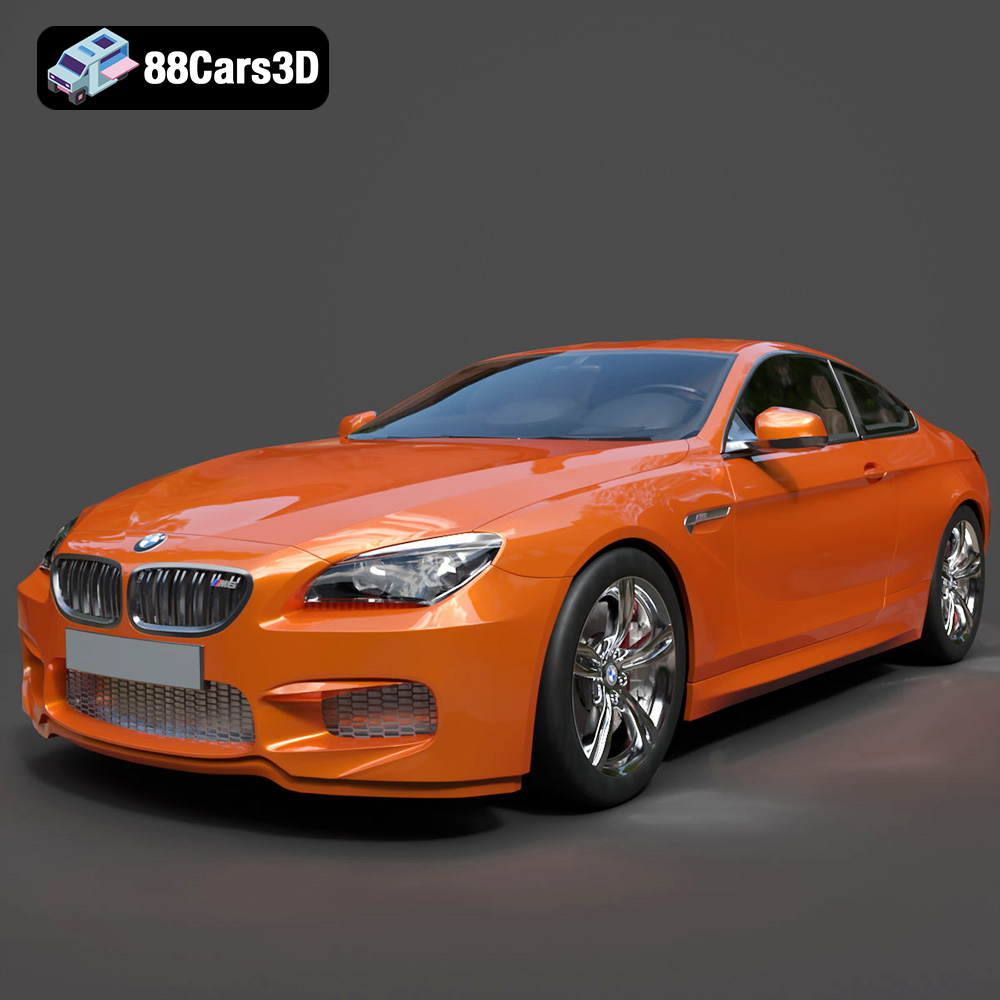
Texture: Yes
Material: Yes
Download the BMW M6 Coupe (F12) 3D Model featuring its iconic sporty design and luxurious details. Includes .blend, .fbx, .obj, .glb, .stl, .ply, .unreal, and .max formats for rendering, simulation, and game development.
Price: $10.79
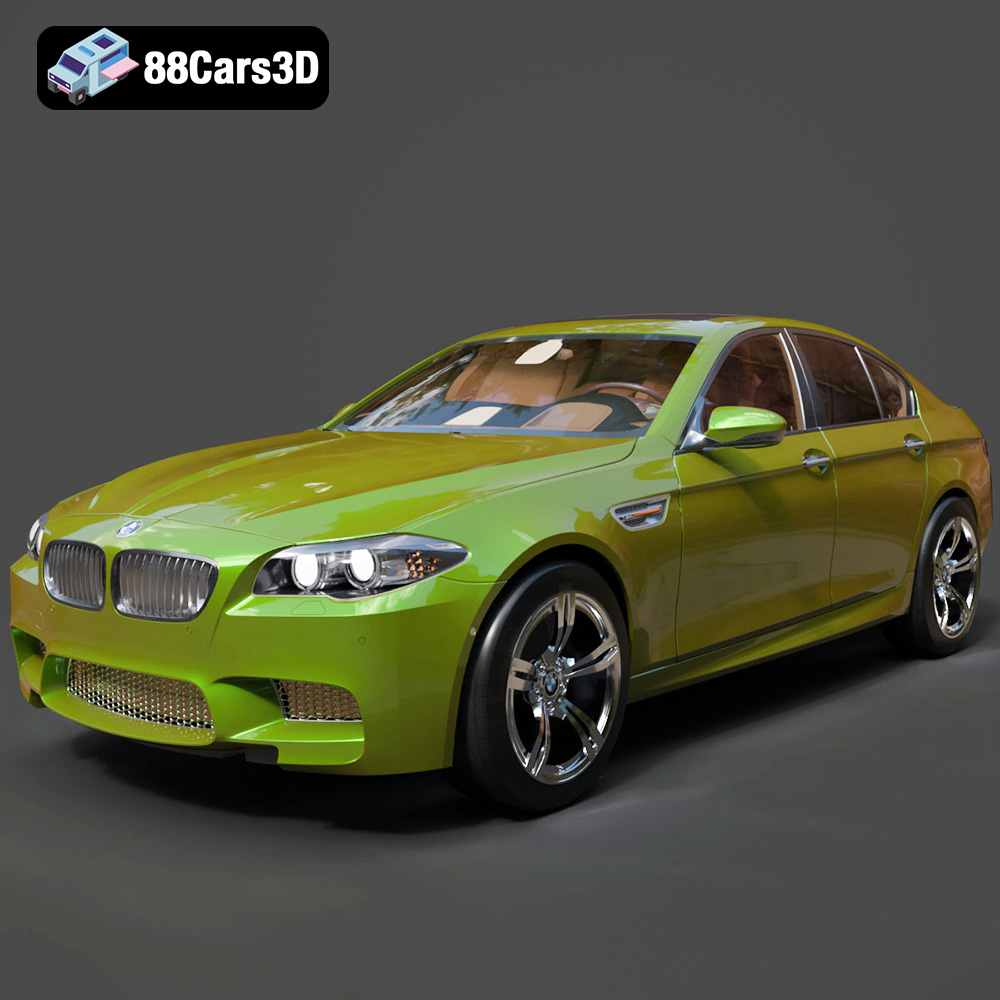
Texture: Yes
Material: Yes
Download the BMW M5 F10 3D Model featuring high-performance luxury sedan design, detailed interior, and realistic PBR textures. Includes .blend, .fbx, .obj, .glb, .stl, .ply, .unreal, and .max formats for rendering, simulation, and game development.
Price: $10.79
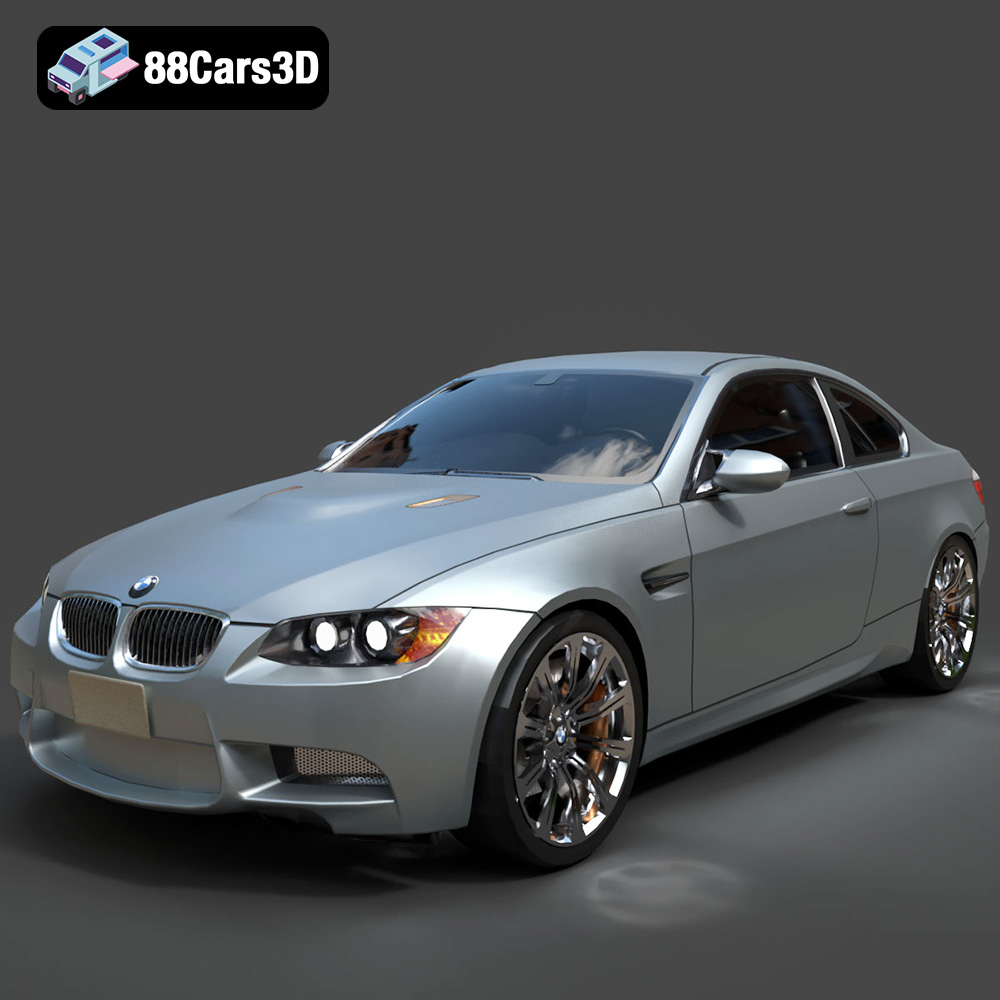
Texture: Yes
Material: Yes
Download the BMW M3 Coupe E92-002 3D Model featuring authentic styling, detailed exterior, and a faithful interior. Includes .blend, .fbx, .obj, .glb, .stl, .ply, .unreal, and .max formats for rendering, simulation, and game development.
Price: $10.79
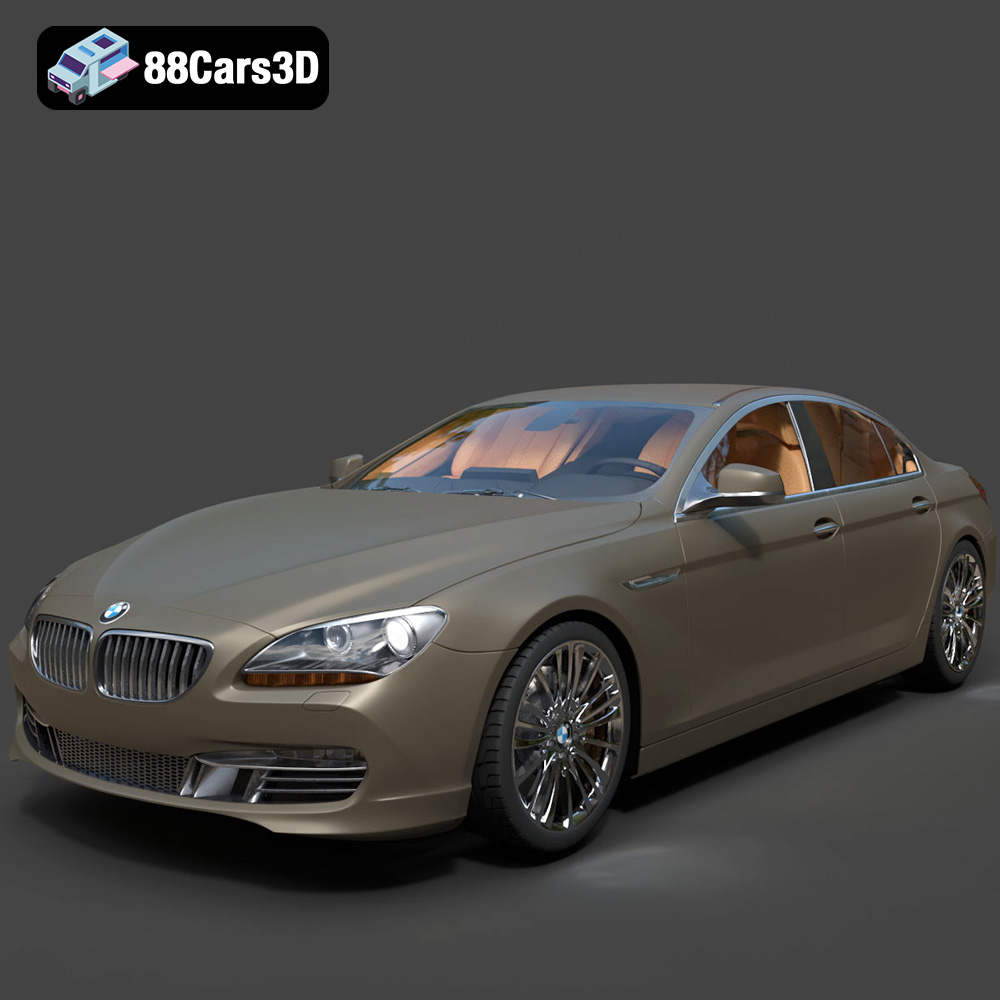
Texture: Yes
Material: Yes
Download the BMW 6 Series Gran Coupe 2013 3D Model featuring a sophisticated design, detailed exterior, and well-appointed interior. Includes .blend, .fbx, .obj, .glb, .stl, .ply, .unreal, and .max formats for rendering, simulation, and game development.
Price: $20.79
Texture: Yes
Material: Yes
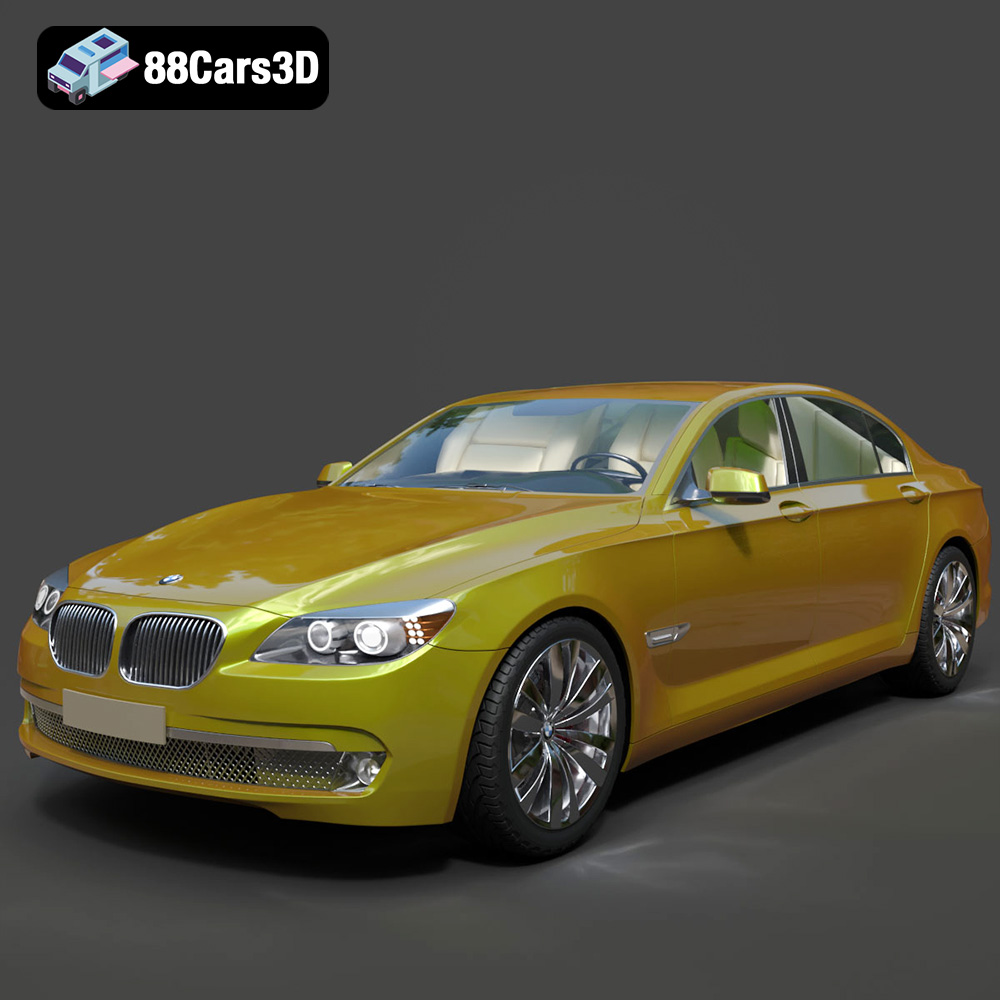
Download the BMW 7 Series 750 F01 3D Model featuring a detailed exterior and a luxurious interior. Includes .blend, .fbx, .obj, .glb, .stl, .ply, .unreal, and .max formats for rendering, simulation, and game development.
Price: $10.79
Texture: Yes
Material: Yes
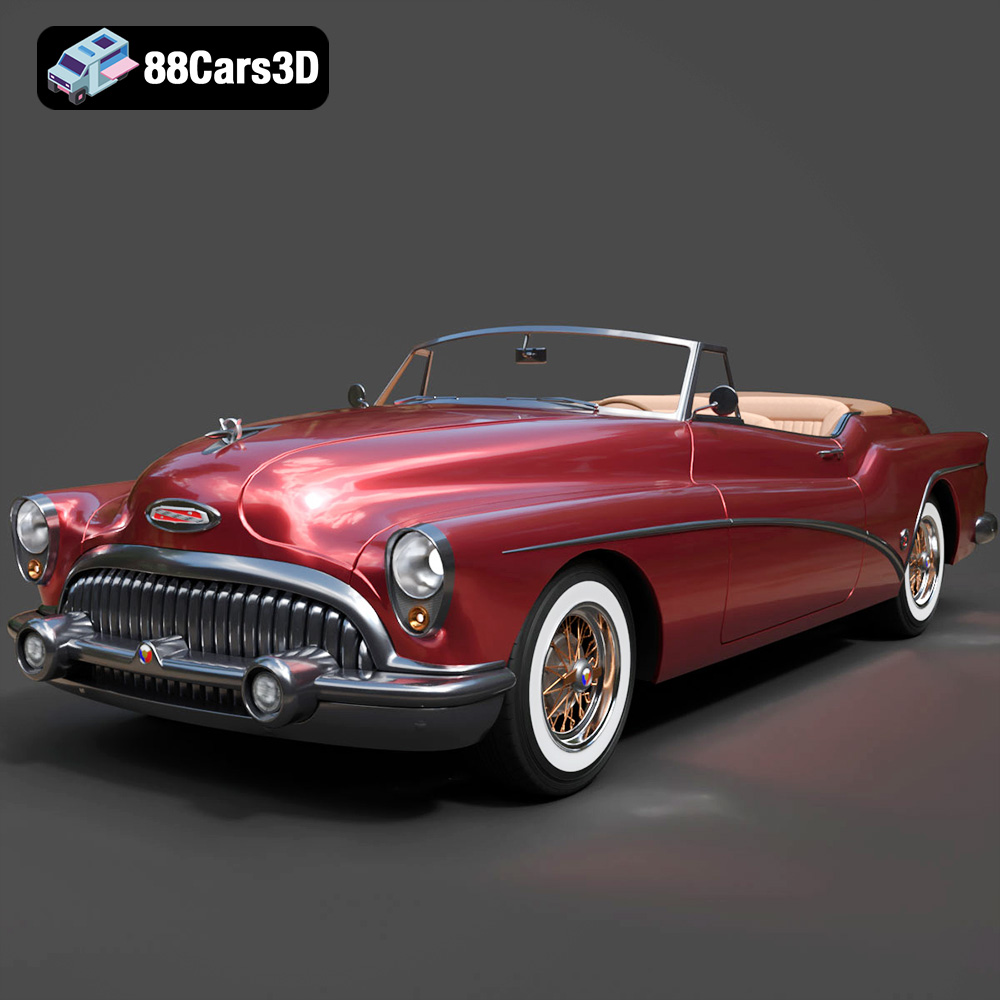
Download the Buick Skylark Convertible 1953 3D Model featuring iconic 1950s styling, a detailed exterior with chrome accents, and an accurately modeled interior. Includes .blend, .fbx, .obj, .glb, .stl, .ply, .unreal, and .max formats for rendering, simulation, and game development.
Price: $10.79

Texture: Yes
Material: Yes
Download the Buick Roadmaster Hardtop Coupe 1957 3D Model featuring a classic American design with detailed exterior and interior. Includes .blend, .fbx, .obj, .glb, .stl, .ply, .unreal, and .max formats for rendering, simulation, and game development.
Price: $10.79
Texture: Yes
Material: Yes
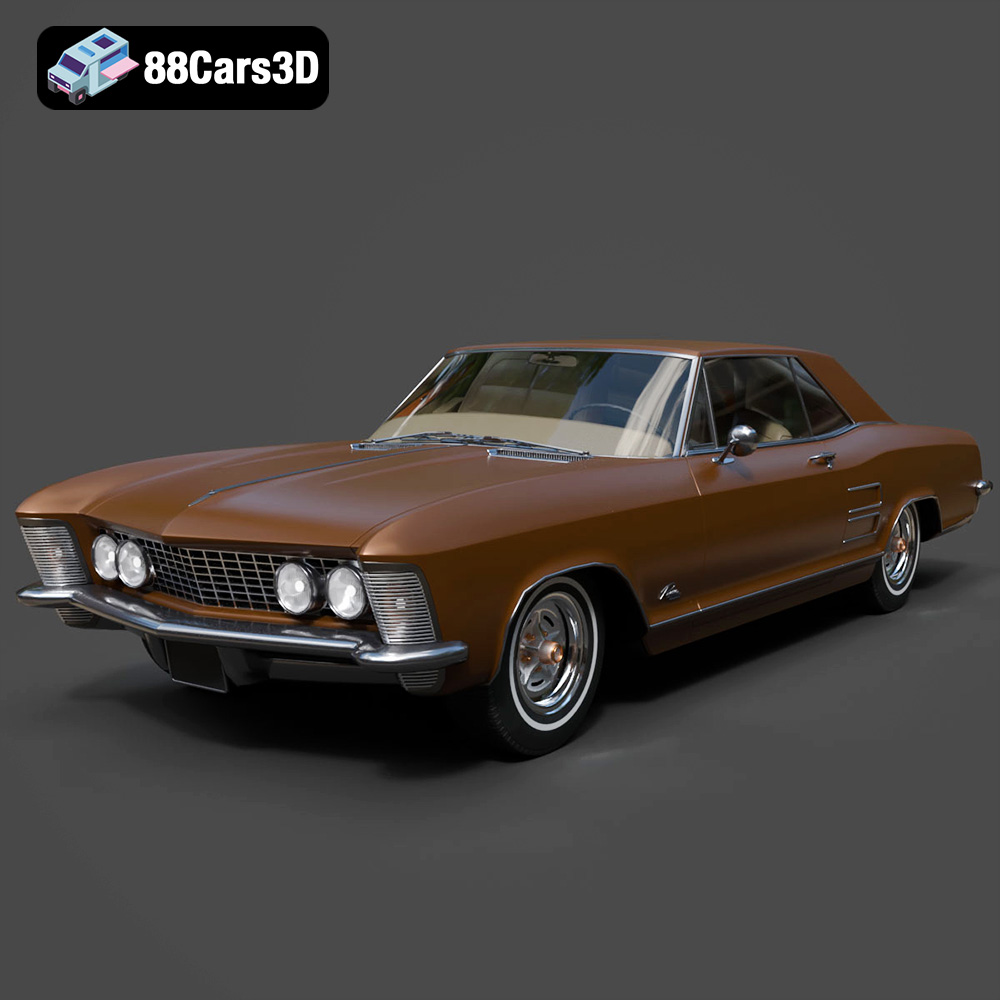
Download the Buick Riviera 1963 3D Model featuring classic American muscle car design and iconic styling. Includes .blend, .fbx, .obj, .glb, .stl, .ply, .unreal, and .max formats for rendering, simulation, and game development.
Price: $10.79
Texture: Yes
Material: Yes
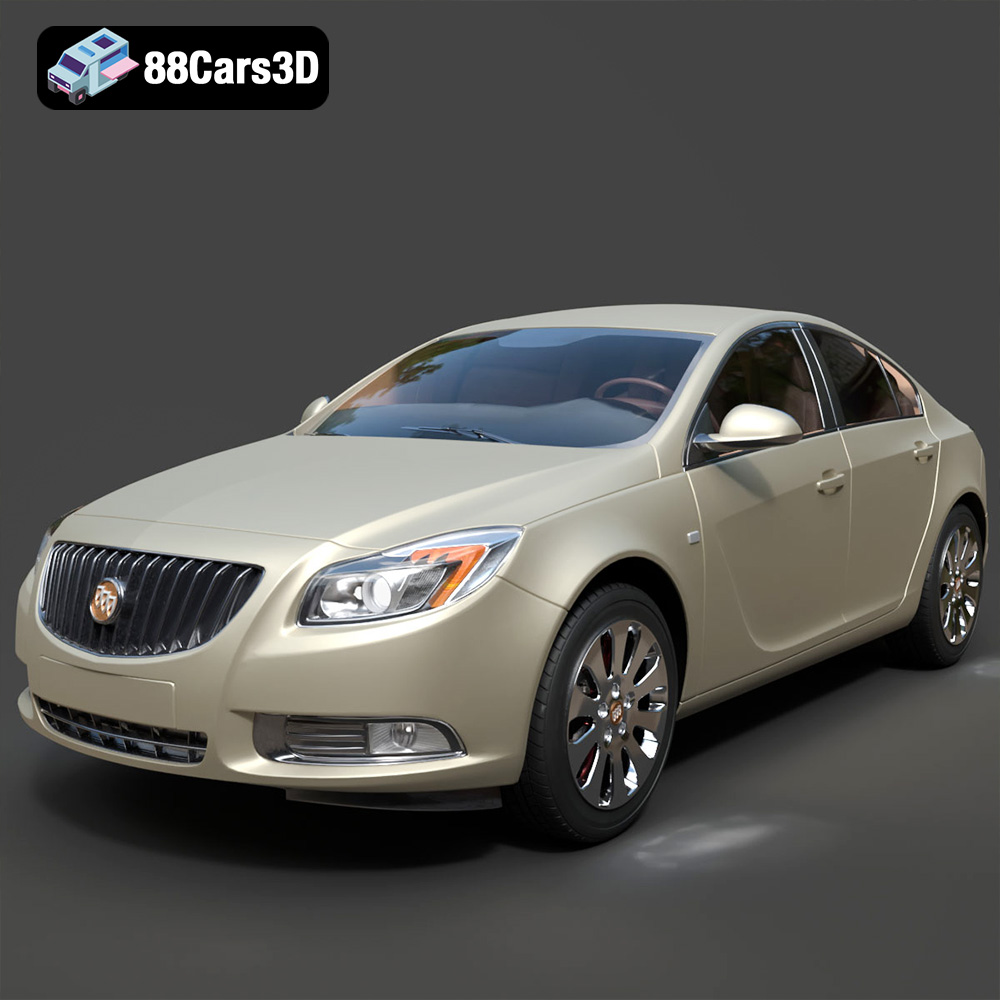
Download the Buick Regal 3D Model featuring a classic American sedan design, detailed exterior, and optimized interior. Includes .blend, .fbx, .obj, .glb, .stl, .ply, .unreal, and .max formats for rendering, simulation, and game development.
Price: $10.79
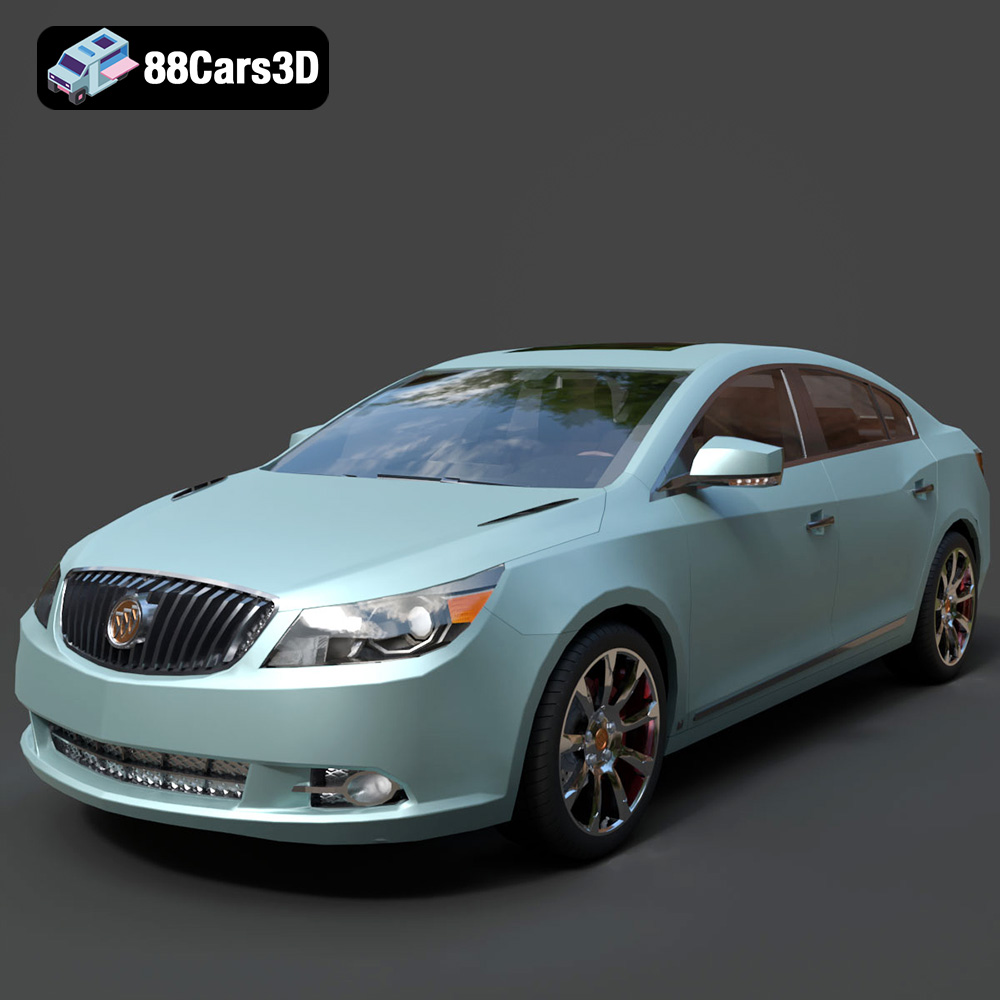
Texture: Yes
Material: Yes
Download the Buick LaCrosse 3D Model featuring professional modeling and texture work. Includes .blend, .fbx, .obj, .glb, .stl, .ply, .unreal, and .max formats for rendering, simulation, and game development.
Price: $10.79

