In the expansive and ever-evolving world of Unreal Engine, realism is paramount. While stunning static models and photorealistic materials form the backbone of any immersive scene, it’s animation that truly breathes life into your virtual worlds. Whether you’re crafting a high-octane racing game, an interactive automotive configurator, or a sophisticated architectural visualization, the movement of characters, vehicles, and environmental elements transforms static beauty into dynamic reality.
At the heart of Unreal Engine’s powerful animation system lies the Animation Blueprint. This intricate, node-based visual scripting tool is the brain that drives the skeletal mesh, dictating how an armature moves, blends between various animations, and responds to game logic. For professionals in game development, automotive visualization, or real-time rendering, mastering Animation Blueprints is not just an advantage; it’s a necessity for creating believable and engaging experiences.
This comprehensive guide will delve deep into the essentials of Unreal Engine Animation Blueprints. We’ll explore everything from setting up your assets and constructing sophisticated state machines to implementing advanced techniques like Inverse Kinematics and optimizing performance. By the end, you’ll have a robust understanding of how to leverage Animation Blueprints to animate characters, integrate dynamic vehicle elements, and elevate the realism of your Unreal Engine projects, utilizing high-quality assets like those found on marketplaces such as 88cars3d.com.
The Foundation: Understanding Animation Blueprints
An Animation Blueprint is a specialized Blueprint class in Unreal Engine designed exclusively to control the animation of a Skeletal Mesh. Unlike a regular Blueprint which controls game logic and actor behavior, an Animation Blueprint focuses solely on transforming bone hierarchies to generate character poses and movements. It’s where all your individual animation clips (like walk, run, idle) are orchestrated into a coherent, dynamic performance.
Imagine animating a driver for one of the exquisite car models from 88cars3d.com. You wouldn’t want the driver to simply stand there; they need to sit, grip the steering wheel, perhaps shift gears, and react to acceleration. The Animation Blueprint makes this possible by seamlessly blending between various animation states based on the car’s speed, the driver’s actions, or other game parameters.
What is a Skeletal Mesh?
Before diving into Animation Blueprints, it’s crucial to understand their core target: the Skeletal Mesh. A Skeletal Mesh is a type of 3D asset comprised of two main components: a 3D mesh (the visible geometry) and a “skeleton” or “rig” (a hierarchy of interconnected bones). Each vertex of the mesh is weighted to one or more bones, meaning that when a bone moves, the associated mesh geometry deforms. This system allows for complex and natural-looking deformation, essential for animating characters, creatures, and even certain dynamic vehicle components like suspension systems or deformable car parts in a high-fidelity simulation.
In contrast, a Static Mesh has no bone hierarchy and cannot be animated by direct bone manipulation, though it can be moved, rotated, and scaled as a whole. Animation Blueprints are specifically designed for Skeletal Meshes.
Anatomy of an Animation Blueprint: Event Graph and Animation Graph
An Animation Blueprint is divided into two primary graphs, each serving a distinct purpose:
-
Event Graph: This graph functions much like the Event Graph in a standard Actor Blueprint. It’s where you define the logic that collects data from the game world and translates it into parameters that drive your animations. For example, you might get the character’s movement speed from its Pawn, calculate whether it’s airborne, or check if an input is pressed. These values are then stored as variables within the Animation Blueprint, which are subsequently used by the Animation Graph. This is also where you’d handle Animation Notifies, which are markers within animation sequences that can trigger events (e.g., playing a footstep sound, spawning a particle effect like tire smoke, or triggering a Blueprint script).
-
Animation Graph: This is the core of your Animation Blueprint, responsible for blending, layering, and selecting the actual animation sequences to play. It visually represents the flow of animation, typically using nodes like State Machines, Blend Spaces, and direct animation sequence players. The Animation Graph takes the variables processed in the Event Graph (e.g., “Speed,” “IsJumping”) and uses them to determine which animation states to enter, how to blend between them, and how to apply procedural animations like Inverse Kinematics (IK).
Understanding the clear separation of concerns between these two graphs is fundamental to building organized, efficient, and scalable animation systems.
Setting Up Your Animation Assets in Unreal Engine
The journey to bringing your characters and animated objects to life begins with properly preparing and importing your assets into Unreal Engine. High-quality 3D assets, such as detailed driver models, need to be correctly rigged and animated in your DCC (Digital Content Creation) software before they can shine in UE.
Importing Skeletal Meshes and Animations
The primary format for importing skeletal meshes and animations into Unreal Engine is FBX. When importing, careful attention to settings is crucial:
-
Skeletal Mesh and Animations: Typically, you’ll import your character’s skeletal mesh first. During this process, you select the skeleton asset that the mesh will use (or create a new one if it’s the first import). Subsequent animation imports for that character should always reference the same skeleton. This ensures that all animations are compatible with your character’s rig.
-
Import Settings:
- Scale: Ensure your model’s scale matches Unreal Engine’s units (1 unit = 1cm). Mismatching scales can lead to animation distortions or problems with physics.
- Import Uniform Scale: Often set to 1.0, but adjust if your DCC software uses different unit scales.
- Normal Import Method: Choose wisely between “Import Normals” and “Compute Normals” based on whether your DCC software handles normals correctly.
- Material Import Method: For complex PBR materials, it’s often best to import materials manually or set this to “Do Not Create Material” to avoid auto-generated materials that might not match your PBR workflows.
- Animation Settings: Ensure “Import Animations” is checked when importing animation sequences. Pay attention to “Animation Length” (Animated Time or Exported Time) and “Frame Rate” to prevent timing issues.
-
Naming Conventions: Adopt consistent naming conventions for your skeletal meshes, skeletons, animation sequences, and Animation Blueprints (e.g.,
SK_Driver, SKEL_Driver, AnimBP_Driver, AS_Driver_Idle). This greatly aids organization, especially in large projects with many assets.
For more details on FBX import, refer to the official Unreal Engine documentation.
Retargeting Animations for Different Skeletons
A powerful feature in Unreal Engine is the ability to retarget animations from one skeleton to another. This means you don’t have to create unique animations for every single character, saving immense development time. Unreal Engine provides two key tools for this:
-
IK Rig: This asset type defines the retargeting chain for a specific skeleton. You map source and target bones, specify IK goals, and set up retargeting chains.
-
IK Retargeter: This asset uses two IK Rigs (a source and a target) to transfer animation from one character to another. It allows you to adjust the pose of the target character, compensate for different proportions, and preview the retargeted animation in real-time. This is incredibly useful for reusing a library of common animations (e.g., a standard set of driving animations) across multiple character models, perhaps different types of drivers or passengers in an automotive scene, even if they have slightly different proportions.
Properly setting up your IK Rigs and IK Retargeters can dramatically streamline your animation pipeline, allowing you to quickly populate your scenes with diverse animated characters.
Sockets and Physics Assets
Sockets are attachment points on bones within a skeleton. They allow you to easily attach other Static Meshes or Skeletal Meshes to your animated character at runtime. For example, you can use sockets to attach a steering wheel to a driver’s hands, a weapon to a character’s hand, or even props to various parts of a car for dynamic effects.
Physics Assets define collision bodies and physics constraints for your skeletal mesh. They are primarily used for ragdoll physics, allowing characters to react realistically to impacts or falls. When a skeletal mesh is set to “Simulate Physics,” its Animation Blueprint is bypassed, and the physics asset takes over. You can also blend between animation and physics, allowing for dynamic character reactions that still maintain a base animation.
Crafting Animation Logic with the Animation Graph
The Animation Graph is where the magic happens. It’s the visual programming environment within the Animation Blueprint where you define how different animation sequences are played, blended, and layered to produce complex, believable movement. This graph uses a variety of nodes, but two of the most fundamental are State Machines and Blend Spaces.
State Machines: Defining Character States and Transitions
A State Machine is a powerful tool for organizing and managing different animation “states” a character can be in (e.g., Idle, Walk, Run, Jump, Drive). Each state contains specific animation logic, and transitions between these states are governed by rules (transition conditions).
-
States: Each state in a State Machine typically plays a specific animation sequence or a Blend Space. For a driver character, states might include “Idle in Car,” “Driving – Low Speed,” “Driving – High Speed,” “Exiting Car,” or “Interacting with Controls.”
-
Transitions: These are the connections between states, defining when and how one state moves to another. Transition rules are Boolean conditions based on variables from the Event Graph. For instance, a transition from “Idle” to “Walk” might occur when the “Speed” variable is greater than 0.1. A transition from “Driving – Low Speed” to “Driving – High Speed” might be triggered when the car’s RPM exceeds a certain threshold.
-
Transition Blending: Unreal Engine automatically handles smooth blending between states during transitions, but you can customize the blend time and curve for fine-tuned control. This prevents jarring animation pops.
Properly designed State Machines are crucial for creating fluid and responsive character animation. Keep your state machines as clean and organized as possible, using descriptive names for states and clear conditions for transitions.
Blend Spaces: Creating Fluid Movement Blends
While State Machines manage high-level animation states, Blend Spaces handle the nuanced blending of multiple animation sequences based on one or more input parameters. They are essential for creating highly responsive and natural-looking movement variations.
-
1D Blend Space: Blends animations along a single axis, typically used for speed. For example, you might blend an “Idle” animation, a “Walk” animation, and a “Run” animation based on a “Speed” variable. As the speed changes, the character smoothly transitions between these animations. This is perfect for driving characters where subtle shifts in speed can be reflected in their posture.
-
2D Blend Space: Blends animations across two axes, commonly used for speed and direction. This allows for intricate movements like walking forward, backward, left, and right, and blending between them based on input vectors. While perhaps less common for a seated driver, it could be used for advanced character movement outside the car, or even for blending subtle upper body animations based on camera look direction.
Creating a Blend Space involves defining an axis (or two), specifying the range of values for that axis, and then placing your animation sequences on a grid. Unreal Engine then interpolates between these animations based on the current value of the input parameter(s), producing seamless motion.
Direct Animation Blending and Posing
Beyond State Machines and Blend Spaces, the Animation Graph offers other powerful nodes for direct animation control:
-
Sequence Player: Simply plays a single animation sequence. Useful for one-off actions or as the content of a simple state.
-
Cache Pose: This node allows you to save the result of a complex animation subgraph (e.g., a State Machine output) and reuse it in multiple places. This is a significant optimization for performance and graph clarity. You can then blend cached poses using nodes like
Blend Poses by Bone or Blend Poses by Boolean.
-
Layered Blend Per Bone: This incredibly versatile node lets you blend two animation inputs, but only on specific bone hierarchies. For example, you could play a full-body “Walking” animation as the base, and then use a “Layered Blend Per Bone” node to apply an “Arm Waving” animation only to the upper body, without affecting the legs. This is crucial for combining upper-body actions with lower-body movement, or adding subtle, additive animations. For a driver, you might have a base driving animation and then layer on subtle head movements, or separate arm movements for operating specific vehicle controls, ensuring the core driving pose remains intact.
Driving Animation with Blueprint Logic and Data
The Animation Graph is where animations play out, but it’s the Event Graph and the integration with external Blueprint logic that truly brings interactivity and dynamism. The Animation Blueprint needs to know what’s happening in the game world to select and blend the correct animations.
The Event Graph: Communicating with Game Logic
The Event Graph acts as the bridge between your game’s runtime data and your animation system. Here, you’ll perform calculations and gather information:
-
Event Blueprint Update Animation: This is the primary event that fires every frame (or tick) in the Animation Blueprint. It’s where you typically get a reference to the owning Pawn or Character, retrieve relevant movement variables (speed, acceleration, direction, whether airborne), and update the internal variables of your Animation Blueprint. For an automotive context, this might include getting the current vehicle speed, steering angle, or brake status from the attached car Blueprint.
-
Event Blueprint Initialize Animation: Fired once when the Animation Blueprint is first initialized, useful for setting up initial references or default values.
-
Variables: You’ll create variables within your Animation Blueprint (e.g.,
Speed, IsInAir, IsDriving) and update them in the Event Graph. These variables are then exposed and used as input parameters in the Animation Graph to drive State Machine transitions, Blend Space values, or other animation logic.
Good practice dictates keeping the Event Graph lean and efficient. Avoid complex calculations here if they can be done elsewhere, as this graph executes every frame.
Integrating with C++ and Other Blueprints
While Animation Blueprints are powerful on their own, they often need to communicate with other parts of your game logic:
-
C++ Integration: For performance-critical calculations or complex game logic, variables can be defined in C++ character classes and then exposed to the Animation Blueprint. You can cast to your C++ character class in the Event Graph to access these variables directly. This is common in professional game development for optimizing character movement calculations.
-
Blueprint Communication: You can call functions or set variables on the owning Character/Pawn Blueprint from the Animation Blueprint, and vice-versa. For example, an Animation Notify (discussed below) might trigger an event in the character’s Blueprint, which then plays a sound or spawns an effect. Conversely, a vehicle Blueprint might directly call a function on its driver’s Animation Blueprint to trigger a specific action, like “StartDriving” or “ExitVehicle.” Interfaces are excellent for defining clean communication channels between different Blueprint classes.
Animation Notifies and Montages: Triggering Events and Complex Sequences
These features allow for precise timing and orchestration of animations and related effects.
-
Animation Notifies: These are markers placed at specific frames within an animation sequence. They can be used to trigger events (e.g., play a footstep sound when a character’s foot hits the ground, spawn a muzzle flash on a gun, or trigger a gear shift animation for a driver).
- Notify: A single point event.
- Notify State: A duration-based event, allowing a continuous effect to be active for a specific segment of an animation (e.g., playing a continuous sound while a character is performing a heavy lift).
Notifies are incredibly powerful for synchronizing visual effects, audio, and game logic with character actions.
-
Animation Montages: Montages are containers for animation sequences that allow for dynamic playback control, blending, and layering. They are typically used for one-off, impactful animations that need to interrupt or blend with the base animation graph, such as:
- Attacks/Special Abilities
- Interaction animations (e.g., opening a car door)
- Hit reactions or death animations
Montages can be played, paused, and stopped directly from your Character Blueprint or other game logic. They provide “slots” that dictate where in the animation graph the montage will be blended. This allows for complex actions to be performed without having to create intricate state machine logic for every single special movement. For instance, a driver’s unique “entry/exit vehicle” animation could be a montage, seamlessly blending with their current idle pose.
Advanced Techniques for Realistic Animation
To truly push the boundaries of realism and interactivity, Unreal Engine offers a suite of advanced animation techniques that go beyond simple blending and state management. These tools allow for procedural adjustments, real-time posing, and the nuanced layering of movements.
Inverse Kinematics (IK): Achieving Ground Alignment and Interaction
Forward Kinematics (FK) animates by rotating bones down the chain (e.g., rotating the shoulder rotates the arm and hand). Inverse Kinematics (IK), conversely, calculates the required rotations of a bone chain to reach a specific target (e.g., moving the hand to a target position calculates the necessary rotations for the shoulder, elbow, and wrist).
IK is indispensable for achieving natural-looking interactions:
-
Foot IK for Ground Alignment: Ensures character feet stay firmly planted on uneven terrain, preventing “foot sliding” or characters appearing to float above surfaces. Nodes like
Two Bone IK or FABRIK are commonly used in the Animation Graph to adjust leg bones based on ground-detection traces. For a driver, this could mean ensuring their feet are correctly positioned on pedals, even if the vehicle’s interior geometry shifts slightly.
-
Hand IK for Object Interaction: Allows characters to accurately grasp objects. For instance, a driver’s hands can be procedurally adjusted to grip the steering wheel, regardless of slight variations in the character’s arm length or the steering wheel’s position. This dynamic adjustment is key to realism, especially for interactive elements within high-fidelity car models available from platforms like 88cars3d.com.
-
Look At IK: Makes a character’s head or eyes track a target, adding a layer of responsiveness.
Implementing IK typically involves creating IK nodes in the Animation Graph and feeding them target locations (often derived from traces or socket positions) and bone chain information.
Control Rigs: Real-time Posing and Procedural Animation
Control Rigs are a relatively newer and incredibly powerful addition to Unreal Engine’s animation toolkit. They are node-based rigs built directly within the engine, allowing animators and technical artists to create complex, procedural animation directly in UE, often in real-time. Control Rigs are distinct from traditional skeletal rigs from DCC software.
-
Procedural Animation: Control Rigs can be used to generate animations procedurally, such as dynamic secondary motion for character accessories, or complex mechanical movements that respond to various inputs. For automotive scenarios, this could involve creating a rig for dynamic suspension compression based on vehicle speed and terrain, or precise control over complex engine parts.
-
Real-time Posing and Retargeting: Control Rigs excel in virtual production environments, allowing on-the-fly character adjustments and performance capture retargeting. They provide a more intuitive and powerful way to manipulate bones beyond simple IK.
-
Integration with Animation Blueprints: Control Rigs can be integrated directly into the Animation Graph, allowing you to layer their procedural output over traditional animation sequences. This combination offers unparalleled flexibility in creating highly dynamic and responsive character and object animations.
Layered Blending and Additive Animations
Beyond the simple blending in State Machines and Blend Spaces, Unreal Engine offers more granular control over how animations are combined:
-
Additive Animations: An additive animation is one that represents a “delta” or offset from a reference pose, rather than an absolute pose. When applied, it adds its motion on top of a base animation. This is perfect for subtle, secondary movements like breathing, slight head tilts, or reactive body language that should occur regardless of the character’s primary action. You can create additive animations in your DCC software or within Unreal by specifying a reference pose.
-
Blend by Curve: This node allows you to drive blend weights between multiple poses using animation curves embedded in an animation sequence. This gives animators precise timing control over how and when layers of animation fade in and out.
Combining these techniques allows for highly sophisticated and realistic animation systems, layering multiple movements to create a believable overall performance.
Performance Optimization and Best Practices
Animation, especially for complex skeletal meshes, can be computationally intensive. In real-time rendering scenarios like games or interactive visualizations, maintaining a high frame rate is critical. Optimizing your Animation Blueprints and skeletal mesh assets is paramount.
Skeletal Mesh LODs and Culling
-
Level of Detail (LODs): Just like static meshes, skeletal meshes can have multiple LODs. Lower LODs reduce polygon count and, crucially, bone count. Reducing the number of bones that need to be processed for animation at a distance can yield significant performance gains. You should aim for a significant drop in bone count for distant LODs. Unreal Engine can automatically generate LODs, or you can import them from your DCC software.
-
Culling:
- Visibility Culling: Skeletal meshes that are not visible to the camera (e.g., behind an object, outside the frustum) are not rendered.
- Bounds Culling: Skeletal meshes entirely outside a certain distance or not within a specific bounding box can be completely culled or have their animation updates paused.
- Disable Post Process Blueprint on Update: For LODs beyond a certain distance, you can disable the Animation Blueprint’s update completely, freezing the animation or simplifying its logic, further saving performance.
Efficient State Machine Design
While powerful, complex State Machines can introduce overhead. Keep these tips in mind:
-
Minimize Transitions: Every active transition rule needs to be evaluated. Streamline your state machine to avoid excessive or redundant transitions.
-
Use Cached Poses: As mentioned,
Cache Pose nodes are excellent for preventing redundant calculations of complex animation subgraphs.
-
Simplify Logic: Keep Event Graph logic lean. Complex calculations should ideally be handled in your Character/Pawn Blueprint or C++ code and then passed as simple variables to the Animation Blueprint.
Optimizing Animation Memory and Runtime Performance
-
Animation Compression: Unreal Engine offers various animation compression algorithms (e.g., ACL, Automatic, Per Track) that can drastically reduce the memory footprint of your animation sequences. Experiment with different methods to find the best balance between compression ratio and visual fidelity.
-
Smart Use of Notifies: While useful, excessive notifies can add overhead. Use them judiciously.
-
Update Rate Optimization: For characters far from the camera, you can reduce the frequency at which their Animation Blueprints update. Unreal Engine provides settings for this, allowing you to update less frequently for less critical animations.
-
Profile Your Animations: Use Unreal Engine’s built-in profilers (e.g., Stat Anim, Stat Unit, GPU Profiler) to identify performance bottlenecks in your animation system. This data-driven approach is key to effective optimization.
Animation Blueprints in Automotive Visualization and Game Development
For industries relying on high-fidelity representations, Animation Blueprints are not just for game characters. They are integral to creating truly immersive and interactive automotive experiences.
Animating Drivers and Passengers
High-quality car models from sources like 88cars3d.com deserve equally high-quality human interaction. Animation Blueprints are essential for bringing driver and passenger characters to life:
-
Realistic Driving Poses: Create Blend Spaces to smoothly transition between idle, low-speed, and high-speed driving animations based on vehicle telemetry.
-
Steering Wheel Interaction: Use IK to ensure the driver’s hands accurately grip and follow the steering wheel’s rotation. This might involve setting IK targets on the steering wheel itself and having the driver’s hands track those targets.
-
Pedal Interaction: Implement IK for feet to press accelerator, brake, and clutch pedals based on input.
-
Entry/Exit Animations: Utilize Animation Montages for seamless and cinematic character entry and exit sequences from the vehicle.
-
Secondary Animations: Layer subtle additive animations for breathing, head turns, or minor body shifts to enhance realism and break up static poses.
Interactive Vehicle Components
While primary vehicle movement is often handled by physics and vehicle Blueprints, Animation Blueprints can drive more nuanced interactive elements if they are structured as skeletal meshes or have bones assigned for specific movements:
-
Dynamic Suspension: While physics drives the main bounce, subtle procedural bone animations within an Animation Blueprint could add micro-vibrations or fine-tuned responses not easily achieved with pure physics.
-
Wipers and Antennas: Animation Blueprints can procedurally animate wipers based on a “rain” variable or add dynamic wobble to antennas at speed.
-
Opening/Closing Doors, Hoods, Trunks: If these components are rigged as part of a larger skeletal mesh (less common for full vehicles but possible for complex mechanical rigs), an Animation Blueprint could manage their opening and closing animations, potentially synced with character interaction animations.
Virtual Production and Cinematic Storytelling
Unreal Engine’s cinematic tools like Sequencer integrate seamlessly with Animation Blueprints. For automotive commercials, product reveals, or virtual production stages, Animation Blueprints allow for:
-
Previsualization: Rapidly block out complex character and vehicle interactions for cinematic sequences.
-
Motion Capture Integration: Retarget motion capture data onto characters whose Animation Blueprints then manage blending and IK, providing highly realistic performances.
-
Dynamic Camera Reactions: Character animations can be driven by cinematic events, creating more engaging storytelling.
The flexibility of Animation Blueprints in combination with Sequencer makes them an invaluable asset for creating high-fidelity, animated content in real-time, significantly speeding up traditional linear production workflows.
Conclusion
Animation Blueprints are the cornerstone of dynamic and interactive experiences in Unreal Engine. From orchestrating complex character behaviors to infusing realism into automotive visualization projects, their ability to blend, layer, and procedurally generate animation based on game logic is unparalleled. We’ve explored the fundamental structure with the Event and Animation Graphs, delved into essential tools like State Machines and Blend Spaces, and touched upon advanced techniques such as Inverse Kinematics and Control Rigs, all while keeping performance optimization at the forefront.
Mastering Animation Blueprints empowers you to move beyond static scenes and create worlds that feel alive and responsive. Whether you’re animating a driver for a cutting-edge car model from 88cars3d.com, developing a new game, or crafting cinematic virtual productions, the principles and techniques discussed here will form the bedrock of your success. The journey to becoming proficient is one of experimentation and iteration, so don’t hesitate to dive into Unreal Engine, experiment with these nodes, and bring your creations to life.
Featured 3D Car Models
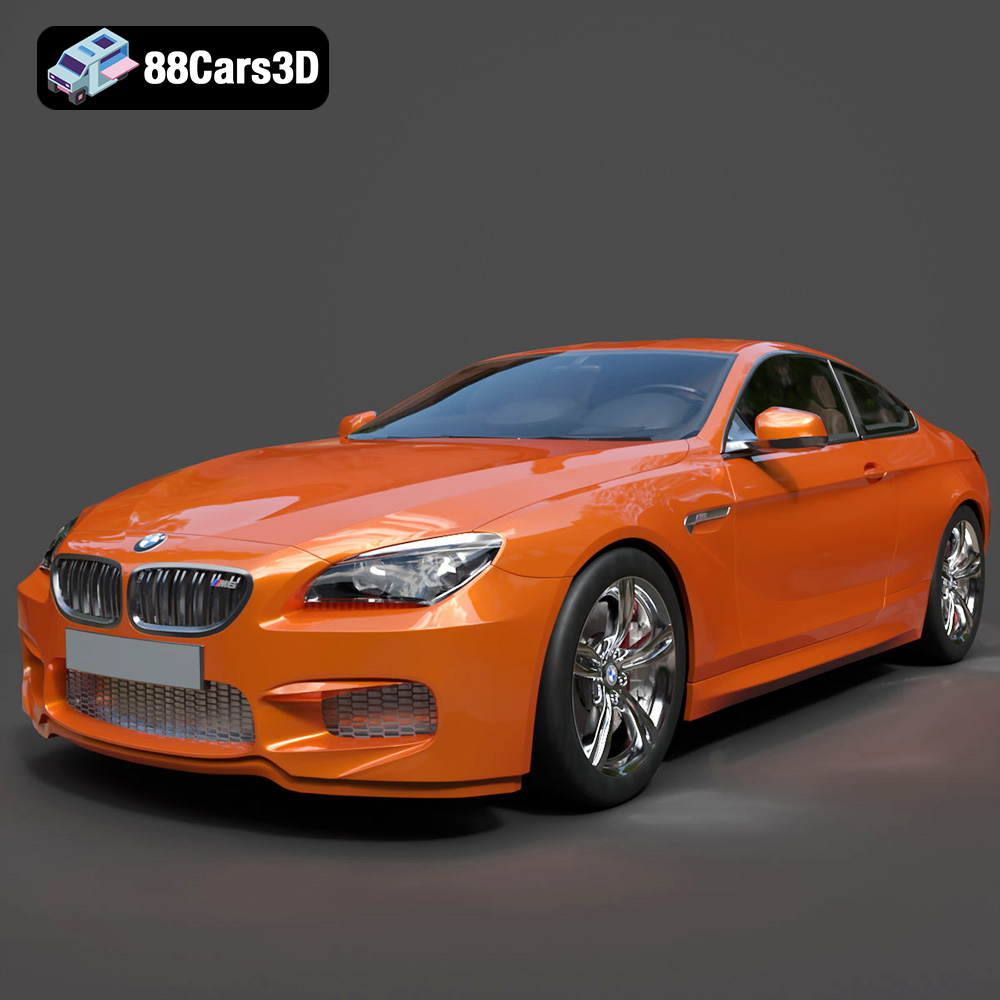
Texture: Yes
Material: Yes
Download the BMW M6 Coupe (F12) 3D Model featuring its iconic sporty design and luxurious details. Includes .blend, .fbx, .obj, .glb, .stl, .ply, .unreal, and .max formats for rendering, simulation, and game development.
Price: $10.79
View Product
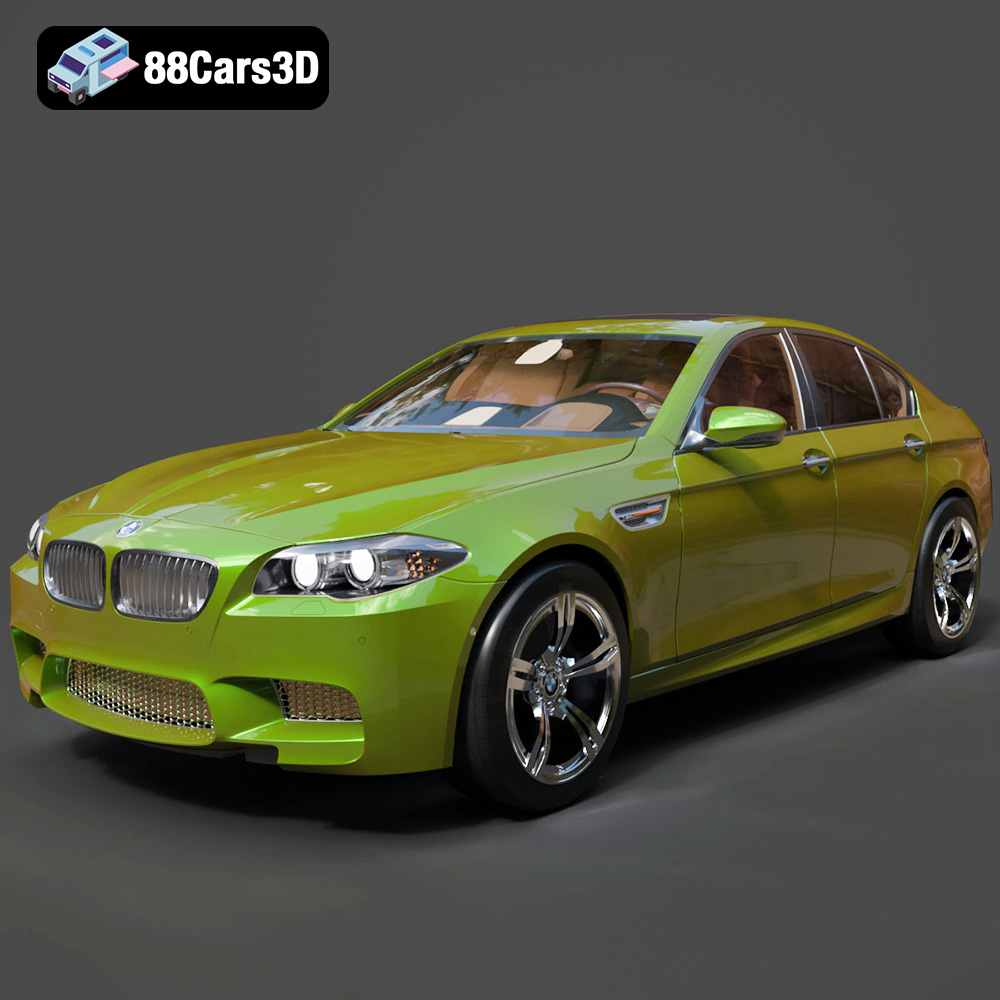
Texture: Yes
Material: Yes
Download the BMW M5 F10 3D Model featuring high-performance luxury sedan design, detailed interior, and realistic PBR textures. Includes .blend, .fbx, .obj, .glb, .stl, .ply, .unreal, and .max formats for rendering, simulation, and game development.
Price: $10.79
View Product
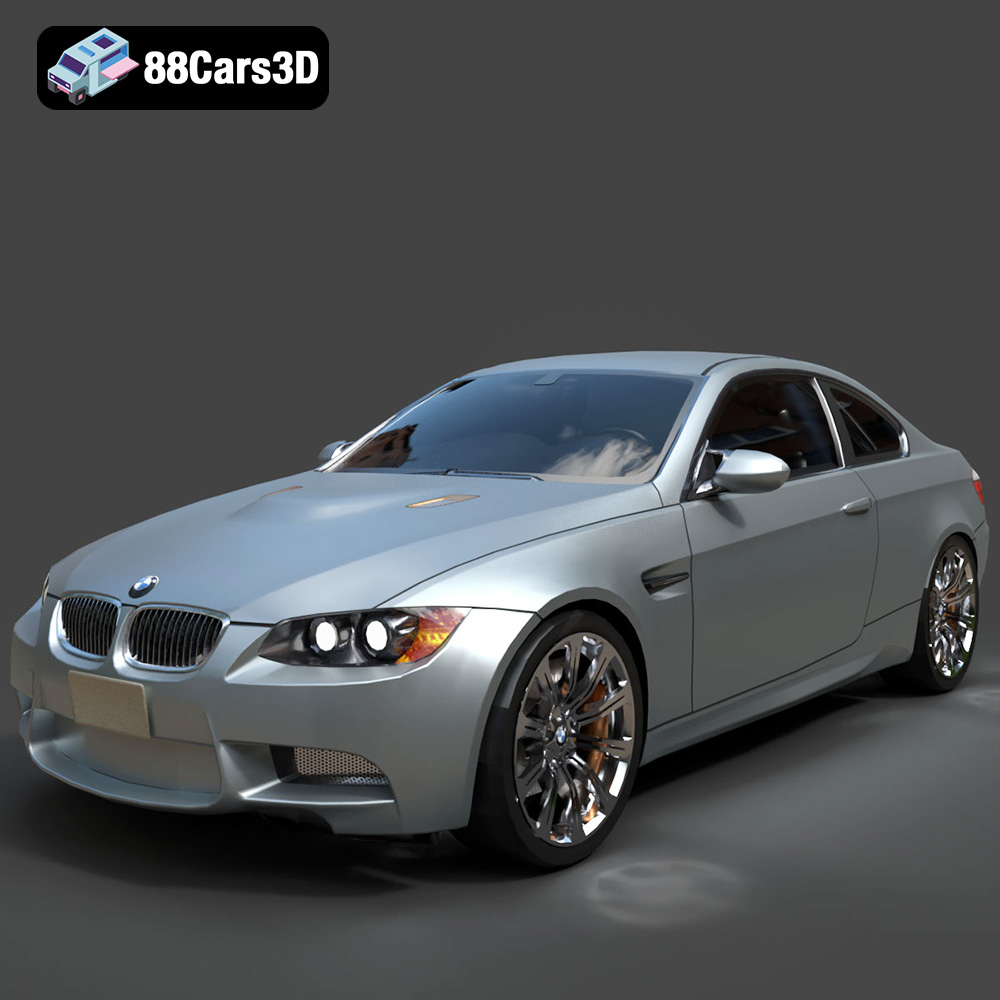
Texture: Yes
Material: Yes
Download the BMW M3 Coupe E92-002 3D Model featuring authentic styling, detailed exterior, and a faithful interior. Includes .blend, .fbx, .obj, .glb, .stl, .ply, .unreal, and .max formats for rendering, simulation, and game development.
Price: $10.79
View Product
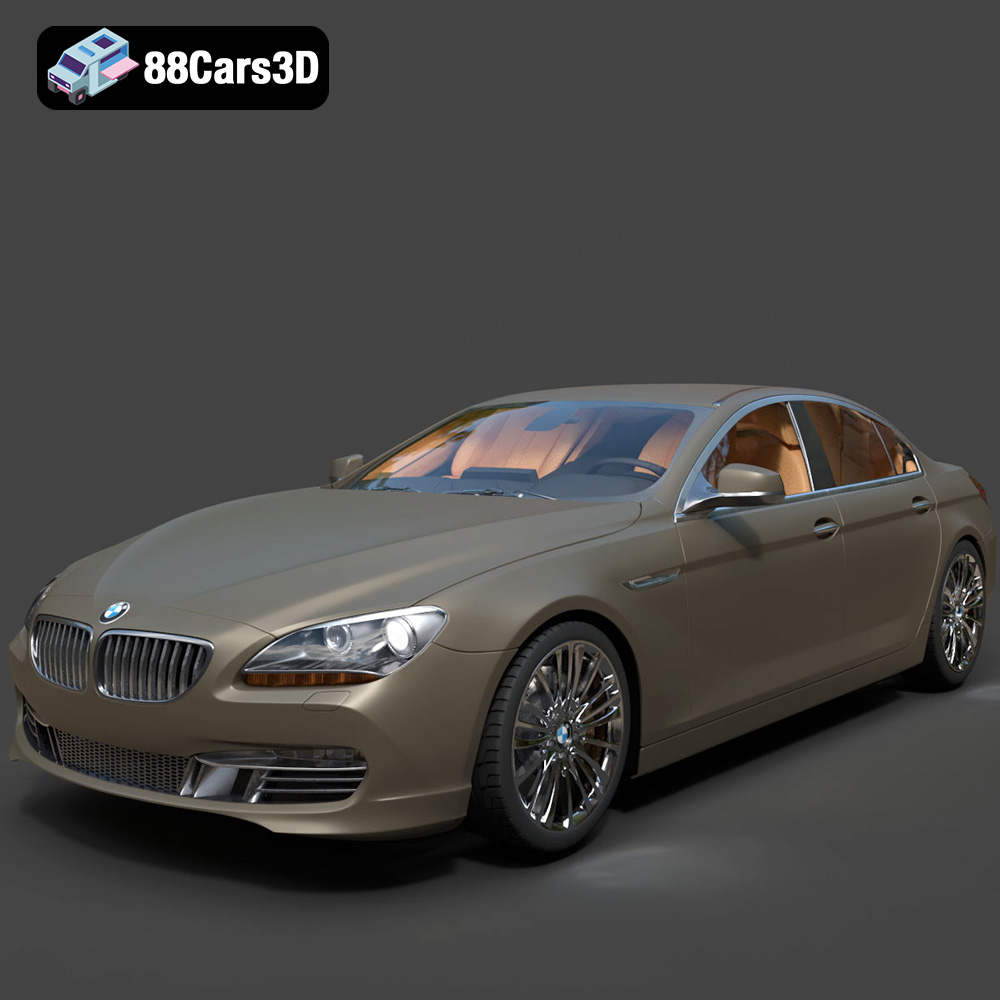
Texture: Yes
Material: Yes
Download the BMW 6 Series Gran Coupe 2013 3D Model featuring a sophisticated design, detailed exterior, and well-appointed interior. Includes .blend, .fbx, .obj, .glb, .stl, .ply, .unreal, and .max formats for rendering, simulation, and game development.
Price: $20.79
View Product
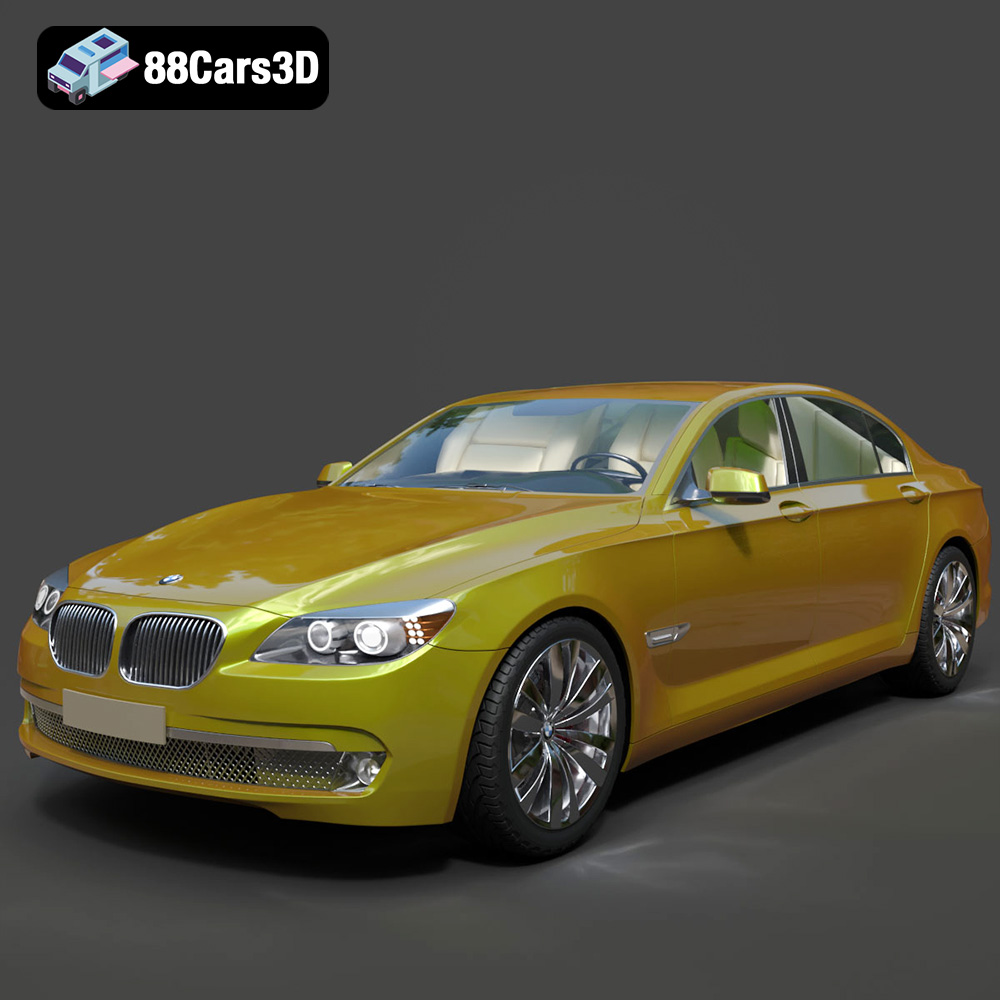
Texture: Yes
Material: Yes
Download the BMW 7 Series 750 F01 3D Model featuring a detailed exterior and a luxurious interior. Includes .blend, .fbx, .obj, .glb, .stl, .ply, .unreal, and .max formats for rendering, simulation, and game development.
Price: $10.79
View Product
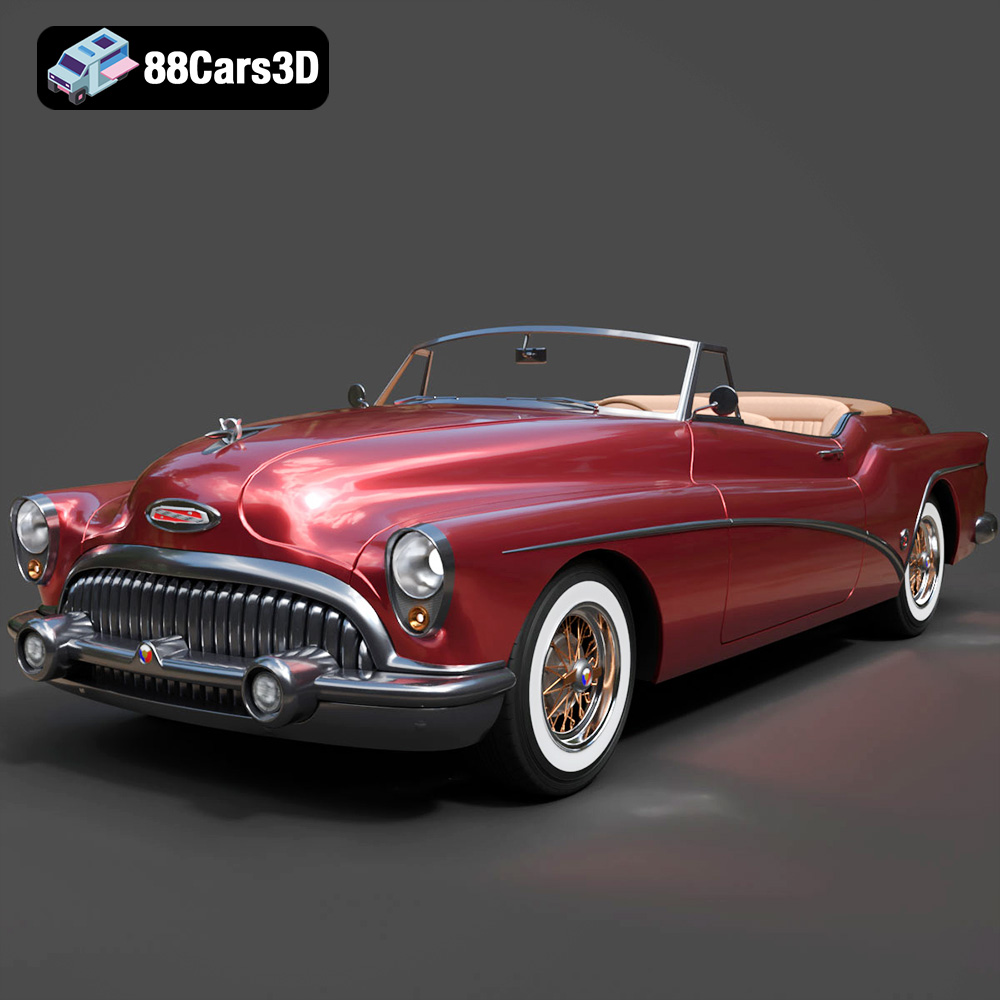
Texture: Yes
Material: Yes
Download the Buick Skylark Convertible 1953 3D Model featuring iconic 1950s styling, a detailed exterior with chrome accents, and an accurately modeled interior. Includes .blend, .fbx, .obj, .glb, .stl, .ply, .unreal, and .max formats for rendering, simulation, and game development.
Price: $10.79
View Product

Texture: Yes
Material: Yes
Download the Buick Roadmaster Hardtop Coupe 1957 3D Model featuring a classic American design with detailed exterior and interior. Includes .blend, .fbx, .obj, .glb, .stl, .ply, .unreal, and .max formats for rendering, simulation, and game development.
Price: $10.79
View Product
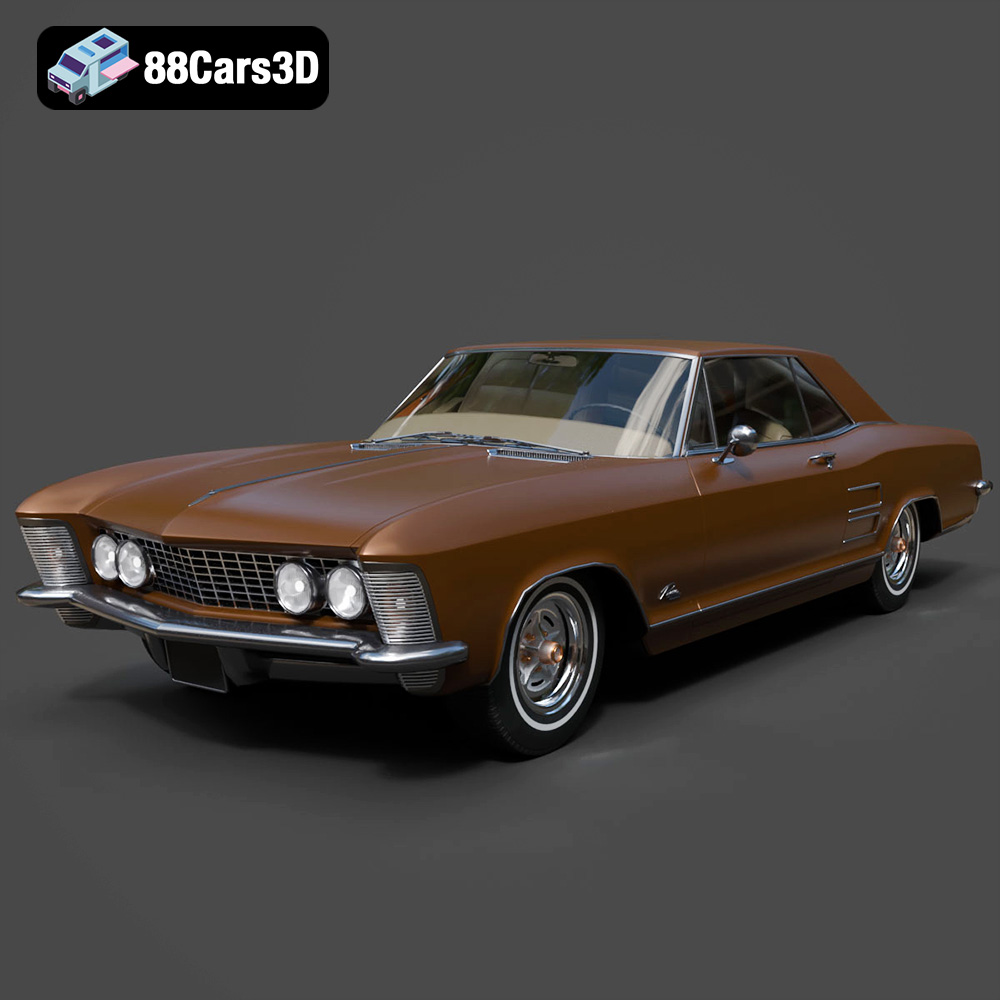
Texture: Yes
Material: Yes
Download the Buick Riviera 1963 3D Model featuring classic American muscle car design and iconic styling. Includes .blend, .fbx, .obj, .glb, .stl, .ply, .unreal, and .max formats for rendering, simulation, and game development.
Price: $10.79
View Product
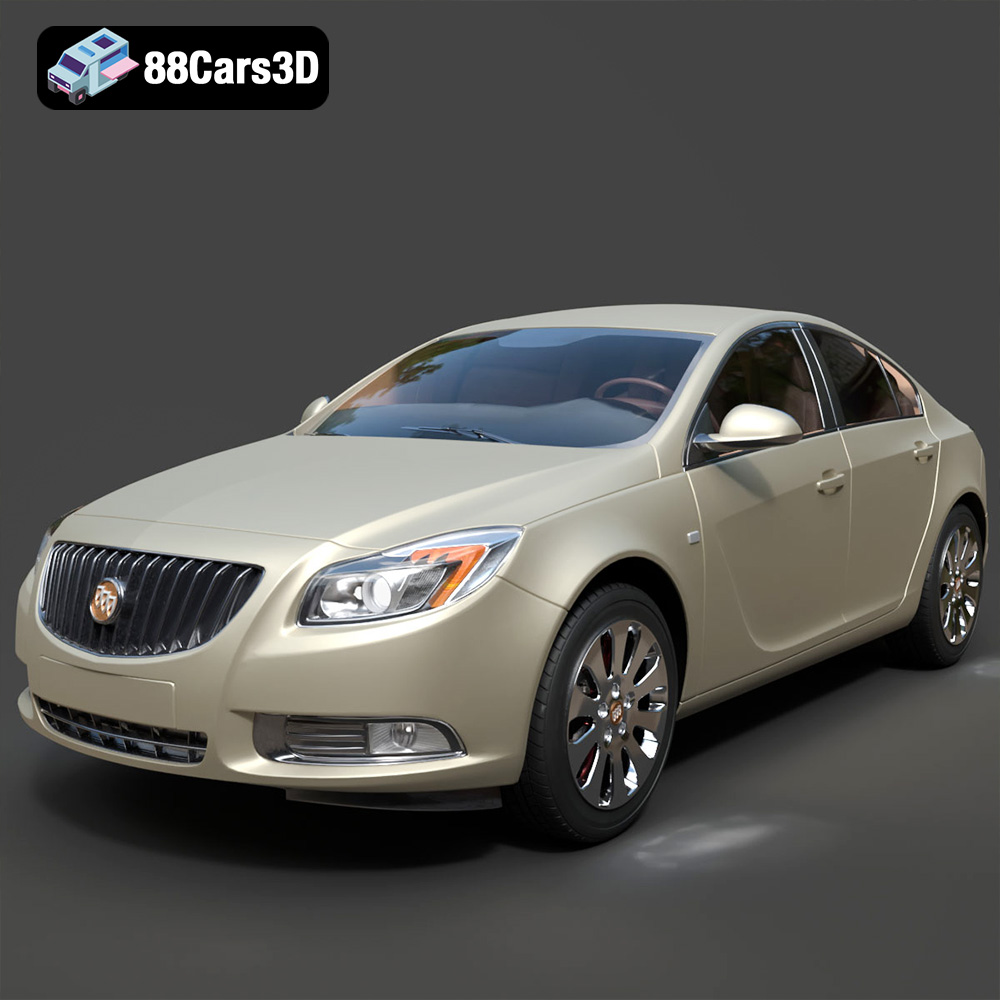
Texture: Yes
Material: Yes
Download the Buick Regal 3D Model featuring a classic American sedan design, detailed exterior, and optimized interior. Includes .blend, .fbx, .obj, .glb, .stl, .ply, .unreal, and .max formats for rendering, simulation, and game development.
Price: $10.79
View Product
Texture: Yes
Material: Yes
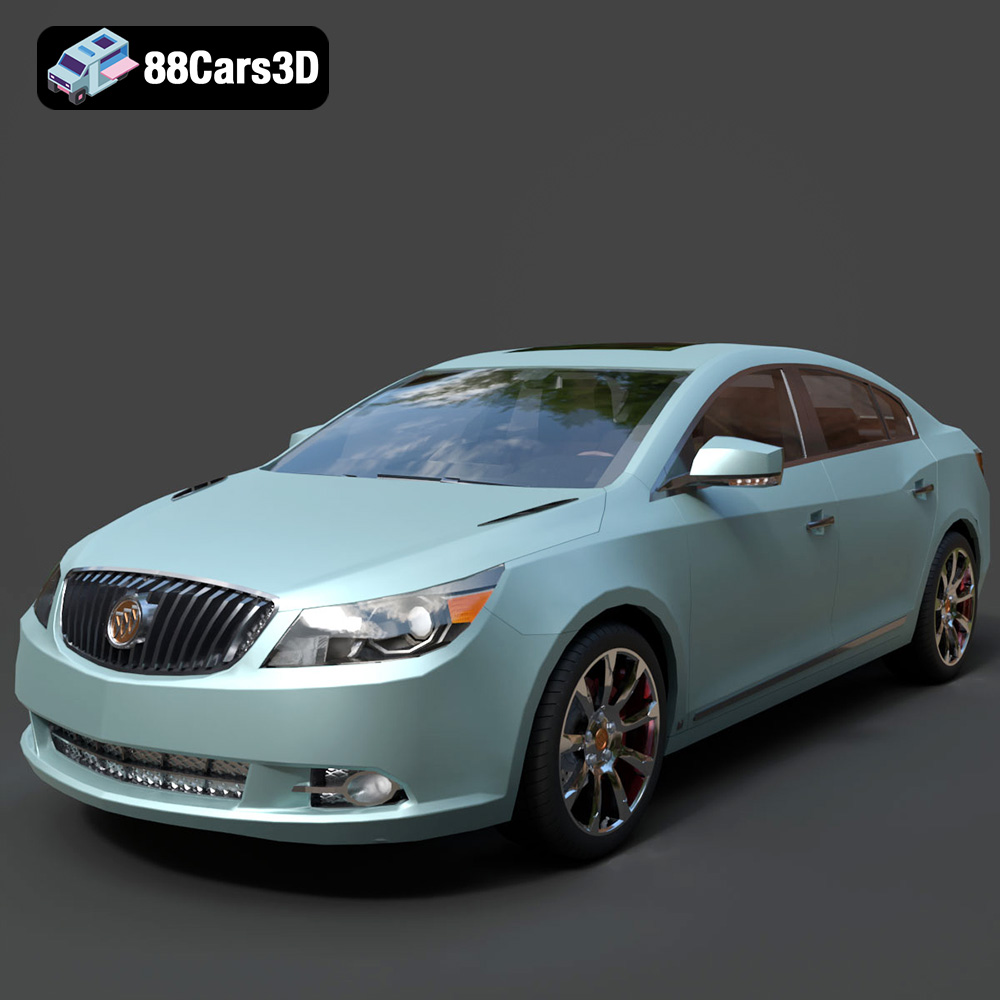
Download the Buick LaCrosse 3D Model featuring professional modeling and texture work. Includes .blend, .fbx, .obj, .glb, .stl, .ply, .unreal, and .max formats for rendering, simulation, and game development.
Price: $10.79
View Product


