

The pursuit of photorealism in 3D rendering is a continuous journey, especially in the demanding world of automotive visualization. Capturing the sleek curves, metallic finishes, and intricate details of a car model requires not just exceptional modeling and texturing, but also a masterful understanding of light. Without compelling and accurate lighting, even the most meticulously crafted 3D car model can fall flat, lacking the lifelike sparkle and environmental integration that makes a render truly captivating. This is where High Dynamic Range Imaging (HDRI) lighting steps in as an indispensable tool, transforming a static 3D scene into a vibrant, believable environment.
HDRI lighting isn’t merely a backdrop; it’s a sophisticated method of capturing real-world lighting conditions and projecting them into your 3D scene, providing a rich, nuanced source of illumination and reflections. From the subtle nuances of an overcast sky to the sharp glint of a sunset on polished chrome, HDRIs provide the environmental context that breathes life into your automotive renders. In this comprehensive guide, we’ll delve deep into the technical intricacies of using HDRI lighting, exploring everything from its fundamental principles and selection criteria to advanced implementation techniques across various render engines, optimization strategies, and the critical role it plays in achieving professional-grade automotive visualization. Prepare to elevate your rendering workflow and unlock the true potential of your 3D car models.
The Science Behind HDRI: Capturing Reality’s Light
High Dynamic Range Imaging, or HDRI, is a cornerstone of modern photorealistic rendering, particularly when it comes to subjects like 3D car models that demand accurate reflections and environmental integration. At its core, an HDRI is a panoramic image, usually spherical, that captures a much wider range of light intensity (dynamic range) than a standard photograph (Low Dynamic Range, LDR). While an LDR image typically stores brightness information in an 8-bit format, limiting it to 256 levels of light intensity per color channel, HDRIs often utilize 32-bit floating-point precision. This allows them to record an astronomical number of light levels, accurately representing everything from the dimmest shadows to the blinding intensity of the sun itself.
The magic of HDRI lies in its ability to simultaneously serve as both a light source and a reflection map. When applied to a 3D environment, the HDRI doesn’t just display an image; it actively emits light from its brighter areas, illuminating your scene with the precise color and intensity of the real-world light it captured. This results in incredibly realistic global illumination, where light bounces off surfaces naturally, creating soft shadows, vibrant color bleeding, and, most importantly for automotive renders, highly accurate and nuanced reflections on the car’s paint, glass, and chrome. The directional information embedded within the HDRI allows your 3D car model to look truly integrated into its virtual environment, reflecting the sky, ground, and surrounding objects with stunning fidelity, eliminating the “floating” appearance often associated with poorly lit renders.
Understanding HDR vs. LDR: Beyond Brightness
The distinction between High Dynamic Range (HDR) and Low Dynamic Range (LDR) extends far beyond mere file size; it’s about the very nature of light information captured. An LDR image, like a JPEG, compresses all the light data into a limited range, often resulting in blown-out highlights or crushed shadows where details are lost. Think of trying to photograph a brightly lit car in front of a dark building with a standard camera – either the car is correctly exposed and the building is black, or the building is visible and the car is overexposed. An HDRI, however, captures the full spectrum of light present in that scene, allowing render engines to accurately interpret and reproduce the true light values, from the subtlest ambient light to the direct glare of a light source. This expanded data range is crucial for rendering metallic and reflective surfaces, which are highly sensitive to the intensity and color of their surroundings.
Spherical Projection and Environment Maps
Most HDRIs are captured as spherical panoramas, meaning they encompass a full 360-degree view around a central point. This spherical projection is then mapped onto a virtual sphere or dome in your 3D software, effectively wrapping your scene in a real-world environment. This “environment map” serves a dual purpose: it provides the visual background that your camera sees, and more importantly, it acts as a comprehensive light source. Every pixel in the HDRI contributes to the overall illumination, with brighter pixels emitting more light. This technique dramatically simplifies the lighting setup process compared to manually placing numerous artificial lights, while simultaneously achieving a level of realism that is incredibly difficult to replicate by hand. The quality and resolution of this spherical map directly impact the crispness of reflections and the accuracy of shadows, making the selection of a high-quality HDRI paramount for professional automotive renders.
Selecting the Perfect HDRI for Your Automotive Scene
Choosing the right HDRI is arguably as critical as the 3D car model itself, as it dictates the mood, realism, and visual narrative of your automotive render. A common pitfall is to simply pick an HDRI based on its aesthetic appeal without considering its technical suitability for the scene. The goal is to create a harmonious blend between your 3D asset and its virtual surroundings, making it appear as though the car genuinely exists within that environment. This requires careful consideration of the HDRI’s light characteristics, reflections, and the overall context you’re aiming for.
When sourcing HDRIs, you’ll need to think about the type of scene you want to create: a dramatic sunset, a bright studio shoot, an urban street at dusk, or a serene natural landscape. Each scenario demands an HDRI with specific lighting properties. For instance, a bright, clear sky HDRI might be perfect for showcasing a car’s metallic flake under direct sunlight, yielding sharp, distinct shadows and intense specular highlights. Conversely, an overcast sky HDRI will produce softer, more diffused lighting, ideal for highlighting body lines and paint finishes without harsh reflections, often preferred for more editorial or studio-like presentations. Pay close attention to the primary light source within the HDRI—is it a strong sun, a soft sky, or artificial lights? How will its direction and intensity interact with the car’s surfaces? High-quality commercial libraries and reputable free resources offer vast selections, but always prioritize HDRIs that are visually clean, free of distortions, and, crucially, high resolution.
Analyzing an HDRI: Light Source Placement and Intensity
Before applying an HDRI, it’s beneficial to preview and analyze its light characteristics. Look for the brightest areas in the panoramic image – these represent the primary light sources, such as the sun, large windows, or studio lights. Their position will determine the direction of your main shadows and highlights. For example, if the brightest spot is low on the horizon, expect long, dramatic shadows. If it’s directly overhead, shadows will be shorter and more defined. Similarly, assess the overall intensity; a very bright HDRI might require lower global illumination multipliers in your render engine, while a darker one may need boosting. Consider also the color temperature of the light. A sunrise HDRI will emit warm, golden light, while a cloudy day might offer cooler, bluer tones. These subtle color shifts are vital for achieving photorealistic color grading on your vehicle. Understanding these elements beforehand allows for precise adjustments within your 3D software, leading to a more controlled and impactful lighting setup.
Matching HDRI to Your 3D Car Model’s Environment
The key to a believable render is seamless integration. If your car model is depicted on a racetrack, an HDRI of a busy city street will create a jarring, unrealistic mismatch of reflections and lighting. Instead, select an HDRI that accurately reflects a racetrack environment, complete with the appropriate sky, ground textures, and ambient lighting. This extends beyond just visual cues to the very characteristics of the light. If your model features realistic PBR materials—paint, glass, and chrome that reflect light accurately—the HDRI must provide the necessary environmental data for these materials to shine. For instance, a highly reflective surface on a car will pick up every detail from the HDRI, so ensuring the environment captured in the HDRI is consistent with your intended scene is paramount. Platforms like 88cars3d.com offer high-quality 3D car models that are meticulously crafted with clean topology and realistic UV mapping, making them perfect candidates for showcasing with well-chosen, matching HDRIs, as their surfaces are primed to capture and display environmental reflections accurately.
Implementing HDRI Lighting Across Major Render Engines
The beauty of HDRI lighting lies in its versatility across various 3D software and render engines, though the specific implementation steps may differ. The core principle, however, remains consistent: load a spherical HDRI image and use it as an environmental light source. Understanding the workflow for your chosen software is crucial for effective integration and fine-tuning.
3ds Max & Corona/V-Ray: Effortless Environmental Lighting
In 3ds Max, when working with renderers like Corona or V-Ray, integrating HDRIs is a streamlined process. For Corona Renderer, you typically navigate to the ‘Render Setup’ (F10), then to the ‘Scene’ tab, and locate the ‘Scene Environment’ section. Here, you’ll find a slot to assign a ‘CoronaBitmap’ where you load your HDRI. For more advanced control and better results, it’s often preferred to use a ‘CoronaLightMtl’ in a ‘CoronaLight’ (set to ‘Sphere’ or ‘Dome’ mode) or directly in the ‘Environment’ map slot. For V-Ray, the workflow is similar: access the ‘Render Setup’ (F10), go to the ‘V-Ray’ tab, and under ‘Environment’, enable ‘GI (skylight) environment override’ and ‘Reflection/refraction environment override’. Assign a ‘V-Ray Bitmap’ (or ‘Bitmap’ with V-Ray settings) to these slots and load your HDRI. Both renderers allow for easy rotation of the HDRI to adjust the sun’s position and the reflections, along with intensity multipliers to control overall brightness. Utilizing a ‘Dome Light’ (Corona Dome Light or V-Ray Dome Light) with the HDRI mapped to its texture slot provides even greater control over directionality, individual light intensity, and often results in cleaner shadows and reflections due to better sampling.
Blender & Cycles/Eevee: Node-Based Control
Blender, with its powerful Cycles and real-time Eevee render engines, offers a node-based approach to HDRI lighting, granting immense flexibility. To set up an HDRI, switch your viewport shading to ‘Rendered’ mode and navigate to the ‘World Properties’ tab in the Properties editor. Under ‘Surface’, change the ‘Color’ to ‘Environment Texture’. Click ‘Open’ to load your HDRI file. For precise control, open the ‘Shader Editor’ and switch from ‘Object’ to ‘World’ mode. Here, you’ll see a ‘Background’ node connected to the ‘World Output’. The ‘Environment Texture’ node will be connected to the ‘Background’ node. To manipulate the HDRI, add a ‘Mapping’ node and a ‘Texture Coordinate’ node (Add > Input > Texture Coordinate) between the ‘Environment Texture’ and ‘Background’ nodes. Connect the ‘Generated’ output of the ‘Texture Coordinate’ to the ‘Vector’ input of the ‘Mapping’ node, and the ‘Vector’ output of the ‘Mapping’ node to the ‘Vector’ input of the ‘Environment Texture’ node. You can then use the ‘Rotation’ values in the ‘Mapping’ node to rotate your HDRI, adjusting the light direction and reflections. The ‘Strength’ parameter on the ‘Background’ node controls the overall intensity. For more in-depth information on Blender’s world environment settings and node-based workflows, consult the official Blender 4.4 documentation at https://docs.blender.org/manual/en/4.4/, which provides comprehensive details on each node and setting.
Maya & Arnold: Skydome Light Integration
In Maya, Arnold Renderer provides a robust solution for HDRI lighting through its ‘aiSkydomeLight’. To implement, go to ‘Arnold’ > ‘Lights’ > ‘Skydome Light’. This creates a dome-shaped light in your scene. In the ‘Attribute Editor’ for the aiSkydomeLight, locate the ‘Color’ attribute. Click the checkered box next to it to assign a file texture. Browse and load your HDRI file. Ensure the ‘Color Space’ for the HDRI is set correctly (often ‘Raw’ or ‘Utility – Linear – sRGB’ for 32-bit float images, depending on your pipeline). The ‘Exposure’ attribute on the Skydome Light allows you to control the intensity of the HDRI. You can rotate the light using the standard Maya rotation tools to adjust the environmental lighting and reflections. Arnold also supports ‘Light Samples’ on the Skydome Light, which are crucial for reducing noise, particularly in areas with subtle shadows or complex reflections. Increasing these samples can significantly improve render quality but will also increase render times, requiring a balance between fidelity and performance.
Advanced HDRI Techniques for Unrivaled Realism
While basic HDRI setup provides a solid foundation, truly exceptional automotive renders often demand more sophisticated techniques. Moving beyond a single HDRI for global illumination opens up a world of creative control, allowing artists to fine-tune reflections, shadow intensity, and the overall narrative of their scene. These advanced methods can help overcome common limitations and push the boundaries of photorealism.
One powerful technique involves blending multiple HDRIs. For instance, you might use a primary HDRI for accurate environmental lighting and diffuse illumination, and a secondary, more stylized HDRI (or even an LDR image) specifically for reflections. This allows you to have a soft, even light from an overcast sky HDRI while still achieving sharp, interesting reflections from a more dramatic sky reflection map. Another approach is to layer an HDRI for global illumination with specific, targeted local lights, such as area lights or spot lights, to emphasize certain contours of the car, create rim lighting, or mimic artificial light sources like street lamps or studio spotlights. This hybrid approach gives you the best of both worlds: the naturalism of HDRI combined with the artistic control of traditional light sources. The ability to manipulate the HDRI itself—rotating it, scaling it, or even color-correcting it within your shader network—is also a key aspect of achieving desired effects without resorting to external image manipulation.
Manipulating HDRI for Specific Lighting Effects (e.g., Sun Position)
The beauty of HDRI is that it encapsulates a full 360-degree environment. This means you can effectively change the “time of day” or “orientation” of your light source simply by rotating the HDRI. In most render engines, applying a rotation value to the HDRI’s mapping or directly to the light source (like a Skydome light) will reorient the entire environment. This is invaluable for finding the most flattering angle for your car model, determining where shadows fall, and how light catches the body lines. For instance, a subtle rotation might shift the sun’s glare from an undesirable spot on the windshield to a more aesthetically pleasing position on the car’s hood. Beyond simple rotation, you can often scale the HDRI to subtly adjust the perceived distance of the environment, or even apply color correction nodes within your shader editor to warm up or cool down the overall lighting, matching the mood of a specific brand or scene concept. This granular control allows for a level of precision that elevates a good render to an outstanding one.
Integrating Backplates and Shadow Catchers
While an HDRI provides a fantastic lighting solution, sometimes you need to place your 3D car model into a specific photographic background – a “backplate.” The challenge here is to make the car look seamlessly integrated, not just composited. The HDRI ensures the lighting matches the backplate, but you also need accurate shadows. This is where “shadow catchers” come into play. A shadow catcher is typically a simple 3D plane or geometry in your scene that renders invisible but catches and renders only the shadows cast by your 3D car model. This shadow pass can then be composited onto your backplate, grounding the car realistically. For example, if you place your 3D car model from 88cars3d.com onto a forest road backplate, you would use an HDRI captured in a similar forest environment for lighting and reflections, and a shadow catcher plane directly under the car to generate realistic shadows that align with the backplate’s perspective and existing lighting. This combination of HDRI, backplate, and shadow catcher creates a truly believable integration, making it difficult to discern the rendered elements from the photographic ones.
Optimizing Performance and Troubleshooting Common Issues
While HDRI lighting is a powerful tool for photorealism, it’s not without its challenges. Large, high-resolution HDRIs can be memory-intensive and significantly increase render times if not optimized correctly. Furthermore, various issues can arise, from flat lighting to unwanted reflections, which need to be addressed to achieve truly professional results. Understanding how to optimize your workflow and troubleshoot common problems is essential for any 3D artist aiming for efficient and high-quality automotive renders.
One of the primary considerations for performance is the resolution of your HDRI. While higher resolutions (e.g., 16K, 32K) provide crisp reflections and detailed lighting, they consume considerable RAM and prolong render times, especially for global illumination calculations. For most purposes, an 8K or 10K HDRI is sufficient, with 4K often being adequate for background illumination if reflections are handled by a separate, higher-resolution map. Test different resolutions to find the optimal balance between visual fidelity and rendering efficiency for your specific scene. Memory management becomes critical when dealing with multiple large textures, including HDRIs. Ensure your 3D software and render engine settings are optimized to handle large assets, often involving tiling or caching strategies. Noise in renders, particularly in shadows or highly reflective areas, is another common issue. This often stems from insufficient light samples in your HDRI setup. Increasing the samples on your dome light or environment map will reduce noise but, again, will increase render times. Utilizing denoisers available in modern render engines (like the OptiX or OpenImageDenoise in Blender Cycles, or Corona Denoise) can drastically reduce noise in post-production, allowing you to use fewer samples during rendering for faster iteration.
Balancing Quality and Performance: HDRI Resolution and Sampling
The relationship between HDRI resolution, sampling, and render performance is a delicate balancing act. A 16K HDRI, while offering incredible detail, might be overkill if your car model isn’t highly reflective or if the HDRI itself isn’t in sharp focus. For the primary global illumination, a slightly lower resolution HDRI (e.g., 4K or 8K) might suffice, provided you have enough light samples. The number of samples directly impacts the quality of shadows and the smoothness of lighting. Too few samples will result in splotchy, noisy renders. Many renderers allow you to specify individual sample counts for environment lights, or a global quality setting. Incrementally increasing these values and rendering small regions of your image will help you determine the sweet spot for your scene, reducing noise without unnecessarily extending render times. Remember that performance optimization is an iterative process, and small adjustments can lead to significant improvements.
Addressing Artifacts and Unwanted Reflections
Despite careful HDRI selection, artists sometimes encounter artifacts or unwanted reflections. Flat lighting, where the car lacks depth and contrast, often indicates an HDRI with insufficient dynamic range or a primary light source that is too diffuse or weak. In such cases, consider augmenting the HDRI with additional targeted lights or rotating the HDRI to find a more compelling light angle. Blurry reflections can be a symptom of a low-resolution HDRI or insufficient sampling, especially on highly reflective surfaces. Ensure your HDRI texture is loaded at full resolution and that your render settings provide enough samples for reflections. Unwanted objects from the HDRI appearing in reflections can be distracting. Most render engines offer options for light linking or exclusion, allowing you to control which objects are lit by or reflect specific light sources. You might also consider using a separate, cleaner HDRI for reflections only, while maintaining your primary HDRI for illumination. Achieving a realistic PBR material setup for your 3D car model is also crucial; even the best HDRI won’t look convincing on poorly defined materials. High-quality 3D car models, such as those found on marketplaces like 88cars3d.com, typically come with well-defined PBR materials and clean UV mapping, which are essential for HDRIs to interact correctly and produce stunning, accurate reflections.
Post-Processing and Compositing for the Final Touch
Even with perfectly lit and rendered 3D car models, the journey to photorealism often isn’t complete without a crucial final step: post-processing and compositing. These techniques, typically performed in image editing software like Photoshop or GIMP, or dedicated compositing applications like Nuke or After Effects, allow artists to fine-tune the visual characteristics of their renders, adding that extra layer of polish and artistry that distinguishes a raw render from a professional final image. HDRI renders, with their rich light information, provide an excellent foundation for these post-production adjustments.
Post-processing involves a series of enhancements applied to the entire rendered image. This includes adjusting global exposure and contrast to ensure the car model stands out against its background, refining color grading to evoke a specific mood or match a brand aesthetic, and making subtle tweaks to saturation and vibrancy. For instance, a render might benefit from a slight increase in saturation to make the car’s paint pop, or a subtle color shift to enhance the warmth of a sunset scene. Compositing, on the other hand, involves combining multiple render passes (individual image layers output by the render engine) to gain granular control over different aspects of the image. By separating elements like reflections, shadows, and direct lighting into their own layers, artists can non-destructively adjust each component without affecting others. This level of control is invaluable for making last-minute creative decisions or correcting minor imperfections. For example, you might want to slightly reduce the intensity of a specific reflection without changing the overall illumination, which is only possible with render passes.
Essential Render Passes for Automotive Compositing
For automotive renders, a few render passes are absolutely essential for effective compositing. The ‘Beauty’ pass (the standard full render) is your starting point. Beyond that, consider outputting:
- Reflection Pass: Isolates all reflective elements, allowing you to adjust their intensity, color, or blur independently.
- Specular Pass: Captures the sharp highlights, offering control over the ‘glint’ on metallic surfaces and paint.
- Shadow Pass: Renders only the shadows cast by your car, critical for integrating it into backplates or adjusting shadow depth.
- Diffuse Pass: Shows the base color and diffuse light interaction, useful for overall color correction without affecting reflections.
- Global Illumination (GI) Pass: Captures the bounced light in the scene, which can be adjusted to subtly change the ambient brightness.
- Alpha Pass: Provides a mask of your car model, enabling easy isolation for selections and background changes.
- Z-Depth Pass: Stores depth information, allowing for realistic depth of field effects in post-production.
By judiciously using these passes, you can achieve a level of realism and artistic control that is simply not possible with a single ‘beauty’ render.
Color Grading and Tonal Adjustments
Color grading is perhaps the most impactful post-processing step for defining the mood and aesthetic of your automotive render. Tools like ‘Curves’ and ‘Levels’ allow for precise control over the tonal range, enhancing contrast in the mid-tones while preserving detail in highlights and shadows. Adjusting the white balance can subtly shift the overall color temperature, making a scene feel warmer or cooler. Selective color adjustments, using tools like ‘Hue/Saturation’ or ‘Color Balance’, enable you to fine-tune specific color ranges—for example, making the car’s paint color more vibrant without over-saturating the environment. Adding subtle vignettes, film grain, or lens distortion can also contribute to a more photographic, natural look. High-quality 3D car models, like those available on 88cars3d.com, provide a fantastic base for these final enhancements. Their accurate PBR materials respond beautifully to color grading, allowing the inherent realism of the model to truly shine through under the careful hand of a skilled post-production artist. This final stage is where the technical precision of HDRI lighting meets artistic vision, culminating in breathtaking automotive visuals.
Conclusion
The journey to crafting photorealistic automotive renders is multifaceted, demanding expertise in modeling, texturing, and above all, lighting. As we’ve explored, High Dynamic Range Imaging (HDRI) stands out as an unparalleled tool in this endeavor, offering a streamlined yet incredibly powerful method for illuminating your 3D car models with the richness and nuance of real-world light. From understanding the technical superiority of HDRI over LDR to mastering its implementation across diverse render engines like Corona, V-Ray, Cycles, and Arnold, the ability to harness these environmental maps is a fundamental skill for any serious automotive visualization artist.
We’ve delved into the critical process of selecting the perfect HDRI to match your scene’s narrative, dissected advanced techniques for manipulating light and integrating backplates, and tackled common challenges related to performance and unwanted artifacts. The importance of post-processing and compositing, using render passes to achieve ultimate control over your final image, further underscores that the pursuit of realism is an iterative process involving both technical precision and artistic finesse. The synergy between high-quality 3D car models, meticulously crafted PBR materials, and expertly implemented HDRI lighting is what truly elevates a render from merely presentable to truly breathtaking.
As you continue your rendering journey, remember that platforms like 88cars3d.com provide the essential building blocks—premium 3D car models with clean topology and accurate UVs—that serve as the perfect canvas for your lighting prowess. Armed with the knowledge from this guide, you are now equipped to experiment, iterate, and push the boundaries of your automotive renders. Start by analyzing your HDRIs more critically, fine-tune your light rotations, and always consider the powerful final touches of post-processing. The road to stunning automotive visuals is illuminated by your understanding and application of HDRI lighting; go forth and create something spectacular.
Featured 3D Car Models
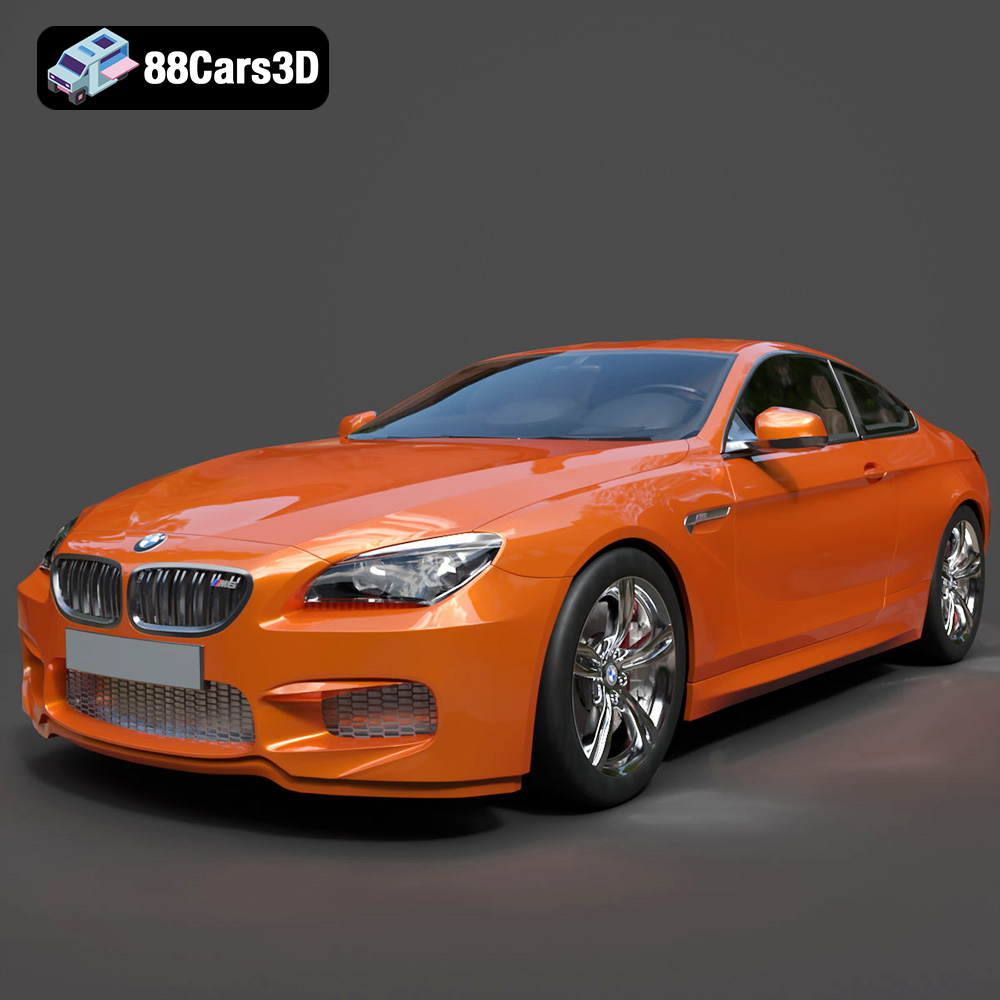
BMW M6 Coupe (F12) 3D Model
Texture: Yes
Material: Yes
Download the BMW M6 Coupe (F12) 3D Model featuring its iconic sporty design and luxurious details. Includes .blend, .fbx, .obj, .glb, .stl, .ply, .unreal, and .max formats for rendering, simulation, and game development.
Price: $10.79
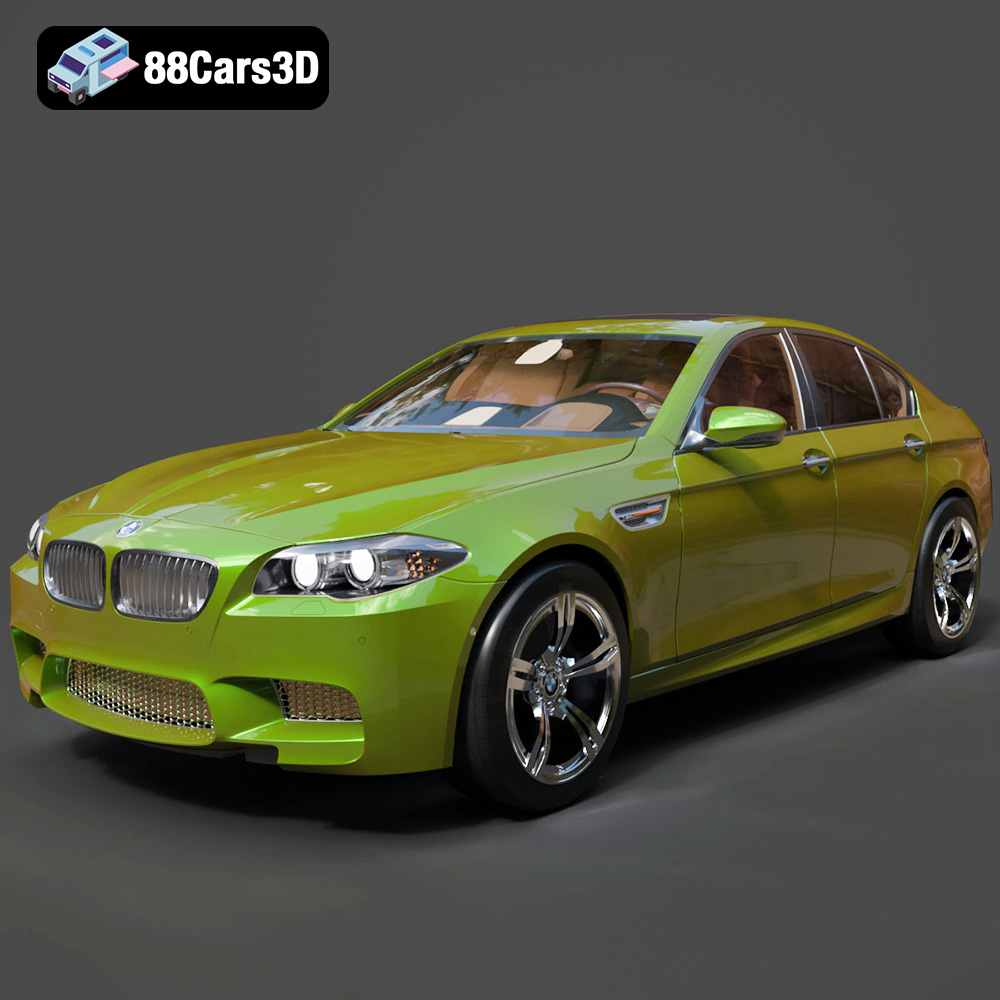
BMW M5 F10 3D Model
Texture: Yes
Material: Yes
Download the BMW M5 F10 3D Model featuring high-performance luxury sedan design, detailed interior, and realistic PBR textures. Includes .blend, .fbx, .obj, .glb, .stl, .ply, .unreal, and .max formats for rendering, simulation, and game development.
Price: $10.79
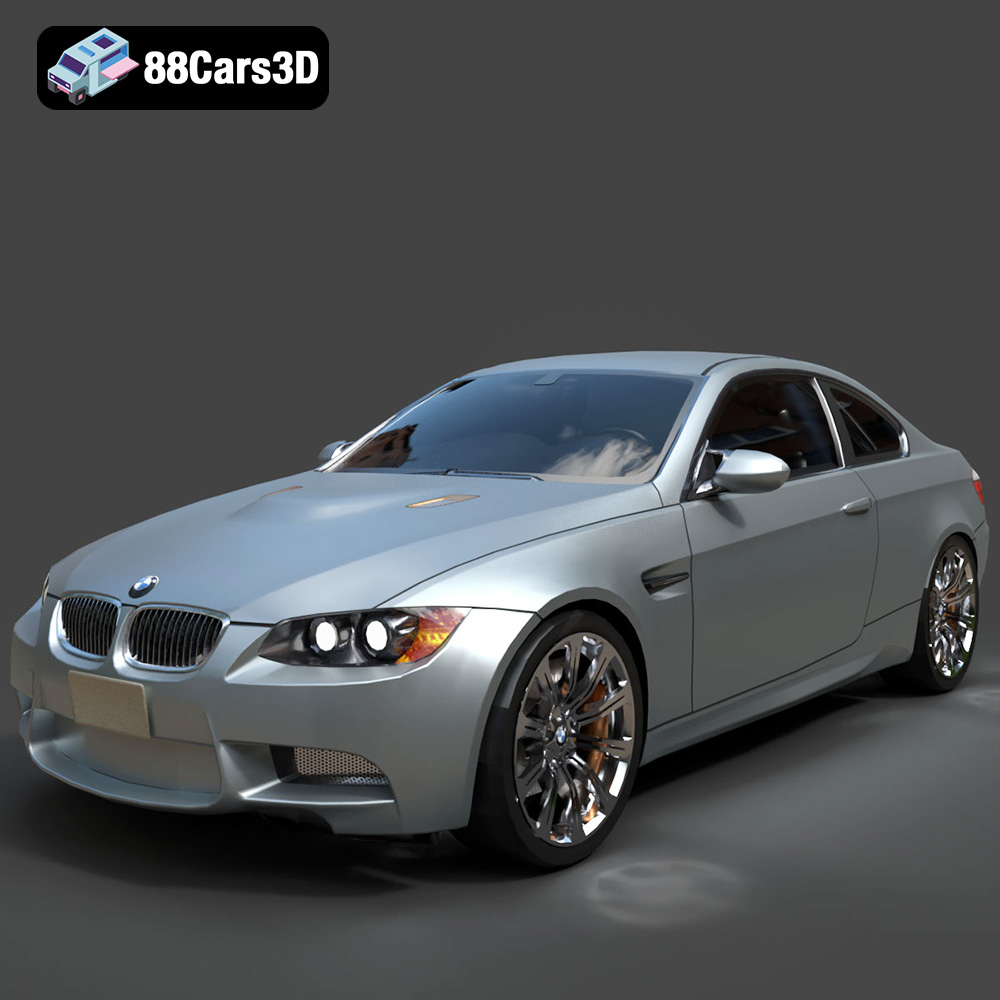
BMW M3 Coupe E92-002 3D Model
Texture: Yes
Material: Yes
Download the BMW M3 Coupe E92-002 3D Model featuring authentic styling, detailed exterior, and a faithful interior. Includes .blend, .fbx, .obj, .glb, .stl, .ply, .unreal, and .max formats for rendering, simulation, and game development.
Price: $10.79
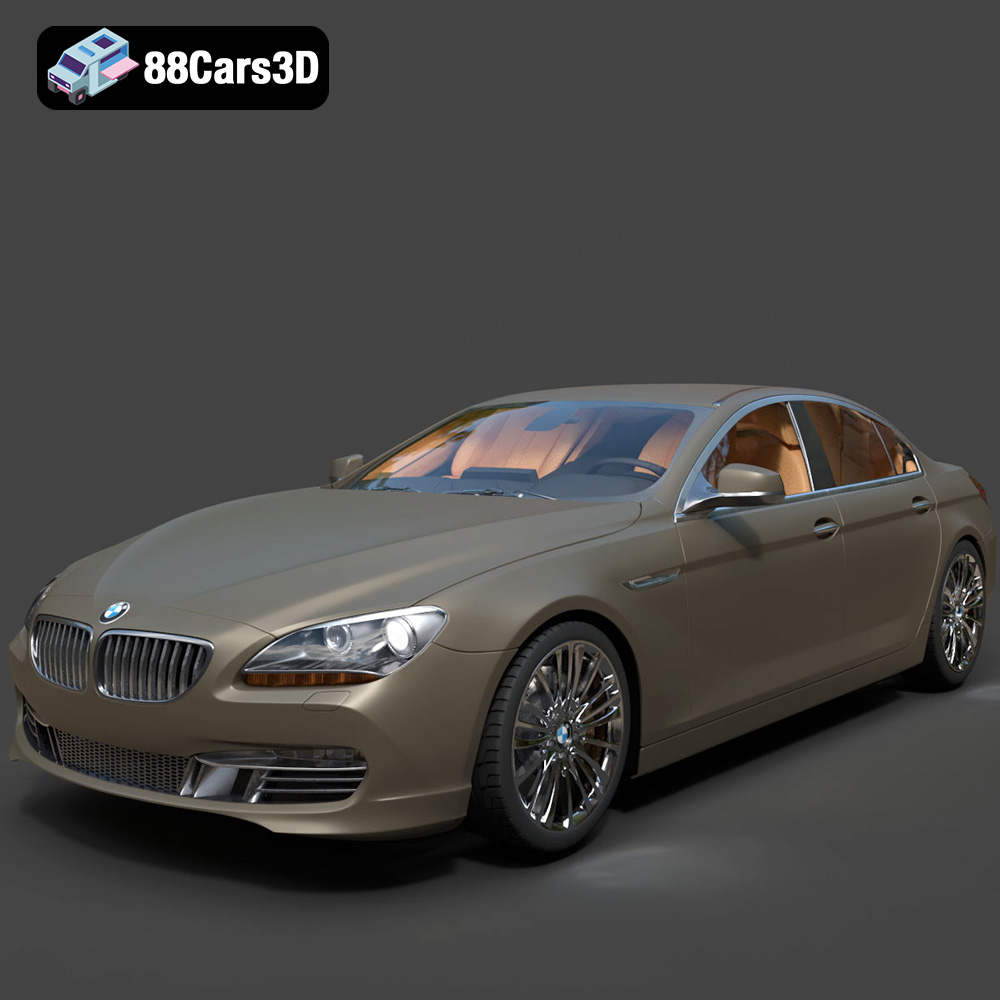
BMW 6 Series Gran Coupe 2013 3D Model
Texture: Yes
Material: Yes
Download the BMW 6 Series Gran Coupe 2013 3D Model featuring a sophisticated design, detailed exterior, and well-appointed interior. Includes .blend, .fbx, .obj, .glb, .stl, .ply, .unreal, and .max formats for rendering, simulation, and game development.
Price: $20.79
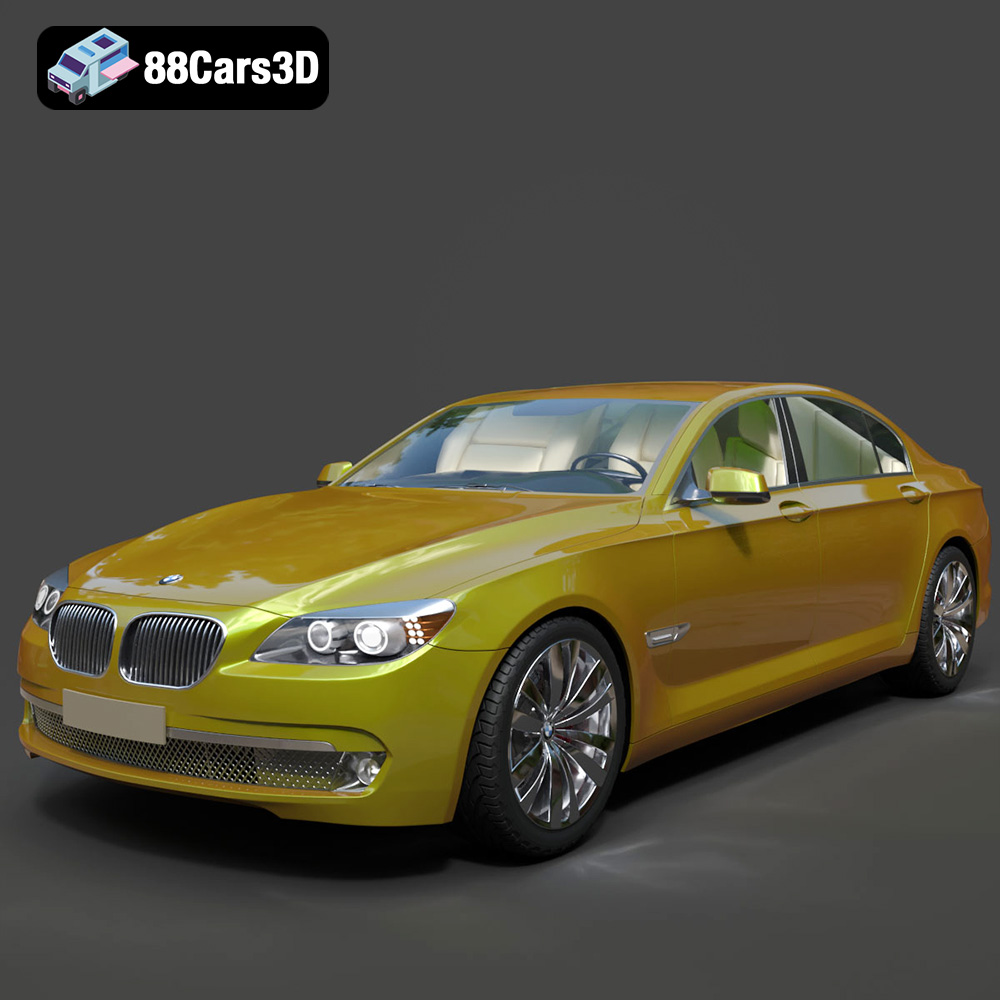
BMW 7 Series 750 F01 3D Model
Texture: Yes
Material: Yes
Download the BMW 7 Series 750 F01 3D Model featuring a detailed exterior and a luxurious interior. Includes .blend, .fbx, .obj, .glb, .stl, .ply, .unreal, and .max formats for rendering, simulation, and game development.
Price: $10.79
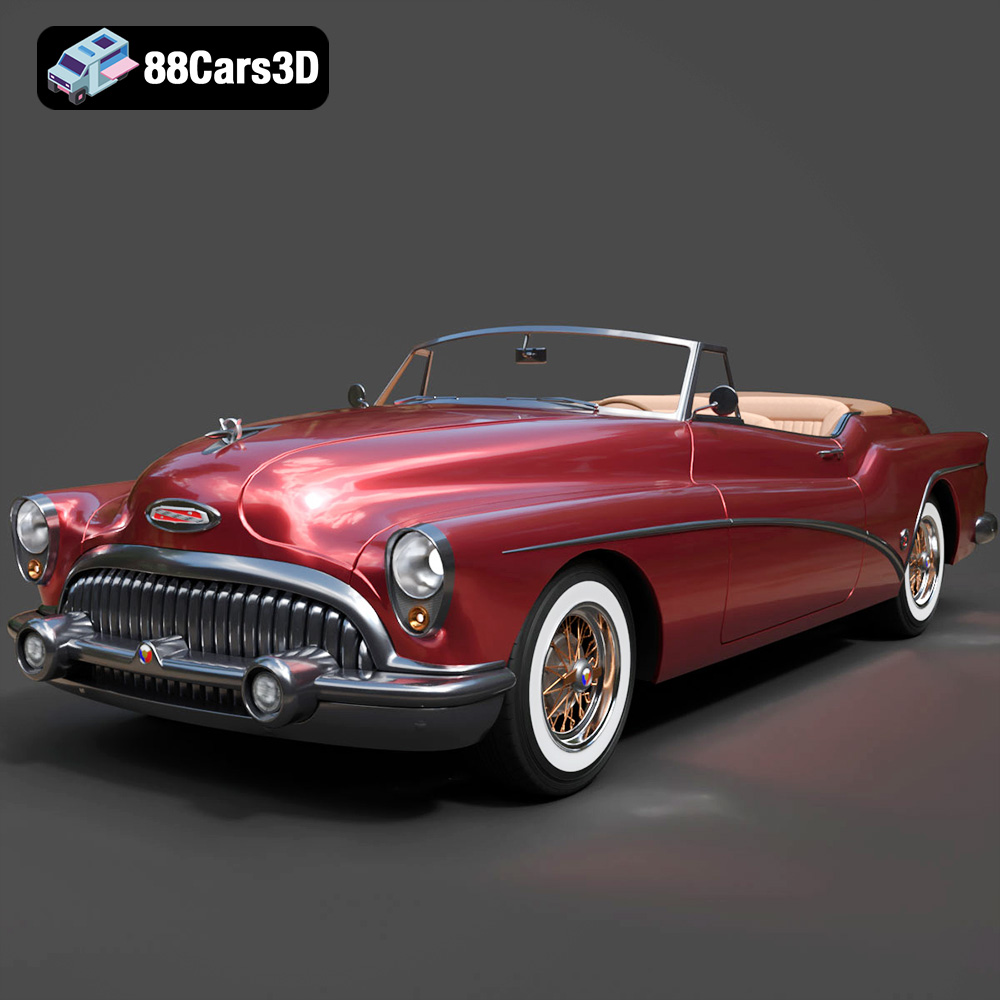
Buick Skylark Convertible 1953 3D Model
Texture: Yes
Material: Yes
Download the Buick Skylark Convertible 1953 3D Model featuring iconic 1950s styling, a detailed exterior with chrome accents, and an accurately modeled interior. Includes .blend, .fbx, .obj, .glb, .stl, .ply, .unreal, and .max formats for rendering, simulation, and game development.
Price: $10.79

Buick Roadmaster Hardtop Coupe 1957 3D Model
Texture: Yes
Material: Yes
Download the Buick Roadmaster Hardtop Coupe 1957 3D Model featuring a classic American design with detailed exterior and interior. Includes .blend, .fbx, .obj, .glb, .stl, .ply, .unreal, and .max formats for rendering, simulation, and game development.
Price: $10.79
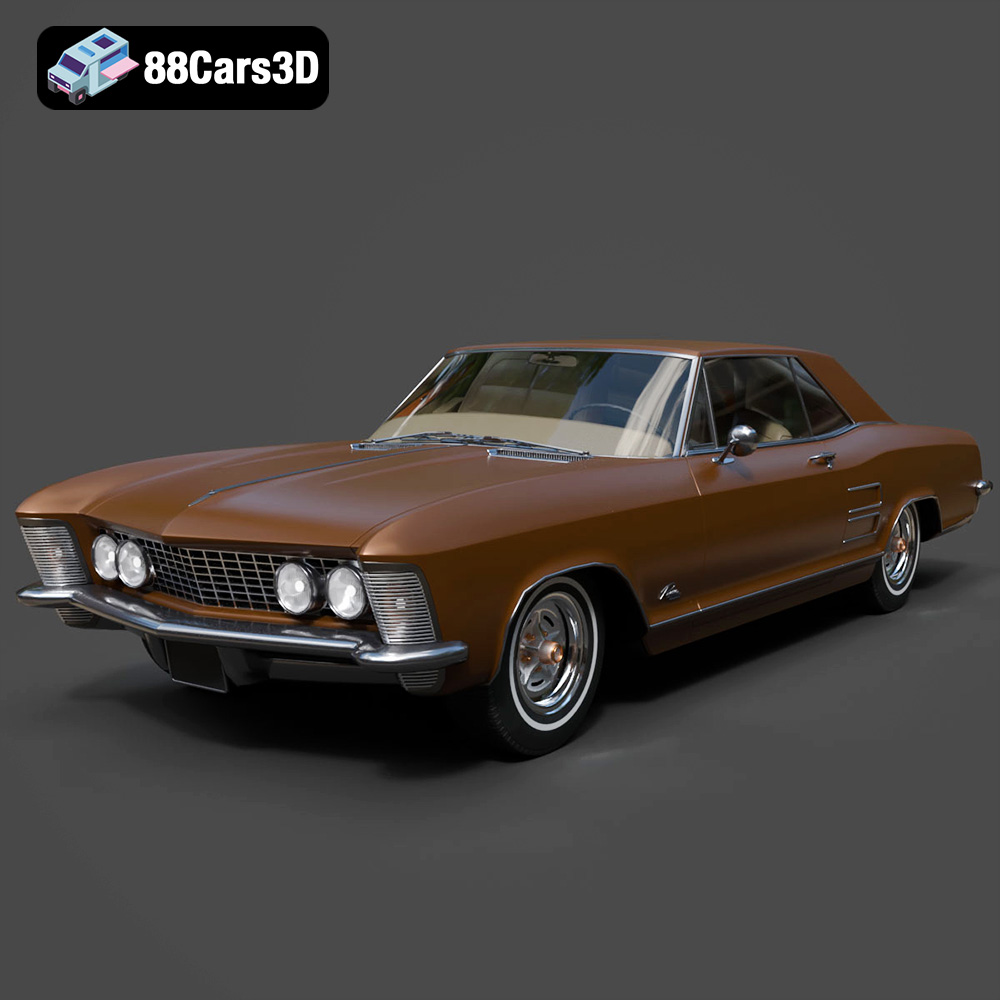
Buick Riviera 1963 3D Model
Texture: Yes
Material: Yes
Download the Buick Riviera 1963 3D Model featuring classic American muscle car design and iconic styling. Includes .blend, .fbx, .obj, .glb, .stl, .ply, .unreal, and .max formats for rendering, simulation, and game development.
Price: $10.79
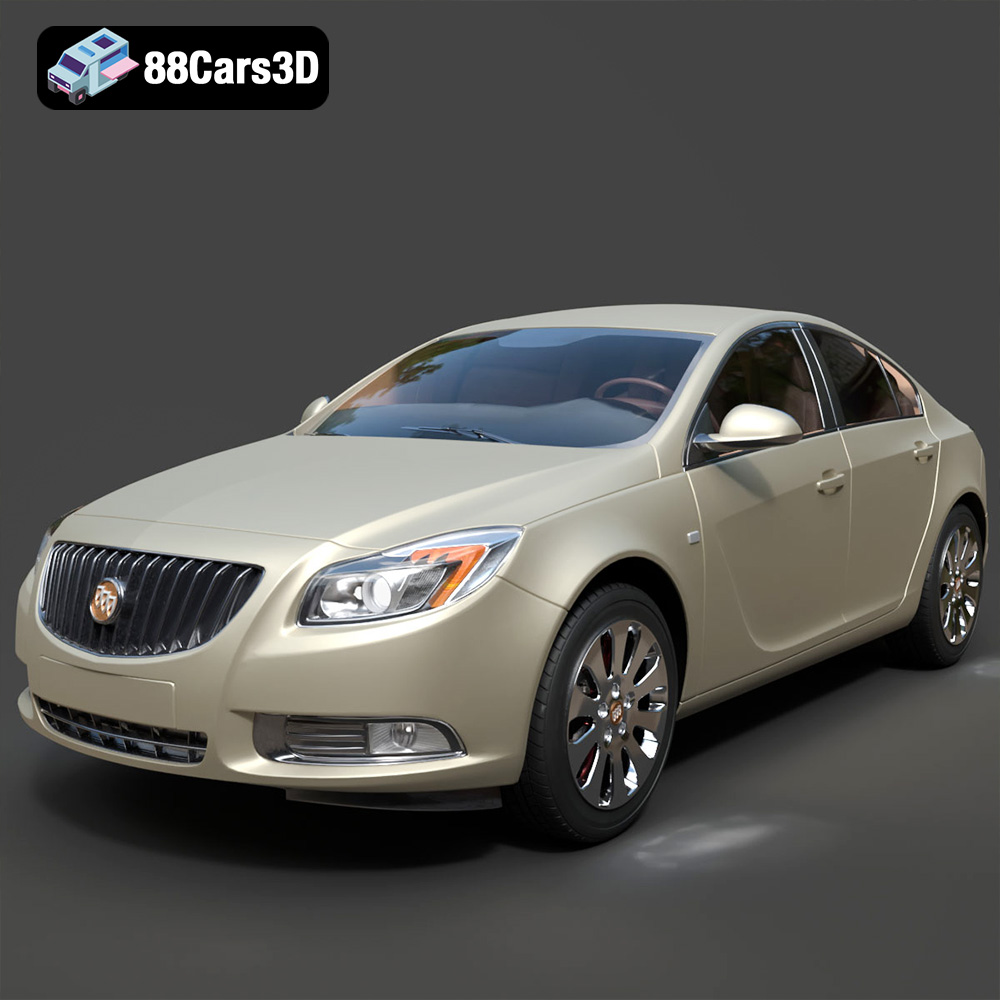
Buick Regal 3D Model
Texture: Yes
Material: Yes
Download the Buick Regal 3D Model featuring a classic American sedan design, detailed exterior, and optimized interior. Includes .blend, .fbx, .obj, .glb, .stl, .ply, .unreal, and .max formats for rendering, simulation, and game development.
Price: $10.79
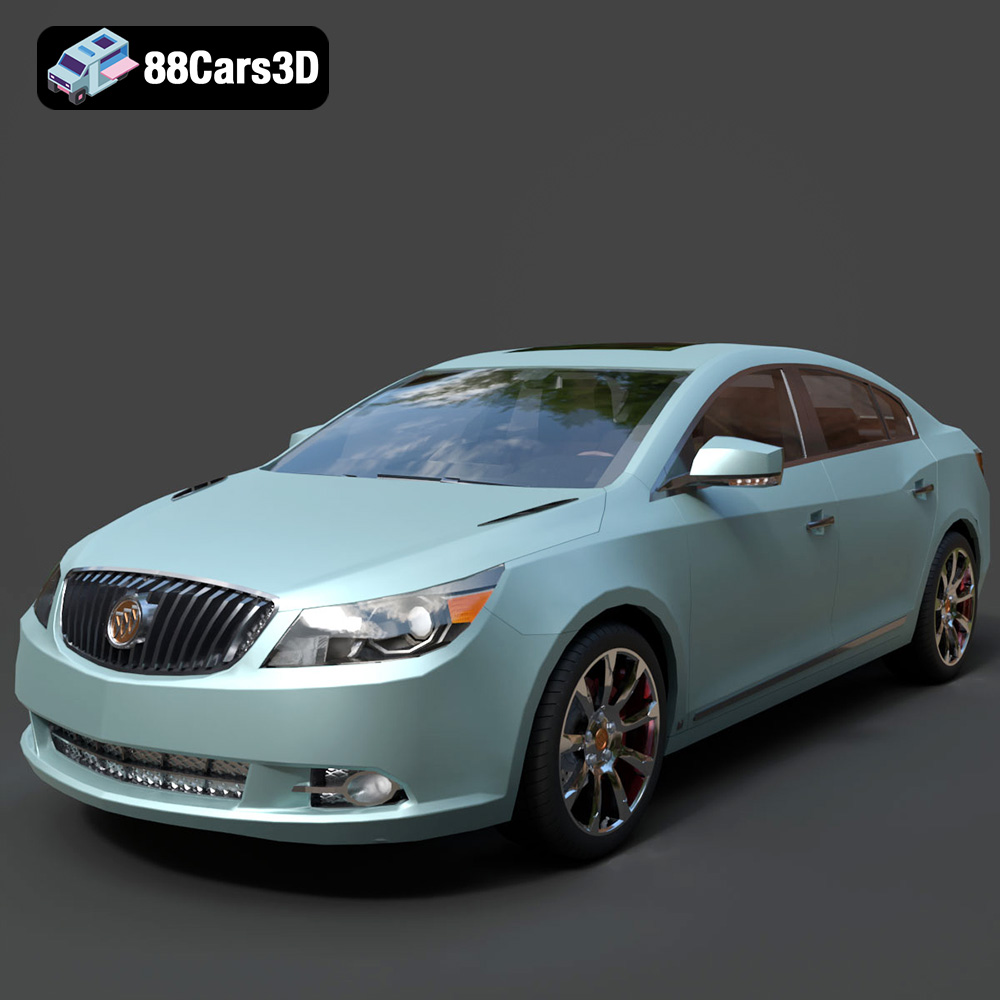
Buick LaCrosse 2008 3D Model
Texture: Yes
Material: Yes
Download the Buick LaCrosse 3D Model featuring professional modeling and texture work. Includes .blend, .fbx, .obj, .glb, .stl, .ply, .unreal, and .max formats for rendering, simulation, and game development.
Price: $10.79
