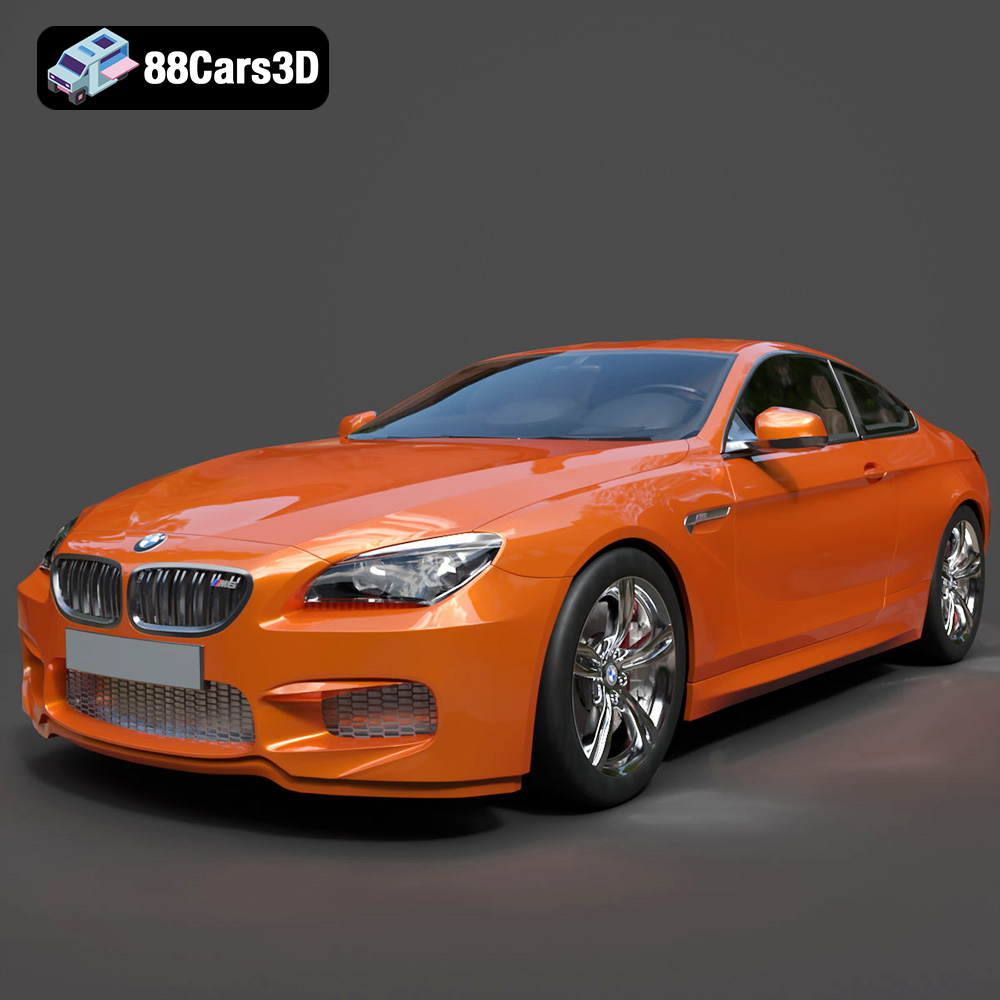
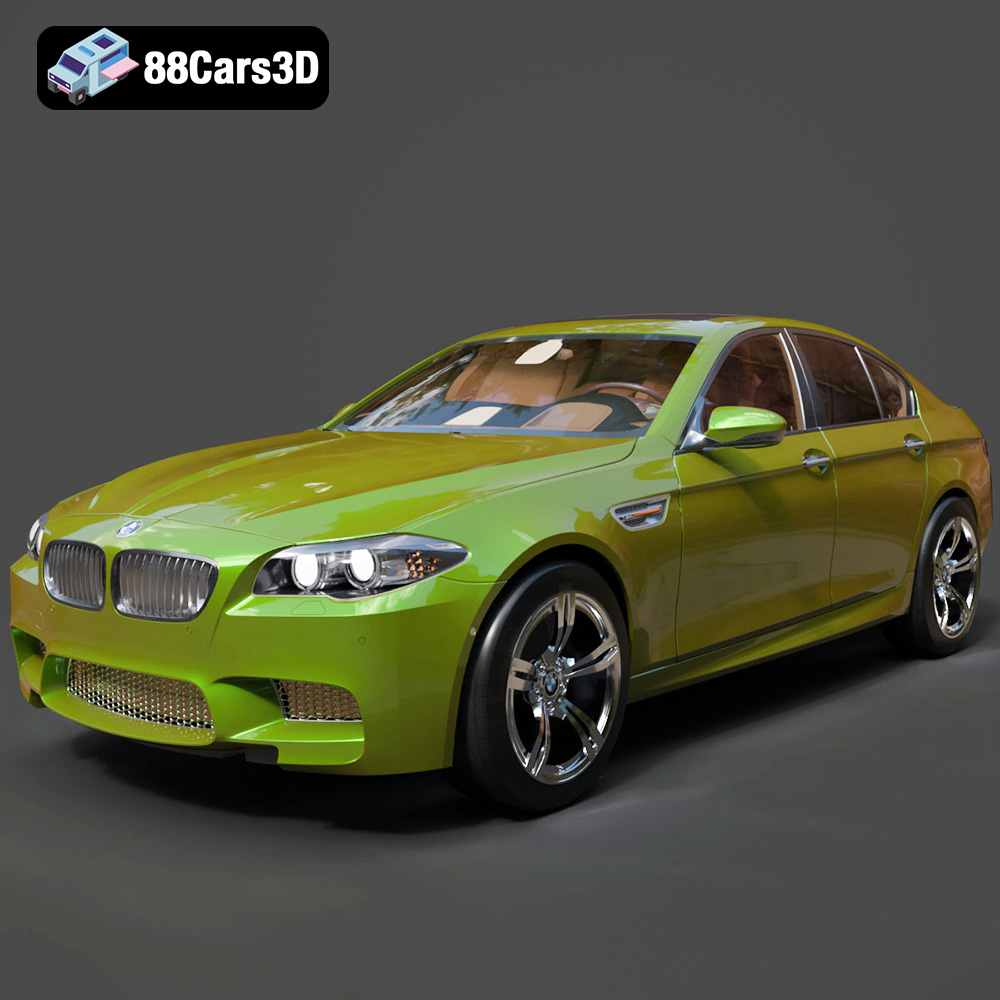
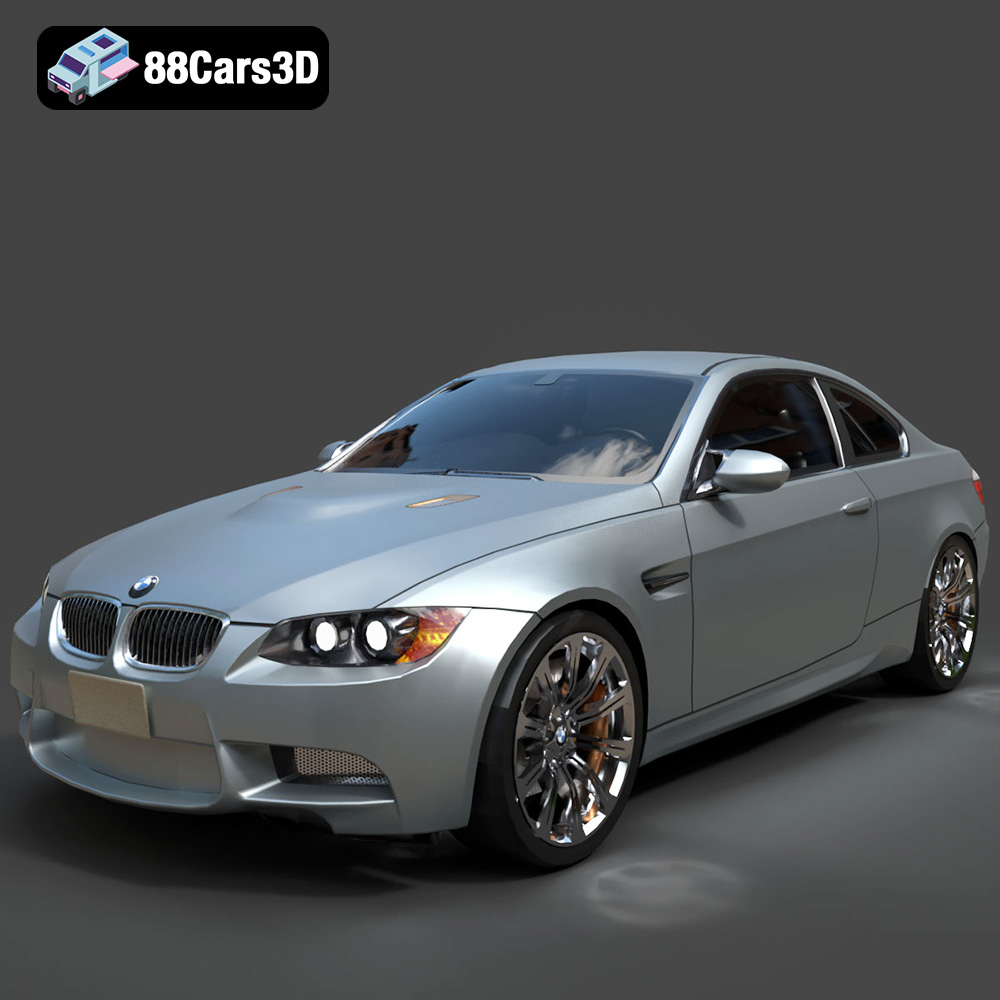
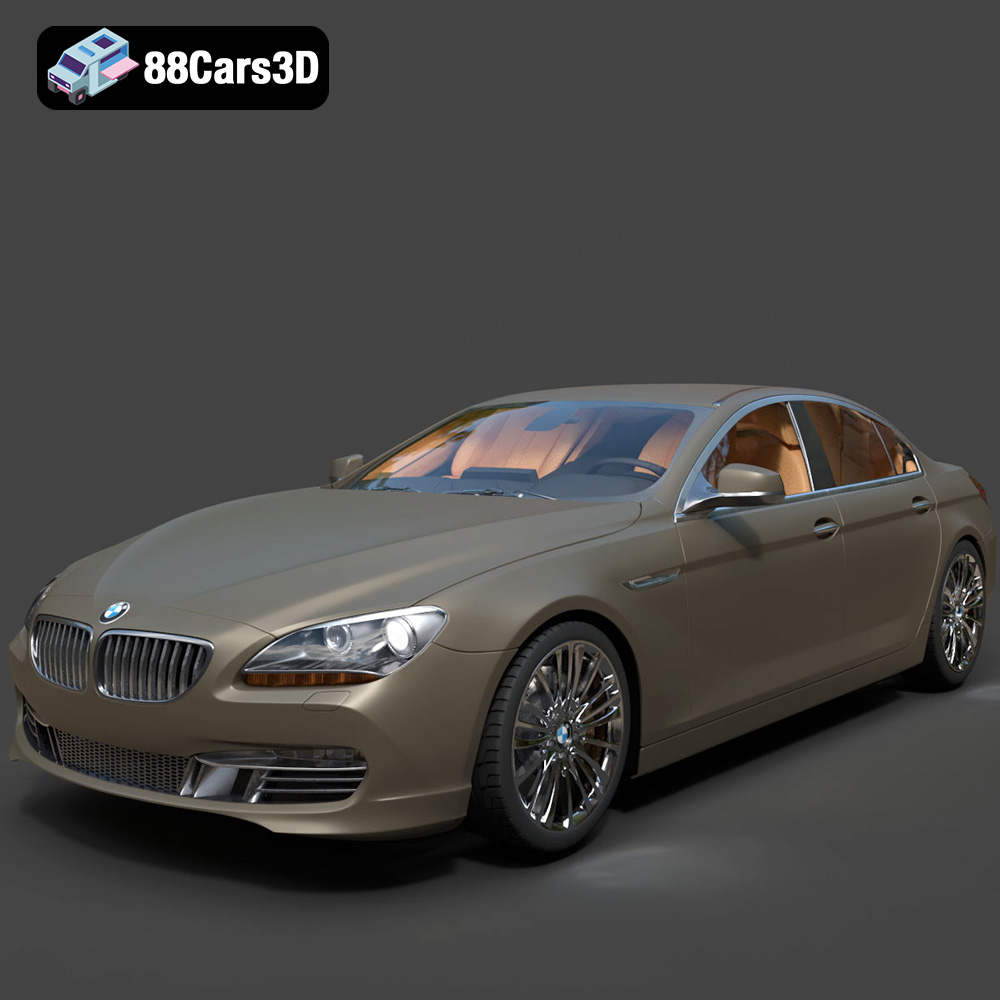
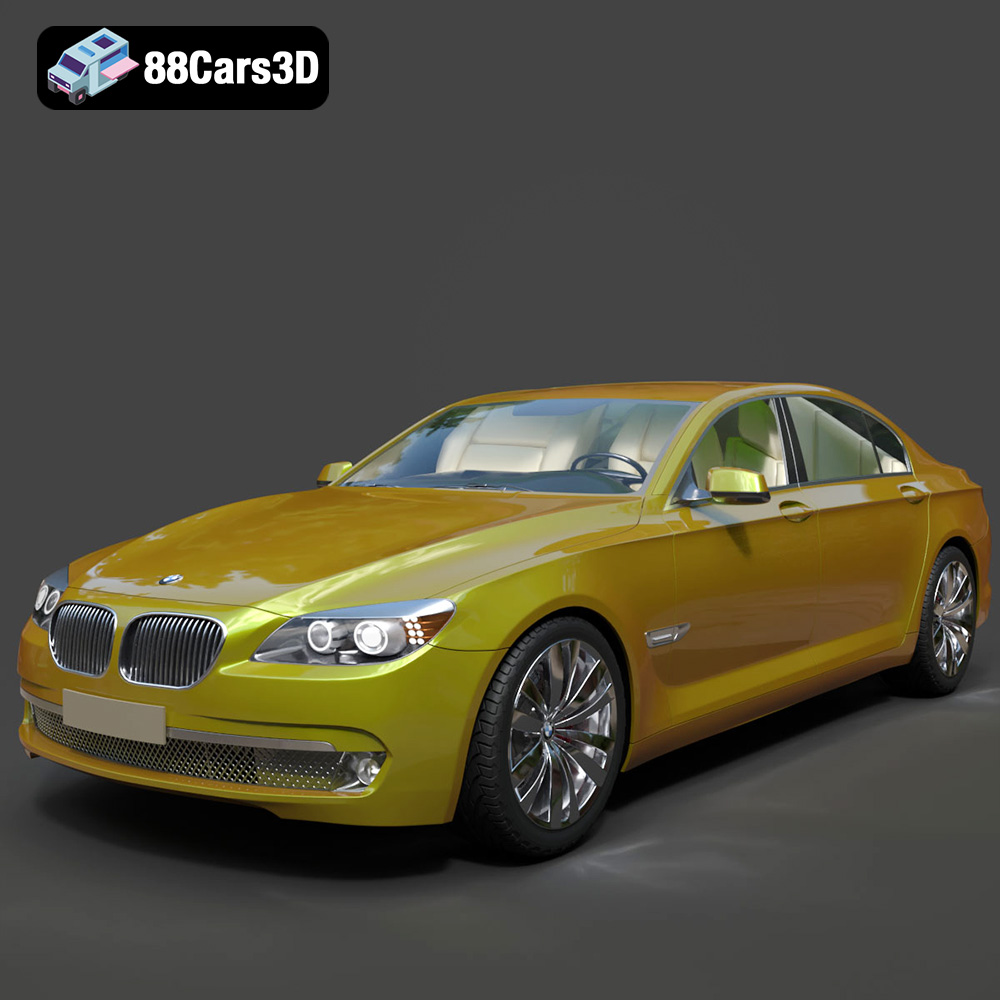
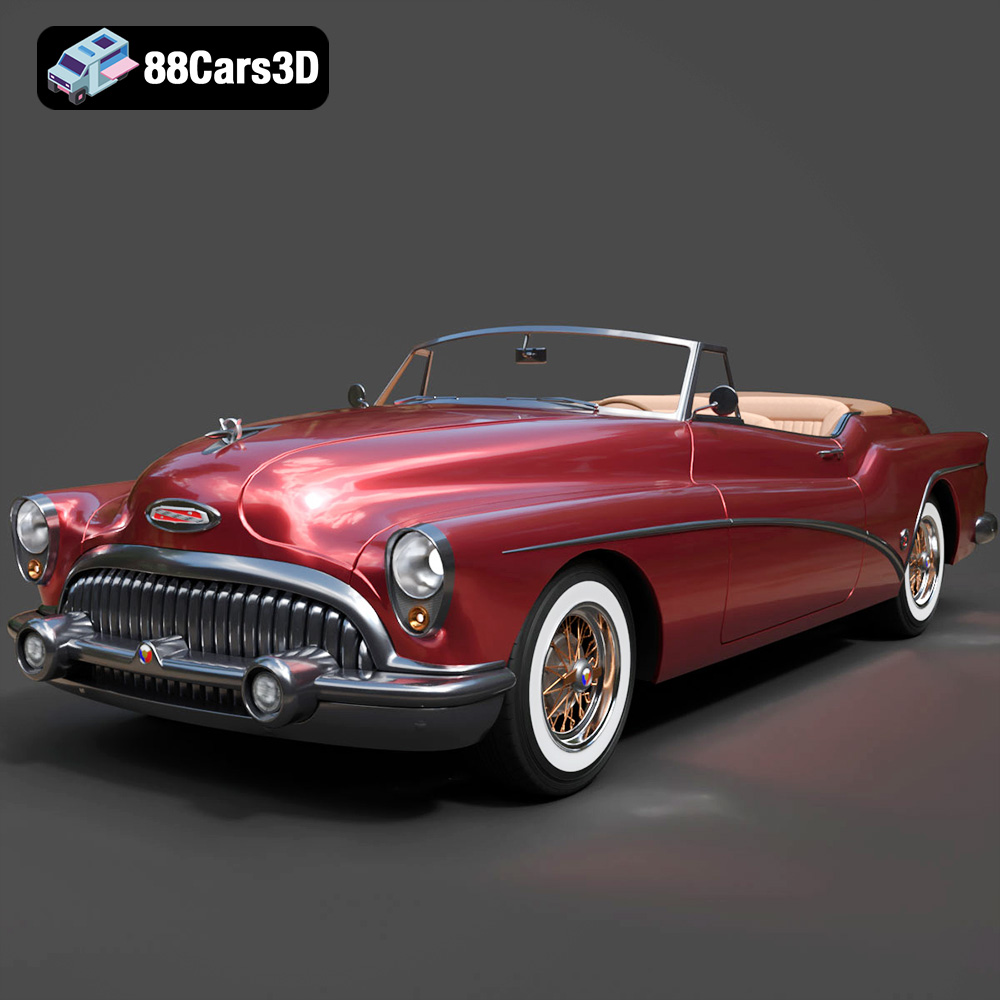
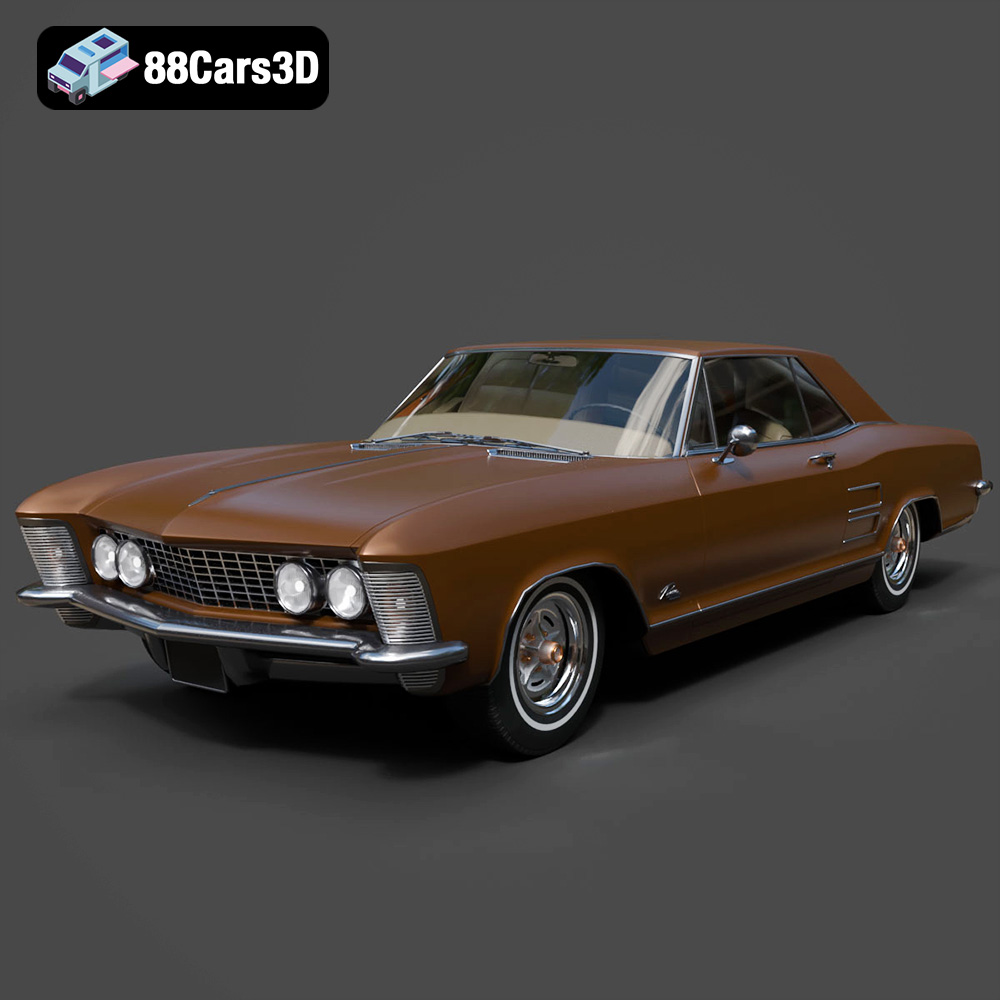
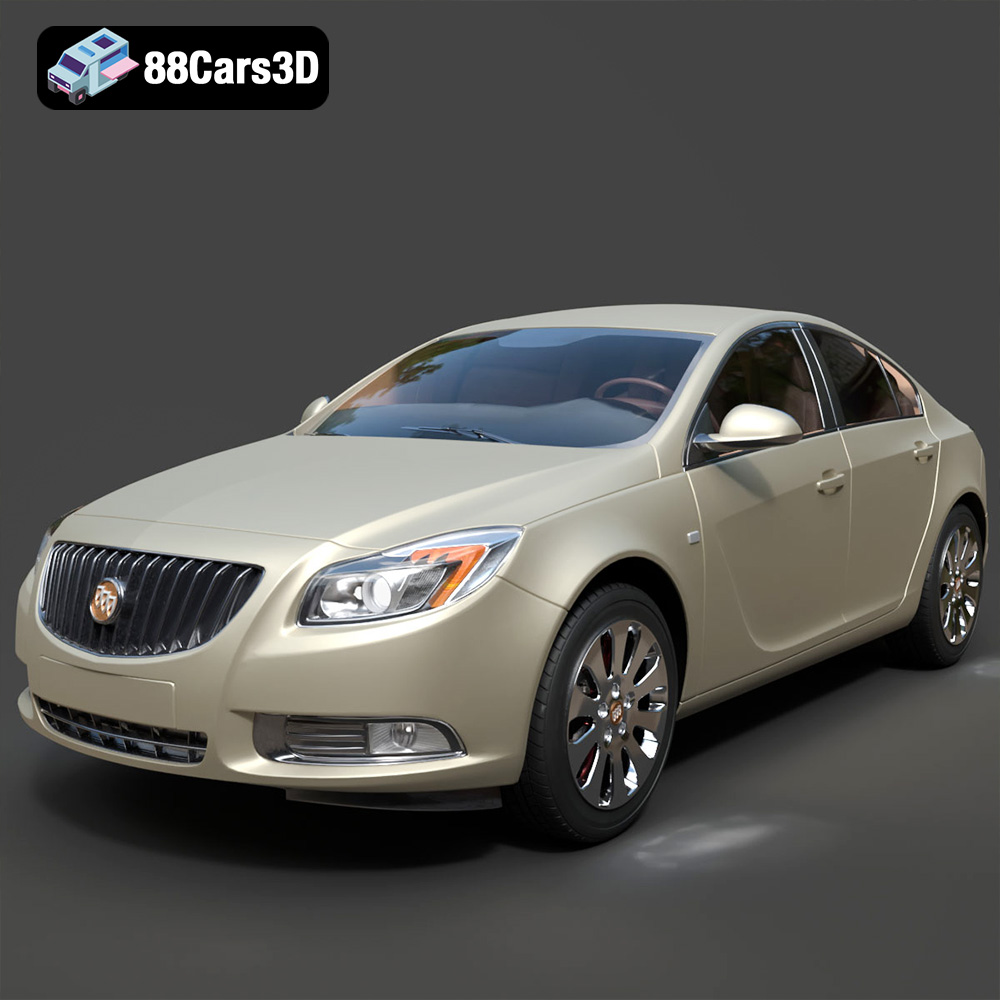
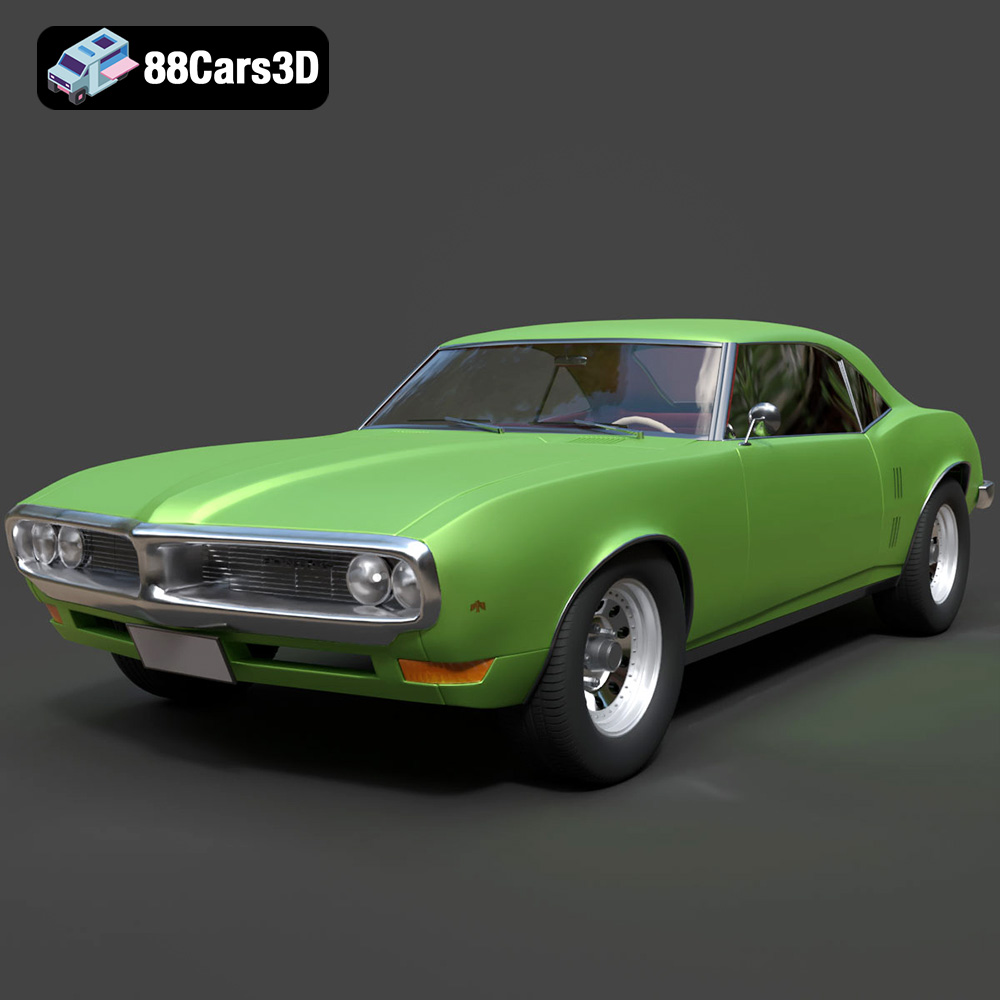
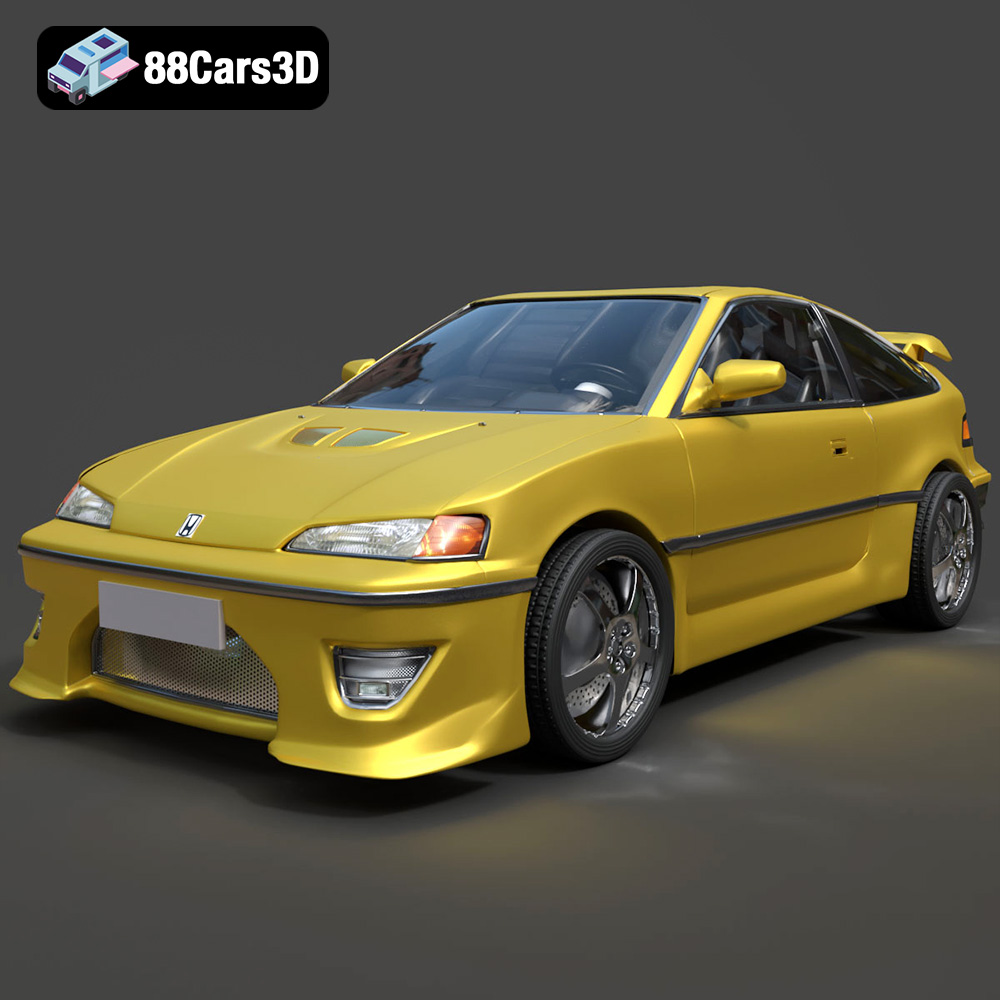
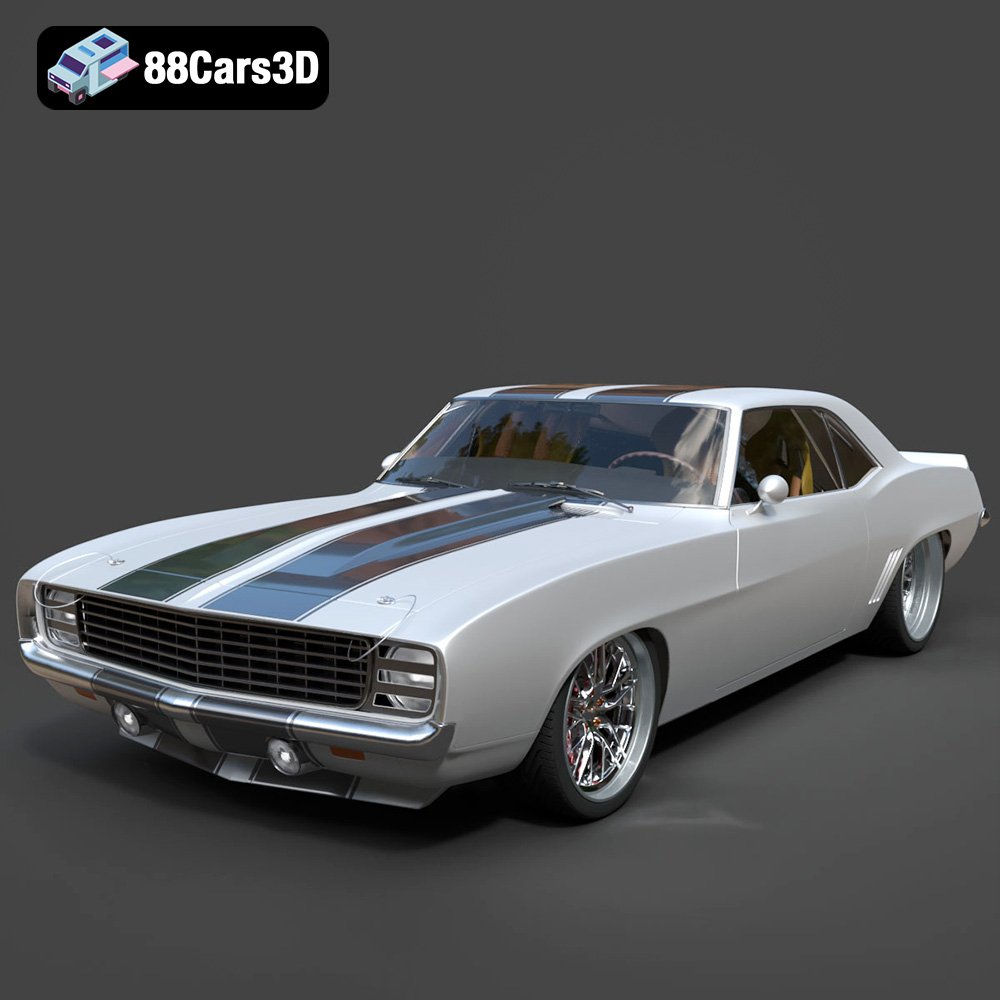
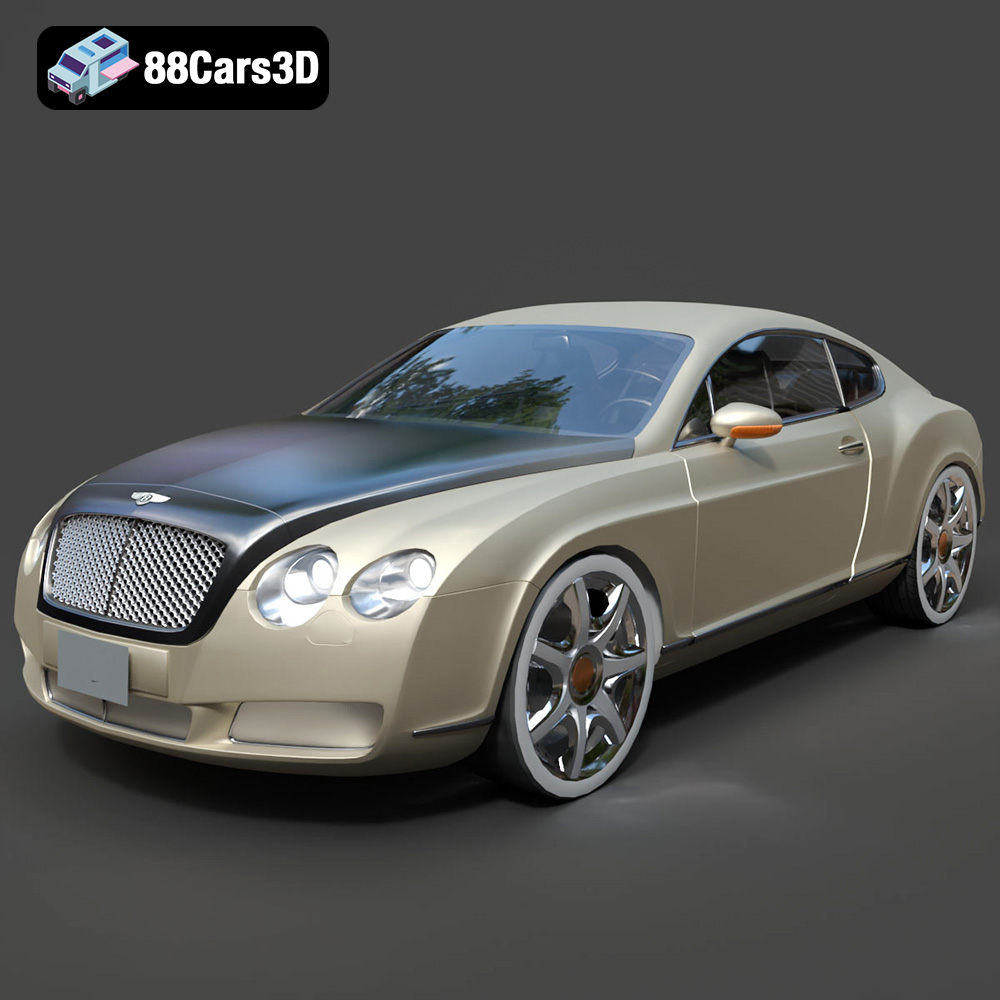
The Evolution of Automotive 3D Modeling: From Low Poly to Ultra-Realistic Assets
The journey of capturing the essence of an automobile in a digital space is a testament to the relentless march of technological innovation. From the blocky, pixelated representations of early video games to the breathtakingly photorealistic CGI car renders seen in today’s advertising and film, automotive 3D modeling has undergone a profound transformation. This evolution hasn’t just been about aesthetics; it reflects advancements in computational power, rendering techniques, and specialized software that continue to redefine what’s possible in virtual vehicle creation.
This comprehensive guide will navigate the fascinating history of car 3D model development, exploring the pivotal moments, techniques, and tools that have shaped its trajectory. We’ll delve into the foundational principles of low poly car modeling, trace its progression through increasingly detailed iterations, and arrive at the apex of hyper-realism with ultra-realistic 3D car assets. Whether you’re a budding 3D artist, a game developer, an automotive designer, or simply a enthusiast, understanding this evolution is key to appreciating the complexity and artistry behind every digital vehicle.
The Dawn of Digital Wheels: Low Poly Foundations
In the nascent stages of 3D graphics, computational resources were scarce, and polygon counts were a precious commodity. The primary goal was simply to represent an object in three dimensions, prioritizing performance over visual fidelity. This era laid the groundwork for what we now understand as low poly car modeling.
Early Gaming and Visualization: Constraints and Creativity
The 1990s witnessed the birth of 3D gaming, and with it, the necessity of creating digital vehicles that could run smoothly on limited hardware. Early racing games like Sega’s Virtua Racing (1992) and the original Gran Turismo (1997) showcased groundbreaking, albeit geometrically simple, vehicle 3D model assets. Artists meticulously crafted shapes using the fewest possible polygons, resulting in angular, almost abstract representations of cars. Details like headlights, grilles, and wheel arches were often suggested by texture maps rather than explicit geometry.
The Role of Optimization: Why Low Poly Was Essential
The philosophy of polygon count optimization was not merely a stylistic choice; it was a technical imperative. Each polygon added to a model required processing power from the CPU and rendering time from the nascent graphics cards. For real-time applications like video games, keeping polygon counts low was crucial for maintaining playable frame rates. This forced artists to become masters of economy, distilling the essence of a car into its most fundamental forms. Techniques included using shared vertices, minimizing overlapping geometry, and strategically placing edges to convey form with efficiency.
Key Software and Approaches: The Basic Building Blocks
Early 3D software, while primitive by today’s standards, provided the fundamental tools: vertex manipulation, edge extrusion, and face creation. Artists often started with simple primitives (cubes, cylinders) and gradually sculpted them into car shapes. Wireframe views were the primary way to inspect geometry, ensuring clean topology and efficient polygon distribution. Texture mapping was rudimentary, often involving simple color fills or basic bitmap images applied to large faces to convey surface detail without adding geometry.
The Polygon Push: Towards Greater Detail
As technology advanced, so did the ambition of 3D artists. The late 90s and early 2000s marked a significant transition, with increasing hardware capabilities allowing for more complex geometries and the introduction of sophisticated modeling techniques.
Hardware Advancements Drive Progress: GPUs and CPU Power
The advent of dedicated Graphics Processing Units (GPUs) revolutionized the rendering landscape. Suddenly, PCs and consoles could handle significantly more polygons and process more complex lighting calculations in real time. This leap in computational power directly fueled the demand for more detailed 3D asset creation, moving beyond the stark limitations of pure low-poly.
Subdivision Modeling and NURBS Introduction: Shaping the Future
Two groundbreaking techniques emerged to bridge the gap between low poly and high fidelity:
- Subdivision Surface Modeling: Popularized in software like Maya and 3ds Max, this technique allowed artists to create a relatively low-polygon base mesh and then apply a modifier that smoothly subdivides its surfaces. The result was a high-resolution, smooth mesh derived from a simpler, editable cage. This became a cornerstone for creating organic and complex shapes, including car bodies, with precise control.
- NURBS Modeling (Non-uniform Rational B-splines): Originating from CAD software, NURBS offered a mathematical approach to curve and surface generation. Unlike polygon meshes, NURBS surfaces are defined by control points and weights, allowing for perfectly smooth, resolution-independent forms. This was particularly attractive for automotive design visualization, where precision and flawless curvature are paramount.
Texturing and Shading Basics: Adding Surface Information
Beyond geometry, improved texturing capabilities played a vital role. Artists could now apply multiple texture maps to a single model. This included diffuse maps (color), basic specular maps (reflectivity), and alpha maps (transparency for windows or grilles). Shaders became more sophisticated, allowing for rudimentary reflections and environmental mapping, making surfaces appear more metallic or glassy. This era saw a dramatic increase in the visual realism of game development 3D cars on platforms like PlayStation 2 and Xbox.
The Realism Revolution: High Poly and Beyond
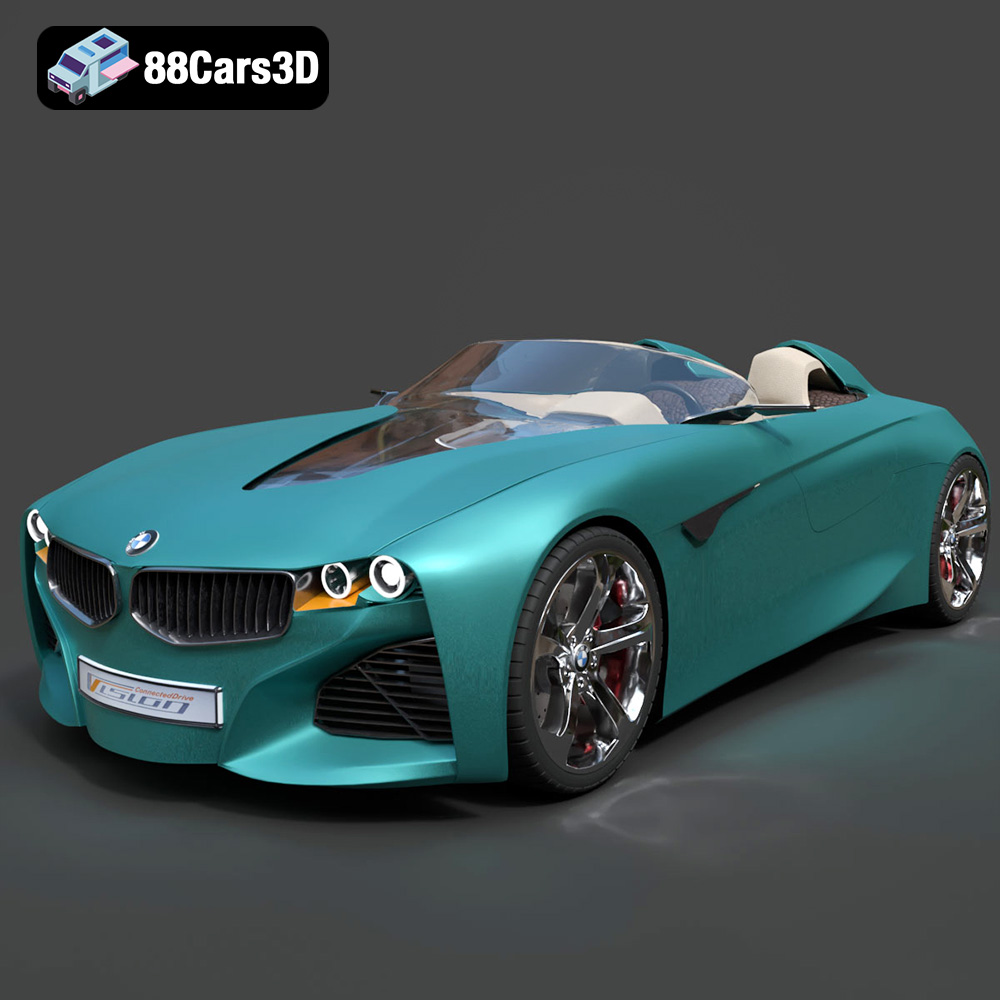
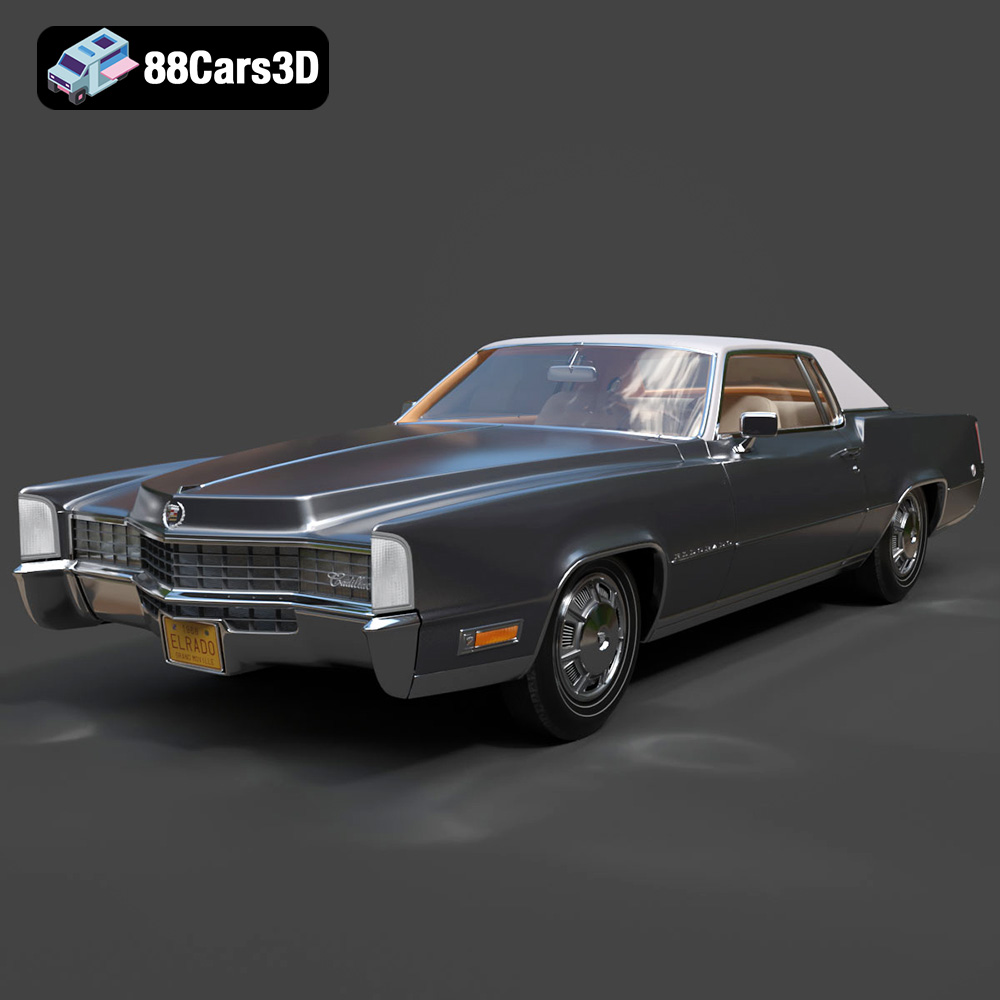
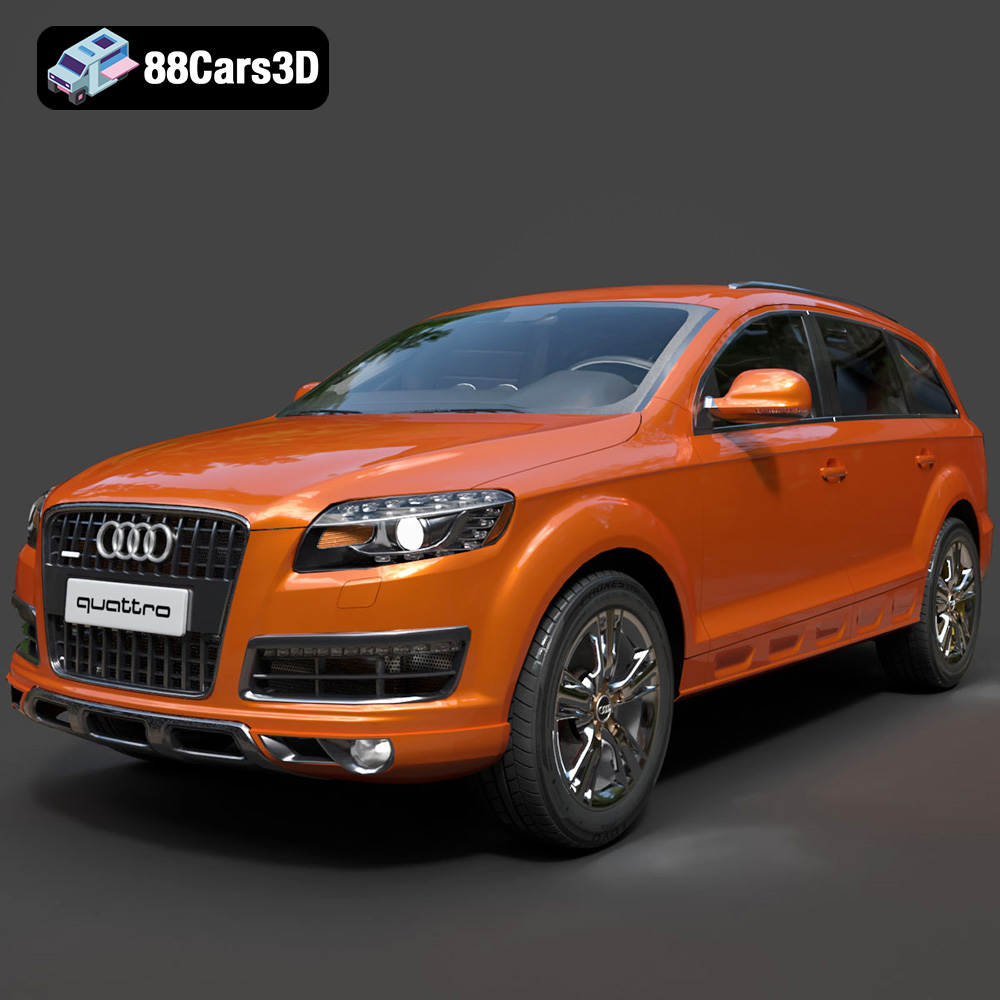
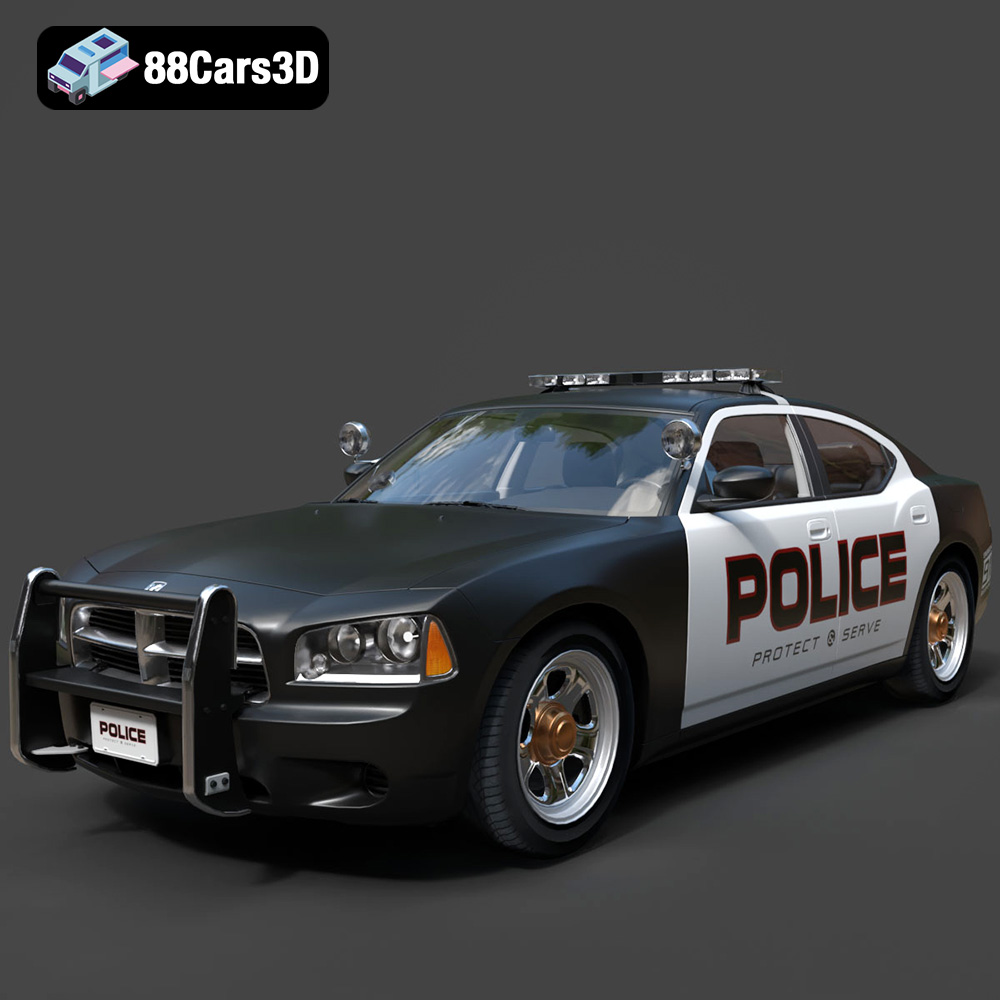
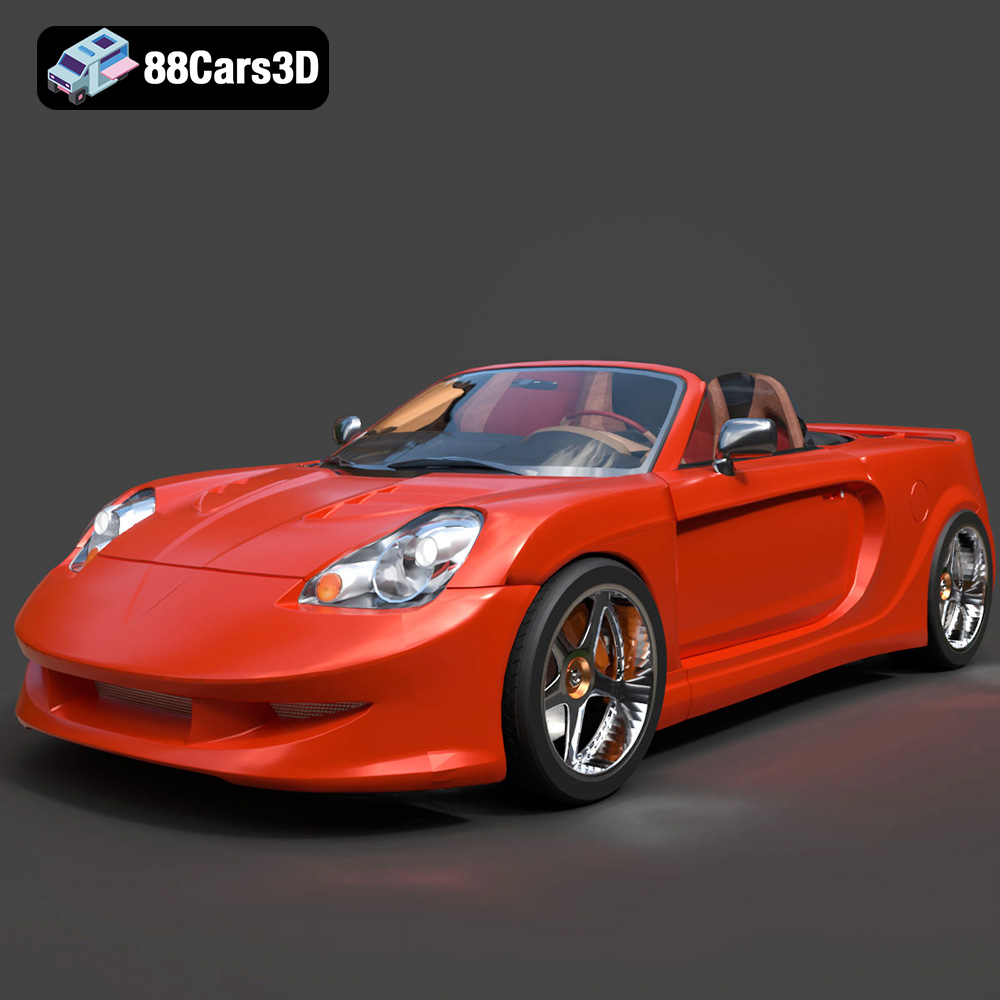
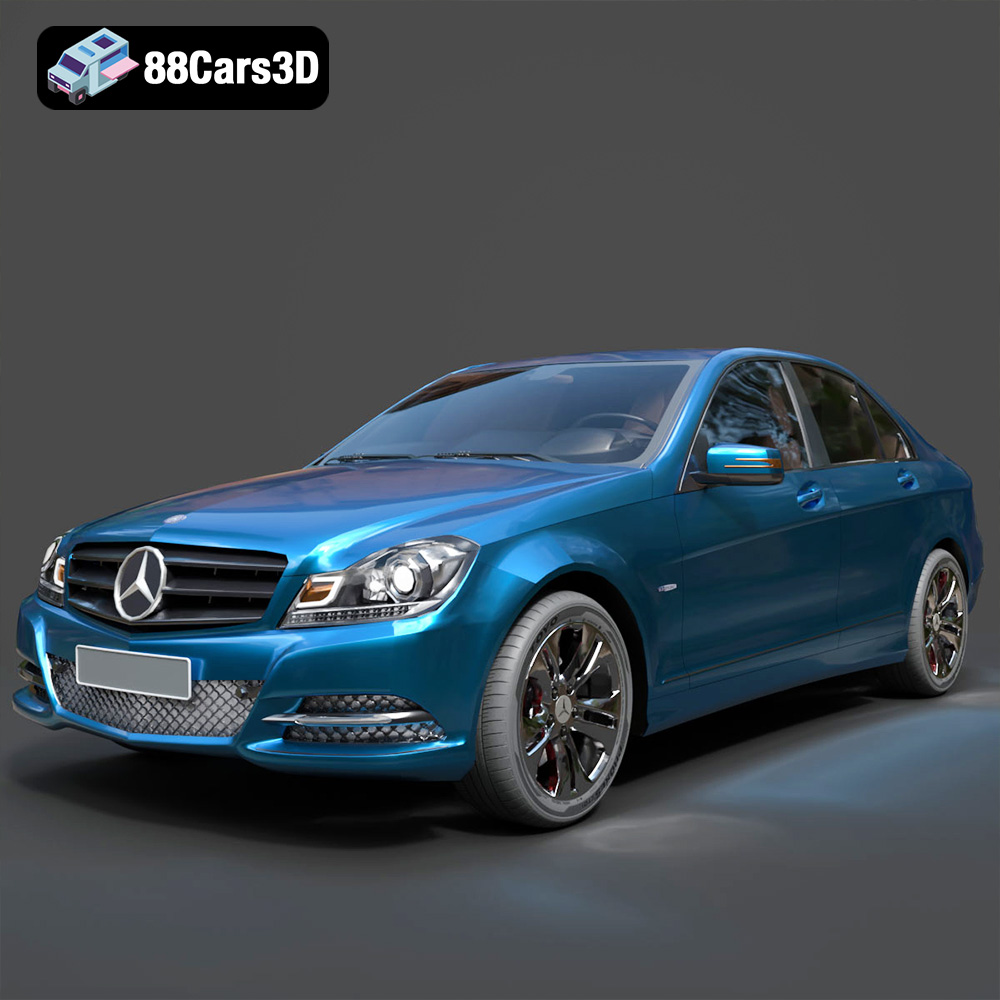
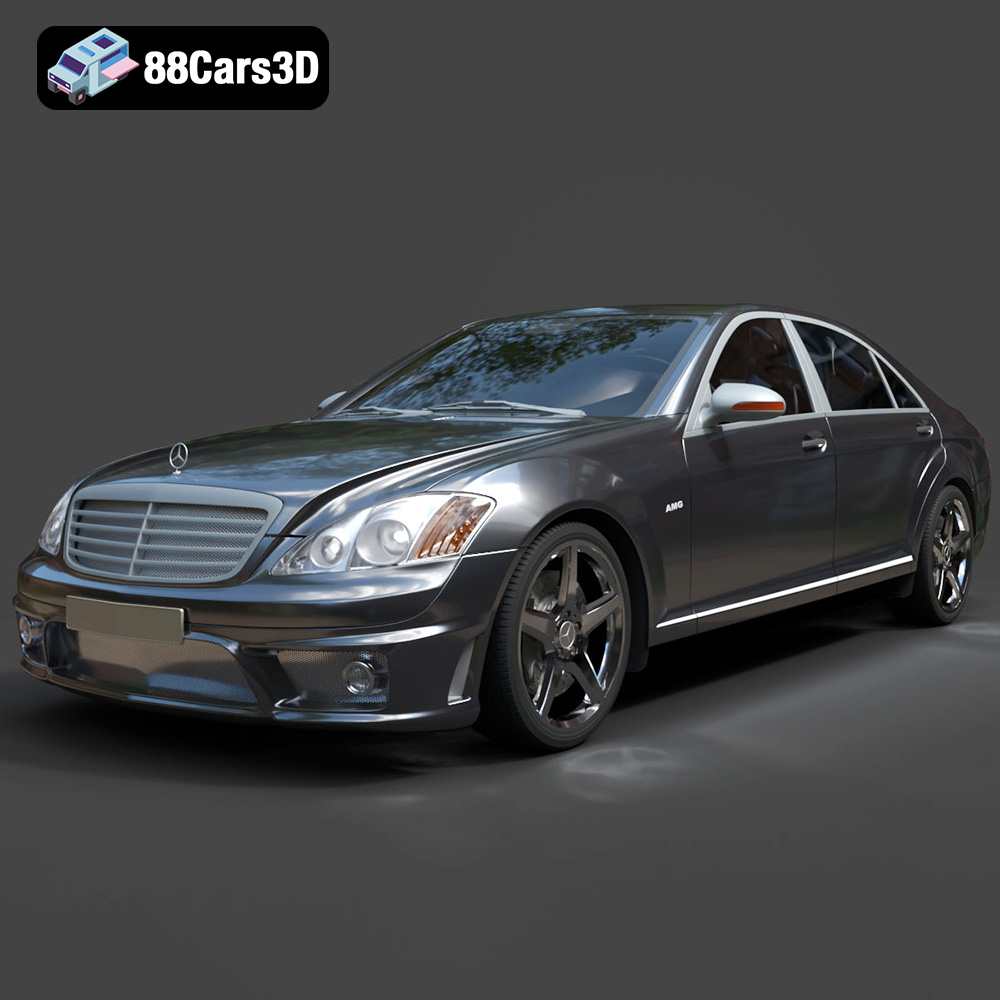
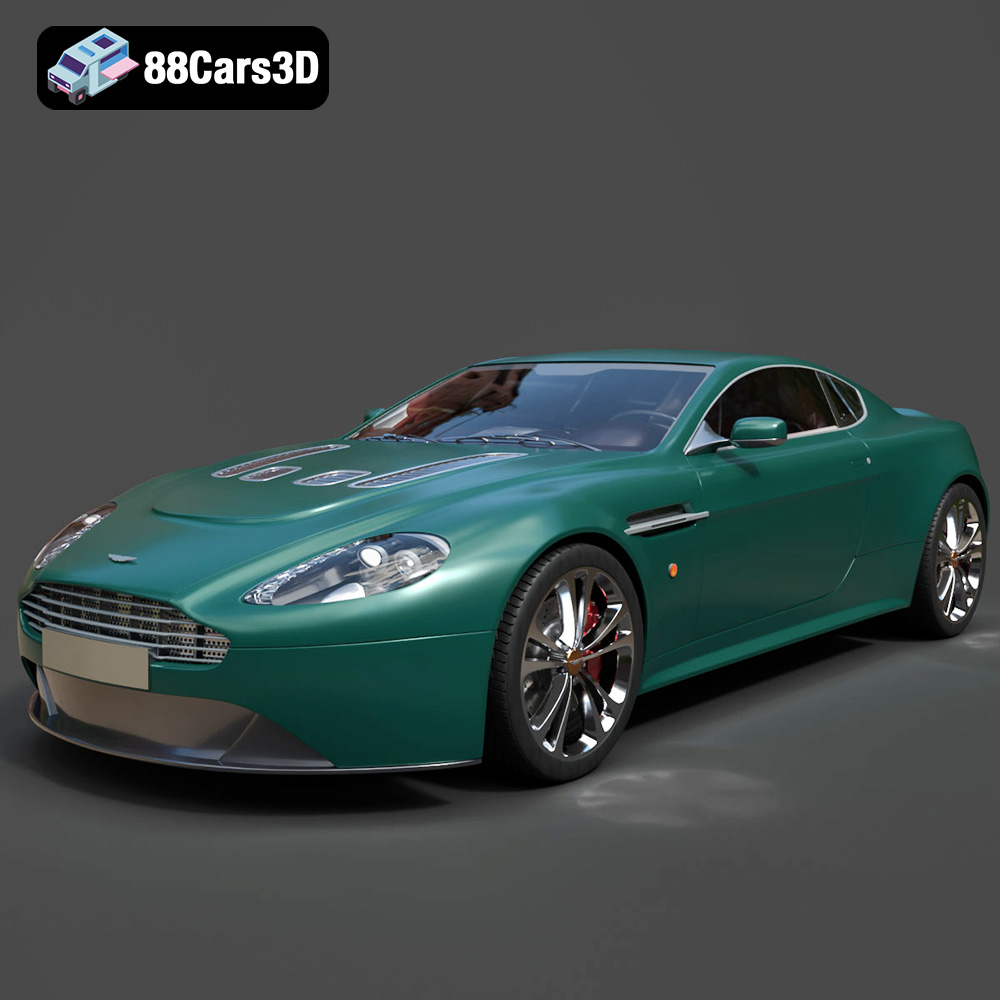
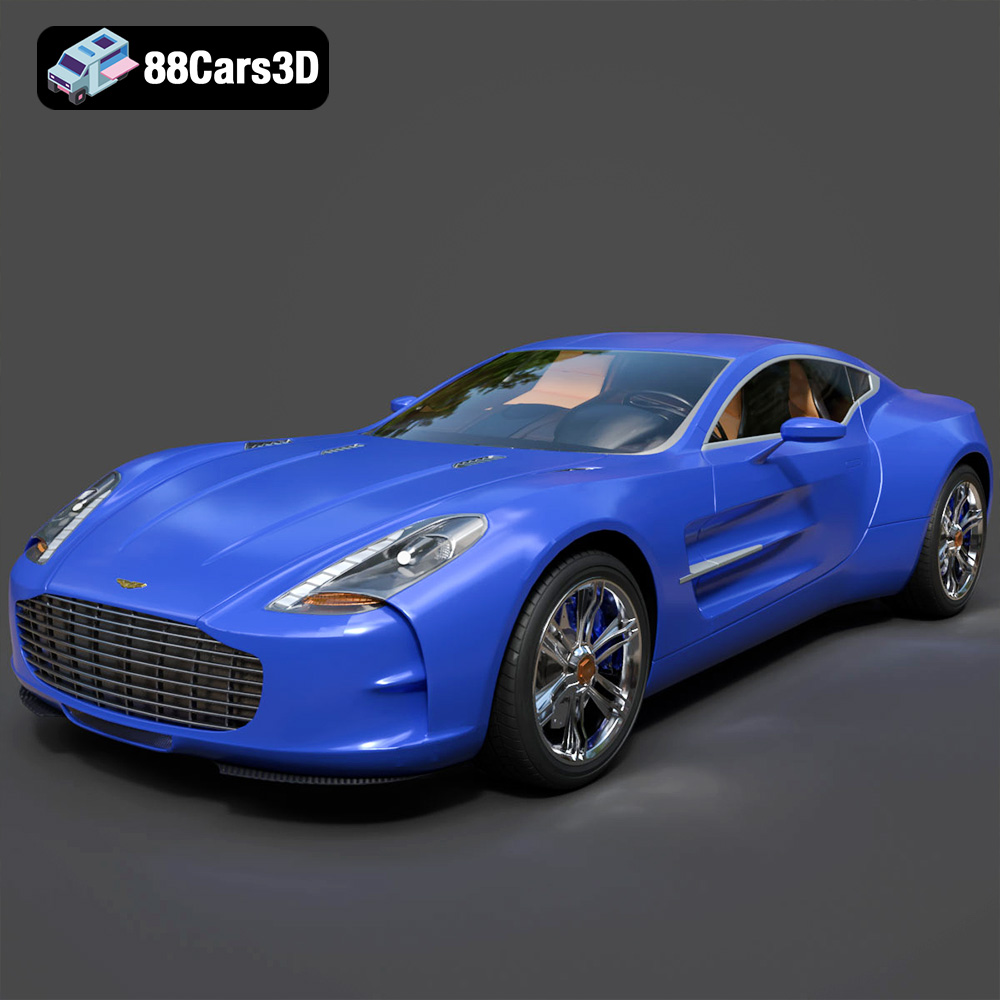
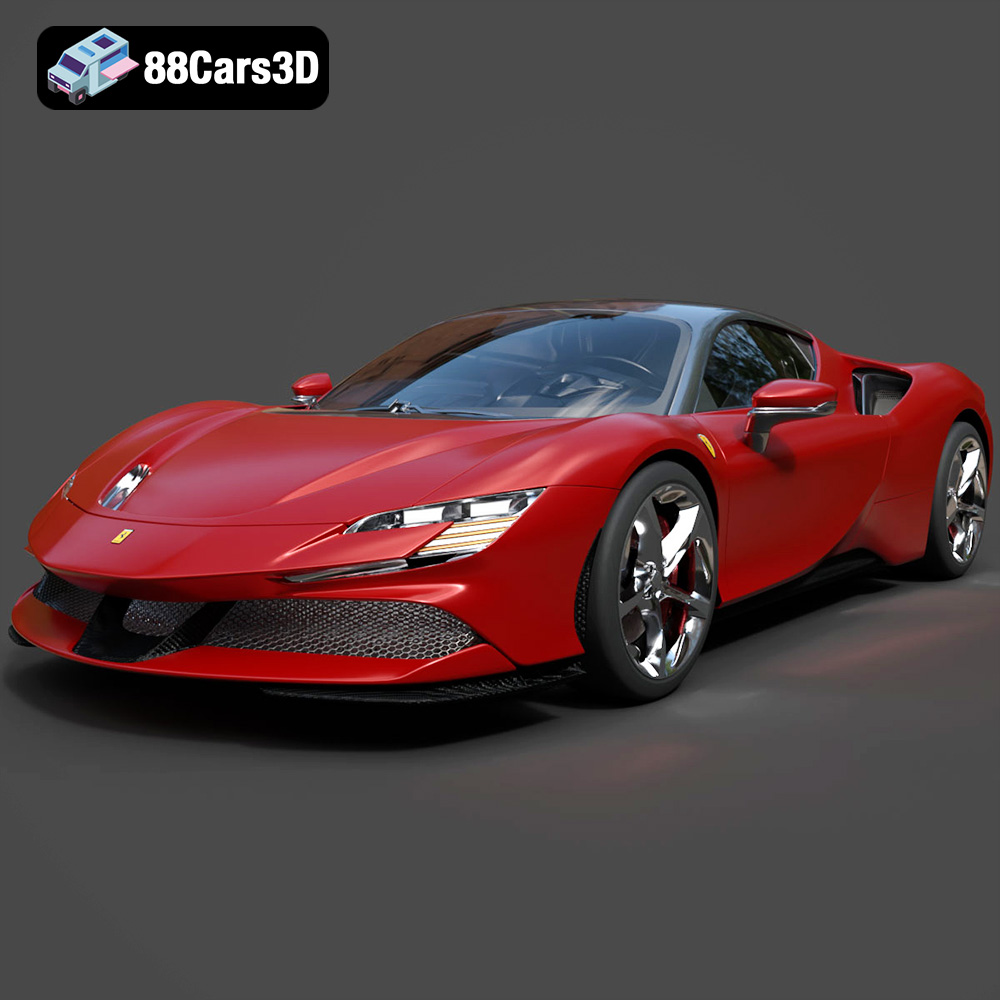
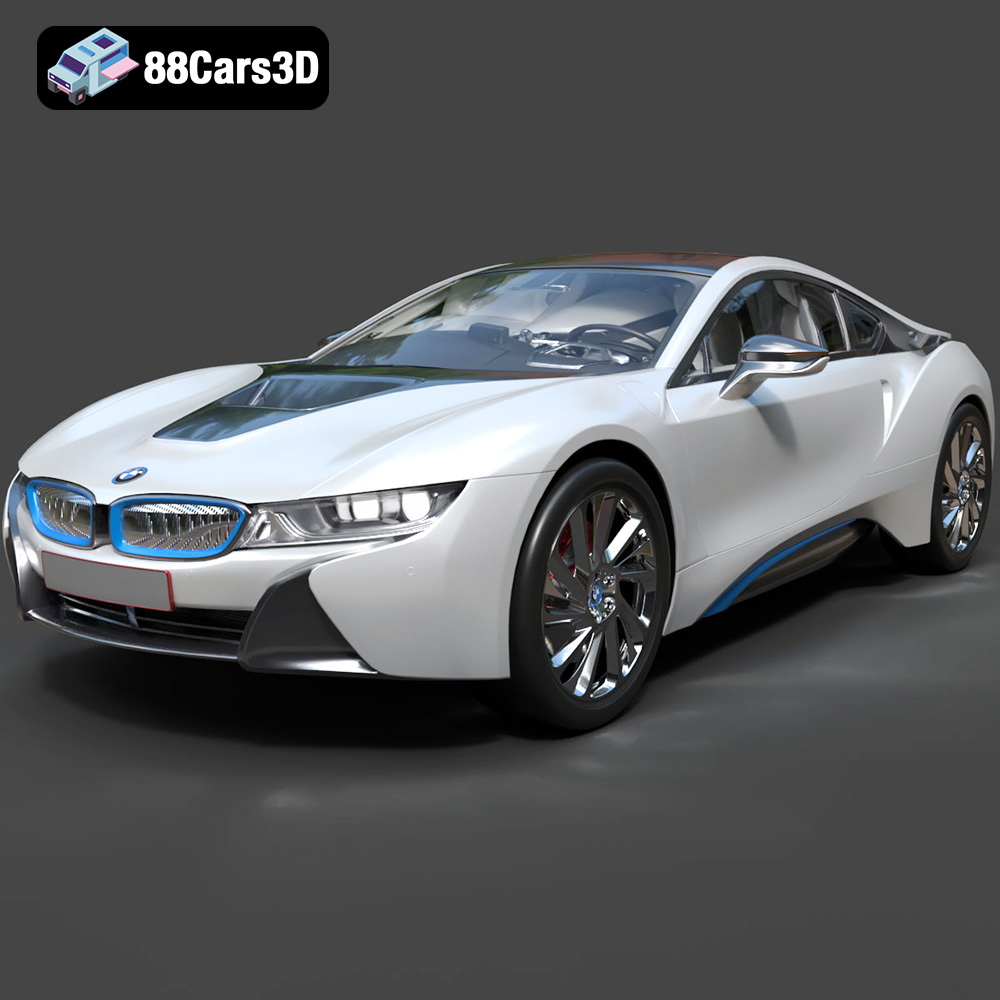
Today, the quest for photorealism in automotive 3D modeling knows few bounds. Modern techniques and software ecosystems can create digital vehicles virtually indistinguishable from their physical counterparts.
The Era of Photorealism: Render Engines and Global Illumination
The driving force behind modern photorealism is the sophistication of offline and real-time render engines. Technologies like global illumination (GI) simulate how light bounces off surfaces, creating soft shadows, color bleeding, and realistic ambient lighting. Ray tracing and path tracing algorithms, once exclusive to offline rendering, are now being implemented in real-time engines, pushing visual fidelity to unprecedented levels for CGI car rendering.
Advanced Modeling Techniques: Precision and Detail
Contemporary high-poly modeling combines various methodologies to achieve extreme detail:
- CAD Data Integration: For professional automotive applications, starting with engineering-grade CAD data (e.g., from SolidWorks, CATIA, Rhino) is standard. This data, often in NURBS format, provides impeccable accuracy. Artists then convert and optimize this data for various uses, a process often referred to as CAD to 3D model workflow.
- Scan Data Retopology: High-resolution 3D scanning cars provides an incredibly accurate starting point. However, raw scan data is often messy and needs to be cleaned and retopologized into clean, animation-friendly quad meshes for game or VFX use.
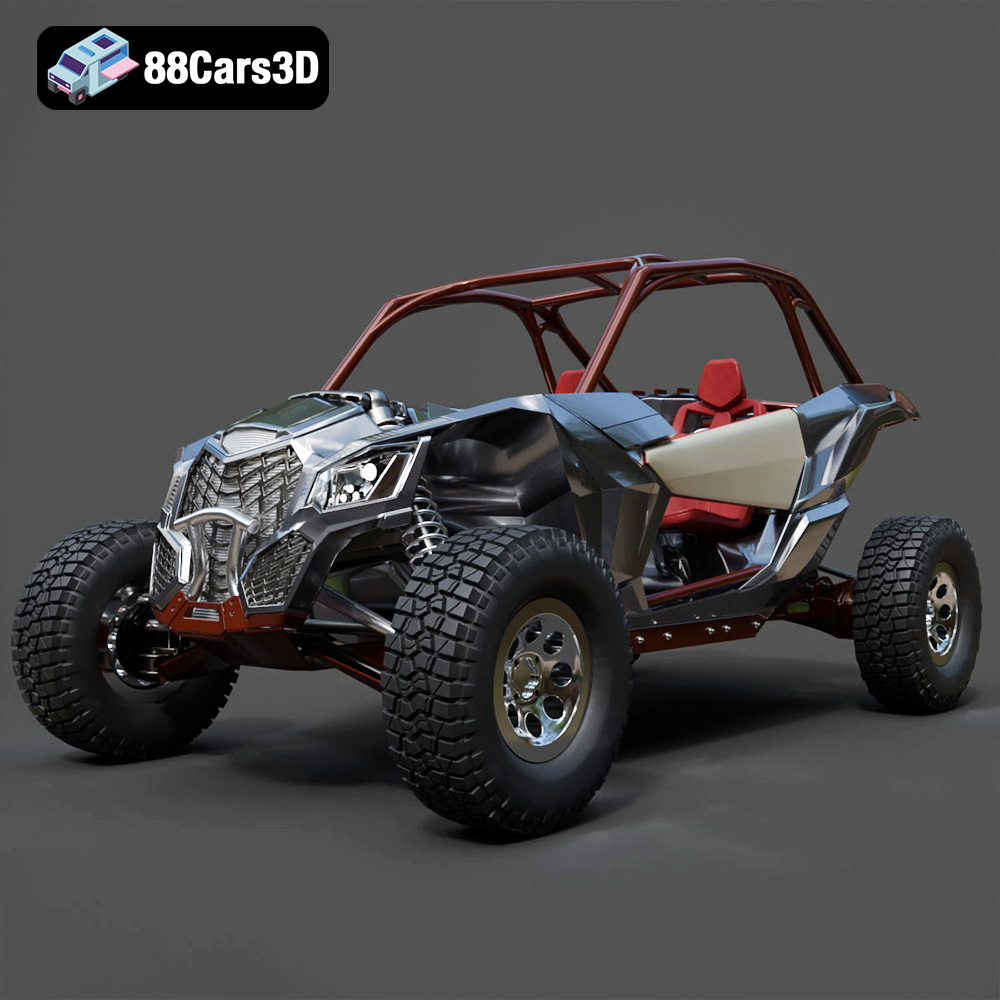
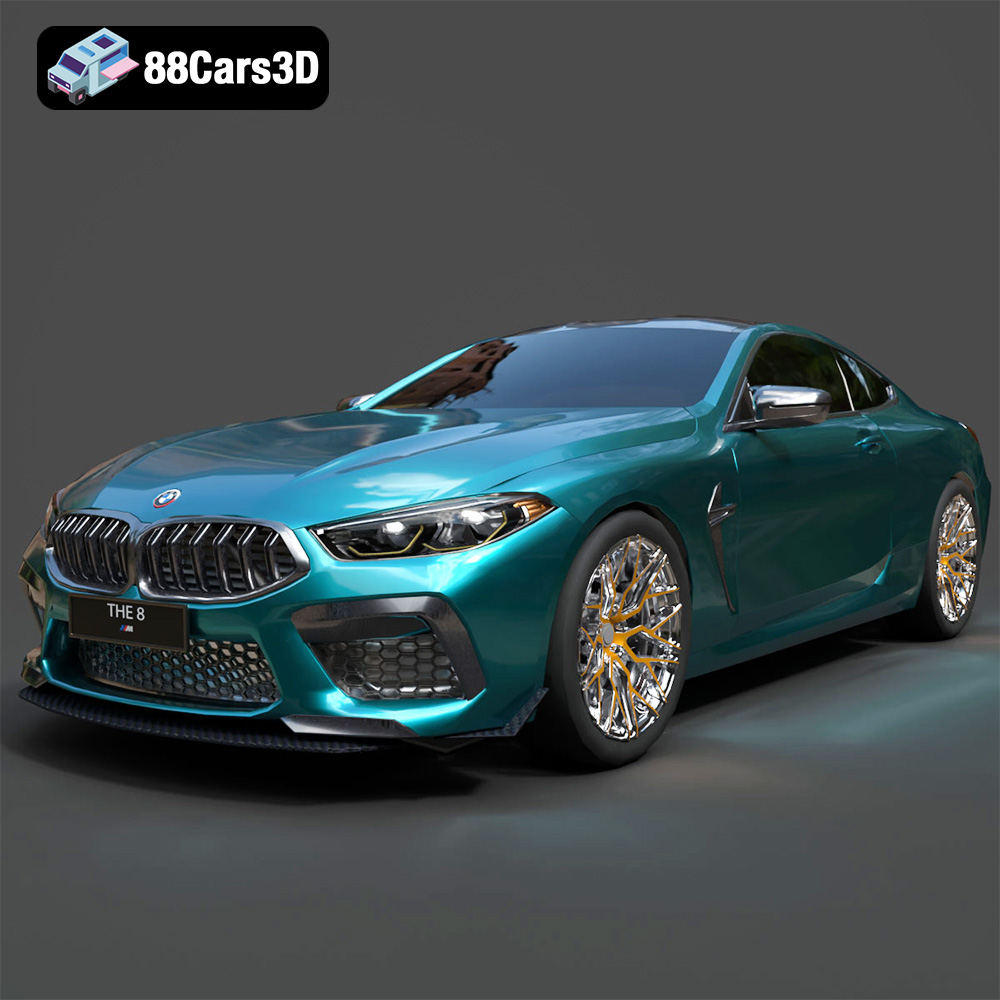
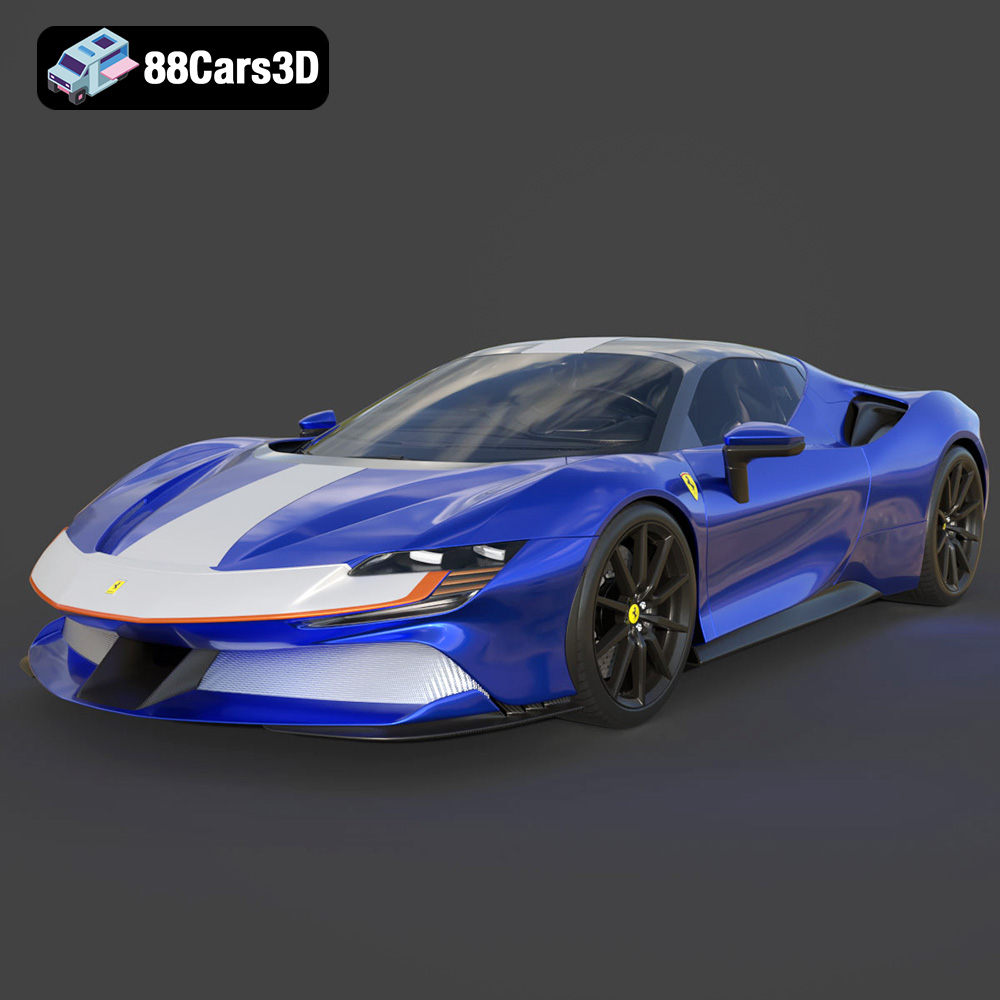
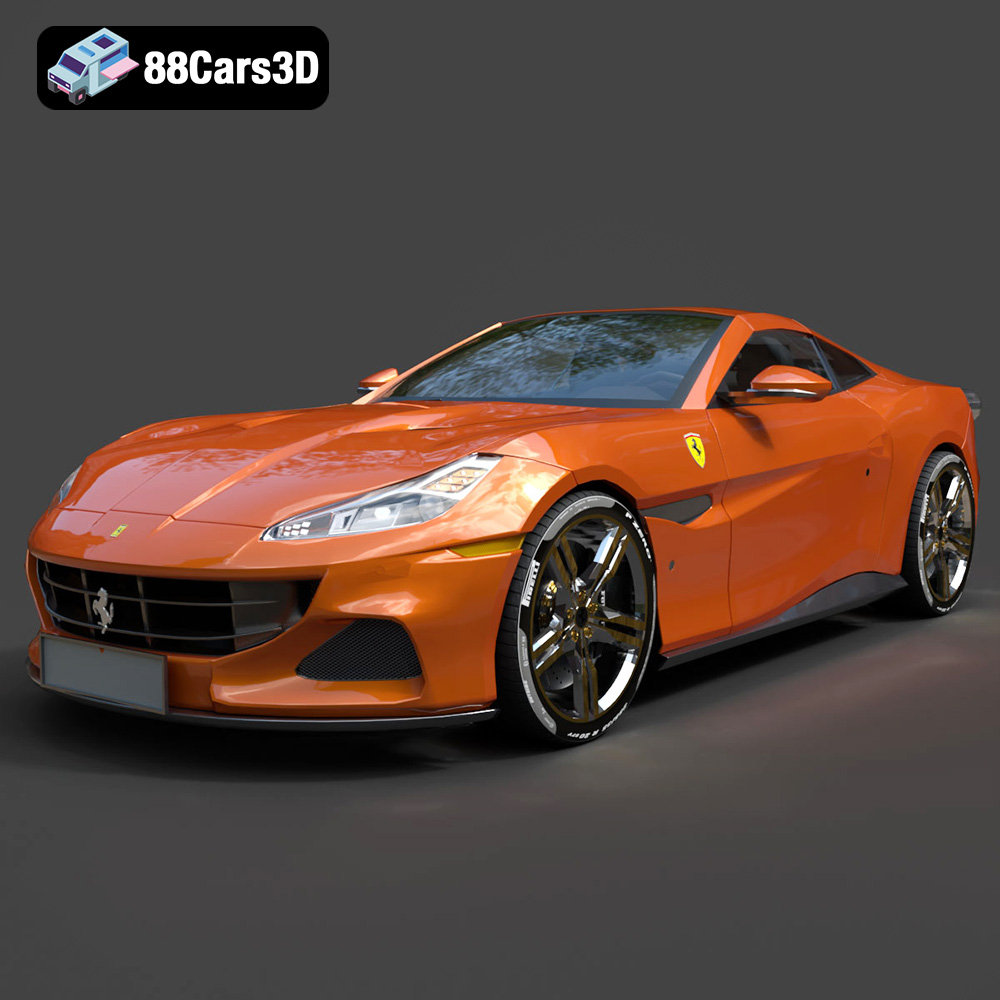
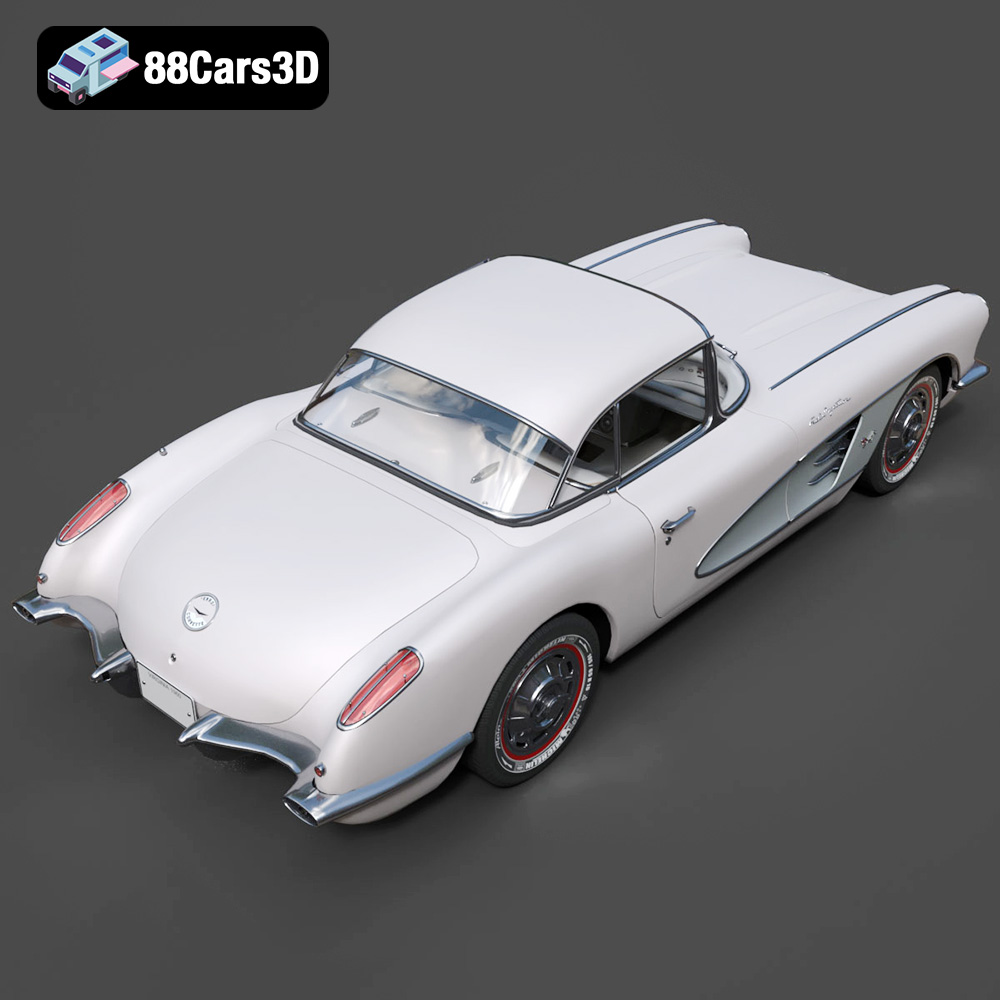
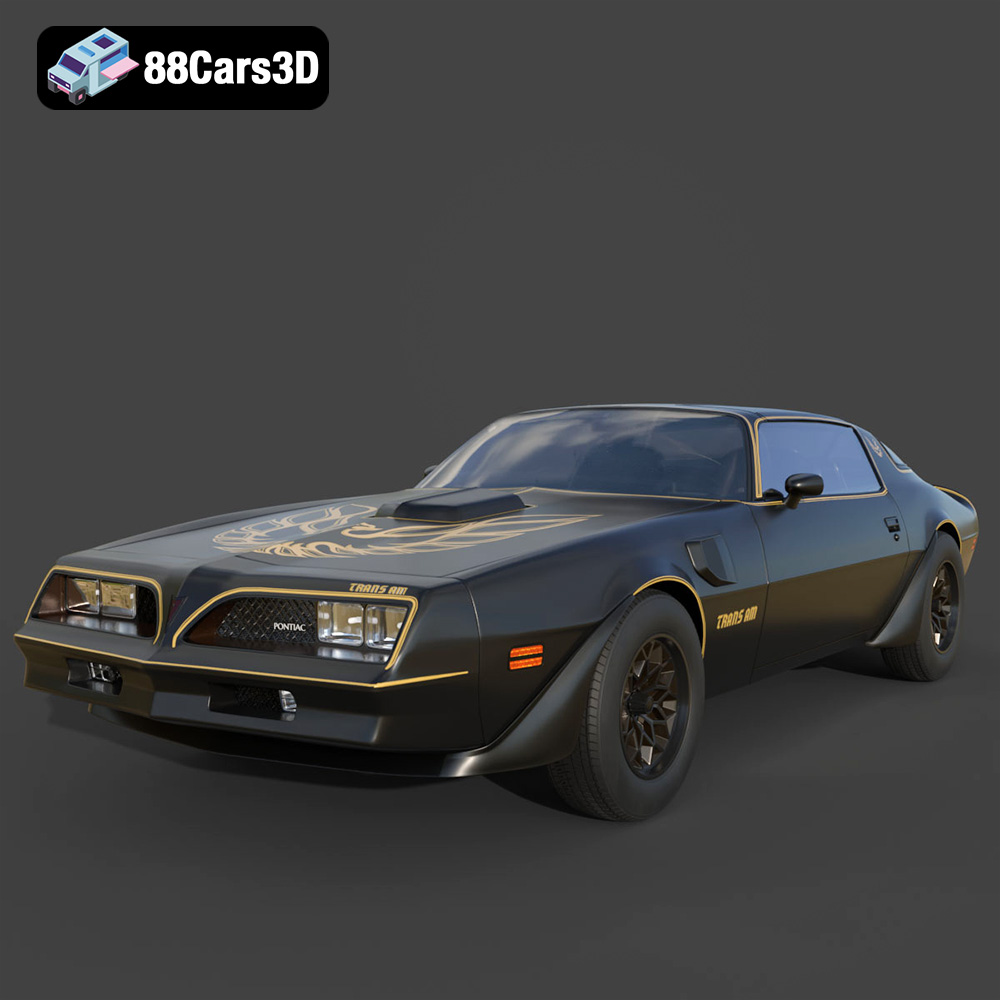
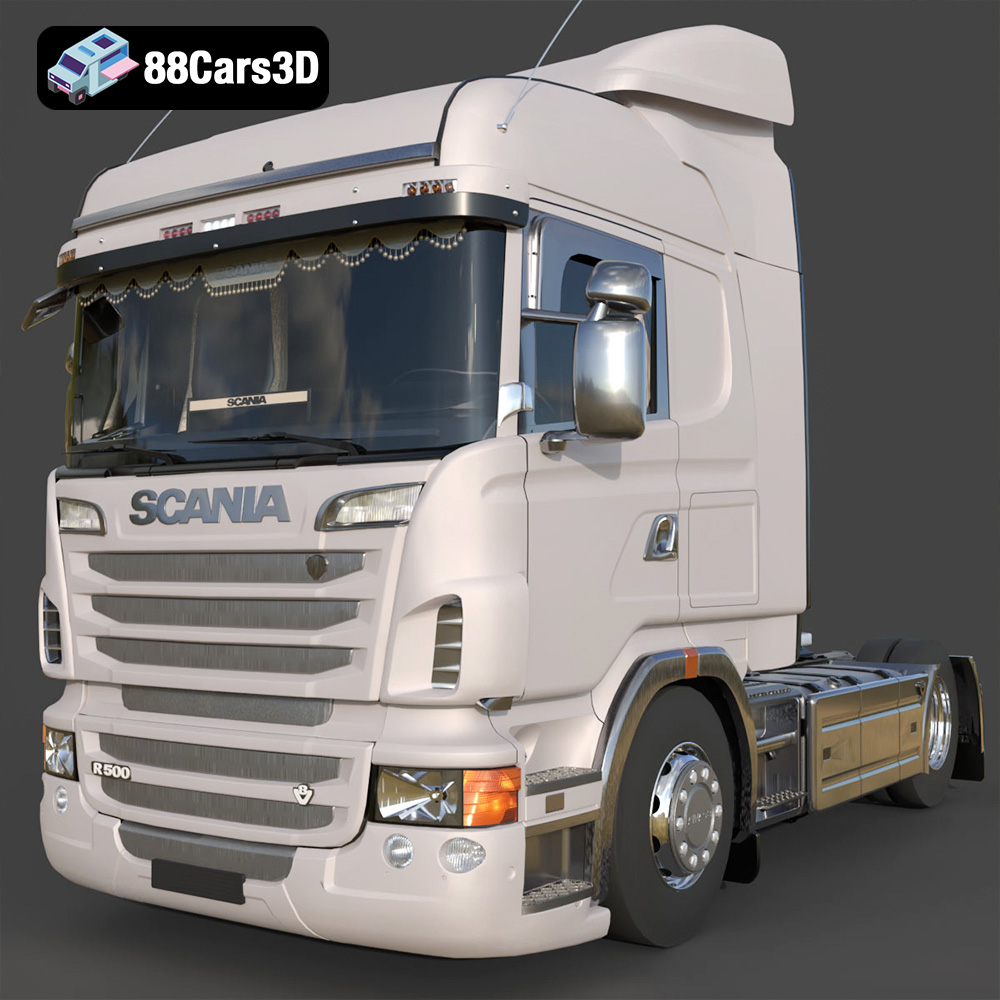
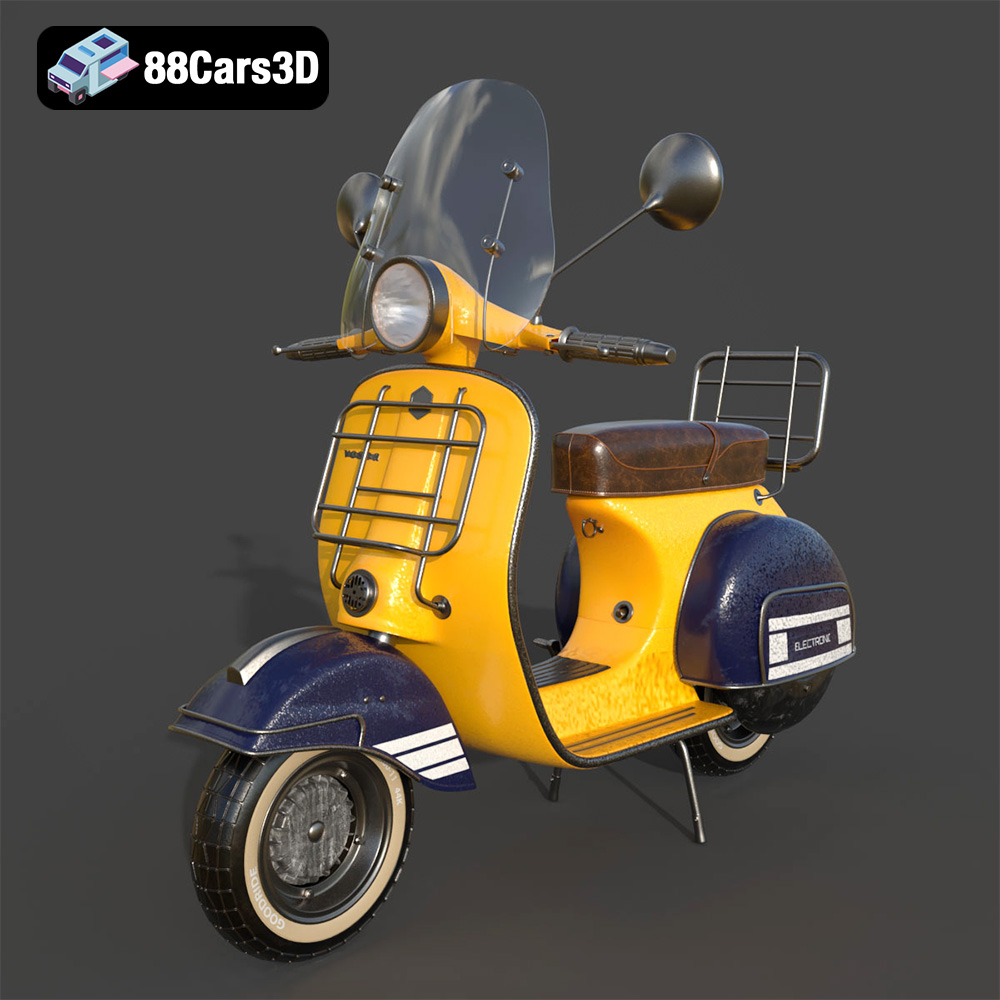
- Precise Detailing: Micro-details like panel gaps, intricate grille patterns, and interior stitching are meticulously modeled, sometimes with millions of polygons per asset. Dedicated sculpting software like ZBrush is often used for organic details, while traditional polygonal modeling handles hard surfaces.
Material PBR and Advanced Texturing: The Science of Surfaces
Physically Based Rendering (PBR) materials are the cornerstone of modern realism. PBR shaders simulate how light interacts with real-world surfaces based on physical properties, resulting in predictable and consistent rendering across different lighting conditions. Key PBR texture maps include:
- Albedo/Base Color: The primary color of the surface.
- Metallic: Defines if a material is metallic or dielectric.
- Roughness/Glossiness: Controls the microscopic surface irregularities, affecting how light scatters (e.g., matte vs. shiny).
- Normal Map: Simulates high-resolution surface detail (bumps, scratches) without adding geometry.
- Ambient Occlusion (AO): Fakes shadowing in crevices and corners.
Software like Substance Painter has become indispensable for creating these intricate material definitions, allowing artists to layer complex paint finishes, wear, and tear.
Lighting, Shading, and Rendering Mastery: The Final Polish
Achieving an ultra-realistic 3D car render is as much about lighting and shading as it is about modeling. High Dynamic Range Images (HDRIs) are frequently used to provide realistic environmental lighting and reflections. Advanced rendering techniques, whether in offline renderers like V-Ray and Octane or real-time engines like Unreal Engine and Unity, meticulously simulate light transport, reflections, refractions, and atmospheric effects to produce stunning, cinematic results.
Specialized Applications and Industry Demands
The demand for high-quality automotive 3D modeling spans numerous industries, each with unique requirements and technical constraints.
Game Development: LODs and Performance vs. Visual Fidelity
Game development 3D cars require a delicate balance between visual quality and real-time performance. This is typically achieved through Level of Detail (LOD) systems, where multiple versions of the same car model exist—a high-poly version for close-ups, and progressively lower-poly versions for distant views. Modern engines like Unreal Engine and Unity employ advanced optimization techniques, efficient instancing, and sophisticated shaders to push visual boundaries while maintaining playable frame rates. The rise of virtual reality cars also introduces specific performance challenges.
Automotive Design and Engineering: CAD, Prototyping, and VR
In the actual automotive industry, 3D models are fundamental. Designers use NURBS-based CAD software (e.g., Dassault Systèmes CATIA, Siemens NX) for concept development, engineering, and digital prototyping. These models are crucial for aerodynamic simulations, crash tests, and manufacturing. Furthermore, digital twin automotive concepts leverage highly accurate 3D models for predictive maintenance, factory optimization, and virtual commissioning. VR applications allow designers to “sit” inside a virtual car and evaluate ergonomics and aesthetics long before physical prototypes are built.
Marketing and Advertising: Studio Renders and Animations
For marketing, CGI car rendering has become a cornerstone. Automakers frequently use 3D models for high-impact advertisements, brochures, and online configurators (automotive configurator). These renders often feature studio-quality lighting, dynamic camera movements, and pristine environments, showcasing the vehicle in its best light without the expense of physical photography shoots or elaborate real-world setups. Photorealistic animations bring these models to life, highlighting design features and driving dynamics.
Film and VFX: Unrestricted Polygon Counts and Hyper-realism
In film and visual effects (VFX), the constraints on polygon count and detail are often minimal. VFX car models are built to withstand intense scrutiny, often appearing in close-up shots or even being destroyed digitally. This environment allows artists to push geometry and texture detail to the extreme, sometimes incorporating procedural damage, advanced fluid simulations, and cinematic lighting to achieve truly seamless integration with live-action footage.
Key Technologies and Workflow Advancements
The journey from low poly to ultra-realistic automotive models has been powered by a robust ecosystem of software and evolving workflows.
Software Ecosystem: The Digital Toolbox
A diverse array of software drives modern automotive 3D modeling:
- Modeling: Autodesk Maya, 3ds Max, Blender (for polygonal and subdivision modeling), Rhinoceros 3D, SolidWorks, CATIA (for NURBS and CAD-accurate modeling).
- Sculpting: ZBrush, Blender’s sculpting tools for organic details or surface imperfections.
- Texturing: Adobe Substance Painter, Substance Designer (for creating PBR materials), Quixel Mixer.
- Rendering: V-Ray, Octane Render, Redshift (offline renderers), Unreal Engine, Unity (real-time engines).
- Data Preparation: Pixyz Studio (for CAD data optimization), Geomagic Wrap (for scan data processing).
The integration between these tools is crucial, with seamless import/export capabilities enabling complex pipelines.
Real-time Engines: The New Frontier of Visualization
Game engines like Unreal Engine automotive and Unity have transcended their gaming roots to become powerful visualization platforms. With advancements in real-time ray tracing, advanced material systems, and cinematic tools, they enable interactive, photorealistic experiences. NVIDIA Omniverse is also emerging as a collaborative platform for industrial 3D workflows, facilitating digital twin creation and real-time simulation.
Data Acquisition: Capturing Reality
Modern workflows frequently start by capturing real-world data. 3D scanning cars using laser scanners or structured light provides incredibly accurate geometry. Photogrammetry, using multiple photographs, can also generate detailed 3D models, especially for environmental context or complex textures. These methods provide a strong foundation for creating highly accurate digital replicas.
Workflow Integration: From Design to Delivery
A typical high-end workflow might involve: CAD design > CAD optimization for real-time/rendering > polygonal retopology > UV unwrapping > PBR texturing > rigging (for animation) > lighting & rendering in a chosen engine. This complex pipeline requires a blend of technical expertise and artistic sensibility.
Low Poly vs. High Poly: A Practical Comparison and Decision Guide
The choice between a low poly car model and a high poly car model is not about superiority, but suitability. Each serves distinct purposes based on project requirements. Understanding their differences is crucial for effective 3D asset creation.
| Feature | Low Poly Car Model | High Poly Car Model (Ultra-Realistic) |
|---|---|---|
| Polygon Count | Hundreds to tens of thousands | Hundreds of thousands to tens of millions (or infinite with NURBS) |
| Detail Level | Suggested by textures; abstract shapes; minimal geometric detail | Precise geometric detail; accurate curves, panel gaps, intricate components |
| Performance | Excellent; ideal for real-time applications (games, mobile, VR) | Demanding; requires powerful hardware for real-time; ideal for offline renders |
| Texture Complexity | Simpler diffuse maps, basic normals | Complex PBR material stacks (Albedo, Normal, Roughness, Metallic, AO, etc.) |
| Modeling Time | Generally faster for basic shapes | Significantly longer due to intricate detailing and precision |
| Target Use Cases | Mobile games, older console games, early VR, background assets, stylized projects, rapid prototyping | AAA games (LOD0), film VFX, automotive marketing CGI, design visualization, virtual showrooms, digital twins | File Size | Smaller, easier to distribute and load | Much larger, heavier on system resources |
Decision Framework: Choosing the Right Approach
When embarking on an automotive 3D modeling project, consider these questions:
- What is the final application? (e.g., A mobile game, an immersive VR experience, a cinematic commercial, an engineering simulation)
- What are the technical constraints? (e.g., Target frame rate, platform memory limits, rendering budget)
- How close will the viewer get to the model? (e.g., Distant traffic in a game, a hero vehicle in a close-up shot)
- What is the desired aesthetic? (e.g., Stylized, realistic, hyper-realistic)
- What is the budget and timeline? (High-poly models are typically more time-consuming and expensive to produce)
For maximum flexibility, especially in game development, a pipeline that allows for generating multiple LODs from a high-poly master asset is often the most efficient.
The Road Ahead: Future Trends in Automotive 3D Modeling
The evolution is far from over. Several exciting trends are poised to shape the future of automotive 3D modeling.
AI and Procedural Generation: Automating Creation
Artificial intelligence is beginning to play a role in automating asset creation. AI-powered tools could assist with retopology, generating textures, or even suggesting design variations. Procedural generation can create detailed environments and variations of vehicles rapidly, speeding up production workflows.
Real-time Ray Tracing and Path Tracing: Unparalleled Fidelity
As graphics hardware continues to advance, real-time ray tracing and path tracing will become standard, offering unparalleled lighting realism without the need for baked lighting or complex approximations. This will further blur the lines between real-time and offline rendering, enabling even more immersive virtual reality cars and interactive experiences.
Metaverse and Digital Twins: New Applications and Demands
The burgeoning metaverse presents new frontiers for highly detailed and performant vehicle 3D model assets. Simultaneously, the expansion of digital twin automotive initiatives will demand increasingly accurate and functional 3D models for entire production lines, cityscapes, and beyond, driving innovation in data integration and simulation.
Advanced Material Simulation: Beyond PBR
While PBR is excellent, research into even more physically accurate material simulations (e.g., simulating paint flakes, complex layered materials, advanced subsurface scattering) will continue to push visual boundaries, making virtual cars even more tactile and believable.
Conclusion
The journey of automotive 3D modeling from rudimentary low-polygon shapes to today’s hyper-realistic digital masterpieces is a testament to human ingenuity and technological progress. This evolution has democratized access to high-fidelity visualization, transforming industries from gaming and film to design and engineering. Understanding the techniques, tools, and underlying principles, from the efficiency of low poly car assets to the intricate beauty of ultra-realistic 3D car models, is essential for anyone engaged with digital content creation.
As hardware continues to accelerate and software becomes more intelligent, the future promises even more seamless workflows, breathtaking realism, and innovative applications for car 3D model assets. The digital garage is always expanding, and the road ahead is filled with endless possibilities.
Ready to Bring Your Automotive Vision to Life? Contact Us Today!
Explore Our Automotive 3D Modeling Services
Recommended undefined Models