

In the exhilarating world of 3D visualization, rendering automotive models isn’t just about creating an image; it’s about breathing life into a digital sculpture, capturing the essence of speed, luxury, and meticulous design. For professionals in automotive design, game development, architectural visualization, or even AR/VR experiences, the quality of a rendered 3D car model can make or break a project. Achieving photorealism demands a deep understanding of rendering settings, material properties, lighting techniques, and post-processing workflows. This comprehensive guide will meticulously break down the best rendering settings and practices to elevate your automotive visualizations from good to breathtaking, ensuring every curve, reflection, and material gleams with unparalleled realism.
Whether you’re showcasing the latest concept car, creating immersive game assets, or generating stunning promotional imagery, mastering these techniques is paramount. We’ll explore everything from fundamental topology considerations to advanced shader networks and multi-pass compositing, providing actionable insights that can be applied across various 3D software and render engines. The goal is to equip you with the knowledge to consistently produce visuals that not only impress but also accurately represent the exquisite detail found in high-quality 3D car models available on platforms like 88cars3d.com.
Foundation: High-Quality 3D Car Models and Topology
Before diving into the intricacies of rendering, it’s crucial to acknowledge that even the most sophisticated rendering settings cannot salvage a poorly constructed 3D model. The foundation of any stunning automotive visualization lies in the quality of the 3D car model itself. This encompasses clean geometry, efficient topology, and precise UV mapping. Sourcing models from reputable marketplaces such as 88cars3d.com ensures you start with an advantage, as their products typically feature industry-standard construction ready for high-end rendering or optimized for game development and AR/VR applications.
Clean Topology and Edge Flow for Reflections and Deformations
Topology refers to the arrangement of polygons and edges on your 3D model. For automotive visualization, clean topology is not merely an aesthetic preference; it’s a technical necessity. Car bodies are characterized by smooth, flowing surfaces that capture and reflect light in highly specific ways. Irregular or stretched polygons (ngons or triangles in critical areas) will inevitably lead to shading artifacts, visible seams, and unrealistic reflections, especially when illuminated by studio lights or high-dynamic-range imagery (HDRI). A well-executed edge flow, where edges follow the natural contours and creases of the vehicle, is essential for two primary reasons:
- Perfect Reflections: Smooth, evenly distributed quads (four-sided polygons) ensure that reflections across the car’s paintwork appear seamless and undistorted. This is particularly critical for metallic and glossy surfaces where light plays a significant role in defining form.
- Controlled Deformations: If your automotive model is intended for animation, such as opening doors or rotating wheels, clean edge loops around movable parts will facilitate smooth, predictable deformations without unsightly pinching or tearing of the mesh. High-quality 3D car models prioritize maintaining these crucial geometric attributes. Generally, models should aim for a polygon count that balances detail with performance, often ranging from 100,000 to 500,000 polygons for exterior views, and significantly more for detailed interiors.
UV Mapping Strategies for Complex Car Surfaces
UV mapping is the process of unwrapping a 3D mesh into a 2D space, allowing 2D textures to be applied accurately to the model. For the complex, curved surfaces of an automobile, an effective UV mapping strategy is critical for preventing texture distortion and ensuring realistic material application. Poor UVs can lead to stretched textures, visible seams, and difficulties in painting or baking details.
- Seam Placement: Strategically placing seams in less visible areas, such as along sharp edges, under trim, or hidden parts of the chassis, helps maintain visual continuity. For instance, car body panels often benefit from seams that follow the natural panel lines, minimizing their impact on the final render.
- Texel Density: Maintaining a consistent texel density across all UV islands is vital. This means that textures appear equally sharp or detailed regardless of the surface area they cover. For high-resolution renders, aim for texel densities that allow for 4K or even 8K texture maps (e.g., 1024×1024 pixels per square meter) for critical parts like the car body, with lower resolutions (e.g., 2K or 1K) for less prominent components like the undercarriage or interior elements that won’t be seen up close.
- Multiple UV Sets: For advanced realism, utilizing multiple UV sets can be beneficial. One set might be optimized for tiling textures (like a generic metallic base), while another is used for unique details, decals, or dirt maps, providing greater control and flexibility in your PBR material creation.
Mastering PBR Materials for Automotive Finishes
Physical Based Rendering (PBR) materials are the cornerstone of modern photorealistic rendering. They simulate how light interacts with surfaces in a physically accurate way, leading to incredibly convincing results. For automotive visualization, achieving realistic car paint, glass, and tire materials requires a nuanced understanding of various PBR channels.
Car Paint Shaders: Base Color, Metallic, Roughness, Clear Coat
Car paint is one of the most challenging yet rewarding materials to reproduce in 3D. It’s not a single material but a complex layered system. A typical car paint shader in a PBR workflow will involve several key components:
- Base Color (Albedo): This map defines the fundamental color of the paint, devoid of any lighting information. For cars, this is usually a uniform color, but slight variations in hue and saturation can add subtle realism.
- Metallic: Car paint often has a metallic flake component. This parameter typically ranges from 0 (dielectric/non-metal) to 1 (full metal). For car paint, a value between 0.8 and 1.0 is common for the metallic base layer, which interacts with the clear coat.
- Roughness: This map controls the micro-surface detail, dictating how blurry or sharp reflections appear. A perfectly smooth, polished car paint would have a very low roughness value (close to 0), while a matte finish would have a higher value. Often, a subtle roughness map with minor imperfections adds to realism.
- Normal/Bump Map: While car paint is generally smooth, microscopic imperfections or subtle orange peel textures can be added using a normal or bump map to catch highlights and add realism.
- Clear Coat: This is perhaps the most critical component of a realistic car paint shader. Modern car paints consist of a colored base layer covered by a transparent, glossy clear coat. PBR shaders usually offer dedicated “Clearcoat” and “Clearcoat Roughness” parameters. The clearcoat value controls the intensity of this reflective layer, typically set close to 1.0 for a strong gloss. The clearcoat roughness dictates the sharpness of reflections on this top layer. A value near 0 will give a mirror-like finish, while increasing it will soften reflections, simulating slight dust or micro-scratches.
Many advanced car paint shaders also incorporate a “Flake” parameter, simulating the metallic flakes suspended within the paint, which sparkle and shift color depending on the viewing angle. This is often controlled by a noise texture and anisotropic shading to mimic the directional scattering of light.
Glass and Tire Materials: Specific Settings for Transparency, Refraction, and Rubber
Beyond the primary car body, other materials like glass and tires require specialized PBR setups to look convincing.
- Glass: Achieving realistic glass involves transparency, refraction, and subtle reflections.
- Transmission: Set to 1.0 to allow light to pass through.
- Roughness: Typically very low (close to 0) for clear glass, but can be increased for frosted or dirty glass.
- Index of Refraction (IOR): This is crucial. For standard glass, an IOR of around 1.45-1.55 is common. For car windows, a value of 1.52 is a good starting point. Ensure your render engine supports proper volumetric refraction.
- Tint and Absorption: Real car windows often have a slight tint. This can be achieved by adding a subtle color to the transmission, or by using a volumetric absorption shader if supported by the render engine, which simulates light being absorbed as it passes through the material.
- Imperfections: Subtle normal maps or roughness maps can simulate dust, fingerprints, or minor scratches, enhancing realism.
- Tires: Tire rubber is a non-metallic, dark, and often slightly rough material.
- Base Color: A dark grey or black, usually with subtle variations for dirt or wear.
- Roughness: Tires are generally not highly reflective, so a roughness value around 0.6-0.8 is typical. This can be varied with a texture map to show areas of wear (smoother, thus more reflective) versus tread (rougher, duller).
- Normal/Bump Map: Essential for defining the intricate tread patterns and sidewall details. These maps should be high resolution (e.g., 4K) to capture fine details without blurring.
- Displacement: For extreme close-ups or highly detailed renders, displacement maps can be used in conjunction with normal maps to add actual geometric detail to the tire tread, offering unparalleled realism at the cost of higher polygon counts and render times.
Each component of the car model, from brake calipers to interior upholstery, will require its own PBR material definition, leveraging appropriate texture resolutions (e.g., 2K for less prominent parts, 4K for interiors) to ensure a consistent level of detail and realism throughout the entire automotive rendering.
Lighting Setups: Illuminating Your Automotive Masterpiece
Lighting is arguably the most critical element in automotive rendering. It defines the car’s form, highlights its contours, and sets the mood. Achieving photorealistic results requires a thoughtful approach to both environmental and artificial light sources.
HDRI for Realistic Environments: Advantages and Setup
High Dynamic Range Image (HDRI) lighting is a game-changer for realistic automotive visualization. An HDRI is a panoramic image that captures the full range of light information from a real-world environment, from direct sunlight to subtle ambient occlusion in shadows. When used as an environment map in your 3D scene, it provides highly accurate and natural lighting, reflections, and even subtle color bounced light, instantly making your 3D car model feel grounded in its surroundings.
- Advantages:
- Photorealism: HDRI provides real-world lighting conditions, including soft shadows, subtle color casts, and complex reflections that are extremely difficult to replicate with traditional light sources alone.
- Speed: Compared to manually setting up dozens of lights, an HDRI can illuminate your entire scene with a single asset, significantly speeding up setup time.
- Consistency: The lighting and reflections are inherently consistent with a real-world environment, minimizing visual discrepancies.
- Setup Workflow:
- Choose the Right HDRI: Select an HDRI that matches the desired mood and environment for your automotive rendering. Is it a sunny day, an overcast studio, or a dramatic sunset?
- Load into Environment Shader: In most 3D software (e.g., Blender, 3ds Max, Maya), you’ll load the HDRI into your scene’s environment or world shader. In Blender’s Cycles engine, for example, you’d navigate to the Shader Editor, switch to World settings, and add an “Environment Texture” node, connecting its “Color” output to the “Background” node’s “Color” input, and the “Background” node’s “Color” output to the “World Output” node’s “Surface” input (referencing Blender 4.4 documentation on World Settings).
- Adjust Rotation and Strength: Rotate the HDRI to find the most flattering angle for your car’s reflections and shadows. Adjust the strength to control the overall brightness.
- Ground Plane and Shadow Catcher: Use a simple ground plane with a “shadow catcher” material to integrate the car into the scene and ensure realistic shadows are cast onto the environment.
Studio Lighting Techniques: Softboxes, Rim Lights, and Fill Lights
While HDRIs provide excellent environmental lighting, dedicated virtual studio lighting is often necessary for product shots, close-ups, and emphasizing specific design features. This involves using a combination of artificial lights.
- Key Light: The primary light source, typically a large area light (like a softbox) to create soft, flattering illumination and prominent highlights. Its position dictates the main direction of light and the primary reflections on the car body.
- Fill Lights: Softer, less intense lights used to lighten shadows created by the key light. These prevent overly harsh contrasts and ensure details in shaded areas remain visible.
- Rim Lights (Backlights): Placed behind and to the sides of the car, these lights create a bright edge around the vehicle, separating it from the background and emphasizing its silhouette. This is crucial for highlighting the car’s sculpted forms and giving it a premium feel.
- Reflectors: In 3D, these are often large, emissive planes with a slightly off-white material, strategically placed to bounce light into specific areas of the car, mimicking physical reflectors used in photography.
Experiment with different shapes and sizes of area lights. Large, rectangular area lights create soft, diffused light, ideal for illuminating broad surfaces, while narrower strips can create elegant highlights along body lines.
Blending Physical Lights with IBL: Achieving Dynamic and Compelling Illumination
The most compelling automotive renders often combine the best of both worlds: the natural realism of Image-Based Lighting (IBL) from HDRIs and the artistic control of physical lights. This hybrid approach allows for dynamic and compelling illumination that highlights the car’s design intent.
- Initial HDRI Setup: Begin with an HDRI to establish the overall ambient lighting, color tones, and initial reflections. This provides a realistic baseline.
- Refinement with Spot and Area Lights: Introduce targeted area lights and spot lights to accentuate specific features. For instance, a small area light might be positioned to create a sharp highlight along a fender line, or a spot light to illuminate the intricate details of a headlight assembly.
- Balancing Intensity and Color: Carefully adjust the intensity and color temperature of your physical lights to complement the HDRI. Cool lights often work well in studio environments, while warmer tones might be used to simulate sunlight or streetlights.
- Light Linking/Exclusion: Advanced render engines allow for light linking, where specific lights only illuminate or exclude certain objects. This offers immense control, for example, allowing a rim light to affect only the car body and not the ground.
The key is to use physical lights judiciously to enhance the narrative and visual impact, rather than starting from scratch. Think like a photographer, carefully positioning each light to sculpt the car’s form and direct the viewer’s eye.
Choosing and Optimizing Your Render Engine
The choice of render engine significantly impacts both the visual quality and the efficiency of your automotive visualization workflow. Different engines excel in various areas, offering trade-offs between speed, realism, and feature sets. Understanding their core principles and optimization strategies is vital.
Ray Tracing vs. Rasterization: When to Use Which
Render engines generally fall into two broad categories: ray tracing and rasterization, each with distinct advantages for automotive rendering.
- Ray Tracing (e.g., Cycles, V-Ray, Corona, Arnold): Ray tracing simulates the path of light rays as they interact with objects in a scene. This method is renowned for its physical accuracy, producing incredibly realistic reflections, refractions, global illumination, and soft shadows.
- **Pros:** Unparalleled realism, especially for complex phenomena like caustics, glossy reflections, and indirect lighting. Ideal for high-fidelity marketing materials, product showcases, and cinematic renders.
- **Cons:** Computationally intensive, leading to longer render times. Requires powerful hardware, often GPUs, to achieve interactive speeds.
- **Use Cases:** Studio shots, high-resolution imagery, detailed animations, and any scenario where ultimate visual fidelity is the priority for your 3D car models.
- Rasterization (e.g., EEVEE, Unity’s HDRP, Unreal Engine): Rasterization converts 3D models into 2D images by projecting polygons onto the screen. While not physically accurate in the same way as ray tracing, modern rasterizers employ numerous techniques (like screen-space reflections, shadow maps, and global illumination probes) to achieve highly convincing real-time results.
- **Pros:** Extremely fast, capable of real-time rendering and interactive experiences. Perfect for game assets, AR/VR, and quick previews.
- **Cons:** Can be less physically accurate, especially for complex light bounces and reflections. Visual quality can be more dependent on artistic approximations and specialized techniques.
- **Use Cases:** Interactive configurators, virtual showrooms, game development, real-time presentations, and any application where performance and interactivity are key, even when working with detailed 3D car models.
Often, a hybrid approach is employed: rasterization for interactive development and previews, with a final ray-traced render for marketing assets.
Sampling and Denoisers: Balancing Quality and Render Time
In ray-traced render engines, sampling is the process of casting light rays into the scene to gather light information. More samples generally lead to a cleaner, less noisy image, but at the cost of increased render time. Denoisers are post-processing algorithms that intelligently remove noise from renders, allowing you to use fewer samples and significantly reduce render times without a substantial loss in quality.
- Sampling Strategies:
- Render Samples: This is the primary control for overall image quality. For still images, values from 500 to 2000 are common, depending on the scene’s complexity and desired output. For animations, lower values (e.g., 128-256 per frame) can be used in conjunction with temporal denoisers.
- Adaptive Sampling: Many modern renderers feature adaptive sampling, which intelligently focuses samples on noisy areas, improving efficiency.
- Light Path Settings: Controls how many times light rays can bounce (e.g., diffuse bounces, glossy bounces, transmission bounces). For automotive paint and glass, higher glossy and transmission bounces are crucial for realism.
- Denoisers:
- AI-Based Denoisers: Tools like NVIDIA OptiX (for NVIDIA GPUs), Intel Open Image Denoise (CPU-based), or Blender’s built-in denoiser (referencing Blender 4.4 documentation on Reducing Noise in Cycles) are invaluable. They analyze image features like normals, albedo, and depth to reconstruct a clean image from noisy input.
- Workflow: Render your image with a moderate number of samples, then apply a denoiser during or after rendering. This can cut render times by orders of magnitude while preserving fine details.
Experimentation is key to finding the optimal balance for your specific scene and hardware. A good starting point is often to increase samples until major noise is eliminated, then rely on a denoiser to clean up the remaining subtle grain.
Blender’s Cycles and EEVEE Specifics
Blender, a powerful open-source 3D creation suite, offers two primary render engines, each with its own optimization pathways:
- Cycles: Blender’s physically-based path tracer.
- **Sampling:** Within the Render Properties panel, under the “Sampling” tab, you’ll find settings for “Render” and “Viewport” samples. For final renders, set the “Render” samples to a higher value (e.g., 1024-2048). Utilize “Adaptive Sampling” to automatically adjust sample counts based on noise levels, saving render time.
- **Light Paths:** In the “Light Paths” section, increasing “Glossy” and “Transmission” bounces (e.g., 8-12 each) is essential for car paint and glass realism. Setting “Max Bounces” to a reasonable number (e.g., 12-16) ensures thorough light calculation without excessive computation.
- **Performance:** Under the “Performance” tab, enable “Persistent Data” for animations to keep static scene data in memory between frames. For GPU rendering, ensure your “Device” is set to “GPU Compute” in Blender’s Preferences > System settings and select your compatible GPU (referencing Blender 4.4 documentation on GPU Rendering).
- **Denoiser:** Cycles includes integrated denoising options in the Render Properties. The “OpenImageDenoise” option is excellent for quality, while OptiX is faster for NVIDIA RTX cards. Enable “Denoising Data” in the “View Layer Properties” under “Passes” to access individual denoising passes for compositing.
- EEVEE: Blender’s real-time render engine.
- **Sampling:** EEVEE uses screen-space techniques and approximations. Under “Render Properties” > “Sampling”, the “Render Samples” value primarily affects the quality of effects like Ambient Occlusion and Screen Space Reflections, not direct light rays like in Cycles. Higher values (e.g., 128-256) improve detail for these effects.
- **Screen Space Reflections (SSR):** Essential for realistic car paint. Enable SSR under “Render Properties” > “Screen Space Reflections” and tweak “Roughness” and “Refraction” settings.
- **Global Illumination (GI):** Use “Irradiance Volumes” and “Reflection Probes” (found under “Add > Light Probe” in the 3D viewport) to bake approximate global illumination and reflections into your scene. This dramatically enhances realism in real-time.
- **Shadows:** In “Render Properties” > “Shadows,” increase “Cube Size” and “Cascade Size” for better shadow resolution, and enable “High Bitdepth” for smoother shadow transitions.
- **Performance:** For optimal performance, minimize complex shader nodes where possible and ensure geometry is appropriately subdivided for real-time display. EEVEE is geared towards speed, so fine-tuning these settings is about balancing visual fidelity with interactive framerates.
Advanced Rendering Techniques and Optimization
Achieving truly exceptional automotive renders often goes beyond basic settings. Advanced techniques and careful optimization can add a layer of realism and impact that captivates the viewer. These methods leverage the full potential of your 3D software and render engine to create visually rich and believable scenes.
Depth of Field and Motion Blur: Adding Realism and Dynamism
These two cinematic effects are powerful tools for guiding the viewer’s eye and conveying a sense of movement or scale.
- Depth of Field (DoF): DoF simulates the optical effect of a real camera lens, where objects at a certain distance are in sharp focus, while objects closer or further away appear blurred. For automotive renders, a subtle DoF can:
- Direct Focus: Draw the viewer’s attention directly to the car or a specific detail on it, making it stand out from the background.
- Enhance Scale: Give the impression of a larger, more realistic scene, especially in environmental shots.
- **Implementation:** In your camera settings (e.g., in Blender’s Camera Properties > Depth of Field, referencing Blender 4.4 documentation on EEVEE Depth of Field), specify a focus object (the car) or a focus distance. Adjust the F-Stop value – lower F-stops (e.g., f/2.8) create shallower DoF (more blur), while higher F-stops (e.g., f/11) yield deeper DoF (less blur). Be careful not to overdo it, as excessive blur can make the render look miniature or artificial.
- Motion Blur: Motion blur simulates the streaking of objects that are in motion relative to the camera during the exposure time. It’s indispensable for creating dynamic automotive animations.
- Convey Speed: Adds a powerful sense of speed and dynamism to rotating wheels or moving vehicles.
- Smooth Animation: Helps to smooth out any slight judder or aliasing that might occur in fast-moving animated elements.
- **Implementation:** Most render engines have a motion blur setting in the render properties (e.g., Blender 4.4 documentation on EEVEE Motion Blur). Key parameters include:
- **Shutter Speed/Time:** Controls the length of the blur. A higher value (e.g., 0.5-0.8 for a fast car) will create a more pronounced streak.
- **Steps/Samples:** Determines the quality of the blur. More steps result in smoother, more accurate blur at the cost of render time.
- Per-Object vs. Global: Some engines allow per-object motion blur, which is useful for isolated moving parts without blurring the entire scene unnecessarily.
Both DoF and motion blur should be used subtly and purposefully to enhance realism without distracting from the main subject.
Render Passes and AOV’s: For Powerful Post-Processing
Render passes, also known as Arbitrary Output Variables (AOV’s), are separate image layers generated during rendering that contain specific types of information. Instead of a single final image, you get multiple layers (e.g., diffuse, reflections, shadows, depth, normals) that can be individually manipulated and composited in post-production. This offers unparalleled flexibility and control over the final look of your automotive renders.
- Key Passes for Automotive Renders:
- Diffuse/Albedo: The pure color information of surfaces.
- Glossy Direct/Indirect: Separates direct and bounced reflections, crucial for car paint.
- Transmission Direct/Indirect: For glass and transparent materials.
- Shadow: Provides isolated shadow information for fine-tuning.
- Ambient Occlusion (AO): Simulates subtle contact shadows, adding depth.
- Z-Depth (Depth Pass): Stores distance information, perfect for accurate depth of field in compositing.
- Normal Pass: Stores surface normal vectors, useful for relighting or adjusting surface details.
- Object/Material ID Passes: Allows for quick and precise masking of individual objects or materials in post-production.
- Workflow:
- Enable Passes: In your render engine’s settings (e.g., Blender’s View Layer Properties > Passes, or in V-Ray/Corona render elements), enable the necessary passes.
- Render and Output: Render your image sequence, ensuring the output format supports multi-layered files (like OpenEXR or TIFF).
- Compositing: Bring the passes into a compositing software (e.g., Blender’s Compositor, Adobe Photoshop/After Effects, Nuke). Blend them using various operations (add, screen, multiply) and apply adjustments to each pass independently. For example, you can selectively increase the intensity of reflections, add more ambient occlusion, or apply precise color corrections to the car paint without affecting other elements.
Using render passes empowers artists to non-destructively refine their images, correct issues, and add artistic flourishes that would be impossible or very time-consuming to achieve within the 3D scene alone. This level of control is essential for producing high-end automotive visualization.
Post-Processing and Compositing: The Final Polish
Even with meticulously crafted 3D car models and perfectly tuned render settings, the final image often benefits immensely from post-processing and compositing. This stage is where you add the subtle artistic touches that elevate a technically accurate render into a captivating visual, mimicking the work of a professional photographer and retoucher.
Color Grading and Tonal Adjustments: Enhancing Mood and Realism
Color grading is about establishing the mood, enhancing visual appeal, and ensuring color consistency across all elements of your automotive render. Tonal adjustments refine the light and shadow balance, making the image pop.
- White Balance and Color Temperature: Just like in photography, ensuring a correct white balance prevents unwanted color casts. Adjusting the color temperature can subtly shift the mood – warmer tones for a dramatic sunset, cooler tones for a sleek, modern feel.
- Contrast and Levels: Adjusting contrast helps define edges and gives the image punch. Use levels or curves to fine-tune the distribution of light and dark tones, ensuring that blacks are deep and whites are bright without clipping.
- Saturation and Vibrance: While a vibrant image can be appealing, over-saturated colors can look unnatural. Use saturation and vibrance controls to enhance colors subtly. Vibrance typically targets less saturated colors, boosting them without overdoing already intense hues.
- Look-Up Tables (LUTs): Many artists use LUTs to apply predefined color grades, often mimicking film stocks or specific cinematic looks. This can quickly establish a consistent aesthetic across multiple renders of 3D car models.
- Selective Color Correction: Using masks from render passes (like material ID passes), you can selectively adjust the color and tone of specific elements, such as making the car paint slightly cooler or the brake calipers a bit brighter, without affecting the entire image.
These adjustments are typically performed in compositing software like Adobe Photoshop, Affinity Photo, or directly within Blender’s Compositor, where you can connect various nodes to manipulate your render passes (referencing Blender 4.4 documentation on Compositing Color Nodes for examples of color adjustment nodes).
Adding Effects: Vignettes, Chromatic Aberration, and Lens Flares
Subtle photographic effects can dramatically enhance the realism and artistic quality of your automotive visualizations. These effects, when used sparingly, can trick the eye into perceiving the image as a photograph.
- Vignette: A subtle darkening of the image corners, a common optical effect in real lenses. It helps to frame the subject and draw the viewer’s eye towards the center of the image. A soft, gradual vignette is usually most effective.
- Chromatic Aberration (CA): A subtle color fringing that appears around high-contrast edges in real-world photography, especially with wide-angle lenses. A very slight amount of CA can add a touch of realism, but too much will make the image look cheap or broken. Apply this effect primarily in the corners of the image, where it naturally occurs.
- Lens Flares and Glare: These effects simulate light scattering within the camera lens, creating visible streaks or glows around bright light sources. Lens flares can add drama and indicate powerful light sources (like headlights or direct sunlight), while a general “glare” or “bloom” effect can enhance the luminous quality of emissive materials and highlights on metallic surfaces.
- Grain/Noise: Adding a very subtle, monochromatic film grain or noise can help break up perfectly smooth digital gradients, making the image feel more organic and photographic. Ensure it’s very fine and not distracting.
- Sharpening: After all other adjustments, a final subtle sharpen filter can enhance details and make the image feel crisper. Be careful to avoid over-sharpening, which can introduce artifacts.
When applying these effects, less is often more. The goal is to enhance the realism and visual impact without making the effects themselves the focal point. Always compare your post-processed image with real-world automotive photography to ensure your effects are believable and contribute positively to the overall aesthetic.
Advanced Techniques for Game Engines and Real-time Visualization
While ray-traced renders deliver ultimate photorealism, the demands of interactive experiences like game development and AR/VR require a different optimization strategy. Here, the focus shifts to maximizing visual quality within strict performance budgets, often utilizing real-time renderers like Unity’s HDRP or Unreal Engine 5’s Lumen and Nanite.
LODs, Draw Calls, and Texture Atlasing for Game Assets
Optimizing 3D car models for real-time applications involves a strategic approach to geometry, materials, and textures.
- Levels of Detail (LODs): This is crucial for performance. LODs are different versions of the same 3D model, each with a progressively lower polygon count. The game engine automatically switches between these versions based on the object’s distance from the camera.
- **Workflow:** Create 3-5 LOD levels for each car model. For a high-detail main model (LOD0) with 200,000-500,000 polygons, LOD1 might be 50,000-100,000, LOD2 at 10,000-20,000, and LOD3/4 down to a few thousand triangles for distant views.
- **Implementation:** Use tools like Blender’s Decimate modifier (referencing Blender 4.4 documentation on Decimate Modifier) or equivalent tools in other software (e.g., Maya’s Reduce) to create lower-poly versions. Ensure normal maps are baked from the high-poly to the low-poly meshes to retain detail.
- Draw Calls: Every time the GPU is instructed to draw a batch of polygons, it’s a “draw call.” Minimizing draw calls is key to performance.
- **Batching:** Combine multiple small meshes into a single, larger mesh wherever possible (e.g., all small interior components, or external trim pieces).
- **Material Grouping:** Assign fewer unique materials by using texture atlases.
- Texture Atlasing: Instead of having many small textures for different parts of the car, a texture atlas combines multiple textures into one large image.
- **Advantages:** Reduces draw calls (as fewer materials are used), improves cache efficiency, and makes asset management simpler.
- **Workflow:** Pack UV islands from different parts of the car (e.g., dashboard, seats, steering wheel) into a single UV space on one large texture. The resolution of this atlas might be 4K or 8K depending on the number of elements and required detail.
- **Considerations:** Texel density needs to be managed carefully across the atlas, giving more space to prominent features.
File Format Conversions and Compatibility for Broad Usage
The flexibility of your 3D car models to be used across different platforms and software hinges on proper file format conversions and compatibility. 88cars3d.com often provides models in multiple formats, streamlining this process.
- Common File Formats:
- FBX (.fbx): A proprietary Autodesk format, widely supported across 3D software (3ds Max, Maya, Blender) and game engines (Unity, Unreal Engine). It can store geometry, materials, animations, and camera data.
- OBJ (.obj): A universal exchange format, excellent for geometry and basic UVs, but often requires separate material (.mtl) and texture files.
- GLB/glTF (.glb/.gltf): The “JPEG of 3D,” this open standard is highly optimized for web, AR/VR, and real-time applications. It supports PBR materials, animations, and efficiently packs textures.
- USDZ (.usdz): An Apple-developed format based on Universal Scene Description (USD), optimized for AR experiences on iOS devices.
- Conversion Best Practices:
- Bake Textures: Before exporting, bake all procedural textures or complex material networks into standard PBR maps (Albedo, Metallic, Roughness, Normal) to ensure compatibility.
- Check Normals: Ensure all face normals are consistently facing outwards to prevent shading errors.
- Apply Transforms: Apply all scale, rotation, and position transforms to avoid unexpected issues in target software.
- Test Export/Import: Always test your exported model in the target application to verify fidelity and performance.
AR/VR Optimization Techniques
AR/VR environments present the most stringent performance requirements. Every frame must render in milliseconds to maintain immersion and prevent motion sickness.
- Aggressive LODs: Utilize even more aggressive LOD transitions and potentially higher levels of LOD (e.g., LOD5) than for traditional games.
- Occlusion Culling: Implement occlusion culling, where objects hidden by other objects are not rendered, saving significant processing power.
- Static Batching: For stationary objects in your scene (like background buildings or fixed props), static batching can combine their geometry into larger chunks, reducing draw calls.
- Shader Optimization: Use lightweight, mobile-friendly PBR shaders. Avoid complex nodes or effects that are too demanding for real-time VR/AR.
- Texture Streaming: Implement texture streaming to load lower-resolution textures for distant objects and higher resolutions for close-ups, reducing VRAM usage.
- Poly Count Targets: For highly optimized AR/VR experiences on mobile, target overall scene poly counts often in the range of 100,000-500,000 triangles for the entire view, with individual high-detail 3D car models being a significant portion of that budget.
These techniques ensure that the rich detail of a 3D car model from 88cars3d.com can be experienced smoothly in even the most demanding interactive environments.
Conclusion
The journey from a raw 3D car model to a photorealistic automotive visualization is a complex yet rewarding one, demanding a blend of technical mastery and artistic vision. We’ve delved into the fundamental importance of clean topology and efficient UV mapping, highlighting how a solid foundation is paramount for realistic reflections and seamless texturing. Mastering PBR materials, particularly for intricate car paint, glass, and rubber, is key to achieving believable surface interactions with light. We’ve also explored the transformative power of lighting, from the natural embrace of HDRIs to the precise artistry of studio setups, and how combining these approaches can create truly dynamic and compelling scenes.
Understanding the nuances of different render engines – whether the physically accurate ray tracing of Cycles or the real-time efficiency of EEVEE – and optimizing their settings for sampling and denoising is crucial for balancing quality and performance. Finally, we emphasized the non-destructive power of render passes in post-processing and the critical optimization techniques like LODs, texture atlasing, and targeted file formats (such as GLB/glTF and USDZ) for broader applications like game assets and AR/VR. By diligently applying these strategies, artists can consistently produce automotive renders that stand out, whether for high-end marketing, immersive interactive experiences, or precise automotive design reviews. Platforms like 88cars3d.com provide an excellent starting point with high-quality 3D car models, but it’s your expertise in these rendering settings and workflows that will unlock their full visual potential. Continue to experiment, refine your techniques, and observe real-world cars and photography to push the boundaries of your digital automotive creations.
Featured 3D Car Models
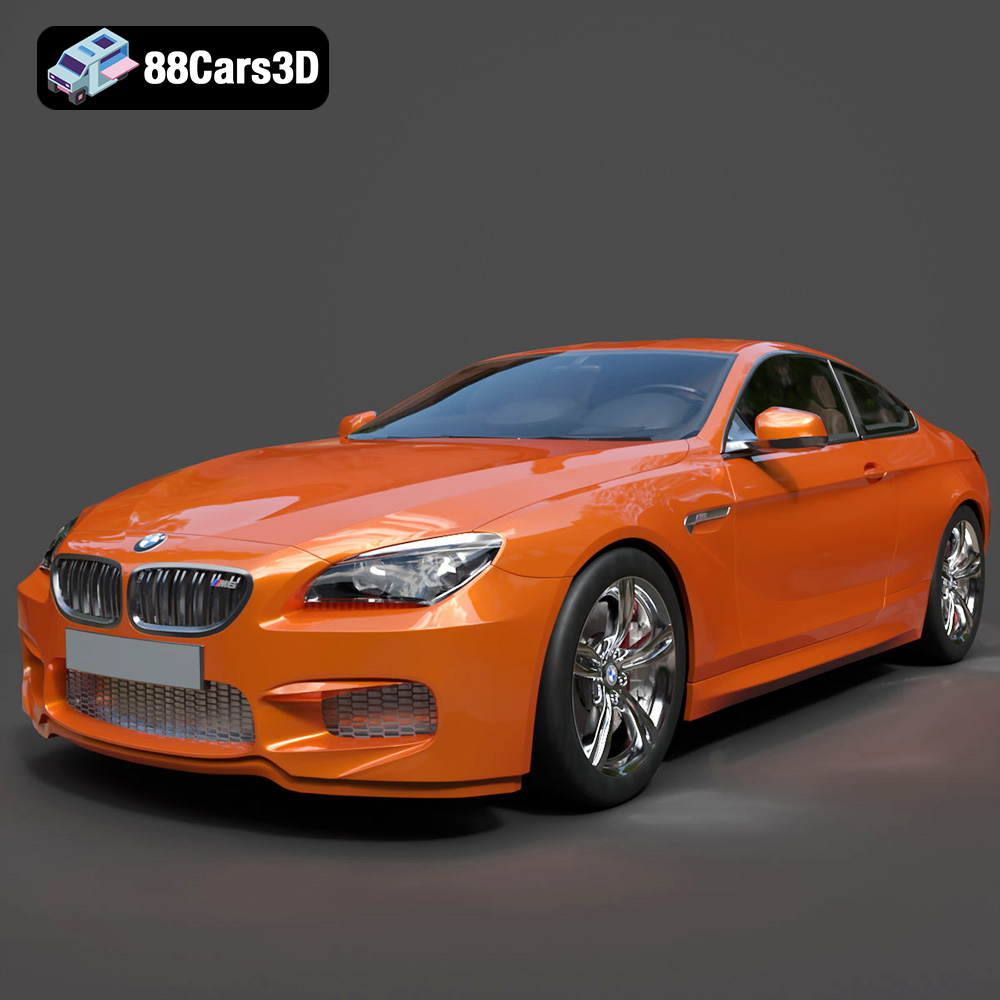
BMW M6 Coupe (F12) 3D Model
Texture: Yes
Material: Yes
Download the BMW M6 Coupe (F12) 3D Model featuring its iconic sporty design and luxurious details. Includes .blend, .fbx, .obj, .glb, .stl, .ply, .unreal, and .max formats for rendering, simulation, and game development.
Price: $10.79
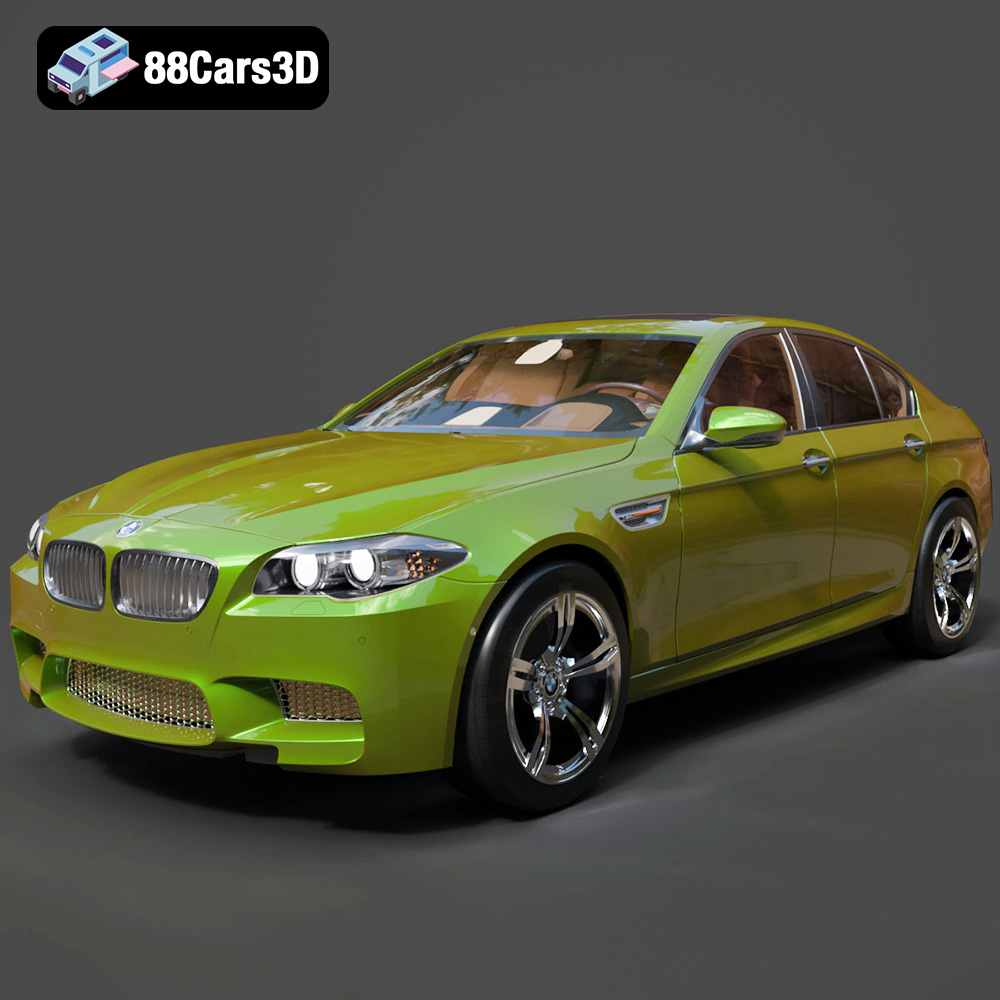
BMW M5 F10 3D Model
Texture: Yes
Material: Yes
Download the BMW M5 F10 3D Model featuring high-performance luxury sedan design, detailed interior, and realistic PBR textures. Includes .blend, .fbx, .obj, .glb, .stl, .ply, .unreal, and .max formats for rendering, simulation, and game development.
Price: $10.79
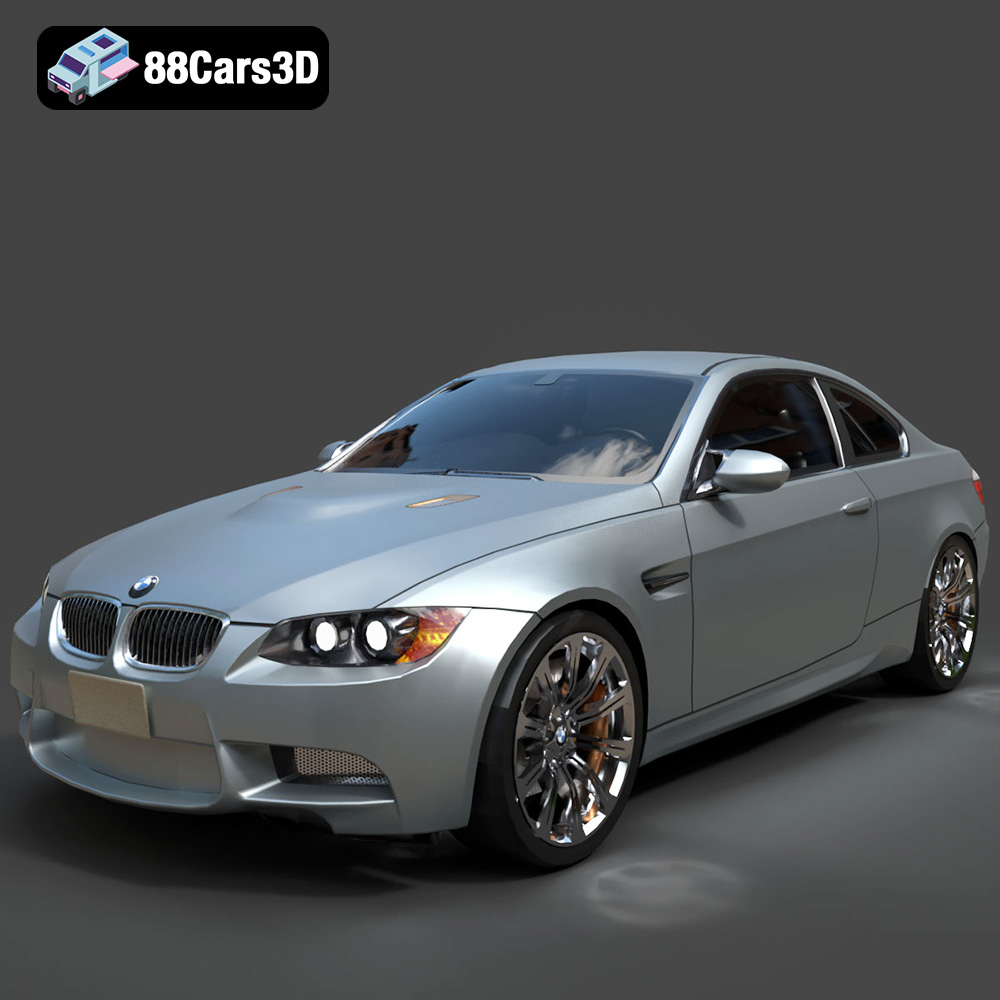
BMW M3 Coupe E92-002 3D Model
Texture: Yes
Material: Yes
Download the BMW M3 Coupe E92-002 3D Model featuring authentic styling, detailed exterior, and a faithful interior. Includes .blend, .fbx, .obj, .glb, .stl, .ply, .unreal, and .max formats for rendering, simulation, and game development.
Price: $10.79
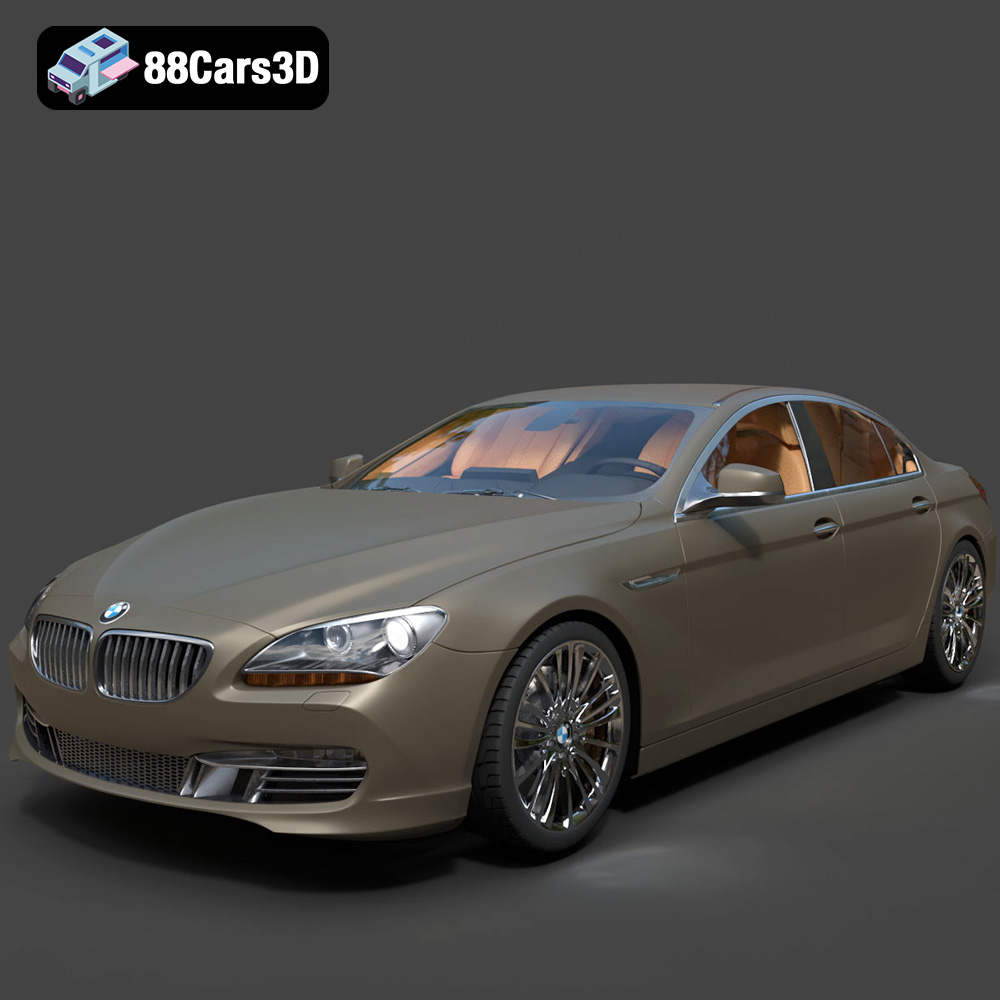
BMW 6 Series Gran Coupe 2013 3D Model
Texture: Yes
Material: Yes
Download the BMW 6 Series Gran Coupe 2013 3D Model featuring a sophisticated design, detailed exterior, and well-appointed interior. Includes .blend, .fbx, .obj, .glb, .stl, .ply, .unreal, and .max formats for rendering, simulation, and game development.
Price: $20.79
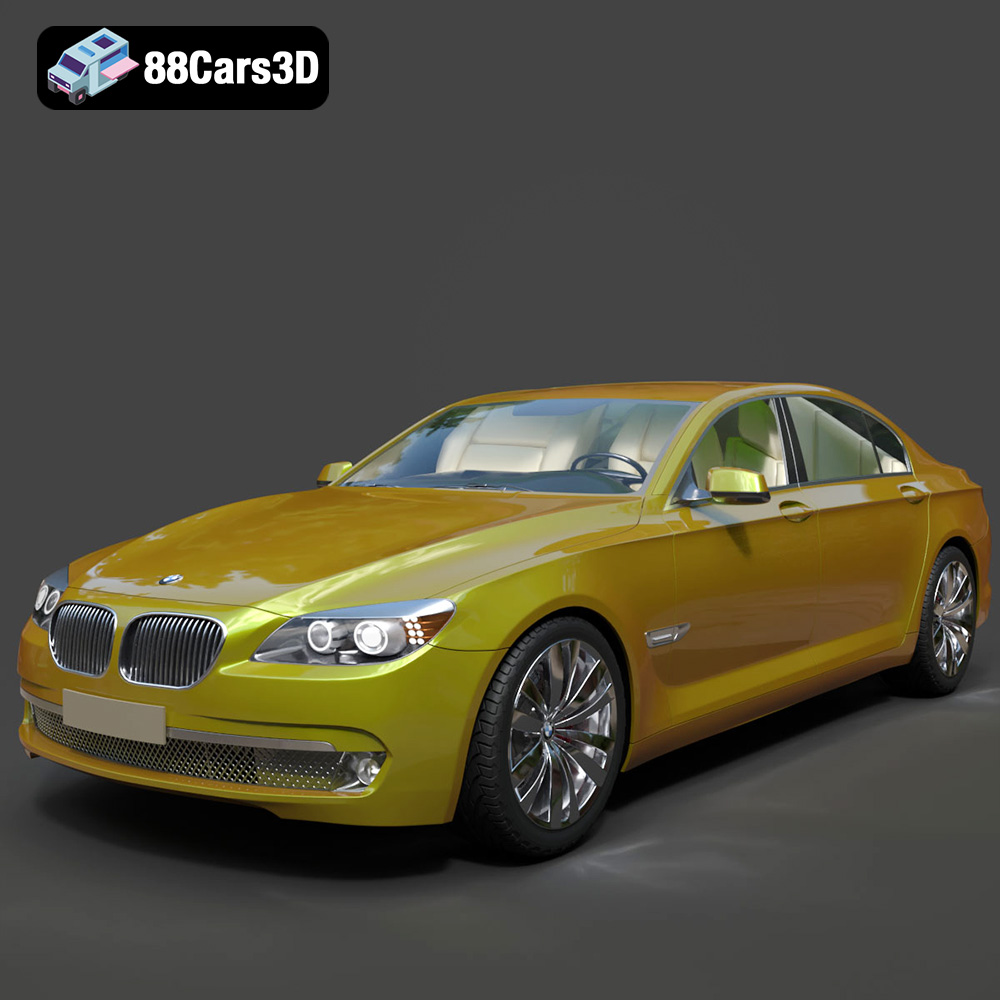
BMW 7 Series 750 F01 3D Model
Texture: Yes
Material: Yes
Download the BMW 7 Series 750 F01 3D Model featuring a detailed exterior and a luxurious interior. Includes .blend, .fbx, .obj, .glb, .stl, .ply, .unreal, and .max formats for rendering, simulation, and game development.
Price: $10.79
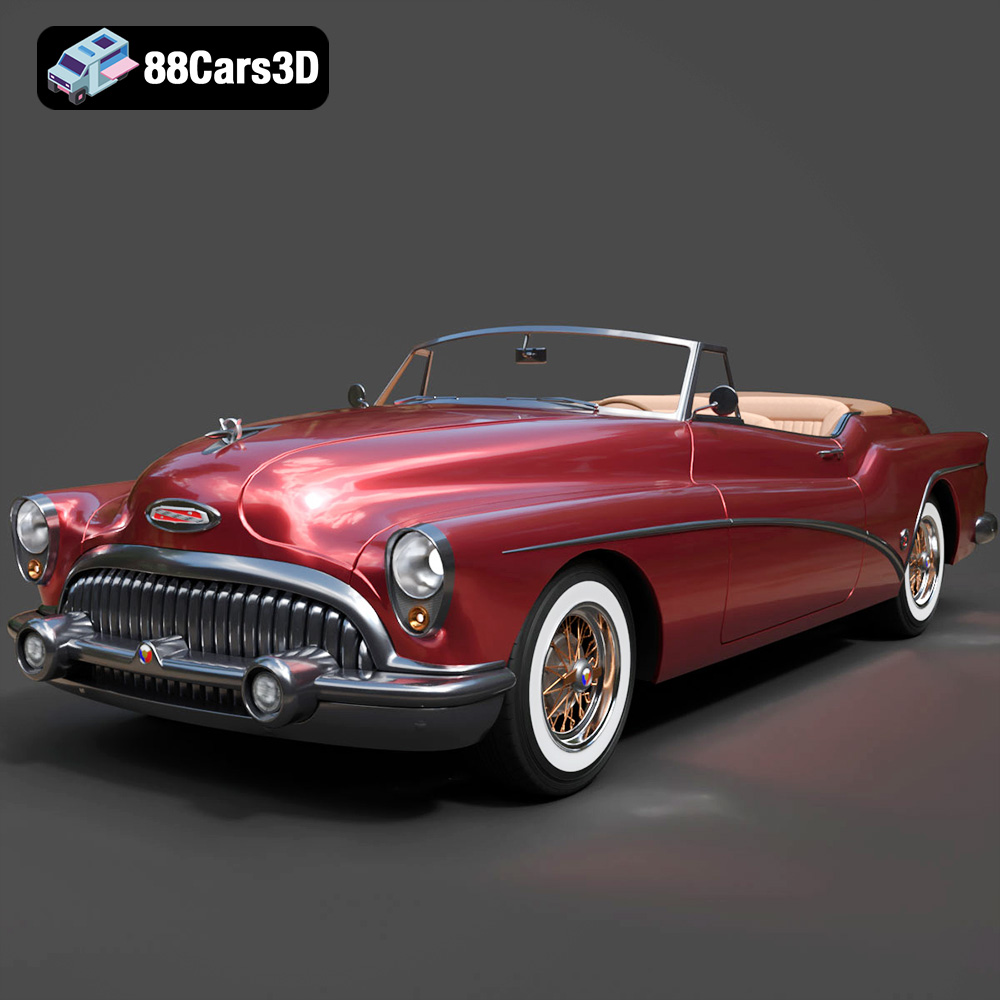
Buick Skylark Convertible 1953 3D Model
Texture: Yes
Material: Yes
Download the Buick Skylark Convertible 1953 3D Model featuring iconic 1950s styling, a detailed exterior with chrome accents, and an accurately modeled interior. Includes .blend, .fbx, .obj, .glb, .stl, .ply, .unreal, and .max formats for rendering, simulation, and game development.
Price: $10.79

Buick Roadmaster Hardtop Coupe 1957 3D Model
Texture: Yes
Material: Yes
Download the Buick Roadmaster Hardtop Coupe 1957 3D Model featuring a classic American design with detailed exterior and interior. Includes .blend, .fbx, .obj, .glb, .stl, .ply, .unreal, and .max formats for rendering, simulation, and game development.
Price: $10.79
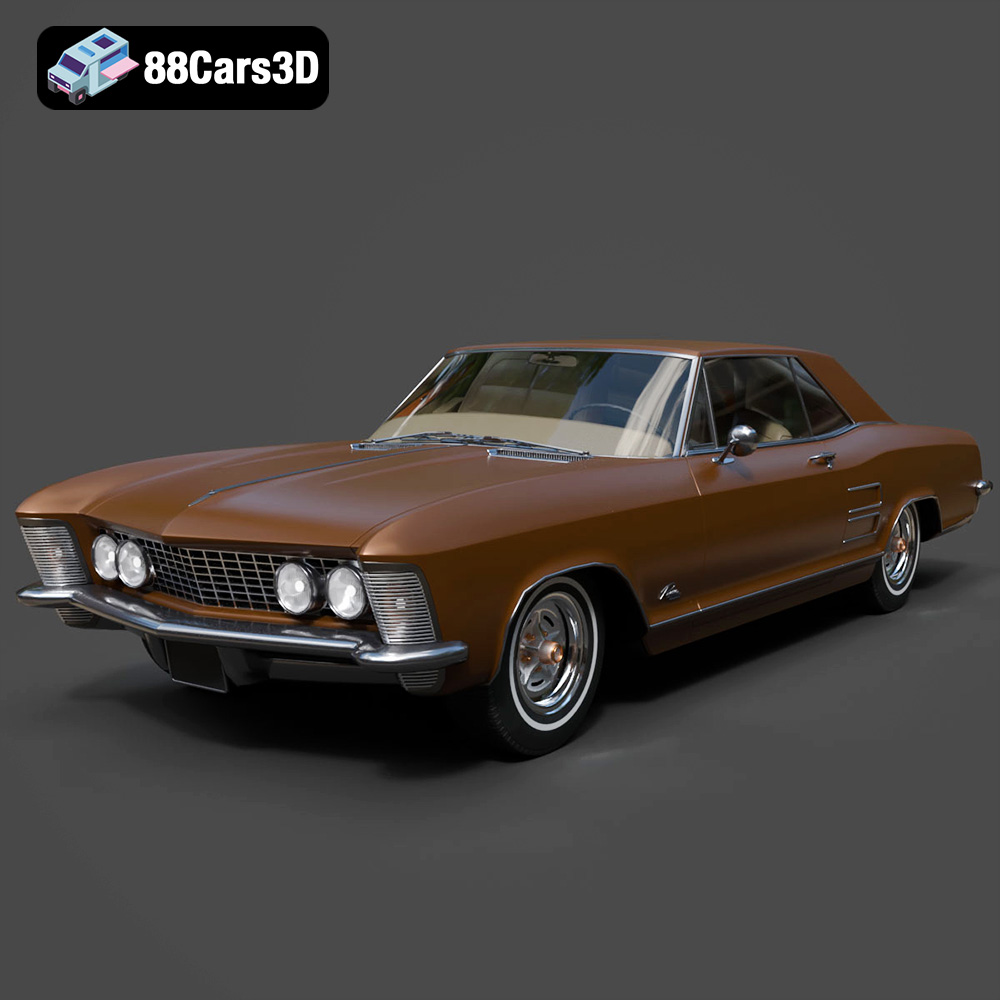
Buick Riviera 1963 3D Model
Texture: Yes
Material: Yes
Download the Buick Riviera 1963 3D Model featuring classic American muscle car design and iconic styling. Includes .blend, .fbx, .obj, .glb, .stl, .ply, .unreal, and .max formats for rendering, simulation, and game development.
Price: $10.79
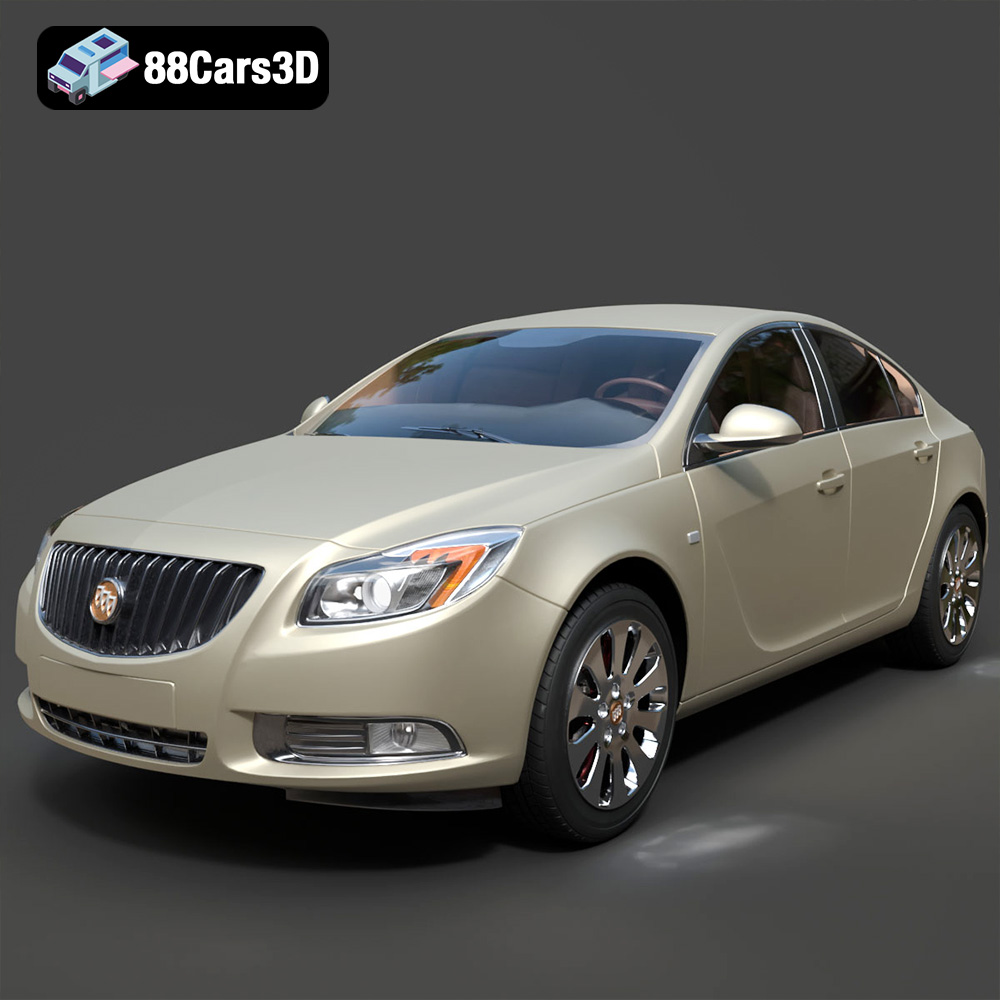
Buick Regal 3D Model
Texture: Yes
Material: Yes
Download the Buick Regal 3D Model featuring a classic American sedan design, detailed exterior, and optimized interior. Includes .blend, .fbx, .obj, .glb, .stl, .ply, .unreal, and .max formats for rendering, simulation, and game development.
Price: $10.79
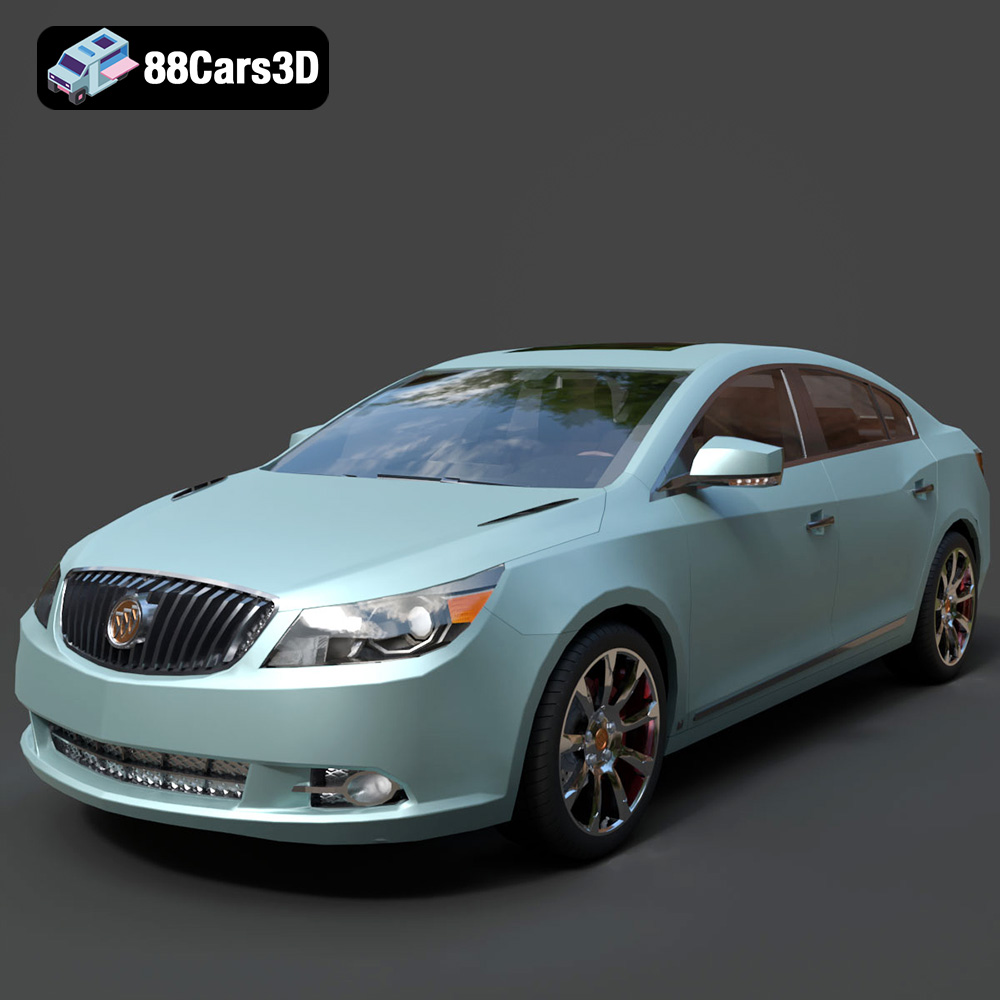
Buick LaCrosse 2008 3D Model
Texture: Yes
Material: Yes
Download the Buick LaCrosse 3D Model featuring professional modeling and texture work. Includes .blend, .fbx, .obj, .glb, .stl, .ply, .unreal, and .max formats for rendering, simulation, and game development.
Price: $10.79
