

Transforming Digital Dreams into Tangible Reality: A Guide to Preparing 3D Car Models for 3D Printing
In the dynamic world of 3D design, the journey from a meticulously crafted digital automotive rendering to a physical, tangible object is both exhilarating and complex. For enthusiasts, professional designers, and game developers alike, the ability to 3D print a high-fidelity car model opens up a universe of possibilities, from prototyping new designs to creating bespoke collectibles or realistic miniature dioramas. However, this transition is not always straightforward. A model optimized for stunning visual renders or efficient game engine performance often requires significant adaptation before it’s ready for the additive manufacturing process.
At 88cars3d.com, we provide high-quality 3D car models that serve as excellent starting points for a multitude of applications, including 3D printing. This comprehensive guide will delve deep into the technical intricacies of preparing your 3D car models for 3D printing, ensuring your digital automotive designs translate flawlessly into robust physical forms. We’ll cover everything from fundamental mesh integrity to advanced optimization strategies, equipping you with the knowledge to navigate the unique demands of this exciting fabrication method. Whether you’re working with intricate classic cars or sleek modern supercars, mastering these preparation steps is crucial for achieving successful and high-quality 3D prints.
The Foundation: Ensuring Mesh Integrity and Topology
The bedrock of any successful 3D print lies in the integrity of its mesh. Unlike rendering, where minor mesh imperfections might go unnoticed, 3D printing demands a perfectly “watertight” model – a continuous surface without any gaps, internal geometry, or overlapping faces. This fundamental requirement is paramount for the slicing software, which translates your 3D model into printable layers. Ignoring these basics can lead to frustrating print failures, wasted material, and a less-than-ideal final product.
Watertight Meshes: The Golden Rule
A watertight mesh essentially means your model forms a completely enclosed volume, like a solid object in the real world. Imagine filling your 3D model with water; if it holds the water without any leaks, it’s watertight. Common issues that compromise watertightness include:
* Open Edges/Faces: Missing faces or edges create holes in the mesh. These are often remnants of modeling processes where parts were deleted or not properly connected.
* Non-Manifold Geometry: This is a more complex issue where geometry cannot exist in the real world, such as an edge shared by more than two faces, or faces with zero thickness. It can also include internal faces or duplicate vertices that occupy the same space.
* Inverted Normals: While not strictly a watertightness issue, inverted (flipped) normals can cause problems with certain slicing software interpreting the inside and outside of the model, potentially leading to errors or missing sections in the print.
Software like Blender offers powerful tools for identifying and fixing these issues. In Blender 4.4, for instance, you can use the “3D Print Toolbox” add-on (enabled in Preferences > Add-ons) which provides functions like “Check All” to highlight non-manifold edges, open edges, and other potential problems. You can then use tools like “Make Manifold” or manually fix issues by selecting problematic edges/vertices and using commands like “Fill” (F key) for missing faces, or “Merge by Distance” (M key in Edit Mode) for duplicate vertices. Regularly checking your mesh throughout the modeling process, especially when importing models from diverse sources like 88cars3d.com, will save you significant time and effort in the long run. For further details on mesh editing in Blender, refer to the official Blender 4.4 documentation on Meshes Editing.
Polygon Count and Detail for 3D Printing
The ideal polygon count for a 3D print differs significantly from that of a rendering or game asset. While high polygon counts contribute to smooth surfaces and fine details in a render, excessively dense meshes can lead to extremely large file sizes, slow slicing times, and even crashes in some 3D printing software. Conversely, too few polygons will result in a blocky, faceted print.
The key is to strike a balance, retaining enough detail for the desired physical resolution without overburdening the system. For automotive models, which often feature smooth, flowing curves, you’ll need a sufficiently dense mesh to prevent visible faceting on the printed object. However, unnecessary subdivision in flat areas should be avoided.
* Decimation: If your model is too high-poly, use a Decimate Modifier (Blender) or similar tools in 3ds Max or Maya to reduce the polygon count while preserving visual detail. Experiment with different ratios to find the optimal balance. Aim for a target polygon count that captures the model’s curvature without introducing artifacts. For a typical desktop FDM printer, several hundred thousand polygons are usually sufficient for complex car models. For high-resolution resin prints, you might go higher, but always test the limits of your printer and software.
* Subdivision Surfaces (Applied): If you used subdivision surface modifiers during modeling (common for smoothing complex car surfaces), ensure they are applied before exporting for 3D printing. The slicing software needs the final, tessellated geometry, not procedural instructions. This can significantly increase polygon count, so apply only the necessary subdivision levels.
Scaling and Real-World Dimensions
Accurate scaling is fundamental for 3D printing, especially when creating miniature car models or components for assembly. A model might look perfect on screen, but without correct dimensions, your physical print could turn out to be a minuscule trinket or an unexpectedly massive paperweight. Understanding and consistently using real-world units of measurement is critical.
Units of Measurement
Most 3D printing software and services operate in millimeters (mm). While your 3D modeling software might default to generic units or meters, it’s crucial to establish and maintain consistent unit settings.
* Software Configuration: In Blender, you can set your scene units under the “Scene Properties” tab (N panel in the 3D viewport, then Scene tab) to Millimeters. Always verify this before starting your modeling or preparing an existing model. For professional 3D car models from platforms like 88cars3d.com, check the provided documentation for the model’s intended scale or unit system. If the model is in meters, ensure your print settings are configured to interpret these units correctly, or scale the model within your 3D software before export.
* Scale Calculation: If you want to print a car model at a specific scale (e.g., 1:18 or 1:64), you’ll need to do some calculations. For example, if a real car is 4.5 meters (4500 mm) long and you want a 1:18 scale model, your printed model should be 4500 / 18 = 250 mm long. Adjust your model’s scale in the 3D software accordingly before exporting.
Wall Thickness: A Critical Factor
Wall thickness is perhaps the most overlooked yet vital aspect of 3D print preparation. Thin walls can lead to brittle parts that break easily, or worse, be completely ignored by the slicing software, resulting in holes or incomplete features. Conversely, excessively thick walls waste material and can sometimes cause issues like warping in FDM printing due to uneven cooling.
* Minimum Thickness: The minimum printable wall thickness is heavily dependent on the 3D printing technology and the specific printer being used.
* FDM (Fused Deposition Modeling): Generally requires a minimum wall thickness of around 0.8 mm to 1.5 mm, corresponding to two to three nozzle passes.
* SLA/DLP (Resin Printing): Can achieve much finer details, often down to 0.5 mm or even 0.2 mm for very small features, but fragility increases significantly with thinner walls.
* SLS (Selective Laser Sintering): Typically allows for wall thicknesses of 1 mm or more for robust parts.
* Analyzing Wall Thickness: Utilize analysis tools within your 3D software. Blender’s 3D Print Toolbox has a “Thickness” check that visualizes areas below a specified minimum thickness, allowing you to easily identify problematic regions. In 3ds Max or Maya, you can use modifiers like “Push/Pull” or “Solidify” to thicken existing geometry, or leverage dedicated analysis scripts.
* Adding Material: For areas that are too thin, you can:
* Manually extrude faces or edges.
* Use the “Solidify” modifier in Blender (or similar in other software) to add uniform thickness to open or thin surfaces. Ensure you apply the modifier before export.
* For very delicate parts, consider designing them with a slight taper to increase structural integrity at the base.
Detailing for Physical Manifestation
What looks exquisite in a render might be entirely lost or even problematic in a physical 3D print. The level of detail you can accurately reproduce is constrained by the resolution of your 3D printer. This means careful consideration of fine details and how parts will interact physically if your model is designed for assembly.
Fine Details and Minimum Feature Size
Highly intricate details like tiny emblems, thin antenna, or very fine grilles, while stunning in a render, may not print successfully. They can either break off during printing or post-processing, or simply be too small for the printer to reproduce.
* Printer Resolution Limits: Every 3D printer has a minimum feature size it can reliably create. For FDM, this is often tied to the nozzle diameter (e.g., 0.4mm nozzle = ~0.4-0.8mm minimum feature size). For resin printers, it’s related to the pixel size of the LCD/DLP projector, often as small as 0.05mm per pixel, allowing for finer details.
* Exaggerate or Simplify: For details smaller than your printer’s capabilities, you have two main options:
* Exaggerate: Increase the thickness or size of the detail slightly to make it printable. For instance, a very thin window frame might need to be thickened by 0.5mm to ensure it prints without breaking.
* Simplify: Remove or replace the detail with a simpler, more robust geometric form. A finely detailed mesh grille might be replaced with a solid panel with embossed patterns.
* Test Prints: For critical details, consider printing small test pieces or sections of your model to gauge how the features will translate. This iterative approach is invaluable.
Part Separation and Assembly
Many complex automotive 3D models, especially those from marketplaces like 88cars3d.com, are composed of multiple distinct components (e.g., body, wheels, interior). For 3D printing, especially when working with different materials or for easier painting, it is often advantageous to separate these components into individual printable parts.
* Strategic Separation: When separating parts, consider:
* Printability: Can each part be printed efficiently and successfully on its own?
* Support Requirements: Separating parts can reduce the need for internal supports or allow for better print orientation.
* Post-Processing: Smaller, distinct parts are easier to clean, sand, and paint.
* Material Choice: You might want to print the car body in a strong, paintable filament, while printing clear windows in a transparent resin.
* Interlocking Features: If parts are meant to be assembled, design interlocking features such as pegs and holes, or channels and ridges.
* Tolerance: Always account for manufacturing tolerances. For example, if you design a 2mm peg to fit into a 2mm hole, it likely won’t fit without sanding. Design the hole slightly larger (e.g., 2.1mm) to ensure a comfortable fit. This “clearance” will vary depending on your printer’s accuracy. A typical FDM printer might need 0.2-0.4mm of clearance, while resin printers might need less, around 0.1-0.2mm.
* Boolean Operations: Use Boolean modifiers (Difference, Union) in your 3D software to create precise cuts and joins for interlocking parts. Ensure that after a Boolean operation, your mesh remains watertight and free of artifacts. This often requires cleaning up the resulting geometry.
Hollowing and Drainage for Resin Printing
Resin 3D printing (SLA/DLP) offers incredible detail but can be expensive due to material costs. Hollowing out your models can significantly reduce resin consumption and print time, making larger models more feasible. However, hollowing introduces the critical need for drainage holes.
The Economics of Resin
Solid resin prints, especially for larger automotive models, can consume a substantial amount of expensive resin. Hollowing the model allows you to print only the outer shell, drastically reducing material usage and often shortening print times. Most slicing software for resin printers (e.g., Lychee Slicer, Chitubox) has a hollowing feature where you specify a wall thickness for the shell. A common wall thickness for hollowed resin prints is between 1.5mm and 2.5mm, balancing material saving with structural integrity.
Strategic Drainage Holes
When a model is hollowed, uncured resin can get trapped inside the cavity. This trapped resin can cause several problems:
* Pressure Buildup: During printing, temperature changes and the peeling process can create pressure differentials inside the hollow model, leading to cracks or print failures.
* Curing Issues: Trapped resin will not cure properly, remaining liquid inside your print and potentially leaking out later.
* Weight: If the resin cures inside, it negates some of the weight-saving benefits of hollowing.
Therefore, drainage holes are essential.
* Placement: Place drainage holes in inconspicuous areas, ideally on surfaces that will be hidden or easily post-processed (e.g., the underside of the chassis, inside wheel wells). They should be positioned to allow gravity to drain the liquid resin effectively.
* Size and Quantity: The size and number of drainage holes depend on the model’s volume and internal complexity.
* For smaller models, 2-3 holes of 3-5mm diameter might suffice.
* Larger, more complex models might require more and larger holes (e.g., 5-8mm) to ensure thorough drainage and air circulation. Consider having at least two holes to allow air to enter as resin drains.
* Post-Processing: After printing and washing, ensure all uncured resin is drained. You can use compressed air or a syringe to help clear the internal cavity. The drainage holes can then be filled with UV resin and cured, or simply left open if they are hidden.
Support Structures and Print Orientation
Proper support structures and intelligent print orientation are paramount for preventing print failures and achieving smooth surfaces. Every 3D printing technology relies on these elements differently, and understanding their nuances is key to consistent success, especially for complex 3D car models.
Understanding Overhangs
Overhangs are any parts of your 3D model that extend outwards and are not directly supported by the layer below. Gravity will cause these unsupported layers to droop or deform during printing, leading to unsightly artifacts or complete print failure.
* FDM Overhangs: FDM printers can typically handle overhangs up to 45-60 degrees without supports. Beyond that, material will start to sag.
* Resin Printer Overhangs: Resin printers are more sensitive to overhangs, as entire layers are cured. Any unsupported section will fail. However, resin prints can utilize very fine, easy-to-remove supports.
* Bridging: Short horizontal spans between two supported points are called bridges. FDM printers can often bridge short distances (e.g., 5-20mm) without supports, but quality can vary.
Optimizing for FDM and Resin
The strategy for supports and orientation differs significantly between FDM and resin printing.
*
FDM Printing:
* Minimize Supports: Supports consume material, increase print time, and leave marks on the model. Orient your car model to minimize the need for supports. For example, printing the car body slightly angled on its side can reduce overhangs on the roof and hood, shifting supports to less visible areas.
* Consider Breakaway Sections: If certain features (like mirrors or thin spoilers) are notoriously difficult to support and remove cleanly, consider printing them separately and attaching them later.
* Support Settings: In your slicing software (e.g., Cura, PrusaSlicer), experiment with support density, pattern (lines, grid, zig-zag), and interface settings to find the optimal balance between support and ease of removal. A lower support density is generally easier to remove.
*
Resin Printing:
* Angle for Success: For resin prints, angling the model (typically by 30-45 degrees) is often beneficial, even if it introduces more supports. This reduces the cross-sectional area of each layer, minimizing the “peel force” during printing and leading to fewer layer lines and suction cup effects.
* Strategic Support Placement: Place supports strategically to anchor islands (isolated areas that would otherwise float) and support critical overhangs. Avoid placing supports on highly visible surfaces if possible, or use smaller, lighter supports in those areas.
* Support Contact Points: Configure support contact points to be as small as possible (e.g., 0.2mm to 0.4mm for resin) to minimize marks on the model, while still being robust enough to hold the part during printing. You might need to add heavier supports to the main body and lighter ones for intricate details.
* Manual vs. Auto Supports: While slicing software offers automatic support generation, manual adjustment is almost always necessary for optimal results, especially for complex automotive models with intricate details. Identify critical areas that need reinforcement and adjust support structures accordingly.
File Format Selection and Export
Once your 3D car model is meticulously prepared, the next crucial step is exporting it in a file format compatible with 3D printing software. The choice of format can impact print quality, file size, and the amount of additional processing required.
STL: The Industry Standard
The STL (STereoLithography) file format has long been the de facto standard for 3D printing. It represents a 3D model as a collection of triangulated surfaces, defining the external geometry of the object.
* Simplicity and Ubiquity: STL is simple, widely supported by virtually all 3D CAD software, slicing applications, and 3D printers.
* Limitations: STL files are unitless and do not store color, texture, or material information. This means you’ll lose any PBR materials, UV mapping, or vertex colors when exporting to STL. For models from 88cars3d.com, which often come with rich material data, you’ll need to understand that STL strips this away, focusing solely on the geometric form.
* Exporting to STL: In Blender, you can export to STL via `File > Export > Stereolithography (.stl)`. Ensure your export settings correctly apply scene scale and selected objects. Before exporting, it’s a good practice to apply all transformations (scale, rotation) to your object (Ctrl+A in Blender, then “Apply Scale” and “Apply Rotation”).
OBJ, 3MF, and Other Formats
While STL is prevalent, other formats offer advantages, especially when material information or more detailed model data is required for certain advanced 3D printing workflows or for sharing models.
* OBJ (Object File): OBJ files can store geometry, as well as UV coordinates, texture maps (via an accompanying MTL file), and vertex colors. While not directly used by all slicing software for print data, it’s a good format for archiving your prepared model with its visual attributes, or for import into other 3D applications before final print preparation. Many 3D car models from 88cars3d.com are available in OBJ format, making it a flexible choice for artists.
* 3MF (3D Manufacturing Format): 3MF is an XML-based 3D printing format designed to be a more comprehensive alternative to STL. It supports materials, colors, textures, support structures, and even slicing data. This format is gaining traction as it addresses many limitations of STL. If your slicing software supports 3MF, it can be a superior choice for preserving more data from your original model.
* VRML/WRL (Virtual Reality Modeling Language): VRML files can store color and texture information and are sometimes used for full-color 3D printing.
* GLB/GLTF (GL Transmission Format): These formats are becoming increasingly popular for web-based 3D and AR/VR applications due to their efficiency and ability to embed PBR materials and animations. While not a primary 3D printing format, some advanced printing services or specialized software might support them. For visualization professionals, having models in GLB can bridge the gap between high-fidelity rendering and physical prototyping.
* USDZ (Universal Scene Description Zip): Primarily used for AR applications on Apple devices, USDZ packages 3D models and their assets into a single file. Like GLB, it’s not a direct 3D printing format, but models from 88cars3d.com prepared for AR/VR can be processed further for 3D printing with appropriate conversion and cleanup.
When exporting, always select the appropriate options for your chosen format, ensuring all necessary geometry is included and any modifiers are applied. Preview the exported file in a dedicated 3D viewer or your slicing software before committing to a print.
Software-Specific Preparation Techniques
Each 3D modeling software offers unique tools and workflows for preparing models for 3D printing. While the core principles remain the same, understanding your software’s specific capabilities can greatly streamline the process.
Blender’s 3D Print Toolbox
Blender, a powerful and free open-source 3D creation suite, has become a favorite among independent artists and studios. For 3D printing preparation, the built-in “3D Print Toolbox” add-on (available since Blender 2.7) is an invaluable asset. To enable it in Blender 4.4, go to `Edit > Preferences > Add-ons`, search for “3D Print Toolbox”, and activate it.
Once enabled, a new panel appears in the N-panel (press N in the 3D viewport) under the “3D Print” tab. This toolbox provides a suite of checks and fixes:
* Checks:
* Check All: Performs a comprehensive check for common 3D printing issues.
* Non-Manifold: Highlights edges that are shared by more than two faces, indicating geometry that can’t exist in a physical object.
* Intersections: Identifies overlapping geometry.
* Solid: Ensures the model is a single, enclosed volume.
* Wall Thickness: Checks if any part of the mesh falls below a user-defined minimum thickness.
* Sharp Edges: Flags overly sharp angles that might cause print issues or be fragile.
* Distorted Faces: Helps identify stretched or otherwise problematic polygons.
* Cleaning & Fixing:
* Make Manifold: Attempts to automatically fix non-manifold geometry.
* Remove Doubles: Merges duplicate vertices that are very close to each other.
* Solidify Mesh: Similar to the Solidify modifier, this can add thickness to open surfaces, ensuring solid walls.
* Scale to Volume/Scale to Bounding Box: Helps in accurately scaling your model to real-world dimensions.
* Bounding Box: Provides real-world dimensions of your model, crucial for verifying scale.
* Volume and Surface Area: The toolbox also reports the object’s volume and surface area, which can be useful for estimating material costs.
For detailed instructions on using each specific tool, always refer to the official Blender 4.4 documentation on Mesh Analysis and relevant modeling sections. This integrated toolkit makes Blender an exceptionally strong choice for preparing 3D car models for 3D printing.
Repair Tools in Other Software (3ds Max, Maya, etc.)
While Blender has a dedicated toolbox, other professional 3D software packages like 3ds Max and Maya offer robust tools for mesh repair and preparation, albeit often requiring a more manual approach or the use of third-party plugins.
* 3ds Max:
* STL Check Modifier: This modifier can identify common issues like open edges, self-intersections, and flipped normals. It doesn’t automatically fix them but points them out for manual correction.
* ProOptimizer/MultiRes Modifier: These are powerful tools for mesh decimation, allowing you to reduce polygon count while maintaining geometric detail.
* Shell Modifier: Similar to Blender’s Solidify, it can add thickness to open surfaces.
* Boolean Operations: 3ds Max has advanced Boolean tools for combining and subtracting meshes, vital for creating interlocking parts or hollowing. Careful cleanup of the resulting topology is often necessary.
* Maya:
* Mesh > Cleanup: Maya’s cleanup tool is excellent for identifying and fixing non-manifold geometry, zero-area faces, and other common mesh errors.
* Reduce Mesh: For polygon reduction, Maya offers the “Reduce” function (Mesh > Reduce), which allows for flexible control over polygon count.
* Thicken Tool: For adding thickness to surfaces, you can use the Extrude Face tool with an offset, or specialized plugins.
* Modeling Toolkit: Features like Quad Draw and Retopology tools can be invaluable for manually repairing complex topology issues that automated tools might struggle with.
Regardless of the software, the workflow generally involves:
1. Initial Inspection: Use built-in analysis tools to identify problems.
2. Repair and Cleanup: Address non-manifold geometry, open edges, and duplicate vertices.
3. Optimization: Adjust polygon count for printability, usually by decimation.
4. Validation: Re-check the mesh to ensure all issues are resolved.
It’s also worth noting that many dedicated slicing software packages (e.g., PrusaSlicer, Cura, Chitubox) have their own basic mesh repair functionalities. However, it’s always best to fix issues in your primary 3D modeling software before importing to the slicer for the most control and precision.
Conclusion: The Art of Tangible Creation
Preparing 3D car models for 3D printing is a specialized skill that bridges the gap between the digital and physical realms. It demands a meticulous eye for detail, a solid understanding of mesh integrity, and an appreciation for the limitations and strengths of additive manufacturing technologies. The journey from a stunning automotive rendering to a robust, printable object involves a series of critical steps, each contributing to the success and quality of your final print.
From ensuring your model is a perfectly watertight mesh, free of common errors like non-manifold geometry and flipped normals, to calibrating its scale and critical wall thicknesses for the chosen printing method, every stage is crucial. Whether you are using a precise resin printer to capture the intricate details of a classic car from 88cars3d.com or a versatile FDM machine for a large-scale prototype, these technical considerations will dictate your success. Strategic hollowing, careful placement of drainage holes, and intelligent support generation are advanced techniques that optimize material usage and print quality. Finally, choosing the right file format and leveraging the powerful mesh repair and analysis tools within your 3D software like Blender, 3ds Max, or Maya, will streamline your workflow.
By embracing these best practices, you empower yourself to transform any high-quality 3D car model into a tangible, impressive physical replica. The ability to create physical versions of your digital automotive designs is not just a technical feat; it’s an artistic extension, allowing you to hold, inspect, and share your creations in a whole new dimension. So, dive in, experiment, and enjoy the rewarding process of bringing your 3D car models to life. The possibilities for customization, prototyping, and personalizing your automotive passion are endless!
Featured 3D Car Models

BMW M6 Coupe (F12) 3D Model
Texture: Yes
Material: Yes
Download the BMW M6 Coupe (F12) 3D Model featuring its iconic sporty design and luxurious details. Includes .blend, .fbx, .obj, .glb, .stl, .ply, .unreal, and .max formats for rendering, simulation, and game development.
Price: $10.79
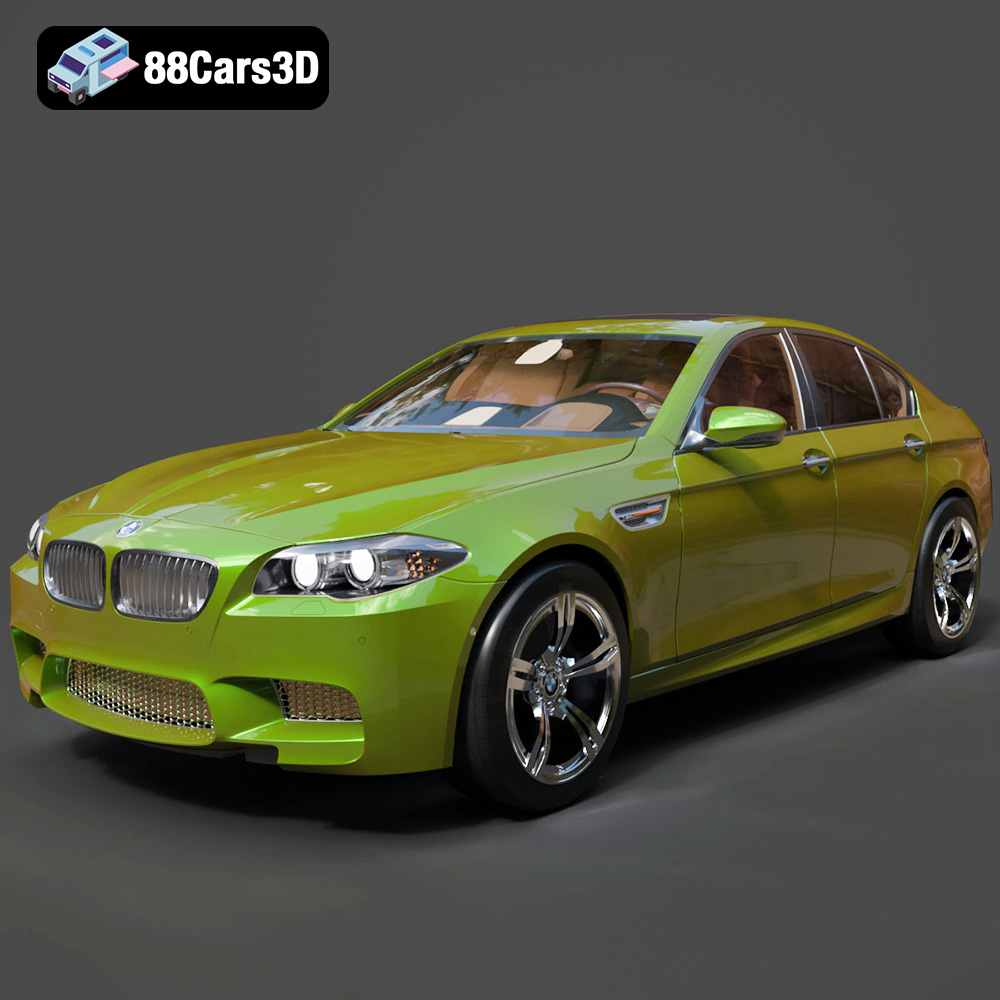
BMW M5 F10 3D Model
Texture: Yes
Material: Yes
Download the BMW M5 F10 3D Model featuring high-performance luxury sedan design, detailed interior, and realistic PBR textures. Includes .blend, .fbx, .obj, .glb, .stl, .ply, .unreal, and .max formats for rendering, simulation, and game development.
Price: $10.79
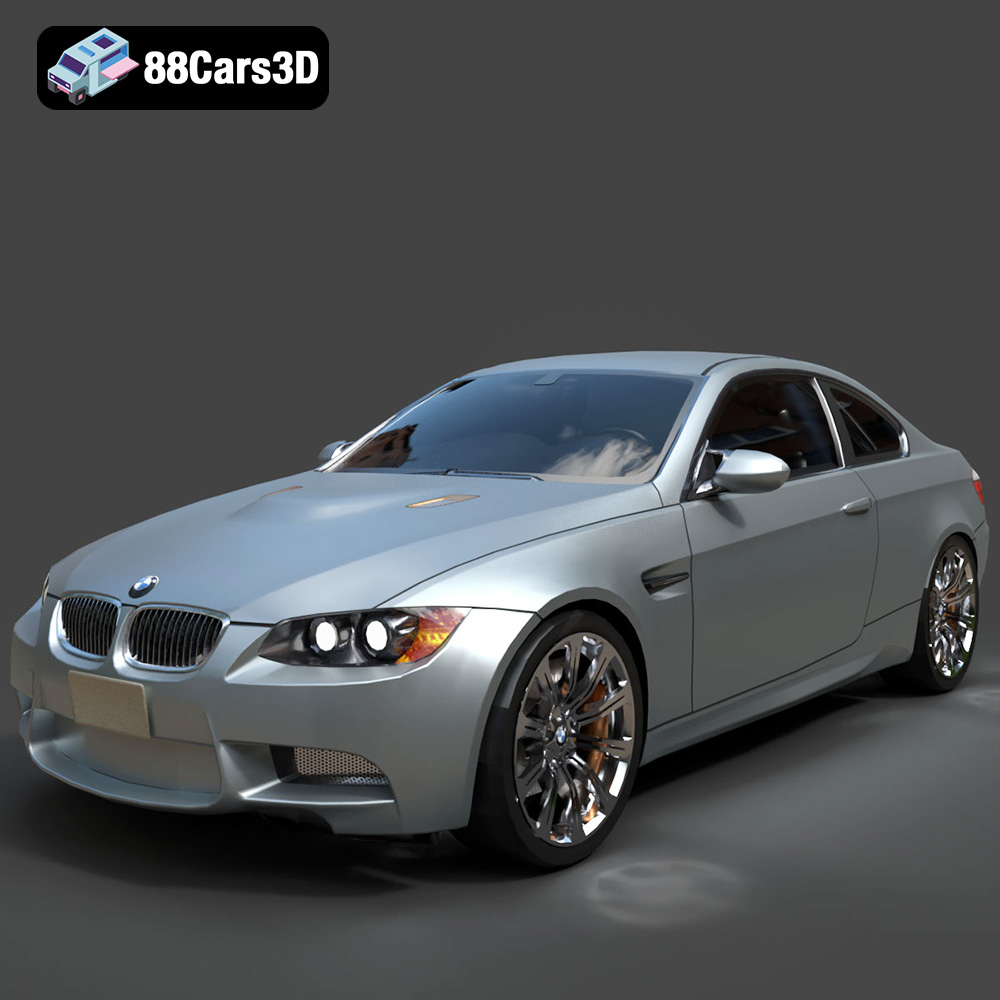
BMW M3 Coupe E92-002 3D Model
Texture: Yes
Material: Yes
Download the BMW M3 Coupe E92-002 3D Model featuring authentic styling, detailed exterior, and a faithful interior. Includes .blend, .fbx, .obj, .glb, .stl, .ply, .unreal, and .max formats for rendering, simulation, and game development.
Price: $10.79
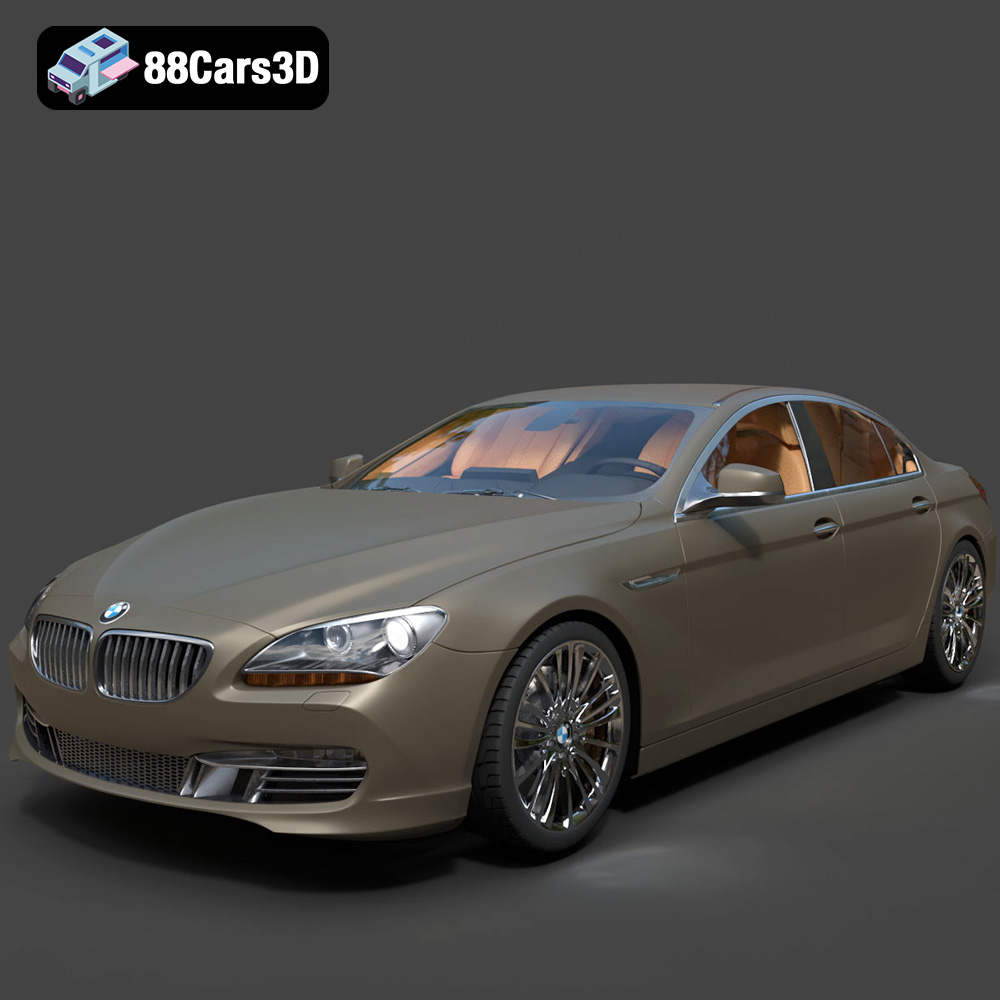
BMW 6 Series Gran Coupe 2013 3D Model
Texture: Yes
Material: Yes
Download the BMW 6 Series Gran Coupe 2013 3D Model featuring a sophisticated design, detailed exterior, and well-appointed interior. Includes .blend, .fbx, .obj, .glb, .stl, .ply, .unreal, and .max formats for rendering, simulation, and game development.
Price: $20.79
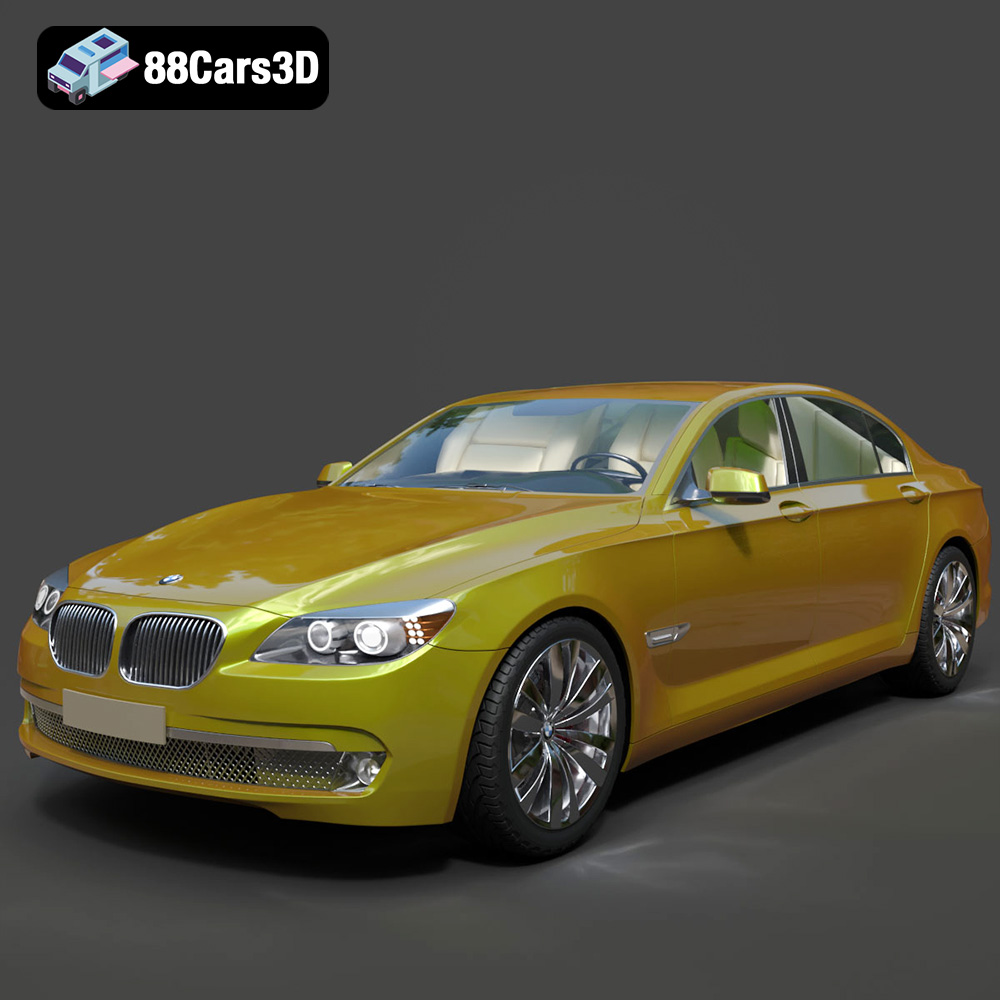
BMW 7 Series 750 F01 3D Model
Texture: Yes
Material: Yes
Download the BMW 7 Series 750 F01 3D Model featuring a detailed exterior and a luxurious interior. Includes .blend, .fbx, .obj, .glb, .stl, .ply, .unreal, and .max formats for rendering, simulation, and game development.
Price: $10.79
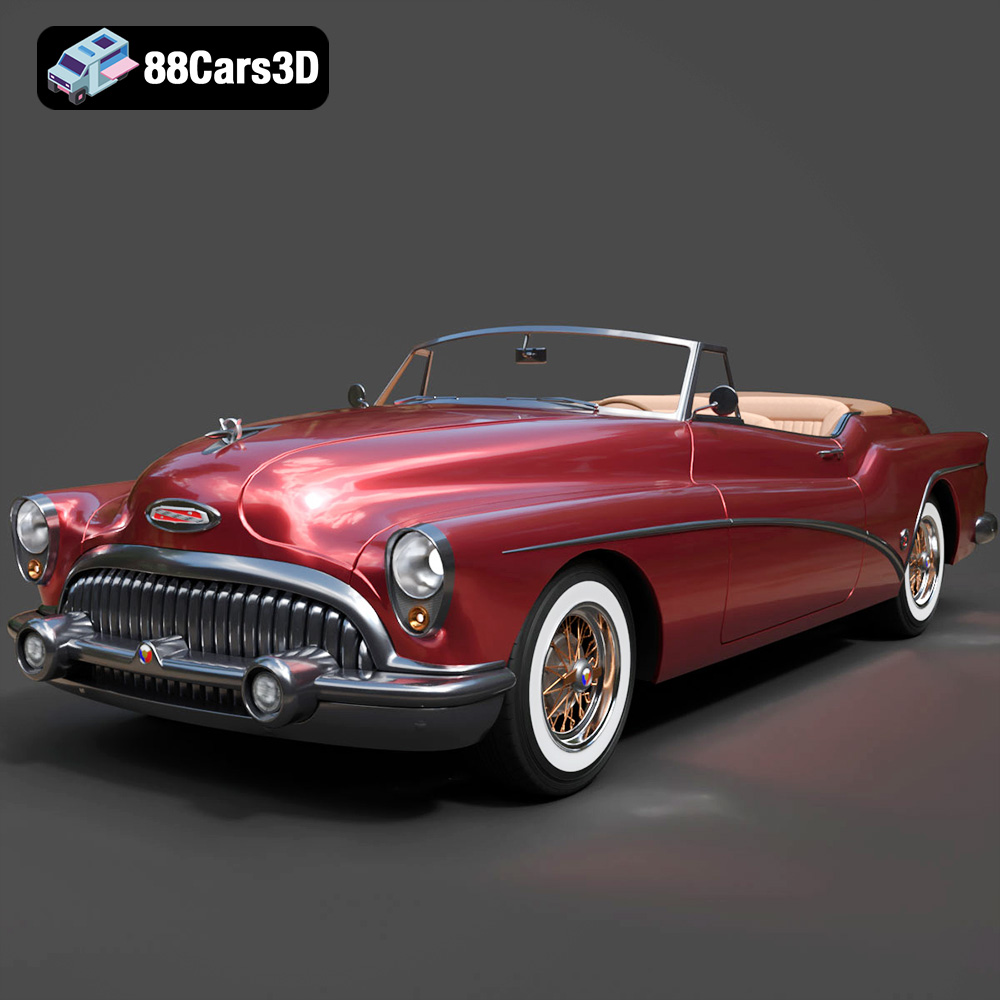
Buick Skylark Convertible 1953 3D Model
Texture: Yes
Material: Yes
Download the Buick Skylark Convertible 1953 3D Model featuring iconic 1950s styling, a detailed exterior with chrome accents, and an accurately modeled interior. Includes .blend, .fbx, .obj, .glb, .stl, .ply, .unreal, and .max formats for rendering, simulation, and game development.
Price: $10.79

Buick Roadmaster Hardtop Coupe 1957 3D Model
Texture: Yes
Material: Yes
Download the Buick Roadmaster Hardtop Coupe 1957 3D Model featuring a classic American design with detailed exterior and interior. Includes .blend, .fbx, .obj, .glb, .stl, .ply, .unreal, and .max formats for rendering, simulation, and game development.
Price: $10.79
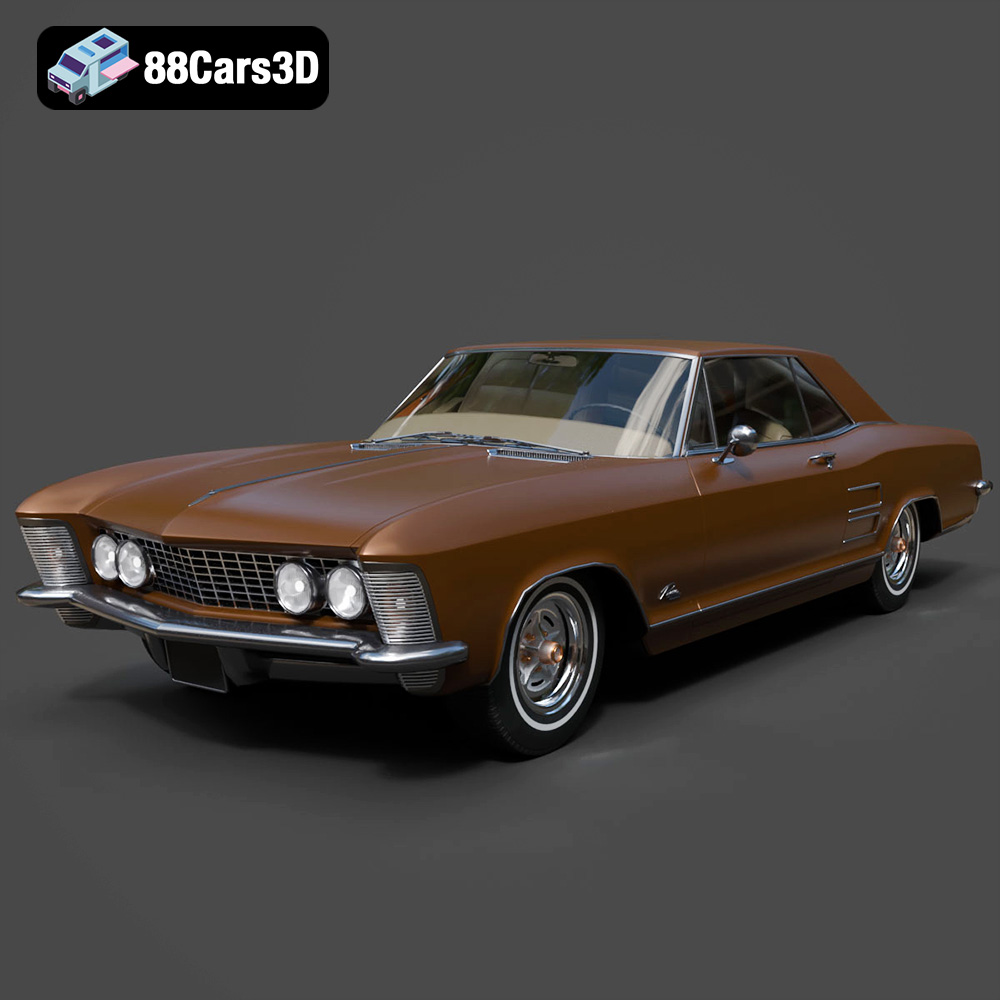
Buick Riviera 1963 3D Model
Texture: Yes
Material: Yes
Download the Buick Riviera 1963 3D Model featuring classic American muscle car design and iconic styling. Includes .blend, .fbx, .obj, .glb, .stl, .ply, .unreal, and .max formats for rendering, simulation, and game development.
Price: $10.79

Buick Regal 3D Model
Texture: Yes
Material: Yes
Download the Buick Regal 3D Model featuring a classic American sedan design, detailed exterior, and optimized interior. Includes .blend, .fbx, .obj, .glb, .stl, .ply, .unreal, and .max formats for rendering, simulation, and game development.
Price: $10.79
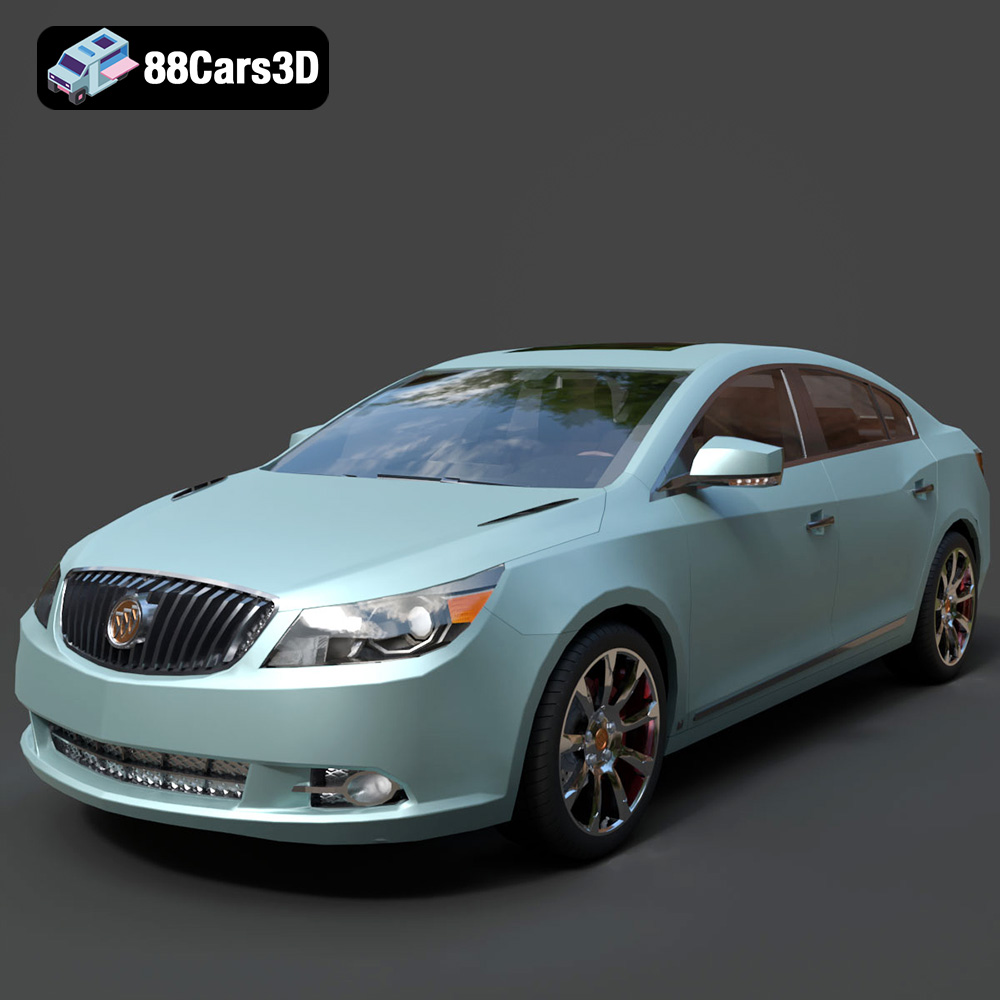
Buick LaCrosse 2008 3D Model
Texture: Yes
Material: Yes
Download the Buick LaCrosse 3D Model featuring professional modeling and texture work. Includes .blend, .fbx, .obj, .glb, .stl, .ply, .unreal, and .max formats for rendering, simulation, and game development.
Price: $10.79
