

Mastering Automotive Animation: Best Practices for Rigging Car Models
The roar of an engine, the sleek curve of a fender, the dynamic motion of a speeding vehicle – these elements bring automotive design to life. In the demanding worlds of 3D visualization, game development, and cinematic production, a static 3D car model, no matter how beautifully rendered, is only half the story. The true magic unfolds when these models are brought to life through animation. This requires a robust, flexible, and intelligently constructed rig – the skeleton and control system that allows animators to manipulate the model with precision and efficiency.
Rigging a car model for animation is a highly specialized skill, combining technical expertise with an understanding of real-world vehicle mechanics. It’s not just about making wheels spin; it’s about simulating complex suspension movements, intricate steering geometry, and the subtle flex of components, all while ensuring optimal performance and ease of use for animators. This comprehensive guide will delve deep into the best practices for rigging 3D car models, covering everything from foundational topology considerations to advanced animation controls and game engine optimization. Whether you’re a seasoned 3D artist, a game developer, or an automotive designer looking to add dynamic flair to your presentations, mastering these techniques will elevate your projects and unlock the full animation potential of high-quality 3D car models, such as those found on platforms like 88cars3d.com.
The Foundation of a Robust Car Rig: Planning and Topology
Before a single bone or controller is placed, the success of any car rig hinges on the quality of the underlying 3D model. A clean, well-optimized mesh with logical topology is non-negotiable. Poor topology can lead to deformation issues, rendering artifacts, and significant headaches during the rigging and animation phases. For automotive models, which are often characterized by smooth, reflective surfaces, maintaining consistent polygon density and intelligent edge flow is paramount. This ensures that when components move, they deform naturally, and reflections remain undistorted. Aim for quads wherever possible, avoiding triangles and N-gons in areas that will deform or require smooth curvature. While high polygon counts can offer detail, consider the end-use. For game assets, lower poly counts with normal maps are often preferred, whereas high-fidelity renders can accommodate more intricate geometry.
Pre-Rigging Checklist: Model Preparation
Before you even think about creating a rig, ensure your 3D model is in an optimal state. Firstly, verify that all transformations (scale, rotation, position) are frozen or reset. In software like 3ds Max or Maya, this means resetting XForm or freezing transformations. In Blender, apply all transforms (Ctrl+A -> All Transforms). This ensures that your rig components start from a neutral, predictable state relative to the geometry. Secondly, organize your scene. Group related objects (e.g., all wheel components, all door components) and name them logically. This makes it easier to select, isolate, and parent objects during the rigging process. Ensure object origins are correctly placed – for example, the origin of a wheel should be at its center of rotation, and for a door, it should be at the hinge pivot. Finally, check for any non-manifold geometry or flipped normals, as these can cause unforeseen issues during skinning or export.
Understanding Automotive Mechanics for Rigging
A truly effective car rig isn’t just a technical exercise; it’s an interpretation of real-world physics and mechanics. Understanding how a car’s chassis, suspension, and steering systems interact is crucial. For instance, the chassis typically acts as the main parent for all other components. Wheels don’t just spin; they also move vertically with suspension travel, and the front wheels pivot for steering. Different suspension types – independent (like MacPherson struts or double wishbones) versus solid axles – will dictate entirely different rigging approaches. Study reference videos of cars driving, observing how weight shifts, how tires bulge, and how suspension components articulate. This knowledge will directly inform your bone placement, constraint choices, and driver setups, allowing you to create a rig that not only functions but also moves believably.
Core Components: Chassis, Wheels, and Suspension Rigging
The heart of any car rig lies in establishing the core hierarchy and motion for the main components. The **chassis** typically serves as the central parent object for almost the entire vehicle. All other major components – the wheels, suspension, body panels, and interior elements – will ultimately be parented directly or indirectly to this central chassis control. This ensures that when the chassis moves, the entire vehicle follows, maintaining its structural integrity. The most dynamic elements, and often the most challenging to rig, are the wheels and their associated suspension systems. A robust wheel rig allows for accurate rotation, vertical translation to simulate suspension travel, and proper steering articulation for the front wheels.
Setting Up Wheel Rotations and Ground Contact
For each wheel, you’ll need at least one bone or null object positioned precisely at the wheel’s center of rotation. This object will control the spinning motion. To simulate movement along the ground, the rotation of this object can be driven by the car’s forward/backward translation. A common method involves using an expression or a driver that links the chassis’s linear movement to the wheel’s rotational speed, based on the wheel’s radius. For instance, in Blender, you could use a driver on the wheel’s rotation linked to the global Y-position of the chassis. Additionally, for suspension, each wheel assembly needs to be able to move vertically. This is typically achieved by parenting the wheel rotation control to a “suspension arm” bone or null, which itself moves along a local Z-axis (up/down) to simulate the spring compression and extension. Ensure that the suspension movement is constrained to a realistic range to prevent wheels from clipping through the car body or extending too far into the ground.
Advanced Suspension Systems: Double Wishbone and MacPherson Strut
The complexity of your suspension rig will depend on the type of suspension you are trying to emulate. For simpler vehicles or game assets where performance is key, a basic vertical translation for each wheel’s suspension might suffice. However, for high-fidelity visualizations, simulating specific suspension geometries like **Double Wishbone** or **MacPherson Strut** systems adds significant realism.
* **Double Wishbone:** This system typically involves two A-shaped or V-shaped arms that connect the wheel hub to the chassis, along with a coil spring and damper. To rig this, you’ll create a series of bones representing the upper and lower wishbones, pivoted at their chassis-side mounts. The wheel hub bone will be parented to the outer pivots of these wishbones. An Inverse Kinematics (IK) chain can be particularly effective here, allowing you to control the wheel’s vertical position (end effector) and have the wishbones automatically articulate. Constraints like “Limit Rotation” and “Limit Location” can be applied to bones to prevent unrealistic movement, mirroring the physical limitations of the suspension components.
* **MacPherson Strut:** This design integrates the shock absorber and coil spring into a single unit, which also serves as the upper pivot point for the steering knuckle. The lower end of the knuckle is typically connected by a single control arm. For rigging, a common approach involves a main strut bone that moves vertically and pivots around its chassis mount. The wheel hub is parented to the lower part of the knuckle, which in turn is linked to the control arm. Again, IK can simplify the vertical movement, with careful attention paid to the pivot points to ensure accurate camber changes as the suspension compresses. Referencing the official Blender 4.4 documentation (https://docs.blender.org/manual/en/4.4/) for specifics on IK setups and constraint usage can provide invaluable guidance for these complex mechanisms. The key is to break down the real-world system into its fundamental pivot points and create a bone chain that mimics its mechanical behavior.
Steering and Articulation: Doors, Hood, and Trunk
Beyond basic wheel rotation and suspension, a fully animated car rig needs to handle the various articulated parts that define its functionality and interaction. The **steering mechanism** is crucial for dynamic driving sequences, requiring the front wheels to pivot correctly and often linking to an interior steering wheel. Additionally, interactive elements like **doors, the hood, and the trunk** require robust rigging solutions to allow for realistic opening and closing animations, which are vital for showcasing interiors or simulating damage.
Precision Steering Rigs: Rack and Pinion Simulation
The most common steering system in modern cars is the rack and pinion. Simulating this accurately in a 3D rig involves more than just rotating the front wheels on their Z-axis. For a realistic setup, you’ll typically have:
- Main Steering Control: An overall control object or bone that animators will rotate to steer the car.
- Rack Bone: A bone that translates horizontally (left/right) based on the rotation of the main steering control. This simulates the “rack” part of the system.
- Tie Rods: Bones representing the tie rods, which connect the rack to the steering knuckles of each front wheel. These tie rods will have their pivot points constrained to the ends of the rack bone and the steering knuckle, typically using ‘Look At’ constraints or similar.
- Steering Knuckles: Bones or nulls attached to the front wheel assemblies that pivot the wheels. The tie rod bones will drive the rotation of these knuckles.
The challenge lies in ensuring **Ackermann steering geometry**, where the inner wheel turns at a sharper angle than the outer wheel during a turn to prevent tire scrubbing. This can be achieved with careful driver setups or more advanced constraint networks that use trigonometry to calculate the precise angles for each wheel based on the steering input. Linking the steering wheel inside the car to the main steering control via a simple rotation driver completes the immersive experience for the animator.
Animating Entry/Exit Points: Doors and Latches
Rigging car doors, the hood, and the trunk involves setting up pivot points and establishing clear controls. The fundamental principle is to place the pivot point (the “hinge”) of each component precisely where it would physically rotate.
* **Doors:** For a standard car door, create a bone or null at the hinge axis. Parent the entire door mesh to this bone. The bone can then be rotated along its local axis to simulate opening and closing. For realism, consider a “limit rotation” constraint to prevent the door from opening past its physical maximum. For advanced setups, you might add a separate “latch” control that can animate a small opening movement before the main door swing. Some high-end car models also feature secondary hinges or complex upward/outward movements, which would require additional bone chains and potentially IK solvers.
* **Hood and Trunk:** These operate similarly to doors, but often with different hinge mechanisms. A front-hinged hood will have its pivot point at the front, while a rear-hinged trunk will have its pivot at the rear. Often, a “lift” control might be added that translates vertically before the rotation, especially for hoods with gas struts that push them up. Consider adding bones for any support struts that need to extend and compress as the hood/trunk opens. For a truly professional finish, ensure that the animations for these components feel natural, with gentle accelerations and decelerations rather than linear movements. When sourcing models from marketplaces such as 88cars3d.com, inspect their existing pivot points and hierarchy to ensure they are well-prepared for this kind of rigging.
Advanced Rigging Techniques: Drivers, Constraints, and Controls
Once the basic skeleton of the car rig is established, the true power and flexibility come from implementing advanced rigging techniques like **drivers**, **constraints**, and **custom controls**. These tools allow animators to manipulate complex motions with intuitive inputs, automate interconnected movements, and ensure the rig behaves predictably under various scenarios. They transform a collection of independent bones into a cohesive, intelligent animation system.
Leveraging Drivers for Complex Interconnections
Drivers are incredibly powerful in rigging, allowing you to link properties of different objects or bones together. This means one attribute (e.g., the rotation of a steering control) can directly influence another (e.g., the rotation of multiple wheels, the translation of a rack and pinion system, or even the compression of a tire sidewall).
**Practical Applications of Drivers in Car Rigs:**
- Wheel Rotation to Car Movement: As mentioned, driving wheel rotation based on the car’s forward/backward translation. You can create a driver on the wheel’s rotation axis, using a script expression that divides the car’s global translation distance by the wheel’s circumference. For instance, in Blender, you can right-click a property and select “Add Driver,” then configure it to use a “Scripted Expression” or a “Generator” curve.
- Steering Wheel to Front Wheel Angle: Link the rotation of the interior steering wheel to the steering angle of the front wheels. A single steering wheel rotation could drive the X-axis rotation of the front steering knuckles, with a multiplier to achieve the desired turning radius.
- Suspension Compression to Tire Deformation: When the suspension compresses, the tire might subtly bulge or squish. Drivers can be used to control shape keys (morph targets) on the tire mesh based on the vertical position of the suspension.
- Gear Shifter to Gear Display: If you have an animated interior, a driver can link the position of the gear shifter to a text object or material property that displays the current gear.
Understanding how to set up drivers effectively is key to creating efficient and animator-friendly rigs. They eliminate the need for animators to manually adjust multiple properties for a single action, streamlining the animation workflow.
Creating Intuitive Animation Controls and User Interfaces
While bones and nulls form the underlying structure, animators interact primarily with **custom controls**. These are typically simple 3D shapes (circles, squares, arrows) that are easy to select and manipulate in the viewport. They represent high-level animation controls, abstracting away the underlying complexity of the bones and constraints.
**Best Practices for Control Objects:**
- Clarity and Visibility: Control objects should be distinct from the mesh and clearly indicate their function. Color-coding (e.g., blue for body controls, red for wheel controls) can further enhance clarity.
- Layering: Use separate layers or collections to organize controls. Animators might want to toggle visibility of certain controls (e.g., show only primary movement controls, hide individual suspension controls).
- Direct Manipulation: Controls should directly manipulate the desired part of the rig. For example, a large arrow over the car’s body should control its global translation and rotation. A circular control around a wheel should control its vertical suspension movement.
- Custom Properties and UI Panels: For even more advanced control, especially in software like Blender, Maya, or 3ds Max, you can expose custom properties or create dedicated UI panels (often referred to as “Rig UI” or “Picker UI”). These panels can contain sliders, buttons, and input fields that control specific aspects of the rig (e.g., “Suspension Stiffness,” “Ground Clearance,” “Steering Sensitivity”). These properties can then be linked to drivers or direct connections within the rig. This provides a centralized and organized way for animators to access all parameters without cluttering the 3D viewport.
A well-designed set of controls drastically improves the animator’s experience, making the rig a joy to work with and enabling them to focus on the artistic aspects of animation rather than fighting with complex hierarchies.
Game Engine Integration and Optimization for Rigged Vehicles
Rigging a car model for a high-fidelity cinematic render is one challenge; preparing it for real-time game engines like Unity or Unreal Engine presents another set of considerations. Game engines demand efficiency above all else. A beautifully complex rig with thousands of bones and intricate driver setups might perform flawlessly in an offline renderer but could bring a game to a crawl. Therefore, a strategic approach to **game engine integration and optimization** is paramount. This involves careful consideration of export formats, mesh complexity, and runtime performance.
Optimizing for Real-Time Performance: Draw Calls and LODs
In game development, **draw calls** are a critical performance metric. Each time the GPU has to prepare and render a new set of objects, it incurs a draw call. A complex car model with many separate meshes (e.g., individual bolts, separate interior components) can quickly rack up draw calls. To mitigate this:
* **Combine Meshes:** Where possible and practical, combine static meshes into a single object. For instance, the main car body, windows, and interior dashboard might be combined if they don’t require independent animation. This is a balance; dynamic elements (doors, wheels) must remain separate.
* **Texture Atlasing:** Rather than having dozens of small textures, combine multiple smaller textures into a single, larger texture atlas. This reduces the number of material changes and draw calls.
* **Level of Detail (LODs):** Implement LODs for your car models. This means creating multiple versions of the same model, each with decreasing polygon counts. For example:
* **LOD0:** Full detail (e.g., 80,000-150,000 triangles) for close-up views.
* **LOD1:** Medium detail (e.g., 30,000-60,000 triangles) for medium distances.
* **LOD2:** Low detail (e.g., 10,000-20,000 triangles) for distant views.
* **LOD3+:** Even simpler versions, potentially just a billboard or very basic shape.
Game engines automatically swap between these LODs based on the camera’s distance, dramatically reducing the computational load on the GPU. The rig itself should ideally be simpler for lower LODs, potentially using fewer bones or simpler constraint setups.
Integrating Rigs into Unity and Unreal Engine
The choice of **export format** is crucial for seamless integration. **FBX** is the industry standard for exchanging 3D data, including meshes, textures, bones, and animation, between DCC (Digital Content Creation) tools and game engines. **GLB (glTF Binary)** is also gaining traction, especially for web-based AR/VR applications, due to its efficiency and PBR material support.
**Unity Workflow:**
- Export from DCC: Export your rigged car model as an FBX from Blender, 3ds Max, or Maya. Ensure “Embed Media” (textures) is checked and that your bone hierarchy and skinning data are included.
- Import to Unity: Drag and drop the FBX file into your Unity Project window.
- Configure Import Settings:
- Under the “Model” tab, ensure “Import BlendShapes” and “Import Visibility” are checked if you used them.
- Under the “Rig” tab, set “Animation Type” to “Humanoid” if applicable (less common for full vehicle rigs, often “Generic” is preferred) and “Avatar Definition” to “Create From This Model.”
- Under the “Animation” tab, configure your animation clips.
- Add Physics and Scripting: Once imported, you’ll typically attach a `Rigidbody` component to the main chassis, add `Wheel Collider` components to each wheel, and then write C# scripts to connect your imported rig’s bone transformations to the physics system. This is where you translate the `Wheel Collider`’s force and rotation outputs into visual wheel spins and suspension compression of your rigged model.
**Unreal Engine Workflow:**
- Export from DCC: Similar to Unity, export your rigged model as an FBX. Verify that all components are correctly parented, and skin weights are properly applied.
- Import to Unreal: In Unreal Engine, use the “Import” button in the Content Browser. When prompted, select “Skeletal Mesh” and ensure “Import Animations” and “Import Morph Targets” (for shape keys) are checked. You may also want to uncheck “Convert Scene Unit” if your DCC tool and Unreal have matching unit scales.
- Physics Asset: Unreal will often automatically generate a `Physics Asset`. Review and refine this asset to ensure collision shapes accurately represent the car’s components, especially for wheels and suspension.
- Vehicle Blueprint: Create a new `Vehicle Blueprint` (e.g., `ChaosVehiclePawn` or `WheeledVehiclePawn`). Assign your imported `Skeletal Mesh` and its `Physics Asset` to this blueprint.
- Link Rig to Physics: Within the Blueprint, you will use nodes to link the output of Unreal’s built-in `Vehicle Movement Component` (e.g., wheel rotation speed, suspension compression) to the corresponding bones in your imported skeletal mesh. This involves setting bone transforms dynamically in the Blueprint’s event graph to visualize the physics calculations.
In both engines, the goal is to seamlessly marry the visual fidelity of your custom rig with the real-time physics simulation provided by the engine. This requires careful setup and often involves a collaboration between the rigger and the technical artist or programmer.
Realism and Beyond: Deformation, Shaders, and Visual Fidelity
Creating a functionally correct car rig is a significant achievement, but pushing the boundaries of realism involves addressing subtle details that significantly enhance visual fidelity. This includes realistic tire deformation, the interplay between PBR materials and animation, and the final polish of lighting and post-processing. These elements move beyond simple articulation to capture the nuanced behaviors of a vehicle in motion, crucial for high-end cinematic renders and cutting-edge simulations.
Simulating Tire Deformation and Grip
A perfectly rigid tire, while easy to animate, often looks lifeless. In reality, tires deform under load, bulge at the contact patch, and flex in the sidewall, especially during turns or impacts. Simulating these deformations adds a layer of realism that elevates an animation:
* **Shape Keys (Morph Targets):** The most common method for tire deformation involves using shape keys. Create several shape keys for different states:
* **Squash:** For general compression from vehicle weight.
* **Bulge (Contact Patch):** To simulate the tire flattening against the road surface. This can be driven by the suspension compression.
* **Sidewall Flex:** For turns, where the outer sidewall might compress and the inner sidewall stretch. This can be driven by the steering angle and lateral forces.
* **Lattice Deformers:** For more organic and localized deformations, a lattice modifier can be used. A small lattice cage can be deformed around the tire’s contact patch, with its vertices driven by the ground contact point or suspension data.
* **Vertex Weights:** For game engines, blending shape keys based on vertex weights can allow for localized deformation without excessive polygon counts.
The key is to link these deformations to relevant rig controls or physics outputs using drivers or direct connections. For instance, the vertical compression of the suspension could drive the “squash” and “bulge” shape keys, making the tire visually respond to the car’s weight and road interaction.
Animating Material Properties and Shader Networks
PBR (Physically Based Rendering) materials are essential for realistic automotive rendering. While the rig handles the physical movement, the materials define how light interacts with the surfaces. Animating material properties can add dynamic visual effects:
* **Brake Lights/Headlights:** Using emission maps or directly animating the emission strength in a PBR shader to turn lights on and off.
* **Damage/Wear:** For game assets, blend between clean and damaged material sets using masks driven by game logic (e.g., after a collision). This could involve blending roughness maps, normal maps, or even entirely different material instances.
* **Paint Finishes:** While less common for direct animation, subtle changes in clear coat roughness or metallic flakes could be driven by environmental effects (e.g., wet surfaces making paint appear smoother).
* **Dashboard Displays:** For interiors, animating textures on dashboard screens or dynamically changing the color of illuminated buttons using material parameters.
Understanding how to expose and animate these parameters within your chosen rendering engine (e.g., Cycles in Blender, Corona in 3ds Max, Arnold in Maya) is key. The shader network itself might include nodes for controlling these animations, allowing for a seamless integration with the rigging workflow.
Post-Animation Polish: Lighting and Camera Animation
The final layer of realism comes from the **lighting and camera work** that accompanies your rigged and animated vehicle. Even the most perfectly rigged and animated car can fall flat with poor lighting.
* **Dynamic Lighting:** Implement dynamic light sources that move with the car (e.g., headlights) or respond to the environment. Use HDRI (High Dynamic Range Image) maps for realistic global illumination and reflections. Consider using volumetric effects for dust or fog to enhance atmosphere.
* **Camera Animation:** The camera is the storyteller. Animate the camera to follow the car, leading it into turns, smoothly tracking its speed, and using cinematic techniques like depth of field to draw attention. Avoid static cameras for dynamic vehicle shots.
* **Post-Processing and Compositing:** This is where the final magic happens. In your rendering software or compositing application (e.g., Nuke, After Effects, DaVinci Resolve), add effects like motion blur (essential for fast-moving vehicles), color grading, lens flares, and subtle glows. These elements tie everything together, adding a professional sheen and enhancing the sense of speed and realism. For instance, motion blur should be rendered physically accurate, based on shutter speed and object velocity, not just a simple image filter.
Conclusion
Mastering the art of rigging car models for animation is a journey that blends technical precision with a keen understanding of automotive mechanics and artistic vision. From meticulously preparing your 3D model with clean topology to crafting intricate suspension systems with drivers and constraints, every step contributes to the ultimate goal: a dynamic, believable, and animator-friendly vehicle. We’ve explored the foundational elements of chassis and wheel rigging, delved into advanced techniques for steering and articulation, and discussed the critical aspects of game engine optimization and realistic deformation.
The effort invested in a well-constructed car rig pays dividends, enabling animators to tell compelling stories, create immersive game experiences, and produce breathtaking visualizations. Whether you are aiming for hyper-realistic cinematic renders or optimized real-time game assets, applying these best practices will significantly elevate the quality and efficiency of your projects. Remember that high-quality starting models, such as those available on 88cars3d.com, provide an excellent foundation for these advanced rigging techniques, saving valuable time and ensuring a professional base. Continue to observe real-world vehicles, experiment with different rigging approaches, and refine your techniques, and you’ll soon be transforming static geometry into truly captivating automotive animations.
Featured 3D Car Models
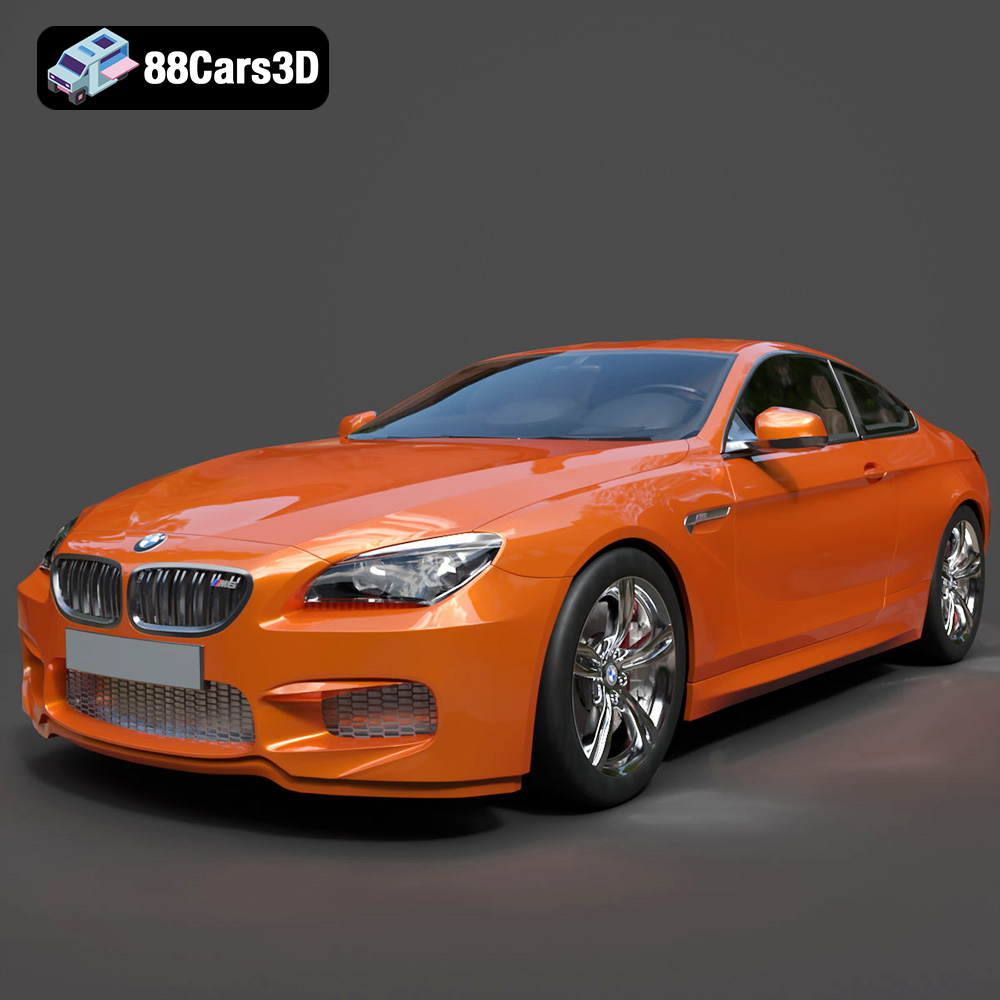
BMW M6 Coupe (F12) 3D Model
Texture: Yes
Material: Yes
Download the BMW M6 Coupe (F12) 3D Model featuring its iconic sporty design and luxurious details. Includes .blend, .fbx, .obj, .glb, .stl, .ply, .unreal, and .max formats for rendering, simulation, and game development.
Price: $10.79
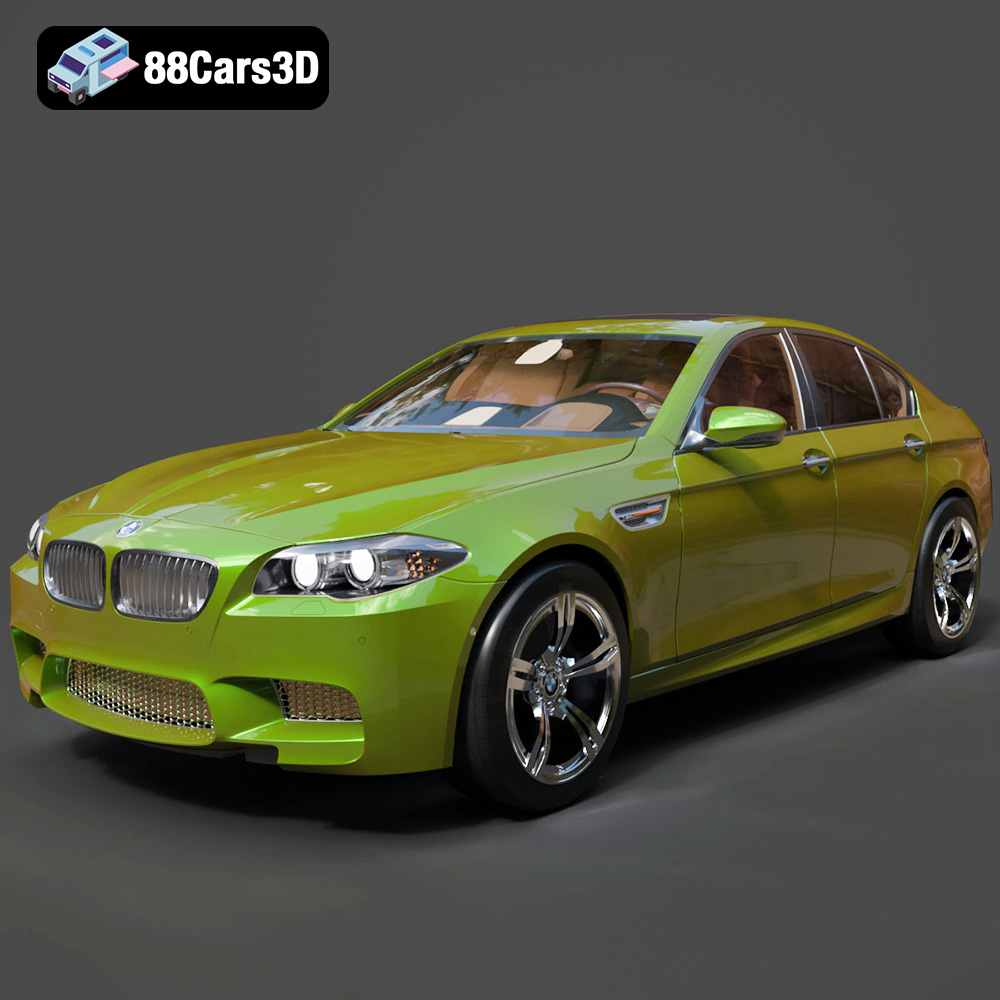
BMW M5 F10 3D Model
Texture: Yes
Material: Yes
Download the BMW M5 F10 3D Model featuring high-performance luxury sedan design, detailed interior, and realistic PBR textures. Includes .blend, .fbx, .obj, .glb, .stl, .ply, .unreal, and .max formats for rendering, simulation, and game development.
Price: $10.79
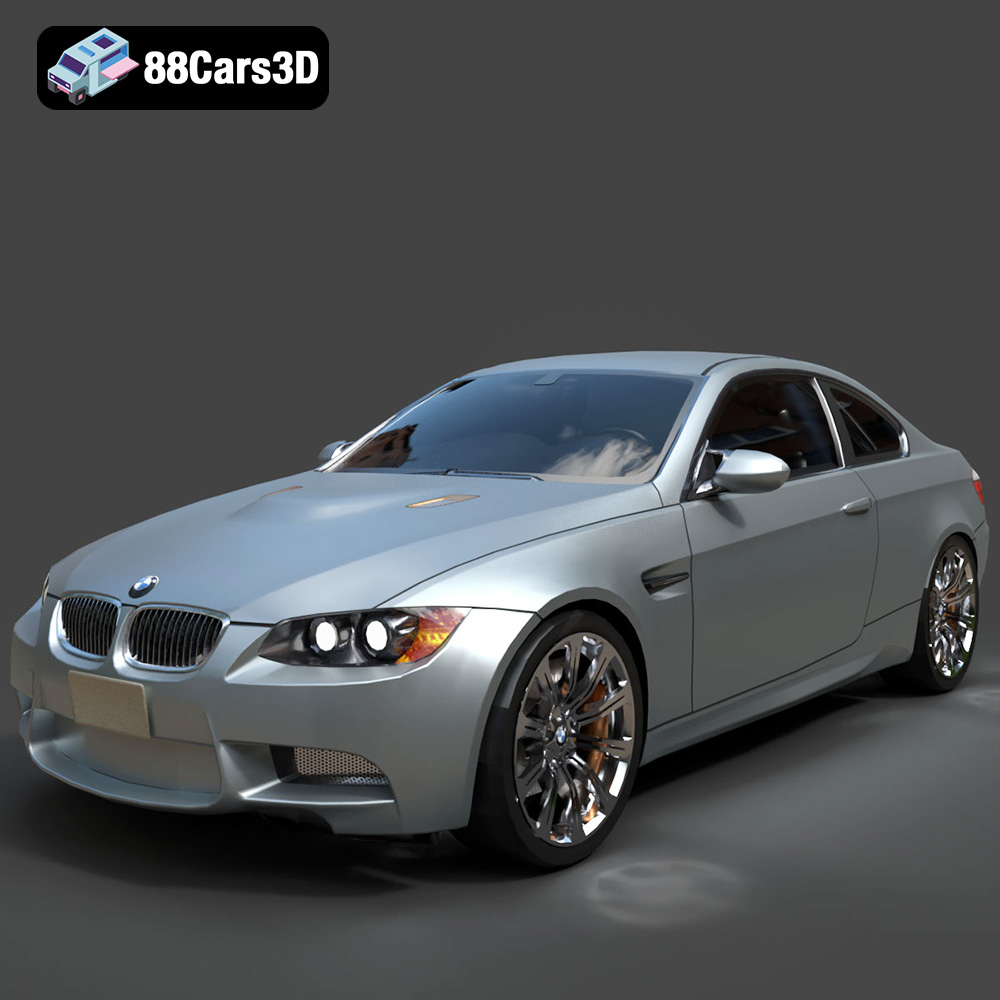
BMW M3 Coupe E92-002 3D Model
Texture: Yes
Material: Yes
Download the BMW M3 Coupe E92-002 3D Model featuring authentic styling, detailed exterior, and a faithful interior. Includes .blend, .fbx, .obj, .glb, .stl, .ply, .unreal, and .max formats for rendering, simulation, and game development.
Price: $10.79
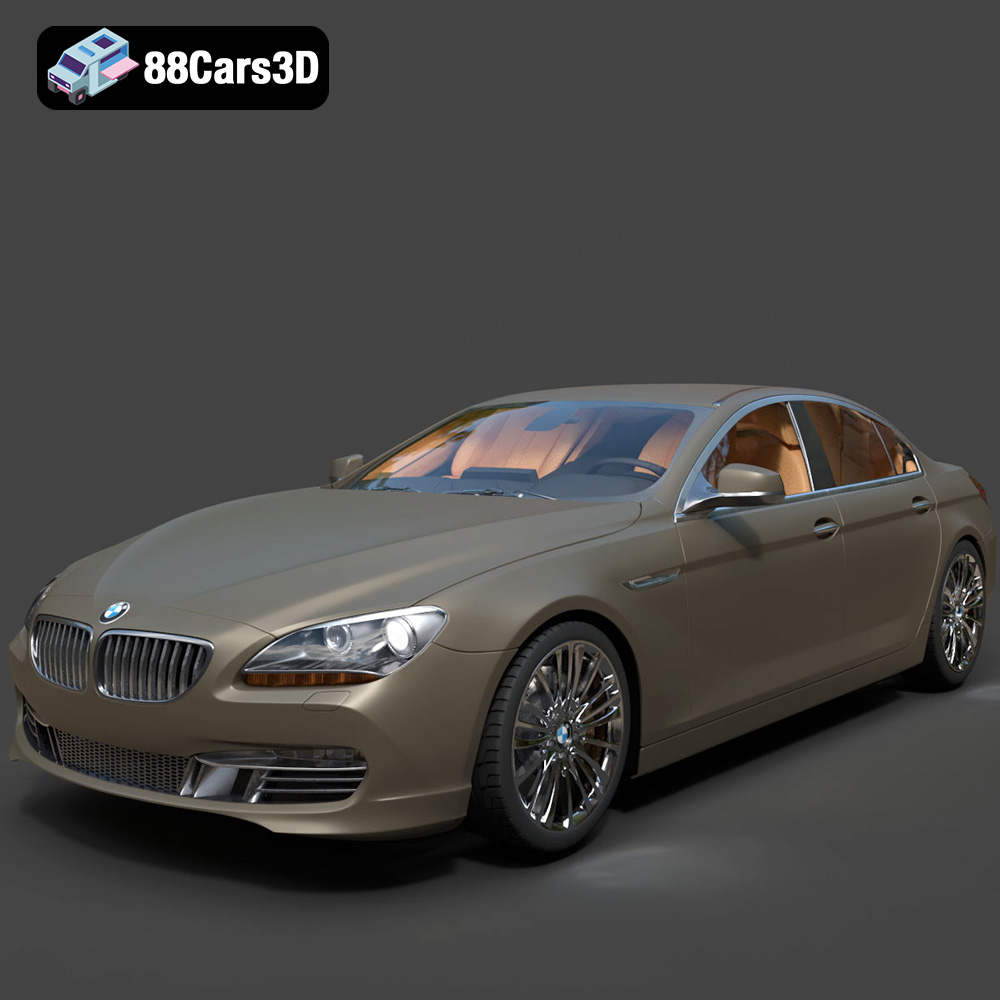
BMW 6 Series Gran Coupe 2013 3D Model
Texture: Yes
Material: Yes
Download the BMW 6 Series Gran Coupe 2013 3D Model featuring a sophisticated design, detailed exterior, and well-appointed interior. Includes .blend, .fbx, .obj, .glb, .stl, .ply, .unreal, and .max formats for rendering, simulation, and game development.
Price: $20.79
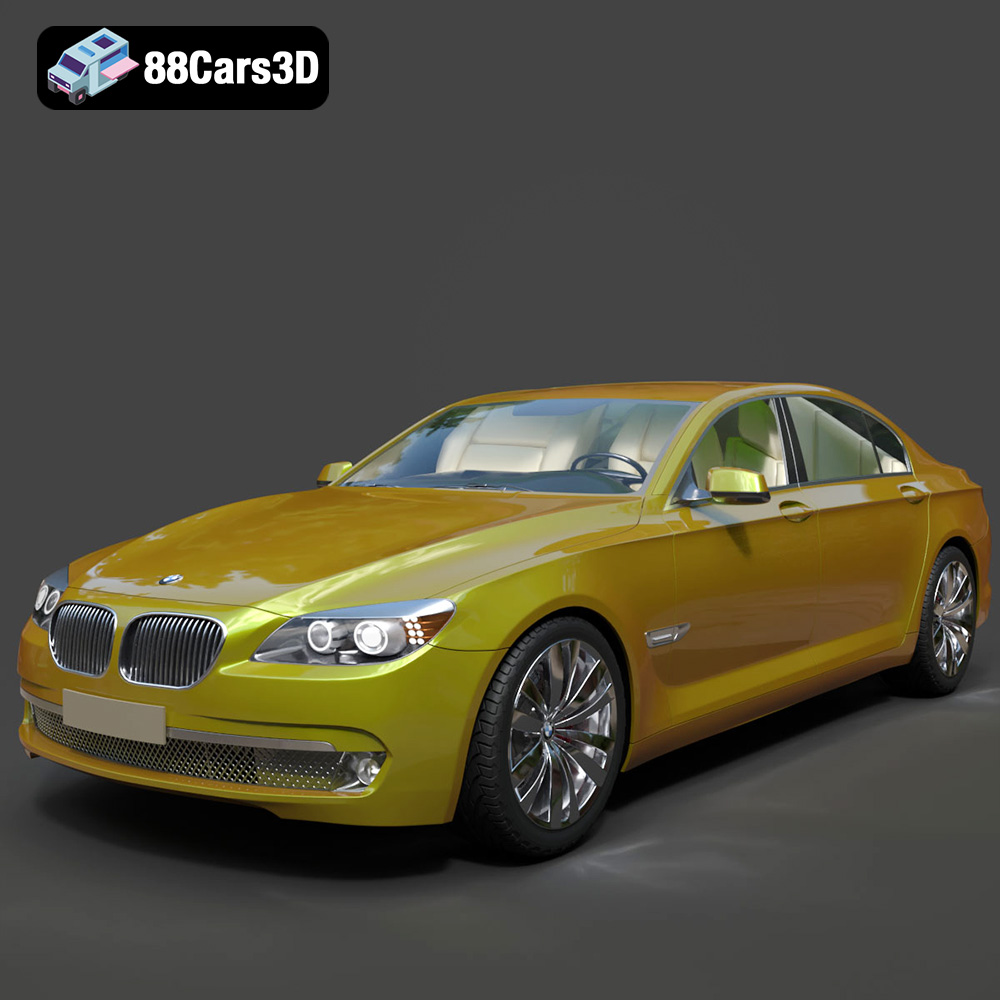
BMW 7 Series 750 F01 3D Model
Texture: Yes
Material: Yes
Download the BMW 7 Series 750 F01 3D Model featuring a detailed exterior and a luxurious interior. Includes .blend, .fbx, .obj, .glb, .stl, .ply, .unreal, and .max formats for rendering, simulation, and game development.
Price: $10.79
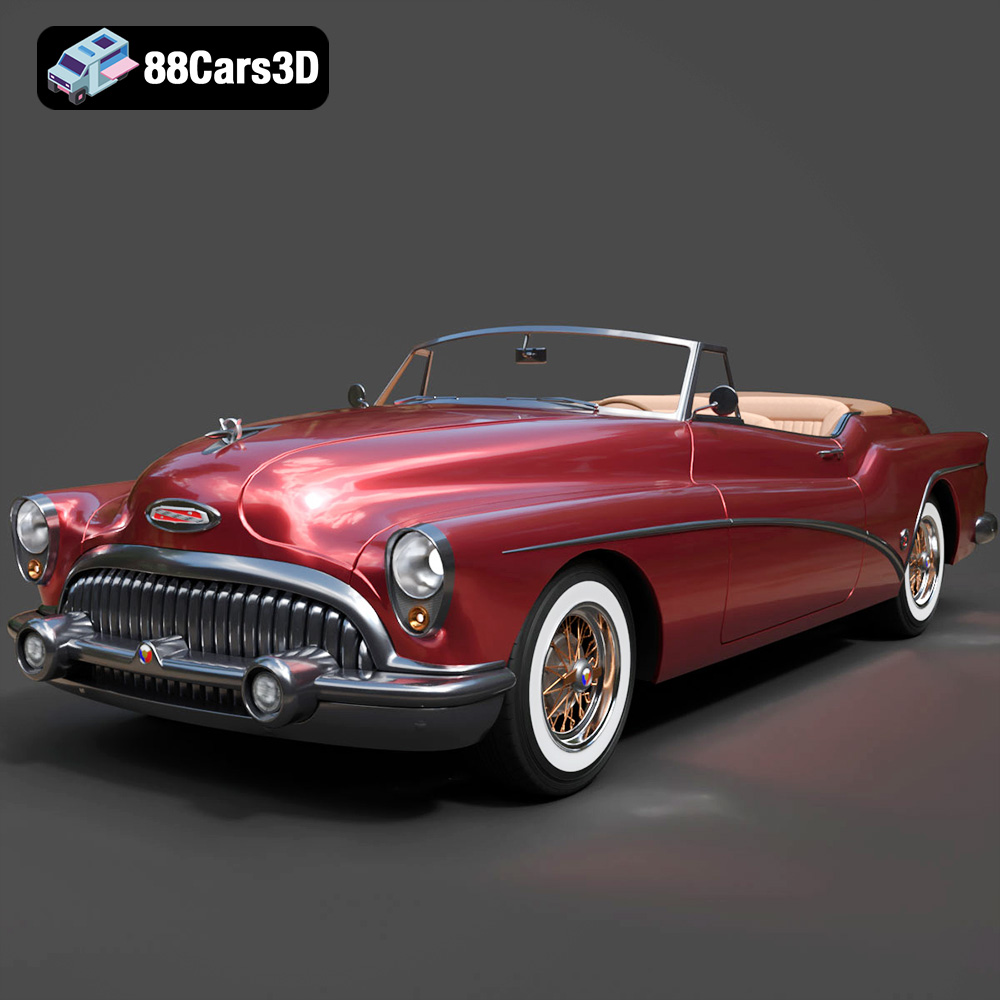
Buick Skylark Convertible 1953 3D Model
Texture: Yes
Material: Yes
Download the Buick Skylark Convertible 1953 3D Model featuring iconic 1950s styling, a detailed exterior with chrome accents, and an accurately modeled interior. Includes .blend, .fbx, .obj, .glb, .stl, .ply, .unreal, and .max formats for rendering, simulation, and game development.
Price: $10.79

Buick Roadmaster Hardtop Coupe 1957 3D Model
Texture: Yes
Material: Yes
Download the Buick Roadmaster Hardtop Coupe 1957 3D Model featuring a classic American design with detailed exterior and interior. Includes .blend, .fbx, .obj, .glb, .stl, .ply, .unreal, and .max formats for rendering, simulation, and game development.
Price: $10.79
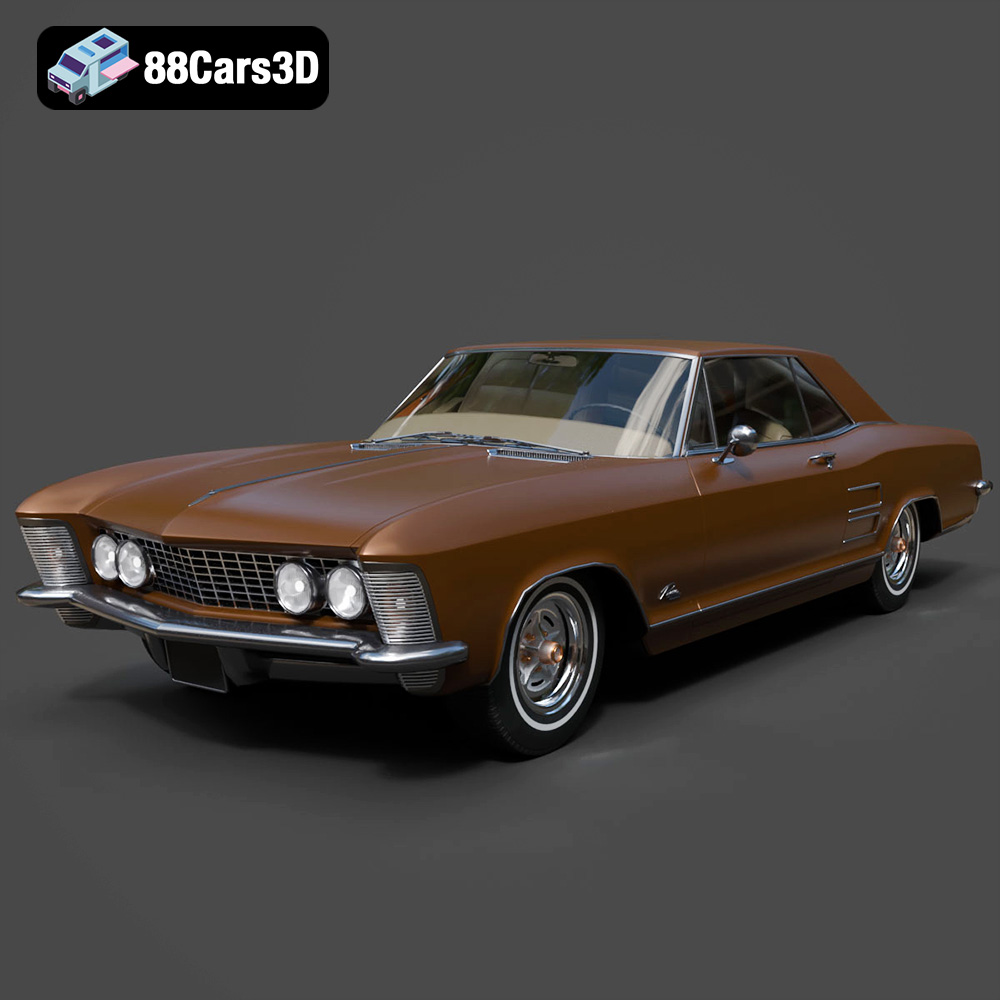
Buick Riviera 1963 3D Model
Texture: Yes
Material: Yes
Download the Buick Riviera 1963 3D Model featuring classic American muscle car design and iconic styling. Includes .blend, .fbx, .obj, .glb, .stl, .ply, .unreal, and .max formats for rendering, simulation, and game development.
Price: $10.79
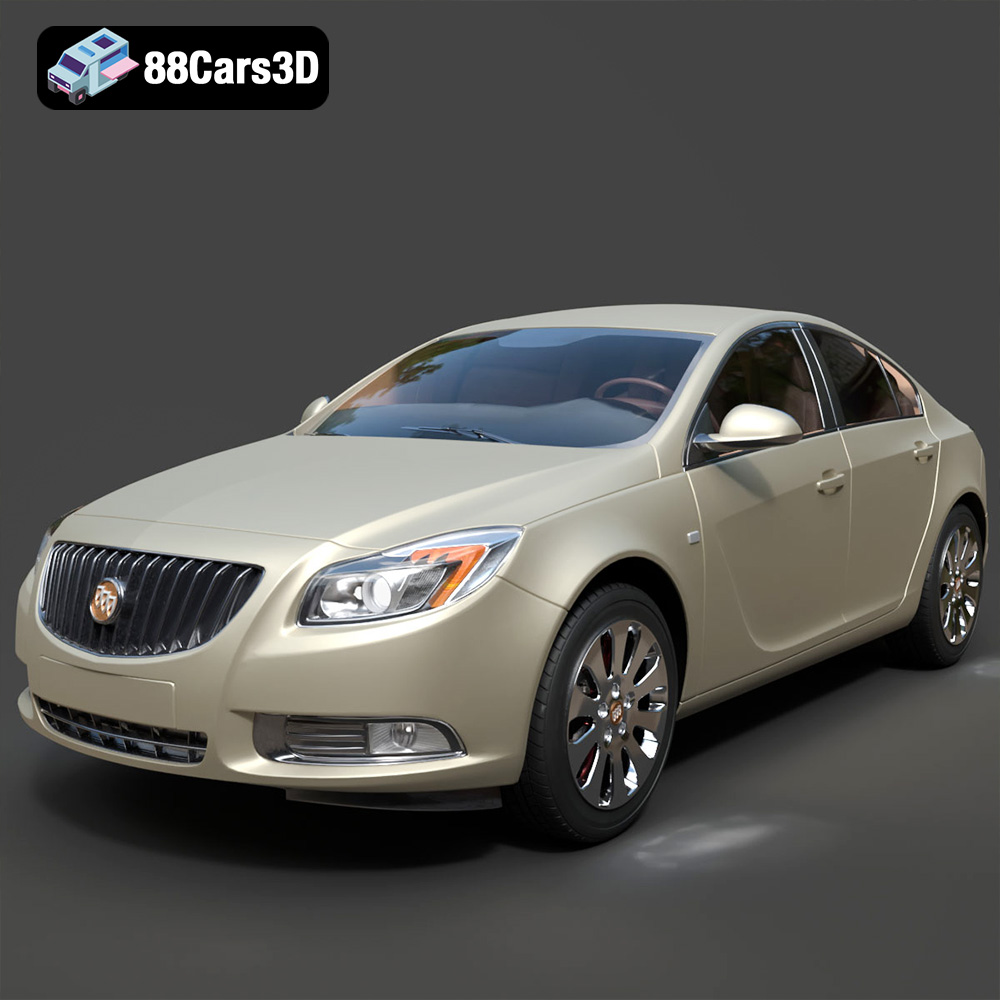
Buick Regal 3D Model
Texture: Yes
Material: Yes
Download the Buick Regal 3D Model featuring a classic American sedan design, detailed exterior, and optimized interior. Includes .blend, .fbx, .obj, .glb, .stl, .ply, .unreal, and .max formats for rendering, simulation, and game development.
Price: $10.79
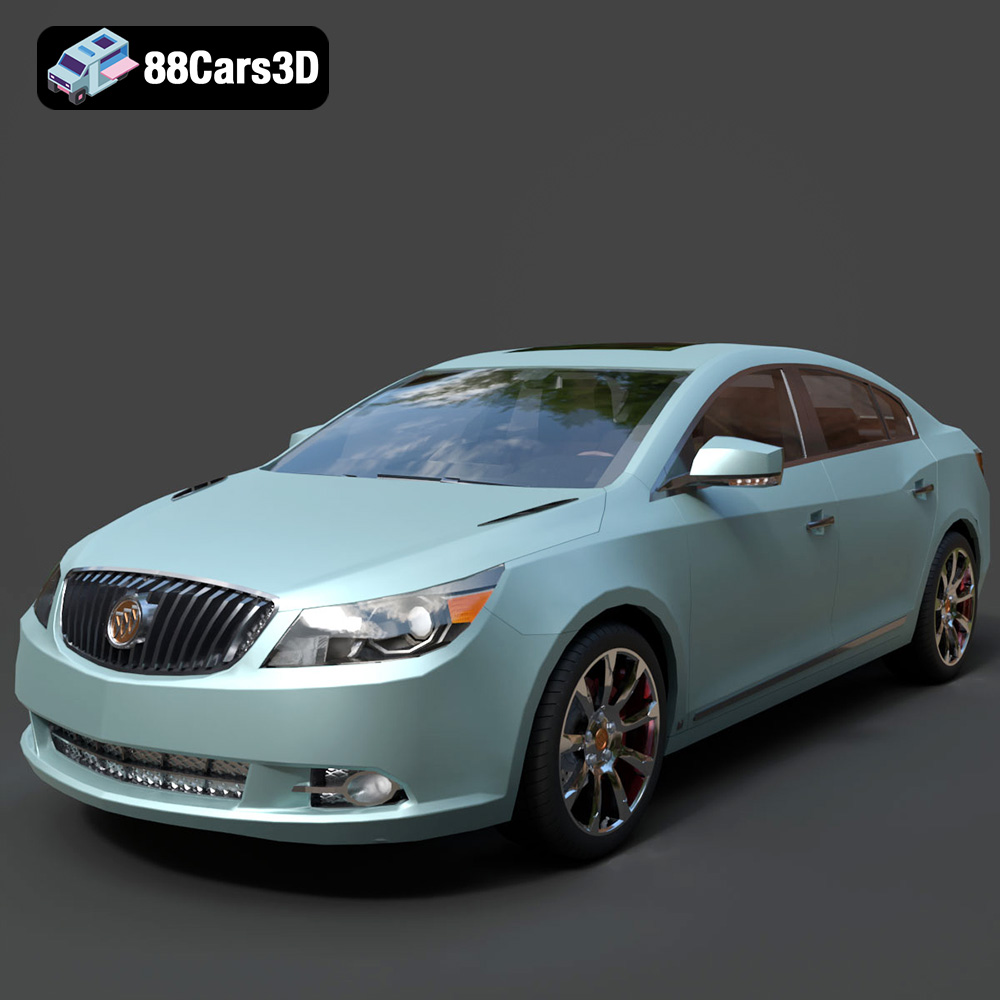
Buick LaCrosse 2008 3D Model
Texture: Yes
Material: Yes
Download the Buick LaCrosse 3D Model featuring professional modeling and texture work. Includes .blend, .fbx, .obj, .glb, .stl, .ply, .unreal, and .max formats for rendering, simulation, and game development.
Price: $10.79
