

Mastering PBR Materials for Automotive 3D Models: A Deep Dive into Photorealism and Performance
The pursuit of photorealism in 3D automotive visualization has never been more intense. From high-fidelity marketing renders to immersive game environments and interactive AR/VR experiences, the demand for breathtakingly lifelike vehicles is constant. At the heart of achieving this visual excellence lies an understanding and masterful application of Physically Based Rendering (PBR) materials. PBR isn’t just a buzzword; it’s a methodology that ensures your 3D models react to light in a way that mimics real-world physics, delivering consistent, believable results across various lighting conditions and rendering engines.
For 3D artists, game developers, automotive designers, and visualization professionals, mastering PBR materials for automotive models is a non-negotiable skill. It elevates your work from merely presentable to truly extraordinary, capturing the nuanced reflections of car paint, the subtle textures of interior fabrics, and the precise refractions of glass. This comprehensive guide will take you through the essential workflows, technical specifications, and industry best practices for creating, optimizing, and deploying stunning PBR automotive assets. We’ll explore everything from foundational topology and UV mapping to advanced shader networks, rendering techniques, and performance considerations for real-time applications. By the end, you’ll possess the knowledge to push the boundaries of realism in your automotive 3D projects.
Understanding Physically Based Rendering (PBR) for Automotive Realism
Physically Based Rendering (PBR) revolutionized 3D graphics by providing a standardized, physically accurate approach to material definition. Instead of relying on artists to “fake” light interactions, PBR materials inherently understand how light behaves in the real world, ensuring consistency and believability. This is particularly crucial for automotive models, where materials like metallic car paint, glass, and chrome exhibit complex light interactions that are difficult to reproduce accurately with traditional methods. The core principle of PBR is energy conservation – light energy should never be created or destroyed, only absorbed, reflected, or transmitted. This means that a surface cannot reflect more light than it receives.
Automotive surfaces are a perfect showcase for PBR’s capabilities. Think about a car’s metallic paint: it’s not just a color, but a complex interplay of diffuse base color, metallic flakes, and a clear coat that adds depth and specular reflections. PBR allows us to define these properties precisely using a set of standardized texture maps, ensuring that the model looks correct whether it’s under harsh sunlight, soft studio lighting, or inside a dimly lit garage. This consistency saves countless hours in rendering adjustments and provides a robust foundation for any visualization or interactive experience. Leveraging high-quality 3D car models often found on platforms like 88cars3d.com means that a robust PBR material setup is already a foundational component, allowing you to focus on scene integration and artistic direction rather than starting from scratch.
Core Principles: Energy Conservation and Microfacets
At its heart, PBR hinges on two fundamental concepts: energy conservation and the microfacet theory. Energy conservation dictates that the amount of light reflected from a surface cannot exceed the amount of light incident upon it. In practical terms, this means that as a surface becomes more reflective (more metallic or more specular), its diffuse reflection component must decrease. This prevents materials from appearing to glow or radiate light on their own, a common pitfall in older rendering techniques. This balance is automatically handled by PBR shaders, freeing artists to focus on artistic intent rather than complex manual balancing acts.
The microfacet theory explains how a surface’s microscopic roughness affects its reflectivity. Even seemingly smooth surfaces have tiny imperfections at a microscopic level, known as microfacets. These microfacets scatter light in different directions. A perfectly smooth surface (low roughness) will have microfacets aligned, leading to sharp, clear reflections. A rougher surface (high roughness) will have randomly oriented microfacets, scattering light more diffusely and resulting in blurry, spread-out reflections. This theory is crucial for accurately representing materials like matte plastics, brushed metals, or polished chrome, each with a distinct microfacet distribution. Understanding these principles is key to manipulating your PBR textures for precise visual outcomes.
Key PBR Texture Maps and Their Role
PBR workflows typically rely on a set of common texture maps to define material properties. While specific names might vary slightly between metallic/roughness and specular/glossiness workflows, the underlying principles remain consistent. The most common maps include:
- Albedo/Base Color: This map defines the fundamental color of the surface, stripped of any lighting information. For non-metallic surfaces, this is typically the diffuse color. For metals, it defines the color of the reflection.
- Metallic: A grayscale map (0 to 1, or black to white) indicating whether a surface pixel is metallic (white) or non-metallic (black). Values in between can represent hybrid materials or oxidized metals.
- Roughness (or Glossiness): A grayscale map (0 to 1) controlling the microscopic surface irregularities. Low roughness (black) means a smooth, highly reflective surface; high roughness (white) means a rough, diffuse surface. (Glossiness is the inverse).
- Normal: A tangent-space normal map that provides high-frequency surface detail without adding actual geometry. Essential for subtle dents, scratches, or fabric weaves on flat surfaces, adding significant realism with minimal polygon count increase.
- Ambient Occlusion (AO): A grayscale map that fakes soft shadows where surfaces are close together, enhancing perceived depth and realism in crevices and corners without relying on complex global illumination calculations.
- Height/Displacement: Used for actual displacement of mesh vertices, offering genuine geometric detail for significant surface changes like tire treads or embossed logos. Generally more performance-intensive than normal maps.
Each of these maps works in conjunction within the PBR shader to accurately define how light interacts with every point on your automotive model.
Precision Topology and UV Unwrapping for Seamless Automotive Textures
Creating high-quality PBR materials is only half the battle; those materials need a perfectly prepared surface to adhere to. This means meticulous attention to your 3D model’s topology and UV mapping. For automotive models, which are often characterized by smooth, sweeping curves and intricate details, precise topology is paramount for clean subdivision, deformation, and rendering. Poor topology leads to shading artifacts, pinching, and difficulty in UV unwrapping, ultimately compromising the quality of your PBR textures.
UV mapping is the process of flattening the 3D surface of your model into a 2D space, allowing you to apply 2D textures onto it. For cars, this is a particularly complex task due to the myriad of curved panels, distinct parts (windows, wheels, lights, interior elements), and often very high-resolution texture requirements. Efficient and clean UVs are critical for maximizing texture resolution, minimizing seams, and enabling proper PBR material application. Without well-thought-out UVs, even the best PBR textures will appear stretched, distorted, or misaligned, breaking the illusion of realism. A professional workflow for automotive models demands that these foundational steps are executed with utmost precision.
Clean Edge Flow and Subdivision Readiness
Excellent topology for automotive models prioritizes clean, quad-based geometry with a deliberate edge flow that follows the contours and creases of the vehicle. N-gons (polygons with more than four sides) and triangles should be avoided wherever possible, especially on large, curved surfaces that will receive subdivision modifiers. Triangles can cause pinching and unpredictable deformation when subdividing, leading to unsightly artifacts that disrupt the smooth reflections characteristic of car bodies.
A “subdivision-ready” mesh is one that retains its smooth form and sharp details even after applying subdivision surface modifiers (e.g., Turbosmooth in 3ds Max, Subdivision Surface in Blender, or Smooth Mesh in Maya). This requires strategic placement of “support loops” or “holding edges” around sharp edges and corners. These additional edge loops, placed close to the hard edge, prevent it from becoming too soft when subdivided, maintaining the crispness of body lines, panel gaps, and intricate details like grille meshes or wheel spokes. Good edge flow also ensures that deformations, such as those from animation or damage, occur predictably and smoothly without undesirable stretching or tearing.
UV Strategies for Complex Car Surfaces (Tiles, Overlaps, Seams)
UV unwrapping a complex automotive model requires a strategic approach to maximize texture resolution and minimize visible seams. Common strategies include:
- Segmentation: Break down the car into logical UV islands: hood, doors, roof, fenders, bumpers, wheels, interior elements, etc. This helps manage complexity and allows for targeted texture resolutions.
- Maximizing UV Space: Arrange UV islands efficiently within the 0-1 UV space, minimizing wasted areas. Rotate and scale islands appropriately.
- Strategic Seam Placement: Place seams in less visible areas, such as along panel gaps, under trim pieces, or in areas that will be obscured. For symmetrical parts, you can often mirror UVs, but be mindful if unique weathering or decals are required later.
- Texel Density Consistency: Aim for a consistent texel density across all UV islands that will use the same texture set. This ensures uniform texture resolution across the model, preventing some areas from looking blurry while others are sharp.
- UDIM Workflow: For extremely high-resolution assets, especially those used in cinematic rendering or VFX, UDIMs (U-Dimension) allow you to spread UV islands across multiple UV tiles (e.g., 1001, 1002, 1003…). This avoids the 0-1 texture resolution limitation and allows for massive texture detail without large single texture files.
- Overlapping UVs: For symmetrical parts with identical textures (e.g., left and right wheels, certain interior elements), overlapping UV islands can save texture space. However, this is only viable if there’s no unique detail or weathering per side.
Each component, from the expansive body panels to the intricate badge details, requires careful consideration during the UV unwrapping process to ensure a flawless canvas for your PBR materials.
Developing Authentic Automotive PBR Materials and Shader Networks
With a perfectly prepared mesh and UVs, the next step is to breathe life into your automotive model with authentic PBR materials. Crafting realistic car shaders goes beyond simply applying a color; it involves understanding the specific physical properties of each material, from the multi-layered complexity of car paint to the subtle reflectivity of interior plastics and the light transmission of glass. This process typically involves building intricate shader networks within your 3D software.
A shader network defines how light interacts with the surface. For automotive applications, this often means layering different material properties, blending textures, and utilizing advanced nodes to simulate specific effects. The goal is to replicate the real-world physical properties as accurately as possible, leveraging your PBR texture maps to drive these properties. This section will delve into the specifics of creating compelling automotive materials, focusing on the most challenging yet rewarding aspects.
Car Paint Shaders: Metallic Flakes, Clear Coat, and Anisotropy
Automotive paint is arguably the most complex material on a car and a true test of a PBR artist’s skill. A realistic car paint shader typically involves several layers:
- Base Paint Layer: This is the diffuse color of the paint. It’s usually a non-metallic PBR material, but its metallic value might be driven by a very subtle grayscale map for pearlescent effects.
- Metallic Flake Layer: This is often a separate metallic shader component, blended on top of the base. It uses a very fine noise or procedural texture to simulate microscopic metallic flakes embedded in the paint. These flakes should have high metallic values and low roughness to create sharp, sparkling highlights. Anisotropy can be added here to simulate the elongated reflections from oriented flakes.
- Clear Coat Layer: This is a crucial, transparent, and highly reflective layer applied on top of everything else. It’s a dielectric (non-metallic) material with very low roughness, simulating the protective clear coat. Its reflections should be sharp and pronounced, often with a slight Fresnel effect (meaning reflections are stronger at glancing angles).
Many modern renderers offer specialized car paint shaders that simplify this layered approach, providing parameters for flake density, size, clear coat thickness, and even Orange Peel effect. Experimenting with these parameters and using high-quality reference images is vital to achieve that showroom finish.
Interior Materials: Leather, Plastics, and Textiles
The interior of an automotive model demands just as much attention to detail as the exterior. Each material has distinct PBR properties:
- Leather: Typically a non-metallic material. Its PBR properties are largely driven by roughness and normal maps. The roughness map should show subtle variations, with pores and creases being slightly rougher. A subtle normal map provides the microscopic grain, while a height map can add larger wrinkles and folds. Subsurface Scattering (SSS) can be used for very high-end renders to simulate the slight light absorption and scattering within the leather, adding to its softness.
- Plastics: A diverse category, ranging from glossy dashboards to matte textured door panels. All are non-metallic. The key is in the roughness and normal maps. High-gloss plastics will have very low roughness; textured plastics will use a combination of normal maps (for surface patterns) and roughness maps (for the overall matte finish). Always consider the subtle variations in roughness that occur from wear and tear.
- Textiles: Cloth, carpet, and headliners are non-metallic and often quite rough. Normal maps are essential for weaving patterns. Advanced textile shaders might utilize an ‘Anisotropic’ roughness distribution to simulate the way light catches individual fibers, common for materials like brushed suede or velvet. The Base Color map for textiles should often be slightly desaturated or muted compared to their real-world counterparts to avoid oversaturation in renders.
Each material needs to contribute to the overall luxury or utilitarian feel of the interior. Platforms like 88cars3d.com often provide fully textured interiors, significantly reducing the initial material setup time.
Glass and Emissive Elements
Glass in automotive models includes windows, headlights, and tail lights. PBR glass is a dielectric material defined by its Index of Refraction (IOR) and transparency.
For windows, a common IOR of 1.5-1.6 is used. The material should have 100% metallic (0) and 0 roughness for perfect clarity. Tinting is applied to the Base Color’s alpha channel or directly to the transmission color. Headlight and taillight lenses are often more complex, combining clear glass with internal reflectors. The clear outer lens is glass, while the inner reflector uses a metallic material with a textured normal map to simulate the intricate reflector patterns.
Emissive elements, such as headlights, tail lights, and dashboard displays, involve using an emission map or a direct emission value in the PBR shader. The emission map provides the color and intensity of the light being emitted, rather than reflected. It’s important to differentiate between actual light sources (like mesh lights or area lights placed inside headlights) and the emissive material itself, which adds visual glow but doesn’t necessarily contribute to scene illumination unless globally illuminated. For interactive applications, emissive textures often have a bloom post-process effect applied to enhance their visual impact.
Advanced Rendering Workflows with PBR Automotive Assets
Once your automotive model is meticulously modeled, UV’d, and dressed with robust PBR materials, the next critical step is to bring it to life through rendering. A sophisticated rendering workflow goes beyond simply hitting the render button; it encompasses strategic lighting, environment setup, and meticulous post-processing to achieve truly photorealistic results. Different rendering engines offer distinct advantages, and understanding their nuances is key to maximizing the visual impact of your PBR automotive assets.
Whether your goal is a still image for marketing, an animation for a commercial, or a real-time experience, the rendering stage is where all your hard work converges into a stunning final image. This section explores advanced techniques to push the boundaries of realism, ensuring your automotive models shine with impeccable detail and atmospheric presence.
Lighting and HDRI Environments for Photorealism
Lighting is the single most important factor in achieving photorealism for automotive renders. PBR materials react correctly to light, but they need high-quality, realistic light sources to do so. High Dynamic Range Images (HDRIs) are indispensable for this. An HDRI captures the full spectrum of light and environment information from a real-world location (e.g., a studio, an outdoor street, a cloudy sky) and projects it onto your 3D scene, providing both realistic lighting and reflections simultaneously.
When using HDRIs:
- Choose the Right HDRI: Select an HDRI that matches the desired mood and environment. A studio HDRI will provide soft, even lighting, while an outdoor HDRI will give dramatic sun and sky illumination.
- Rotation and Intensity: Experiment with rotating the HDRI to find the most flattering lighting and reflection angles on the car’s surfaces. Adjust the overall intensity to match the desired exposure.
- Augment with Area Lights: While HDRIs provide global illumination, supplementing them with targeted area lights, spot lights, or mesh lights can enhance specific features, add kick lights, or create dramatic shadows. For instance, an elongated area light can beautifully highlight the body lines of a car.
- Camera Matching: If placing the car into a backplate image, ensure the camera’s focal length and perspective in your 3D scene perfectly match the backplate to ensure seamless integration.
The combination of a well-chosen HDRI and strategically placed additional lights will make your PBR materials sing, bringing out the depth and realism of the car paint, chrome, and glass.
Post-Processing and Compositing for Impact
No render is truly finished until it has gone through a careful post-processing and compositing stage. This is where you add the final artistic touches that elevate a good render to an exceptional one. While PBR ensures physical accuracy, post-processing adds the cinematic quality and emotional impact.
Key post-processing techniques include:
- Color Grading: Adjusting the overall color balance, saturation, and contrast to establish mood and visual harmony.
- Exposure and White Balance: Fine-tuning the brightness levels and color temperature to ensure the image feels natural and correctly exposed.
- Vignetting: A subtle darkening of the image edges to draw focus to the center.
- Lens Effects: Adding subtle bloom (light glow), lens flares, or chromatic aberration to simulate real camera optics. Be cautious not to overdo these effects.
- Depth of Field (DOF): Blurring the background or foreground to simulate camera focus and emphasize the car.
- Sharpening and Noise Reduction: Enhancing details and cleaning up any rendering artifacts.
Compositing involves combining multiple render passes (e.g., beauty, alpha, diffuse, specular, reflection, Z-depth) in software like Photoshop or Nuke. This non-destructive workflow offers immense control over individual elements of the image, allowing for precise adjustments to reflections, shadows, or even the underlying environment without re-rendering the entire scene.
Software-Specific Rendering (Corona, V-Ray, Cycles, Arnold)
The choice of rendering engine significantly impacts workflow and final output. All modern engines support PBR workflows, but their implementations and feature sets vary:
- Corona Renderer: Known for its ease of use, physically accurate light transport, and exceptional quality, especially for interior rendering. Its interactive render allows for rapid feedback, which is invaluable for automotive material and lighting setup.
- V-Ray: A industry standard, highly versatile, and feature-rich renderer compatible with numerous 3D applications. Offers immense control over every aspect of rendering and is renowned for its production capabilities for complex scenes and animations.
- Blender Cycles: Blender’s powerful, physically based production renderer. It leverages both CPU and GPU for rendering and offers a flexible node-based shader system perfect for complex PBR materials. For detailed information on its features and optimal use, artists can refer to the official Blender 4.4 documentation at https://docs.blender.org/manual/en/4.4/.
- Arnold: A high-performance, unbiased Monte Carlo path tracer, widely used in film and VFX. Known for its robustness, ability to handle massive scenes, and realistic subsurface scattering. It excels at rendering complex surfaces like car paint with accurate light bounces.
Each engine has its strengths. The best choice often depends on your primary 3D software, project requirements, and personal preference. The core principles of PBR remain consistent across them, making it easy to transition your material knowledge.
Optimizing PBR Car Models for Real-time Performance in Games and AR/VR
While cinematic renders can afford virtually unlimited polygon counts and texture resolutions, real-time applications like video games, interactive configurators, and AR/VR experiences demand rigorous optimization. PBR materials are still essential for visual fidelity, but they must be implemented with performance in mind. Unoptimized assets can lead to low frame rates, long loading times, and a poor user experience. The challenge lies in maintaining visual quality while adhering to strict performance budgets.
Optimizing PBR automotive models involves a multi-faceted approach, addressing geometry, textures, and material complexity. It’s a balance between fidelity and efficiency, often requiring artists to make smart compromises. Understanding how game engines and real-time platforms process data is crucial for creating assets that look great and perform flawlessly, especially when sourcing high-quality, pre-made assets, where further optimization might be necessary for specific real-time requirements.
Level of Detail (LODs) and Draw Call Reduction
Level of Detail (LODs) are crucial for real-time performance. They involve creating multiple versions of the same model, each with progressively lower polygon counts. The engine then automatically swaps these models based on the camera’s distance to the object.
For a high-quality 3D car model, you might have:
- LOD0: Full detail, high polygon count (e.g., 150,000-300,000+ triangles for hero shots).
- LOD1: Medium detail, reduced polygon count (e.g., 50,000-100,000 triangles), slightly visible at mid-distances.
- LOD2: Low detail, significantly reduced polygon count (e.g., 10,000-30,000 triangles), for objects further away.
- LOD3: Very low detail (e.g., 1,000-5,000 triangles), often just a silhouette, for objects at extreme distances or in the background.
The key is to ensure the visual transition between LODs is seamless. Normal maps can be baked from higher-detail meshes onto lower-detail ones to retain perceived detail without the geometric overhead. Effective LODs drastically reduce the number of polygons the GPU has to render at any given time.
Draw calls are instructions from the CPU to the GPU to render a batch of triangles. Each material, mesh, and object typically generates at least one draw call. Too many draw calls can bottleneck the CPU. To reduce them:
- Combine Meshes: Merge separate mesh components (e.g., car body, doors, hood) into a single mesh where appropriate, as long as they share materials.
- Texture Atlasing: Combine multiple smaller texture maps into a single, larger texture atlas. This allows multiple parts of the car to share a single material, further reducing draw calls.
- Instancing: For identical objects (e.g., multiple identical cars), using instancing allows the GPU to render them with a single draw call.
Minimizing draw calls and implementing robust LODs are fundamental for achieving smooth frame rates in interactive automotive experiences.
Texture Atlasing and Compression
Texture atlasing is a powerful optimization technique where multiple smaller textures (e.g., textures for individual car parts like lights, badges, or interior components) are packed into a single, larger texture sheet. The UVs of the respective meshes are then adjusted to point to their specific regions within this atlas. This reduces memory footprint and, more importantly, reduces draw calls because fewer materials are needed. For a complex car model, consolidating dozens of individual textures into a few atlases can yield significant performance gains.
Texture compression is also vital. Formats like DXT1, DXT5 (for desktop), or ETC2 (for mobile) reduce the file size and memory usage of textures without a drastic loss in visual quality. For PBR, it’s common to compress color maps (Albedo) separately from data maps (Normal, Roughness, Metallic). Often, roughness, metallic, and ambient occlusion maps can be packed into the individual RGB channels of a single texture file (e.g., R=Roughness, G=Metallic, B=AO) to save even more memory and sampler slots. The specific compression method will depend on the target platform and engine.
AR/VR Specific Considerations and File Formats (GLB, USDZ)
AR/VR applications have even stricter performance budgets than traditional games due to the high frame rate requirements (often 90fps or more) and the stereo rendering aspect. This means optimization techniques become even more critical.
- Extreme LODs: More aggressive LODs are needed, with lower polygon counts at closer distances.
- Polycount: Target polycounts for a full automotive model in AR/VR can range from 30,000 to 100,000 triangles, depending on the platform and level of detail required.
- Batching: Maximize batching of meshes and materials to reduce draw calls.
- Shader Complexity: Keep PBR shader networks as simple as possible. Avoid complex effects that are expensive to compute in real-time.
- Real-time GI: While desirable, full real-time global illumination is often too expensive for AR/VR. Baked lighting (lightmaps) or simplified real-time GI solutions are typically used.
For AR/VR, specific file formats are favored due to their efficiency and PBR support:
- GLB (Binary glTF): The GL Transmission Format (glTF) is an open standard designed for efficient transmission and loading of 3D scenes and models by engines and applications. GLB is the binary version, packing all assets (geometry, textures, materials, animations) into a single file, making it ideal for web-based AR/VR and rapid deployment. It inherently supports PBR materials.
- USDZ: Developed by Apple and Pixar, USDZ is a proprietary format specifically for AR applications on Apple devices. It’s based on Pixar’s Universal Scene Description (USD) and also supports PBR materials, making it a go-to for iOS AR experiences.
When preparing models for AR/VR, always test performance rigorously on target devices to ensure a smooth and immersive experience.
Ensuring Interoperability and Preparing PBR Models for Diverse Uses
The lifecycle of a 3D automotive model often involves movement between various software packages, rendering engines, and target platforms. Ensuring interoperability and proper preparation for diverse applications — from cinematic renders to game engines, and even 3D printing — is crucial for efficiency and maintaining quality. This means understanding which file formats best support PBR materials and how to adapt your models for vastly different requirements. A professional 3D car model, such as those available on 88cars3d.com, typically comes prepared in multiple formats, streamlining this process for artists.
While PBR principles are universal, their implementation can vary. Exporting models and textures correctly, understanding the nuances of different file types, and preparing meshes for specialized uses like 3D printing are all vital skills for a comprehensive automotive 3D workflow. This final section outlines the best practices for guaranteeing your PBR-enabled automotive assets are versatile and production-ready.
Common File Formats (FBX, OBJ, GLB, USDZ) and Their PBR Support
Choosing the correct file format for exporting your 3D automotive model is critical for preserving PBR material data and ensuring compatibility across different software and platforms:
- FBX (Filmbox): A proprietary format by Autodesk, widely considered the industry standard for exchanging 3D data between applications like 3ds Max, Maya, Blender, Unity, and Unreal Engine. FBX supports geometry, animation, cameras, lights, and crucially, PBR material definitions (though conversion may be needed between software). It can embed textures, making it a convenient package for transfer.
- OBJ (Wavefront Object): An older, simpler format primarily for geometry (vertices, normals, UVs). It supports basic material definitions (.MTL file) but does not inherently store PBR texture map assignments or complex shader networks. While still common for basic mesh exchange, it’s less ideal for PBR workflows unless textures are manually re-linked in the destination software.
- GLB (Binary glTF): As discussed, GLB is rapidly becoming the universal standard for real-time 3D assets, especially for web, AR, and VR. It is an open format designed for efficient transmission, fully supporting PBR material definitions (Metallic-Roughness workflow) and embedding all assets into a single file.
- USDZ: Apple’s augmented reality format, also supporting PBR. Essential for delivering immersive AR experiences on iOS devices. It’s built on Pixar’s Universal Scene Description (USD) framework, which is gaining traction as an interchange format for large-scale production pipelines.
Always perform test exports and imports to ensure that your PBR materials translate correctly between your source software and the target application.
Preparing Automotive Models for High-Quality 3D Printing
While PBR materials are about visual fidelity, 3D printing requires a focus on physical solidity and manifold geometry. Converting a high-detail rendering model into a print-ready file involves a different set of considerations:
- Manifold Geometry: The model must be “water-tight” – every edge must be shared by exactly two faces, with no holes, inverted normals, or self-intersecting geometry. 3D printers need a perfectly closed volume.
- Wall Thickness: Ensure all parts of the model have a minimum wall thickness, typically 1-2mm, to prevent them from being too fragile or failing to print. Thin details like antenna, mirrors, or small badges may need to be thickened or simplified.
- Polygon Count: While high polygon counts are fine for rendering, overly dense meshes can increase file size and processing time for 3D printers. Remeshing or decimation tools can be used to reduce polygon count while preserving detail, as long as it doesn’t create non-manifold geometry.
- Scale and Units: Verify that the model is at the correct scale for printing. Export in standard units like millimeters or inches.
- File Formats: STL (Stereolithography) is the most common format for 3D printing, representing surface geometry using triangular facets. OBJ is also widely accepted, particularly if color information (vertex colors) is needed. Newer formats like 3MF offer more comprehensive data.
- Mesh Repair: Use software tools (e.g., in Blender, Meshmixer, Netfabb) to analyze and repair any non-manifold geometry, fill holes, and ensure the mesh is print-ready.
PBR textures are not directly used in 3D printing (unless it’s full-color printing), but the high-fidelity geometry and details captured during the modeling phase are crucial for a successful physical output.
Conclusion
Mastering PBR materials for automotive 3D models is a transformative skill for anyone working in the realm of virtual vehicles. We’ve journeyed from the fundamental principles of physically based rendering and meticulous topology to the intricate art of crafting realistic car paint, interior materials, and glass. We then explored advanced rendering workflows, leveraging HDRIs and post-processing to achieve cinematic quality, and delved into the critical world of optimization for real-time applications like games and AR/VR, where efficiency is paramount.
The techniques and best practices discussed, from clean edge flow and strategic UV mapping to implementing LODs and selecting appropriate file formats, collectively empower you to create automotive assets that are not only visually stunning but also technically robust and versatile. Whether your goal is a breathtaking marketing render, an immersive game asset, a detailed visualization, or even a tangible 3D print, the foundational knowledge of PBR ensures your work stands out.
The automotive industry continues to push the boundaries of digital representation, and with a solid grasp of PBR, you are equipped to meet and exceed those demands. For those seeking a head start or foundational assets, platforms like 88cars3d.com offer a curated selection of high-quality 3D car models, often pre-equipped with excellent topology and PBR-ready materials, serving as a perfect springboard for your projects. Continue to explore, experiment, and refine your craft – the road to automotive photorealism is an exciting and rewarding journey.
Featured 3D Car Models
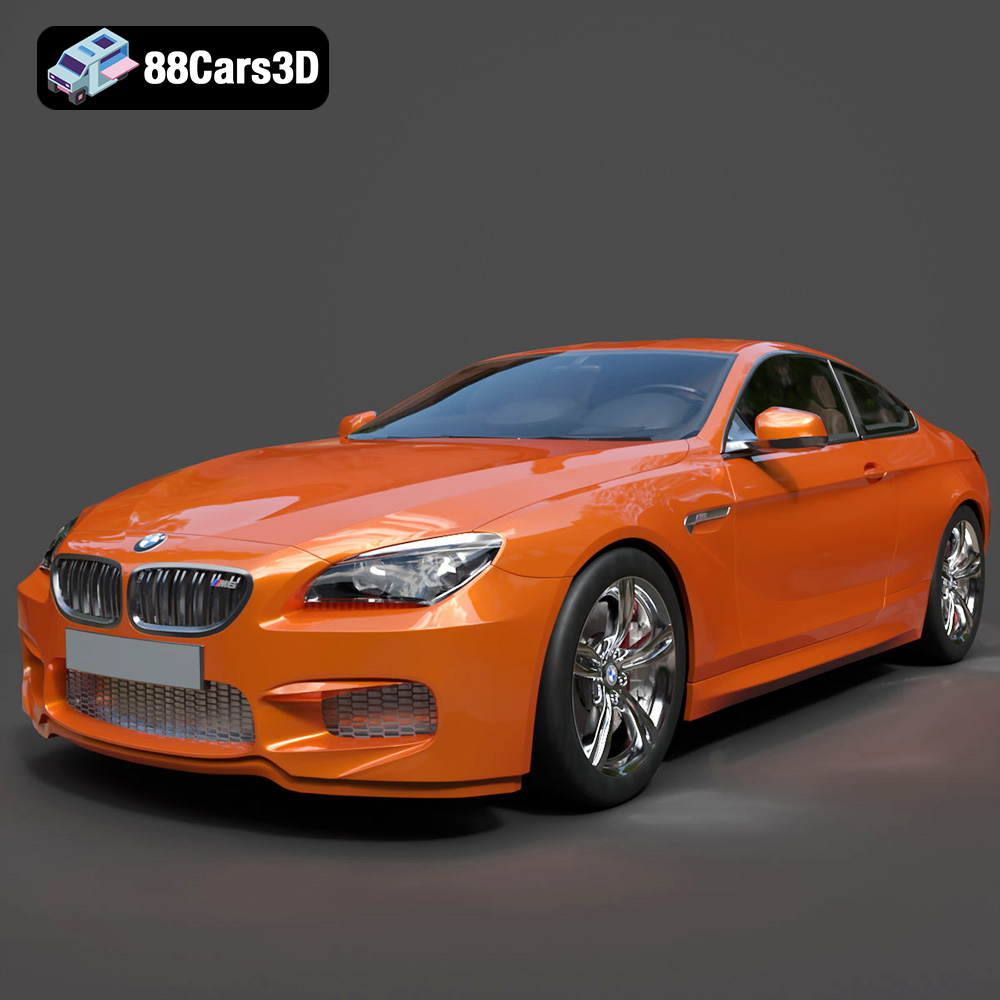
BMW M6 Coupe (F12) 3D Model
Texture: Yes
Material: Yes
Download the BMW M6 Coupe (F12) 3D Model featuring its iconic sporty design and luxurious details. Includes .blend, .fbx, .obj, .glb, .stl, .ply, .unreal, and .max formats for rendering, simulation, and game development.
Price: $10.79
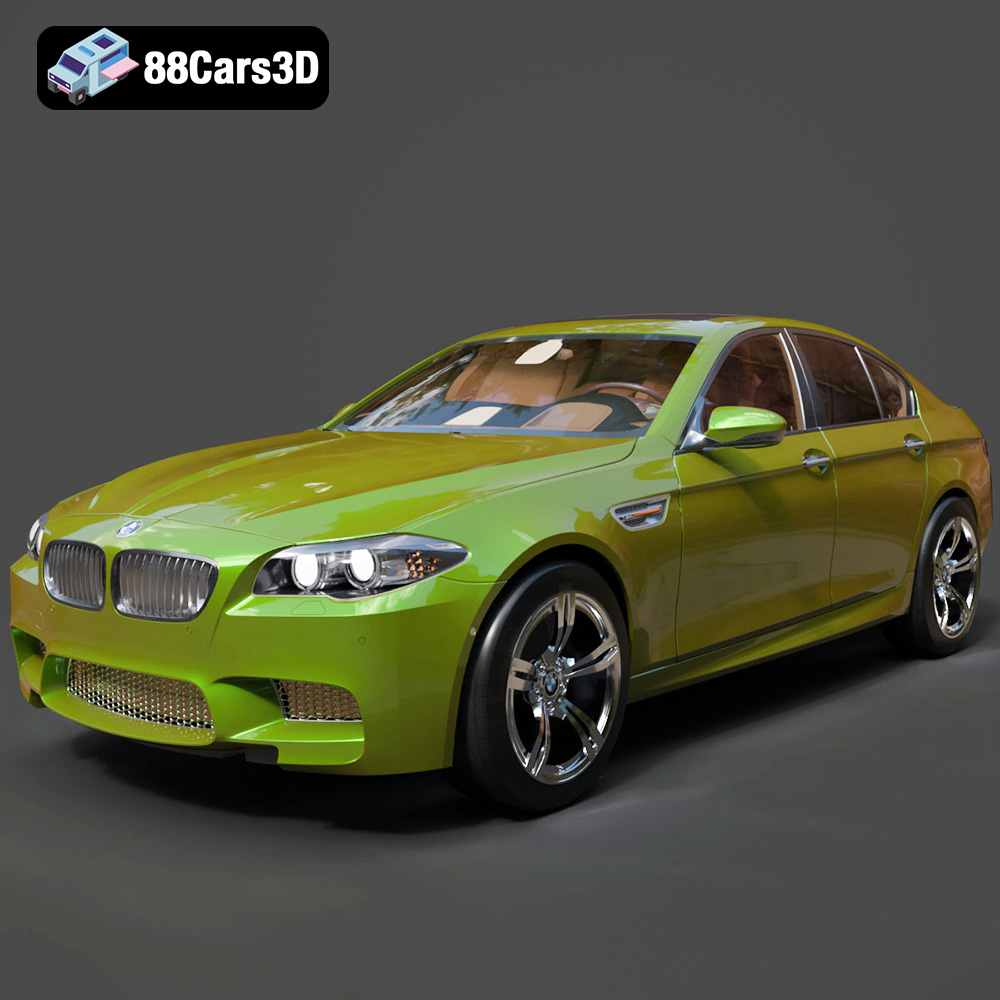
BMW M5 F10 3D Model
Texture: Yes
Material: Yes
Download the BMW M5 F10 3D Model featuring high-performance luxury sedan design, detailed interior, and realistic PBR textures. Includes .blend, .fbx, .obj, .glb, .stl, .ply, .unreal, and .max formats for rendering, simulation, and game development.
Price: $10.79
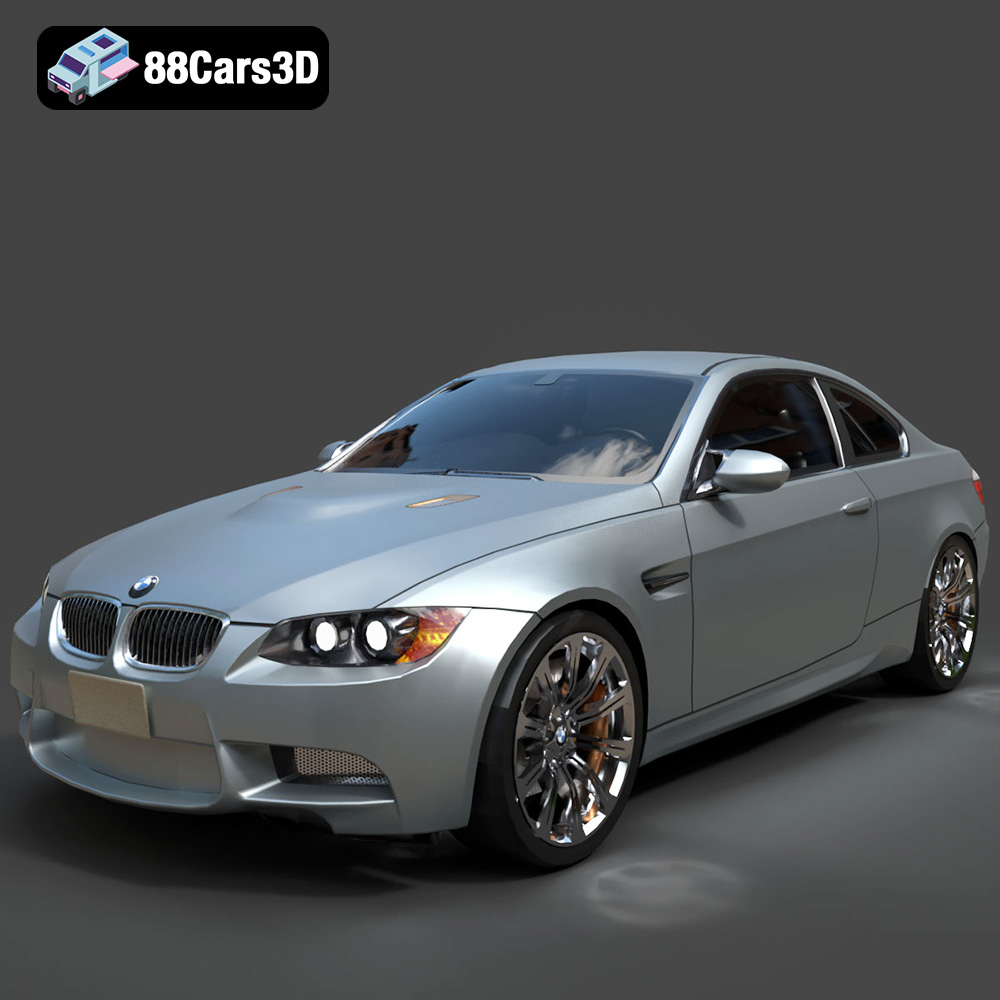
BMW M3 Coupe E92-002 3D Model
Texture: Yes
Material: Yes
Download the BMW M3 Coupe E92-002 3D Model featuring authentic styling, detailed exterior, and a faithful interior. Includes .blend, .fbx, .obj, .glb, .stl, .ply, .unreal, and .max formats for rendering, simulation, and game development.
Price: $10.79
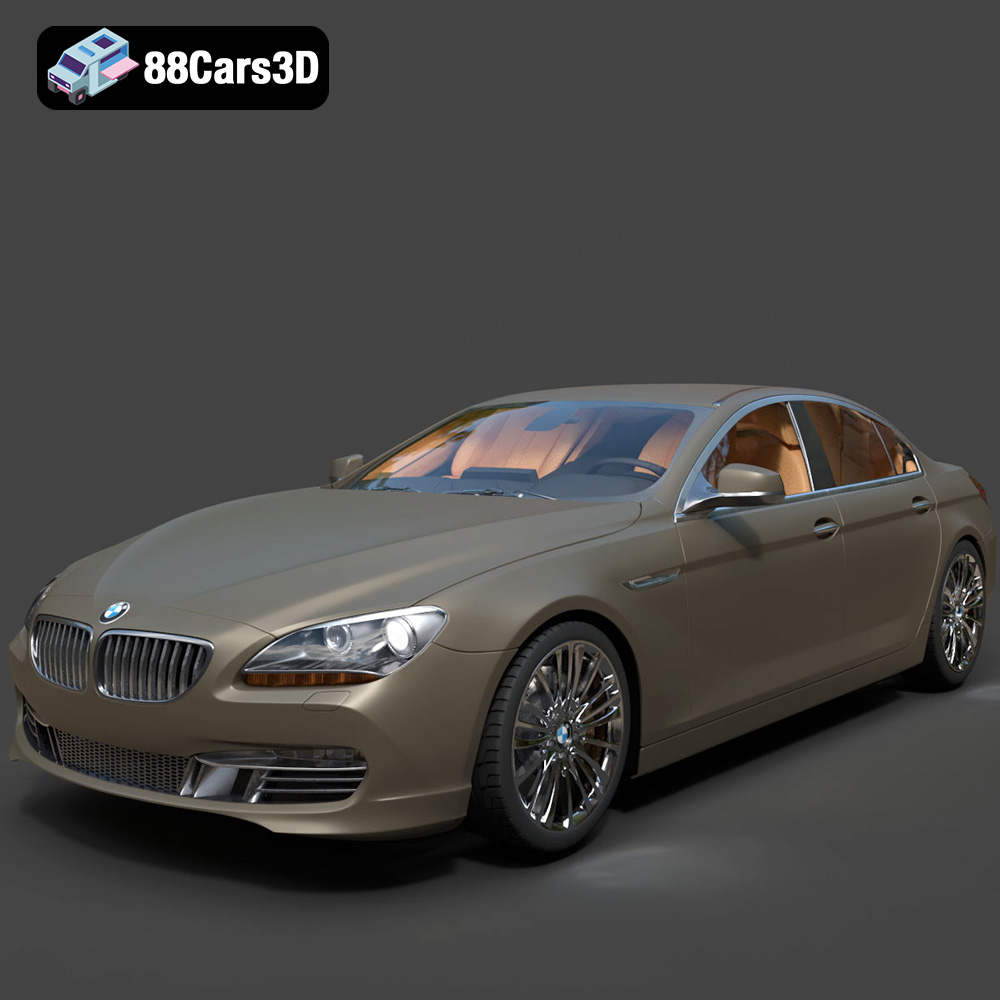
BMW 6 Series Gran Coupe 2013 3D Model
Texture: Yes
Material: Yes
Download the BMW 6 Series Gran Coupe 2013 3D Model featuring a sophisticated design, detailed exterior, and well-appointed interior. Includes .blend, .fbx, .obj, .glb, .stl, .ply, .unreal, and .max formats for rendering, simulation, and game development.
Price: $20.79
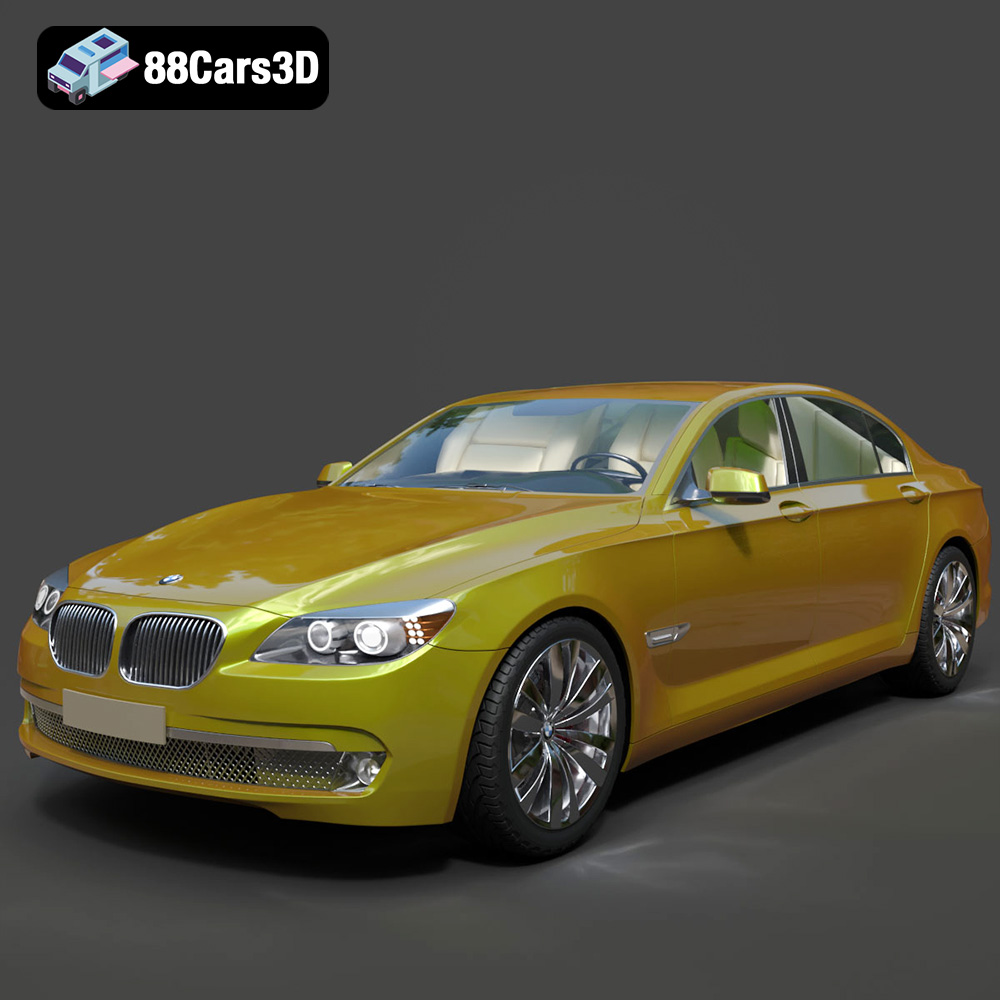
BMW 7 Series 750 F01 3D Model
Texture: Yes
Material: Yes
Download the BMW 7 Series 750 F01 3D Model featuring a detailed exterior and a luxurious interior. Includes .blend, .fbx, .obj, .glb, .stl, .ply, .unreal, and .max formats for rendering, simulation, and game development.
Price: $10.79
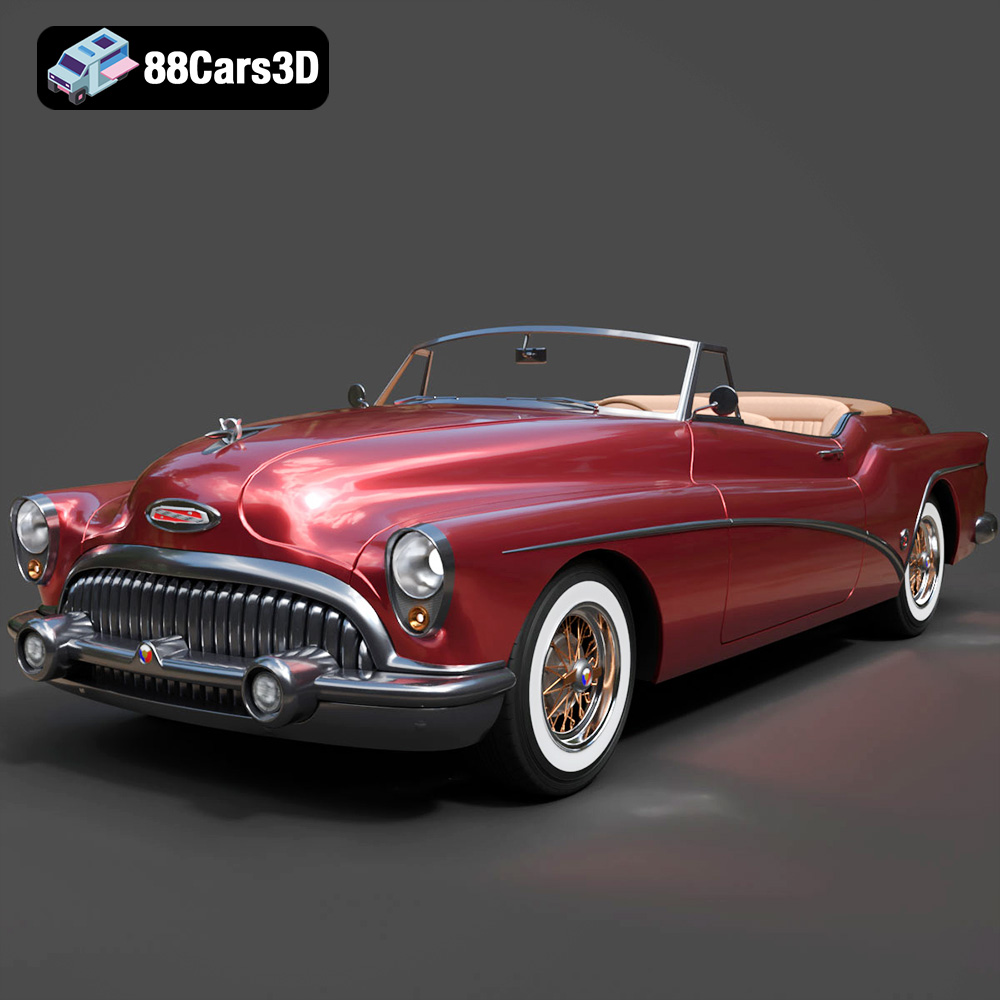
Buick Skylark Convertible 1953 3D Model
Texture: Yes
Material: Yes
Download the Buick Skylark Convertible 1953 3D Model featuring iconic 1950s styling, a detailed exterior with chrome accents, and an accurately modeled interior. Includes .blend, .fbx, .obj, .glb, .stl, .ply, .unreal, and .max formats for rendering, simulation, and game development.
Price: $10.79

Buick Roadmaster Hardtop Coupe 1957 3D Model
Texture: Yes
Material: Yes
Download the Buick Roadmaster Hardtop Coupe 1957 3D Model featuring a classic American design with detailed exterior and interior. Includes .blend, .fbx, .obj, .glb, .stl, .ply, .unreal, and .max formats for rendering, simulation, and game development.
Price: $10.79
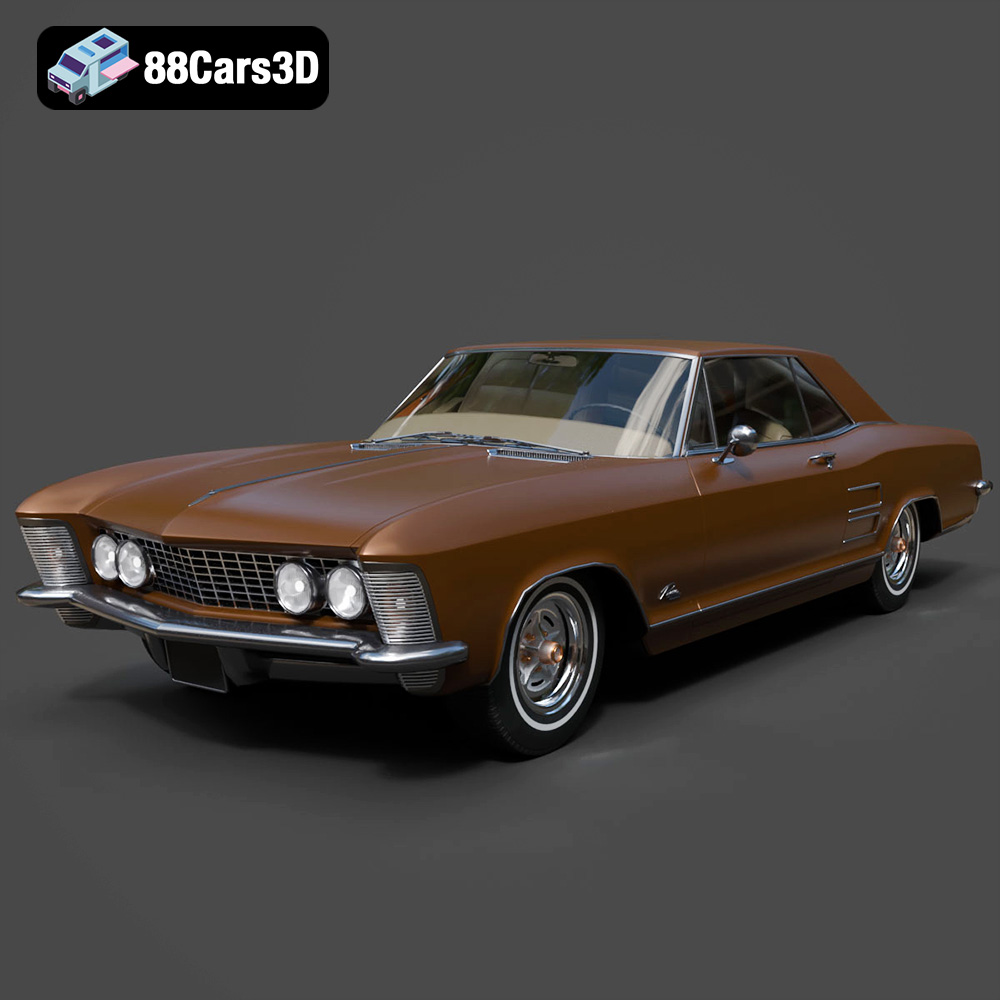
Buick Riviera 1963 3D Model
Texture: Yes
Material: Yes
Download the Buick Riviera 1963 3D Model featuring classic American muscle car design and iconic styling. Includes .blend, .fbx, .obj, .glb, .stl, .ply, .unreal, and .max formats for rendering, simulation, and game development.
Price: $10.79
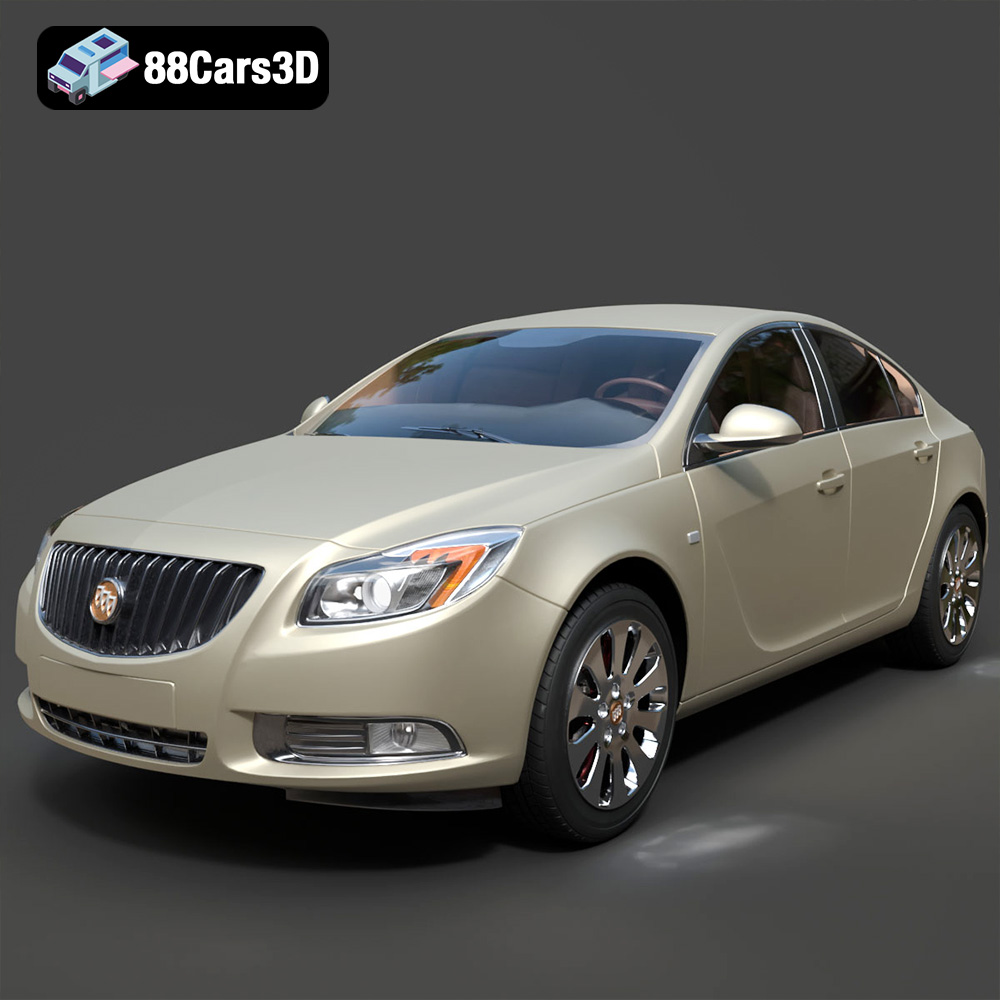
Buick Regal 3D Model
Texture: Yes
Material: Yes
Download the Buick Regal 3D Model featuring a classic American sedan design, detailed exterior, and optimized interior. Includes .blend, .fbx, .obj, .glb, .stl, .ply, .unreal, and .max formats for rendering, simulation, and game development.
Price: $10.79
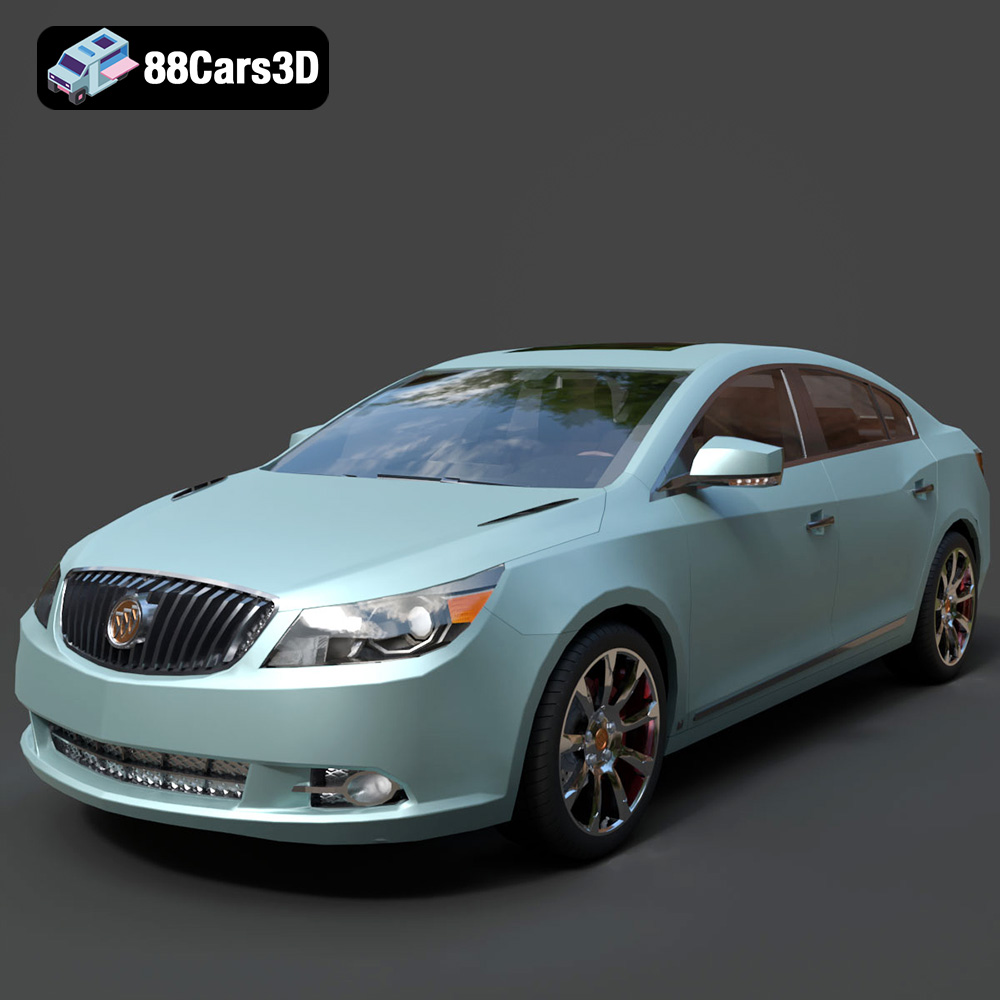
Buick LaCrosse 2008 3D Model
Texture: Yes
Material: Yes
Download the Buick LaCrosse 3D Model featuring professional modeling and texture work. Includes .blend, .fbx, .obj, .glb, .stl, .ply, .unreal, and .max formats for rendering, simulation, and game development.
Price: $10.79
