

The visual spectacle of modern real-time experiences, whether in cutting-edge games, immersive virtual productions, or photorealistic automotive visualizations, owes a significant debt to stunning visual effects (VFX). For years, Unreal Engine’s Cascade particle system was the industry standard, enabling artists to create everything from subtle dust motes to cataclysmic explosions. However, with the relentless march of technological innovation, a new powerhouse emerged: Unreal Engine’s Niagara VFX System. Niagara represents a revolutionary leap forward, offering unparalleled flexibility, procedural generation, and artist-driven control that transforms how we approach real-time effects.
For 3D artists, game developers, and visualization professionals leveraging the power of Unreal Engine, mastering Niagara is no longer an option but a necessity. It empowers you to create more dynamic, interactive, and visually striking effects that breathe life into your scenes, especially when paired with high-quality assets like the detailed 3D car models available on platforms such as 88cars3d.com. This comprehensive guide will take you on a deep dive into the Niagara VFX System, from its fundamental concepts to advanced techniques, performance optimization, and real-world applications in automotive visualization. Get ready to elevate your Unreal Engine projects with breathtaking visual effects.
The Power of Niagara: Beyond Traditional VFX
Niagara isn’t just an upgrade; it’s a re-imagining of how particle systems operate within Unreal Engine. Built from the ground up to be more data-driven, modular, and artist-friendly, it offers a level of control and scalability that was previously unattainable. Unlike its predecessor, Cascade, which was largely a fixed-function system, Niagara provides a highly customizable framework where every aspect of a particle’s behavior, from its birth to its death, can be precisely defined and manipulated.
This paradigm shift opens doors to truly complex and unique visual effects. Imagine dynamic tire smoke that reacts to vehicle speed and surface type, or intricate exhaust fumes that swirl and dissipate based on aerodynamics. Niagara makes these scenarios not just possible, but elegant to implement. Its node-based interface, reminiscent of Unreal Engine’s Material Editor or Blueprint system, empowers artists to build effects procedurally, iterate rapidly, and achieve results that were once the domain of offline rendering or highly specialized tools. The future of real-time VFX is flexible, performant, and deeply integrated, and Niagara stands at its forefront.
Niagara vs. Cascade: A Paradigm Shift
The core difference between Niagara and Cascade lies in their fundamental architecture. Cascade employed a series of “modules” that operated in a fixed order, making it somewhat rigid. While powerful for its time, achieving highly conditional or complex behaviors often required convoluted setups or external Blueprint scripting. Niagara, on the other hand, is a fully data-driven system. It treats particles as data points, and effects are constructed by applying a series of “modules” that read and write to this data. This modularity means you have fine-grained control over every attribute of a particle, from its position and velocity to its color, size, and even custom data.
Furthermore, Niagara offers superior scalability, leveraging GPU computation more effectively than Cascade. This allows for millions of particles to be simulated with impressive performance, a critical factor for high-fidelity automotive scenes or sprawling game worlds. The ability to create custom modules and data interfaces in Niagara also means artists are no longer limited by predefined functionality; they can extend the system to suit almost any creative need. For an in-depth comparison and official documentation, always refer to the Unreal Engine learning resources on Niagara.
Core Concepts: Systems, Emitters, and Modules
Understanding Niagara begins with its foundational components:
- Niagara System: This is the top-level asset that encapsulates one or more Niagara Emitters. It’s what you drag and drop into your level or attach to a Blueprint. A System acts as a container, managing the overall playback, visibility, and high-level parameters of all its constituent emitters.
- Niagara Emitter: An Emitter defines the behavior of a single type of particle. For example, one emitter might create smoke particles, while another creates sparks, and both can exist within the same System. Emitters contain the modules that dictate how particles are spawned, updated, and rendered.
- Niagara Module: Modules are the building blocks of an Emitter. They perform specific actions on particle data. You’ll find modules for spawning particles (e.g., “Spawn Burst,” “Spawn Rate”), updating their attributes over time (e.g., “Add Velocity,” “Color from Curve,” “Scale Mesh by Life”), and rendering them (e.g., “Mesh Renderer,” “Sprite Renderer”). Niagara’s strength lies in the ability to combine these modules in countless ways, even creating custom ones, to achieve complex effects.
This hierarchical structure allows for incredible flexibility. You can easily reuse emitters across different systems, or modify modules to rapidly prototype new effects. The data-oriented nature also enables robust debugging, as you can inspect particle attributes at any stage of their lifecycle, making complex effect creation a much more manageable process.
Setting Up Your First Niagara System
Embarking on your Niagara journey begins with creating a new system and populating it with basic particle behavior. The process is intuitive, allowing for rapid iteration and creative exploration. We’ll start by creating a simple “fountain” effect, which is the traditional “hello world” of particle systems, to grasp the core workflow.
To begin, right-click in your Content Browser, go to “FX,” and select “Niagara System.” You’ll be prompted to choose a template. For our first system, select “New system from selected emitters” and pick the “Fountain” template. This provides a pre-configured emitter that demonstrates basic particle spawning and movement. Alternatively, you can choose “New system from an empty emitter” for a truly blank slate and build from the ground up, which is what we’ll mostly focus on in this section to understand the fundamentals.
Once created, double-click the new Niagara System asset to open the Niagara Editor. This powerful interface is where all the magic happens. On the left, you’ll see the “System Overview,” listing your emitters. In the center is the “Stack,” which contains all the modules for the selected emitter. On the right, the “Selection” panel displays properties for selected modules or particle attributes. Below, the “Timeline” allows you to scrub through the effect’s duration, and the “Viewport” gives you a real-time preview of your particles.
Creating a Basic Particle Emitter
Let’s create a new Niagara System from scratch to truly understand the process.
- Create a New System: Right-click in the Content Browser > FX > Niagara System. Select “New system from an empty emitter.” Name it appropriately, e.g., “NS_MyFirstEffect.”
- Open the Editor: Double-click “NS_MyFirstEffect” to open the Niagara Editor.
- Add Emitter: In the System Overview panel, click the green “+” icon next to “Emitters” and choose “New Emitter.” Select a simple template like “Simple Sprite Emitter.”
- Define Spawn Rate: In the newly added emitter’s “Emitter Spawn” section of the Stack, you’ll see a “Spawn Rate” module. Set its value (e.g., 50 particles per second).
- Initialize Particles: In the “Particle Spawn” section, add a “Initialize Particle” module (if not already present). This is crucial for defining basic attributes like sprite size mode, mesh orientation, and initial life. Set the “Lifetime” to a range (e.g., Min 2.0, Max 4.0 seconds) and “Sprite Size” (e.g., Min 10, Max 20).
- Add Velocity: In “Particle Spawn,” add an “Add Velocity” module. Give it an initial Z-axis velocity (e.g., Z=100) to make particles shoot upwards.
- Apply Gravity: In “Particle Update,” add a “Gravity Force” module. This will pull particles downwards.
- Set Material: In the “Render” section, ensure you have a “Sprite Renderer” module. Select a basic PBR material, such as the default “M_NiagaraSprite” or a custom one you’ve created, to give your particles a visual appearance.
You should now see particles spawning, moving upwards, curving due to gravity, and eventually fading out. This foundational setup demonstrates the sequential nature of modules in the Stack, where each module modifies the particle data created or updated by the previous one. This structured yet flexible approach is key to Niagara’s power.
Understanding Module Categories (Spawn, Update, Render)
Modules in Niagara are logically grouped into categories within an Emitter’s Stack, reflecting the lifecycle of a particle:
- Emitter Spawn: These modules run once when the emitter first starts. They are used for global calculations or setting up initial conditions for the entire emitter. An example is the “Spawn Rate” module, which continuously spawns particles over time.
- Emitter Update: These modules run once per frame for the entire emitter. They can be used to update global parameters or perform calculations that affect all particles collectively, such as adjusting a spawn rate dynamically based on external factors.
- Particle Spawn: These modules run once for each individual particle the moment it is created. They are essential for setting initial attributes like position, velocity, color, and lifetime. Modules like “Initialize Particle,” “Add Velocity,” and “Color from Curve (Spawn)” reside here.
- Particle Update: These modules run every frame for each individual particle after it has spawned and before it is rendered. This is where most of the dynamic behavior happens – particles moving, changing color, scaling, or reacting to forces. Examples include “Gravity Force,” “Drag,” “Scale Sprite Size,” and “Curl Noise Force.”
- Event Handler: This section handles specific events, allowing particles to react to collisions, bursts, or other custom triggers.
- Render: These modules determine how particles are visually represented. Common renderers include “Sprite Renderer” (for 2D images), “Mesh Renderer” (for 3D models), “Ribbon Renderer” (for trails), and “Light Renderer” (for dynamic lights). Each renderer has specific properties to control its appearance, such as material assignment, UV mapping, and sorting order.
The order of modules within each category matters. Modules execute sequentially from top to bottom, so a module further down the stack will operate on the data processed by the modules above it. Understanding this flow is crucial for debugging and creating complex, predictable behaviors within your Niagara effects.
Crafting Realistic Automotive VFX with Niagara
Automotive visualization demands a high degree of realism, and VFX play a crucial role in bringing vehicles to life. From the subtle glint of light on a wet surface to the dramatic expulsion of exhaust, Niagara can simulate these details with impressive fidelity. When working with high-quality 3D car models from marketplaces like 88cars3d.com, adding realistic effects elevates the entire presentation, immersing viewers in a truly dynamic experience.
Consider the myriad ways VFX enhance automotive scenes: the gritty dust kicked up by off-road vehicles, the shimmering heat haze above a powerful engine, the delicate condensation forming on a window, or the impactful sparks generated during a collision. Niagara provides the tools to create all these effects and more, integrating seamlessly with your high-fidelity car models to produce stunning, believable renders and interactive experiences. The key is to break down each effect into its core components and then leverage Niagara’s modularity to build it up layer by layer.
Dynamic Tire Smoke and Dust Trails
Creating believable tire smoke or dust trails requires several interconnected Niagara modules and a keen eye for physical realism. Here’s a basic approach:
- Emitter Setup: Create an emitter that spawns particles at a moderate rate (e.g., 200-500 particles/second).
- Particle Spawn:
- Initialize Particle: Set initial lifetime (e.g., 0.5-1.5s), sprite size (e.g., 50-150 units), and color (a dark grey for smoke, lighter brown/orange for dust). Use curves to fade out the color and scale the size over life.
- Add Velocity: Give particles a small initial velocity away from the wheel, and also a component in the direction of the car’s movement.
- Particle Update:
- Gravity Force: Apply a slight negative gravity for smoke (it rises) or a positive gravity for dust (it settles).
- Drag: Crucial for smoke/dust to slow down and dissipate. Adjust the drag coefficient for the desired effect.
- Curl Noise Force: This module is invaluable for adding organic, swirling motion, making the smoke/dust less uniform and more natural. Experiment with noise strength, frequency, and time.
- Collision: For dust, you might want particles to collide with the ground, potentially spawning secondary particles on impact.
- Renderer: Use a “Sprite Renderer” with a soft, additive, or translucent material that uses a smoke/cloud texture. Ensure the material scales its opacity and emissive color over the particle’s lifetime for a smooth fade-out.
For dynamic interaction, you’d use Blueprints to control the emitter’s spawn rate, initial velocity, and color based on the car’s speed, tire slip, or terrain contact. A faster car with more wheel spin would produce a higher spawn rate and more vigorous particle movement, creating a truly responsive effect.
Exhaust Fumes and Engine Glow
Exhaust fumes are a subtle but essential detail for automotive realism. Here’s a structured approach:
- Emitter Setup: Attach the Niagara System to the exhaust pipe mesh. Use a relatively low spawn rate (e.g., 20-50 particles/second) for a realistic idle or cruising effect, increasing for acceleration.
- Particle Spawn:
- Initialize Particle: Set a longer lifetime (e.g., 2-5s) and a sprite size that expands over time. Color should be a subtle, translucent grey or white.
- Add Velocity: Give particles an initial velocity along the exhaust pipe’s forward axis (e.g., X=50).
- Particle Update:
- Drag: Essential to dissipate fumes.
- Gravity Force: Lightly pull fumes downwards.
- Wind Force (or custom force): Simulate ambient wind to subtly push and scatter the fumes.
- Curl Noise Force: Again, use this sparingly to introduce subtle, organic wafting and dissipation.
- Color/Opacity over Life: Fade the color to transparent and shrink the size towards the end of the particle’s life.
- Renderer: “Sprite Renderer” with a soft, translucent material using a subtle smoke texture.
Engine Glow/Heat Haze: For engine glow, you might use a subtle emissive mesh material on the engine parts, but for heat haze, Niagara is perfect. This can be achieved with a small, distorted sprite or mesh renderer that samples the scene color behind it and applies a subtle distortion using a custom Niagara Material function or a simple distort material. Spawn these particles above hot engine components with a short lifetime and minimal upward velocity, letting them shimmer and distort the background slightly. The key is subtlety; overdoing it will look artificial.
Rain, Splashes, and Environmental Effects
Niagara truly shines in creating large-scale environmental effects:
- Rain:
- Emitter: A large box or sphere spawn source covering the scene.
- Particles: Use stretched sprites (thin lines) or small meshes to represent raindrops.
- Velocity: High downward velocity.
- Collision: Crucially, enable collision with environment geometry. On collision, spawn a separate “splash” sub-emitter.
- Renderer: Use “Sprite Renderer” for efficiency.
- Splashes/Puddles:
- Emitter: Triggered by rain particle collisions.
- Particles: Short-lived, small, circular sprites that expand and fade rapidly.
- Material: A translucent, additive material with a ripple texture.
- Blueprint Integration: For puddles, you might drive a material parameter on a ground mesh using Blueprint to make surfaces appear wet, integrating dynamic wetness with the VFX.
Other environmental effects like fog, mist, or falling leaves can be similarly constructed. Fog and mist would use large, slow-moving particles with soft, translucent materials and significant curl noise. Falling leaves would use “Mesh Renderer” particles with custom leaf meshes, influenced by wind forces and gravity. These layers of subtle effects elevate an ordinary scene into a rich, living environment, particularly vital for showcasing high-fidelity automotive models in a dynamic setting.
Interactivity and Control: Niagara with Blueprints
While Niagara is incredibly powerful on its own, its true potential is unlocked when integrated with Unreal Engine’s Blueprint visual scripting system. This synergy allows for dynamic, interactive visual effects that respond to gameplay events, user input, or the state of your automotive visualization. Imagine tire smoke that only appears when a car is drifting, or sparks that erupt precisely at the point of impact during a simulated collision. Blueprints provide the bridge for this interactivity, turning static effects into responsive, living elements within your scene.
The ability to control Niagara Systems and their parameters directly from Blueprint means you can create complex logic without writing a single line of C++. This is particularly valuable in automotive configurators, interactive demos, or game scenarios where visual feedback needs to be immediate and accurate. By exposing key Niagara parameters as variables, artists and designers gain unprecedented control, allowing them to fine-tune effects in real-time based on simulation data or user actions.
Triggering VFX with Events
One of the most common uses of Blueprint with Niagara is to trigger effects based on specific events. Here’s a typical workflow:
- Create/Attach Niagara System: In your Blueprint (e.g., a car Blueprint), add a Niagara Component. Assign your Niagara System asset to it. Make sure “Auto Activate” is unchecked if you want to manually control its activation.
- Define Event: Determine the event that should trigger your VFX. Examples:
- On Collision: If your car Blueprint detects a collision (
Event Hit), you can activate a spark or debris effect. - On Accelerate/Brake: If the car’s speed or throttle input crosses a certain threshold, activate exhaust fumes or tire screech.
- On User Input: A button press could activate a special boost effect.
- On Collision: If your car Blueprint detects a collision (
- Activate/Deactivate in Blueprint:
- To start an effect: Drag off your Niagara Component reference and call the
ActivateSystemnode. - To stop an effect: Call the
DeactivateSystemnode. - For one-shot effects (like a single spark burst), use the
SpawnSystemAtLocationorSpawnSystemAttachednodes, which automatically handle activation and deactivation after the effect finishes.
- To start an effect: Drag off your Niagara Component reference and call the
For instance, if you have a detailed 3D car model from 88cars3d.com, you might attach a Niagara exhaust system to its exhaust pipe sockets. Then, in the car’s Blueprint, when the throttle input exceeds 0.5, you could use an ActivateSystem node on the exhaust Niagara Component. When the throttle drops, you’d DeactivateSystem, creating a realistic, responsive exhaust effect that correlates with engine activity.
Exposing User Parameters for Dynamic Control
Niagara’s “User Parameters” are variables you expose from your Niagara System that can be modified externally, most commonly through Blueprint. This is where truly dynamic and responsive effects come to life.
- Create a User Parameter in Niagara: In your Niagara Editor, go to the “User Parameters” tab in the Parameters panel (usually on the left). Click the “+” button and choose the type of parameter you need (e.g., Float, Vector, Bool). Name it descriptively, like “EngineRPM” or “TireSlipRatio.”
- Link to a Module: In your emitter’s Stack, find a module property you want to control (e.g., “Spawn Rate” in a tire smoke emitter). Instead of typing a fixed number, click the arrow next to the value field, go to “Link to User Parameter,” and select your newly created parameter. You can also directly type the parameter name (e.g.,
User.TireSlipRatio) into any module’s expression field. - Set Parameter in Blueprint: In your car Blueprint, after you have a reference to your Niagara Component:
- To set a float parameter: Use the
SetNiagaraFloatParameternode. - To set a vector parameter: Use the
SetNiagaraVectorParameternode. - To set a boolean parameter: Use the
SetNiagaraBoolParameternode.
Connect the appropriate car-state variable (e.g., a float variable for current speed) to the parameter’s value input.
- To set a float parameter: Use the
Using this method, you can dynamically adjust the intensity of an effect (e.g., a higher “EngineRPM” user parameter could increase the “Spawn Rate” of exhaust particles and make them more emissive), modify its color, or change its behavior based on real-time data. This level of granular control is vital for creating photorealistic automotive simulations where every detail matters.
Integrating with 88cars3d.com Car Models for Realism
When you acquire a meticulously crafted 3D car model from 88cars3d.com, you’re starting with a foundation of clean topology, realistic PBR materials, and optimized UVs. Integrating Niagara VFX with these assets requires thoughtful planning to maximize visual impact and maintain performance. The key is to leverage the car model’s skeletal mesh or static mesh component structure.
- Attachment Points (Sockets): Most high-quality car models will have predefined sockets (e.g., “ExhaustSocket_L”, “Wheel_FL_Socket”) that serve as ideal attachment points for Niagara Systems. Use the
AttachToComponentnode in Blueprint or simply drag the Niagara System component onto the skeletal mesh component in the Blueprint’s Components panel. - Material Integration: Some effects, like dynamic tire deformation or headlight lens flares, can be partly handled by the car model’s materials, but Niagara can augment them. For instance, a Niagara light renderer can add a more realistic glow to headlights than a simple emissive material, or interact with Lumen for global illumination.
- Performance Considerations: While 88cars3d.com models are optimized, adding complex Niagara effects still requires attention to performance. Use LODs for your Niagara Systems (discussed in the next section) and ensure your particle materials are as efficient as possible (e.g., using masked or additive blending instead of complex translucent setups where feasible). Test frequently on your target platform to ensure smooth frame rates.
By treating the 88cars3d.com car models as the canvas and Niagara as the dynamic brush, you can craft truly immersive and interactive automotive experiences that blur the lines between virtual and reality.
Performance Optimization and Advanced Techniques
Creating stunning visual effects in Niagara is only half the battle; ensuring they run efficiently in a real-time environment is equally critical. Heavy VFX can quickly tank frame rates, especially in complex automotive scenes or large open-world games. Understanding and implementing optimization strategies is paramount for delivering a smooth user experience. Additionally, Niagara offers advanced functionalities that allow for highly customized and specialized effects, pushing the boundaries of real-time rendering.
The balance between visual fidelity and performance is a constant challenge for developers. With Niagara’s flexibility comes the responsibility to manage resource consumption effectively. This involves strategic use of GPU vs. CPU particles, robust Level of Detail (LOD) setups, and careful management of particle counts and material complexity. When working with assets, particularly intricate ones like high-polygon car models, every performance saving counts, allowing your sophisticated 3D car models to shine without compromise.
GPU vs. CPU Particles and Culling Methods
A fundamental decision in Niagara is whether to simulate particles on the CPU or the GPU:
- CPU Particles:
- Pros: Can interact with CPU-side physics, Blueprint, and collision systems more easily. Good for small particle counts or effects requiring precise scripting logic.
- Cons: Limited by CPU core count, generally less performant for large numbers of particles.
- GPU Particles:
- Pros: Can simulate millions of particles efficiently, as the GPU is highly parallel. Excellent for large-scale environmental effects (rain, snow, dust clouds) or dense explosions.
- Cons: More challenging to interact with CPU-side logic. Requires specific setup for collision (often using G-buffer or distance fields).
You can toggle between CPU and GPU simulation in the Emitter Properties under “Sim Target.” For most large-scale, non-interactive effects, GPU is the preferred choice. For effects needing precise collision with a specific Mesh or complex Blueprint interaction, CPU might be necessary, but ensure particle counts are kept low.
Culling Methods: Niagara offers various ways to reduce the rendering cost of particles that aren’t fully visible:
- Distance Culling: Automatically deactivates emitters or reduces particle counts when they are far from the camera. Set this up in the “System Properties” for the Niagara System.
- Frustum Culling: Particles outside the camera’s view frustum are not rendered. This is generally handled automatically.
- Occlusion Culling: Particles hidden behind other geometry are not rendered.
- LODs (Level of Detail): The most powerful culling method. Discussed next.
For detailed information on these optimizations, consult the official Unreal Engine documentation on Niagara performance.
Best Practices for LODs and Scalability
Level of Detail (LOD) is crucial for performance. Niagara allows you to create multiple LODs for an Emitter or an entire System, simplifying the effect as it moves further from the camera:
- Creating LODs: In the Niagara Editor, in the “System Overview” panel, select an Emitter. Under the “LODs” section, you can add new LODs and define their “Culling Distance” or “Culling Distance Ratio.”
- Module Overrides: For each LOD, you can override modules to simplify them. For example:
- LOD0 (Close): Full fidelity, high spawn rate, complex forces (e.g., Curl Noise).
- LOD1 (Medium): Reduce spawn rate by 50%, simplify forces, use a less detailed material.
- LOD2 (Far): Reduce spawn rate by 90%, use only basic velocity and gravity, potentially swap to a cheaper sprite material or even a simpler mesh.
- Scalability Settings: Unreal Engine’s global scalability settings (Low, Medium, High, Epic, Cinematic) can also affect Niagara. You can define how your Niagara Systems respond to these settings under their “Scalability” properties, further refining performance across different hardware configurations.
General Optimization Tips:
- Particle Counts: Always strive for the lowest possible particle count that still achieves the desired visual. Overdraw from too many particles is a common performance killer.
- Material Complexity: Use simple, optimized materials for particles. Avoid complex shader instructions, excessive texture lookups, or high-resolution textures unless absolutely necessary for close-up effects. Often, a simple translucent additive material with a masked texture is sufficient.
- Bounds: Ensure your Niagara System has accurate “Fixed Bounds” or “Local Bounds” set. This helps the engine with culling and rendering decisions.
- Collision: Particle collision can be expensive. Use it judiciously, and consider simplified collision shapes or only colliding with specific mesh types.
- Profiling: Use Unreal Engine’s built-in profilers (e.g., “stat particles,” “stat gpu,” “stat rhi”) to identify performance bottlenecks within your Niagara Systems.
Custom Modules and Data Interfaces
For truly advanced effects or specific engine interactions, Niagara allows you to create custom modules and data interfaces. This is where Niagara moves beyond a tool for artists and becomes a powerful framework for technical artists and programmers.
- Custom Modules: These are custom blocks of logic written in HLSL (High-Level Shading Language) that run directly on the GPU (or CPU, if specified). They allow you to define highly specialized behaviors that aren’t covered by existing modules, such as unique force fields, custom particle spawning patterns based on complex algorithms, or advanced data manipulation.
- Data Interfaces: Data Interfaces provide a way for Niagara to interact with external data sources beyond its core particle data. This could be anything from sampling a texture (e.g., a fluid simulation output), querying scene depth, reading data from a skeletal mesh, or even communicating with custom Blueprint or C++ code. Examples include:
- "Skeletal Mesh Data Interface": Spawn particles directly from a skeletal mesh’s vertices or triangles, useful for effects like dust falling off a moving car or blood splatters on a character.
- "Texture Sample Data Interface": Sample color or data from a texture to drive particle attributes, ideal for creating effects that conform to a surface pattern or gradient.
- "Collision Scene Depth Data Interface": Perform collision against the scene depth buffer for very fast, approximate GPU collision.
While requiring a deeper technical understanding, custom modules and data interfaces unlock an immense level of creative freedom, allowing you to tailor Niagara to virtually any VFX requirement, making your automotive visualizations or game environments truly unique and cutting-edge. It’s a testament to Niagara’s extensibility, making it a future-proof solution for real-time VFX.
Conclusion
The Unreal Engine Niagara VFX System stands as a testament to the ongoing evolution of real-time rendering, offering artists and developers an unparalleled toolkit for crafting dynamic, breathtaking visual effects. From its data-driven architecture and modular design to its seamless integration with Blueprint and its robust optimization features, Niagara empowers creators to push the boundaries of what’s possible in games, virtual production, and, critically, photorealistic automotive visualization. We’ve explored its core concepts, walked through the creation of essential effects like tire smoke and exhaust, and delved into the vital aspects of performance optimization and advanced customization.
Mastering Niagara is an iterative process, demanding both technical understanding and artistic intuition. The true magic lies in experimenting with its vast array of modules, combining them in unexpected ways, and refining your effects to perfectly complement your scene. When paired with the exquisite detail of high-quality 3D car models from resources like 88cars3d.com, Niagara VFX transforms static renders into living, breathing spectacles, engaging viewers on a profound level. Don’t let your stunning car models exist in a vacuum; give them the dynamic life they deserve with expertly crafted visual effects.
The journey with Niagara is continuous, with new features and optimizations constantly emerging. We encourage you to dive into the official Unreal Engine documentation, experiment with the techniques discussed, and let your creativity flourish. The power to create truly immersive real-time experiences is now at your fingertips – go forth and create something spectacular!
Featured 3D Car Models
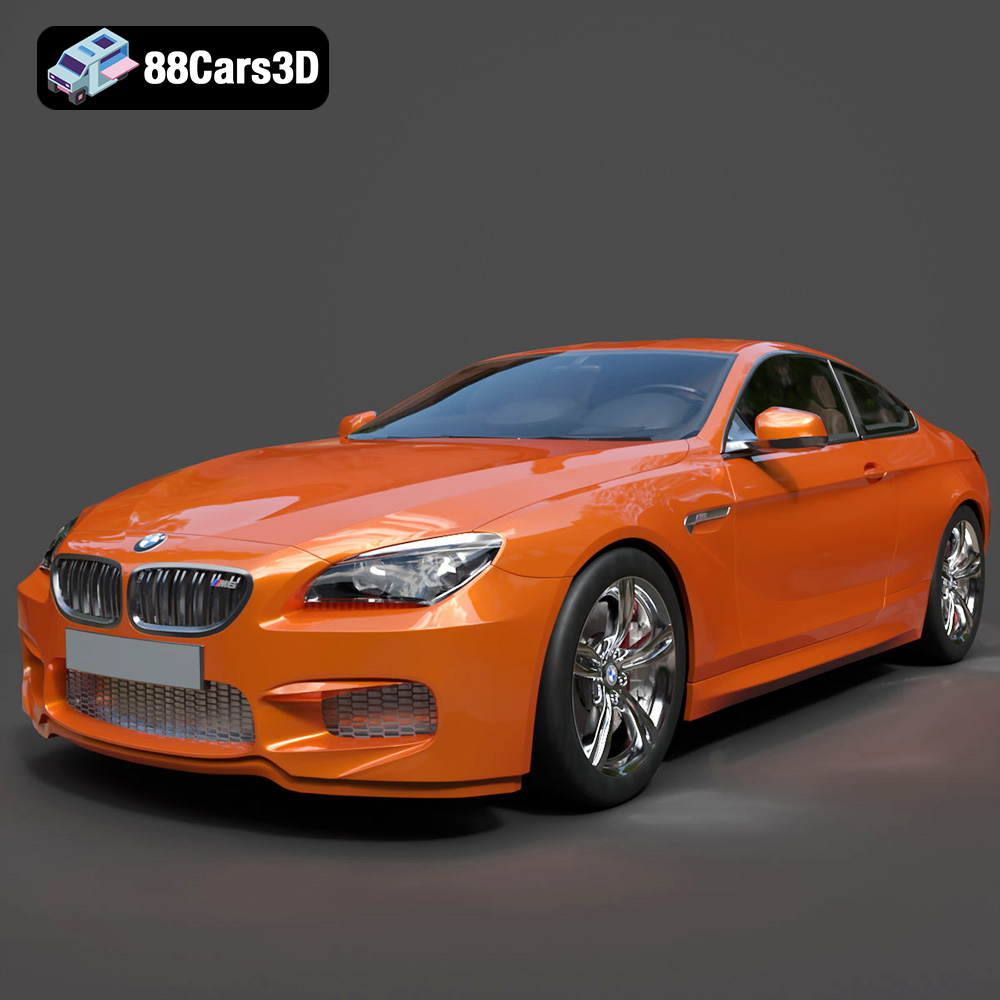
BMW M6 Coupe (F12) 3D Model
Texture: Yes
Material: Yes
Download the BMW M6 Coupe (F12) 3D Model featuring its iconic sporty design and luxurious details. Includes .blend, .fbx, .obj, .glb, .stl, .ply, .unreal, and .max formats for rendering, simulation, and game development.
Price: $10.79
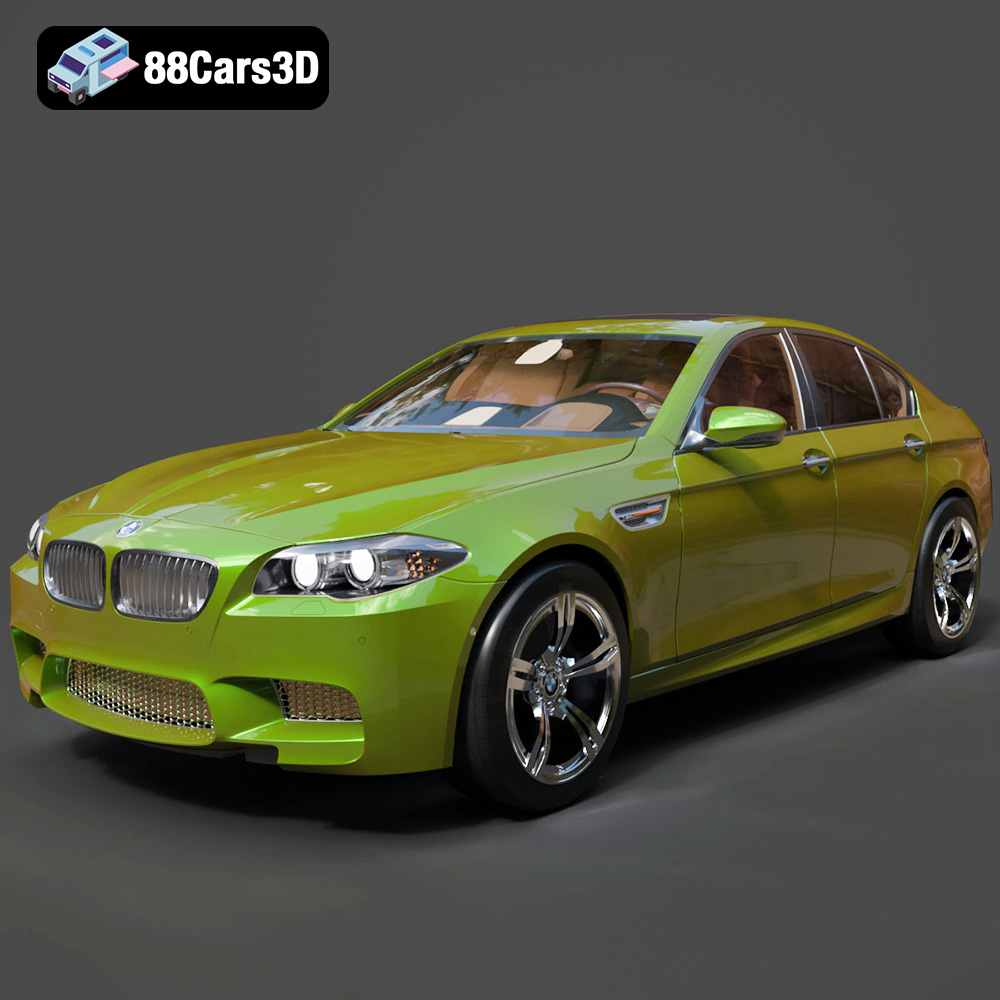
BMW M5 F10 3D Model
Texture: Yes
Material: Yes
Download the BMW M5 F10 3D Model featuring high-performance luxury sedan design, detailed interior, and realistic PBR textures. Includes .blend, .fbx, .obj, .glb, .stl, .ply, .unreal, and .max formats for rendering, simulation, and game development.
Price: $10.79
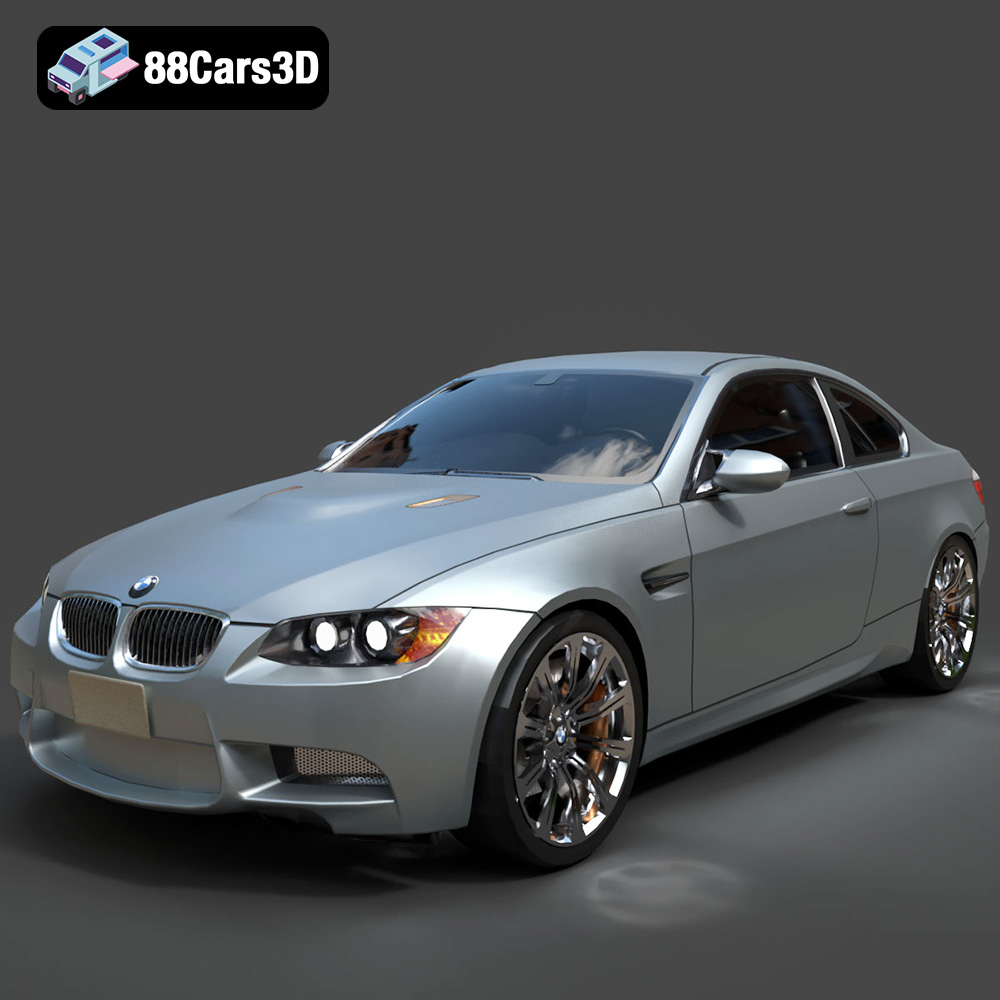
BMW M3 Coupe E92-002 3D Model
Texture: Yes
Material: Yes
Download the BMW M3 Coupe E92-002 3D Model featuring authentic styling, detailed exterior, and a faithful interior. Includes .blend, .fbx, .obj, .glb, .stl, .ply, .unreal, and .max formats for rendering, simulation, and game development.
Price: $10.79
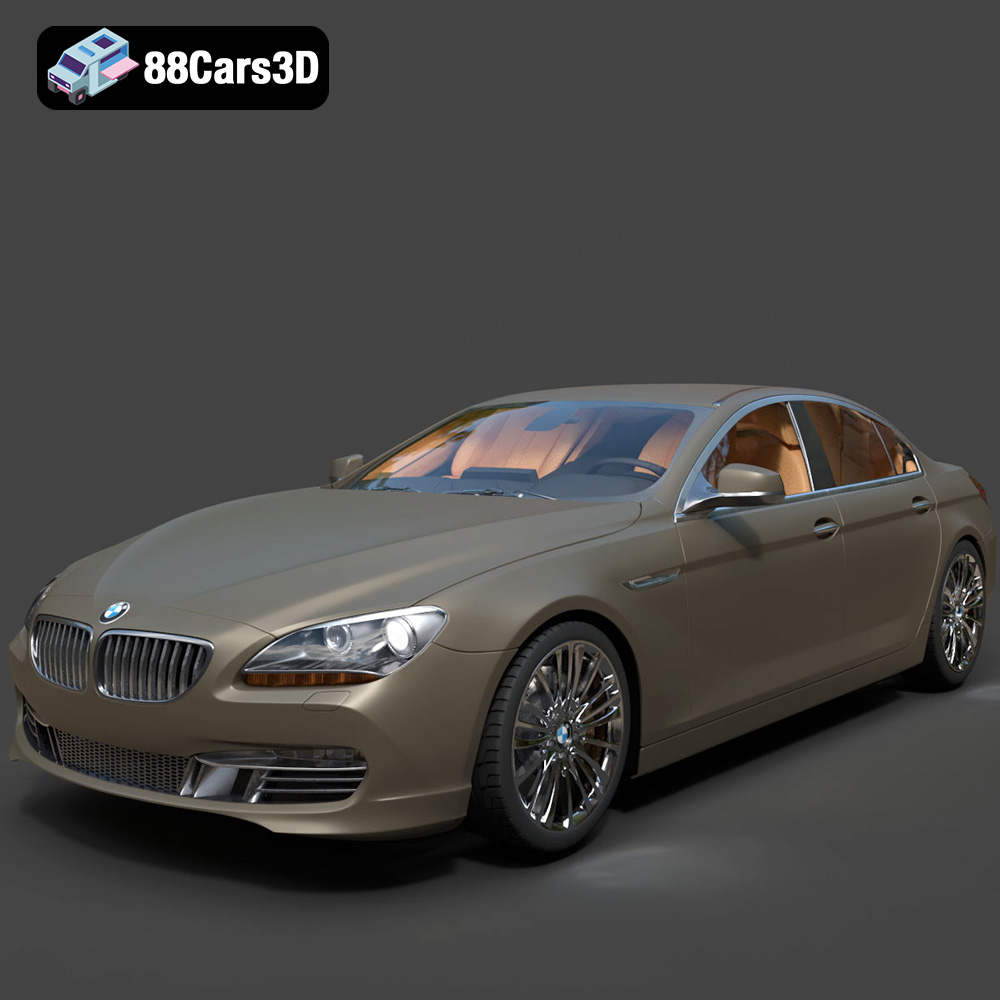
BMW 6 Series Gran Coupe 2013 3D Model
Texture: Yes
Material: Yes
Download the BMW 6 Series Gran Coupe 2013 3D Model featuring a sophisticated design, detailed exterior, and well-appointed interior. Includes .blend, .fbx, .obj, .glb, .stl, .ply, .unreal, and .max formats for rendering, simulation, and game development.
Price: $20.79
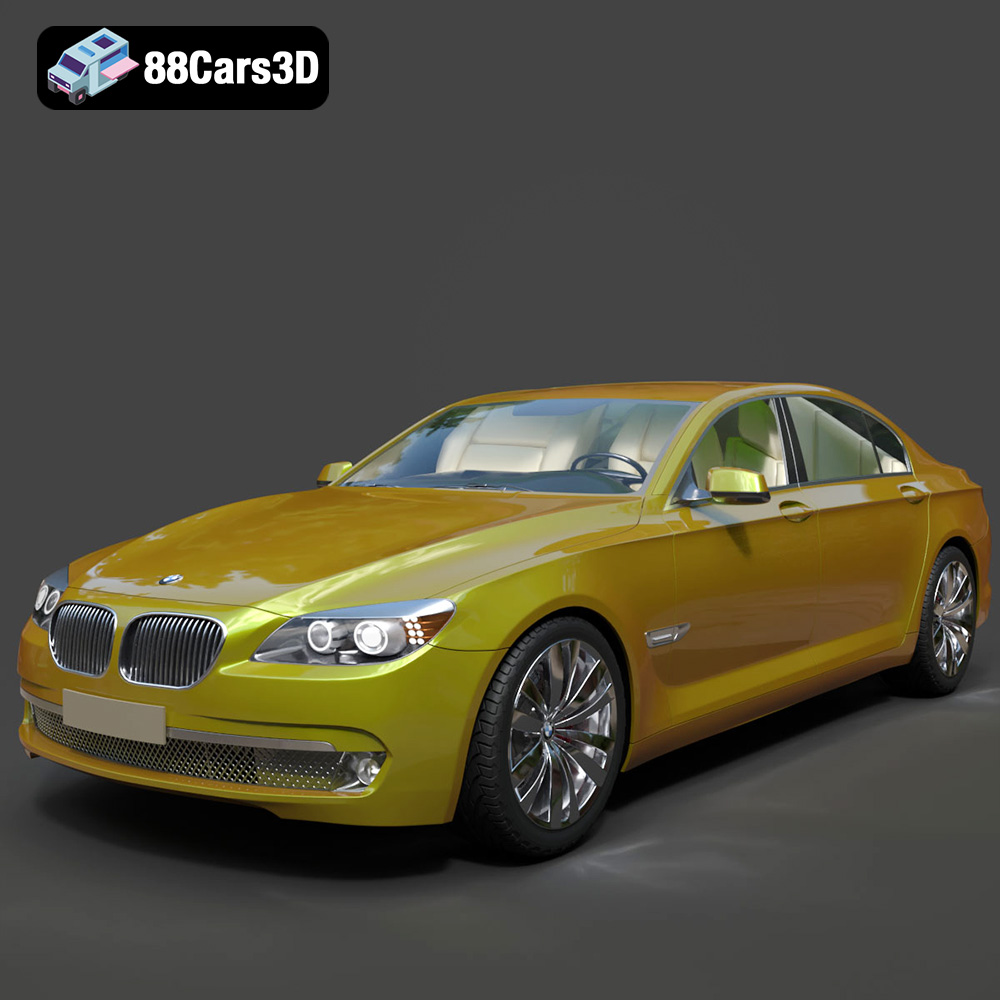
BMW 7 Series 750 F01 3D Model
Texture: Yes
Material: Yes
Download the BMW 7 Series 750 F01 3D Model featuring a detailed exterior and a luxurious interior. Includes .blend, .fbx, .obj, .glb, .stl, .ply, .unreal, and .max formats for rendering, simulation, and game development.
Price: $10.79
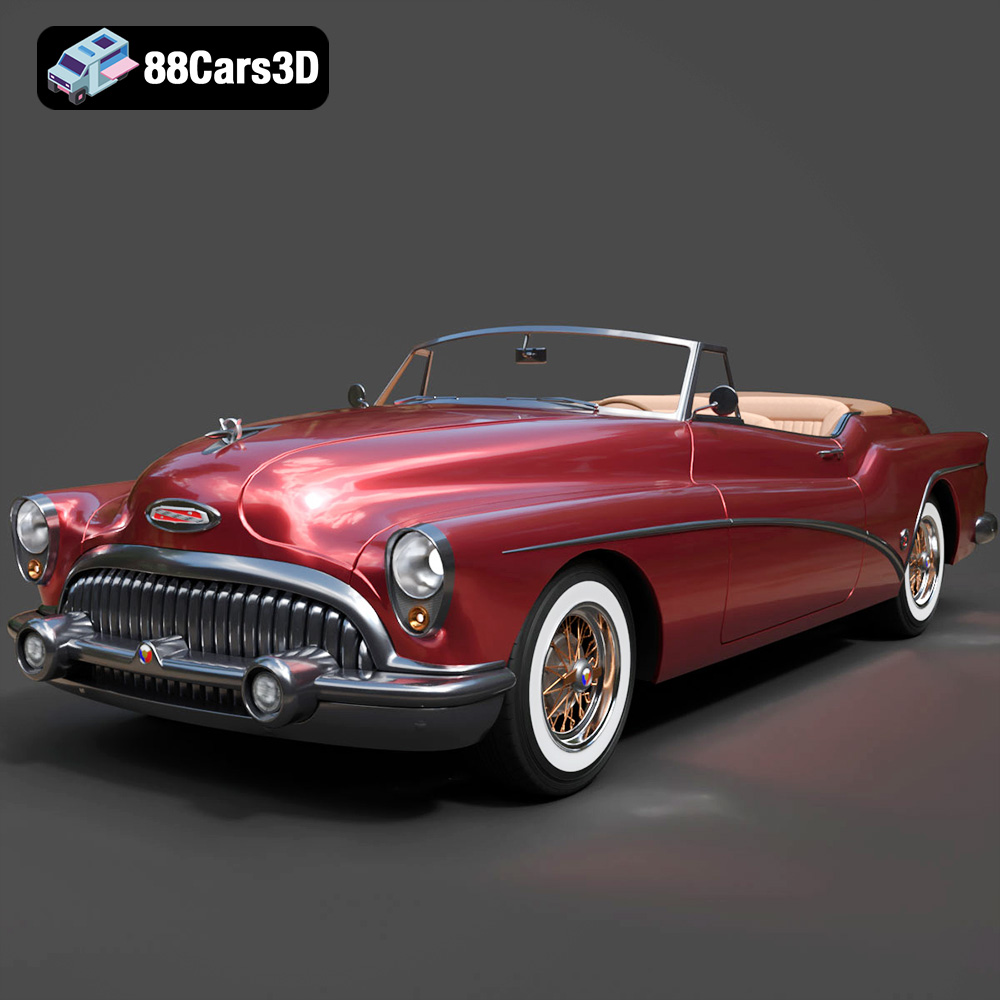
Buick Skylark Convertible 1953 3D Model
Texture: Yes
Material: Yes
Download the Buick Skylark Convertible 1953 3D Model featuring iconic 1950s styling, a detailed exterior with chrome accents, and an accurately modeled interior. Includes .blend, .fbx, .obj, .glb, .stl, .ply, .unreal, and .max formats for rendering, simulation, and game development.
Price: $10.79

Buick Roadmaster Hardtop Coupe 1957 3D Model
Texture: Yes
Material: Yes
Download the Buick Roadmaster Hardtop Coupe 1957 3D Model featuring a classic American design with detailed exterior and interior. Includes .blend, .fbx, .obj, .glb, .stl, .ply, .unreal, and .max formats for rendering, simulation, and game development.
Price: $10.79
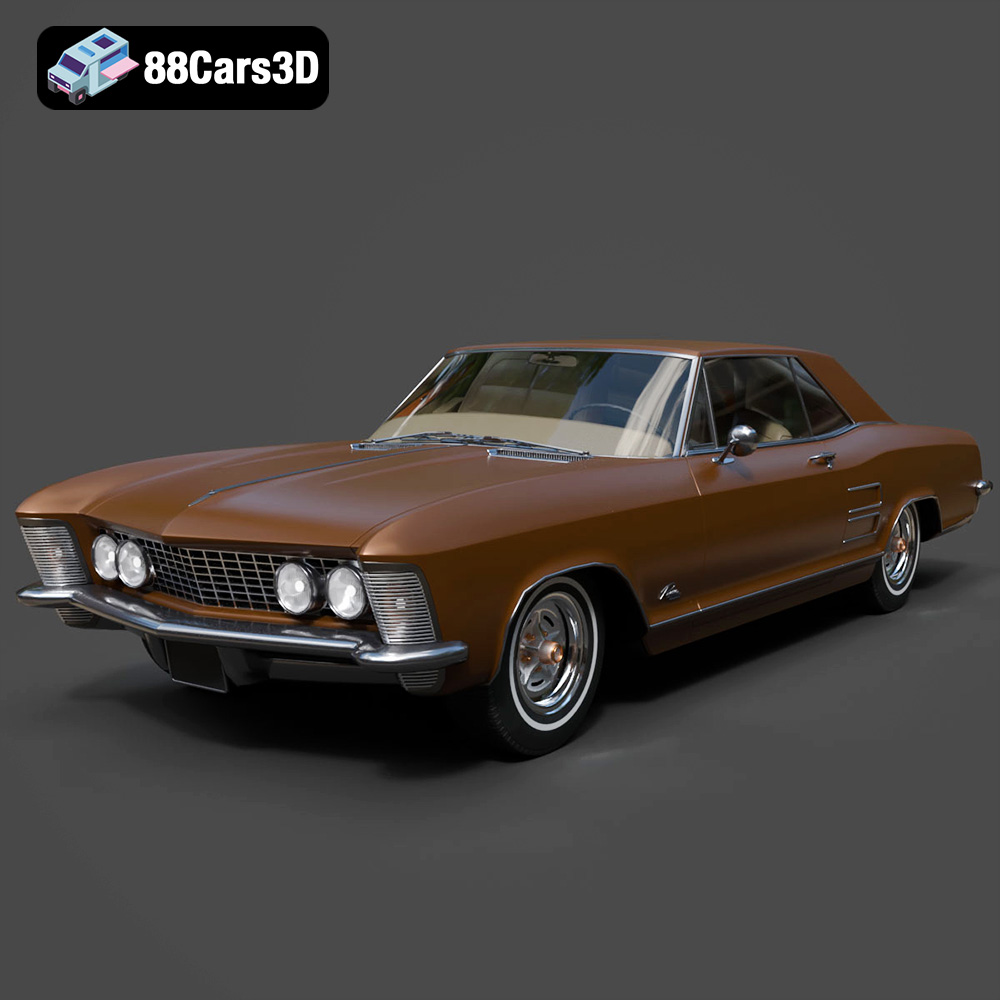
Buick Riviera 1963 3D Model
Texture: Yes
Material: Yes
Download the Buick Riviera 1963 3D Model featuring classic American muscle car design and iconic styling. Includes .blend, .fbx, .obj, .glb, .stl, .ply, .unreal, and .max formats for rendering, simulation, and game development.
Price: $10.79
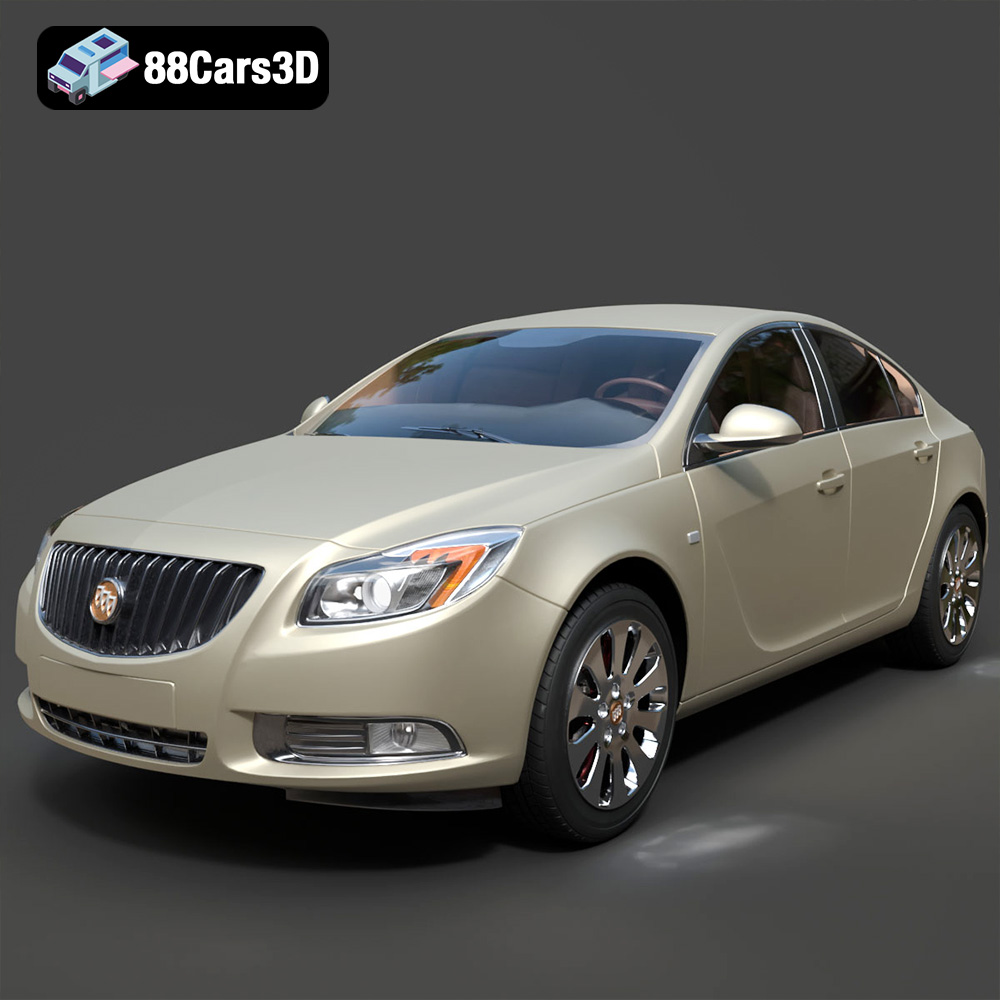
Buick Regal 3D Model
Texture: Yes
Material: Yes
Download the Buick Regal 3D Model featuring a classic American sedan design, detailed exterior, and optimized interior. Includes .blend, .fbx, .obj, .glb, .stl, .ply, .unreal, and .max formats for rendering, simulation, and game development.
Price: $10.79
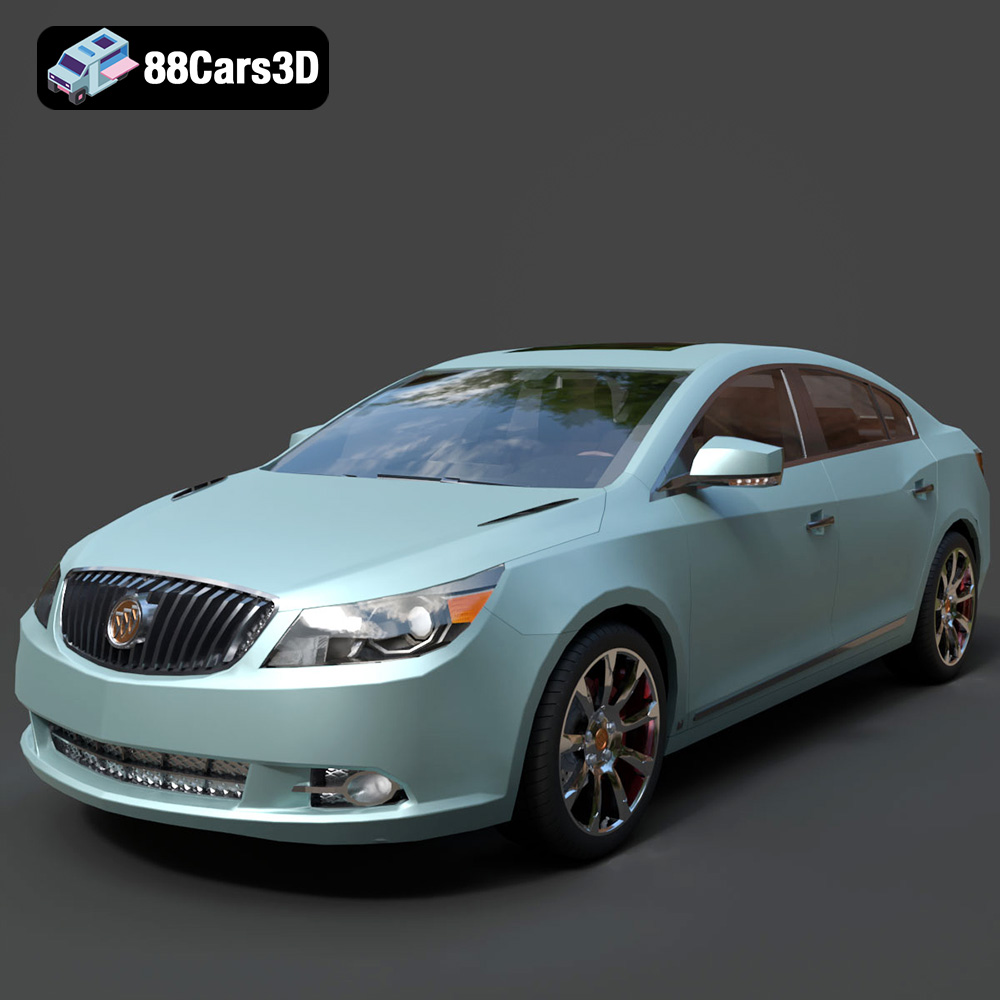
Buick LaCrosse 2008 3D Model
Texture: Yes
Material: Yes
Download the Buick LaCrosse 3D Model featuring professional modeling and texture work. Includes .blend, .fbx, .obj, .glb, .stl, .ply, .unreal, and .max formats for rendering, simulation, and game development.
Price: $10.79
