

The Engine of Engagement: How 3D Models Drive Modern Automotive Marketing
In an era where digital experiences reign supreme, the automotive industry faces the challenge of capturing audience attention in increasingly innovative ways. Gone are the days when static photographs and brochures alone could convey the full essence of a meticulously engineered vehicle. Today, the true power lies in immersive, interactive, and hyper-realistic digital representations, and at the heart of this transformation are high-quality 3D car models.
These sophisticated digital assets are no longer just tools for designers; they are the bedrock of modern automotive marketing, enabling everything from stunning photorealistic renders and engaging configurators to interactive AR/VR experiences and even precise 3D prints. For automotive brands, leveraging 3D models means transcending traditional marketing limitations, offering unparalleled flexibility, cost-efficiency, and creative freedom. This comprehensive guide will explore the profound role 3D models play in revolutionizing automotive marketing, diving deep into the technical workflows, optimization strategies, and industry best practices that unlock their full potential. Whether you’re a 3D artist, a marketing professional, or an automotive enthusiast, understanding the intricate world of 3D car models is crucial for navigating the future of vehicle promotion.
The Foundation: High-Quality 3D Automotive Models
The journey of any successful automotive marketing campaign built on 3D models begins with the creation or acquisition of a high-quality digital asset. This foundation is paramount, as the fidelity and technical cleanliness of the 3D model directly impact the quality of all subsequent applications, from photorealistic renders to real-time interactive experiences. A subpar model can lead to rendering artifacts, poor performance in game engines, or inaccuracies in AR/VR applications, undermining the entire marketing effort. Therefore, investing in models with meticulous detail, accurate dimensions, and optimized structures is not merely an option, but a necessity. Platforms like 88cars3d.com specialize in providing such assets, understanding the critical technical requirements for diverse industry applications.
Topology and Edge Flow for Realistic Surfaces
For automotive models, achieving realism is heavily dependent on impeccable topology and edge flow. Topology refers to the arrangement of polygons (typically quads) that make up the surface of the 3D model. Good topology ensures smooth deformation, facilitates clean UV mapping, and prevents shading artifacts, particularly crucial for the often-reflective and curved surfaces of a car. A common best practice is using an “all-quad” topology, where the mesh consists exclusively of four-sided polygons, as this allows for predictable subdivision smoothing.
Edge flow, on the other hand, describes how these edges follow the contours and critical lines of the vehicle. For example, edge loops should perfectly trace around panel gaps, fender flares, and character lines, maintaining the integrity of the design. This is particularly important for models intended for subdivision surface modifiers (like Turbosmooth in 3ds Max or Subdivision Surface in Blender), which smooth the mesh by adding polygons. Poor edge flow can result in pinched geometry or unnatural bulges when subdivided. For a typical high-fidelity automotive render, polygon counts can range from 300,000 to over 5 million triangles, depending on the level of interior detail and complexity. However, for real-time applications, this needs to be significantly optimized, often requiring manual retopology to create a lower-polygon base mesh while baking details from the high-poly version. The precision required means artists often spend significant time meticulously crafting every curve to ensure it reflects light accurately and presents a flawless silhouette from every angle.
Precision UV Mapping for Flawless Textures
UV mapping is the process of flattening the 3D surface of a model into a 2D space, allowing 2D textures (like paint, carbon fiber, or rubber) to be applied accurately without distortion. For complex automotive surfaces, meticulous UV mapping is critical, especially when utilizing Physically Based Rendering (PBR) materials, which rely heavily on precise texture information for metallic, roughness, and normal maps. Improper UVs can lead to stretched textures, visible seams, or incorrect material properties, immediately breaking realism.
Strategies for car surfaces often involve breaking the model into logical UV islands (e.g., hood, door, roof, wheels) to minimize distortion. Techniques like “unwrap UVW” in 3ds Max or “Smart UV Project” and manual unwrapping in Blender (refer to the official Blender 4.4 documentation for detailed UV editing techniques: https://docs.blender.org/manual/en/4.4/modeling/meshes/uv/index.html) are commonly employed. For extremely high-resolution assets, UDIM workflows are becoming standard. UDIM (UV Dimension) allows artists to use multiple UV tiles (separate texture maps) for a single model, overcoming the resolution limitations of a single 0-1 UV space. This means different parts of a car, such as the body paint, interior dashboard, and tires, can each have their own high-resolution texture set without compromising detail across the entire vehicle. This level of precision is essential for macro shots in renders or close-up inspections in interactive experiences, where every grain and reflection matters.
Immersive Visuals: Photorealistic Rendering
Once a high-quality 3D automotive model is established, the next crucial step in modern marketing is transforming it into visually stunning, photorealistic imagery and animations. This process, known as rendering, involves simulating how light interacts with the model’s materials and environment to produce a final image. Photorealism is paramount in automotive marketing, as it evokes emotion, trust, and a sense of tangible quality that consumers expect. Advanced rendering techniques enable brands to showcase their vehicles in virtual environments that are indistinguishable from real-world photography, offering unparalleled creative control and cost savings compared to physical photoshoots.
PBR Material Creation and Shader Networks
Physically Based Rendering (PBR) has become the gold standard for creating realistic materials in 3D. PBR materials accurately simulate how light behaves in the real world, based on physical properties rather than subjective artistic interpretation. Key maps in a PBR workflow typically include Albedo (base color), Metallic (how reflective and metallic a surface is), Roughness (how diffuse or shiny a surface is), Normal (for surface detail like scratches or bumps), and Ambient Occlusion (for subtle shadowing in crevices).
For automotive models, the creation of PBR materials is an art and a science. Car paint, for example, is a complex multi-layered shader often involving clear coat, metallic flakes, and subtle variations in roughness. Chrome, glass, rubber, leather, and carbon fiber each require distinct PBR setups, often created using dedicated texturing software like Substance Painter or directly within the renderer’s node-based shader editor. Software like 3ds Max with Corona or V-Ray, Blender with Cycles or EEVEE, and Maya with Arnold, all feature powerful node-based shader networks that allow artists to meticulously craft these materials. For instance, in Blender’s Cycles renderer, a complex car paint shader might involve multiple layers of Principled BSDF shaders mixed together, with specific Fresnel and falloff settings to accurately simulate reflections at glancing angles. This granular control over material properties ensures that the virtual vehicle looks and behaves exactly as its real-world counterpart would under various lighting conditions.
Advanced Lighting and Environment Setup
Lighting is arguably the most critical component in achieving photorealism in automotive rendering. It defines the mood, highlights design features, and brings materials to life through accurate reflections and shadows. A common and highly effective technique is the use of High Dynamic Range Image (HDRI) maps. HDRIs are 360-degree panoramic images that capture real-world lighting information, including intensity and color, which can then be used to light the 3D scene. This provides incredibly realistic global illumination, producing accurate reflections on the car’s paintwork and glass that instantly ground the vehicle in its environment.
Beyond HDRIs, studio lighting techniques are frequently employed to emphasize specific contours or features. This often involves virtual equivalents of traditional three-point lighting setups, softboxes, and large area lights to create soft, flattering illumination. For example, large, rectangular area lights placed strategically can mimic the controlled environment of an automotive photo studio, generating elegant reflections that sweep across the vehicle’s body panels. Renderers like Corona, V-Ray, Cycles (in Blender 4.4, providing highly customizable light setups, learn more at: https://docs.blender.org/manual/en/4.4/render/cycles/lighting/index.html), and Arnold offer sophisticated tools for managing light sources, bounce light, and indirect illumination, ensuring every pixel contributes to the overall realism. The choice of environment—be it an urban street, a desolate desert, or a futuristic cityscape—plays a significant role in storytelling and visual impact, transforming a mere car model into an aspirational lifestyle statement.
Interactive Experiences: Game Engines and Real-time Applications
While photorealistic renders create stunning passive visuals, modern automotive marketing increasingly demands interactivity. This is where game engines like Unity and Unreal Engine, along with web-based real-time viewers, become indispensable. They transform static 3D models into dynamic, explorable experiences, allowing prospective buyers to engage with vehicles in unprecedented ways—from spinning a car 360 degrees to changing paint colors and even taking a virtual test drive. These interactive platforms are rapidly becoming the cornerstone of engaging digital showrooms and online configurators.
Game Engine Optimization for Automotive Assets
Integrating high-fidelity 3D car models into real-time environments presents unique optimization challenges. Unlike offline rendering, which can take minutes or hours per frame, game engines must render 30 to 120 frames per second to ensure a smooth, responsive experience. This necessitates significant optimization of the 3D assets without compromising visual quality.
One of the most critical techniques is the implementation of Level of Detail (LODs). LODs are multiple versions of the same 3D model, each with a progressively lower polygon count. When the camera is close to the vehicle, the highest detail LOD is rendered. As the camera moves further away, lower-polygon LODs are automatically swapped in, drastically reducing the computational load without a noticeable drop in visual quality to the end-user. A common strategy might involve 3-5 LOD levels, with the lowest often being just a few thousand triangles. Another key optimization is draw call reduction. Each object or material that the game engine has to render constitutes a “draw call,” which can be a performance bottleneck. Combining meshes and using texture atlasing (packing multiple smaller textures into one larger texture map) helps to minimize draw calls, improving rendering efficiency. When sourcing models from marketplaces such as 88cars3d.com, it’s beneficial to look for assets that are already optimized with clean topology and potentially pre-configured LODs to streamline integration into game engine pipelines. Careful management of polygon budgets—often aiming for 50,000-150,000 triangles for a main playable car model in a modern game engine, plus additional details for interiors—is crucial for maintaining high frame rates.
AR/VR Optimization and Interactivity
Augmented Reality (AR) and Virtual Reality (VR) represent the pinnacle of immersive automotive marketing. AR allows users to place a virtual car into their real-world environment (e.g., their driveway) using a smartphone, while VR transports them into a fully simulated showroom or driving experience. Both demand even stricter optimization than traditional game engines due to the need for extremely high, stable frame rates (often 90 FPS per eye for VR) to prevent motion sickness and ensure a comfortable user experience.
Specific optimization techniques for AR/VR include aggressive LODs, aggressive texture compression, and careful consideration of shader complexity. Simple, efficient PBR shaders are preferred over complex, multi-layered ones. The choice of file format is also paramount for web-based AR/VR experiences. GLB (GLTF Binary) and USDZ are rapidly becoming industry standards. GLB is excellent for web and Android AR, offering a compact, single-file package that includes geometry, materials, and animations. USDZ, developed by Apple, is the native format for AR on iOS devices, allowing users to instantly view 3D models in AR directly from web browsers or messages. These formats are highly optimized for streaming and real-time rendering, enabling seamless integration into AR viewing apps or web-based configurators that allow users to customize a car in real-time, change colors, or open doors, providing a deeply engaging and memorable marketing touchpoint.
Beyond Visualization: 3D Printing and Digital Twins
The utility of high-fidelity 3D car models extends far beyond stunning visual marketing and interactive experiences. They are increasingly playing a pivotal role in physical production through 3D printing and in advanced engineering and design through the concept of digital twins. These applications showcase the versatility and long-term value of investing in technically sound 3D assets, transforming them into foundational components for both tangible products and sophisticated analytical tools within the automotive lifecycle.
Preparing Automotive Models for 3D Printing
3D printing offers a unique avenue for automotive marketing, allowing brands to create physical prototypes, intricate scale models for displays, or even personalized promotional items. However, preparing a 3D model for additive manufacturing requires a distinct set of considerations compared to rendering or game engine use. The primary requirement is a “watertight” mesh – meaning the model must be a completely closed volume with no gaps, holes, or overlapping geometry. Any imperfections can lead to printing errors.
Common challenges include repairing non-manifold geometry (edges or vertices that are shared by more than two faces), ensuring correct face normals (the direction a polygon is facing, which dictates its “outside”), and merging disconnected components. Software like Autodesk Meshmixer, Netfabb, or even built-in tools in Blender (using the 3D Print Toolbox addon) can be used for mesh inspection and repair. Another crucial aspect is considering the physical properties for printing: wall thickness must be sufficient to be printable and structurally sound (typically a minimum of 0.8mm to 2mm, depending on the material and printer), and intricate details must be simplified if they fall below the printer’s resolution capabilities. File formats like STL (Standard Tessellation Language) and OBJ are commonly used for 3D printing, with STL being the industry standard for its simplicity and wide compatibility with slicing software. By carefully preparing models for 3D printing, automotive companies can bridge the gap between the digital and physical realms, offering unique, tactile marketing materials that leave a lasting impression.
Digital Twins and Future Applications
The concept of a “digital twin” takes the utility of 3D models to an entirely new level. A digital twin is a virtual replica of a physical object, system, or process that is continuously updated with real-time data from its physical counterpart. In the automotive industry, a digital twin of a vehicle is a high-fidelity 3D model enriched with sensor data, performance metrics, and operational history. While this primarily serves engineering, manufacturing, and maintenance, its implications for marketing are profound.
For marketing, digital twins allow for an unprecedented level of transparency and detail. Imagine a prospective buyer interacting with a virtual model that dynamically displays real-time performance data from a specific car on a test track, or demonstrates the impact of a design change on aerodynamics. This level of factual, data-driven visualization can build immense trust and provide a deeper understanding of the vehicle’s capabilities. Beyond direct marketing, digital twins enable rapid iteration of concept cars, virtual testing of new features, and even simulation of vehicle behavior in various scenarios, feeding back into marketing with highly accurate and verifiable claims. This interconnectedness allows for highly compelling storytelling, showcasing not just what a car looks like, but how it performs, is built, and even how it evolves over its lifespan. The precision and detail inherent in the 3D models from platforms like 88cars3d.com make them ideal candidates for serving as the visual backbone of sophisticated digital twin implementations.
The Workflow Ecosystem: File Formats and Compatibility
In the dynamic world of 3D content creation and deployment, navigating the myriad of file formats is a critical skill. Automotive marketing campaigns often involve multiple software applications—from 3D modeling tools to rendering engines, game engines, and AR/VR platforms—each with its preferred or native file types. Understanding the strengths, limitations, and compatibility of various 3D file formats is essential for maintaining asset integrity, ensuring smooth workflows, and maximizing the usability of valuable 3D car models across the entire marketing ecosystem.
Navigating Key 3D File Formats
* FBX (Filmbox): Developed by Autodesk, FBX is arguably the most widely adopted interchange format in the 3D industry. It supports not only geometry and materials but also animations, rigs, cameras, and lights, making it ideal for transferring complex automotive assets between different 3D software packages (e.g., 3ds Max to Maya, Blender to Unity/Unreal Engine). Its robustness makes it a go-to for complex production pipelines.
* OBJ (Wavefront Object): A universal and venerable format, OBJ is excellent for transferring raw geometry and basic UV mapping information. It is highly compatible across virtually all 3D software. However, it does not support animation, rigging, or advanced material properties within the file itself, often requiring separate MTL (material) files and manual setup of PBR shaders in the target application.
* GLB/glTF (GL Transmission Format): These formats are rapidly gaining traction as the “JPEG for 3D.” glTF (the JSON-based format) and its binary counterpart GLB are optimized for web-based 3D, AR, and VR applications. They efficiently pack geometry, PBR materials, textures, and animations into a single, compact file, making them ideal for quick loading and real-time display in browsers or mobile apps. Their open standard nature and efficiency make them future-proof for interactive web content.
* USDZ (Universal Scene Description Zip): Developed by Pixar and adopted by Apple, USDZ is specifically tailored for AR experiences on Apple’s iOS ecosystem. It is a zero-compression, unencrypted zip archive of Universal Scene Description (USD) files, optimized for sharing and viewing 3D content in AR environments. If your marketing strategy includes iOS-specific AR, USDZ is an indispensable format.
* Native Formats (e.g., .MAX, .BLEND, .C4D): While less suitable for interchange, native formats like 3ds Max (.MAX), Blender (.BLEND), and Cinema 4D (.C4D) are crucial for project fidelity. They store all scene data, including render settings, modifiers, and complex shader networks, ensuring that artists can return to a project with all its intricate details intact. These are often the starting point before exporting to interchange formats.
Ensuring Cross-Platform Compatibility
Achieving seamless cross-platform compatibility requires more than just choosing the right file format; it demands careful attention to workflow practices. One critical aspect is consistent scaling. Different 3D software often uses different default unit systems (e.g., centimeters, meters, inches), which can lead to models being imported at incorrect sizes if not managed properly during export and import. Establishing a project-wide unit standard is a best practice.
Another challenge lies in material conversion. While PBR materials are based on universal physical principles, their implementation can vary between renderers and game engines. A complex car paint shader built in V-Ray for 3ds Max will not directly translate to Blender’s Cycles without some re-setup, even if the underlying PBR texture maps are compatible. Therefore, providing texture maps (Albedo, Metallic, Roughness, Normal) alongside the 3D model in a separate folder is often more robust than relying solely on embedded material definitions. When acquiring 3D car models, platforms such as 88cars3d.com often provide models in multiple formats and with organized texture sets, significantly easing the burden of integration and ensuring that the assets can be utilized effectively across various professional pipelines without loss of quality or requiring extensive rework. This strategic approach to file management and format awareness ensures that the investment in high-quality 3D assets yields maximum returns across all automotive marketing initiatives.
Conclusion
The journey through the intricate world of 3D car models reveals a profound truth: these digital assets are no longer mere enhancements but fundamental drivers of modern automotive marketing. From the meticulous crafting of clean topology and precise UV mapping to the advanced techniques of photorealistic PBR rendering and the demanding optimization for real-time game engines and AR/VR experiences, 3D models empower brands with unparalleled visual fidelity and interactive engagement. They transcend traditional limitations, offering cost-effective solutions for producing breathtaking visuals, dynamic product configurators, immersive virtual showrooms, and even tangible 3D-printed prototypes.
The comprehensive technical understanding of file formats like FBX, GLB, and USDZ, alongside the nuances of lighting, materials, and performance optimization, forms the backbone of a successful digital marketing strategy. As technology continues to evolve, the capabilities of 3D models will only expand, blurring the lines between the physical and digital, and enabling ever more compelling and personalized customer experiences. For automotive companies looking to differentiate themselves in a competitive landscape, embracing the power of high-quality 3D car models is not just an advantage—it’s an absolute necessity. By leveraging these versatile assets, brands can connect with their audience on deeper, more engaging levels, driving not just interest, but true passion for their vehicles. The future of automotive marketing is undeniably 3D, and the brands that master this domain will be the ones that truly accelerate ahead.
Featured 3D Car Models
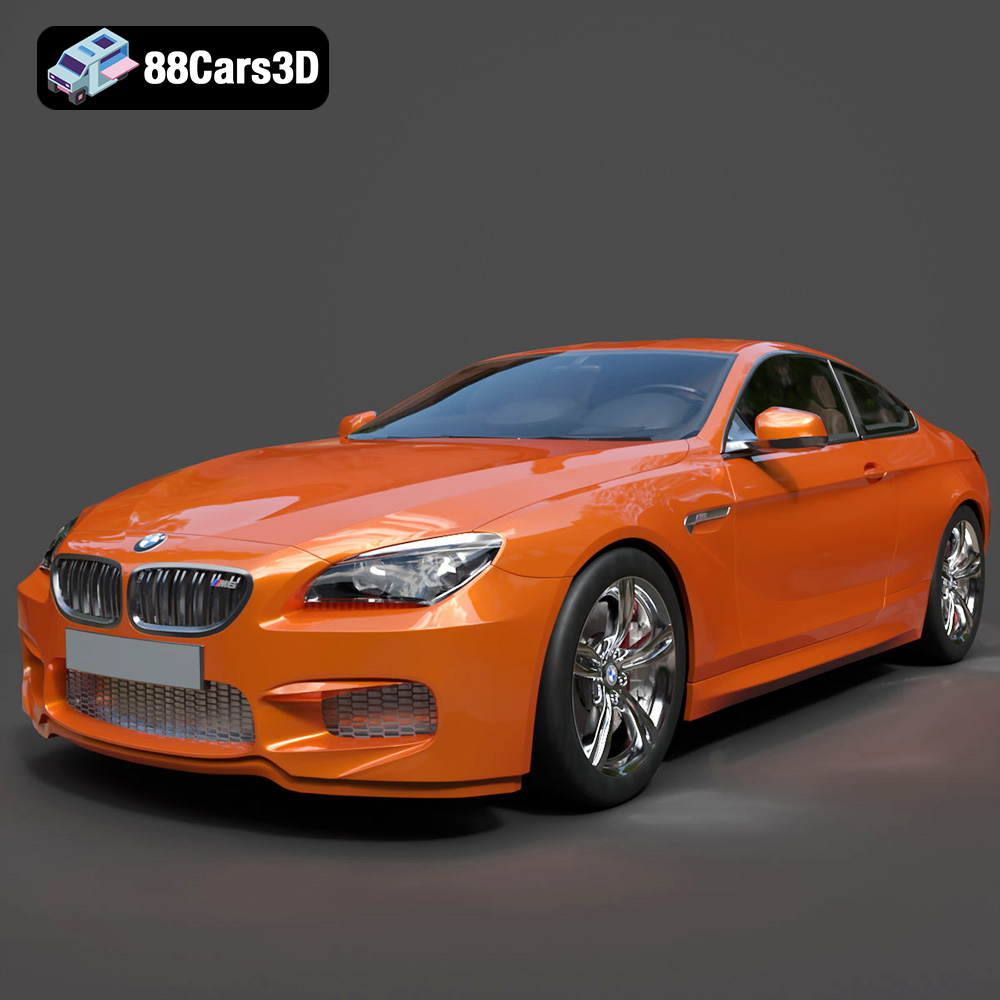
BMW M6 Coupe (F12) 3D Model
Texture: Yes
Material: Yes
Download the BMW M6 Coupe (F12) 3D Model featuring its iconic sporty design and luxurious details. Includes .blend, .fbx, .obj, .glb, .stl, .ply, .unreal, and .max formats for rendering, simulation, and game development.
Price: $10.79
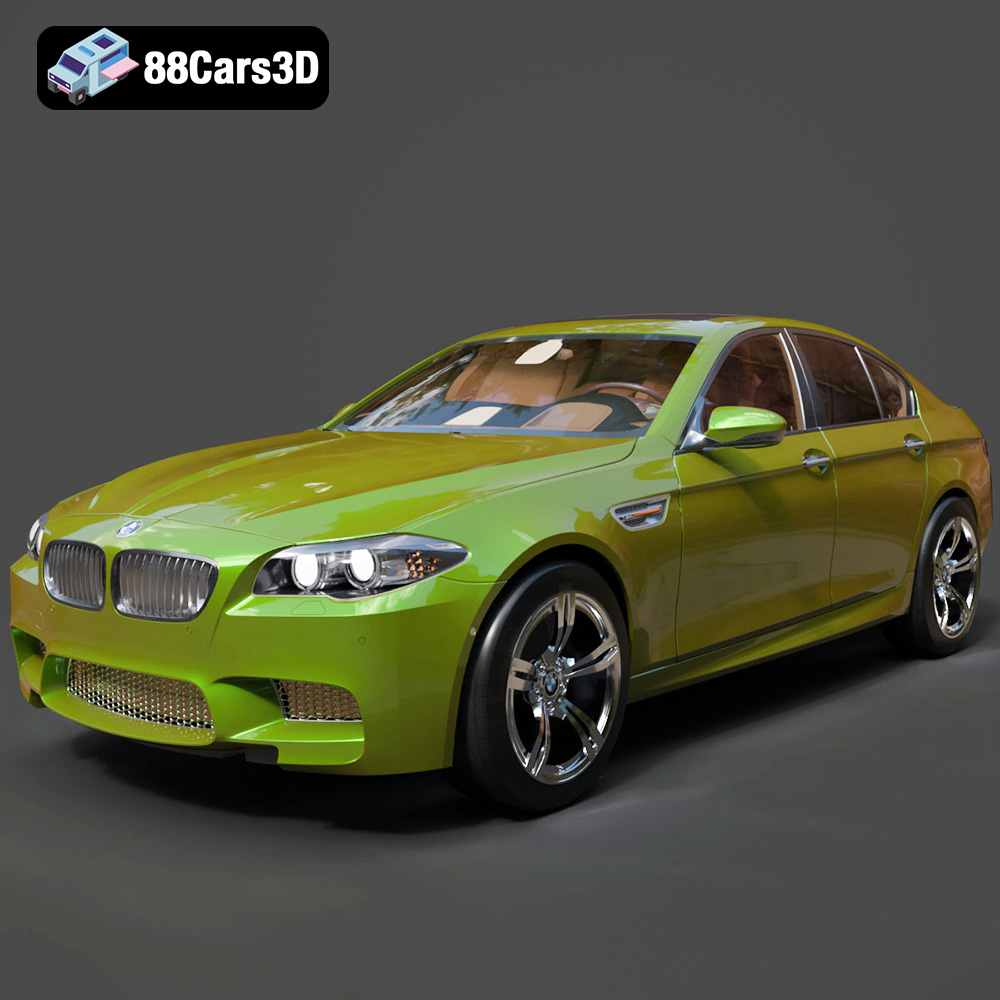
BMW M5 F10 3D Model
Texture: Yes
Material: Yes
Download the BMW M5 F10 3D Model featuring high-performance luxury sedan design, detailed interior, and realistic PBR textures. Includes .blend, .fbx, .obj, .glb, .stl, .ply, .unreal, and .max formats for rendering, simulation, and game development.
Price: $10.79
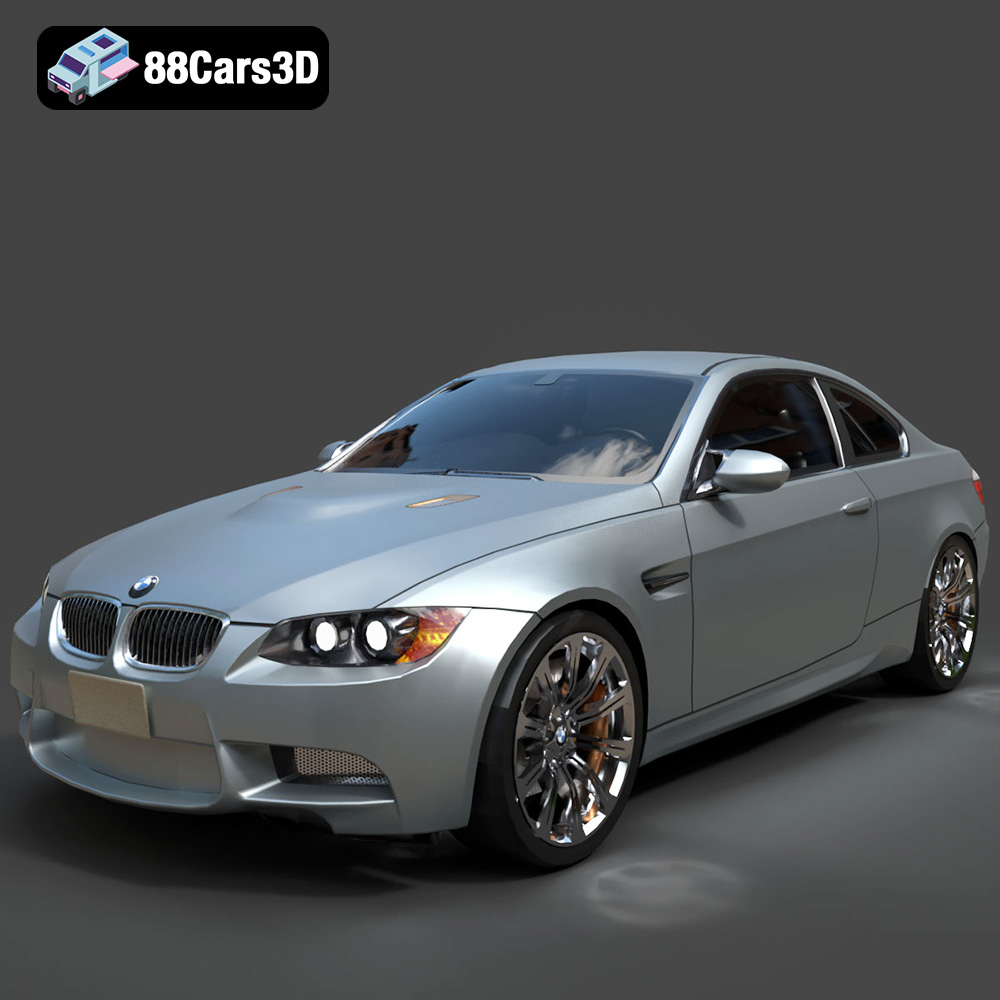
BMW M3 Coupe E92-002 3D Model
Texture: Yes
Material: Yes
Download the BMW M3 Coupe E92-002 3D Model featuring authentic styling, detailed exterior, and a faithful interior. Includes .blend, .fbx, .obj, .glb, .stl, .ply, .unreal, and .max formats for rendering, simulation, and game development.
Price: $10.79
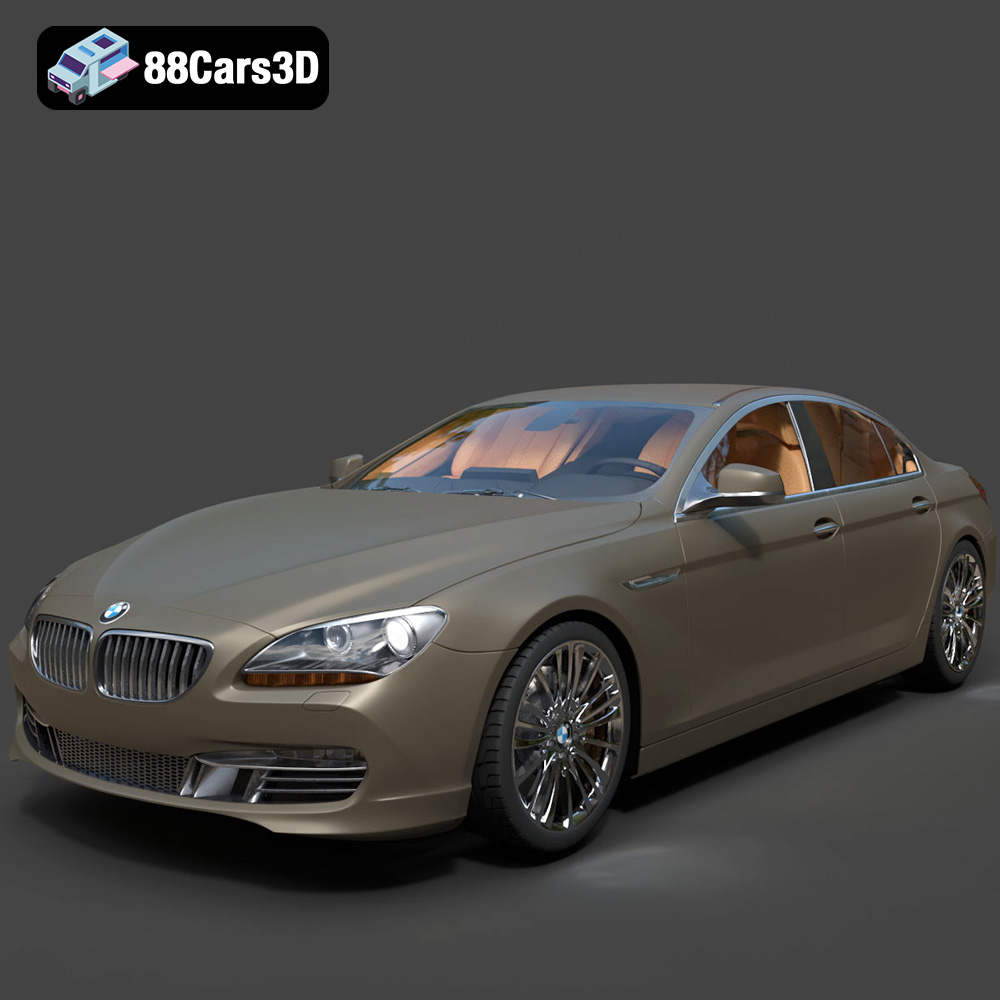
BMW 6 Series Gran Coupe 2013 3D Model
Texture: Yes
Material: Yes
Download the BMW 6 Series Gran Coupe 2013 3D Model featuring a sophisticated design, detailed exterior, and well-appointed interior. Includes .blend, .fbx, .obj, .glb, .stl, .ply, .unreal, and .max formats for rendering, simulation, and game development.
Price: $20.79
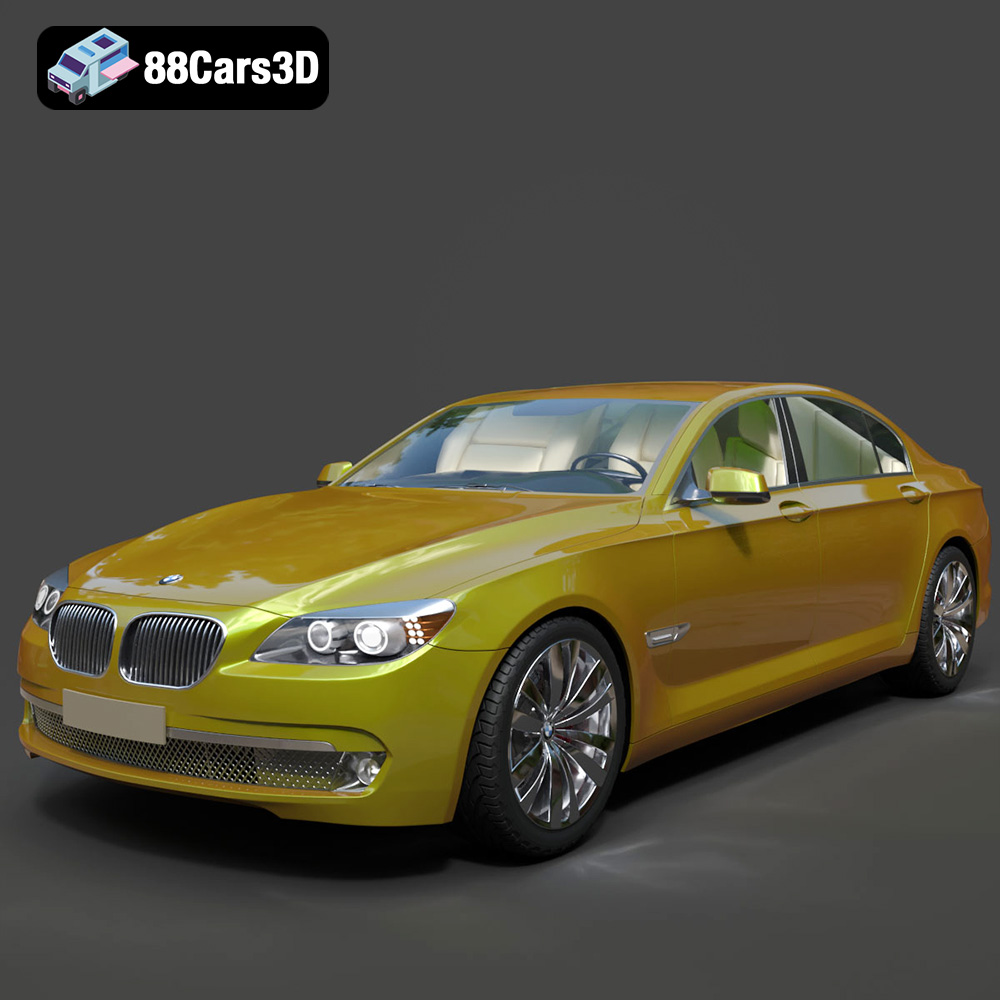
BMW 7 Series 750 F01 3D Model
Texture: Yes
Material: Yes
Download the BMW 7 Series 750 F01 3D Model featuring a detailed exterior and a luxurious interior. Includes .blend, .fbx, .obj, .glb, .stl, .ply, .unreal, and .max formats for rendering, simulation, and game development.
Price: $10.79
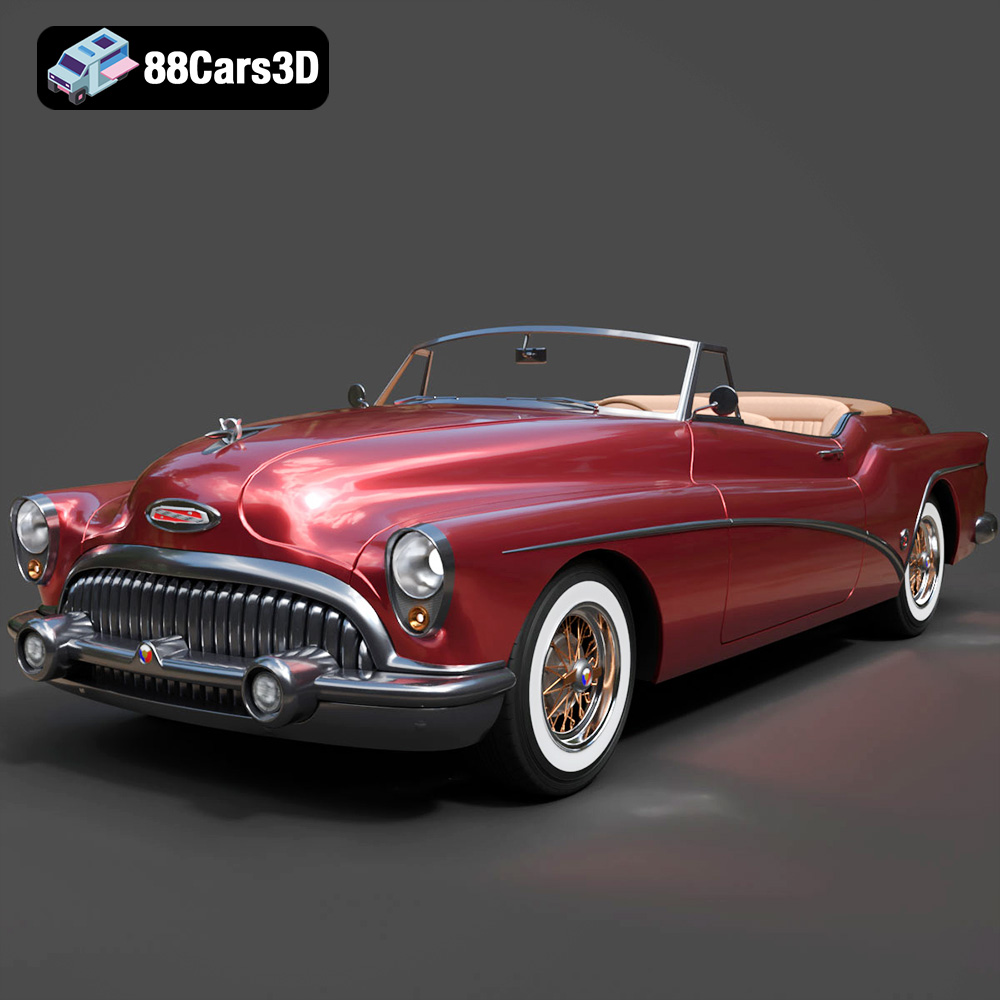
Buick Skylark Convertible 1953 3D Model
Texture: Yes
Material: Yes
Download the Buick Skylark Convertible 1953 3D Model featuring iconic 1950s styling, a detailed exterior with chrome accents, and an accurately modeled interior. Includes .blend, .fbx, .obj, .glb, .stl, .ply, .unreal, and .max formats for rendering, simulation, and game development.
Price: $10.79

Buick Roadmaster Hardtop Coupe 1957 3D Model
Texture: Yes
Material: Yes
Download the Buick Roadmaster Hardtop Coupe 1957 3D Model featuring a classic American design with detailed exterior and interior. Includes .blend, .fbx, .obj, .glb, .stl, .ply, .unreal, and .max formats for rendering, simulation, and game development.
Price: $10.79
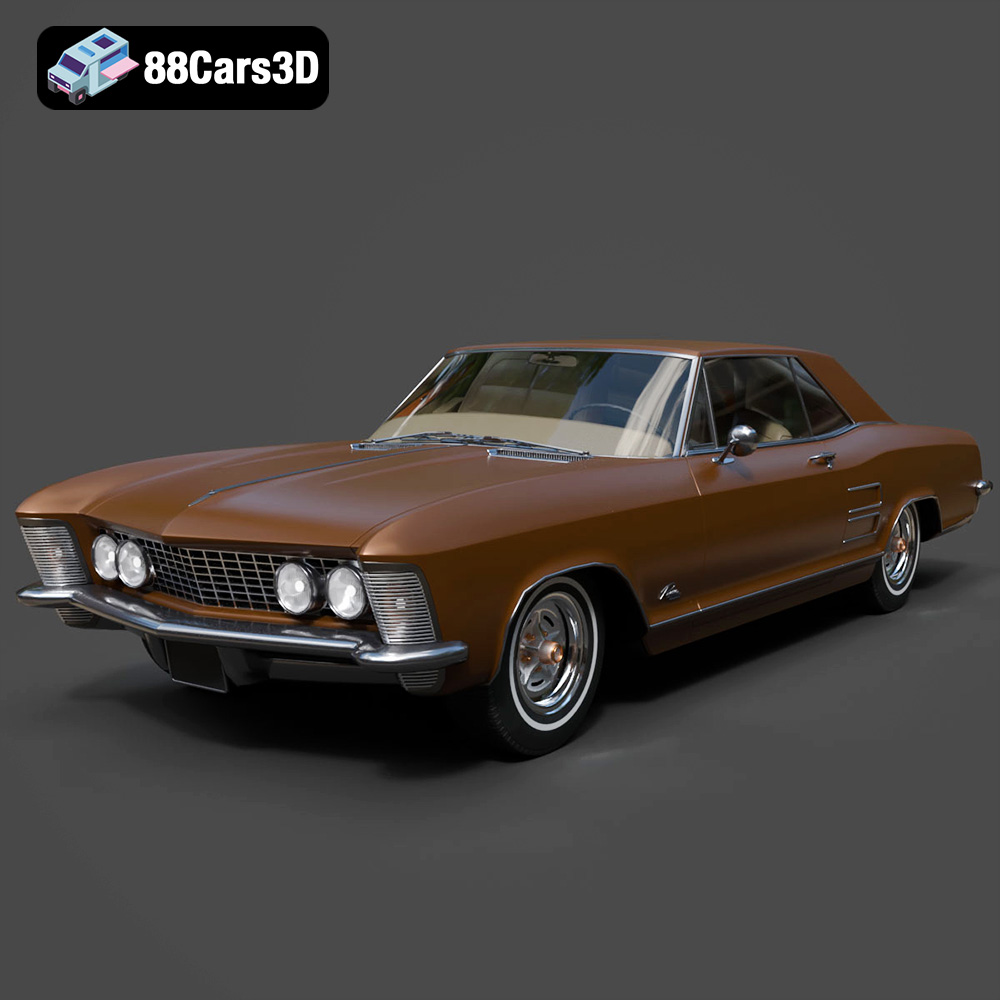
Buick Riviera 1963 3D Model
Texture: Yes
Material: Yes
Download the Buick Riviera 1963 3D Model featuring classic American muscle car design and iconic styling. Includes .blend, .fbx, .obj, .glb, .stl, .ply, .unreal, and .max formats for rendering, simulation, and game development.
Price: $10.79
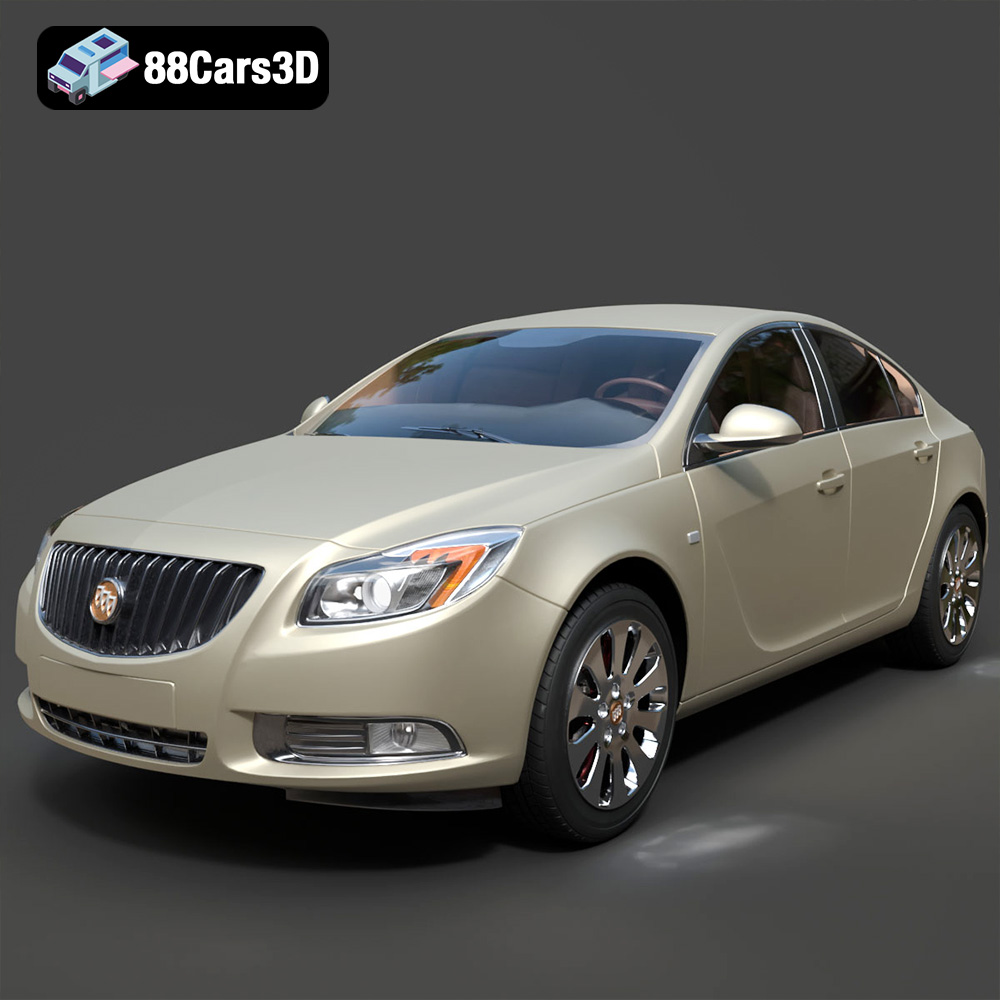
Buick Regal 3D Model
Texture: Yes
Material: Yes
Download the Buick Regal 3D Model featuring a classic American sedan design, detailed exterior, and optimized interior. Includes .blend, .fbx, .obj, .glb, .stl, .ply, .unreal, and .max formats for rendering, simulation, and game development.
Price: $10.79
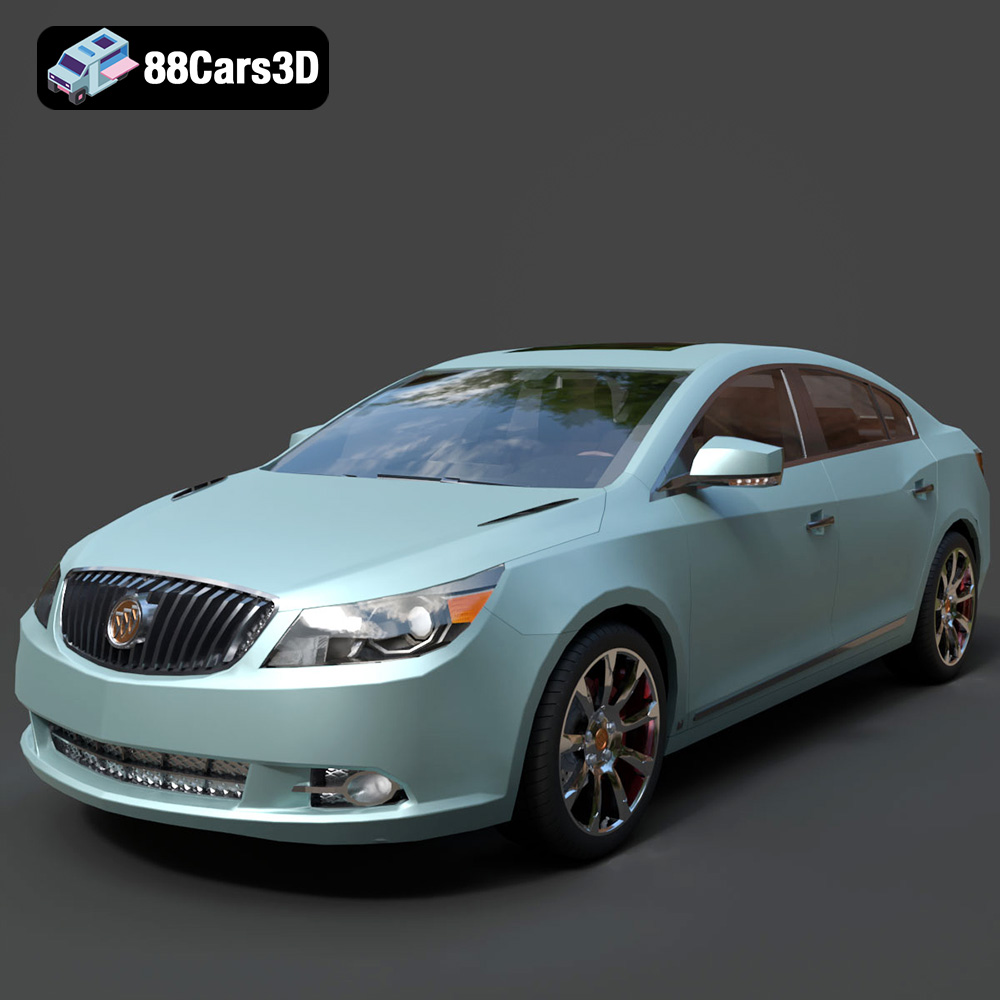
Buick LaCrosse 2008 3D Model
Texture: Yes
Material: Yes
Download the Buick LaCrosse 3D Model featuring professional modeling and texture work. Includes .blend, .fbx, .obj, .glb, .stl, .ply, .unreal, and .max formats for rendering, simulation, and game development.
Price: $10.79
