

“`html
Unlocking Automotive Realism: A Deep Dive into Resins and Filaments for Your 3D Printed Car Models
The world of 3D printing has revolutionized hobbies and industries alike, and the creation of intricate automotive models is no exception. Whether you’re a seasoned maker, a passionate collector, or an engineer prototyping a new design, the quality of your 3D printed car models hinges on a crucial decision: selecting the right printing material. While the STL file is the digital blueprint, the filament or resin you choose is the physical medium that brings it to life. This comprehensive guide will navigate you through the technical nuances of resins and filaments, empowering you to achieve unparalleled detail, durability, and aesthetic fidelity in your 3D printing projects. We’ll explore the distinct advantages and challenges of different materials, discuss optimal 3D printer settings for each, and delve into how material choice impacts post-processing and the final appearance of your cherished printable car models.
From the smooth, high-detail finishes of resin to the robust strength of certain filaments, understanding the interplay between material properties and printing techniques is key. We’ll cover everything from the microscopic layer structure to macro-level print success, ensuring your next build is your best yet. Get ready to elevate your automotive 3D printing game by mastering the art of material selection. By the end of this article, you’ll be equipped with the knowledge to confidently choose the perfect filament or resin for any automotive project, ensuring that models downloaded from platforms like 88cars3d.com are rendered with the highest possible quality.
The Foundation: Understanding Your Printing Technology
Before diving into specific materials, it’s essential to understand the fundamental differences between the two primary 3D printing technologies that dictate material compatibility: Fused Deposition Modeling (FDM) and Stereolithography (SLA) / Digital Light Processing (DLP) resin printing. Each technology operates on distinct principles, directly influencing the types of materials that can be used and the resulting print characteristics.
Fused Deposition Modeling (FDM) Explained
FDM, also known as fused filament fabrication (FFF), is the most common and accessible 3D printing technology. It works by extruding thermoplastic filament layer by layer, melting it through a heated nozzle and depositing it onto the build platform. The filament is typically supplied on spools and fed into the printer’s extruder. The advantages of FDM include its relatively low cost, wide availability of materials, and the ability to print larger objects due to fewer material limitations on scale compared to some resin printers. However, FDM prints are characterized by visible layer lines, which can be mitigated with careful slicing and post-processing but are inherent to the extrusion process. Achieving extremely fine details can also be more challenging compared to resin printing, depending heavily on nozzle size and print settings.
Resin Printing (SLA/DLP) Principles
Resin printing, encompassing SLA and DLP, utilizes photopolymer resins that cure and solidify when exposed to specific wavelengths of UV light. In SLA, a UV laser traces the cross-section of the model layer by layer, while in DLP, a projector flashes an image of the entire layer at once. This process allows for incredibly high resolution and smooth surface finishes, making it ideal for intricate details. Resin prints typically exhibit minimal visible layer lines, resulting in a near-injection molded appearance right off the print bed. The primary drawbacks include the cost of resins, the need for post-curing (UV exposure after printing) to achieve full material properties, and the messy nature of handling liquid resins and cleaning prints. Safety precautions, such as wearing gloves and working in a well-ventilated area, are paramount when using resins.
Filaments for FDM: Building Your 3D Car Models with Strength and Versatility
For FDM printers, the choice of filament profoundly impacts the final look, feel, and durability of your 3D printed car models. While standard PLA is a popular starting point, exploring other materials can unlock new levels of realism and performance. Understanding the properties of each filament, along with specific 3D printer settings, is crucial for success.
Polylactic Acid (PLA): The Go-To for Detail and Ease of Use
PLA is arguably the most popular filament for FDM printing due to its ease of use, low printing temperature (typically 190-220°C), and minimal warping. It’s biodegradable and made from renewable resources, making it an eco-friendlier choice. For automotive models, PLA excels at capturing fine details and intricate designs, especially when printed with smaller nozzle sizes (e.g., 0.2mm or 0.3mm) and lower layer heights (e.g., 0.08mm to 0.12mm). Its rigidity is good, but it can become brittle over time and has a lower heat resistance compared to other filaments. To maximize detail, consider increasing the retraction distance to minimize stringing and ensure proper cooling fan speed.
- Optimal Nozzle Temperature: 190-220°C
- Optimal Bed Temperature: 50-60°C (or off, with good bed adhesion)
- Print Speed: 40-60 mm/s
- Layer Height: 0.08-0.15mm for detail, 0.2-0.3mm for speed.
- Pros: Excellent detail, easy to print, low warping, wide color availability.
- Cons: Brittle, low heat resistance, can degrade over time.
PETG: Balancing Strength, Durability, and Printability
Polyethylene Terephthalate Glycol (PETG) offers a compelling balance between the ease of PLA and the strength of ABS. It’s more durable and has a higher heat resistance than PLA, making it suitable for models that might be handled frequently or exposed to moderate temperatures. PETG can be trickier to print than PLA, often requiring slightly higher temperatures (230-250°C) and slower print speeds to avoid stringing and oozing. Careful calibration of retraction settings is essential. Its slightly translucent nature can sometimes add a unique aesthetic to certain parts, like simulated glass.
- Optimal Nozzle Temperature: 230-250°C
- Optimal Bed Temperature: 70-85°C
- Print Speed: 30-50 mm/s
- Layer Height: 0.1-0.2mm.
- Pros: Strong, durable, good layer adhesion, moderate heat resistance.
- Cons: Prone to stringing, can be sticky and difficult to clean up, requires careful calibration.
ABS & ASA: For Durability and Professional Finishes (with Caution)
Acrylonitrile Butadiene Styrene (ABS) and its UV-resistant cousin, Acrylonitrile Styrene Acrylate (ASA), are known for their toughness, impact resistance, and ability to be smoothed with acetone vapor. These properties make them excellent for functional parts or models intended for more rigorous display. However, they are significantly more challenging to print with FDM. ABS requires high nozzle temperatures (240-260°C) and even higher bed temperatures (90-110°C), along with an enclosed print chamber to prevent warping and cracking due to rapid cooling. ASA offers similar benefits but with superior weatherability. The fumes emitted during printing are also a concern, necessitating excellent ventilation.
- Optimal Nozzle Temperature: 240-260°C
- Optimal Bed Temperature: 90-110°C
- Print Speed: 40-60 mm/s
- Layer Height: 0.1-0.2mm.
- Pros: Very strong, durable, high impact resistance, can be post-processed (acetone smoothing).
- Cons: Prone to warping, requires high temperatures and enclosed printer, emits fumes, can be difficult to print.
Resins for SLA/DLP: Capturing Microscopic Detail in Your Car Models
Resin printing technology excels at producing incredibly detailed and smooth surfaces, making it the preferred choice for highly intricate automotive models where every curve and emblem needs to be perfect. The vast array of available resins allows for fine-tuning print properties, from standard functional resins to specialized, high-detail formulations.
Standard Photopolymer Resins: The Baseline for Detail
Standard resins are the workhorse of resin printing, offering a good balance of detail, print speed, and cost. They are suitable for most general-purpose applications, including detailed car models. These resins typically require layer heights between 0.025mm and 0.05mm for optimal resolution. Achieving perfect prints involves careful calibration of exposure times, as this directly affects the accuracy of fine features and the strength of the cured part. Resin printers often come with pre-configured profiles for popular standard resins, but fine-tuning is almost always recommended. Expect a smooth, almost injection-molded finish straight from the printer.
- Typical Exposure Times: Varies greatly by printer and layer height (e.g., 1.5-4 seconds per layer at 0.05mm layer height).
- Post-Curing: Required (UV light and often heat).
- Pros: Excellent detail capture, smooth surface finish, good value for general use.
- Cons: Can be brittle, require careful handling and post-processing, sensitive to UV overexposure.
Tough / ABS-Like Resins: For Durability and Functional Prototypes
For automotive models that need to withstand more handling or even serve as functional prototypes (e.g., dashboard components), tough or ABS-like resins are an excellent choice. These resins are formulated to mimic the mechanical properties of ABS plastic, offering increased impact resistance and toughness compared to standard resins. While they might sacrifice some of the absolute finest detail or require slightly longer exposure times, the trade-off is a much more robust print. These are ideal for components that need to be assembled or tested.
- Typical Exposure Times: Often slightly longer than standard resins.
- Post-Curing: Required, often more critical for achieving full strength.
- Pros: High impact resistance, durable, good for functional parts.
- Cons: May have slightly less fine detail than standard resins, can be more expensive.
Flexible / Rubber-Like Resins: For Tires and Gaskets
While less common for the main body of a car model, flexible resins are invaluable for specific automotive applications. Think tires, seals, suspension components, or even custom dashboards with textured surfaces. These resins allow for parts that can bend, compress, or deform without breaking. Printing with flexible resins often requires specialized printer settings, such as slower lift speeds and potentially longer exposure times, to prevent layer separation. Careful consideration of support structures is also key, as removal can be more delicate.
- Typical Exposure Times: Can vary widely; calibration is critical.
- Post-Curing: Required, may affect flexibility.
- Pros: Elastomeric properties, suitable for flexible components.
- Cons: Difficult to print, challenging support removal, may require specific printer settings.
Optimizing Your Slicer Settings for Automotive Models
Regardless of whether you’re using FDM or resin printing, the slicing software is where you translate your STL file into machine instructions. Fine-tuning these settings is paramount for achieving the high quality expected from detailed automotive models. Platforms like 88cars3d.com often provide recommendations, but understanding the underlying principles allows for further optimization.
Layer Height and Infill Strategies
For FDM printing, layer height is a direct trade-off between detail and print time. For high-detail car models, aim for layer heights between 0.08mm and 0.12mm. While 0.05mm is possible on some machines, it drastically increases print time. Infill density and pattern are also important. For display models, 10-20% infill with a simple pattern like grid or gyroid is usually sufficient to provide internal support without adding excessive weight or print time. For functional parts, higher infill percentages (40-100%) and stronger patterns like cubic or honeycomb might be necessary.
Resin printing inherently offers very fine layer heights (often 0.025mm to 0.05mm), so the focus shifts to exposure time. Overexposure can lead to loss of detail and fused parts, while underexposure results in weak, possibly incomplete prints. Resin slicers also handle ‘hollowing’ models, which is crucial for saving material and reducing peel forces during printing. When hollowing, ensure you add sufficient drain holes and consider the orientation to minimize the number of unsupported islands.
Support Structures: The Unsung Heroes of Complex Prints
Automotive models are replete with overhangs, bridges, and delicate features that necessitate support structures. For FDM, tree supports (in Cura) or organic supports (in PrusaSlicer) are often preferred for car models as they are easier to remove and leave fewer marks than standard supports. Adjusting support density, interface layers, and support-to-model Z distance is critical for clean removal. For resin prints, supports are essential to prevent layers from detaching from the build plate or during the peel process. They need to be strong enough to hold the model but delicate enough to remove without damaging the print. Light, medium, and heavy supports, often placed on rafts or build plates, are typically used. Orienting the model to minimize the number of supports on critical surfaces is a key skill.
Print Orientation and Bed Adhesion
The orientation of your model on the build plate significantly impacts print success, support requirements, and surface finish. For FDM, orienting models to minimize overhangs and place layer lines in less visible areas (e.g., on the underside or along panel lines) is a good strategy. Ensure strong bed adhesion using appropriate techniques for your material: PLA with a brim or raft, PETG often adheres well to clean PEI, and ABS/ASA usually require a heated bed and potentially an enclosure or adhesive. For resin, orientation is critical for minimizing peel forces and the number of supports on visible surfaces. Angling the model at 15-45 degrees is common practice. Bed adhesion is usually less of an issue with resin due to the large surface area of the build plate relative to the FDM build plate, but ensuring the build plate is clean and level is still vital.
Post-Processing: Bringing Your 3D Printed Car Models to Life
The journey doesn’t end when the print is finished. Post-processing is where you refine your 3D printed car model, enhance its appearance, and ensure a professional finish. The techniques employed will vary greatly depending on the material and printing technology used.
FDM Post-Processing: Sanding, Filling, and Painting
FDM prints often require significant post-processing to achieve a smooth, paint-ready surface. This typically involves removing supports, sanding layer lines, and filling imperfections. Start with coarser grit sandpaper (e.g., 120-220 grit) to remove major imperfections and support marks, then move to finer grits (e.g., 400-1000+ grit) for a smooth finish. Wood filler or specialized 3D print putties can be used to fill layer lines before priming. For ABS/ASA, acetone vapor smoothing offers a remarkably smooth finish but requires extreme caution and a well-ventilated, safe setup. Multiple coats of primer, sanding between coats, are essential before applying your final paint job. Acrylic paints are generally suitable for most FDM materials.
Resin Post-Processing: Washing, Curing, and Finishing
Resin prints require a different set of post-processing steps. After removing the print from the build plate, it must be thoroughly washed in isopropyl alcohol (IPA) or a specialized resin cleaner to remove uncured resin. This is often done in an ultrasonic cleaner or a two-stage wash (dirty IPA, then clean IPA). Following washing, the print needs to be post-cured under UV light to achieve its final material properties and hardness. This is typically done in a UV curing station. Once cured, resin prints can be sanded (wear a respirator and gloves, as uncured resin dust is harmful), primed, and painted similarly to FDM prints. Clear coat finishes can add a high-gloss automotive aesthetic.
Conclusion: Choosing Wisely for Your Automotive Masterpiece
Selecting the right filament or resin is a foundational step in creating stunning 3D printed automotive models. For FDM users, PLA offers excellent detail and ease of printing for display models, while PETG provides a tougher alternative. ABS/ASA are best reserved for those with experience and the right equipment, aiming for maximum durability. On the resin side, standard photopolymers deliver unparalleled detail, tough resins offer robust solutions for functional parts, and flexible resins cater to specific component needs. Understanding the capabilities and limitations of each material, coupled with meticulous slicing and post-processing, will elevate your projects.
Whether you’re downloading a meticulously crafted classic car from 88cars3d.com or a futuristic concept, the materials you choose will define the outcome. Experimentation is key; print small test pieces with different settings and materials to understand their behavior. By mastering material selection and optimizing your 3D printer settings, you can transform digital STL files into breathtakingly realistic automotive replicas. Embrace the technical challenges, refine your process, and build your dream fleet, one precisely printed part at a time.
“`
Featured 3D Car Models
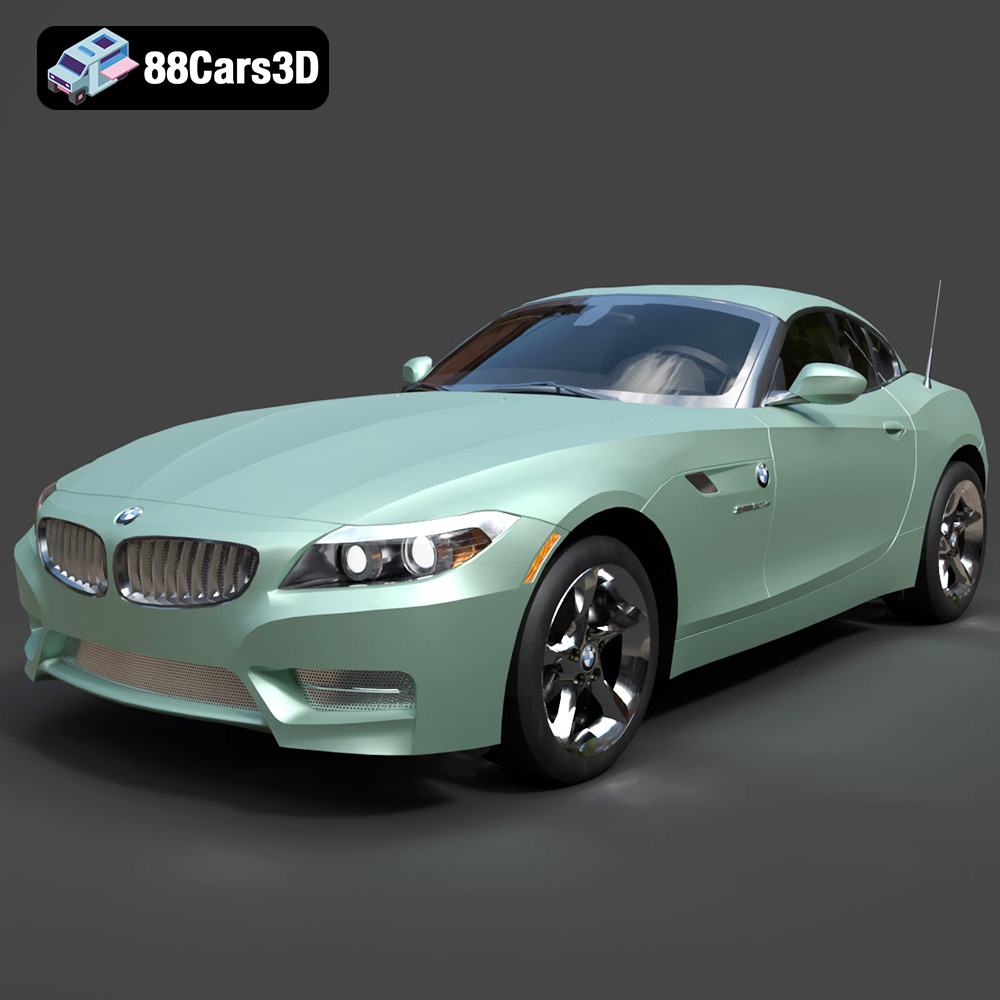
BMW Z4 Roadster E89 2012 3D Model
Texture: Yes
Material: Yes
Download the BMW Z4 Roadster E89 3D Model featuring clean geometry, realistic detailing, and a fully modeled interior. Includes .blend, .fbx, .obj, .glb, .stl, .ply, .unreal, and .max formats for rendering, simulation, and game development.
Price: $13.99

BMW Z4 E85 2005 3D Model
Texture: Yes
Material: Yes
Download the BMW Z4 E85 3D Model featuring clean geometry, realistic detailing, and a fully modeled interior. Includes .blend, .fbx, .obj, .glb, .stl, .ply, .unreal, and .max formats for rendering, simulation, and game development.
Price: $13.99

BMW M3 2024 3D Model
Texture: Yes
Material: Yes
Download the BMW M3 2024 3D Model featuring clean geometry, realistic detailing, and a fully modeled interior. Includes .blend, .fbx, .obj, .glb, .stl, .ply, .unreal, and .max formats for rendering, simulation, and game development.
Price: $13.99
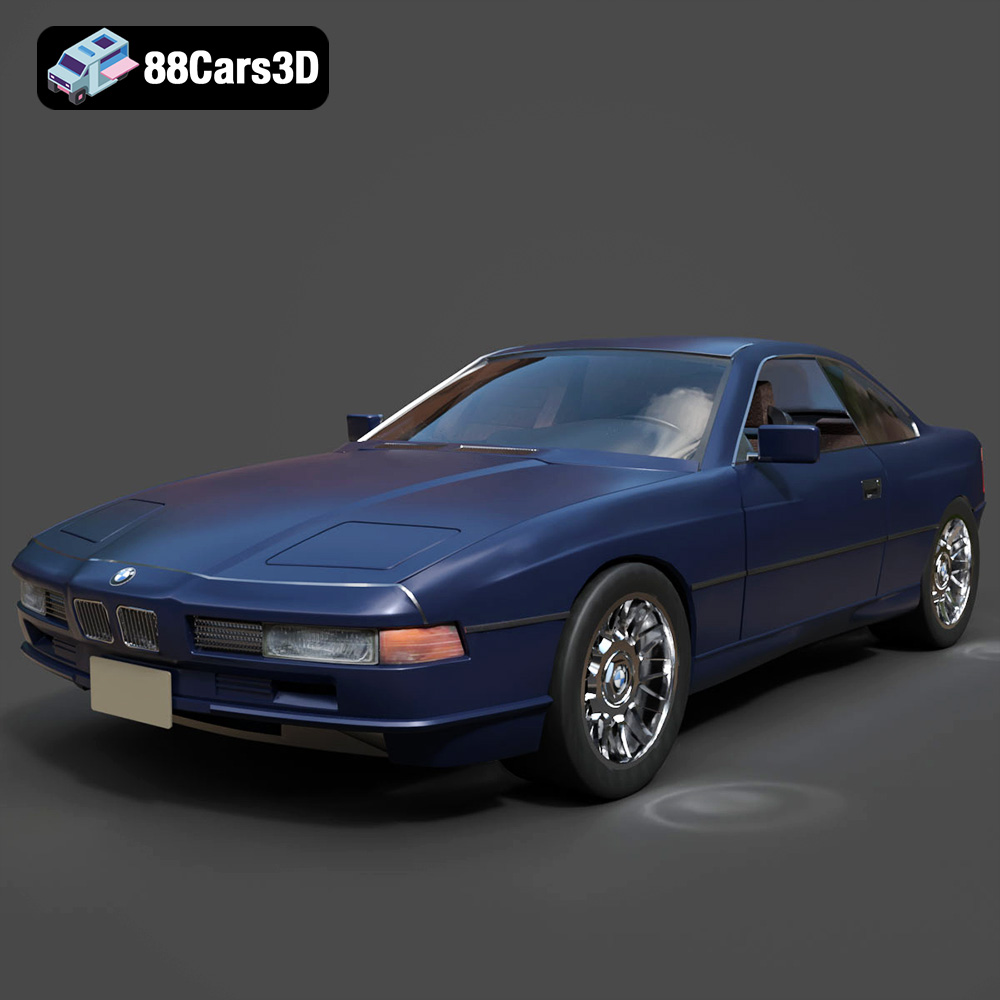
BMW 850i Coupe 1990 3D Model
Texture: Yes
Material: Yes
Download the BMW 850i Coupe 1990 3D Model featuring clean geometry, realistic detailing, and a fully modeled interior. Includes .blend, .fbx, .obj, .glb, .stl, .ply, .unreal, and .max formats for rendering, simulation, and game development.
Price: $13.99
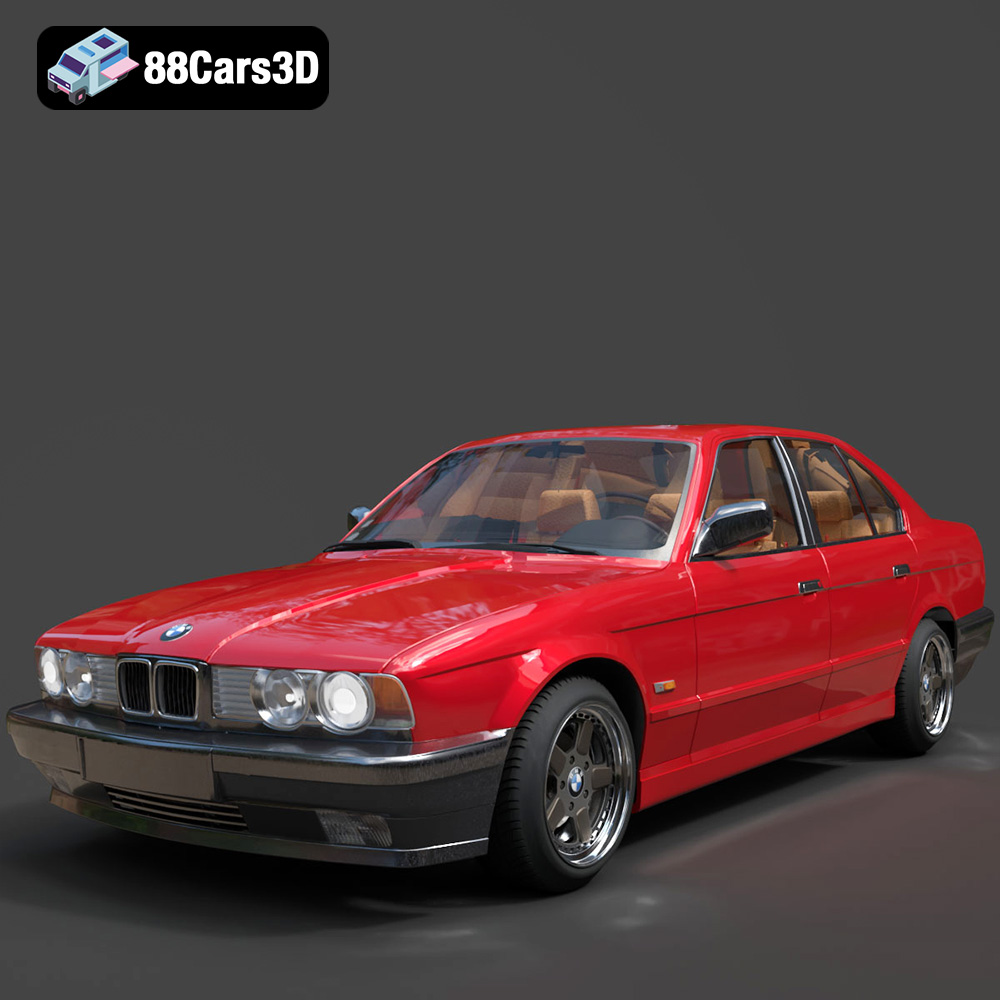
BMW 525i E34 1993 3D Model
Texture: Yes
Material: Yes
Download the BMW 525i E34 1993 3D Model featuring clean geometry, realistic detailing, and a fully modeled interior. Includes .blend, .fbx, .obj, .glb, .stl, .ply, .unreal, and .max formats for rendering, simulation, and game development.
Price: $12.99

BMW 7 Series 2016 3D Model
Texture: Yes
Material: Yes
Download the BMW 7 Series 2016 3D Model featuring luxurious design, detailed interior, and accurate exterior. Includes .blend, .fbx, .obj, .glb, .stl, .ply, .unreal, and .max formats for rendering, simulation, and game development.
Price: $10.79
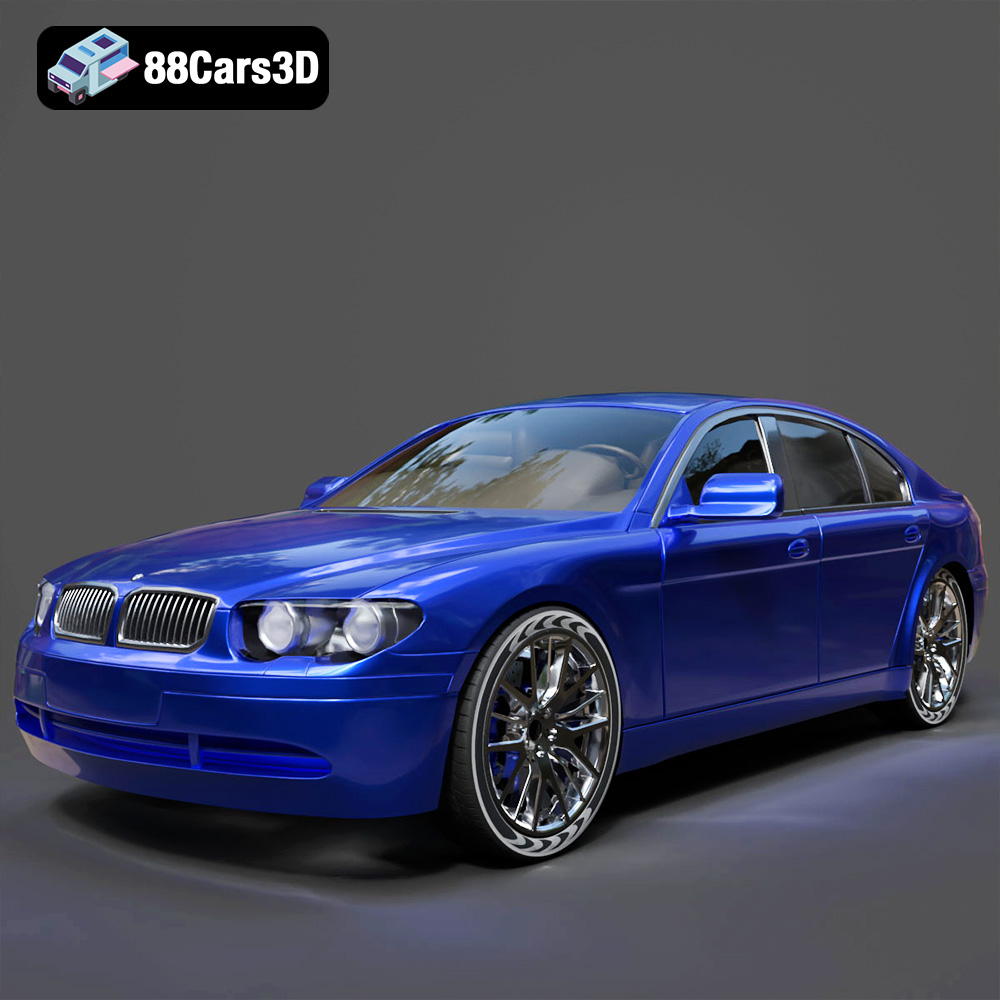
BMW 7 Series 30th Anniversary 3D Model
Texture: Yes
Material: Yes
Download the BMW 7 Series 30th Anniversary 3D Model featuring a meticulously crafted exterior, detailed interior, and realistic wheels. Includes .blend, .fbx, .obj, .glb, .stl, .ply, .unreal, and .max formats for rendering, simulation, and game development.
Price: $35.79

BMW 7-Series F02 3D Model
Texture: Yes
Material: Yes
Download the BMW 7-Series F02 3D Model featuring a detailed exterior and interior, optimized for rendering and animation. Includes .blend, .fbx, .obj, .glb, .stl, .ply, .unreal, and .max formats for rendering, simulation, and game development.
Price: $10.79
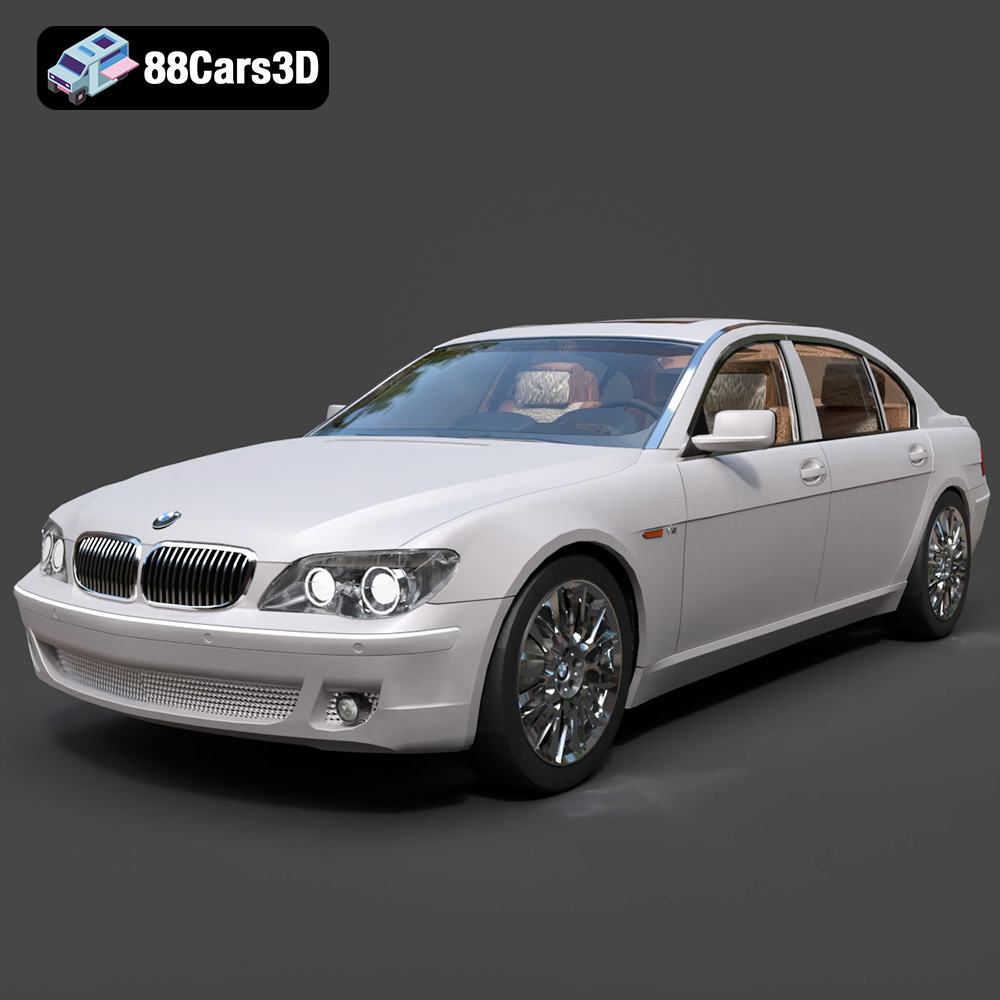
BMW 760Li E66 2005 3D Model
Texture: Yes
Material: Yes
Download the BMW 760Li E66 2005 3D Model featuring a detailed exterior, refined interior, and robust chassis. Includes .blend, .fbx, .obj, .glb, .stl, .ply, .unreal, and .max formats for rendering, simulation, and game development.
Price: $10.79
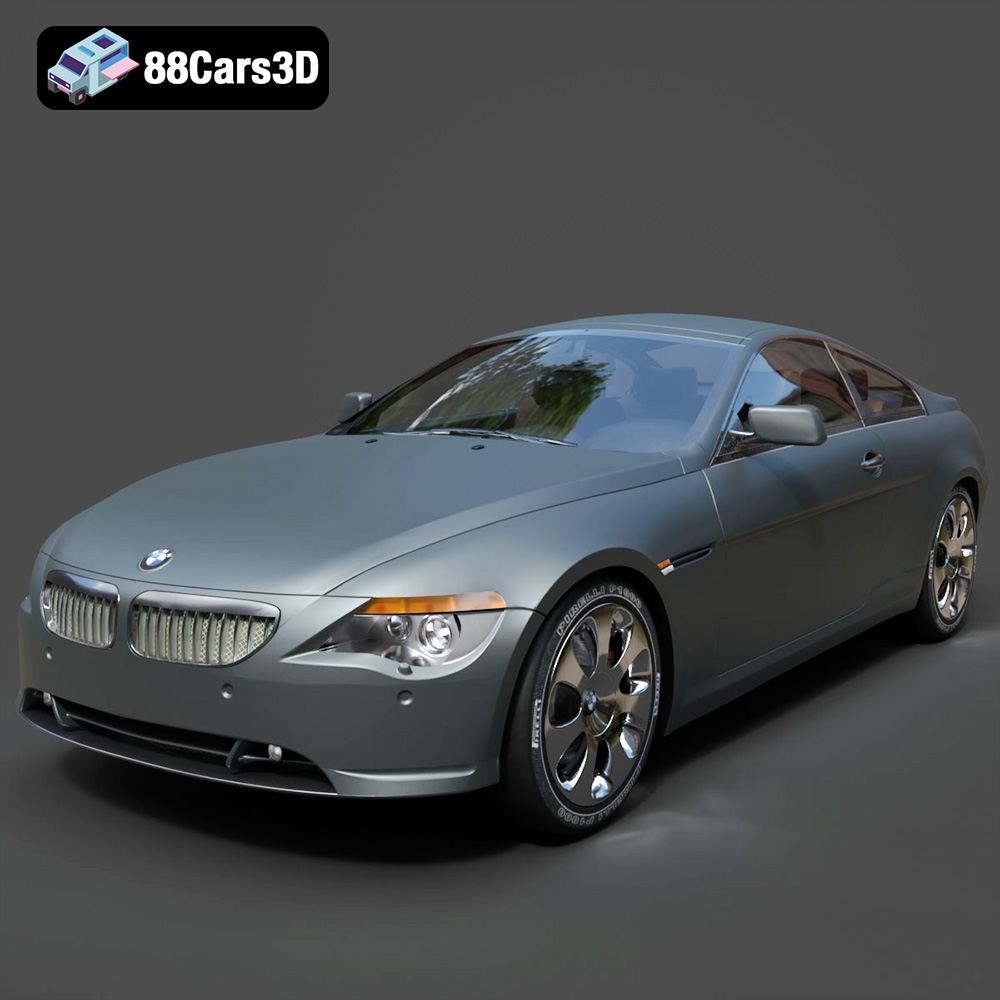
BMW 6 Series 3D Model
Texture: Yes
Material: Yes
Download the BMW 6 Series 3D Model featuring precisely modeled body panels, detailed interior, and authentic wheels. Includes .blend, .fbx, .obj, .glb, .stl, .ply, .unreal, and .max formats for rendering, simulation, and game development.
Price: $10.79
