

Mastering Your 3D Printer: Avoiding the Top 10 Pitfalls with STL Car Models
The world of 3D printing has opened up incredible avenues for hobbyists and enthusiasts, especially when it comes to creating tangible representations of beloved objects. For automotive aficionados, platforms like 88cars3d.com offer a treasure trove of high-quality, printable car models in STL format, transforming digital designs into detailed physical replicas. However, the journey from downloading an STL file to holding a perfectly printed miniature vehicle is often paved with challenges. Beginners, in particular, can find themselves frustrated by failed prints, poor quality, or models that simply don’t come out as expected. This guide dives deep into the ten most common mistakes that new 3D printing users make when working with STL files, specifically focusing on intricate automotive models. We’ll explore the underlying technical reasons behind these errors and provide practical, step-by-step solutions to help you achieve flawless prints every time, from understanding mesh topology to optimizing your slicer settings and mastering post-processing. Get ready to elevate your 3D printing game and bring your favorite cars to life with confidence.
1. Neglecting STL File Integrity: The Foundation of Your Print
The first and arguably most critical step in 3D printing is ensuring the integrity of your STL file. An STL (STereoLithography) file represents a 3D model’s surface geometry using a collection of triangular facets. If these triangles are not correctly oriented, if there are gaps in the mesh, or if the model isn’t “watertight,” your slicer software will struggle to interpret it, leading to print errors. For complex models like those found on 88cars3d.com, where fine details and smooth curves are paramount, this stage is non-negotiable.
Understanding Mesh Topology: Vertices, Edges, and Faces
An STL file is essentially a list of triangles, each defined by its three vertices and a normal vector indicating its outward-facing direction. Problems arise when these normals are inconsistent (internal faces pointing outward, or vice versa), creating non-manifold geometry. A manifold mesh is one that can be realistically fabricated; it has no holes, no intersecting faces, and each edge is shared by exactly two faces.
Common STL Errors and How to Fix Them
* **Holes/Gaps:** These are areas where the mesh is incomplete, looking like a hole in the digital model. Your slicer might try to “patch” these, often with unpredictable results.
* **Inverted Normals:** When the normal vector of a triangle points inward instead of outward, it confuses the slicer about which side is the “surface” of the model.
* **Non-Manifold Edges:** An edge shared by more than two faces is non-manifold and can cause printing issues.
* **Self-Intersections:** Parts of the mesh crossing over themselves can lead to slicing artifacts.
Software like Meshmixer, Blender (with its 3D-Print Toolbox add-on), or Netfabb are invaluable for repairing STL files. These tools can automatically detect and often fix most common mesh errors. For example, in Meshmixer, you can use the “Inspector” tool to find errors and then select “Auto Repair All.” Always preview the repaired mesh to ensure no critical details have been lost. When downloading models from marketplaces such as 88cars3d.com, it’s good practice to run a quick check, especially if you plan on scaling the model significantly, as scaling can sometimes introduce or exacerbate mesh issues.
2. Incorrect Slicer Settings: The Bridge Between Digital and Physical
The slicer is the software that translates your STL file into machine instructions (G-code) for your 3D printer. Choosing the wrong settings is a sure path to failure. This is where many beginners make critical errors, leading to prints that are weak, stringy, inaccurate, or simply don’t stick to the build plate.
Layer Height and Quality Trade-offs
Layer height dictates the vertical resolution of your print. A smaller layer height (e.g., 0.08mm) produces a smoother finish with finer detail, ideal for intricate car models, but significantly increases print time. A larger layer height (e.g., 0.2mm or 0.3mm) prints much faster but results in visible layer lines. For car models from 88cars3d.com, a layer height between 0.1mm and 0.15mm often strikes a good balance between detail and print duration.
Infill: Density, Patterns, and Their Impact
Infill provides internal support for the outer walls of your print. Beginners often overlook infill, setting it too low (leading to weak parts) or too high (wasting material and time). For display models, an infill density of 10-20% is usually sufficient. Patterns like “grid,” “gyroid,” or “cubic” offer good strength. For car models, consider that some parts might need to be stronger than others; advanced slicer users can even vary infill density within a single model.
Print Speed: The Temptation of Speed Over Quality
While it’s tempting to crank up print speed to finish faster, this is a common mistake. Excessive speed can lead to ringing artifacts, poor layer adhesion, and decreased accuracy, especially with small features common in car models. Start with conservative speeds recommended by your printer manufacturer or filament supplier, typically around 40-60 mm/s for outer walls and 80-100 mm/s for infill. Always fine-tune these values based on your printer’s capabilities and the specific material.
3. Poor Print Orientation and Bed Adhesion: Sticking the Landing
How you orient your model on the build plate and ensuring it adheres correctly are fundamental to a successful print. A poorly oriented model can lead to excessive support material, weak overhangs, and surface finish issues. Lack of proper bed adhesion is one of the most frequent causes of print failure, resulting in the print detaching mid-process and becoming a tangled mess.
Strategic Model Placement
Consider the model’s geometry. For car models, orienting them upright on their wheels generally works well, but sometimes printing them on their side or even upside down can minimize the need for supports or improve the finish on critical surfaces. For example, if the underside of a car has intricate details, printing it upside down might require supports inside the wheel wells but could yield a cleaner exterior. Always analyze the model to identify the surfaces that will benefit most from being printed “on the build plate” or with minimal support interference.
Bed Adhesion Techniques
* **Leveling the Bed:** A perfectly level bed is crucial. Ensure the nozzle is the correct distance from the bed across its entire surface (usually the thickness of a piece of paper).
* **Clean Build Surface:** Oils and dust from your fingers can prevent adhesion. Clean your build plate with isopropyl alcohol before each print.
* **Adhesion Aids:** For difficult-to-stick materials or large prints, consider using a glue stick, hairspray, or specialized build surface adhesives.
* **Brims and Rafts:** In your slicer, enabling a “brim” (a single layer extending outwards from the model’s base) or a “raft” (a thicker, disposable base layer) can significantly improve adhesion, especially for models with small contact areas. For detailed car models, a brim is usually preferred as it uses less material and is easier to remove than a raft, without compromising the base integrity.
4. Inadequate Support Structures: The Unsung Hero of Complex Prints
Detailed car models, with their overhangs, spoilers, mirrors, and intricate bodywork, almost always require support structures. Generating and removing these supports is a skill that many beginners struggle with, often leading to damaged models or unsightly marks.
Understanding Support Types and Placement
Slicers offer various support types: “Normal” (standard trees), “Tree” (branching, often easier to remove), or custom supports. The key is to place supports only where absolutely necessary. Too many supports can mar fine details, while too few will result in failed overhangs. For car models, pay attention to overhangs like fender flares, bumpers, and the underside. Many models from 88cars3d.com are designed with printability in mind, often featuring built-in supports or optimized geometry, but manual adjustment is still often required.
Optimizing Support Settings
* **Support Density:** A lower density (e.g., 5-10%) is usually sufficient for display models, making removal easier.
* **Support Overhang Angle:** Set the angle at which supports will be generated (e.g., 45-60 degrees). Anything steeper might print without support.
* **Support Interface Layers:** These are dense layers printed just below the actual model surface, creating a cleaner finish where the support touches the model. Experiment with enabling these for better results.
* **Support Z Distance:** This is the gap between the model and the support. A slightly larger gap (e.g., 0.2mm for a 0.4mm nozzle) makes supports easier to break away cleanly.
Clean Support Removal Techniques
Patience and the right tools are essential. Use flush cutters, hobby knives, or specialized tools to carefully break away supports. For difficult areas, gently wiggling the support or scoring around its base can help. If supports consistently damage your model, revisit your slicer settings or try a different support type (like tree supports).
5. Material Mismanagement: Choosing the Wrong Filament or Resin
The choice of printing material significantly impacts the final print’s appearance, strength, and post-processing capabilities. Beginners often stick to one material without understanding the nuances of others.
FDM Filament Choices: PLA, PETG, ABS, and Beyond
* **PLA (Polylactic Acid):** The most beginner-friendly FDM filament. It’s easy to print, has low warping, and comes in many colors and finishes. Ideal for detailed display models where extreme temperature resistance isn’t needed.
* **PETG (Polyethylene Terephthalate Glycol):** More durable and temperature-resistant than PLA, but can be stringier and slightly harder to print. Good for parts that might experience some stress.
* **ABS (Acrylonitrile Butadiene Styrene):** Strong and temperature-resistant but prone to warping and requires a heated enclosure and good ventilation due to fumes. Generally not recommended for beginners unless specific properties are required.
For most car models downloaded from 88cars3d.com, PLA is an excellent choice due to its ease of use and excellent detail reproduction.
Resin Printing Considerations: SLA/DLP vs. FDM
Resin printers (SLA/DLP/MSLA) offer incredibly high detail, making them ideal for miniature car models. However, they require more involved post-processing (washing and curing), use potentially hazardous chemicals, and often have smaller build volumes. If ultimate detail is the goal, resin is superior, but the learning curve and safety precautions are steeper than FDM.
Filament/Resin Storage and Handling
Filaments absorb moisture from the air, which degrades print quality (causing stringing, popping, and weak prints). Always store filament in a dry environment, ideally in a sealed bag with desiccant. Similarly, resins have expiry dates and should be handled with care.
6. Ignoring Printer Calibration and Maintenance: The Unseen Drudgery
A well-calibrated and maintained printer is fundamental to consistent, high-quality prints. Skipping this step is a common oversight for beginners who want to jump straight into printing.
Extruder Calibration (E-Steps)
The extruder motor needs to push the correct amount of filament. Incorrect calibration leads to under-extrusion (gaps in layers, weak prints) or over-extrusion (blobs, poor detail, dimensional inaccuracy). Most 3D printers allow you to calibrate E-steps via the printer’s menu or by sending G-code commands. This involves commanding the printer to extrude a specific length of filament and measuring how much was actually extruded, then adjusting the calibration value.
PID Tuning
PID tuning ensures your hotend and heated bed maintain a stable temperature. Fluctuations can cause inconsistent extrusion and layer adhesion. Most modern printer firmwares have an auto-PID tune function.
Nozzle Cleaning and Replacement
A partially clogged nozzle can cause under-extrusion and print failures. Regularly clean your nozzle with a cleaning filament or by manually removing it and cleaning it with a brass brush while hot. If a nozzle is worn or damaged, replace it; worn nozzles (especially after printing abrasive materials) can degrade print quality.
Belts and Lead Screws
Ensure your printer’s belts are properly tensioned (not too loose, not too tight) and that lead screws are clean and lightly lubricated. Loose belts can cause layer shifting, while binding lead screws can lead to Z-axis artifacts.
7. Over-Reliance on Default Settings and Presets
While slicer presets can be a starting point, they are rarely optimized for specific models or materials. Beginners often select a generic preset and expect perfect results, especially with detailed models.
Understanding Key Slicer Parameters Beyond the Basics
* **Retraction Settings:** Crucial for preventing stringing. This involves pulling filament back into the nozzle during travel moves. Key settings include retraction distance (how much filament is pulled back) and retraction speed (how fast it’s pulled). Tuning these is essential for clean prints of car models with intricate details like antennas or mirrors.
* **Combing Mode:** This setting controls how the nozzle moves within the printed model during travel moves to avoid crossing over visible surfaces. Setting it to “Not in Skin” or “Within Infill” can minimize imperfections on the exterior.
* **Outer Wall Wipe Distance:** A small amount of filament is “wiped” onto the nozzle during travel moves to prevent oozing.
* **Flow Rate/Extrusion Multiplier:** This fine-tunes the amount of filament extruded. If prints are consistently slightly over- or under-sized, adjusting this setting (usually in 1-5% increments) can fix it.
Material-Specific Profiles
Always download or create a profile specific to the filament brand and type you are using. Temperature, speed, and retraction settings can vary significantly between manufacturers.
8. Impatience During Post-Processing: The Finishing Touch Matters
The print is finished, but the work isn’t over. Beginners often rush through or skip post-processing steps, compromising the final appearance of their car models.
Support Removal Done Right
As mentioned earlier, careful removal is key. If supports leave marks, you might need to sand them down.
Sanding and Smoothing
Achieving a smooth, paint-ready surface often requires sanding. Start with a coarser grit sandpaper (e.g., 150-220 grit) to remove layer lines and support marks, gradually moving to finer grits (e.g., 400, 800, 1200, or even higher) for a mirror finish. For FDM prints, fillers and primers can help fill layer lines before sanding. Resin prints generally require less sanding but can still benefit from a fine wet-sanding.
Filling Gaps and Seams
If you’re printing a model in multiple parts, gaps and seams might appear. Use modeling putty, epoxy, or specialized 3D print fillers to bridge these imperfections.
Painting Techniques
Painting can truly bring a car model to life. Start with a primer, then apply your base coats, detail paints, and finally, a clear coat for protection and finish. Airbrushing can provide the smoothest finish for car bodies, but spray cans or even hand brushing can yield excellent results with practice.
9. Scaling Issues: Not All Models Scale Equally
Downloading a model from 88cars3d.com and immediately scaling it up or down without thought can lead to print failures or loss of detail.
Minimum Feature Size and Wall Thickness
Every 3D printer and material has limitations on how small it can reliably print fine details or thin walls. When scaling down a model, delicate features like side mirrors, antennas, or even door handles can become too thin and break during printing or handling. Conversely, scaling up can sometimes reveal print artifacts or exaggerate layer lines.
Checking Wall Thickness
Ensure that all walls and features remain above the minimum printable thickness for your printer and nozzle size, especially after scaling. A general rule of thumb for FDM is to keep walls at least 2-3 times your nozzle diameter (e.g., 0.8mm – 1.2mm for a 0.4mm nozzle). Slicer software can often help check for thin walls.
Test Prints are Your Friend
If you’re making significant changes to the scale of a complex model, consider printing a small test section first. This could be a single wheel, a mirror, or a small detail to verify that it prints reliably at the desired size.
10. Overlooking Printer Limitations and Environmental Factors
Every 3D printer has its strengths and weaknesses, and the printing environment plays a role. Beginners often treat all printers and situations as equal.
FDM vs. Resin for Specific Models
As discussed, resin printers excel at hyper-detailed miniatures. For larger, more robust car models, FDM might be more practical due to build volume and cost. Some complex models from 88cars3d.com might be optimized for one type of printing over the other.
Ambient Temperature and Drafts
For FDM printing, especially with materials like ABS, ambient temperature and drafts can cause significant warping. Printing inside an enclosure or in a stable room environment is crucial.
Filament Quality and Consistency
Cheap, inconsistent filament can cause a host of printing problems. Investing in reputable filament brands generally leads to more reliable and higher-quality prints. Similarly, the quality and age of resin can impact print success rates and physical properties.
Printer Firmware and Software Updates
Keeping your printer’s firmware and slicer software up-to-date can provide performance improvements, bug fixes, and new features that might simplify your printing process.
Conclusion: Your Journey to Flawless Automotive Prints
Embarking on the 3D printing journey with intricate automotive models can be incredibly rewarding, but it’s important to be aware of the common pitfalls. By understanding and actively avoiding these ten mistakes—from ensuring STL file integrity and mastering slicer settings to proper support generation, material selection, and diligent printer maintenance—you lay a robust foundation for success. Remember that each print is a learning opportunity. Analyze failures, don’t get discouraged, and continuously refine your approach. Platforms like 88cars3d.com provide excellent starting points with their meticulously prepared STL files, but your own skill and attention to detail in the printing process are what will ultimately bring those stunning car models to life. Embrace the process, experiment with settings, and enjoy the satisfaction of creating your own detailed automotive masterpieces, one layer at a time.
Featured 3D Car Models

BMW 3 F30 3D Model
Texture: Yes
Material: Yes
Download the BMW 3 F30 3D Model featuring a detailed exterior, realistic interior, and optimized mesh. Includes .blend, .fbx, .obj, .glb, .stl, .ply, .unreal, and .max formats for rendering, simulation, and game development.
Price: $10.79
BMW Z4 Roadster E89 2012 3D Model
Texture: Yes
Material: Yes
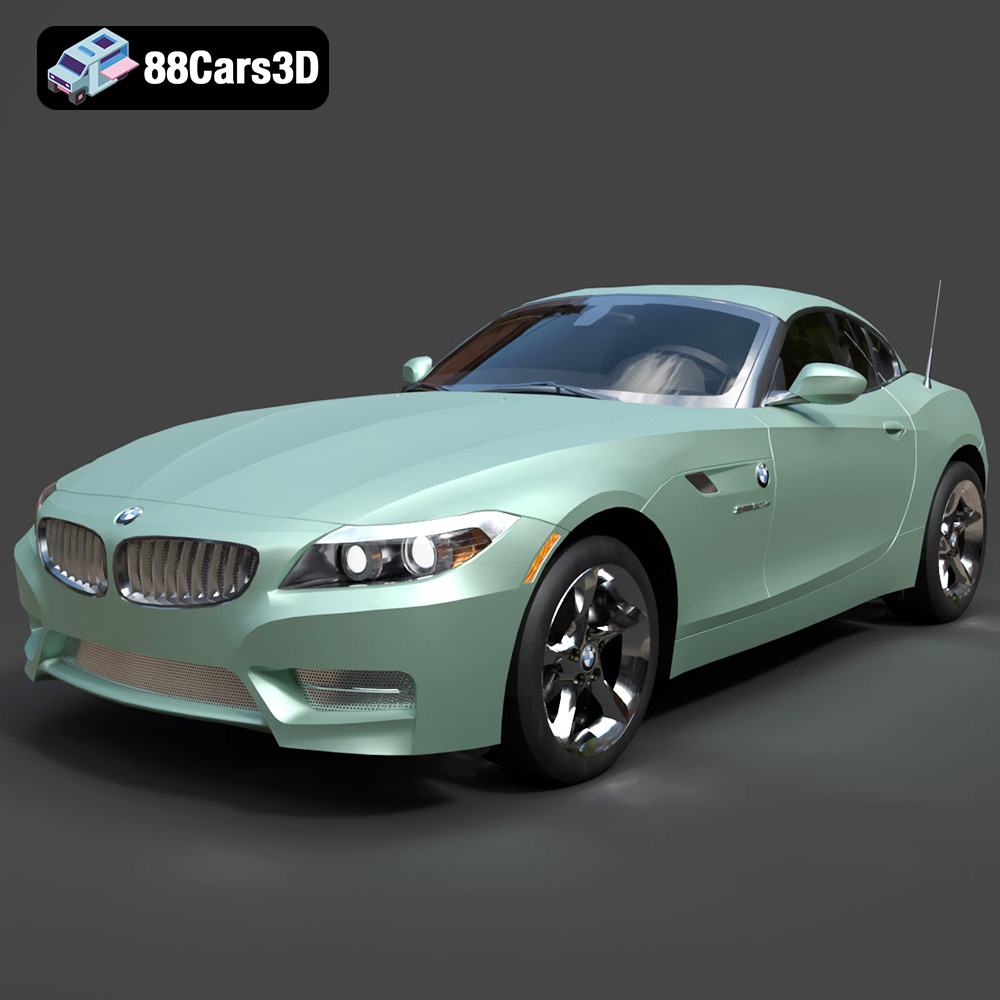
Download the BMW Z4 Roadster E89 3D Model featuring clean geometry, realistic detailing, and a fully modeled interior. Includes .blend, .fbx, .obj, .glb, .stl, .ply, .unreal, and .max formats for rendering, simulation, and game development.
Price: $13.99

BMW Z4 E85 2005 3D Model
Texture: Yes
Material: Yes
Download the BMW Z4 E85 3D Model featuring clean geometry, realistic detailing, and a fully modeled interior. Includes .blend, .fbx, .obj, .glb, .stl, .ply, .unreal, and .max formats for rendering, simulation, and game development.
Price: $13.99

BMW M3 2024 3D Model
Texture: Yes
Material: Yes
Download the BMW M3 2024 3D Model featuring clean geometry, realistic detailing, and a fully modeled interior. Includes .blend, .fbx, .obj, .glb, .stl, .ply, .unreal, and .max formats for rendering, simulation, and game development.
Price: $13.99
BMW 850i Coupe 1990 3D Model
Texture: Yes
Material: Yes
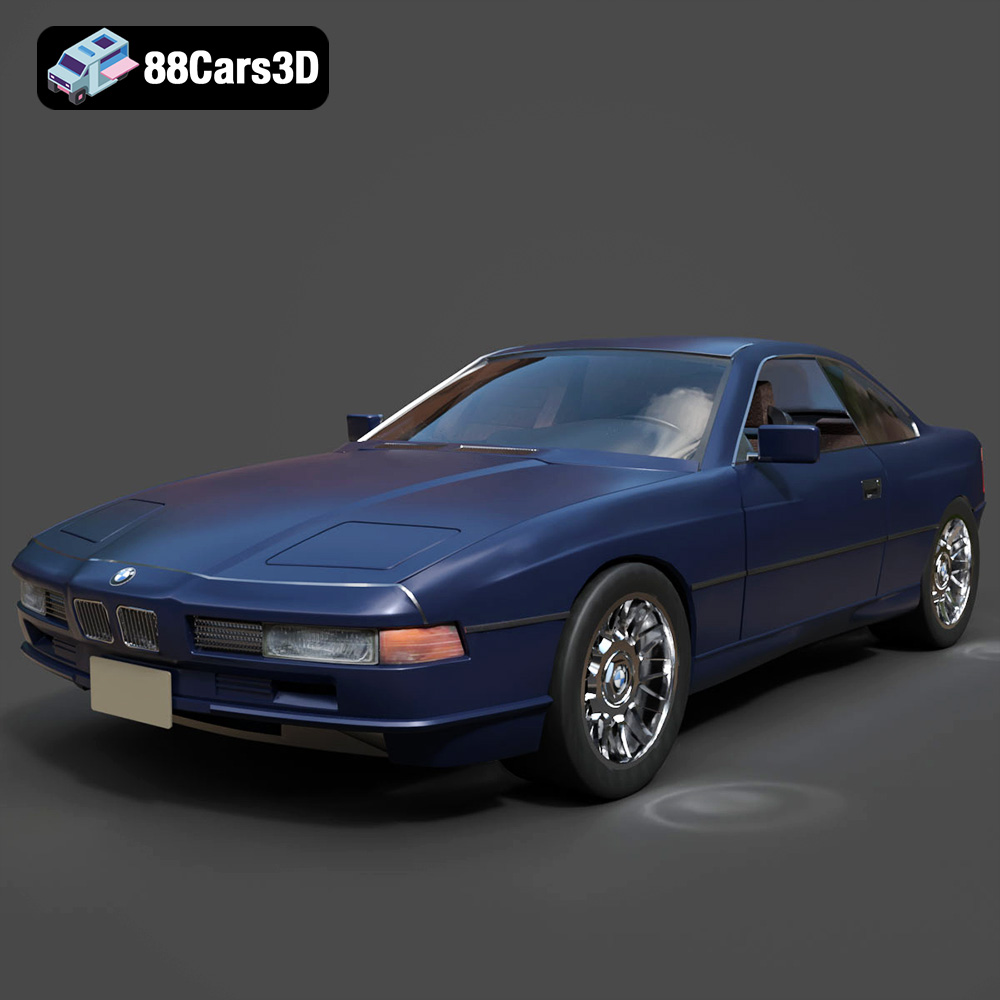
Download the BMW 850i Coupe 1990 3D Model featuring clean geometry, realistic detailing, and a fully modeled interior. Includes .blend, .fbx, .obj, .glb, .stl, .ply, .unreal, and .max formats for rendering, simulation, and game development.
Price: $13.99
BMW 525i E34 1993 3D Model
Texture: Yes
Material: Yes
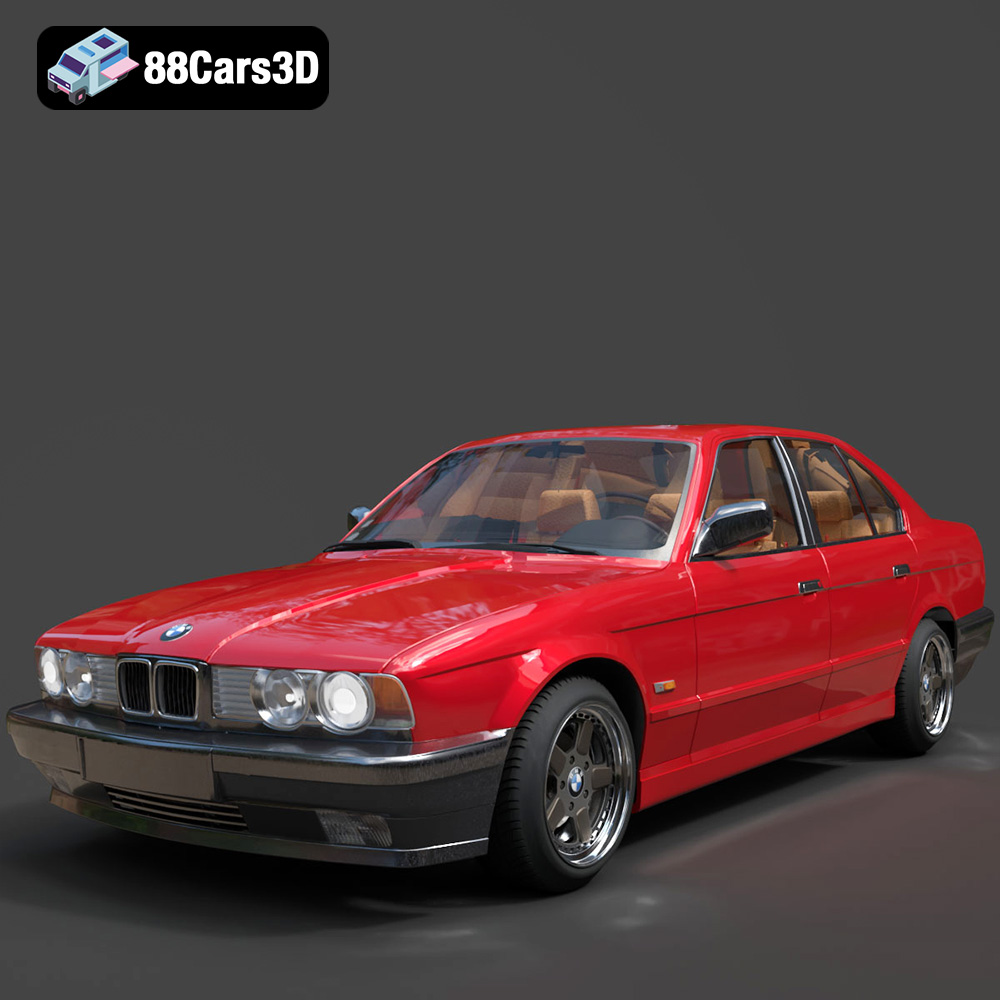
Download the BMW 525i E34 1993 3D Model featuring clean geometry, realistic detailing, and a fully modeled interior. Includes .blend, .fbx, .obj, .glb, .stl, .ply, .unreal, and .max formats for rendering, simulation, and game development.
Price: $12.99

BMW 7 Series 2016 3D Model
Texture: Yes
Material: Yes
Download the BMW 7 Series 2016 3D Model featuring luxurious design, detailed interior, and accurate exterior. Includes .blend, .fbx, .obj, .glb, .stl, .ply, .unreal, and .max formats for rendering, simulation, and game development.
Price: $10.79
BMW 7 Series 30th Anniversary 3D Model
Texture: Yes
Material: Yes
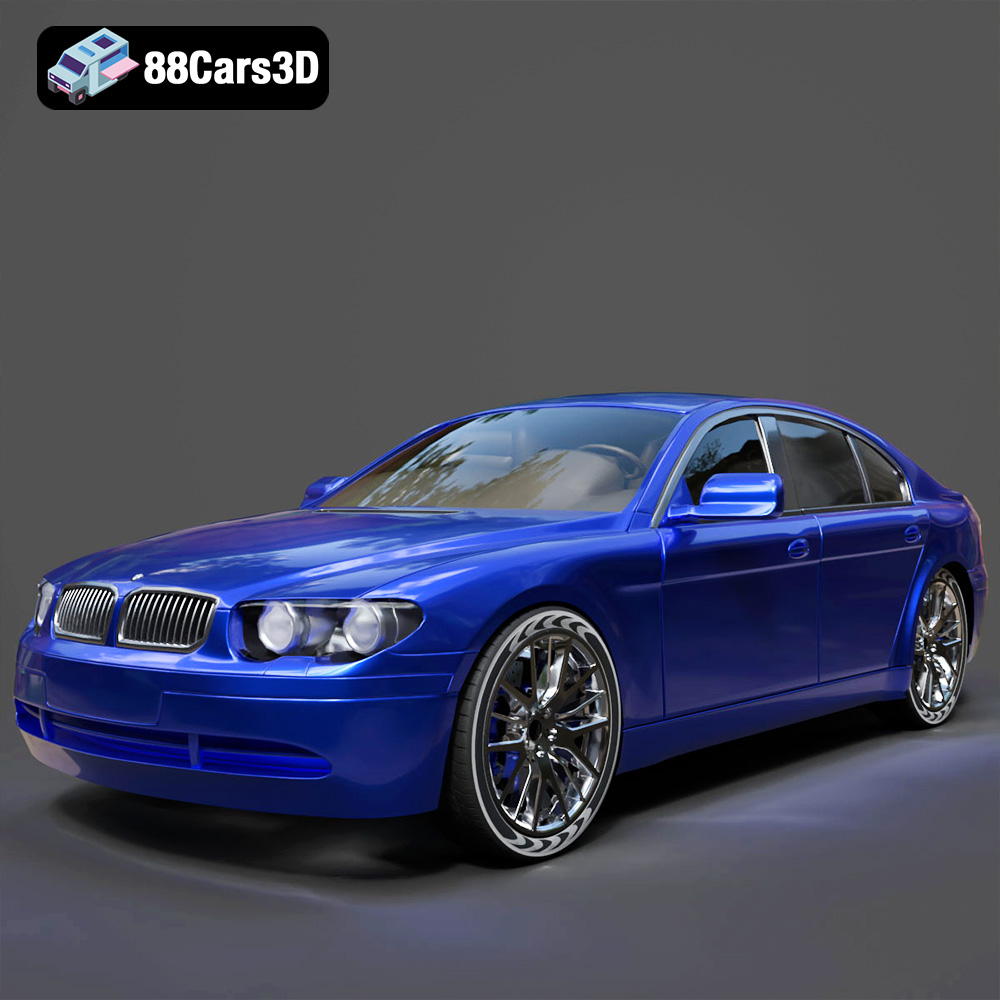
Download the BMW 7 Series 30th Anniversary 3D Model featuring a meticulously crafted exterior, detailed interior, and realistic wheels. Includes .blend, .fbx, .obj, .glb, .stl, .ply, .unreal, and .max formats for rendering, simulation, and game development.
Price: $35.79

BMW 7-Series F02 3D Model
Texture: Yes
Material: Yes
Download the BMW 7-Series F02 3D Model featuring a detailed exterior and interior, optimized for rendering and animation. Includes .blend, .fbx, .obj, .glb, .stl, .ply, .unreal, and .max formats for rendering, simulation, and game development.
Price: $10.79
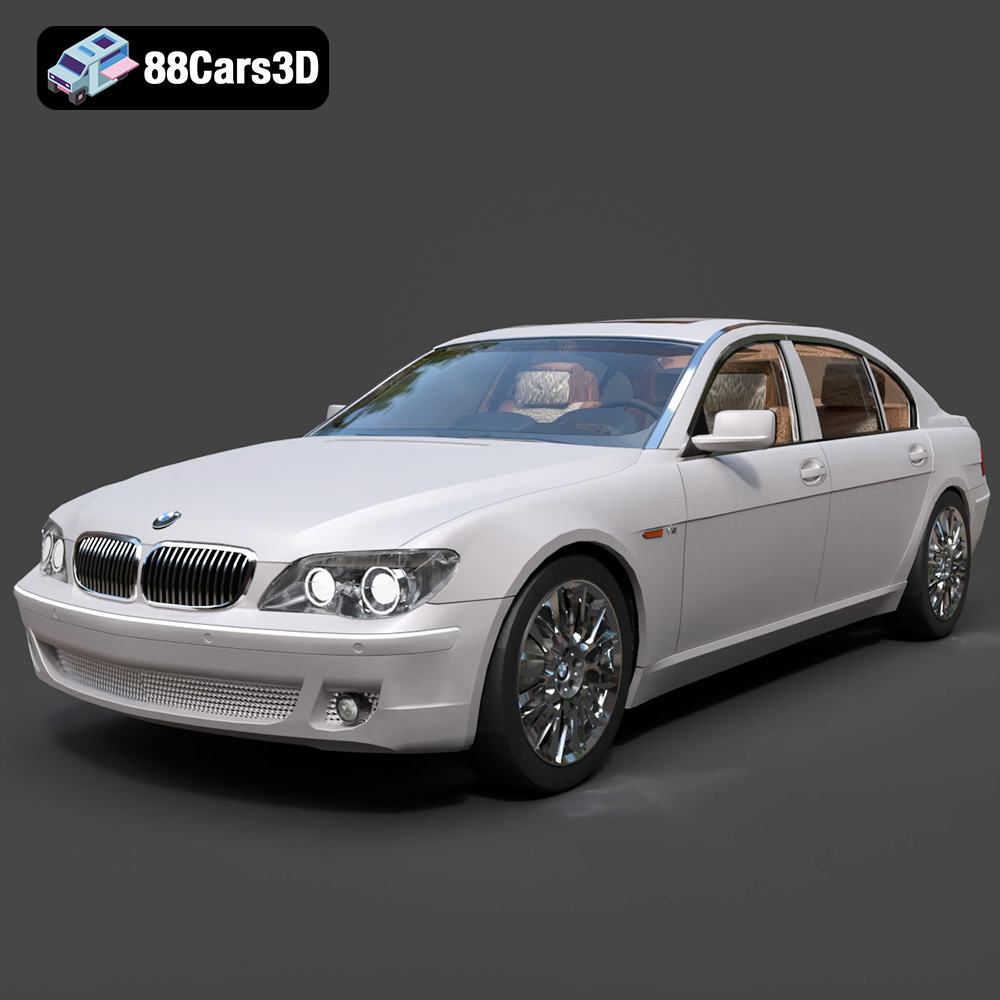
BMW 760Li E66 2005 3D Model
Texture: Yes
Material: Yes
Download the BMW 760Li E66 2005 3D Model featuring a detailed exterior, refined interior, and robust chassis. Includes .blend, .fbx, .obj, .glb, .stl, .ply, .unreal, and .max formats for rendering, simulation, and game development.
Price: $10.79
